• Skip to main content
  • Skip to header right navigation
  • Skip to after header navigation
  • Skip to site footer
MyZA

MyZA

News, Directory, Events and Other Stuff

  • Social Media
  • Sport
  • World News
  • Home
  • Submit News
  • Directory
  • Events
  • Stratlec
  • TFSA
  • News
    • APO
    • Today’s Sport News
    • Todays Social Media and Tech Headlines
    • Today’s World News
    • Today’s SA Financial News
  • Contact
You are here: Home / Archives for critical

critical

30 May 2025

Emfuleni’s Unfunded Budget Has Far-Reaching Consequences

Location: News

On Thursday, the Emfuleni Local Municipality (Evaton, Sebokeng, Vaal Oewer, Vanderbijlpark and Vereeniging) approved its seventh unfunded draft budget for the 2025/26 financial year, which will have far-reaching consequences for residents. This unfunded budget means projected expenditure will exceed expected revenue, potentially hampering service delivery and causing further financial instability. The draft budget highlights the […]

The post Emfuleni’s unfunded budget has far-reaching consequences appeared first on Freedom Front Plus.

Read moreEmfuleni’s Unfunded Budget Has Far-Reaching Consequences
30 May 2025

George Coalition: Chantelle Will Not Be Silenced

Location: News

GOOD Statement by Chantelle Kyd,GOOD George Councillor 30 May 2025 I have formally tendered my resignation as the Member of the Mayoral Committee (MMC) for Planning and Development in the George Municipality. This decision did not come easily. I have served with dedication and integrity, motivated by a commitment to public service and the urgent […]

The post GEORGE COALITION: I WILL NOT BE SILENCED appeared first on For Good.

Read moreGeorge Coalition: Chantelle Will Not Be Silenced
29 May 2025

Tshwane Budget: From Deficit to Delivery

Location: News

GOOD Speech by Sarah Mabotsa ,GOOD City of Tshwane Councillor and MMC for Economic Development and Spatial Planning 29 May 2025 *Note to editor: This speech was delivered by GOOD Tshwane Councillor and MMC for Economic Development and Spatial Planning, Sarah Mabotsa, during today’s Budget Debat e. The GOOD party is proud to be able […]

The post TSHWANE BUDGET: FROM DEFICIT TO DELIVERY appeared first on For Good.

Read moreTshwane Budget: From Deficit to Delivery
28 May 2025

CSA Reaffirms Commitment To Breast Cancer Awareness Through CMJAH

Location: Sport

JOHANNESBURG: The Pink ODI Fund’s support towards Breast Cancer related programmes was on display for all to see when Cricket...

Read moreCSA Reaffirms Commitment To Breast Cancer Awareness Through CMJAH
27 May 2025

Good Party Supports Precautionary Suspension of Senior Municipal Managers

Location: News

GOOD Statement by Rosa Louw,GOOD George Municipality Councillor 27 May 2025 The GOOD Party supports the precautionary suspension of Monde Stratu, the Garden Route District Municipality’s (GRDM) municipal manager, and John Daniels, head of GRDM’s roads department, as resolved at today’s Special Council Meeting.  The suspensions follow serious allegations of misconduct linked to the Roads Agency Function […]

The post GARDEN ROUTE DISTRICT MUNICIPALITY: GOOD PARTY SUPPORTS PRECAUTIONARY SUSPENSION OF SENIOR MUNICIPAL MANAGERS appeared first on For Good.

Read moreGood Party Supports Precautionary Suspension of Senior Municipal Managers
26 May 2025

Why Industry Leaders Are Choosing African Mining Week 2025

Location: News

Energy Capital & Power
Download logo

As global demand for critical minerals accelerates, Africa's mineral-rich economies are stepping into a more prominent role – not only as exporters of raw materials, but as strategic partners in global supply chains. African Mining Week (AMW) 2025, taking place in Cape Town on October 1-3, is emerging as a key platform for policymakers, mining companies, financiers and service providers to connect, negotiate and shape the future of the continent's mining sector.

AMW 2025's will prioritize high-level networking, dealmaking and investor matchmaking. At a time when governments are under pressure to present investable projects, this approach ensures that time on the ground translates into meaningful engagement and tangible progress.

Targeted Engagement Drives Attendance

AMW's agenda is designed to support strategic engagement through exclusive country briefings, curated investor meetings and deal rooms that connect government and private sector actors directly. Its co-location with African Energy Week 2025: Invest in African Energies further enhances the event's appeal, creating opportunities for cross-sector dialogue on infrastructure, energy access and mineral beneficiation.

This targeted approach is attracting a wide range of public and private sector delegations. Among confirmed participants is the South Africa–DRC Chamber of Commerce, which will be supporting the participation of companies operating across two of Africa's largest and most influential mining jurisdictions. South Africa's mining industry continues to play a central role in global platinum group metals production and is seeing new interest in battery minerals and green hydrogen, with institutions like the Industrial Development Corporation set to participate in sessions on financing mining and industrialization projects across the continent. The DRC, meanwhile, remains critical to global cobalt and copper supply chains, with significant interest in expanding downstream processing.

Government Participation Signals Project Pipelines

Several African governments are attending with the express purpose of promoting new investment opportunities. Chad's Ministry of Petroleum and Energy is expected to highlight emerging opportunities in mining and infrastructure development as part of ongoing efforts to attract investment in its extractive sector. From Angola, national oil company Sonangol is participating as part of a broader push to diversify its portfolio beyond oil and gas. The Angolan government is prioritizing the development of its diamond, iron ore and battery mineral resources, and Sonangol's involvement reflects the country's intention to drive resource-linked industrial development.

International participation is also strong. Organizations such as World Mining Investment and delegations from the Gulf, Europe and Asia are attending to assess African markets amid growing interest in diversifying supply chains and securing long-term access to key minerals.

Aligning Investment with Industrial Development

With global exploration spending in Africa projected to rise – particularly in copper, lithium and rare earth elements – many countries are not only positioning themselves as resource suppliers, but as hosts for beneficiation and value-added processing. Discussions at AMW will explore policy incentives, infrastructure corridors and cross-border industrial zones that can help support this ambition.

As African governments seek to coordinate on regional value chains, improve regulatory coherence and share infrastructure, platforms like AMW play an important role in facilitating dialogue and action. By convening stakeholders across government, industry and finance, the event is helping to reshape how mining investment is pursued on the continent – shifting from transactional approaches to more strategic, collaborative models that align with Africa's broader development goals.

Distributed by APO Group on behalf of Energy Capital & Power.

About African Mining Week:
African Mining Week serves as a premier platform for exploring the full spectrum of mining opportunities across Africa. The event is held alongside the African Energy Week: Invest in African Energies 2025 conference from October 1-3 in Cape Town. Sponsors, exhibitors and delegates can learn more by contacting sales@energycapitalpower.com.

Read moreWhy Industry Leaders Are Choosing African Mining Week 2025
24 May 2025

Tanzania’s New Foreign Policy Reaffirms Pan-African Leadership and Vision

Location: News
Tanzania Ministry of Foreign Affairs and East African Cooperation

In a landmark diplomatic step, Tanzania has launched a revised National Foreign Policy that reinforces the country's leadership in African diplomacy. The updated policy embraces Pan-African values, supports the African Continental Free Trade Area (AfCFTA), and advances regional peace, integration, and sustainable development. 

The launch event, held at the Julius Nyerere International Convention Centre (JNICC) in Dar es Salaam, was officiated by H.E. Dr. Samia Suluhu Hassan, President of the United Republic of Tanzania. It was also attended by Dr. Hussein Ali Mwinyi, President of Zanzibar and Chairman of the Revolutionary Council, members of the Diplomatic Corps, senior government leaders, and private sector representatives. 

Rooted in the vision of Mwalimu Julius Nyerere, Tanzania has historically championed unity, liberation, and non-alignment in African diplomacy. Under Nyerere's leadership, Tanzania became a moral compass for the continent and a founding member of the Organization of African Unity (OAU). 

“This policy speaks on who we are as a nation—firm in our values, proactive in our diplomacy, and committed to constructive partnerships that advance peace, security, and shared prosperity,” President Samia said during the event. 

The new policy reflects this legacy while responding to contemporary priorities like trade, migration, regional infrastructure, climate action, and digital transformation. It aims to deepen Tanzania's engagement with continental bodies like the AU, SADC, and EAC while emphasizing Kiswahili as a tool for regional integration. 

President Samia noted that the revised policy was shaped through a broad-based participatory process involving Tanzanians from all walks of life. “It was high time we revised the policy to cope with global shifts in various spheres,” she said, citing the global scramble for strategic minerals and trade disruptions caused by ongoing conflicts as key motivators. 

A core feature of the updated framework includes economic diplomacy and the creation of a Special Status for Tanzanians in the diaspora. The policy promotes legal reforms that would allow non-citizen Tanzanians abroad to own land, register businesses, and invest back home. 

To strengthen implementation, President Samia called on the Ministry of Foreign Affairs and East African Cooperation to engage retired diplomats in training current officials, ensuring that Tanzania's envoys are equipped to promote national interests globally. 

President Mwinyi welcomed the revised policy as a catalyst for unlocking social, economic, and political potential. “Tanzania continues to position itself globally, and the revised policy aligns with evolving global needs,” he said. 

He urged the Ministry to encourage more countries to open consulates in Zanzibar and called on all Tanzanians to embrace and defend national interests through the policy. “This policy will benefit both Tanzania Mainland and Zanzibar,” he emphasized. 

President Samia's regional outreach began early in her presidency. In April 2021, she visited Uganda, where she and President Yoweri Museveni signed the Final Investment Decision for the $10 billion East African Crude Oil Pipeline (EACOP). 

In May 2021, her visit to Kenya revitalized bilateral ties, followed by trips to Burundi, Mozambique, Rwanda, Zambia, and Egypt, resulting in cooperation on trade, energy, security, and innovation. 

At the June 2021 SADC Summit in Mozambique, Tanzania reaffirmed its commitment to regional peace by supporting the fight against insurgency in Cabo Delgado. In Ghana, she received the Africa Road Builders–Babacar Ndiaye Trophy for leadership in infrastructure development. 

In Senegal, during the IDA20 Summit, and at COP27 in Egypt, she positioned Tanzania as a leader in climate resilience, presenting an $18 billion renewable energy plan. 

From 2023 to 2025, she maintained strong continental engagement through AU summits, the BRICS Summit in South Africa, and diplomatic visits to Malawi, Zambia, South Africa, and Morocco. 

A key milestone in Tanzania's growing international stature was the invitation to the Lobito Corridor Development Project high-level meeting in Angola—part of the G7's Global Infrastructure Initiative. Although Tanzania was not originally a member of the project, its geographic and strategic relevance was recognized as critical to the corridor's success. 

In February 2024, President Samia unveiled a statue of Mwalimu Nyerere at the AU Headquarters in Ethiopia—a symbolic act that underscored Tanzania's foundational role in the Pan-African movement. 

As Chair of the SADC Organ, she presided over the 2024 Troika Summit in Zimbabwe, advancing peace and security initiatives and supporting Raila Odinga's candidacy for AU Commission leadership. 

On May 18, 2025, Professor Mohamed Yakub Janabi was elected as the next Regional Director of the WHO African Region, a milestone widely credited to Tanzania's rising diplomatic influence. His nomination followed the untimely death of Dr. Faustine Ndugulile in 2024. Janabi's appointment will be formalized by the WHO Executive Board later this month. 

According to Ambassador Mahmoud Thabit Kombo, the revised policy focuses on ten strategic pillars: 

  1. Economic Diplomacy 
  2. Peace, Security, and Stability 
  3. Ratification and Implementation of International Treaties 
  4. Participation in Regional and Global Bodies 
  5. Promotion of Kiswahili as a Diplomatic Tool 
  6. International Resource Mobilization 
  7. Blue Economy Development 
  8. Diaspora Engagement 
  9. Human Rights and Good Governance 
  10. Environmental Protection and Climate Leadership 

This updated policy reflects Tanzania's commitment to Pan-African unity while embracing innovation, inclusion, and global partnership. It sets the stage for the next chapter in Tanzania's regional leadership and sustainable development. 

Distributed by APO Group on behalf of Tanzania Ministry of Foreign Affairs and East African Cooperation.

Media files
Tanzania Ministry of Foreign Affairs and East African Cooperation
Download logo
Read moreTanzania’s New Foreign Policy Reaffirms Pan-African Leadership and Vision
22 May 2025

Africa’s Energy Future: Now!

Location: News
EnergyNet Ltd.

Powering AI data centres, accelerating large-scale solar projects and leading the global energy transition are just three of the critical topics up for debate at next month's Africa Energy Forum (aef), kicking off for the first time in Cape Town, South Africa, 17–20 June 2025. Forum sponsor Sun Africa returns for the third consecutive year, a testament to its sustained commitment to powering Africa's clean energy future. 

For a full programme and to join the debate, visit: https://apo-opa.co/4k7ngcj​ 

Under the theme of ‘Africa United', and featuring hundreds of ministers, policymakers and executives from nations across the continent, the aef will spotlight the continent's expanding ambition and the urgent drive to reshape its own energy future. 

With South Africa now chairing the G20, the continent will gain a pivotal voice in global decision-making, making aef 2025 the launchpad for a bold message to the world: Africa knows what it needs, and it's ready to lead. 

This year's aef will welcome a significant number of new companies participating for the first time, expanding the community of innovators and investors at the event. It will also host delegations from 33 countries, comprising head of state, ministers, regulators, and other public sector leaders from across the continent. 

Confirmed speakers include the President of Ghana, John Dramani Mahama, South Africa's Minister of Electricity & Energy, Dr. Kgosientsho Ramokgopa, Nigeria's Minister of Power, Adebayo Adelabu and Noureddine Yassaa, Algeria's Secretary of State for Renewable Energies. 

The high-level line-up also features the current Senegalese candidate for the Presidency of the African Development Bank, Amadou Hott, plus senior ministers and policy makers from Liberia, Ghana, Malawi, Zambia, Guinea-Bissau, Zimbabwe, Ethiopia and Madagascar. 

This year's aef will focus on how the private sector can help move from ambition to implementation on Mission 300, connecting power to 300 million people by 2030. And, as demand surges from commercial and industrial sectors, the aef will also unpack the infrastructure, investment, and regulatory models needed to keep pace.  

Grounded in Ubuntu, the African philosophy of shared humanity, the event will call for a global energy transition that is cooperative, equitable, and Africa-led. 

“Something urgent has to be achieved as we simply cannot have another 10 woeful years of investment into projects. No more [time] can pass with one side saying we “we need guarantees” and the other side saying, “we can't afford guarantees.” Time is THE DETERMINING FACTOR holding energy access back and this needs to change. Now is the time for Africa to unite behind common goals and common infrastructure!” Simon Gosling, Managing Director, EnergyNet 
 
“The future of African power infrastructure starts with Sun Africa, and the conversation about Africa's energy future continues at the Africa Energy Forum. We are proud to be the Forum Sponsor of an event that will unite visionaries and unite people from across the continent.” – Adam Cortese, CEO, Sun Africa. 

Bringing together community and sport, the 2025 edition of eaf also features the Africa Challenge Cup, a special evening of football at Cape Town's iconic DHL Stadium. Four teams will face off in friendly matches under the floodlights, offering a chance for delegates, partners, and peers to connect in a spirited, relaxed setting alongside friends and family. 

The Youth Energy Summit (YES!), held in parallel with aef, is expected to welcome more than 4,000 participants, making it one of the largest gatherings focused on youth engagement in the African energy sector. Many companies are supporting the initiative not just as sponsors, but as active partners in youth participation across the continent. These include the DBSA, Nedbank, Pele Green Energy, Seriti Green, Siemens Energy, Genesis, and others from the energy and mining sectors. 

Distributed by APO Group on behalf of EnergyNet Ltd..

Notes:
The main sponsors at this year's aef include Sun Africa, AKSA, Red Rocket, Globeleq, Nedbank and the World Bank. See https://apo-opa.co/3ZrUw5E

Lead sponsors at this year's aef include the Africa Development Bank, AMEA Power, the British International Investment, BCG, EDF, Engie, the European Investment Bank, GE Vernova, Infinity Power, Standard Bank, Synergy Consulting and TotalEnergies. See https://apo-opa.co/3ZrUw5E 

For media inquiries and registration please email : 
Poliana Sperandio: poliana@energynet.co.ke   
Sylvia Gaita: sylvia.gaita@apo-opa.com 

About the Africa Energy Forum (aef):
The Africa Energy Forum (aef) is taking place in the Cape Town International Convention Centre, South Africa, 17-20 June 2025. 

The event is the continent's leading platform for energy sector stakeholders to collaborate, invest, and accelerate progress. In its 27th year, the aef brings together governments, developers, investors, and innovators to drive real-world solutions in energy access and sustainability.  

See https://www.Africa-Energy-Forum.com/ 

Media files
EnergyNet Ltd.
Download logo
Read moreAfrica’s Energy Future: Now!
22 May 2025

Africa Energy Technology Conference Provides a Platform for Fostering Innovation

Location: Business
African Energy Chamber

The African Energy Chamber (AEC) (www.EnergyChamber.org) – representing the voice of the African energy sector – offers its full support and endorsement of the upcoming Africa Energy Technology (AET) conference, recognizing the role the event plays as a platform for fostering innovation and technology in Africa. Taking place May 27-29, 2025, in Accra, Ghana, the event unites government representatives, policymakers and energy technology leaders to discuss financing and technology opportunities in Africa.  

AET 2025 takes place under the theme: Innovate, Invest, Implement: Revolutionized Financing for Sustainable Energy Sector Growth in Africa, highlighting the need to scale-up spending across the continent. Key topics that will be explored include innovation in technology, attracting diverse investment through new financial mechanisms and ensuring effective implementation of energy projects. Striving to address Africa's most pressing energy challenges – including access to energy and financing – the event is expected to position the continent at the forefront of global energy discussions.  

Africa is at a critical juncture in its energy development as it strives to advance large-scale energy projects while reducing carbon emissions. With over 600 million people living without access to electricity and 900 million people living without access to clean cooking solutions, countries across the continent are advocating for greater investment across the energy value chain, with the aim of accelerating oil, gas and renewable energy projects. Concurrently, the continent has committed to reducing greenhouse gas emissions to mitigate climate change impacts, given that Africa faces the worst impacts of the climate crisis worldwide. It is within this juncture that the need to fast-track technology adoption and enhance innovation becomes clear.  

Africa's unique energy challenges can be addressed through the rapid roll-out of various energy sources, and progress is already being made to achieve this. Africa's biggest oil producers seek to increase oil production, with Angola planning to sustain output above one million barrels per day (bpd), Nigeria targeting 2.5 million bpd while Libya strives for 2 million bpd. In tandem, gas-rich nations across the continent aim to increase LNG output. The Republic of Congo targets 3 million tons per annum (mtpa) with the start of Congo LNG phase two in 2025; Mozambique is advancing its Rovuma Basin projects; while Senegal and Mauritania eye 5 mtpa at the Greater Tortue Ahmeyim project, following first production in 2024.  

Meanwhile, countries are advancing their clean energy portfolios, with projects in nuclear energy and green hydrogen taking shape. Upcoming green hydrogen projects include the 2,100 kilo-ton-per-annum (ktpa) ACME Group Sokhna project in Egypt (2030); the 1,200 ktpa Project Nour in Mauritania; the 900 ktpa AMAN project in Morocco, among others. In the nuclear sector, over 15 GW of operational capacity is targeted across the continent by 2035. South Africa is expanding production capacity, Egypt is developing its first facility – comprised of four reactors – while over 10 countries are looking at embracing nuclear technology. To make energy poverty history by 2030, the continent will need all of these energy sources.  

The AET 2025 conference steps into this picture to foster collaboration across the entire energy value chain in Africa. The event underscores the need for an integrated and diverse energy mix, with technology driving energy efficiency and sustainability. By leveraging innovation, the event emphasizes the value of groundbreaking technology and innovative investments.  

“As the continent strives to unlock the full potential of its oil, gas and energy resources, greater technology deployment will be critical. AET is expected to not only revolutionize the African energy landscape by identifying key financing and technology opportunities, but to foster greater collaboration across the sector by bringing together key energy stakeholders,” stated NJ Ayuk, Executive Chairman of the AEC.  

Visit https://AETConference.com/tickets/ to register

Distributed by APO Group on behalf of African Energy Chamber.

Media files
African Energy Chamber
Download logo
Read moreAfrica Energy Technology Conference Provides a Platform for Fostering Innovation
21 May 2025

African Development Bank’s Adesina Warns of Economic Shockwaves from U.S. Tariffs, Calls for Strategic Global Engagement

Location: Business
African Development Bank Group (AfDB)

As the United States imposes higher tariffs with global ramifications, African Development Bank Group (www.AfDB.org) President Dr. Akinwumi Adesina has warned that these measures could trigger significant economic disruptions across Africa, affecting numerous nations and accelerating a strategic shift in global partnerships. 

In an exclusive interview with CNN's Christiane Amanpour, Dr Adesina revealed that 47 of Africa's 54 countries will be impacted directly by the new U.S. trade policies, with potential declines in export revenues and foreign exchange reserves. 

“When those currencies weaken, two things will happen: first, you will find that most of these countries are import-dependent. So, you're going to find that high inflation becomes a problem,” said Adesina. “And secondly, you find that the cost of actually servicing a lot of their debt, which is foreign currency debt, but in local currencies, is going to get worse.” 

Almost all African countries have been hit by higher tariffs announced by the Trump administration, with at least 22 nations facing up to a whopping 50 percent for almost all their products. Among the hardest hit countries are Lesotho, Madagascar, Mauritius, Botswana, Angola, Algeria, and South Africa. 

The impacts of these higher tariffs are further exacerbated by significant cuts to USAID programs, which have already begun affecting access to essential medical supplies and humanitarian services in many countries, raising serious concerns about the future trajectory of U.S.-Africa relations. 

Africa's Strategic Response 

Despite the challenges, Adesina emphasized that Africa cannot afford a trade confrontation with the United States, noting that the continent accounts for only 1.2 percent (approximately $34 billion) of America's global trade—with a trade surplus of just $7.2 billion. 

Instead, he proposed a pragmatic three-point strategy for the continent: Engage the U.S. through flexible and constructive trade negotiations, diversify export markets to reduce dependency on any single partner, and accelerate the African Continental Free Trade Area implementation to unlock the potential $3.4 trillion market. 

He stressed the need to expand Africa's domestic market and boost domestic savings to develop consumption as a bigger share of its GDP, leveraging its massive population growth. More importantly, the continent must take advantage of the increasing external interest in its natural resources, such as cobalt and lithium, to negotiate a better trade and investment deal. 

Addressing speculation that Africa may shift more decisively toward China in response to the higher U.S. tariffs, Adesina dismissed any notion of binary alignment. “U.S is a key ally of Africa—and so is China,” he stated. “Africa is building bridges, not isolating itself.” 

He stressed that Africa seeks balanced, transparent, and mutually beneficial partnerships with all major global players, including the U.S., China, the European Union, and the Gulf states. “I think at the end of the day, we want to make sure that whatever deals that are being done with Africa are transparent, fair, equitable, and led by Africa and in Africa's interests,” Adesina reiterated. 

Beyond Aid: Driving Africa's Self-Reliance 

Dr. Adesina, who concludes his second and final term as president of the Bank in September, firmly rejected the long-standing paradigm of foreign aid dependency. “The era of aid as we've known it is completely gone,” he declared, calling instead for bold investments in domestic resource mobilization, infrastructure, and value-added industrialization. 

He said aid must be turned into concessional financing to allow multilateral financial institutions like the African Development Bank to do more for the continent by mobilizing more private capital to develop and derisk projects.  

While Africa represents nearly 20 percent of the global population and under three percent of global GDP, the Bank Group chief pointed to a resilient and transformative growth narrative: ten of the world's twenty fastest-growing economies are in Africa. 

He highlighted flagship initiatives under the African Development Bank's “High 5” agenda that have impacted more than 565 million people through investments in power, food security, industrialization, regional integration, and initiatives to improve the quality of life of the people of Africa. 

Over the past decade, the African Development Bank has invested more than $55 billion in infrastructure to bolster economic integration across Africa, alongside other critical investments to drive inclusive growth. It is by far the largest financier of infrastructure across Africa. 

Adesina also cited the great potential of the Mission 300 project, a joint initiative by the World Bank and the African Development Bank to connect 300 million people in Africa to electricity by 2030.  “Because without electricity, what can you do? You can't industrialize, you can't add value, you can't be competitive in the dark,” he said. 

He highlighted the achievements of the Africa Investment Forum, launched in 2018 by the Bank and eight other partners, saying it has since mobilized more than $225 billion in investment interest to the continent. The Forum is a multi-stakeholder, multi-disciplinary platform that advances projects to bankable stages, raises capital, and accelerates deals to financial closure. 

Adesina believes that despite its challenges, Africa is the largest greenfield investment destination in the world, and it remains “the investor's dream.” 

“We got hydropower. We have a massive youth population that can become the labor force of the world. Sixty-five percent of the arable land left in the world to feed almost 9.5 billion people by 2050 is in Africa, so what Africa does with it will determine the future of food in the world,” he affirmed. 

Distributed by APO Group on behalf of African Development Bank Group (AfDB).

Contact: 
Communication and External Relations Department 
media@afdb.org  

Media files
African Development Bank Group (AfDB)
Download logo
Read moreAfrican Development Bank’s Adesina Warns of Economic Shockwaves from U.S. Tariffs, Calls for Strategic Global Engagement
20 May 2025

TotalEnergies to Drill in 2026, Regulatory Reform Gains Momentum

Location: News
African Energy Chamber

TotalEnergies is preparing to begin offshore drilling in South Africa in 2026, pending final regulatory approvals, according to Mike Sangster, the company's SVP for Africa Exploration & Production. Speaking at the Invest in African Energy Forum in Paris, Sangster emphasized the company's ambition to expand its multi-energy strategy on the continent, with South Africa poised to play a central role in that vision.

The announcement coincides with significant legislative developments in South Africa's oil and gas sector. In April, the government published the draft regulations for the Upstream Petroleum Resources Development Act, inviting public comment and signaling a renewed commitment to reform. The regulations will outline the procedures for implementing the Act – approved in November but not yet in effect – ushering in a more modern, investor-oriented framework for hydrocarbon exploration and production.

Establishing a Fit-for-Purpose Framework

For years, the lack of a clear and sector-specific legal framework has impeded South Africa's ability to attract sustained exploration activity and unlock its offshore potential. The Upstream Petroleum Resources Development Act aims to rectify this by establishing transparent licensing systems, defining state and Black Economic Empowerment participation and clarifying production-sharing mechanisms.

Crucially, the Act seeks to create an enabling environment that balances investor interests with national development goals. It provides detailed guidance on the application and granting of exploration and production rights, introduces more predictable fiscal terms and offers mechanisms to manage environmental and social responsibilities. By aligning South Africa's regulatory framework with international best practices, the government is positioning the country to compete more effectively for operator capital, particularly as global exploration budgets become more selective and carbon-conscious.

Igniting Interest in the Orange Basin

South Africa's offshore acreage, particularly in the Orange Basin, has been gaining momentum on the back of transformational discoveries in neighboring Namibia. Within South African waters, the Brulpadda and Luiperd finds in Block 11B/12B remain the most commercially significant to date, estimated to hold more than 600 million barrels of oil equivalent. While TotalEnergies has since exited the block, citing internal portfolio shifts, the company's re-engagement with the broader South African market suggests continued belief in the basin's long-term potential.

Last August, TotalEnergies officially became operator of offshore exploration Block 3B/4B, positioned southeast and on trend with neighboring oil discoveries, including the company's Venus discovery in Namibia. The Orange Basin represents one of the last untapped frontiers capable of delivering large-scale oil and gas volumes. With a more supportive regulatory backdrop taking shape, South Africa is well-positioned to attract the kind of deepwater investment needed to de-risk its acreage and build out its domestic gas infrastructure — a critical step toward energy security and industrial growth.

Positioning South Africa for Investment at AEW 2025

As the government works to implement the Upstream Petroleum Resources Development Act, African Energy Week (AEW) 2025: Invest in African Energies in Cape Town offers a high-profile platform to promote the country's renewed upstream vision. AEW is expected to convene regulators, IOCs and service companies to discuss the commercial implications of the legislative overhaul and chart a path forward for exploration and development in South Africa.

“For companies like TotalEnergies – whose multi-energy strategy includes natural gas, renewables and decarbonized operations – a stable and transparent regulatory framework is key. Sangster's statement reflects growing confidence in South Africa's policy direction, and signals to the broader investor community that the country is preparing to welcome a new wave of responsible, large-scale investment,” says NJ Ayuk, Executive Chairman, African Energy Chamber.

AEW: Invest in African Energies is the platform of choice for project operators, financiers, technology providers and government, and has emerged as the official place to sign deals in African energy. Visit www.AECWeek.com for more information about this exciting event.

Distributed by APO Group on behalf of African Energy Chamber.

Media files
African Energy Chamber
Download logo
Read moreTotalEnergies to Drill in 2026, Regulatory Reform Gains Momentum
19 May 2025

Africa Data Centres Welcomes Gold Synergy’s Self-Cooling Rack Deployment at the CPT1 Facility in Cape Town

Location: Business
Africa Data Centres

Africa Data Centres (www.AfricaDataCentres.com), a business of Cassava Technologies, is pleased to announce the successful deployment of a self-cooling rack by Gold Synergy at its CPT1 facility in Cape Town. This installation represents a significant advancement in the evolution of high-density computing in Africa and supports Africa Data Centres' commitment to sustainable, efficient infrastructure solutions. 

The innovative self-cooling rack, commissioned in January 2025, is designed to meet the increasing demand for high-performance computing while minimising energy consumption. As the region experiences rising power and cooling challenges driven by artificial intelligence, big data, and enterprise workloads, self-contained cooling technologies like this offer a smart and scalable solution. 

Gold Synergy brings a wealth of expertise in advanced cooling solutions. The deployment at CPT1 demonstrates the viability of self-cooling racks in African conditions, setting the stage for broader collaboration in supporting regional ESG objectives. 

“Our collaboration with Gold Synergy introduces new efficiencies in high-density hosting,” said Adil El Youssefi, CEO of Africa Data Centres. “By integrating this cutting-edge cooling solution at CPT1, we are creating a model for how data centres in Africa can scale intelligently while remaining aligned with global sustainability targets. The success of this deployment positions both Africa Data Centres and Gold Synergy to expand CDU-based cooling technologies across the region, further supporting Africa's growing need for next-generation infrastructure.” 

“Our self-cooling rack solution is a game-changing approach for high-density computing environments,” said Fortune Utubor, Executive at Gold Synergy. “This deployment reflects our shared commitment to energy efficiency and operational excellence.” 

South Africa remains a strategic digital hub for the continent. With its reliable infrastructure, favourable location, and increasing demand for cloud and AI services, the country plays a pivotal role in the digital transformation of Africa. As enterprises move mission-critical applications closer to home, infrastructure capable of supporting such workloads efficiently becomes essential. 

The deployment not only increases the CPT1 facility's hosting capacity without requiring major infrastructure modifications, but it also reinforces Africa Data Centres' position as the continent's leading carrier-neutral data centre provider. The new solution helps reduce reliance on traditional cooling systems and contributes to operational cost savings for both clients and facility operators. 

Distributed by APO Group on behalf of Africa Data Centres.

ADC boilerplate :
Africa Data Centres owns and operates Africa's largest network of interconnected, carrier and cloud-neutral data centre facilities. Bringing international experts to the pan-African market, Africa Data Centres is a trusted partner for rapid and secure data centre services and interconnections across Africa. Strategically located in South, East and West Africa our world-class data centre facilities provide a home for all business-critical data for Africa's small, medium and large enterprises and global hyperscale customers. https://www.AfricaDataCentres.com  

Media files
Africa Data Centres
Download logo
Read moreAfrica Data Centres Welcomes Gold Synergy’s Self-Cooling Rack Deployment at the CPT1 Facility in Cape Town
18 May 2025

Funding skills training programmes critical for service delivery

Location: News

Funding skills training programmes critical for service delivery

The Deputy Minister of Water and Sanitation, Sello Seitlholo, has emphasised the importance of funding skills training programmes in the water sector to improve service delivery at municipal level.

“We must continue to make every effort to fund, support and incentivise such programmes to ensure that we harness the skills we need to improve the state of our municipalities,” Seitlholo said on Saturday.

The Deputy Minister was addressing the five-year celebration of the Young Engineers Changemakers Programme (YECP) organised by Water Research Commission (WRC) in partnership with the Department of Science, Innovation and Technology.

The YECP was launched five years ago to empower a new generation of municipal engineers in efforts to contribute to sustainable service delivery.

It also provides opportunities for young South African engineers to partake in testing potential innovative water and sanitation solutions in real world sites and to gain the necessary skills required to drive municipalities of the future which are sustainable, liveable and builds socio-technical infrastructure and services.

To date, 50 young engineers from 21 municipalities around the country have been trained over the last five years.

The Deputy Minister congratulated the young engineers and reminded them that their core purpose was to make a positive contribution in arresting the decline of engineering skills in the municipalities. 

“We meet here to celebrate both the milestone of this important programme as well as to take stock of its potential and future in helping us address the challenges which threaten to cripple our democracy. We cannot fix South Africa without fixing municipalities. 

“For us to fix municipalities, requisite skills and capacity should be taken into consideration and should be prioritised. It is for this reason that we should acknowledge the joint efforts by the WRC and Department of Science, Innovation and Technology to empower the engineers,” Seitlholo said.

He said a cause of failing infrastructure was a lack of capacity and skills in municipalities, particularly engineering skills. 

The Deputy Minister highlighted that municipal water and sanitation services are deteriorating, as it was revealed by the recent Green Drop, Blue Drop and No Drop assessment reports released by the Department of Water and Sanitation. 

Sixty four out of 144 Water Services Authorities (WSAs) scored ‘critical’ on average across their water supply systems and/or wastewater systems in the 2023 Blue Drop and 2022 Green Drop assessments. 

“This is a bleak sign that municipalities, constituting a majority of WSAs, are in crisis. If the state of governance in municipalities does not improve and we do not capacitate municipalities with skilled engineers and planners, we will face a crippling water crisis. And unlike with our electricity crisis, water is a resource that cannot be replaced,” he said.

The Deputy Minister said the YEPC was a positive initiative that will help turn things around as municipalities are in dire need of capacity and skills. 

He said the department and other sector role players will continue to provide targeted support to local government through various support and intervention programmes aimed at improving water services. - SAnews.gov.za


nosihle
Sun, 05/18/2025 - 13:12

161 views
Read moreFunding skills training programmes critical for service delivery
18 May 2025

Minister condemns killing of eight people in Umlazi

Location: News

Minister condemns killing of eight people in Umlazi

The Minister of Police, Senzo Mchunu, has strongly condemned the senseless and brutal killing of eight people - six men and two women - in Umlazi, KwaZulu-Natal on Friday evening. 

It is reported that the victims were indoors when an unknown number of suspects entered and opened fire, killing them at the scene.

“The attack which claimed the lives of innocent individuals is a horrific act of violence that has no place in our society. We condemn this heinous crime in the strongest possible terms. Such calculated and cold-blooded violence tears at the fabric of our communities.

“A dedicated team of investigators has been assigned to pursue every lead, gather critical evidence, and bring those behind this atrocity to book. We will not rest until those responsible face the consequences of their actions,” the Minister said on Saturday.

Police in KwaZulu-Natal have launched a manhunt for an unknown number of suspects.

“We call on members of the community to stand together with law enforcement during this time. If you have any information—no matter how small—that may assist in identifying or locating the perpetrators, we urge you to come forward,” the Minister said.

Members of the public can contact their nearest police station or call the Crime Stop number anonymously at 08600 10111. - SAnews.gov.za

nosihle
Sun, 05/18/2025 - 10:49

171 views
Read moreMinister condemns killing of eight people in Umlazi
18 May 2025

Minister Lamola arrives in France

Location: News

Minister Lamola arrives in France

International Relations and Cooperation Minister Ronald Lamola has arrived in France to co-chair the Ninth Forum for Political Dialogue alongside the Minister for Europe and Foreign Affairs of the French Republic, Jean-Noël Barrot.  

“This bilateral engagement will enable the two Ministers to review progress and discuss key issues of mutual interest, further strengthening the strategic partnership between South Africa and France,” the Ministry of International Relations and Cooperation said on Friday.

South Africa enjoys robust trade relations and significant investment flows with France, which remains one of its largest trading partners within the European Union. 

The two nations also collaborate strategically in critical areas such as education and skills development science, technology, arts, and culture, energy cooperation, health and defence. 

According to the Ministry, the forum will further provide an opportunity for the Ministers to exchange perspectives on pressing global and regional geopolitical developments, underscoring their shared commitment to multilateralism and a rules-based international order.  

“This dialogue reaffirms the enduring partnership between South Africa and France, rooted in mutual respect and a common vision for advancing peace, sustainable development, and innovation,” it said. - SAnews.gov.za

Neo
Fri, 05/16/2025 - 10:36

1003 views
Read moreMinister Lamola arrives in France
18 May 2025

South Africa clarifies position on Tanzanian banana imports

Location: News

South Africa clarifies position on Tanzanian banana imports

The Department of Agriculture has dismissed speculations regarding an alleged ban on the import of bananas from Tanzania into South Africa.

This follows recent media reports suggesting that Tanzanian authorities are considering banning South African agricultural imports, based on speculations that South Africa does not permit banana imports from Tanzania.

In a statement issued this week, the department stressed that there is a strong and cooperative relationship between the two countries regarding agricultural trade, and that South Africa has never imposed a ban on banana imports from Tanzania.

The department explained that the National Plant Protection Organisation of South Africa (NPPOZA), operating under the department’s authority, hase previously been working closely with its Tanzanian counterpart to negotiate market access for various plant and plant product commodities between the two nations.

“Tanzanian avocados have been exported to South Africa over the past four years and have a counter seasonal advantage to local produce, which closes the gap for local consumption. The two technical counterparts from both South Africa and Tanzania are currently in negotiations to facilitate market access to allow the safe trade of banana from Tanzania into South Africa,” the department said. 

According to the department, in February 2025, the department received an official market access application from Tanzania to export bananas to South Africa. This triggered the scientific pest risk analysis (PRA) process by NPPOZA, which is a mandatory step in determining phytosanitary import requirements to prevent the spread of harmful pests and diseases.

“The processes will be conducted in accordance with relevant phytosanitary regulatory frameworks and relevant standards of the International Plant Protection Convention (IPPC). It is mutually beneficial for both nations to allow the PRA process to proceed, so that scientifically justified phytosanitary import conditions can be developed, conditions which aim to safeguard biosecurity,” the department explained. 

The department highlighted the critical need to ensure biosecurity in agricultural trade, citing the example of Fusarium oxysporum f. sp. cubense Tropical Race 4 (TR4), the most destructive banana disease recorded in history, which poses a serious threat to the banana industry globally.

Once the envisaged PRA process has been concluded, the department said, a draft phytosanitary import requirements will be finalised and officially notify Tanzanian authorities. Only after both countries agree with the drafted phytosanitary import requirements, will the importation of bananas from Tanzania commence.

“As a requirement and in accordance with the World Trade Organisation (WTO) and IPPC’s international prescripts, when dealing with agricultural trade matters, parties officially notify each other in case there will be a ban or lifting of a ban of a particular imported produce, or product,” the department said. 

The department reiterated that South Africa has never issued any ban on Tanzanian banana imports, as market access had never been formally granted or denied. South Africa has never received any official notification or intent from Tanzanian authorities indicating a ban on South African exports. – SAnews.gov.za

GabiK
Fri, 05/16/2025 - 13:29

909 views
Read moreSouth Africa clarifies position on Tanzanian banana imports
16 May 2025

Ninth Meeting of the South Africa-France Forum for Political Dialogue

Location: News

Republic of South Africa: Department of International Relations and Cooperation
Download logo

The Minister of International Relations and Cooperation of the Republic of South Africa, Mr Ronald Lamola, has arrived in France to co-chair the Ninth Forum for Political Dialogue alongside the Minister for Europe and Foreign Affairs of the French Republic, Mr Jean-Noël Barrot.

This bilateral engagement will enable the two Ministers to review progress and discuss key issues of mutual interest, further strengthening the strategic partnership between South Africa and France.

South Africa enjoys robust trade relations and significant investment flows with France, which remains one of its largest trading partners within the European Union. The two nations also collaborate strategically in critical areas such as education and skills development science, technology, arts, and culture, energy cooperation, health and defence.

The Forum will further provide an opportunity for the Ministers to exchange perspectives on pressing global and regional geopolitical developments, underscoring their shared commitment to multilateralism and a rules-based international order.

This dialogue reaffirms the enduring partnership between South Africa and France, rooted in mutual respect and a common vision for advancing peace, sustainable development, and innovation.

Distributed by APO Group on behalf of Republic of South Africa: Department of International Relations and Cooperation.

Read moreNinth Meeting of the South Africa-France Forum for Political Dialogue
16 May 2025

Eswatini’s Minister of Natural Resources and Energy to Speak at AEW 2025

Location: Business
African Energy Chamber

Eswatini's efforts to scale up investment in its mining and renewable energy sectors will take center stage at African Energy Week (AEW): Invest in African Energies 2025, with the kingdom's Minister of Natural Resources and Energy Prince Lonkhokhela Dlamini confirmed to speak. Taking place from September 29 to October 3 in Cape Town, AEW: Invest in African Energies 2025 is the continent's premier energy event and will spotlight Eswatini's strategic initiatives to attract foreign investment in critical minerals, support energy independence and advance sustainable development.

Prince Dlamini's participation at AEW: Invest in African Energies 2025 reinforces Eswatini's commitment to leveraging strategic partnerships and international forums to attract capital and technology into both its mining and energy sectors. The kingdom recently celebrated a major milestone with the financial close and construction launch of the 13.5 MW Lower Maguduza Hydro Power Project, a public-private initiative that underscores Eswatini's drive to achieve greater energy independence and sustainability through renewables.

AEW: Invest in African Energies is the platform of choice for project operators, financiers, technology providers and government, and has emerged as the official place to sign deals in African energy. Visit www.AECWeek.com for more information about this exciting event.

Eswatini is also making significant progress toward universal energy access through the newly launched Accelerating Sustainable and Clean Energy Access Transformation (ASCENT) project. Backed by international financial institution the World Bank, this initiative aims to connect 50,000 new households – benefitting 200,000 people – to electricity using both on- and off-grid solutions, with a focus on underserved rural communities. Supported by over $100 million in concessional financing, the ASCENT project will enhance energy security, build institutional capacity and improve livelihoods, making Eswatini one of Africa's frontrunners in equitable and sustainable electrification.

In the mining sector, Eswatini is actively working to position itself as an emerging market for critical minerals, following the launch of the second phase of a national mineral mapping program in partnership with South Africa's Council for Geoscience in November 2023. Using AI-based geoscientific techniques, this initiative seeks to unlock the country's vast yet underexplored mineral wealth – ranging from gold and iron ore to a broader portfolio of high-demand critical minerals. As part of its outreach to global investors, Eswatini is creating an enabling environment for private sector participation in mineral exploration, production and job creation.

Stepping into this picture, Minister Dlamini's participation at AEW: Invest in African Energies 2025 aligns with the goals of Eswatini to open its doors to investors in both energy and mining. By sharing insights into investment opportunities, policy developments and major projects, Minister Dlamini will not only promote greater foreign spending in the kingdom, but position Eswatini as a top destination for energy and mining developers. 

“With strong regional partnerships and a focus on innovation, Eswatini is rapidly becoming a compelling destination for critical mineral exploration and clean energy investment,” states Tomás Gerbasio, VP Commercial and Strategic Engagement, African Energy Chamber.

Distributed by APO Group on behalf of African Energy Chamber.

Media files
African Energy Chamber
Download logo
Read moreEswatini’s Minister of Natural Resources and Energy to Speak at AEW 2025
14 May 2025

Igniting Africa’s Energy and Water Future – Just One Week to Go!

Location: Business
Vuka Group

The countdown is on! From 20-22 May 2025, the vibrant city of Cape Town will host Enlit Africa, the continent's most electrifying gathering of power, energy and water professionals. This is not just an event—it's a call to spark transformation, forge connections and power a sustainable future for Africa and beyond. With a dynamic programme bursting with innovation, inspiration and actionable insights, Enlit Africa is set to be the unmissable epicentre of Africa's energy and water revolution.

A powerhouse of vision and innovation

Enlit Africa 2025 is where the brightest minds, boldest ideas and cutting-edge technologies converge to shape the future of Africa's power, energy and water sectors. Held at the Cape Town International Convention Centre, this three-day extravaganza will bring together utilities, policymakers, innovators, investors and thought leaders from across the continent and the globe. Expect nothing less than a high-voltage experience, with over 200 expert speakers, thousands of attendees and a programme designed to ignite change and challenge the status quo

From the Keynote Stage, where global visionaries like Sabine Dall'Omo, CEO of Siemens South Africa and Bronwyn Williams, Futurist at Flux Trends, will set the tone for transformation, to the Strategise Stage, tackling critical topics like nuclear energy and regional interconnectors, Enlit Africa is a catalyst for progress. The Innovate Stage will showcase breakthroughs in smart grids and digitalisation, while the Power Hub dives deep into generation and distribution advancements, including the game-changing potential of Small Modular Reactors (SMRs) and green hydrogen.

Water Security Africa: A Vital Focus

Running alongside Enlit Africa, Water Security Africa will tackle one of the continent's most pressing challenges—sustainable water management. With sessions on desalination, smart metering and climate-resilient infrastructure, this dedicated track features trailblazers like Sean Phillips, Director General, Department of Water & Sanitation and Jay Bhagwan, Water Research Commission, who will share strategies to secure Africa's water future. Highlights include the Youth in Water Forum, spotlighting young innovators and a GreenCape-hosted workshop to scale water security initiatives.

Unparalleled networking and business opportunities

Enlit Africa is more than a conference—it's a networking powerhouse. Connect with peers, partners and pioneers at the Engage Networking Dinner (sponsored by Standard Bank) or the Networking Function (sponsored by Actom).

Dive into exclusive roundtables, masterclasses and the Projects & Investment Network, designed to turn ideas into bankable projects. For those looking to explore real-world innovation, site visits on 23 May to Robben Island, Western Cape Water facilities and more offer a front-row seat to Africa's energy and water infrastructure.

The Women in Energy programme on 21 May is a highlight, celebrating female leadership with the launch of Standard Bank's Future Females in Energy Initiative and powerful discussions on tackling gender-based violence (GBV) and fostering inclusive workplaces. With speakers like Candice Hartley, Chief People Officer at Eskom, this session is a call to action for equality and empowerment.

Why you can't miss Enlit Africa 2025

  • Premium networking: Forge partnerships with utilities, municipalities, developers and investors.
  • Expert insights: Hear from over 200 speakers, including Calib Cassim, CFO of Eskom and Monde Bala, Group Executive: Distribution, Eskom.
  • Practical learning: Masterclasses and workshops deliver hands-on knowledge from industry veterans.
  • Business opportunities: Explore the latest technologies and innovations in the expansive exhibition floor.
  • Career advancement: Stay ahead of trends in nuclear, renewables, smart grids and water management.
  • Inspiration: Engage with a community passionate about transforming Africa's energy and water landscape.

Programme highlights

  • 20 May: Kick off with keynotes from South Africa's Minister of Electricity and Energy, Kgosientsho Ramokgopa and a panel on technology's role in powering Africa's future.
  • 21 May: Dive into climate finance, nuclear energy's strategic role and regional interconnectors, with insights from Ryan Collyer, CEO of Rosatom Central and Southern Africa.
  • 22 May: Join the Energy & Infrastructure Skills Development Taskforce workshop to shape the workforce of tomorrow.

For water enthusiasts, Water Security Africa offers roundtables on projects like South Africa's National desalination initiative and discussions on municipal water delivery with leaders like Shyam Misra, Group MD of Siza Water.

Join the movement

With just two weeks to go, now is the time to secure your spot at Enlit Africa 2025. Choose from a range of attendance options, from the Free Expo Visitor Pass to the Platinum Package, which includes exclusive access to strategic sessions, networking dinners and site visits. Visit Enlit Africa on www.Enlit-Africa.com or contact Vuyisa Mfobo at vuyisamfobo@wearevuka.com or +27 66 305 7203 to upgrade your experience.

Don't miss your chance to be part of the event that's lighting up Africa's energy and water future. Enlit Africa 2025 is where connections are made, ideas are born and the continent's sustainable tomorrow takes shape. Let's power up, innovate and transform—together!

Distributed by APO Group on behalf of Vuka Group.

Note: Programme details and speakers are subject to change.

For media inquiries, contact:
VUKA Group Media Team
Email: media@wearevuka.com
Website: www.Enlit-Africa.com

About Enlit Africa:
Enlit Africa celebrates 25 years in the African power, energy, and water sector. A game-changing event, it brings the top manufacturers, associations, institutions, and government leaders together to shape a sustainable, prosperous energy and water future for Africa. A leading power, energy and water conference and exhibition, Enlit Africa is designed to provide a unique platform to connect decision-makers and determine Africa's future direction of travel. 

Enlit Africa takes place from 20 - 22 May 2025 at the CTICC, Cape Town, South Africa. The event is CPD accredited by the SAIEE and SAICE, thereby contributing to the professional development of industry experts.

For more information, please visit the Enlit Africa website at https://Enlit-Africa.com/ or contact our team at info@enlit-africa.com.

About The Vuka Group:
VUKA Group brings people and organisations together to connect with information and each other in meaningful conversations to reach the next level of growth in their industry ecosystem. With 20 years of experience in Africa, the group serves the Energy, Mining, Smart Mobility, Transport and Retail sectors, through a range of industry touchpoints across digital, print and in-person platforms. With a commitment to data at its core, the group is well-positioned to support industry stakeholders today and into the future. Operating from Cape Town, South Africa the group is actively involved in projects across continental Africa and boasts a diverse African team who take great pride in the work they do for the sectors and markets they serve. 

Media files
Vuka Group
Download logo
Read moreIgniting Africa’s Energy and Water Future – Just One Week to Go!
12 May 2025

FIND Convenes African Union Ambassadors

Location: News
FIND

As part of its continuing outreach to the parts of the world that it was set up to serve, FIND  (www.FINDdx.org) hosted Ambassadors from 26 African countries and the African Union for a meeting at FIND's offices in the Global Health Campus in Geneva. The Ambassadors received an overview of FIND's work in their respective countries, future prospects and were made aware of FIND as a value-added partner for countries with respect to diagnostics.

“The foundation of any successful health response is diagnosis. From early detection to pandemic preparedness, our collaboration with the African Union is essential to guaranteeing that no one is left behind,” said Dr. Ifedayo Adetifa, CEO of FIND. “FIND's  vision is focused on both catalyzing innovation and ensuring access to diagnostics in low- and middle-income countries.”

In order to improve diagnostic systems and get ready for potential health and pandemic risks, FIND's leadership presented its updated strategic vision as a precursor to this year's Diagnostics Day event to be held on 21 May, which will take place on the sidelines of the World Health Assembly.

The ambassadors of the African Union, Angola, Burkina Faso, Cabo Verde, Cameroon, Central African Republic, Chad, Côte d'Ivoire, Democratic Republic of Congo, Kenya, Lesotho, Madagascar, Malawi, Mauritania, Mauritius, Mozambique, Namibia, Rwanda, Sao Tomé and Principe, Sierra Leone, South Africa, South Sudan, Sudan, Tanzania, The Gambia, Togo, and Zimbabwe were present.

The Ambassadors led a lively discussion which touched upon a number of key issues, including South-South collaboration; pandemic preparedness and response; the role of health in national development; national essential diagnostics lists; the growing issue of non-communicable diseases such as diabetes; and ensuring sustainable financing for diagnostics and health in general.

Among the meeting's main conclusions were:

  • Commitment to strengthen regional manufacturing of diagnostics and other health technologies.
  • Consensus on increased AU-FIND cooperation to country and Africa CDC's diagnostic priorities.
  • Support for FIND's function as a technical partner to expand access to vital diagnostics for illnesses like HIV, TB, malaria, mpox and emerging outbreaks.
  • Diagnostics acknowledged as a key component of health security and universal health coverage.

“In this moment of dramatic change, African leaders are stepping up to fill the power vacuum left by a world in turmoil where women and children are being left behind and left to die, particularly on the African continent – the continent with the greatest health burden,” said Dr Ayoade Alakija, FIND's Board Chair. “FIND will continue to support them on strengthening pandemic preparedness and ensuring quality diagnostics are available to all.”

FIND's Diagostics Day (https://apo-opa.co/44AX9pc) event on 21 May at the Vieux Bois in Geneva will bring leaders from health from around the world to agree on next steps to ensuring quality and accessible diagnostics for all.

Distributed by APO Group on behalf of FIND.

Media contacts:
Beatrice Bernescut
Director, Communications
media@finddx.org

About FIND:
FIND accelerates equitable access to reliable diagnosis around the world. We are working to close critical testing gaps that leave people at risk from preventable and treatable illnesses, enable effective disease surveillance, and build sustainable, resilient health systems. In partnership with countries, WHO and other global health agencies, we are driving progress towards global health security and universal health coverage. We are a WHO Collaborating Centre for Laboratory Strengthening and Diagnostic Technology Evaluation. For more information, please visit www.FINDdx.org.

Media files
FIND
Download logo
Read moreFIND Convenes African Union Ambassadors
9 May 2025

Minister Dion George Concludes South Africa’s Participation at Copenhagen Climate Ministerial

Location: News

Republic Of South Africa: Department of Forestry, Fisheries and the Environment
Download logo

Minister Dion George, South Africa's Minister of Forestry, Fisheries and the Environment, has concluded an impactful participation at the Copenhagen Climate Ministerial in Denmark on 7-8 May 2025, reinforcing South Africa's commitment to a resilient, sustainable future. Representing the nation ahead of COP30 in Belém, Brazil, Minister Dion George championed South Africa's priorities, ensuring the voices of its people, wildlife, and ecosystems shape the global climate agenda.

The Ministerial was a critical platform to advance the Paris Agreement's 1.5°C target, with direct implications for South Africans. Climate change threatens livelihoods through droughts, floods, and rising temperatures, impacting food security, jobs in agriculture, fisheries, and forestry, and endangering iconic wildlife and vital marine resources. Minister Dion George's leadership secured progress on ambitious climate commitments that drive job creation, poverty reduction, and biodiversity conservation, embedding community and environmental upliftment. He advocated for a just transition, protecting workers in high-carbon sectors while unlocking opportunities in renewable energy and green technologies. Minister Dion George also championed increased climate finance for adaptation, including water infrastructure, climate-smart agriculture, and marine conservation, to improve daily life and protect ecosystems. From coastal communities to rural farms and wildlife reserves, South Africa promoted solutions to strengthen resilience against climate impacts.

These outcomes translate into tangible benefits: cleaner air, safer water, healthier oceans, and new jobs in green sectors. South Africa's engagement secured stronger global partnerships, clearer funding pathways, and renewed momentum to tackle climate change, empowering communities and safeguarding natural heritage.

Minister Dion George stated, “Our work in Copenhagen is a step toward a future where South Africans thrive in a low-carbon economy, with resilient communities and protected biodiversity. We will carry these engagements forward into the G20, ensuring our priorities continue to shape global climate action.”

South Africa returns from Copenhagen with commitments to advance its climate agenda, delivering resources, technology, and support for its people and environment. The nation is poised to build on this momentum at the G20 and beyond, driving a just and sustainable future for all.

Distributed by APO Group on behalf of Republic Of South Africa: Department of Forestry, Fisheries and the Environment.

Read moreMinister Dion George Concludes South Africa’s Participation at Copenhagen Climate Ministerial
9 May 2025

Deputy Minister Sello Seitlholo Calls for Bold Investment to Secure Southern Africa’s Water Future

Location: News

Department of Water and Sanitation, Republic of South Africa
Download logo

The Deputy Minister of Water and Sanitation, Mr. Sello Seitlholo, has called for intensified investment in the water sector to secure Southern Africa's future in the face of climate change and growing water demands.

Speaking at the ORASECOM Climate Resilient Investment Conference in Maseru, Lesotho on Thursday, 08 May 2025, Deputy Minister Seitlholo highlighted that resilient water infrastructure and cross-border collaboration are critical to the region's economic development, environmental sustainability, and long-term water security.

As a proud and committed member of the Orange-Senqu River Commission (ORASECOM), South Africa continues to champion regional cooperation for the sustainable and equitable management of shared water resources. Deputy Minister Seitlholo reaffirmed the country's support for the Commission, noting South Africa's role as host country and consistent contributor to its operations and basin-wide studies.

“Water is the foundation upon which our economies, communities, and ecosystems rest. In Southern Africa, it also binds us together across borders. Our shared future demands that we invest boldly and wisely in securing this most precious resource,” he said.

South Africa is undertaking major reforms to create an enabling environment for water investment. Deputy Minister Seitlholo said that these include legislative amendments to strengthen water governance, reduce inefficiencies, and attract private-sector involvement through improved regulatory certainty and streamlined project processes.

He pointed to multiple opportunities for investors, ranging from bulk infrastructure and wastewater treatment to innovative technologies in reuse and smart metering. Public-private partnerships are being pursued with urgency, including through the Water Partnership Office in collaboration with the Development Bank of Southern Africa (DBSA). “Investing in water is not just a necessity; it is a generational imperative. Our policy reforms, institutional innovation, and partnerships demonstrate that we are ready to work with all stakeholders to make water investment a success story,” he emphasised.

The Deputy Minister highlighted sustainability, technological advancement, and climate adaptation as key pillars of the country's water strategy. He emphasised the need for robust risk management to address droughts, floods, and pollution, backed by government funding instruments such as the Water Services Infrastructure Grant and the Regional Bulk Infrastructure Grant made available by the Department of Water and Sanitation.

Deputy Minister Seitlholo stressed that communities must be at the heart of water solutions. South Africa's water governance model prioritises public participation and inclusive development, particularly through forums supporting youth, women, and civil society engagement. Partnerships with NGOs, research institutions, and the private sector continue to drive innovation and ensure evidence-based planning.

In closing, Deputy Minister Seitlholo reaffirmed South Africa's unwavering commitment to regional leadership and global engagement in the water sector. He announced that South Africa will proudly host the Africa Water Investment Summit in August, a strategic platform aimed at unlocking large-scale investment and galvanising multi-sector partnerships for water infrastructure development across the continent.

Furthermore, as South Africa has assumed the G20 Presidency, the Deputy Minister committed that water financing will be elevated as a key agenda item, positioning water not merely as a development issue but as a central pillar of economic resilience, climate adaptation, and sustainable growth.

“South Africa stands ready to lead by example, mobilising political will, catalysing investment, and fostering cross-border cooperation to build a water-secure future for Africa and beyond,” he affirmed.

“Let us seize this moment to mobilise the partnerships, political will, and financing needed to ensure a climate-resilient and water-secure future for our region. What we decide today must shape a legacy of inclusive growth and sustainable prosperity for generations to come,” concluded Deputy Minister Seitlholo.

Distributed by APO Group on behalf of Department of Water and Sanitation, Republic of South Africa.

Read moreDeputy Minister Sello Seitlholo Calls for Bold Investment to Secure Southern Africa’s Water Future
8 May 2025

Committee on Higher Education Warns NSFAS Against Cancellation of Student Accommodation

Location: News

Republic of South Africa: The Parliament
Download logo

The Portfolio Committee on Higher Education has expressed concern about the cancellation of student accommodation agreements with unaccredited providers, warning that mid-term disruptions unfairly affect students.

The committee was briefed by the newly appointed board of the National Student Financial Aid Scheme (NSFAS) for an update on student appeals, funding decisions for the 2025 academic year, the disbursement of allowances, student accommodation and other related matters.

Committee Chairperson Mr Tebogo Letsie said: “We fully support the cancellation of unaccredited accommodation and as the committee we concur on that point. However, when cancellations happen during the academic term or trimester, it creates serious challenges. Students are left stranded, unable to graduate, and burdened with debt for decisions they had no control over. We must urgently move toward ensuring that all accommodation is accredited.”

The committee also highlighted that in the 2024 financial year, NSFAS's mid-year defunding of students caused significant disruptions. Institutions, having already budgeted for registered students, were left financially exposed, triggering a chain reaction of financial instability.

Members of the committee stressed that NSFAS's operational shortcomings are exacerbating student debt levels and jeopardising students' academic success. The committee said the timing of NSFAS decisions, often at critical academic periods, was concerning.

Lastly, the committee emphasised the urgent need to strengthen communication between NSFAS, higher education institutions and students, noting that delays and miscommunication in funding decisions continue to unfairly prejudice students.

Distributed by APO Group on behalf of Republic of South Africa: The Parliament.

Read moreCommittee on Higher Education Warns NSFAS Against Cancellation of Student Accommodation
8 May 2025

Africa’s Solar Boom: How to Reap the Benefits

Location: Business
CBI-electric: low voltage

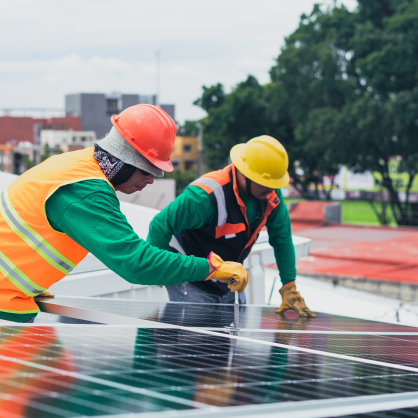
With 2.5 gigawatts-peak (GWp) (http://apo-opa.co/4iQtUCp) of solar capacity added across Africa in 2024 and 194.34 GWp expected in 2025, the continent is fast becoming a global hotspot for solar energy growth. Leading this shift are the commercial and industrial (C&I) sectors, where photovoltaic (PV) systems are being installed on-site at businesses, educational institutions, and government facilities to meet their own energy demands.

Dr Andrew Dickson, engineering executive at CBi-electric: low voltage (www.CBi-lowvoltage.co.za), explains that multiple factors are accelerating the continent's switch to solar. “Energy poverty remains a major issue across Africa, with reliable grid electricity reaching only 14% (http://apo-opa.co/4jICofV) of Zimbabweans, for example.”

He adds that unreliable power supply is another key driver. “Persistent nationwide blackouts are affecting countries like Botswana (http://apo-opa.co/3EZvQKM), disrupting day-to-day operations. And in hydro-electric dependent countries such as Zambia (http://apo-opa.co/3RRqvrX), climate change is reducing water levels, leading to lower electricity generation and higher prices.”

Dr Dickson points out that in countries like Namibia which are dependent on electricity imports, affordability is a growing concern, with N$8.8 billion (http://apo-opa.co/3EZvSlS) expected to be spent between January 2024 and December 2025. “As a result, Namibia now has the highest (http://apo-opa.co/3EZvSSU) electricity prices in Southern Africa. Yet it has a unique geographic advantage: its solar PV systems can produce twice (http://apo-opa.co/3EZvSSU) as much electricity as comparable systems in central Europe.”

Some African nations are proactively investing in solar to reduce their grid dependence. “Malawi is rolling out its National Compact for Energy (http://apo-opa.co/3GMlxKC), which creates a competitive framework for private-sector investment in off-grid solar through grants, subsidies, and credit lines that improve access to foreign exchange,” he notes.

Safeguarding solar investments

The shift to solar is also being driven by cost-effectiveness. Dr Dickson shares that on-site solar is now cheaper (http://apo-opa.co/3YDs1BD) than the electricity tariffs paid by C&I clients in at least seven sub-Saharan markets.

Pointing to research by GreenCape (http://apo-opa.co/3Z6UyzC), which found that solar PV can reduce business energy costs by 15%, with a return on investment reached within three to 12 years, he highlights that after that, businesses can benefit from up to 15 years of free electricity.

However, Dr Dickson stresses that unlocking these savings requires protecting system components from damage and disruption. “Voltage spikes caused by lightning or grid instability can seriously damage inverters and batteries. Installing surge protection devices (SPDs) is critical, not just to prevent damage, but also to avoid voiding manufacturer warranties.”

Arcing is another serious threat. “When electrical currents jump across gaps, the heat generated can damage components or even start fires,” he explains. “DC circuit breakers designed specifically for solar systems are essential for mitigating this risk. They're built to handle the direct current generated by PV panels, ensuring safer and more reliable operation.”

Smart tech enables smarter solar use

In addition to physical protection, Dr Dickson advises businesses to embrace smart energy management tools to extend system life and optimise performance. “A smart power indicator can detect grid interruptions and send immediate alerts, helping businesses respond quickly. These systems can temporarily disconnect non-essential high-energy devices during an outage to prevent overload and preserve battery life. At the same time, they ensure that essential systems like security and lighting continue operating during downtime.”

Optimising solar ROI in 2025

He believes that the key to unlocking solar's full potential lies in strategic system design and management. “By combining surge protection, DC breakers, and monitoring tools, businesses can reduce unexpected costs, minimise downtime, and extend the life of their investment.”

“As Africa's solar energy market continues to expand in 2025, organisations have an opportunity to capitalise on its long-term benefits. With the right technologies and safeguards in place, solar is not only a clean energy solution it's a strategic asset that pays off,” concludes Dr Dickson.

Distributed by APO Group on behalf of CBI-electric: low voltage.

About CBi-electric: low voltage:

  • Established in 1949, CBi-electric: low voltage is a manufacturer and supplier of quality low voltage electrical distribution, protection, and control equipment. Previously known as Circuit Breaker Industries or CBI, the company specialises in the design, development, and manufacturing of circuit breakers, residential current devices, surge protection, wiring accessories, and metering products.
  • Headquartered in Johannesburg, South Africa, the company is a subsidiary of renowned JSE listed industrial group Reunert (http://apo-opa.co/4iV5abY), established in 1888, with international operations across Africa, Asia, Australia, Europe, and USA.
  • CBi-electric: low voltage can be found in almost every home and has firmly become a market leader over the last 75 years while supplying products to authorities, utilities, manufacturers, commercial property developers, industrial, mining, telecommunications, and general power distribution applications.
  • In 2021, the brand launched its smart IoT (internet-of-things) home automation range, called the Astute Range.
Media files
CBI-electric: low voltage
Download logo
Read moreAfrica’s Solar Boom: How to Reap the Benefits
  • Previous
  • Page 1
  • Interim pages omitted …
  • Page 14
  • Page 15
  • Page 16
  • Page 17
  • Page 18
  • Interim pages omitted …
  • Page 87
  • Next

Copyright © 2026 · MyZA · All Rights Reserved · Powered by Stratlec Online