Media Must Avoid Careless References to Foreign Nationals When Reporting Crimes
A critical look at the recent press ombud ruling in Asylum Seeker, Refugee and Migrant Coalition v BloemNews

MyZA
News, Directory, Events and Other Stuff
A critical look at the recent press ombud ruling in Asylum Seeker, Refugee and Migrant Coalition v BloemNews
Source of the oil not yet confirmed, but locals suspect the wreck of the MV Ultra Galaxy

Merck Foundation (www.Merck-Foundation.com), the philanthropic arm of Merck KGaA Germany, marks ‘World Cancer Day 2025' together with Africa's First Ladies and Ministries of Health. Through their Cancer Access Program, Merck Foundation is building quality and equitable cancer care capacity in Africa.
Senator Dr. Rasha Kelej, the CEO of Merck Foundation, highlighted, “At Merck Foundation, we mark World Cancer Day not just as a single day, but as our continued commitment to transform and advance cancer care in Africa.
Together with my dear sisters, the Africa's First Ladies, we are have enhanced the cancer care capacity in the continent by providing 194 scholarships to young African doctors from 32 countries, significantly increasing the number of oncologists in Africa. We are making history together by providing these important scholarships for the first oncologists and /or the first cancer care teams in many countries across Africa.”
Merck Foundation in total provided more than 2100 scholarships to doctors from over 52 countries in 44 critical and underserved medical specialties.
The Merck Foundation Cancer Access Program provides One, two- and three-years fellowship, Post Graduate Diploma and Master Degree of oncology for doctors from Africa. The clinical training has been conducted in India, Egypt and Kenya. Additionaly, Merck Foundation also provides scholarships for 2 years online PG Diploma in Cancer and Clinical Oncology, 01 year online PG Diploma in Medical Oncology and 1 year online PG Diploma in Pain Management from reputed Universities in UK like University of South Wales, University of Buckingham, Queen Mary University of London, and Cardiff University.
Merck Foundation is establishing Multidisciplinary Oncology Care teams in many African countries by providing scholarships of clinical training in Medical Oncology, Surgical Oncology, Pediatrics Oncology, Gynecology Oncology, Breast Oncology, Haemato-Oncology, Orthopaedic Oncology, Palliative Care, Pathology Oncology, Radiation Oncology, Research in Oncology, Surgical Oncology - Genital Urinary System, Advanced Cytopathology Training, Interventional Radiology, Radiation Technician, Laboratory Technician, Oncology Nursing.
Merck Foundation through its Merck Foundation Cancer Access Program has provided 194 scholarships of Oncology to doctors from 32 countries including Botswana, Burkina Faso, Burundi, Cameroon, Central African Republic, Chad, Congo Brazzaville, Democratic Republic of the Congo, Ethiopia, Gabon, Gambia, Ghana, Guinea, Kenya, Liberia, Malawi, Mauritius, Mozambique, Namibia, Nepal, Niger, Nigeria, Rwanda, Sao Tome & Principe, Senegal, Sierra Leone, South Africa, Sri Lanka, Tanzania, Uganda, Zambia and Zimbabwe.
“In several of these countries, there wasn't even a single oncologist. We are proud to be making history in Africa by training the first oncologists and establishing the first cancer care teams in nations such as The Gambia, Sierra Leone, Burundi, Liberia, Guinea Conakry, Central African Republic, Chad, and Niger. Merck Foundation remains committed to transforming the landscape of cancer care across the continent and leading Africa toward a healthier future,” explained Senator Dr. Rasha Kelej.
Africa records around 1.1 million new cases of cancer, resulting in up to 700,000 deaths, every year, as per WHO data. The mortality rate of cancer patients is very high in Africa, as compared to the rest of the world.
“One of the key reasons is also the late diagnosis of the disease. Therefore, these scholarships are very important” added Senator Kelej.
Merck Foundation has also created awareness materials including awareness leaflets and videos on Cancer Prevention and Early Detection.
Dr. Chifundo Kajombo, Merck Foundation Alumni from Malawi shares, “I am privileged to be awarded a scholarship by Merck Foundation to pursue the Surgical Oncology fellowship training program at Tata Memorial Hospital, India. I managed to advance from basic surgical oncology principles to the advanced level. This has helped me improve my understanding of cancer and operative principles. Since returning back home, I have managed to change the structure of how our breast clinic runs and modified it to incorporate a number of new things that we probably could not have possibly included. I am so proud to share that I have just been awarded the Best Surgeon for 2023 in Malawi. I would not have achieved this feat without Merck Foundation's scholarship. I am very thankful.”
Watch testimonials videos of Merck Foundation Oncology Fellowship Alumni: https://apo-opa.co/42ziwpY
Distributed by APO Group on behalf of Merck Foundation.
Contact details:
Mehak Handa
Community Awareness Program Manager
+91 9310087613 / +91 9319606669
mehak.handa@external.merckgroup.com
Join the conversation on our social media platforms below and let your voice be heard!
Facebook: https://apo-opa.co/3CxqKnW
X: https://apo-opa.co/3Q8rwL3
YouTube: https://apo-opa.co/42zjKl4
Instagram: https://apo-opa.co/42Hdtnk
Threads: https://apo-opa.co/40A5EwY
Flickr: https://apo-opa.co/40GOfmv
Website: www.Merck-Foundation.com
Download the Merck Foundation App: https://apo-opa.co/3Q0ZWPV
About Merck Foundation:
The Merck Foundation, established in 2017, is the philanthropic arm of Merck KGaA Germany, aims to improve the health and wellbeing of people and advance their lives through science and technology. Our efforts are primarily focused on improving access to quality & equitable healthcare solutions in underserved communities, building healthcare & scientific research capacity, empowering girls in education and empowering people in STEM (Science, Technology, Engineering, and Mathematics) with a special focus on women and youth. All Merck Foundation press releases are distributed by e-mail at the same time they become available on the Merck Foundation Website. Please visit www.Merck-Foundation.com to read more. Follow the social media of Merck Foundation: Facebook (https://apo-opa.co/3CxqKnW), X (https://apo-opa.co/3Q8rwL3), Instagram (https://apo-opa.co/42Hdtnk), YouTube (https://apo-opa.co/42zjKl4), Threads (https://apo-opa.co/40A5EwY) and Flickr (https://apo-opa.co/40GOfmv).
The Merck Foundation is dedicated to improving social and health outcomes for communities in need. While it collaborates with various partners, including governments to achieve its humanitarian goals, the foundation remains strictly neutral in political matters. It does not engage in or support any political activities, elections, or regimes, focusing solely on its mission to elevate humanity and enhance well-being while maintaining a strict non-political stance in all of its endeavors.
SONA 2025: Working together to accelerate development
By Michael Currin
South Africa’s time has arrived! That’s the sentiment that reverberated in Davos during the World Economic Forum (WEF) as our nation shared with global leaders the many advances we have had over the last year.
President Cyril Ramaphosa who led South Africa’s delegation to the forum showcased our country’s investment potential and set the stage for critical discussions at the G20 Summit in November.
South Africa used the occasion to propel its G20 Presidency priorities into the international spotlight, advocating for a more inclusive and sustainable approach to global challenges. We also focused on the vital need for global collaboration to tackle economic recovery and startling disparities between rich and poor nations.
As South Africans we cannot but gleam with pride as we continue to punch above our weight in the league of nations and stun the world as we had done in 1994 through a reconciliation process and peaceful transition when many naysayers had counted us out.
We believe that our nation is ideal to advance global cooperation as we have succeeded in uniting ten political parties to form a Government of National Unity which brought stability and inclusive governance to our nation.
Over the course of our G20 Presidency, our country will foster collaboration among G20 members and wider society to address pressing global issues and find sustainable solutions that prioritise the wellbeing of all people. Our approach has therefore inspired our G20 Presidency theme of “Solidarity, Equality, Sustainability”.
As we work together with G20 members and global organisations, we will seek innovative solutions to global challenges, such as poverty and unemployment, advocating for investment in the global South, and ensuring that no one is left behind.
On the home front, the unity government has committed to driving inclusive economic growth and job creation, reducing poverty, tackling the high cost of living as well as building a capable, ethical and developmental state.
On Thursday the 6th of February 2025, South Africans can look forward to hearing from His Excellency President Cyril Ramaphosa how we as a nation can harness that indominable national spirit of ours as the President outlines the government’s vision and plans for the year ahead. This will be during the first State of the Nation Address, (SoNA) of the 7th democratic administration.
SoNA 2025 is more than just a speech, it serves as a rallying call for our nation to work together and draws us in a common front to address our country’s challenges. It is an invitation for all South Africans to be part of shaping the future of our nation.
The State of the Nation follows the Opening of Parliament in July last year where the President detailed the key priorities of the 7th Administration. The 2025 SoNA will advance our national priorities by expanding on key programmes such as the Presidential Employment Stimulus, the Energy Action Plan and Infrastructure Investment Plan. These programmes are central to the country’s efforts to rebuild the economy and create a more sustainable and inclusive future.
Furthermore, this year’s SoNA is particularly significant as it coincides with the conclusion of our year-long commemoration of 30 Years of Freedom and Democracy, which has allowed us to reflect on how far we have come in building a society that works for all citizens.
The SoNA is an integral part of our participatory democracy and ensures that the work of government is transparent and can be held accountable by active citizens who are the bedrock of a robust democracy.
As the President addresses the nation on 6 February at 19:00, we call on all South Africans to tune in via television, radio, and across government’s various social media platforms. This is an opportunity for all citizens to join this national milestone and familiarise themselves with the contents of the speech.
By engaging with the speech, we can partner with government to accelerate our nation’s development. Moreover, as citizens we have a duty to scrutinise the work of our elected representatives and to hold them accountable.
In the days that follow the SoNA, Members of Parliament, who represent the diverse voices of South Africans, will actively engage key elements of the speech and offer their own perspectives. This debate is an essential part of our democratic process, ensuring that the voice of the people, through their elected representatives in Parliament are heard. It is a reminder that democracy is a collective effort.
South Africans are encouraged to save the date of 6 February 2025 and be part of this important national event. Let’s all be part of the solution and work together to build a stronger and better South Africa.
*Michael Currin is the Deputy Director-General of Intergovernmental Coordination and Stakeholder Management at GCIS.
Janine
Mon, 02/03/2025 - 11:24
SAPS nabs over 200 000 in festive season operations
The South African Police Service (SAPS) has made 244 951 arrests during the festive season, as part of heightened crime-fighting operations aimed at safeguarding communities, holidaymakers, and tourists across the country.
The safer festive season operations commenced on 11 October 2024, and ended on Friday, 31 January 2025.
“From the period 01 October 2024 to 31 December 2024 – a total of 9 908 accused were found guilty and convicted for various crimes, including murder, rape, armed robberies, house breaking and car hijacking,” National Commissioner for the South African Police Service, General Fannie Masemola, said on Sunday.
Masemola held a media briefing to provide an update on the SAPS Nationwide Safer Festive Season Operations.
Masemola announced that a total of 2 198 illegal, and unlicensed firearms were seized and confiscated during operations. These include 1 731 handguns, 154 homemade guns, 211 rifles, and 102 shotguns.
Masemola said the majority of firearms seized were confiscated in Kwazulu-Natal, Gauteng, Eastern Cape and the Western Cape.
“Firearms remain a big problem in South Africa as most serious and violent crimes including murders were committed with the use of a firearm,” the National Commissioner said.
In this regard, 37 658 rounds of ammunition were also seized and 1 767 explosives that are mainly used in illegal mining activities and cash in transit armed robberies were also seized.
In addition, the police recovered R4 million in cash and seized 16 293 stolen cell phones, which were either taken during crimes or used in their commission, for further investigation and analysis.
Furthermore, a total of 960 stolen and hijacked vehicles were recovered.
During this period, more than two million patrols were conducted, with more than 4 600 roadblocks, 620 000 stop and searches, and more than two million persons were searched in the country.
“Further to that, over 78 000 licensed liquor premises compliance inspections were executed together with more than 12 000 compliance inspections at firearm dealers and private security premises. A total of 6 547 unlicensed liquor premises were shut down throughout the country during this period.
“Through our safer festive season operational concept, which is inclusive of Operation Shanela, we intensified our prevention and combatting strategies on nine focus areas with serious and violent crimes at the centre of attention.
“From combatting and putting perpetrators of Gender-Based-Violence-and Femicide (GBVF), Aggravated robberies, murders, rape and car hijacking in prison– we have been hard at work in asserting and reaffirming the authority of the state,” Masemola said.
The National Commissioner said the intelligence operatives, detectives, including visible policing members and forensic experts worked tirelessly in tracking, tracing and taking down wanted criminals.
“Through intelligence and collaboration with various units within the SAPS, identified crime threats were addressed through conventional methods to identify, neutralise, dislodge, dismantle and takedown organised crime syndicates.
“Crime intelligence continuously monitored various organised crime threats which include theft of motor vehicles, kidnappings for extortion, cash in transit armed robberies, critical infrastructure, illegal mining and stock theft – to mention but a few of other key crime categories,” the National Commissioner said.
Gender-based Violence and Femicide
Between October 2024 and December 2024, a total of 685 Gender-Based Violence and Femicide perpetrators, were convicted to time in prison.
Of these, 110 GBVF perpetrators were sentenced to life in prison, 71 GBVF perpetrators were sentenced to 20 years and above in prison, 174 GBVF perpetrators were sentenced to 10 years and up to 19 years in prison, while 330 GBVF perpetrators were sentenced to a year and up to nine years in prison.
“Our men and women in blue remain relentless in tracking, tracing, apprehending and prosecuting GBVF perpetrators,” Masemola said. -SAnews.gov.za
nosihle
Sun, 02/02/2025 - 12:02
Local designers to shine at SONA
The spotlight will shine on South African fashion designers at this year’s State of the Nation Address (SONA).
While the all-important address is a platform for the President to outline the vision for South Africa for the year ahead, SONA also presents an opportunity to showcase local talent in the fashion industry.
Invited guests and dignitaries dress to the nines to honour the auspicious occasion, with many choosing to dress in locally designed garments.
Proudly South African, the country’s official ‘buy local’ advocacy organisation, is leveraging this important moment on the national calendar by partnering with SONA to elevate and support South African industries, particularly the local fashion sector.
Through the Local Fashion Police activation on the red carpet at SONA 2025, Proudly South African aims to highlight the role of local craftsmanship in economic growth and job creation.
By showcasing the incredible talent of South African designers, this activation underscores the power of local procurement as a tool for fostering a sustainable and inclusive economy.
“SONA once again represents a pivotal opportunity to highlight the role of the local R-CTFL [Retail–Clothing, Textile, Footwear and Leather] sector in economic reformation.
“As the country works towards revitalising the economy, it is essential to showcase the innovation and creativity within our borders. Supporting local businesses, particularly in sectors like fashion, can drive job creation and foster sustainable growth,” said Eustace Mashimbye, the Chief Executive Officer for Proudly South African on Thursday.
The Local Fashion Police activation will see government officials and prominent figures walk the red carpet, proudly wearing locally made fashion to demonstrate their commitment to supporting South African designers and manufacturers.
The "Local Fashion Police Officers” are Sello Medupe of Scalo; Palesa Mokubung of Mantsho; Otsile Sefolo of Otiz Seflo; writer Leonie Wagner and red-carpet MC Thami Dish. They will be on hand to celebrate those who choose to showcase local fashion, while also reminding influential figures who didn’t prioritise supporting local designers.
This robust, interactive element aims to spark a nationwide conversation on the importance and impact of buying local.
“By focusing on local R-CTFL industries at SONA, Proudly South African reinforces the message that economic transformation begins the moment we wake up.
“It’s not just about policy; it's about taking tangible steps to support and invest in South African businesses,” Proudly South African said in a statement.
Opportunity beyond policy
SONA, which will be held on Thursday, 6 February, remains one of the most critical moments in South Africa’s calendar, providing a stage for the President to communicate government strategies for addressing the country’s most pressing challenges -- poverty, inequality and unemployment.
Beyond policy, SONA is a catalyst for action, offering a blueprint for unlocking the potential of South Africa’s industries and talents.
In this year’s address, President Cyril Ramaphosa will highlight last year's achievements and outline interventions for the coming financial year.
Buying locally, creates more job opportunities and strengthens the economy. It reflects the power of consumer purchasing decisions, contributing to the value chain and, in the bigger picture, the country’s economy.
“It all starts with one single purchase from a local business, which then becomes a habit that then transforms into a lifestyle.
“This “local is lekker” lifestyle sustains livelihoods, bolsters the economy, and decreases economic pressures on breadwinners and society as a whole,” said Proudly South African.
The red carpet activation will also be broadcast on Parliament TV and Proudly SA’s social media channels, providing a national platform for South Africans to engage with the movement toward economic reformation and local empowerment, one purchase at a time. – SAnews.gov.za
Edwin
Fri, 01/31/2025 - 07:52
2024 tax year: General increase in compliance
Preliminary figures for the 2024 tax year show a general increase in compliance for provisional taxpayers and trusts filing their annual Income Tax Returns.
“Since the opening of the filing season, 543 252 provisional taxpayers had filed their annual Income Tax Returns for the 2024 tax year. This is 4.76% up from the 517 356 in the 2023 tax year," the South African Revenue Service (SARS) said on Friday.
Additionally, taxpayers also filed returns that were outstanding from prior tax years.
In total, 162 690 provisional taxpayers filed returns for the previous years. This is down from 242 911 in the 2023 tax year. The ultimate total is 705 942 provisional taxpayers filed their returns.
With regards to trusts, SARS received returns from 84 134 taxpayers for the 2024 tax year, which is up from 68 890 for the previous tax year.
Moreover, there were 80 132 trusts returns for previous years, resulting in the overall total of 164 266 of trusts.
“The number of non-provisional taxpayers who filed their Income Tax Returns and those automatically assessed stands at 6 797 055. [Of these] 4 765 753 were auto-assessed for the 2024 tax year, which is 24.94% up from 3 577 239 from the previous year. As reported before, these taxpayers did not have to do anything, and SARS used vast data sources to auto-assess them and provide an outcome for them,” SARS said.
The filing season for provisional taxpayers and trusts closed on 20 January 2025.
SARS said the general increase in the number of provisional taxpayers and trusts filing returns is encouraging. However, there is still a long way to go to ensure acceptable levels of compliance in these categories of taxpayers.
“There is a noticeable increase on the filing of returns by non-provisional taxpayers. This comprises the use automatic assessment for non-provisional taxpayers, as well those who independently file their returns.
“This reflects a general increase in compliance in this category but undoubtedly, there is still long way to declare that every taxpayer, who is supposed to file their return, is dutifully fulfilling their legal obligation. Increasingly, SARS will focus on encouraging voluntary compliance in these categories of taxpayers,” SARS said.
SARS Commissioner Edward Kieswetter expressed his gratitude to all taxpayers, who have taken steps to fulfil their legal obligations.
“While SARS is pleased with the general increase in compliance, it is too early to declare victory. In this regard, SARS will continue to employ the latest technology, artificial intelligence, and data science to foster voluntary compliance by ensuring that transacting with the organisation is an effortless and seamless experience that will lessen the compliance burden.
“This will comport with SARS’s overall mission to realise our promise that ‘the best service is no service at all',” Kieswetter said.
SARS said it is committed to providing clarity and certainty to enable taxpayers to fulfil their legal obligations. It is working to make it easy and simple for taxpayers to transact with the organisation through online platforms, such as eFiling.
“SARS and taxpayers each play a critical role in South Africa’s public finances. All categories of taxpayers, including trusts, and even economically inactive ones, must register for tax, file returns and pay on time. Non-compliance with tax law is a criminal offence and will attract penalties and interest,” the revenue service said. – SAnews.gov.za
nosihle
Fri, 01/31/2025 - 11:22
International investments in Africa's mining sector are surging as global demand for both traditional and emerging minerals continues to grow. For example, Australian mining firms saw their asset value in Africa reach $60 billion in 2024, while Canadian firms' assets climbed to $37 billion. China also launched an ambitious $50 billion, three-year investment strategy targeting increased stakes in Africa's most lucrative opportunities including in the mining sector.
The upcoming African Mining Week Summit, scheduled for October 1 - 3 in Cape Town, will highlight profitable opportunities within Africa's mining industry and reinforce the continent's attractiveness as an investment destination for global mining financiers.
Untapped Mineral Deposits
Africa's vast, untapped mineral resources present potential for new investments. The continent holds 30% of the world's critical minerals (https://apo-opa.co/3ClkUGd) essential for the energy transition, including the largest global reserves of cobalt (in the Democratic Republic of Congo) and over 80% of the world's platinum group metals in South Africa. The continent accounts for more than 44% of global diamond production, while its share of the gold market continues to grow, with markets such as Ghana, Mali and Zimbabwe ramping up production.
Supportive Policies and Investor-Friendly Terms
African governments are enhancing the investment climate within the mining industry by enacting new policies and modernizing fiscal terms to streamline processes and reduce delays in project rollouts. Zambia, for instance, introduced a New Mining Tax Regime in 2023, improving transparency and reducing tax evasion, as the country targets a copper production target of three million tons by 2032. Mali has also experienced increased investment flows following its 2023 Mining Code, with global players such as HummingGold, B2Gold and Ganfeng committing to new lithium and gold projects. Malawi has also taken steps to attract investments by launching its Mining Regulatory Authority in October 2024, supported by the Mines and Minerals Act of 2023.
Improved Mining and Export Infrastructure
African nations are enhancing cooperation with global partners to improve mining production and mineral transportation infrastructure. For example, investment firm Africa Finance Corporation has announced that the Zambia-Lobito Railway project will commence (https://apo-opa.co/3Q0RcJL) construction in early 2026, to facilitate the efficient and cost-effective transportation of critical minerals from East and Southern Africa to global markets. Upgrades to the Tanzania-Zambia Railway (https://apo-opa.co/3PXFeAE) and South Africa's modernization of ports through freight operator, Transnet, are further enhancing the region's mining investment prospects.
Rich Mining History
Africa's established history as a global mining hub has fostered the development of key infrastructure and a skilled workforce that international mining firms rely on to meet global mineral demand. Mining remains a cornerstone of many African economies, attracting both traditional and emerging players keen to expand their operations and leverage the continent's resources. With its rich deposits and ongoing improvements in policy and infrastructure, Africa maintains its position as a key investment destination for the global mining industry.
African Mining Week will serve as a premier platform for exploring the full spectrum of mining opportunities across Africa. The event is held alongside the African Energy Week: Invest in African Energy 2025 conference (https://apo-opa.co/4htJMdI) from October 1 -3. in Cape Town. Sponsors, exhibitors and delegates can learn more by contacting sales@energycapitalpower.com
Distributed by APO Group on behalf of Energy Capital & Power.
SA’s economy on recovery trajectory
South Africa’s economic growth prospects are poised to recover in 2025 following a lacklustre economic performance for the past two years.
According to an economic and financial assessments by the International Monetary Fund (IMF), the real Gross Domestic Product (GDP) output growth is expected to accelerate from an estimated 0.8 percent in 2024 to 1.5 percent in 2025 driven by improved electricity generation, monetary policy easing, and a return of investor and consumer confidence post elections.
On Thursday, the IMF published the findings of its Article IV Consultation with South Africa, which was held from 11-25 November 2024.
As part of the surveillance role, the IMF conducts periodic economic and financial assessments with each member country.
The IMF acknowledged progress in banking-resolution and safety-net reforms and praised macro-prudential measures to bolster capital buffers. However, it raised concerns on the rising public debt and the challenges South Africa’s faces to meet climate goals.
In addition, the IMF welcomed the ongoing electricity and logistics reforms aimed at alleviating critical supply constraints and called for the ambitious implementation of these reforms.
The Fund indicated that meeting South Africa’s climate goals requires further efforts to increase effective carbon taxation and accelerate the rollout of renewable energy.
The IMF projects growth to reach 1.8 percent by the end of the decade, supported by ongoing electricity and logistics reforms.
“Risks are tilted to the downside, related to a possible intensification of geoeconomic fragmentation and protectionist policies in the context of an uncertain global environment.
“With fiscal deficits moderating but still elevated over the medium term, the IMF projects public debt to continue to rise under its baseline scenario, recommending a more-ambitious-than-envisaged fiscal consolidation,” the IMF said.
The IMF expects inflation to stabilise around the midpoint of the central bank’s target range.
The Fund recommended that the central bank continues to manage the normalization of the policy rate toward the neutral level in a flexible and data-driven manner.
The IMF argues that transitioning from a target band to a lower point target with a well-calibrated tolerance band at an appropriate time can help strengthen macroeconomic stability.
National Treasury’s response
National Treasury noted that the IMF’s concerns are aligned with government’s response to addressing immediate and long-term economic challenges.
“The National Treasury is committed to implementing reforms that will enhance inclusive economic growth, achieve a sustainable public debt level, further repair and strengthen network industries, and strengthen state capacity to support economic activity.”
In its 2024 Medium Term Budget Policy Statement (MTBPS), the National Treasury estimated economic growth to increase from 1.1 percent in 2024 to 1.7 percent in 2025.
It attributed the gains in the economy to household consumption gradually increasing, supported by rising purchasing power, employment recovery and wealth gains.
“South Africa is committed to fiscal consolidation and to setting debt on a sustainable path. The fiscal year 2023/24 was a significant success, with the first primary surplus in 15 years being recorded in 2023/24.
“An overall main budget deficit of 4.7 per cent of GDP is expected for the current fiscal year. This is projected to decline to 4.3 per cent in 2025/26. Meanwhile, debt as a percentage of GDP is expected to stabilize in the 2025/26 financial year, with debt-service costs as a percentage of revenue also peaking at the same time,” National Treasury said.
The current focus of South Africa’s reform agenda includes the stabilisation of the electricity grid, enhancing the efficacy of freight and ports operations, implementing e-Visas, as well as prioritizing the advancement of targeted industries to enhance the business climate and promoting equitable growth.
Nearly 94 percent of the reforms aimed for implementation by 2024 have been accomplished or are significantly progressing.
“Following its successful first phase, Operation Vulindlela, will be going into its second phase with new initiatives aimed at reversing local government decline, tackling spatial inequality and advancing a digital government to improve service delivery,” National Treasury said.
These enhance the key focus areas of the first phase - namely, reducing power cuts, improving the performance of the logistics system, lowering data costs, improving water supply and enabling the country to attract critical skills.
The SARB performed its first stress test of South Africa's key insurance firms during the 2023/24 cycle, of which climate-related risks were prominent. Ongoing efforts to exit the Financial Action Task Force (FATF) grey list during 2025 are well underway, with 16 out of 22 action items having been addressed,” National Treasury said. - SAnews.gov.za
nosihle
Fri, 01/31/2025 - 09:07
Dtic to host Mining Indaba Investment Forum
The Department of Trade, Industry and Competition (the dtic) will host the Mining Indaba Investment Forum at the Cape Town International Convention Centre in Cape Town on Tuesday, 4 February.
It will take place as South Africa hosts the Mining Indaba from 3 - 6 February.
The forum will be hosted in partnership with the Department of Mineral and Petroleum Resources and the Department of Science, Technology and Innovation.
The forum will be held under the theme: An Integrated Approach to the Development of South Africa’s Critical Minerals.
The purpose of the forum is to showcase the capabilities and supporting infrastructure that South Africa has with regards to beneficiation of critical minerals, as well as efforts that government is putting in place to support investments in the mining sector.
A high-level panel of Ministers and representatives of the private sector will lead engagements on mineral beneficiation and processing.
The seminar will also offer a platform to discuss South Africa’s geological potential, policy interventions and beneficiation strategies to support sustainable, inclusive growth.
It will also feature perspectives from industry leaders on investment potential, exploration opportunities and transformative initiatives within the mining sector. – SAnews.gov.za
Edwin
Thu, 01/30/2025 - 14:57
The health department says they cannot treat patients who need specialist care and the child was referred to Tygerberg Hospital
Meteorological services uninterrupted despite hacking incident
The South African Weather Service (SAWS) has asserted that it continues to rely on alternative channels to render critical marine, aviation and severe weather services, pending the recovery and restoration of compromised Information and Communication Technology (ICT) systems.
This follows a cyber security breach on its ICT systems by criminal elements, on Sunday evening.
“Thus far, we have not had an interruption of services. Weather products for marine and aviation sectors are being conveyed via alternative channels. Daily forecasts are being sent regularly via email to media houses and to Disaster Management Authorities,” SAWS Chief Executive Officer, Ishaam Abader said on Thursday.
Abader said that forecasts were further being disseminated through social media platforms, as the organisation’s website remains down.
The weather service said that a team of engineers, and cyber security experts are working around the clock to return operations to normalcy within a reasonable time. Up to so far, the team has been able to restore the SAWS email functionality and telephone system.
“The SAWS understands the significance of its services in so far as they relate to saving lives and property from the impact of hazardous weather. Accordingly, the organisation does not take the cyber-attack lightly. The public will be kept abreast of developments at regular intervals,” the weather service said. -SAnews.gov.za
nosihle
Thu, 01/30/2025 - 09:49
President convenes Cabinet Lekgotla
President Cyril Ramaphosa has convened a Cabinet Lekgotla with leaders from all spheres of government - to review government’s progress on priorities, assess challenges and set the agenda for the seventh administration.
Addressing members of the media on the agenda of the two-day meeting, Minister in the Presidency, Khumbudzo Ntshavheni, said government was finalising the Medium-Term Development Plan (MTDP) 2024/2029.
The plan proposes three strategic priorities, which include inclusive growth and job creation; reducing poverty and tackling the high cost of living, as well as building a capable, ethical and developmental State.
“We are focusing on the practical actions that we need to take to make good on the promises that we have made and set practical timeframes so that we can realise the priorities of the MTDP.
“We also received a scene-setting report from National Treasury on the economic outlook and the global outlook -- trends that will inform government planning.
“We are looking at what we want to achieve in terms of reforms on global institutions, in particular the security system of the United Nations and global funding institutions,” the Minister said on Wednesday, on the sidelines of the Cabinet Lekgotla.
Other areas of focus include funding Small, Medium, and Micro Enterprises (SMMEs) and the “missing middle”, in reference to students whose household income is too high to qualify for National Student Financial Aid Scheme (NSFAS) funding, yet too low to afford tertiary education without financial assistance.
The Cabinet Lekgotla is taking place on 29 and 30 January 2025 at the Sefako Makgatho Presidential Guest House, in Pretoria.
The outcomes of the meeting will shape government’s policies and programmes that will be announced by the President during his State of the Nation Address (SONA) in Parliament on Thursday, 6 February 2025, at 19:00.
With the seventh administration being under the Government of National Unity (GNU), which comprises 10 political parties from across the spectrum, Ntshavheni emphasised that the meeting will prioritise the interests of the country.
“We are meeting as the GNU and we are not bringing party political interests. We are going to negotiate and discuss as members of Cabinet and representatives of provinces, which are represented by Premiers.
“We work for the best benefit of our country and not the best benefit of our parties. The engagements are on the level of us being members of the national executive,” Ntshavheni said.
South Africa’s term for the Group of Twenty (G20) presidency also features on the meeting’s agenda.
“As we are preparing to host the G20, we will receive a report on the logistics and the content on government goals for the summit,” the Minister said.
South Africa holds the G20 Presidency from 1 December 2024 to 30 November 2025, under the theme: “Solidarity, Equality, Sustainability” .
South Africa's G20 Presidency is the fourth consecutive emerging market Presidency, and it is also the first African Presidency, followed by the admission of the African Union (AU) as the second permanent African member.
The G20 was established to tackle pressing global economic and financial issues. Together, G20 members account for around 85% of global GDP and 75% of international trade.
The G20 comprises 19 countries, including Argentina, Australia, Brazil, Canada, China, France, Germany, India, Indonesia, Italy, Japan, Republic of Korea, Mexico, Russia, Saudi Arabia, South Africa, Türkiye, the United Kingdom and the United States, and two regional bodies, namely the European Union and the African Union.
The grouping plays a critical role in influencing global policy making and fostering global economic stability. - SAnews.gov.za
nosihle
Wed, 01/29/2025 - 18:23
Fellow South Africans,
Following the recent intensification of fighting in the eastern Democratic Republic of the Congo (DRC), South Africa has lost 13 brave soldiers who were dedicated to their mission and committed to peace. The fighting is the result of an escalation by the rebel group, M23 and Rwanda Defence Force (RDF) militia engaging the Armed Forces of the DRC (FARDC) and attacking peacekeepers from the SADC Mission in the Democratic Republic of Congo (SAMIDRC).
On behalf of the Government and the people of our country, I express our sincerest condolences to their families, their loved ones and colleagues. We bow our heads in honor of their heroic and gallant fight for peace.
We honour and mourn them.
All necessary support is being provided to the families of the deceased and the families of the injured. The process to repatriate the remains of the deceased is underway.
The attacks on peacekeepers resulted in the deaths of SAMIDRC members from other troop contributing countries, namely; Malawi and Tanzania, as well members of the UN Organisation Stabilisation Mission in the DRC (MONUSCO) brigade. We honour all the lives that were lost and pass our condolences to their families, governments and citizens. The situation in Goma and Sake, where our troops and their counterparts are stationed, remains very tense, volatile and unpredictable.
The Minister of Defence and Military Veterans, Ms Angie Motshekga and the Chief of the SANDF, Gen Rudzani Maphwanya and SAMIDRC Force Commander, Maj Gen Monwabisi Dyakopu are working to ensure that the SAMIDRC forces remain well equipped and sufficiently supported during this critical mission.
We are concerned about the speculation about the state of our troops and the battle conditions. All South Africans must rally behind our brave men and women who have dedicated their lives to bringing peace in our continent.
South Africa's military presence in the eastern DRC is not a declaration of war against any country or state. The members of the South African National Defence Force (SANDF) that are in the DRC are part of both SADC and United Nations (UN) efforts to bring peace and protect thousands of lives that are constantly threatened by the conflict in the DRC. The presence of the SAMIDRC forces demonstrates a commitment of SADC member states to supporting the DRC in its efforts to achieve lasting peace and stability and ultimately, create an enabling environment for sustainable development and prosperity.
We welcome the position that was recently adopted by the United Nations Security Council (UNSC) during its special sitting on the situation in the DRC, which calls for an immediate end to hostilities, the reversal of territorial expansion by the M23, the exit of external forces from the DRC and the resumption of peace talks under the Nairobi Process.
The territorial integrity of the DRC must be respected in accordance with the United Nations Charter on the respect of sovereignty, territorial integrity and political independence of other states.
We call on all parties to this conflict to fully embrace the current diplomatic efforts that are aimed at finding a peaceful resolution, including honoring the Luanda Process agreements. We must silence the guns on our continent for the attainment of inclusive development and prosperity.
I thank you.
Distributed by APO Group on behalf of The Presidency of the Republic of South Africa.
Support being given to families of 13 fallen soldiers in Eastern DRC
President Cyril Ramaphosa has expressed his deep sorrow and condolences, following the recent escalation of violence in the eastern Democratic Republic of the Congo (DRC), which resulted in the loss of 13 South African soldiers.
“On behalf of the government and the people of our country, I express our sincerest condolences to their families, their loved ones and colleagues. We bow our heads in honour of their heroic and gallant fight for peace. We honour and mourn them,” President Ramaphosa said on Wednesday.
The fighting in the eastern DRC intensified due to escalations by the rebel group M23 and the Rwanda Defence Force (RDF) militia engaging the Armed Forces of the DRC (FARDC), leading to direct attacks on peacekeepers from the SADC (Southern African Development Community) Mission in the Democratic Republic of Congo (SAMIDRC).
The SAMIDRC is a regional peacekeeping initiative launched on December 15, 2023, to assist the DRC government in restoring peace and security in the eastern regions of the country. This deployment was approved during an Extraordinary SADC Summit held in Windhoek, Namibia, on May 8, 2023, as a response to escalating conflicts and instability caused by the resurgence of armed groups in the area.
According to a press release issued by SADC in January last year, SAMIDRC comprises military contingents from Malawi, South Africa, and Tanzania, working in collaboration with the Congolese Army, FARDC, to combat and eradicate armed groups operating in eastern DRC.
President Ramaphosa assured that all necessary support is being provided to the families of both the deceased and injured soldiers. The repatriation process for the remains of the fallen soldiers is currently underway.
The attacks on peacekeepers also resulted in the deaths of SAMIDRC members from other troop-contributing countries, namely, Malawi and Tanzania, as well as members of the UN Organisation Stabilisation Mission in the DRC (MONUSCO) brigade.
“We honour all the lives that were lost and pass our condolences to their families, governments and citizens. The situation in Goma and Sake, where our troops and their counterparts are stationed, remains very tense, volatile and unpredictable,” the President said.
The President said that the Minister of Defence and Military Veterans, Angie Motshekga, alongside the Chief of the South African National Defence Force (SANDF), General Rudzani Maphwanya, and SAMIDRC Force Commander, Major General Monwabisi Dyakopu, are working to ensure that the SAMIDRC forces remain well equipped and sufficiently supported during this critical mission.
Despite this devastating loss, the SANDF has reiterated its unwavering commitment to fulfilling its peacekeeping mandate under MONUSCO and SAMIDRC. – SAnews.gov.za
DikelediM
Wed, 01/29/2025 - 14:31
Although cervical cancer is now a vaccine-preventable disease, 1 woman dies every 2 minutes globally of cervical cancer. Women in low- and middle-income countries are disproportionately affected.
In South Africa (SA), over 10,700 new cases of cervical cancer are diagnosed each year, with over 5,800 deaths. Cervical cancer is a preventable tragedy, and South Africa has the tools and knowledge to turn the tide.
We can eliminate cervical cancer by addressing the principal cause: the human papillomavirus or HPV. This is done by 1) vaccinating both boys and girls between the ages of 9 and 15; and 2) expanding access to HPV screening for all women. Screening for early diagnosis is critical because when diagnosed early, cervical cancer is considered treatable/curable.
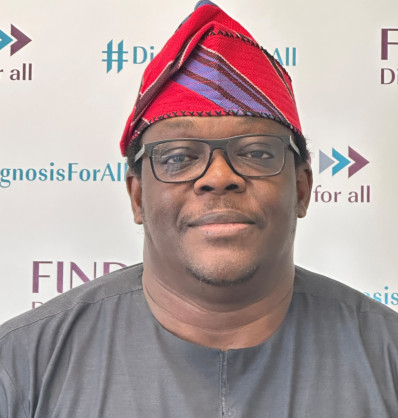
SA is making significant strides in expanding access to both vaccination and screening, but significant barriers remain. Dr Ifedayo Adetifa, CEO of FIND (https://apo-opa.co/4jMkyJA), whose mission is #DiagnosisForAll says, “The fight to eliminate cervical cancer is far from over, but there is hope on the horizon. FIND is working with the public and private sectors in South Africa to find innovative and scalable solutions to test for HPV”.
Recent research by FIND and partners provides critical insights that could transform how we approach cervical cancer prevention and management. The project explored the acceptability and demand for HPV self-collection testing among South African women as a means of increasing access to HPV screening.
Key findings from the client surveys include
1. Low Awareness of Cervical Cancer and HPV:
2. HPV DNA Testing: The Preferred Choice:
3. Pharmacy Accessibility:
4. Affordability and Willingness to Pay:
5. Home vs Clinic Preferences:
A Promising Solution: HPV Self-Collection Testing
One of the standout findings from the research is the high level of interest in HPV self-collection testing. This innovative approach empowers women to take control of their health by collecting samples in the privacy of their homes or at a convenient location. The research further revealed that many women are willing to pay up to $36 (approximately R680) for this service if made available at pharmacies.
Self-collection testing eliminates the need for invasive pelvic exams in clinical settings which many women find uncomfortable or stigmatising. It reduces the logistical challenges of accessing clinics, particularly for women in rural or underserved areas where healthcare facilities are not readily available. Making self-collection kits available in pharmacies could significantly increase screening rates and achieve early diagnosis.
The Knowledge Gap Among Healthcare Practitioners
While self-collection testing presents an exciting opportunity, its success depends on a well-informed and capable healthcare system. Unfortunately, the research revealed a concerning lack of understanding among healthcare practitioners regarding the national cervical cancer management protocols.
Without proper guidance, healthcare providers may fail to offer appropriate counselling, follow-up, or referrals for women with abnormal screening results. Addressing this issue requires targeted training and capacity-building initiatives. FIND, in partnership with the National Department of Health (NDOH), trained over 700 health practitioners between September and October 2024,
The Public Awareness Deficit
Equally troubling is the lack of available information for the public about cervical cancer, its causes, and prevention methods. Many women remain unaware of the importance of regular screening. Through its community arm, the African Cervical Health Alliance (ACHA), FIND, NDOH, and private sector partners engaged community health partners to develop, adapt and distribute over 10,000 copies of materials to communities about prevention and treatment of cervical cancer.
A Vision for the Future
To reduce the burden of cervical cancer in South Africa, we need a multi-pronged approach that combines education, innovation, and systemic reform. This includes:
When women have access to convenient, affordable options like HPV DNA self-testing, we're not just improving health outcomes – we're giving women control over their health decisions.” Says Dr Ntombi Sigwebela, Regional Director of FIND (https://apo-opa.co/4jMkyJA)
The South African G20 Presidency is prioritizing health equity, solidarity and universal health coverage. Addressing the diagnostics gap for women's health is crucial to achieving this agenda and building an equitable and inclusive global health architecture.
For more information on FIND's Cervical Cancer Elimination Project, visit: FIND South Africa (https://apo-opa.co/4jMkyJA)
Distributed by APO Group on behalf of FIND.
Watch our educational webinars:
FIND's YouTube Channel (https://apo-opa.co/3CwQXTx)
Contact details:
Beatrice Bernescut
Director, Communications
FIND
+41 (0) 79 963 86 78
www.FINDdx.org
Government condemns torching of PUTCO buses
The Ministry of Transport has called on law enforcement to arrest those responsible for the torching of 50 Public Utility Company (PUTCO) buses and ensure that they are prosecuted in court.
PUTCO’s bus fleet plays a key role in moving about 200 000 commuters a day, with its biggest operation being in the province of Mpumalanga.
In a statement on Tuesday, PUTCO said that the buses were set alight on Monday night after unknown men ambushed and tied-up security guards at the Moloto depot before burning buses on site.
It added that two employees were injured during the incident and had to be treated in hospital.
“Soon thereafter, attacks were reported at the Wolwekraal and Siyabuswa depots,” it said, adding that it is closely monitoring the situation.
“Authorities are investigating the incident, and we appeal to members of the public who may have information on these coordinated attacks to contact their local police,” said PUTCO.
This as the Minister of Transport, Barbara Creecy, and Deputy Minister Mkhuleko Hlengwa have condemned the incident in the strongest of terms and described it as an act of aggression.
“The Minister and Deputy Minister have thus characterised the act as economic sabotage given the critical role that the bus industry plays in the mobility of the workforce in the country.
“The Minister has instructed the department to organise an urgent meeting with National Joint Operational and Intelligence Structure (NATJOINTS) to discuss this matter and develop necessary integrated response,” the Transport Ministry said on Tuesday.
The ministry said it fears that interfering with the company’s operations may regrettably have disastrous impact on the commuters in Mpumalanga, who rely on the bus operator to commute to as far as Gauteng on a daily basis.
“It is therefore of utmost importance that the law enforcement agencies take every possible course of action to investigate Monday’s incident and bring the perpetrators to book to face the full might of the law.
“The department will also continue to support any effort taken to prevent acts of sabotage on the country’s public transport system.
“The Minister and Deputy Minister wish a speedy recovery to the two employees who were injured in the course of the arson attack, and they have also expressed their full support to PUTCO in this period,” the Transport Ministry said. -SAnews.gov.za
nosihle
Wed, 01/29/2025 - 08:04
Late applications for Grade 1 and 8 close tomorrow in Gauteng
The Gauteng Department of Education (GDE) has reminded parents that the 2025 online admissions late application period for Grade 1 and Grade 8 will close on Thursday, 30 January 2025.
The late application period, which began on 11 December 2024, was introduced to assist parents who missed the initial 2025 Online Admissions Application period that closed on 14 August 2024.
“Parents who have not yet secured a space for their child in Grade 1 or Grade 8 at a Gauteng public school are encouraged to visit www.gdeadmissions.gov.za and apply before the closing date,” the GDE said.
The 2025 online admissions application period for Grade 1 and Grade 8 in Gauteng ran from 11 July 2024 to 14 August 2024.
Prior to the commencement of the late application period, the department successfully placed a total of 325 858 learners, with 157 406 in Grade 1 and 168 452 in Grade 8. Since the opening of the late application phase, an additional 32 587 learners have been placed.
The GDE explained that when the late application period began on 11 December 2024, approximately 1 500 out of 2 079 Gauteng schools were availed on the Online Admissions System for late applicants.
Late applicants, who applied online, received immediate placement upon completing their applications.
To further accommodate late applicants, the GDE established an additional number of satellite schools that provided over 4 417 spaces in high pressure areas, where late applications were concentrated.
These satellite schools have provided critical relief for parents, having successfully accommodated more learners who might otherwise have been left without space. Satellite schools show the department’s commitment to address capacity challenges and ensure every learner has access to quality education.
Parents are also reminded that Inner-Grade Applications (Grades other than 1 and 8) must be done directly through schools and districts.
“Our efforts to address all queries and placements at our offices are progressing efficiently, with noticeable reductions in the length of queues, as we continue to assist all parents and guardians to secure a space for their children. We plead with parents to embrace satellite schools, as they assist the department to alleviate pressure in some areas,” Gauteng Education MEC Matome Chiloane said.
The GDE contact centre will be operational to assist and respond to all relevant queries. Parents are urged to call on 0800 000 789, or send a WhatsApp message to 060 891 0361.
An email can also be sent to gdeinfo@gauteng.gov.za or talktothemec@gauteng.gov.za. – SAnews.gov.za
DikelediM
Wed, 01/29/2025 - 13:05

The Africa-Paris Declaration, forged during the 2024 Invest in African Energy (IAE) Forum in Paris, was a pivotal moment in Africa's quest for sustainable energy solutions. Aimed at strengthening the continent's energy transition while addressing the urgent issue of energy poverty, the declaration set ambitious targets for expanding access to clean, affordable and reliable energy. With the 2025 edition of the forum approaching, now is the time to reflect on the progress made since the Africa-Paris Declaration and assess how these initiatives are shaping Africa's energy future.
Increased Engagement in Africa
In the months following the declaration, international investors, development banks and private equity firms have shown a steadfast interest in the African energy market. A key milestone was the launch of the Africa Energy Bank by the African Export-Import Bank and APPO, marking the creation of a first-of-its-kind institution designed to fund and facilitate energy initiatives across the continent. Several final investment decisions were successfully closed, including Shell's $5.5 billion Bonga North deepwater project. Additionally, strategic partnerships, including new PSCs signed by Panoro Energy in Equatorial Guinea and BW Energy in Gabon, highlight how international collaborations are accelerating energy development and creating new opportunities for exploration and production. This increased engagement is key to addressing the financing gap that has long hindered the growth of Africa's energy sector.
Natural gas continues to play a central role in Africa's energy strategy as a transitional fuel. The Africa-Paris Declaration underscored its importance as a bridge between traditional energy sources and renewable energy. Over the past year, significant strides have been made in natural gas exploration and LNG exports. Notable developments include Senegal's Greater Tortue Ahmeyim LNG reaching its first gas production, the Republic of Congo's first LNG exports to Italy from the Congo LNG project, Nigeria's UTM FLNG receiving its construction license, and Angola's Sanha Lean Gas Connection project achieving first gas, among others. These initiatives are not only crucial for advancing Africa's energy transition, but also serve as powerful drivers of economic growth by creating jobs and advancing infrastructure development.
Meanwhile, countries like South Africa, Egypt and Morocco are at the forefront of wind and solar energy development, with momentum expected to build as they meet renewable energy targets and explore new growth opportunities. These investments are driving a shift toward cleaner, more sustainable energy in Africa, though challenges remain. High costs of renewable technologies and insufficient grid infrastructure continue to hinder expansion, underscoring the need for more investment in off-grid and mini-grid solutions.
Investment Gaps Persist
Despite these advancements, Africa still faces significant investment challenges. The financing gap for large-scale energy projects remains substantial and while the private sector has become more engaged, many projects still struggle to secure the necessary capital. In particular, the cost of financing remains high due to the perceived risks associated with energy investments in Africa. This is where continued efforts to de-risk investments and foster public-private partnerships are critical to unlocking the continent's full energy potential. Institutional capacity continues to be a challenge for many African countries. While progress has been made in improving regulatory frameworks, there is still a need for clearer policies, streamlined permitting processes and better enforcement of regulations. Governments must continue to strengthen their institutions to effectively implement energy projects and create an enabling environment for both local and international investors.
With the IAE 2025 forum just months away, industry stakeholders have an opportunity to reflect on the progress made since the Africa-Paris Declaration and determine next steps for the continent's energy future. The forum serves as a platform for government officials, industry leaders and financial institutions to renew commitments, share success stories and address ongoing challenges. While the road to universal energy access and a sustainable energy future is long, the declaration has set the framework for a collective effort that can lead to meaningful change. With the right investments, regulatory frameworks and political will, Africa can emerge as a global leader in energy innovation and sustainability.
Distributed by APO Group on behalf of Energy Capital & Power.
IAE 2025 (www.Invest-Africa-Energy.com) is an exclusive forum designed to facilitate investment between African energy markets and global investors. Taking place May 13-14, 2025 in Paris, the event offers delegates two days of intensive engagement with industry experts, project developers, investors and policymakers. For more information, please visit www.Invest-Africa-Energy.com. To sponsor or participate as a delegate, please contact sales@energycapitalpower.com.
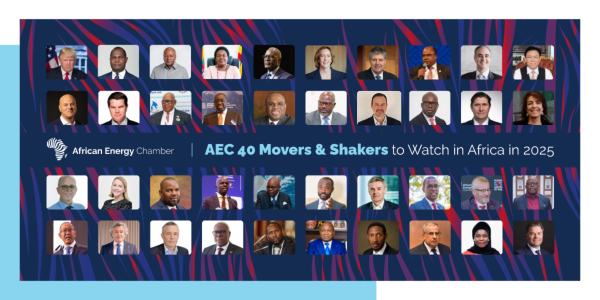
Key African energy ministers, national oil companies (NOCs) and regulators have been recognized for their contributions to advancing hydrocarbon exploration, LNG megaprojects and policy reforms in the African Energy Chamber's (www.EnergyChamber.org) Top 40 Movers and Shakers to Watch in 2025 list.
Namibia's Tom Alweendo, Minister of Mines and Energy, is at the forefront of the country's emerging oil industry. With first oil expected by 2029 and a pioneering local content policy in place, Minister Alweendo is focused on translating Orange Basin discoveries into tangible development, while balancing investor and community needs. In the Republic of Congo, Bruno Jean-Richard Itoua, Minister of Hydrocarbons, has led milestones including the country's first LNG exports and the Banga Kayo gas project. As Congo prepares for a 2025 licensing round and implements its Gas Master Plan, Minister Itoua's leadership will be critical in positioning the country as a leading energy hub. Equatorial Guinea's Antonio Oburu Ondo, Minister of Mines and Hydrocarbons, is driving efforts to reverse declining oil and gas production. Minister Ondo is tasked with securing investment, implementing the Gulf of Guinea gas pipeline project with Nigeria, and advancing the Yoyo-Yolanda gas project to revitalize the country's energy sector.
Africa's leading NOCs and regulators were also recognized for their pivotal role in driving energy sector developments in 2025. Godfrey Moagi, CEO of South Africa's National Petroleum Company (SANPC), is spearheading efforts to develop the Brulpadda and Luiperd discoveries, while advancing gas-to-power projects at Saldanha Bay, Richards Bay and Coega LNG terminals. Moagi's leadership will determine SANPC's ability to establish itself as a key player in the country's energy transition. In Angola, Sebastião Gaspar Martins, CEO of Sonangol, is driving a sweeping transformation to restore the company's profitability. With strategic partnerships, operational streamlining and the sale of non-core assets, Sonangol is poised to emerge as a more efficient and competitive entity under his guidance.
Maxient Raoul Ominga, Managing Director of SNPC, is spearheading initiatives in the Republic of Congo to boost oil production to 500,000 barrels per day. Through the development of key fields and implementation of the Gas Master Plan, Ominga is positioning Congo as a competitive gas player while reducing flaring and diversifying revenue streams. In Ivory Coast, Fatoumata Sanogo, CEO of PETROCI, is driving hydrocarbon development through strategic partnerships with TotalEnergies and Eni. With the Baleine field development on track to significantly boost production by 2025, PETROCI is cementing the country's position as a regional energy hub.
Sylvia dos Anjos, Head of E&P at Petrobras, is leading the Brazilian NOC's ambitious re-entry into Africa, targeting markets in Namibia, South Africa and Angola. Her vision focuses on leveraging untapped reserves to establish Petrobras as a competitive player and strengthen Brazil's partnership with Africa. In Sierra Leone, Foday Mansaray, Director General of the Petroleum Directorate, is fostering investment in offshore oil and gas exploration. Following the successful conclusion of Sierra Leone's fifth licensing round, Mansaray is focused on turning interest into tangible exploration and production gains.
As Africa's energy future continues to unfold, the AEC remains committed to recognizing and supporting the leaders who are making transformative impacts in the sector. For the full Africa's Top 40 Movers and Shakers to Watch in 2025 list, visit www.EnergyChamber.org
Distributed by APO Group on behalf of African Energy Chamber.
Dead bodies lie in the streets, hospitals are overwhelmed and there has been an uptick in reports of sexual violence, rape and looting.
“Roads are blocked, ports are closed and those crossing Lake Kivu risk their lives in makeshift boats,” said Shelley Thakral, spokesperson for the UN World Food Programme (WFP) – one of many UN agencies on the ground striving to provide assistance and protection wherever possible. “I spoke just moments ago to an activist In Goma and he told me, ‘We're here, we're hiding. We don't know who will come to help us.'”
The UN aid coordination office, OCHA, echoed the humanitarian community's deep concerns about the spiralling violence across the resource-rich region that has uprooted some 300,000 people from camps around Goma in a matter of days.
Aid targeted
“Our colleagues in the DRC report heavy, small arms fire and mortar fire across the city and the presence of many dead bodies in the streets,” said OCHA spokesperson Jens Laerke. “We have reports of rapes committed by fighters, looting of property, including of a humanitarian warehouse and humanitarian and health facilities being hit.”
The emergency has left hospitals in Goma reportedly overwhelmed by the influx of wounded people, electricity and water supplies “compromised” and internet services cut off on Monday. “Goma is still offline this morning,” Mr. Laerke told journalists in Geneva.
The development came amid urgent calls from the international community including the Security Council in New York, where ambassadors on Tuesday demanded an immediate halt to the M23 rebel offensive and called for the group to withdraw from territories it has seized.
The ambassadors reiterated their support for the UN peacekeeping force in the DR Congo, MONUSCO, and paid tribute to blue helmets who have lost their lives from South Africa, Malawi and Uruguay in recent days.
The Council also condemned the presence of “external forces” in eastern DRC – amid reports Rwandan troops are heavily involved in the offensive – and called for all parties to adhere to the ceasefire and return to diplomatic talks.
Years of crisis
Before the latest escalation in violence in eastern DRC's Kivus, some 5.1 million people had already been displaced by years of insecurity in the mineral-rich region and forced to live in overcrowded camps with little food and no security.
UN agencies and partners continue to monitor the highly unstable situation which has forced WFP to temporarily pause food assistance activities in around Goma. “The airport and major access roads within the region have been cut off…Depending on the duration of violence, the supply of food into the city could be severely hampered,” said WFP's Ms. Thakral.
“This is a huge test for Congolese trapped by fighting in Goma and surrounding areas…the next 24 hours will be critical as people start to run low on supplies and will need to see what they can find to survive.”
Disease fears
The highly mobile nature of the emergency has prompted additional fears that existing diseases may spread quickly among uprooted populations, although preventive measures were taken before the latest escalation, the UN World Health Organization (WHO) said.
For the moment the immediate concern is to help victims of the violence.
“There are currently hundreds of people in hospital, most admitted with gunshot and shrapnel wounds, with secondary infections becoming a health risk,” said Dr Adelheid Marschang, Emergency Response Coordinator for the DRC.
She noted that before Goma airport closed on Saturday, WHO had sent critical medical supplies for trauma and emergency care, infection prevention, cholera and more.
The UN agency's response to the crisis has also included providing tents for hospitals to cope with the increasing number of injured. It has medical hubs in North and South Kivu, in the cities of Goma and Bukavu to support health care needs in eastern DRC.
Last year the provinces of North and South Kivu reported high numbers of cholera, measles and malaria cases and deaths, Dr. Marschang said, warning of a “heightened risk for spillover of cholera” into neighbouring countries and provinces.
The area was also the epicentre of an outbreak of a new strain of mpox, declared a public health emergency of international concern in August 2024. Dr. Marschang warned that the new wave of displacement will make it increasingly hard to track and treat the disease.
Amid the lethal violence, hospitals and health workers themselves are in danger, the WHO official said, with “reports of health workers being shot at and patients including babies being caught in crossfire”.
“Attacks on healthcare violate the rules of war. Healthcare must be protected at all times,” she insisted.
Sexual violence alert
WHO and other UN agencies and partners said that they are especially worried about the increasing risk to women and girls from violence, including rape.
“Pregnant women are at risk, with very high maternal death rates, even before the violence escalated,” WHO said.
“Sadly, hospitals and health workers are in danger. We are hearing reports of health workers being shot at, and patients, including babies, being caught in the crossfire. WHO reminds everyone that attacks on healthcare violate the rules of war. Health care must be protected at all times.”
Echoing those concerns, WFP's Ms. Thakral reported that mobile teams and mobile clinics are at work amid reports that women had been raped multiple times while searching for firewood or after leaving the perimeter of their camp.
Other reports indicated “an increase in rape along the pathways that some of the conflict partners are now taking into South Kivu,” she said, underscoring the agency's efforts “to have some solutions to follow the populations as they move”.
Distributed by APO Group on behalf of UN News.
De Kock remembered as defender of SA democracy
Minister of Justice and Constitutional Development, Mmamoloko Kubayi, has praised the late Deputy National Director of Public Prosecutions (DNDPP), Advocate Rodney De Kock, as a person of “high ethical standards and integrity”.
Speaking at the official memorial service for De Kock, who passed away last week, following a brief battle with cancer, Kubayi highlighted the significant loss to the country.
“Advocate De Kock’s untimely death has come at a time when his country needed him the most. It is has become difficult to find men and women of Advocate De Kock's calibre in the public service.
“I am speaking about men and women of high ethical standards and integrity, who are willing to take the road less travelled,” she said.
READ | Passing of NPA deputy head a 'profound loss'
The Minister commended De Kock’s unwavering commitment “in defence of our democracy” during the years when State capture plagued the country.
“Not so long ago, because of State capture, our young democracy was characterised by turbulence that almost destroyed critical institutions, especially the criminal justice system. The rot that seeped into the fabric of our country would not have been possible without the weakening of the institutions in the criminal justice system.
“A concerted effort was put into ensuring critical institutions in the criminal justice, [including the National Prosecuting Authority (NPA)], became dysfunctional. Although the system was weakened, there were men and women who stood firm and never allowed themselves to cower under the weight of widespread wrongdoing, and Advocate De Kock was one of those individuals.
“Because of him and others like him, the system was weakened but it was never broken and was never destroyed, hence today we can talk about rebuilding the institutions,” Kubayi said.
She insisted that the “the work of building a fair and effective” NPA must continue uninterrupted in honour of De Kock.
“A lot of work has already been done to restore confidence in the work of the NPA and on the institution itself.
“There is more work that lies ahead. It is not easy to rebuild an institution whose proper functioning threatens to disrupt the lives of those who are rich and powerful. It requires men and women who are willing to stand for what is right in the face of the most unrelenting attacks,” she said.
Kubayi called on all officials serving in the NPA to double efforts to rebuild confidence in the NPA.
“The Freedom Charter, which inspired the drafting of our Constitution, envisioned a society in which all shall be equal before the law.
“It is this vision that inspired Rodney’s work as legal practitioner, and it is the vision that must continue to inspire our efforts of rebuilding the integrity and confidence of the NPA and by extension, the criminal justice system,” she said.
The Minister once again expressed condolences to the De Kock family for their loss.
“We thank the De Kock family for giving us their beloved father, son and brother to serve our country, a task in which he acquitted himself with distinction. His legacy will continue to serve as an inspiration to all of us.
“Let me again express my deepest condolences for the loss you have suffered as a family. Our thoughts and prayers are with you,” Kubayi said. – SAnews.gov.za
NeoB
Tue, 01/28/2025 - 14:30
SANDF members killed in rebel attack near Goma Airport
The South African National Defence Force (SANDF) has confirmed the passing away of three of its members following a mortar bomb attack by the M23 rebel militia near Goma Airport in the Democratic Republic of Congo (DRC) on Monday.
This follows an exchange of mortar bomb between the Forces Armees de la Republic Democratique du Congo (FARDC), Congolese Defence Force and the M23 rebel militia near Goma Airport, where the SANDF base is collocated.
“The M23 rebels launched several a mortar bomb in the direction of Goma Airport, which landed in the SANDF base, and this resulted in the SANDF losing three members,” the SANDF said in a statement on Tuesday.
Furthermore, the SANDF announced that one of its members, who sustained critical injuries during recent battles with the M23 rebels over the past three days, later succumbed to their injuries.
Other injured members are currently receiving medical attention at the Level 3 Hospital in Goma.
Despite this devastating loss, the SANDF has reiterated its unwavering commitment to fulfilling its peacekeeping mandate under the United Nations Stabilisation Mission in the Democratic Republic of Congo (MONUSCO) and SADC Mission in the Democratic Republic of the Congo (SAMIDRC).
“Our troops continue to operate with resolve, courage, and discipline in pursuit of peace and stability in the region,” the SANDF said.
The Minister of Defence and Military Veterans, Angie Motshekga, the Deputy Ministers of Defence and Military Veterans, Major General (ret) Bantu Holomisa and Richard Hlophe, together with the Acting Secretary for Defence, Dr Thobekile Gamede and the Chief of the South African National Defence Force, General Rudzani Maphwanya send their heartfelt condolences to the families of the deceased and the entire defence family.
The death of the three members follows the recent passing away of nine members of the SANDF.
READ | SA to continue promoting stability in the DRC
This as the United Nations Security Council held an emergency meeting regarding deadly clashes in eastern DRC, following Kinshasa’s withdrawal of its diplomats from Kigali as Rwanda-backed rebels advanced on the key city of Goma. – SAnews.gov.za
DikelediM
Tue, 01/28/2025 - 12:13
Inaccuracies gave misleading impression, says McKenzie. But when will there be a proper account of how and why R800k was spent?