• Skip to main content
  • Skip to header right navigation
  • Skip to after header navigation
  • Skip to site footer
MyZA

MyZA

News, Directory, Events and Other Stuff

  • Social Media
  • Sport
  • World News
  • Home
  • Submit News
  • Directory
  • Events
  • Stratlec
  • TFSA
  • News
    • APO
    • Today’s Sport News
    • Todays Social Media and Tech Headlines
    • Today’s World News
    • Today’s SA Financial News
  • Contact
You are here: Home / Archives for critical

critical

21 February 2025

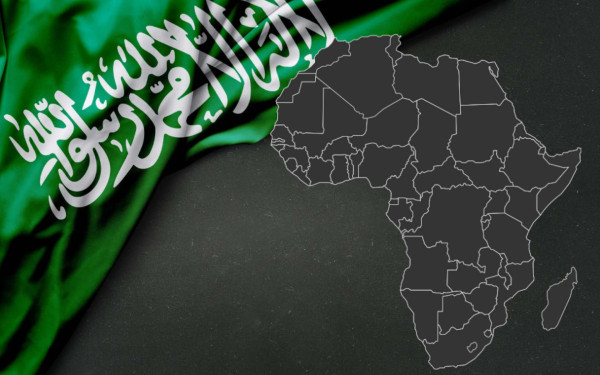
Saudi Arabia Expands Energy Ties With Africa
Location: News
African Energy Chamber

Earlier this week, Egypt's Minister of Petroleum and Mineral Resources Karim Badawi and Saudi Arabia's Minister of Energy Abdulaziz bin Salman Al Saud signed an agreement to develop an executive plan for energy efficiency cooperation, strengthening bilateral ties in the energy sector and fostering sustainable development. This follows another significant development in September, in which Egyptian Prime Minister Mostafa Madbouly secured a $5 billion pledge from Saudi Arabia's PIF, representing the “first phase” of a larger investment strategy. 

As a leading global energy giant, Saudi Arabia has been actively investing in Africa's energy sector, aiming to expand its energy reserves, advance energy diplomacy and compete with other global superpowers. This strategic push not only strengthens Saudi Arabia's influence in the region, but also paves the way for deeper economic and political ties with African nations. 

To date, the lion's share of investment in Africa's energy sector has focused on clean energy advancements. With total project costs reaching $7 billion across the continent, Saudi developer ACWA Power stands as the leading private-sector investor in African renewable energy. In October 2024, the company announced that its Redstone solar plant in South Africa was set to achieve its full 100 MW capacity, while its Kom Ombo solar PV plant in Egypt successfully reached its full capacity of 200 MW. ACWA Power is also leading Project DAO, South Africa's largest hybrid renewable power plant, with an $800 million investment. The project is expected to come online by 2026 and aligns with the Kingdom's broader Vision 2030 goals.  

In addition to renewable energy, Saudi Arabia is diversifying its investments to secure critical minerals for clean energy technologies. In October, Saudi Arabia's Manara Minerals, a joint venture between Ma'aden and the Public Investment Fund (PIF), entered advanced talks to acquire a minority stake in First Quantum Minerals' Zambian copper and nickel assets. The potential investment, valued between $1.5 billion and $2 billion, underscores Saudi Arabia's strategy to secure critical minerals that are vital for the global clean energy transition. 

Turning to broader regional commitments, Saudi Arabia's financial support for Africa's energy infrastructure has grown. In October, the Kingdom announced a major funding initiative, pledging at least $41 billion for sub-Saharan African nations. This includes $1 billion for development, $5 billion for startups, $10 billion in financing from the Saudi Export-Import Bank and $25 billion in private sector investments over the next decade.  

Meanwhile, the Saudi Ministry of Energy has established the "Empowering Africa" initiative as part of its broader commitment to supporting sustainable development across the continent. In collaboration with the Ministries of Communications and Information Technology and Health, the initiative aims to deliver clean energy, connectivity, e-health and e-learning solutions to enhance lives and promote long-term growth in Africa. Building upon the Clean Fuel Solutions for Cooking Program, it focuses on providing cleaner cooking solutions to vulnerable populations, aiming to reduce reliance on traditional biomass fuels and improve health outcomes for millions of households. Minister bin Salman Al Saud has emphasized energy as a fundamental human right and is spearheading efforts to improve access to clean cooking technologies across the continent. 

Additionally, state-owned petroleum company Saudi Aramco is strengthening its partnerships with African nations to support energy investments and mobilization. These collaborations are expected to drive infrastructure development, enhance oil and gas production capacity and facilitate knowledge transfer between Saudi and African energy stakeholders, while aligning with broader energy security and sustainability goals.  

In the multilateral arena, the African Energy Chamber is working with Saudi Arabia to support South Africa's G20 energy investments and mobilization. This partnership is set to facilitate greater financing and policy coordination, ensuring Africa's energy priorities are well-represented in global energy discussions. The upcoming African Energy Week: Invest in African Energies conference in Cape Town serves as a key platform to facilitate and support these investments, bringing together Saudi stakeholders, African governments and global energy leaders to advance new projects, strengthen partnerships and accelerate the continent's energy transition. These collaborations are essential in addressing energy challenges, driving economic growth and fostering long-term sustainability. As Saudi investments expand – alongside those of other G20 nations – their impact on Africa's energy landscape will only deepen.  

AEW: Invest in African Energies is the platform of choice for project operators, financiers, technology providers and government, and has emerged as the official place to sign deals in African energy. Visit www.AECWeek.com for more information about this exciting event. 

Distributed by APO Group on behalf of African Energy Chamber.
Media files
African Energy Chamber
Download logo
Read moreSaudi Arabia Expands Energy Ties With Africa
21 February 2025

BMA facilitated smooth arrival of G20 Foreign Ministers

Location: News

BMA facilitated smooth arrival of G20 Foreign Ministers

The Border Management Authority (BMA) says the processing of dignitaries arriving for the G20 Foreign Ministers' meeting, currently underway in Johannesburg, was carried out smoothly.

“The G20 Ministers started arriving in the country from 19 February 2025 and will depart from 22 February 2025, using OR Tambo International Airport and Lanseria International Airport.

“Working together with law enforcement agencies, the BMA has ensured seamless processing of the Foreign Ministers in a safe environment upon arrival. To this effect, the BMA has augmented its capacity at these two airports and allocated dedicated Immigration counters for the delegates to ensure speedy processing of all travellers,” BMA Commissioner Masiapato said in a statement.

The two-day meeting which began on Thursday is taking place in Nasrec, Johannesburg.

South Africa assumed the G20 Presidency on 1 December 2024, which will culminate in a meeting of G20 Heads of State and Government later in November.

Various sectoral Ministerial meetings will be held throughout the year in the lead up to November. 
G20 members include the world’s major economies.

The BMA is a Schedule 3A National Public Entity established in April 2023 with the mandate of facilitating legitimate movement of goods and persons.

Speaking at the opening of the G20 Foreign Ministers’ Meeting at Nasrec in Johannesburg, President Ramaphosa emphasised the significance of hosting the G20 Leaders’ Summit on African soil. 

The Foreign Ministers' Meeting, hosted by the Minister of International Relations and Cooperation, Ronald Lamola, takes place under South Africa's G20 Presidency theme of 'Solidarity, Equality and Sustainability'. 

“Africa is home to some of the world’s fastest-growing economies and faces unique challenges, such as the impact of climate change, development needs and the effects of global trade dynamics.

“The Summit's location underscores the need for African voices to be heard on critical global issues, like sustainable development, the digital economy and the shift toward green energy,” President Ramaphosa said in his address on Thursday. – SAnews.gov.za


Edwin
Fri, 02/21/2025 - 09:43
86 views

Read moreBMA facilitated smooth arrival of G20 Foreign Ministers
20 February 2025

Cape Town to host B20 meeting 

Location: News

Cape Town to host B20 meeting 

With South Africa due to host the Group of Twenty (G20) Leaders’ Summit this year, Cape Town is set to host the Business 20 (B20) – the official dialogue forum for domestic and international business communities next week.

Western Cape Premier Alan Winde said the province and Cape Town look forward to welcoming the world once again.

This as the province will host the B20 from 24-25 February in the year that South Africa hosts the Group of Twenty (G20) Leaders’ Summit.

“This is an important milestone for our province, country, and continent. It is a huge honour for us all to showcase the region to the world. We did this so well this last holiday season and again with the recent Mining Indaba and other major events. Now it is our opportunity to host the B20. Let us all put our best foot forward and send delegates home as marketers of Cape Town and the Western Cape,” he said.

According to the Premier, the B20 serves as an important networking platform for local companies and businesses to link up with international counterparts, who are eager to join hands with them in exploring ways in which to take economic growth and job creation forward.

The B20 offers several benefits, including attracting foreign investment, boosting tourism, enhancing the international reputation of the Western Cape and South Africa, and influencing global policy discussions.

The B20 summit will focus on the theme ’Inclusive Growth and Prosperity through Global Participation.’

Key areas of priority for the summit include trade and investment, infrastructure development, education, and climate change.
“We have a vital opportunity to showcase our economic successes, further highlight the region as an investment destination of choice, build on our achievements together with global partners, and deepen international ties to tackle critical issues.

“The issues that will be discussed at the B20 can influence the G20 and so we will ensure our voice is heard,” Winde added.

Meanwhile, more than 100 meetings of the G20 will be held throughout the year, 40 of which are planned to take place in the Western Cape.

“The Western Cape is ready to host even more meetings and gatherings linked to the G20 if need be. We must maximise the hosting of these events to enhance our global standing.”

Meanwhile, President Cyril Ramaphosa will today officially open and address the G20 Foreign Ministers’ Meeting in Johannesburg.

The Foreign Ministers’ Meeting hosted by the Minister of International Relations and Cooperation Minister Ronald Lamola takes place under South Africa’s G20 Presidency theme of “Solidarity, Equality and Sustainability” on 20 and 21 February at the Nasrec Expo Centre. – SAnews.gov.za


Gabisile
Thu, 02/20/2025 - 09:45
385 views

Read moreCape Town to host B20 meeting 
20 February 2025

Police Committee Applauds High Arrest Figures

Location: News

Republic of South Africa: The Parliament
Download logo

The Portfolio Committee on Police has applauded the remarkable number of arrests of suspected criminals over the festive season but raised alarm that a worrying disjuncture remains between arrests and convictions. The committee received presentations from the South African Police Service (SAPS) management on the Safer Festive Season operation, policing extortion over the festive season and capacitating the detective services.

“It is commendable that 244 951 wanted criminals were arrested for the period between 1 October 2024 to 31 January 2025, but these arrests will be futile of they are not followed by effective prosecution. In line with this, the committee has reemphasised the importance of prosecution-led investigations that will aid prosecution. Also, the link between low conviction rates and the under-resourcing of the detective services cannot be overemphasised,” said Mr Ian Cameron, the Chairperson of the committee.

The committee also emphasised the need for the roll-out of similar high visibility and disruption operations throughout the year, as, on paper, this visibility is effective. While the committee acknowledged South Africa's fiscal challenges, it is of the view that the 6 332 festive-season operations can be replicated throughout the year.

The focus on unlicenced liquor premises is welcomed, as substance abuse is one of the causal factors of crime. The committee was informed that the SAPS closed 6 547 unlicenced premises during October to January period throughout the country, but the committee called on the SAPS together with Liquor Boards to work with communities to revisit these areas, as there is a trend of reopening these establishments after they are closed by the police.

Meanwhile, the committee acknowledged plans by the SAPS to capacitate the detective services through an initiative to recruit 4 000 additional detectives. The committee reemphasised that while this is welcomed, the reality is that this additional capacity does not address the dire capacity shortages in this critical component. Also, the additional capacity will have a minimal impact on the high docket-to-detective ratio and a comprehensive short- to medium-term plan is necessary to alleviate the pressure. The committee noted that the SAPS has made a request to National Treasury for additional funding but highlighted the need to put alternative strategies in place, especially in the context of South Africa's current fiscal constraints.

Furthermore, the committee is concerned about the availability of tools of trade, such as vehicles and office space, for the additional capacity within the detective services. Without suitable tools the additions will not add the required value in the fight against crime. “For example,” Mr Cameron said, “members of the committee conducted an unannounced oversight to the Anti-Gang Unit in the Western Cape and the unit only has 79 vehicles with 90% of those having over 250 000 km, operate in an infrastructure that is not maintained and 210 members share two female and one male toilet. These challenges are systemic and affect the SAPS at all levels and affect the wellness and operational efficiency of the police. Additional capacity without addressing those shortcomings will only exacerbate the challenges,” Mr Cameron said.

The committee is also concerned that the recruitment of 200 detectives who had previously left the SAPS is too small a number and will lead to juniorisation of the service and lock out many experienced police officers who are willing to return. The ripple effect is that these additional new detectives will take time to acclimatise to the new environment translating into minimal impact on the detective services' ability to fight crime.

Meanwhile, the committee welcomed the improved focus in tackling extortion case but noted that extortions continue. Nonetheless, the committee reemphasised the importance of law enforcement's integrated efforts to prevent and combat extortion. Also, intelligence-driven operations should be the primary drivers of pro-active and combat responses to disrupt extortions. Collaboration with the National Prosecuting Authority is also necessary to ensure that cases are placed before courts and that criminals are prosecuted effectively.

Distributed by APO Group on behalf of Republic of South Africa: The Parliament.

Read morePolice Committee Applauds High Arrest Figures
20 February 2025

Call for global solidarity at G20 Foreign Ministers’ Meeting

Location: News

Call for global solidarity at G20 Foreign Ministers’ Meeting

President Cyril Ramaphosa has urged global leaders to embrace inclusivity, cooperation and reform as South Africa steers the Presidency of the Group of 20 (G20) for the first time. 

Speaking at the opening of the G20 Foreign Ministers’ Meeting at Nasrec in Johannesburg, President Ramaphosa emphasised the significance of hosting the G20 Leaders’ Summit on African soil. 

The Foreign Ministers Meeting, hosted by the Minister of International Relations and Cooperation, Ronald Lamola, takes place under South Africa's G20 Presidency theme of 'Solidarity, Equality and Sustainability'. 

“Africa is home to some of the world’s fastest-growing economies and faces unique challenges, such as the impact of climate change, development needs and the effects of global trade dynamics.

“The Summit's location underscores the need for African voices to be heard on critical global issues, like sustainable development, the digital economy and the shift toward green energy,” President Ramaphosa said.

The President said this was a great opportunity to promote greater collaboration between African nations and the rest of the world.

He highlighted pressing global challenges, including geopolitical tensions, climate change, economic inequality and food insecurity, warning that the world’s fragile coexistence was under threat. 

“These challenges are interconnected. They require responses that are inclusive and coordinated. Yet, there is a lack of consensus among major powers, including in the G20, on how to respond to these issues of global significance,” he said. 

He called for greater consensus among major powers within the G20 to address these issues.

The President also highlighted that there are just five years to 2030, the deadline for achieving the Sustainable Development Goals.

He said the international community committed to this ambitious agenda to end poverty and hunger, to protect the planet, to achieve gender equality, universal education and health coverage, and to promote decent work and sustainable economic growth.

“Our commitment to achieve these targets we must not waver. The nations of the world look to the G20 for leadership on the most pressing issues confronting our world.

“Just as cooperation supported the progress of early humans, our modern-day challenges can only be resolved through collaboration, partnership and solidarity,” he said. 

President Ramaphosa said this was why South Africa had placed solidarity, equality and sustainability at the centre of its G20 Presidency.

“We would like our G20 Presidency to be one in which all voices are heard and in which all views count. The G20 represents over two-thirds of the world’s population. 

“Its decisions and policies must reflect the needs and aspirations of all who form part of the G20 family,” he said. 

He also called on the G20 to seek to reflect the needs and aspirations of all people who call this planet home.

A call for UN and global financial system reforms

With the United Nations marking its 80th anniversary, President Ramaphosa reiterated South Africa’s call for reforming the UN Security Council, the multilateral trading system, and the international financial architecture to make them more representative and responsive to today’s realities.

“The UN must change accordingly. We continue to call for the UN Security Council, the multilateral trading system and the international financial architecture to be reformed to make them more representative, more agile and more responsive to today’s global realities.

“As the G20, it is critical that the principles of the UN Charter, multilateralism and international law remain at the centre of all our endeavors,” the President asserted.

President Ramaphosa also addressed ongoing global conflicts, including the wars in Ukraine, Sudan, the Sahel and Gaza. 

He welcomed the recent ceasefire agreement between Israel and Hamas, calling it a crucial first step toward lasting peace and urging diplomatic solutions to global conflicts.

“As the G20, we must continue to advocate for diplomatic solutions. Our own experience as South Africa is that the peaceful resolution of conflict through inclusive dialogue is the foremost guarantor of sustainable, lasting peace,” he said. 

Key priorities for South Africa’s G20 Presidency

Outlining South Africa’s vision for its G20 Presidency, President Ramaphosa identified four key priorities, which include strengthening disaster resilience and response, ensuring debt sustainability for low-income countries, mobilising climate finance for a just energy transition and harnessing critical minerals for sustainable development. 

He emphasised the need for international financial institutions and the private sector to scale up post-disaster recovery efforts, particularly in vulnerable nations.

With many developing economies burdened by high borrowing costs, he called on G20 leaders to renew efforts in addressing debt sustainability, especially in Africa.

On the third priority, President Ramaphosa urged developed nations to fulfil their obligations in supporting developing economies’ green energy transitions, in line with global climate agreements.

Turning to the last priority, the President proposed an inclusive G20 framework on green industrialisation and investment to promote value addition and beneficiation of critical minerals. – SAnews.gov.za

DikelediM
Thu, 02/20/2025 - 16:19
258 views

Read moreCall for global solidarity at G20 Foreign Ministers’ Meeting
20 February 2025

Merck Foundation CEO Provides 194 Oncology Scholarships in Africa

Location: News
Merck Foundation

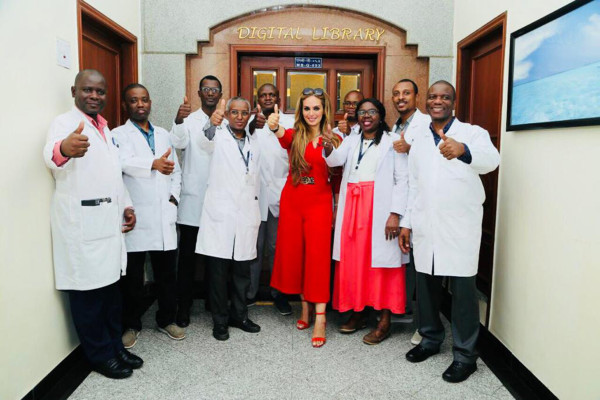
  • Merck Foundation marks World Cancer Day with African First Ladies by providing 194 scholarships of Oncology Training to African doctors from 32 countries. 
  • Merck Foundation together with Africa First Ladies and Ministries of Health has been building cancer care capacity and increasing the limited number of Oncologists in their countries by providing close to 200 Scholarships of One-, two- and three-years fellowship, diploma and Master Degree of oncology to African doctors from 32 Countries. 
  • Merck Foundation is making history in Africa by training the First African Oncologists and First Cancer Care Teams in Countries such as The Gambia, Sierra Leone, Burundi, Liberia, Guinea Conakry, Central African Republic, Chad, Burundi, Malawi, Niger, Namibia, Zambia, Zimbabwe and more. 

Merck Foundation (www.Merck-Foundation.com), the philanthropic arm of Merck KGaA Germany, marks ‘World Cancer Day 2025' together with Africa's First Ladies and Ministries of Health. Through their Cancer Access Program, Merck Foundation is is building quality and equitable cancer care capacity in Africa.  

Senator Dr. Rasha Kelej, the CEO of Merck Foundation, highlighted, “At Merck Foundation, we mark World Cancer Day not just as a single day, but as a our continued commitment to transform and advance cancer care in Africa.  

Together with my dear sisters, the Africa's First Ladies, we are have enhanced the cancer care capacity in the continent by providing 194 scholarships to young African doctors from 32 countries, significantly increasing the number of oncologists in Africa. We are making history together by providing these important scholarships for the first oncologists and /or the first cancer care teams in many countries across Africa.”  

Merck Foundation in total provided more than 2100 scholarships to doctors from over 52 countries in 44 critical and underserved medical specialties.  

The Merck Foundation Cancer Access Program provides One, two- and three-years fellowship, Post Graduate Diploma and Master Degree of oncology for doctors from Africa. The clinical training has been conducted in India, Egypt and Kenya. Additionaly, Merck Foundation also provides scholarships for 2 years online PG Diploma in Cancer and Clinical Oncology, 01 year online PG Diploma in Medical Oncology and 1 year online PG Diploma in Pain Management from reputed Universities in UK like University of South Wales, University of Buckingham, Queen Mary University of London, and Cardiff University. 

Merck Foundation is establishing Multidisciplinary Oncology Care teams in many African countries by providing scholarships of clinical training in Medical Oncology, Surgical Oncology, Pediatrics Oncology, Gynecology Oncology, Breast Oncology, Haemato-Oncology, Orthopaedic Oncology, Palliative Care, Pathology Oncology, Radiation Oncology, Research in Oncology, Surgical Oncology - Genital Urinary System, Advanced Cytopathology Training, Interventional Radiology, Radiation Technician, Laboratory Technician, Oncology Nursing. 

Merck Foundation through its Merck Foundation Cancer Access Program has provided 194 scholarships of Oncology to doctors from 32 countries including Botswana, Burkina Faso, Burundi, Cameroon, Central African Republic, Chad, Congo Brazzaville, Democratic Republic of the Congo, Ethiopia, Gabon, Gambia, Ghana, Guinea, Kenya, Liberia, Malawi, Mauritius, Mozambique, Namibia, Nepal, Niger, Nigeria, Rwanda, Sao Tome & Principe, Senegal, Sierra Leone, South Africa, Sri Lanka, Tanzania, Uganda, Zambia and Zimbabwe.  

“In several of these countries, there wasn't even a single oncologist. We are proud to be making history in Africa by training the first oncologists and establishing the first cancer care teams in nations such as The Gambia, Sierra Leone, Burundi, Liberia, Guinea Conakry, Central African Republic, Chad, and Niger. Merck Foundation remains committed to transforming the landscape of cancer care across the continent and leading Africa toward a healthier future,” explained Senator Dr. Rasha Kelej.  

Africa records around 1.1 million new cases of cancer, resulting in up to 700,000 deaths, every year, as per WHO data. The mortality rate of cancer patients is very high in Africa, as compared to the rest of the world.  

“One of the key reasons is also the late diagnosis of the disease. Therefore, these scholarships are very important” added Senator Kelej.  

Merck Foundation has also created awareness materials including awareness leaflets and videos on Cancer Prevention and Early Detection.  

Dr. Chifundo Kajombo, Merck Foundation Alumni from Malawi shares, “I am privileged to be awarded a scholarship by Merck Foundation to pursue the Surgical Oncology fellowship training program at Tata Memorial Hospital, India. I managed to advance from basic surgical oncology principles to the advanced level. This has helped me improve my understanding of cancer and operative principles. Since returning back home, I have managed to change the structure of how our breast clinic runs and modified it to incorporate a number of new things that we probably could not have possibly included. I am so proud to share that I have just been awarded the Best Surgeon for 2023 in Malawi. I would not have achieved this feat without Merck Foundation's scholarship. I am very thankful.” 

Watch testimonials videos of Merck Foundation Oncology Fellowship Alumni: https://apo-opa.co/4bab06Y

Distributed by APO Group on behalf of Merck Foundation.

Link of the extra posters: https://apo-opa.co/3X6RmD6

Contact details:
Mehak Handa
Community Awareness Program Manager
+91 9310087613 / +91 9319606669
mehak.handa@external.merckgroup.com

Join the conversation on our social media platforms below and let your voice be heard! 
Facebook: https://apo-opa.co/4k65XbW
X: https://apo-opa.co/43mGeGv
YouTube: https://apo-opa.co/3EVeWMS
Instagram: https://apo-opa.co/413ECyl
Threads: https://apo-opa.co/4gLTA1P
Flickr: https://apo-opa.co/4gSxZVs
Website: www.Merck-Foundation.com
Download the Merck Foundation App: https://apo-opa.co/413wo9z

About Merck Foundation:
The Merck Foundation, established in 2017, is the philanthropic arm of Merck KGaA Germany, aims to improve the health and wellbeing of people and advance their lives through science and technology. Our efforts are primarily focused on improving access to quality & equitable healthcare solutions in underserved communities, building healthcare & scientific research capacity, empowering girls in education and empowering people in STEM (Science, Technology, Engineering, and Mathematics) with a special focus on women and youth. All Merck Foundation press releases are distributed by e-mail at the same time they become available on the Merck Foundation Website.  Please visit www.Merck-Foundation.com to read more. Follow the social media of Merck Foundation: Facebook (https://apo-opa.co/4k65XbW), X (https://apo-opa.co/43mGeGv), Instagram (https://apo-opa.co/413ECyl), YouTube (https://apo-opa.co/3EVeWMS), Threads (https://apo-opa.co/4gLTA1P) and Flickr (https://apo-opa.co/4gSxZVs). 

The Merck Foundation is dedicated to improving social and health outcomes for communities in need. While it collaborates with various partners, including governments to achieve its humanitarian goals, the foundation remains strictly neutral in political matters. It does not engage in or support any political activities, elections, or regimes, focusing solely on its mission to elevate humanity and enhance well-being while maintaining a strict non-political stance in all of its endeavors. 

Media files
Merck Foundation
Download logo
Read moreMerck Foundation CEO Provides 194 Oncology Scholarships in Africa
20 February 2025

Eskom cracks down on attacks against field employees

Location: News

Eskom cracks down on attacks against field employees

Eskom says it is collaborating with the National Joint Operational and Intelligence Structure (NATJOINTS) Energy Safety and Security Priority Committee to crack down on violent crimes against its employees – particularly those based in the Eastern Cape.

The energy utility described a “rising wave” of attacks against its employees in that province and warned that rising violence is compromising its ability to service those areas.

“Despite an initial decline earlier in the financial year, these attacks have surged since October 2024, posing significant risks to both personnel and service delivery operations, particularly in the Eastern Cape

“Eskom is committed to enhancing security measures but will cease operations in areas where employee safety is compromised. Protecting critical infrastructure and ensuring the well-being of its employees is an urgent priority,” Eskom said.

The energy company revealed that at least 14 armed robberies and five car hijackings had been perpetrated against its employees since the beginning of the 2024/25 financial year.

“One of the most alarming incidents occurred on 4 January 2025 along the N2 at Tsolo Junction, where an Eskom employee was shot and robbed of personal belongings during a car hijacking. Electrification sites and commuting employees remain particularly vulnerable, with most attacks concentrated in Mbodlana Village, uMthatha, Port St Johns, and Tsolo.

“Criminals are employing extreme violence, using firearms, hijacking company and personal vehicles, coercing employees into transferring cash, and even restraining them. These threats place Eskom personnel at severe risk of injury or loss of life while carrying out essential duties,” Eskom said.

The power utility said continued attacks “extend beyond individual safety concerns”.

“They contribute to the deterioration of public infrastructure, jeopardise energy security, disrupt electricity supply, result in financial losses, and create an unsafe work environment.

“Eskom strongly condemns these violent acts and continues to work diligently with NATJOINTS to curb the crisis. However, should the situation persist, Eskom may be forced to withdraw its technicians from high-risk areas.

“This would inevitably lead to prolonged power outages and service disruptions, negatively affecting communities and businesses. The safety of Eskom employees is non-negotiable,” Eskom said.

Community members are urged to report any information they may have on these attacks to contact the Eskom Crime Line on 0800 112 722 or via WhatsApp at 081 333 3323. – SAnews.gov.za

Matona
Thu, 02/20/2025 - 16:11
1 view

Read moreEskom cracks down on attacks against field employees
19 February 2025

South Africa to host a “fruitful” first G20 Foreign Ministers’ Meeting

Location: News

South Africa to host a "fruitful" first G20 Foreign Ministers’ Meeting

South Africa's G20 Sous Sherpas, Ambassador Xolisa Mabhongo and Advocate Nokukhanya Jele, have expressed confidence in the success of the first G20 Foreign Ministers’ Meeting.

International Relations and Cooperation Minister Ronald Lamola will host the meeting on Thursday and Friday at Nasrec, Johannesburg, welcoming his international counterparts.

Ahead of the gathering, Ambassador Mabhongo and Advocate Jele briefed the media on the significance of the event, outlining its objectives, key attendees, and expected outcomes.

“We have every faith and confidence that the next two days will be fruitful, useful and successful,” Jele said.

South Africa assumed the Presidency of the G20 on 1 December 2024, under the theme: “Solidarity, Equality, Sustainability”.

The country has successfully hosted its first Sherpa meetings from 9 - 10 December 2024 and has since been conducting various G20 working group meetings. 

Jele explained to the media that the G20 comprises two tracks: a Sherpa Track, led by the Department of International Relations and Cooperation (DIRCO), which consists of 15 sectoral working groups, and a Finance Track, led by the National Treasury, which includes eight sectoral working groups. 

“South Africa's G20 Presidency carries tremendous responsibility, given that the decisions taken by the G20 can impact the lives of all members of the global community, notably the most vulnerable and needy. 

“South Africa is the only African country that is a permanent member of the G20 and therefore this is the first time in the G20’s history that an African country will preside over this August bloc of developing and developed countries,” Jele said. 

Global Challenges and South Africa’s G20 Priorities

With the world facing multiple challenges, including sustainable development setbacks, South Africa’s Presidency seeks to promote global solidarity and multilateral cooperation. 

Advocate Jele emphasised that the G20 Foreign Ministers’ Meeting has become an important platform for discussions on international issues and cooperation.

“The world faces a myriad of global challenges and continued Sustainable Development reversals. The current global situation suggests that the international community requires a profound paradigm shift characterised by solidarity, harmony and mutual respect. 

“In this regard, the G20 has a significant role to play in fostering global cooperation, collaboration and partnership to address these challenges and achieve sustainable development,” she said. 

At the core of South Africa's G20 presidency, the country aims to secure urgent progress on shared global goals. 

“The meeting of G20 foreign ministers has grown in importance and become a valuable forum for discussions on a wide range of international issues and matters of shared concern.

“G20 Foreign ministers are uniquely placed to monitor major global risks, convene dialogs on strategic matters and encourage cooperation to revive multilateralism in addressing global challenges,” Jele said. 

Programme of the G20 Foreign Ministers’ Meeting 

Ambassador Mabhongo outlined the programme of the two-day meeting and priorities for South Africa’s G20 Presidency. 

President Cyril Ramaphosa will deliver the opening address at the Foreign Ministers’ Meeting, followed by discussions on the global geopolitical landscape. 

“This is one of the reasons that we have convened the meeting of foreign ministers, so that they can reflect on the geopolitical situation that the world faces today and see how the G20 can position itself to respond and contribute to that,” the Ambassador said. 

The second day of deliberations will focus on South Africa’s overarching priorities, which include strengthening disaster resilience and response, ensuring debt sustainability for low-income countries, mobilising finance for just energy transitions, and harnessing critical minerals for inclusive growth and sustainable development. 

Mabhongo explained that these are the four over aching priorities that the President announced as being the guiding light for South Africa’s presidency.

“In addition to this, we have established three high level task forces, the first one is on inclusive economic growth, industrialisation, employment, and reduced inequality. The second one is on food security and the third one is on artificial intelligence for sustainable development,” he said. 

The ambassador importantly noted that South Africa’s Presidency is the last in the first cycle of G20 presidencies since the forum was elevated to leaders’ level.

“One of the aims of our presidency is to undertake a review of the G20 at 20. That is, to see what has the G20 achieved during the past 20 years. So this is part of the work that will be done during our presidency,” Mabhongo said.

Addressing debt and economic inequality

South Africa also aims to address the high cost of capital for developing nations, which remains a major barrier to economic growth. The G20 Presidency will also focus on broadening the G20 Compact with Africa, a partnership co-chaired by South Africa and Germany, to enhance its effectiveness. 

“When we talk about debt and some of the challenges that are facing developing countries, we cannot shy away from the fact that there is a problem with the cost of capital. Therefore South Africa seeks, during its presidency, to also undertake a review of the cost of capital, why is it that developing countries struggle and have to pay higher when they borrow to finance their debt and other challenges than other countries. 

“We also seek to work on a broadened compact with Africa. During our presidency, we therefore wish to also see how we can expand and make this compact with Africa more impactful and more effective,” the Ambassador said. 

Furthermore, Mabhongo said discussions on critical minerals, a key topic in global forums like the United Nations and G7, will be prioritised.

In terms of the attendance of the of the meeting, Mabhongo said all G20 members will be represented. 

“We also have a list of guest countries or invited countries, all of them have also confirmed their attendance, so we look forward to a very good and successful meeting of foreign ministers at the beginning of our G20 Presidency,” he said. – SAnews.gov.za 

DikelediM
Wed, 02/19/2025 - 14:50
222 views

Read moreSouth Africa to host a “fruitful” first G20 Foreign Ministers’ Meeting
19 February 2025

SA, EU strengthen strategic partnership at Ministerial Dialogue

Location: News

SA, EU strengthen strategic partnership at Ministerial Dialogue

South Africa and the European Union (EU) have reaffirmed their commitment to deepening their strategic partnership during the 16th Session of the Ministerial Political Dialogue on Wednesday in Cape Town. 

International Relations and Cooperation Minister Ronald Lamola, along with the European Union High Representative for Foreign Affairs and Security Policy and Vice President of the European Commission, Kaja Kallas, co-chaired the dialogue in the context of the EU-South Africa Strategic Partnership.

“The EU-South Africa Ministerial Political Dialogue builds on the joint aspiration to further the strategic partnership, which has grown in depth and ambition over the years. 

“The political and security cooperation is strong, and so are trade and investment relations: South Africa is the EU’s largest trading partner in sub-Saharan Africa, and the EU is South Africa’s first trade and investment partner,” a joint communique said.               

The meeting was also attended by Minister of Trade, Industry and Competition, Parks Tau, Minister of Agriculture John Steenhuizen, Minister of Basic Education Siviwe Gawarube and Minister of Science, Technology and Innovation Blade Nzimande. 

The High Representative’s three-day visit to Africa at the beginning of her mandate signals the EU’s commitment to the partnership with South Africa and with the continent.

The Ministerial Political Dialogue is a key milestone ahead of the 8th European Union-South Africa Summit, which is scheduled for 13 March 2025. 

The political engagements between the European Union and South Africa contribute to the celebration of the 25th anniversary of the European Union’s partnership with Africa. 

In this context, both sides underscored the importance of holding the European Union- African Union Ministerial Meeting and Summit in 2025.

“The Ministerial Political Dialogue presented an opportunity for the European Union and South Africa to reiterate their common commitment to multilateralism, a consistent approach to the rules-based international order, and the centrality of the United Nations Charter. 

“The parties further agreed on the need to reform the UN Security Council, recognising the urgent need to make it more representative, inclusive, transparent, efficient, democratic and accountable,” a joint communique said. 

Addressing global conflicts, both sides affirmed their unwavering commitment to act in accordance with international law, including the Charter of the United Nations and its purposes and principles. 

Both sides noted with distress the immense human suffering and the adverse impact of wars and conflicts around the world. 

The parties also reaffirmed that all states must act in a manner consistent with the Purposes and Principles of the UN Charter in its entirety. 

“In line with the UN Charter, all states must refrain from the threat or use of force to seek territorial acquisition against the territorial integrity and sovereignty or political independence of any state and affirmed that all parties in conflicts must comply with their obligations under international law, including international humanitarian law and international human rights law,” the joint communique said. 

Both sides further agreed that, guided by these principles, to support efforts towards a just peace in Ukraine, Occupied Palestinian Territory, Sudan, the DRC and other major conflicts around the globe.

The European Union and South Africa also discussed their cooperation in multilateral and regional fora, focusing in particular on their joint efforts to promote human rights and sustainable development and to address climate change.

The European Union emphasised its alignment with and support for South Africa G20’s presidency priorities.

In view of the Summit, the European Union and South Africa also looked at their economic, trade and investment agenda, including outstanding issues on both sides. 

“Underlining the importance of a just energy transition, the European Union and South Africa reviewed opportunities to step up cooperation on sustainable value chains, including critical raw materials with a view to further their respective competitiveness, economic security and decarbonisation efforts. 

“The parties agreed that critical minerals have emerged as a pivotal topic on the global stage, reflecting a critical role in driving industrialisation, technological innovation, and inclusive economic growth. South Africa underscored the need for the transition to a low carbon economy to be just, enhance energy security and create jobs. The two sides acknowledged the role of regulatory cooperation, investment facilitation, as well as of businesses in driving these initiatives,” the joint communique said. 

The European Union and South Africa further welcomed the robust collaboration in the areas of education, research and innovation. 

Both sides discussed opportunities to further enhance cooperation on open science and nuclear medical applications, to ensure progress on South Africa joining the Clean Hydrogen Mission of Mission Innovation. 

This is to broaden the participation of South Africa in the EU Framework Programme for Research and Innovation (R&I) Horizon Europe and in the Marie Skłodowska-Curie Actions as well as to promote mobility and cooperation through Erasmus+.

The European Union and South Africa further agreed that international trade is an important engine for inclusive economic growth, combating poverty and hunger and promoting sustainable development and the SDGs. 

“The EU and South Africa also stressed that for trade and investment to act as a driver of global growth, well-being and prosperity, a transparent rules-based multilateral trading system, that is non-discriminatory, fair, open, inclusive, equitable and sustainable is a necessity. Both sides reaffirmed that the WTO must be at the core such a multilateral trading system,” said the joint communique.  – SAnews.gov.za


DikelediM
Wed, 02/19/2025 - 15:48
164 views

Read moreSA, EU strengthen strategic partnership at Ministerial Dialogue
19 February 2025

Young Users Can’t Live Without Gadgets, but Have Little Safety Guidance

Location: News
Kaspersky

According to a recent Kaspersky (www.Kaspersky.co.za) survey*, 91% of parents surveyed in South Africa and 89% of parents surveyed in the Middle East, Turkiye and Africa (META) region use gadgets to entertain and occupy their children while traveling or to gain some free time for themselves. Moreover, half (50%) of children in South Africa and over half (52%) of children in the META region receive their first personal device – a smartphone or tablet – quite early, at the age of 3-7 years. However, 26% and 22% of respondents respectively have not discussed Internet safety rules with their children. This means that some of the children, who are often left one-on-one with their devices, are not always aware of how to behave safely online. 

The children themselves admit that gadgets play a significant role in their lives. According to their own admission, 72% in South Africa and 78% in the META region cannot live without their gadgets. Smartphones, tablets and game consoles are at the top of the list of the most desirable devices for children. This emphasises the critical need for children to understand that they can be exposed to threats online, what this means and how to safely navigate this through appropriate device rules and guidelines.    

“Most parents give their children gadgets in order to entertain them, spare some time for themselves or calm down their kids. However, children shouldn't use digital devices uncontrolled. Rather parents should monitor their child's digital life better. This can be done by limiting screen time and holding conversations, however, a security solution is also needed”, comments Seifallah Jedidi, Head of Consumer Channel in the Middle East, Turkiye and Africa at Kaspersky. 

“Applying parental control is not showing distrust to your child; it's a sensible precaution with which you can, among other things, protect the device and the data on it. It allows parents to control which sites their children visit and which games they play, as well as disallowing file downloads, blocking access to content on unwanted topics and preventing the disclosure of confidential information. This way, Kaspersky's technologies help protect finances and confidential data from cybercriminals, and protect children from the risks that may lurk in the online environment”, he adds. 

Kaspersky suggests protecting children with the following proactive measures: 

  • Parents can create a safer online environment for their children by staying informed about the latest threats and actively monitoring their children's online activities.  
  • It's crucial for parents to have open communication with their children about the potential risks they may encounter online and to enforce strict guidelines to ensure their safety. 
  • To secure your child from downloading any malicious files during their online experiences, we advise installing a trusted security solution on their device. 
  • With the right tools such as Kaspersky's digital parenting app Safe Kids (https://apo-opa.co/3D0IQij), parents can effectively safeguard their children against cyber threats in the digital space. 

*The survey was conducted by Toluna research agency at the request of Kaspersky in 2023. The study sample included 10000 online interviews (5000 parent-child pairs, with children aged 3 to 17 years) in 5 countries: Türkiye, South Africa, Egypt, Saudi Arabia, and the UAE. 

Distributed by APO Group on behalf of Kaspersky.

For further information please contact: 
Nicole Allman 
INK&Co. (https://apo-opa.co/3EIX1Jr)
nicole@inkandco.co.za    

Follow us: 
Facebook: https://apo-opa.co/3EEx6T2
X: https://apo-opa.co/4gH6e28
YouTube: https://apo-opa.co/4i6LPVw
Instagram: https://apo-opa.co/4k6i1tS
Blog: https://apo-opa.co/4b7uf1a

About Kaspersky:
Kaspersky is a global cybersecurity and digital privacy company founded in 1997. With over a billion devices protected to date from emerging cyberthreats and targeted attacks, Kaspersky's deep threat intelligence and security expertise is constantly transforming into innovative solutions and services to protect businesses, critical infrastructure, governments and consumers around the globe. The company's comprehensive security portfolio includes leading endpoint protection, specialized security products and services, as well as Cyber Immune solutions to fight sophisticated and evolving digital threats. We help over 200,000 corporate clients protect what matters most to them. Learn more at www.Kaspersky.co.za.   

Media files
Kaspersky
Download logo
Read moreYoung Users Can’t Live Without Gadgets, but Have Little Safety Guidance
19 February 2025

Nkabane announces appointment of new NSFAS board

Location: News

Nkabane announces appointment of new NSFAS board

Higher Education and Training Minister, Dr Nobuhle Nkabane, has announced the appointment of the new board of the National Student Financial Aid Scheme (NSFAS).

The appointment underpins the Minister’s unwavering commitment to ensure that the NSFAS is led by highly qualified individuals with the expertise necessary to drive efficiency, accountability, and transparency.

Recognising the pivotal role that NSFAS plays in enabling access to higher education, Nkabane said she has prioritised the swift appointment of a board that meets stringent professional and academic criteria.

In a statement on Tuesday, Nkabane said the matter [stringent professional and academic criteria] has been of national interest, and she remains steadfast in her commitment to reforming the institution to benefit South African students.

“[The] NSFAS is a critical institution requiring the highest expertise and ethical leadership. The qualification standards for board appointments have been significantly raised to achieve this.

“Members appointed to the board possess a minimum qualification of a master’s degree and extensive professional experience in finance, law, engineering, or governance. This strategic approach ensures that NSFAS is managed by individuals with the necessary expertise to navigate financial and administrative complexities, while upholding transparency and efficiency,” Nkabane said.

In line with this commitment, the Minister highlighted that the board’s composition reflects the values of inclusivity, youth empowerment, and gender representation.

She said the newly appointed members meet the stringent qualification requirements and embody a diverse and representative leadership team dedicated to transforming higher education funding.

The Minister reiterated the government’s dedication to building a strong and credible NSFAS that functions efficiently and restores public confidence.

“By selecting individuals with proven expertise and experience, NSFAS will operate with integrity, prioritise student needs, and effectively deliver on its mandate. This appointment signals a firm stance on governance reforms within NSFAS and sets a precedent for accountability in state-funded institutions.

“The department remains committed to ensuring that NSFAS supports deserving students, while upholding principles of fairness, transparency, and efficiency,” Nkabane said.

Dr Karen Stander has been appointed as the Chairperson of the board. Stander is a senior lecturer in the Department of Business Management at the University of South Africa’s (Unisa) College of Economic and Management Sciences (CEMS).

With over 13 years in academia and a PhD in Business Management from the University of Pretoria, Dr Stander brings extensive experience in student empowerment, innovation, and entrepreneurship. She is committed to fostering an efficient, and well-governed NSFAS that ensures sustainable student funding.

Other board members include:
Ndileka Portia Loyilane - Board Member (Public Administration)
Advocate Richardt Tlou Ramashia - Board Member (Legal)
Advocate Ramashia 
Advocate Lavandran Nanda Gopaul - Board Member (Legal)
Philisiwe Sibiya: Member (Accounting, Chartered Accountant (CA SA))
Clarinda Elizabeth Simpson: Member Accounting (CA SA). 
Prashika Mahesh: Member Accounting (CA SA). 
Dr Siyanda Mngadi: Member – Governance.
Karabo Mohale: Member – Governance
Dr Johanna Maphutha: Member – Education.
Dr Mugwena Maluleke: Member – Education.
Dr Marcia Socikwa: Member - DDG: University Education (DHET Representative)

“These appointments mark a significant step in strengthening NSFAS as an institution that upholds integrity, accountability, and efficiency in delivering financial aid to deserving students,” Nkabane said.

The Minister reiterated her committed to ensuring that NSFAS fulfils its mandate of making higher education more accessible to South Africans. – SAnews.gov.za


GabiK
Tue, 02/18/2025 - 15:26
256 views

Read moreNkabane announces appointment of new NSFAS board
18 February 2025

Opportunities for Growth and Investment in Africa’s Energy Sector

Location: News
African Energy Chamber

Africa's energy sector presents significant opportunities for investment and growth through targeted infrastructure development. Despite the continent's abundant hydrocarbon resources, inadequate infrastructure has historically impeded efficient extraction, processing and distribution. Addressing these gaps can unlock substantial economic potential and meet the rising energy demands both within Africa and globally.

As Africa continues to prioritize energy infrastructure development, this year's Africa Energy Week (AEW): Invest in African Energies conference – taking place September 29 to October 3 in Cape Town - will serve as a critical platform for investors, policymakers and industry leaders to explore opportunities in oil and gas pipelines, storage facilities and gas-to-power projects. Discussions at AEW 2025 will highlight successful infrastructure projects, showcase emerging investment prospects and address challenges in financing and implementation.

Pipeline Infrastructure

One critical area for investment is the development of extensive pipeline networks. These pipelines are essential for transporting crude oil and natural gas from production sites to refineries and export terminals. The proposed Nigeria-Morocco Gas Pipeline aims to transport approximately 30 billion cubic meters of natural gas annually from Nigeria through to Morocco and onto Europe, traversing 13 African countries. The $25 billion, 5,600-km project is poised to enhance energy security and foster economic integration across the region, with the potential to create jobs, boost industrialization and provide a stable gas supply for domestic consumption and export, strengthening Africa's role in the global energy market.

Liquefied Natural Gas Facilities

Investing in Liquefied Natural Gas (LNG) facilities is another promising avenue. These facilities enable the processing and export of natural gas, catering to global markets with high energy demands. Countries like Mozambique, the Republic of Congo, Nigeria and Tanzania are advancing large-scale LNG projects to capitalize on their substantial gas reserves. For example, Tanzania's LNG Liquefaction Plant, estimated at $30 billion, is set to position the country as a key player in the global LNG market.

Refining Capacity Enhancement

Africa's limited refining capacity often necessitates the import of refined petroleum products, leading to economic inefficiencies. Investments in modernizing and expanding existing refineries, as well as constructing new ones, are crucial. Such developments would not only meet domestic demand, but also create export opportunities. Angola is in the process of developing three new oil refineries, which will collectively increase domestic refining capacity to 400,000 barrels per day and reduce dependence on imported fuels.

Storage and Distribution Networks

Robust storage facilities and distribution networks are vital for maintaining energy supply stability. Investing in these areas ensures that oil and gas products are efficiently stored and transported to end-users, minimizing losses and meeting market demands. Enhanced storage capacity also provides a buffer against market fluctuations, contributing to energy security. South Africa's Richards Bay III project – a $6 million initiative involving the construction of an oil storage facility – aims to enhance South Africa's energy storage capacity and improve supply stability. Additionally, South Africa is experiencing significant growth in its LPG industry, driven by new distribution hubs and rising electricity prices. Companies like Petredec have announced the establishment of the country's first rail-supplied LPG project, aiming to make LPG a more accessible and cost-effective energy alternative.

Power Generation and Electrification

Leveraging natural gas for power generation offers a dual benefit: monetizing gas resources and addressing electricity deficits. Investments in gas-fired power plants and associated transmission infrastructure can significantly improve electrification rates across the continent. Mozambique's Temane gas-to-power project is set to commence operations in 2025, leveraging gas from the Pande and Temane fields to produce 450 MW of affordable power for the state utility.

AEW: Invest in African Energies is the platform of choice for project operators, financiers, technology providers and government, and has emerged as the official place to sign deals in African energy. Visit www.AECWeek.com for more information about this exciting event.

Distributed by APO Group on behalf of African Energy Chamber.

Media files
African Energy Chamber
Download logo
Read moreOpportunities for Growth and Investment in Africa’s Energy Sector
18 February 2025

NBA Africa and Safaricom’s M-Pesa Launch League’s Most Expansive Youth Development Program in East Africa to Date

Location: Sport
Basketball Africa League (BAL)

NBA Africa and Safaricom (NSE: SCOM- https://apo-opa.co/4gKHaas), the region's leading technology company, on Saturday launched the M-PESA Jr. NBA program that will provide basketball development and financial literacy programming to more than 10,000 boys and girls in Nairobi, Mombasa, Eldoret, and Kisumu, marking the league's most expansive youth development program in East Africa to date.   

The first year of the M-PESA Jr. NBA program, which tipped off with a clinic for more than 100 local coaches at SABIS International School in Nairobi, will consist of four regional tournaments for youth ages 13-16 in Nairobi (Feb. 22-23), Mombasa (March 8-9), Eldoret (March 15-16) and Kisumu (March 22-23). 

In each city, 20 boys' and 20 girls' teams will participate in skills development sessions and competitive games. The top 80 players will then be grouped into four boys' teams and four girls' teams that will play games in a round-robin format. The top 16 boys and girls from each city will be selected to attend an elite top 100 camp at Aga Khan Academy in Mombasa in April.

In addition to the basketball development programming, M-PESA, Safaricom's innovative mobile payment platform, will host financial literacy workshops for the participating youth, empowering them to develop healthy financial habits.

“Tipping off our multiyear collaboration with Safaricom is an important milestone in our ongoing efforts to make basketball more accessible to Kenyan boys and girls,” said NBA Africa CEO Clare Akamanzi. “We look forward to positively impacting youth and coaches across the country through basketball development and life-skills programming.”

“Our collaboration with NBA Africa could not have come at a more opportune moment, as Safaricom's M-PESA will celebrate its 18th anniversary this March, marking a significant milestone in our journey,” said Safaricom CEO Dr. Peter Ndegwa. “Through M-PESA Go, this collaboration transcends beyond basketball. It is driven by a shared vision to create a lasting impact, not only in sports but also in the broader context of youth empowerment. We are committed to nurturing potential, building character, and equipping the next generation with the tools necessary for success. We firmly believe that the association between M-PESA Go and the Jr. NBA program can pave the way for growth and financial health, enabling young athletes to develop their skills and seize opportunities at the next level.”

Distributed by APO Group on behalf of Basketball Africa League (BAL).

About NBA Africa:
NBA Africa is an affiliate of the National Basketball Association (NBA), a global sports and media organization with the mission to inspire and connect people everywhere through the power of basketball.  NBA Africa conducts the league's business in Africa, including the Basketball Africa League (BAL), and has opened subsidiary offices in Cairo, Egypt; Dakar, Senegal; Johannesburg, South Africa; Lagos, Nigeria; and Nairobi, Kenya.  The league's efforts on the continent have focused on increasing access to basketball and the NBA through youth and elite development, social responsibility, media distribution, corporate partnerships, NBA Africa Games, NBA Stores, the BAL, and more.

NBA games and programming are available in all 54 African countries, and the NBA has hosted three sold-out exhibition games on the continent since 2015. The BAL, a partnership between the International Basketball Federation (FIBA) and NBA Africa, is a professional league featuring 12 club teams from across Africa that will tip off its fifth season in April 2025. Fans can follow @ NBA_Africa (https://apo-opa.co/3ELjWny) and @ theBAL (https://apo-opa.co/3ELjWE4) on Facebook, Instagram, X and YouTube.

About Safaricom:
Safaricom is the leading telecommunication company in East Africa. Our purpose is to transform lives by connecting people to people, people to opportunities, and people to information. We keep over 45.9 million customers connected and play a critical role in the society, supporting over one million jobs both directly and indirectly while our total economic value was estimated at KES 393 billion ($3.1 billion) for the 12 months through March 2022.

Listed on the Nairobi Securities Exchange and with annual revenues of close to KES 335.4 billion as of March 2024, Safaricom provides connectivity through wide range of technology, 2G, 3G, 4G and 5G in aggregate covering over 99% of Kenya's population.

Safaricom is an equal opportunity employer, actively recruiting staff from different backgrounds reflecting the communities that we serve. We are committed to equal gender representation at all levels. Our target is to achieve 50:50 senior management gender parity by 2025.

As part of our ongoing commitment to the Sustainable Development Goals (SDGs), we continue to work towards improving energy and resource efficiency in our network and facilities to reduce carbon emissions and our fuel consumption. We remain committed to becoming a Net Zero carbon-emitting company by 2050.

Media files
Basketball Africa League (BAL)
Download logo
Read moreNBA Africa and Safaricom’s M-Pesa Launch League’s Most Expansive Youth Development Program in East Africa to Date
17 February 2025

Celebrating Best African Women and Young Researchers

Location: News
Merck Foundation

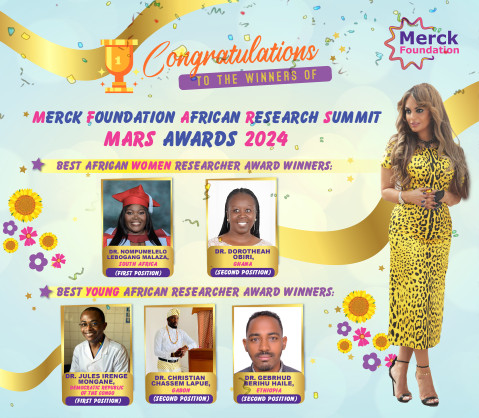
  • Merck Foundation announced the winners of Merck Foundation Africa Research Summit – MARS Awards winners 2024, 5 Researchers from 5 different African Countries recognized under two categories - Best African Women Researchers and Best Young African Researchers.
  • Merck Foundation also announced the Call for Applications for new edition of Merck Foundation Africa Research Summit – MARS Awards 2025 to empower Women and Youth in STEM in Africa with special focus on ‘The Role of Scientific Research in Women Health and Reproductive Care'.

Merck Foundation (www.Merck-Foundation.com), the philanthropic arm of Merck KGaA Germany, announced the Winners of Merck Foundation Africa Research Summit (MARS) Awards 2024, in partnership with International Federation of Fertility Societies -IFFS, Africa Reproductive Care Society - ARCS, Manipal University and African Union Scientific Technical Research Commission to recognize African Researchers for their valuable research work and contribution to empowering women and youth in STEM in Africa with special focus on ‘The Role of Scientific Research in Women Health and Reproductive Care'.

Senator Dr. Rasha Kelej, CEO of Merck Foundation and Chairperson of Merck Foundation Africa Research Summit - MARS expressed, “Since 2016, I have taken immense pride in recognizing the achievements of our MARS Awards winners. This year, we honor Six Winners in two categories: ‘Best African Women Researchers Awards' and ‘Best African Young Researchers Awards.'

These awards celebrate their significant contributions to research, particularly highlighting the efforts of African women researchers, who remain underrepresented in this field. Through the MARS Awards, our mission is to empower young researchers in Africa and to specifically encourage and support women researchers by enhancing their research capabilities and promoting their vital roles in STEM (Science, Technology, Engineering, and Mathematics).”

The winners of ‘Best African Women Researchers Awards' and ‘Best Young African Researcher Awards' will be enrolled into research training at a premier research institute in India.

“And I am also very happy to share with you all that as promised, we provided an opportunity to our first-place winner of each category to attend the 11th Edition of Merck Foundation Africa Asia Luminary which was recently conducted in Tanzania, however, only Mr. Jules Irenge Mongane was able to attend it”, shared Senator Rasha Kelej.

Merck Foundation is committed to improving the lives of people and has been transforming the Patient care landscape and making history together with its partners in Africa, Asia, and beyond, by providing 2080 Scholarships for doctors from 52 Countries in 44 critical and underserved medical specialties.

The MARS 2024 Award Winners are:

Winners of “MARS Best Women African Researchers Awards” 2024

  • Dr. Nompumelelo       Lebogang     Malaza, SOUTH AFRICA (First Position)

TOPIC: Association Between Biochemical And Epigenetic Markers With Glycaemic Control And Neonatal Outcomes In Diabetic Pregnancies

  • Dr. Dorotheah Obiri, GHANA (Second Position)

TOPIC: Immune dysregulation in placental malaria and hypertensive disorders of pregnancy

Winners of “MARS Best Young African Researchers Awards” 2024

  • Dr. Jules Irenge Mongane, DEMOCRATIC REPUBLIC OF THE CONGO (First Position)

TOPIC: Association Between Bacterial Vaginosis, Chlamydia Trachomatis Infection And Tubal Factor Infertility In Bukavu, Democratic Republic Of Congo

  • Dr. Christian     Chassem Lapue, GABON (Second Position)

TOPIC: Epidemiology of helminthiases in women of reproductive age living in Lambaréné and its surroundings, Gabon

  • Dr. Gebrhud Berihu Haile, ETHIOPIA (Second Position)

TOPIC: Incidence of neonatal mortality and factors influencing neonate survival in  neonatal intensive care unit in Northern Ethiopia: a prospective cohort study

“I am also excited to announce the Call for Applications for the new edition of the Merck Foundation Africa Research Summit (MARS) Awards 2024. This year, special focus will be again on “The Role of Scientific Research in Women Health and Reproductive Care,” added Senator, Dr. Rasha Kelej.

Merck Foundation Africa Research Summit - MARS 2025 will have scientific support from African Union Scientific-Technical and Research Commission (AU-STRC); African Reproductive Care Society (ARCS), and Manipal Academy of Higher Education (MAHE).

Details for MARS AWARDS 2025

Abstracts are invited from final year African PhD students and young investigators involved in research related to either of the following topics:

1) Women's Health

2) Infertility and Reproductive Health

All applicants should be primarily based at African Research Institutes and Universities, although collaboration within Africa as well as outside is also welcome.

Last Date of Submission:

Applications can be submitted till 30th June 2025

How to apply:

Apply by clicking: https://apo-opa.co/3X5kcnH

Alternatively, the Applications and abstracts can be submitted via email to mars@merck-foundation.com, along with CV (including Name, Gender, Country, University/Hospital Name, Email address, Mobile Number) and the abstract document as an attachment.

Other Details:

  • All Abstracts will be peer reviewed.
  • Research Awards will be dedicated for two categories of Best African Women Researchers and Best Young Africa Researchers.
  • Winners will be eligible for Research Training in a prestigious Research Institute in India.
  • Top Winners will be invited to attend the 12th Edition of Merck Foundation Africa Asia Luminary 2025.

Distributed by APO Group on behalf of Merck Foundation.

Videos Link: https://apo-opa.co/4hXOFvN

Contact Detials:
Mehak Handa
Community Awareness Program Manager
+91 9310087613
+91 9319606669
mehak.handa@external.merckgroup.com

Join the conversation on our social media platforms below and let your voice be heard!
Facebook: https://apo-opa.co/4gLG2TW
X: https://apo-opa.co/3X70mZ3
YouTube: https://apo-opa.co/4bbfmef
Instagram: https://apo-opa.co/4b0ipG5
Thread: https://apo-opa.co/4i22rgV
Flickr: https://apo-opa.co/4b8xLZ5
Website: http://www.Merck-Foundation.com

About Merck Foundation:
The Merck Foundation, established in 2017, is the philanthropic arm of Merck KGaA Germany, aims to improve the health and wellbeing of people and advance their lives through science and technology. Our efforts are primarily focused on improving access to quality & equitable healthcare solutions in underserved communities, building healthcare & scientific research capacity, empowering girls in education and empowering people in STEM (Science, Technology, Engineering, and Mathematics) with a special focus on women and youth. All Merck Foundation press releases are distributed by e-mail at the same time they become available on the Merck Foundation Website.  Please visit www.Merck-Foundation.com to read more. Follow the social media of Merck Foundation: Facebook (https://apo-opa.co/4gLG2TW), X ( https://apo-opa.co/3X70mZ3), Instagram (https://apo-opa.co/4b0ipG5), YouTube (https://apo-opa.co/4bbfmef), Threads (https://apo-opa.co/4i22rgV) and Flickr (https://apo-opa.co/4b8xLZ5).

The Merck Foundation is dedicated to improving social and health outcomes for communities in need. While it collaborates with various partners, including governments to achieve its humanitarian goals, the foundation remains strictly neutral in political matters. It does not engage in or support any political activities, elections, or regimes, focusing solely on its mission to elevate humanity and enhance well-being while maintaining a strict non-political stance in all of its endeavors.

Media files
Merck Foundation
Download logo
Read moreCelebrating Best African Women and Young Researchers
17 February 2025

W Cape unveils key strategies to boost environmental resilience

Location: News

W Cape unveils key strategies to boost environmental resilience

The Western Cape Government and CapeNature have taken steps to protect the province’s rich biodiversity and critical ecological infrastructure by launching two strategies to boost environmental resilience.

The strategies will support the “Build Back Better” approach by focusing on protecting and restoring important natural areas, making them stronger and more resilient.

Western Cape Local Government, Environmental Affairs and Development Planning MEC, Anton Bredell, said while the province cannot rebuild ecosystems like it does with buildings, it can support them so that they recover more effectively from damage and adapt to environmental changes.

Bredell said healthy ecosystems, including wetlands, forests and rivers, help to reduce the impact of natural disasters like floods, fires and droughts.

“By including nature in how we design and build infrastructure, we can create a safer and more sustainable future,” Bredell said in a statement on Friday.

The two crucial strategies for advancing conservation and sustainable land use in the Western Cape include the 2023 Western Cape Biodiversity Spatial Plan (WCBSP) and the Western Cape Protected Areas Expansion Strategy (WCPAES).

The 2023 WCBSP identifies priority areas for conservation and sustainable land use and serves as a blueprint for prioritising the province’s most valuable ecosystems.

Bredell said the plan will form the bedrock of sustainable development in the province.

The second strategy, the WCPAES, outlines a clear approach to expanding protected areas, ensuring that both nature and people can thrive together.

“The 2023 WCBSP identifies and prioritises important areas for conservation, integrating environmental protection with responsible land-use planning. The WCPAES takes this further by mapping out important areas for expansion of the protected area network to secure key ecological infrastructure, strengthen climate resilience, and support sustainable development,” Bredell explained.

The 2023 WCBSP is the first provincial spatial plan, in accordance with the Western Cape Biodiversity Act (Act 6 of 2021).

Bredell emphasised that the economy and the environment are inextricably linked, and all future planning must be implemented with this in mind.

He said environmental protection and expansion of the conservation estate remains a critical priority for the Western Cape Government.

The MEC also emphasised the link between biodiversity conservation and communities.

“Our province’s economy is deeply tied to nature, agriculture and tourism, and rural livelihoods depend on the long-term health of our ecosystems. Investing in conservation means investing in economic stability, food security and sustainable job creation.

“Through providing upfront considerations for spatial planning, we provide key insights to existing and potential investors. Creating a vibrant economy and the jobs created through this remains our focus. Investors can begin their planning processes with the environmental sector considerations already on the table,” Bredell said.

CapeNature CEO Dr Ashley Naidoo said conservation is not just about protecting species but also bolstering the long-term sustainability of the Western Cape.

“A thriving conservation sector drives job creation through the provision of stable ecosystem services like water security for our industrial sectors. Healthy biodiversity and ecosystems also remain the most cost-effective way to improve society’s resilience to extreme weather and climate change impacts.”

The WCPAES has been published for public comment, giving stakeholders an opportunity to shape the future of conservation in the Western Cape.

CapeNature invites all interested parties to review and comment on the Draft WCPAES by visiting https://www.capenature.co.za/western-cape-protected-areas-expansion-strategy.

Written comments on the Draft Strategy must be submitted within 60 days from the date of publication of the Notice in the Provincial Gazette, which was 31 January 2025. – SAnews.gov.za 

GabiK
Mon, 02/17/2025 - 11:12
193 views

Read moreW Cape unveils key strategies to boost environmental resilience
16 February 2025

Govt calls for collective effort to boost STEAM education

Location: News

Govt calls for collective effort to boost STEAM education

The Deputy Minister of Science, Technology and Innovation, Nomalungelo Gina, has called for collective effort to improve science, technology, engineering, arts, and mathematics (STEAM) education in schools across South Africa. 

The Deputy Minister recently opened the second annual Regional STEAM Education Seminar in Johannesburg.

“We need to work together to unlock our country’s immense potential through quality education in STEAM,” said the Deputy Minister.

Gina identified several challenges contributing to the decline in STEM enrolment, including poor resources and infrastructure in rural and township schools, lack of computer labs, and limited access to qualified teachers. 

The Deputy Minister said the need for committed action and collaboration to address these challenges cannot be overstated and called on all stakeholders to unite and work towards a common goal. 

Proposing joint initiatives among all the stakeholders within the national innovation system, the Deputy Minister highlighted the need to include the corporate sector to build industry support for STEM uptake. 

The Deputy Minister has already met with business chambers in KwaZulu-Natal and the Eastern Cape, and they have shown interest in partnering with the government to ensure socio-economic development in the country. 

She also announced plans to pioneer STEM excellence schools in rural areas of each province, which will serve as models of excellence in the 21st century. 

“We need to work together to unlock our country’s immense potential through quality education in STEAM,” she said. 

The two-day seminar is a collaborative effort between the Govan Mbeki Mathematics Development Centre (GMMDC) at Nelson Mandela University, Market Place Academy, Sifiso EdTech, and key industry sponsors Deloitte and the Engineering Council of South Africa (ECSA). 

The department believes this is a testament to the shared responsibility in reshaping the future of STEM education in South Africa’s public schools.

Sifiso Learning Group Founder and CEO Sizwe Nxasana said Africa’s future depends on how well young minds are prepared today.

“STEAM education is not just about numbers and formulas. It is about unlocking critical thinking and problem-solving skills to drive innovation and transformation across our continent,” said Nxasana. 

According to Nxasana, not equipping and supporting educators to inspire and challenge their learners would stall Africa’s progress before it even begins. 

“Continuous support and professional development for educators are crucial to the success of STEM education initiatives,” he added. 

He stressed that the commitment to ongoing support underscores the long-term vision for improving STEM education in South Africa. 

“That’s why upskilling our educators with the latest methodologies, integrating technology, project-based learning, and real-world problem-solving is essential. At Sifiso Learning Group, we are committed to ensuring that classrooms are not just places of learning but incubators for the next generation of African innovators, problem-solvers and leaders,” he emphasised. 

Director of the Govan Mbeki Mathematics Development Centre, Professor Werne Olivier, said the regional STEAM seminar aimed to enhance the quality of learning and teaching in South Africa to align with the evolving future of the workplace. 

“Integrating science, technology, engineering, arts, and mathematics fosters critical thinking and problem-solving in the real world,” said Olivier. 

Known for his passion for mathematics, Olivier added that it was critical to build strong communities of practice among educators, learn from experts in the field, and find opportunities for professional development and other resources. 

Gauteng Department of Education’s Antoinette Nicolaai welcomed the initiative, saying the department was deeply committed to integrating STEM education into the curriculum to ensure that learners are equipped with the knowledge and the skills necessary for the future. 

The seminar equips educators with cutting-edge strategies to drive improved learner outcomes and enhance lesson delivery, student engagement, and professional development. – SAnews.gov.za
 

Gabisile
Sun, 02/16/2025 - 08:40
220 views

Read moreGovt calls for collective effort to boost STEAM education
14 February 2025

Defence Committee Welcomes Repatriation of Soldiers Killed in DRC Conflict

Location: News

Republic of South Africa: The Parliament
Download logo

The Co-Chairpersons of the Joint Standing Committee on Defence, Mr Malusi Gigaba and Mr Phiroane Phala, participated in the handing over ceremony of the mortal remains of South African National Defence Force soldiers who lost their lives in the Eastern Democratic Republic of Congo (DRC).

“We appreciate the work done by the department, United Nations, SADC and the SANDF to repatriate our gallant soldiers back home for their final burial,” said Mr Phala. “The committee has always believed that while the process is complex, everything should be done to return the remains to the country. We remain grateful that this has finally happened despite the delays.”

In the spirit of ubuntu and cooperation, the committee appreciates Uganda's contribution to facilitating the transfer of the soldiers' remains from the DRC to South Africa. “The spirit of cooperation is what is needed currently to enable dialogue, which will be critical in finding solutions to the longstanding instability in the DRC,” said Mr Gigaba.

The committee has also reiterated that participation in peacekeeping missions is an obligation that cannot be abandoned. “South Africa, as part of the African Union (AU), subscribes to the AU's Agenda 2063, which aims to silence the guns and provide a framework of diplomacy, conflict resolution and sustainable development to ensure peace on our continent. It is on this basis that we continue to support the deployment of the SANDF as a diplomatic tool to peacebuilding on the continent,” Mr Gigaba said.

While the committee remains of the view that a thorough investigation is necessary to understand the circumstances surrounding the incident and prevent its recurrence, the continued use of all diplomatic tools available remains necessary to advance the strategic goals of peace, security, and prosperity.

The return of the mortal remains of the soldiers is a realisation of the promise made by the Minister of Defence and the Chief of the SANDF to the committee that no stone will be left unturned to repatriate our fallen soldiers back to South Africa. “It is now critical that families of the fallen soldiers are given adequate support and care during this difficult time,” Mr Phala said.

Distributed by APO Group on behalf of Republic of South Africa: The Parliament.

Read moreDefence Committee Welcomes Repatriation of Soldiers Killed in DRC Conflict
14 February 2025

What to Expect When You’re Expecting During a Climate Crisis

Location: News

Rising global temperatures pose a serious threat to health of pregnant women and babies, say Wits researchers

Read moreWhat to Expect When You’re Expecting During a Climate Crisis
13 February 2025

South Africa’s G20 Presidency for 2025: A Catalyst for Energy Investment in Africa

Location: News
African Energy Chamber

In 2025, South Africa will hold the rotating presidency of the G20. Given its position as Africa's most industrialized nation and an energy hub, South Africa's leadership could play a pivotal role in attracting investment to the continent's energy sector. By leveraging its G20 platform, South Africa can push for increased funding from global partners, particularly for natural gas projects, which are critical for Africa's energy security and economic development.

While renewable energy is rapidly expanding across the continent, Africa continues to rely heavily on coal, oil and natural gas to meet growing demand and drive economic growth. Gas is increasingly viewed as a cleaner transitional fuel in Africa's energy mix, and many G20 nations are leading investment in gas exploration and production across the continent. For instance, the U.S. Export-Import Bank, U.K. Export Finance, China Development Bank and Japan Bank for International Cooperation, among other lenders, have played a key role in financing TotalEnergies' $20 billion Mozambique LNG project. Additionally, several G20 countries are driving further investment, with Italy's Eni developing new LNG facilities in the Republic of Congo, bp expanding operations in Senegal and Mauritania, Norway's Equinor advancing the Tanzania LNG development and ExxonMobil spearheading Rovuma LNG in Mozambique. South Africa can advocate for G20 nations to increase their financial backing for new gas projects, which have the potential to boost production, enhance energy security and attract much-needed investment to the continent.

While natural gas is essential for Africa's energy security, combining it with renewable energy sources could help diversify Africa's energy mix. South Africa's own experience with large-scale energy projects, such as its successful Renewable Energy Independent Power Producer Program, can serve as a model for blending financing and developing both gas and renewable projects. By advocating for mixed investment, South Africa can show G20 nations that supporting a variety of energy sources will allow Africa to meet its energy demands while transitioning toward greener energy.

In addition to advocating for investment in specific projects, South Africa can focus on creating favorable conditions for financing. One way to achieve this is by encouraging the G20 to support debt relief or concessional financing for African countries with high debt burdens. This would free up resources for governments to invest in energy infrastructure and allow them to prioritize projects that will improve energy access and support economic growth. South Africa could work closely with organizations like the World Bank, IFC, BRICS Bank, European Investment Bank and more to unlock financing mechanisms that reduce the risk for international investors.

The role of South Africa's G20 presidency in facilitating greater engagement between G20 nations and African energy markets cannot be overstated. By using its platform to promote key energy projects, South Africa can attract much-needed investment for both traditional oil and gas and clean energy developments. At the same time, it can help establish new financing structures that make these projects more attractive to investors. African countries like Nigeria, Angola, the Republic of Congo, Senegal, Namibia and Mozambique stand to benefit from increased G20 support for their oil and gas sectors, and other African nations can follow suit by aligning their own energy priorities with the goals set forth by South Africa during its presidency.

This year's African Energy Week (AEW): Invest in African Energies conference in Cape Town serves as a key platform for attracting global attention and investment to Africa's energy sector, facilitating discussions among G20 nations, financial institutions and energy companies. AEW acts as a conduit for driving investment into critical energy projects, positioning South Africa as a catalyst for sustainable development across the continent while ensuring Africa's energy needs are met. With South Africa's G20 presidency presenting a unique opportunity to secure crucial investments in Africa's energy sector, the 2025 edition of AEW is more significant than ever. By leveraging this platform to advocate for financing and foster partnerships between G20 nations and African energy producers, South Africa can play a pivotal role in advancing the continent's energy future and contributing to global energy security.

AEW: Invest in African Energy is the platform of choice for project operators, financiers, technology providers and government, and has emerged as the official place to sign deals in African energy. Visit www.AECWeek.com for more information about this exciting event.

Distributed by APO Group on behalf of African Energy Chamber.
Media files
African Energy Chamber
Download logo
Read moreSouth Africa’s G20 Presidency for 2025: A Catalyst for Energy Investment in Africa
13 February 2025

Gqeberha to host historic G20 Employment Working Group

Location: News

Gqeberha to host historic G20 Employment Working Group

All eyes are on Gqeberha as the city hosts the first G20 Employment Working Group (EWG) meeting, set to take place from 18-21 February 2025 at the renowned Boardwalk International Convention Centre.

As part of South Africa’s G20 Presidency, the country will hold a series of crucial Employment Working Group meetings, focusing on key labour and employment challenges, as well as technical sessions and high-level ministerial meetings.

Held under the theme: “Living and Working in an Unequal World: Ensuring Decent Work and Decent Lives”, the meetings will align with South Africa’s G20 Presidency theme of “Solidarity, Equality, Sustainability”.

The EWG meetings will focus on four key priorities, including:
•    Inclusive Growth and Youth Employment – Reduce (not in employment, education, or training) (NEET) rates through job-rich growth, skills development, youth entrepreneurship and strengthened labour market institutions.
•    Gender Equality in the Workforce – Closing pay gaps, tackling job segregation, and boosting women’s participation in STEM and leadership.
•    Addressing Inequality and Declining Labour Income Share – Promoting fair wage-setting mechanisms to reverse the decline in labour income share and reduce economic inequality.
•    Social Security and Digitalisation for an Inclusive Future of Work – Ensuring fair work in the digital economy by addressing AI, platform work and social protection expansion.

The first G20 EWG meeting will focus on pressing issues, including inclusive growth, youth employment, gender equality, income inequality, and the impact of digitalisation on the future of work.

Expressing her enthusiasm on the city hosting this historic event, Nelson Mandela Bay Municipality Mayor, Babalwa Lobishe, said Gqeberha is proud to be the host city for several of these important events, underscoring the city’s growing role as a destination for international collaboration and discourse.

"We, as South Africans, stand together in celebration of this remarkable achievement. South Africa is the first African country to host the G20, a momentous occasion that speaks to the growth, leadership, and global recognition of our nation.

“This is not just a victory for South Africa, but for the entire African continent, as we demonstrate our capacity to lead on the world stage. Nelson Mandela Bay is honoured to play its part in hosting these vital meetings, showcasing our city as a beacon of progress, innovation, and collaboration,” Lobishe said.

In addition to the EWG meeting, Gqeberha will also host several key G20 gatherings throughout the year, including:
•    The Second Digital Economy Working Group from 8-12 April 2025.
•    The Employment Working Group Ministerial Meeting from 25-26 July 2025.
•    The Fourth Trade and Investment Working Group from 7-9 October 2025.
•    The Trade and Investment Working Group Ministerial Meeting on 10 October 2025.
•    The Women Empowerment Working Group on 24 October 2025.

“These events signify a tremendous opportunity for our city to showcase its strengths and commitment to addressing some of the most pressing global challenges, including employment, digital economy, trade, investment, and women’s empowerment. As a city, we look forward to fostering meaningful dialogue, exchange of ideas, and tangible outcomes that benefit not only our country but the entire global community,” the mayor said.

“Nelson Mandela Bay is excited to welcome delegates, dignitaries and international leaders to our city, and we are committed to ensuring that the G20 meetings will be a resounding success. These gatherings will further cement Nelson Mandela Bay’s and South Africa’s place as a key player in global discussions and as a growing hub for international events,” Lobishe said.

The Mayor extended an invitation to all citizens of Nelson Mandela Bay to embrace this historic moment and opportunity to be part of South Africa’s leadership on the world stage.

South Africa will host the G20 meetings from 1 December 2024 until 30 November 2025.

The G20 has about 19 member countries that represent 85% of global GDP and 75% of global trade. There are 16 working groups, and the Employment Working Group is among the critical components of the discussions. – SAnews.gov.za


GabiK
Thu, 02/13/2025 - 12:30

346 views
Read moreGqeberha to host historic G20 Employment Working Group
13 February 2025

SA spent R7.7 billion on alcohol over the December holidays

Location: News

SA spent R7.7 billion on alcohol over the December holidays

Social Development Deputy Minister Ganief Henricks has told the portfolio committee on Social Development the scourge of substance and drug abuse is a challenge not only for South Africa, but globally. 

Addressing the portfolio committee on Wednesday, the Deputy Minister highlighted the consequences of drug abuse on South African society. 

The Deputy Minister led a team from the Department of Social Development and the Central Drug Authority in tabling the 2023/2024 Central Drug Authority Annual Report before the committee. 

Ahead of presenting the report, Deputy Minister Hendricks noted that according to the South African Society of Psychiatrists one out of every five adults abuse mind-altering substances.

South Africans spent R7.7 billion on alcohol between the week of 25 December 2024 to 1 January 2025.

“According to the South African Society of Psychiatrists, almost 20% of South Africans – one out of every five adults – abuse mind-altering substances, with alcohol, painkillers (codeine) and dagga the worst offenders,” the Deputy Minister said. 

He added that the rising figures of illicit drug use suggested that the country was losing the war on drugs.

“The annual cost to the country of alcohol abuse alone, in terms of absenteeism, lost productivity, health and welfare costs, and alcohol-related crime is estimated at up to 10% of the gross domestic product, or as much as R37.9 billion annually, according to a 2014 study in the South African Medical Journal. 

“You can imagine how much it costs the country, especially its causal relations to gender-based violence and femicide, and all the social ills,” Hendricks said.

Turning to the 2023/2024 annual report from the Central Drug Authority, the Deputy Minister told the committee that the report highlighted some of the continued and sustained milestones during the sixth administration, particularly in terms of the investments made by national departments, public entities, provinces, the provincial substance abuse forums, and local drug action committees in people, through their various interventions to address and counter the drug problem in the country.

The Deputy Minister noted that South Africa, like other countries, was adversely affected by substance use and substance use disorders; alcohol being the most widely used psychoactive substance in the country.

“I am pleased to state that Cabinet has approved the Prevention and Treatment for Substance Use Disorder Policy,” he said. 

He explained that the policy sought to introduce gamechangers in curbing the scourge of substance abuse in the country and would enable the sector to review current outdated legislation and address emerging trends.

Another critical milestone was that the department had initiated a process to establish an interministerial committee to address the scourge of substance abuse.

The Central Drug Authority presentation focused primarily on the implementation of the National Drug Master Plan 2019-2024 by key stakeholders, thus reducing the supply, demand and harm caused by substance abuse and illicit drug trafficking which, the Deputy Minister said, “are directly affecting the poor, vulnerable and other key populations in our communities”. – SAnews.gov.za 


DikelediM
Thu, 02/13/2025 - 13:32

6 views
Read moreSA spent R7.7 billion on alcohol over the December holidays
13 February 2025

South Africa’s New National Petroleum Company Signals Shift in African Energy Governance

Location: News
African Energy Chamber

The upcoming launch of the South African National Petroleum Company (SANPC) on April 1, 2025 marks a significant step in South Africa's ongoing efforts to restructure its energy sector and improve efficiency within state-owned enterprises. This move, which consolidates PetroSA, iGas and the Strategic Fuel Fund (SFF), aligns with broader regional trends in energy governance, where NOCs are increasingly being positioned as catalysts for investment, security of supply and economic development.

The South African government first announced plans for SANPC in 2020 as part of its strategy to rationalize state-owned enterprises and create a more competitive and investment-friendly energy sector. The merger process, overseen by the Central Energy Fund (CEF) Group under the Department of Mineral and Petroleum Resources, has progressed steadily, with agreements in place to ensure a smooth transition for employees. However, questions remain over asset management, particularly regarding how viable and non-viable assets will be handled post-merger.

SANPC's establishment comes at a time when Africa's energy sector is striving to create a more enabling environment for investment, a theme that will take center stage at the upcoming African Energy Week (AEW): Invest in African Energies conference in Cape Town on September 29 - October 3. As South Africa works to streamline its state-owned energy enterprises, other African nations are similarly evaluating how to strengthen their own NOCs to attract investment, drive economic growth and navigate the global energy transition.

In Angola, Sonangol has embarked on a restructuring process to enhance its operational efficiency and financial sustainability, including divesting non-core assets and increasing transparency to attract private sector investment. Similarly, Ghana's GNPC has pursued strategic partnerships with IOCs to maximize offshore exploration and production while ensuring local participation in energy projects. These efforts reflect a broader trend across the continent, where governments are leveraging regulatory reforms and governance improvements to make their NOCs more competitive in the global energy market.

Nigeria has also taken significant steps with the transformation of the Nigerian National Petroleum Company (NNPC), a commercially driven entity under its Petroleum Industry Act. The shift aims to position NNPC as a profit-oriented enterprise, reducing government dependence on oil revenues while fostering a more attractive investment climate. The success of these reforms will serve as a key reference for SANPC and other emerging NOCs in Africa, underscoring the importance of strong governance, fiscal discipline and strategic partnerships in the sector.

A key aspect of SANPC's establishment is its impact on local content development. The latest report from the Portfolio Committee on Mineral and Petroleum Resources indicates that the integration of employees from PetroSA, iGas and SFF is progressing smoothly, with agreements in place to ensure job security and a seamless transition. This is a crucial development, as maintaining a skilled workforce and prioritizing local expertise will be essential for SANPC's operational success. As the newly established NOC progresses, its approach to workforce integration and skills development will serve as a benchmark for other state-owned enterprises in Africa looking to balance efficiency with social responsibility.

With regulatory and policy frameworks playing a crucial role in shaping investor confidence, SANPC's structure and governance will be closely watched by industry stakeholders. Its success – or challenges – could offer valuable lessons for other African countries seeking to optimize their state energy assets while balancing the transition to cleaner energy sources. AEW: Invest in African Energies 2025 will provide a platform to discuss these critical issues, bringing together policymakers, industry leaders and investors to explore solutions for Africa's energy future.

Distributed by APO Group on behalf of African Energy Chamber.

About AEW: Invest in African Energy:
AEW: Invest in African Energy is the platform of choice for project operators, financiers, technology providers and government, and has emerged as the official place to sign deals in African energy. Visit www.AECWeek.com for more information about this exciting event.

Media files
African Energy Chamber
Download logo
Read moreSouth Africa’s New National Petroleum Company Signals Shift in African Energy Governance
12 February 2025

Lamola leads SA delegation to AU Executive Council meeting

Location: News

Lamola leads SA delegation to AU Executive Council meeting

International Relations and Cooperation Minister, Ronald Lamola, is in Addis Ababa, Ethiopia, where he is leading the South African delegation to the 46th Ordinary Session of the Executive Council of the African Union (AU).

The session is scheduled for Wednesday and Thursday. 

The council will convene under the agreed AU theme for 2025, which is “Justice for Africans and People of African Descent Through Reparations”, which will be officially launched by the Assembly.

Throughout 2025, all AU member States will review and assess the progress made by the continent in achieving long-overdue justice and reparations for the impacts of colonialism, apartheid, slavery, and the transatlantic slave trade.

One of the most anticipated responsibilities and key features of the upcoming Executive Council is the election of six commissioners for the AU Commission.

The six commissioners will oversee the following portfolios: Agriculture, Rural Development, Blue Economy, and Sustainable Environment (ARBE); Economic Development, Trade, Tourism, Industry, and Minerals (ETTIM); Education, Science, Technology, and Innovation (ESTI); Infrastructure and Energy (I&E), Health, Humanitarian Affairs, and Social Development (HHS), and Political Affairs, Peace, and Security (PAPS). 

South Africa has nominated two candidates, Dr Molapo Qhobela for Commissioner for Education, Science, Technology and Innovation (ESTI) and Lerato Mataboge for Commissioner for Infrastructure and Energy.

Both candidates were shortlisted for the next stage of the elections following a thorough interview. The Council is expected to hold the elections on Wednesday, 12 February 2025. 

“Furthermore, the forthcoming Executive Council will take place in a few months sinceSouth Africa assumed its Presidency of the G20 in December 2024.

The Council will inevitably have to reflect on what South Africa’s G20 Presidency presents in terms of the opportunity to place the interests of the continent right at the centre of the G20 Agenda,” said the Ministry of International Relations and Cooperation ahead of the start of the session.

Minister Lamola will brief the Council on key priorities of South Africa’s Group of 20 (G20) Presidency and their alignment with Agenda 2063.

According to the African Union, Agenda 2063 is Africa's development blueprint to achieve inclusive and sustainable socio-economic development over a 50-year period.

Key priorities

The Executive Council is expected to review reports regarding the organisation’s financial situation as it relates to key priorities. 

These priorities include maintaining peace and security across the continent, implementing Agenda 2063, improving Africa’s socio-economic conditions, addressing the severe impacts of climate change in Africa, and promoting human rights and good governance throughout the continent.

The Executive Council will receive a briefing on the progress of the Second Ten-Year Implementation Plan (STYIP) for Agenda 2063, the African Continental Free Trade Area (AfCFTA), and the annual activities of AU organs. 

Challenging environment

The 46th Ordinary Session takes place amid challenges on the continent, including threats to democratic governance, peace, and security from unconstitutional government changes and post-election violence.

Of key concern to South Africa is the ongoing raging war in the eastern Democratic Republic of Congo, which led to the recent attacks, and 14 South African soldiers lost their lives. 

The council meets amid the continent that is bedevilled by inter and intra-state conflicts, terrorism and violent extremism, poverty, food and energy insecurity, the impact of climate change, inadequate infrastructure, low productivity, trade barriers, and continued dependence on external aid and markets. 

The ongoing debt crisis by African countries and the consequent default on their debt repayments remains an issue of serious concern for the continent. 

As of July 2024, a World Bank Report indicates that 22 African countries are either experiencing or at high risk of debt distress, necessitating debt restructuring. 

Many of these countries are unable to meet the basic needs of their citizens, such as health care, education, and employment, due to their heavy debt burdens.

As one of the leading Member States of the AU, South Africa’s participation in the Executive Council will be critical to advancing the organisation’s agenda and priorities.  – SAnews.gov.za
 

Gabisile
Wed, 02/12/2025 - 09:27

398 views
Read moreLamola leads SA delegation to AU Executive Council meeting
12 February 2025

How AEW is Driving Energy Investments Between G20 Nations and Africa

Location: News
African Energy Chamber

The development of Africa's energy sector is at a critical juncture, with several high-profile projects poised to drive economic growth and transformation across the continent. However, the success of these initiatives hinges on securing vital funding from international institutions from G20 countries. The U.S. Export-Import Bank (EXIM), in particular, is expected to play a significant role in supporting American energy companies operating in Africa. TotalEnergies is anticipating approval of EXIM financing for its $20 billion Mozambique LNG project in the coming weeks, while ExxonMobil aims to reach a final investment decision for its $30 billion Rovuma LNG project by 2026, underscoring the pivotal role of U.S. financial support in advancing these critical developments. 

Conversely, concerns have emerged that the U.K. is reassessing its $1 billion funding commitment to Mozambique LNG, potentially impacting the project's timeline and broader development of the country's energy sector. As a result, securing and disbursing financing for these projects promptly is crucial to keeping Africa's energy ambitions on track. 

African Energy Week (AEW): Invest in African Energies – taking place in Cape Town this September 29 - October 3 – has emerged as the premier platform for fostering energy investments between Africa and G20 nations with significant energy interests on the continent. By uniting government officials, financial institutions and energy sector leaders, AEW plays a pivotal role in driving strategic collaborations that promote energy security, sustainability and economic growth. 

At last year's AEW, a dedicated U.S.-Africa Energy Partnerships Roundtable outlined how the two actors can further collaborate on technology, policy and investment, along with a Saudi-Africa Partnerships Roundtable that unpacked Saudi Arabia's plans to position itself as a long-term partner to Africa's energy sector growth. TotalEnergies' LNG developments in Mozambique, Nigeria and Egypt, along with the East African Crude Oil Pipeline, drove discussions on energy security, while Eni's upstream projects in the Republic of Congo, Angola and Libya contributed to dialogues on regional supply resilience and investment opportunities. 

AEW has been instrumental in facilitating financial agreements that support Africa's energy infrastructure, often backed by G20 nations. Key highlights include China's Belt and Road Initiative investments in Africa's energy sector, under which Chinese firms have funded and built major energy projects, including hydroelectric dams, solar parks and oil refineries, reinforcing Africa's energy security. Germany's KfW Development Bank has supported renewable energy initiatives, including off-grid solar solutions and green hydrogen projects in South Africa and Algeria, with AEW serving as a critical forum for advancing these discussions. Brazil's state-owned Petrobras led a delegation of Brazilian companies at last year's AEW to unlock new avenues for partnerships in oil and gas exploration and production.  

AEW continues to serve as a marketplace for energy deals, with a specific focus on attracting investment from G20 economies. The African Farmout Forum, a dedicated platform within AEW, has attracted interest from G20-based companies seeking to acquire or partner in African exploration and production assets. Global firms from Australia, the U.S., the U.K., Canada and more have participated, looking to expand their footprint in Africa's oil and gas sector. 

As Africa navigates the energy transition alongside growing demand, AEW plays a vital role in aligning G20 investments with the continent's long-term sustainability goals. Timely funding from international institutions, including EXIM Bank, is essential to realizing Africa's energy potential. As the continent works to expand energy access and drive economic growth, support from these institutions will be instrumental in bringing transformative projects to fruition. By fostering collaboration between Africa and G20 nations, AEW ensures that investments enhance energy access and economic development while addressing global climate commitments. 

AEW: Invest in African Energy is the platform of choice for project operators, financiers, technology providers and government, and has emerged as the official place to sign deals in African energy. Visit www.AECWeek.com for more information about this exciting event. 

Distributed by APO Group on behalf of African Energy Chamber.

Media files
African Energy Chamber
Download logo
Read moreHow AEW is Driving Energy Investments Between G20 Nations and Africa
  • Previous
  • Page 1
  • Interim pages omitted …
  • Page 24
  • Page 25
  • Page 26
  • Page 27
  • Page 28
  • Interim pages omitted …
  • Page 87
  • Next

Copyright © 2026 · MyZA · All Rights Reserved · Powered by Stratlec Online