• Skip to main content
  • Skip to header right navigation
  • Skip to after header navigation
  • Skip to site footer
MyZA

MyZA

News, Directory, Events and Other Stuff

  • Social Media
  • Sport
  • World News
  • Home
  • Submit News
  • Directory
  • Events
  • Stratlec
  • TFSA
  • News
    • APO
    • Today’s Sport News
    • Todays Social Media and Tech Headlines
    • Today’s World News
    • Today’s SA Financial News
  • Contact
You are here: Home / Archives for critical

critical

30 August 2024

Sungrow Unveils Latest Powerstack 200CS: A Game-Changer Now Available in South Africa’s Energy Sector

Location: MyPR

Sungrow Unveils Latest PowerStack 200CS: A Game-Changer now available in South Africa’s Energy Sector South Africa, Johannesburg 22 August 2024: Sungrow, a global leader in PV inverters and energy storage solutions, has unveiled its latest Commercial and Industrial (C&I) Energy Storage System (ESS), the PowerStack 200CS, at Intersolar Europe. This innovation comes at a crucial …

Read moreSungrow Unveils Latest Powerstack 200CS: A Game-Changer Now Available in South Africa’s Energy Sector
30 August 2024

New Development Bank key to progress in developing countries

Location: News

New Development Bank key to progress in developing countries

Minister of Finance Enoch Godongwana has called for visible thought leadership on how the New Development Bank (NDB) can play a more catalytic role in the achievement of Sustainable Development Goals (SDGs) in developing and emerging markets.

The SDGs are a universal call to action to end poverty, protect the planet, and ensure that by 2030 all people enjoy peace and prosperity.

“The Bank must be unwavering in its commitment to the SDGs as it remains the most relevant benchmark for the development priorities of developing countries. Therefore, as we grow and strengthen the NDB as an institution, we must not lose sight of its developmental mandate. 

“There is a need to address global challenges such as geopolitical challenges, which impacts multilateralism, escalating climate stresses, widening economic and social divides, and challenges we face at a national level. 

“This includes poverty, inequality, and unemployment that continue to plague our societies,” Godongwana said on Friday. The Minister was addressing the NDB Annual meeting in Cape Town.

The Minister noted the significant progress that has been made by the Bank since being operational.

“[However], we must recognise that there is still much work to be done. As the 2030 Agenda draws near, increased momentum towards achieving the SDGs is imperative. This is a critical time for global development partners to come together and convey a strong message on the broad development agenda,” he said.

The Minister said progress on the SDGs will require targeted investment. 

“Access to concessional development finance for developing countries is imperative to ensure accelerated progress in addressing development challenges and achieving inclusive growth that creates economic opportunities for all.

“In addition, there is a need for sizeable increases and greater stability in the flow of private capital investments. The NDB can play an essential role in mobilising private investment and ensuring it flows where it is needed most.

“The Bank must implement innovative financing instruments to crowd-in private sector participation. This should be accompanied by technology transfer and capacity building support as multidimensional enablers to accelerate the implementation of the SDGs, especially in key areas such as renewable energy, infrastructure development, digital access and job creation,” Godongwana said.

He said investment in infrastructure is central to the achievement of the development goals. 

“Infrastructure is an enormous economic multiplier, providing dividends for an economy long after the infrastructure has been built. We believe that the NDB’s activities in developing and emerging markets will assist in addressing the large infrastructure financing gap that has been impeding economic growth and development, particularly in Africa. 

“In this slow growth environment, where fiscal and monetary policy is limited, public and private role players need to collaborate to support growth.

“To this end, we look to the NDB to provide solutions aimed at de-risking infrastructure projects through its financial instruments to attract private capital,” the Minister said.

This will support infrastructure projects and provide technical assistance in designing innovative funding models and institutional arrangements that could accelerate infrastructure investments at a country-level.

“However, if the Bank is to continue advancing the interests of the developing world and address challenges such as renewable energy, infrastructure development, digital access and job creation then NDB must make a concerted effort to speed-up disbursements of approved projects.

“As more African countries become members of the NDB we believe that the Bank can play a very instrumental role in the provision of infrastructure and addressing its infrastructure deficit,” he said. -SAnews.gov.za

nosihle
Fri, 08/30/2024 - 11:44

411 views
Read moreNew Development Bank key to progress in developing countries
30 August 2024

From Deeply Hydrating Balms to Elasticity-Boosting Lotions, Neutrogena’s New Body Collection Is Packed With Derm-Grade Ingredients to Meet All Your Skin’s Needs.

Location: MyPR

Neutrogena, the world’s trusted Kenvue facial skincare brand is proud to introduce its new Body range, marking its entry into the body care market with the same commitment to excellence that has defined its facial skincare products. This new collection of lotions and balms is expertly designed to offer the high level of care and …

Read moreFrom Deeply Hydrating Balms to Elasticity-Boosting Lotions, Neutrogena’s New Body Collection Is Packed With Derm-Grade Ingredients to Meet All Your Skin’s Needs.
30 August 2024

LocalSpot.co.za: Empowering Businesses with Zero Commission Arbitrage Platform in South Africa

Location: MyPR

LocalSpot.co.za: Empowering Businesses with Zero Commission Arbitrage Platform in South Africa Cape Town, South Africa – 30 August 2024 – LocalSpot.co.za, South Africa’s pioneering arbitrage platform, is revolutionizing the way individuals generate income online. With a unique model that takes zero commission from users, LocalSpot.co.za empowers entrepreneurs, side hustlers, and retirees to maximize their profits …

Read moreLocalSpot.co.za: Empowering Businesses with Zero Commission Arbitrage Platform in South Africa
30 August 2024

Call to use water wisely 

Location: News

Call to use water wisely 

As South Africa enters a new season of spring, the Department of Water and Sanitation has called on the public to use the available water wisely and sparingly, as water levels continue to drop in the watercourses.

The department reiterated that South Africa is a dry and water scarce country where every drop counts, and this makes it critical that the public always practice water conservation and use the available water wisely in everything they do.

South Africans celebrate Spring Day on 1 September annually, and this is considered to be a sign of ushering in a new season.

It is tradition in South Africa that the public, particularly children, engage in all sorts of activities such as spraying each other with water.

“Pouring each other with water in the name of welcoming spring on Spring Day might look cool but it adds to water wastage and contributes to the loss of precious water which we cannot afford.

“Spring is high time that we must strengthen water conservation initiatives as it comes with hot temperatures associated with high evaporation leading to less water availability,” the department said.

With climate change upon us, the department emphasised that it is everyone’s responsibility to prevent water losses and contribute to sustainable water supply.

“Everyone can play a part in water security by using water wisely and sparingly through fixing leaks and reporting bulk pipeline leaks to the relevant authorities, not leaving the tap to run while washing your face or brushing teeth, filling kettles with just enough water for the specific need and using a bucket to wash a car,” the department said. – SAnews.gov.za

GabiK
Fri, 08/30/2024 - 12:19

218 views
Read moreCall to use water wisely 
29 August 2024

Call to place young people in critical infrastructure projects

Location: News

Call to place young people in critical infrastructure projects

Minister in the Presidency responsible for Women, Youth and Persons with Disabilities, Sindisiwe Chikunga, has emphasised that every project, from ideation to implementation, must include the upskilling, reskilling, and placement of young people, through emerging industrialist apprenticeships.

Chikunga was speaking at the National Youth Development Agency (NYDA) and the Presidential Youth Employment Intervention (PYEI) learning event on youth unemployment crisis and gender equity.

“The country is currently facing a situation where serious infrastructure projects, from small harbours development, rail, road, and rural bridge construction to human settlements projects, water sanitation projects, and energy, are in [the] pipeline. It is about time that we insist that no labour is imported for these projects while unemployed graduates are sitting at home,” Chikunga said at Thursday’s event.

Putting in place sustainable interventions

Chikunga underscored a need for strategies to cultivate all of the country’s resources in a coherent and purposeful effort and put forward interventions that can be sustained into the future.

The Minister argued that South Africa cannot have youth hopping from one learnership to another, and from one internship to another.

She emphasised the need for an emerging industrialist programme that reaches every corner of the country.

“These interventions should, in line with our DDM (District Development Model), be implemented at national, provincial and local levels by government, parastatals, organisations within civil society and the private sector working within the framework of reconstruction and development.

“In order to respond in a more purposeful way, we are called upon to transcend traditional boundaries and do away with siloed interventions and adopt a more integrated and coordinated approach,” Chikunga said at the gathering held in Sandton, Johannesburg.

According to the Minister,  a lack of industrial dynamism, youth unemployment, the high cost of living, economic inactivity, violent crime, and a lack of social cohesion, are all multidimensional challenges that require what economists refer to as a “Mission-Oriented Approach” to development.

“We are required to set ambitious goals; foster creative public-private collaborations; approach the state as a patient investor-of first resort; and develop dynamic capabilities to adapt and steer the mission as it evolves.

“The NYDA, for example, must be transformed into a capability that is able to gather market and economic intelligence about the future of industry and work; identify emerging strategic opportunities; measure (cross sectoral) impact of policies; enhance our ability to spot risks/opportunities; increase our ability to anticipate and adapt; and support new agents of systemic socio-economic change.”

Research capability 

She also challenged the NYDA to have a well-resourced research capability that is able to provide situational awareness.

“[The NYDA] must address the questions such as: in light of the youth question, where are we, where should we be going, and what is likely to get in our way [both threats and opportunities], as we navigate to that collectively desired destination.

“What adjustments, if any, do we need to make to deal with the threats and make the most of opportunities? Through knowledge management, we must be able to anticipate, respond, and navigate uncertainties and potential crises,” Chikunga said.

In efforts to attract manufacturing, promote beneficiation and drive industrialisation, Chikunga stressed a need to ensure that women and youth have access to land for agricultural purposes and related value chains. She also stressed the need for an emerging industrialist fund to turn young people’s ideas and innovation into productive economic activities.

She also spoke of a need to engage with all unemployed graduates, listening to their experiences, understanding their needs, and working with them to pursue sustainable opportunities; as well as a need for a cap on the minerals that leave as unprocessed rocks.

‘We need to leverage public procurement to provide off-take for youth and women owned business. We can only do this if we leverage our convening powers as government,” Chikunga said. – SAnews.gov.za


GabiK
Thu, 08/29/2024 - 13:52

281 views
Read moreCall to place young people in critical infrastructure projects
28 August 2024

Unlocking Global Investments

Location: MyPR

Introduction As global markets become increasingly accessible, investors and multinational corporations face the challenge of managing withholding taxes (WHT) and leveraging double tax treaties (DTTs). This essential guide delves into the intricacies of withholding tax, strategies for reclaiming it, and the pivotal role of double tax treaties in optimizing international investment returns.   What is …

Read moreUnlocking Global Investments
28 August 2024

Are Cramped Classrooms Squashing Big Dreams?

Location: MyPR

The reality for many schools in South Africa is bleak and often dire. Many students are forced to learn in makeshift classrooms under trees or in mud rondavels. South Africa’s most disadvantaged students attend schools that are severely under-maintained and under-resourced. This stands in stark contrast to research highlighting the critical role that a proper …

Read moreAre Cramped Classrooms Squashing Big Dreams?
28 August 2024

Choosing the Right Garage Doors for Your Home

Location: MyPR

Selecting the right garage doors is not only about enhancing the aesthetic appeal of your home but also about increasing functionality and security. Whether you’re considering a new garage door installation or replacing an existing one, understanding the different materials and styles available can make a significant difference in your decision-making process.   Importance of …

Read moreChoosing the Right Garage Doors for Your Home
28 August 2024

Bara’s burn unit gets a much-needed upgrade

Location: News

Bara's burn unit gets a much-needed upgrade

The upgrading of the Wits Roy McAlpine Burns Unit at Chris Hani Baragwanath Academic Hospital (CHBAH) will go a long way in positioning the facility as one of the leading centres in Africa, focusing on the treatment of burns.

This is according to Gauteng MEC for Health and Wellness, Nomantu Nkomo-Ralehoko, who opened the new extended wing together with Vice-Chancellor and Principal of Wits University, Professor Zeblon Vilakazi, and the Roy McAlpine Foundation.

The additional wing is expected to enhance critical care and specialist training. 

Since its establishment 33 years ago, the burns unit at the hospital has admitted over 30 000 patients and performed more than 40 000 burn-related surgical procedures.

“The opening of this new wing is more than just an expansion of physical space; it represents a crucial step forward in our ability to provide lifesaving world-class care to the hundreds of patients who depend on the public health system. 

“This centre of excellence will go a long way in ensuring that more patients, both adults and children, can be counted among those whose dignity was restored post severe burns,” explained Nkomo-Ralehoko. 

According to the CHBAH Head of Burns Unit, Professor Adelin Muganza, the facility’s expansion includes 12 newly- equipped intensive care unit (ICU) beds and a new operating theatre to reduce delays in surgical procedures - a critical factor in treating severe burns.

The unit also boasts office space, a large outpatient service area ensuring that more patients receive timely follow-up care, and rehabilitation spaces for occupational therapy, physiotherapy, speech therapy, and recreational activities. 

According to Muganza, all these are essential for the holistic recovery of burn victims, including a skin substitute laboratory to improve the training of specialists and patient outcomes through cutting-edge research.

The impact of this expansion is already being felt by patients such as 29-year-old Nontleko Sithole from George Goch in Johannesburg who suffered burns to her body and face. 

She was admitted to the Wits Roy McAlpine Burns Unit earlier this month after a devastating fire at her home, which sadly claimed her grandmother.

“I am impressed and happy with how the hospital treated my wounds and amazed about the progress I am making so far. I never thought I was going to recover so quickly, but now I am positive because of the work done on me by the healthcare workers,” she said. 

Another patient, Bafana Alex Ntombela from Pimville, Soweto, was severely burned after collapsing onto a hotplate stove, causing significant injuries to the lower part of his body. 

“I thought my life was over after seeing how badly I was burned. I underestimated Bara and its staff, but they surprised me with the treatment they gave me. They counselled me, and I have hope that I will recover. The progress of my healing is amazing.”

The facility is set to recruit additional specialists, medical officers, and nurses, further strengthening its capacity to meet the growing healthcare needs of the community.

This milestone underlines the GDoH’s commitment to enhancing healthcare infrastructure and preparing for the National Health Insurance (NHI) by expanding and upgrading facilities to meet the increasing demand for healthcare services.

The facility will also significantly improve burns services not only in Gauteng but also across South Africa and the broader Southern African Development Community region. – SAnews.gov.za

Gabisile
Wed, 08/28/2024 - 10:23

363 views
Read moreBara’s burn unit gets a much-needed upgrade
28 August 2024

Deepening government, business partnership critical for SA

Location: News

Deepening government, business partnership critical for SA

President Cyril Ramaphosa says although the partnership between business and government has yielded results in sectors such as energy and logistics, much more can be done collaboratively to address two of South Africa’s most pressing challenges – unemployment and economic growth.

The President was delivering the keynote address during the Annual General Meeting (AGM) of Business Unity South Africa (BUSA).

“With our far-reaching reforms gaining momentum, the second phase of our partnership with business requires a firm focus on employment creation. This is where we need to strengthen the partnership.

“Business continues to support programmes like the Youth Employment Service and the SA Youth National Pathway Management Network. These initiatives connect young unemployed South Africans with opportunities for work experience, jobs and skills. But there is much more we need to do,” he said.

President Ramaphosa highlighted that government and business are in agreement about various areas where work can be done to stimulate economic growth and employment.

“We must accelerate the work to overhaul the visa regime to attract critical skills, investment and tourism. We need to make use of the opportunities we have identified in tourism, business process outsourcing and the digital economy.

“We agree on the urgency of equipping the workforce with digital skills to take advantage of the new world of work. We agree on the need to use private sector capital to fund the growth of small businesses, particularly in under-serviced areas like townships and rural areas.

“As the Government of National Unity, we seek to deepen this partnership [with business] so that we can together build a conducive environment for investment, growth and job creation,” he said.

A government at work

President Ramaphosa told the BUSA AGM that for its part, the seventh administration is already at work to make good on its commitment to growing the economy.

“As we outlined in the Opening of Parliament Address, the apex priority of this administration is to drive inclusive growth. This is essential if we are to create employment.

“We are therefore focused on sectors with high potential for growth and employment, such as technology, manufacturing, agriculture and renewable energy. 

"We are committed to ensuring that economic growth benefits all South Africans, especially the marginalised and underserved communities. This means supporting SMMEs [small, medium and micro enterprises] and ensuring equitable access to opportunities.

“Growing our exports is a priority. We are committed to working with business and other social partners to improve the global competitiveness of local industries. We are working to streamline export processes to address tariff and non-tariff barriers, and to provide financial and technical assistance to exporters,” the President said.

Furthermore, government will continue on its reform path and with providing opportunities for education and skills development.

“We will continue on the path of structural and regulatory reform to improve the business operating environment. We are committed to a stable policy environment that stimulates investment.

“A skilled workforce is the backbone of a thriving economy. As government, we will continue to invest in education and vocational training to equip young people with the skills needed in a rapidly changing economy,” the President said.

Partnerships

President Ramaphosa maintained that government remains committed to its partnership with BUSA to “drive economic growth that improves the quality of life of all South Africans”.

He added, however, that it is pivotal to maintain active and continuous engagement to sustain the partnership.

“We must accept that there will, from time to time, be areas on which we may disagree. We should not let this deter us from the work we need to do. 

“Rather we should remain engaged in dialogue with a view to finding solutions that serve the interests of the country. Clear communication is crucial for building trust and ensuring that policies are informed by the realities on the ground.

“We must continue to work together. We must leverage our collective resources, expertise and passion for our country’s future. Let us seize this moment to build a more inclusive, prosperous South Africa. Let us build a South Africa where every citizen has the opportunity to contribute to and benefit from our economic progress,” President Ramaphosa said. – SAnews.gov.za

NeoB
Wed, 08/28/2024 - 13:58

132 views
Read moreDeepening government, business partnership critical for SA
28 August 2024

Proteas Women Set For T20I Showdown With Pakistan Ahead Of World Cup

Location: Sport

JOHANNESBURG: Cricket South Africa (CSA) and the Pakistan Cricket Board (PCB) have today announced a T20 International (T20I) series between...

Read moreProteas Women Set For T20I Showdown With Pakistan Ahead Of World Cup
28 August 2024

Trinasolar Reinforces Its Commitment to South Africa’s Renewable Energy Future with Landmark Event in Cape Town

Location: News
Trina Solar

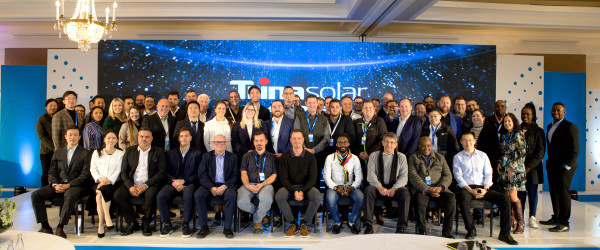
Trinasolar (www.Trinasolar.com), a global leader in smart PV and energy storage solutions, further solidified its commitment to South Africa's renewable energy future with an insightful customer event in Cape Town on August 26th. This event not only emphasized Trinasolar's ongoing expansion in the region but also highlighted its transformative impact on the country's energy landscape. 

The event featured a keynote address by Kadri Nassiep, the City of Cape Town's Energy Executive Director, who provided an insightful overview of the city's energy strategies. Mr. Nassiep's address tackled the critical challenges of power outages and outlined innovative solutions that align with Trinasolar's mission to deliver reliable, sustainable energy to communities across South Africa. 

Zaheer Khan, Regional Director for South Africa at Trinasolar, spoke to the company's significant milestones in the region, reflecting on Trinasolar's growing leadership in the renewable energy sector. "Our journey in South Africa is one of partnership and progress. Trinasolar's advanced technologies and strategic collaborations are not only addressing the immediate energy needs but also laying the foundation for a sustainable energy ecosystem in the country," Khan stated. He further emphasized Trinasolar's role as a catalyst for positive change, driving both economic growth and environmental stewardship in South Africa. 

Peter Pan, Trinasolar's Storage Sales Manager, presented the company's cutting-edge energy storage solutions, which have been instrumental in ensuring energy resilience across different regions. His presentation highlighted Trinasolar's ability to offer full-process solutions that adapt to the diverse and dynamic needs of South African customers, further reinforcing the company's pivotal role in the country's energy transition. 

In a surprise highlight, legendary South African cricketer Dale Steyn shared his journey of overcoming challenges, drawing parallels between his career and the resilience required in the energy sector. Trinasolar also announced the establishment of the Trinasolar SA Padel Club, an initiative designed to strengthen business relationships with key partners in South Africa's renewable energy industry. The club will serve as a platform for collaboration and networking among industry leaders, fostering a community dedicated to the shared goal of sustainable energy advancement. 

The evening concluded with a gala dinner and a captivating performance, leaving guests with a renewed sense of purpose and a commitment to driving forward South Africa's renewable energy agenda, with Trinasolar at the helm. 

Since its founding in 1997, Trinasolar has emerged as a world-leading photovoltaics technology provider. With a robust presence in South Africa, the company continues to innovate and expand, playing a crucial role in the country's transition to a sustainable energy future. 

Distributed by APO Group on behalf of Trina Solar.

About Trinasolar (688599. SH) 
Founded in 1997, Trinasolar Co Ltd (stock symbol: Trinasolar; stock code: 688599) is engaged mainly in PV products, PV systems and smart energy. PV products include R&D, production and sales of PV modules. PV systems consist of power stations and system products. Smart energy comprises mainly PV power generation and operatzions and maintenance, smart solutions for energy storage, smart microgrid, and development and sales of multi-energy systems. We are committed to leading the way in smart PV and energy storage solutions and facilitating the transformation of new power systems for a net-zero future.  

On June 10, 2020, Trinasolar was listed on the Science and Technology Innovation Board (STAR Market) of the Shanghai Stock Exchange(SSE). It was the first PV and energy storage company to go public on the STAR Market providing PV products and systems, as well as smart energy. For more information, please visit www.Trinasolar.com. 

Media files
Trina Solar
Download logo
Read moreTrinasolar Reinforces Its Commitment to South Africa’s Renewable Energy Future with Landmark Event in Cape Town
28 August 2024

Critical Minerals Africa Summit to Showcase Battery, Electric Vehicle (EV) Manufacturing Prospects

Location: News
Energy Capital & Power

The Democratic Republic of the Congo (DRC) and Zambia – among the world's top mineral producers – are currently spearheading the implementation of a Transboundary Battery and Electric Vehicle (EV) Special Economic Zone (SEZ) (https://apo-opa.co/4g2yhK7). The development of SEZs dedicated exclusively to battery and EV production aims to unlock new foreign investment, as well as position both countries within the global automotive manufacturing space. 

The upcoming Critical Minerals Africa (CMA) Summit will feature a Automotive and Batteries Focus panel, examining measures to establish Africa as a global hub for battery precursors, batteries and EVs, as well as exploring opportunities for Africa's critical minerals to support clean energy development. To date, most African automotive manufacturing takes place in South Africa, yet massive mineral wealth in Zambia and the DRC indicates the potential of these markets to become industrial hubs. 

The Critical Minerals Africa 2024 summit on November 6 - 7 serves to position Africa as the primary investment destination for critical minerals. The event is held alongside the African Energy Week: Invest in African Energy 2024 conference (https://apo-opa.co/4fUGT5A) on November 4 - 8, offering delegates access to the full scope of energy, mining and finance leaders in Cape Town. Sponsors, exhibitors and delegates can learn more by contacting sales@energycapitalpower.com. 

Increased cooperation among governments and international partners has been critical to positioning Africa's mineral producers as potential manufacturing partners. The DRC, which holds the world's largest cobalt reserves at 6 million metric tons out of the global 11 million metric tons, established the Congolese Battery Council in 2023 to facilitate investment across its mineral value chain. The country – also representing Africa's largest copper producer – signed an MOU with Zambia in March 2023 to fast-track the implementation of the Transboundary Battery and Electric Vehicle SEZ, seeking to add value to its raw cobalt and copper resources. 

Zambia – Africa's second-largest copper producer – formed a task committee in 2023 to expedite the implementation of the SEZ and identified land to host the zone. The country has strengthened partnerships with global mining firms, including Ivanhoe Mines, Galileo Resources, Tertiary Minerals, First Quantum, Vedanta Resources, Jubilee Metals and Xtract Resources, to achieve its goal of producing three million tons of copper annually by 2030. The Zambian and DRC governments are also partnering with the World Bank to launch local platforms between May 2024 and 2026, aimed at identifying and assessing investment prospects across their respective EV and critical minerals value chain. 

South Africa, which holds 80% of the world's platinum group metals (PGMs) reserves – crucial for EV and hydrogen vehicle production – currently leads Africa's EV market. Mining firm Isondo Precious Metals (https://apo-opa.co/3XlPHdy) plans to launch an advanced manufacturing facility for processing PGMs for EV applications in Johannesburg. Meanwhile, global automaker BMW, mining firm Anglo Platinum and energy company Sasol are piloting a fleet of hydrogen-fueled vehicles to advance smart mobility adoption in South Africa. CMA 2024 will host delegations from the DRC, Zambia, South Africa and other key industry stakeholders to discuss the latest developments shaping Africa's smart mobility and mining sectors. 

Distributed by APO Group on behalf of Energy Capital & Power.

Media files
Energy Capital & Power
Download logo
Read moreCritical Minerals Africa Summit to Showcase Battery, Electric Vehicle (EV) Manufacturing Prospects
28 August 2024

The Future of African Hospitality

Location: Business
API Events

Africa's tourism sector is poised for an exciting ascent, and it has the potential to soar if it is propelled by visionary strategies and robust investments that harness the continent's unparalleled tourist allure.

Amid the unprecedented changes of recent years, Africa's tourist appeal is greater than ever. With the right steps, it can offer more top destinations for today's tourists. The API Hospitality & Residences Forum is a pivotal platform for Africa's hospitality industry that is legendary for its dealmaking, networking, and unique insights. It takes place on 19 September 2024 at the Westin Hotel in Cape Town on the first day of the highly anticipated two-day API Summit.

This year's API Summit is themed “Impact”, and industry leaders speaking at the API Hospitality and Residences Forum highlight the key to unlocking the full potential of Africa's tourism sector to foster sustainable growth and enhance the continent's appeal to both travellers and investors includes focused investments, strategic partnerships and robust public sector involvement. The API Hospitality & Residence Forum sets the stage to catalyse and nurture these outcomes.

Bani Haddad, Founder and Managing Director of Aleph Hospitality, the largest independent hotel management company in the Middle East and Africa, will be among the distinguished speakers. "The pandemic had several profound effects on the tourism sector," Haddad reflects. "One of the most noticeable impacts has been the increased desire among travellers for domestic or regional trips, as well as nature-based or less crowded destinations. Africa is uniquely positioned to benefit from these trends.”

Citing the latest Chain Development Pipeline report by W Hospitality, Haddad notes a 20% growth in the number of hotel rooms in Africa since 2020, reaching a total of 92,134 rooms. “This growth indicates that the supply is expanding across the continent to meet the rising demand. We are also witnessing an increase in the quality and branded hotel supply in resort destinations such as Zanzibar and national parks like Serengeti and Mara. The global demand for nature and experiential experiences presents a significant opportunity for Africa, which has much to offer in this regard."

Haddad continues, "Investing in and fostering partnerships within the tourism sector is not just beneficial but essential for unlocking its full potential in Africa.”

Such efforts can lead to comprehensive economic development, job creation, and the promotion of sustainable and inclusive growth. He emphasises that governments, private sector players, and international organisations all have crucial roles in facilitating these investments and partnerships to ensure the tourism sector thrives and significantly contributes to the continent's development.

Echoing this sentiment, Daniel Trappler, Senior Director – Development Sub-Sahara Africa at Radisson Hotel Group (RHG), who will also speak at the event, outlines RHG's strategic plans in the post-COVID landscape. "RHG plans to capitalise on growth opportunities in key value nodes such as Cape Town, Victoria Falls, Zanzibar, and leisure offerings in the coastal and safari segments across Southern and Eastern Africa. Within these nodes lies the opportunity to increase RHG branded supply to meet the obvious growing demand.”

Trappler highlights RHG's eagerness to expand its footprint in Cape Town's 5-star and luxury segments, which have consistently performed above the market average despite higher rates. In Victoria Falls, RHG aims to replicate the success of its Zambezi River's Zambia side, planning to introduce the upscale Radisson brand to Victoria Falls, Zimbabwe.

"We are actively seeking partners to bring our Radisson, Radisson Blu, or Radisson Collection brands to Zanzibar, given RHG's significant presence in Eastern Europe, the largest source market for Zanzibar," Trappler adds.

Since opening its new Radisson Safari Hotel Hoedspruit, RHG has set its sights on replicating the same model within Southern and Eastern Africa, capturing both the foreign market and the regional market, which prefers short travel distances for tourism needs.

“The group is developing resort offerings in various safari and coastal locations, including Masai Mara, Serengeti, the Kenyan coast, Seychelles, Mauritius and the wildlife territories in Namibia and Botswana."

Trappler underscores the critical role of investment and public sector involvement. "The contribution of tourism to GDP is evident across the region. National and local governments need to increase their awareness of the sector's potential contribution to GDP. In South Africa, where RHG aims to double its portfolio, we need to see more active interest and contributions from the public sector towards developing hotels and hospitality infrastructure."

He stresses the need for public sector initiatives driving growth in this sector, particularly in South Africa, where the sector is strong but could be a much larger contributor to GDP and employment creation.

The API Hospitality & Residences Forum is a unique pan-African event that brings hospitality-focused leaders and investors together with Africa's leading real estate community. Sponsored by industry giants like Radisson Hotel Group, Marriott Hotels, HTI Consulting, JLL, and Tui Blu, the forum offers an unparalleled platform for doing business in African hospitality.

With over 500 leaders expected to attend the summit, including more than 250 hospitality delegates, in excess of 75 hotel brands, operators and owners, and 35 speakers, the API Hospitality & Residences Forum is the premier gathering of Africa's leading hospitality professions and consultants.

Distributed by APO Group on behalf of API Events.

For any media enquiries or interviews, kindly contact:
Anne Lovell
anne@dmix.com
083 651 7777

Distributed for API Events by Dmix:
API Events
Murray Anderson-Ogle
Email:Murray@apievents.com
Contact: +27 71 890 77 39
Website: www.APIEvents.com

Social Media:
Facebook: https://apo-opa.co/4dF2L3l
Instagram: @ APIsummit
LinkedIn: API Events

Media files
API Events
Download logo
Read moreThe Future of African Hospitality
27 August 2024

AG tables municipal audit outcomes

Location: News

AG tables municipal audit outcomes

Auditor General (AG), Tsakani Maluleke, says the office of the AG remains committed to assisting municipalities to improve, following a reported regression of clean audits in the 2022/23 local government audit outcomes.

On Tuesday, Maluleke briefed the Portfolio Committee on Cooperative Governance and Traditional Affairs on the consolidated general report on local government audit outcomes 2022/23.

Outcomes of the municipalities (including those finalised after 31 March 2024) are as follows:
•    34 clean audits
•    110 unqualified with findings 
•    90 qualified with findings
•    6 adverse findings
•    14 disclaimed with findings
•    3 outstanding audits

In a media statement following the briefing, it was revealed that only 34 of South Africa’s 257 Metropolitan, District and Local Municipalities received clean audit outcomes.

“While 45 municipalities have improved their audit outcomes since 2020-21 [which was the last year of the previous administration’s term], 36 have regressed,” Maluleke said.

The AG explained that municipalities with clean audits display sound financial management practices.

“They generally manage projects well so that deficiencies are identified and rectified promptly and so that timelines, budgets and quality standards are adhered to. 

“The well-functioning control environment and good systems present at these municipalities form a solid foundation from which councils can prioritise further improving the performance and service delivery of their municipalities,” Maluleke said.

Direct impact

The AG lamented that poor financial stability and controls have a direct impact on the lives of communities living in municipalities.

“Wasted money and resources means reduced funding for service delivery priorities and, eventually, a greater burden on taxpayers. The lack of credible reporting on performance and finances weakens not only municipal accountability processes, but also the council’s ability to assess the municipality’s performance or to make decisions in response to underachievement.

“These continuing failures in the most critical part of municipal operations are not receiving the necessary attention from the elected leadership,” she said.

Pressing further, Maluleke implored council leaderships to take action. 

“Service delivery improvements and the responsible use of the limited funds available will only be enabled when municipalities are capable, cooperative, accountable and responsive, and when they deliver on their mandates.

“Municipal leadership, councils and mayors play a critical role in setting the tone for ethical behaviour, good governance and accountability; and in creating a culture that fosters trust and confidence in local government,” the AG said.

Pockets of improvement

There was a reported improvement in the timely submission of financial statements by municipalities during the 2022/23 financial year.

The number of municipalities submitting on time improved from some 81% in 2020/21 to 94% in 2022/23.

“The improvements were due to accounting officers responding positively to our material irregularity notifications on this matter as well as provincial government supporting municipalities to act on commitments made to submit financial statements on time. 

“Financial statements again being submitted late, or not at all, were the main reason for us not completing the 2022-23 audits of 10 municipalities by 31 March 2024. Seven of these audits have since been finalised,” Maluleke noted.

Furthermore, fewer municipalities received disclaimed audit opinions. 

“Over the administrative term, 18 municipalities, mostly in KwaZulu-Natal, Mpumalanga and North West, have moved out of this category. Fourteen municipalities received disclaimed opinions in 2022-23, including two municipalities whose audits were finalised after 31 March 2024, which was the cut-off date for this report. 

“The AG commended the support provided by the provincial government to municipalities in the 6th administration and called for it to be sustained in the 7th administration as this support demonstrated positive signs of improvement,” the AG’s office said in a statement.

Maluleke invited municipalities to take up the assistance offered by her office to assist municipalities.

“We remain committed to partnering with and supporting the local government accountability ecosystem through our audits, the use of our expanded powers as granted by the Public Audit Act amendments, and the many initiatives that we have implemented to assist and guide all role players,” she concluded. – SAnews.gov.za

NeoB
Tue, 08/27/2024 - 12:01

1465 views
Read moreAG tables municipal audit outcomes
27 August 2024

Prioritising Patient Comfort and Safety: The Vital Role of Air Conditioning in Hospitals

Location: MyPR

The role of air conditioning in hospital settings extends far beyond simply regulating temperatures. In healthcare facilities, ensuring patient well-being extends far beyond medical treatments alone. The environment itself plays a crucial role in facilitating healing and recovery. Among the essential elements contributing to a conducive hospital atmosphere is the ability to maintain optimal air …

Read morePrioritising Patient Comfort and Safety: The Vital Role of Air Conditioning in Hospitals
27 August 2024

Govt to launch programme to clean cities across SA

Location: News

Govt to launch programme to clean cities across SA

Deputy President Paul Mashatile has announced that government will soon initiate a programme to clean cities and recognise those that exceed expectations in making their towns sustainable and safe. 

The country’s second-in-command said that cleaner cities contribute towards attracting investors. 

“In this regard, as leaders in our respective towns, we must launch a competition of the cleanest towns,” he said on Tuesday. 

Deputy President Mashatile, in his capacity as Leader of Government Business in Parliament, was delivering a keynote address during the first Three-Sphere Planning session of the National Council of Provinces (NCOP) of the seventh Parliament in Cape Town.

He said his Office will collaborate with the Cooperative Governance and Traditional Affairs (CoGTA) Minister and South African Local Government Association (Salga) to form a committee that will conduct an annual assessment of the cleanliness of cities and present awards. 

“This campaign has the potential of ensuring that the private sector and communities in partnership with the government ensure that our cities are clean and safe. 

“Honourable Members, in realising the vision of building a developmental, capable, and ethical State, we will vigorously implement the plan to professionalise the public service, and we will do so by investing in the capacity of the National School of Government.” 

Modernising the State

Equally, he said, government must continue to invest in the modernisation of the State and government by introducing innovative solutions across government particularly.

“The whole world is going digital in many respects and as South Africa, we must not be left behind.” 

Over the last 30 years, government has adopted progressive policies that the seventh administration is going to pay special attention to the speed of execution. 

The Deputy President announced plans to strengthen coordination by refocusing the Presidency as the centre of government, bringing together critical government departments such as CoGTA and the National Treasury.

“We intend to align planning and budgeting as part of implementing the District Development Model (DDM) premised on One Plan-One Vision and this we will do to achieve maximum results in building a better life for all.” 

The planning session is being held under the theme ‘Establishing an Oversight Agenda for the Seventh Parliament: Defining Key Oversight Priorities for the NCOP in the Seventh Parliament’.

Parliament‘s strategic innovation emphasises joint and integrated planning, encouraging collaborative work in program planning and implementation across government.

The session is aimed at ensuring that the NCOP institutionalises and implements a comprehensive Three-Sphere Planning oversight framework and mechanism, in line with the constitutional mandate of promoting the principles of cooperative governance coordination.  

Government believes this will enhance the effective implementation of key transformation priorities, in line with National Development Plan Vision 2030. – SAnews.gov.za


Gabisile
Tue, 08/27/2024 - 15:04

331 views
Read moreGovt to launch programme to clean cities across SA
27 August 2024

Taking Back Control Over Business Travel Costs in 2024

Location: MyPR

Today, there are many more remote and hybrid collaboration options for teams than at the beginning of the decade. That means it’s no longer standard to jump on a plane, train, or in a car to get to the next big meeting. According to research from Deloitte, seven in 10 companies now weigh the need …

Read moreTaking Back Control Over Business Travel Costs in 2024
27 August 2024

Scaling up Financing Is Key to Accelerating Africa’s Structural Transformation

Location: News
African Development Bank Group (AfDB)

By Adamon Mukasa and Anthony Simpasa, African Development Bank Group (www.AfDB.org).

Document 1: http://apo-opa.co/4g3EVzM
Document 2: http://apo-opa.co/473xTHm
Document 3: http://apo-opa.co/4gcshPk
Document 4: http://apo-opa.co/4gcsi5Q
Document 5: http://apo-opa.co/471DE8y
Document 6: http://apo-opa.co/4gcskL0
Document 7: http://apo-opa.co/47361TE

Document 8: http://apo-opa.co/4dXk53t

The calls for structural economic transformation in Africa date back to the 1960s when newly independent nations aimed to eliminate poverty through economic diversification, sustained growth, and job creation. This agenda persists today, as Africa continues to face significant developmental challenges.

Pursuing post-independence economic agendas was particularly important because, behind the euphoria (http://apo-opa.co/4dZMCVX) of independence, laid significant developmental challenges in several African countries: unskilled labor force, political and institutional fragilities, poor health conditions, rapid population growth, wide income disparities, and the legacy of colonialism and exclusion from the modern world. The establishment of the Organization of African Unity (OAU) (http://apo-opa.co/4g3EVzM) in 1963 and the African Development Bank (http://apo-opa.co/473xTHm) a year later aimed to tackle these other challenges in a more coordinated and impactful manner. The African Union (http://apo-opa.co/475z3Sz), successor of the OAU, developed Agenda 2063 (http://apo-opa.co/4g3EQMu) in 2013 as a blueprint for turning Africa into the global growth pole and powerhouse of the future.

Africa's Economic Development Paradox

More than sixty years after independence (http://apo-opa.co/3AzLutK), Africa's structural transformation – the shift of workers from lower to higher productivity employment and intra-sectoral productivity growth (http://apo-opa.co/4dQj0KK) – has not progressed as quickly as hoped. Both policymakers and analysts within and outside the continent are genuinely concerned that achieving structural transformation could remain a mirage for many African countries in the absence of bold structural reforms and financing to support implementation of these policies. Why being so pessimistic? Because historical facts tend to support their pessimism. The African Economic Outlook (AEO) 2024 (http://apo-opa.co/4g2RATW) report, released in May by the African Development Bank, reveals that Africa's transformation has been slow and uneven. In countries showing signs of transformation, the process has been characterized by low industrialization and predominantly by employment in low-skill, low-productivity services. The agriculture sector, employing 42% of Africa's workforce, is 60% less productive than the economy-wide average. Consequently, many workers remain trapped in low-productivity, low-wage jobs, unable to escape poverty.

As a result, Africa was the only region of the world where the average real GDP per capita contracted in the 1980s and 1990s, the so-called lost decades (http://apo-opa.co/4fYqm0D).

Africa is off-track in achieving almost all SDG targets by 2030, consistently showing the lowest SDG performance globally since the 2000s (Figure 1). Without intervention, it is predicted that by 2030, nearly 9 out of 10 of the world's extremely poor will be in Africa (http://apo-opa.co/4e2weEn) and under current conditions[1], it could take African countries over a century on average to reach high-income status.


[1] This scenario assumes that real GDP per capita of each African country will grow according to its post-COVID-19 (2022–25) average growth rate as computed by the African Development Bank's Statistics Department.

But Africa is a very large, diverse, heterogeneous, region. Some countries have, over the past four decades preceding the COVID-19 pandemic, experienced episodes of growth accelerations, growth spikes and failed take-offs (http://apo-opa.co/4gcshPk). Cases of consistent good performance include Botswana, Seychelles, and Mauritius, routinely ranked among the top 10 fastest-growing economies globally. African countries have indeed exhibited remarkable resilience amid confounding shocks, and in 2024, 10 countries[1] in Africa are projected to be among the world's top 20 fastest-growing economies, sustaining the trend observed during the past four decades pre-COVID-19.

Importantly, over the past quarter century, thanks to strong economic reforms and macroeconomic stability, enhanced governance, relative peace and improved political environment and, public investments in soft and hard infrastructure, some African countries[2] have managed to transform their economies and recorded economic growth rates above the global average.

The role of finance in fast-tracking Africa's structural transformation

Many factors, both internal and external, could explain the relatively slow progress in structurally transforming African economies. Among them: over-reliance on commodity-led growth (http://apo-opa.co/4fZJTxI), inadequate infrastructure (http://apo-opa.co/4dV5DZE); insufficient pool of skilled workers (http://apo-opa.co/4g49x4g) and low access to affordable finance (http://apo-opa.co/47361D8); weak institutional governance (http://apo-opa.co/4e0O5LG), recurrent conflicts (http://apo-opa.co/4g49rtq), effects of climate change (http://apo-opa.co/3ABuuTU), tightening of global financial conditions (http://apo-opa.co/4fZSFvC) and rising debt vulnerabilities (http://apo-opa.co/4724oWk).

While all these factors are equally important and call for urgent actions from policymakers, financing Africa's transformation (http://apo-opa.co/4fTo1Uy) is a multi-layered overarching challenge that demands special attention and a pragmatic approach to move from billions to trillions. The cost of achieving the SDGs by 2030 in Africa is estimated at about $1.3 trillion (http://apo-opa.co/4gcsi5Q) annually, equivalent to 42% of Africa's 2023 GDP. Infrastructure needs alone are estimated by the African Development Bank at $181-$221 billion per year over 2023-2030.  The climate finance gap is approximately $213.4 billion (http://apo-opa.co/4gcsiTo) annually through 2030.

Insufficient domestic resources (http://apo-opa.co/471DE8y), compounded by the failure of the global financial architecture (http://apo-opa.co/471zU6K) to mobilize and at scale, affordable finance for sustainable development (http://apo-opa.co/4gcskL0), have led many African countries to resort to commercial borrowing on unfavorable terms. This has resulted in increased debt vulnerabilities. Africa's Public and Publicly Guaranteed external debt has nearly tripled since 2010, reaching $656 billion in 2022, accounting for 22.4% of the continent's GDP and exceeding Africa's public revenue-to-GDP ratio of 20.4%. In 2024, African countries are expected to spend around $74 billion on debt service, up from $17 billion in 2010. Out of the projected debt service, $40 billion is owed to private creditors.

Even more concerning, debt service payments now account for about 11% of the continent's total revenues. High debt service is diverting resources from crucial investments in infrastructure, education, and health – all critical for economic transformation and long-term growth. As of April 2024, 20 African countries[3] (http://apo-opa.co/47361TE) were either in external debt distress or at high risk of external debt distress.

The AEO 2024 report estimates that to accelerate Africa's structural transformation, the continent needs to close an annual financing gap of $402.2 billion (about 13.7% of its projected 2024 GDP) by 2030. Figure 2 shows that transport[4] infrastructure accounts for the largest share of the gap (72.9%), followed by education (10.4%), energy (9.9%), and productivity-enhancing technologies (6.8%). These figures reflect decades of underinvestment in critical areas for development.

The level of financing gap in transport infrastructure reflects the continent's shortfall explained by decades of public underinvestment to upgrade existing road infrastructure or open new roadways, to match the growing population and economic dynamism across the continent. For instance, Africa's median road density is about 12 km per 100 km2, compared with 42.5 km in high-performing developing countries and 136 km in high-income countries. Only about 27% of African roads are paved, far behind the rest of the world (about 49%) and other developing countries (35.4%).


[1] Niger, Senegal, Libya, Côte d'Ivoire, Ethiopia, Rwanda, Benin, Djibouti, Gambia, and Uganda

[2] Algeria, Comoros, Djibouti, Egypt, eSwatini, Lesotho, Libya, Mauritius, Sao Tome and Principe, Senegal, Seychelles, and Tunisia

[3] Burundi, Cameroon, Central African Republic, Chad, Comoros, Congo, Djibouti, Ethiopia, Gambia, Ghana, Guinea-Bissau, Kenya, Malawi, Mozambique, São Tomé and Príncipe, Sierra Leone, South Sudan, Sudan, Zambia, and Zimbabwe

[4] Proxied by roads as road transport is the most frequently used means of transporting goods and people across the continent, carrying at least 80 percent of goods and 90 percent of passengers.

On education, vital for equipping the current and future workforce with the required skillset for structural transformation, African countries' median SDG index score was only 51.5 (out of a maximum of 100) in 2022, while other low-income developing countries reached a median score of 87. In addition, according to World Bank's World Development Indicators (http://apo-opa.co/3AGXw4N), African governments currently spend on average $312 annually per student in primary education, $473 on secondary education, and $2,227 on tertiary education, or about, respectively, 3, 2.3, and 1.1 times lower than high-performing developing countries on  SDG 4. On energy, Africa's median SDG 7 index score was 38.8 in 2022, suggesting that a typical African country was 61.2% further away from achieving the best possible outcome on SDG 7 targets. Despite its vast energy potential, electric power consumption per capita in Africa is still the lowest in the world, estimated at 638.4 kilowatt-hours (kWh) in 2021, versus 2,056 kWh in other developing countries. Due to poor energy infrastructure, over 600 million Africans have no access to electricity http://apo-opa.co/46YZuJT and this is despite progress in recent years[1]. On productivity-enhancing technology and innovation, the continent lags other regions too. This impedes its ability to either innovate and introduce new products, technologies, and/or services that could support its structural transformation. African countries' average Gross Domestic Expenditure on R&D (GERD) represents about 0.4% of their GDP (against about 1% in the rest of the world) and they spend on average $10.7 per capita on GERD (compared to $403.2 per capita in other regions of the world). Furthermore, the continent displays the lowest concentration of researchers in R&D, with an average of 221 researchers per million people, against 742 researchers in other developing countries.

The financing gap varies significantly across countries. The cross-country heterogeneity is mainly explained by differences in current SDG performance related to structural transformation as well as differences in demographics (current and projected population size and composition, land size, and the like) and socioeconomic characteristics (current and projected GDP per capita, and spending on education, infrastructure, and so on). As shown in Figure 3, the estimated annual financing gap represents at least 10 % of 2024's projected GDP in 36 African countries, and in nine of these, at least 50 % of GDP. For such countries, closing the financing gap by 2030 is, therefore, realistically impossible.


[1] For instance, the average share of people with access to electricity increased from about 38 percent in 2000 to about 59 percent in 2022. In 28 African countries, the percent of people with access to electricity has more than doubled between 2000 and 2022, out of which it has increased at least fivefold in 8 countries (Kenya, Lesotho, Mali, Mozambique, Rwanda, Somalia, Tanzania, and Uganda).

Note: COG: Congo; CPV: Cabo Verde; GHA: Ghana; CIV: Cote d'Ivoire; GAB: Gabon; GNQ: Equatorial Guinea; MUS: Mauritius; SYC: Seychelles; ZAF: South Africa. Source: Authors' computation based on the African Economic Outlook (AEO) 2024 database

A more realistic approach would be to allow for a gradual but steady transformation process over a longer period, aligning with the African Union's Agenda 2063. This would enable countries to mobilize more resources domestically and externally, without jeopardizing debt sustainability.

What next?

Scaling up finance to accelerate Africa's structural transformation should be a key priority for policymakers. While implementing structural reforms is crucial for sustainable growth, success depends on the availability, timeliness, and scale of long-term development financing and enhancing spending efficiency. African countries should therefore, inter alia, focus on: i) scaling up investment to build requisite human capital suited to local realities, circumstances, and development priorities; ii) boosting domestic resource mobilization and improving efficiency of public finance management; iii) creating targeted and streamlined incentives to attract private capital for key transformation sectors; and iv) launching ambitious national infrastructure programs with assured positive returns to attract affordable financing.

The international community should reform the global financial architecture (http://apo-opa.co/4dXk53t) to facilitate African countries' access to long-term, concessional development financing at scale, complementing domestic resources.

By addressing these financing challenges and implementing targeted reforms, Africa can accelerate its structural transformation and move closer to achieving its development goals as espouses in Agenda 2063.

Distributed by APO Group on behalf of African Development Bank Group (AfDB).

Media files
African Development Bank Group (AfDB)
Download logo
Read moreScaling up Financing Is Key to Accelerating Africa’s Structural Transformation
27 August 2024

What Is a Managed Service Provider?

Location: MyPR

SevenC, a top managed service provider in South Africa, delves into the critical responsibilities and roles of MSPs in the region, highlighting their importance in optimising IT solutions for diverse businesses. Imagine a world where your business operations run smoothly, your IT systems are always up-to-date, and technical hiccups are a thing of the past. …

Read moreWhat Is a Managed Service Provider?
27 August 2024

Empowering Job Seekers and Entrepreneurs: Transformative Workshop Coming to Pretoria

Location: MyPR

Pretoria, South Africa – Aiming to equip job seekers and aspiring entrepreneurs with the skills they need to succeed in today’s competitive market, a highly anticipated workshop is set to take place on the 18th and 19th of October 2024 at 24 Skipper Avenue, Akasia, Pretoria North. Organized by Noble Wealth Creation Group, this event …

Read moreEmpowering Job Seekers and Entrepreneurs: Transformative Workshop Coming to Pretoria
27 August 2024

Beyond Borders: What Powers SA’s Next Wave of Export Success

Location: MyPR

In the post-pandemic world, South Africa’s business landscape is undergoing a transformative shift, particularly in the realm of international exports. Reshaped consumer behaviour opened new avenues for South African businesses to reach global markets, and many South African brands are embracing international shipping as a critical component of their growth strategy. Central to this success …

Read moreBeyond Borders: What Powers SA’s Next Wave of Export Success
27 August 2024

Addressing Debt Challenges in State-Owned Enterprises

Location: News

United Nations Economic Commission for Africa (ECA)
Download logo

In a concerted effort to tackle the growing challenges of State-Owned Enterprise (SOE) debt in Africa, the United Nations Economic Commission for Africa (ECA) hosted a high-level workshop in Pretoria from 21 to 23 August 2024. The event brought together finance policymakers, industry experts, and international organizations to share best practices and develop strategic solutions for effective SOE debt management across the continent.

The workshop brought together officials from the Ministries of Finance of Cameroon, Ethiopia, Ghana, Nigeria, South Africa, and Zambia, along with representatives from UNDP, the African Forum and Network on Debt and Development, and major state-owned entities. The focus was on enhancing governance frameworks, improving financial oversight, and exploring privatization options.

Participants discussed the critical role of SOEs in driving national development, acknowledging that while these entities have the potential to bolster economic growth and address market deficiencies, they also pose significant risks to government finances. The workshop highlighted that poorly managed SOEs can lead to severe financial burdens, potentially destabilizing national budgets and contributing to the deterioration of sovereign credit ratings.

“In many African countries, SOEs play a vital socio-economic role. This workshop comes at a critical time for Africa's development, with both SOE and government finances under pressure amid cascading crises and multiple shocks,” said Zuzana Schwidrowski, Director of the Macroeconomics, Finance, and Governance Division (MFGD) at ECA, in her opening remarks.

Ms Schwidrowski noted that “critical public services tend to deteriorate alongside SOEs' financial difficulties, leading to a downward spiral of weakened service delivery and growth.” That is why ECA organized this capacity-building workshop “to develop practical solutions and options for Africa,” she added.

The discussions also underscored the importance of corporate governance, risk management, and internal oversight as drivers of reform. Participants shared successful approaches to SOE debt management and identified key barriers, including challenges related to mandate delivery and the intricate links between sovereign and SOE credit ratings.

Lee Everts, Chief of the Macroeconomic Analysis Section in MFGD, emphasized the need for a multifaceted approach to address the rising SOE debt. “Financial restructuring, governance and operational improvements, and in some cases, privatization or asset sales, are essential steps to mitigate the risks posed by SOE debt,” she said.

The workshop, organized by ECA's Macroeconomics, Finance, and Governance Division in collaboration with its Sub-Regional Office for Southern Africa, is part of a broader series of capacity-building initiatives aimed at strengthening public debt management across Africa. ECA remains committed to supporting African nations in implementing innovative and robust solutions to the persistent challenges posed by SOE debt and related government liabilities.

Distributed by APO Group on behalf of United Nations Economic Commission for Africa (ECA).

Read moreAddressing Debt Challenges in State-Owned Enterprises
  • Previous
  • Page 1
  • Interim pages omitted …
  • Page 44
  • Page 45
  • Page 46
  • Page 47
  • Page 48
  • Interim pages omitted …
  • Page 87
  • Next

Copyright © 2026 · MyZA · All Rights Reserved · Powered by Stratlec Online