• Skip to main content
  • Skip to header right navigation
  • Skip to after header navigation
  • Skip to site footer
MyZA

MyZA

News, Directory, Events and Other Stuff

  • Social Media
  • Sport
  • World News
  • Home
  • Submit News
  • Directory
  • Events
  • Stratlec
  • TFSA
  • News
    • APO
    • Today’s Sport News
    • Todays Social Media and Tech Headlines
    • Today’s World News
    • Today’s SA Financial News
  • Contact
You are here: Home / Archives for critical

critical

20 August 2024

President Ramaphosa to officiate signing of second Presidential Health Compact

Location: News

President Ramaphosa to officiate signing of second Presidential Health Compact

President Cyril Ramaphosa will on Thursday preside over the signing of the second Presidential Health Compact at the Union Buildings in Pretoria.

The Presidential Health Compact is an initiative established by President Ramaphosa in 2019. 

It is a framework of cooperation between critical sectors in South Africa that significantly influences good health outcomes. 

According to the Presidency, it also monitors and evaluates components where roles and responsibilities are assigned to various stakeholders to support the strengthening of health systems and preparation for implementing the National Health Insurance (NHI).

READ | President Ramaphosa to officiate signing of the Presidential Health Compact

The second compact follows the 2023 Presidential Health Summit, which built on the inaugural summit of 2018 and brought together several stakeholders. 

These include government, business, labour, civil society, health professionals, unions, service users, statutory councils, academia, and researchers to develop sustainable and inclusive solutions to challenges in the national health system.

The stakeholders involved in this framework are integral to supporting the Department of Health in improving the health system.

It initially consisted of nine pillars, with the 10th pillar added during last year’s summit. 

These include the development of human resources, improving access to medicine, vaccines and health products, upgrading infrastructure, private sector engagement, quality healthcare, public sector financial management improvements, governance and leadership, community engagements, information systems and pandemic preparedness. 

The signatories to the health compact are:

•    The President of the Republic of South Africa

•    The Minister of Health

•    The Minister of Science and Innovation

•    Independent Community Pharmacy Association (ICPA) 

•    South African National AIDS Council (SANAC)

•    South African Medical Association Trade Union

•    Democratic Nurses of South Africa

•    Congress of South African Trade Unions

•    Campaigning for Cancer- Patient User Groups

•    South African Medical Research Council (SAMRC)

•    South African Pharmacy Council (SAPC)

•    National Unitary Professional Association for African Traditional Health Practitioners of South Africa (NUPAATHPSA)

•    Traditional Knowledge Systems and Allied Health

The signing of the second Presidential Health Compact will take place at the Union Buildings Courtyard, West Wing, Pretoria at 12:30 pm. – SAnews.gov.za

Gabisile
Tue, 08/20/2024 - 09:44

273 views
Read morePresident Ramaphosa to officiate signing of second Presidential Health Compact
20 August 2024

Hlabisa to visit eThekwini metro to assess progress in the region

Location: News

Hlabisa to visit eThekwini metro to assess progress in the region

Cooperative Governance and Traditional Affairs (CoGTA) Minister, Velenkosini Hlabisa, is visiting Durban to assess the progress of the eThekwini Working Group’s implementation, a key initiative aimed at addressing critical challenges in the region.

Today’s meeting follows the establishment of the Presidential eThekwini Working Group, which is tasked with implementing the eThekwini turnaround strategy.

The working group is also looking into coordinating efforts to position eThekwini as a leading investment and tourism hub and leveraging insights and outcomes from previous interventions.

They are also monitoring progress and providing recommendations for continuous improvement.

“Various working groups have been actively addressing service delivery challenges and working to restore business confidence through coordinated efforts involving all three spheres of government, civil society, and the private sector,” the statement read. 

Hlabisa is accompanied by the KwaZulu-Natal MEC for CoGTA Thulasizwe Buthelezi and eThekwini metro Mayor Cyril Xaba. – SAnews.gov.za

Gabisile
Tue, 08/20/2024 - 10:01

155 views
Read moreHlabisa to visit eThekwini metro to assess progress in the region
19 August 2024

Tugboats position KZN as preferred logistics and transport hub

Location: News

Tugboats position KZN as preferred logistics and transport hub

KwaZulu-Natal Premier Thamsanqa Ntuli says the introduction of tugboats is not only a boost for the provincial port, but a significant advancement for the province’s economy, particularly within the logistics and maritime sectors.

Ntuli was speaking at the recent christening and naming ceremony of five new tugboats at the Port of Durban, hosted by the Transnet National Ports Authority (TNPA) Eastern Region.

The ceremony marked a major milestone in the TNPA Marine Fleet Renewal Programme, a key component of Transnet’s broader Recovery Plan aimed at enhancing shipping efficiencies across South African ports.

The five newly acquired tugboats are set to be injected into the port’s operations, reinforcing the Marine Fleet Renewal Programme’s objectives of increasing marine craft availability and ensuring smoother, more efficient port operations.

This strategic initiative aligns with Transnet’s mission to revitalise its infrastructure and strengthen the country’s logistics network.

Ntuli congratulated the TNPA on this critical acquisition, emphasising the importance of modernising port infrastructure to meet the evolving needs of the maritime industry.

“The introduction of the tugboats is not only a boost for the port, but a significant advancement for the province’s economy, particularly within the logistics and maritime sectors. This initiative positions KwaZulu-Natal as the preferred logistics and transport hub in South Africa.

“Strategic investments, such as the R1 billion allocated to enhancing the Durban Port, are vital to driving economic growth and creating much-needed employment opportunities in our province," Ntuli said.

Ntuli said both the Durban and Richards Bay ports are primed to become preferred gateways for cargo exports, bolstering KwaZulu-Natal’s economic competitiveness, and supporting South Africa’s global trade ambitions.

Journey toward economic recovery on course

Transnet Board Chairperson Andile Sangqu underscored the importance of the TNPA Marine Fleet Renewal Programme, noting that Transnet’s journey towards economic recovery is firmly on course.

With the advancements in operations and strategic initiatives, particularly through the Marine Fleet Renewal Programme, Sangqu said Transnet is witnessing significant progress in restoring and enhancing the efficiency of South Africa’s port infrastructure.

He said the successful implementation of these initiatives reflects Transnet’s commitment to fulfilling the objectives of the Transnet Recovery Plan.

“This plan is crucial to maintaining South Africa’s competitive edge in the global maritime industry and ensuring the country’s ports operate at world-class standards. The christening of these five tugboats marks a new chapter for the Port of Durban and sets the foundation for further advancements in the province’s maritime capabilities.

“With KwaZulu-Natal’s strategic location and ongoing investments in port infrastructure, the province is well-positioned to become a leader in logistics and transportation, driving economic growth and fostering international trade,” Sangqu said. – SAnews.gov.za
 

GabiK
Mon, 08/19/2024 - 10:50

269 views
Read moreTugboats position KZN as preferred logistics and transport hub
19 August 2024

SA journalists scoop two awards at SADC Media Awards

Location: News

SA journalists scoop two awards at SADC Media Awards

Government has congratulated the two South African journalists who won in two categories in this year’s Southern African Development Community (SADC) Media Awards.

Fikile Necter Marakalla was the second prize winner in the Photo Category with her pictures that were published in SA News and Diplomatic Informer.

Marakalla’s winning entry highlighted the strong fraternal, historical as well as social relations between South Africa and the United Republic of Tanzania during the State visit of her Excellency Dr Samia Suluhu Hassan.

Meanwhile, Tshimologo Benjamin Moshatama from Channel Africa Radio was the second prize winner in the Radio Category with his entry on the importance of shared water resources in the SADC regional integration and development as well as the contribution of the Kingdom of Lesotho in the management of shared water resources.

The SADC Media Awards present a unique opportunity for the SADC region’s journalists to be celebrated and recognised by their peers.

“The media plays a critical role in promoting regional integration in the region. We encourage more South African journalists to cover stories that promote regional integration,” Government Communications and Information System (GCIS) Acting Director-General Nomonde Mnukwa said on Monday.

Government has called on media practitioners in South Africa and the region to share their stories that focus on economic well-being, improvement of the standard of living and quality of life, freedom and social justice, peace and security for the people of Southern Africa.

“Media practitioners are encouraged to continually ensure that we popularise projects that are underway in the SADC region. Africa and the region must tell her own stories. It is important that we hear from a range of voices from our diverse nations. By telling our own stories, we will bridge divides between SADC nations,” GCIS said.

The SADC Media Awards are aimed at promoting excellence in the fields of Print Journalism, Radio Journalism, Television Journalism and Photojournalism.  

“The SADC Media Awards serve as a link for coordination and synchronization between formal structures of SADC member states and media. They further seek to bring and enhance partnership between media and government institutions. South Africa’s participation at SADC is guided by the SADC Treaty. The SADC Treaty guides all Member States within the regional bloc,” GCIS said.

The Treaty encourages the people of the region and their institutions to take initiatives to develop economic, social and cultural ties.

GCIS is responsible for the implementation of the SADC Media Awards on behalf of South Africa.

“GCIS would also like to acknowledge the excellent work done by the judges who make up South Africa’s chapter of the SADC Media Awards in our National Adjudication Committee (NAC).  

“These members are drawn from seasoned and experienced media professionals who give freely of their time and expertise to ensure that we can confidently submit entries of the highest standard to the regional competition,” the GCIS said. -SAnews.gov.za

nosihle
Mon, 08/19/2024 - 15:07

228 views
Read moreSA journalists scoop two awards at SADC Media Awards
18 August 2024

Boosting Healthcare Efficiency with Medical Billing Software in South Africa

Location: MyPR

The healthcare industry in South Africa faces numerous challenges, from managing patient records to ensuring accurate and timely billing. One of the critical solutions to these challenges is the adoption of advanced medical billing software. This technology offers numerous benefits, including improved accuracy, enhanced efficiency, and better financial management for healthcare providers.   Streamlining Operations …

Read moreBoosting Healthcare Efficiency with Medical Billing Software in South Africa
18 August 2024

Securing Your Space: Modern Solutions for Safety and Protection

Location: MyPR

In today’s world, ensuring the security of both personal and professional spaces is paramount. Advancements in technology have brought forth a variety of doors and windows designed to offer maximum protection against threats. These security features are not just about physical barriers but also about peace of mind. Let’s explore some of the most effective …

Read moreSecuring Your Space: Modern Solutions for Safety and Protection
17 August 2024

PRASA’s hiring and firing of CEO has cost R15-million and counting

Location: News

Zolani Matthews has been given the boot again, this time for “operational reasons”

Read morePRASA’s hiring and firing of CEO has cost R15-million and counting
16 August 2024

Investigating Directorate bolsters fight against corruption

Location: News

Investigating Directorate bolsters fight against corruption

Minister of Justice and Constitutional Development, Thembi Simelane, says the operationalisation and establishment of the Investigating Directorate against Corruption (IDAC) – which resides within the National Prosecuting Authority (NPA) – is a crucial step in government’s fight against corruption in the country.

The Minister was speaking at a media briefing in Tshwane on Friday.

In May this year, President Cyril Ramaphosa assented to the NPA Amendment Act and on Thursday, signed a proclamation which brought the Act into operation.

“The establishment… marks a significant milestone in our fight against corruption. Unlike the previous Investigating Directorate, which was subject to dissolution by proclamation, IDAC’s permanence ensures its independence and the necessary parliamentary oversight. It also provides the IDAC with criminal investigation powers.

“The IDAC will no longer rely on secondments for staffing. Instead, it will recruit permanent staff and invest in long-term training. This will enhance our capacity to combat complex corruption, implement decisions from commissions of inquiry, and uphold the recommendations of the Judicial Commission of Inquiry into Allegations of State Capture, Corruption, and Fraud in the Public Sector,” Simelane said.

She added that the Justice Ministry is empowered to make regulations to support the critical work of the IDAC.

“The necessary regulations for section 19D(3) and section 22A(4) of the NPA Act have been prepared and will be published on 19 August 2024. Additionally, we are finalising regulations under section 8, which will allow for the appointment of a retired judge to oversee complaints related to IDAC investigators.” 

Data of the State Capture Commission

Turning to work in the pursuance of justice as a result of the recommendations of the State Capture Commission, Simelane revealed that during a meeting between business and government this week, a commitment was made to collaborate to set up a digital evidence unit.

READ | Government, business partnership begins to flourish

During its existence, the commission’s data centre collected more than a petabyte of both structured and unstructured data stemming from:

  • Park Town Office: This office stored digital records from the Commission's hearings, investigations, and legal work, including data from the Commission's website.

  • Registry Office: This office received and collected documentary data submitted to the Secretariat office.

“The outcome of the meeting between the business-government partnership and President Cyril Ramaphosa is that the partnership is collaborating to set up a new independent digital evidence unit. 

“The unit will extract and analyse data from encrypted devices such as cellphones and laptops to come up with the evidence needed to prosecute criminal cases of corruption successfully, specifically cases related to state capture,” she said.

The Minister was at pains to explain that the data collected by the commission during its existence has been shared with law enforcement agencies and that those agencies continue to have access to it.

“The Department of Justice and Constitutional Development is the legal custodian of the Commission's assets, including its data, on behalf of the South African State, government, and people. Law enforcement agencies have priority access to the data but do not have exclusive access or ownership.

“To facilitate this, the Commission amended its Regulation 11 to grant special access to its data. The Commission also trained over 20 NPA investigators to access its digital forensic platforms,” Simelane said. – SAnews.gov.za

NeoB
Fri, 08/16/2024 - 12:41

327 views
Read moreInvestigating Directorate bolsters fight against corruption
16 August 2024

Corporate South Africa Must Act Now: Youth Unemployment Crisis Demands Urgent, Unified Action

Location: MyPR

Johannesburg, South Africa — Afrika Tikkun, a leading youth development organisation is issuing a clarion call to Corporate South Africa: the fight against youth unemployment demands urgent and united action. “This challenge, which has long plagued our nation, is not merely a shared burden—it is an unparalleled opportunity to reshape South Africa’s future,” said Dr …

Read moreCorporate South Africa Must Act Now: Youth Unemployment Crisis Demands Urgent, Unified Action
16 August 2024

The Importance of Regular Website Updates for Small Business Success

Location: MyPR

PRETORIA, South Africa – Keeping a business website updated is a critical yet often overlooked aspect of maintaining a strong online presence. Click Results, a leading digital marketing firm based in Pretoria, emphasizes the importance of regular website updates for small business owners who want to remain competitive in today’s digital marketplace. One of the …

Read moreThe Importance of Regular Website Updates for Small Business Success
16 August 2024

Mediation team to resolve succession disputes under Amakhosi areas

Location: News

Mediation team to resolve succession disputes under Amakhosi areas

KwaZulu-Natal Cooperative Governance and Traditional Affairs (CoGTA) MEC, Thulasizwe Buthelezi, has introduced a team from the royal family appointed to resolve the succession disputes that have increased in areas under amakhosi.

The team - the Conflict Mediation Panel - which includes royal children, was appointed by Buthelezi in a bid to address long-standing challenges of succession disputes within royal families.

The panel will leverage their cultural authority and deep understanding of traditional practices to help families resolve disputes.

Presenting the members of the team during a media briefing on Thursday, Buthelezi noted that the late AmaZulu King, Goodwill Zwelithini kaBhekuzulu, started a process where the royal family played a critical role in resolving disputes and fostering reconciliation where succession disputes arise.

He said the team members include senior members of the royal family, who have worked for a long time with King Zwelithini kaBhekuzulu doing this work.

“Their dedication to this crucial task will have a positive impact and restore peace and stability in izizwe zamakhosi that have been torn apart by succession disputes. The introduction of this team, which comprises senior members of the royal family, will strengthen the institution of traditional leadership within our province and enhance the work of amakhosi,” Buthelezi said.

The KZN Traditional Leadership and Governance Act 5 of 2005 allows the CoGTA MEC in the province oversight over all matters pertaining to the institution of traditional leadership.

The team will be led by the late King’s brother, uMntwana uMathubesizwe kaBhekuzulu, with other brothers including uMntwana uMbonisi kaBhekuzulu; uMntwana uVulindlela kaBhekuzulu; uMntwana uMxolisi kaBhekuzulu; and Princess Lindi kaBhekuzulu.

Other members of the team include uMntwana uThuthukani kaMcwayizeni kaSolomon; Inyosi uBuzetsheni Mdletshe (King’s praise singer); and Reverend Canon Hamilton Mbatha.

“The families of Amakhosi who have disputes will work closely with this team, and CoGTA will be engaging with them,” the MEC said. – SAnews.gov.za

GabiK
Fri, 08/16/2024 - 10:23

150 views
Read moreMediation team to resolve succession disputes under Amakhosi areas
16 August 2024

The Essential Role of Answering Services Across Various Industries

Location: MyPR

In today’s competitive business environment, providing exceptional customer service is crucial for maintaining client satisfaction and loyalty. One of the key components of superior customer service is ensuring that all client communications are handled promptly and professionally. This is where answering services come into play. Whether for law firms, hotels, or medical practices, specialized answering …

Read moreThe Essential Role of Answering Services Across Various Industries
15 August 2024

Innovative Financing and Policy Support: Accelerating Renewable Energy Development in Africa (By Ana Hajduka)

Location: News
AOW: Investing in African Energy

By Ana Hajduka, founder and CEO of Africa GreenCo (www.AfricaGreenCo.com).

As Africa's energy sector deregulates, exciting opportunities open up for financial innovation to benefit consumers. Private-sector buyers and traders can mitigate default risk and provide certified green energy at lower cost, writes Ana Hajduka, founder and CEO of Africa GreenCo.

Africa's renewable energy potential is undeniable, but it remains largely untapped. The problem is that the financing landscape for renewable energy and other projects in Africa was previously reliant on state utilities as buyers.

The scale of projects that could be financed in a country were then limited by the fiscal capabilities of that country and the sovereign guarantees it could provide.

This traditional model of relying on countries to provide such guarantees has faced recent challenges, because of increasing debt burdens, and shifting economic priorities.

Opportunities have therefore emerged for innovative financial approaches that will ensure more guarantees can be acquired from other sources and that risk can be diversified across a portfolio of suppliers and customers.  This would see more projects achieving financial close, to ultimately provide more African people with clean energy.

There is also room to not only grow new renewable energy supply, but to create new renewable energy markets on the continent, where that supply can be sold.

As a consequence, the market is opening up to allow alternative buyers of new renewable energy, which can utilize existing regional competitive energy markets to diversify its risks – buyers such as GreenCo.

This is extremely relevant at the moment. Legislation like South Africa's Electricity Regulation Amendment Bill, is set to open up the electricity sector to new supply and trading models. This foreshadows the opening of a competitive spot market for electricity trade in South Africa – linking in the future the South African spot market with that of the Southern African Power Pool.

Namibia did something similar a couple of years ago, as did Zambia.

These regulatory market developments are important as they facilitate innovation and new private sector business models through which there can be a scale up of bankable offtake agreements for new supply. The problem in the region is not lack of projects. It's not lack of funding. It's earning enough lender trust to lend on the back of a  20-25 year power purchase agreement backed by a private sector buyer without state fiscal support.  

Transmission capacity

Transmission constraints are another factor in this emerging scenario. The development of the electricity sector across the region effectively has a ceiling, determined by the available transmission network for new generation.

Previously, development finance institutions would only fund state utilities, and then only when it was proved that sufficient generation would be coming on board to utilize any new transmission infrastructure.

Now, thanks to the growing liberalisation focus in the region, allowing new private sector participants to buy and trade power, these transmission funding inflows can be facilitated. This new supply will be critical to making new transmission investments bankable.

If the private sector can sufficiently guarantee that any proposed new capacity coming on board will utilise the necessary transmission infrastructure, that new capacity effectively backs the viability of the new transmission investing – bringing a direct value add to the state utilities in South Africa and the rest of the SADC region.

Regulatory readiness

But for all of this to fall into place, we need a convergence of the relevant regulatory readiness – and we are already seeing this across the region. In many SADC countries, new legislation is providing the regulatory clarity that the private sector requires to venture into supply, transmission and trade.

The entire ecosystem must work for new entrants, and lenders. Until now, lenders have seldom considered state utilities to be creditworthy, and they have required significant fiscal guarantees to cover the power-purchase obligations of those utilities.

That model is a double whammy. Not only does it encumber utilities with debt for new generation, but it hits the national fiscus as well.

In South Africa, for example, the widely respected REIPPP process has brought online a significant amount of new generation. However, once the South African government started reporting on the process in accordance with IMF fiscal transparency regulations, this added an additional 36% to the contingent liabilities of the national treasury – almost $15 billion - overnight. That is money that can no longer be channeled into education, health and other key infrastructure development (water, transmission etc).

The REIPPP model has been extremely successful in the electricity sector, but it has perhaps outlived its usefulness. There are other priorities, and the private sector should be sufficiently capable to deliver on its own, with the lending community partnering accordingly.

The REIPPP model can be replicated in cases such as storage tenders, and in the transmission space. While transmission is usually considered a government function, it would certainly be possible to incentivize the private sector – and lenders – to enter the space.

New licensees

Across the region, markets are liberalising rapidly. South Africa has shown it can happen almost overnight, as in the case of the country's generation regulations. This has allowed third-party wheeled projects, from generators directly to customers, and facilitated new license applicants in the market such – such as GreenCo.

This shows how market thinking about the development of the electricity sector has fundamentally changed. There is collaboration like never before.

For GreenCo, events like the forthcoming AOW event offer opportunities to align with mining, commercial and industrial offtakers, as well as suppliers and IPPs. For an entity like ours, it's also a chance to show potential customers and suppliers the bankability of our own offtake; that lenders have confidence in our power purchase agreements.

Financial innovation must happen in a way that makes lenders comfortable. What that looks like in our case is that all our payment obligations are backed by an internationally AA- credit rated guarantee provider GuarantCo.

We are entering the South African market operationally ready to supply customers within South Africa and outside; and with financial readiness in the form of innovative guarantee structures to be considered bankable in the market.

The ultimate beneficiaries of this financial innovation must be the consumers. Many are looking to decarbonise their operations – for climate change reasons, and to make their products competitive on international markets.

Affordability is another key consideration. In our case, by being able to provide sufficient operational and financial risk mitigation to the lenders of the generators that supply to us, we can supply electricity far more affordably.

Around 70% of the costs of a generation or renewable energy project is from the cost of debt. Therefore, the more bankable an offtaker is, the lower the debt costs, and the cheaper the electricity – a clear demonstration of the benefits of financial innovation for the end consumer.

  • AOW: Investing in African Energy unites industry leaders to develop policy, share discoveries, secure investment, and shape Africa's energy future. The event runs from October 7 – 11 at the CTICC.

Distributed by APO Group on behalf of AOW: Investing in African Energy.

About GreenCo: 
GreenCo is a renewable energy buyer and trader operating in Southern Africa (Zambia, South Africa, Zimbabwe and Namibia); purchasing power from renewable energy generators and selling that electricity to utilities, private sector offtakers (i.e. commercial and industrial users), national power trading markets and to the competitive markets of the Southern African Power Pool (SAPP). GreenCo is an active trader on SAPP and holds a number of applicable licenses covering its operations within the Southern African region. Through its activities, GreenCo will increase the supply of, and demand for, finance for energy projects, and mobilise private sector capital more quickly towards critical and transformative capacity addition. For more information please see: www.AfricaGreenCo.com

Media files
AOW: Investing in African Energy
Download logo
Read moreInnovative Financing and Policy Support: Accelerating Renewable Energy Development in Africa (By Ana Hajduka)
15 August 2024

Public Procurement Bill to redress women socio-economic exclusion

Location: News

Public Procurement Bill to redress women socio-economic exclusion

Women, Youth and Persons with Disabilities Minister, Sindisiwe Chikunga, says the Public Procurement Bill provides the department with an opportunity to advocate and mainstream tangible models and interventions to redress the ongoing socio-economic exclusion of women, youth and persons with disabilities.

Chikunga commended the significant efforts by President Cyril Ramaphosa after signing into law the Public Procurement Bill last month, which aims to create a single framework that regulates public procurement, including preferential procurement, by all organs of State, with the necessary efficiency, cost-effectiveness and integrity.

“As a department, we will be bringing forward tangible interventions through which this legislation will serve to redress the longstanding and ongoing socio-economic exclusion of women, youth and persons with disabilities,” Chikunga said.

Addressing a dialogue on Women, Democracy and Leadership in South Africa at the University of South Africa (UNISA) on Thursday, Chikunga also commended President Ramaphosa, as the Chairperson of the African Union in 2020, for putting forward a number of recommendations for the advancement of women on the continent, which have been adopted by AU Heads of State.

READ | Government, business partnership begins to flourish

Increase in support for women entrepreneurs

Chikunga also acknowledged a surge in the establishment, growth and support of women-owned businesses in key sectors, including energy, tourism, agriculture, the ocean economy, and manufacturing.

According to the most recent Mastercard Index of Women Entrepreneurs (MIWE), South Africa ranks as the second highest country in Africa in terms of its proportion of women-owned businesses and the formal support available for women entrepreneurs.

The Global Entrepreneurship Monitor (GEM) Women’s Entrepreneurship Report also revealed that women in countries like South Africa are among the most innovative and high-growth entrepreneurs in the world.

“There is sufficient evidence that reaffirms the importance of women entrepreneurs in contributing to the overall productivity and transformation of our economy through diversifying industries, innovation, and fostering economic resilience.

“In addition, women-owned businesses contribute to the creation of employment opportunities, promote inclusive supply chains, and stimulate local economies,” Chikunga said.

Women economic advancement in the Continent

Chikunga further underscored the importance of the adoption of the Decade for African Women’s Financial Inclusion and Gender Equality, 2020-2030.

“This is a critical initiative for the women of Africa, given that the lack of access to finances hinders their socio-economic progress, and thwarts their ability to have ownership and control over resources such as land, businesses and property,” Chikunga said. 

She added that women’s access to markets continues to be a challenge for women on the continent, especially access to trade and global markets.

The Minister argued that the African Continental Free Trade Area Agreement (AfCFTA) will open doors for global trade and markets for women, and “this is of huge importance to the women in South Africa to leverage on the opportunities this AfCTA promises for the economic empowerment and wealth creation for women in Africa”.

“Africa must be Africa’s biggest trading partner and demand for products across the continent offers African women the opportunity to be suppliers to this demand. Joint initiatives of pooling resources in this regard will help grow women businesses, provide the necessary skills and training required for this, and open markets and export trade opportunities,” Chikunga said. – SAnews.gov.za


GabiK
Thu, 08/15/2024 - 13:49

284 views
Read morePublic Procurement Bill to redress women socio-economic exclusion
15 August 2024

NSG hosts symposium on China-Africa relations

Location: News

NSG hosts symposium on China-Africa relations

China-Africa Media and Publishing, in collaboration with the National School of Government of South Africa, is set to hold a symposium titled: “The Governance of China: Forging a Closer China-Africa Community of a Shared Future, in Pretoria on Thursday.  

Thursday’s event will bring together South African and Chinese government officials, scholars, experts, and journalists for a robust exchange of ideas and insights. 

The seminar serves as a critical forum to discuss and shape the future of China-Africa relations and is a side precursor event to the upcoming Beijing Summit of the Forum on China-Africa Cooperation (FOCAC) which will be held in early September in China. 

The FOCAC summit is expected to unveil new measures to deepen cooperation over the next three years, laying a stronger foundation for a closer China-Africa community with a shared future. 

The seminar of the NSG and China-Africa Media in Publishing is intended to promote dialogue and debate on China-Africa relations among government officials, scholars and experts. 

The seminar marks a significant step in the ongoing cooperation between China-Africa Media and Publishing and the National School of Government, following the signing of a Memorandum of Understanding (MOU) in May of this year. 

The agreement aims to promote joint research and dialogue in the form of Seminars and Symposia on topics such as China-South Africa relations and Global Governance. – SAnews.gov.za


Edwin
Thu, 08/15/2024 - 08:54

331 views
Read moreNSG hosts symposium on China-Africa relations
15 August 2024

Lamola commends SADC’s steps towards regional stability and economic integration

Location: News

Lamola commends SADC’s steps towards regional stability and economic integration

International Relations and Cooperation Minister, Ronald Lamola, has commended the Southern African Development Community (SADC) for taking steps towards regional stability and economic integration. 

The Minister was speaking at the SADC Council of Ministers meeting in Harare, Zimbabwe, which is aimed at setting the stage for the 44th Heads of State and Government Summit. 

The theme for the summit will focus on promoting innovation to unlock opportunities for sustained economic growth and development towards an industrialised SADC.

The outcomes of this pivotal meeting will be presented to the SADC Summit of Heads of State and Government on Sunday, 18 August 2024.

Leading South Africa’s delegation, Lamola, accompanied, by Finance Minister Enoch Godongwana, engaged in discussions centred on the Regional Indicative Strategic Development Plan (RISDP) 2020 - 2025. 

The RISDP is a regional blueprint that promotes regional economic growth, integration, and industrialisation, underpinned by a climate of peace and stability.

The Minister expressed satisfaction with the Executive Secretary’s Report for the 2023/24 period, highlighting its crucial insights as the region approaches the mid-term review of the RISDP in 2025. 

“We are heartened by the steady progress our region is making in implementing the RISDP for 2020 - 2030,” Lamola said. 

He emphasised the importance of the foundational pillar of peace and security, acknowledging ongoing challenges in northern Mozambique and the eastern Democratic Republic of Congo, while commending efforts to restore stability.

The Council of Ministers also reviewed the Secretariat’s capacity-building initiatives in conflict mediation, underscoring the region’s commitment to peace. 

He stressed the need to bolster early warning capacities to pre-empt conflicts and address root causes to develop effective mitigation strategies.

Significant achievements were noted, including a 21% increase in intra-SADC trade to gross domestic product (GDP) in 2023, and attracting US$6 billion in foreign direct investment. 

Infrastructure developments, such as One-Stop Border Posts and SMART Integrated Economic Corridors Management tools, were highlighted as key drivers of regional progress.

Challenges remain, with the overall implementation score for the RISDP standing at 5.6 out of 10, reflecting the impact of global shocks like the COVID-19 pandemic, climate change and international conflicts. 

Lamola called for renewed efforts to address these setbacks and improve social and human capital development.

G20

Looking ahead, South Africa will assume the G20 presidency in 2025, marking the first time the summit will be hosted on African soil. 

Under the theme, ‘Fostering Solidarity, Equality and Sustainable Development’, South Africa aims to highlight the economic and development challenges facing developing countries, particularly in Africa.

Lamola outlined South Africa’s stance on critical issues, including regional food and nutrition security, the re-establishment of the Mining Ministerial Forum and the implementation of the Industrialisation Strategy and Roadmap 2015-2063. 

“South Africa and the region cannot afford to continue to export their raw minerals to faraway countries, only to import beneficiated consumer products at inflated prices. Value addition and commercialisation of our critical minerals must be at the core of our industrialisation strategy,” said Lamola.

He also emphasised the importance of gender parity and noted the progress made. However, he acknowledged the need for further improvement.

With nearly half of South Africa’s Cabinet Ministers being women following this year’s General Elections, Lamola reiterated the country’s commitment to achieving the targets set in the Revised SADC Protocol on Gender and Development.

“As the SADC region moves forward, the collective efforts of member states aim to create an era where peace underpins prosperity, demonstrating the power of unity and strategic collaboration.” – SAnews.gov.za 

Gabisile
Thu, 08/15/2024 - 10:26

116 views
Read moreLamola commends SADC’s steps towards regional stability and economic integration
14 August 2024

Deputy President Encouraged by Progress Achieved in Restoring Better Living Conditions for the People of Jagersfontein Following the 2022 Mine Dam Disaster

Location: News

The Presidency of the Republic of South Africa
Download logo

Deputy President Paul Mashatile has today, Wednesday, 14 August 2024, commended the Free State Provincial Government, the Kopanong Local Municipality,  as well as the Jagersfontein Development Project, on progress achieved in coordinating support, to address the challenges faced by communities in Jagersfontein, following the collapse of a tailings dam wall on September 11, 2022, resulting in a mud slide which damaged infrastructure and homes in the area.

Deputy President Mashatile has been delegated the responsibility to provide leadership in the implementation of rapid response interventions on service delivery and trouble-shooting in service delivery hotspots in the country, by President Cyril Ramaphosa.

In pursuit of this critical mandate, the Deputy President undertook a service delivery oversight visit to Jagersfontein, last year in May, as part of efforts towards finding a lasting solution to service delivery challenges in the municipality, with specific focus on the efficient and equitable supply of water, and the resettlement of community members affected by the Jagersfontein Development Project dam disaster.

The visit by Deputy President Mashatile brought together various role players such, as government, private sector as well as civil society representatives, to deliberate on various mechanisms aimed at improving the functioning of municipality and in particular, on efforts to address the concerns raised by the community of Jagersfontein.  

In this regard, Deputy President Mashatile has expressed his appreciation to all key role players, on progress achieved and also thanked the management of the Jagersfontein Development project in particular, for delivering on their promise to urgently build houses, for the affected community members.      

“The remarkable progress we continue to make, brings us closer towards restoring better living conditions for the people of Jagersfontein. Such progress bears testimony that working together through partnership between government and the private sector, we can create a better life for all our citizens”, said Deputy President Mashatile.

The Deputy President has further emphasised the importance of expediting the process of addressing all other outstanding critical matters of water supply challenges experienced by residents, agricultural support needed, as well as responding to educational needs of youth in the area. 

Distributed by APO Group on behalf of The Presidency of the Republic of South Africa.

Read moreDeputy President Encouraged by Progress Achieved in Restoring Better Living Conditions for the People of Jagersfontein Following the 2022 Mine Dam Disaster
14 August 2024

Justice department rebuffs “inaccurate” reports

Location: News

Justice department rebuffs “inaccurate” reports

The Department of Justice and Constitutional Development (DJCOD) has refuted claims alleging that the National Prosecuting Authority’s Investigating Directorate has been hampered in doing its work on the State Capture Commission report.

The department said “inaccurate media reports” allege that the NPA ID has not been “able to access critical information from the erstwhile State Capture Commission’s (the SCC) Data Centre”.

“We wish to clarify that the cooperation between the Ministry and Investigating Directorate of the NPA remain cordial and professional. On the 31st of July 2024, the Ministry met with a number of the entities of the department, and it pledged its unwavering commitment to support the work of the NPA and its Investigative Directorate.

“The Department of Justice and Constitutional Development is the legal custodian of all the assets of the Commission including the data centre, following the expiry of the term of the SCC. The department holds these assets on behalf of the South African State, government and people. This mandate arises from the custodianship of the Commissions Act, 1947, residing with the Minister of Justice and Constitutional Development.”

The department further stated that the data centre has devolved to the DJCOD as envisioned by the founding Memorandum of Agreement between the department and its counterpart, the National Treasury.

Furthermore, the department said it remains committed to “transparency, accountability, and the effective use of its data to support justice and governance”.

“The department established a Residual Mechanism to deal with remaining matters of the Commission."

 The Commission continues to supply and support all law enforcement agencies and other entities with data and information, as and when requested. Further, there is a Secretariat that continues to manage the data centre and support all law enforcement agencies and other entities in accessing the database.

“To ensure effective utilization of the data, the Commission trained over 20 NPA investigators, providing them with direct access to the Commission’s digital forensic platforms. The Commission’s secretariat has consistently supplied the requested data and documents.

“The Secretariat has positively responded to data requests from various law enforcement agencies, including the NPA’s ID, DPCI [Directorate of Priority Crime Investigations ]- HAWKS, Asset Forfeiture Unit (AFU), Financial Intelligence Centre (FIC), South African Revenue Service (SARS), Special Investigating Unit (SIU), and some State-Owned Enterprises (SOEs). The remaining staff that is experienced in data science and programming, continue to support ongoing projects” the department said. – SAnews.gov.za

NeoB
Wed, 08/14/2024 - 14:33

232 views
Read moreJustice department rebuffs “inaccurate” reports
14 August 2024

A New Era of Business and Government Collaboration

Location: Business

The Presidency of the Republic of South Africa
Download logo

President Cyril Ramaphosa convened a meeting yesterday with members of cabinet and senior business leaders to pave the way for a new era of collaboration under South Africa's 7th democratic administration, and to strengthen the partnership formed over a year ago to stimulate economic growth and job creation by addressing constraints on growth in energy, transport and logistics, and crime and corruption.

At the meeting, both business and government leaders committed to build upon progress achieved to date and accelerate implementation over the next 12-18 months in line with the strategic priorities of the Government of National Unity (GNU).

President Cyril Ramaphosa said, “The Government of National Unity has reaffirmed its commitment to urgently implement the reform agenda started by the 6th administration and to restore confidence and sentiment—essential drivers of investment, inclusive economic growth, and job creation. We have reaffirmed our commitment to a dynamic partnership between government and business to foster South Africa's economic growth and social advancement. Since the start of the partnership just over a year ago, we have made substantial progress towards stabilising the energy sector, improving the performance of our rail and port system, and strengthening the fight against crime and corruption.”

Adrian Gore, co-convenor of the business delegation, commented: "We welcome President Ramaphosa's commitment to a new era of partnership at a critical inflection point for the country. In the first phase of our partnership, over 130 CEOs pledged support and business invested more than R260 million and mobilised over 350 experts across the 3 focal areas. This has contributed to the excellent progress made with the reduction in loadshedding being the most visible and pronounced achievement. Continued momentum could mean we are able to achieve 3-5% GDP growth by 2030. We will be launching Phase 2 of our partnership with this ambition in mind.”

The meeting reviewed progress over the past year, as the partnership sought to align on priorities for the next chapter. There was strong consensus on the importance of continuing to address structural challenges, drive reforms and efficiencies, and invest in skills capacitation across all workstreams.

The energy workstream was reported to have had the most impact, achieving a dramatic reduction in load shedding in collaboration with Eskom (over 140 days without load shedding so far this year), and significant grid capacity recovery (with more than 6 GW of new energy generation added) through investment in additional technical support and capacitation from 57 companies investing over 9,000 hours at 5 power stations. The energy availability factor is currently tracking above 60% (vs 54% in 2023). 

However, we still face multiple challenges including rapidly rising electricity costs, unsustainable municipal utilities, complex market reform, a constrained grid with delayed expansion, and stalling investment in new generation. 

Significant investment will be required for energy sector reform over the next 5-10 years and there was strong consensus that it is critical to pave the way now to address the challenges. Business, Eskom and the Presidency have agreed that the priorities of the National Energy Crisis Committee should include a focus on transmission, market reform, municipal utilities and new energy generation. 

The transport and logistics and crime and corruption workstreams which are now fully established have also evidenced impact, albeit not as quickly or extensively as anticipated. 

Business has provided significant technical support and resources to Transnet Freight Rail, including procurement and operations expertise, and port maintenance support for Transnet Port Terminals. The Transnet Board and management team are making progress in implementing the Transnet recovery plan. Despite the significant efforts by the partners, there is broad acknowledgment that Transnet requires substantial interventions to improve performance to meet the needs of its customers and the market demand necessary for sustainable economic growth. 

The meeting agreed that the rapid implementation of structural reforms and strict adherence to the Freight Logistics Roadmap deadlines are crucial to facilitate participation of, and investment by, the private sector to help address our national logistics challenges. This is crucial to ensure that our commodities and manufactured products can be competitively sold into the local market and exported to meet demand. Resolving these issues will promote job retention and job creation.

In the crime and corruption workstream, an immediate joint imperative is to support South Africa's removal from the Financial Action Task Force (FATF) grey list, which would improve international confidence in SA as an investment destination. Key to this is demonstrating the law enforcement agencies' intent and ability to successfully prosecute complex crime and corruption cases and recover assets. Business is providing specialised skills at arm's length to support this objective. The promulgation of the NPA Amendment Act is key to bolstering IDAC's ability to effectively deliver on its mandate. 

The meeting acknowledged that economic growth is a pre-requisite for large-scale job creation. For now, unlocking a few key policy, regulatory and funding bottlenecks could accelerate existing short-term interventions across four areas, including new work opportunities in tourism and global business services, skilling that creates new jobs (particularly in digital skills), providing additional public sector first loss funding to crowd in private sector capital to increase affordable debt available for SMMEs, and institutionalizing, expanding and strengthening the SAYouth platform to facilitate access to opportunities for young people. 

Martin Kingston, Chair of the Business for South Africa (B4SA) Steering Committee, commented: “This is a model of collaboration that has shown its merit and is fit for purpose to drive accelerated growth and jobs in the 7th administration. Over the last year significant progress has been made and impact has been achieved, and whilst it has not been as swift or extensive as we would have liked, it has gifted us with a blueprint for success in a new era with the GNU. We are keen that the reforms are implemented with urgency. We are very optimistic about the next phase of the partnership.”

“As we move forward with this partnership, we will intensify our work to address these pressing issues and expand our efforts to drive employment creation. We know that the challenges ahead are formidable. But with our continued partnership, we are well equipped to navigate these complexities and contribute to sustainable growth for South Africa”, concluded President Ramaphosa.

Distributed by APO Group on behalf of The Presidency of the Republic of South Africa.

Read moreA New Era of Business and Government Collaboration
14 August 2024

Mashatile encouraged by progress made in Jagersfontein 

Location: News

Mashatile encouraged by progress made in Jagersfontein 

Deputy President Paul Mashatile has praised the Free State provincial government, the Kopanong Local Municipality, and the Jagersfontein Development Project for progress achieved in coordinating support to address the challenges communities face in Jagersfontein.

This follows the collapse of a tailings dam wall in 2022, resulting in a mudslide which damaged infrastructure and homes in the area.

The responsibility to provide leadership in implementing rapid response interventions on service delivery and troubleshooting in service delivery hotspots has been delegated to the Deputy President by President Cyril Ramaphosa.

The Deputy President undertook a service delivery oversight visit to Jagersfontein, last year in May, as part of efforts towards finding a lasting solution to service delivery challenges in the municipality. 
He focused mainly on the efficient and equitable water supply and the resettlement of community members affected by the Jagersfontein Development Project dam disaster. 

“The visit by Deputy President Mashatile brought together various role players such, as government, private sector as well as civil society representatives, to deliberate on various mechanisms aimed at improving the functioning of municipality and in particular, on efforts to address the concerns raised by the community of Jagersfontein,” said the Presidency in a statement on Wednesday.

The Deputy President has since expressed his appreciation to all key roleplayers, for the progress achieved. 

He also took the time to particularly thank the management of the Jagersfontein Development Project for delivering on their promise to urgently build houses for the affected community members.    

“The remarkable progress we continue to make brings us closer towards restoring better living conditions for the people of Jagersfontein. Such progress bears testimony that working together through partnership between government and the private sector, we can create a better life for all our citizens,” said Deputy President Mashatile.

The country’s second-in-command further emphasised the importance of expediting the process of addressing all other outstanding critical matters of water supply challenges experienced by residents, agricultural support needed, as well as responding to the educational needs of youth in the area. – SAnews.gov.za

Gabisile
Wed, 08/14/2024 - 15:29

122 views
Read moreMashatile encouraged by progress made in Jagersfontein 
14 August 2024

Government, business partnership begins to flourish

Location: News

Government, business partnership begins to flourish

The government and business partnership to resolve South Africa’s challenges is beginning to bear fruit, although much more needs to be done.

This is according to a statement released by the Presidency and Business for South Africa.

The partnership between the two parties was established last year in a bid to work together to resolve the question of inclusive and economic growth.

The collaboration has targeted three areas for particular interest, including energy, transport and logistics, and crime and corruption.

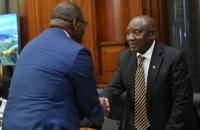
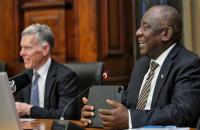
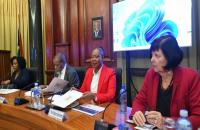
PHOTOS | President Ramaphosa meets with business leaders at the Union Buildings


Energy

In a joint statement following a meeting between government and business, which was led by President Cyril Ramaphosa on Tuesday, the Presidency and Business for South Africa noted that the energy workstream, in particular, has achieved significant progress.

“The energy workstream was reported to have had the most impact, achieving a dramatic reduction in load shedding, in collaboration with Eskom (over 140 days without load shedding so far this year), and significant grid capacity recovery (with more than 6 gigawatts of new energy generation added) through investment in additional technical support and capacitation from 57 companies investing over 9 000 hours at five power stations. The energy availability factor is currently tracking above 60% vs 54% in 2023.

READ | A further 2 500MW expected back 'by the end of August'

“However, we still face multiple challenges, including rapidly rising electricity costs, unsustainable municipal utilities, complex market reform, a constrained grid with delayed expansion, and stalling investment in new generation.

“Significant investment will be required for the energy sector reform over the next five to 10 years, and there was strong consensus that it is critical to pave the way now to address the challenges. 

"Business, Eskom and the Presidency have agreed that the priorities of the National Energy Crisis Committee should include a focus on transmission, market reform, municipal utilities and new energy generation,” the statement read.

WATCH | Government, business meet with the President


Transport and logistics 

In the statement, the two parties acknowledged that although the two workstreams have recorded successes, this was not “as quickly or extensively as anticipated”.

“Business has provided significant technical support and resources to Transnet Freight Rail, including procurement and operations expertise, and port maintenance support for Transnet Port Terminals. The Transnet Board and management team are making progress in implementing the Transnet recovery plan. 

“Despite the significant efforts by the partners, there is broad acknowledgment that Transnet requires substantial interventions to improve performance to meet the needs of its customers and the market demand necessary for sustainable economic growth,” the statement read.

READ | Transnet forging ahead with reforms

An agreement was reached to move quickly to implement reforms and meet Freight Logistics Roadmap deadlines.

“The meeting agreed that the rapid implementation of structural reforms and strict adherence to the Freight Logistics Roadmap deadlines are crucial to facilitate the participation of and investment by the private sector to help address our national logistics challenges. 

“This is crucial to ensure that our commodities and manufactured products can be competitively sold into the local market and exported to meet demand. Resolving these issues will promote job retention and job creation,” the joint statement said.

Crime and corruption

Critical to South Africa’s growth and investment prospects is removal from the Financial Action Task Force (FATF) grey list.

When the FATF grey listed South Africa at its February 2023 Plenary meetings, it adopted a jointly agreed Action Plan containing 22 Action Items linked to the eight strategic deficiencies identified in the country’s Anti-Money Laundering and the Combating of the Financing of Terrorism (AML/CFT) regime.

READ | SA continues work to exit grey list

The joint statement said the meeting agreed that an “immediate joint imperative" is to support South Africa’s removal from the list.

“Key to this is demonstrating the law enforcement agencies’ intent and ability to successfully prosecute complex crime and corruption cases, and recover assets. Business is providing specialised skills at arm’s length to support this objective. 

"The promulgation of the NPA Amendment Act is key to bolstering the ability of the IDAC [Investigating Directorate Against Corruption] to effectively deliver on its mandate,” the statement said.

On job creation, the meeting acknowledged that growing the economy is imperative to facilitate employment opportunities.

“For now, unlocking a few key policy, regulatory and funding bottlenecks could accelerate existing short-term interventions across four areas, including new work opportunities in tourism and global business services; skilling that creates new jobs (particularly in digital skills); providing additional public sector first loss funding to crowd in private sector capital to increase affordable debt available for SMMEs, and institutionalising, expanding and strengthening the SAYouth platform to facilitate access to opportunities for young people,” the joint statement said. – SAnews.gov.za

NeoB
Wed, 08/14/2024 - 11:00

333 views
Read moreGovernment, business partnership begins to flourish
14 August 2024

SA is a primary target for cyber-attacks. What are the best practices for managing your threat landscape?

Location: MyPR

Carte Blanche, this past Sunday, covered the NHLS cyber-attack. This attack highlights the continued threat to South Africa, it’s businesses and institutions – with our country being one of the most targeted for cyber-attacks in the world. Graeme Millar, MD of SevenC, a home-grown South African Managed IT Services company highlights the best practices for …

Read moreSA is a primary target for cyber-attacks. What are the best practices for managing your threat landscape?
14 August 2024

Continued collaboration key to addressing challenges

Location: News

Continued collaboration key to addressing challenges

Government and business have recommitted to working together to resolve some of South Africa’s most pressing challenges.

On Tuesday, President Cyril Ramaphosa, together with members of his Cabinet, held a meeting with senior business leaders and technical experts from government and business to discuss a new era of collaboration for a partnership launched over a year ago to address barriers to growth in South Africa.

President Ramaphosa said since last year when the partnership was established, much progress has been recorded in key areas, including electricity and rail and ports.

“The Government of National Unity has reaffirmed its commitment to urgently implement the reform agenda started by the sixth administration, and to restore confidence and sentiment -- essential drivers of investment, inclusive economic growth, and job creation. 

“We have reaffirmed our commitment to a dynamic partnership between government and business to foster South Africa's economic growth and social advancement. Since the start of the partnership just over a year ago, we have made substantial progress towards stabilising the energy sector, improving the performance of our rail and port systems, and strengthening the fight against crime and corruption,” the President said.

The President expressed optimism that in partnership, government and business can navigate the country’s most pressing challenges successfully.

“As we move forward with this partnership, we will intensify our work to address these pressing issues and expand our efforts to drive employment creation. We know that the challenges ahead are formidable. But with our continued partnership, we are well equipped to navigate these complexities and contribute to sustainable growth for South Africa," said President Ramaphosa.

Chair of the Business for South Africa (B4SA) Steering Committee, Martin Kingston, said: “This is a model of collaboration that has shown its merit and is fit for purpose to drive accelerated growth and jobs in the seventh administration. 

"Over the last year, significant progress has been made and impact has been achieved. While it has not been as swift or extensive as we would have liked, it has gifted us with a blueprint for success in a new era with the GNU. We are keen that the reforms are implemented with urgency. We are very optimistic about the next phase of the partnership.”

Co-convenor of the business delegation, Adrian Gore, said he expects that continued momentum in the partnership will bring the desired level of economic growth needed in South Africa.

“We welcome President Ramaphosa’s commitment to a new era of partnership at a critical inflection point for the country. In the first phase of our partnership, over 130 CEOs pledged support and business invested more than R260 million and mobilised over 350 experts across the three focal areas. 

“This has contributed to the excellent progress made, with the reduction in load shedding being the most visible and pronounced achievement. Continued momentum could mean we are able to achieve 3% - 5% GDP growth by 2030. We will be launching Phase 2 of our partnership with this ambition in mind,” Gore said. – SAnews.gov.za

NeoB
Wed, 08/14/2024 - 11:01

132 views
Read moreContinued collaboration key to addressing challenges
14 August 2024

Africa Centres for Disease Control and Prevention (Africa CDC) Declares Mpox A Public Health Emergency of Continental Security, Mobilizing Resources Across the Continent

Location: News

Africa Centres for Disease Control and Prevention (Africa CDC)
Download logo

The Africa Centres for Disease Control and Prevention (Africa CDC) has officially declared the ongoing Mpox outbreak a Public Health Emergency of Continental Security (PHECS), marking the first such declaration by the agency since its inception in 2017.

This declaration, under Article 3, Paragraph F of the Africa CDC Statutes, empowers the organization to lead and coordinate responses to significant health emergencies. The statute mandates Africa CDC to “coordinate and support Member States in health emergency responses, particularly those declared PHECS or Public Health Emergency of International Concern (PHEIC), as well as health promotion and disease prevention through health systems strengthening, addressing communicable and non-communicable diseases, environmental health, and Neglected Tropical Diseases.”

The declaration will enable the mobilization of resources across affected countries, unlocking essential funding, strengthening Risk Communication and Community Engagement (RCCE), boosting surveillance and laboratory testing efforts, and enhancing human resource capacities to respond effectively to Mpox through a One Health approach.

Africa CDC Director General Dr. Jean Kaseya emphasized the urgency of swift and decisive action: “Today, we declare this PHECS to mobilize our institutions, our collective will, and our resources to act—swiftly and decisively. This empowers us to forge new partnerships, strengthen our health systems, educate our communities, and deliver life-saving interventions where they are needed most. There is no need for travel restrictions at this time.”

At least 13 African countries, including previously unaffected nations like Burundi, Kenya, Rwanda, and Uganda, have reported Mpox outbreaks. So far in 2024, these countries have confirmed 2,863 cases and 517 deaths, primarily in the Democratic Republic of the Congo (DRC). Suspected cases across the continent have surged past 17,000, a significant increase from 7,146 cases in 2022 and 14,957 cases in 2023. This is just the tip of the iceberg when we consider the many weaknesses in surveillance, laboratory testing and contact tracing.

Dr. Kaseya underscored the gravity of the situation stating “This is not just another challenge; it's a crisis that demands our collective action. Article 3, Paragraph F of the Africa CDC Statutes mandates us to lead and coordinate the response when there is a declaration of a public health emergency of international concern.”

From May 2022 to July 2023, Mpox was declared a Public Health Emergency of International Concern (PHEIC) by the WHO. However, Africa did not receive the support it urgently needed during this period. As global cases began to decline, the escalating numbers in Africa were largely ignored. Dr. Kaseya emphasized the need for a change in approach: “We urge our international partners to seize this moment to act differently and collaborate closely with Africa CDC to provide the necessary support to our Member States.”

He continued, appealing to global partners: “We call on you to stand with us in this critical hour. Africa has long been on the frontlines in the fight against infectious diseases, often with limited resources. The battle against Mpox demands a global response. We need your support, expertise, and solidarity. The world cannot afford to turn a blind eye to this crisis.”

He explained that the emergency declaration follows wide consultations, including a unanimous decision by the Africa CDC Emergency Consultative Group (ECG), chaired by Professor Salim Abdool Karim, head of CAPRISA, an AIDS research program based in Durban, South Africa.

Prof. Karim highlighted that limited surveillance and evidence suggest the situation could be more severe than currently understood. “The number of cases has significantly increased compared to 2022 when WHO declared Mpox a public health emergency. It's clear that we're facing a different scenario with far more cases, resulting in a higher burden of illness,” he said. He also raised concerns about the rising fatalities, particularly the potential link between HIV and Mpox. “Our concern is that we may be seeing more fatalities in Africa due to the association with HIV,” he noted.

Cross-border transmission to previously unaffected countries was also a concern, prompting the ECG to urge the strategic distribution of the limited vaccines available. The lack of diagnostic capabilities was identified as a critical issue requiring urgent attention, and the ECG encouraged the development of response plans, promising to provide input and support.

To address the Mpox outbreak in Africa, Africa CDC has set up a 25-member Incident Management Team based at the epicenter of the Mpox epidemic with mandate to support affected and at-risk countries. Africa CDC has also signed a partnership agreement with the European Commission's Health Emergency Preparedness and Response Authority (HERA) and Bavarian Nordic to provide over 215,000 doses of the MVA-BN® vaccine—the only FDA and EMA-approved Mpox vaccine. Africa CDC will oversee the equitable distribution of these vaccines, prioritizing local needs across the affected Member States.

MPOX SYMPTOMS, PREVENTION, AND TREATMENT

Mpox is a viral illness caused by the monkeypox virus, with two distinct clades: Clade I and Clade II. Common symptoms include a skin rash or mucosal lesions lasting 2–4 weeks, fever, headache, muscle aches, back pain, low energy, and swollen lymph nodes. The virus can be transmitted to humans through physical contact with an infectious person, contaminated materials, or infected animals.

Distributed by APO Group on behalf of Africa Centres for Disease Control and Prevention (Africa CDC).

Read moreAfrica Centres for Disease Control and Prevention (Africa CDC) Declares Mpox A Public Health Emergency of Continental Security, Mobilizing Resources Across the Continent
  • Previous
  • Page 1
  • Interim pages omitted …
  • Page 46
  • Page 47
  • Page 48
  • Page 49
  • Page 50
  • Interim pages omitted …
  • Page 87
  • Next

Copyright © 2026 · MyZA · All Rights Reserved · Powered by Stratlec Online