Court Sets Aside National Tender for Circumcision Device
With immediate effect the CircumQ device may not be used on boys aged ten to 14
Four offences seem to have been committed but only one fine was imposed by the fisheries department
The Freedom Front Plus (VF Plus) is deeply concerned about the safety of drinking water in Witsand and Port Beaufort in the Hessequa Local Municipality after independent water samples, taken at several points, confirmed that the water does not comply with the prescribed standards. According to an independent, SANAS-accredited report compiled on 10 April 2026, […]
The post Dringende optrede nodig oor onveilige drinkwater in Witsand en Port Beaufort appeared first on Freedom Front Plus.
A municipal water tanker with a replacement value of between R1,6 million and R2 million has disappeared without a trace from the fleet of the Mogale City Local Municipality (Krugersdorp, Magaliesburg, Muldersdrift). To date, there is no information available on where, when or how the vehicle was stolen. In the 2024/25 service delivery performance report, […]
The post Water tanker disappears without a trace in Mogale City appeared first on Freedom Front Plus.
The safety and track record of the CircumQ devices has been questioned
Sixty-eight percent of South Africans TransUnion surveyed from 21 November to 9 December 2024 indicated that they had been targeted by email, online, phone call or text messaging fraud in the last three months, with 13% saying that they had become victims. Among those who said they were targeted, the most common reported schemes were phishing, where fraudulent emails, websites, social posts or QR codes are meant to steal personal data (33%), smishing where fraudulent text messages try to trick the user into sharing data (31%), and third-party scams on legitimate online retail sites (28%).
In a separate question in that same survey, one third (33%) said that they had lost money to email, online, phone call or text messaging fraud in the last year. Nearly one third (32%) of those who said they lost money reported it happening via third-party seller scams on legitimate online retail sites. This was followed by 26% who lost money via money mule scams where users are solicited to transfer or move illegally acquired money on behalf of someone else, and 23% who lost money via stolen credit card or fraudulent charges.
These and other findings came from research used for building the newly released TransUnion (NYSE: TRU) H1 2025 Update to the State of Omnichannel Fraud Report, which shows how South African consumers continue to be targeted by fraudsters through a wide range of channels.
“With South Africa having the second greatest number of smartphone connections in Sub-Saharan Africa, with people using mobile phones to conduct their everyday business, connect with friends, or keep in touch with family, it’s easy to understand why digital fraud would be such a common tactic among fraudsters targeting this region,” said Amritha Reddy, senior director of fraud solutions at TransUnion Africa. "While cybercriminals will attack at any time using any channel, they appear to focus on channels most popular in the regions they are targeting.”
Nearly one third (31%) South African respondents indicated that they were not aware of being targeted by email, online, phone call or text messaging fraud at all, which raises questions as to whether these respondents were in fact targeted, yet simply unaware of the threat.
Based on the TransUnion study, South Africa had the greatest percentage of respondents among countries surveyed in Africa who said they fell victim to email, online, phone call or text messaging fraud in the second half of 2024. In contrast, Zambia had the lowest percentage of consumers who said they fell victim to fraud in the countries surveyed in Sub-Saharan Africa.
Table 1: Fraud Types Most Frequently Used to Target Consumers in Sub-Saharan Africa in the Last Three Months
| Country | Targeted and fell victim | Targeted but didn’t fall victim | Not targeted | Most reported fraud scheme |
| South Africa | 13% | 55% | 31% | Phishing |
| Kenya | 11% | 71% | 19% | Smishing |
| Namibia | 11% | 52% | 37% | Vishing |
| Rwanda | 10% | 57% | 33% | Money mule |
| Zambia | 9% | 70% | 21% | Smishing |
Source: TransUnion Consumer Pulse Survey of 1,000 people in South Africans in December 2024
Communities and Video Gaming Among Top Industries Targeted by Suspected Digital Fraud
Globally, TransUnion determined that communities (online forums and dating sites) experienced the highest rate of suspected digital fraud[1] attempts in 2024. Nearly 12% of all attempted transactions within communities last year were suspected to be digital fraud. This was closely followed by video gaming (11%), with gaming (including online betting, poker, etc.) at 8% and retail (8%) rounding out the top four.
The logistics industry, which has seen growth in shipping fraud (often perpetrated by organised crime rings), saw the greatest suspected digital fraud volume growth globally in 2024, up more than 100% over 2023. That being said, the fraud rate remains at a relatively modest 3%. Gaming also saw a significant year-over-year (YoY) volume change, up 20%. Telecommunications (-79%), insurance (-29%) and video gaming (-23%) saw the greatest decreases in suspected digital fraud volume YoY.
“Digital fraud on community platforms is by no means a new phenomenon. In 2024, it appears that fraudsters targeted these areas with a renewed vigour,” said Reddy. “Cybercriminals take advantage of the trust inherent on community-based platforms, and target members with a wide range of scammer solicitations, the most reported type of digital fraud in communities.”
For attempted transactions where the consumer or fraudster was located in South Africa, gaming experienced the highest suspected digital fraud rate in 2024 at 6.3% with an 8.1% decrease in the volume of suspected digital fraud from 2023. The only South African industries in which suspected digital fraud increased YoY were insurance and communities.
“It is encouraging to see that attempts at digital fraud have decreased across all but two of the surveyed industries in South Africa,” Reddy says. “Organisations that draw on identity, device and behavioural insights to help them interact with legitimate consumers while mitigating fraud risk are more likely to protect themselves and their customers from the scourge of digital fraud.”
Table 2: Highest Digital Fraud Rates Across Leading Industries in South Africa
| Industry |
Suspected digital fraud attempt rate 2024 |
Change in volume of suspected digital fraud attempts from 2023 to 2024 |
| Gaming |
6.3% |
-8.1% |
| Telecommunications |
6.2% |
-58.5% |
| Financial services |
6.1% |
-29.6% |
| Video gaming |
6.0% |
-67.2% |
| Insurance |
5.6% |
166.5% |
| Communities |
5.0% |
4.0% |
| Retail |
2.9% |
-8.9% |
| Travel & leisure |
0.5% |
-87.0% |
Source: TransUnion TruValidate™
Fraud Comes with a Heavy Cost to Consumers
Consumers faced significant losses due to fraud. Among consumers TransUnion surveyed in 18 countries and regions in November and December 2024, 29% said they lost money due to email, online, phone call or text messaging fraud in the last year. The survey determined that the median amount those consumers said they lost due to fraud in the past year was R32,447. For those who said they lost money due to fraud in South Africa, the median stated amount lost was R12,518[2].
TransUnion came to its conclusions about digital fraud based on intelligence from TransUnion TruValidate.
Specific country and regional data in the report includes South Africa, Botswana, Brazil, Canada, Chile, Colombia, the Dominican Republic, Guatemala, Hong Kong, India, Kenya, Mexico, Namibia, the Philippines, Puerto Rico, Rwanda, Spain, the United Kingdom, the United States and Zambia. Download the TransUnion H1 2025 Update to the State of Omnichannel Fraud Report for more information and insights about the global fraud trends.
[1] The rate or percentage of suspected digital fraud attempts reflects those which TransUnion customers determined met one of the following conditions: 1) denial in real time due to fraudulent indicators, 2) denial in real time for corporate policy violations, 3) fraudulent upon customer investigation, or 4) a corporate policy violation upon customer investigation — compared to all transactions assessed. The country and regional analyses examined transactions in which the consumer or suspected fraudster was located in a select country or region when conducting a transaction. Global statistics represents every country worldwide and not just the select countries and regions.
[2] Based on the exchange rate on 6 Jan. 2025
According to the newly released TransUnion® (NYSE: TRU) H2 2025 Update to the Top Fraud Trends Report, the rate of suspected digital fraud[1] was the highest in the consumer lifecycle at account login for South Africa with 2.6% of those types of transaction attempts when the consumer was in the country being suspected of digital fraud in the first half (H1) of 2025. This aligns with a global trend of fraud shifting to account takeover attempts which typically occur at login. Globally, 4.3% of account login transactions in H1 2025 were suspected of digital fraud.
The report, which draws on proprietary data from TransUnion’s global intelligence network from billions of transactions from over 40,000 websites and apps and a consumer survey across 18 countries, reveals that fraud is growing.
“South Africa stands at a critical juncture in its digital evolution where opportunity and vulnerability intersect. As the nation embraces rapid digital transformation, the surge in online activity has inadvertently opened new doors for fraudsters, whose tactics are growing more sophisticated by the day. This convergence of accelerated digital adoption, economic strain and criminal innovation has created a complex risk landscape,” said Amritha Reddy, senior director of fraud product management TransUnion Africa.
According to analysis of TransUnion’s customers in its global intelligence network, digital account takeover volume worldwide grew 21% year-over-year (YoY) from H1 2024 to H1 2025, signalling a rapid escalation. The volume of digital account takeovers surged 141% from H1 2021 to H1 2025, underscoring persistent rise of this fraud type over time and reflecting the increasing sophistication of fraudsters who exploit stolen credentials and bypass authentication systems.
"As account takeover fraud surges, businesses can no longer afford solely reactive defences,” said Reddy. “The growing sophistication of fraudsters demands a proactive investment in layered security and identity intelligence. In today’s threat landscape, protecting customer accounts is not just a priority, it’s a business imperative."
Highest Rate of Suspected Digital Fraud in Video Gaming
Among industries analysed globally, the video gaming sector recorded the highest percentage of suspected digital fraud attempts in the first half of 2025, reaching 13.5%. This represents a significant 28% rate increase compared to the same period in 2024, underscoring the growing vulnerability of this sector to fraudulent activity.
For transactions where the consumer was in South Africa, the rate of suspected digital fraud attempts from February to May 2025 was the highest in video gaming at 7.7%. The greatest increase in the volume of digital transactions suspected to be fraudulent over that time was in the insurance industry, with a 154% uptick.
Chart 2: Suspected Digital Fraud Attempts in South Africa, by Sector
| Industry |
Suspected digital fraud attempt rate H1 2025 |
Change in volume of suspected digital fraud attempts from H1 2024 to H1 2025 |
| Video gaming |
7.7% |
-1% |
| Insurance |
6.7% |
+154% |
| Communities (web properties like online forums and dating sites) |
3.2% |
-45% |
| Financial services |
3.0% |
-49% |
| Logistics |
2.1% |
-99% |
| Retail |
1.1% |
-57% |
| Telecommunications |
0.7% |
-96% |
Source: TransUnion global intelligence network
“As the risk from consumer scams threatens identity integrity, organisations should rely on a mixture of data, risk signals, technology and tools to prevent fraud,” said Reddy. “The Report highlights that business leaders rank[2] identity verification, device reputation and behavioural biometrics as the leading three fraud prevention technologies.
“Businesses and financial institutions should also invest in sustained education and awareness campaigns to mitigate against schemes like account takeovers. Preventing fraud must by necessity be a multi-pronged strategy, if businesses and consumers are to stay ahead of fraudsters whose strategies continue to evolve too,” she said. “By harnessing advanced technologies, fostering cross-sector collaboration, and prioritising consumer trust, South Africa can chart a path toward a secure and inclusive digital future.”
Consumer-Reported Exposure to Fraud Grows Amid Gaps in Awareness and Prevention
Globally, consumers continue to face a wide range of scams, with tactics often tailored to regional behaviours and vulnerabilities. TransUnion’s survey found that 48% of consumers surveyed globally reported being targeted by email, online, phone call or text messaging fraud from February to May 2025, with 59% of South Africans saying the same thing. Globally, 52% were unaware that they were targeted, as were 42% of South Africans, indicating potential fraud under-recognition and a gap in fraud awareness.
Consumers in five of the six African countries surveyed reported money or gift card scams as the most experienced fraud type. In South Africa money or gift card scams was the most common fraud type – reported by 33% of those who said they were targeted with email, online, phone call or text messaging fraud from February to May 2025. Among those South Africans who said they were targeted, the next most frequently reported scams were phishing (31%), smishing (30%), and vishing (29%), with these three designed to deceive individuals into giving up their valuable personal or financial information.
South Africa Saw the Greatest Percentage of Respondents in Africa Indicating They Fell Victim to Fraud from February to May 2025
| Country | Targeted and fell victim | Targeted but didn’t fall victim | Not targeted | Most reported fraud scheme |
| South Africa | 13% | 46% | 42% | Money/gift card |
| Kenya | 10% | 71% | 19% | Vishing |
| Zambia | 9% | 76% | 15% | Money/gift card |
| Rwanda | 9% | 49% | 42% | Money/gift card |
| Namibia | 8% | 57% | 35% | Money/gift card |
| Botswana | 6% | 68% | 26% | Money/gift card |
Source: TransUnion consumer survey
“As scammers continue to evolve their tactics to enrich themselves, it’s more important than ever for consumers to regularly review their credit reports to ensure all listed information is accurate,” said Reddy.”
TransUnion came to its conclusions about digital fraud and data breaches based on intelligence from its array of TransUnion fraud prevention solutions. To learn more about how TransUnion fraud prevention solutions can help businesses avoid fraud and prevent fraud losses, click here.
Specific country and regional data in the report includes South Africa, Botswana, Brazil, Canada, Chile, Colombia, Costa Rica, the Dominican Republic, El Salvador, Guatemala, Honduras, Hong Kong, India, Kenya, Mexico, Namibia, Nicaragua, the Philippines, Puerto Rico, Rwanda, Spain, the United Kingdom, the United States and Zambia. Download the TransUnion H2 2025 Update to the Top Fraud Trends Report for more information and insights about the global fraud trends.
[1] Suspected digital fraud attempts reflect those which TransUnion customers determined met one of the following conditions: 1) denial in real time due to fraudulent indicators, 2) denial in real time for corporate policy violations, 3) fraudulent upon customer investigation, or 4) a corporate policy violation upon customer investigation.
[2] As found by TransUnion’s online business survey conducted from 29 May to 6 June 2025 in partnership with third-party research provider, Dynata. Findings were included in TransUnion’s H2 2025 Update to the Top Fraud Trends Report
At least six people have been killed or injured by explosives from the largely unfenced 6 SA Infantry Battalion training area
The confirmed presence of substandard or falsified anticancer medicines in sub-Saharan Africa will complicate cancer care.
Parents with children at Otters’ Creek Junior are scrambling to find space at other special needs schools
Unicirc claims the device from winning bidder CircumQ is untested
As part of the company's participation at the GITEX Africa conference, taking place in Morocco on 14-16 April 2025, Kaspersky (www.Kaspersky.co.za) will address the dynamics for cyberthreats in the African region as per the latest anonymised data from the Kaspersky Security Network (KSN)[1]. From 2023 to 2024 businesses in Africa were targeted by web threats, on-device threats, and attacks aiming to steal data, including spyware and password stealers. Phishing and ransomware continue to be significant threats in the region, with 66 million phishing link clicks seen by Kaspersky in the African region in 2024, including over 14.8 million phishing link clicks by corporate users.
Web-based threats, or online threats, are a category of cybersecurity risks that may cause an undesirable event or action affecting users browsing the Internet. According to Kaspersky data, there were 131 580 587 web threats detected in 2024 in the African region, including almost 20 million attack attempts in Kenya, almost 17 million in South Africa, and 12.6 million in Morocco. Businesses were targeted by web threats more often in 2024 than in 2023, with threat detections increasing by 1.2%.
Local (on device) threats include malware that is spread via removable USB drives, CDs and DVDs, or that initially makes way onto the computer in non-open form (for example, programs in complex installers, encrypted files, etc.). According to Kaspersky telemetry, local (on device) threat detections in organisations in the African region in 2024 increased by 4% compared to 2023. Among the countries that saw growth in local threats detected in organisations were Nigeria (169% increase), Ethiopia (86%), South Africa (32%), Senegal (11%), and Morocco (9%).
There has been a spike of threats related to data theft. According to Kaspersky data, there was a 14% growth in spyware attack detections on businesses in the African region from 2023 to 2024. Spyware is secretly installed on a user's computer to monitor their actions and collect their data. Apart from that, there has been a 26% increase in password stealer detections. Password stealers are a type of malware designed to harvest login credentials and other sensitive data.
“Our statistics show an increase in attack detections for several types of cyberthreats, and the factors driving these increases are multifaceted. In the B2B sector, the continuing shift toward hybrid work models and the rush to digitise operations — often outpacing cybersecurity investments — may leave businesses in Africa exposed to advanced persistent threats. In the B2C space, the explosion of digital financial services, coupled with low digital literacy rates, makes individuals prime targets for opportunistic attacks,” comments Maher Yamout, Lead Cybersecurity Researcher with Kaspersky Global Research and Analysis Team. “Organisations in Africa should prioritise a unified approach by enhancing collaboration, investing in specialised cybersecurity training, and promoting digital literacy to effectively combat the rising tide of cybercrime. Initiatives like the African Cyber Surge operation and targeted educational programs can serve as blueprints for building a resilient digital ecosystem across the continent.”
To stay protected, Kaspersky suggests following the recommendations below.
Individual users:
Organisations:
The Kaspersky stand at GITEX Africa (https://GITEXAfrica.com) in Morocco will be located in Hall 13, 13C-20, while a keynote titled “When AI/ML fails in cybersecurity, humans are the last line of defense” will take place at the Dark Stage on April 15 at 2:10 PM.
Reference:
[1] Data sent to Kaspersky is anonymized and protected, even in transit, in accordance with stringent industry standards including encryption, digital certificates, segregated storage and strict data access policies. Learn more about KSN here: www.Kaspersky.com/KSN
Distributed by APO Group on behalf of Kaspersky.
For further information please contact:
Nicole Allman
INK&Co. (https://INKandCo.co.za)
nicole@inkandco.co.za
Follow us:
Facebook: https://apo-opa.co/3RfDPWG
X: https://apo-opa.co/3XUJzJe
YouTube: https://apo-opa.co/4icxu9w
Instagram: https://apo-opa.co/3G7fAry
Blog: https://apo-opa.co/44smi5c
About Kaspersky:
Kaspersky is a global cybersecurity and digital privacy company founded in 1997. With over a billion devices protected to date from emerging cyberthreats and targeted attacks, Kaspersky's deep threat intelligence and security expertise is constantly transforming into innovative solutions and services to protect businesses, critical infrastructure, governments and consumers around the globe. The company's comprehensive security portfolio includes leading endpoint protection, specialized security products and services, as well as Cyber Immune solutions to fight sophisticated and evolving digital threats. We help over 200,000 corporate clients protect what matters most to them. Learn more at www.Kaspersky.co.za.
The Dial-a-Ride service has been stagnant for seven years
Scientists aboard the SA Agulhas II have been tracking ocean health
According to a recent Kaspersky (www.Kaspersky.co.za) survey*, 91% of parents surveyed in South Africa and 89% of parents surveyed in the Middle East, Turkiye and Africa (META) region use gadgets to entertain and occupy their children while traveling or to gain some free time for themselves. Moreover, half (50%) of children in South Africa and over half (52%) of children in the META region receive their first personal device – a smartphone or tablet – quite early, at the age of 3-7 years. However, 26% and 22% of respondents respectively have not discussed Internet safety rules with their children. This means that some of the children, who are often left one-on-one with their devices, are not always aware of how to behave safely online.
The children themselves admit that gadgets play a significant role in their lives. According to their own admission, 72% in South Africa and 78% in the META region cannot live without their gadgets. Smartphones, tablets and game consoles are at the top of the list of the most desirable devices for children. This emphasises the critical need for children to understand that they can be exposed to threats online, what this means and how to safely navigate this through appropriate device rules and guidelines.
“Most parents give their children gadgets in order to entertain them, spare some time for themselves or calm down their kids. However, children shouldn't use digital devices uncontrolled. Rather parents should monitor their child's digital life better. This can be done by limiting screen time and holding conversations, however, a security solution is also needed”, comments Seifallah Jedidi, Head of Consumer Channel in the Middle East, Turkiye and Africa at Kaspersky.
“Applying parental control is not showing distrust to your child; it's a sensible precaution with which you can, among other things, protect the device and the data on it. It allows parents to control which sites their children visit and which games they play, as well as disallowing file downloads, blocking access to content on unwanted topics and preventing the disclosure of confidential information. This way, Kaspersky's technologies help protect finances and confidential data from cybercriminals, and protect children from the risks that may lurk in the online environment”, he adds.
Kaspersky suggests protecting children with the following proactive measures:
*The survey was conducted by Toluna research agency at the request of Kaspersky in 2023. The study sample included 10000 online interviews (5000 parent-child pairs, with children aged 3 to 17 years) in 5 countries: Türkiye, South Africa, Egypt, Saudi Arabia, and the UAE.
Distributed by APO Group on behalf of Kaspersky.
For further information please contact:
Nicole Allman
INK&Co. (https://apo-opa.co/3EIX1Jr)
nicole@inkandco.co.za
Follow us:
Facebook: https://apo-opa.co/3EEx6T2
X: https://apo-opa.co/4gH6e28
YouTube: https://apo-opa.co/4i6LPVw
Instagram: https://apo-opa.co/4k6i1tS
Blog: https://apo-opa.co/4b7uf1a
About Kaspersky:
Kaspersky is a global cybersecurity and digital privacy company founded in 1997. With over a billion devices protected to date from emerging cyberthreats and targeted attacks, Kaspersky's deep threat intelligence and security expertise is constantly transforming into innovative solutions and services to protect businesses, critical infrastructure, governments and consumers around the globe. The company's comprehensive security portfolio includes leading endpoint protection, specialized security products and services, as well as Cyber Immune solutions to fight sophisticated and evolving digital threats. We help over 200,000 corporate clients protect what matters most to them. Learn more at www.Kaspersky.co.za.
Government calls on private sector to help bridge digital divide
The Deputy Minister in the Presidency, Kenny Morolong, has called for collaboration between the private and public sectors to create a meaningful future for the country’s children and to bridge the digital divide.
The Deputy Minister made the call during the government’s back-to-school programme in Cape Town, Western Cape, on Tuesday.
Following his speech, the Deputy Minister toured special needs schools that benefited from MTN’s Connecting Every Child initiative.
The MTN’s Connecting Every Child initiative, a joint effort between the Department of Basic Education (DBE) and the Department of Communications and Digital Technologies (DCDT), aims to provide digital devices and educational content to schools in South Africa.
The Deputy Minister emphasised the private sector’s role in fostering development and investing in youth, underlining its crucial contribution to Africa’s economy.
“I’m happy you are not limiting your responsibilities just to providing goods and services and this is an indication of what government can do working with the private sector and to an extent, society,” he said.
He also praised MTN for its significant contributions to the education sector and expressed his appreciation for both the learners and teachers.
The Deputy Minister stressed the importance of education as a powerful catalyst for change and expressed gratitude for initiatives that improve lives and society.
He visited the Jan Kriel School in Kuils River and Rusthof LSEN (Learners with Special Educational Needs) School in Onverwacht, which both benefited from the colourful computer labs donated by MTN.
The 88-year-old Jan Kriel School is dedicated to teaching and training learners with special educational needs.
Jan Kriel School Principal, Gerrit Odendaal, stated that the school’s new laboratory has transformed the institution.
He believes that technology is essential for helping learners gain independence, which is a crucial skill for their development.
“When they leave school, the teacher stays behind and mommy and daddy won’t always be there. But they will have a smartphone, a laptop, a device or some technology that they can take with them.”
He said the computer lab, equipped with 28 laptops, an interactive whiteboard, and printers, has transformed this school after it previously had an outdated computer room that was not suitable for children with special needs.
Keyboards have now been adapted to be colourful and include special trackpads to support learners whose motor skills are still developing.
“You should have seen their faces the day they walked into that lab for the first time. They are now looking forward to their computer lessons. They ask, ‘Ma’am when is the next period?’ They’re excited to learn and that makes learning and teaching fun,” Odendaal told SAnews.
Western Cape MTN General Manager, Noluthando Pama, stated that the company believes everyone deserves the benefits of a digitally connected life through the internet.
“We as MTN, our vision, the thing that gets us to wake up every day is to ensure that we’re providing connectivity to communities that don’t have connectivity. So, we chose this school because we also believe that special needs, are very much in need of this digitally connected world.”
According to Pama, the labs not only make learning enjoyable but also enhance cognitive abilities.
“As a brand, seeing the fruits of all the work we’re doing, it’s very heartwarming.”
They have also equipped the school with a network mast, allowing for faster and higher-quality connectivity.
She stated that MTN strongly advocates for a public-private partnership in the country.
“That’s when you can truly have an impact on economic growth. What GNU [Government of National Unity] is also doing and bringing the different political parties and vastly so, engaging business on forums such as BUSA [Business Unity South Africa].
“You’re seeing a deliberate partnership of MTN and government to benefit children and the community and we love that as MTN we’re not there to ask customers to buy data and airtime from us but we’re investing in their communities and giving their kids digitally enabled tools.”
She believes that without partnerships with the private sector, it would be difficult for the government to make progress in curbing unemployment.
“The budget of government is limited and of course, the private sector companies have a bit of room to play with,” she added. – SAnews.gov.za
Gabisile
Tue, 02/04/2025 - 16:42
RS South Africa (https://Africa.RSDelivers.com/), a global product and service solutions provider for industrial customers, committed to empowering industrial customers and suppliers involved in designing, building, or maintaining industrial equipment and facilities, has launched the new RS Export Mobile App (https://apo-opa.co/4aeAy2B).
Whatever your industry, managing operations on-the-go has just become easier. In the fast-paced world of global commerce, time is indeed money. The RS Export app makes finding the correct solution to your problem quicker and easier.
Unleash the power at your fingertips with instant access to a catalogue of over 800 000 electronic, electrical, mechanical, and PPE products, all available with real-time stock and price – right from your mobile device's homepage.
The app is for existing and new RS customers that export goods from South Africa and the UK to the Sub-Saharan African region. Its features have been designed with their specific requirements in mind and it is supported by the experienced RS export support team, which ensures that all paperwork complies with local and international regulations.
The app provides real-time information, allowing customers to stay informed about up-to-the-minute stock availability and price information. Explore the different product categories in the catalogue when searching for inspiration. If you know what you are after, use keywords or manufacturer part numbers. Compare products with detailed technical descriptions, and access manufacturers' data sheets, 3D images, and schematics.
The checkout process is streamlined, showing the total order price, including delivery costs based on destination and product dimensions. You can connect your existing online account for preferential rates, or new users can quickly register through the app. Transactions are simple, with the option to use an RS account or multiple card types for hassle-free payments.
Download the RS Export app today from Google Play and empower your business with distribution excellence from the RS. For more information about the mobile app, visit their website (https://apo-opa.co/4aeAy2B) and follow them on LinkedIn (https://apo-opa.co/4ah0TNj) for regular updates.
Distributed by APO Group on behalf of RS South Africa.
PR contact details:
PR Contact Person - RS South Africa:
Princess Tlou
Communications & Content Specialist
RS South Africa
Princess.Tlou@rsgroup.com
+27 11 691 9366
Media Contact Person – NGAGE Agency:
Thobile Ndlovu
PR Account Executive
thobile@ngage.co.za
+27 11 867 7763
Further information is available via these links:
RS South Africa (www.RSOnline.co.za)
RS Africa Exports (https://Africa.RSDelivers.com/)
DesignSpark (https://apo-opa.co/3DRjC6f)
RS Group plc (www.RSGroup.com)
About RS:
RS is a global product and service solutions provider for industrial customers, enabling them to operate efficiently and sustainably.
We operate in 36 markets, stock over 800,000 industrial and specialist products and list an additional five million relevant for our industrial customers, sourced from over 2,500 suppliers. This extensive range supports our customers across the industrial lifecycle of designing, building, and maintaining equipment and operations. We enhance their experience through a tailored service model, leveraging our efficient physical, digital and process infrastructure sustainably. We combine a technically led and digitally enabled approach with an exceptional team of experts; ultimately, it's our people that make the difference.
Our purpose, making amazing happen for a better world, reflects our focus on delivering results for people planet and profit.
RS Group plc is listed on the London Stock Exchange with stock ticker RS1 and in the year ended 31 March 2024 reported revenue of £2,942 million.
For more information, please visit: www.RSOnline.co.za
Collaboration technology has become the norm in the modern workplace. Nowadays, various advanced tools, platforms, and systems are available to businesses and professional environments to boost productivity, communicate effectively, and foster better teamwork.
A growing category of collaborative display technology is large, interactive touchscreen displays that combine the features of a digital whiteboard with conferencing tools. These impressive systems are the way forward for organisations that value brainstorming sessions, real-time collaboration, integrated video conferencing, and overall increased focus and creativity among team members.
Reshaping the future of work
Technology plays a vital role in the changing workplace landscape because of the adoption of hybrid and remote work in recent years. Some of the most crucial methods to facilitate improved collaboration, communication, and productivity—no matter the physical distance—are using digital tools and platforms.
“Companies and organisations often struggle to promote effective collaboration between teams across different time zones or even continents,” says Tyrone Young, Head of Sales for Information Display and Information Technology at LG Electronics South Africa. “That is why there is such a need for innovative tech solutions like interactive displays to bridge the gap.”
Introducing the future of hybrid work
One system that is a leader in collaboration technology is the LG CreateBoard TR3DK series (http://apo-opa.co/404hUXN). While this cutting-edge collaboration display is widely used in classrooms, it is also designed to enhance corporate collaboration during meetings, brainstorming sessions, or training programs.
An impressive feature of the LG CreateBoard collaboration display is the multi-touch interaction which supports up to 40 touch points on the display at the same time. Moreover, the CreateBoard features cloud integration, making it ideal for group projects.
Speaking of collaborative projects, the LG CreateBoard is equipped with built-in collaboration tools like a digital whiteboard and ConnectedCare DMS for remote management. On top of that, using Smart Viewing Mode, multiple materials can be displayed side by side, making for productive and efficient presentations.
Maximising corporate collaboration
Several great advantages of using the LG CreateBoard in the workplace include smooth, well-organised workflows, improved meetings, and better team collaborations. For businesses where employees are split physically, the LG CreateBoard almost acts like a central hub where everyone can participate no matter where they are located.
“The LG TR3DK is an interactive, high-resolution digital display that is quintessential for streamlining workflows and improving efficiency” explains Young. “How? It provides easy cloud integration and remote device management for both IT teams and end users.”
Collaborative display technology in action
There are many examples of real-world applications of the LG TR3DK Collaboration Display in the work environment. For one, the LG CreateBoard is ideal in boardroom settings for interactive client presentations, whether that be for data visualisation, project updates, or a sales pitch. Another real-world application is using it for various training and learning sessions and workshops. This is particularly beneficial because it allows remote learners to participate and it allows for better hands-on learning.
All-in-all the LG CreateBoard is the ultimate tool for project collaboration. The multi-touch interface is a great way to encourage team members to include their real-time input, feedback, thoughts, and decisions.
“The TR3DK is a game-changer for the modern workplace,” states Young. “It breaks down communication barriers and equips teams with the tools they need to stay productive and connected in any environment.”
Looking ahead
In a world where workplaces are becoming more and more global, remote, or hybrid, collaboration technology plays a vital role. Advancements such as the LG CreateBoard collaboration display can completely change the way the workforce communicates, engages, develops, and shares information.
“LG is well-known for its innovative solutions and their focus on collaboration technology shows how they are transforming the modern work environment into a more productive place,” concludes Young.
Distributed by APO Group on behalf of LG Electronics.
Study found more leaked municipal water in the Jukskei River than naturally occurring water
The picket marked the International Day of Commemoration and Dignity of the Victims of the Crime of Genocide
Government extends analogue switch-off date
In an effort to ensure that as many indigent households as possible enjoy their right to access broadcast services, government has extended the date for the complete switch-off of analogue to digital television.
The Ministry of Communications and Digital Technologies has secured Cabinet’s support for an extension of the deadline for the analogue switch-off from 31 December 2024 to 31 March 2025.
“Currently, approximately 467 000 indigent households, who are registered for government-provided set-top boxes have not yet received them.
“There is no denying that the Broadcasting Digital Migration project has dragged on for far too long, costing the government R1.23 billion for dual illumination, which refers to the simultaneous transmission of both analogue and digital signals.
“This process is costly and cannot be sustained indefinitely, moreso, at a time when the fiscus is under extreme pressure,” Minister of Communications and Digital Technologies, Solly Malatsi, said on Friday.
Government’s immediate focus between now and the end of March 2024 is to aggressively accelerate the delivery and installation of set-top boxes to indigent households to ensure that as many households as possible are prepared for the switch-off.
“Broadcasters are key stakeholders in this and will be instrumental in raising awareness to ensure that the rest of the free to air households have access to the necessary device to receive digital broadcasting signals.
“I appeal to all South Africa to help ensure that we migrate those households which are still receiving analogue broadcasting transmission.
“We all have a role to play to ensure that the country transitions towards digital broadcasting for better services, wider content and entertainment.”
To avert further delays and ensure efficient delivery, the Minister has directed the Director-General to implement consequence management for any individuals responsible for failures within the department.
“We have communicated this decision to the broadcasters and relevant stakeholders in a meeting today and commit to continue working together with them on this project. Their commitment to ensuring that the free-to-air households migrate is critical to the success of this programme.
“The postponement of the analogue switch-off deadline recognises the considerable delays that have plagued the Broadcasting Digital Migration (BDM) project since its inception and provides the necessary relief that makes provision for more time to migrate as many South African as possible before the final switch off. To this end, the Government will continue to subsidize indigent households,” Malatsi said. -SAnews.gov.za
nosihle
Fri, 12/06/2024 - 14:24
By Carol Guedes, Consumer Electronics Head of Sales at LG Electronics South Africa (www.LG.com/global/).
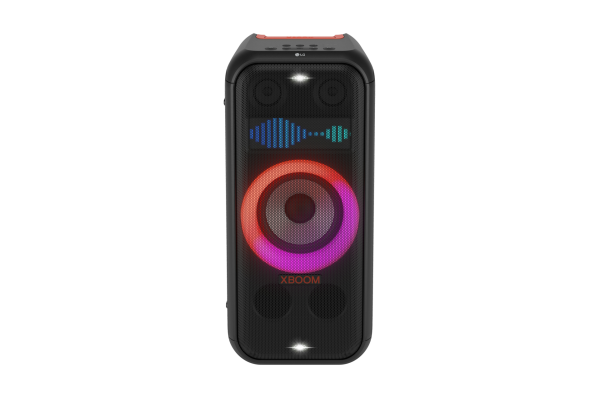
Have you ever felt the floor shake beneath your feet at a concert? That's the kind of experience LG's XBOOM range of party speakers aims to bring to your living room, braai, or wherever the party takes you. These aren't your average speakers—they're sonic powerhouses designed to make every gathering unforgettable.
Take the flagship XL9T model (http://apo-opa.co/3VmNahG). With its dual 8-inch woofers, it doesn't just play bass—it launches it. You don't just hear the low frequencies; you feel them in your chest. But here's the clever bit: LG's Dynamic Bass Optimiser ensures that even when you're not trying to wake the neighbours, you still get that rich, full sound. It's like having a sound engineer built into your speaker.
Beyond the traditional: A new era of audio
Traditional Bluetooth speakers often struggle balancing power and clarity, especially at high volumes. The XBOOM range shatters these limitations. Its advanced audio engineering maintains crystal-clear sound even when you're pushing the volume to its limits. Whether you're hosting an intimate gathering or a full-blown block party, XBOOM delivers a level of audio quality that sets a new standard for portable speakers.
The XBOOM range is all about mobility. From the compact XBOOM Go XG8T (http://apo-opa.co/4g4MtSD) that fits in your backpack to the wheeled XL7S (http://apo-opa.co/4g0hYNA) that rolls like your favourite carry-on, these speakers are ready to move when you are. But portability means nothing if your speaker conks out mid-party. That's where the XBOOM's impressive battery life comes in. With up to 20 hours of playtime on some models, these speakers have more stamina than your average party-goer.
Weather or not: Speakers that brave the elements
Are you caught in a sudden downpour at your beach party? No worries. Many XBOOM models sport an IPX4 rating, shrugging off water like a duck. The XG8T takes it up a notch with an IP67 rating—it laughs in the face of dust and can handle a quick dunk in the pool. This level of durability is a significant upgrade, allowing you to take your music anywhere without fear of damaging your investment.
More than meets the ear: A visual feast
XBOOM speakers don't just appeal to your ears—they're eye candy too. The XL9T's Pixel LED Lighting turns it into a miniature Times Square billboard. Display patterns, visual EQ effects, or even personalised messages. Coupled with Multi Colour Ring Lighting, it's like having your own light show. This visual element transforms the XBOOM from a mere audio device into the centrepiece of your entertainment setup.
LG recently put the XBOOM range through its paces at the Boom Boom Festa. Street performers from nine countries reinterpreted the iconic “Boom Boom Pow” through XBOOM speakers. From the vibrant streets of Rio to bustling urban centres worldwide, these speakers proved they could deliver crystal-clear audio in any setting.
Redefining the party speaker landscape
The XBOOM range isn't just another entry in the crowded field of portable speakers—it's a paradigm shift. By combining unparalleled sound quality, rugged durability, and eye-catching visual effects, XBOOM is redefining what consumers expect from a party speaker.
Gone are the days when portable meant compromising on sound quality. The XBOOM range (http://apo-opa.co/4gjRsyr) proves you can have concert-level audio in a package that moves with you. Its ability to withstand the elements means your music isn't confined to the safety of indoor spaces. And with its impressive battery life, the party keeps going long after other speakers have called it a night.
The visual aspects of the XBOOM range point to a future where speakers are not just heard, but seen and interacted with. This fusion of audio and visual technology hints at a new era of immersive home entertainment, where your speaker is as much a conversation piece as a sound system.
In an age where the line between professional and consumer audio gear is blurring, the XBOOM range stands tall. It's not just a speaker; it's a statement. The future of party audio isn't just here—it's loud, it's proud, and it's ready to get the party started. With XBOOM, LG isn't just keeping up with audio trends—it's setting them, paving the way for a future where our expectations of what a speaker can do are constantly being exceeded.
Distributed by APO Group on behalf of LG Electronics.
According to Kaspersky's (www.Kaspersky.co.za) latest report, artificial intelligence (AI) will become an integral part of daily life, while privacy concerns around biometric data and advanced technologies will take center stage in 2025. These forecasts are part of the annual Kaspersky Security Bulletin series, which provides an outlook on the cybersecurity trends and threats expected to impact consumers in the coming year.
AI becomes an everyday reality
AI is predicted to fully integrate into daily life in 2025, becoming a standard tool rather than a novel technology. With prominent operating systems like iOS and Android rolling out AI-enhanced features, people will increasingly rely on AI for communication, workflows, and creative tasks. However, this normalisation also brings challenges, particularly as personalised deepfakes become increasingly sophisticated in the absence of reliable detection tools.
Privacy regulations will expand user data ownership
The growing emphasis on privacy is expected to lead to new regulations that strengthen user control over personal data. By 2025, individuals may gain the right to monetise their data, transfer it easily across platforms, and benefit from simplified consent processes. Global frameworks, such as the EU's GDPR, California's CPRA and South Africa's POPIA, continue to inspire reforms worldwide, while decentralised storage technologies could further strengthen user autonomy over their information.
Fraudsters will continue to exploit premieres and releases
Cybercriminals are expected to target prominent gaming, console, and film launches in 2025. Titles like Mafia: The Old Country, Civilization VII, and Death Stranding 2, as well as the anticipated Nintendo Switch 2, are likely to attract scams involving fake pre-orders, counterfeit rootkits, and malicious downloads. Similarly, blockbuster films like Superman and Jurassic World Rebirth may trigger phishing campaigns and counterfeit merchandise fraud aimed at enthusiastic fanbases.
Political polarisation will fuel cyberbullying
Increasing political polarisation is expected to exacerbate cyberbullying in 2025. Social media algorithms that amplify divisive content, combined with the widespread availability of AI tools for creating deepfakes and doctored posts, are likely to intensify online harassment. Cross-border cyberbullying could also escalate as global platforms facilitate the targeting of individuals based on their political beliefs.
Rising number of subscription services will fuel fraud risks
As the global economy shifts further towards subscription-based models, a rise in fraud related to fake subscription promotions is expected. Cybercriminals are expected to create counterfeit services that mimic legitimate platforms, aiming to deceive users into providing personal and financial information, resulting in identity theft and financial losses. Additionally, the growth of unofficial resources that provide discounted or free access to subscription services is expected to become a significant threat vector, exposing users to phishing attacks, malware, and data breaches.
Prohibition of social media for children may lead to broader user restrictions
Australia's proposed legislation to ban social media access for children under 16 could set a global precedent. If implemented successfully, the restriction could pave the way for broader limitations on access for other demographics. Platforms like Instagram have already begun adopting AI-powered age-verification systems, signaling a shift toward stricter governance of online spaces.
“As we look to 2025, the most significant impact on consumers is expected to arise from the intersection of innovation and regulation. Advances in AI, privacy protection, and data ownership frameworks will reshape the way people interact with technology and manage their digital lives. These developments hold immense potential but also demand careful oversight to ensure they serve consumer interests,” said Anna Larkina, Kaspersky privacy expert.
To learn more, visit Securelist.com.
To stay safe, Kaspersky experts also recommend:
Distributed by APO Group on behalf of Kaspersky.
For further information please contact:
Nicole Allman
INK&Co. (https://INKandCo.co.za)
nicole@inkandco.co.za
Social Media:
Facebook: https://apo-opa.co/4inHIFt
X: https://apo-opa.co/4fXAiHl
YouTube: https://apo-opa.co/4fVaknS
Instagram: https://apo-opa.co/4fXt31Q
Blog: https://apo-opa.co/4fWEWW0
About Kaspersky:
Kaspersky is a global cybersecurity and digital privacy company founded in 1997. With over a billion devices protected to date from emerging cyberthreats and targeted attacks, Kaspersky's deep threat intelligence and security expertise is constantly transforming into innovative solutions and services to protect businesses, critical infrastructure, governments and consumers around the globe. The company's comprehensive security portfolio includes leading endpoint protection, specialized security products and services, as well as Cyber Immune solutions to fight sophisticated and evolving digital threats. We help over 200,000 corporate clients protect what matters most to them. Learn more at www.Kaspersky.co.za.