• Skip to main content
  • Skip to header right navigation
  • Skip to after header navigation
  • Skip to site footer
MyZA

MyZA

News, Directory, Events and Other Stuff

  • Social Media
  • Sport
  • World News
  • Home
  • Submit News
  • Directory
  • Events
  • Stratlec
  • TFSA
  • News
    • APO
    • Today’s Sport News
    • Todays Social Media and Tech Headlines
    • Today’s World News
    • Today’s SA Financial News
  • Contact
You are here: Home / News / Business / More Than Two-Thirds of South Africans Said They Were Recently Targeted With Fraud

More Than Two-Thirds of South Africans Said They Were Recently Targeted With Fraud

13 December 2025 by Guest
  • 68% of South Africans reported they were targeted by email, online, phone call or text messaging fraud from August to December 2024 but did not become a victim
  • Phishing, smishing and third-party seller scams on legitimate retail websites were the most frequently cited methods consumers said fraudsters used to trick them
  • In 2024, gaming (online betting, poker etc) had the highest suspected digital fraud attempt rate in South Africa

Sixty-eight percent of South Africans TransUnion surveyed from 21 November to 9 December 2024 indicated that they had been targeted by email, online, phone call or text messaging fraud in the last three months, with 13% saying that they had become victims. Among those who said they were targeted, the most common reported schemes were phishing, where fraudulent emails, websites, social posts or QR codes are meant to steal personal data (33%), smishing where fraudulent text messages try to trick the user into sharing data (31%), and third-party scams on legitimate online retail sites (28%).

In a separate question in that same survey, one third (33%) said that they had lost money to email, online, phone call or text messaging fraud in the last year. Nearly one third (32%) of those who said they lost money reported it happening via third-party seller scams on legitimate online retail sites. This was followed by 26% who lost money via money mule scams where users are solicited to transfer or move illegally acquired money on behalf of someone else, and 23% who lost money via stolen credit card or fraudulent charges.

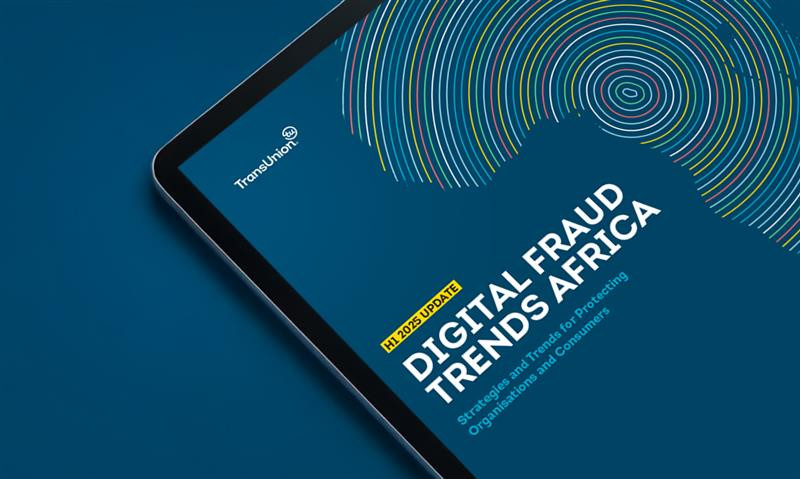
These and other findings came from research used for building the newly released TransUnion (NYSE: TRU) H1 2025 Update to the State of Omnichannel Fraud Report, which shows how South African consumers continue to be targeted by fraudsters through a wide range of channels.

“With South Africa having the second greatest number of smartphone connections in Sub-Saharan Africa, with people using mobile phones to conduct their everyday business, connect with friends, or keep in touch with family, it’s easy to understand why digital fraud would be such a common tactic among fraudsters targeting this region,” said Amritha Reddy, senior director of fraud solutions at TransUnion Africa. “While cybercriminals will attack at any time using any channel, they appear to focus on channels most popular in the regions they are targeting.”

Nearly one third (31%) South African respondents indicated that they were not aware of being targeted by email, online, phone call or text messaging fraud at all, which raises questions as to whether these respondents were in fact targeted, yet simply unaware of the threat.

Based on the TransUnion study, South Africa had the greatest percentage of respondents among countries surveyed in Africa who said they fell victim to email, online, phone call or text messaging fraud in the second half of 2024. In contrast, Zambia had the lowest percentage of consumers who said they fell victim to fraud in the countries surveyed in Sub-Saharan Africa.

Table 1: Fraud Types Most Frequently Used to Target Consumers in Sub-Saharan Africa in the Last Three Months

Country Targeted and fell victim Targeted but didn’t fall victim Not targeted Most reported fraud scheme
South Africa 13% 55% 31% Phishing
Kenya 11% 71% 19% Smishing
Namibia 11% 52% 37% Vishing
Rwanda 10% 57% 33% Money mule
Zambia 9% 70% 21% Smishing

   Source: TransUnion Consumer Pulse Survey of 1,000 people in South Africans in December 2024

Communities and Video Gaming Among Top Industries Targeted by Suspected Digital Fraud

Globally, TransUnion determined that communities (online forums and dating sites) experienced the highest rate of suspected digital fraud[1] attempts in 2024. Nearly 12% of all attempted transactions within communities last year were suspected to be digital fraud. This was closely followed by video gaming (11%), with gaming (including online betting, poker, etc.) at 8% and retail (8%) rounding out the top four.

The logistics industry, which has seen growth in shipping fraud (often perpetrated by organised crime rings), saw the greatest suspected digital fraud volume growth globally in 2024, up more than 100% over 2023. That being said, the fraud rate remains at a relatively modest 3%. Gaming also saw a significant year-over-year (YoY) volume change, up 20%. Telecommunications (-79%), insurance (-29%) and video gaming (-23%) saw the greatest decreases in suspected digital fraud volume YoY.

“Digital fraud on community platforms is by no means a new phenomenon. In 2024, it appears that fraudsters targeted these areas with a renewed vigour,” said Reddy. “Cybercriminals take advantage of the trust inherent on community-based platforms, and target members with a wide range of scammer solicitations, the most reported type of digital fraud in communities.”

For attempted transactions where the consumer or fraudster was located in South Africa, gaming experienced the highest suspected digital fraud rate in 2024 at 6.3% with an 8.1% decrease in the volume of suspected digital fraud from 2023. The only South African industries in which suspected digital fraud increased YoY were insurance and communities.

“It is encouraging to see that attempts at digital fraud have decreased across all but two of the surveyed industries in South Africa,” Reddy says. “Organisations that draw on identity, device and behavioural insights to help them interact with legitimate consumers while mitigating fraud risk are more likely to protect themselves and their customers from the scourge of digital fraud.”

Table 2: Highest Digital Fraud Rates Across Leading Industries in South Africa

Industry

Suspected digital fraud attempt rate 2024

Change in volume of suspected digital fraud attempts from 2023 to 2024

Gaming

6.3%

-8.1%

Telecommunications

6.2%

-58.5%

Financial services

6.1%

-29.6%

Video gaming

6.0%

-67.2%

Insurance

5.6%

166.5%

Communities

5.0%

4.0%

Retail

2.9%

-8.9%

Travel & leisure

0.5%

-87.0%

Source: TransUnion TruValidate™

Fraud Comes with a Heavy Cost to Consumers

Consumers faced significant losses due to fraud. Among consumers TransUnion surveyed in 18 countries and regions in November and December 2024, 29% said they lost money due to email, online, phone call or text messaging fraud in the last year. The survey determined that the median amount those consumers said they lost due to fraud in the past year was R32,447. For those who said they lost money due to fraud in South Africa, the median stated amount lost was R12,518[2].

TransUnion came to its conclusions about digital fraud based on intelligence from TransUnion TruValidate.

Specific country and regional data in the report includes South Africa, Botswana, Brazil, Canada, Chile, Colombia, the Dominican Republic, Guatemala, Hong Kong, India, Kenya, Mexico, Namibia, the Philippines, Puerto Rico, Rwanda, Spain, the United Kingdom, the United States and Zambia. Download the TransUnion H1 2025 Update to the State of Omnichannel Fraud Report for more information and insights about the global fraud trends.


[1] The rate or percentage of suspected digital fraud attempts reflects those which TransUnion customers determined met one of the following conditions: 1) denial in real time due to fraudulent indicators, 2) denial in real time for corporate policy violations, 3) fraudulent upon customer investigation, or 4) a corporate policy violation upon customer investigation — compared to all transactions assessed. The country and regional analyses examined transactions in which the consumer or suspected fraudster was located in a select country or region when conducting a transaction. Global statistics represents every country worldwide and not just the select countries and regions.

[2] Based on the exchange rate on 6 Jan. 2025

  • 68% of South Africans reported they were targeted by email, online, phone call or text messaging fraud from August to December 2024 but did not become a victim
  • Phishing, smishing and third-party seller scams on legitimate retail websites were the most frequently cited methods consumers said fraudsters used to trick them
  • In 2024, gaming (online betting, poker etc) had the highest suspected digital fraud attempt rate in South Africa

Sixty-eight percent of South Africans TransUnion surveyed from 21 November to 9 December 2024 indicated that they had been targeted by email, online, phone call or text messaging fraud in the last three months, with 13% saying that they had become victims. Among those who said they were targeted, the most common reported schemes were phishing, where fraudulent emails, websites, social posts or QR codes are meant to steal personal data (33%), smishing where fraudulent text messages try to trick the user into sharing data (31%), and third-party scams on legitimate online retail sites (28%).

In a separate question in that same survey, one third (33%) said that they had lost money to email, online, phone call or text messaging fraud in the last year. Nearly one third (32%) of those who said they lost money reported it happening via third-party seller scams on legitimate online retail sites. This was followed by 26% who lost money via money mule scams where users are solicited to transfer or move illegally acquired money on behalf of someone else, and 23% who lost money via stolen credit card or fraudulent charges.

These and other findings came from research used for building the newly released TransUnion (NYSE: TRU) H1 2025 Update to the State of Omnichannel Fraud Report, which shows how South African consumers continue to be targeted by fraudsters through a wide range of channels.

“With South Africa having the second greatest number of smartphone connections in Sub-Saharan Africa, with people using mobile phones to conduct their everyday business, connect with friends, or keep in touch with family, it’s easy to understand why digital fraud would be such a common tactic among fraudsters targeting this region,” said Amritha Reddy, senior director of fraud solutions at TransUnion Africa. “While cybercriminals will attack at any time using any channel, they appear to focus on channels most popular in the regions they are targeting.”

Nearly one third (31%) South African respondents indicated that they were not aware of being targeted by email, online, phone call or text messaging fraud at all, which raises questions as to whether these respondents were in fact targeted, yet simply unaware of the threat.

Based on the TransUnion study, South Africa had the greatest percentage of respondents among countries surveyed in Africa who said they fell victim to email, online, phone call or text messaging fraud in the second half of 2024. In contrast, Zambia had the lowest percentage of consumers who said they fell victim to fraud in the countries surveyed in Sub-Saharan Africa.

Table 1: Fraud Types Most Frequently Used to Target Consumers in Sub-Saharan Africa in the Last Three Months

Country Targeted and fell victim Targeted but didn’t fall victim Not targeted Most reported fraud scheme
South Africa 13% 55% 31% Phishing
Kenya 11% 71% 19% Smishing
Namibia 11% 52% 37% Vishing
Rwanda 10% 57% 33% Money mule
Zambia 9% 70% 21% Smishing

   Source: TransUnion Consumer Pulse Survey of 1,000 people in South Africans in December 2024

Communities and Video Gaming Among Top Industries Targeted by Suspected Digital Fraud

Globally, TransUnion determined that communities (online forums and dating sites) experienced the highest rate of suspected digital fraud[1] attempts in 2024. Nearly 12% of all attempted transactions within communities last year were suspected to be digital fraud. This was closely followed by video gaming (11%), with gaming (including online betting, poker, etc.) at 8% and retail (8%) rounding out the top four.

The logistics industry, which has seen growth in shipping fraud (often perpetrated by organised crime rings), saw the greatest suspected digital fraud volume growth globally in 2024, up more than 100% over 2023. That being said, the fraud rate remains at a relatively modest 3%. Gaming also saw a significant year-over-year (YoY) volume change, up 20%. Telecommunications (-79%), insurance (-29%) and video gaming (-23%) saw the greatest decreases in suspected digital fraud volume YoY.

“Digital fraud on community platforms is by no means a new phenomenon. In 2024, it appears that fraudsters targeted these areas with a renewed vigour,” said Reddy. “Cybercriminals take advantage of the trust inherent on community-based platforms, and target members with a wide range of scammer solicitations, the most reported type of digital fraud in communities.”

For attempted transactions where the consumer or fraudster was located in South Africa, gaming experienced the highest suspected digital fraud rate in 2024 at 6.3% with an 8.1% decrease in the volume of suspected digital fraud from 2023. The only South African industries in which suspected digital fraud increased YoY were insurance and communities.

“It is encouraging to see that attempts at digital fraud have decreased across all but two of the surveyed industries in South Africa,” Reddy says. “Organisations that draw on identity, device and behavioural insights to help them interact with legitimate consumers while mitigating fraud risk are more likely to protect themselves and their customers from the scourge of digital fraud.”

Table 2: Highest Digital Fraud Rates Across Leading Industries in South Africa

Industry

Suspected digital fraud attempt rate 2024

Change in volume of suspected digital fraud attempts from 2023 to 2024

Gaming

6.3%

-8.1%

Telecommunications

6.2%

-58.5%

Financial services

6.1%

-29.6%

Video gaming

6.0%

-67.2%

Insurance

5.6%

166.5%

Communities

5.0%

4.0%

Retail

2.9%

-8.9%

Travel & leisure

0.5%

-87.0%

Source: TransUnion TruValidate™

Fraud Comes with a Heavy Cost to Consumers

Consumers faced significant losses due to fraud. Among consumers TransUnion surveyed in 18 countries and regions in November and December 2024, 29% said they lost money due to email, online, phone call or text messaging fraud in the last year. The survey determined that the median amount those consumers said they lost due to fraud in the past year was R32,447. For those who said they lost money due to fraud in South Africa, the median stated amount lost was R12,518[2].

TransUnion came to its conclusions about digital fraud based on intelligence from TransUnion TruValidate.

Specific country and regional data in the report includes South Africa, Botswana, Brazil, Canada, Chile, Colombia, the Dominican Republic, Guatemala, Hong Kong, India, Kenya, Mexico, Namibia, the Philippines, Puerto Rico, Rwanda, Spain, the United Kingdom, the United States and Zambia. Download the TransUnion H1 2025 Update to the State of Omnichannel Fraud Report for more information and insights about the global fraud trends.


[1] The rate or percentage of suspected digital fraud attempts reflects those which TransUnion customers determined met one of the following conditions: 1) denial in real time due to fraudulent indicators, 2) denial in real time for corporate policy violations, 3) fraudulent upon customer investigation, or 4) a corporate policy violation upon customer investigation — compared to all transactions assessed. The country and regional analyses examined transactions in which the consumer or suspected fraudster was located in a select country or region when conducting a transaction. Global statistics represents every country worldwide and not just the select countries and regions.

[2] Based on the exchange rate on 6 Jan. 2025

Read More at the Source

Share this:

  • Share on X (Opens in new window) X
  • Share on Facebook (Opens in new window) Facebook
  • Print (Opens in new window) Print
  • Email a link to a friend (Opens in new window) Email
  • Share on LinkedIn (Opens in new window) LinkedIn
  • Share on Tumblr (Opens in new window) Tumblr
  • Share on WhatsApp (Opens in new window) WhatsApp
  • Share on Mastodon (Opens in new window) Mastodon
Category: BusinessTag: 2024, Africa, African, Botswana, business, community, Countries, customer, data, device, digital, Family, Fraud, global, growth, Identity, India, Insurance, Kenya, Logistics, Money, Namibia, new, ONE, Retail, Rwanda, solutions, South Africa, study, TransUnion, United States, Video, Zambia

If you feel strongly about this article then feel free to send MyZA a ‘Letter to the Editor’ using the submission form below:


Letter to the Editor

This field is for validation purposes and should be left unchanged.
If this is in response to an article please include that article title here or as the lead in for the first paragraph of your Letter below.

Separate tags with commas

Localise your letter by naming the city your words are about. Add relevant words describing your subject. Single comma separated words of no more than 5
Your Name(Required)
Your Name will be linked to the website below.
Your personal, business or social media web site
Choose NO to not set up a user account on MyZA. User Accounts will allow you to submit letters under your own Author Name

3 Latest Letters to the Editor:

  • Re: R8.5 Million Lotto Winner Claims Prize in Gqeberha

    Dear Editor This is indeed an exciting story for the community. Congratulations to the winner and may this bring positive change to Nomathamsanqa. As someone from KwaMashu, I understand the impact such winnings can have on township communities. Wishing the grandfather all the best. Regards Themba Zulu In Response to/From: R8.5 Million Lotto Winner Claims…

    18 September 2026
  • Re: Minister Tolashe and Postbank Black Cards

    Dear Editor I appreciate the Minister’s assurance regarding the smooth transition to Postbank Black Cards for grant beneficiaries. As a concerned citizen, I hope the government will ensure that all beneficiaries, especially elderly and vulnerable populations in areas like Soweto, receive adequate assistance during this transition period. The expansion of card replacement locations to include…

    18 September 2026
  • Lotto Winner Story

    Dear Editor This is indeed an exciting story for the community. Congratulations to the winner and may this bring positive change to Nomathamsanqa. Regards Willem Pieterse In Response to/From: R8.5 Million Lotto Winner Claims Prize in Gqeberha

    16 September 2026

About Guest

Previous Post:SAFA STATEMENT – South African Football Association
Next Post:Luus and Smit Guide Proteas Women to Dominant Victory Over Ireland in First Odi

Reader Interactions

Comments

  1. Dance Cannon

    26 August 2026 at 9:41 pm

    Agriculture: South Africa ranks in the top 20 countries for agricultural output. South Africa is one of the most fertile countries in the world and so many doors are open to start an agricultural start-up.

Copyright © 2026 · MyZA · All Rights Reserved · Powered by Stratlec Online