People Are Marrying Holograms and Making Friends With Chatbots. But Can AI Bring True Happiness?
According to one study, 75% of respondents believe chatbots are conscious.

MyZA
News, Directory, Events and Other Stuff
According to one study, 75% of respondents believe chatbots are conscious.
Access to the internet in South Africa’s economic powerhouse, Gauteng, is marked by inequalities.
South Africa had the highest rate of suspected digital fraud[1] among African countries analysed, with 3.0% of transactions involving consumers in South Africa being suspected of digital fraud during 2025 – slightly below the global average of 3.8%.
In 2025, the median reported fraud loss among South African consumers who said that they had lost funds to digital fraud (email, online, phone call and text messages) in the previous year, was R11,055 – the second highest in Africa, after Kenya, and well below the global median of R27,879.[2]
These are among the findings in the TransUnion H1 2026 Update: Top Fraud Trends report, which shows that South Africa’s digital fraud landscape has become more complex, with generative AI likely accelerating the scale and sophistication of criminal activity. This has enabled fraudsters to target both consumers and businesses with greater precision and speed.
South African consumers are increasingly facing co-ordinated, identity-driven and cross-channel attacks similar to those seen in mature digital economies. As a result, digital fraud has shifted deeper into the consumer journey: one third (33%) of South African consumers who said they lost money from digital fraud in the last year reported those losses stemmed from third-party seller scams on legitimate ecommerce platforms. This indicates that losses are not occurring because consumers transacted in a suspect or unsafe environment – but because fraudsters successfully embedded themselves into environments that appeared credible, familiar and trusted.
“This signals a market where criminals are exploiting established trust, active accounts and verified digital relationships, and is a clear break from global fraud patterns typically dominated by phishing and vishing – fraudulent phone calls or voice messages designed to deceive consumers into sharing sensitive information or sending money,” said Amritha Reddy, senior director of fraud product management TransUnion Africa. “In South Africa, fraudsters succeed where trust is already established, particularly inside mainstream digital platforms where consumers reasonably expect safety and legitimacy.”
“Criminals are weaponising both consumer trust and emerging technologies,” said Reddy. “As GenAI accelerates the sophistication and scale of criminal operations, the threat landscape is evolving faster than ever for consumers and businesses. Addressing this requires a new generation of identity centric defences that combine advanced analytics, adaptive authentication and multilayered digital fraud detection. Organisations must match fraudsters’ technological innovation to stay ahead of rapidly changing schemes.”
Chart 1: Most Prominent Cause of Fraud Loss
Percentage reporting losing money to these schemes among South Africans who said they lost funds from digital fraud in the last year.
| Type of Fraud | Percentage of Consumers Reporting Losing Money to Fraud Type Among Those Who Said They Lost Money to Fraud in the Last Year |
| Third-party seller scams on legitimate ecommerce sites |
33% |
| Social engineering |
26% |
| Account takeover |
24% |
| Stolen credit card or fraudulent charges |
24% |
| Money mule |
23% |
| Identity theft |
22% |
| Phishing (fraudulent emails, websites, social posts, QR codes, etc. meant to steal personal information) |
21% |
| Smishing (fraudulent text messages meant to steal personal information) |
19% |
| Vishing (fraudulent phone calls or voice messages meant to steal personal information) |
16% |
| Unemployment benefits |
15% |
Source: TransUnion consumer survey
Most Fraud Attempts Occur at Account Login
The suspected digital fraud rate for attempted transactions where the consumer was in South Africa declined from 4.3% in 2024 to 3.0% in 2025, a trend also observed globally. Nevertheless, this decrease does not necessarily indicate reduced criminal activity; rather, it may reflect a shift toward AI-enabled tactics designed to maximise return on investment.
South Africa is one of the few markets where the highest rate of suspected digital fraud attempts* happen at account login, with 3.0.% of account login attempts being flagged as potentially fraudulent, compared to 2.4% at account creation and 0.7% of financial transactions. This trend suggests that attackers are increasingly trying to compromise existing accounts, in contrast to other countries globally where new account creation is a key focus for fraudsters.
“This inversion tells a powerful story that criminals in South Africa are now targeting access using compromised credentials, SIM-swap-enabled entry and social engineering to take over existing accounts,” said Reddy. “This means that vendors and financial institutions need to expand their fraud prevention strategies beyond the new customer onboarding phase, continuing to implement verification throughout the consumer lifecycle – but without the unnecessary friction that will see genuine consumers seeking alternative sites.”
Findings from the survey also show that consumers most preferred top feature when choosing whom to transact with online is confidence that their personal data is secure, with 85% of respondents saying it was very important. This was followed by an easy payment process (80%) and ease of filling out forms or applications (72%).
“The fact that security is the top reported feature shows that consumers are willing to accept friction when completing digital transactions, provided it’s clearly linked to protection,” Reddy said. “As a result, security in South Africa is evolving beyond compliance and emerging as a key driver of brand trust and differentiation.”
Government Sector Most Affected by Digital Fraud Attempts
Suspected digital fraud attempts across Africa[3] in 2025 showed fraudsters focusing on very different industries depending on the country, reflecting local digital behaviours and opportunity points. Globally, the most vulnerable industry was video gaming, where 12.8% of transactions were suspected of digital fraud attempts. Across African countries analysed, gaming also recorded the highest suspected digital fraud rate, driven by Kenya, where 15.6% of gaming transactions were flagged – the highest rate observed for any industry in Africa.
In South Africa, the rate of suspected digital fraud where the consumer was in the country was the most prevalent among government transactions, at 12.5%, highlighting risks tied to public-sector digitalisation.
“Digitalisation has improved access to public services, but it has also created new risks for fraud,” said Reddy. “Fraudsters are leveraging official government branding and service-related messages to impersonate the state and deceive citizens.”
Chart 2: Suspected Digital Fraud Attempts in South Africa, by Sector
| Industry |
Suspected Digital Fraud Attempt Rate 2025 |
Change in volume of suspected digital fraud attempts from 2024 to 2025 |
| Government |
12.5% |
+46% |
| Gaming (online sports betting, poker, etc.) |
11.5% |
+124% |
| Insurance |
7.8% |
+32% |
| Video gaming |
5.5% |
-29% |
| Financial services |
5.3% |
+16% |
| Communities (online dating, forums etc.) |
3.7% |
-42% |
| Logistics |
1.9% |
-98% |
| Retail |
1.1% |
-61% |
| Telecommunications |
0.6% |
-94% |
| Travel & leisure |
0.1% |
-78% |
“South Africa has entered an advanced fraud phase where criminals exploit trust, operate across channels and target established digital relationships rather than weak entry points. Fraud is increasingly occurring inside legitimate marketplaces and impersonated public services, while risk remains consistently highest at login, as it has been on an annual basis.”
“As criminals increasingly weaponise new technologies to carry out sophisticated scams, it’s more important than ever for consumers to safeguard their personal information and to review their credit reports regularly,” said Reddy.
“For businesses, the call to action is clear: fraud strategies must extend beyond compliance and onboarding controls to actively protect trust across the entire digital journey. Organisations that invest in adaptive authentication, identity intelligence and visible security at moments of access will be best positioned to reduce fraud, preserve customer confidence and differentiate their brands in South Africa’s digital economy,” she added.
TransUnion came to its conclusions about digital fraud based on a global survey of 12,730 consumers in 18 countries and regions from Nov. 20–Dec. 9, 2025, and intelligence from its array of TransUnion fraud prevention solutions. To learn more about how TransUnion fraud prevention solutions can help businesses avoid fraud and prevent fraud losses, click here.
Specific country and regional data in the report includes South Africa, Botswana, Brazil, Canada, Chile, Colombia, Costa Rica, the Dominican Republic, El Salvador, Guatemala, Honduras, Hong Kong, India, Kenya, Mexico, Namibia, Nicaragua, the Philippines, Puerto Rico, Rwanda, Spain, the United Kingdom, the United States and Zambia. Download the TransUnion H1 2026 Update to the Top Fraud Trends Report for more information and insights about the global fraud trends.
[1] Suspected digital fraud attempts reflects those which TransUnion clients determined met one of the following conditions: 1) denial in real time due to fraudulent indicators, 2) denial in real time for corporate policy violations, 3) fraudulent upon client investigation, or 4) a corporate policy violation upon customer investigation. The country and regional analyses examined transactions in which the consumer or suspected fraudster was located in a select country or region when conducting a transaction. Global statistics represent every country worldwide and not just the select countries and regions.
[2] Exchange rate calculated at R16.69 to the US dollar as per the exchange rate for 29 December 2025.
[3] TransUnion analysed the suspected digital fraud rate in its global intelligence network for the African countries of Botswana, Kenya, Namibia, Rwanda, South Africa and Zambia.
South Africa is proposing to extend labour and social protections to platform workers.
“If you don’t pay the cooldrink money, your things are not going to get done”
The Freedom Front Plus (VF Plus) condemns the Johannesburg Metro Council’s ongoing failure to properly manage building plans, land-use systems and the city’s archives. The result is a city administration that inflicts serious harm on ordinary homeowners, property developers and small businesses through delays, additional costs and legal uncertainty. Reports indicate that the city’s planning […]
The post Building plan crisis in Johannesburg appeared first on Freedom Front Plus.
There has been a rebalancing of global trade dynamics with wide-ranging consequences for international business.
The countdown is on! From 20-22 May 2025, the vibrant city of Cape Town will host Enlit Africa, the continent's most electrifying gathering of power, energy and water professionals. This is not just an event—it's a call to spark transformation, forge connections and power a sustainable future for Africa and beyond. With a dynamic programme bursting with innovation, inspiration and actionable insights, Enlit Africa is set to be the unmissable epicentre of Africa's energy and water revolution.
A powerhouse of vision and innovation
Enlit Africa 2025 is where the brightest minds, boldest ideas and cutting-edge technologies converge to shape the future of Africa's power, energy and water sectors. Held at the Cape Town International Convention Centre, this three-day extravaganza will bring together utilities, policymakers, innovators, investors and thought leaders from across the continent and the globe. Expect nothing less than a high-voltage experience, with over 200 expert speakers, thousands of attendees and a programme designed to ignite change and challenge the status quo
From the Keynote Stage, where global visionaries like Sabine Dall'Omo, CEO of Siemens South Africa and Bronwyn Williams, Futurist at Flux Trends, will set the tone for transformation, to the Strategise Stage, tackling critical topics like nuclear energy and regional interconnectors, Enlit Africa is a catalyst for progress. The Innovate Stage will showcase breakthroughs in smart grids and digitalisation, while the Power Hub dives deep into generation and distribution advancements, including the game-changing potential of Small Modular Reactors (SMRs) and green hydrogen.
Water Security Africa: A Vital Focus
Running alongside Enlit Africa, Water Security Africa will tackle one of the continent's most pressing challenges—sustainable water management. With sessions on desalination, smart metering and climate-resilient infrastructure, this dedicated track features trailblazers like Sean Phillips, Director General, Department of Water & Sanitation and Jay Bhagwan, Water Research Commission, who will share strategies to secure Africa's water future. Highlights include the Youth in Water Forum, spotlighting young innovators and a GreenCape-hosted workshop to scale water security initiatives.
Unparalleled networking and business opportunities
Enlit Africa is more than a conference—it's a networking powerhouse. Connect with peers, partners and pioneers at the Engage Networking Dinner (sponsored by Standard Bank) or the Networking Function (sponsored by Actom).
Dive into exclusive roundtables, masterclasses and the Projects & Investment Network, designed to turn ideas into bankable projects. For those looking to explore real-world innovation, site visits on 23 May to Robben Island, Western Cape Water facilities and more offer a front-row seat to Africa's energy and water infrastructure.
The Women in Energy programme on 21 May is a highlight, celebrating female leadership with the launch of Standard Bank's Future Females in Energy Initiative and powerful discussions on tackling gender-based violence (GBV) and fostering inclusive workplaces. With speakers like Candice Hartley, Chief People Officer at Eskom, this session is a call to action for equality and empowerment.
Why you can't miss Enlit Africa 2025
Programme highlights
For water enthusiasts, Water Security Africa offers roundtables on projects like South Africa's National desalination initiative and discussions on municipal water delivery with leaders like Shyam Misra, Group MD of Siza Water.
Join the movement
With just two weeks to go, now is the time to secure your spot at Enlit Africa 2025. Choose from a range of attendance options, from the Free Expo Visitor Pass to the Platinum Package, which includes exclusive access to strategic sessions, networking dinners and site visits. Visit Enlit Africa on www.Enlit-Africa.com or contact Vuyisa Mfobo at vuyisamfobo@wearevuka.com or +27 66 305 7203 to upgrade your experience.
Don't miss your chance to be part of the event that's lighting up Africa's energy and water future. Enlit Africa 2025 is where connections are made, ideas are born and the continent's sustainable tomorrow takes shape. Let's power up, innovate and transform—together!
Distributed by APO Group on behalf of Vuka Group.
Note: Programme details and speakers are subject to change.
For media inquiries, contact:
VUKA Group Media Team
Email: media@wearevuka.com
Website: www.Enlit-Africa.com
About Enlit Africa:
Enlit Africa celebrates 25 years in the African power, energy, and water sector. A game-changing event, it brings the top manufacturers, associations, institutions, and government leaders together to shape a sustainable, prosperous energy and water future for Africa. A leading power, energy and water conference and exhibition, Enlit Africa is designed to provide a unique platform to connect decision-makers and determine Africa's future direction of travel.
Enlit Africa takes place from 20 - 22 May 2025 at the CTICC, Cape Town, South Africa. The event is CPD accredited by the SAIEE and SAICE, thereby contributing to the professional development of industry experts.
For more information, please visit the Enlit Africa website at https://Enlit-Africa.com/ or contact our team at info@enlit-africa.com.
About The Vuka Group:
VUKA Group brings people and organisations together to connect with information and each other in meaningful conversations to reach the next level of growth in their industry ecosystem. With 20 years of experience in Africa, the group serves the Energy, Mining, Smart Mobility, Transport and Retail sectors, through a range of industry touchpoints across digital, print and in-person platforms. With a commitment to data at its core, the group is well-positioned to support industry stakeholders today and into the future. Operating from Cape Town, South Africa the group is actively involved in projects across continental Africa and boasts a diverse African team who take great pride in the work they do for the sectors and markets they serve.
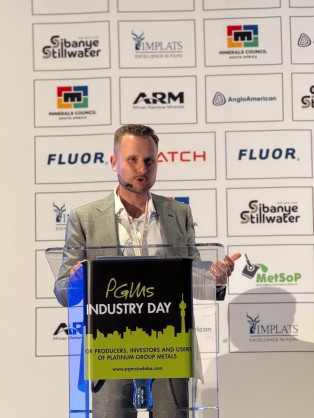
Nornickel (https://NorNickel.com) has unveiled its strategy for the development of palladium-based technologies at the PGMs Industry Day, an international conference held in South Africa. The company's experts shared insights into new technological developments that have the potential to redefine the use of platinum group metals (PGMs) extracted on the African continent, particularly in the fields of energy, electronics, and green technology.
The presentation attracted considerable interest from conference participants. Industry representatives noted the practical relevance of Nornickel's innovations for the market, as well as the significant potential of palladium in emerging high-tech applications.
Nornickel is the world's largest producer of palladium and high-grade nickel, and one of the leading global suppliers of platinum, copper, cobalt, and other precious and base metals. The company's Palladium Centre focuses on the development and implementation of innovative palladium-based solutions aimed at enhancing industrial efficiency.
Palladium is the most extracted metal among the PGMs and benefits from a geographically diversified supply chain. Russia and South Africa, the two major producing regions, ensure stable global supply.
From a chemical perspective, PGMs complement each other in many applications. Nornickel's research shows that palladium alloys with other PGMs frequently outperform individual metals in terms of efficiency and durability.
Nornickel's approach to palladium innovation is closely aligned with key global megatrends: the energy transition, sustainable development, and digitalisation. Promising application areas include solar and hydrogen energy, biofuels, and next-generation electronics, where palladium can help reduce the cost of conductive components, hard drives, and OLED displays. In existing markets, the company is focused on improving performance and economics for end users.
Nornickel is actively building a global partnership network to co-develop and commercialise palladium-based solutions. The company is committed to long-term collaboration with scientists, manufacturers, and end users to accelerate the adoption of advanced technologies and products.
"Our goal is to become a technological partner for producers of PGM-based products. We focus on identifying applications where palladium delivers a strong competitive edge, bringing together leading scientific teams to develop prototypes, conducting large-scale industrial trials, optimising the product, and transferring the technology to manufacturers. This approach allows us to create more efficient materials and open up new markets for palladium applications," said Dmitry Izotov, CEO of Nornickel's Palladium Centre.
Since its launch, the Centre has built a portfolio of 25 products. By 2030, the portfolio is expected to exceed 100 projects, generating an additional annual demand of 40–50 tonnes of palladium.
Distributed by APO Group on behalf of Nornickel’s Palladium Centre.
Applications invited for Trusted Tour Operator Scheme
Home Affairs Minister Dr Leon Schreiber has gazetted a second invitation for applications to the highly successful Trusted Tour Operator Scheme (TTOS).
Since the first tourist visa applications from China and India were processed through this scheme on 12 February 2025, the department has been inundated with requests to expand it so that more tour operators can contribute to driving tourism growth.
READ | SA welcomes first visitors from China through new visa initiative
The department said it is encouraged by this "overwhelmingly positive response", as it confirms the enormous potential of visa reforms to create more jobs by bringing more tourists to South Africa's shores.
In response to these calls, and after effecting additional upgrades to the online platform that processes TTOS applications, Schreiber opened a second window for more tour operators to apply to join the scheme.
Tour operators who want to apply have 30 days to submit their applications through the dedicated online portal accessible via the department’s website. No paper-based applications will be accepted.
As with the first intake, applications will be assessed by an interdepartmental team using Artificial Intelligence tools to vet and select successful participants.
“The key to the success of TTOS lies in the fact that the process has been digitally transformed from start to end.
“Whereas prospective tourists from China and India previously had to stand in long queues, submit paper applications, and sometimes wait so long for paper outcomes that they missed their flights, the digitalisation of this process through TTOS means that even visa outcomes for large groups are now issued digitally within hours,” he said.
“In the weeks since TTOS was launched, over 2 000 additional tourists from China and India, who would otherwise not have come to our country owing to previous visa inefficiencies, have come to our country.
“Even more encouraging is the trend of applications received. On the first day of operation, 12 February, 21 applications were received.
“[On] 3 April, this figure had grown to 165 per day and shows no sign of slowing down. The intake of more operators will further accelerate this growth, as Home Affairs delivers on our commitment to replace a manual, paper-based and insecure visa system with secure, world-class digital infrastructure to drive economic growth,” the minister said. – SAnews.gov.za
Edwin
Sun, 04/06/2025 - 09:18
47 views
Work underway to transform government services
An agreement between several government entities is set to digitally transform and revolutionise government services.
The Department of Home Affairs, the Border Management Authority (BMA), Government Printing Works (GPW) and the South African Revenue Service (SARS) concluded the agreement on Thursday.
“The agreement marks a new era that will fundamentally reform and improve the way that government works in the Republic of South Africa. In terms of the agreement, the service ecosystem composed of Home Affairs, the BMA and GPW will leverage the world-class technology capacity within SARS to revolutionise all civics and immigration services,” said the Department of Home Affairs.
As a direct result of the successful conclusion of this agreement, the public can look forward to the following improvements:
• Launch of a world-class Electronic Travel Authorisation (ETA) system to digitalise and automate immigration procedures to eliminate inefficiency and fraud;
• Integration of Home Affairs services with banking platforms to expand access to Smart ID and passport services to hundreds of bank branches as well as to banking apps;
• Creation of an option to select secure courier delivery of documents that eliminates the requirement to collect documents only at Home Affairs offices;
• Upgrading of the Movement Control System (MCS) at all ports of entry; and
• Introduction of Smart IDs for naturalised citizens and permanent residents.
“This list of reforms also represents only the most immediate priorities for the next twelve months, with many more to follow over the term of the seventh administration in pursuit of our vision to deliver ‘Home Affairs @ home,’” said the department.
Additionally, it added that work to roll out the improvements is now in full swing, and that it will announce their activation on an ongoing basis.
Home Affairs Minister, Dr Leon Schreiber said: “It is difficult to overstate the significance of what we have jointly achieved with [the] adoption of this historic agreement. SARS is a world-class institution that must never be taken for granted, and I want to thank the Commissioner and his team for their visionary commitment to breaking down silos in the interests of South Africa.”
The Minister also applauded the unwavering commitment of the Home Affairs, BMA and GPW teams in embracing the power of digital transformation.”
“The beauty of this shared approach is that delivering on our vision to digitally transform Home Affairs services will yield major benefits to both us and SARS. For example, the creation of a biometrically secured digital identity platform will enhance the ability to crack down on fraud and collect outstanding revenues, while the digitalisation and automation of immigration processes through the ETA will improve customs collection,” he said.
The agreement was jointly signed by SARS Commissioner Edward Kieswetter, Home Affairs Director-General Tommy Makhode, BMA Commissioner Michael Masiapato, and GPW Chief Executive Officer Alinah Fosi. -SAnews.gov.za
Edwin
Fri, 04/04/2025 - 11:52
105 views
IEC CEO calls for responsible, inclusive approach to e-voting in South Africa
The Electoral Commission of South Africa (IEC) Chief Executive Officer, Sy Mamabolo, has underscored the need for a responsible and inclusive approach to adopting new voting technologies.
The CEO was delivering remarks at the e-Voting Conference in Cape Town on Monday. The IEC is hosting a groundbreaking national dialogue on the future of voting in South Africa from 10 - 12 March 2025, at the Cape Town International Convention Centre.
This three-day conference will launch South Africa's first Green Paper on e-Voting, bringing together voices from across society to shape how South Africans might vote in future elections.
“While digitalisation is becoming more prevalent in our daily lives, we must acknowledge that some portions of our country continue to have limited access to broadband connectivity, particularly in rural areas. In our discussion here, let us not be oblivious that a significant number of South Africans still have limited access to technology.
“Having said so, it is evident that the adoption of new technologies is apposite and necessary. We cannot be oblivious to the ever-present force that drives innovation and exposes us to new possibilities,” Mamabolo said.
The conference, which seeks to shape public policy on e-voting, comes at a time when South Africa is undergoing a digital transformation across various sectors. The Vision 2030 roadmap of South Africa emphasises incorporating technology into business, education and governance.
The country's burgeoning digital ecosystem is distinguished by developments in technology infrastructure driven by public and private sector partnerships.
Mamabolo said the rapid growth of data analytics, artificial intelligence and digital infrastructure has transformed how most industries do business today and how ordinary folk converse.
Global and African E-Voting Experiences
The CEO highlighted that countries such as Estonia, Switzerland, Brazil and India have implemented or tested e-voting systems, while others have paused or abandoned such initiatives due to concerns related to security, costs and reliability.
In Africa, Namibia and the Democratic Republic of Congo have explored e-voting, but challenges have hindered widespread implementation.
Mamabolo noted that some of the common delays or factors halting the implementation of e-voting in many countries are largely related to security concerns and affordability.
As a result, many countries have focused on digitalising aspects of the voting process (such as registration or information access) rather than implementing full-scale electronic voting systems and related technologies for their elections.
“As much as the prospects for experimenting with e-voting systems and technologies can be exciting, we must also approach it with open minds and a sense of responsibility.
“At the forefront of these challenges are questions of security and trust. We remain committed to our mandate to deliver uncompromised elections with utmost integrity, impartiality and accountability,” he said.
Addressing security concerns and digital divide
Mamabolo further stressed that in an era where cyber threats are increasingly prevalent, ensuring the safety and security of an electronic voting system is paramount.
“We must build systems that are resilient, secure, and able to withstand the threats of today and the future,” he said.
Moreover, he urged that the digital divide must be urgently addressed.
“As we indicate, South Africa is a country with varying levels of technological access. While urban areas may have reliable internet and a high rate of technological literacy, rural communities, and impoverished areas still face significant barriers to digital inclusion,” the CEO said.
IEC's Preparedness and Public Engagement
The IEC has already integrated technology into its processes through initiatives such as an online voter registration system, which allows citizens to register or update their details remotely.
“The Electoral Commission is already ahead of the curve when it comes to embracing the advent of technology. The Commission has implemented an online voter registration system that enables new voters to register and existing voters to update or alter their registration from the comfort of their own homes or anywhere. This online registration portal is not constrained by time and space,” the CEO said.
The commission believes that engaging with the public and key stakeholders is essential to ensuring that any transition to e-voting is both transparent and widely accepted.
“As the Commission, we encourage conversations, discussions, and lively debates among South Africans from all walks of life on this matter, as we have seen happening in some social media platforms recently. Such national conversation is essential because elections are a public enterprise that belong to all citizens of our country,” he said.
Prior work conducted on e-voting
As part of its commitment to facilitating informed decision-making, Mamabolo said the Commission always had e-voting in its line of sight, with electronic voting discussions having commenced back in 2013.
The Electoral Commission has carried out several investigations into this subject, aiming to learn from the global experiences of countries that have either successfully or unsuccessfully tried to implement e-voting.
It has explored issues such as available technologies, costs, security/reliability, public trust, existing tech infrastructure in SA and policy options, among others.
It has identified the need for thorough public dialogue/discussions on the feasibility/potential benefits and risks.
The IEC has compiled a Discussion Document based on findings from its 2023 research study on electronic voting, which explored prospects and potential challenges for e-voting in SA.
“The way forward for e-voting to be a viable solution [is that] it must be accessible to all South Africans regardless of their location or socio-economic status. That is why our discussions here must be comprehensive, aiming to address all blind spots and ultimately provide fit-for-purpose solutions for all South Africans,” Mamabolo said.
Looking ahead
The IEC has not yet determined whether e-voting will be proposed to Parliament but aims to lead a comprehensive discussion on its feasibility.
To this end, the commission will launch a series of nationwide workshops and public consultations, gathering insights from citizens and stakeholders. Mamabolo said the feedback will be used to refine the Discussion Document, which could eventually inform a National Green Paper on e-voting.
South Africans are encouraged to participate in the conversation through various platforms, including email submissions, social media engagements, and public discussions.
The public can review the discussion document and provide informed commentary to info@elections.org.za. You can also share your views and experiences through the IEC’s social media @IECSouthAfrica using the #SAeVoting2025. - SAnews.gov.za
DikelediM
Mon, 03/10/2025 - 13:31
232 views
Gqeberha to host historic G20 Employment Working Group
All eyes are on Gqeberha as the city hosts the first G20 Employment Working Group (EWG) meeting, set to take place from 18-21 February 2025 at the renowned Boardwalk International Convention Centre.
As part of South Africa’s G20 Presidency, the country will hold a series of crucial Employment Working Group meetings, focusing on key labour and employment challenges, as well as technical sessions and high-level ministerial meetings.
Held under the theme: “Living and Working in an Unequal World: Ensuring Decent Work and Decent Lives”, the meetings will align with South Africa’s G20 Presidency theme of “Solidarity, Equality, Sustainability”.
The EWG meetings will focus on four key priorities, including:
• Inclusive Growth and Youth Employment – Reduce (not in employment, education, or training) (NEET) rates through job-rich growth, skills development, youth entrepreneurship and strengthened labour market institutions.
• Gender Equality in the Workforce – Closing pay gaps, tackling job segregation, and boosting women’s participation in STEM and leadership.
• Addressing Inequality and Declining Labour Income Share – Promoting fair wage-setting mechanisms to reverse the decline in labour income share and reduce economic inequality.
• Social Security and Digitalisation for an Inclusive Future of Work – Ensuring fair work in the digital economy by addressing AI, platform work and social protection expansion.
The first G20 EWG meeting will focus on pressing issues, including inclusive growth, youth employment, gender equality, income inequality, and the impact of digitalisation on the future of work.
Expressing her enthusiasm on the city hosting this historic event, Nelson Mandela Bay Municipality Mayor, Babalwa Lobishe, said Gqeberha is proud to be the host city for several of these important events, underscoring the city’s growing role as a destination for international collaboration and discourse.
"We, as South Africans, stand together in celebration of this remarkable achievement. South Africa is the first African country to host the G20, a momentous occasion that speaks to the growth, leadership, and global recognition of our nation.
“This is not just a victory for South Africa, but for the entire African continent, as we demonstrate our capacity to lead on the world stage. Nelson Mandela Bay is honoured to play its part in hosting these vital meetings, showcasing our city as a beacon of progress, innovation, and collaboration,” Lobishe said.
In addition to the EWG meeting, Gqeberha will also host several key G20 gatherings throughout the year, including:
• The Second Digital Economy Working Group from 8-12 April 2025.
• The Employment Working Group Ministerial Meeting from 25-26 July 2025.
• The Fourth Trade and Investment Working Group from 7-9 October 2025.
• The Trade and Investment Working Group Ministerial Meeting on 10 October 2025.
• The Women Empowerment Working Group on 24 October 2025.
“These events signify a tremendous opportunity for our city to showcase its strengths and commitment to addressing some of the most pressing global challenges, including employment, digital economy, trade, investment, and women’s empowerment. As a city, we look forward to fostering meaningful dialogue, exchange of ideas, and tangible outcomes that benefit not only our country but the entire global community,” the mayor said.
“Nelson Mandela Bay is excited to welcome delegates, dignitaries and international leaders to our city, and we are committed to ensuring that the G20 meetings will be a resounding success. These gatherings will further cement Nelson Mandela Bay’s and South Africa’s place as a key player in global discussions and as a growing hub for international events,” Lobishe said.
The Mayor extended an invitation to all citizens of Nelson Mandela Bay to embrace this historic moment and opportunity to be part of South Africa’s leadership on the world stage.
South Africa will host the G20 meetings from 1 December 2024 until 30 November 2025.
The G20 has about 19 member countries that represent 85% of global GDP and 75% of global trade. There are 16 working groups, and the Employment Working Group is among the critical components of the discussions. – SAnews.gov.za
GabiK
Thu, 02/13/2025 - 12:30
Sustainability of community media is of vital importance - Morolong
The Deputy Minister in the Presidency, Kenny Morolong, has urged policymakers, businesses, and civil society to work together to secure the future of community media, by providing the necessary support and resources.
Morolong delivered a keynote address at the Media Development and Diversity Agency (MDDA) Community Media Consultative Forum at the Khayelitsha Thusong Centre, on Tuesday.
The Forum aimed to bring government, community media, industry partners, and regulatory bodies together, to reflect on community media's contributions in the past 30 years of democracy in South Africa, while also tackling challenges facing the sector today. These include sustainability and digitalisation, to fortify the sector for the future.
The Deputy Minister highlighted the contributions of the sector in the past 30 years of democracy, while emphasising its role in promoting identity, unity, and local awareness.
“The sustainability of community media is not just a sectoral issue; it is a societal imperative. Policy makers regulators, businesses, and civil society must work together to provide the tools, resources, and framework necessary for community media. As a sector community media is far more important,” Morolong said.
The Deputy Minister also highlighted that community media serves as a platform for people to share their stories in their own words, balancing mainstream stories and ensuring that every citizen has a voice, regardless of their socio-economic status.
He described the sector as a key instrument in shaping public opinion and reinforcing democracy.
“Community media provides a platform for people to tell their stories in their own words, fostering identity, unity, and awareness of local issues. It serves as a counterbalance to centralise narratives, upholding the principle that everyone deserves a voice, regardless of their socio-economic status,” he said.
However, the Deputy Minister acknowledged the pressing challenges facing community media, particularly its sustainability. He stressed that its survival hinges on robust governance, financial innovation, and strong stakeholder support.
“Strong governance is the backbone of community media sustainability. It ensures accountability, transparency, and ethical management. These are essential elements that we trust with communities. Unfortunately, many of our community media organisations lack the skills, policies, and resources to implement effective governance.
“To address this, sector bodies must invest in training board members and leaders in strategic decision making and resource management. Simplifying compliance processes is equally essential, overly complex regulatory frameworks hinder small operations, diverting resources from the primary mission,” he said.
Financial insecurity remains the greatest challenge facing the sector, he noted, as traditional advertising models become less viable.
He also urged community media outlets to explore creative revenue streams, such as partnerships with local businesses, grant funding, and membership programs.
“The greatest challenge facing community media is financial insecurity. Traditional advertising models are no longer viable, necessitating creative revenue streams partnering with local businesses leveraging grant funding and implementing membership programs can provide much needed financial stability,” he said.
Additionally, he added that community events and workshops could serve as both a source of revenue and a way to strengthen ties with the communities they serve.
“Community events and workshops not only generate revenue but strengthen the bond between media outlets and the community they serve.
“Community media is not just a medium of information, it is an instrument of empowerment, it educates, informs, unites and plays a crucial role in supporting democracy and safeguarding marginalised voices. It contributes to the social framework though which social and political formations are shaped. Failing to address its sustainability risks silence of the vital important voices,” the Deputy Minister said. – SAnews.gov.za
DikelediM
Wed, 02/05/2025 - 06:08
Eskom to reach 300 days of no load shedding at midnight
At midnight tonight, Eskom will reach 300 days without implementing load shedding – a milestone not seen since June 2018.
Eskom has shown vast improvement since the implementation of the Energy Action Plan introduced by President Cyril Ramaphosa in July 2022, as well as the implementation of the power utility’s own Generation Recovery Plan.
“This performance has also resulted in year-to-date diesel savings of R16.42 billion [year-on-year], which is about 62.9% less than the R26.09 billion spent during the same period last year, as a result of the continued execution of the Generation Operational Recovery plan.
“In August, Eskom shared its summer outlook for the period from 1 September 2024 to 31 March 2025, predicting a likely scenario of a load shedding free summer due to structural generation improvements. This outlook remains unchanged,” Eskom said.
The power utility listed the following as its key performance highlights:
Meanwhile, the power utility has appointed Dr Candice Hartley as Chief People Officer and Rivoningo Mnisi as Group Executive for Renewables.
Eskom Group Chief Executive, Dan Marokane, said: “In the last ten months, we have focussed on strengthening our executive team not only to bring in specialist skills to drive the delivery of our strategy in a fast-moving and increasingly competitive marketplace, but to also drive interventions to address the legacy management control issues that have characterised our recent audit findings”.
Hartley, who boasts two decades of experience in Human Resources, served as Executive Partner and Head of People at KPMG South Africa before joining Eskom.
Mnisi also brings to Eskom some two decades of experience in digitalisation, innovation, and sustainability and was Chief Strategy Officer at Exxaro before joining the power utility.
“A key area of [Hartley’s] focus will be to ensure Eskom has the skills the organisation requires to operate in a competitive marketplace. She will also transition Eskom’s human capital practices and workforce plans to align with the strategy and ensure the wider adoption of technology across the organisation.
“[Mnisi’s] focus will be on delivering an Eskom renewable energy business that will become a significant player in this segment, focussing on work already in progress for an executable initial pipeline of at least 2GW of clean energy projects by 2026. He will also lead the advancement of Eskom’s pipeline of more than 20GW of clean energy projects to diversify its energy mix as part of the emissions reduction strategy,” Eskom said in a statement. – SAnews.gov.za
NeoB
Mon, 01/20/2025 - 10:56
Cabinet briefed on outcomes on State Visit to China
Cabinet has received a briefing on the outcomes of the recent successful State Visit to the People’s Republic of China that was led by President Cyril Ramaphosa.
President Ramaphosa undertook a State Visit to China and attended the Forum on China – Africa Cooperation Summit (FOCAC) in Beijing from 2 to 6 September 2024 at the invitation of President Xi Jinping.
China is South Africa's largest trading partner globally, while South Africa is China’s number one trading partner in Africa. Total bilateral trade grew from R614 billion in 2022 to R692 billion in 2023.
“An agreement to change the structure of trade into more value- added manufactured products, particularly an agreement to exchange a list of 100 value-added products from South Africa that China will consider importing.
“In addition, South Africa secured cooperation from China on three value chains relating to decarbonisation, digitalisation, transport and logistics. This cooperation will pave the way to promote investments in electric vehicles, battery manufacturing, renewable energy storage, as well as in identified Special Economic Zones and Industrial Development Zones,” Minister in The Presidency, Khumbudzo Ntshavheni said on Wednesday in Cape Town.
Key Chinese investors in both Shenzhen and Beijing expressed interest to either expand their investments or for greenfield investment into South Africa.
“During the State Visit, six Memoranda of Understanding (MoUs) were signed aimed at promoting cooperations between China’s entities and South African companies and Development Finance Institutions to strengthen cooperation to promote industrial development in South Africa, promote technology cooperation to advance decarbonisation of key South African sectors and value -chains and to promote investments in the renewable energy sector.
“The agreements signed both at a government and private sector level will contribute to accelerate investments that promote green and low-carbon transformation and promote innovation in industrial activities and also attract investment in Special Economic Zones and Industrial Parks,” the Minister said.
Ntshavheni was briefing members of the media on the outcomes of the Cabinet meeting held on 6 November 2024. - SAnews.gov.za
nosihle
Wed, 11/13/2024 - 13:55
President Ramaphosa delivers country statement at BRICS Summit
By Neo Bodumela
Kazan, Russia: The BRICS Engagement and BRICS Plus platforms are an opportunity for countries to forge greater and deeper ties for development.
This is according to President Cyril Ramaphosa, who was delivering South Africa’s country statement during the BRICS/Plus Countries First Session in Kazan, Russia.
The leaders of Brazil, Russia, India, China, South Africa, Egypt, Ethiopia, Iran and the United Arab Emirates are meeting for the first time since new members were invited to join BRICS during the Johannesburg BRICS Summit of 23 August 2023.
Together, the powerful bloc holds around 35% of the global Gross Domestic Product (GDP) and 20% of world exports.
“The BRICS Outreach and BRICS Plus engagements are important platforms for developing strong ties among countries from the greater Global South and emerging markets.
“We should use these platforms to foster meaningful engagement. We should use the BRICS platform to contribute to social, economic and cultural development of our peoples,” President Ramaphosa said.
READ | BRICS partnership is a catalyst for global growth
The President welcomed initiatives by Russia aimed at developing other BRICS nations.
“We welcome the Russian initiatives that are aimed at strengthening a number of BRICS countries through the various networks aimed at improving the future of BRICS countries’ transport networks and connectivity under the theme, ‘Innovation and Digitalisation of Transport’.
“This will help us find ways to integrate and deepen our interconnectedness in new and imaginative ways,” he said.
The President noted that work has already begun in this regard through the International North-South Transport Corridor -- a multimodal transportation corridor established from St Petersburg in Russia to Mumbai, India.
“This corridor is an opportunity for this region to unlock new trade flows and trade routes in an increasingly multipolar world.
“On the African continent, the African Continental Free Trade Area will unlock opportunities for trade and investment for local and global businesses. It will create a number of opportunities that will lead to an integrated and connected continent,” President Ramaphosa said.
He encouraged BRICS countries and friends of BRICS to “use these projects to further connect the greater Global South”.
WATCH I BRICS Summit Outreach/ BRICS+ First Session
International conflicts
The President called for the resolution of conflicts that are escalating not only in the Middle East but also on the African continent.
“We must find lasting solutions to all these conflicts.
“We must remain committed to the peaceful resolution of all disputes through negotiation and inclusive dialogue. We must safeguard the ability of States to pursue independent foreign policy.
“We must safeguard the multilateral system because it is the cornerstone of international relations, and foster an environment of peace and development,” he said.
He emphasised that conflicts cannot be allowed to “continue in perpetuity”.
“We need to find paths to peace. In our quest for a more interconnected, just and prosperous world, we have the ability to foster an environment of peace through a focus on sustainable development.
“We must continue to support nations and peoples, who seek to end the cycle of conflict and choose the path of peace,” President Ramaphosa said. - SAnews.gov.za
NeoB
Thu, 10/24/2024 - 12:07
Businesses say the lack of clarity around ESG and AI regulation is a key challenge to realising the benefits of technology and innovation; Despite recognising the business opportunity with AI, as firms opt to bring in suppliers rather than recruiting in-house specialists, they may be left without the internal talent - risking falling behind the curve in the future.
New survey data from global law firm, DLA Piper, has shown that the Financial Services (FS) sector is calling out for clearer and proportionate regulations surrounding AI and ESG to help them realise the benefits these trends offer.
In its global report - Financial Futures: Disruption in global financial services (https://apo-opa.co/3zhzr4e), published today, the firm found that eight in ten respondents are optimistic about future industry growth prospects for the financial services industry. UK and US organisations reported the highest confidence (93% and 90% respectively) with Africa remaining more cautious (50%).
Amongst organisation types, the research finds that banks are the most optimistic (88%), with optimism being driven by digitalisation and advancements in technology. Respondents from global FinTechs however, are feeling the least positive (72%).
The high levels of optimism are being attributed to advancements in technology (71%), the launch of new products and services to drive growth (55%) and changing consumer and investor behaviours (38%).
However, clarity and a proportionate approach is key as 58% of respondents cite regulation complexity around technology as a key challenge globally, and nearly three quarters (73%) go on to say that current regulations stifle innovation efforts.
For those looking at other locations for optimal conditions for growth , the US is seen as the most attractive market (35%), followed by the EU (24%). South African and Middle Eastern respondents are the most optimistic for the positive impact AI will bring (72%, and 64% respectively), highlighting an appetite for investment, despite apparent lower levels of confidence in the local market.
AI and Digitalisation will transform the financial services sector, but businesses need a plan
Whilst the majority of respondents (86%) believe that AI will transform the sector, half (53%) see AI as one of their main challenges- even so, only four in ten (both 39%) are committed to hiring experts in the field of AI and imposing governance /oversight structures to maximise the related opportunities; and half of the companies surveyed lack in-house specialists and are opting to work with specialist subcontractors.
Without this internal talent, businesses risk falling behind the curve in the future.
Ethical AI concerns are highly documented, yet only 56% of the organisations surveyed are developing ethical frameworks to guide their efforts. Without an ethical framework in place, businesses put themselves at risk of not meeting stakeholder, customer and board demands around AI deployments. It is vital for businesses to have a clear plan and direction in place before they start their AI journey.
Despite not having frameworks to use, businesses report a clear understanding of the benefits AI can offer, such as managing regulatory compliance (63%); followed by fraud detection and prevention (62%). A fifth (21%) of businesses are worried about compliance issues as they look to manage the cyber security and data protection risks associated with AI.
The importance of ESG cannot be understated
As businesses grapple with changing ESG regulations across multiple jurisdictions, nearly (46%) half of businesses globally have ambitions to position themselves as a leader and innovator on sustainability and ESG.
The appetite to drive ESG agendas forward is clear, but businesses report concerns on achieving their goals - over half of respondents (56%) would like to see more ESG regulation to support them in meeting their objectives, and 43%% want to understand the current regulations better.
Businesses seem clear on the ESG challenges they need to navigate, with half stating that the reputational risk of ESG positioning is their biggest challenge, followed by integration of ESG throughout the business (47%). Businesses also ranked accurate reporting as a challenge which they are struggling to address.
The negative external reputational risk of not complying with and need to comply with regulations are the biggest drivers for firms to engage in ESG activities (70% and 52% respectively). However, pressure from shareholders and senior management ranked lowest at 36% and 34% respectively.
As the sector engages with ESG activities, almost 6 in ten (57%) plan to develop new ESG-focused products and services, and half are developing new technologies, yet staff development and training to optimise ESG efforts remains low on the agenda (17%).
Almost half of the sector has ambitions to position their business as an ESG leader, whilst a third (34%) plan to replicate successful approaches by their peers. Not all organisations are so proactive - A fifth (19%) will wait until stakeholders and customers demand an approach, before making any decision.
Mark Dwyer Global Co-Chair of the firm's Financial Services sector group at DLA Piper commented: "While our survey shows a high level of optimism within the financial services sector, our research reveals a need for FS organisations to go further in planning around resourcing and regulatory horizon scanning in order to navigate the opportunities that AI and other new technologies offer.
"It is clear that ESG factors are driving changes to activity in financial markets; from financing the enormous capital requirements for transition, to ensuring accurate reporting of environmental, social and governance metrics to facilitate choice for investors and supervision and stress-testing by regulators. It is therefore vital that leaders take note of the challenges and opportunities presented by ESG and define a clear plan. Both ESG and innovation will be key to business success long into the future."
Johannes Gouws, Country Managing Partner, DLA Piper South Africa added: "In light of the challenges our report identifies, financial services organisations are placing a higher focus on horizon scanning, as well as mapping out global regulatory implications. Balancing adequate and over-regulation in developing markets is always challenging. However, it is crucial for regulations in African markets to keep pace with international developments in order to limit regulatory arbitrage and protect the sector's integrity. Proportionate regulation in the sector is key, and can be a competitive advantage in attracting business and investment. With DLA Piper's pan-African and global reach, we can help clients to simplify their cross-border challenges whilst supporting their resilience in the face of constantly changing risks."
Distributed by APO Group on behalf of DLA Piper.
Notes to editors:
DLA Piper commissioned Coleman Parkes Research to canvass views of key decision-makers in global financial services organisations across the EMEA and APAC regions and North America. Nearly 800 interviews were conducted online in March and April 2024 with executives in key businesses across banking, funds and fund managers, fintech and financial services market infrastructure firms with revenues from USD1 million.
Contact:
Suraj Mashru
Senior PR Manager (UK & International), DLA Piper
+44 (0) 207 153 2617
Suraj.Mashru@dlapiper.com
About DLA Piper
DLA Piper is a global law firm helping our clients achieve their goals wherever they do business. Our pursuit of innovation has transformed our delivery of legal services (https://apo-opa.co/3MPSGou). With offices in the Americas, Europe, the Middle East, Africa and Asia Pacific (https://apo-opa.co/4dczEU6), we deliver exceptional outcomes on cross-border projects, critical transactions and high-stakes disputes.
Every day we help trailblazing organizations seize business opportunities and successfully manage growth and change at speed. Through our pro bono (https://apo-opa.co/3BkLxde) and sustainability (https://apo-opa.co/4djCiHE) work, we support communities around the world and help create a more just and sustainable future. Visit www.DLAPiper.com to discover more.
Gender equality is contingent on women's economic development
Department of Women, Youth and Persons with Disabilities Director-General, Advocate Mikateko Maluleke, says gender equality is contingent on women's economic development and financial independence.
“Worldwide, history and research has demonstrated that women’s economic empowerment increases their access to economic resources and opportunities including jobs, financial services, property and other productive assets, skills development and market information,” Maluleke said.
She highlighted that for South Africa, this outlook has translated itself in vast areas of development where women are taking the reins and actively contributing to their country’s development agenda.
“South Africa’s economic empowerment mechanisms for promoting the status of women, fully utilising government resources and effectively mobilising social resources lays an important foundation in the promotion of gender equality and women’s development,” Maluleke said.
The DG was speaking on Thursday at the Women for Social Progression session held during the BRICS Women’s Forum currently underway in St. Petersburg, Russia.
The Eurasian Women’s Forum is an influential international platform that enables women leaders from all continents to engage in dialogue and adopt joint decisions on key issues concerning international cooperation, sustainable economic development, the assimilation of new technologies, a healthy lifestyle, environmental safety, and the promotion of social charitable projects.
Maluleke pointed out that shared commitment across all sectors to support, grow, empower, and recognise women leaders not only promotes fairness, but it also improves the performance of state companies and organisations.
She said empowered, inspired, and developed women are critical to improving any country’s global competitiveness and “this is equally the legacy that will be passed over to future generations”.
“Gender equality and empowered women are catalysts for multiplying development efforts and positively positioning the competitiveness of countries as an attractive investment destination.
“Women are architects of society and are revered for their strength in building the family unit and homes, as well as their contributions to the communities, societies and nations,” Maluleke said. She emphasised the importance of integrating digital technologies into all areas of business, changing how economic and social activities are conducted.
While digital technology can bring tremendous opportunities, Maluleke acknowledged that it can also widen socioeconomic gaps for those who lack internet connectivity, affordable devices, or the skills to benefit from digital services.
She said vulnerable people and groups who do not have training in digital skills are equally more susceptible to online risks including fraud, data disclosure, identify theft and cyberbullying.
Maluleke also noted that while the digitalisation of social protection presents immense opportunities for delivering welfare services more efficiently and effectively, it also raises critical challenges related to data protection, data poverty, and bias and discrimination.
“Protecting sensitive data, ensuring privacy through consent, and minimising surveillance risks are crucial for maintaining trust and upholding individual rights. Addressing the digital divide and providing alternative methods for inclusion will ensure that vulnerable groups are not left behind in the transition to digital systems,” the Director-General said. – SAnews.gov.za
GabiK
Thu, 09/19/2024 - 14:27
BRICS Ministers of Justice to meet in Moscow
Justice and Constitutional Development Minister Thembi Simelane is expected to attend the meeting of the BRICS Ministers of Justice in Moscow, Russia, this week.
This ahead of the BRICS 2024 Summit expected to be held in that country from 22 to 24 October.
“The meeting seeks to strengthen relations between Ministries of Justice from BRICS countries and will see the Ministries of Justice from BRICS countries working together to ensure the protection of civil rights and freedoms, introduction of technological solutions in the area of digitalisation of justice services and benchmarking on experience in providing legal services and legal aid to the members of the public.
“It is envisaged that the BRICS Ministries of Justice meeting will culminate in improved relations between the BRICS Ministries of Justice, resolution to current issues related to the areas of cooperation and organization of advanced training programs in the legal fraternity,” the department said in a statement.
The meeting of the BRICS Minister of Justice is set for 18 to 20 September.
The department said the Minister will also have the opportunity to hold bilateral discussions with Ministers from the BRICS countries.
“The interaction of different countries in [the meeting] is based on respect for the universally recognised principles, norms of international laws and the desire for equal international cooperation in order to solve mutual problems and promote common interests,” the department said. – SAnews.gov.za
NeoB
Mon, 09/16/2024 - 12:02
SA to attend the 2024 WTO Public Forum in Switzerland
Trade, Industry and Competition Deputy Minister Zuko Godlimpi will attend the 2024 World Trade Organisation (WTO) Public Forum taking place in Geneva, Switzerland, from 10 to 13 September 2024.
The theme of this year’s forum, which coincides with the WTO’s 30th anniversary, will be “Re-globalisation: Better Trade for a Better World”.
In line with the theme, this year’s forum will explore how re-globalisation can help make trade more inclusive and ensure that its benefits reach more people.
The WTO Public Forum is the WTO’s largest outreach event which provides a unique platform to interact with stakeholders from around the world, engage with the latest developments in global trade and propose ways of enhancing the multilateral trading system.
The annual events attract diverse stakeholders, including government policy makers, international organisations, business community, academia, parliamentary representatives, and civil society.
There will be almost 140 interactive sessions organised by various stakeholders and the WTO Secretariat covering various topics under the following sub-themes:
• Green policies to maximise the benefits of trade
• Services trade to build progress and enhance welfare
• Digitalisation as a catalyst for inclusive trade
The themes and sub-themes are in sync with the priorities that the department has embraced in pursuit of industrialisation, reindustrialisation and economic transformation.
They are also relevant to the priorities of the African continent as defined by Agenda 2063 of the African Union and the Agreement Establishing the African Continental Free Trade Area (AfCFTA).
Godlimpi’s programme will include engagements with key WTO members and courtesy calls to the heads of the WTO, the United Nations Trade and Development (UNCTAD), the International Trade Centre (ITC), the World Intellectual Property Organisation (WIPO) and The South Centre, among others.
Godlimpi’s participation in the forum comes as South Africa gears towards assuming the Presidency of the G20 in December this year. The dtic will be leading the G20 Trade and Industry Working Group. – SAnews.gov.za
Edwin
Mon, 09/09/2024 - 10:32
Nzimande calls for urgent need to transform South Africa's science landscape
Science, Technology and Innovation Minister, Professor Blade Nzimande, has called on the National Advisory Council on Innovation (NACI) to convene a summit to discuss transformation within South Africa’s national system of innovation (NSI).
Speaking in Pretoria at the launch of the 2024 Science, Technology and Innovation (STI) Indicators Report, Nzimande said that the summit should bring together stakeholders to address the remaining barriers to achieving a fully transformed innovation system.
Despite the report highlighting increases in the numbers of women and Black academic staff at higher education institutions in South Africa, the Minister said there is still much room for improvement.
“We must recognise the ongoing challenges in transforming our STI landscape. We need to ensure that our NSI truly reflects the demographics of our nation, particularly in terms of race, class and gender,” he added.
According to the report, university enrolments in South Africa increased by 12% between 2012 and 2021, with a 41% rise in the number of graduates.
Black African academic staff representation rose to 43%, marking substantial progress in gender and racial equity.
Meanwhile, scientific publications increased from 3 693 in 2000 to 27 208 in 2022, securing a global share of one percent.
Diversity among authors has also improved significantly, with the percentage of women authors rising from 32% in 2005 to 45% in 2022, and contributions from black academics growing from under 15% to over 52%.
The Minister said the ongoing transformation of the NSI is about ensuring that the benefit of innovation is shared equitably across society.
This includes enhancing access to science and technology education for young people from working-class and poor backgrounds to ensure they can become future scientists and innovators.
However, he said the positive increases in university enrolments and graduates, coupled with the growing representation of women and Black African academic staff, were testament to government’s commitment to building a more equitable and inclusive scientific community.
The National Research Foundation, which celebrated its 25th anniversary last week, said that, among 4 212 rated researchers in South Africa, Black South Africans account for 38%.
Nzimande believes this was testimony to the commitment to transform the country’s research landscape.
The STI report, titled ‘Measuring science, technology and innovation to guide their contribution to socio-economic development’, highlights South Africa’s advancements and the challenges that remain.
Commissioned by NACI, the report provides data and insights that inform policy decisions by government, helping to shape strategies aimed at improving the country’s STI landscape.
The report reveals that South Africa invested R2.4 billion in national research infrastructure and R1.2 billion in the National Equipment Programme, strengthening research capabilities across the country.
The nation’s e-Government Development Index improved from 0.49 in 2012 to 0.74 in 2022, with its global ranking jumping from 101 to 65 out of 193 countries, reflecting significant progress in digital inclusion.
Manufacturing exports increased by 11.7% between 2021 and 2022, with medium and high technology (MHT) exports showing strong growth.
The sector saw a notable rise in patent filings and publications in emerging technologies, including digitalisation and nanotechnology, indicating a robust commitment to innovation.
The report identified ongoing challenges, including low research and development (R&D) intensity, declining international patent applications, and reduced venture capital investment.
South Africa’s patenting activity has declined significantly over the past few years.
Domestic patents granted decreased from 694 in 2019 to 513 in 2022, while patent applications abroad dropped from 1 457 in 2020 to 968 in 2022.
Additionally, patents granted by the European Patent Office decreased from 80 in 2020 to 38 in 2022.
However, there was a slight increase in patents granted by the US Patent and Trademark Office, from 125 in 2021 to 150 in 2022.
“As we move forward, it is imperative that we make targeted and sustainable policy, institutional, and resource interventions to address the challenges identified in the 2024 STI Indicators Report. Our goal is to place science, technology, and innovation at the core of South Africa's national development agenda, the Minister.
CEO of NACI, Dr Mlungisi Cele, underscored the importance of addressing these challenges with a comprehensive strategy. – SAnews.gov.za
Gabisile
Wed, 08/28/2024 - 15:23
South African women are exiting their businesses at a higher rate than they are starting and running businesses indicating they need more support in growing start-ups to the established stage of more than 3.5 years. This is a key finding of the Global Entrepreneurship Monitor (GEM) South Africa Report 2023/2024 by Stellenbosch Business School, launched …
It is irrational to expect people who can’t afford food to have a smartphone and internet access