• Skip to main content
  • Skip to header right navigation
  • Skip to after header navigation
  • Skip to site footer
MyZA

MyZA

News, Directory, Events and Other Stuff

  • Social Media
  • Sport
  • World News
  • Home
  • Submit News
  • Directory
  • Events
  • Stratlec
  • TFSA
  • News
    • APO
    • Today’s Sport News
    • Todays Social Media and Tech Headlines
    • Today’s World News
    • Today’s SA Financial News
  • Contact
You are here: Home / Archives for Education

Education

13 April 2025

Smallholder Farmer Programme empowers100 farmers

Location: News

Smallholder Farmer Programme empowers100 farmers

One hundred smallholder farmers in KwaZulu-Natal have received training in herb and spice cultivation enabling them to become suppliers for Unilever's supplier localisation programme, said the Department of Agriculture (DOA).

This is a result of the Jozini Smallholder Farmer Programme by the DOA, Unilever South Africa and the KwaZulu-Natal provincial Department of Agriculture and Rural Development (DARD). The Programme is aimed at promoting sustainability, improving livelihoods, and empowering smallholder farmers in the Jozini region.

The 100 farmers participated in a comprehensive training aligned with Agricultural Sector Education and Training Authority (AgriSETA) unit standards, covering practical and theoretical aspects of herb and spice farming.

“Through the programme, I've gained important skills for nurturing crops, preparing soil, identifying issues, and taking necessary actions to support crop growth. It has also taught me the steps involved in the farming process. 

“I’m happy that Unilever is assisting us by providing access to marketplaces to sell our produce, helping to prevent financial losses. I encourage young people and women to join such programmes to learn about farming, which can be a viable source of income,” Jozini smallholder farmer, Zinhle Manzini said.

The farmers also received a tractor while there was also an unveiling of a drying tunnel, symbolising the support and resources for the farmers.   

Agriculture Minister John Steenhuisen emphasised the importance of collaboration to address the challenges faced by the country.

“Partnerships are very important… we recognise that if we try and do things on our own, we won’t get far, but if we work together, we can go far. Partnerships go beyond just something on paper, or what we say is a priority. Partnerships are rooted in our core philosophy as South Africans – Ubuntu,” the Minister said.

Unilever South Africa CEO Justin Apsey said the initiative will improve the livelihoods of the farmers.

“This initiative will not only improve the livelihoods of smallholder farmers but also contribute to a more sustainable agricultural sector. This is a capacity-building initiative empowering and alleviating unemployment while providing a decent life in the heart of KwaZulu-Natal,” said Apsey.

The programme is also aimed at creating employment opportunities, enhancing the skills of local farmers, and promoting sustainable agricultural practices.

By empowering smallholder farmers, the initiative will contribute to the economic growth and development of the Jozini region. -SAnews.gov.za


nosihle
Sun, 04/13/2025 - 09:53
46 views
Read moreSmallholder Farmer Programme empowers100 farmers
13 April 2025

Consumer Commission and PSETA partnership set to enhance skills development

Location: News

Consumer Commission and PSETA partnership set to enhance skills development

The National Consumer Commission (NCC) and the Public Service Sector Education and Training Authority (PSETA) have entered into a strategic partnership to collaborate on skills development and research on emerging issues.

This was done through a five-year Memorandum of Understanding (MoU). 

“As part of the MoU, PSETA can place its graduates at the NCC, significantly contributing to the NCC's work. In turn, through its internship programme, which these graduates will join, the NCC will help ensure that the programme aligns with the skills demanded by the workplace. This will ensure that the graduates are well-trained and ready for the industry by the end of their training,” a joint statement by the NCC and PSETA said on Saturday.

PSETA’s focus is primarily on transversal skills within the Public Service sector. These skills, dubbed the ‘business of government’, include administration, management, planning, legislation and policy development.
They form the focus to drive the growth of skills and competencies in areas that will make the delivery of the business of government.

The PSETA is a statutory body entrusted with driving skills development across the public sector. As an agency of the Department of Trade, Industry and Competition, the primary role of the NCC is to protect the interests of consumers and ensure accessible, transparent and efficient redress for consumers. 

“As mandated by the Skills Development Act and aligned with the National Skills Development Plan (NSDP) 2030, PSETA plays a critical role in shaping a professional, ethical, and capable public service workforce.

“As a trusted Authority, PSETA is committed to driving impactful, inclusive, and sustainable skills development that strengthens institutional capacity and supports service delivery excellence across the public sector,” the statement said.

The MoU, among other things, aims to achieve the following:

•    Identify priority research areas, including research to support the Public Service, in line with both parties’ research agendas and the PSETA’s Sector Skills Plan (SSP) priorities;
•    Facilitate cooperation and support on the development of capacity and capabilities for members and officials of the Public Service and unemployed learners, aligned to the PSETA SSP priorities, the National Development Plan, the National Skills Development Plan priorities and the Public Service;
•    Human Resource Development Strategy;
•    Facilitation and regular sharing of information on matters mutually relevant to the Parties;
•    Encourage the maximised usage of shared resources; and
•    Setting out the parameters for cooperation and support under the objectives of the MoU.

-SAnews.gov.za


nosihle
Sun, 04/13/2025 - 09:01

24 views

Read moreConsumer Commission and PSETA partnership set to enhance skills development
11 April 2025

Media industry called to transform ownership patterns

Location: News

Media industry called to transform ownership patterns

With the media industry fighting for its survival amidst the rise of digital media, Deputy Minister in The Presidency, Kenny Morolong, has called on the industry to make deliberate efforts to transform the sector’s ownership patterns.

“Government remains committed to working alongside industry stakeholders to ensure that South Africa's media landscape is inclusive, competitive, and representative of the country's diversity,” Morolong said.

The Deputy Minister was addressing the members of the Print and Digital Media Transformation and Revitalization Steering Committee in Rosebank, Johannesburg, on Friday.

The steering committee was established to drive collaborative efforts towards a transformed media that is inclusive in a digital and multiplatform environment, to sustain and grow the sector’s contribution to the country's Growth Domestic Product (GDP).

The Minister painted a sobering picture of the industry’s current state, noting a dramatic decline in print newspaper (both commercial and local) circulation  - from approximately 45 million copies annually to dwindled numbers that were never imagined before, which is "very worrisome for government."

“The current challenges of operating in the digital environment; excess print, distribution and transport cost; reduction in newspaper subscribers; dwindling circulation figures coupled with reduced advertising budgets, both from corporate and government, have forced publishers to close down, while others have become loss-making or liability enterprises. In the mist of all these things, we should not despair, we are a nation that works together to find common solutions,” Morolong said.

The Deputy Minister emphasised the critical role played by the media in society and reaffirmed government’s commitment to revitalise the industry.

“We have a responsibility to save an industry that is ailing and to do so, there needs to be government investment. You can’t put government in a position where it must support an industry that does not want to transform. 

“You are running a business, but you are also running an institution which has got a moral obligation to keep society informed. We want to support you because of your role in education and informing society. We have a responsibility to support you and empower you as business,” he said.

The Print and Digital Media Transformation and Revitalization Steering Committee comprises various media executives of print and digital media companies, industry bodies such as the Association of Independent Publishers, Media Development and Diversity Agency and the Press Council.

The committee has been tasked with the following responsibilities: 

  • Developing a roadmap towards the establishment of the Print Media Charter that will promote B-BBEE in the sector;
  • The availability of print and digital media in languages all South Africans speak;
  • Specifics of the industry, including setting deadlines and targets to meet transformation objectives, set as commitment by the industry into a diverse and transformed print media in the entire value chain (newsroom, publishing, news sources, printing, distribution and advertising);
  • Areas of ownership and control, language, race, gender, employment equity, conditions of employment, skills development, contributions to promoting media diversity (through MDDA), and accord on access to printing and distribution. -SAnews.gov.za


nosihle
Fri, 04/11/2025 - 12:10
173 views

Read moreMedia industry called to transform ownership patterns
11 April 2025

Chris Hani remembered as a martyr whose sacrifice shaped South African democracy

Location: News

Chris Hani remembered as a martyr whose sacrifice shaped South African democracy

Deputy President Paul Mashatile has hailed the late Chris Hani as a revolutionary leader and a revered freedom fighter, whose assassination in April 1993 marked a pivotal moment in South Africa’s transition to democracy.  

Delivering the keynote address at the 32nd anniversary of Hani’s assassination commemorative event, held in Sabalele Village, Cofimvaba - Hani’s birthplace in the Eastern Cape, Mashatile reflected on Hani’s legacy and the sacrifices he made for South Africa’s democracy. 

Hani, the former Chief of Staff of Umkhonto weSizwe, was gunned down outside his home in Dawn Park, Boksburg, by radical right-wing Polish immigrant Janusz Waluś, who was released on parole in 2022. 

Despite attempts by his killers to incite civil war, the Deputy President said Hani’s death united the nation in its pursuit of freedom, culminating in the country’s first non-racial elections on 27 April 1994. 

“Today, the world has come to know Martin Thembisile as Chris Hani, a revolutionary, a commissar, a leader, a parent, a husband, and a martyr, whose blood and sacrifices cleared the way to the 1994 historic political breakthrough,” he said on Thursday. 

The Deputy President highlighted Hani’s contributions to the armed struggle, his leadership in the Umkhonto Wesizwe Liberation Movement, and his unwavering commitment to justice and equality. 

He praised Hani’s bravery, recounting his role in the Luthuli Detachment, where he led soldiers across the crocodile-infested Zambezi River and struck fear into the apartheid regime. 

Mashatile also emphasised Hani’s vision for a better South Africa, rooted in principles of social justice.  

“We must never allow the rhetoric which suggests that democracy is the worst form of government, and that apartheid was better than a democratic state. 

“Nor must we allow some of us as beneficiaries of this huge sacrifice of many fallen martyrs, like Chris Hani, to discredit democracy through shameful deeds like corruption, stealing from the State and the poor, killing for positions, and fighting to access positions for selfish interests.”

The country’s second-in-command said Hani believed that societal progress should focus on providing basic needs, such as shelter, water, healthcare, and education rather than abstract theories.  

“Our reality is that we are not exactly where Chris Hani would have liked us to be as a nation,” Mashatile admitted, pointing to persistent poverty, underdevelopment, and inequality in former homeland areas. 

The Deputy President used his platform to call for urgent action to address issues, such as gender-based violence (GBV), unemployment, and corruption, which he said undermine the sacrifices of struggle heroes like Hani.  

He urged South Africans to work together to build a more equitable society and economy, while also diversifying trade partnerships to reduce dependence on specific markets. 

Mashatile announced plans to elevate the annual commemoration of Hani to a national event, focusing on development, heritage, and the values Hani stood for. 

This year’s initiatives include the construction of a sports facility at a local school in Sabalele and the repatriation and reburial of liberation combatants. 

“Chris Hani did not die in vain. We must honour his name not only with words but with work, compassion, and bold, urgent action. Let this moment remind us that the struggle is not over,” Mashatile stressed. 

The commemoration served as a call to action for South Africans to continue fighting corruption, underdevelopment, and inequality and to build a nation that reflects the vision of heroes like Chris Hani. 

Government of National Unity

The Deputy President also used his platform to touch on the Government of National Unity (GNU) in South Africa, which faces several challenges. 

The GNU comprises 10 political parties, each with differing perspectives on various issues, the diversity of which, he said, can lead to disagreements and difficulties in reaching consensus.

“What we need to understand about the GNU is that we may have different views on issues, but once an agreement has been reached, we must all speak with one voice. This was also the case with Chris Hani; he had a strong view about the armed struggle, and when the ANC was prepared to engage in negotiations, the leadership decided to drop it, which he opposed.” 

The Deputy President said effective governance in the GNU requires balancing individual viewpoints with collective decision-making. – SAnews.gov.za
 

Gabisile
Fri, 04/11/2025 - 10:45
228 views

Read moreChris Hani remembered as a martyr whose sacrifice shaped South African democracy
10 April 2025

South Africa Could Do Far More for Congolese Refugees

Location: News

The long war in the Democratic Republic of Congo has displaced millions of people

Read moreSouth Africa Could Do Far More for Congolese Refugees
9 April 2025

GBV laws must be strengthened: President Ramaphosa

Location: News

GBV laws must be strengthened: President Ramaphosa

President Cyril Ramaphosa has emphasised the urgent need to confront and address existing blind spots within the legal system, which continue to undermine the rights and interests of survivors of gender-based violence (GBV).

Delivering the keynote address at the International Association of Women Judges (IAWJ) biennial conference on Wednesday, the President said it is critical that these legal deficiencies are urgently identified and resolved.

“A central issue is overcoming the blind spots in the law and the legal system that are working against the rights and interests of survivors.

“For the fight against gender-based violence to be strengthened and have a measurable and sustainable impact, it is critical that these deficiencies are addressed to bring about change,” the President said. 

Judges, magistrates, legal professionals and policymakers from across the world are currently meeting at the biennial conference of the IAWJ underway in Cape Town to address the global scourge of gender-based violence and femicide through judicial leadership and activism.

This year’s conference is organised under the theme" “Resilience: Women in Leadership to End Gender-Based Violence & Femicide”.

It is the first to be hosted in South Africa under the leadership of a female Chief Justice of the Republic of South Africa, Mandisa Maya, who is also the IAWJ Vice President. 

President Ramaphosa last addressed the IAWJ back in 2022, which was the year the country passed a trio of laws to strengthen the legal framework and offer greater protection to survivors.

Following an extensive public consultation process, the country amended three existing laws as part of the wider effort to combat GBVF. 

Amendments were made to the Criminal Law (Sexual Offences and Related Matters) Amendment Act to introduce a new category of sexual intimidation, and to expand the scope of the National Register for Sex Offenders. 

The Criminal and Related Matters Amendment Act was amended to regulate the granting and cancellation of bail, to regulate sentences for offenses committed against vulnerable persons, and to advance the right of complainants to participate in parole proceedings.

Lastly, the Domestic Violence Act was amended to expand the existing definitions of domestic violence, and to enable survivors to apply for protection orders online.

President Ramaphosa stressed that while courts are constitutionally mandated to dispense justice without fear or favour, it is equally important that justice is seen to be done.

He said that in addressing the scourge of gender-based violence, it is not enough to have laws in place -- they must be implemented and enforced effectively.

“In the context of gender equality, and within the context of high levels of gender-based violence more specifically, what do we mean? It means laws cannot just be written -- they must be enforced. 

“It means that perpetrators must be held accountable, and that the sentences they are given should reflect the seriousness of their crimes. When judicial discretion is exercised in a prescribed minimum sentencing regime, the reasons for departure must indeed be substantial and compelling,” he said. 

The President further highlighted the need for fairness, not only in ensuring the accused receives a fair trial, but also in how survivors of gender-based violence are treated by the courts.

“It means fairness, and this doesn’t only apply to an accused’s right to a fair trial. It also applies to fair treatment of survivors of GBV by our courts, and that they should not be subjected to bias and victim-blaming,” the President said. 

President Ramaphosa emphasised that the IAWJ is a catalyst for change, highlighting the unique contribution that women judges make to the legal profession. 

“As women judges, your lived experiences provide insight into the realities behind the cases, and you have the power to reshape how the law is interpreted, how justice is delivered, and how society evolves. 

“This conference is an opportunity to sharpen our collective commitment to law that heals, courts that transform, and to systems that centre humanity,” he said. 

In addition to utilising the law, President Ramaphosa emphasised the need to embark on many other efforts to combat gender-based violence and femicide, and have a multifaceted approach that will include education and spreading awareness about the importance of gender equality from a young age. 

He also underscored the importance of engaging men and boys in the conversation to prevent gender-based violence. He further called on society to advocate for women’s empowerment and economic independence, which would help reduce their vulnerability to abuse.

“We must make men and boys part of the conversation to prevent gender-based violence. We should also as society insist that women should have more control over their lives and economic independence which will reduce their vulnerability to violence.

“I wish you well in your deliberations and I am confident that the outcomes of this conference will make a significant impact in advancing the fight against gender based violence and femicide,” the President said. 

The biennial conference will end on Saturday, 12 April. – SAnews.gov.za

DikelediM
Wed, 04/09/2025 - 14:12
112 views

Read moreGBV laws must be strengthened: President Ramaphosa
8 April 2025

Uae Participates in Second G20 Sherpa Meeting

Location: News

United Arab Emirates, Ministry of Foreign Affairs
Download logo

His Excellency Ahmed Al Sayegh, Minister of State and UAE G20 Sherpa, and His Excellency Mahash Al Hameli, UAE Ambassador to South Africa and UAE Sous Sherpa, participated in the second G20 Sherpa Meeting, which was held virtually from 3 – 4 April.

The meeting brought together representatives from invited countries and international organizations to assess the progress achieved across various G20 Sherpa Working Groups and to outline the path forward during the South African G20 Presidency.

The UAE delegation highlighted the country's engagements in working groups across several key priority areas, including anti-corruption, culture, education, development, women's empowerment, artificial intelligence and the digital economy, employment, disaster risk reduction, climate, and environmental sustainability. The UAE reaffirmed its support for the South African Presidency's efforts and emphasized the country's commitment to multilateral cooperation through the G20 platform.

Under the theme ‘“Solidarity, Equality and Sustainability', South Africa extended an invitation to the UAE to participate as a guest country in the G20 process and summit in 2025. This marks the UAE's sixth overall participation in the G20 and its fourth consecutive invitation. The UAE has previously been part of the G20 process hosted by Brazil in 2024, India in 2023, Indonesia in 2022, Saudi Arabia in 2020, and France in 2011.

Established in 1999, the G20 is the premier forum for international economic cooperation, bringing together the world's largest economies to address global challenges and promote inclusive growth.

Distributed by APO Group on behalf of United Arab Emirates, Ministry of Foreign Affairs.

Read moreUae Participates in Second G20 Sherpa Meeting
7 April 2025

SA advocates for linguistic equity in AI at G20

Location: News

SA advocates for linguistic equity in AI at G20

South Africa has called on the Group of Twenty (G20) members to support initiatives that develop Artificial Intelligence (AI) in low-resource languages and share data and tools to make this possible.

Addressing the Meeting of the G20 Digital Economy Working Group Task Force on AI, Minister of Communications and Digital Technologies, Solly Malatsi, said there were over 7 000 languages spoken in the world, yet most AI models and digital content is trained on a tiny fraction of these – predominantly English and a handful of others.

“We know that AI is only as good as the data and algorithms it is built on and currently, both of these have serious gaps. One glaring gap is the linguistic and cultural diversity deficit in AI systems.

“This linguistic inequity is not just a cultural loss; it’s a practical barrier that threatens to exclude billions from the AI-driven digital economy,” the Minister said on Monday in Gqeberha.

He emphasised that AI must not only be looked at from a technology perspective, but from the standpoint of social impact. 

“We must investigate how AI can help us achieve the Sustainable Development Goals. How can it improve healthcare, education, agriculture, and governance? Beyond language, ethical AI governance requires addressing issues of bias, transparency, and accountability. 

“We have seen instances of AI algorithms that exhibit racial or gender bias in hiring, lending, or policing. These are systemic harms we have to root out. During our Task Force discussions, we must consider how G20 nations can share best practices on AI governance, including regulatory approaches and standards to ensure AI safety and trustworthiness,” Malatsi said.

South Africa’s G20 Presidency has set inclusion and equity at the heart of the digital agenda.

The G20 Presidency will focus on four key pillars that include bridging the digital divide with meaningful connectivity; building inclusive digital public infrastructure; nurturing innovation ecosystems for local development and championing ethical AI that respects diverse languages, cultures, and values.

“We cannot allow a new form of digital inequality to take hold in our world. We need to unite our efforts, North and South, public and private, to invest in connectivity for all. This means mobilising financing for digital infrastructure, sharing innovations to lower costs, and collaborating on policies to make internet access affordable for the poorest,” the Minister said.

The International Telecommunication Union indicates that roughly 2.9 billion people still don’t have internet access at all.

“While most of these individuals live within range of mobile broadband networks, they remain offline due to multiple factors ranging from high data costs, lack of affordable smart devices and limited digital skills. Infrastructure alone is no longer enough; the real barriers are economic, educational, and linguistic. 

“And they demand our immediate collective attention. The socio-economic benefits of closing the digital divide are enormous. We cannot allow a new form of digital inequality to take hold in our world,” he said.

According to the Global System for Mobile Communications Association (GSMA), bringing the currently offline population onto the internet could add $3.5 trillion to the global economy by 2030, with 90% of the benefits flowing to developing countries. 

“We propose that G20 members share strategies on supporting start-ups and micro, small and medium enterprises (MSMEs) – from startup financing initiatives to innovation hubs and tech parks, from simplifying regulatory burdens to providing mentorship networks. 

“Let us commit to growing the digital innovation ecosystem in all our countries. As we discuss policy frameworks, we must also consider the idea of an innovation fund or facility to support digital entrepreneurship in underserved regions, an idea that has been floated with the notion of a possible global fund for AI and digital innovation. 

“If we want a truly global digital economy, we must ensure that innovation knows no borders – that brilliant ideas from Africa, Asia, or Latin America can find the resources and support to grow,” Malatsi said. - SAnews.gov.za

nosihle
Mon, 04/07/2025 - 14:42
37 views

Read moreSA advocates for linguistic equity in AI at G20
7 April 2025

Young voices make their mark at Africa Children’s Summit 2025

Location: News

Young voices make their mark at Africa Children’s Summit 2025

Children have taken centre stage to address critical issues affecting their lives, from education access to violence prevention, proving that they are not just future leaders but active changemakers.

This is according to the Department of Social Development, which has hosted the Africa Children’s Summit 2025.

Since its opening last week Friday, the summit has brought together some of the brightest and courageous young leaders in person from across Africa, with hundreds joining virtually. 

The children who attended in person are from South Africa, South Sudan, DRC, Ethiopia, Kenya, Lesotho, Ghana, Liberia, Mozambique, Uganda, Zambia and Zimbabwe.

In a statement, the department said the summit was child-led and child-centred, with its chairperson and programme facilitators all drawn from children invited to the summit. 

“Under the theme 'Seen, Heard, and Engaged in Education,' the children have boldly taken centre stage to address critical issues affecting their lives, from education access to violence prevention, proving that they are not just future leaders but active changemakers today,” the department said. 

One of the child leaders, 17-year-old Ison Cumbane from Mozambique, captured the spirit of the summit when he said: “Many children don’t have the opportunity to speak about their rights. We are here to give a voice to them and show that we can participate and influence decisions.”

The summit wraps up in Johannesburg today.

The child-led initiative is hosted by the South African Government through the Department of Social Development, in partnership with the Nelson Mandela Children’s Fund.

An Outcome Statement will be crafted by the children themselves, which will be handed over to the CEO of the Nelson Mandela Children's Fund and other key policymakers.

“The Outcome Statement outlines actionable recommendations for governments and civil society to implement policies that prioritise children’s voices and rights across Africa,” the department said. – SAnews.gov.za

DikelediM
Mon, 04/07/2025 - 11:12
249 views

Read moreYoung voices make their mark at Africa Children’s Summit 2025
7 April 2025

Judge Puts an End to a Lifetime of Statelessness for 36-Year-Old

Location: News

Department of Home Affairs must issue Primrose Modisane with an ID, court rules

Read moreJudge Puts an End to a Lifetime of Statelessness for 36-Year-Old
7 April 2025

KZN government calls for deeper collaboration with Black business

Location: News

KZN government calls for deeper collaboration with Black business

KwaZulu-Natal Premier Thamsanqa Ntuli has called for deeper collaboration between government and Black business.

Ntuli made the call at the Diamond Jubilee Celebration of the National Federated Chamber of Commerce and Industry (NAFCOC) held at Inkosi Albert Luthuli International Convention Centre on Friday.

The event reflected on six decades of dedicated work toward the economic empowerment of African businesses and ongoing economic transformation.

In his address, the Premier hailed the organisation’s historic and ongoing role in empowering Black entrepreneurs and advancing inclusive economic transformation across South Africa.

“For over six decades, NAFCOC has been the enduring voice of Black business, even during the darkest days of apartheid. Today, we recognise the many men and women who, with NAFCOC’s support, have broken through barriers, and now play influential roles across both public and private sectors,” Ntuli said.

The high profile event was attended by President Cyril Ramaphosa, His Majesty King Misuzulu kaZwelithini, national and provincial government leaders, business stakeholders, and NAFCOC executives.

Ntuli described the NAFCOC Diamond Jubilee as “a celebration of resilience, vision and the power of unity”.

He congratulated the organisation and called for continued joint action in building an inclusive and prosperous KwaZulu-Natal.

The Premier used the occasion to reflect on NAFCOC’s legacy, while looking forward to a new era of economic partnership and shared growth.

Ntuli outlined a bold five-year plan for the province, focused on rebuilding the economy; strengthening governance; advancing sustainable development; improving healthcare, education, and infrastructure; promoting community safety; mitigating climate change, and building a capable and ethical State.

Ntuli invited NAFCOC to be a central partner in driving this agenda.

“We cannot succeed without business playing its part. Our job as government is to clear bottlenecks and unlock opportunities, particularly in the township and rural economies, which are critical to achieving true economic freedom,” Ntuli said.

Ntuli also announced a renewed push to attract investment and accelerate industrialisation through the Special Economic Zones in Richards Bay and at the Dube Trade Port.

He said a revised Provincial Integrated Trade and Investment Strategy will guide this work, alongside stronger air connectivity and expanded tourism and export markets.

The Premier also commended recent efforts by the South African Police Service, led by Provincial Commissioner Lieutenant General Nhlanhla Mkhwanazi, to clamp down on organised crime.

“A safe province is essential for a thriving economy,” he said, pledging an improved coordination between law enforcement and business stakeholders.

The celebration also included a keynote memorial lecture in honour of NAFCOC founding leader Dr Sam Motsuenyane, delivered by African National Congress Treasurer General, Dr Gwen Ramokgopa. – SAnews.gov.za


GabiK
Mon, 04/07/2025 - 11:26
261 views

Read moreKZN government calls for deeper collaboration with Black business
7 April 2025

Budget 2025 vital for economic growth and poverty alleviation

Location: News

Budget 2025 vital for economic growth and poverty alleviation

In his weekly newsletter, President Cyril Ramaphosa has emphasised the crucial role of the 2025 Fiscal Framework and Revenue Proposals, which were recently passed by Parliament, in driving economic growth and relieving the effects of poverty.

The budget – tabled by Finance Minister Enoch Godongwana in Parliament last month – was passed by Parliament last week.

“The 2025 Budget is directed at growing the economy and supporting the livelihoods of our people.

“It is a critical instrument to drive development, eradicate poverty and narrow inequality. At a time of constrained economic growth and narrow fiscal space, the budget must direct sufficient resources to activities that encourage inclusive growth and lay the groundwork for sustained economic recovery.

“It reflects the strategic priorities of the Government of National Unity: inclusive growth and job creation, reducing poverty and tackling the high cost of living and building a capable, ethical and developmental state,” he said.

Uplifting the nation

The budget has a strong focus on the social wage with 61% of resources directed at, amongst others, healthcare, education, housing and social grants.

“Over the past 24 years we have implemented an indigent policy under which free water, electricity and sanitation services are provided to qualifying households.

“Social grants, like the childcare, old age and disability grants, are another tool for alleviating poverty. This year, the value of these grants will increase at above inflation. The Social Relief of Distress grant, which has played an important role in poverty alleviation, will also be extended for another year," President Ramaphosa said.

As part of improving access to healthcare, the President said there will be a higher allocation of funding to clinics and community health centres. 

He said government is investing in the recruitment and retention of health personnel, particularly doctors and nurses, and to employ newly qualified doctors after their community service ends. 

The budget also allocates substantial funding to “other frontline services such as teachers, police, emergency personnel and the Border Management Authority”.

“Improving educational outcomes is key to community upliftment, development and producing the skills needed by our economy. Budgetary allocations have been made to support teacher training, for expanded mother-tongue bilingual education and for early reading programmes. 

“This year sees a substantial investment in early childhood development, reflecting our commitment to establishing a solid foundation for the development of every child,” the President added.

Funding for public employment programmes and to support small businesses has also been allocated.

Driving growth

President Ramaphosa noted sustaining expenditure on the social wage requires “higher levels of economic growth”.

“The budget allocates considerable resources to encourage infrastructure development, which drives growth and job creation.

“Taken together, up to R1 trillion will be spent on infrastructure over the medium term. This includes the allocation in this budget of an additional R62 billion over the next three years for road maintenance, electricity transmission lines, water and sanitation projects, school infrastructure and to support the ongoing recovery of our rail networks.

“Support is also provided to other growth enhancing measures in the medium term, including incentive programmes in automotive, business process outsourcing, special economic zones, electric vehicle production, clothing and textiles, and other sectors,” he said.

South Africa’s municipalities will also receive adjusted budget allocations to help them address infrastructure needs and improve service delivery.

“In a challenging economic environment – both locally and globally – this year’s budget supports measures to drive growth and relieve the effects of poverty. At the same time, it aims to stabilise public finances and continue to reduce our national debt.

“The budget reflects the priorities of Government’s Medium Term Development Plan, a five-year programme of action that prioritises rapid, inclusive growth, creating a more just society and building state capacity.

“At a time when our singular focus must be the South African people, we need to use the limited resources we have to work together for the common good,” President Ramaphosa concluded. – SAnews.gov.za

NeoB
Mon, 04/07/2025 - 09:37
135 views

Read moreBudget 2025 vital for economic growth and poverty alleviation
4 April 2025

Ministers Nzimande and Nkabane talk science 

Location: News

Ministers Nzimande and Nkabane talk science 

In a move to strengthen collaboration between science and education sectors, Science, Technology, and Innovation Minister Blade Nzimande and Higher Education Minister Nobuhle Nkabane have held a high-level meeting to align their departments' efforts in research, technology, and skills development. 

The talks focused on enhancing coordination in infrastructure, human resource development, and shared projects within universities and TVET colleges, ensuring that science and innovation play a central role in shaping South Africa’s future.

“The meeting with Minister Nkabane focused on several critical issues in the science, technology, and innovation, and post-school education and training landscape.

“There was a strong emphasis on the need for the DSTI [Department of Science, Technology and Innovation] and DHET [Department of Higher Education & Training] to ensure greater coordination in such areas as research and infrastructure, technology, and human resources development and the common projects undertaken by both departments within universities and TVET [Technical and Vocational Education and Training] colleges,” the Ministry of Science, Technology and Innovation said in a statement.

Wednesday’s meeting was part of Minister Nzimande’s ongoing programme to engage with departments focused on science.

The department’s main objective for this engagement was to ensure that the mandate of the DSTI is fulfilled. 
This will be achieved by securing support from key State departments for the critical focus areas outlined in the DSTI’s Decadal Plan for Science, Technology, and Innovation (2022-2032).

Nzimande’s programme to engage science-intensive State departments is also informed by the DSTI’s recently adopted mantra, which is: “Placing Science, Technology and Innovation at the Centre of Government, Education, Industry and Society.”

Through this mantra, the DSTI seeks to significantly raise the profile and impact of science, technology, and innovation within government and across key sectors of society.

The Ministers also stressed the importance of facilitating access for both departments to strategic national and international platforms and networks, strategic partnerships, and opportunities. 

The two leaders also reaffirmed their commitment to strengthening cooperation and the exchange of critical information between the two departments.

“The Ministers further agreed to set up an inter-departmental committee that will coordinate key joint projects and the overall cooperation between the two departments.

“The Ministers further agreed to a follow-up meeting, which will be held soon to assess progress on some of the commitments made in the meeting. The meeting was very cordial and productive,” the Ministry said on Thursday.  – SAnews.gov.za
 

Gabisile
Fri, 04/04/2025 - 10:47
19 views

Read moreMinisters Nzimande and Nkabane talk science 
4 April 2025

Proteas Women to Convene for National Camp Ahead of Tri-Series in Sri Lanka

Location: Sport

TSHWANE: The Proteas Women will assemble for a national training camp from 06 – 14 April at the Cricket South...

Read moreProteas Women to Convene for National Camp Ahead of Tri-Series in Sri Lanka
3 April 2025

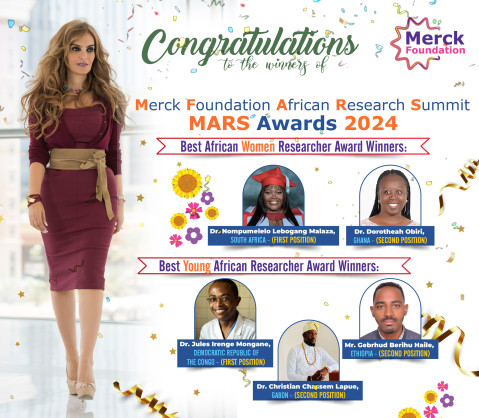
MARS Awards 2024 Winners: 5 Outstanding Researchers from 5 African Countries Honored

Location: News
Merck Foundation

  • Merck Foundation announced the winners of Merck Foundation Africa Research Summit – MARS Awards winners 2024, 5 Researchers from 5 different African Countries recognized under two categories - Best African Women Researchers and Best Young African Researchers. 
  • Merck Foundation also announced the Call for Applications for new edition of Merck Foundation Africa Research Summit – MARS Awards 2025 to empower Women and Youth in STEM in Africa with special focus on ‘The Role of Scientific Research in Women Health and Reproductive Care'. 

Merck Foundation (www.Merck-Foundation.com), the philanthropic arm of Merck KGaA Germany, announced the Winners of Merck Foundation Africa Research Summit (MARS) Awards 2024, in partnership with International Federation of Fertility Societies -IFFS, Africa Reproductive Care Society - ARCS, Manipal University and African Union Scientific Technical Research Commission to recognize African Researchers for their valuable research work and contribution to empowering women and youth in STEM in Africa with special focus on ‘The Role of Scientific Research in Women Health and Reproductive Care'. 

Senator Dr. Rasha Kelej, CEO of Merck Foundation and Chairperson of Merck Foundation Africa Research Summit - MARS expressed, “Since 2016, I have taken immense pride in recognizing the achievements of our MARS Awards winners. This year, we honor Six Winners in two categories: ‘Best African Women Researchers Awards' and ‘Best African Young Researchers Awards.'  

These awards celebrate their significant contributions to research, particularly highlighting the efforts of African women researchers, who remain underrepresented in this field. Through the MARS Awards, our mission is to empower young researchers in Africa and to specifically encourage and support women researchers by enhancing their research capabilities and promoting their vital roles in STEM (Science, Technology, Engineering, and Mathematics).” 

The winners of ‘Best African women Researchers Awards' and ‘Best Young African Researcher Awards' will be enrolled into research training at a premier research institute in India. 

“And I am also very happy to share with you all that as promised, we provided an opportunity to our first-place winner of each category to attend the 11th Edition of Merck Foundation Africa Asia Luminary which was recently conducted in Tanzania, however, only Mr. Jules Irenge Mongane was able to attend it”, shared Senator Rasha Kelej. 

Merck Foundation is committed to improving the lives of people and has been transforming the Patient care landscape and making history together with its partners in Africa, Asia, and beyond, by providing 2080 Scholarships for doctors from 52 Countries in 44 critical and underserved medical specialties. 

The MARS 2024 Award Winners are: 

Winners of “MARS Best Women African Researchers Awards” 2024  

1. Nompumelelo Lebogang Malaza, SOUTH AFRICA (First Position) 
TOPIC: Association Between Biochemical And Epigenetic Markers With Glycaemic Control And Neonatal Outcomes In Diabetic Pregnancies 

2. Dorotheah Obiri, GHANA (Second Position) 
TOPIC: Immune dysregulation in placental malaria and hypertensive disorders of pregnancy 

Winners of “MARS Best Young African Researchers Awards” 2024 

1. Jules Irenge Mongane, DEMOCRATIC REPUBLIC OF THE CONGO (First Position) 
TOPIC: Association Between Bacterial Vaginosis, Chlamydia Trachomatis Infection And Tubal Factor Infertility In Bukavu, Democratic Republic Of Congo 

2. Christian Chassem Lapue, GABON (Second Position) 
TOPIC: Epidemiology of helminthiases in women of reproductive age living in Lambaréné and its surroundings, Gabon 

3. Gebrhud Berihu Haile, ETHIOPIA (Second Position) 
TOPIC: Incidence of neonatal mortality and factors influencing neonate survival in  neonatal intensive care unit in Northern Ethiopia: a prospective cohort study 

“I am also excited to announce the Call for Applications for the new edition of the Merck Foundation Africa Research Summit (MARS) Awards 2024. This year, special focus will be again on “The Role of Scientific Research in Women Health and Reproductive Care,” added Senator, Dr. Rasha Kelej. 

Merck Foundation Africa Research Summit - MARS 2025 will have scientific support from African Union Scientific-Technical and Research Commission (AU-STRC); African Reproductive Care Society (ARCS), and Manipal Academy of Higher Education (MAHE). 

Details for MARS AWARDS 2025 

Abstracts are invited from final year African PhD students and young investigators involved in research related to either of the following topics: 

1) Women Health 
2) Infertility and Reproductive Health  

All applicants should be primarily based at African Research Institutes and Universities, although collaboration within Africa as well as outside is also welcome.  

Last Date of Submission: 

Applications can be submitted till 30th June 2025 

How to apply:  

Apply by clicking: https://apo-opa.co/3R1Vhhq

Alternatively, the Applications and abstracts can be submitted via email to mars@merck-foundation.com, along with CV (including Name, Gender, Country, University/Hospital Name, Email address, Mobile Number) and the abstract document as an attachment. 

Other Details: 

  • All Abstracts will be peer reviewed. 
  • Research Awards will be dedicated for two categories of Best African Women Researchers and Best Young Africa Researchers. 
  • Winners will be eligible for Research Training in prestigious Research Institute in India. 
  • Top Winners will be invited to attend the 12th Edition of Merck Foundation Africa Asia Luminary 2025. 

Distributed by APO Group on behalf of Merck Foundation.

Contact details:
Mehak Handa
Community Awareness Program Manager
+91 9310087613 / +91 9319606669
mehak.handa@external.merckgroup.com

Join the conversation on our social media platforms below and let your voice be heard! 
Facebook: https://apo-opa.co/41VyNEY
X: https://apo-opa.co/3FTjdRz
Youtube: https://apo-opa.co/42klehm
Instagram: https://apo-opa.co/4crisLN
Threads: https://apo-opa.co/447LYnA
Flickr: https://apo-opa.co/4ckHufy
Website: www.Merck-Foundation.com
Download Merck Foundation App: https://apo-opa.co/43E0Da6

About Merck Foundation: 
The Merck Foundation, established in 2017, is the philanthropic arm of Merck KGaA Germany, aims to improve the health and wellbeing of people and advance their lives through science and technology. Our efforts are primarily focused on improving access to quality & equitable healthcare solutions in underserved communities, building healthcare & scientific research capacity, empowering girls in education and empowering people in STEM (Science, Technology, Engineering, and Mathematics) with a special focus on women and youth. All Merck Foundation press releases are distributed by e-mail at the same time they become available on the Merck Foundation Website.  Please visit www.Merck-Foundation.com to read more. Follow the social media of Merck Foundation: Facebook (https://apo-opa.co/41VyNEY), X (https://apo-opa.co/3FTjdRz), Instagram (https://apo-opa.co/4crisLN), YouTube (https://apo-opa.co/42klehm), Threads (https://apo-opa.co/447LYnA) and Flickr (https://apo-opa.co/4ckHufy). 

The Merck Foundation is dedicated to improving social and health outcomes for communities in need. While it collaborates with various partners, including governments to achieve its humanitarian goals, the foundation remains strictly neutral in political matters. It does not engage in or support any political activities, elections, or regimes, focusing solely on its mission to elevate humanity and enhance well-being while maintaining a strict non-political stance in all of its endeavors. 

Media files
Merck Foundation
Download logo
Read moreMARS Awards 2024 Winners: 5 Outstanding Researchers from 5 African Countries Honored
3 April 2025

Progress made in tackling global challenges

Location: News

Progress made in tackling global challenges

South Africa’s Presidency of the Group of 20 (G20) is making significant progress in tackling global challenges through an inclusive and collaborative approach.

This is according to the country’s G20 Sherpa, Zane Dangor. Sherpas are the personal representatives of the G20 leaders.

“We believe this is important and that the G20 must work with the UN [United Nations] and other multilateral institutions to mitigate these challenges and to find practical solutions for all of us. 

“We look forward to constructive engagements from all members of the G20, the invited guests [and] also the international organisations,” he said on Thursday. 

Dangor who is also the Director-General for International Relations and Cooperation, chaired the second virtual meeting of the G20 Sherpas in Pretoria on Thursday.

He also stressed the importance of Ubuntu – a philosophy of inclusiveness and solidarity – in addressing global challenges and achieving shared interests across international organisations.

“We must express our appreciation in the way that you embraced the spirit of Ubuntu, the culture that underpins not just South Africa’s culture of inclusiveness, but also Africa’s wider culture. Ubuntu really underpins our commitment and solidarity in addressing our common challenges in achieving shared prosperity,” he said during the opening session of the meeting. 

Dangor stressed South Africa’s commitment to multilateralism and shared prosperity, with 15 working groups having already conducted their first meetings and three task force meetings.

Working Groups are made up of representatives from member countries’ Ministries. The G20 working groups cover diverse areas, including development, anti-corruption, culture, education, women’s empowerment, environment, health, tourism, and disaster risk management.

“We hope that as you listen to the reflections of the working group members in your own inputs, you’ll be able to sharpen what you believe we should be taking forward as a collective.” 

He also touched on a diplomatic engagement where he told attendees that the Foreign Ministers’ meeting in February this year expressed strong support for South Africa’s themes and priorities, particularly in managing geopolitical issues.

At the meeting in February, G20 foreign ministers threw their weight behind South Africa’s Presidency priorities, which focus on sustainable development and debt sustainability for low-income countries, amongst others.

READ | Foreign Ministers’ Meeting backs SA’s G20 Presidency priorities 

In addition, he said following Brazil’s model, South Africa’s Presidency aims to develop in-depth discussions on geopolitical matters through ministerial and leadership channels while allowing working groups to focus on technical issues.

Dangor acknowledged the enormous task ahead and the need for support from key members and international organisations.

The Sherpa said the objective of the two-day meeting which will conclude on Friday, is to take stock of what has happened, identify areas for improvement, and address key issues.

READ | South Africa convenes second G20 Sherpa Meeting

He announced that the next meeting for the G20 Sherpa will be held from 26 to 28 June 2025 at the Sun City Resort in the North West, marking an in-person gathering to continue collaborative discussions. – SAnews.gov.za


Gabisile
Thu, 04/03/2025 - 13:49
46 views

Read moreProgress made in tackling global challenges
3 April 2025

Cost containment should not undermine service delivery – PSC

Location: News

Cost containment should not undermine service delivery - PSC

The Public Service Commission (PSC) says that while cost containment measures demonstrate fiscal discipline and prudent financial management, their implementation must be closely monitored to avoid inadvertently undermining service delivery.

“This is particularly crucial in essential sectors such as healthcare and education, where cuts to resources or funding could have far-reaching consequences for public well-being and long-term development,” said PSC Commissioner, Anele Gxoyiya.

Addressing the media during the release of the commission’s Quarterly Bulletin titled: The Pulse of the Public Service for the period: 01 January to 31 March 2025, Gxoyiya said effective cost containment requires a balanced approach. This approach prioritises efficiency and savings without compromising the quality or accessibility of essential services.

“The PSC recognises the advantages of fiscal consolidation and cost containment, which include reduced waste in public finances and enhanced accountability,” the Commissioner said at Thursday’s briefing in Pretoria.

In addition, he said that excessive budget cuts could undermine the government's ability to fulfil its constitutional obligations.

“The PSC advocates for a balanced approach that combines financial prudence with investments in key areas essential for long-term growth and effective service delivery.

“The PSC remains committed to promoting constitutional values, advocating for equity and accountability, and ensuring that public resources are used efficiently and effectively for the benefit of all South Africans.”

Whistleblowers 

Regarding strengthening whistleblower protection, Gxoyiya said a resolution was made for the establishment of the Whistleblower Protection House.

This hosting of the Whistleblowers’ Symposium emanated from the 2022 International Anti-Corruption Day celebrations which highlighted the challenges regarding the protection of whistleblowers and their families.

During the symposium, a resolution was made for the establishment of the protection house to support whistleblowers and to facilitate access to support, creation of awareness of whistleblowers’ plight, provide financial assistance, legal counsel and psychological support.

The protection of whistleblowers was identified as one of the high priority areas in the national anti-corruption agenda.

Gxoyiya said this initiative will require the amendment of the current legislation, adding that the Department of Justice and Constitutional Development is at an advanced stage in reviewing the Protected Disclosure Act. The Act provides procedures in terms of which any employee may disclose information relating to an offence or a malpractice in the workplace by his or her employer or fellow employees. The Act also provides for the protection of an employee, who made a disclosure in accordance with the procedures provided for by the Act, against any reprisals as a result of such a disclosure.

“The advent of democracy in South Africa promised a society that will be built on a human rights-based culture to ensure that the lives of ordinary South Africans are improved and protected.

“Section 195 of the Constitution outlines the basic Values and Principles governing public administration. These values should be the cornerstone upon which to build a public service that is ethical, responsible, responsive and accountable. 

“Government and other role players agreed that corruption in South Africa and the killing of whistleblowers needs to be addressed collaboratively by all sectors of society as the efforts of whistleblowers contribute to building a capable, ethical and developmental Public Service that is responsive to the needs of the people,” Gxoyiya explained.

He added that the commission supports the initiatives of establishing the whistleblowers protection regime as it will enable the citizenry to report wrongdoing without fear of reprisal.

“Fighting corruption is every one’s responsibility in the country. Active citizenship must take its rightful place in fighting against corruption and expose theft, fraud and maladministration through whistleblowing,” he said.

The commission has encouraged South Africans to report acts of corruption and maladministration anonymously through the National Anti-Corruption hotline on 0800 701 701 and by email at (complaints@opsc.gov.za).

Citizens can also do walk-ins at PSC offices nationwide where complainants can interact with professionals equipped to safeguard anonymous reporting. – SAnews.gov.za


Edwin
Thu, 04/03/2025 - 13:41
145 views

Read moreCost containment should not undermine service delivery – PSC
3 April 2025

Trio appear in court for Fort Hare fraud case 

Location: News

Trio appear in court for Fort Hare fraud case 

Three suspects linked to a a multi-million-rand fraud and money laundering scheme at the University of Fort Hare have been granted bail, the Directorate for Priority Crime Investigation (Hawks) said.

The three were arrested in a  breakthrough against corruption in the education sector by the East London based Serious Corruption Investigation team.

Former Acting Chief Financial Officer Simbongile Geqeza (41), former Head of Investigation and Vetting Isaac Plaartjies (57) and family friend Claudine Davids (44) appeared before the Alice Magistrate’s Court on Wednesday where they faced charges of fraud, money laundering and corruption.

“The arrests follow a detailed investigation by the Serious Corruption Investigation of the Hawks, which uncovered two fraudulent schemes that drained university funds amounting to more than R2 million,” the Hawks said in a statement on Wednesday.

The first case dates back to 2 September 2021, when Geqeza allegedly issued a fraudulent instruction to a bank, authorising an illegal payment of R1.4 million to a company with no legitimate ties to the university. 

The scheme was exposed when university management noticed financial discrepancies and reported the matter to the Hawks.

“During the meticulous investigation conducted by the Hawks, a second fraudulent transaction was uncovered, involving a payment of R985,000 to a service provider for investigative services that were never rendered. 

Furthermore, the service provider allegedly claimed to have assisted the Hawks during the university investigation, even though no services [were] being provided. This payment was allegedly facilitated by Plaartjies in collaboration with the claimant and the funds were allegedly funnelled to Davids.”

The suspects were arrested in different parts of the country during a coordinated Hawks operation on 1 April 2025. 
The court granted each accused bail of R10,000.

“The case has been postponed to 4 April 2025 for further investigation.” – SAnews.gov.za


Edwin
Thu, 04/03/2025 - 10:21
56 views

Read moreTrio appear in court for Fort Hare fraud case 
2 April 2025

How Women Political Leaders Are Beating the Odds in Eastern & Southern Africa

Location: News

UN Women - Africa
Download logo

Progress in women's representation in politics globally has been slow. Women's representation in parliaments in Africa increased by one point from 2021 to 2024, shifting the total from 25% to 26%. “At this rate, it will take Africa until the year 2100 to achieve gender parity in its parliaments. But this assumes a linear progression, which is unlikely given the fact that generally after countries achieve the 30%-mark, progress slows down,” says Gram Mutenga, Regional Head of Programmes at International IDEA. In November 2024, UN Women and the International Institute for Democracy and Electoral Assistance (International IDEA), supported by the European Union, hosted the WYDE Women's Leadership Initiative regional dialogue in Johannesburg, South Africa. The programme brought together more than 50 women political leaders from East and Southern Africa for three days of exchanging ideas, sharing lessons and best practices, and networking.

One of the participants, Lioness Sibanda, holds the prominent position of Secretary General of a political party in Eswatini. She is tirelessly fighting for democratic reforms while mentoring the next generation of female leaders: “Eswatini has deep-rooted cultural and religious practices that still hold to the belief that a woman cannot be in the forefront or stand in front of men and tell them what to do. I have done a lot of work in terms of contributing to the struggle for women's rights in Eswatini, but because I am a woman, I am not taken seriously." Sibanda added that her work as a politician is mainly recognized by leaders of organizations advocating for democratic reform, and it remains challenging to persuade voters about the benefits of electing women into office.

Another challenge women political leaders face is violence, which includes tech-facilitated gender-based violence. Sibanda knows this reality well as she reveals that she must constantly be on the lookout for threats to her life. UN Women's data, based on five national surveys across Asia and Arab States, reveals that up to two-thirds of women elected in local government experience violence, yet less than 20% file formal complaints. Reiterating this issue, Hazel Gooding, UN Women Deputy Representative for the South Africa Multi-Country Office said, “We know that violence against women in politics weakens democracy by silencing voices and deterring future leaders. It is our collective duty to protect them, for instance by enacting and enforcing laws, providing victim support, protection and access to justice, training law enforcement officials, advocating to change minds and social norms.”

Betty Milgo, Secretary General for Persons with Disabilities in Kenya's ruling party, is also a teacher and disability rights advocate. Her journey into politics has not been an easy one: "My community is patriarchal and many don't understand the types of disabilities that exist, including albinism," she explains. Milgo emphasized that women politicians urgently need increased visibility and institutional support to promote their participation in politics. 

For women like Motamma Horatius, a politician from Botswana who also attended the dialogue, the slow progress comes at a high cost. For five years, she was at the helm of one Itumeleng Ward as the Councillor. She recalls one of the biggest challenges she faced in her career as running for office while pregnant. “I had to wear extra-big dresses to conceal my pregnancy, on the campaign trail to avoid being viewed as a weak link. Culturally, they would say a pregnant woman will not manage. I won primary elections without them knowing that I was pregnant,” says Horatius.

Immediately after winning the elections, she gave birth but only took two weeks' leave as media articles scrutinized her absence. “I gave birth via C-section, and days later, there was already an uproar. ‘Where is she? She has abandoned her voters. She cannot serve,' these were some of the statements in the media. Two weeks post-partum, I was on the campaign trail again, this time for the general elections,” she recalls. These experiences shed light on the numerous systemic barriers unique to women politicians and aspiring candidates. These challenges are rooted in deeply ingrained social and cultural norms that dictate certain expectations for women's behaviour and impose restrictions on what they can and cannot achieve.

When asked what women political leaders want and need, Horatius, Milgo, and Sibanda shared similar perspectives. They underscored the importance of robust mental health support systems to help navigate the unique pressures of public life, particularly the pervasive violence against women in politics. Equally crucial is the need for comprehensive training and education programs to equip women with the skills and confidence to excel in leadership roles.

Building on these insights, participants of the Regional Dialogue identified additional strategies to enhance women's and youth participation in leadership and decision-making. These include providing financial support and fostering economic independence for women and youth candidates, challenging restrictive social norms through education and advocacy campaigns, ensuring balanced media coverage, and amplifying the visibility of female role models. Finally, capacity building through training and mentorship, as provided under the WYDE Women's Leadership initiative, was recognized as essential, alongside addressing intersectional challenges and actively combating violence against women in politics. Only by tackling these barriers collectively can the political landscape evolve to enable and empower women leaders.

WYDE | Women's Leadership, funded by the European Union, is a collaborative global effort aimed at advancing women's full and effective political participation and decision-making at all levels, especially those most often left furthest behind. WYDE | Women's Leadership is implemented by UN Women, the International Institute for Democracy and Electoral Assistance (International IDEA), the Inter-Parliamentary Union (IPU) and United Cities and Local Governments (UCLG), and is part of the Women and Youth Democratic Engagement initiative (WYDE), powered by the European Union, which seeks to empower and strengthen the rights, and participation in public and political life of women and youth as key actors of development and change.

Distributed by APO Group on behalf of UN Women - Africa.

Read moreHow Women Political Leaders Are Beating the Odds in Eastern & Southern Africa
2 April 2025

Internet connectivity can aid SA’s development 

Location: News

Internet connectivity can aid SA’s development 

Internet connectivity has the potential to boost employment while also broadening access to education, healthcare and the speeding up of service delivery, says Deputy Minister of Science, Technology and Innovation Nomalungelo Gina.

Internet connectivity also has the potential to broaden modern agricultural practices, mobility, and banking services.

“Internet connectivity’s potential to boost productivity and employment is well documented,” the Deputy Minister said during a parliamentary session on Tuesday.

Gina cited a study encompassing 14 countries that found a 10 percentage-point increase in 3G coverage raised the employment rate by 2.1 percentage points, as faster internet connections create better job opportunities.

The Deputy Minister was addressing a joint session of Parliament’s Portfolio Committees on Communications and Digital Technologies and Science, Technology and Innovation with the Deputy Minister of Communications and Digital Technologies, Mondli Gungubele. 

The Departments of Communications and Digital Technologies (DCDT) and Science, Technology and Innovation (DSTI) are collaborating in the development of a satellite communication strategy for South Africa.

The strategy is aimed at the establishment of a domestically owned satellite system that provides affordable, reliable, and secure communication infrastructure.

Over the past three years, the departments and their entities, Sentech and the South African National Space Agency (SANSA), have worked to develop the strategy, which is expected to significantly enhance digital inclusion, support economic growth, and bolster essential services such as e-government, telemedicine, and rural telephony.

“Following extensive consultations and feasibility studies, the strategy has received sign-off from the Presidency on the Social Economic Impact Assessment System process. The next phase involves further government cluster consultations and public engagement before final Cabinet approval.” 

While commending the progress, committee members stressed the urgency of implementation, the need for gender representativity, and the establishment of required capabilities to complete the project.

The Chairperson of the Portfolio Committee on Science, Technology and Innovation, Tsakani Shiviti, said that both committees were hopeful that quarterly reports on the strategy would encourage the two departments to expedite the process for final Cabinet approval.

Acting Deputy Director-General at the DCDT, Dr Tinyiko Ngobeni, said the strategy would be submitted to Cabinet to obtain approval to publish it for comment from the public. Additionally, a national workshop will also be convened to explore substantive issues.

According to the DSTI, South Africa currently spends approximately R100 billion a year on foreign communication service providers. 

“In contrast, a locally owned satellite system with a lifespan of up to 20 years would require a one-time capital investment of approximately R6 billion. This comparison shows the immense cost-saving potential of a domestic satellite system.” 

Meanwhile, the department believes that a domestic system would also strengthen South Africa’s sovereign capabilities, as required by the national defence and security clusters. 

The acquisition and operation of the satellite will be managed by a national satellite organisation through a strategic partnership with an international satellite fleet operator, ensuring sovereignty over critical communication infrastructure.

“The satellite industry presents vast opportunities for skills development, job creation, industrial growth, and self-reliance in national security matters. 

“The satellite communication strategy initiative will foster new technical expertise throughout the satellite’s lifecycle – from design and construction to launch, operation, and maintenance – creating sustainable, high-skilled jobs and stimulating the local space industry,” said the Department of Science, Technology and Innovation.

SANSA, with its extensive expertise in satellite operations, will play a key role in driving the initiative forward.

The project underscores the government’s commitment to a digitally inclusive society, where all citizens have access to reliable and affordable communication services. – SAnews.gov.za


Gabisile
Wed, 04/02/2025 - 10:37
432 views

Read moreInternet connectivity can aid SA’s development 
2 April 2025

Men as Allies: Youth Dialogue Tackles Patriarchal Masculinities for Gender Equality

Location: News

UN Women - Africa
Download logo

On 27 March 2025, UN Women South Africa Multi-Country Office, in partnership with the Tshwane University of Technology, and the Departments of Women, Youth, and People with Disabilities, hosted a dialogue on ‘Transforming Patriarchal Masculinities for a Gender-Equal World' for 150 young people. The dialogue, which took place in Pretoria, brought together students from universities, Technical and Vocational Education and Training Institutions (TVETs), and high schools from South Africa's Gauteng Province.

The dialogue, supported by the Embassy of Ireland in South Africa, was convened to compile youth recommendations for the upcoming Women Empowerment Ministerial Working Group (W20) meeting to be held later this year as part of the support to South Africa's G20 Presidency in 2025.

One of the pillars of South Africa's National Strategic Plan (NSP) on Gender-Based Violence and Femicide (GBVF) served as the basis for the dialogue. Pillar 2 of the NSP on GBVF focuses on unlearning toxic masculinities and embracing alternative positive forms of masculinity. This was seen as a key strategy in a country where more than one-third of women have been subjected to violence at least once in their lifetime.

"Engaging young men and boys as allies in gender equality is critical for addressing the root causes of gender-based violence and patriarchy in our society," said Aleta Miller, UN Women Representative for the South Africa Multi-Country Office. "The dialogue creates a valuable platform to amplify the voices of young people to influence global policy discussions on gender equality through South Africa's G20 Presidency."

Civil society organizations, government stakeholders, youth representatives, women's movements, academic institutions, and the private sector discussed how positive, respectful, and inclusive behaviors that promote accountability can help to transform harmful social norms and prevent violence.

The dialogue began with reflections UN South Africa Resident Coordinator Nelson Muffuh and Advocate Joyce Maluleke who provided opening remarks before the keynote presentations. Two impactful presentations were delivered by Professor Langa Malose from Wits University and Rahul Gandhi from the Southern Centre for Inequality Studies. Both shared their experiences to explain how their views about masculinity and its effects on society were shaped.

These were followed by two engaging panel discussions that explored ways for men and boys to serve as successful allies in gender equality promotion and gender-based violence prevention. Sibulele Poswayo from W20 South Africa and Nkere Skosana from the Department of Social Development, along with Precious Banda from Young Women of Africa, Kabelo Chabala of Primestars, Thabo Limema from Absa, and Andiswa Mthembu ofYoung Women for Life, participated in direct discussions with youth participants to create open dialogue about these essential matters.

For Gomolemo Mokemane, a TUT student, the workshop was “very enlightening” because it allowed him to hear different opinions from different stakeholders on gender-based violence. “From attending this dialogue, I walk away with the firm belief that women should be treated as equals and not as competitors or subordinates, that we are all human beings first and foremost and not men and women, and that if we embraced Ubuntu (our shared humanity and interconnectedness), many of our problems would be solved,”

Nhlanhla Ditire also gave his view on gender equality: “To make the world gender equal, men must learn that they have to respect and protect women from a young age. I was nine years old when I lost both my parents, but I told myself that I would never raise my hand on a woman.” Nhlanhla also emphasized the importance of emotional health and saying, ‘When men get angry, it's good to cry it out; crying does not mean that you are weak. Get help, get therapy. Don't break the law."

The discussions concluded with selected representative reading out commitments to gender equality that they believe leaders should consider and adopt in their policies for action towards a gender-equal world.

Distributed by APO Group on behalf of UN Women - Africa.

Read moreMen as Allies: Youth Dialogue Tackles Patriarchal Masculinities for Gender Equality
2 April 2025

All systems go for Africa Children’s Summit

Location: News

All systems go for Africa Children’s Summit

The voices of children across the continent will be amplified when more than 1000 children from the African region take part in the upcoming 2nd Biennial Africa Children’s Summit.

South Africa through the Department of Social Development, in collaboration with the Nelson Mandela Children’s Fund, will be hosting the second Africa Children’s Summit, scheduled to take place at St John’s College in Parktown, Johannesburg, from 4-7 April 2025.

The summit forms part of a series of activities during the country's Presidency of the Group of 20 (G20), which will culminate in the G20 Leaders’ Summit in November this year.

The summit aims to promote child-centred dialogue and advocacy; empower children as agents of change and ensure inclusive and equitable participation.

It also aims to provide evidence-based policy recommendations; strengthen collaboration across sectors and regions on the continent; review and advance progress; raise awareness and mobilise for national and regional action.

The child-led summit, which aims to amplify the voices of children in policymaking and decision-making processes across the continent, is also aligned to the African Union (AU) Agenda 2040, and the recent Bogotá 2024 Global Commitment to Ending Violence Against Children.

With just one day remaining before the highly anticipated summit, Social Development Minister, Nokuzola Tolashe, said it was all systems go, ahead of the start of the summit on Friday.

Addressing the media on South Africa’s state of readiness to host the summit in Cape Town on Wednesday, Tolashe said of the 54 states in Africa, 17 have confirmed participation.

“The Summit will bring together 1 300 children from 10-17 years from all five African regions, with around 300 children expected to attend in-person and about 1000 children expected to participate virtually.”

She added that the landmark gathering is aimed at championing child participation and shaping the future trajectory of the African continent with inputs from children.

This follows the inaugural summit held in Nairobi, Kenya, in 2023.

The child-led summit emphasises the importance of children’s agency under the saying “Nothing about us without us”.

“The summit creates a platform … for accelerated action needed to realise the full enjoyment of the human rights and freedoms of all children on the African continent. Because it is led by children themselves, it gives them a collective voice to share their views and hold African leaders and governments to account on key issues affecting them.

“These include democracy, emerging technologies and climate change, promoting inclusive education for all children, [the]role of artificial intelligence (AI) in education, addressing school violence [and] gender-based violence (GBV) against children, amongst others,” Tolashe said.

The Minister also highlighted that the child-friendly programme will feature a dynamic and inclusive structure that is designed to maximise engagement, encourage meaningful participation, and foster intergenerational dialogue.

The structure includes a blend of plenaries, panels, workshops, exhibitions, and cultural events, with hybrid components to enhance accessibility. 

Children living with disabilities 

The host has also ensured the inclusion of about 50 children with disabilities in the summit.

“Children with disabilities are among the most vulnerable people on the continent. Recent reports point to the harsh realities of their daily lives and that children with disabilities are twice as likely to be victims of sexual abuse as their non-disabled peers.

“Both the CRC [United Nations Convention on the Rights of the Child] and the African Children’s Charter, put an obligation on the African State to promote the development of all children, [and] where possible prevent disabilities, and realise the rights of children with disabilities,” Tolashe said.

The CRC is a human rights convention that sets out the civil, political, economic, social, health and cultural rights of children. It was the first international convention that the newly elected democratic government ratified on 16 June 1996.

Tolashe ensured the safety and well-being of the children attending the summit, as the State Security Agency conducted a thorough security vetting, including background checks of 82 caregivers who will be accompanying child delegates at the summit.  – SAnews.gov.za


GabiK
Wed, 04/02/2025 - 13:28
16 views

Read moreAll systems go for Africa Children’s Summit
1 April 2025

Thousands March to Call for Justice for Raped Child

Location: News

Still no arrests after seven-year-old raped in Eastern Cape in October

Read moreThousands March to Call for Justice for Raped Child
1 April 2025

People With Disabilities Lack Accessible Public Transport in Cape Town

Location: News

The Dial-a-Ride service has been stagnant for seven years

Read morePeople With Disabilities Lack Accessible Public Transport in Cape Town
  • Previous
  • Page 1
  • Interim pages omitted …
  • Page 16
  • Page 17
  • Page 18
  • Page 19
  • Page 20
  • Interim pages omitted …
  • Page 83
  • Next

Copyright © 2026 · MyZA · All Rights Reserved · Powered by Stratlec Online