Protection Orders Being Used to Silence Journalists and Activists
Companies and officials are using legal measures meant for domestic violence victims, to gag reporters

MyZA
News, Directory, Events and Other Stuff
Companies and officials are using legal measures meant for domestic violence victims, to gag reporters
Naledi Hlalele was one of six athletes who represented South Africa at the international winter games earlier in March
Government allocates R1.44 billion for natural disaster recovery efforts – Hlabisa
Minister of Cooperative Governance and Traditional Affairs (CoGTA), Velenkosini Hlabisa, has announced a significant financial commitment of R1.44 billion from the R11 billion requested to assist municipalities impacted by recent natural disasters.
The funds, dispersed between February and March 2025, aim to address infrastructure damage caused by floods, heat waves, and severe weather events across multiple provinces.
The grant allocation covers 60 municipalities and provincial sector departments across five provinces, including the Eastern Cape, KwaZulu-Natal, Limpopo, Mpumalanga and Free State, targeting sectors such as infrastructure repair, education, health and agriculture.
Meanwhile, the Minister announced that the National Disaster Management Centre (NDMC) has officially classified recent weather events as a national disaster, enabling prompt intervention and support for affected communities.
“As we face the growing challenges posed by natural hazards such as floods, heat waves, fires and droughts, it is crucial to recognise the substantial threats these events pose to our communities, to our infrastructure, as well as to our economy.
“While climate change has exacerbated some of these risks, we also confront challenges that stem from unsustainable practices and inadequate planning,” the Minister said on Monday at a media briefing.
He believed that acknowledging these factors allowed government to pursue proactive measures and solutions that can lessen future risks.
The country has been experiencing significant weather events, including heavy rains, floods, thunderstorms and strong winds since the beginning of 2025.
The Minister is of the view that this calls for urgent collaborative action and resilience-building within communities on behalf of the government and South Africans.
Hlabisa also took the time to offer his condolences to the families and loved ones of the 40 people who have lost their lives since the December holidays.
“We continue to commit our efforts to build resilience and reduce the risk of future disasters so that no more lives are needlessly lost.”
He assured citizens that the State was now turning its attention to recovery and improving preparedness for future challenges by learning through developing stronger systems and strategies that will safeguard citizens and enhance collective resilience.
Hlabisa emphasised the importance of accountability, warning that any mismanagement or diversion of funds will face strict consequences.
“I'm speaking about the funds amounting to R1.44 billion already in the accounts of our municipalities, but what we notice in some of our municipalities is that the poor infrastructure, planning and implementation become a serious factor.
“The poor workmanship is always noted once the money has been spent, diversion from the original allocation. When money was allocated for a bridge, a municipality decides to use the money for salaries, or when the money was allocated for 3 kilometres, the municipality decided to spend the money on 1 kilometre,” he explained.
However, he said government will do whatever it takes to ensure that they follow these monies that have been allocated and have given municipalities up until August this year to use the allocated funds.
“The allocation of disaster response and recovery grants is a testament to our unwavering commitment to safeguarding our communities and rebuilding our nation as we navigate these challenging times. We must work together, leveraging our collective strengths and resources to ensure a resilient and prosperous future for all people of South Africa,” he concluded. – SAnews.gov.za
Gabisile
Mon, 03/31/2025 - 14:24
389 views
Minister says 93% of identified pit toilets eradicated
The Portfolio Committee on Women, Youth and Persons with Disabilities has today wrapped its week-long oversight visit to KwaZulu-Natal (KZN) province where it assessed critical government programmes that included gender equality, youth development, gender-based violence (GBV), and the inclusion of children with disabilities in the education system.
The committee chose KZN province for the March oversight due to the challenges that the province experiences. The challenges that include high rate of teen pregnancies and the highest reported incidents of rape in the country. GBV remains a top priority for the committee.
The committee evaluated the implementation of the Sanitary Dignity Programme, which the province has touted as a best practice model. The committee raised concerns over inequality regarding the allocation of resource. Some girls received more sanitary products and others less, a very unfair situation.
During its visit at the Commission for Gender Equality (CGE), the committee emphasised the need for improved visibility of the Commission and its accessibility to the people it was established for. The committee noted that the location of CGE offices in the Durban CBD makes it inaccessible to those who stay in deep rural areas. The committee has urged the CGE to consider relocating its offices and utilising government mobile units for accessibility to its clients.
At the National Youth Development Agency (NYDA), the committee recommended that the agency improves its outreach by using municipal offices and mobile vehicles to connect with the youth, especially in rural areas. Furthermore, it urged the NYDA to address diversity concerns among its coordinators.
The committee also visited Umlazi Police Station where it engaged with Rapid Response Teams (RRT) on infrastructure problems, high incidences of GBV, and the impact of liquor outlets in the area. Members of the committee expressed concerns over the backlog at forensic labs and called for improved staffing ratios.
The committee visited the Arthur Blaxall School where it noted the lack of maintenance and the crumbling infrastructure. The committee expressed a concern over the socio-economic challenges faced by learners, health problems, and the lack of parental involvement. At the KZN Blind and Deaf Society, which the committee also visited, it noted a lot of problems that included non-accreditation of courses offered. It also called on the management of the institution to forge partnerships with accredited organisations.
In a meeting with the Office of the Premier and the Standing Committee on Quality of Life, the committee received a briefing on the Premier's Women's Empowerment and Youth Empowerment Fund on new initiatives aimed at combating GBV. The committee appreciated the Premier's Office for its commitment to protect vulnerable people and it acknowledged the collaborative efforts that are applied to address the problems experienced by the people.
Distributed by APO Group on behalf of Republic of South Africa: The Parliament.
G20 nations must place inequality at the heart of economic policymaking: Deputy Minister Mohai
Department of Planning, Monitoring, and Evaluation (DPME) Deputy Minister Seiso Mohai has stressed the urgency of addressing persistent global inequalities.
“G20 nations must place inequality at the heart of economic policymaking, as disparities in wealth and development are neither just nor sustainable. The consequences of these inequalities are most pronounced in the Global South, where poverty, unemployment, and a lack of access to essential services continued to hinder progress,” Mohai said.
The Deputy Minister was delivering a keynote address during a two-day G20 Seminar focused on the theme: “Public Good, Development Finance, and Social Protection”.
The seminar was hosted by the DPME in collaboration with the South African Association for Public Administration and Management (SAAPAM) and Tshwane University of Technology (TUT).
The seminar was a key part of South Africa’s strategic G20 priorities - to explore innovative solutions for addressing economic disparities, advancing sustainable development, and ensuring social protection for vulnerable communities.
It provided a platform for fostering dialogue among government officials, academia, civil society, and the private sector, with a focus on tackling challenges such as economic disparities, mobilising development finance, and advancing inclusive social protection policies.
Deputy Minister Mohai emphasised the importance of constructive dialogue throughout the seminar.
“This gathering provided a unique platform for engagement among key stakeholders. We looked forward to brutally frank debates aimed at addressing the challenges of inequality, unemployment, and poverty.
“We were encouraged by this partnership between DPME, SAAPAM, TUT, and other academic institutions, civil society, and non-government organizations, and we looked forward to successfully hosting this prestigious G20 seminar,” he said.
Discussions at the seminar also explored ways to overcome structural barriers to sustainable development, including the mobilisation of innovative financing solutions for climate action and other pressing global issues.
The seminar focused on the following key areas:
Mohai also highlighted the pivotal role of academia and professional bodies in developing innovative solutions to global development challenges.
“South Africa’s engagement with the G20 has been guided by strategic foreign policy pillars, including national interests, the African agenda, South-South cooperation, and multilateralism. Our presidency came at a time when the world faced overlapping global crises such as climate change, inequality, and geopolitical instability, which disproportionately affected developing nations,” he noted.
The Deputy Minister also reaffirmed South Africa's commitment to addressing the structural causes of economic disparities.
"Through collaboration, innovation, and shared commitment, we can create a future that is inclusive, resilient, and sustainable," he stated.
The two-day seminar featured several distinguished academic dignitaries, including UNISA Vice Chancellor Puleng Lenkabula and Tshwane University Dean, Professor Mashupye Maserumule, among others.
Professor Maserumule shared valuable insights on the crucial role of an ethical, capable, and professional public service in driving innovation in planning and development. He emphasised the importance of a well-equipped public sector in fostering sustainable growth and effective governance.
In her address, UNISA Vice Chancellor Lenkabula highlighted the vital role of academia in South Africa’s leadership during the DPME G20 Seminar. She focused on the contribution of academic institutions, research, and higher education can make toward both national and international G20 objectives.
“Academia plays a pivotal role by conducting research that addresses global challenges on the G20 agenda, such as climate change, global health, economic recovery post-pandemic, and sustainable development,” she said.
“South African universities and research institutions have the opportunity to collaborate with their international counterparts to generate data and policy recommendations that support both South Africa's national interests and the broader goals of the G20,” Prof Lenkabula added.
The department said that the outcomes of the seminar will contribute to South Africa’s G20 agenda, focusing on building a future that is inclusive, resilient, and sustainable for all.
The event aimed to generate actionable recommendations and innovative policy solutions to guide the global community in confronting critical issues such as inequality, unemployment, and poverty.
“This seminar marked a critical milestone in South Africa’s leadership of the G20, with a continued focus on fostering solidarity, equality, and sustainability in global development,” the department said. – SAnews.gov.za
DikelediM
Sun, 03/30/2025 - 12:18
479 views
SIU to probe National Skills Fund, DPWI, among others
President Cyril Ramaphosa has signed five proclamations - two new and three amendments - authorising the Special Investigating Unit (SIU) to investigate allegations of corruption and maladministration in the affairs of the National Skills Fund and the National Department of Public Works and Infrastructure.
In addition, the President has amended existing proclamations to expand the scope of investigations into the South African Broadcasting Corporation (SABC), Eskom, PetroSA, Transnet, South African Airways (SAA), the Department of Human Settlements, Alexkor, and the South African Council for Educators (SACE).
In a statement on Friday, the SIU said these investigations aim to recover financial losses suffered by the State.
National Skills Fund
“Proclamation 253 of 2025 authorises the SIU to investigate allegations of serious maladministration, improper or unlawful conduct by officials or employees of the Department of Higher Education and Training, and the possible mismanagement of funds allocated to the National Skills Fund (NSF),” the SIU said.
The investigation will focus on procurement and contracting for the implementation of skills development programmes, training projects, and the appointment of implementing agents for the following projects:
Additionally, the SIU will investigate any unauthorised, irregular, fruitless, or wasteful expenditure by the NSF or the department.
The scope of the investigation includes any unlawful or improper conduct by suppliers, service providers, and other involved parties, occurring between 1 January 2013 and 28 March 2025, or related matters before or after this period.
National Department of Public Works and Infrastructure
Proclamation 256 of 2025 authorises the SIU to investigate allegations of maladministration in the affairs of the National Department of Public Works and Infrastructure (DPWI) relating to the appointment of travel agents in 2017 for the rendering of travel agency services, including flights, accommodation, and vehicle hire.
“The investigation will determine whether these appointments and related payments were conducted in a manner that was not fair, competitive, transparent, equitable, or cost-effective; contrary to applicable legislation; or inconsistent with Treasury instructions, departmental manuals, policies, procedures, or other applicable prescripts.
“The SIU will also investigate any unauthorised, irregular, fruitless, or wasteful expenditure incurred by the Department and any unlawful or improper conduct by officials, employees, service providers, or any other parties involved in the procurement of these services,” the SIU said.
The SIU added that the scope of the investigation includes any unlawful or improper conduct by suppliers, service providers, and other involved parties, occurring between 1 March 2017 and 28 March 2025, or related matters before or after this period.
Amendment of Proclamation No. R.206 of 2024
Proclamation 252 of 2025 amends Proclamation R.206 of 2024 to reflect the full scope of the SIU’s investigation into several state institutions.
The amendment corrects and clarifies the entities under investigation, which include the South African Broadcasting Corporation SOC Limited (SABC), Eskom Holdings SOC Limited, the Petroleum Oil and Gas Corporation of South Africa SOC Limited (PetroSA), Transnet SOC Limited, South African Airways SOC Limited (SAA), and the National Department of Human Settlements (formerly known as the National Department of Human Settlements, Water and Sanitation).
The amendment substitutes the heading and paragraph 1 of the original Proclamation to formally add South African Airways as a state institution which will be subjected to an investigation of allegations of serious maladministration, corruption, and unlawful conduct in the affairs of these state institutions.
Amendment of Alexkor investigation to include additional institutions and broader scope
Proclamation 254 of 2025 amends Proclamation R.45 of 2021 to broaden the scope of the Special Investigating Unit’s (SIU) investigation beyond Alexkor SOC Limited.
The amendment now includes the Alexkor Richtersveld Mining Company Pooling and Sharing Joint Venture and the State Diamond Trader—collectively referred to as “the Institutions.” The amendment updates several references throughout the original Proclamation to reflect this expanded scope.
“The amended Proclamation authorises the SIU to investigate the procurement of and contracting for goods or services by or on behalf of the Institutions in relation to the marketing, valuation, sale (including decisions not to buy), and beneficiation of diamonds, and any income generated or lost, or payments made in respect thereof.
“The investigation will consider whether such conduct was contrary to applicable legislation, Treasury instructions, or the Institutions’ own policies and procedures,” the SIU said.
The SIU will also probe serious maladministration in the affairs of Alexkor SOC Limited in respect of contracts concluded with, and fees paid to, Regiments Capital (Pty) Limited.
The SIU will also investigate any related unauthorised, irregular, or fruitless and wasteful expenditure incurred by the Institutions, as well as fraudulent, irregular, improper, or unlawful conduct by Board members, officials, employees, agents, service providers, traders, auctioneers, bidders, or buyers—particularly where such conduct resulted in undue benefit or concealed interests.
In addition, the Proclamation authorises the SIU to probe serious maladministration in the affairs of the institutions in respect of agreements or contracts with service providers and other diamond trade actors and specifically empowers the SIU to investigate contracts concluded with and fees paid to Regiments Capital (Pty) Limited by Alexkor SOC Limited.
The amended scope covers conduct occurring between 1 January 2014 (previously 1 October 2016) and the date of publication of this Proclamation and includes related matters outside this period if they are relevant to the investigation.
“Beyond investigating maladministration, corruption, and fraud, the SIU will identify systemic failures and recommend measures to prevent future losses.”
In accordance with the Special Investigating Units and Special Tribunals Act 74 of 1996 (SIU Act), the SIU will refer any evidence of criminal conduct uncovered during these investigations to the National Prosecuting Authority (NPA) for further action.
The SIU is also empowered to institute civil action in the High Court or a Special Tribunal to recover financial losses to the State resulting from acts of corruption, fraud or maladministration. – SAnews.gov.za
DikelediM
Sun, 03/30/2025 - 13:09
166 views
Some Rivubye High School learners prefer to use bushes
The Portfolio Committee on International Relations has successfully launched the people-centred oversight mechanism for international relations in Mpumalanga, North West and Gauteng provinces.
The committee Chairperson, Mr Supra Mahumapelo, said the committee has completed the introduction and the first phase of involving the people at local, ward, district and provincial levels for their direct participation in matters related to international relations.
He called on the Department of International Relations and Cooperation to act as a catalyst to ensure that the launches translate into the real involvement of the people in these matters. He said the department will ensure that developments regarding trade and other agreements that are entered into between South Africa and the rest of our trading partners are understood by the people on the ground.
The committee is optimistic about the success of the people-centred oversight mechanism in achieving its objectives and also ensuring that ordinary people understand the value of trade agreements from an economic-growth opportunities perspective and the translation of that into their direct participation in the economy to push back the frontiers of poverty.
The committee is looking forward to seeing this new mechanism becoming a practical means for ordinary South Africans to join their Parliament in meaningful and valuable engagement at the international sphere of its mandate.
The Gauteng leg of the people-centred oversight mechanism for international relations was attended by various organisations and individuals expressing their support. They included the embassies of China and Brazil; the Chairperson of the Portfolio Committee of COGTA of the Gauteng Legislature, Mr Mzi Khumalo; the Secretary General of COSATU and the Secretary General of the Congress of Traditional Leaders of South Africa, Mr Zolani Mkiva;the national Chairperson of the South African National Civic Organisation, Mr Skhumbuzo Mpanza; Mr Justice Nkomo of the Congress of South African Trade Unions; Mr Tebogo Matlou of the South African Local Government Association; and representatives of non-governmental organisations andinternational relations students from tertiary education institutions.
The committee will continue with its launches of the programme in the remaining six provinces. “It is in the interest of the committee to ensure that every citizen understands and appreciates the activities undertaken by the executive internationally on behalf of South Africa. Ordinary South Africans should understand the involvement of South Africa in SADC, AU, UN, the Commonwealth, and BRICS among others,” the Chairperson said.
Mr Mahumapelo said this platform should now become a strategic place for education about South Africa's presidency of the G20. “We are calling on the Department of International Relations and Cooperation to ensure that South Africans have a better understanding of South Africa's G20 presidency,” Mr Mahumapelo said.
Distributed by APO Group on behalf of Republic of South Africa: The Parliament.
Two-thirds of South Africans express strong interest in science and technology
The 2022 South African Public Relationship with Science (SAPRS) survey, a first of its kind for the country, has found that two-thirds (66%) of the public were “very” or “quite” interested in South African science and technology (S&T).
This was among the highlights of the SAPRS, which is the focus of a conference underway at the Birchwood Hotel in Boksburg, Gauteng.
The Minister of Science, Technology and Innovation, Professor Blade Nzimande, released the report in December 2024 at the annual Science Forum South Africa.
This week various stakeholders have convened to discuss the survey and its implications for science engagement programmes, among others.
The Principal Investigator of the SAPRS Survey and a Distinguished Research Specialist at the Human Sciences Research Council (HSRC), Dr Vijay Reddy, stated that the survey’s purpose is to monitor the public’s relationship with science, focusing on knowledge, attitudes, and engagement.
The Department of Science, Technology and Innovation (DSTI) collaborated with the Equitable Education and Economies Research Programme of the HSRC on the survey.
The survey was conducted among adults aged 16 and older, selected from 500 areas across all nine provinces.
The survey showed that 71% of the public has confidence in universities and research organisations that produce S&T information.
According to SAPRS, 51% of those surveyed believed that scientists were honest about their work, which highlighted the need for greater transparency and public engagement.
The majority (76%), however, agreed that scientists make life better for people and provide answers that explain the world we live in (75%).
“The survey also showed that South African adults have a notable understanding of science knowledge,” the statement read.
Meanwhile, six in 10 adults reported they were aware of S&T and had some formal S&T knowledge, while three-quarters (75%) of the public had been exposed to at least one post-grade 9 science or mathematics subject in school.
The two-thirds of South African adults (66%) reported they were interested in S&T or wanted to know or learn more.
When it came to the country’s research priorities, those polled had the highest knowledge (79%) about the quality of education in South Africa.
Meanwhile, clean and efficient water supply ranked second (77%), energy supply third (76%), and access to good-quality food came in fourth (75%).
The lowest-ranked priorities were advanced technologies such as robotics (57%) and space science and astronomy (44%).
Acting Director-General of the DSTI, Gugulethu Zwane, said that the SAPRS survey results reflect that more needs to be done to provide equitable resources to all communities.
She said there was a need to move from temporary improvements to permanent solutions that ensure inclusive science engagement and science literacy.
“As we have said many times before, science affects everyone, and so – according to the ’nothing about us without us’ principle – all communities need to have at least some exposure to science. We need to rethink our approaches and ramp up our science outreach,” said Zwane.
In its 2019 White Paper on Science, Technology and Innovation, the DSTI has committed to carrying out this survey every five years.
Preparations for the next survey will begin in the 2025/26 financial year.
“The report on the second survey should be completed and released by the end of the current administration’s term. The first survey has shown us where we stand as a nation and given us data that will serve as the foundation for future efforts. The work to improve the situation starts here, in this conference, today,” she added. – SAnews.gov.za
Gabisile
Fri, 03/28/2025 - 12:41
44 views
GroundUp recently reported that extortionists are targeting schools and informal businesses in Phillipi, Nyanga and Khayelitsha. SAPS Western Cape spokesperson Colonel Andre Traut responds. Extortion is a serious crime that threatens businesses, schools, and individuals, often instilling fear and disrupting livelihoods. In response, the Western Cape police, in partnership with other law enforcement agencies, government …
In a significant stride towards bolstering its pandemic preparedness and response capabilities, Lesotho convened its inaugural National Steering Committee (NSC) meeting for the Pandemic Fund Southern Africa Multicountry Project. This crucial gathering, held in Maseru, marked a pivotal moment in the nation's efforts to safeguard its population against future health crises.
Lesotho, a recipient country in the second round of the Pandemic Fund's regional proposal alongside Botswana, Madagascar, Mozambique, Malawi, Namibia, South Africa, and Zimbabwe, will benefit from resources aimed at strengthening One Health Disease Surveillance and Response. This initiative, focused on combating disease outbreaks, will enhance Lesotho's infrastructure for pandemic/epidemic preparedness and response. The NSC, a vital component for the implementation of the fund, will serve as the guiding force to ensure the effective utilization of these funds for maximum impact.
The meeting was presided over by the Principal Secretary of the Ministry of Health, Mrs. Moliehi Maneo Ntene, and co-chaired by the WHO Representative, Dr. Innocent Nuwagira. The session drew a diverse and influential assembly, including head of mission from the World Health Organization (WHO) and representation from the World Bank and UNICEF. Principal Secretaries from key ministries, including Health, Agriculture, Finance, Environment, Trade, Education, Gender and Social Development, and Disaster Management Authority, were also in attendance as members of the NSC.
This broad representation underscores the cross-sectoral nature of pandemic preparedness, recognizing that effective responses require a unified, multi-faceted approach.
In her opening remarks, Mrs. Ntene acknowledged Lesotho's vulnerabilities and the need to strengthen its health systems. “Recognizing our vulnerabilities in emergency prevention, preparedness, and response, we seized the opportunity to apply for funding through the Pandemic Fund. The successful multi-country initiative allows us to strategically address our gaps. With this newly formed, multi-sectoral steering committee, we are confident in our ability to strengthen our health systems and build a more resilient Lesotho, ensuring the health security of our people,” said Mrs. Moliehi Maneo Ntene, Principal Secretary, Ministry of Health
WHO Representative Dr. Innocent Nuwagira echoed this sentiment, emphasizing the importance of strong national leadership and coordinated action. “The establishment of this National Steering Committee signifies Lesotho's proactive commitment to safeguarding its population. As WHO, we are committed to working alongside the government and partners, ensuring the Pandemic Fund's resources are strategically deployed to build a resilient and robust health system capable of effectively responding to pandemic threats,” reflected Dr. Innocent Nuwagira, WHO Representative in Lesotho.
A key focus of the meeting was to establish and define the functions of the NSC. Participants meticulously reviewed and endorsed the Terms of Reference (TORs), laying a solid foundation for the committee's operational framework. This crucial step ensures clarity and accountability in the NSC's role, facilitating efficient decision-making and implementation. Additionally, the meeting provided an opportunity to review and endorse the projects microplan presented by the Pandemic Fund task team. The plan outlined strategic interventions in critical areas such as early warning and disease surveillance, laboratory capacity, and workforce capacity through a One Health approach. These focus areas are essential for strengthening Lesotho's ability to prevent, detect and respond to future pandemics.
The Pandemic Fund aims to empower countries like Lesotho to build resilient health systems by investing in infrastructure, training healthcare professionals, and fostering inter-agency collaboration. The One Health approach recognizing the interconnectedness of human, animal, and environmental health - will enable a more holistic and proactive response to emerging threats. As Lesotho embarks on this critical phase of implementing the Pandemic Fund's initiative, the inaugural NSC meeting demonstrates the nation's dedication to strengthening its health security, through collaborative efforts and strategic planning, for a safer and more resilient future for Basotho.
Distributed by APO Group on behalf of World Health Organization (WHO) - Lesotho.
Deputy Minister cautions against bogus colleges
The Deputy Minister of Higher Education and Training, Dr Mimmy Gondwe, says bogus colleges are robbing young people of their future by denying them opportunities to gain employment due to students obtaining qualifications from unregistered institutions of higher learning.
Gondwe made the remarks during her two-day Bogus Colleges Awareness campaign in Durban on Wednesday.
KwaZulu-Natal has the second-largest student concentration after Gauteng. It faces challenges such as the proliferation of unregistered private colleges in the inner city and registered private colleges that offer unaccredited programmes.
“Some of the learners are the only hope for their families. Their parents invest in their education so that their child can be qualified and have a successful career...
"Now, if a learner studies via a bogus college, they are effectively robbed of an opportunity to gain a legitimate qualification and employment opportunities. It is also robbing the student and their parents of hard-earned money,” said the Deputy Minister.
The awareness campaign was a collaborative government effort led by the Deputy Minister in partnership with the eThekwini Metropolitan Municipality, the Department of Employment and Labour and the Department of Home Affairs.
“As a university City, we have a responsibility to ensure that the thousands of people who come to our City to access higher education register with recognised and legal institutions.
“Durban is a university City because it is home to UKZN, Durban University of Technology, Mangosuthu University of Technology, and numerous TVET colleges, as well as several private institutions of higher learning,” said Cllr Nkosenhle Madlala, eThekwini Municipality, Governance and Human Capital Committee Chairperson.
The Deputy Minister, along with all stakeholders, visited several private colleges around the Durban City Centre on Monty Naicker and West Street.
Some private colleges were found to be registered with the Department of Higher Education and Training, but compliance issues were flagged, and students also raised concerns about fee payments and the lack of refunds.
The Deputy Minister instructed officials from the department to provide assistance to all students.
Gondwe reiterated her stance on the important role played by private higher education institutions but insisted that this needed to be done within the confines of the law.
“They are allowed to operate, but they have to operate within lawful parameters, and that is what we are trying to ensure that their operations are legal and are registered with us and that the programmes they’re offering are accredited by our quality assurance bodies, Umalusi, QCTO and the Council on Higher Education,’’ she explained.
The campaign continues in the Durban CBD, with further oversight of private institutions of higher education scheduled for Thursday, 27 March. – SAnews.gov.za
Edwin
Thu, 03/27/2025 - 12:37
62 views
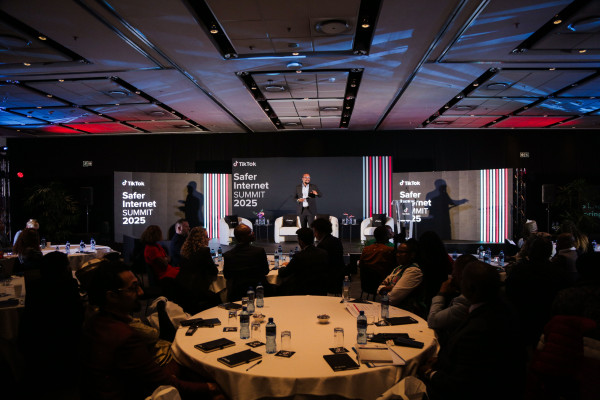
TikTok (www.TikTok.com) hosted its second Annual Africa Safer Internet Summit in Cape Town, South Africa, bringing together government officials, regulators, and industry leaders from across Sub-Saharan Africa. Delegates from South Africa, Nigeria, Ethiopia, Cameroon, Cote d'Ivoire, Kenya, and other countries convened to discuss critical issues on online safety, content moderation, and digital policy development.
The Summit underscores TikTok's ongoing efforts to prioritise user safety in Africa while fostering an open dialogue with policymakers to shape robust frameworks that protect users' rights while encouraging innovation and creativity in the digital space.
Government and Industry Leaders Discuss Digital Safety
The Summit was officially opened by South Africa's Hon. Solly Malatsi, Minister of Communications and Digital Technologies, who highlighted the importance of collaboration among governments, technology platforms, and communities to foster a safer digital ecosystem.
Helena Lersch, TikTok's Vice President for Public Policy, in her remarks, reaffirmed the platform's commitment to user safety and the role of partnerships in creating a secure digital environment.
“Billions of people come to TikTok every day to create, share and connect and we're continually evolving our policies and practices to safeguard our platform so our community can discover and do what they love. This summit underscores the importance of collaboration between industry leaders and regulators in shaping a digital ecosystem that is both innovative and secure," said Lersch.
Fortune Mgwili-Sibanda, Director of Public Policy & Government Relations for Sub-Saharan Africa, further emphasised the significance of collective efforts in digital safety, stating that the Summit serves as a valuable platform for sharing insights, strengthening collaboration, and ensuring that African users, particularly young people, are protected online.
Content Moderation in Africa
During the summit, TikTok reported a significant upward trend in its content removal rate across Sub-Saharan Africa, with data showing a 249.81% increase in content removals from the second quarter of 2023 to the fourth quarter of 2024. This improvement aligns with TikTok's global standards for content moderation and community guidelines enforcement. TikTok's Community Guidelines Enforcement Reports (https://apo-opa.co/3QMZNQH) reflect the platform's continued investment in automated moderation technology, alongside human safety experts that enables the detection and removal of harmful content before it reaches users. Globally, between July and September 2024, TikTok removed more than 147 million videos, of which 118 million were detected and removed automatically using these technologies.
In Sub-Saharan Africa, TikTok removed over 7.5 million videos in Q3 2024, rising to more than 8 million in Q4 2024—an increase of 14.06% quarter-on-quarter. Notably, 99.5% of these videos were removed before any user reports, underscoring TikTok's commitment to proactive moderation and swift action.
A similar trend was observed in North Africa, where TikTok removed over 7 million videos in both Q3 and Q4 of 2024. This represented an 8.70% increase in removals between the quarters, with 99.3% of these takedowns also occurring before user reports.
These figures highlight TikTok's ongoing efforts to provide a safe and positive online environment through robust, technology-enabled content moderation systems.
#SaferTogether - Driving Safer Digital Engagement
As part of its broader commitment to digital safety and education, TikTok is expanding its efforts across Africa through strategic partnerships and training programs that promote digital literacy, safety awareness, and responsible content creation.
At the forefront of these efforts is TikTok's flagship #SaferTogether campaign, which has achieved notable milestones since its launch in 2022.
In Kenya, the initiative, run in partnership with Eveminet (https://apo-opa.co/3Y8mHG7), a youth online protection organisation, has reached over 406,000 participants through in-person workshops across the country. These sessions provided communities with the knowledge and tools needed for responsible online engagement, particularly among students, teachers, and parents.
By working closely with civil society organisations, educators, and government agencies, TikTok continues to integrate proactive safety measures into its platform governance, creating safer digital environments for young users.
In Nigeria, TikTok launched Phase 2 of the #SaferTogether campaign in partnership with the National Information Technology Development Agency (NITDA) (https://apo-opa.co/3FFyx4d) and Data Science Nigeria (DSN) (https://apo-opa.co/3QNqzbJ). Building on the success of Phase 1, which educated parents in major cities such as Abuja, Lagos, and Kano on TikTok's safety features and mental well-being tools, the second phase aims to reach additional states and expand safety awareness among parents, teachers, and guardians.
Since September 2024, TikTok has also partnered with local creators across Sub-Saharan Africa to raise awareness about its safety features and Community Guidelines.
In Egypt, TikTok signed a Memorandum of Understanding (MoU) with the Journalists Syndicate to boost digital awareness, media literacy, and the detection of misinformation and online privacy risks. As part of this partnership, TikTok and the Syndicate hosted a one-day workshop equipping journalists and media professionals with the skills to navigate digital technologies safely and effectively. This collaboration underscores TikTok's ongoing commitment to empowering media professionals and supporting a more informed and digitally literate society.
Shaping the Future of Digital Safety in Africa - Global Youth Council
TikTok is also making a significant step in amplifying youth voices by expanding its Global Youth Council (https://apo-opa.co/4j2OWxZ) for 2025, further strengthening African representation. Originally launched in 2023 to empower young users and shape platform policies, the Global Youth Council has now nearly doubled in size, featuring 28 members from 15 countries. New representatives from Nigeria, Cameroon, Canada, Qatar, and Australia will join returning members from Brazil, Indonesia, Kenya, Mexico, the UK, and the US for a second term. The Youth Council plays an important role in shaping TikTok's safety, well-being, and inclusivity policies, ensuring that young users have a voice in the platform's continued evolution.
The Safer Internet Summit serves as an essential forum for best practice sharing between industry leaders and policymakers. By fostering collaboration, TikTok aims to ensure that digital spaces remain safe, inclusive, and conducive to creativity while balancing the need for effective governance and innovation.
"We value forums such as TikTok's Safer Internet Summit, which bring policymakers into one room for a shared purpose: keeping internet users safe. We are incredibly proud to be a partner of TikTok's #SaferTogether campaign. This collaboration not only underscores our shared commitment to fostering a safer online environment, but also opens new avenues for innovation and collaboration that will enable us to scale our efforts effectively for a safer internet for all.." — Emmanuel Edet - Acting Director, Regulation and Compliance NITDA
For more information on TikTok's safety policies and initiatives, visit our Safety Centre (https://apo-opa.co/4iYko0q), Guardian's Guide (https://apo-opa.co/3QPAKfS) and Youth Safety Center (https://apo-opa.co/4j9JWrB).
Link: https://apo-opa.co/4hZ3JZS
Distributed by APO Group on behalf of TikTok.
The Portfolio Committee on Higher Education has suspended planned discussions with the Central University of Technology (CUT) in Bloemfontein due to a breakdown in trust among senior management, unions, the Institutional Forum (IF) and the Student Representative Council (SRC). The decision follows an oversight visit that exposed severe governance failures, administrative disfunction and a campus environment that is not conducive to teaching and learning
CUT stakeholders unanimously decried the state of the institution during the Portfolio Committee on Higher Education's oversight visit. The IF, organised labour and the SRC said the CUT has serious administrative and governance issues, which is affecting staff morale and creating an environment that is not conducive to teaching and learning. University stakeholders also told the committee that the CUT registration process left much to be desired – many students could have been admitted but lost the opportunity due to the failure of IT systems.
Some of the allegations levelled against university leaders was that that the university has a serious shortage of academic staff members and the academic programmes is being run by part-time lecturers. In one faculty, for example, there are more part-time lecturers than full-time academic staff. The committee further said it is discouraging to note that CUT does not have an officially recognised SRC despite the fact that elections were held in August last year.
The committee Chairperson, Mr Tebogo Letsie, said that although the committee has postponed immediate engagement with CUT, it plans to revisit the university's challenges in the committee's programme next term. “We will schedule a dedicated hearing to dissect the root causes of this distrust. CUT's leadership must account for why stakeholder relations have deteriorated to this extent and how they intend to rebuild academic and operational stability,” added Mr Letsie.
Members of the committee were deeply concerned that the CUT did not have a recognised SRC. The committee cautioned against a growing practice in the sector where senior management in post-school education used the institution's resources to go after workers and students in the courts.
Distributed by APO Group on behalf of Republic of South Africa: The Parliament.
George rallies world leaders to accelerate efforts to achieve SDGs
Minister of Forestry, Fisheries and the Environment, Dr Dion George, has called on the international community to urgently accelerate efforts to achieve the Sustainable Development Goals (SDGs).
“We are less than five years away from our deadline to achieving the SDGs and the end of this critical decade for climate action. Yet, we are still far from our goals and action targets,” the Minister said on Tuesday.
The United Nations describes the SDGs as the “blueprint to achieve a better and more sustainable future for all” by addressing global challenges related to poverty, inequality and climate change, among others, with the year 2030 set as the target to meet the goals.
Addressing the Group of Twenty (G20) Environment and Climate Sustainability Working Group (ECSWG) virtually, the Minister said poverty levels are worsening, and that carbon dioxide (CO2) emissions reached record highs last year.
“This calls for an urgent acceleration of our efforts. Our commitment to achieve these goals must not waver. That is why South Africa has placed solidarity, equality and sustainability at the centre of our G20 Presidency.
“As the international community, together, we committed ourselves to the ambitious agenda to end poverty and hunger, to protect our planet, to achieve universal education and health coverage, and to promote decent work and sustainable economic growth by adopting the 2030 Agenda for Sustainable Development and its Sustainable Development Goals,” George said.
The Minister said South Africa is striving to champion and fast-track action in the pursuit of a just transition to a low-carbon, climate resilient and inclusive society, and lead by example.
Last week, President Cyril Ramaphosa proclaimed the Climate Change Act, laying the ground for ambitious climate action domestically.
Earlier this month, the Minister informed the public that the President proclaimed the Climate Change Act, 2024, with the proclamation notice published in the Government Gazette on 17 March 2025, which was the commencement date of the Act.
“The Act is intended to enable the development of an effective climate change response and a long-term, just transition to a low-carbon and climate-resilient economy and society for South Africa in the context of sustainable development; and to provide for matters connected therewith,” the Minister said at the time.
The Act lays the foundation for a green economy that is resilient, inclusive and future-focused. It creates a clear framework for climate action.
In his address on Tuesday, the Minister said South Africa’s rollout of renewable energy has materially accelerated over the past few years, driving the decarbonisation of South Africa’s energy system, while the implementation of Expanded Producer Responsibility schemes and circular economy initiatives is improving waste management.
“The task remains immense. Poverty, unemployment, hunger, inequality, environmental degradation and climate change are but a few of the complex and interconnected issues facing the world today.
“...We thus reiterate the critical role of multilateralism in addressing these complexities, and South Africa’s very strong support for multilateralism,” the Minister explained.
Priorities
George said the five interrelated priorities of the Environment and Climate Sustainability Working Group provide an opportunity to address multiple complexities within this context, while advancing the achievement of the Sustainable Development Goals.
The priorities include Biodiversity and Conservation, Land Degradation, Desertification and Drought, Chemicals and Waste Management, Climate Change and Air Quality, as well as Oceans and Coasts.
“These priorities of the G20 Environment and Climate Sustainability Working Group for this year are viewed as critical enablers to address poverty, create employment and meet other sustainable development goals, thereby contributing towards the global effort to respond to the triple complexities of climate change, pollution and biodiversity loss, in line with the overall theme of South Africa’s G20 Presidency of Solidarity, Equality and Sustainability,” the Minister said.
As a primary outcome of the G20 Presidency this year, South Africa will explore ways that the G20 can leverage opportunities to increase the scale and flows of climate finance, critical to enabling the Just Transition, mitigation and adaptation efforts, while ensuring that the required investments reach the most vulnerable of society.
“It is paramount for developing economy countries to be actively supported in their efforts to achieve ‘whole of society and whole of economy’ just transitions to sustainable development on the ground, through scaled access to low-cost finance, technology and skills.
“It is also increasingly recognised that many people across the globe are exposed to unhealthy and often deadly levels of air pollution, and that the impacts of air pollution extend beyond health - affecting climate, biodiversity, ecosystems and economic development.
“This is also a key issue that needs to be addressed, and to which this Working Group can contribute. There are very extensive synergies between decarbonisation and the improvement of air quality,” the Minister said. - SAnews.gov.za
nosihle
Wed, 03/26/2025 - 07:56
106 views
The families have been living in an old school building in Bronkhorstspruit for two years
The African Union (AU) and the European Union (EU) launched a year-long celebration marking the 25th anniversary of their enduring and unique partnership, since the first Africa-Europe Summit on 3-4 April 2000 in Cairo.
This milestone, aligned with the Africa Agenda 2063 and the Global Gateway Investment Package for Africa, underscores the powerful impact of two unions representing over 1.9 billion people and accounting for more than 40% of the UN's membership.
In the lead-up to the Ministerial Meeting on 21 May 2025, in Brussels, gathering over 80 governments and the new leadership of both AU and EU, a series of anniversary initiatives will be promoted. These will include joint outreach explaining the development of the partnership and concrete results and open dialogues on shared challenges. These activities will pave the way for the 7th African Union-European Union Summit to be hosted in Africa later this year.
The 25th anniversary will highlight the strategic alignment of the AU-EU partnership around the four central pillars of the Joint Vision for 2030 adopted by African and European leaders at their Summit in 2022.
Key Pillars of the AU-EU Partnership:
1. Prosperity: a prosperous and sustainable Africa and Europe
The AU and EU are committed to fostering regional economic integration and sustainable growth, bringing together people, regions, and organisations. The Global Gateway Africa-Europe Investment Package , actively supports the implementation of the Africa Agenda 2063. The EU is Africa's first trading partner and AU and EU work together on sustainable trade and investment that create growth and jobs, as well as, on accelerating the green and digital transitions strengthening health systems and improving education and skills.
2. Peace, Security and Governance: Partnering for Stability
The AU and EU are committed to a joint approach to peace, security, and governance, recognising that stability, the rule of law and democratic institutions are fundamental for sustainable development. Under the African leadership, the EU is an active and long-term partner for peace with civilian and military training and security missions and for the African Peace and Security Architecture (APSA).
3. People: Investing in Human Development
Human development remains at the core of the AU-EU partnership. Joint initiatives on migration and mobility, education, culture, exchange opportunities, social inclusion and humanitarian affairs, empower people, especially women and youth, to build prosperous and inclusive societies. The EU and the AU are committed to the rule of law, good governance, democratic principles, respect for human rights, gender equality, and justice.
4. Planet: A Global Force for Multilateralism and Sustainability
Representing more than 40% of the UN's membership, the AU and EU are a formidable force for strong support for the multilateral system, with the UN Charter at its core, and for environmental sustainability. Both are working to increase the legitimacy and effectiveness of the multilateral system: cooperation within the G20, chaired by South Africa, and the Pact for the Future are two examples. Together, they are driving global action to promote shared fundamental values and to address climate change and protect the planet.
Distributed by APO Group on behalf of African Union (AU).
Rodgers announces strategic initiatives to drive KZN economic growth, job creation
KwaZulu-Natal Finance MEC, Francois Rodgers, has announced a number of strategic initiatives aimed at boosting the province's economic growth, creating jobs, and stabilising the cost of living.
Rodgers highlighted some of the initiatives, when he was tabling the province’s R158.478 billion budget for the 2025/2026 financial year, on Tuesday.
In his address, Rodgers highlighted the positive signs of economic recovery, pointing to key indicators, including an increase in the province’s equitable share and additional allocations in conditional grants.
He also noted the progress being made through the Provincial Financial Recovery Plan.
“What is required now is discipline with a sharp focus on the end objective, growth in our economy, job creation, and stabilising and reducing the cost of living,” Rodgers said.
Initiatives to strengthen financial discipline
The MEC said the provincial Treasury is committed to perform financial oversight and monitor provincial expenditure, with a view to prevent non-essential government activities.
He added that efforts are underway to identify new streams of revenue for the provincial fiscus.
Another key initiative is the adoption of a cost-containment instruction by the Executive Council, which aims to sustain KZN’s ability to meet its needs, “while protecting its future.”
“Cutting the nice to haves to protect the must haves. One such example is [council] agreement to do away with rental vehicles, with procurement for vehicles, in line with National Treasury guidelines.
“When the GPU (Government of Provincial Unity) took office, the province was projecting to over-spend in the region of R10 billion, [but] with strict control measures and compliance, we have now reduced this to R4.9 billion,” Rodgers highlighted.
E-procurement tool
To further improve financial efficiency, Rodgers announced that Treasury is awaiting approval for the acquisition and implementation of an e-procurement tool, a system designed to eliminate overcharging of goods and services during the Supply Chain Management (SCM) and tender processes.
“This system will yield enormous savings for the province and reduce irregularities in the procurement process,” Rodgers said.
The MEC said the provincial government is making great strides in achieving a balanced budget, noting that “it’s a painful process, but a process that needs to be sustained and supported.”
Rodgers further announced that starting in April 2025, the provincial government will introduce departmental financial dashboards, which will reflect departments financial metrics, such as creditors, debtors, cash balances, and projected expenditure.
He said these dashboards will assist members of the Executive Council and oversight committees with a clearer picture of the province's financial health.
Additionally, the provincial Treasury is exploring the establishment of an information centre, which will focus on "Operation Pay on Time" and assist with tender processes and supplying information on Public Private Partnerships (PPPs).
“Going forward, I will continue, in my capacity as MEC, to regularly engage the Premier and the provincial executive on good financial practices. We will be consistent in our advocacy for efficient expenditure and the prioritisation of programmes aimed at alleviating poverty, inequality, unemployment, effective service delivery and building a sustainable economy,” the MEC said.
Provincial budget highlights
A large portion of the 2025/2026 provincial budged (79.9%), has been allocated to the three key social services departments, including Education, Health, and Social Development.
The Education Department received the largest share of the budget, with R66 690 206 allocated, followed by Health with R56 211 801.
Other allocations include:
• Transport allocated R13 827 066.
• Office of the Premier R817 875.
• Provincial Legislature R850 796.
• Agriculture and Rural Development R2 757 443.
• Economic Development, Tourism and Environmental Affairs R3 606 998.
• Provincial Treasury R710 190.
• Human Settlements R3 549 877.
• Community Safety and Liaison R275 716.
• Sport, Arts and Culture R1 598 141.
• Co-operative Governance and Traditional Affairs R1 931 153.
• Social Development R3 613 297.
• Public Works and Infrastructure R2 037 490. – SAnews.gov.za
GabiK
Tue, 03/25/2025 - 13:53
157 views

Merck Foundation (www.Merck-Foundation.com), the philanthropic arm of Merck KGaA Germany, in partnership with the African First Ladies, announced the winners of Merck Foundation's Song Awards 2023 under two themes - “More Than a Mother” and “Diabetes and Hypertension.”
The awards were announced by Senator Dr. Rasha Kelej, CEO of Merck Foundation and President of Merck Foundation ‘More Than a Mother' campaign, together with African First Ladies, who are also the Ambassadors of Merck Foundation ‘More Than a Mother' campaign.
Senator Dr. Kelej said, “I feel so elated to announce the winners of Merck Foundation's “More Than a Mother” and “Diabetes and Hypertension” Song Awards in partnership with my dear sisters, African First Ladies, who are also the Ambassadors of “Merck Foundation More Than a Mother”. I congratulate and applaud our 13 talented winners.
Songs are a powerful medium for addressing and influencing social and health issues across Africa. This year's entries were exceptional, with lyrics that effectively conveyed impactful messages, sparking meaningful thought and dialogue within communities.”
The theme of “More Than a Mother” Song Awards was to raise awareness on any of the following social issues such as: Breaking Infertility Stigma, Supporting Girl Education, Ending Child Marriage, Ending FGM, Stopping GBV and/or Women Empowerment at all levels and the theme of “Diabetes and Hypertension” Song Awards was to promote a healthy lifestyle and raise awareness about prevention and early detection of Diabetes and Hypertension in the African countries.
Senator Rasha added, “I have always believed that music and art have the power to evoke emotions, which in turn inspire engagement and action. This belief led us to introduce our Song Awards in 2019. To date, we have celebrated close to 50 winners.
Moreover, we have produced over 30 songs and music videos to address many critical and sensitive issues across Africa.”
Click here to listen to Merck Foundation Songs:
Here is the list of Merck Foundation ‘More Than a Mother' Song Awards 2023 winners:
English Language
Theme: Women Empowerment
Theme: Women Empowerment and GBV
Theme: GBV
French Language
Theme: Child Marriage
Theme: FGM
Theme: FGM
Theme: FGM
Theme: GBV and FGM
Theme: Women Empowerment
Theme: GBV and FGM
Here is the list of winners of Merck Foundation ‘Diabetes & Hypertension' Song Awards 2023:
FIRST POSITION:
Theme: Diabetes & Hypertension (English)
Theme: Diabetes & Hypertension (French)
Theme: Diabetes & Hypertension (English)
Senator, Dr. Rasha Kelej further added, “I would also like to announce the Call for Applications for the 2025 Edition of the two Merck Foundation Song Awards ‘More Than a Mother' and ‘Diabetes & Hypertension', in partnership with First Ladies of Africa and Asia.
“I invite entries from all Singers, Musicians and young talents, to contribute towards making a difference in society with their inspiring songs with strong and relevant messages about critical and sensitive issues we face in our continent. Be the voice of the voiceless, break the silence and let's all join hands to create a cultural shift”, Senator Kelej added.
Details of Merck Foundation SONG Awards 2025:
1. Merck Foundation Song Awards 2025 “More Than a Mother”
Theme for the awards: Address one or more of the following social issues: Breaking Infertility Stigma, Supporting Girl Education, Ending Child Marriage, Ending FGM, Stopping GBV and /or Women Empowerment.
Who can apply: All Singers and Musical Artists are invited to create and share a song with the aim to address one or more of the above-mentioned social issues.
Categories: ENGLISH, FRENCH, PORTUGUESE, AND LOCAL LANGUAGE
Submission deadline: 30th September 2025.
2. Merck Foundation SONG Awards 2025 “Diabetes & Hypertension”
Theme for the awards: Promote healthy lifestyle and raise awareness about prevention and early detection of Diabetes and Hypertension.
Who can apply: All Singers and Musical Artists are invited to create and share a song with the aim to promote a healthy lifestyle and raise awareness about prevention and early detection of Diabetes and Hypertension.
Categories: ENGLISH, FRENCH, PORTUGUESE, AND LOCAL LANGUAGE
Submission deadline: 30th October 2025.
Distributed by APO Group on behalf of Merck Foundation.
Contact details:
Mehak Handa
Community Awareness Program Manager
+91 9310087613 / +91 9319606669
mehak.handa@external.merckgroup.com
Join the conversation on our social media platforms below and let your voice be heard!
Facebook: https://apo-opa.co/4ckPNYZ
X: https://apo-opa.co/4l4jFwE
Youtube: https://apo-opa.co/4j36IRW
Instagram: https://apo-opa.co/4iGvG9Q
Threads: https://apo-opa.co/4iDYPm3
Flickr: https://apo-opa.co/4l4eKM8
Website: www.Merck-Foundation.com
About Merck Foundation:
The Merck Foundation, established in 2017, is the philanthropic arm of Merck KGaA Germany, aims to improve the health and wellbeing of people and advance their lives through science and technology. Our efforts are primarily focused on improving access to quality & equitable healthcare solutions in underserved communities, building healthcare & scientific research capacity, empowering girls in education and empowering people in STEM (Science, Technology, Engineering, and Mathematics) with a special focus on women and youth. All Merck Foundation press releases are distributed by e-mail at the same time they become available on the Merck Foundation Website. Please visit www.Merck-Foundation.com to read more. Follow the social media of Merck Foundation: Facebook (https://apo-opa.co/4ckPNYZ), X (https://apo-opa.co/4l4jFwE), Instagram (https://apo-opa.co/4iGvG9Q), YouTube (https://apo-opa.co/4j36IRW), Threads ( https://apo-opa.co/4iDYPm3) and Flickr (https://apo-opa.co/4l4eKM8).
The Merck Foundation is dedicated to improving social and health outcomes for communities in need. While it collaborates with various partners, including governments to achieve its humanitarian goals, the foundation remains strictly neutral in political matters. It does not engage in or support any political activities, elections, or regimes, focusing solely on its mission to elevate humanity and enhance well-being while maintaining a strict non-political stance in all of its endeavors.
The Portfolio Committee on Higher Education has expressed concern about the University of the Free State's (UFS) employment of 141 foreign academics as well as 26 foreign support staff. The committee is currently conducting a week-long oversight visit to post-school education and training institutions in the Free State to assess academic readiness and infrastructure.
During engagements with UFS senior management, labour unions, student representatives and other stakeholders, the committee acknowledged the cordial relations between university leadership and its stakeholders. However, it urged UFS to prioritise the development and hiring of local talent where possible, cautioning against over-reliance on the “scarce skills” argument to justify overlooking qualified South African candidates.
The committee also raised concerns about the underrepresentation of African, Coloured, and Indian staff in professorships and associate professorships, highlighting ongoing transformation challenges at UFS. University management acknowledged that there is a need to address employment equity, agreeing on the need for greater diversity in leadership to better reflect to the Free State's demographics.
On language policy, the committee supported student preferences for English as the medium of instruction and noted concerns that there are lecturers who insist on only using Afrikaans to teach students. Additionally, while the student representative council advocated for better support for pregnant students, the committee reminded them that this responsibility cannot fall on the university.
Regarding the Qwaqwa campus, the committee emphasised the need for accredited student accommodation, noting that academic success rates are higher among students residing in university housing compared to those staying at home. The committee Chairperson, Mr Tebogo Letsie, said, “Pouring billions into student housing without accountability means students may end up in substandard conditions.”
Today the committee will conduct an oversight visit to Motheo TVET Colleges National Artisan Development Academy and Central University of Technology main campus in Bloemfontein.
Distributed by APO Group on behalf of Republic of South Africa: The Parliament.
From 20 to 22 March, Ms. SUZUKI Takako, Member of the House of Representatives, visited the Republic of Namibia as Ambassador on Special Mission. During her visit, Ambassador SUZUKI attended the Inauguration Ceremony of Hon. Netumbo Nandi-Ndaitwah, President of the Republic of Namibia, as well as paid a courtesy call on the President. The overview of the visit is as follows.
1. On March 21, Ambassador SUZUKI attended the Inauguration Ceremony of President Nandhi-Ndaitwa and the 35th Independence Anniversary as well as a luncheon hosted by President Nandhi-Ndaitwa.
After the luncheon, Ambassador SUZUKI paid a courtesy call on President Nandhi-Ndaitwa. On this occasion, she handed the letter from the Prime Minister ISHIBA and conveyed a congratulatory message from Prime Minister ISHIBA. In addition, while referring to the importance of strengthening cooperation in the fields of agriculture, education and human resource development, on which Namibia places importance, she expressed her expectations for the participation of the President in TICAD 9 this August.
President Nandhi-Ndaitwa expressed her gratitude for the dispatch of Ambassador on Special Mission as well as the support provided by Japan to date and asked Ambassador SUZUKI to convey her best regards to Prime Minister ISHIBA and the Japanese people.
2. Prior to the Presidential Inauguration Ceremony, on March 20, Ambassador SUZUKI attended a dinner hosted by H.E. Dr. Nangolo Mbumba, Former President of the Republic of Namibia (*).
At the dinner, Ambassador SUZUKI expressed her gratitude to the former president for all of his efforts to strengthen bilateral relations between the two countries. Former President Mbumba expressed his hope for further strengthening cooperation with Japan.
*Dr. Mbumba was the President incumbent at the time of the dinner on March 20.
3. During her visit, Ambassador SUZUKI also visited the BeFree Youth Campus, where the mobile medical clinic provided by Japan and the “Shoe Laundry Initiative Tidy Tekkies”, a base for youth startups, are located. She also held discussions with JICA staff and Japan Overseas Cooperation Volunteers (JOCVs) working in Namibia.
Ambassador SUZUKI also actively encouraged the participants from various African countries attending the presidential inauguration ceremony (including the Chairperson of the African Union Commission, the President of the Democratic Republic of the Congo, and the former President of South Africa) to strengthen their relations with Japan and to attend TICAD 9.
Distributed by APO Group on behalf of Ministry of Foreign Affairs of Japan.

As South Africa continues to grapple with a persistently high unemployment rate, with 35% of women unemployed in the last quarter of 2024, global mobility leader inDrive (www.inDrive.com) is taking action to drive meaningful change. With a mission to impact 1 billion people globally through challenging injustice, inDrive is committed to increasing female representation in South Africa's e-hailing industry and creating economic opportunities for women.
This International Women's Month, inDrive is taking a bold step toward greater inclusivity by setting a target to onboard over 400 female drivers in Cape Town. By creating more earning opportunities for women and meeting the growing demand for female drivers, this initiative seeks to foster a more diverse and equitable ride-hailing industry. Increasing female representation behind the wheel is a key move toward economic empowerment and a more inclusive mobility landscape.
Recent research revealed that over 80% of e-hailing passengers would prefer female drivers when given a choice. These findings highlight the critical need for increased female participation in the industry, ensuring more inclusive, and trusted mobility experience for all.
“We understand the barriers women face in accessing employment opportunities in South Africa. Our commitment to increasing female driver participation is just one of the ways we aim to create more equitable opportunities,” said Ashif Black, Country Representative at inDrive South Africa. “Passengers also have the option to select female drivers, enhancing their control over the ride experience and further empowering women in the industry.”
Beyond economic empowerment, inDrive's initiative strengthens trust and confidence in South Africa's ride-hailing services by providing passengers—especially women—with greater choice. As the company continues its global mission to challenge injustice, create opportunities, and redefine fair mobility, it remains steadfast in its commitment to driving gender equality in the transport sector.
Distributed by APO Group on behalf of inDrive.
Press Contact:
Public Relations Manager - inDrive Africa
Lineo Thakhisi
Phone: +2781 3636 872
Email: lineo.thakhisi@indriver.com
About inDrive:
inDrive is a global mobility and urban services platform. The inDrive app has been downloaded over 280 million times, and was the second most downloaded mobility app for the third consecutive year. In addition to ride-hailing, inDrive provides an expanding list of urban services, including intercity transportation and delivery. In 2023, inDrive launched New Ventures, a venture and M&A arm.
inDrive operates in 888 cities in 48 countries. Driven by its mission of challenging social injustice, the company is committed to having a positive impact on the lives of one billion people by 2030. It pursues this goal both through its core business, which supports local communities via a fair pricing model; and through the work of inVision, its non-profit arm. inVision's community empowerment programs help to advance education, sports, arts and sciences, gender equality and other vital initiatives.
For more information visit www.inDrive.com
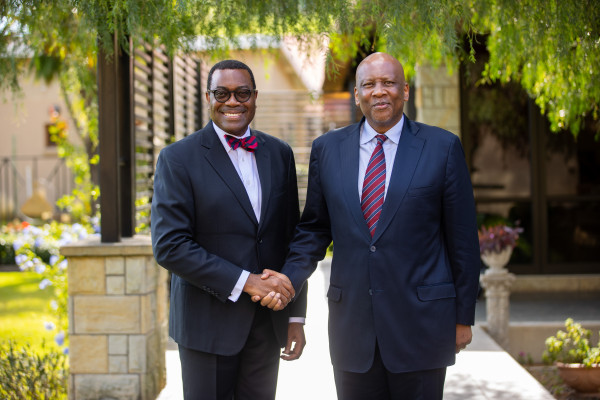
The African Development Bank Group (www.AfDB.org) plans to invest $331 million in key strategic sectors in Lesotho as part of its proposed Country Strategy Paper for 2025-2030 to boost economic growth and industrial competitiveness.
During an official visit to Lesotho -- the first by an African Development Bank President -- Dr. Akinwumi Adesina met with His Majesty King Letsie III to discuss strengthening development partnerships and expanding the Bank's investments in the country.
His Majesty expressed delight at the Bank President's visit, viewing the mission as a reflection of the Bank and Adesina's appreciation for Lesotho's progress in improving people's lives.
“With haste, we will ensure that the policies and incentives to accommodate the needs of and attract the private sector are in place, especially in healthcare, agriculture, and manufacturing,” the King remarked.
King Letsie said he was confident that Adesina, whom he described as a 'man of action,' would help catalyze progress on the Bank's strategic projects in Lesotho.
Adesina thanked King Letsie for his strong leadership role as the African Union Nutrition Champion since 2014, his advocacy for improved nutrition and food security on the continent -- especially for women, adolescents, and children -- and his passion for youth development.
The African Development Bank president commended His Majesty for his leadership on the King Letsie III Just Energy Transition Fund, which aims to generate approximately 200 megawatts of power through private sector investments.
He also briefed King Letsie about the Bank's new 2025-2030 Country strategy paper and planned investments of $331 million to support quality infrastructure, capacity building, energy, integration and interconnectivity, debt management and standards, and strengthening the office of the Prime Minister.
Referencing dwindling donor commitments globally, Dr. Adesina said, "Africa must prepare to engage more proactively with the private sector. Every challenge is an investor's dream. Ultimately, capital, like water, will always find a receptive place to go."
According to Adesina, the Bank has implemented 87 projects totaling $429 million since Lesotho joined the Bank in 1973.
"We have eight ongoing projects worth $60 million, and we look forward to significantly expanding our commitments," Adesina said.
The Bank's investment strategy for Lesotho will focus on several priority areas:
The African Development Bank-led Lesotho Rural Water Supply and Sanitation Project has delivered remarkable results: 190 kilometers of pipeline to distribution networks, water storage tanks with a total capacity of 3.48 million liters, and 166 public water points serving approximately 28,266 people across eight zones in Maseru and Berea districts.
Responding to King Letsie's request, Dr. Adesina said the Bank will prioritize investments in primary healthcare centers across Lesotho.
“We will work on an integrated project that includes components of energy, a potential multi-partner $2.3 billion water transfer project from Lesotho through South Africa to Botswana, agro-value chains, and trade facilitation in Lesotho,” Adesina said after the meeting with King Letsie III.
The Bank is expected to support Lesotho in mobilizing approximately $260 million for the integrated water transfer project, which will supply 308 million cubic meters of water for domestic, agricultural, and industrial use through a 700 km pipe system. The project has the potential to generate up to 22 MW of hydropower.
Speaking earlier, Minister of Finance and Development Planning Retselisitsoe Matlanyane indicated that as Lesotho's energy supply will exceed domestic demand by the end of 2026, the country intends to build a substation to export excess power production to South Africa. She reiterated Lesotho's commitment to private sector-friendly policies and engagement.
The minister highlighted the importance of primary healthcare and nutrition investments to help combat extreme stunting in several parts of the country.
King Letsie is the African Union-appointed African Leaders for Nutrition champion. The initiative, spearheaded by the African Development Bank and championed by African leaders, works to galvanize political will and significant investments to end malnutrition on the continent.
Dr. Adesina also met with Prime Minister Samuel Ntsokoane Matekane; and the ministers of Foreign Affairs; Agriculture, Food Security & Nutrition; Natural Resources; Health; Communication, Science & Technology; and Education & Training.
The Bank's delegation to Lesotho included its Executive Director for Lesotho, Dr. Nomfundo X. Ngwenya; Deputy Director General for Southern Africa, Moono Mupotola; and Senior Advisor to the President for Communication and Stakeholder Engagement, Dr. Victor Oladokun.
Distributed by APO Group on behalf of African Development Bank Group (AfDB).
Media Contact:
Emeka Anuforo
Principal Regional Communication Officer
media@afdb.org
About the African Development Bank Group:
The African Development Bank Group is Africa's premier development finance institution. It comprises three distinct entities: the African Development Bank (AfDB), the African Development Fund (ADF) and the Nigeria Trust Fund (NTF). On the ground in 41 African countries with an external office in Japan, the Bank contributes to the economic development and the social progress of its 54 regional member states. For more information: www.AfDB.org