We Cannot Afford to Scrap R10-Billion Budget for ECD
February’s postponed budget speech would have announced increased ECD subsidies

MyZA
News, Directory, Events and Other Stuff
February’s postponed budget speech would have announced increased ECD subsidies
IEC CEO calls for responsible, inclusive approach to e-voting in South Africa
The Electoral Commission of South Africa (IEC) Chief Executive Officer, Sy Mamabolo, has underscored the need for a responsible and inclusive approach to adopting new voting technologies.
The CEO was delivering remarks at the e-Voting Conference in Cape Town on Monday. The IEC is hosting a groundbreaking national dialogue on the future of voting in South Africa from 10 - 12 March 2025, at the Cape Town International Convention Centre.
This three-day conference will launch South Africa's first Green Paper on e-Voting, bringing together voices from across society to shape how South Africans might vote in future elections.
“While digitalisation is becoming more prevalent in our daily lives, we must acknowledge that some portions of our country continue to have limited access to broadband connectivity, particularly in rural areas. In our discussion here, let us not be oblivious that a significant number of South Africans still have limited access to technology.
“Having said so, it is evident that the adoption of new technologies is apposite and necessary. We cannot be oblivious to the ever-present force that drives innovation and exposes us to new possibilities,” Mamabolo said.
The conference, which seeks to shape public policy on e-voting, comes at a time when South Africa is undergoing a digital transformation across various sectors. The Vision 2030 roadmap of South Africa emphasises incorporating technology into business, education and governance.
The country's burgeoning digital ecosystem is distinguished by developments in technology infrastructure driven by public and private sector partnerships.
Mamabolo said the rapid growth of data analytics, artificial intelligence and digital infrastructure has transformed how most industries do business today and how ordinary folk converse.
Global and African E-Voting Experiences
The CEO highlighted that countries such as Estonia, Switzerland, Brazil and India have implemented or tested e-voting systems, while others have paused or abandoned such initiatives due to concerns related to security, costs and reliability.
In Africa, Namibia and the Democratic Republic of Congo have explored e-voting, but challenges have hindered widespread implementation.
Mamabolo noted that some of the common delays or factors halting the implementation of e-voting in many countries are largely related to security concerns and affordability.
As a result, many countries have focused on digitalising aspects of the voting process (such as registration or information access) rather than implementing full-scale electronic voting systems and related technologies for their elections.
“As much as the prospects for experimenting with e-voting systems and technologies can be exciting, we must also approach it with open minds and a sense of responsibility.
“At the forefront of these challenges are questions of security and trust. We remain committed to our mandate to deliver uncompromised elections with utmost integrity, impartiality and accountability,” he said.
Addressing security concerns and digital divide
Mamabolo further stressed that in an era where cyber threats are increasingly prevalent, ensuring the safety and security of an electronic voting system is paramount.
“We must build systems that are resilient, secure, and able to withstand the threats of today and the future,” he said.
Moreover, he urged that the digital divide must be urgently addressed.
“As we indicate, South Africa is a country with varying levels of technological access. While urban areas may have reliable internet and a high rate of technological literacy, rural communities, and impoverished areas still face significant barriers to digital inclusion,” the CEO said.
IEC's Preparedness and Public Engagement
The IEC has already integrated technology into its processes through initiatives such as an online voter registration system, which allows citizens to register or update their details remotely.
“The Electoral Commission is already ahead of the curve when it comes to embracing the advent of technology. The Commission has implemented an online voter registration system that enables new voters to register and existing voters to update or alter their registration from the comfort of their own homes or anywhere. This online registration portal is not constrained by time and space,” the CEO said.
The commission believes that engaging with the public and key stakeholders is essential to ensuring that any transition to e-voting is both transparent and widely accepted.
“As the Commission, we encourage conversations, discussions, and lively debates among South Africans from all walks of life on this matter, as we have seen happening in some social media platforms recently. Such national conversation is essential because elections are a public enterprise that belong to all citizens of our country,” he said.
Prior work conducted on e-voting
As part of its commitment to facilitating informed decision-making, Mamabolo said the Commission always had e-voting in its line of sight, with electronic voting discussions having commenced back in 2013.
The Electoral Commission has carried out several investigations into this subject, aiming to learn from the global experiences of countries that have either successfully or unsuccessfully tried to implement e-voting.
It has explored issues such as available technologies, costs, security/reliability, public trust, existing tech infrastructure in SA and policy options, among others.
It has identified the need for thorough public dialogue/discussions on the feasibility/potential benefits and risks.
The IEC has compiled a Discussion Document based on findings from its 2023 research study on electronic voting, which explored prospects and potential challenges for e-voting in SA.
“The way forward for e-voting to be a viable solution [is that] it must be accessible to all South Africans regardless of their location or socio-economic status. That is why our discussions here must be comprehensive, aiming to address all blind spots and ultimately provide fit-for-purpose solutions for all South Africans,” Mamabolo said.
Looking ahead
The IEC has not yet determined whether e-voting will be proposed to Parliament but aims to lead a comprehensive discussion on its feasibility.
To this end, the commission will launch a series of nationwide workshops and public consultations, gathering insights from citizens and stakeholders. Mamabolo said the feedback will be used to refine the Discussion Document, which could eventually inform a National Green Paper on e-voting.
South Africans are encouraged to participate in the conversation through various platforms, including email submissions, social media engagements, and public discussions.
The public can review the discussion document and provide informed commentary to info@elections.org.za. You can also share your views and experiences through the IEC’s social media @IECSouthAfrica using the #SAeVoting2025. - SAnews.gov.za
DikelediM
Mon, 03/10/2025 - 13:31
232 views
South Africa to outline progress on Beijing+30 implementation
Minister in the Presidency for Women, Youth and Persons with Disabilities, Sindisiwe Chikunga, has arrived at the United Nations Headquarters in New York to present South Africa’s report on the country’s progress in implementing the Beijing Platform for Action (Beijing+30).
Chikunga is leading South Africa’s delegation to the 69th Session of the United Nations Commission on the Status of Women (CSW69), which takes place from 10 to 21 March 2025.
The South African Beijing+30 report provides a comprehensive overview of the progress made in advancing gender equality from 2019 to 2024. It draws on data, statistics, and key trends to assess achievements and challenges in this area.
The report highlights the 12 critical areas of concern outlined in the Beijing Platform for Action, including women and poverty, education and training, women’s health, violence against women, women and armed conflict, and women and the economy.
In addition, it covers vital topics, including women in power and decision-making, human rights of women, women and the media, women and the environment, and the empowerment of the girl child.
“The focus of the report will look at the priorities, achievements, challenges and gaps, while also demonstrating and highlighting the emerging and future priorities,” the department said in a statement on Sunday.
South Africa will join the global community in celebration of the 30th anniversary of the adoption of the Beijing Declaration and Platform for Action, which coincides with South Africa’s Presidency of the G20, where women’s empowerment and gender equality are a priority.
The Minister is joined by Social Development Minister Nokuzola Tolashe; Higher Education and Training Deputy Minister, Dr Mimmy Gondwe; Basic Education Deputy Minister, Dr Reginah Mhaule, and Deputy Minister of Forestry, Fisheries and the Environment, Bernice Swarts.
KZN MEC for Agriculture and Rural Development, including Northern Cape MEC for Sport, Arts and Culture, and Mpumalanga MEC for Social Development, also form part of the delegation that will provide provincial updates on South Africa's progress in areas such education, health and social protection. – SAnews.gov.za
GabiK
Mon, 03/10/2025 - 10:41
121 views
Police commended for drug bust at Durban school
KwaZulu-Natal Education MEC, Sipho Hlomuka, has commended the South African Police Service (SAPS) for their swift and effective operation at Fairvale Secondary School in Wentworth, south of Durban, which led to the confiscation of illegal substances and large sums of cash.
The massive operation on Friday follows the reports of violence and drug-related activities within the school.
Over 60 police officers conducted a thorough search and seizure to ensure that teaching and learning can continue in a safe and drug-free environment.
Among the illegal substances confiscated are vapes, cigarettes, sharp scissors, pocket knives, pain medication, and some unknown pills.
Hlomuka reiterated that the department is against criminal activities permeating the schools and putting learners' futures at risk.
"We will not idly stand by while drugs and illegal activities threaten the safety and education of our children," Hlomuka said.
The MEC also implored parents and guardians to play an active role in monitoring their children’s activities.
“We ask that parents be intentional about ensuring that their children stay away from the use of illegal substances and any criminal activities. The safety and well-being of our learners requires joint effort between the department, law enforcement and families,” Hlomuka said. – SAnews.gov.za
GabiK
Mon, 03/10/2025 - 10:27
59 views
On this momentous occasion of International Women's Day 2025, the African Commission on Human and Peoples' Rights (ACHPR), through its Special Rapporteur on the Rights of Women in Africa (SRRWA), stands at a pivotal juncture in the global pursuit of gender equality and the empowerment of women and girls. This year's theme, “For ALL Women and Girls: Rights. Equality. Empowerment,” resonates deeply as we commemorate the 30th anniversary of the Beijing Declaration and Platform for Action. This landmark framework has shaped the global agenda for women's rights and gender equality.
The Beijing Declaration, adopted in 1995, was a clarion call to dismantle systemic barriers, challenge discriminatory norms, and ensure the full participation of women in all spheres of life. Three decades later, we celebrate progress, particularly in Africa, where women have broken barriers in politics, education, entrepreneurship, and leadership. Yet, we must also confront the stark realities that persist: gender-based violence, unequal access to education and healthcare, economic disparities, and the underrepresentation of women in decision-making spaces.
Africa has witnessed remarkable strides in advancing the rights and empowerment of women and girls, demonstrating the continent's resilience and commitment to gender equality. Some of the most notable trends include:
Despite these positive trends, significant challenges remain, hindering the full realization of gender equality and women's empowerment in Africa, including:
To build on the progress and address persistent challenges, the ACHPR urges African governments, civil society, the private sector, and international partners to accelerate the implementation of the Beijing Platform for Action and Agenda 2063. This can be achieved through aligning national policies with these frameworks and ensuring gender equality is mainstreamed across all sectors. The ACHPR calls for the strengthening of legal frameworks, enhanced access to justice for survivors, and increased investment in prevention programs to eradicate gender-based violence in all its forms.
It further emphasizes the need to expand women entrepreneurs' access to finance, land, and technology and ensure equal pay for equal work to close the gender wage gap. Affirmative action measures, such as quotas, should be implemented to increase the representation of women in political and leadership roles at all levels. The ACHPR also urges prioritizing girls' education, particularly in STEM fields, and ensuring universal access to sexual and reproductive health services. Finally, the ACHPR calls for the recognition and addressing of the unique challenges faced by marginalized groups of women, including those with disabilities, rural women, and refugees.
As we celebrate the resilience and achievements of African women and girls, let us remember that the fight for gender equality is far from over. The Beijing Declaration and Platform for Action, alongside Agenda 2063, provide a roadmap to a future where every woman and girl can live with dignity, freedom, and opportunity. On this International Women's Day, let us recommit to the principles of rights, equality, and empowerment—not just for some, but for ALL women and girls.
Honourable Commissioner Janet Ramatoulie Sallah-Njie
Special Rapporteur on the Rights of Women in Africa of the ACHPR and Vice-Chairperson of the ACHPR
Distributed by APO Group on behalf of African Commission on Human and People's Rights (ACHPR).
The Minister of International Relations and Cooperation, Mr Ronald Lamola, will host the Foreign Minister of the Republic of Cuba, HE Mr Bruno Rodriquez Parrilla, on 10 March 2025 for Bilateral Talks in Pretoria.
The Working Visit will provide an opportunity for the two Ministers to strengthen South Africa-Cuba strategic bilateral relations and cooperation programmes.
The Ministers will also exchange views on regional and global issues of mutual concern.
Cuba is one of South Africa's strategic partners in Latin America and the Caribbean. The two countries' relations date back well before the 1994 democratic elections, which in great part can be attributed to the remarkable contribution made by Cuba to the liberation of South Africa and the defeat of apartheid and colonialism.
South Africa and Cuba are bound by ties of culture, history, shared struggles, international solidarity and a joint commitment to advance the development agenda of the Global South.
The long-enduring bilateral collaboration between South Africa and Cuba is multifaceted and sustained by a substantial number of bilateral agreements covering a wide range of areas, including health, public works, education and water and sanitation cooperation.
South Africa and Cuba's foreign policies are centred on the peaceful resolution of conflict, multilateralism, the rule of International Law and the centrality of the UN in the maintenance of international peace and security.
Distributed by APO Group on behalf of Republic of South Africa: Department of International Relations and Cooperation.
G20 Leaders’ Summit at the end of the year to enhance tourism and economic growth
The upcoming Group of 20 (G20) Leaders’ Summit at the end of the year is anticipated to significantly enhance the tourism sector’s contribution to economic growth and job creation.
This is according to the International Relations and Cooperation Minister, Ronald Lamola, who shared this perspective while responding to a parliamentary question about his department’s strategy to leverage South Africa’s G20 Presidency to create sustainable benefits for the economy, particularly for small businesses in townships and rural areas.
“By hosting G20 meetings across all provinces, South Africa aims to achieve a considerable economic boost, attracting tens of thousands of delegates and support staff from major global economies to provinces throughout its year-long Presidency,” he told Members of Parliament (MPs).
South Africa assumed the Chair of the G20 on 1 December 2023, taking over from Brazil.
The G20 consists of 19 countries, along with the European Union (EU) and the African Union (AU), which joined last year.
This group brings together the world’s major and systemically important economies.
The Minister believes that this surge in tourism presents significant opportunities for South African provinces and cities to showcase their cultural heritage and tourism potential.
According to Lamola, South Africa’s Presidency of the G20 is anticipated to be one of the largest national projects, requiring whole-of-government and society participation.
From 1 December 2024 to 30 November 2025, South Africa will host well over 100 in-person meetings across the country.
“Firstly, the G20 will boost South Africa’s tourism sector, increasing employment and allowing provinces to showcase their cultural treasures.”
The Minister highlighted that the World Travel and Tourism Council (WTTC) reported that South Africa’s tourism sector employed 1.46 million people in 2023.
This number is expected to increase to 1.7 million jobs soon, driven by a targeted initiative aimed at significantly boosting employment over the next five years.
He also mentioned that WTTC statistics showed that tourism’s direct and indirect contribution to South Africa’s GDP was 8.2% in 2023, with expectations to rise to 8.8% in 2024.
In addition, it also allows for a demonstration of the nation’s advancements across multiple sectors.
According to Lamola, the G20 meetings are anticipated to generate considerable economic benefits, creating many direct and indirect jobs during and beyond this period.
The Minister believes that Africa’s G20 Presidency offers an opportunity to promote inclusive growth, combat poverty, and ensure sustainable development.
“Ultimately, the high-level deliverables and priorities identified for South Africa’s G20 Presidency will benefit South Africa at the national, continental, and global levels.
“The G20 serves as a strategic platform for South Africa to lobby for policies aimed at advancing the three strategic priorities of the seventh administration.”
These include driving inclusive growth and job creation, reducing poverty and tackling the high cost of living, and building a capable, ethical, and developmental State.
In addition, South Africa’s second priority under its G20 Presidency is ensuring debt sustainability for developing economies.
“In pursuing this, South Africa aims to see greater urgency in addressing the debt and solvency challenges many countries face, determining clear solutions to mobilise low-cost financing for development.
This approach will help reduce debt service costs for developing countries, including South Africa, thereby freeing up spending on essential services such as education, healthcare, and the infrastructure needed for economic development,” he told MPs.
Meanwhile, he said the nation seeks to leverage its G20 Presidency by promoting “harnessing critical minerals for inclusive growth and development.”
“South Africa calls for a G20 framework on green industrialisation and investments to ensure progress towards a grand bargain that adds value to critical minerals, particularly near the source of extraction.”
He believes that promoting the beneficiation and local value addition of resources at the source will result in a more additive rather than extractive relationship.
“As mineral extraction accelerates to meet the energy transition needs, the countries and local communities endowed with these rich resources must be the primary beneficiaries,” he added. – SAnews.gov.za
Gabisile
Thu, 03/06/2025 - 10:42
499 views
Lamola to host his Cuban counterpart for bilateral talks
International Relations and Cooperation Minister Ronald Lamola will host his Cuban counterpart, Bruno Rodríguez Parrilla, for bilateral talks in Pretoria on Monday, 10 March 2025.
This working visit will provide an opportunity for both Ministers to strengthen the strategic bilateral relations and cooperation programmes between South Africa and Cuba.
“The Ministers will also exchange views on regional and global issues of mutual concern,” a statement issued by the Department of International Relations and Cooperation (DIRCO) said.
Cuba is one of South Africa’s strategic partners in Latin America and the Caribbean.
“The relations date back well before the 1994 democratic elections, which in great part can be attributed to the remarkable contribution made by Cuba to the liberation of South Africa and the defeat of apartheid and colonialism,“ DIRCO said.
The department said South Africa and Cuba are bound by ties of culture, history, shared struggles, international solidarity, and a joint commitment to advance the development agenda of the Global South.
“The long-enduring bilateral collaboration between South Africa and Cuba is multifaceted and sustained by a substantial number of bilateral agreements covering a wide range of areas, including health, public works, education and water and sanitation cooperation.”
South Africa and Cuba’s foreign policies are centred on the peaceful resolution of conflict, multilateralism, the rule of international law, and the centrality of the United Nations in the maintenance of international peace and security. – SAnews.gov.za
Gabisile
Thu, 03/06/2025 - 14:38
27 views
President Ramaphosa kicks off Gauteng oversight visit
President Cyril Ramaphosa says the economic success of Gauteng Province is crucial to the overall success of the country.
The President was addressing the Gauteng Provincial Government and the National Executive during an oversight visit to the province, on Thursday.
Gauteng is home to the financial capital of Africa in the form of Johannesburg, while Tshwane is South Africa’s administrative capital, and Ekurhuleni is an industrial and manufacturing hub critical to the country’s supply chains.
“Gauteng’s unique position in the national landscape is both an opportunity and a challenge. While it may be the smallest province in terms of land size, it is a giant in many other respects.
“Gauteng contributes the largest share of any province to the country’s Gross Domestic Product. It is the single most critical economic hub in the country, serving as a powerhouse of finance, governance, industry and innovation.
“The economic success of Gauteng is integral to the economic success of South Africa. It is here in Gauteng where our policies, plans and commitments must translate into action,” President Ramaphosa said.
Resolving challenges
During the State of the Province Address (SOPA) last week, Gauteng Premier Panyaza Lesufi pinpointed 13 challenges the provincial government must address. These include:
During his remarks today, the President expressed consensus with the Premier.
“Premier, we also agree with you that if we do not move with speed to address the critical challenges identified in the State of the Province Address, we risk undermining the progress we have made.
“There are recurring problems across Gauteng. Some of these include governance failures, financial mismanagement, crumbling infrastructure, crime and lawlessness, as well as unreliable service delivery. These are the challenges that are also articulated in your G13 list which…if we do not address, we will not have served our people well.
“Our greatest challenges – in Gauteng and across the country – are in the end, unemployment and poverty. These are the challenges we all must face head on,” President Ramaphosa said.
Changing lives
The President also emphasised that the outcomes from the oversight visit must improve the lives of Gauteng citizens.
“What emerges from this meeting must not remain as just plans on paper. The outcomes of this meeting must be transformed into practical, measurable interventions that directly benefit the people of Gauteng.
“Through a collaborative and solutions-oriented approach, we will drive sustainable development, improve service delivery and enhance the quality of life for all who call this province home.
“Let us seize this moment with urgency and determination, ensuring that every commitment made here today is followed by decisive action,” he said.
The engagement with the provincial government is the fourth oversight visit, following engagements with the provincial governments of Limpopo, KwaZulu-Natal and Mpumalanga.
“These engagements are crucial in strengthening intergovernmental cooperation, collaboration and consultation. They are important for ensuring better alignment of provincial priorities with the priorities of the Government of National Unity (GNU).
“Cooperative governance is a constitutional principle. It requires that, as different spheres of government, we must cooperate with one another in mutual trust and good faith. We must assist and support each other and coordinate our actions,” he said.
Human Rights Month
President Ramaphosa noted that as the national executive conducts its oversight visit to Gauteng, the country is commemorating Human Rights Month.
He highlighted that Human Rights Month is “particularly relevant in the context of our discussions today”.
“The right to water, sanitation, healthcare, housing and education are fundamental to the well-being of our communities. It is our duty to ensure that these rights are not just enshrined in our Constitution but are actively realised through tangible and impactful service delivery.
“People should not only be aware of their right to these services but should actively experience them in their daily lives. We therefore have to continue to harness the power of collaboration to overcome obstacles and implement sustainable solutions that will uplift our communities.
“Through unity and action, we must create a future where the rights of all South Africans are upheld, and where every citizen can access the quality services they rightfully deserve,” President Ramaphosa said.
The month of March is a heightened period in South Africa to mark Human Rights Month, commemorated under the 2025 theme, “Deepening a culture of social justice and human rights”. – SAnews.gov.za
NeoB
Thu, 03/06/2025 - 10:51
194 views
NSG, KZN Legislature partner to strengthen governance through training
To enhance governance and service delivery, the National School of Government (NSG) has partnered with the KwaZulu-Natal Legislature to roll out targeted capacity-building training for its members and employees.
This strategic collaboration, formalised on Wednesday at the KwaZulu-Natal Legislature, signifies a shared commitment to strengthening governance through education, training, and the development of both elected public representatives and legislative employees.
The NSG will provide targeted training focused on improving ethical leadership and oversight, creating effective policies to enhance service delivery and engaging citizens in decision-making.
Speaker of the KZN Legislature, Nontembeko Boyce, emphasised that this initiative aligns with the Legislature’s ongoing programme of creating platforms to empower its members and employees so that they can serve with greater efficiency and impact.
“We believe that a well-capacitated Provincial Legislature can only be achieved through strong partnerships with institutions of learning, bodies supporting parliamentary democracy, and the broader community of KwaZulu-Natal,” Boyce said.
She said ongoing training would sharpen lawmakers' ability to create impactful legislation, enhance public participation and strengthen oversight mechanisms, which will ultimately drive better service delivery.
A vision for a stronger province
Boyce stressed the importance of continuous professional development, saying that staying ahead in governance requires lifelong learning.
“By investing in continuous learning, we aim to ensure that our members are not just well-informed but fully equipped to address the evolving needs of the people they serve.”
Professor Busani Ngcaweni, Principal of the NSG, echoed this sentiment, expressing enthusiasm about the potential impact of the partnership.
“This collaboration is more than just training -- it’s about shaping a more accountable, efficient, and citizen-focused government. By addressing the unique challenges faced by the Provincial Legislature, we are paving the way for stronger governance, improved service delivery, and policies that truly make a difference,” Ngcaweni said. – SAnews.gov.za
GabiK
Thu, 03/06/2025 - 09:42
149 views
Experts work to strengthen security and information management in secure care centres
Experts are continuing to refine the norms and standards for secure care centres, taking into account both the importance of physical safety within the facilities and the protection of sensitive information.
The Department of Social Development is currently hosting a two-day workshop in Pretoria focusing on strengthening standards in secure care centres. These care centres are specialised child and youth care facilities designed to provide structured interventions for children in conflict with the law.
Unlike conventional correctional facilities, these centres prioritise rehabilitation, education and therapeutic support, ensuring that children are reintegrated into society with improved life skills and a renewed sense of responsibility.
Speaking at the workshop aimed at strengthening policies that uphold the children's rights and dignity, Social Development’s Security Manager, Len Esterhuizen, stressed the urgent need for the South African Police Service (SAPS) to play an active role in shaping security protocols for secure care centres.
“Secure care centres must align with national security standards to protect children, staff and sensitive data from breaches or potential threats,” Esterhuizen said on Tuesday.
Secure care across the board
A major component of helping secure care centres to align with national security standards is the Integrated Justice System (IJS), which has provided the Department of Social Development with a critical tool for managing children in conflict with the law.
The Probation Case Management System enables probation officers to track, assess and manage cases efficiently, ensuring appropriate intervention and placement.
Given the interconnected nature of child justice processes, the integration of the South African Police Service (SAPS) into these policy discussions has become essential.
The IJS’s mandate is part of the Justice, Crime Prevention and Security Cluster’s broader mission to enhance the safety and security of all South Africans. The cluster also works to protect against cybercrime and identity theft, improve access to civil justice, combat corruption and strengthen the process for issuing enabling documents.
Esterhuizen explained that SAPS operates under minimum physical security standards, which outline baseline requirements for facility security.
Within the IJS, the State Security Agency provides oversight on national information security policies, which regulate the classification, handling and storage of sensitive records, including ID documentation, criminal records and case files.
The minimum information security standards, enforced by the State Security Agency and SAPS’s minimum physical security standards provide an important framework for safeguarding both information and operations within secure care facilities.
Esterhuizen further explained that secure information storage is non-negotiable, as mandatory policies dictate how children’s records must be handled and protected.
Experts also highlighted the importance of confidentiality and strict security protocols in preventing criminal activities, security breaches and potential risks to children in secure care centres.
The department’s Social Work Policy Manager, Linda Makhathini, commended the progressive discussions, emphasising their critical role in ensuring full compliance for secure care centres.
She noted that security experts will contribute to developing a unified security framework, which will define minimum requirements for facility security, staff protocols, and information protection.
A national security framework for secure care
As discussions progress, the goal is to develop a national security framework that ensures compliance with both physical and information security regulations.
By combining the IJS, SAPS, and the State Security Agency and the Department of Social Development aim to establish a safer, more efficient system that upholds the rights and dignity of children in secure care.
“This work will form a legal document that will be officially published once authorised by the Minister [of Social Development]. It will then be gazetted for public comment before final implementation,” Senior Legal Officer, Advocate Luyanda Mtshotshisa, said.
Bridging gaps in secure care services
Chief Director of Social Welfare and Restorative Services in the Western Cape, Leana Goosen, who is part of the task team, highlighted the significance of these evolving norms and standards.
“Secure care is one of the most critical services rendered by the Department of Social Development, yet it has lacked extensive legislative guidance. These new norms and standards will fill that gap and empower staff in secure care to deliver better services. We are pleased to be part of this essential development,” she said.
As South Africa moves forward in modernising its child justice system, these reforms will ensure that secure care centres operate effectively, securely and in full alignment with national policies, creating a safer and more rehabilitative environment for children. – SAnews.gov.za
DikelediM
Wed, 03/05/2025 - 12:12
364 views
Western Cape urges safe driving after several road fatalities
The Western Cape Government (WCG) has urged all road users to prioritise safety and look out for one another.
This comes after several road fatalities were reported in the province this week.
The incidents include a fatal collision that took place on the R61 at Rooidam, on Monday morning.
In Beaufort West, two road incidents also resulted in one death and multiple injuries, while a crash on the N2, near Heidelberg claimed the lives of seven people.
Western Cape MEC of Mobility, Isaac Sileku, has expressed profound concern, saying that receiving such “tragic news” is always heartbreaking.
“These incidents highlight the critical need for intensified road safety education, as many of these tragedies were preventable. My heartfelt condolences go out to the affected families,” Sileku said in a statement.
The MEC has urged all road users to prioritise safety.
“We must all do better. We all have a shared responsibility to ensure that we all buckle up, that our vehicles are roadworthy, and that you strictly adhere to traffic laws and regulations,” he said.
To combat these preventable tragedies, the WCG has called on all drivers to exercise vigilance and responsibility.
This includes adhering to speed limits, avoiding driving under the influence of alcohol or drugs, and being especially mindful of pedestrians and other vulnerable road users.
Meanwhile, the provincial government said simple actions such as wearing a seatbelt, maintaining a safe following distance, and avoiding distractions can significantly reduce the risk of crashes.
Sileku reaffirmed his commitment to enhancing road safety, “Every life lost on our roads is one too many. Together, we can make our roads safer.” – SAnews.gov.za
Gabisile
Wed, 03/05/2025 - 12:39
192 views
Video of bullying incident at Nqabakazulu High School condemned
The KwaZulu-Natal Department of Education has condemned a video circulating on social media showing an alleged incident of bullying at Nqabakazulu High School in KwaMashu, north of Durban.
In the video, a learner is seen physically attacking another learner inside the school’s toilet over gossiping allegations.
KwaZulu-Natal MEC for Education, Sipho Hlomuka, has expressed his deep concern over the incident and strongly condemned any form of bullying or violence in schools.
"Bullying as a whole is completely unacceptable and will not be tolerated in our schools. We, as a department, are committed to ensuring that all learners feel safe and protected within the school environment,” Hlomuka said.
Hlomuka has encouraged learners to report bullying incidents so that they can be addressed immediately. – SAnews.gov.za
GabiK
Wed, 03/05/2025 - 11:01
34 views
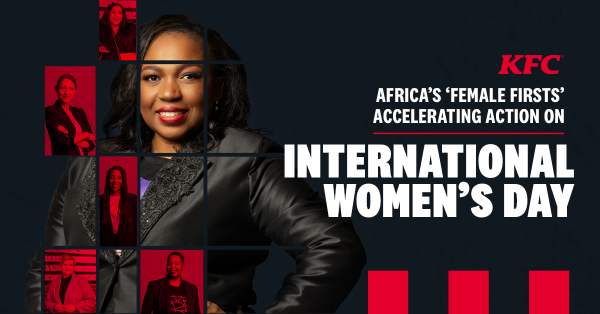
Progress in closing the gender gap in South Africa and Sub-Saharan Africa has almost halted, leaving millions of women at a disadvantage to men. But female role models across the continent are refusing to admit defeat, dedicating themselves to accelerating progress towards gender equality.
To mark International Women's Day on 8 March and honour its theme of “Accelerate Action”, KFC Africa has collected the stories of dozens of women who are taking bold steps to advance equality on the continent by educating, empowering and supporting women to achieve more, together, faster.
KFC Africa's list contains the names of 54 women – one for each year the company has been in Africa – and follows its successful International Women's Day campaign in 2024 which introduced an inaugural list (https://apo-opa.co/4h5xiID) of 53 “female firsts”. Each of those women had overcome educational, social and financial obstacles to achieve something no woman in their country had done before.
The 2025 list (https://apo-opa.co/4h5xiID), drawn from each of the 22 Sub-Saharan Africa countries where KFC has restaurants, also has its share of female firsts – people such as Dior Fall Sow, Senegal's first female prosecutor; Nelly Mutti, the Zambian parliament's first female speaker; and Adelaide Retselisitsoe Matlanyane, the first woman to lead Lesotho's central bank.
The list is dominated, however, by younger women who are breaking the mould – particularly in the technology sector – and showing they can do anything they set their mind to, regardless of age or gender.
They include the likes of Christine Ogo, a Cote d'Ivoire physicist who has encouraged thousands of schoolgirls to pursue science, technology, engineering and mathematics; Rachel Sibande, who set up Malawi's first technology incubator for emerging entrepreneurs and has gone on to teach coding to 92,000 women and children; and Regina Honu, whose Tech Needs Girls movement in Ghana has trained more than 20,000 women and girls to code.
Gender gap
“It's a powerful list that gives us hope after the World Economic Forum's Global Gender Gap Report (https://apo-opa.co/4i2QKXB) in 2024 showed that progress seems to have ground to a halt,” says Akhona Qengqe, General Manager of KFC Africa.
The report showed that 68.4% of Sub-Saharan Africa's gender gap had been closed, only marginally higher than 68.2% in 2023 (https://apo-opa.co/3QEYGm5). South Africa, while being Africa's highest scorer and ranking 18th out of 146 nations, went backwards, from 78.7% in 2023 to 78.5% a year later.
“The report says that at the current rate of progress, it will be 2158 until the world reaches full gender parity,” says Qengqe. “That's why we need to accelerate action, particularly in Africa, and why the efforts of the women on the KFC list are worthy of recognition and support.”
In her seven years at KFC – she was as director of Africa franchise development, director of transformation and diversity and chief people officer before taking over as general manager in April 2023 – Qengqe has prioritised female empowerment.
Her initiatives include spearheading KFC Add Hope, a women-led programme that serves free meals to tens of thousands of children at more than 3,000 feeding centres across South Africa.
In 2021, she launched the Women on the Move leadership development programme, which prepares 22 women at KFC for future leadership positions every year, cultivating a pipeline of talent. Within two years, the number of female leaders in the business grew by 14%.
Transforming franchising
Last November she turned her attention to the wider quick service restaurant sector, launching Women in Franchising Africa (Wifa), the first network for current and aspiring female franchisees and franchisors across the continent.
“To say I am passionate about the inclusion of women in growing our economies is an understatement. It is in fact one of my life's purposes,” she says. “My partners in Wifa intend to transform the participation of women in the franchising sector across African economies.
“We want to educate women on how to run successful franchise businesses, provide networking opportunities for like-minded women, transform the sector by making funding accessible to women, and create mentorship opportunities for all the women in the network.”
KFC Africa Chief People Officer Nolo Thobejane says “Accelerate Action” is a call to look at what has a positive impact on women's advancement and replicate it.
“This is a journey we need to embark on together as we learn from each other. I cannot stress enough the importance of forming alliances and partnerships to amplify impact. By working together, organisations and individuals can share resources, knowledge, and support to create a more inclusive and equitable environment for women.”
“At KFC, we have implemented some programmes which have yielded great results – such as the Women on the Move Leadership programme to ensure the pipeline of leaders, developing them with quality education and training through initiatives like our Streetwise Academy and then providing career support into positions of leadership.”
“Other successful initiatives organisations can implement include designing and building infrastructure that meets the needs of women and girls, involving them in sustainable agriculture, and elevating their participation and achievement in sport, as we do with KFC Mini Cricket.”
“There's a lot we can do as individuals, too – we can call out stereotypes, challenge discrimination, question bias and celebrate women's success. Everyone everywhere can Accelerate Action.”
Qengqe says the new list of 54 names brings to 107 the number of inspirational African women KFC has honoured and recognised in the past two years. “We know this is the tip of a wonderful iceberg, and we welcome nominations of other women who are Accelerating Action in Africa.”
Explore the list of 54 women Accelerating Action across Africa: https://apo-opa.co/4heEjqM
To nominate a woman Accelerating Action: Email: za-kfcafricamedia@yum.com
Distributed by APO Group on behalf of KFC Africa.
For media inquiries and to arrange interviews with Akhona Qengqe and Nolo Thobejane:
Elmarie Swart
Phone number:
WhatsApp: +44 7464739649
South Africa: +27 79 831 2429
Email: elmarie@kamuses.co.za
KFC Socials:
Instagram – @kfcsouthafrica - https://apo-opa.co/3FdDUap
Facebook – @KFCSA - https://apo-opa.co/4hYOsJl
TikTok – @kfcsa - https://apo-opa.co/4h83tHx
X – @KFCSA - https://apo-opa.co/4h9pMMX
YouTube – @KFCSouthAfrica - youtube.com/@KFCSouthAfrica
About KFC Africa:
KFC has been in South Africa for over 53 years and has more than 1,300 stores across the country. The first KFC restaurant in South Africa opened in 1971 in Orange Grove, Johannesburg. KFC is the leading quick-service restaurant brand in South Africa with just under a third of market share, according to Brand Image Tracker. KFC serves more than 20 million customers a month and we work hard to ensure that no matter which of our restaurants they walk into, they will get that distinctive KFC flavour and have a great experience. KFC's Original Recipe® Chicken was first made by Colonel Harland Sanders in 1940 when he perfected his secret recipe of 11 herbs and spices at his restaurant in Kentucky. Today, KFC is the world's most popular chicken restaurant, still preparing our chicken with the Colonel's secret recipe to his exact standards. Every KFC restaurant follows the same global processes and procedures to ensure that our customers get great-tasting food, every time.
SA joins the world in marking Hearing Day
All South Africans have been called to join the global community in commemorating World Hearing Day on Monday.
World Hearing Day, which is celebrated annually on 3 March, aims to raise awareness about deafness and hearing and to promote access to ear and hearing care.
The day highlights a specific theme on which the World Health Organisation and its partners carry out activities based on the theme.
This year’s World Hearing Day theme, “Changing mindsets: Empower yourself”, builds on the 2024 focus on changing mindsets towards ear and hearing care.
Department of Women, Youth and Persons with Disabilities spokesperson, Cassius Selala, said that hearing was fundamental to communication, education, employment, and overall well-being.
“If it is left unaddressed, hearing loss can hinder speech development, academic progress, and economic opportunities. It can also lead to social isolation, stigma, and reduced quality of life.
“Hearing impairment (HI) is a silent planetary health crisis that requires attention worldwide. The prevalence of HI in South Africa is estimated at 5.5 in 100 live births, which is about five times higher than the prevalence in high-income countries,” Selala said.
According to the World Report on Hearing 2022, approximately four million people with a hearing disability live in South Africa. However, less than 600 000 South Africans use South African Sign Language, which accounts for just 0.02% of the country’s population, according to Census 2022.
Urgent interventions needed
Selala warned that without urgent interventions, hearing loss, particularly among vulnerable and disadvantaged populations, will continue to rise, exacerbating existing inequalities in healthcare access across the continent.
“It is estimated that by 2030, over 500 million people are expected to have disabling hearing loss, which will also require rehabilitation. Over the years, one billion young people will also face the risk of permanent hearing loss due to prolonged exposure to loud sounds during recreational pastimes, such as listening to music and video game play,” Selala said.
Addressing hearing impairment
To address the growing challenge of hearing impairment, the department is advocating for several key actions, and these include:
• Improve access to ear and hearing care, especially in underserved communities.
• Combat stigma and misperceptions about hearing loss through education and awareness campaigns.
• Strengthen national policies to integrate hearing care into primary healthcare
systems.
• Expand training programmes to increase the number of skilled hearing care
professionals.
• Invest in infrastructure and assistive devices, ensuring that hearing aids, cochlear implants and other technologies are available and affordable for those who need them.
Selala urged individuals of all ages to empower themselves, to ensure healthy ears and hearing for themselves and others. – SAnews.gov.za
GabiK
Mon, 03/03/2025 - 09:56
329 views
Renewed focus on ECD a critical investment in SA’s future
An increased focus on Early Childhood Development (ECD) is critical for the future of South Africa.
This is according to President Cyril Ramaphosa who addressed the nation through his weekly newsletter.
“Better educational outcomes in basic education are linked to broader social and economic development. Education is a powerful tool to break the cycle of poverty, to uplift individuals and communities, and to bringing about a more equitable society.
“As was evident from the Basic Education Sector Lekgotla [held last week], all stakeholders in the education space are committed to prioritising foundational learning as the most effective means to enable young South Africans to succeed and thrive far into the future,” he said on Monday.
The President highlighted that government has spent the last 30 years “trying to correct” the devastating impact that Bantu Education under Apartheid had on foundational learning.
“This effort has now received greater impetus with the passage of the Basic Education Laws Amendment Act. This Act makes Grade R, the reception year before Grade 1, compulsory.
“Through an enhanced focus on ECD, the Act will help ensure that young children are better prepared for formal schooling. Early Childhood Development plays a critical role in developing early literacy, early numeracy and social-emotional skills during an important time in a child’s cognitive development,” he said.
READ | Call to intensify efforts to improve early childhood learning
In the State of the Nation Address in February, President Ramaphosa committed to expanding access to ECD for all children through “registering and formalising existing ECD centres and ensuring that they have the facilities, training and material that they need to provide quality early learning”.
Now, the President reiterated the importance of making ECD more accessible.
“Children who attend quality pre-primary programmes tend to have larger vocabularies, better number awareness, stronger perceptual skills, improved social skills and greater curiosity.
“Quality ECD provision promotes social equality. Children from poor families benefit most from access to ECD. As the learning journey progresses, quality ECD is also linked to better transitions into high school, lower repetition and dropout rates, and better academic performance overall.
“The Basic Education Sector Lekgotla discussed how best to realign the existing education curriculum to strengthen foundational learning, including through ongoing assessments, scaling up teacher training and development, and expanding the provision of ECD learning and teacher support material,” President Ramaphosa emphasised.
The President highlighted that further down the line, basic education must also produce learners who can find work in an evolving world.
“A recent report by the World Economic Forum on the future of jobs shows that the need for science, technology, engineering and mathematics related jobs are fast outstripping ‘traditional’ occupations, which are on the decline in the face of technological advances.
“Our basic education system has to produce learners that are able to find work in an ever-changing knowledge and technology based global economy.
“The efforts of the Department of Basic Education to strengthen the provision of technical and vocational pathways to learners in high school are therefore to be welcomed. Even in more industrialised economies than ours, technical and vocational training is recognised as a solid pathway to employment and entrepreneurship,” President Ramaphosa explained. – SAnews.gov.za
NeoB
Mon, 03/03/2025 - 09:20
9 views
Alfonso Arries Primary School in Gqeberha said parents took a decision to donate R100 per child to fix the crumbling school
Pride parade celebrates queerness, love and inclusion
TVET sector issues placed under the spotlight
Critical issues affecting Technical Vocational Education and Training (TVET) students were at the core of a meeting between Higher Education and Training Minister Dr Nobuhle Nkabane and the South African Technical Vocational Education and Training Student Association (SATVETSA).
Held at Mpumalanga University, the meeting focused on adjustments in TVET student living allowances, payment of 2024 outstanding student allowances, and payment of 2025 student allowances among others.
On the issue of adjustments in TVET student living allowances, it was resolved that parity between TVET and university living allowances should be established while on the matter of the payment of 2024 outstanding student allowances, it was agreed that all outstanding 2024 student allowances will be processed by 25 February.
On the payment of 2025 student allowances, the Minister said allowances for the 2025 academic year will be processed next week, subject to receiving registration data from colleges.
At Monday’s meeting, the payment for student accommodation matter was under the microscope with the resolution being that all outstanding student accommodation fees will be processed by 25 February 2025.
On the National Student Financial Aid Scheme (NSFAS) Appeals Process, it was resolved that the Appeals Committee will convene before Friday, 28 February 2025, to finalise all outstanding appeals.
On pending examinations results, the resolution was that the the mop-up process for all pending results will be completed by Wednesday, 26 February and that the process will be followed by Umalusi's approval of the results by Friday, 28 February.
Other issues discussed include the representation on the NSFAS board with the resolution being that SATVETSA will nominate a candidate to represent the TVET sector on the NSFAS board.
“The resolutions … represent a significant step towards addressing the systemic issues within the TVET sector,” said the Minister in a statement on Thursday adding that the Ministry, in collaboration with SATVETSA and other stakeholders, is committed to implementing these resolutions without delay.
“The Ministry acknowledges students' frustrations and remains dedicated to fostering a functional, fair, and transparent TVET system. Regular progress updates will be provided to ensure that commitments made in this agreement translate into real, tangible improvements in the lives of TVET students,” it said. -SAnews.gov.za
Edwin
Fri, 02/28/2025 - 10:38
56 views
Call to intensify efforts to improve early childhood learning
President Cyril Ramaphosa has called on educators to intensify efforts to improve early childhood learning, emphasising the urgent need to strengthen foundational skills in reading and mathematics.
The President was addressing the 2025 Basic Education Sector Lekgotla, at OR Tambo Conference Centre, in Ekurhuleni on Thursday.
He highlighted concerning literacy and numeracy statistics, warning that failure to address these gaps could have long-term consequences for learners.
Citing the 2021 Progress in International Reading Literacy Study (PIRLS), he noted that more than 80% of Grade 4 learners in South Africa cannot read for meaning in any language, including their home language.
Additionally, the country ranked low in a recently published study on Trends in International Mathematics and Science Study (TIMSS), which surveys capabilities in Grades 4 and 8.
“Not having mastered basic skills in reading and maths at foundation level sets the tone for how a learner will perform in high school and beyond. That is why Early Childhood Development [ECD] education has become the key foundation and bedrock.
“So, correcting these shortcomings is the most urgent of tasks. It must be front and centre of our efforts in basic education,” he explained.
In the same breath, the President lauded the achievements of the Class of 2024 saying it reinforces government’s commitment to developing the nation’s young people as the most valuable resource.
He said this achievement shows that the country is steadily undoing the apartheid legacy of intergenerational poverty, disadvantage and indignity.
“Our learners, teachers, parents and caregivers deserve our appreciation, alongside school governing bodies and partners in business, trade unions and academia. However, these impressive outcomes stand in stark contrast to what we see in the early years of education.”
To address these challenges, the President welcomed the Department of Basic Education’s review and realignment of the curriculum, including teacher development programmes and a focus on the Mother-Tongue Based Bilingual Education approach.
He also stressed the importance of inclusive education, calling for greater access to quality learning for children with disabilities.
“We are encouraged by the department’s efforts to review and realign our existing curriculum, including assessment, learning and teaching support material and teacher development programmes,” the President said.
Embracing AI and technology
The first citizen warned that globalisation, automation, and artificial intelligence (AI) are reshaping the job market, making it critical for South Africa’s education system to evolve.
He said that the theme of this year’s lekgotla – ‘Strengthening Foundations for a Resilient, Future-Fit Education System’ – is therefore most appropriate and timely.
He highlighted that the World Economic Forum’s 2025 Future of Jobs Report showed the world’s fastest growing and fastest declining jobs.
The report showed that jobs that are growing fastest are big data specialists, user interface and user experience engineers, data warehousing specialists and renewable energy engineers.
At the bottom of the pyramid, some of the jobs that are in decline include bank tellers, data entry clerks, cashiers, admin assistants, book-keeping and payroll clerks, and telemarketers, among others.
The President noted that many of these occupations that are in decline are entry level positions for young people entering the job market after school.
He noted that AI and advanced language models are significantly reshaping various industries.
One such tool, ChatGPT, now has approximately 300 million weekly active users worldwide. The number of students relying on ChatGPT for school assignments has doubled between 2023 and 2024.
The President emphasised the need for the education system to embrace technology while maintaining a strong foundation in human-led learning.
“We have to adapt to this new reality or risk the consequences of last century methods that cannot deliver new century outcomes. As impressive as technological advances have been, technology is but a complement to human endeavour.
“There is no substitute for solid foundational education led by committed and capable educators that sets the stage for a more effective and equitable educational system,” the President said.
The President further highlighted that the first generation to grow up with the internet, Gen Z, are already in their thirties. Generation Alpha, the first fully digital generation, are now in high school.
The babies born this year are the start of Generation Beta and will begin school in 2030.
“These Generation Beta children will be mastering the use of AI tools for schoolwork, problem solving and life advice before they even reach high school.
“This is to say nothing of their future career paths. There are now tools that can build a website in 10 seconds and compile a fully referenced research paper in about a minute.
“So, when we speak of equipping our young people with the skills for a changing world, we are not only talking about the structure of education needing to be transformed, but its methods of delivery as well. I am pleased that this is an issue that is prioritised at the Basic Education Lekgotla,” the President said.
Vocational and Entrepreneurial Pathways
President Ramaphosa also called for greater emphasis on technical and vocational education as viable alternatives to traditional academic pathways. He pointed to Germany, where 47% of the workforce holds vocational qualifications, compared to just 17% with university degrees.
“As stakeholders in the sector we need to work together to address the prevalent bias towards general academic education, and even the stigma that exists around choosing vocational occupations.
“Vocational training should not be seen as a fall-back option for learners who have been identified as unlikely to obtain the marks needed for university entry. It should be seen as an attractive proposition for all learners.”
The President also highlighted the importance of fostering entrepreneurship to support young people in an economy with limited job opportunities.
Agenda for education
The 2025 Basic Education Sector Lekgotla, tcomes at a pivotal time as South Africa enters the implementation phase of the Medium-Term Development Plan and nears the five-year countdown to achieving the Sustainable Development Goals.
As South Africa chairs the G20, President Ramaphosa noted the opportunity to drive a progressive global education agenda under the theme of “solidarity, equality, and sustainability.”
“As the host of the G20 Education Working Group, we have a unique opportunity to drive a progressive agenda for inclusive and equitable education within the framework of the G20,” he said. – SAnews.gov.za
DikelediM
Thu, 02/27/2025 - 15:35
92 views

inDrive (www.inDrive.com), the ride-hailing app known for its transparent and fair pricing model, has secured its position as the second most downloaded app in its category globally, and it continues to make waves in Africa, where it ranks as the third-largest ride-hailing service in South Africa, second in Nigeria, and number one in Zimbabwe and Botswana and North African countries.
inDrive's success story in Africa reflects its remarkable growth trajectory, driven by its unique approach to mobility. With an innovative, peer-to-peer pricing model and a mission to challenge the traditional fare structures in the ride-hailing industry, inDrive is setting new standards in customer-centric mobility.
The inDrive Advantage: Why It's the Most Downloaded Ride-Hailing App
What sets inDrive apart is its unwavering commitment to creating an ecosystem that benefits both riders and drivers. Unlike other ride-hailing platforms, inDrive empowers users by allowing them to negotiate the fare before confirming the ride, giving both drivers and passengers the freedom to agree on a price that works for them. This model fosters trust, increases satisfaction, and has contributed to record-breaking app downloads in 2025.
InDrive's approach goes beyond just competitive pricing; it has built an environment where driver welfare is prioritized. The company operates with the lowest commission structure in the market, enabling drivers to keep more of what they earn, which in turn has fostered strong loyalty from local drivers across Africa.
Record Growth in Africa: inDrive's Expanding Footprint
Why Africa Chooses inDrive
inDrive's approach is rooted in equity and inclusivity. The app's growth in Africa is not just a result of its innovative pricing structure, but also its deep understanding of the diverse needs of African consumers and drivers. As the most downloaded ride-hailing app globally, inDrive's popularity is fueled by its customer-centric model, empowered drivers, and fair pricing system.
By offering a solution that works for everyone, inDrive is reshaping the future of mobility across the African continent. Whether it's ensuring driver safety, fair compensation, or increased access to affordable transportation, inDrive is positioning itself as the most reliable, convenient, and transparent ride-hailing option in Africa.
Distributed by APO Group on behalf of inDrive.
Press Contact:
Public Relations Manager - inDrive Africa
Lineo Thakhisi
Phone: +2781 3636 872
Email: lineo.thakhisi@indriver.com
About inDrive:
inDrive is a global mobility and urban services platform. The inDrive app has been downloaded over 240 million times, and was the second most downloaded mobility app in 2022 and 2023. In addition to ride-hailing, inDrive provides an expanding list of urban services, including intercity transportation and delivery. In 2023, inDrive launched New Ventures, a venture and M&A arm.
inDrive operates in 888 cities in 48 countries. Driven by its mission of challenging social injustice, the company is committed to having a positive impact on the lives of one billion people by 2030. It pursues this goal both through its core business, which supports local communities via a fair pricing model; and through the work of inVision, its non-profit arm. inVision's community empowerment programs help to advance education, sports, arts and sciences, gender equality and other vital initiatives.
For more information visit www.inDrive.com
South Africa and Japan foster relations
The friendship and collaboration between Japan and South Africa – as an essential factor in the advancement of peace, prosperity and mutual understanding – have been reflected upon at Deputy President Paul Mashatile’s meeting with Japanese Ambassador to South Africa, Fumio Shimizu.
The Deputy President received a courtesy visit from newly appointed Ambassador Shimizu at Mashatile Tuynhuys office in Parliament, Cape Town, on Tuesday.
Shimizu is hosting a high-powered Japanese delegation in South Africa to attend the G20 Foreign Ministers’ Meeting and the meeting of the G20 Finance Ministers and Central Bank Governors, alongside a number of G20 workstream meetings.
At Tuesday’s meeting, South Africa and Japan reaffirmed their strong diplomatic and economic partnership, with Mashatile emphasising Japan’s role in South Africa’s economic growth and investment landscape.
“In particular, the Deputy President appreciated the continued strengthening of South Africa-Japan cooperation in several sectors, including politics, trade and investment, science and innovation, education, energy and development cooperation,” the Presidency said in a statement on Tuesday.
Mashatile highlighted Japan’s role as one of South Africa’s most significant economic partners, particularly in the automotive industry, technology, skills development and mineral beneficiation. He expressed optimism about increasing Japanese investments in local manufacturing, job creation and infrastructure projects.
“In Japan, we see the potential for the increase of already sizable investment in our economy, especially in the automotive industry, technology and skills development, commercialisation and manufacturing, as well as machinery for mining and mineral beneficiation, which are among the key economic drivers in South Africa,” Mashatile said.
The Deputy President and Shimizu committed to strengthening cooperation in various sectors, including science and innovation, education and energy.
Mashatile will undertake a working visit to Japan next month to solidify trade relations and attract further investment.
South Africa also eagerly anticipates the 9th Tokyo International Conference on African Development (TICAD 9) in Yokohama this August, which is expected to further bolster economic ties between Japan and the African continent. – SAnews.gov.za
Gabisile
Wed, 02/26/2025 - 11:26
332 views
Litigation against the vigilante group started a year ago
Global challenges require G2O countries to work together
President Cyril Ramaphosa has emphasised the importance of the Group of 20 (G20) members working together to overcome unprecedented challenges, including slow and uneven growth, rising debt burdens, persistent poverty and inequality, and the existential threat of climate change.
“We are not moving quickly enough or boldly enough to address these global challenges. We must collectively target a step-change in our efforts to improve the lives of all of our people and protect future generation,” the President said on Wednesday.
Addressing the opening of the first meeting of the Group of 20 (G20) Finance Ministers and Central Bank Governors in Cape Town, the President said at this time of global uncertainty and escalating tension, it is now more important than ever that the members of the G20 work together.
“The erosion of multilateralism presents a threat to global growth and stability. We know from the experience of past decades that a fair, transparent and inclusive rules-based international order is an essential requirement for economic stability and for sustained growth.
“At this time of heightened geopolitical contestation, a rules-based order is particularly important as a mechanism for managing disputes and resolving conflict. It is vital to ensuring that the rights and interests of the vulnerable are not trampled beneath the ambitions of the powerful,” he explained.
The first citizen said one of the greatest impediments to growth, development and stability is the persistence of inequality within and between countries.
“The pursuit of the United Nations Sustainable Development Goal on reducing inequality is as much of an economic imperative as a social imperative. As the G20 we need deliberate and coordinated efforts to focus on inclusive growth based on responsive trade and investment to grow the incomes of poor nations and the poorest in society.
“We need to ensure equal access to opportunities, especially for women and young people. For nations to flourish, equality and prosperity must be available to everyone – regardless of gender, race, religious beliefs or economic status.
“The pursuit of equality is an imperative for wealthy and poor countries alike. That is why South Africa has placed solidarity, equality and sustainability at the centre of its G20 Presidency,” the President said.
Priorities
In line with the original mandate of the G20 to promote strong, sustainable, balanced and inclusive growth, South Africa has identified four priorities for its G20 Presidency.
The first priority is to take action to strengthen disaster resilience and response.
“The increasing rate of climate-induced natural disasters is disproportionately affecting countries that can least afford the costs of recovery and rebuilding.
“When repeated disasters lead to widespread damage of infrastructure, economic activity is disrupted and livelihoods are destroyed,” the President said.
He said innovative financing and insurance mechanisms must be put in place by the global community – including international financial institutions, development banks and the private sector – to scale up funding for disaster prevention and post-disaster reconstruction.
“Our second priority is to ensure debt sustainability for developing economies. In recent years, low- and middle-income countries have seen their levels of sovereign debt and the cost of servicing that debt rise substantially.
“The combined external debt stock of low-income countries more than doubled in the decade to 2022. Debt service costs are increasingly crowding out spending on education, healthcare and other social services, as well as infrastructure needed for economic development,” the President said.
He stressed that the work of the International Financial Architecture Working Group and other working groups will be particularly important in improving the Common Framework for Debt Treatment, accelerating the reform of multilateral development banks, and strengthening capital flows to emerging markets.
“Our G20 Presidency will be addressing the high cost of capital faced by developing economies as one of the main barriers to sustainable growth. The G20 must show leadership in addressing the imbalances that persist in the global economy and filling the significant gap in funding required to achieve the Sustainable Development Goals.
“The third priority of South Africa’s G20 Presidency is to mobilise finance for a just energy transition. Significantly more funding is required to limit global temperature rise in line with the goals of the Paris Agreement, and to do so in a manner that is equitable and just.”
South Africa has pioneered the use of country platforms to coordinate funding through the Just Energy Transition Partnership.
“We continue to advocate for greater concessional and grant funding to support the energy transition in developing economies. G20 member countries should lead the way in demonstrating ambition on climate action in the lead-up to COP30 in Brazil later this year.
“The need to rapidly scale up adaptation funding is particularly important, as those countries which have contributed the least to climate change are now most vulnerable to its effects. We must also scale up the use of innovative financing instruments, improve coordination among funders, and unlock the potential of carbon markets to create new and diverse sources of funding,” the President said.
South Africa’s fourth priority for the G20 Presidency is to harness critical minerals for inclusive growth and sustainable development.
“We need a G20 framework on green industrialisation and investment that promotes value addition to critical minerals close to the source of extraction. We need to promote the development of low-carbon manufacturing value chains which can support decarbonisation while promoting growth.
“As minerals extraction accelerates to match the needs of the energy transition, the countries and local communities endowed with these resources must be the ones to benefit the most,” said President Ramaphosa. - SAnews.gov.za
nosihle
Wed, 02/26/2025 - 09:39
175 views