• Skip to main content
  • Skip to header right navigation
  • Skip to after header navigation
  • Skip to site footer
MyZA

MyZA

News, Directory, Events and Other Stuff

  • Social Media
  • Sport
  • World News
  • Home
  • Submit News
  • Directory
  • Events
  • Stratlec
  • TFSA
  • News
    • APO
    • Today’s Sport News
    • Todays Social Media and Tech Headlines
    • Today’s World News
    • Today’s SA Financial News
  • Contact
You are here: Home / Archives for Education

Education

17 November 2024

Remembering fallen heroes

Location: News

Remembering fallen heroes

Transport Deputy Minister Mkhuleko Hlengwa has called on South Africans to honour the sacrifices of road traffic enforcement officers and recommit to making roads safer for all. 

The Deputy Minister was delivering remarks at the World Remembrance Day of Road Accident Victims at a wreath-laying ceremony for fallen traffic officers in Pretoria on Sunday. 

Hlengwa highlighted the dual tragedy of lives lost to road accidents and those sacrificed by officers safeguarding others.

“Today, we gather to observe a day to reflect, honour, and remember those whose lives have been tragically cut short or forever changed by collisions on the roads globally. We also solemnly remember the fallen traffic law enforcement officers who have died in the line of duty, trying to prevent road collisions and save lives. 

“As we remember the 69 traffic officers who died in the line duty since 2019, we reflect on the significance of their sacrifice. These officers gave their lives in the pursuit of justice and the protection of others,” he said. 

The majority of these officers, 28 in total, were from Gauteng, followed by 13 from KwaZulu-Natal, nine from Mpumalanga, seven each from the Eastern Cape and Limpopo, two from the National Traffic Police, and one each from the Free State, Northern Cape, and Western Cape.

The Deputy Minister said the officers did not shy away from danger but faced it with courage and resolve. In doing so, he said they showed the nation what true heroism looks like - a commitment to service that goes beyond duty and extends into the realm of sacrifice. 

The Deputy Minister reflected on the alarming road fatality statistics. South Africa recorded 11 883 road deaths last year, a 4.4% decrease from 2022. However, the figure still reflects thousands of shattered lives. 

“These tragedies are not just statistics; they are real people — mothers and fathers, sons and daughters, brothers and sisters, friends and colleagues. Behind every number is a person with dreams, aspirations, and loved ones, whose world is forever altered,” he said. 

Progress and Renewed Commitments

South Africa has made strides since the launch of the National Road Safety Strategy in 2016, with a 15% reduction in fatalities from the baseline of 13 967 deaths in 2010. Despite this, Hlengwa stressed that progress must accelerate to meet the 2030 goal of halving road fatalities.

In response, the government plans to revise the strategy, setting a target to reduce road deaths by 5% for the 2024/25 financial year. 

“Based on this it is self-evident that South Africa has made progress, achieving 15 percent reduction compared to 2010. Today is not just about grief, however — it is about action. Every life lost is a call to action for all of us to take road safety seriously. 

“As a country we have decided to review our National Road Safety Strategy to accelerate the rate of reduction in fatalities so that we may achieve the set target sooner rather than later. 

“Over the medium-term greater focus will be put on road safety education, engineering and law enforcement. Effective evaluation mechanisms will also be put in place to ensure the effectiveness, efficiency and impact of our programmes. The revised target set is to reduce road fatalities by five (5) percent for the 2024/25 financial year,” Hlengwa said.

A Day of Remembrance and Resolve

Hlengwa paid tribute to road accident victims and their families, urging the nation to remember the human cost behind the statistics. 

“Today, we stand together in the hope that our collective efforts can help prevent future tragedies. We remember that every life is precious, and every loss is felt deeply within families, communities, and nations.

“As we light a candle in remembrance, let us also light a flame of hope — hope for safer roads, for a future where fewer families have to experience the heartache of losing a loved one to a road accident,” he said.

The Deputy Minister outlined critical actions to prevent road accidents, including driver education, improving road infrastructure, and supporting survivors. 

“Road accidents are often preventable. Whether through better infrastructure, safer vehicles, responsible driving, or stricter enforcement of laws, there is much we can do to reduce the number of lives lost on our roads,” he urged.

Globally, South Africa lags behind some nations that have achieved remarkable reductions in road fatalities. Hlengwa pointed out that ten countries reduced fatalities by over 50% last year, providing a benchmark for South Africa to aspire to. – SAnews.gov.za


DikelediM
Sun, 11/17/2024 - 15:30
219 views
Read moreRemembering fallen heroes
17 November 2024

SA makes progress with HPV vaccination to prevent cervical cancer

Location: News

SA makes progress with HPV vaccination to prevent cervical cancer

As the country joins the global community in marking four years of the global movement known as the Cervical Cancer Elimination Day of Action, the Department of Health has expressed confidence in the nation’s progress in combating cervical cancer. 

Through expanded screening and testing initiatives, the country is making strides toward preventing cervical cancer as a public health challenge.

According to the department, the country has one of the highest rates of cervical cancer among women and faces a significant burden, with an estimated 13 800 new cases annually. 

According to the World Health Organisation, cervical cancer is the fourth most common cancer in women globally with around 660 000 new cases and around 350 000 deaths in 2022. 

“In South Africa, cervical cancer is the second most common cause of cancer in women. Though, cervical cancer can be cured if diagnosed at an early stage and treated promptly,” the department said. 

Cervical Cancer Elimination Day of Action, observed annually on 17 November each year, marks a historic commitment made in 2020 by 194 countries, including South Africa, to eliminate cervical cancer. The campaign aligns with the launch of the World Health Organization's Global Strategy to achieve this groundbreaking goal.

“The government has introduced a number of interventions to prevent cervical cancer amongst women, and these include the launch of Human Papillomavirus (HPV) vaccination campaign in 2014 to reduce the incidence of cancer of the cervix mainly targeting all girls in grade 5, aged 9 years and older in all public and special schools. 

“So far, between 85% and 89% of targeted girls received one or more doses. Studies have shown that vaccination in late childhood/early adolescents is effective as strong immunity develops (before onset of sexual activity),” the department said. 

The department highlighted that over this period more than 7.1 million doses have been administered, and more than 4 million girl learners protected. 

“It is estimated that approximately 85% of girls 9 – 15 years in public schools and approximately 75% of all girls 9 – 15 years in South Africa have been vaccinated and are protected from developing cervical cancer. The programme has since been extended to private schools effective from this year in order to ensure no girls child is left behind, with or without medical aid,” the department said. 

The success of the HPV vaccination programme in South Africa has been attributed to high level political commitment by the Ministries of Health and Basic Education including civil society, parents and school governing bodies, dedicated funding from the National Treasury. 

This year’s commemoration focuses on healthcare workers for their commitment in the fight against cervical cancer which is encapsulated in the theme: “Elevating Frontline Health Workers: Transforming Global Commitments into Lifesaving Actions”. 

It underscores the critical role that healthcare professionals play in enhancing awareness, screening, and treatment of cervical cancer. 

“Healthcare workers (HCWs) are pivotal in implementing cervical cancer screening programs and educating communities about prevention. Their knowledge and attitudes significantly influence screening uptake among women. Studies have shown that inadequate knowledge and misconceptions among HCWs can lead to suboptimal care for cervical cancer patients, highlighting the necessity for continuous education and training,” the department said. 

It is for this reason that the Department of Health, in collaboration with World Health Organisation, is rolling out capacity training for clinicians in provinces to improve their confidence in performing cervical cancer screening, diagnosis and treatment procedures. 

“A total number of 405 299 girl learners (88.6% of the target population) received HPV vaccination during February/March 2024 round of HPV vaccination against cervical cancer. To date, 17 of the country's 52 health districts have begun using HPV testing with more districts expected to start during the current financial year,” the department said. 

While the country is making progress with HPV vaccination, the department noted that cervical screening and treatment are lagging behind. 

Thus, the department has reminded parents and care givers to ensure that all eligible girls who missed HPV dose, should get catch-up doses offered in primary health facilities free of charge. – SAnews.gov.za


DikelediM
Sun, 11/17/2024 - 16:30

58 views
Read moreSA makes progress with HPV vaccination to prevent cervical cancer
17 November 2024

Regional Call-For-Action From the Children of Botswana, Malawi, Mozambique, Namibia, South Africa, Zambia and Zimbabwe

Location: News

United Nations Children’s Fund (UNICEF)
Download logo

All children have the right to a quality education, to grow up in a safe and secure environment and to be protected from harm. Children's rights are human rights, enshrined in the Convention on the Rights of the Child.  Yet too many children cannot realize these rights and face exclusion, discrimination, violence, and exploitation. Children have the right to grow up in a world where every child is valued, included, empowered and protected.

As children of Botswana, Namibia, Malawi, Mozambique, South Africa Zambia and Zimbabwe, we recognize all the work done our respective Governments to promote the rights of children. But there is still much work to do to ensure that the rights of all children to a quality education are protected, promoted and fulfilled - without discrimination.

Our unified Call-for-Action on World Children's Day, aligned with the specific theme of the 2024 Regional World Children's Day commemorations "Educate and Skill the African Child for Posterity" is to drive progress in the following areas. Our Call-for-Action is informed by broad national consultations involving more than 5000 children across our seven countries, organized among our peers with the support of our Governments and civil society partners.

We, the children from Botswana, Namibia, Malawi, Mozambique, South Africa, Zambia and Zimbabwe, call on our leaders to listen to our voices, include us in decisions which affect us, adopt and implement our solutions and invest in our present and future.

We call on our Governments to take concerted action on the following issues:

To ensure access to Education:

  • Ensure all children – including children from disadvantaged backgrounds - have access to quality education, providing financial support for those in need and addressing the specific needs of girls and boys to access education.
  • Strengthen and enrich curricula to ensure inclusion of practical life skills that enhance daily living and learning to earning. Curriculum content should be designed to ensure relevance and meet the current demands of children.
  • Quality education needs to be innovative, allowing critical thinking and creativity, ensuring appropriate learning materials and a supportive learning environment, and facilitating engagement and practical skills development. Governments should provide this in consultation with children.
  • Educators should be equipped to deliver quality education, making learning fresh, and impactful, and delivered in pleasant environments and infrastructure, conducive to learning, including well-equipped labs and libraries.

For an inclusive and quality education system:

  • Provide children with equal opportunities for education, including children with disabilities and those in hard-to-reach areas.
  • Ensure integrated learning environments, allowing students to interact and collaborate with peers with special education needs from a young age instead of being separated.
  • Employ well-trained and qualified teachers for better learning outcomes; increase teacher salaries and benefits to improve retention.
  • Construct child- and disability-friendly infrastructure and provide sufficient teaching resources, including solar power for uninterrupted learning, build schools closer to communities or provide transportation for students.
  • Involve parents, guardians and community leaders in creating an inclusive education system – including adolescent girls at risk of drop out of school, children involved in child labour, minority groups and children with disabilities – to ensure no child is left behind.

To ensure relevant education, including emerging issues:  

  • Ensure an education that is impactful and useful to us in the current modern and developing world; an education with a positive impact in our lives, be it present or in future as we transition to the world of work; the curriculum should equip us with relevant skills to navigate life from a very young age.
  • We want a curriculum that is aligned with the rest of the world and puts emphasis on digital literacy. This will be achieved by improving ICT infrastructure in all schools.
  • Expand and enhance climate change education programmes and teach us about climate change, the environment, responsible and sustainable consumption and production as core subjects in class and/or school clubs focusing on climate.
  • Ensure we have access to education in a safe learning environment, also during emergencies.

***

Children's Pledge of Commitment

As children from Botswana, Malawi, Mozambique, Namibia, South Africa, Zambia, and Zimbabwe, we stand united in our belief that our voices and actions matter. We are committed to being responsible citizens, ready to support and work alongside our Governments, leaders, parents and organisations to create a better future for all children in our region.

We the children the children from Botswana, Namibia, Malawi, Mozambique, South Africa, Zambia and Zimbabwe commit to:

  • Actively participate in child parliaments, school councils, junior councils as well as other student forums, and take full advantage of opportunities to voice our ideas about curriculum and school programmes. By sharing our perspectives, we will help create an education system that meets our needs.
  • Advocate for the development of public libraries and recreational facilities, using these spaces for personal growth and encouraging others to engage in learning, sports, and creative activities that benefit our well-being.
  • Make our schools and communities more inclusive by embracing diversity, offering support, and advocating for accessibility in all areas. Together, we can create an environment where everyone can thrive, belong and feel safe.
  • Use technology responsibly and enhance our digital skills. We will engage in ICT programmes, share our knowledge with peers, and encourage others to join us in developing the skills needed to succeed in a digital world.
  • Learn and educate ourselves and others on climate change and commit to sustainable practices in our daily lives. Through small acts like reducing waste and participating in community clean-up efforts, we can help protect our planet for generations to come.
  • Make our classrooms more collaborative, helping our teachers, and supporting our peers, in a quest to foster a culture of mutual respect and encouragement, to overcome challenges together.

Distributed by APO Group on behalf of United Nations Children’s Fund (UNICEF).

Read moreRegional Call-For-Action From the Children of Botswana, Malawi, Mozambique, Namibia, South Africa, Zambia and Zimbabwe
15 November 2024

Government to launch public education campaign on food safety

Location: News

Government to launch public education campaign on food safety

As part of measures to address the incidents of food-borne illnesses, government is to launch a public education campaign aimed at children, parents, caregivers and the broader community on food safety and the identification, handling and storage of dangerous chemicals.

Speaking during a national address on the deaths of children due to food-borne illnesses, President Cyril Ramaphosa said the campaign will involve the Government Communication and Information System (GCIS), government departments and agencies, industry organisations and civil society formations.

“This will be complemented by a public education campaign aimed at communities, spaza shops, tuck shops, informal traders and other retailers on health, safety and hygiene regulations, the identification of hazardous products, regulations that apply to hazardous products and legal consequences,” the President said. 

This is part of various interventions aimed at protecting children from exposure to harmful substances. 

The President said the Department of Basic Education will immediately issue a circular to Provincial Education Departments and all schools on best practice protocols for preventing and managing food-borne illnesses within schools.

He announced that by the start of the new school year, the Department of Basic Education, in collaboration with School Governing Bodies and the Department of Health, will review and update guidelines for managing food suppliers to public schools. 

This review will also cover the operation of tuck shops within school premises.

“The Ministers of Basic Education and Health and other government departments will classify certain pesticides and insecticides not suitable for home use as “dangerous objects” that may not be brought or used on school premises. This will be undertaken in terms of the Regulations on Safety Measures for Public Schools,” the President said. 

Crackdown on hazardous chemicals

Investigations into the recent incidents revealed that chemicals like Terbufos, an agricultural pesticide, were being informally sold in townships as a low-cost rat control solution. 

“Terbufos is an organophosphate chemical that is registered in South Africa for agricultural use. It is not allowed to be sold for general household use. However, Terbufos is being informally sold as a so-called ‘street pesticide’ for domestic use in townships and informal settlements to control rats,” the President said.

Testing confirmed that Terbufos was present in samples taken from spaza shops and in food packaging linked to the deaths of six children in Naledi, Soweto. 

“Samples were taken from 84 spaza shops in the Naledi area. Of these, three had evidence of Terbufos. After stringent testing, a chip packet found on one of the children who had died had traces of Terbufos on both the inside and the outside of the packet. 

“As part of the investigation into the Naledi deaths, inspectors confiscated a number of illegal pesticides from spaza shops,” he said. 

The President said the unregulated sale of pesticides like Aldicarb, banned since 2016, and other illegal substances remains a growing problem. 

In addition to confiscating illegal products, inspectors found improper food storage practices in some spaza shops, where food was stored alongside pesticides and detergents.

“The unregulated use of restricted pesticides in communities has become a growing problem, with devastating consequences. In many townships another chemical, Aldicarb, and an organophosphate known as Galephirimi are commonly sold by street vendors and hawkers to control rat infestations,” said the President. 

Addressing root causes

The President acknowledged that rat infestations, driven by poor waste management in many municipalities, contribute to the demand for hazardous chemicals. 

“In responding to these tragedies, we need to understand the cause of this challenge in our communities. One of the reasons that people use pesticides is to deal with rat infestation.

“The problem of rat infestation is due in part to poor waste management in several municipalities. Rubbish is not collected regularly, streets are not being cleaned, creating conditions for rats and other pests to thrive.

“Often, the poorest communities are the worst affected, and often the cheapest remedies that are used are these highly hazardous substances like Terbufos and Aldicarb,”  he said.

The President said another challenge was that environmental health was the responsibility of local government.

“Many municipalities do not have the capacity and resources to conduct inspections of these businesses and enforce regulations. Our response must therefore address all the factors that contribute to the problem,” he said. 

Preventing misinformation

The President emphasised the importance of preventing the spread of misinformation, clarifying that investigations have found no evidence of a deliberate campaign to poison children.

He stated that the issue was not limited to spaza shops owned by foreign nationals, as these hazardous products were equally likely to be sold in shops owned by South Africans.

“The investigations that have taken place do not suggest any deliberate campaign to poison children in our country. There is also no evidence that the problem is confined to spaza shops owned by foreign nationals only. These products are just as likely to be sold in shops owned by South Africans.

“We all have a duty – as the State, as a society, as parents and families – to protect those among us who are most vulnerable,” the President said. 

Working together to end the crisis

The President emphasised the need for collective action by being informed, vigilant, responsible and protecting children while preventing these tragedies.

“As consumers and parents, if we buy food or send our children to buy food, it must only be from places that are licensed to sell foodstuffs and that observe food safety regulations. We must check that food is prepared in a clean and hygienic area.

“We must make sure that foodstuffs being sold have clear branding and labels, and that they are not past their sell-by date. We must educate our children about food safety and teach them to check for this labelling themselves,” the President said. 

The President urged anyone who saw fake foodstuffs and expired foodstuffs being sold in communities to report them to the National Consumer Commission. The number for the National Consumer Commission is 012 065 1940.

The President called for responsible handling and storage of pesticides and dangerous chemicals, emphasising that only properly labelled products in original containers meant for household use should be purchased. Dangerous chemicals must be kept out of children's reach.

Spaza shops and street vendors are urged to adhere to the law, avoid mixing food with chemical substances, and sell only legally registered pesticides. Establishments violating these rules will face legal consequences, he said.

He urged South Africans to work together, remain informed, and take responsibility to protect vulnerable communities, particularly children. 

“Once again, South Africans are called upon to work together to overcome a great difficulty. But we are far from helpless. There is much we can do.

“Each of us needs to be better informed about the risks of pesticides and other dangerous products. By working together, by enforcing the law, by being alert and responsible, we will be able to bring an end to these tragedies,” the President said. – SAnews.gov.za


DikelediM
Fri, 11/15/2024 - 22:24

103 views
Read moreGovernment to launch public education campaign on food safety
15 November 2024

Spaza shops implicated in child deaths to be shut down

Location: News

Spaza shops implicated in child deaths to be shut down

President Cyril Ramaphosa has announced decisive measures to address the recurring food-borne illnesses that have claimed the lives of at least 22 children across the country.  

These include the immediate closure of spaza shops implicated in the deaths and stricter regulations to protect communities.

Addressing the nation from the Union Buildings in Pretoria on Friday, President Ramaphosa outlined three critical interventions to be implemented with immediate effect.

“Following the special meeting of Cabinet, we have decided to make the following interventions: The first intervention is to get hazardous pesticides off the street, the second critical intervention is to protect children from exposure to these substances, the third critical intervention is to prevent future outbreaks. The following measures will be implemented with immediate effect.

“The spaza shops which have been implicated in the deaths of children will be closed with immediate effect. Non-compliant businesses and shops linked to any poisoning incidents or found to unlawfully stock hazardous chemicals will be shut down,” the President said. 

To ensure compliance, all spaza shops and food-handling facilities must register with their respective municipalities within 21 days. 

“Any shop that is not registered within 21 days and does not meet all health standards and requirements will be closed,” President Ramaphosa said. 

The President’s address comes in response to 890 reported cases of food-borne illnesses across the country, with Gauteng, KwaZulu-Natal, Limpopo, Free State, and Mpumalanga the hardest hit. 

In recent weeks, food-borne illnesses have claimed the lives of at least 22 children. Last month there was a major food-borne incident in Naledi, in Soweto in which six children died, the youngest of them being six years old. 

Multidisciplinary Response teams activated

Soon after the deaths, a multidisciplinary team in government was activated to address the incidents, with Cabinet having met on three occasions to receive reports on them.

These teams included detectives from the South African Police Service, health officials, environmental inspectors, Department of Agriculture officials and officials from the National Consumer Commission. 

The National Institute for Communicable Diseases was requested to conduct scientific tests and has established that the deaths of the six children in Naledi can be directly attributed to a highly hazardous chemical used as a pesticide known as Terbufos.

The President said few words can adequately convey the sadness and pain of the nation.

“Our thoughts and prayers are with their families as they go through the pain and the anguish of losing their children. Losing a child is something no parent should ever have to endure,” he said. 

Nationwide Inspections and Crackdowns

President Ramaphosa said that the South African Police Service and other law enforcement agencies will be required to investigate, arrest and prosecute offenders. This will involve close cooperation with all registered manufacturers and suppliers. 

“Integrated multidisciplinary inspection teams will undertake compliance inspections of food handling facilities, manufacturers, distributors, wholesalers and retailers. This will include spaza shops and general dealers.

“A massive campaign of door-to-door inspections of all spaza shops, tuck shops and other informal traders will be undertaken, starting with Gauteng and KwaZulu-Natal,” he said. 

This will be undertaken by inter-disciplinary inspections teams consisting of the South African Military Health Services, environmental health practitioners, the South African Police Service, the National Consumer Council, labour inspectors and others.

The President emphasised that the initial phase of inspections will need be completed within a month.

Registered manufacturers and distributors of Terbufos will also be scrutinised to ensure compliance and prevent misuse. The supply chain for hazardous chemicals will face tighter regulations, including strengthened protocols for traceability, repackaging, and disposal.

“All registered manufacturers of Terbufos will be inspected to ensure that no products are diverted into the non-agricultural market. The supply chain process for distribution and sale of Terbufos will be investigated to ensure that controls are being adhered to and that there is accountability for who they sell to,” the President said.

President Ramaphosa emphasised that regulations and protocols on the traceability, repackaging, destruction and sale of pesticides, insecticides and foodstuffs will be strengthened. 

Turning to the second intervention on the protection of children from exposure to harmful substances, the President announced that the Department of Basic Education will immediately issue a circular to Provincial Education Departments and all schools on best practice protocols for preventing and managing food-borne illnesses within schools.

The third intervention, which is aimed at preventing future outbreaks, is that the President has directed that joint operational and intelligence structures be established at a national and provincial level to deal with the crisis.

“Our local municipalities will be required to take urgent action to address the problem of rat infestations by cleaning cities and towns and removing waste. All municipal landfill sites will be required to comply with the National Environmental Management Waste Act. Failure to comply will result in strict sanctions that include directives, compliance notices and criminal enforcement,” he said. 

The President said a Ministerial Health Advisory Committee was being established to develop medium- and long-term prevention measures. This committee will consist of experts such as toxicologists, paediatricians, chemical pathologists, epidemiologists, forensic pathologists and others.

“All deaths of patients 12 years and below will be made notifiable in the Notifiable Medical Condition Surveillance System. An electronic medical certification of death system will be established to allow the National Department of Health to access cause of death information immediately after a death is certified,” he said. 

President Ramaphosa said the work of the Biosecurity Hub will be strengthened to better control the entry of products, organisms and harmful biological products at ports of entry.

The Department of Agriculture is in the process of reviewing and updating all relevant legislation with respect to the regulation and authorisation of agricultural pesticides for use in South Africa.

WATCH I President Cyril Ramaphosa addresses nation on food safety actions

The President announced a joint fund of R500 million to support small businesses, particularly township and rural convenience shops. The funding will cover refurbishment, technical training, and compliance support.

“A joint fund of R500 million will be established by the Departments of Trade, Industry and Competition and Small Business Development to support township and rural businesses, including community convenience shops.

“The funding will be for the refurbishment of businesses and non-financial support in terms of technical skills, regulatory compliance and capacity building,” he said. 

The President said that as government undertakes these interventions and measures there is a lot that parents can do to protect their children. – SAnews.gov.za


DikelediM
Fri, 11/15/2024 - 21:41

195 views
Read moreSpaza shops implicated in child deaths to be shut down
15 November 2024

Municipalities warned against water tanker mafias

Location: News

Municipalities warned against water tanker mafias

With maintenance of the Lesotho Highlands Water Project (LHWP) underway, the Department of Water and Sanitation has warned municipalities to be aware of the so-called “water tanker mafias” who deliberately sabotage water systems to attract business from municipalities.

The warning came during an inspection of the maintenance operation of the Lesotho Highlands Water Project tunnel in Clarens, in the Free State.

Water and Sanitation Deputy Minister, Sello Seitlholo, said in any crisis, particularly when it relates to water, there are opportunists.

“I want to warn mayors very strongly ….  I want us to guard against that. In situations like this, the water tanker mafia is going to come in steam rolling, because to them this is pay day,” Seitlholo warned. 

Seitlholo led the led an inspection of the maintenance operation along with Deputy Minister, David Mahlobo, on Friday.

The joint maintenance operation by Trans Caledon Tunnel Authority (TCTA) and the Lesotho Highlands Development Agency (LHDA) is currently underway, following the tunnel system closure on 1 October 2024.

The TCTA is undertaking the maintenance operation on Delivery Tunnel North within South Africa, and LHDA will focus on the transfer tunnels at the Muela hydro power station in Lesotho.

Seitlholo urged the municipalities to undertake the necessary community education on what was happening.

“We must constantly communicate with our communities, using social media so that people are aware of what is happening, particularly in around consumption of water,” the Deputy Minister said.

READ I Government commends progress made in Lesotho Highlands Water Project maintenance

Mahlobo reminded those who are providing water to communities with water tankers that the situation was temporary.

“It is not a permanent thing…. let them give water to our citizens [but] do not let them exploit our people. If they break the law and try to interfere with the municipal systems, by vandalising the valves, the long arm of the law will reach them,” Mahlobo warned.

Acting Free State Premier, Jabu Mbalula, said the province was happy with the progress of the project, saying it will go a long way towards assisting the people of the province.

Mbalula assured citizens that the provincial government, working together with national government, was attending to the challenge of water.

He said water leaks were one of the most critical issues facing the province. – SAnews.gov.za

GabiK
Fri, 11/15/2024 - 17:00

110 views
Read moreMunicipalities warned against water tanker mafias
15 November 2024

JETOUR Joins Hands with DISCOVERY and Cheetah Conservation Fund in Wildlife Conservation, Practicing “Travel as ESG” Philosophy

Location: News
JETOUR

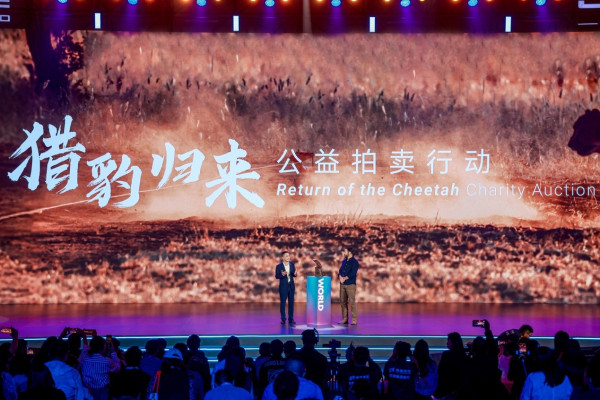
Recently, at the JETOUR Global Travel+ Conference 2024 (www.JETOURGlobal.com) in Fuzhou, JETOUR emphasized the importance of wildlife conservation and reaffirmed its strong commitment to the pursuit of "Travel as ESG Practices". After releasing a teaser of Discovery's documentary "Return of the Cheetah", JETOUR invited the documentary's protagonist, Hazen Audel, a renowned biologist and artist, to jointly launch the charity auction for the protection of cheetahs. JETOUR announced that all proceeds from the auction will be donated to cheetah conservation, continuing its consistent support for ecological conservation.

JETOUR: Cheetah Protection will be Our Long-term Public Service

At the conference, more than 1,000 people watched the teaser of the documentary "Return of the Cheetah". The documentary, jointly produced by JETOUR, the Discovery Channel and the Cheetah Conservation Fund, uses the Namibian grasslands in Africa as a backdrop to illustrate the plight of the cheetah around the world, and to encourage more people to get involved in this public welfare activity and help protect the environment for the survival of wildlife, including the cheetah.

While discussing cheetah conservation with Dr. Laura Marker, founder of the Cheetah Conservation Fund, and Hazen Audel, the main character in the documentary, Ke Chuandeng, Vice President of JETOUR Auto, said, "Public welfare is not just about giving. It is about encouraging more people to get involved. Through our cheetah conservation project, we hope to raise awareness of the importance of wildlife conservation and inspire more people to get involved. When we add up every small act of kindness, it creates energy that can help build a better and more harmonious world.”

On September 20, 2024, JETOUR officially announced its strategic partnership with CCF in South Africa. In support of CCF, JETOUR will sponsor the care of two orphan/non-releasable cheetahs and donate official vehicles to improve cheetah habitats. JETOUR has successfully adopted a wild cheetah and partnered with the Discovery Channel to produce the documentary "Return of the Cheetah" about the growth of the cheetah cub. Hazen Audel also brought his own hand-carved "Cheetah's Guardian" artwork for the auction. He said, "I am very fortunate to be able to participate in the ESG project of cheetah conservation, and during the filming of the documentary I was very touched by the actions of JETOUR and CCF to help cheetahs continue to live on earth. With the sculptures I created for cheetah conservation, I hope to attract new people to see what's happening in the world. I wanted the proceeds from the sculptures to go back into the efforts of wildlife conservation.

Travel as ESG Practices: Enriching the "Travel+" Strategy

Currently, ESG (Environmental, Social, and Governance) mission has become a significant trend in corporate development. JETOUR has incorporated ESG mission into its business and global development since its establishment.

In China, JETOUR launched the long-term charitable program of "Journey of Hope", focusing on the education and healthcare of left-behind children. Since 2020, JETOUR and its users have organized over 300 charitable activities. The company also established an ESG section on its app, encouraging users to participate in various charitable activities, with plans to hold 2,000 events over the next decade.

Internationally, JETOUR follows the "In somewhere. For somewhere" philosophy, conducting various charitable activities, such as traffic safety campaigns in Angola, sponsorship of vehicles for disabled athletes in Peru, support for rural road construction in Kazakhstan, and donations to children's education in Saudi Arabia. Through these initiatives, JETOUR continues to demonstrate that travel and ESG are deeply interconnected, creating social value for regions where it operates.

Li Xueyong, President of JETOUR Auto, said, “With the development of JETOUR's global business, we are increasingly aware of the harmonious symbiosis between economic development and the ecological environment. If we treat the earth well, the earth will treat us well. Cooperation with CCF is just the beginning. In the future, we will continue to support ecological conservation and contribute to global sustainable development.”

Distributed by APO Group on behalf of JETOUR.

Media files
JETOUR
Download logo
Read moreJETOUR Joins Hands with DISCOVERY and Cheetah Conservation Fund in Wildlife Conservation, Practicing “Travel as ESG” Philosophy
14 November 2024

Why Wage Inequality Matters

Location: News

New legislation empowers shareholders to limit outrageous CEO remuneration

Read moreWhy Wage Inequality Matters
14 November 2024

Mashatile to address Knysna Regional 2024 Investment Conference

Location: News

Mashatile to address Knysna Regional 2024 Investment Conference

Deputy President Paul Mashatile is expected to attend and deliver the keynote address at the Knysna Regional 2024 Investment Conference in the Western Cape on Friday.

The Knysna Regional 2024 Investment Conference is organised through a partnership between government, the private sector as well as civil society. 

The theme of this year’s gathering is “Investments through Skills and Capacity building in the broader region”.

The initiative, led by partners that include the Greater Knysna Business Chamber, the Garden Route District Municipality, the Yona Yethu initiative, and the Knysna Local Municipality, is aimed at promoting Knysna as an attractive investment destination in the Western Cape and South Africa.

According to the Presidency, the conference will be attended by delegates from various industries in tourism, telecommunication, logistics, finance, and the food and beverage sectors. 

The gathering will zoom into the Economic Development and Opportunities for Small, Medium and Micro Enterprises (SMMEs), which the Presidency said is a critical force in addressing economic challenges such as poverty and unemployment. 
The attendees will talk about investment promotion aimed at attracting both domestic and foreign direct investment vital for stimulating the local economy, and skills development and training.

They will also touch on meaningful networking and collaboration opportunities to support SMME growth and investment initiatives. The gathering will also highlight investment in key economic sectors promoting sustainable development and addressing critical economic drivers.

“Government continues to champion partnership with the private sector, labour and civil society in tackling some of the most immediate challenges facing the South African economy,” the statement read. 

Deputy President Mashatile will, amongst other government-led investment drives, update the conference on Operation Vulindlela, a joint initiative led by the Presidency and National Treasury to accelerate the implementation of structural reforms and support for economic recovery.

Through this initiative, the Presidency stated that government aims to modernise and transform network and infrastructure industries, including electricity, water, transport and digital communications to improve the living conditions of the people.

Deputy President Mashatile will be accompanied by the Deputy Minister of Higher Education, Dr Mimmy Gondwe, Deputy Minister of Finance Ashor Sarupen and the Deputy Minister of Forestry, Fisheries and the Environment Narend Singh. 

In attendance will also be the Garden Route District Municipality Executive Mayor Andrew Stroebel and Knysna Local Municipality Executive Mayor Aubrey Ndoda Tsengwa. – SAnews.gov.za


Gabisile
Thu, 11/14/2024 - 13:07

19 views
Read moreMashatile to address Knysna Regional 2024 Investment Conference
14 November 2024

Learners Pay R150 to Fill Water Tanks at Overcrowded, Dilapidated Limpopo School

Location: News

There are two boreholes at Kutsakeni Primary, but staff say they dried up in 2021

Read moreLearners Pay R150 to Fill Water Tanks at Overcrowded, Dilapidated Limpopo School
13 November 2024

Kwazulu-Natal Education Department Fails to Pay Crèches

Location: News

The department confirmed there is a grant backlog but declined to give details

Read moreKwazulu-Natal Education Department Fails to Pay Crèches
13 November 2024

SA strengthens bilateral ties with Egypt

Location: News

SA strengthens bilateral ties with Egypt

International Relations and Cooperation (DIRCO) Minister Ronald Lamola, along with a business delegation, will today undertake a working visit to Cairo, in the Arab Republic of Egypt, to co-chair the South Africa-Egypt Political Consultations.

The Minister will co-chair the consultations with his counterpart, Dr Badr Abdelatty, the Minister of Foreign Affairs, Emigration and Expatriate Affairs of the Arab Republic of Egypt, from 13 to 14 November. 

South Africa and Egypt enjoy cordial political, economic and social relations following the formal establishment of diplomatic relations on 29 March 1995. These relations are historical and based on friendship, solidarity and collaboration between the peoples of both countries.

The Joint Commission for Cooperation (JCC) that exists between the two countries is a structured bilateral mechanism that provides a platform for political, economic, social, cultural, scientific and technical cooperation between the two.

“We will be accompanied by a South African business delegation consisting of close to 50 companies. The delegation will explore further investment and trade opportunities across a range of economic sectors.

“The working visit will provide an opportunity to exchange views on regional, continental, and global issues of mutual interest, with an emphasis on the conflict in Sudan. Before the conflict, Sudan was already experiencing a severe humanitarian crisis,” Lamola said during a media briefing on Tuesday.  

Lamola said the long-term political instability and economic pressures left 15.8 million people in need of humanitarian aid, and that the conflict has only exacerbated these conditions, leaving 25.6 million people -- more than half of Sudan’s population -- in need.

“The brutal conflict has forced more than 11 million people from their homes. The vast majority (over 8.1 million people) remain within Sudan, representing the largest displacement crisis in the world. 

“Furthermore, the session will also reinforce the importance of accelerating efforts towards the implementation of the African Continental Free Trade Agreement and in consolidation of Africa’s Agenda 2063,” Lamola said. 

The working visit will further reinforce the commitment by both countries to expand and strengthen political and economic relations.

South Africa and Angola strengthen economic ties 

On the 1st of November 2024, the Minister undertook a working visit to Luanda, Angola, for political and diplomatic consultations. 

Discussions included preparations for the upcoming State Visit by President João Manuel Gonçalves Lourenço to South Africa. 

“It was agreed that this visit should reaffirm the existing bilateral relations, underpinned by a strong economic partnership. We informed our counterpart that a business forum will also be organised during the visit, with the participation of companies from both countries, focusing on sectors such as agriculture and agro-processing, mining, energy, transport, healthcare, tourism and education,” Lamola said.  – SAnews.gov.za

DikelediM
Wed, 11/13/2024 - 09:44

278 views
Read moreSA strengthens bilateral ties with Egypt
13 November 2024

South Africa calls for calm amid post-election tensions in Mozambique

Location: News

South Africa calls for calm amid post-election tensions in Mozambique

South Africa has reiterated its call for calm and restraint following post-election protests in Mozambique. 

International Relations and Cooperation Minister, Ronald Lamola, told a media briefing on Tuesday, that on 6 November 2024, he had spoken with his Mozambican counterpart, Minister Verónica Macamo, and discussed the current security situation in Mozambique following the recent general elections.

“South Africa expresses concern at the outbreak of incidents of post-electoral violence and regrets the loss of lives and destruction of property. We once again reiterate the call made by various leaders in Mozambique to the law enforcement agencies to investigate these incidents and bring the perpetrators to justice speedily.

“We reiterate our calls for calm and restraint, to allow the electoral process to conclude successfully, and to give the Constitutional Court of Mozambique time and space to address the concerns raised by all parties and validate the election results in accordance with its mandate,” Lamola said.

As a member of the Southern African Development Community (SADC), South Africa played a key role in the SADC Electoral Observer Mission (SEOM), which monitored Mozambique’s presidential, legislative, and provincial elections on 9 October 2024. 

The SEOM, led by former President of Zanzibar, Dr Amani Abeid Karume, was composed of 53 observers from 10 SADC countries.

A total of 17 169 239 Mozambicans were registered to vote, including 333 839 in the diaspora, yet only 7464,822 turned out on election day, yielding a voter turnout of 43%. 

In a preliminary statement, Dr Karume noted the late amendment to Mozambique's Electoral Law, which impacted voter education. 

Despite this, the SEOM Preliminary Statement concluded that, “the SEOM observed that the pre-election and voting phases of the 2024 Presidential, Legislative, and Provincial Elections were professionally organized, conducted in an orderly, peaceful, and free atmosphere”.

The Preliminary Statement further identified areas for improvement following the Mozambican elections. 

Following the announcement of the preliminary results, President Cyril Ramaphosa emphasised the need for calm, urging respect for legal procedures in resolving election disputes. 

“South Africa, therefore, believes that the SADC Principles and Guidelines Governing Democratic Elections remain the viable set of norms to support the delivery of regular, free, fair, and credible elections in the SADC Member States,” the Minister said. 

Looking ahead, South Africa welcomes the upcoming SADC Extraordinary Organ Troika Summit and SADC Extraordinary Summit on November 20, 2024, in Zimbabwe. 

These meetings, preceded by sessions of senior officials and ministers starting on 15 November, will focus on recent political developments in the region, including elections in Mozambique, Botswana and Mauritius. – SAnews.gov.za

DikelediM
Wed, 11/13/2024 - 10:33

49 views
Read moreSouth Africa calls for calm amid post-election tensions in Mozambique
13 November 2024

These Matriculants Have Been Waiting for Their Matric Certificates for Three Years

Location: News

The education department says there’s only one SETA official assisting all nine provinces

Read moreThese Matriculants Have Been Waiting for Their Matric Certificates for Three Years
12 November 2024

Chikunga launches Disability Rights Awareness Month

Location: News

Chikunga launches Disability Rights Awareness Month

Minister in the Presidency for Women, Youth, and Persons with Disabilities, Sindisiwe Chikunga, has called on all South Africans to remain actively engaged in fostering the inclusion of people with disabilities.

She emphasised the importance of collective support across every sector of society to make disability inclusion a lasting priority. 

The Minister was speaking at the launch of the 2024 Disability Rights Awareness Month (DRAM) in Lenasia, on Monday. 

“As we move through this month and beyond, let us all stay engaged, support these efforts, and encourage every sector of our society to make disability inclusion a permanent priority. Together, we are paving the way for a truly inclusive and accessible South Africa, where every person with a disability can thrive,” the Minister said. 

This year’s DRAM which runs from 3 November to 3 December, is held under the theme “Celebrating 30 Years of Democracy: Creating a Disability-Inclusive Society for a Better Quality of Life and Protection of the Rights of Persons with Disabilities”. 

Chikunga extended her gratitude to the host, the Johannesburg Council for the Disabled, for the incredible work they have been dedicated to since 1995. 

She said their commitment to providing a holistic, essential, and value-added approach to transform and uplift the social, economic, and professional lives of persons with disabilities has been exemplary. 

“I was truly inspired when I was briefed on the range of services you provide, from social work and skills development to learnerships and enterprise development. 

“We draw direct inspiration from the incredible amount of concrete measures that your institution has undertaken to champion the social, economic, spatial, and technological advancement of persons with disabilities,” Chikunga said. 

Over the past 30 years, numerous policies, legislative instruments, and government programs have earned country recognition as a respected champion of the global disability inclusion movement. 

The Minister said this was evident during the recent G7 Forum on Disability and Inclusion held in Italy.

“Disability inclusion is not merely a matter of advocacy; it is a constitutional imperative enshrined in our Bill of Rights. Over the past 30 years, we have embedded disability inclusion into various laws that comprise the country's legislative framework,” she said. 

These include the recently gazetted Framework on Self-Representation, which has implications for the composition of Boards of State-Owned Enterprises; the National Strategic Framework on Reasonable Accommodation; and the Universal Access and Design Framework, with norms and standards for universal accessibility in the built environment.

All persons with disabilities have access to free basic education and any young person coming from a home with an income bracket of R600 000 receives free higher education through the National Student Financial Aid Scheme.

Further, persons with disabilities receive a monthly direct cash transfer to support their basic needs.

South African Sign Language is now recognised as the 12th official language in South Africa.

More recently, the President signed the Public Procurement Act, which mandates that a portion of government procurement be sourced from businesses owned and controlled by persons with disabilities. 

During the Medium-Term Budget Policy Statement, the Minister of Finance Enoch Godongwana revealed that “Public procurement accounts for about 19% of consolidated government spending, totalling R1.5 trillion over the next three years”.

“As a department that represents the interests and well-being of this community, we will ensure that as the Treasury develops the regulations, priority is given to the work of institutions like the Johannesburg Council for the Disabled and others who are engaged in facilitating income-earning and productive opportunities for the community of persons with disabilities,” the Minister said. 

As government launches Disability Rights Awareness Month, the Minister called on individuals to reflect on the status of persons with disabilities globally, across the continent, and within our own borders. 

“This reflection is essential to evaluate where we have been, where we are, where we still need to go, and how we should measure progress in advancing the rights of persons with disabilities. The answers to these questions are crucial for the inclusive formulation of policies and legislative instruments, as well as for the co-design of our priorities and interventions,” she said. – SAnews.gov.za

DikelediM
Tue, 11/12/2024 - 12:58

187 views
Read moreChikunga launches Disability Rights Awareness Month
12 November 2024

Basic Education urges ECD operators to participate in the mass registration drive

Location: News

Basic Education urges ECD operators to participate in the mass registration drive

The Department of Basic Education (DBE) has urged Early Childhood Development (ECD) operators to participate in its mass registration drive - as it commences the registration process of ECD programmes that are operating outside the regulated system.

Nationally, the department said at least half of all ECD programmes are currently unregistered and are attended by tens of thousands of children. 

“This means that more than 20 000 ECD programmes operate outside the regulatory framework and are not part of any formal oversight process, which disproportionately affects ECDs in low-income areas - meaning the poorest children are most likely to miss out on oversight and funding,” the department said. 

The DBE’s Bana Pele ECD Mass Registration Drive puts “children first” and is an important initiative to register ECD programmes at scale to ensure every child is receiving quality early learning, development opportunities and a safe and nurturing environment.

The department emphasised that ECD is a critical period in a child’s life that lays the foundation for future learning, behaviour and health.

The goals of the drive are as follows:

• To enable government to have oversight of out-of-home settings where children are cared for.
• To support ECD programmes to comply with legal requirements.
• To ensure that more ECDs can apply for the subsidy for children from low-income households.
• To make registration administration processes quicker and less resource intensive for officials, ECD practitioners and social service professionals.

The threshold for system-entry is more realistic and attainable to reflect and accommodate the complex, varying and real-life contexts in which ECDs operate in South Africa. 

Practitioners receive live support from a contact center agent to complete their applications on the new and robust Early Childhood Administrative and Reporting System (eCares). 

The department said that the team has been working closely with the provinces to align on the new Registration Framework, processes and goals. 

“We are also partnering with other ecosystem stakeholders and NGOs who are supporting the registration drive. We are currently live in Gauteng and Free State, and will soon rollout into the rest of the provinces. 

“Through joint effort, active engagement and co-creation across the sector, we have, as a result of the drive, received over 3 000 applications and registered 800 new ECDs in the five months since applications opened in June of this year in Gauteng, and we currently have 1 479 applications in review,” the department said. 

This impacts 27 114 children and 3 116 staff members.

"To put this in context, since the ECD function shifted from the DSD [Department of Social Development] to the DBE, Gauteng has had a total of 2 380 registered centres, and through the campaign, we have added 30% more registered ECDs to this number," the DBE said.

Nationally, the department said it currently has approximately 18 000 centres registered, as the drive rolls out across the country, and its target is to have registered 10 000 more ECDs by the end of 2025. 

“We will continue to work hard and collaborate with all government, private and NGO stakeholders to ensure we do it right, so our children shine bright,” the department said. – SAnews.gov.za

DikelediM
Tue, 11/12/2024 - 13:35

69 views
Read moreBasic Education urges ECD operators to participate in the mass registration drive
12 November 2024

How People in Namaqualand Are Keeping the Nama Language Alive

Location: News

A radio station and a school teaching Nama hope to stop the language from going extinct

Read moreHow People in Namaqualand Are Keeping the Nama Language Alive
11 November 2024

Government activities for the week 11 – 15 November 2024

Location: News

Government activities for the week 11 - 15 November 2024

On Monday, 11 November, the Department of Basic Education has invited members of the media to the Partnerships for Education Business Breakfast, hosted by the Minister of Basic Education Siviwe Gwarube at Wanderers Club, 21 North Street, Illovo, Johannesburg.

Also on Monday, the Minister of Mineral and Petroleum Resources Minister Gwede Mantashe will deliver a keynote address at the Mintek 90 Conference to be held at the Sandton Convention Centre on 11 and 12 November 2024.

On Tuesday, 12 November, Statistics South Africa will release the Quarterly Labour Force Survey results for the third quarter of 2024 at a media briefing in Tshwane.

On Wednesday, 13 November, the 2024 Border Management Conference and Expo takes place and the CSIR International Convention Centre, Pretoria.

On Thursday, 14 November and on Friday, 15 November, there are no confirmed events.


Janine
Mon, 11/11/2024 - 10:40

295 views
Read moreGovernment activities for the week 11 – 15 November 2024
11 November 2024

Youth could be Africa’s most valuable resource, says Minister

Location: News

Youth could be Africa’s most valuable resource, says Minister

Africa’s vast youth population could be the continent’s most valuable asset, potentially transforming it into a global leader in innovation, industry and economic development.

With over 60% of Africa’s population under the age of 25, Basic Education Minister Siviwe Gwarube said the continent stood on the cusp of a youth-driven growth wave that could fuel its economies and contribute to global prosperity. 

The realisation of this immense potential depends on one fundamental factor - which is education.

“If we are to transform our continent’s demographic advantage into a true growth engine, we must ensure that Africa’s young people are equipped with the skills, knowledge, and abilities they need to thrive in a rapidly evolving global economy. 

“This is both our challenge and our opportunity. Africa’s youth have the potential to form the largest working-age population in the world by the year 2063, but that will benefit the continent only if they are adequately educated and skilled to meet the demands of tomorrow’s industries,” Gwarube said. 

The Minister was addressing the Partnerships for Education Business Breakfast held at the Johannesburg Council for The Disabled in Lenasia on Monday. 

The Partnerships for Education Business Breakfast is designed to foster meaningful dialogue and establish partnerships to alleviate budgetary constraints in the education sector. 

The event convened 100 business leaders from the private sector to discuss collaborative strategies to crowd in private sector resources to improve educational outcomes in South Africa. 

The breakfast included presentations, panel discussions, and networking opportunities for leaders committed to investing in education as a foundation for economic growth and social progress.

Gwarube praised the potential of Africa’s youth to be the productivity drivers and innovators of tomorrow.

The Minister added that the youth represent Africa's future, as a driver of global progress and they are already demonstrating remarkable resilience and adaptability.

She said the young Africans are technologically savvy, innovative, and highly motivated, and they bring energy, optimism, and creative problem-solving to every sector they touch. 

“Even when stats show that ours is a continent with the lowest levels of connectivity, young people are leveraging digital technology, they are leading the thinking on renewable energy out of sheer necessity of energy poverty, and are leading social entrepreneurship to bridge the gap in what economists refer to as the bottom of the pyramid consumer market. Young Africans are pushing boundaries and setting trends,” the Minister said. – SAnews.gov.za


DikelediM
Mon, 11/11/2024 - 14:36

163 views
Read moreYouth could be Africa’s most valuable resource, says Minister
11 November 2024

Private sector an important player in education sector

Location: News

Private sector an important player in education sector

Basic Education Minister Siviwe Gwarube has called on the private sector to consider taking their involvement in the education sector to the next level. 

The Minister highlighted that the private sector has the resources, expertise, and capacity to make an enormous impact on the education landscape. 

In addition, the country has seen more private sector entities involved in education initiatives investing in infrastructure, providing technology, supporting teacher training, and even partnering with educational institutions to design relevant, future-oriented curricula. 

The Minister was addressing the Partnerships for Education Business Breakfast held at the Johannesburg Council for The Disabled (JOCOD) in Lenasia on Monday. 

The business breakfast was designed to foster meaningful dialogue and establish partnerships to alleviate budgetary constraints in the education sector. 

Minister Gwarube used the event to outline her strategic priorities for the seventh administration and to discuss how the public-private sector collaboration can drive sustainable improvements in the education system.

“Today, I want to call on our private sector partners to consider taking their involvement in the education sector to the next level. 

“As South Africa’s seventh administration in the Government of National Unity [GNU], we are fully committed to improving education outcomes across the country. 

“We recognise that this cannot be achieved by government alone. The private sector has a significant role to play, and we are here to facilitate, support, and collaborate with you in ways that make the greatest impact,” she said, adding that a step-change investment in education means more than just financial support, it means active participation. 

The Minister invited the private sector partners to work closely with the Department of Basic Education (DBE) to co-create programs that build the skills needed for a competitive and productive economy. 

“We need your input, your insights, and your innovation to help shape our education system in a way that prepares learners for real-world challenges and opportunities.”

Investing in quality education

With the country having ushered in a GNU in May, the Minister emphasised that education was an important issue that everyone can agree on, regardlessof their political inclinations.

She said every single South African has a vested interest in the quality of the nation’s education sector while adding that since the dawn of democracy, much has been done to provide access to basic education.

However, 30 years later, she said the nation now needed to shift its focus to quality education.

The Minister referred to an international study that revealed that about the 80% of learners who were tested (as a sample) could not read for meaning in any language.

While this was a small sample, she said that this was gravely concerning.

“If we do not fix literacy – which is reading, writing and counting – the DBE had failed on its core function. This is why every single priority in the seventh administration speaks to this goal.

“We must make sure through early child learning; we can achieve the goal of reading for meaning by Grade 4. Government has a tendency to focus only on the quality of outcomes like the matric pass rate – but not on the foundations of learning.

“I endeavour to reorientate this planning and thinking. Let us get the basics right and we will achieve a great deal in the education sector,” the Minister said. 

Minister Gwarube emphasised that quality education is the foundation upon which the country can build a prosperous future. 

“It is the tool that will empower our young people to innovate, to lead, and to contribute meaningfully to their communities and economies. 

“However, to achieve this, our education systems must be strong, inclusive, and responsive to the needs of a modern workforce.”

She further emphasised the need to provide not only foundational literacy and numeracy but also the skills necessary for the jobs and challenges of the 21st century which are digital literacy, critical thinking, adaptability, and creativity.

Priorities 

Touching on the priorities, the Minister said the 7th Administration has identified several key priorities which include improved access to and strengthen the quality of Early Childhood Development (ECD). 

“A strong foundation is important for literacy and numeracy. Early Childhood Development sets the stage for lifelong learning and personal development. We want every child in South Africa to leave our ECDs with a solid foundation in reading and counting,” the Minister said. 

Other priorities are improving literacy and numeracy across all phases of schooling, special education, accelerated teacher development and safety in schools. 

“Learners need safe, conducive environments where they can focus on their studies without interruption. This includes basic facilities such as dignified flushing toilets, but also learning environments free from crime, extortion rackets, contaminated food products and other dangerous chemical,” she said. 

The Minister noted the high number of learners who have fallen ill and children from Naledi in Gauteng who tragically lost their lives due to food bought from local spaza shops and consumed on school premises. 

“Last week Wednesday I began a process to ban the dangerous chemical known as organophosphate from all schools in South Africa. This is a proactive measure to prevent the risk of this chemical ever being used as a pesticide in any of our schools,” she said.

READ | Food poisoning incidents managed at highest level, says President Ramaphosa
 – SAnews.gov.za

DikelediM
Mon, 11/11/2024 - 14:39

71 views
Read morePrivate sector an important player in education sector
11 November 2024

Food borne poisoning claims 23 lives

Location: News

Food borne poisoning claims 23 lives

Twenty-three people in Gauteng have died as a result of food borne-related poisoning after consuming food from spaza shops.

The majority of the deaths have been children between the ages of six and nine.

This is according to Premier Panyaza Lesufi who on Sunday updated residents on the implementation of by-laws to govern spaza shops.

“The first uniform approach across the province was to adopt a mechanism of reporting because we have so many deaths that are taking place that we want to isolate those that are food borne and those that need our immediate attention.

“The Department of Health has been given that task. They’ve given us their preliminary report, and in that report, they’ve indicated that the deaths that have been registered thus far. Today, we can confirm that we are at 23 [deaths] which is a sad thing,” he said.

He added that a large number of the incidents occurred within schools with the rest being within the community.

Furthermore, at least 441 cases of food poisoning have been reported throughout the province.

“Some of the people were either discharged or they just showed the symptoms of vomiting, stomach aches and related,” Lesufi said.

The Premier said from now on, the provincial government will “develop a template” that will be used by medical facilities, schools and community centres so that the province “can be in a position to track the areas that need immediate attention”.

“The Department of Health…will then develop a common template that will be utilised as a mechanism and then we’ll utilise the law enforcement agencies in terms of the cases that they have to ensure that we have the right figures.

“To us this is important because that becomes the base level of understanding the problem and it becomes the area in which we can record, trace and where intervention is needed, we can be in a position to make that intervention.”

Cracking down

Lesufi told the media that the provincial government has taken the decision to ban an agricultural pesticide that has been found to be at the root of some of the deaths.

“The MEC for Agriculture [Vuyiswa Ramokgopa] will formulate the approach on how to deal with that substance. We have agreed…that that substance is banned in our province and that it must not be found in any shops, it must not be found in any informal traders and that the law enforcement agencies will assist us to eliminate it where possible.

“But those that are authorised…the Department of Agriculture will be the institution that will give the licensing and the permission to utilise that,” he said.

The Premier added that because by-laws across municipalities are different in managing businesses – including spaza shops – a new uniform approach will be used.

“We have now formally adopted a draft gazette that was signed by the Minister of CoGTA [Cooperative Governance and Traditional Affairs, Velenkosini Hlabisa]. All municipalities in our province, without exception, will now adopt this gazette. These are new by-laws that have been developed nationally. 

“These by-laws explain how to register a business, how business should conduct themselves and all those related matters. [This] makes it easier for law enforcement agencies to monitor.

“The next resolution we have taken is the registration of businesses. All businesses – especially that are affecting the issue of our children – have to re-register. That’s the process that will also empower those that want to open or operate businesses, but they don’t have the financial muscle or the facilities,” he said.

Lesufi announced that stakeholder meetings are expected to be held to discuss the challenges.

Speaking at the District Development Model (DDM) Presidential Imbizo on Friday, President Cyril Ramaphosa assured the public that the issue is being addressed at the highest levels of government. 

READ | Food poisoning incidents managed at highest level, says President Ramaphosa

In his address, President Ramaphosa highlighted government's serious approach to the matter. 

The Department of Basic Education (DBE) said it was working with the Department of Health to develop safety guidelines for schools to effectively mitigate the risks of organophosphate pesticide exposure in school environments.

READ | Basic Education works to develop school safety guidelines

- SAnews.gov.za

NeoB
Mon, 11/11/2024 - 10:51

265 views
Read moreFood borne poisoning claims 23 lives
11 November 2024

Former Lottery Executive Fired After Disciplinary Hearing

Location: News

A number of dismissed lottery officials who have lodged appeals, as well as suspended officials, continue to draw salaries

Read moreFormer Lottery Executive Fired After Disciplinary Hearing
8 November 2024

Imbizo a “demonstration of GNU at work”

Location: News

Imbizo a "demonstration of GNU at work"

President Cyril Ramaphosa has hailed the KwaZulu-Natal District Development Model (DDM) Presidential Imbizo as a powerful example of the Government of National Unity (GNU) in action. 

The President underscored the collaborative efforts of various political leaders to address pressing community issues. 

Addressing community members at the Umnini Sportsfield in Umgababa, the President said the imbizo was a fairly productive session. 

“As I end, I think we have held a fairly productive imbizo session. Today has been a clear demonstration of how our Government of National Unity is also working. I have Ministers from our various political parties that are part of the GNU. 

“I would like to thank them all and I want all the parties in the GNU to see the value of izimbizo. They are important because they enable us to interact with our people and hear their views, and answer their questions and at the same time, follow up on their issues that they have raised,” the President said. 

The Presidential Imbizo is a platform for communities to interact with government leaders from all three spheres of government on service delivery challenges, and for the executive to respond to the community on what they are doing to resolve those issues. 

Community members gathered at the Umnini Sportsfield raised issues such as crime, unemployment, the rising cost of living and matters concerning education. 

The South African Democratic Teachers Union asked President Ramaphosa to intervene on the issue of safety and security at KwaZulu-Natal schools, highlighting previous incidents where teachers were attacked, shot and killed at schools.

Before the Ministers took to the podium to respond to the above issues, President Ramaphosa apologised for the delayed start due to technical issues, stressing the need for better preparedness at such events.

Ministers in the GNU accompanying the President responded to the issues respectively and promised residents that they will follow up and provide solutions. 

Turning to the City of eThekwini municipality, the President also spoke about plans to rejuvenate Durban’s tourism sector, which has historically made the city the "holiday mecca" of South Africa. 

With tourism numbers currently in decline, President Ramaphosa expressed optimism for a revival through the planned reopening of key hotels like the Hilton and lease renewals for iconic establishments such as the Maharani and Elangeni.

“Durban has been the holiday mecca of our country. Many people from all over the country have always considered Durban when they needed to go on a holiday. 

“Tourisms in the province has gone down but the mayor has plans to revive big hotels such as the Hilton Hotel and the renewal of leases by Southern Sun of the Maharani and Elangeni Hotel.

“The business sector has pledged to invest billions of rands to revive tourism, so I am looking forward to the revival of tourism so that Durban can go back to being the jewel of South African tourism. It must once again become the mecca of tourism in SA,” the President said. 

Tourism Minister Patricia De Lille said that her department is working hard to rebuild the tourism sector in the province. 

“Tourism is a very important sector for this province. It is making a significant contribution to the GDP and economic growth of the province. The tourism sector has gone down in KZN, but we are working hard with the Presidential Task Team and the private sector to rebuild it.” 

The Minister said that she has already agreed with the KZN Premier that they will be meeting as a matter of urgency so they can see how they can work together with the plans of the province to do an aggressive marketing campaign to deal with all the negative perceptions around the province. 

“For the summer season, the department partnered with the private sector and already we have 440 private sector tourist attractions that are offering discounted deals for the summer season and I want to encourage all South Africans to look at the Shot left site and check the discounts,” de Lille said.

The President also drew attention to ongoing infrastructure challenges, particularly highlighting the partial collapse of a bridge on the N2 highway, which has disrupted local transportation. 

He expressed confidence in South African engineers, who have devised a plan to restore the bridge, calling it a testament to the country’s engineering expertise. 

“In the morning, I went to the N2 bridge that partially collapsed. The bridge is causing a lot of inconvenience for the people, as it is an important road on the N2," the President said. - SAnews.gov.za

DikelediM
Fri, 11/08/2024 - 19:08

78 views
Read moreImbizo a “demonstration of GNU at work”
8 November 2024

NBA Africa and AFD Launch Youth Development Program in Senegal

Location: Sport
National Basketball Association (NBA)

- The “Jr. NBA & AFD Basketball Experience” Will Feature Weekly Basketball and Life-Skills Sessions to Educate Senegalese Youth About the Importance of Physical and Mental Wellness -

- AFD and NBA Africa Unveil Two Refurbished Basketball Courts in Guediawaye, Senegal -

- Former NBA Player and 2015 FIBA AfroBasket Champion Olumide Oyedeji Attends Launch - 

NBA Africa (www.Africa.NBA.com) and Agence Française de Développement (AFD), France's public development bank institution committed to financing and technical assistance for projects that improve the lives of people in developing and emerging economies, yesterday launched the “Jr. NBA & AFD Basketball Experience” youth development program in Guediawaye, Senegal.

The Jr. NBA & AFD Basketball Experience, launched in 2021 in Nigeria and subsequently also held in Kenya and Morocco, uses basketball as a platform to promote social inclusion and youth empowerment amongst primary and secondary school children.  In Senegal, the program will be operated by nongovernmental organization (NGO) Sports for Education and Economic Development (SEED) Project and feature weekly basketball and life-skills sessions that will educate thousands of Senegalese boys and girls about the importance of physical and mental health, wellness and social cohesion.

As part of the program's launch in Senegal, NBA Africa and AFD unveiled two basketball courts at The Hamo 4.5.6. Courts in Guediawaye and held a clinic for 150 boys and girls ages 16 and under.  The launch was attended by AFD Senegal Country Director Mihoub Mezouaghi; Basketball Africa League (BAL) President Amadou Gallo Fall; NBA Africa Director of Basketball Operations Kita Matungulu; and former NBA player and 2015 FIBA AfroBasket champion Olumide Oyedeji.

“Aware of the potential of sport as a vector of social cohesion, AFD has made it a strategic axis of its action to support the achievement of the Sustainable Development Goals,” said Mezouaghi. “It is in this dynamic that our collaboration with the NBA is part of what aims to promote the practice of sport in Africa through the provision of local infrastructure, the professionalization of sports educators and the organization of sports sessions, and education for young people.”

“The collaboration between NBA Africa and AFD continues to grow as we extend this initiative to reach more young people in new countries on the continent,” said Matungulu.  “The Jr. NBA & AFD Basketball Experience reflects our commitment to investing in the next generation of African youth and our belief that basketball teaches life lessons like the importance of physical and mental wellness that help children succeed on the court and in life.”

The refurbished courts, part of NBA Africa's commitment to build 1,000 basketball courts in Africa over the next decade, are expected to benefit thousands of boys and girls from the surrounding communities.

The Jr. NBA & AFD Basketball Experience is part of AFD and NBA Africa's collaboration to support basketball infrastructure and youth development across the continent and builds on the program's previous editions in Morocco and Nigeria, and its recent launch in Kenya.  To date, the program has reached nearly 90,000 boys and girls ages 12-17 and 460 coaches and physical education teachers.

The Jr. NBA/Jr. WNBA, the league's global youth basketball participation program for boys and girls, teaches the fundamental skills as well as the core values of the game at the grassroots level in an effort to help grow and improve the youth basketball experience for players, coaches and parents.  Jr. NBA/Jr. WNBA programming has directly reached more than 250,000 youth across Africa this year.

Distributed by APO Group on behalf of National Basketball Association (NBA).

Contacts:
Chumani Bambani,
NBA Africa PR & Communications,
cbambani@nba.com,
+27 65 548 1031

Francine Pipien,
AFD Senegal,
pipienf.ext@afd.fr

About NBA Africa:
NBA Africa is an affiliate of the National Basketball Association (NBA), a global sports and media organization with the mission to inspire and connect people everywhere through the power of basketball. NBA Africa conducts the league's business in Africa, including the Basketball Africa League (BAL), and has opened subsidiary offices in Cairo, Egypt; Dakar, Senegal; Johannesburg, South Africa; Lagos, Nigeria; and Nairobi, Kenya.  The league's efforts on the continent have focused on increasing access to basketball and the NBA through youth and elite development, social responsibility, media distribution, corporate partnerships, NBA Africa Games, NBA Stores, the BAL, and more.

NBA games and programming are available in all 54 African countries, and the NBA has hosted three sold-out exhibition games on the continent since 2015. The BAL, a partnership between the International Basketball Federation (FIBA) and NBA Africa, is a professional league featuring 12 club teams from across Africa that concluded its fourth season in June 2024. Fans can follow @ NBA_Africa and @ theBAL on Facebook, Instagram, X and YouTube.

About AFD:
Agence Française de Développement (AFD) Group finances, supports and accelerates the transitions necessary for a more just and resilient world. It thus contributes to implementing France's policy on sustainable development and international solidarity. It is with and for communities that we build, with our partners, solutions in more than 160 countries, as well as in 11 French overseas departments and territories.

Our objective: to reconcile economic development with the preservation of common goods: the climate, biodiversity, peace, gender equality, education and health. Our teams are involved in more than 3,600 projects in the field, which are part of the commitment of France and the French people to fulfilling the Sustainable Development Goals. For a world in common.

AFD strongly believes in the power of sport as a lever to achieve the sustainable development goals. Since the launch of its sport for development strategy in 2019, AFD has invested more than €130 million in over 160 projects that use sport as a tool to promote access to education, gender equality, youth empowerment, health and social cohesion. In Senegal, the AFD group puts its entire range of financial instruments at the service of local economic and social development actors (state, public companies, private and financial sector, NGOs, etc.) to support an inclusive development model, creating jobs, promoter of sustainable infrastructure, and respectful of the environment.  Since 2012, 115 projects have been funded, representing a commitment of more than 2.2 billion euros.

AFD.fr

Media files
National Basketball Association (NBA)
Download logo
Read moreNBA Africa and AFD Launch Youth Development Program in Senegal
  • Previous
  • Page 1
  • Interim pages omitted …
  • Page 30
  • Page 31
  • Page 32
  • Page 33
  • Page 34
  • Interim pages omitted …
  • Page 83
  • Next

Copyright © 2026 · MyZA · All Rights Reserved · Powered by Stratlec Online