The Fisher Women of Doringbaai
Spirit of Endeavour Fisherfolk Women was formed to share skills and help protect the environment from damage

MyZA
News, Directory, Events and Other Stuff
Spirit of Endeavour Fisherfolk Women was formed to share skills and help protect the environment from damage
Investing in tech key to improving life for people with disabilities
Women, Youth and Persons with Disabilities Deputy Minister, Mmapaseka Steve Letsike, has emphasised the need to invest in the promotion of new technologies and the advancement of assistive technologies to improve the quality life for people with disabilities.
“We must invest in research and development of affordable and accessible technologies that aid communication, mobility and access to information,” Letsike said.
Letsike made the call at the Information and Communication Technologies (ICT) symposium in Umgababa, south of Durban, as part of the build-up to the District Development Model (DDM) Presidential Imbizo that will take place on Friday.
Collaboration between government, private enterprises, academic institutions and organisation of and for people with disabilities, can foster innovation in the ICT field, ensuring that people with disabilities can benefit from the rapid pace of technological progress, the Deputy Minister said.
“This includes promoting digital accessibility and ensuring that emerging technologies, such as artificial intelligence and automation, are designed with inclusivity in mind. Our emphasis is on a fundamental shift in how we view persons with disabilities, away from the individual medical perspective, to a human rights and developmental perspective.
“It is with this understanding in mind that we affirm supporting autonomy and independent living by promoting policies that enable access to community-based services, personal assistance, and affordable, adaptable housing,” Letsike said.
The Deputy Minister noted ICT's significant contribution to the advancement of disability rights, offering tools that enhance accessibility, inclusion and independence for individuals with disabilities.
Letsike maintained that ICT is not just "a set of tools", but a bridge to a more inclusive, accessible and fair world for people with disabilities.
“By supporting accessible technology, promoting inclusive policies, and advocating for the rights of all, we can continue to break down barriers and build a society that truly values each individual’s unique abilities,” she said.
Reformed social protection scheme
Letsike highlighted the need for a reformed social protection scheme to provide financial support, which will allow individuals with disabilities to live independently, make personal decisions about their care and avoid institutionalisation, where possible.
“This also entails removing barriers to education and employment, enabling persons with disabilities to contribute to society in ways that promote self-sufficiency and empowerment.
"We must remember that human rights are universal principles that protect every individual’s dignity, freedom and equality. They are not privileges or special considerations but inherent to every person simply because they are human,” Letsike said.
Disability Rights Awareness Month
The symposium coincided with Disability Rights Awareness Month (DRAM), observed from 3 November to 3 December.
Held under the theme, “Celebrating 30 Years of Democracy: Creating a Disability-Inclusive Society for a Better Quality of Life and Protection of the Rights of Persons with Disabilities”, this year’s DRAM reflects on government’s commitment to creating a barrier-free society, where people with disabilities are full and active participants in the country’s economy and society at large.
Each week of DRAM is linked to national strategic priorities and the White Paper on the Rights of Persons with Disabilities.
During week one of DRAM, focus will be on growing an economy aligned with the empowerment of persons with disabilities. Week two advocates for the inclusion of every child with a disability. Week three builds a working government with a progressive disability rights agenda, and week four focuses on creating safer communities for persons with disabilities.
“We hope that each one of us, in our respective corners where we operate, will do our bit toward raising awareness on the rights of persons with disabilities during this period,” Letsike said. - SAnews.gov.za
GabiK
Thu, 11/07/2024 - 15:12
Basic Education works to develop school safety guidelines
Following recent cases of food poisoning among learners, the Department of Basic Education is working with the Department of Health to develop safety guidelines for schools to effectively mitigate the risks of organophosphate pesticide exposure in school environments.
This was announced by the Basic Education Minister Siviwe Gwarube at a media briefing in Cape Town on Wednesday.
Gwarube said that learner safety is her top priority, and that the Department of Basic Education (DBE) is taking the matter seriously.
“In response to these incidents, my department is working with the Department of Health to develop safety guidelines for schools on how best to mitigate the risks of organophosphate pesticides entering school environments.
“These will be aimed at ensuring that communities and vendors near schools are aware of the risks associated with hazardous chemicals, especially those used for pest control purposes. I will ensure that these are finalised as soon as possible,” she explained.
This as the country has experienced a spate of deaths and children falling ill after eating snacks from local spaza shops across the country. Six Soweto children died after they were said to have consumed snacks from a local spaza shop. At a recent media briefing, Health Minister, Dr Aaron Motsoaledi, announced that forensic tests unveiled that the six primary school children were killed by a highly toxic organophosphate called Terbufos.
READ | Death of six Soweto children linked to Terbufos
At the briefing Gwarube highlighted that initial investigations have shown that incidents originated from food items purchased outside of school premises, particularly items tainted with hazardous chemicals such as organophosphates.
READ | Mother and son hospitalised after consuming food from spaza shop
Organophosphate pesticides are highly toxic substances and pose a significant risk, especially to young children. In these cases, it appears that certain foods were contaminated, resulting in serious health consequences for the affected learners.
“I want to urge communities, parents, and vendors to exercise extreme caution when handling, storing, and selling pesticides, particularly those known to contain harmful chemicals. The proper handling of pesticides is not just a matter of regulatory compliance but of ensuring that our children are safe in the environments where they learn, play, and grow,” she said.
The Minister said that she is exploring all possible legal avenues, within a basic education context, to ban these pesticides and insecticides from entering into school environments.
“It is my view that no school should be permitted to store or use these dangerous chemicals on its premises. Our objective is to create a safe learning environment for every child, and we are committed to implementing the necessary steps to make this a reality.”
Learner safety
Within the DBE’s commitment to fostering a safe and supportive environment for all learners, Gwarube said it was with a heavy heart that she addresses the deeply distressing incident of the rape of five Grade 12 learners in the Eastern Cape.
The incident occurred in Mqhekezweni, outside Mthatha, where the learners from Jongintaba High School were sexually assaulted by two armed intruders last week.
“I want to express my deepest sadness for what these young people have endured. Such acts of violence are abhorrent and utterly unacceptable, particularly during a time when these learners should be focused on their studies and their futures.
“In response to this tragedy, the department has prioritised psychosocial support for the affected learners, ensuring that they have access to counselling and trauma care services. Our priority is to support them in their recovery, giving them the space and assistance they need to heal.”
She added that this incident also highlights the broader need for a more robust approach to safeguarding learners from gender-based violence (GBV) within and outside the school environment.
She emphasised that schools are a space of learning and growth, and that this should be reflected in communities as well.
“It is unacceptable that women and children should feel unsafe in this country, we must act with all urgency to end the scourge of gender-based violence and femicide.
“We are working closely with local law enforcement and community stakeholders to ensure that justice is served for those five learners,” the Minister said. – SAnews.gov.za
DikelediM
Wed, 11/06/2024 - 15:20
SA’s G20 Education Working Group Presidency to focus on skilling young people
South Africa’s G20 Education Working Group Presidency will focus on equipping young people with skills for the Fourth Industrial Revolution.
Basic Education Minister Siviwe Gwarube said this includes training in artificial intelligence (AI) and robotics.
The Minister gave details of her recent visit to Fortaleza, Brazil, where she accepted the handover of the 2025 Presidency of the G20 Education Working Group on behalf of South Africa.
“This is a historic moment for our nation, and it places South Africa at the center of the global education agenda for the coming year. The G20 Education Working Group is a powerful platform for collaboration, bringing together some of the world’s leading economies to address the most pressing issues in education today.
“Under our presidency, we will focus on ‘Educational Professionals for Solidarity, Equality and Sustainable Development," she said at media briefing on Wednesday.
This she added, reflects the country’s commitment to advancing education in a way that supports economic growth, social equity, and a future-ready workforce.
These priorities include quality foundational learning, mutual recognition of qualifications across borders, and the development of educational professionals equipped to meet the needs of a rapidly changing world.
“Each of these areas is critical not only for South Africa but for developing nations around the world, as we all prepare our learners for the challenges and opportunities of an AI-powered future.
“Our presidency will emphasise the importance of preparing our young people with the skills needed for the Fourth Industrial Revolution, including artificial intelligence, large language models, robotics, and other emerging technologies,” Gwarube said.
In an era defined by rapid technological change, Gwarube said it is essential that education systems adapt and evolve to equip learners with relevant, future-ready skills.
Through the G20 platform, she said the sector aims to foster greater international cooperation, allowing them to share best practices, resources, and innovations that support this goal.
“One of the key goals of our presidency will be to advocate for an inclusive and equitable approach to education that reflects the diverse needs of all learners. We will prioritise the voices and perspectives of developing nations, ensuring that the G20 Education Agenda aligns with the aspirations of learners worldwide.
“By addressing the challenges faced by resource-constrained regions, we can create an educational framework that leaves no learner behind. We believe that every young person deserves the chance to succeed in a world that increasingly relies on digital and technological proficiency,” the Minister explained adding that this leadership role is both a responsibility and a tremendous opportunity for South Africa.
“As a country, we are committed to advancing education that is not only accessible but transformative education that empowers individuals, supports communities, and drives sustainable development.
“By taking on this role, we are not only supporting South African learners but contributing to a global movement that prioritizes the growth, safety, and wellbeing of all children,” she said.
As the country steps into the presidency of the G20 Education Working Group, the Minister said: “We are reminded of the immense potential for education to change lives, drive innovation, and build a resilient, future-ready nation.
“I look forward to engaging with our global partners and advancing an agenda that will equip our learners and learners around the world for the demands of tomorrow,” she said.
South Africa will hold the G20 Presidency from 1 December 2024 to 30 November 2025.
READ | Government assigns funding for G20 Summit
The G20 brings together the countries with the largest economies in the world. The Member States meet annually to discuss economic, political and social initiatives. – SAnews.gov.za
DikelediM
Wed, 11/06/2024 - 15:36
Mashatile chairs inaugural meeting of newly appointed Human Resource Development Council
Deputy President Paul Mashatile has stressed the importance of reigniting efforts to drive human resource development initiatives, so as to urgently tackle the three critical challenges of unemployment, poverty and inequality.
The Deputy President was speaking as the Chairperson of the Human Resource Development Council (HRDC), where he led the inaugural meeting of the newly appointed council on Tuesday.
The newly appointed HRDC members include representatives from government, organised labour, organised business, as well as civil society.
According to the Deputy President’s office, the council’s main strategic mandate is to advise government on initiatives to develop the necessary skills to meet labour market demands over the next five years, ending in 2029.
“We look forward to your invaluable contribution and are convinced that your unique talents, abilities, and experiences will further assist to re-energise efforts to realise the strategic goals of the HRDC,” Mashatile said.
The meeting received presentations on the reconceptualised HRD Strategy and the Master Skills Plan, which will anchor policy documents for all human resource development interventions in the country.
The plan outlines four strategic, outcome-oriented goals. These include enhancing early learning and educational outcomes, as well as increasing the employability of youth, who are not engaged in education, employment, or training (NEET).
The plan also highlights the need to enhance the responsiveness of the Post-School Education and Training (PSET) system to skill demands and improve governance, leadership and management within the public sector.
In addition, the meeting received updates on the establishment of the Just Energy Skills Forum, which is aimed at contributing to the transformation of the energy landscape in the country, in line with the dictates of climate change.
This follows the commitment made by government to launch the Just Energy Transition (JET) Investment Plan 2023-2027 in 2022, where President Cyril Ramaphosa mandated the Presidential Climate Commission to engage with various key stakeholders in developing common approaches for South Africa.
A key element for the implementation of the JET Skills Portfolio is the establishment of a National Skills Advisory Forum, which is planned to be launched at the 5th HRDC Summit scheduled to take place this month.
The 5th HRDC Summit will bring together civil society groups, government, labour and business to deliberate on critical skills challenges facing the country.
The summit’s theme will focus on developing the emotional, intellectual and technical capabilities needed to succeed. The gathering will also touch on the reconceptualised HRD Strategy and the Master Skills Plan, as well as the launch of the JET National Skills Advisory Forum.
The summit will also discuss building foundations for learning and skills for a transformed economy, as well as building a capable State.
The HRDC is a national, multi-stakeholder advisory body chaired by the Deputy President and managed by the Ministry of Higher Education and Training.
The HRDC was established in 2010 to facilitate conditions that promote the optimal participation of all stakeholders in the planning, stewardship, monitoring and evaluation of HRD activities in the country.
One of the council’s key responsibilities is to build the HRD base required to ensure a prosperous and inclusive South African society and economy, focusing on the development of strategy. – SAnews.gov.za
Gabisile
Wed, 11/06/2024 - 10:48
Matric Exams progressing smoothly despite some minor disruptions
Basic Education Minister Siviwe Gwarube says the administration of the National Senior Certificate (NSC) exams has been progressing well thus far, showcasing the strength and resilience of the education sector systems.
Today marks the 12th day of the matric exams which commenced on 21 October 2024.
“I am delighted to report that so far, the administration of this year’s NSC exams has been progressing well, showcasing the strength and resilience of our systems.
“These exams mark a critical milestone for our learners, who have spent years working toward this moment, and I am pleased to say that, so far, our systems are holding up well under the pressure,” Gwarube said.
The Minister held a press briefing on Wednesday to provide an update on the progress of the NSC exams, among other issues.
She emphasised that the department has taken comprehensive measures to safeguard the integrity of the exams, ensuring that every learner receives a fair, consistent, and supportive experience.
Turning to statistics so far, Gwarube announced that 104 of the 181 question papers have been written as of today, that represents 58% of exams. The exams are now over the halfway point.
Five schools in the Jan Kemdorp area were affected by a taxi strike, however, all candidates from the schools were able to write their exams.
There was also protest action in Limpopo. However, with the help of the South African Police Service, matric candidates were escorted to the school and were able to write.
KwaZulu Natal, Eastern Cape, Limpopo and Mpumalanga faced disruption caused by inclement weather. The department activated contingency plans and learners were able to write and complete their papers.
Power outages were experienced in some areas and back-up generators were relied on for learners to complete their exam papers.
There was one learner who could not finish their paper as they were arrested inside the exam venue as a suspect in an armed robbery case.
The Minister told the media briefing that cellphones and crib notes were found and confiscated from a very small number of learners and that this was being investigated. Additionally, two imposter candidates were detected and arrested for attempting to take an exam.
“Our operational systems have been designed to preempt and resolve challenges quickly and effectively. From the distribution of exam papers to the management of security and supervision, our dedicated teams are actively monitoring each phase of the exam process.
“We are leveraging technology to maintain real-time oversight, which enables us to detect any irregularities and address them before they can substantially impact the examination process,” she said.
For example, Gwarube said any suspected security issues with exam papers are immediately escalated, allowing the department to take swift action to uphold the credibility of the exams.
“While we are encouraged by the overall success of the exams thus far, we are also mindful of the need to adapt to unforeseen challenges, particularly those related to the environment and climate.
“Recent storms in areas like Bushbuckridge and flooding in parts of the Eastern Cape have impacted some learners’ ability to sit their exams as scheduled. In response, the department quickly implemented alternative arrangements, including the use of alternative venues and the rescheduling of exams to later dates,” Gwarube said.
The Minister said these decisions were made in collaboration with local authorities to ensure minimal disruption to learners' lives.
“We recognise that the final leg of exams is crucial, and we are committed to providing every learner with the opportunity to complete their exams without unnecessary obstacles.
“I commend the resilience of the affected learners and their families, and I appreciate the dedication of our teachers and officials who worked to support these alternative arrangements in such a challenging time,” Gwarube said. – SAnews.gov.za
DikelediM
Wed, 11/06/2024 - 14:58
North West government wishes agricultural students well for end-of-year assessments
As the academic year draws to a close, the North West Agriculture and Rural Development MEC, Madoda Sambatha, has extended his good wishes to all students at Taung and Potchefstroom Agricultural Colleges as they embark on their end-of-year assessments.
Recognising the dedication and resilience these future agricultural leaders have demonstrated throughout the academic year, Sambatha commended their commitment to advancing their knowledge and skills within the sector.
“As you approach this critical phase of your academic journey, I want to take a moment to wish you all the best.
“Your dedication to agricultural education will pave the way to a brighter future. Know that your hard work and perseverance are the seeds sown for a brighter future in agriculture. The department stands behind you, confident that your efforts will yield great success,” the MEC said.
According to the provincial department, these assessments are set to continue until mid-November.
“A team of dedicated staff at both campuses has worked diligently to maintain a conducive learning environment, ensuring a seamless examination process, with secure venues, comprehensive exam schedules, and robust support services,” the department said.
The department encouraged communities and parents to rally behind these future agriculturists, providing emotional support and motivation during this critical period.
“Their success will significantly contribute to the growth and development of the agricultural sector.”
Through the Department of Agriculture and Rural Development, the Potchefstroom College of Agriculture was established as an agricultural training institution in 1909.
Since then, it has grown into one of the largest agricultural colleges in South Africa. – SAnews.gov.za
Gabisile
Tue, 11/05/2024 - 11:02
Condolences for Prof Noel Chabani Manganyi
The Minister of Science, Technology and Innovation, Professor Blade Nzimande, has expressed his shock and great sadness at the news of the passing of Professor Noel Chabani Manganyi – a distinguished academic, scholar, intellectual activist, psychologist, and public servant.
Manganyi passed away on Tuesday, 31 October 2024, at the age of 84.
“I knew Prof Manganyi in a number of different respects. Firstly, we both trained in psychology and thus shared many intellectual positions on the importance of mental liberation as a site of struggle, especially for all black people in the face of apartheid colonialism.
“Secondly, we were both activists in the struggle against apartheid and shared a common vision for a radically transformed post-apartheid South Africa, including challenging dominant intellectual discourses.
“This brought us together in the period immediately after the establishment of democratic rule, working together in the reconstruction and development of South Africa’s post-apartheid education system,” the Minister recalled.
Manganyi was the first Director-General of the Department of Education after the establishment of democracy and worked with the Minister in his capacity as the first Chairperson of Parliament’s Portfolio Committee on Education.
Nzimande has described his fellow former activist as one of the most eloquent and deeply thoughtful intellectuals spawned by the black consciousness movement.
“His writings are still as relevant as ever,” said the Minister.
According to the Minister, Manganyi’s earlier book, ‘Being Black in the World’ was one of his prescribed texts in his Honours Psychology class in 1980 at the then University of Natal.
“A fine text indeed in the mould of the black consciousness philosophy, but very well written and well-argued.
“Prof Manganyi is without doubt one of our country’s most decorated academics.”
His roles include a Professorship at the then University of Transkei in Mthatha (now Walter Sisulu University), where he established the Department of Psychology and served as its first Chairperson.
In the 1980s, he was appointed Professor and Senior Research Fellow at the University of the Witwatersrand’s African Studies Institute.
He also served as Vice-Principal of the University of Pretoria, Vice-Chancellor and Principal at the University of the North (now the University of Limpopo) and as Chairperson of the Council on Higher Education.
During the 1970s and 1980s, Manganyi published a series of monographs, which included ‘Being Black in the World’ and the biographies of E’skia Mphahlele, Gerard Sekoto and Dumile Feni.
Adding to his already vast body of work, in 2016, he published a memoir and autobiography titled ‘Apartheid and the Making of a Black Psychologist’.
“Through this work, he examines the impact of apartheid underdevelopment, and how it hindered the success prospects of black people.
“Owing to his exceptional and groundbreaking scholarship, he was conferred with a number of prestigious national and international honours.”
These include being an Honorary Fellow of the Psychological Society of South Africa in 2012, the Lifetime Achievement Award by the National Research Foundation in 2016 and the Humanities Book Award by the Academy of Science of South Africa in 2018.
“Through his life’s work, Prof Manganyi enhanced our understanding of the impact of racism and colonial underdevelopment on the black psyche, identity, and power relations in apartheid South Africa. However, his work also reinforces the honour of fighting for freedom in a context where some chose to be indifferent,” Nzimande said.
Nzimande is of the view that the passing of Manganyi constitutes a monumental loss for the country and its people.
The Minister believes the Professor represents a rare breed of intellectuals, who concerned themselves with both the oppressive nature of society and the struggle to rid society of oppression.
“He was endowed with intellectual courage, an irrepressible urge to serve his people and despite his monumental personal achievements, he possessed a disarming humility. We will remember him as an incorruptible public servant and selfless son of the soil,” the Minister said.
He has since conveyed his heartfelt condolences to his wife, Dr Sekele-Manganyi, their children Nkhensani and Tintswalo, and extended family.
The memorial service for the late Manganyi will take place at the University of the Witwatersrand on Wednesday, 6 November 2024.
The funeral service will be held on Friday, 8 November 2024, at St Michael’s Anglican Church in Sandton in Gauteng. – SAnews.gov.za
Gabisile
Tue, 11/05/2024 - 10:11
Govt, private sector urged to prioritise education and employment opportunities for persons with disabilities
As various government departments work around the clock to put final touches to the Medium-Term Development Plan (2024-2029), individuals and organisations representing persons with disabilities have called on government and the private sector to prioritise education and employment opportunities.
This, they say, is key to the realisation of the full inclusion of persons with disabilities in every aspect of South African life.
This emerged on Monday in Cape Town as the Deputy Minister of Social Development, Ganief Hendricks, officially handed over a report of public hearings to the Western Cape MEC of Social Development, Jaco Londt.
The ceremony was attended by over 90 people representing government and civil society organisations in the disability sector.
The report and the high-level action are a result of extensive consultations with individuals and organisations representing persons with disabilities during the development of the Draft Policy on Social Development Services to Persons with Disabilities.
The report argues strongly for government to invest in educational, capacity building, skills development, employment and funding opportunities for persons with disabilities. It further calls for the provision of and training on the use of assistive devices, including wheelchairs and hearing aids to ensure independent living.
The report is structured around the following province-specific thematic areas:
(i) mainstreaming, inclusivity and accessibility—establishment of municipal advice office to promote accessibility and inclusivity at local level.
(ii) education, capacity building, and skills development—scale up training programmes on assistive devices for persons with disabilities and caregivers.
(iii) employment and socio-economic empowerment—proposed tax rebates for assistive devices and financial support for families promoting accessibility.
(iv) social development support services, such as care and access to funding—consider introduction of differentiated disability grants and tailoring financial support to individual needs, ensuring equitable distribution.
The Deputy Minister quoted the 2022 census data, which estimates that there are 3.3 million persons with disabilities, which constitutes 7.5 % of the South African population.
“The 2022 census data underscore the fact that persons with disabilities are a large part of the South African families, communities and population.
“Many of us know someone with a disability, which makes it important for all of us to work together to build a caring and inclusive society that enables persons with disabilities to thrive and contribute to our society,” the Deputy Minister said.
Hendricks added that the high-level action, which was presented as part of the report will be monitored regularly to ensure accountability and implementation by all provinces and key stakeholders.
Sharing her personal journey which drew applause and brought tears to many participants, a South African ability activist and the co-founder and global ambassador of The Chaeli Campaign and Chaeli Foundation SA, Chaeli Mycroft highlighted disability-related costs for individuals and families.
“Disability is very costly as there are significant additional costs faced by individuals and families caring and supporting persons with disabilities which are unfortunately currently not met by existing social grants.
“It is for this reason that persons with disabilities face enormous challenges in living independently and many are condemned to a life of poverty and social exclusion. It is for this reason that government must increase investment in education and employment opportunities for persons with disabilities,” Mycroft said.
Mycroft has cerebral palsy and is well known in the disability sector for her activism which has earned her numerous global recognitions, including the International Children’s Peace Prize (2011) and she was awarded the Peace Summit Medal for Social Activism on behalf of all Nobel Peace Laureates.
She is the first female quadriplegic to summit Mount Kilimanjaro in Tanzania, the highest free-standing mountain in the world.
In true disability rights awareness style, the handover ceremony was officiated in sign language by Jabaar Mohamed, Western Cape Provincial Director of DeafSA. Last year, President Cyril Ramaphosa made sign language the 12th official language in South Africa.
This was the first of the nine that the Department of Social Development will be handing over to provinces across the country as part of the National Disability Rights Awareness Month, which is observed annually from 3 November-3 December.
The objective of this campaign is to educate the public about disability issues, take stock of progress and to celebrate the contributions of persons with disabilities in South Africa. – SAnews.gov.za
DikelediM
Tue, 11/05/2024 - 10:47
Investigative report finds Pretoria Girls High head committed misconduct
An independent investigative report on incidents at Pretoria High School for Girls has recommended that the principal and deputy principal responsible be charged with misconduct.
The Gauteng MEC for Education, Matome Chiloane, on Monday released the independent investigative report which probed allegations of a culture of racism at the school and provided recommendations to address such incidents.
The investigation, which was conducted by Mdladlamba Attorneys, a law firm commissioned by the Gauteng Department of Education came after pupils created a “whites only” WhatsApp group where they shared insensitive messages with racial undertones.
The 12 learners who were part of the WhatsApp group were subsequently charged and taken through a formal disciplinary inquiry by the school’s School Governing Body (SGB) and were all found not guilty on the basis that the WhatsApp group was deemed to be a private platform.
Director of the law firm, Charles Mdladlamba, told a media briefing that the principal and deputy principal of the school mishandled the issue and should be charged with misconduct.
“School Official 1 mishandled this matter and thus failed to comply with her obligations under paragraphs 5.1.1.2 c) and 5.1.1.5 i) and n) of the School Policy. She further breached the learners’ rights under paragraph 10.1.1 of the PHSG Learner code of conduct and thus item 3 – sections 9 (1) and 10 of the constitution.
“It follows therefore that School Official 1 has committed misconduct as envisaged in section 18 (1) (a) and (f) of the Employment Equity Act (EEA),” Mdladlamba said.
The report also found that some white teachers at the school did not greet their fellow black colleagues "because they do not know whether they are cleaners or educators at the school".
Mdladlamba said the allegation that some white teachers do not greet their black colleagues was confirmed by the principal, Phillipa Erasmus, who is suspended.
"According to the principal, this is the biggest frustration that she must deal with at the school, including the ill-treatment of the administration staff by some educators.
"The principal indicated that her challenge is that the administration staff do not want to name the educators that are ill-treating them and thus she cannot take the necessary disciplinary steps against them."
The report recommended that she as well as the deputy principal responsible for discipline as well as two educators be charged with misconduct.
It also recommended that the estate manager and the HR manager be charged with misconduct.
"The GDE [Gauteng education department] is to consider removing the governing body chairman from the governing body for his allegations of interfering with the legislative powers and functions of the MEC.”
Having investigated the matter, the law firm recommended that the GDE must ensure that the school offers counselling to all learners who were affected by the incident, including the 13 learners that were found guilty by the disciplinary hearings.
“We will implement the recommendations, and bring social cohesion into the school in a manner that involves everyone, learners and teachers alike. We will also bring the school closer to the National Dialogue that is being purported by the Government of National Unity,” MEC Chiloane said.
How the probe emerged
The probe followed a visit to the school by Gauteng Education MEC Matome Chiloane on 30 July after 12 white girls, including eight prefects, were suspended on 24 July for suspected racism.
According to the department, the conversations allegedly included racial commentary about the ongoing dissatisfaction among black pupils regarding issues they faced at the school, alluding to these issues being insignificant.
"Similar commentary about a black hair protest by learners that reportedly took place at the school in 2016 was also made in the group chat."
They were subsequently cleared of the allegation during an internal disciplinary hearing earlier this month.
Following the outcome of the disciplinary hearings of the 13 learners, various sections of society expressed disappointment with the outcome of the disciplinary process and pleaded with the GDE to commission an independent inquiry into all allegations.
Notwithstanding the previous investigation - which made clear findings and recommendations - similar allegations had resurfaced.
The allegations that were put forward were tested against the records and policies of the school and the law.
The report is based on evidence and the rules of engagement were explained thoroughly to all individuals who were interviewed. Therefore, the findings of the investigation are based on evidence and concessions made by some of the implicated persons.
The investigation found that the principal, deputy principal and acting principal should be charged with misconduct; there is selective application of discipline based on race; the SGB attempted to interfere with the suspension of the 12 pupils; some white staff do not greet their black colleagues; and the estate manager committed misconduct. - SAnews.gov.za
DikelediM
Mon, 11/04/2024 - 15:19
JOHANNESBURG: KFC Mini-Cricket is more than just a sports initiative, it has become a catalyst for social change, nurturing young...
The Richtersveld Desert Botanical Garden is a lifeline for plants species endemic to the region
Deputy Minister Letsike addresses Village Economy Indaba
Deputy Minister in the Presidency for Women, Youth and Persons with Disabilities, Mmapaseka Letsike, says more than 60% of jobs and 25% of the Gross Domestic Product (GDP) of the African continent comes from the agricultural sector which is rooted in the rural areas.
“This presents an opportunity for boundless growth through the potential that is inherent in the rural economy and for expansion to industries that ordinarily have not proliferated in rural areas,” Letsike said.
Speaking at the Village Economy Indaba ceremony held in the North West province, Letsike said over half of the population resides in rural regions, yet these areas often face higher poverty rates, lower access to basic services and limited economic opportunities.
“This divide is not only a matter of geography, it concerns social justice, economic necessity, and national progress.”
Letsike said rural areas in South Africa hold an enormous but often overlooked potential for lifting people out of poverty.
“When we invest in rural economies, we create jobs and boost incomes in areas where they are needed most. Imagine empowering smallholder farmers with access to better technology, training, and markets.
“Not only could they increase their production, but they could also improve their livelihoods, leading to better education, healthcare, and overall well-being for their families and communities,” Letsike said on Friday.
The Deputy Minister said it was reported that about 75% of food produced on the continent is from small farms of less than 20 hectares, while 80% of the 51 million farms on the continent have an area less than two hectares.
“Developing rural economies helps curb urban migration. Every year, thousands of people leave rural areas, hoping for better opportunities in the big cities.
“By creating viable economic opportunities in rural areas, through initiatives such as The Village Economy Indaba whether in agriculture, renewable energy, tourism, or small-scale manufacturing, we can reduce the strain on our cities while enhancing quality of life in the countryside,” the Deputy Minister said.
Letsike said vulnerable groups such as women, youth, LGBTI (lesbian, gay, bisexual, and transgender or intersex), persons and persons with disabilities are the hardest hit by climate change.
“Therefore, renewable energy projects, like solar and wind farms in areas such as the Northern and Eastern Cape, to eco-tourism in Limpopo and the Western Cape, rural South Africa holds immense potential for green growth and sustainability, particularly as we engage the Just Energy Transition.
“By focusing on sustainable practices, we can preserve our environment for future generations while creating jobs today.
“Many of us who have a rural background will understand that even our indigenous agricultural practices such as companion planting have been proven to promote soil health and maximise production on small pieces of land and it is still used by many farmers in rural areas,” Letsike said. -SAnews.gov.za
Edwin
Fri, 11/01/2024 - 14:03
Maintenance defaulters' days are numbered, warns Minister
Justice and Constitutional Development Minister Thembi Simelane says the days of those who have been shirking their responsibilities and not paying maintenance are numbered.
“We are indeed coming for them,” said Simelane, who was speaking at the signing ceremony of the Memorandum of Understanding on the Maintenance Online Listing of Defaulters held in Johannesburg on Friday.
She said the signing was historic, as it heralded a new era in the quest to ensure that maintenance defaulters have no place to hide.
“There is no doubt that the failure to pay maintenance has a negative impact on the best interests of our children and it also undermines the child’s right to be maintained.
“The Constitution protects and provides in section 28(2)... that ‘a child’s best interests are of paramount importance in every matter concerning the child.’
“Section 15(3)(a) of the Maintenance Act creates an obligation on both parents to support their children proportionately in accordance with their financial means.
“However, and notwithstanding this provision, many parents still fail to support their children and this failure negatively impacts on the children’s rights to maintenance, which includes the provision of food, accommodation, education, health and clothes,” the Minister said.
She said a person who fails to make a particular payment, in accordance with a maintenance order, is guilty of a criminal offence and liable, on conviction, to a fine or to imprisonment.
“Parents are therefore fully entitled to lay a criminal charge against a person who is obliged to pay maintenance in terms of a court order if he/she fails to stick to the terms of the order. Although this step will likely result in a person’s arrest, it will not necessarily result in receiving payment.
“Judging by the numbers of the long queues at the maintenance service centres, it is crystal clear that the enforcement of maintenance payments is a highly problematic area. Often, people liable to pay maintenance either refuse or simply neglect to fulfil their obligation.
“South Africa’s commitment to child welfare is embedded in our laws, and our obligations, as a signatory to the Convention on the Rights of the Child, stand as a testament to this. We are duty-bound to take every measure necessary to ensure that the maintenance for children is not only an ideal but a reality,” Simelane said.
The Minister said the signing of the memorandum signalled government’s dedication to protecting and empowering the future generation.
Simelane explained that the Maintenance Online Listing Project, which is the subject of the memorandum of understanding, will create a structured, transparent framework where maintenance obligations are tracked, enforced and integrated within our financial systems.
“The strength of this project lies in the powerful partnership between the public and private sectors. The Department of Justice, the Social Justice Foundation and the Consumer Profile Bureau have come together to drive this initiative forward.
“Each partner brings a unique strength: legal oversight, community engagement, and data-driven solutions, ensuring that this initiative reaches every corner of our nation and stands as a model of efficiency and accountability,” the Minister said.
The Minister further explained that the project was not merely a tool for enforcement, but it was also a commitment to fairness.
“This approach is not just punitive in nature but serves as a fair reminder that support for our children is non-negotiable,” she said. – SAnews.gov.za
Edwin
Fri, 11/01/2024 - 12:02
SA working to promote inclusive growth, deal with high cost of living
The South African government seeks to attract foreign investment to foster inclusive growth and tackle structural barriers faced by marginalised communities.
This is according to Deputy President Paul Mashatile, who was briefing Members of Parliament (MPs) in the National Assembly on Thursday.
The Deputy President addressed several topics, including his recent working visit to Ireland and the United Kingdom.
He reflected on the keenness of investors from these two countries to tap into various South African sectors such as finance, energy, transportation and infrastructure development.
“The overall aim of this engagement was to reassure the world and investors that our country is stable and open for business. I must say, in all of these meetings, we were warmly received,” he told Parliament.
In the United Kingdom, the Deputy President said he met with more than 20 institutional investors, who are already investing in South Africa.
“We also engaged with the government of the United Kingdom to strengthen and renew the historically deep and rich bilateral relations between our two countries by exploring new initiatives and opportunities for enhancing trade and investments.”
Following the working visit, government agreed to strengthen existing initiatives while exploring new opportunities to maintain strong trade and investor interest.
“We anticipate that the upshot of our visit will contribute to an increase in the UK investors who have shown a strong interest in doing business in South Africa,” Deputy President Mashatile explained.
In addition, he said the relevant ministerial teams presented opportunities in State-owned entities (SOEs), particularly Eskom and Transnet.
“They dealt with issues of energy, rail and port projects and water infrastructure projects, including the handing of the investment project book that was developed by Infrastructure South Africa.”
However, the Deputy President believed that government alone would not be able to achieve the objectives of growing the economy and creating jobs.
“As a result, we’re taking these steps to engage the private sector, particularly also foreign investors who are interested to come and invest in our country.”
The State is working hard to ensure the regulatory frameworks throughout government are friendly for investors who can come and invest.
“So, we were quite impressed that many of those that we met were very happy. They were saying they will be taking advantage in South Africa so that we can create the necessary jobs that we want to create and empower many of our people, particularly young people,” Mashatile said.
G20 Presidency
The Deputy President is of the view that South Africa should use its G20 Presidency to prioritise its objectives of growing an inclusive economy that creates jobs.
Preparations are underway for South Africa’s G20 Presidency and hosting the G20 Summit in 2025. South Africa is expected to take over Chair of the G20 from December 1 this year from Brazil.
Mashatile said the State is determined to deal with the question of the high cost of living and professionalisation of the public service.
“But we want to use that also to benefit the continent. So, what South Africa will do will ensure that, as we Chair the G20, [this] benefits the entire African continent, and we are looking at programmes of infrastructure.
“When leaders of various countries come here, they come with huge delegations, including business people, and therefore they look for opportunities. But we will make sure that there is sound infrastructure to be able to ensure that people can have meetings throughout the country.”
The Deputy President announced that government has decided that it will concentrate meetings in one place, so the 2025 summit benefits the entire country.
Skill shortages
Mashatile acknowledged that the local labour supply does not meet the demand for management personnel, professionals, engineers, technicians, educators, and information and technology experts, necessitating the temporary importation of high-level skills.
However, various measures are being implemented to improve local skills, including updating job listings, promoting the critical skills list, and enhancing vocational training in digital skills.
Mashatile explained that the National Skills Fund directs resources to in-demand sectors and that the Human Resource Development strategy aims to match supply and demand for skilled workers.
Meanwhile, he said collaboration among industry, government, education, and non-profits is crucial for effective skills development and local employment growth. – SAnews.gov.za
Gabisile
Thu, 10/31/2024 - 15:21
The School Governing Body has been battling since 2011 to get the buildings fixed
Team established to deal with BELA Act concerns
The Government of National Unity (GNU) clearing house mechanism has formed a task team to address concerns raised by various parties regarding the Basic Education Laws Amendment (BELA) Act.
This comes after leaders met on Wednesday to discuss the issue of the Act, which has two clauses that have been the centre of concern by some members of the signatories of the statement of intent of the GNU.
According to the Deputy President’s Office, the meeting was attended by most parties that participate in this structure.
“The meeting noted the need to resolve the matter within the three months that President Cyril Ramaphosa has allocated.
“After an extensive engagement, the clearing house mechanism agreed on the establishment of a small team to work on the concerns as raised by some parties.”
The team comprises Deputy Minister Andries Nel; Dr Cornelius Mulder from the Freedom Front Plus; Brett Herron from the GOOD Party; Helen Zille from the Democratic Alliance, and Mdumiseni Ntuli from the African National Congress.
In September, President Cyril Ramaphosa signed the Bill into law but delayed by three months the implementation of clauses 4 and 5, which deal with school admissions and language, to make room for more discussion and deliberations after it received some opposition.
According to the Deputy President’s Office, the team has since been given two weeks to work and report to the clearing house mechanism.
“The meeting also agreed on the need to put party-political interests aside and find a solution to benefit all South African people.”
The GNU clearing house mechanism was established by President Ramaphosa last month to address policy disagreements within the 10-member GNU, led by Deputy President Paul Mashatile, regarding policy agreements and other disputes. – SAnews.gov.za
Gabisile
Thu, 10/31/2024 - 13:08
DPWI to accelerate EPWP work opportunities
The Department of Public Works and Infrastructure says it will accelerate the implementation of the Expanded Public Works Programme (EPWP) to meet the set target of millions of work opportunities.
This was said by Deputy Minister Sihle Zikalala during a Portfolio Committee meeting on Wednesday.
The implementation of the EPWP Phase V will focus on key service delivery interventions such as the restoration of the dignity of the indigent through vocational and Further Education and Training skills development and certification.
The department said the programme would be intensified to create job opportunities for the youth, women and rural poor communities, who bear the brunt of low economic growth and unemployment.
The department launched Phase V of the EPWP in April this year. Phase V covers the period from 2024 to 2029 and aims to create five million job opportunities. The department is enhancing the EPWP to make an impact and ensure effective exit plan.
President Cyril Ramaphosa officiated over the celebration of 20 years of the programme in the Eastern Cape in April.
At the time, the Presidency said the EPWP was a nationwide government programme to create work opportunities and income support to poor and unemployed people through the delivery of public and community assets and services, thereby contributing towards development.
READ | President Ramaphosa sets sights on five million EPWP jobs in next five years
The improvement of data collection, verification, and recording of employment opportunities per EPWP sector will be important, said the Deputy Minister.
“Hence some of the sectors of focus in phase V will be waste management with recycling being the focal point, road paving, potholes patching and maintenance of public facilities," Zikalala said.
He emphasised the need to ensure collaboration between all spheres of government and the private sector.
“The private sector can add value through their social corporate investment to augment a programme and projects like waste removal into recycling, which could in turn ensure environmental preservation,” he said.
In his closing remarks, Zikalala indicated that EPWP is needed in the country as a key job creation driver as it plays an important role in poverty alleviation, skills development, clearing of service backlog and the reduction of high unemployment rates. – SAnews.gov.za
Edwin
Thu, 10/31/2024 - 09:18
Government assigns funding for G20 Summit
With South Africa assuming the G20 Presidency later this year, government will assign additional funding to those departments that will be involved in the preparations.
“This is a rare opportunity that only comes around every 20 years. We intend to use our voice to promote a truly Africa-focused agenda,” Finance Minister Enoch Godongwana said on Wednesday in Parliament when tabling the Medium-Term Budget Policy Statement (MTBPS).
South Africa will hold the G20 Presidency from 1 December 2024 to 30 November 2025.
The G20 brings together the countries with the largest economies in the world. The Member States meet annually to discuss economic, political and social initiatives.
“Various government departments and institutions will be involved, with National Treasury and the Reserve Bank leading the finance track, and the Department of International Relations and Cooperation leading the Sherpa track.
“Examples of key topics already selected include accelerating human capital development in the context of artificial intelligence, migration, technology, education and skills gaps; strengthening multilateral development banks to support the development of poorer countries, and financing climate-resilient infrastructure.
"These and other priorities will anchor South Africa’s contribution to the global policy agenda,” the National Treasury’s document on the 2024 MTBPS said.
South Africa will assume the presidency of the G20 from Brazil. It will be held under the theme: “Solidarity, Equality and Sustainable Development”.
“Our presidency is the fourth consecutive one where an emerging economy will lead the forum that influences global economic issues,” the Minister said. - SAnews.gov.za
nosihle
Wed, 10/30/2024 - 13:28
Government looks into insurance for climate-related disaster events
Government is exploring options for purchasing insurance for certain climate-related disaster events, where such a practice would not undermine budget sustainability.
Tabling the 2024 Medium-Term Budget Policy Statement (MTBPS) in Parliament, Finance Minister Enoch Godongwana said climate-related disasters have intensified, damaging infrastructure and disrupting life.
“The increasing frequency and intensity of climate disasters is costly, and we must proactively work to reduce their impact on the fiscus and on society,” the Minister said on Wednesday.
National Treasury’s document on the 2024 MTBPS indicated that methods previously developed by the public and private sectors to manage disaster response and recovery are becoming unrealistic in terms of their costs.
“National Treasury is undertaking a detailed analysis of the experience of local governments regarding their access to emergency financing and their ability to disburse it.
“This analysis will help us better understand their capacity to manage a multi-layered, disaster risk finance approach.
“It will look into the willingness of municipalities to independently manage their financial response to disasters, existing incentives to invest in readiness, and their ability to set aside sufficient funds for their response,” the Minister said.
He said the recommendations of the disaster risk financing strategy will be implemented from 2025 to improve readiness and response time.
Rebuilding and rehabilitation of infrastructure damaged by floods
The 2024 Adjustments Budget includes unforeseeable and unavoidable adjustments dedicated to support the rebuilding and rehabilitation of infrastructure damaged by floods across multiple municipalities and provinces.
“Provincial allocations include an additional R948 million for infrastructure reconstruction in the Western Cape due to flood damage, with funds allocated to the provincial roads’ maintenance grant, the health facility revitalisation grant, the comprehensive agricultural support programme grant and the education infrastructure grant.
“Additionally, R35.7 million is rolled over for the school infrastructure backlogs grant in the Eastern Cape, and R251 million is added in the education infrastructure grant for the Western Cape Rapid School Build Programme through the Budget Facility for Infrastructure,” National Treasury said.
Local government allocations include R684 million for the municipal disaster recovery grant to repair flood-damaged infrastructure across several provinces, with specific amounts allocated to Eastern Cape, Free State, KwaZulu-Natal, Limpopo and Mpumalanga municipalities. - SAnews.gov.za
nosihle
Wed, 10/30/2024 - 14:19
“Budget cuts kill education” protesters tell Minister of Finance
Reforms to attract infrastructure investment
Minister of Finance Enoch Godongwana has announced reforms that will create conditions to attract greater infrastructure investment by private sector participation.
“Collectively, the infrastructure reforms will strengthen planning, appraisal, contracting, financing, and monitoring and evaluation. The outcome will be faster delivery of infrastructure that supports economic growth, the expansion of access to basic services and boosting job creation,” Godongwana said on Wednesday.
Tabling the 2024 Medium Term Budget Policy Statement (MTBPS) in Parliament, the Minister said one of the strategies aimed at lifting the economy to higher and towards a more inclusive growth path is supporting growth enhancing infrastructure.
“Pillar three is about effective infrastructure investment, to boost economic activity and enable higher growth over the medium term. In this regard, we are implementing reforms that will create conditions to attract greater private sector participation,” Godongwana said.
The reforms include:
• Mobilising significant private sector financing and technical expertise to augment the limited public sector capacity and capability.
• We are amending the PPP regulations to simplify requirements for undertaking these projects.
• The amended Treasury Regulation 16 will be published before the end of November for implementation in 2025/26. The Municipal PPP Regulations 309 will be finalised by June next year.
“We are establishing dedicated capacity to plan, prepare and design programmes that will generate a credible pipeline of projects that can be taken to the market.
“The Department of Water and Sanitation’s Water Partnerships Office has two priority programmes for non-revenue water and recycling wastewater that require private investments.
“Similarly, the Department of Transport, Transnet and the Passenger Rail Agency of South Africa are finalising a list of priority projects that will be issued to the market in 2025/26,” the Minister said.
The resolution of the Gauteng Freeway Improvement Project has unlocked a project pipeline to the value of R85 billion for the non-toll network over the next three years.
The Minister said government is improving the capital budgeting process.
The Budget Facility for Infrastructure is being reconfigured into a centralized gateway for all large infrastructure projects that require fiscal support to advance.
From 2025, the facility will have a continuous evaluation process instead of one window per annum. The National Treasury will, in January 2025, publish a circular to guide the submission of proposals.
“Lastly, government is making a concerted effort to increase the pool of funders to diversify public infrastructure financing through new mechanisms and instruments,” the Minister said.
These include build-operate-transfer (BOT) structures and other concessions.
“We are developing a blended finance risk-sharing platform that includes a credit guarantee vehicle that will help de-risk public-sector projects while reducing government’s contingent liabilities. Fiscal support is proposed for the projects evaluated in the 2024 BFI window,” the Minister said.
This includes, but is not limited to: two hospital projects, including a district hospital in Limpopo; landside capacity expansions at the Cape Town Container Terminal; capacity upgrades on the rail network from Watloo to Gqeberha; rehabilitation of water infrastructure in eThekwini; and Student housing accommodation at six higher education institutions.
“A request for proposals will be issued this year for funders who are interested in supporting these projects, as well as projects for urban rail revitalisation, disaster relief and metropolitan trading services. Funding for these will be separated from broader sovereign borrowing and be accounted for separately,” the Minister said. - SAnews.gov.za
nosihle
Wed, 10/30/2024 - 14:49
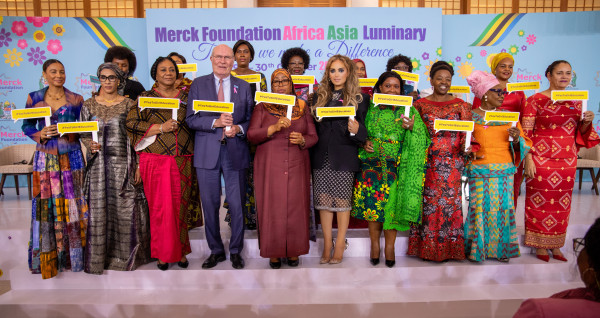
Merck Foundation (www.Merck-Foundation.com), the philanthropic arm of Merck KGaA Germany, conducted the 11th Edition of their annual conference, “Merck Foundation Africa Asia Luminary”, under the patronage of The President of Tanzania, and in partnership with the Government of Tanzania on 29th and 30th October, in Dar es Salaam, Tanzania. The conference was officially inaugurated by H.E. Dr. SAMIA SULUHU HASSAN, The President of the United Republic of Tanzania together with Prof. Dr. Frank Stangenberg-Haverkamp, Chairman of Merck Foundation Board of Trustees and Senator, Dr. Rasha Kelej, CEO of Merck Foundation, along with First Ladies of 15 Countries, who joined as the Guests of Honor and Keynote Speakers.
While inaugurating the conference, The President of United Republic of Tanzania, H.E Dr. SAMIA SULUHU HASSAN emphasized “I am delighted to host this prestigious conference in Tanzania. It is a great honor to inaugurate the conference alongside the First Ladies of Africa and Asia. I am certain that this conference will help us to achieve our shared mission — to make a transformation in the health and well-being of our people. I deeply appreciate the programs of Merck Foundation that are building healthcare capacity, breaking infertility stigma, and supporting girl education.”
Senator Dr. Rasha Kelej, CEO of Merck Foundation and Chairperson of Merck Foundation Africa Asia Luminary emphasized, “I am delighted to have Her Excellency, Dr. SAMIA SULUHU HASSAN, The President of the United Republic of Tanzania, inaugurate our annual conference. I also extend my heartfelt thanks to our partner, the Government of Tanzania, for their unwavering support in making it a success. Moreover, I am honored to welcome our esteemed Guests of Honor and Keynote Speakers, the First Ladies of African and Asian Countries, also the Ambassadors of the “Merck Foundation More Than a Mother”. Together, we shared experiences and engaged in meaningful discussions on the impact of our programs, aimed at transforming patient care and raising awareness on a wide range of critical social and health issues."
Prof. Dr. Frank Stangenberg Haverkamp, Chairman of Merck Foundation Board of Trustees added, “I would like to thank H.E. Dr. SAMIA SULUHU HASSAN, The President of Tanzania, our partners, The First Ladies of Africa and Asia, along with African Ministers, Health Experts, Policy Makers, Government Officials, Academia and Media from over 70 countries for joining hands with us to realize the Merck Foundation's vision that “Everyone can lead a Healthy and Happy life.”
The First Ladies of 15 Countries, who joined as the Guests of Honor and Keynote Speakers are:
“I am proud to share that Merck Foundation has provided more than 2080 scholarships to young doctors from 50 countries in 42 critical and underserved specialties such as Oncology and Cancer care, Diabetes, Endocrinology, Cardiovascular, Fertility Care, Embryology, Sexual & Reproductive Medicine, Internal Medicine, Respiratory Medicine, Acute Medicine, Critical Care, Pediatric Emergency, Gastroenterology, Rheumatology, Clinical Psychiatry, Urology, Ophthalmology, General Surgery, Trauma & Orthopedic, Dermatology, Neonatal Care, Pain Management, Clinical Microbiology & Infectious Diseases, Advanced Surgical Practice, Neuroimaging for Research and more. Many of them are becoming the first specialists in their countries”, added Senator Kelej.
During the 11th Edition of Merck Foundation Africa Asia Luminary, two important occasions were marked; the 7th Anniversary of Merck Foundation and 12 years of Merck Foundation's development programs that started in 2012.
On the first day of the conference, the Plenary Session of the Merck Foundation Africa Asia Luminary 2024 took place, featuring a high-level panel discussion with the participating First Ladies of Africa and Asia. Moreover, two high-level ministerial panel discussion were held with African Ministers and top healthcare experts from across the globe.
The Day 2 of the conference will have five key parallel medical and scientific sessions, covering topics such as oncology, diabetes and hypertension, fertility and reproductive care, and medical capacity building in other specialties like respiratory care, acute care, emergency pediatric and neonatal care, and more. Additionally, a community awareness session, Merck Foundation Health Media Training, will be conducted for African journalists. This session will emphasize the critical role of the media in influencing communities and driving cultural change, with regards to a wide range of social and health issues like Breaking Infertility Stigma, Supporting Girls' Education, Stopping GBV, Ending Child Marriage & FGM, Empowering Women, Diabetes and Hypertension Awareness.
Countries participating in the 11th Edition of Merck Foundation Africa Asia Luminary include:
Angola, Bangladesh, Benin, Botswana, Burkina Faso, Burundi, Cameroon, Canada, Central Africa Republic, Cambodia, Chad, Côte d'Ivoire, Republic of the Congo, Democratic Republic of the Congo, Egypt, Ethiopia, France, Gabon, Germany, Ghana, Guinea – Bissau, Guinea – Conakry, India, Indonesia, Kenya, Lesotho, Liberia, Malawi, Malaysia, Mali, Mauritania, Mauritius, Mexico, Mozambique, Myanmar, Namibia, Nepal, Niger, Nigeria, Peru, Philippines, Russia, Rwanda, Senegal, Sierra Leone, Somalia, South Africa, Sri Lanka, Sudan, Tanzania, Thailand, The Gambia, Togo, Tunisia, U.A.E, UK, Uganda, US, Vietnam, Zambia, Zimbabwe and more.
The 11th Edition of Merck Foundation Africa Asia Luminary 2024 is streamed live on the social media handles of Merck Foundation and Senator, Dr. Rasha Kelej, CEO of Merck Foundation:
@ Merck Foundation: Facebook (http://apo-opa.co/3Yq65sX), X (http://apo-opa.co/40p49nc), Instagram (http://apo-opa.co/3Uwqqvl), and YouTube (http://apo-opa.co/3NLGJAS).
@ Rasha Kelej: Facebook (http://apo-opa.co/3Uulqrf), X (http://apo-opa.co/3Yq65Jt), Instagram (http://apo-opa.co/40krkip), and YouTube (http://apo-opa.co/40nOp3t).
Link to the Facebook live stream of Inaugural Session of Merck Foundation Africa Asia Luminary & African First Ladies High Level Panel: https://apo-opa.co/40tsLex
Merck Foundation is transforming the Patient care landscape and making history together with their partners in Africa, Asia, and beyond, through:
• 2080+ Scholarships provided by Merck Foundation for doctors from 52 Countries in 42 critical and underserved medical specialties.
Merck Foundation is also creating a culture shift and breaking the silence about a wide range of social and health issues in Africa and underserved communities through:
• 3500+ Media Persons from more than 35 countries trained to better raise awareness about different social and health issues
• 8 Different Awards launched annually for best media coverage, fashion designers, films, and songs,
• Around 30 songs to address health and social issues, by local singers across Africa
• 8 Children's Storybooks in three languages - English, French, and Portuguese
• 7 Awareness Animation films in five languages - English, French, Portuguese, Spanish and Swahili to raise awareness about prevention and early detection of Diabetes & Hypertension and supporting girl education.
• Pan African TV Program "Our Africa by Merck Foundation” addressing Social and Health Issues in Africa through “Fashion and ART with Purpose” Community
• 700+ Girls from 15 African countries supported through scholarships or school items, annually.
• 15 Social Media Channels with more than 6 Million Followers.
Distributed by APO Group on behalf of Merck Foundation.
Contact details:
Mehak Handa
Community Awareness Program Manager
+91 9310087613 / +91 9319606669
mehak.handa@external.merckgroup.com
Join the conversation on our social media platforms below and let your voice be heard!
Facebook: https://apo-opa.co/3Yq65sX
X (Twitter): https://apo-opa.co/3O4YBa5
YouTube: https://apo-opa.co/3NLGJAS
Instagram: https://apo-opa.co/3Uwqqvl
Flickr: https://apo-opa.co/40nL051
Threads: https://apo-opa.co/3NJN9jN
Website: www.Merck-Foundation.com
Download Merck Foundation App: https://apo-opa.co/40njaFK
About Merck Foundation:
The Merck Foundation, established in 2017, is the philanthropic arm of Merck KGaA Germany, aims to improve the health and wellbeing of people and advance their lives through science and technology. Our efforts are primarily focused on improving access to quality & equitable healthcare solutions in underserved communities, building healthcare & scientific research capacity, empowering girls in education and empowering people in STEM (Science, Technology, Engineering, and Mathematics) with a special focus on women and youth. All Merck Foundation press releases are distributed by e-mail at the same time they become available on the Merck Foundation Website. Please visit www.Merck-Foundation.com to read more. Follow the social media of Merck Foundation: Facebook (https://apo-opa.co/3UrWznZ), X (https://apo-opa.co/3NLcqtQ), Instagram (https://apo-opa.co/3UtDmlT), YouTube (https://apo-opa.co/3UqOAaF), Threads (https://apo-opa.co/3UvSCP8) and Flickr (https://apo-opa.co/3Yo1jfw).
The Merck Foundation is dedicated to improving social and health outcomes for communities in need. While it collaborates with various partners, including governments to achieve its humanitarian goals, the foundation remains strictly neutral in political matters. It does not engage in or support any political activities, elections, or regimes, focusing solely on its mission to elevate humanity and enhance well-being while maintaining a strict non-political stance in all of its endeavors.
A shack was blown several metres