Families Evacuated From Their Flooded Homes in Nelson Mandela Bay
Municipality says mop up and damage assessment operations are underway

MyZA
News, Directory, Events and Other Stuff
Municipality says mop up and damage assessment operations are underway
Nelson Mandela Bay Municipality cautions against spread of mpox
With the 2024 festive season looming, the Nelson Mandela Bay Municipality has urged residents to remain vigilant against the spread of mpox disease which broke out in South African earlier this year.
The metro said that on receiving the news about the outbreak, the municipality, working together with the Eastern Cape Department of Health and private health care facilities conducted investigations on suspected cases.
Clinical investigations confirmed that by October 2024, no mpox cases had been recorded in the metro.
“However, with the festive season looming and travelling expected to be at peak season, the metro urges residents to remain vigilant and present themselves for examination to their nearest health facility should they experience mpox related symptoms,” the municipality said.
Mpox is an infectious disease caused by the Monkeypox virus an enveloped double-stranded DNA virus of the Orthopoxviral genus.
Anyone can get mpox as it can spread through contact with infected people through touch, kissing, or sex or through contaminated needles, among others.
Pregnant people may also pass the virus on to their unborn baby.
“Although no cases have been recorded in the Bay area, as the city we believe knowledge is power. It is for this reason that we wish to urge our residents to remain vigilant and present themselves for examination to their nearest health facilities should they experience mpox related symptoms,” the municipality said.
In September, the Department of Health called for continued public vigilance as the country recorded another laboratory-confirmed mpox case.
This increased the total number of positive cases recorded in the country since the outbreak in May this year to 25 cases, including three deaths.
READ | SA records another mpox case
Mpox causes signs and symptoms
Mpox signs and symptoms usually begin within a week but can start between 1–21 days after exposure.
Symptoms typically last 2–4 weeks but may last longer in someone with a weakened immune system.
Common symptoms of mpox are rash, fever, sore throat, headache, muscle aches, back pain, low energy, swollen lymph nodes.
For some people, the first symptom of mpox is a rash, while others may have different symptoms first.
The rash begins as a flat sore which develops into a blister filled with liquid and may be itchy or painful. As the rash heals, the lesions dry up, crust over, and fall off.
Some people may have one or a few skin lesions and others have hundreds or more. These can appear anywhere on the body such as the palms of hands and soles of feet, face, mouth and throat, groin and genital areas and the anus.
Children, pregnant people, and people with weak immune systems are at risk for complications from mpox. Some people can be infected without developing any symptoms.
People with mpox can become very sick, for example, the skin can become infected with bacteria leading to abscesses or serious skin damage.
Other complications include pneumonia, corneal infection with loss of vision; pain or difficulty swallowing, vomiting and diarrhoea causing severe dehydration or malnutrition; sepsis (infection of the blood with a widespread inflammatory response in the body), inflammation of the brain (encephalitis), heart (myocarditis), rectum (proctitis), genital organs (balanitis) or urinary passages (urethritis), or death.
People with immune suppression due to medication or medical conditions are at higher risk of serious illness and death due to mpox.
Most people with mpox usually recover within 2–4 weeks.
Some things to do to help the symptoms and prevent infecting others:
GabiK
Tue, 10/22/2024 - 13:15
Government activities for the week 21 – 25 October 2024
On Monday, 21 October, the Gauteng MEC for Roads and Transport, Kedibone Diale-Tlabela met with the department’s professional service providers and contractors to discuss issues relating to incomplete and delayed road infrastructure projects in the province.
Also on Monday, Dr Kgosientsho Ramokgopa, the Minister of Electricity and Energy, briefed the media on the Independent Power Producer Programme.
On Tuesday, 22 October, President Cyril Ramaphosa will participate at the XVI BRICS Summit, in Kazan, Russia.
Also on Tuesday, the Minister of Cooperative Governance and Traditional Affairs, Velenkosini Hlabisa, will launch the National Strategic Hub at Emperors Palace, Kempton Park.
On Wednesday, 23 October, the Deputy Minister of Forestry, Fisheries and the Environment, Narend Singh, will deliver the keynote address at the Environmental Assessment Practitioners Association of South Africa Regional Conference at the Southern Sun Elangeni Maharani, Durban, KwaZulu-Natal Province.
On 24 October there are no confirmed events.
On 25 October there are no confirmed events.
Janine
Tue, 10/22/2024 - 13:27
Brazil's state-owned oil and gas company Petrobras is leading a delegation of Brazilian companies to the African Energy Week (AEW): Invest in African Energy conference – taking place November 4-8 in Cape Town. The move follows a string of acquisitions made by Brazilian companies in Africa in recent months and aims to unlock new avenues for partnerships in oil and gas exploration and production.
The delegation comprises Petrobras' Exploration and Production Director Sylvia dos Anjos; Dr. Roberto Ardenghy, President of the Brazilian Institute of Oil and Gas; Dr. Marcio Mello, Founder of the Namibia Energy Corporation; and Henrique Luiz de Barros Penteado, Petrobras Netherlands B.V. Exploration Manager. As the largest energy event in Africa, AEW: Invest in African Energy 2024 offers a strategic platform for strengthened Africa-global partnerships.
AEW: Invest in African Energy is the platform of choice for project operators, financiers, technology providers and government, and has emerged as the official place to sign deals in African energy. Visit http://www.AECWeek.com for more information about this exciting event.
Petrobras – the biggest oil producer in Brazil – is rapidly expanding its footprint in Africa, with strategic acquisitions in South Africa, Namibia and São Tomé and Príncipe. In September 2024, the company's board gave the greenlight to acquire a 10% stake in the offshore Deep Western Orange Basin in South Africa, heralding a new era of exploration in the promising block. Situated adjacent to where high-profile discoveries have been made in Namibia, the deepwater block offers significant potential for billion-barrel finds. The block is operated by energy major TotalEnergies alongside project partners QatarEnergy and Sezigyn.
In Namibia, Petrobras is making a bid for a 40% stake in the Mopane oil and gas exploration block, which international oil company Galp has put up for sale. The block was the host of a major discovery in January 2024, with reserves estimated as high as 10 billion barrels recoverable. Now, Galp is seeking farm-in partners to accelerate the development of the block. If successful, the acquisition would signal Petrobras' entry into the market, which has been the host of some of Africa's biggest offshore discoveries in recent years. This aligns with the company's goal to expand its international footprint while paving the way for Namibia to leverage the expertise of its South American neighbor.
Petrobras' return to Africa followed the acquisition of interests in three Shell-operated exploration blocks in São Tomé and Príncipe in December 2023. The deal covers Blocks 10, 11 and 13, aligning with the company's strategy to expand its interests into frontier markets in Africa. The company has dedicated $1.3 billion over the next five years for exploration outside of Brazil, underscoring its commitment to diversifying its portfolio and driving exploration in Africa.
Looking ahead, Petrobras remains committed to frontier exploration opportunities. Recently, Petrobras has asked to consult geological data in Angola, Sierra Leone, Equatorial Guinea, Liberia, Benin and Ivory Coast. The company's newfound upstream strategy aims to significantly enhance its production capacity while tapping into the potential of emerging and promising markets – particularly those in Africa. This extends to producing countries such as Angola, which continues to offer untapped potential in onshore and ultra-deepwater acreage. Angola and Brazil rank in the top ten globally for ultra-deepwater reserves, highlighting a strategic opportunity for collaboration. Frontier assets such as in the Namibe basin offer strategic potential for Petrobras. At AEW: Invest in African Energy 2024, these collaborative opportunities will be a key topic of discussion, with the Brazilian delegation engaging with industry leaders and project developers in Cape Town.
“Brazil's exploration and production history bears remarkable similarities to that of its African counterparts, specifically frontier markets such as Namibia. Offering similar geological characteristics and with a string of large-scale projects underway, lesson learnt from Brazil can accelerate the pace and success of oil and gas developments in Africa. Companies such as Petrobras are already strengthening their portfolio of African assets, driving projects forward in partnership with African and global players,” states NJ Ayuk, Executive Chairman of the African Energy Chamber.
During AEW: Invest in African Energy 2024, the Brazilian delegation will participate in various panel discussions, tackling critical topics such as frontier exploration, sustainable oil and gas development and technology-driven drilling solutions. The delegation's participation creates strategic opportunities for newfound partnerships as African countries move to unlock the full potential of their offshore oil and gas resources.
Distributed by APO Group on behalf of African Energy Chamber.
Eskom’s system showing better health
Electricity and Energy Minister, Dr Kgosientsho Ramokgopa, has announced that Eskom’s unplanned capability loss factor (UCLF) has significantly improved, indicating that the system is becoming healthier.
“If you look at what the UCLF recorded over the past seven days, you see that we’ve been averaging at about 10 500 megawatts, essentially 10 500 megawatts of capacity that is installed was not available on account of various reasons. [These include] the units failing and units not performing at their optimal capacity. If you had to compare this with the same period last year, it’s an improvement of about 5 000 megawatts.
“That’s significant, and that’s why we have been able to keep the lights on [for a] very considerable period,” Ramokgopa explained on Monday.
WATCH | Minister Ramokgopa briefs media
The Minister was briefing media in Pretoria on the Independent Power Producer (IPP) programme as part of his regular energy security updates.
“It’s important that we’re able to consistently improve this kind of result. And of course, in numbers, it means that there’s less and less reliance on diesel to power our electricity requirement.”
Starting from 1 April to 17 October 2023, Eskom spent about R18 billion to prevent power cuts, down by R12 billion compared to the same period this year.
“There’s less reliance on diesel. And if you look at the open cycle gas turbines (OCGT) load factor, the percentage of time that we’re relying on these at the same period last year, we were sitting at about 8.95% and this year, we were sitting at about 4.59%,” Ramokgopa said.
The Minister believes that this speaks to the improvement of Eskom’s systems, which he stated will be passed on to the end consumer.
Load shedding
Ramokgopa said it was an “anomaly” to celebrate the fact that there were 208 days of no load shedding.
“That should be the standard… The standard is that there shouldn’t be any load shedding, and the standard should further suggest that we should not rely on expensive fuel sources to keep the lights on.
“This is not an achievement but a step in the right direction. An achievement will be when there’s no load shedding and [we] can use a cheaper form of existing generation for us to keep the lights on. And that’s where the Independent Power Producer programme comes in.”
IPP programme
Shifting his focus to the IPP programme, Ramokgopa said that the programme has procured 15 432 megawatts of renewable energy since its inception in 2011, with 8 231 megawatts currently in the market to be evaluated and 1 897 megawatts under construction.
Ramokgopa said the seventh administration plans to be aggressive in procurement, with interventions to improve the programme’s structure and efficiency.
The renewable energy projects are concentrated in the Western Cape, Northern Cape, and the Eastern Cape, leveraging optimal renewable energy resources.
In addition, the Minister said this move has created 85 800 job opportunities and contributed significantly to local economies, with a focus on socio-economic transformation.
Ramokgopa announced that the project has seen significant market confidence, with international and domestic investments totalling R272 billion.
The focus, he stressed, is on making electricity generation more affordable and competitive, to reduce reliance on expensive fuel sources.
“The focal point of the ministry is to ensure that we can reduce the cost of electricity in the country, make businesses competitive, and ensure that [sustain power] in households.” – SAnews.gov.za
Gabisile
Mon, 10/21/2024 - 14:11
Monday, 21 October 2024: Eskom is urging prepaid electricity customers to recode their meters by 24 November 2024, as required by the Standard Transfer Specification Association (STSA). After this deadline, meters will no longer accept electricity tokens unless they are updated to Key Revision Number (KRN) 2. In response to recent reports, including one from...
The European Union's NIS2 cyber security directive has significant implications for African businesses trading with the continent. This is according to Check Point Software Technologies (www.CheckPoint.com), a leading AI-powered cloud-delivered cyber security provider, which urges African businesses with strong ties to the EU to take steps to comply with this new, stringent cyber security regulation.
Download document: https://apo-opa.co/3UgCQYj
The European Union's NIS2 Directive, came into effect this month and requires member states to amend their national legislation. The NIS2 Directive imposes strict cyber security requirements, including enhanced management liability, reporting to authorities, risk management, and business continuity planning, placing African companies trading with the EU under increased scrutiny.
The NIS2 Directive builds upon the original NIS1 Directive introduced in 2016, expanding its scope to cover a wider range of sectors including Energy, Banking, Transport, Digital Infrastructure, Healthcare, Food Production, and Research. More than 80% of European enterprises are now within the scope of this legislation, which extends to global supply chain partners—including many businesses in Africa.
Collins Emadau, Check Point Partner and Director at Westcon, explains, “Europe is still Africa's leading trading partner. African businesses, particularly in leading economies such as South Africa, Kenya, and Nigeria, need to understand the far-reaching impact of NIS2. Compliance is not just about meeting EU standards—it's about securing their future in a globalised market. Failure to comply will result in not only heavy fines but also the potential loss of critical trade partnerships with EU member states."
What's at Stake for African Businesses?
The EU remains the largest trading partner for Africa, with over 18 Economic Partnership Agreements and trade worth billions annually. African businesses, especially in sectors like Energy, Banking, Transport, and Manufacturing, are key partners in the EU's supply chains. To continue doing business with EU companies, African organisations must comply with NIS2, which mandates strict cyber security measures to protect critical infrastructure and supply chains.
Issam El Haddioui, Head of Security Sales Engineering: Africa, Check Point Software Technologies, says, "NIS2 sets a new standard for cyber security, and African businesses must act now. Many organisations are unaware of the depth of these requirements, which go beyond local regulations. Compliance is essential not only for maintaining business relationships with the EU but also for enhancing the overall resilience of African economies against cyber threats."
Compliance will exact a cost for African organisations, which according to Interpol's 2021 Africa Cyberthreat Assessment Report, spends an average of only 0.05% of their revenue on cyber security, far below the global average of 0.3-0.5%. The Report also estimated the financial impact of cyber crime in the region at over $4 billion USD, representing about 10 percent of Africa's total GDP.
Tougher Penalties and Personal Responsibility
NIS2 introduces personal liability for business leaders in the event of a cyber attack, meaning that executives themselves can be held financially accountable for breaches. Penalties include fines of up to EUR 7 million or 1.4% of a company's global annual turnover, whichever is higher. This goes beyond the GDPR, placing even more responsibility on corporate leadership to ensure robust cyber security practices are in place.
NIS2 mandates that organisations must report cyber incidents to authorities promptly and inform their stakeholders, suppliers, and customers. Therefore, African businesses must ensure they have a comprehensive incident response plan in place, along with regular cyber security training for both IT and leadership teams.
Steps for African Businesses to Ensure Compliance
To successfully implement NIS2 and avoid devastating penalties, Check Point recommends the following four steps for African businesses:
Long-Term Commitment to Cyber Security
Compliance with NIS2 is not a one-time process; it requires a long-term commitment to cyber security. From 2028, organisations will be required to annually document their NIS2-compliant IT infrastructure and demonstrate that their cyber security measures are aligned with the latest technological advancements.
“African countries, especially economic leaders like South Africa, Kenya, and Nigeria, should also consider using the NIS2 framework as a model for strengthening their own national cyber security regulations. By improving cyber-readiness, African businesses can not only comply with international standards but also protect their data, operations, and reputations from evolving threats,” El Haddioui continues.
El Haddioui, concludes, "The NIS2 Directive marks a significant shift in the cyber security landscape. African business leaders must recognise that cyber security is now a matter of survival, not just compliance. By taking proactive measures, they can safeguard their future, avoid heavy penalties, and ensure their organisations thrive in an increasingly interconnected global economy."
Distributed by APO Group on behalf of Check Point Software Technologies Ltd..
Follow Check Point via:
LinkedIn: https://apo-opa.co/48bWAC1
X: https://apo-opa.co/3Uh9uJo
Facebook: https://apo-opa.co/40cvTLl
Blog: http://apo-opa.co/4e2KjBm
YouTube: https://apo-opa.co/48wjFQd
About Check Point Software Technologies Ltd.:
Check Point Software Technologies Ltd. (www.CheckPoint.com) is a leading AI-powered, cloud-delivered cyber security platform provider protecting over 100,000 organisations worldwide. Check Point leverages the power of AI everywhere to enhance cyber security efficiency and accuracy through its Infinity Platform, with industry-leading catch rates enabling proactive threat anticipation and smarter, faster response times. The comprehensive platform includes cloud-delivered technologies consisting of Check Point Harmony to secure the workspace, Check Point CloudGuard to secure the cloud, Check Point Quantum to secure the network, and Check Point Infinity Core Services for collaborative security operations and services.
BENONI: The ACDC Express Tuskers were crowned the 2024/25 T20 Knockout champions after a commanding seven-wicket victory over Eastern Storm. The...
DUBAI: The Proteas Women will take on New Zealand in the ICC Women’s T20 World Cup 2024 final on Sunday evening...
Friday, 18 October 2024: The Generation Operational Recovery Plan is on track to deliver yet another milestone, with the longest stretch of uninterrupted power supply in five years. The milestone will be reached on Day 206 of loadshedding suspension that falls on Saturday, 19 October 2024. Today, loadshedding remains suspended for 205 consecutive days since...
SA must enhance agricultural productivity to achieve Zero Hunger
Minister in the Presidency Khumbudzo Ntshavheni says to achieve ‘Zero Hunger’, the country must enhance agricultural productivity and ensure equitable access to nutritious food.
“This involves investing in sustainable farming practices, empowering smallholder farmers and promoting local food systems,” the Minister said on Friday.
Addressing the 5th International Social Justice Conference and 6th Social Justice Summit -- held at the Artscape Theatre in Cape Town -- Ntshavheni said by supporting farmers, the country can boost food production and create jobs, fostering both economic growth and community resilience.
The start of the 5th International Social Justice Conference on 16 October coincided with World Food Day, an international day celebrated every year worldwide to commemorate the date of the founding of the United Nations Food and Agriculture Organisation in 1945.
Ntshavheni underscored the importance of promoting sustainable farming methods that enhance productivity, while protecting natural resources.
“We must forge partnerships across government, the private sector and civil society, including academia, to create comprehensive strategies that tackle food insecurity,” she said, adding that collaboration is key if South Africa is to attain the goal of Zero Hunger.
Zero Hunger is Goal 2 of the United Nation’s Sustainable Development Goals (SDGs). It is about creating a world free of hunger. The global issue of hunger and food insecurity has shown a sharp increase since 2015, a trend exacerbated by a combination of factors including the COVID-19 pandemic, conflict, climate change and deepening inequalities.
According to the United Nations (UN), by 2022, approximately 735 million people – or 9.2% of the world’s population – found themselves in a state of chronic hunger – a staggering rise compared to 2019.
Ntshavheni said practices like crop rotation, agroforestry and organic farming can increase resilience against climate change and reduce reliance on chemical inputs.
“Supporting smallholder farmers through training and access to technology can empower communities and boost local food production. It is therefore important and significant that universities like Stellenbosch are deeply involved in this initiative.
“It would be important for us in government to explore opportunities to partner with institutions of higher learning on this initiative in order to extend awareness to communities in rural areas of our country that are daily confronted with food insecurity.
“This must make us understand the urgency to develop sound drought resilience and water conservation plans,” the Minister said.
The 6th Social Justice Summit was hosted by the Centre for Social Justice, based at Stellenbosch University.
Striving for food security
In 2014, government introduced the National Policy on Food and Nutrition Security, followed by the National Food and Nutrition Security Implementation Plan (NFNSIP), whose implementation involved multiple government departments and entities, with various interventions receiving support from local and international development partners.
“We are now in the process of developing the NFNSIP (2024 -2030) as we chase the National Development Plan (NDP) Vision 2030 goals. We are not only calling for a partnership in the [NFNSIP] development but with its implementation, as our country focuses on achieving the overdue SDG on Zero Hunger.
“Our policy approach to Zero Hunger acknowledges the lingering consequences of apartheid, which has left deep-rooted inequalities in access to land, income, and employment and other economic opportunities,” the Minister said.
Ntshavheni said as the country’s population growth and climate change intensifies, the urgency of food security cannot be overstated.
Ntshavheni said hunger on its own is a multifaceted challenge that affects the economy, health system and social fabric in general.
Addressing the conference, Electricity and Energy Deputy Minister Samantha Jane Graham said the issue of energy affordability remains a challenge, as the nation navigates the challenge of the accessibility of food prices.
Graham said her office is committed to finding innovative and sustainable solutions for energy sources. – SAnews.gov.za
Edwin
Fri, 10/18/2024 - 14:39
Move towards electronic vehicles a 'major industrialisation opportunity'
President Cyril Ramaphosa says the global move from Internal Combustion Engines towards Electronic Vehicles (EVs) presents a major opportunity for South African industrialisation.
The President was speaking during the South African Auto Week held at the Cape Town International Convention Centre in the Western Cape on Thursday.
“As many of our major trading partners rapidly shift towards EVs, it is imperative that we remain part of this global supply chain. This is a major industrialisation opportunity for South Africa and the region, particularly within the context of the African Continental Free Trade Area.
“This will position South Africa as a forward-thinking, green economy. It will advance our aspirations to be a global automotive hub,” President Ramaphosa said.
He acknowledged that decarbonisation presents a challenge to the automotive sector, but assured that government is committed to working closely with the sector.
“The transition towards cleaner and more sustainable fuels – together with stringent regulations in key markets – puts a number of automotive firms and sub-industries in a vulnerable position. Even as the journey to net zero poses a challenge for the auto industry, there is at the same time immense opportunity.
“The local automotive sector needs to position itself to take advantage of the demand for electric vehicles, new energy vehicles and sustainable fuels. The transition to cleaner, more sustainable practices in the automotive industry is a priority for our government. The automotive industry has a critical role to play in achieving South Africa’s climate targets.
“We are committed to working hand-in-hand with the private sector to promote the production of New Energy Vehicles [NEV] and the development of the necessary infrastructure to support them,” he said.
READ | President Ramaphosa to address SA Automotive Week
Furthermore, President Ramaphosa revealed that the Department of Trade, Industry and Competition, National Treasury and the Department of Mineral and Petroleum Resources are in discussion on the implementation of the Electric Vehicle White Paper.
“This work includes the beneficiation of our critical minerals for the production of new energy vehicles and their associated value chains. It also includes the production of batteries for battery electric vehicles and the development of value chains in the green hydrogen fuel cell market.
“We are working to finalise comprehensive NEV policy guidelines that do not exclude alternative technologies such as hybrids and plug-in hybrids. Consideration must be given to incentives for manufacturers as well as tax rebates or subsidies for consumers to accelerate the uptake of electric vehicles.
“This is not just about creating a greener future but also about ensuring South Africa remains competitive in the global market.”
Removing barriers
The President emphasised that government, through reforms in energy, logistics and other sectors, is working to remove the barriers that affect the sector.
“As government, we remain firmly committed to the work already underway to improve the operational performance of our energy, freight and logistics sectors – all of which directly impacts the automotive industry.
“Transnet continues with its work to revitalise the Port of Durban. It is also proceeding with the upgrade of the Gauteng-Eastern Cape railway line as part of Project Ukuvuselela,” he said.
The President told the delegates that the Government of National Unity looks forward to “deepening our collaboration as government, industry and labour” to achieve the objectives of inclusive growth and job creation.
“There may be headwinds. But in challenges lie opportunities. It is up to us to harness these opportunities to grow, to expand and to transform,” President Ramaphosa said. – SAnews.gov.za
NeoB
Thu, 10/17/2024 - 11:30

Vantage Capital (www.VantageCapital.co), Africa's largest mezzanine fund manager, announced today that it had closed a €66 million mezzanine investment in Camusat Holding S.A.S, the proceeds of which will be used to refinance debt and fund the capital expenditure required for expansion of the group's AktivCo division. Vantage Capital's investment is part of a global financing package of €81m provided in consortium with Eurazeo, a leading European investment group.
Camusat is a leading telecommunications player managing fully integrated and sustainable business models for the deployment and management of telecom infrastructure whilst championing the decarbonization of mobile network operators (MNOs). Partnering with major investment funds that support green investments, Camusat is pursuing its ambition to become the leading “Infra as a Service” partner for the mobile telecom industry, with a broad presence in emerging markets, especially in Africa. The group operates across twenty countries (including fifteen on the African continent) and through two synergistic divisions, AktivCo and OpCo:
Since inception, Camusat has been capitalizing on the rapid expansion of the telecom industry, but most importantly the ever-growing need of MNOs to outsource non-core operations to specialized service providers. This trend is observed worldwide but is more prevalent in emerging markets, especially Africa. As network coverage remains relatively low, MNOs are being pushed by regulators to ramp up their infrastructure investment especially to increase coverage in rural areas, where most of the population lives. MNOs therefore need to contract with service providers like Camusat to support the rapid and viable roll-out and management of their tower infrastructure.
In this context, Camusat has established itself as the key strategic partner for telecom operators such as Orange, Moov Africa (Maroc Telecom group), MTN, Vodafone, Airtel and others. The group's comprehensive offering drives long-term performance for mobile networks and inclusive connectivity, digitalization and sustainable access to technology, making it a one-stop-shop for MNOs. Its multi-decade experience and track record attest to the quality of its performance.
Mr. Richard Thomas, CEO of Camusat, commented, “we are very pleased to have concluded the transaction with Vantage Capital. This financial and strategic partnership comes at a time when we are further expanding our presence in Africa, and we are confident that Vantage Capital's extensive network and expertise on the continent will be a great support in achieving our objectives.”
Mr. Luc Albinski, Executive Chairman at Vantage Capital, added, “we are proud to partner with such a leading and dynamic group as Camusat. Throughout the process, we have been impressed by management's deep knowledge of the telecom industry, but also their firm commitment to help increase connectivity in parts of Africa where network coverage remains underdeveloped.”
Mr. Thibaut de Rodellec, Deputy CEO of Camusat, said, “we were convinced from our very first discussions that Vantage Capital and Camusat would be a great fit. We always look beyond the financial aspect when forming new partnerships, and we were glad to discover that our firms share common ethics, vision and dedication. We will ensure this partnership is a success for all stakeholders.”
Mr. Driss Benabdeslam, Partner at Vantage Capital, concluded, “by investing in Camusat, we are backing a group that is engaged in a vital and buoyant industry and constantly strives for operational and corporate excellence. Camusat has incorporated best-in-class ESG practices and implemented various CSR measures directed at supporting local communities and minimizing greenhouse gas emissions from the telecom sector. We are thrilled to support the group in creating more value and generating an even greater positive social impact over the years to come.”
This transaction represents Vantage Capital's 39th investment across four generations of funds with its portfolio of investments spread across eleven African countries.
Vantage Capital was advised by Clifford Chance (in Morocco) who acted as its legal counsel. KPMG (in France) and Webber Wentzel (in South Africa) provided tax advice, KPMG (in France) was the financial advisor, Emerton (in France) provided commercial advice, and Ibis Consulting (in France) reviewed the environmental impact.
Camusat was advised by Goodwin Procter (in France) who acted as their legal counsel and Marlborough Partners (in France) who acted as financial advisor.
Distributed by APO Group on behalf of Vantage Capital Group.
About Vantage Capital:
Founded in 2001, Vantage Capital is an Africa-focused fund manager that has raised funds of over $1.6 billion.
Since 2006, Vantage Capital's Mezzanine division has made 39 investments across four successive funds into 11 African countries, making it the largest and most experienced independent mezzanine funder on the continent. In addition, Vantage Capital's GreenX division has made 15 senior debt investments into South African solar and wind energy projects across three funds. Vantage Capital launched Vantage Best in Class in 2022 to provide long-term financial and strategic support to education businesses operating in Europe, the Middle East and Africa. As a first step, Vantage Best in Class has partnered with Maple Bear Global Schools, the largest and fastest growing franchise of K-12 bilingual schools in the world in a €100 million investment programme for the Central & Eastern European region.
Vantage Capital targets mezzanine debt opportunities of $10-50m across more than a dozen key African markets.
Mezzanine debt is an intermediate form of risk capital, which is situated between senior debt, the least risky tranche of the capital structure, and equity, the riskiest tranche of the capital structure. It combines elements of both debt and equity thereby providing companies with long-term funding on terms which are less dilutive to shareholders than pure equity.
Website: www.VantageCapital.co.za
About Camusat:
Headquartered in Paris, Camusat is a global group operating in the telecommunications industry across Africa, Europe, the Middle East, and Latin America.
Over almost five decades of existence, it has established itself as leading player and a key partner for telecom operators, thanks to a comprehensive offering and best-in-class capabilities. With the launch of its AktivCo division in 2017, the group pioneered the ESCO (Energy as a Service) and TWESCO (Tower & Energy as a Service) models in Africa, enabling clients to achieve significant cost-savings and streamline their cash outflows, while ensuring a positive environmental impact with the use of renewable energies, low environmental solutions and smart technologies to support the deployment, extension and management of telecom infrastructure. The group has been able to secure infrastructure debt funding from major development finance institutions, including FEI (Facility for Energy Inclusion), Africa Go Green Fund, Proparco, and Norfund.
Camusat employs more than 2,000 people and is guided by a highly dedicated and experienced management team with deep industry expertise and firm commitment to financial, operational, and environmental excellence.
Since 2016, the group has been majority-owned by Equistone, a leading mid-cap private equity fund in Europe with 12 billion euros of assets under management since inception. Camusat's management owns the remaining share capital.
Thursday, 17 October 2024: Eskom Group Chief Executive (GCE) Dan Marokane has announced the first four of seven new executive appointments to further address the current business challenges and future-proof the organization through the delivery of strategic initiatives to enable growth and long-term sustainability. Eskom is aligning its executive execution capability and capacity to focus...

HIMOINSA (www.HIMOINSA.com), a leader in power technology solutions and part of the Yanmar Group, is proud to announce the launch of its latest innovation: the HGY Series. This new engine line, with a capacity range from 1250kVA to 3500kVA (with future plans to reach 4000kVA), has the potential to significantly help address Africa's growing energy needs, particularly in key sectors critical to the continent's economic development, such as healthcare, mining, oil and gas, and tech hubs like data centers.
Download document: https://apo-opa.co/3NyfcCw
With the HGY Series, HIMOINSA enters the high-capacity engine segment, providing tailored solutions that meet the needs of Africa's mission-critical sectors where reliable and efficient power generation is vital. The company's focus on Africa reflects its strategic commitment to supporting the continent's rapid industrialization and infrastructure expansion.
Delivering Reliable Power Where It Matters Most
Africa is home to some of the world's fastest-growing economies, yet power generation remains a critical challenge in several key regions. HIMOINSA's HGY Series engines are engineered to deliver robust and sustainable solutions, particularly in areas with unstable national grids, helping to mitigate downtime, load-shedding and other challenges. By offering flexible fuel options, currently capable of operating with a range of diesel types and HVO (hydrotreated vegetable oil), with future plans to support natural gas and hydrogen, the HGY Series ensures that businesses and communities across Africa have access to low-emission, efficient, and reliable power, regardless of local grid conditions.
Guillermo Elum, HIMOINSA's EMEA Region Head, highlighted the company's dedication to the African market: “Africa is a key growth region for HIMOINSA, and our approach goes beyond merely selling products; we are committed to building local capacity. Our training programs in Angola, South Africa, Morocco, Togo and soon, in Tanzania, ensure that African technicians and engineers are fully equipped to manage and maintain our technology, creating skilled jobs and developing expertise across the continent.”
Boosting Africa's Economic Growth
The launch of the HGY Series is part of HIMOINSA's broader investment strategy to support Africa's economic development. The company's Spanish production facilities, including a new factory in Murcia with a capacity of 1,000 units currently under construction, are set to help supply the African market, ensuring fast delivery and minimal logistical challenges, so businesses can rely on timely support and services. Additionally, its focus on training and local partnerships enhances the technical skills of local communities, empowering them to manage critical power infrastructure and stimulating economic growth.
Francisco Gracia, CEO of HIMOINSA, stressed the significance of the HGY Series for Africa: “We see enormous potential in Africa's industrial and digital sectors, and the HGY Series is a powerful tool for realizing that potential. From supporting vital healthcare facilities to powering new data centers that drive digital transformation; to providing continuous power for mining projects, our solutions are designed to make a tangible impact in Africa's growth story. This launch is more than just a product introduction; it is our commitment to being a partner in Africa's progress.”
Dedicated to Sustainability in Africa
The HGY Series engines are not just about power—they are about powering Africa sustainably. Designed to work seamlessly with micro-grids and renewable energy sources, these engines offer a viable solution for rural and urban areas seeking to integrate intermittent solar and wind power into their energy mix. HIMOINSA's generators support Africa's energy transition, aligning with the continent's growing focus on renewable energy and reduced carbon emissions.
The company's presence in Africa through divisions in Angola, South Africa, Morocco, Togo, and Tanzania enables it to deliver localized support in the continent's most widely spoken languages. This commitment to on-the-ground engagement ensures that African clients receive comprehensive training and support, helping businesses reduce operational costs and improve efficiency.
Driving Innovation Across Africa's Most Critical Sectors
HIMOINSA's new HGY Series is ideally suited for sectors that drive Africa's economic growth. Data centers, which are rapidly expanding due to the rise of digital services and AI, can now benefit from high-capacity, low-emission solutions designed to minimize downtime and optimize performance. Healthcare facilities, often located in remote or underserved areas, will gain access to dependable power solutions essential for life-saving equipment. Mining operations and oil and gas fields can also leverage the versatility and efficiency of the HGY engines to operate in demanding environments, ensuring continuity even when the grid fails.
https://HGY-Series.HIMOINSA.com/
Distributed by APO Group on behalf of HIMOINSA.
About HIMOINSA:
Founded in 1982, HIMOINSA is a global leader in the design and manufacture of power generation solutions. With a wide range of products including generator sets, lighting towers, and energy storage systems, the company has a track record of delivering reliable, efficient, and innovative power solutions. As part of the Yanmar Group, HIMOINSA combines decades of expertise with cutting-edge technology to meet the evolving energy needs of customers worldwide.
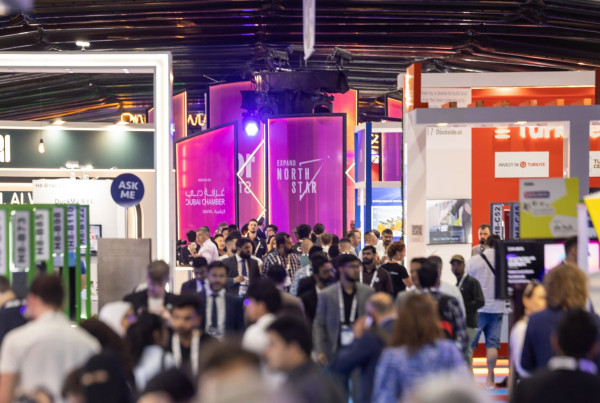
Expand North Star 2024 (www.ExpandNorthStar.com), the world's largest startup and investment event, continued its journey of innovation on its third day at Dubai Harbour. Attendees from around the world witnessed revolutionary advancements in Applied AI and Deep Tech, demonstrating how these technologies are disrupting industries and solving complex global challenges.
Integrated with GITEX GLOBAL, Expand North Star runs until 16 October, providing a powerful platform for over 1,800 exhibiting startups and more than 1,200 investors managing assets exceeding USD $1 trillion.
Applied AI and Deep Tech Innovations Redefine Healthcare and Space Innovation
Day three was a showcase of next-generation solutions in robotics, AI, and deep tech, providing a glimpse into the future of these sectors.
Cutting through the noise were innovative startups such as China's RoboCT with their innovative exoskeleton technology, launching the UGo Rehab Exoskeleton, specifically designed for patients with lower-limb dysfunction, spinal cord injury, strokes, or cerebral palsy. Dr. Tian Wang, Founder and CEO of RoboCT Group, stated, "UGo enhances the rehabilitation process and delivers an effective walking training solution by integrating advanced sensors, data analysis, and research, empowering patients to rehabilitate more effectively at home."
On the digital health frontier, JADE introduced a platform tailored for neurodivergent children, including those with ADHD, down syndrome, and autism. The app's sophisticated tracking of eye movements, cognitive response times, and memory functions equips healthcare professionals and educators with precise data to create personalised care and learning strategies.
Meanwhile, scanO, a pioneering Indian-born deep tech company, is leading the way in developing generative AI models for predicting disease progression. The company showcased its flagship product, scanO air—the world's first contactless AI-powered robotic system for oral health screening—revolutionizing early detection and diagnosis.
In space technology sector, Triggers-Reports from Mauritius introduced Triggers-sat, a satellite platform that provides high-resolution imaging and 3D modeling to assist businesses and governments in areas such as natural resource management and climate risk disaster monitoring.
Rising International Participation from Asia and Latin America
As the global innovation hub, Expand North Star continues to see international participation rise, showcasing how regions and countries are pushing boundaries with novel solutions.
Tatiana Riera, COO of ApexBrasil, highlighted Brazil's expanding presence at Expand North Star: "From just 20 startups in 2019, we have expanded to 45 startups this year, along with four innovation hubs. Brazil is a great hub for fintech because of the diversity in social levels, so most of our unicorns come from fintech. We also focus a lot on Deep Tech, AI, and climate tech solutions since we have six biomes and need to take care of them. We have a company that uses natural foam to build soundproof material for construction and another company building silent tractors that run on renewable energy."
Similarly, Singapore's SGTech made a noteworthy debut at Expand North Star, emphasizing the importance of cross-border collaboration in driving tech-driven solutions forward. Alex Ng, Exco Member, SGTech said: "Singapore's innovative startups are making a significant impact at Expand North Star 2024, with six outstanding companies exhibiting under the Singapore Pavilion. These companies showcase cutting-edge technologies across various sectors, including digital twins, industrial AI and biotech, with the event serving as a groundbreaking global launchpad for startups to foster valuable networking with investors."
Africa's Path to Economic Growth
With global participation continuing to flourish, the spotlight also turned towards Africa, where burgeoning tech ecosystems are paving the way for a new wave of entrepreneurs and innovators. H.E. Savannah Maziya, Minister, Ministry of Information, Communications & Technology, Eswatini, alongside other thought leaders, emphasised the importance of structured development to tackle unique market challenges and unlock Africa's economic potential.
Celina Lee, CEO & Co-Founder, Zindi, South Africa, highlighted the trend of talent returning to Africa to start companies and create ecosystems that foster innovation and attract global corporations like Microsoft to set up labs in Ghana and Nairobi.
Speaking on the challenges facing Africa, Olatunbosun Alake, Honorable Commissioner, Ministry of Innovation, Science and Technology, Lagos State Government, Nigeria, said, "The greatest challenge in Africa is education. In Nigeria, if you look at the most educated parts, they show economic value, whereas in the north, where education levels are not as high, economic productivity is lower. There needs to be an African Renaissance of education funding across the board because if you drive education, educate, and enlighten people, people will change the environment.”
Across its four-day span, Expand North Star continues to shed light on the future of industries through defining events such as GITEX Impact, Fintech Surge, Future Blockchain Summit, and Marketing Mania. These events underscore how emerging technologies are transforming the way we live and are also playing a pivotal role in reshaping the future.
Distributed by APO Group on behalf of Expand North Star.
Media Contact:
Tayce Marchesi, PR Manager, DWTC | tayce.marchesi@dwtc.com
Ahmad Khalloudi, Account Manager, Seven Media | ahmadkhalloudi@sevenmedia.ae
Doyin Odulana, Senior PR Manager, Seven Media | adedoyinodulana@sevenmedia.ae
Follow Expand North Star on Social Media:
Facebook (https://apo-opa.co/487fqdm)| X (https://apo-opa.co/4h5l6sx)| Instagram (https://apo-opa.co/4eIQXhe)| LinkedIn (https://apo-opa.co/485znl3)
Hashtag: #ExpandNorthStar
About Dubai World Trade Centre (DWTC):
A global business facilitator since 1979, Dubai World Trade Centre (DWTC) is home to the region's leading purpose-built convention and exhibition centre. DWTC provides a platform for connecting people, products, innovation and ideas from around the world through a dynamic calendar of international trade exhibitions and its own roster of sector leading mega events. As a designated free zone, complemented by award-winning commercial real estate, DWTC plays an integral role in Dubai and the region's growth story. Since its inauguration, DWTC has hosted over 6,000 events, with an estimated economic output of AED 248 billion, attracting over 38 million business visitors to Dubai.

African Peace Magazine UK (https://AfricanPeace.org/) is honoured to announce the distinguished line-up of speakers for the 3rd International African Energy, Oil, and Gas Summit, set to take place from October 23rd to 25th, 2024, at Hilton, Windhoek, Rev. Michael Scott Street, Windhoek, Namibia. This summit brings together some of the most influential leaders, industry experts, and change-makers in the energy sector across Africa. These individuals have significantly shaped their respective industries and will contribute profound insights into Africa's energy future. The Charity Golf Tournament and other Tour activities would commence from the 26th to the 30th of October 2024. The Speakers are;
Hon. Justice Galadima is a revered figure in Nigeria's legal community, having served as a Justice of the Supreme Court of Nigeria. He is known for his unwavering commitment to justice and governance in Africa. As Chairman of African Peace Magazine, Justice Galadima plays a critical role in fostering dialogue around peace, security, and development across the continent.
HRH Sir David Serena-Dokubo Spiff is a prominent traditional leader from Bayelsa State, Nigeria. His deep commitment to the socio-economic advancement of his people and his influence on the region's energy and resource management make him a vital voice at the summit. He actively advocates for responsible management of natural resources in his community.
Dr. Martha Namundjebo-Tilahun is a powerful figure in Namibia's business sector and beyond. As the Chairperson of United Africa Group, she has been a driving force behind several large-scale projects in hospitality, real estate, and renewable energy. Her leadership in advancing Africa's energy landscape and sustainable development strategies is exemplary.
Abiola Metilelu leads PressPayNG, a groundbreaking fintech company that offers education financing solutions. Under his leadership, PressPayNG is bridging the financial gap for students across Nigeria, directly impacting the education and energy sectors by creating a more skilled workforce for the future.
A visionary in Nigeria's oil and gas industry, Dr. Udochu Ogbonnaya is shaping the future of sustainable energy in Africa. As the Executive Director of GEIL, he drives innovation in the extraction and development of energy resources while maintaining a focus on environmental responsibility.
Mrs Amuela is a respected expert in the legal frameworks governing Africa's extractive industries. Her insights into compliance and legal challenges in oil and gas operations have made her a sought-after voice in regulatory discussions. Her work ensures that Africa's natural resources are managed with accountability and transparency.
Mr. Mulunga is a seasoned expert in Namibia's oil and gas industry, having held key leadership roles, including serving as Managing Director of NAMCOR. His deep understanding of petroleum resource management in Namibia and his strategic leadership have had lasting impacts on the country's energy landscape.
Engr. Woke leads NOSDRA, Nigeria's primary agency responsible for monitoring and responding to oil spills. His efforts in promoting environmental sustainability in the face of oil extraction activities have been instrumental in safeguarding Nigeria's ecological future.
Professor Shakwa is a staunch advocate for anti-corruption measures in Africa, having founded the Anti-Corruption Education Consultancy. His work aims to educate and promote transparency, which is critical for sustainable development in Africa's energy sectors.
Tassius Chigariro heads Old Mutual Namibia, a leading financial services company. His strategic expertise in investments and financial management has made Old Mutual a key player in supporting economic growth in Namibia and throughout Africa's energy sectors.
Dr. Tolorunse brings a wealth of knowledge in regulatory frameworks, ensuring Nigeria's midstream and downstream petroleum sectors operate within best practices and international standards. His work strengthens Nigeria's position as a key player in the global energy market.
A legal expert in energy law, Olusegun Ilori has been instrumental in shaping GEIL's business strategy, ensuring compliance with global energy regulations while advocating for sustainable practices.
Engr. Babalola's expertise in engineering and operations has been pivotal to GEIL's success in executing oil and gas projects with a focus on innovation and sustainability.
Alh. Rano is a prominent entrepreneur in Nigeria's oil and gas sector, with his company, A.A. Rano, being a leading player in petroleum marketing and distribution. His business acumen has significantly contributed to Nigeria's energy supply chain.
Prof. Adegbulugbe is a renowned energy expert with a wealth of experience in energy policy and management. As CEO of GEIL, he is at the forefront of pushing Africa towards a greener energy future.
Martin Harris is a leading geoscientist in Namibia, focusing on energy resource exploration and development. His research and contributions have enhanced the understanding of Namibia's geological wealth.
As the traditional ruler of the Kingdom of Kongo, HRM Makitu III is a respected leader who advocates for the preservation and responsible use of natural resources within his kingdom, including energy resources that are key to Angola's economic development.
Engr. Ogunsanya leads Geoplex Drillteq, a company offering cutting-edge drilling solutions for Africa's oil and gas industry. His leadership in innovation has made Geoplex a leader in the sector, offering technological solutions that enhance efficiency. Engr. Wole Ogunsanya is the current Chairman of the Petroleum Technology Association of Nigeria. PETAN is an association of Nigerian Indigenous Technical Oilfield service companies in the upstream and downstream. PETAN is the primary trade and advocacy association of the oil and natural gas industry in Nigeria, representing nearly 100 members involved in various aspects of petroleum.
Tarah Shaanika oversees Namibia Asset Management, a leading investment company in Namibia. His experience in financial management and investment has propelled the company into playing a crucial role in funding energy and infrastructure projects in Namibia.
Aggrey Ashaba is a business leader with deep expertise in the oil, gas, mining, and energy sectors. As General Manager of Alliad in Uganda, he plays a key role in driving the country's energy strategy, focusing on sustainable development.
Williams is a respected business consultant whose firm, Mind Space Consults, provides strategic insights and advisory services in energy and business development across Africa, helping companies navigate complex markets and regulatory environments.
A key player in Nigeria's oil and gas sector, Alh. Saleh Baba Rano has been instrumental in the growth and development of the sector, bringing strategic insights and leadership to discussions around energy in Africa.
Abimbola Okoya is a passionate advocate for education in Africa, founding Basic Education Africa to provide accessible learning opportunities to underserved communities. Her work directly impacts the future of Africa's workforce, particularly in the energy and technology sectors.
Professor Jude Osakwe is a prominent academic and researcher with a focus on Data Governance, Data Analytics, ICT in Education, and ICT for Development (ICT4D). He holds various professional certifications in project management, big data analytics, business intelligence, and digital marketing. His extensive research work and involvement in international conferences make him a vital contributor to discussions on the integration of ICT into development strategies across Africa. Professor Osakwe's dedication to bridging the gap between theory and practical implementation of ICT solutions has positioned him as a respected figure in the academic and business sectors.
M. Jinot Razafimamonjy serves as the Director of Hydrocarbons in Madagascar's Ministry of Energy and Hydrocarbons. His leadership in managing the country's hydrocarbon resources has been instrumental in driving economic growth and ensuring sustainable development in the energy sector. His participation at the summit will provide critical insights into Madagascar's approach to energy management and its vision for the future of its oil and gas industry.
S P Jika Ogbeche holds a senior leadership role within the Nigeria Immigration Service, overseeing the Air Border Division. His extensive experience in managing Nigeria's air borders and contributing to national security efforts will bring a unique perspective to discussions on energy security and the role of governance in the sector.
Engr. Farouk Ahmed is at the helm of Nigeria's NMDPRA, playing a critical role in regulating and ensuring the sustainable development of Nigeria's midstream and downstream petroleum sectors. His leadership has been instrumental in modernizing the regulatory framework, promoting investment, and ensuring energy security in one of Africa's most important energy markets.
Dr. Lloyd C. Williams is an esteemed expert in the fields of energy and sustainability, hailing from the United States. With a distinguished career marked by contributions to both the public and private sectors, Dr. Williams is dedicated to advancing clean energy initiatives and fostering innovation in oil and gas. His global perspective will add invaluable insights into the discussions at the summit.
As the CEO of Old Mutual Namibia, Mr. Tassius Chigariro is a key figure in the financial services sector, driving initiatives that support sustainable investments in energy and infrastructure. His experience in leading one of Africa's most reputable financial institutions positions him as an influential voice in the intersection of energy finance and economic development.
Cydolian Raveloson is the Acting Director General of Madagascar's Hydrocarbons Office, where he plays a pivotal role in managing the country's energy resources. His efforts are focused on ensuring the efficient exploitation and management of Madagascar's oil and gas reserves, contributing to both the nation's economic growth and energy security.
These esteemed speakers join an already impressive lineup, including leading figures from government, academia, and the private sector, all dedicated to advancing Africa's energy future. Their participation is set to elevate the summit's discussions, fostering meaningful collaborations and forward-thinking strategies.
"The diverse group of speakers at the upcoming IAEOG Summit 2024 reflects our heartfelt commitment to inspiring discussions that lead to tangible outcomes. These industry leaders are passionate about finding ways to alleviate poverty, create job opportunities, and enhance our GDP. Together, we envision a transformative event that enlightens the public and fosters collaborative efforts, ultimately driving meaningful change for the betterment of our communities."- Chairman Hon. Justice Suleiman Galadima JSC, CFR, OFR (Rtd.)
Distributed by APO Group on behalf of African Peace Magazine.
For more details on the full list of speakers, agenda and for sponsorship, participation, partnership, Exhibition and speaking opportunities and all other enquiries please contact:
Florek or Liana
Phone +264817617590
Phone: +264818331921
email: florekharris@africanoilandgassummit.com
event@africanoilandgassummit.com
africanpeacemag@gmail.com
Uduak Okon
International Affairs
+2348033975746
+447407399766
Nigeria Abuja Office:
Suite FT 12B Alibro Atrium Plaza Utako Abuja
+2348033975746
South African Office:
16 Ridge Road Vorna Valley Midland 1686 South Africa
+27662449117
Angola:
Call +244928690892
+244993656970
+244927589884
London Office:
Call +4477771217805
WhatsApp +447407399766
African Peace Magazine:
Website: https://AfricanPeace.org/
https://www.AfricanPeaceAwards.com/
https://AfricanOilandGasSummit.com/
Email: africanpeacemag@gmail.com
Social Media:
Twitter: https://apo-opa.co/4eM9eKk
Facebook: https://apo-opa.co/4f38u3m
I.G: http://apo-opa.co/4eHvpBF
LinkedIn: http://apo-opa.co/4eJVYGh
Department undertakes initiative to review spending habits
The Department of Forestry, Fisheries and the Environment has initiated a comprehensive departmental spending review to ensure that every rand is utilised effectively.
“This process is designed to scrutinise our expenditures, identify areas where we can achieve greater efficiency, and reallocate resources to priority programs that deliver the greatest benefit to our environment and citizens,” Minister of Forestry, Fisheries and the Environment Dr Dion George said on Tuesday in Cape Town.
Addressing the media on his 100 days in office, the Minister said his department was committed to upholding the highest standards of fiscal responsibility and in understanding the importance of prudent financial management.
“By eliminating wasteful spending and streamlining operations, we aim to ensure that every rand is utilised effectively. Over the medium term, the department's budget has been reduced by nearly R2 billion.
“In recognising that effective conservation and environmental initiatives require substantial resources, we have been actively working to attract donor income and ensure financial efficiency within our department and its entities,” the Minister said.
In the past 100 days, the department has embarked on a strategic campaign to engage with international donors, private sector partners, and philanthropic organisations.
“These efforts have begun to bear fruit, with several promising discussions underway to secure funding for key conservation projects and community-based environmental programs. By diversifying our funding sources, we are enhancing our capacity to implement impactful initiatives without placing additional strain on the national budget,” the Minister said.
He was reflecting on the milestones of the work that has been done since his appointment by President Cyril Ramaphosa to lead the department.
The President appointed George and Deputy Ministers, Bernice Swarts and Narend Singh, on 03 July 2024 to lead the department under the Government of National Unity (GNU).
In the short to medium term, the department will prioritise climate change and energy; fisheries, particularly small-scale fisheries, and aquaculture; wildlife and biodiversity; and conservation efforts and environmental protection initiatives.
Reducing red tape
The department has also embarked on a comprehensive review of its regulatory frameworks to identify bottlenecks and areas in need of improvement.
“I am pleased to share that we have made substantial progress in starting to simplify procedures and reducing unnecessary red tape. We have also started to engage with industry leaders, environmental organisations, and community representatives to gather feedback on regulatory obstacles.
“By collaborating closely with these stakeholders, we are developing practical solutions that reflect the realities on the ground. This approach ensures that our policies strike the right balance between environmental protection and economic development,” George said.
As part of these efforts, as the appeal authority over decisions taken by the officials within the department in terms of the National Environmental Management Act, the Marine Living Resources Act, the Integrated Coastal Management Act and the Promotion of Access to Information Act, the Minister has prioritised the finalisation of appeals.
“In my first 100 days I have considered 65 appeals, ensuring that outstanding matters are addressed promptly and fairly. - SAnews.gov.za
nosihle
Tue, 10/15/2024 - 12:15
Revitalising SA’s national parks to world destinations
The Department of Forestry, Fisheries and the Environment has undertaken a bold initiative designed to elevate the country’s parks to world-renowned tourism destinations.
This will be achieved through the new Kruger, Kirstenbosch-iSimangaliso Icon Status Strategy, or KISS, which is focused on reforming each of these iconic sites into world-class destinations that set new standards for conservation, education, and sustainable tourism.
“Throughout the seventh administration we will reimagine each of our botanical and zoological gardens of the future. It will involve integrating cutting-edge technologies, enhancing visitor experiences, and implementing innovative conservation practices.
“By modernising infrastructure and embracing digital innovations, we aim to transform these destinations into more accessible and engaging experiences for all visitors, both local and international,” Minister of Forestry, Fisheries and the Environment Dr Dion George said on Tuesday in Cape Town.
Addressing the media on his 100 days in office, the Minister said elevating these iconic sites will inspire a deeper appreciation for the country’s environment and reinforce South Africa's leadership in global conservation initiatives.
“However, the transformation of these sites will span beyond environmental stewardship and into economic development. The KISS initiative will aim to create new jobs in the green economy and provide opportunities in fields such as environmental science, sustainable tourism, and wildlife management.
“By investing in training and capacity-building programs, we will empower local communities and foster inclusive growth from the ground up. Moreover, as South Africa prepares to assume the G20 Presidency next year, we see a unique opportunity to showcase these world-class sites on the global stage,” the Minister explained.
He said his department plans to host key G20 meetings and international conferences at locations like Kirstenbosch and the Kruger National Park, which will position South Africa as a premier destination for future global dialogues on sustainability and conservation driven economic development.
Captive lion breeding
Following in the footsteps of his predecessor, the Minister said he has taken a clear and decisive stance against captive lion breeding.
“The process initiated by my predecessor will continue. The Fair Industry for Lions, Leopards, Elephants, and Rhinos initiative, known as the FILLER, is dedicated to ensuring a fair and sustainable future for our country’s most iconic wildlife.
“Our goal is to boost economic activity and create jobs in eco-tourism and conservation, all while safeguarding these magnificent creatures for generations to come,” the Minister said.
Small-scale fishers and coastal communities
Recognising the difficulties faced by small-scale fishers and coastal communities, the Minister has initiated a process to simplify the application for fishing licenses.
“By removing bureaucratic barriers and streamlining procedures, we aim to make it easier for local fishers to obtain the necessary permits to operate legally and sustainably. This will empower individuals and small enterprises, promote inclusivity in the fishing industry and ensure that economic opportunities are accessible to those who need them most.
“In addition to policy reforms, I have embarked on a comprehensive 12-harbour tour to engage directly with the communities that rely on our maritime resources. So far, I have conducted oversight visits at four of these harbours, where I have met with local fishers, community leaders, and stakeholders. These visits have provided invaluable insights into the everyday realities and opportunities within the sector.”
During these engagements, issues ranging from infrastructure needs and safety concerns to market access and training opportunities were discussed.
“Moreover, I am meeting with lawyers for conservationists and small-scale fishers on the litigation currently heading to court. I am certain we can reach a settlement that will ensure the future of our African penguin population in the wild,” the Minister said.
He was reflecting on the milestones of the work that has been done since his appointment by President Cyril Ramaphosa to lead the department.
The President appointed George and Deputy Ministers, Bernice Swarts and Narend Singh, on 03 July 2024 to lead the department under the Government of National Unity (GNU).
In the short to medium term, the department will prioritise climate change and energy; fisheries, particularly small-scale fisheries, and aquaculture; wildlife and biodiversity; and conservation efforts and environmental protection initiatives. - SAnews.gov.za
nosihle
Tue, 10/15/2024 - 12:43
Minister announces project preparation bid window
A first of its kind project preparation bid window that will allow state owned entities, public entities and municipalities to apply for project preparation support has been announced.
Public Works and Infrastructure Minister, Dean Macpherson and Acting Head of Infrastructure South Africa (ISA), Mameetse Masemola launched the project preparation bid window in Johannesburg on Tuesday.
“As we unveil the first-of-its-kind project preparation bid window, we are taking a decisive step towards achieving the economic growth and job creation that our country so desperately needs,” said the Minister.
The bid window invites submissions from national and provincial governments including state owned entities, public entities, municipalities and private sector projects to apply for project preparation support.
Macpherson said the initiative was a crucial step toward expanding infrastructure investment in the country adding that the announcement represents an important moment for South Africa and an evolution in the work that Infrastructure South Africa does.
“No longer are we talking about the pipeline of infrastructure projects, we are building.
“This initiative will enable us to move beyond the talking phase and focus on action—on laying the foundations for sustainable infrastructure that will support long-term development.
“It is not just about bricks, mortar, or steel. It is about creating a solid foundation for our economy to thrive, for our people to prosper, and for our nation to rise.
“Infrastructure development touches every aspect of our lives, from the water we drink to the roads we drive on and it has the power to transform not only our economy but our society as a whole. The project preparation bid window we are unveiling today is therefore a game-changer.”
Macpherson said for far too long, one of the major barriers to infrastructure development in South Africa has been the lack of sufficient project preparation support.
“We are providing the tools necessary to ensure that infrastructure projects are shovel-ready, so they can be implemented efficiently and effectively,” he said.
Working together with ISA at the helm, government will see more cranes in the sky, more roads being built and more renewable energy projects coming online.
Masemola said one of the major contributing factors to under investment in infrastructure is the lack of sufficient project preparation support for infrastructure projects.
“To address these challenges and unlock the potential of infrastructure investments in South Africa, the National Treasury has granted ISA a project preparation fund to support project development to accelerate the pace and quality of infrastructure delivery,” she said.
Masemola said in future, ISA seeks to catalyze seed funding to blend with other project preparation facilities available to develop viable and bankable infrastructure projects.
The project preparation support is set to extensively expand the ability of construction projects to be implemented in South Africa. This as one of the major contributing factors to under-investment in infrastructure is the lack of sufficient project preparation support.
The new bid window builds on the 12 infrastructure initiatives President Cyril Ramaphosa previously announced at the Sustainable Infrastructure Development Symposium South Africa (SIDSSA) in March this year which already benefits from the first R179 million in project preparation funding allocated by the National Treasury to ISA to support catalytic projects that otherwise would not progress to implementation stage.
Applications
Applications for the next phase of project preparation bid window announced by the Minister today can made at ISA.
Applications close on 06 December 2024 and is specifically for projects valued at more than R1 billion which have the potential to crowd in investment from alternative sources such as Multilateral Development Banks and Development Finance Institutions other than the national fiscus.
Successfully selected projects will receive comprehensive project preparation assistance including funding structuring support, technical support, legal support, institutional and governance arrangements, capacity deployment and regulatory compliance studies.
The following priority sectors will be considered for project preparation financing:
Energy
Water and Sanitation
Transport (major roads, airports, ports and freight transport)
Human Settlements (excluding student accommodation)
Social Infrastructure (Education & Health)
Municipal Infrastructure (focus will be on infrastructure projects that have potential to leverage private sector financing)
Industrial Development Zones & amp, Special Economic Zones (IDZs &, SEZs).
Guidelines for the project preparation bid window can be found on www.infrastructuresa.org. – SAnews.gov.za
Edwin
Tue, 10/15/2024 - 14:34
President Ramaphosa to address SA Automotive Week
President Cyril Ramaphosa is expected to address the South Africa Automotive Week on Thursday.
The Minister of Trade, Industry and Competition Parks Tau, Minister of Transport Barbara Creecy, Minister of Electricity and Energy Dr Kgosientsho Ramokgopa and Minister of Minerals and Petroleum Resources Gwede Mantashe are expected to accompany the President.
“Government has played a pivotal role in fostering a favourable policy and regulatory environment that has supported growth, transformation, and innovation within the automotive industry.
“The South African Automotive Masterplan (SAAM 2035) sets the objective of growing South Africa’s vehicle production to 1% of global output and aims to increase the annual export value of the South African automotive industry from approximately R201 billion in 2019 to R400 billion by 2035.
“The effective functioning of the logistics and infrastructure sector is paramount to maintain competitiveness, as expenses associated with shipping and transportation play a vital role to determine the competitiveness of our exports,” the Presidency said in a statement on Tuesday.
The week is expected to be held under the theme “Reimagining the Future, Together: Celebrating 100-Years of Automotive Heritage, Passion, Resilience, and Ingenuity”.
“SA Auto Week is distinguished as Africa’s leading and pre-eminent annual automotive thought leadership event bringing together auto industry leaders; global OEMs; vehicle component manufacturers and suppliers; international investors; policy-makers; law-makers; decision-makers; regulatory bodies; and journalists across the entire automotive value chain,” said the Presidency.
The South African Automotive Week takes place at the Cape Town International Convention Centre (CTICC) in the Western Cape. – SAnews.gov.za
NeoB
Tue, 10/15/2024 - 09:03
Deadline looms to upgrade Nelson Mandela Bay prepaid electricity meters
Nelson Mandela Bay Municipality has urged prepaid electricity customers to update their meters before the November 2024 deadline.
This, as the municipality started the process of updating prepared electricity meters in April 2022.
The programme is being implemented in phases to replace the old KNR1 meters with the new KNR2 system.
The municipality’s Electricity and Energy Portfolio Head, Zanele Sikawuti, commended customers for updating more than 146 921 meters to date.
She urged the remaining customers to join the programme, as the current devices will expire on 24 November 2024.
The directorate is employing various strategies, including door-to door visits, call centre assistance, and an enhanced communication drive to reach the thousands of residents who have not yet updated their meters.
A total of 1 263 meters were updated between 9 September and 4 October 2024.
“However, we still have 169 868 meters that need to be updated, including those that have been tampered with, damaged, or are faulty. We continue to urge all residents and business owners with prepaid electricity meters to update their meters before the current devices expire in November 2024,” Sikawuti said.
Sikawuti reiterated the municipality’s commitment to delivering an uninterrupted power supply to customers and ensured that the 24 November 2024 deadline would cause minimal disruption to electricity provision for all customers who purchase electricity.
She urged residents to cooperate with the municipal teams and be at home when they visit.
“Ward councillors have the information on when our teams will visit wards and residents must allow us access to their homes. The refusal of access has been a challenge and, while we understand there are various reasons for this, our teams are clearly identified as municipal workers.
“It is critical for customers to update their meters. After the deadline, they might be able to buy electricity, but tokens will not be accepted by the outdated meter,” Sikawuti said. – SAnews.gov.za
GabiK
Mon, 10/14/2024 - 10:44

Russia's state-owned nuclear corporation Rosatom has joined the African Energy Week (AEW): Invest in African Energy conference – scheduled for November 4-8 – as a gold sponsor. The sponsorship aligns with the corporation's ambitions to strengthen its presence in Africa and follows a strong of deals forged with various African countries in the fields of nuclear power development, knowledge sharing and mining.
Currently, there is a surge in nuclear energy adoption in Africa, with projects targeting 15 GW of operational capacity by 2035, the Nuclear Business Platform estimates. Over 10 African countries are looking to embrace nuclear energy, the majority of which are leaning on global partnerships such as those fostered with Rosatom to accelerate project development. Rosatom's return to AEW: Invest in African Energy reflects its growing intention to support projects in Africa.
AEW: Invest in African Energy is the platform of choice for project operators, financiers, technology providers and government, and has emerged as the official place to sign deals in African energy. Visit http://www.AECWeek.com for more information about this exciting event.
Rosatom signed an agreement with the Republic of Congo – which has ambitions to enhance the adoption of nuclear energy - in July 2024. The deal will see the parties collaborate on the peaceful utilization of nuclear energy and hydroelectric power. This aligns with the Republic of Congo's efforts to diversify its energy mix beyond oil, leveraging Rosatom's expertise to improve energy access.
The agreement followed the signing of an MoU with Guinea-Conakry in June 2024 to cooperate on the development of floating nuclear power plants. The corporation currently operates the world's only floating co-generation nuclear power plant – Akademik Lomonosov - and aims to construct an additional 7 facilities worldwide. Suitable for remote regions with undeveloped or unreliable power grids, floating nuclear offers a range of benefits for African countries. As a small nuclear power plant, the facilities provide access to clean and affordable power for hard-to-reach communities, offering an environmentally-friendly energy option with 24/7 operational capacity. The agreement with Guinea-Conakry will see Rosatom construct floating nuclear plants, equipped with RITM-200 reactors. Power will be used to support industrial and domestic consumption.
Rosatom also signed an agreement with Burkina Faso's Ministry of Energy, Mines and Quarries for the construction of a nuclear power plant in the country. Construction will be complete by 2025 with the project expected to double Burkina Faso's power production by 2030. The deal also features a clear roadmap to enhance the country's nuclear power adoption, including the establishment of a regulatory framework for nuclear energy.
In addition to nuclear power development, Rosatom is driving nuclear energy capacity building and training across Africa. The company aims to utilize its expertise in the industry to support human capital development across the continent, with various programs in place to achieve this goal. In South Africa – the continent's only nuclear power producer – Rosatom signed an agreement with the state-owned power utility Eskom for a nuclear action plan for the period 2024-2026. The plan comprises joint education initiatives, joint degree programs and workforce training. South Africa plans to continue utilizing nuclear power to fulfil both its domestic and industrial needs. Recently, the Koeberg station – accounting for 5% of South Africa's power supply – has been approved to run for an additional 20 years. The Rosatom-Eskom plans aims to support this by equipping the workforce with the requisite skills and capacities.
To support nuclear production in Africa, Rosatom is also advancing uranium mining across the continent. The company plans to start mining uranium in Namibia by 2029, with plans in place to complete the prospecting and exploration phase of the Wings Project by 2026. At a total investment of $500 million, the project will produce 5,000 metric tons of uranium per year.
“Rosatom represents a strong partner for Africa's nuclear industry. The company is focused on supporting the construction of nuclear energy facilities while concurrently scaling up capacity building, mining activities and regulatory support. Nuclear has the potential to transform the continent's power landscape and with partners like Rosatom, Africa is well positioned to tap into this growing market,” states NJ Ayuk, Executive Chairman of the African Energy Chamber.
Distributed by APO Group on behalf of African Energy Chamber.
Call to recycle e-waste
As the world marks International e-Waste Day, the public is being encouraged to recycle their e-waste and declutter their homes.
Every year millions of electrical and electronic devices are discarded as products break or become obsolete and are thrown away.
These discarded devices are considered e-waste and can become a threat to health and the environment if they are not disposed of and recycled appropriately.
"To date almost 68 000 tons of e-waste has been diverted from landfill and recycled through Extended Producer Responsibility (EPR) schemes. The retailers are providing collection points across the country enabling the recycling of e-waste," the Department of Forestry, Fisheries and the Environment (DFFE) said on Monday.
South Africa is currently in its third year of EPR Regulations that cover lighting, electrical and electronic equipment waste.
"The EPR Regulations were brought into law in South Africa in 2021. The policy is aimed at improving the producers' responsibility and accountability for the post-consumer stage of their products’ life cycle.
“To implement these regulations, the E-Waste Recycling Authority (ERA) serves as intermediary between industry and the government, with a particular focus on Waste Electrical Electronic Equipment and Lighting (WEEEL) - which includes electronic waste, lighting, and batteries,” the department explained.
Tackling waste
With the commemoration of e-Waste Day, the DFFE highlighted its efforts in managing electrical and electronic waste.
The department is tackling e-waste, amongst others by enforcing legislative and regulatory measures to contribute to pollution reduction, resource conservation and effective energy consumption.
“The department is strengthening enforcement action against Electrical and Electronic Equipment (EEE) producers that are not complying, including free riders. Thus far, 37 Pre-Compliance Notices have been issued to EEE producers. All producers of EEE are required to register with the Department to ensure that they are compliant.”
Currently, the department is considering comments that were received from the public on the draft Waste Electrical and Electronic Equipment (WEEE) National Management Policy.
“This policy aims to provide a robust, integrative, harmonising and comprehensive policy framework that leads to the safe and sustainable management of all WEEE in South Africa that is evidence-based, transparent and inclusive, therefore responding to the needs of all South Africans.
“The rationale of the draft WEEE National Management Policy is to outline the intention of the Government of the Republic of South Africa to address WEEE management in a way that yields triple-bottom-line benefits. The triple-bottom-line aims to create new economic opportunities; offer decent and safe working conditions; and ensure the protection of the environment and people who depend on it,” the department said.
This year’s international e-Waste Day is taking place under the “Join the e-Waste Hunt – Retrieve, Recycle and Revive”.
The theme encourages the public to recycle their e-waste and declutter their homes, hunt down forgotten electronics and take out unused electronics that have gained new life to their nearest e-Waste collection points. - SAnews.gov.za
nosihle
Mon, 10/14/2024 - 14:37