• Skip to main content
  • Skip to header right navigation
  • Skip to after header navigation
  • Skip to site footer
MyZA

MyZA

News, Directory, Events and Other Stuff

  • Social Media
  • Sport
  • World News
  • Home
  • Submit News
  • Directory
  • Events
  • Stratlec
  • TFSA
  • News
    • APO
    • Today’s Sport News
    • Todays Social Media and Tech Headlines
    • Today’s World News
    • Today’s SA Financial News
  • Contact
You are here: Home / Archives for Energy

Energy

7 November 2024

Afreximbank President Professor Benedict Oramah Receives Prestigious Mohammed Barkindo Lifetime Achievement Award
Location: News
Afreximbank

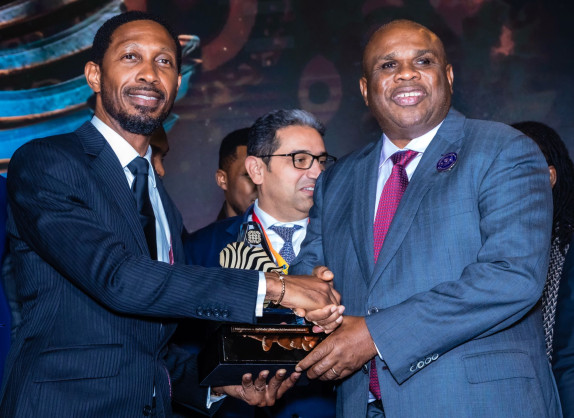
Professor Benedict Okey Oramah, President and Chairman of the Board of Directors at African Export-Import Bank (Afreximbank) (www.Afreximbank.com), has been awarded the prestigious Mohammed S. Barkindo Lifetime Achievement Award at the African Energy Awards, held on the sidelines of the African Energy Week (AEW) 2024: Invest in African Energy conference, happening between 4-8 November in Cape Town, South Africa.  

The award, named in honour of the former Secretary-General of OPEC, the late Dr Mohammed Barkindo, recognizes individuals who have made exceptional and lasting contributions to Africa's oil, gas, and energy sectors. This honour represents the highest accolade in African energy, awarded to individuals whose work has had a transformative impact on the continent's energy sector. Notable past recipient of the Mohammed S. Barkindo Lifetime Award in 2023 is Keith Hill, former President and CEO of Africa Oil Corp. 

For over three decades, Prof. Oramah has played a critical role in driving sustainable development across Africa by channelling essential funding into major oil, gas, and infrastructure projects. Since assuming leadership of Afreximbank in 2015, he has pioneered innovative financing structures that have democratised energy access and accelerated industrialization and the growth of Africa's strategically critical energy sector. 

Under Prof. Oramah's leadership, Afreximbank has made substantial contributions to the growth of Africa's energy sector. Under his stewardship, the Afreximbank has facilitated the mobilization of over USD 70 bn to support Africa's energy sector. Included in this is more than USD 5bn for refineries in Nigeria, Angola and Senegal, to further Africa's refined product independence and reduce the continent's Foreign Exchange drain.  

In Nigeria, Afreximbank now acts as Adviser and Settlement Bank for NGN denominated crude sales to Nigerian refineries. Replicated across the oil producing states in Africa, this will save several USD 100mn per annum in transactional charges alone. Ranking among President Oramah's most significant achievements is the historic signing of the Establishment Agreement and the Charter of the Africa Energy Bank (“AEB”) in Egypt in June 2024, in partnership with the African Petroleum Producers Organization (APPO). This landmark initiative aims to mobilize funding to support investments across Africa's entire energy system, aligning with the continent's energy needs and its environmental sustainability goals. 

Professor Oramah has led the energy transition agenda through the Bank's support in renewable energy transactions including, but not limited to, the EUR1.3 bn ECA import facility Project Gleam in support of the import of sonar panels for rural electrification in Angola, the EUR 147mn Government of Cameroon solar power project and the US$363 million Gasmeth Energy Rwanda gas extraction and processing project.  

Significantly, the majority of the above-mentioned transactions received numerous industry awards for their impact on the continent, their complexity and their unique structures.   

Prior to joining Afreximbank, Professor Oramah distinguished himself in international trade finance and development. Beginning his career at the Nigerian Export-Import Bank (NEXIM), he played an instrumental role in shaping Nigeria's export development strategies. Prof Oramah holds a Ph.D. in Agricultural Economics from Obafemi Awolowo University in Nigeria.  

Acknowledging the award, Prof. Oramah commented: 

“It is a great honour to be awarded the Mohammed S. Barkindo Lifetime Achievement Award. Whilst a great honour for me personally, this award reflects the work and dedication of many others, including my colleagues at Afreximbank and our various partners. At Afreximbank, we remain deeply committed to reducing energy deficit on the continent and ensuring we are self-sufficient. 

Distributed by APO Group on behalf of Afreximbank.

Media Contact: 
Mr Vincent Musumba 
Manager, Communications and Events (Media Relations) 
Email: press@afreximbank.com 

Follow us on: 
Twitter: https://apo-opa.co/4fwz0D3
Facebook: https://apo-opa.co/4emjUyg
LinkedIn: https://apo-opa.co/4feURPa
Instagram: https://apo-opa.co/3CjGevc

About Afreximbank : 
African Export-Import Bank (Afreximbank) is a Pan-African multilateral financial institution mandated to finance and promote intra-and extra-African trade. For 30 years, the Bank has been deploying innovative structures to deliver financing solutions that support the transformation of the structure of Africa's trade, accelerating industrialization and intra-regional trade, thereby boosting economic expansion in Africa. A stalwart supporter of the African Continental Free Trade Agreement (AfCFTA), Afreximbank has launched a Pan-African Payment and Settlement System (PAPSS) that was adopted by the African Union (AU) as the payment and settlement platform to underpin the implementation of the AfCFTA. Working with the AfCFTA Secretariat and the AU, the Bank is setting up a US$10 billion Adjustment Fund to support countries to effectively participate in the AfCFTA. At the end of December 2023, Afreximbank's total assets and guarantees stood at over US$37.3 billion, and its shareholder funds amounted to US$6.1 billion. The Bank disbursed more than US$104 billion between 2016 and 2023. Afreximbank has investment grade ratings assigned by GCR (international scale) (A), Moody's (Baa1), Japan Credit Rating Agency (JCR) (A-) and Fitch (BBB). Afreximbank has evolved into a group entity comprising the Bank, its impact fund subsidiary called the Fund for Export Development Africa (FEDA), and its insurance management subsidiary, AfrexInsure, (together, “the Group”). The Bank is headquartered in Cairo, Egypt. 

For more information, visit: www.Afreximbank.com 
Media files
Afreximbank
Download logo
Read moreAfreximbank President Professor Benedict Oramah Receives Prestigious Mohammed Barkindo Lifetime Achievement Award
7 November 2024

Eskom Serves Notice of Power Interruption Against City of Johannesburg and City Power

Location: Business

Thursday, 07 November 2024:  Eskom today served a notice of intention to interrupt power supply to the City of Johannesburg (CoJ) and City Power at certain pre-determined times of day in accordance with the Provision of Promotion of Administrative Justice Act (PAJA). The CoJ and/or City Power currently owe Eskom an amount of R4.9 billion,...

Read moreEskom Serves Notice of Power Interruption Against City of Johannesburg and City Power
7 November 2024

Rand Water and Eskom Restore Power Supply to Affected Palmiet Pumping Station

Location: Business

On Wednesday, 06 November 2024 at 00h30 Rand Water’s Palmiet Booster Pumping Station experienced a power failure that affected normal water supply. After investigation by the technical teams from both Rand Water and Eskom, it was detected that there is no power failure on the Eskom network and the infrastructure was operating as per normal....

Read moreRand Water and Eskom Restore Power Supply to Affected Palmiet Pumping Station
7 November 2024

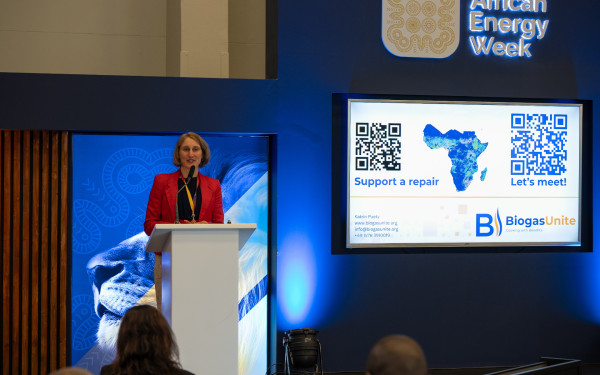
(B)energy Relaunches Africa-Focused Clean Cooking Solution

Location: News
African Energy Chamber

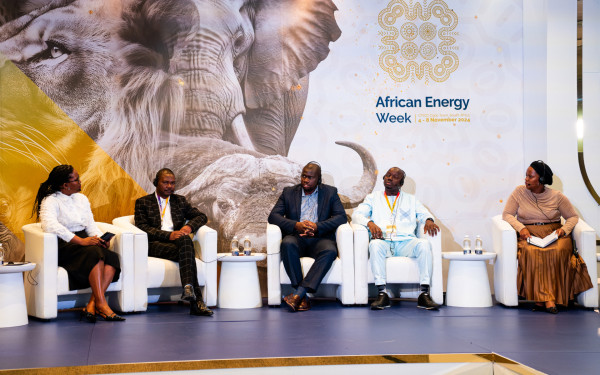
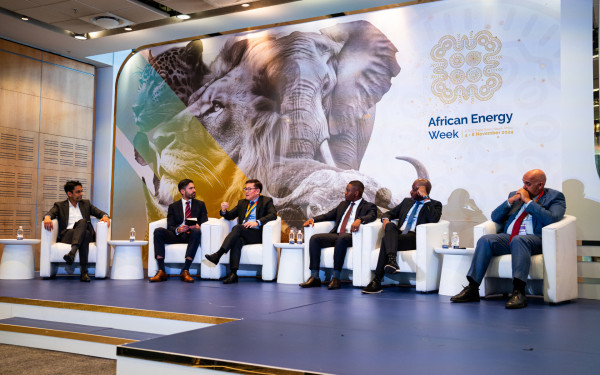
Africa-focused biogas company (B)energy re-launched BiogasUnite, a digital platform designed to boost the use of biogas for clean cooking in Africa, during a technical workshop at African Energy Week: Invest in African Energies 2024 on Tuesday. 

Katrin Puetz, Founder and Managing Director of (B)energy, said the company is seeking £780,000 from African and global investors to fund the adoption of BiogasUnite across the continent. Currently under trial in Uganda, the platform will provide a streamlined approach to connecting biogas consumers, technicians and energy stakeholders, according to Puetz. 

The initiative targets the repair of approximately 175,000 biogas cooking systems currently out of service due to maintenance challenges.  

(B)energy established partnerships for the platform with fifteen organizations in countries such as Nigeria, Sierra Leone, Benin, Ghana, Mali, South Africa, Zimbabwe, Kenya and Mozambique 

“Around 200,000 biogas cooking systems were installed in Africa since 2012, yet nearly 60% are now non-functional due to inadequate maintenance,” Puetz explained. 

The platform, enabled with a smart meter and app, provides users with direct access to technicians for stove maintenance, while enabling business owners to rent and monetize their cooking stoves, reducing the previously high upfront costs that hindered biogas adoption and scalability, according to Puetz. 

“Fifteen years ago, about 700 million people lacked access to clean cooking, and this number has since grown to nearly a billion,” stated Puetz, adding “The African Energy Chamber, with its extensive data and connections across the African energy sector, would be an ideal partner.”  

She said having governments as partners will help with job creation and drive sustainability of the oil and gas industry. 

Distributed by APO Group on behalf of African Energy Chamber.

Media files
African Energy Chamber
Download logo
Read more(B)energy Relaunches Africa-Focused Clean Cooking Solution
7 November 2024

AEW 2024: Efficiency and Demand Management Key to Sustainable Development

Location: News
African Energy Chamber

As Africa continues to expand its energy infrastructure on a continent where energy poverty remains the reality for millions of its population, addressing the challenges of energy efficiency and demand side management become increasingly crucial. There is a pressing need to optimize energy consumption and promote sustainable development across the continent.

During a panel discussion sponsored by the South African National Energy Development Institute (SANEDI), South Africa's successful history of promoting energy efficiency in the country through the implementation of its National Energy Efficiency Strategy was highlighted.

Ngoanathari Maja, Programme Manager for Energy Efficiency in Public Buildings & Infrastructure Programmes at the SANEDI set the tone of the discussion as the panel moderator. Panelists included Professor Sampson Mamphweli, General Manager at the Department of Science and Innovation and Energy Secretariat at SANEDI; Stalin Ndlovu, Acting General Manager of Energy Efficiency and Demand Side Management at SANEDI; Nqobile Ngcobo, Energy Performance Certificates Program Lead at SANEDI and Salifou Camara, Deputy National Director of Energy at the Ministry of Energy, Hydraulics and Hydrocarbons in Guinea-Conakry.

Mamphweli discussed how energy efficiency and demand side management measures had a significant impact on South Africa's energy availability when the country experienced its first period of loadshedding in 2008. The measures implemented by Eskom, SANEDI and the private sector managed to contain loadshedding at the time.

“Through energy efficiency and demand side management measures you can save a lot of energy that can be distributed to those who do not have access to energy,” he said.

Mamphweli added that although South Africa has the National Energy Efficiency Strategy, the country's draft Integrated Resource Plan 2023, which provides a roadmap for meeting South Africa's forecasted electricity demand, does not make provision for this. It is important for energy efficiency and demand side management to feature in the country's long-term energy planning, he said.

To meet the country's future energy needs, Ndlovu reiterated the importance of resource efficiency on both the energy supply side and energy demand side, noting that countries must optimize their energy use.

Also drawing on the topic of resource efficiency, Ngcobo said that we can only start expanding electrification on the continent once we consume energy efficiently.

Maja raised the concern that despite the strides made towards improving energy efficiency in South Africa, there is not enough uptake of energy efficiency and demand side management measures in Africa.

In response to this, Mamphweli highlighted the various stumbling blocks in Africa, including funding, skills, and awareness of energy efficiency. “Selling the idea of energy efficiency takes time for people to buy into,” he said.

Camara provided insight on the barriers faced in adopting energy efficiency measures in Guinea-Conakry, noting that consumers simply buy appliances that are not energy efficient.

“We need [to] raise awareness among consumers to improve the country's energy efficiency as our population needs to better understand how to better save and use energy, to ensure sufficient energy for all,” he said.

In line with this, Mamphweli called for action against using Africa as a dumping ground for energy inefficient technologies, emphasizing the need for behavioral changes towards using existing and proven energy saving technologies in Africa at both a household and commercial level.

Ngcobo addressed the importance of viewing energy efficiency as the first step in managing demand. “There is no point in increasing energy supply when we are unable to effectively manage what we are using on the end user side,” she said.

The panel discussion formed part of African Energy Week (AEW): Invest in African Energies' ‘Powering Africa Summit'. The summit aims to advance investment, technology, and innovation to harness Africa's renewable and non-renewable energy mix and optimize the continent's power generation and distribution capabilities to improve energy access and meet the rising power needs of Africa's rapidly expanding populations.

Set to reach 2.5 billion people by 2050, Africa is home to the world's fastest-growing population. The continent's crude oil and gas resources, combined with its vast solar and hydropower resources represent the pathway to improving energy access and rising power demands.

SANEDI is a Bronze Sponsor of the AEW: Invest in African Energies 2024 conference, which is being held in Cape Town this week.

Distributed by APO Group on behalf of African Energy Chamber.

Media files
African Energy Chamber
Download logo
Read moreAEW 2024: Efficiency and Demand Management Key to Sustainable Development
7 November 2024

Agence Française de Développement (AFD) Signs a EUR 6,5 Million Grant Agreement to Support the Development of Eskom’s Tubatse Pumped Storage System Project

Location: Business

Johannesburg, 07 November 2024 – Eskom and Agence Française de Développement (AFD) today signed a EUR 6,5 million (ZAR 125 million) grant agreement to support the public electricity utility in the development of its Tubatse Pumped Storage System (PSS) project, located in the Elias Motsoaledi Local Municipality in Limpopo. The Tubatse Pumped Hydro Storage System...

Read moreAgence Française de Développement (AFD) Signs a EUR 6,5 Million Grant Agreement to Support the Development of Eskom’s Tubatse Pumped Storage System Project
7 November 2024

AEW 2024 Panel Deliberates Path Towards Private Power Provision in Africa

Location: News
African Energy Chamber

Private power and Independent Power Producer (IPP) investments are pivotal for Africa's energy future if it is to improve energy access and end energy poverty on the continent. The procurement of new, often renewable sources of energy, is a way for countries to improve energy supply but also meet transition goals. 

During a panel discussion titled ‘Maintaining the Momentum for Private Power Provision' that formed part of African Energy Week (AEW): Invest in African Energies 2024 ‘Powering Africa Summit' South Africa's IPP procurement program was highlighted as a benchmark on how to successfully develop private, independent power generation capacity in Africa, which is challenged by a lack of generation capacity, aging power plants and poorly run state-owned utilities and a lack of affordable capital. 

Bernard Magoro, Head of South Africa's Independent Power Producers Office said that although the country has overcome the challenge of loadshedding, it needs to decommission 15-20 GW of coal-fired power by 2035, half of which will be replaced by renewables which requires between four and five times the baseload capacity that you are replacing. 

The IPP program, which has been running for 14 years, has delivered over 8 GW of capacity, 7.2 GW of renewable energy and 1 GW of open cycle gas turbine capacity, Magoro pointed out. This equates to about 10% of South Africa's energy from IPPs on an annual basis, he added. 

The enabling environment that Magoro referred to as “the IPP energy ecosystem” that was created in South Africa to support IPP integration is what has supported the success of the program, the learnings of which he said was being shared with the rest of the African continent. 

Panel moderator, Hasnayn Ebrahim, Managing Director of management consultancy Africa International Advisors noted the important aspect of cross-border collaboration, knowledge sharing and capacity support as a potential enabler to advance private power provision in Africa, a sentiment echoed by Mirlan Aldayarov, Infrastructure Program Leader at the World Bank who said the South African Power Pool (SAPP) exists as a good mechanism that can help to leapfrog some of the IPP development challenges in Africa. 

This idea was supported by Simphiwe Jantjies, Head of East, Central and West Africa at development finance institute the Development Bank of Southern Africa who said the existence of regional power pools, in addition to liberalizing the energy market can play an important role in extending the role of IPPS in providing power. 

“Development finance institutions can…play a meaningful role in the entire project development value chain…pulling the entire financing structure of a project together and ensuring it is bankable,” Jantjies said. 

Aldayarov highlighted the pace of reforms to support IPPs in South Africa as “phenomenal” noting that the Bank is involved in long term energy planning, policy and regulatory reforms, energy offtake and supporting the development of a pipeline of bankable projects to create an enabling environment going forward. 

In trying to maintain the momentum of the IPP program in South Africa, where there is over 100 GW worth of energy capcity at different readiness stages waiting to be developed, the country is faced with needing to expand the energy grid. “We have run out of grid capacity,” he said. 

“Between now and 2032 we need to build 14,000 km of transmission lines,” which Eskom cannot do alone, Mogoro said, noting that the private sector, like the role it is playing in the IPP space, would need to assist in expanding the strained transmission network. 

Distributed by APO Group on behalf of African Energy Chamber.

Media files
African Energy Chamber
Download logo
Read moreAEW 2024 Panel Deliberates Path Towards Private Power Provision in Africa
7 November 2024

Africa Oil Corp. Shares Exploration Results in Equatorial Guinea’s EG-18 Field at AEW 2024

Location: News
African Energy Chamber

Africa Oil Corp has revealed encouraging exploration results from the EG-18 field in Equatorial Guinea. Chris Johnston, Senior Geoscientist at Africa Oil Corp., presented these findings during a technical workshop at Africa Energy Week: Invest in African Energies 2024. 

Highlighting their recent efforts, Johnston explained that the EG-18 field, which Africa Oil operates with an 80% interest, has demonstrated strong reservoir quality. The EG-18 field is part of Africa Oil Corp's strategic offshore exploration in Equatorial Guinea, a region historically rich in hydrocarbons but with limited offshore oil discoveries. "Our main prospect, Jasper, appears highly prospective, with indicators suggesting the presence of oil," Johnston stated. 

Africa Oil Corp's exploration campaign includes analyzing basin floor fan prospects of the Cretaceous age. These formations are akin to successful structures the company has explored in Namibia and South Africa. "From our data, we've identified seismic anomalies and Amplitude Versus Offset responses that increase our confidence in a working hydrocarbon system," Johnston elaborated, referencing findings from the recent Jaca-1 well, which indicate oil presence. 

Additionally, Johnston emphasized the potential of EG-18 to become a major new hydrocarbon province, akin to the prolific Orange Basin. “The correlation to nearby L2 well data and Direct Hydrocarbon Indicators further supports our belief in the area's potential,” he said. 

In Block EG-31, Africa Oil has also identified promising gas-prone prospects, such as the shallow-water Whistler prospect in the Alba fields. Studies, including rock physics analysis, have confirmed gas potential. 

Distributed by APO Group on behalf of African Energy Chamber.

Media files
African Energy Chamber
Download logo
Read moreAfrica Oil Corp. Shares Exploration Results in Equatorial Guinea’s EG-18 Field at AEW 2024
6 November 2024

Clarification on Statement Made by Johannesburg Water Regarding Power Supply to Palmiet Station

Location: Business

Wednesday, 6 November 2024: Eskom wishes to clarify that no power failure has been detected on our network that would impact the Palmiet Station, as per the recent statement by Johannesburg Water. Following a thorough internal investigation, our technical teams have confirmed that all power infrastructure serving the area is operational and functioning within normal...

Read moreClarification on Statement Made by Johannesburg Water Regarding Power Supply to Palmiet Station
6 November 2024

AEW 2024 Hydrogen Summit Highlights Collaboration as Key to Investments

Location: News
African Energy Chamber

Africa's abundant energy potential, coupled with Europe's ambitious production and import goals, have resulted in the development of a burgeoning global green hydrogen economy. Africa currently has 125 GW of hydrogen capacity with major contributors including Egypt, Mauritania, South Africa, Morocco, Namibia and Kenya – a group of nations that form part of the Africa Green Hydrogen Alliance group.

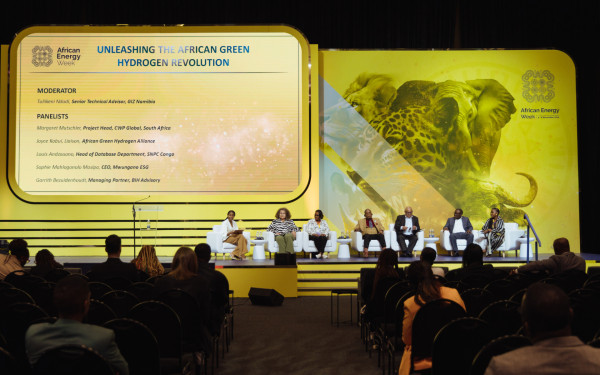
A dedicated panel session titled, Hydrogen Summit: Unleashing the African Green Hydrogen Revolution, at this year's African Energy Week: Invest in African Energies 2024 conference explored the significant role that hydrogen plays in the future of African energy. The panel noted that the EU market represents the largest commercial opportunity for hydrogen projects on the continent, with international collaboration being highlighted as a key strategy towards driving the sector forward.

“We need to see more countries establish key terms to create a platform for knowledge sharing,” stated Africa Green Hydrogen Alliance liaison Joyce Kabui, adding, “The support here depends on the scale of collaboration in the green hydrogen space.”

Mauritania has emerged as one of the world's top green hydrogen investment destinations. The country has effectively captured 1.5% of the global hydrogen market with 3 of its major hydrogen developments – the 30 GW AMAN development, 35 GW Megaton Moon project and 10 GW Project Nour development by renewable energy developer Chariot Energy Group, which collectively contribute to the country's objective of producing 12.5 million tons of green hydrogen annually by 2035.

“In Mauritania, we've managed to prove renewable resources and understand energy profiles available from natural resources to supply the value chain,” stated CWP Global Vice President of Project Development Africa, Margaret Mutschler, adding, “We've conducted environmental studies and baseline studies in countries like Mauritania that is relevant in other countries as well.”

Meanwhile, South Africa's government has recognized green hydrogen as a key aspect of the country's just energy transition. It has introduced the Hydrogen Society Roadmap to serve as the industry's framework to facilitate large-scale investments in the sector.

“If you look at hydrogen as a source, it's underpinned by the hydrogen roadmap that the government has begun to drive,” stated General Manager of Energy Projects at South Africa's state-owned Central Energy Fund, Sifiso Msabala. “There is a focus on hydrogen in this country and we understand the issues that are inhibiting progress. We know that South Africa is a great country to contribute to the global hydrogen industry.”

Louis Andzouono, Head of Database Department at the Republic of the Congo's state-owned Société National des Pétroles du Congo (SNPC), expressed his country's commitment to driving a sustainable green hydrogen sector. The parastatal company received authorization from the government last year to explore the development of a green hydrogen market in the country.

“The SNPC is confident that its promotion of green hydrogen will succeed and thrive,” Andzouono stated, adding, “We assume the missions and projects of the state will guarantee a serene future for the Congolese people through structure and eco-friendly projects.”

The panelists noted that supportive policies and international collaboration will bolster Africa's green hydrogen economy, potentially attracting investments and improving resource capacity.

Distributed by APO Group on behalf of African Energy Chamber.

Media files
African Energy Chamber
Download logo
Read moreAEW 2024 Hydrogen Summit Highlights Collaboration as Key to Investments
6 November 2024

Mashatile chairs inaugural meeting of newly appointed Human Resource Development Council

Location: News

Mashatile chairs inaugural meeting of newly appointed Human Resource Development Council

Deputy President Paul Mashatile has stressed the importance of reigniting efforts to drive human resource development initiatives, so as to urgently tackle the three critical challenges of unemployment, poverty and inequality.

The Deputy President was speaking as the Chairperson of the Human Resource Development Council (HRDC), where he led the inaugural meeting of the newly appointed council on Tuesday.

The newly appointed HRDC members include representatives from government, organised labour, organised business, as well as civil society.

According to the Deputy President’s office, the council’s main strategic mandate is to advise government on initiatives to develop the necessary skills to meet labour market demands over the next five years, ending in 2029.

“We look forward to your invaluable contribution and are convinced that your unique talents, abilities, and experiences will further assist to re-energise efforts to realise the strategic goals of the HRDC,” Mashatile said.

The meeting received presentations on the reconceptualised HRD Strategy and the Master Skills Plan, which will anchor policy documents for all human resource development interventions in the country.  

The plan outlines four strategic, outcome-oriented goals. These include enhancing early learning and educational outcomes, as well as increasing the employability of youth, who are not engaged in education, employment, or training (NEET).

The plan also highlights the need to enhance the responsiveness of the Post-School Education and Training (PSET) system to skill demands and improve governance, leadership and management within the public sector.

In addition, the meeting received updates on the establishment of the Just Energy Skills Forum, which is aimed at contributing to the transformation of the energy landscape in the country, in line with the dictates of climate change.  

This follows the commitment made by government to launch the Just Energy Transition (JET) Investment Plan 2023-2027 in 2022, where President Cyril Ramaphosa mandated the Presidential Climate Commission to engage with various key stakeholders in developing common approaches for South Africa.

A key element for the implementation of the JET Skills Portfolio is the establishment of a National Skills Advisory Forum, which is planned to be launched at the 5th HRDC Summit scheduled to take place this month.

The 5th HRDC Summit will bring together civil society groups, government, labour and business to deliberate on critical skills challenges facing the country.

The summit’s theme will focus on developing the emotional, intellectual and technical capabilities needed to succeed. The gathering will also touch on the reconceptualised HRD Strategy and the Master Skills Plan, as well as the launch of the JET National Skills Advisory Forum.

The summit will also discuss building foundations for learning and skills for a transformed economy, as well as building a capable State.

The HRDC is a national, multi-stakeholder advisory body chaired by the Deputy President and managed by the Ministry of Higher Education and Training.

The HRDC was established in 2010 to facilitate conditions that promote the optimal participation of all stakeholders in the planning, stewardship, monitoring and evaluation of HRD activities in the country.

One of the council’s key responsibilities is to build the HRD base required to ensure a prosperous and inclusive South African society and economy, focusing on the development of strategy. – SAnews.gov.za

Gabisile
Wed, 11/06/2024 - 10:48

346 views
Read moreMashatile chairs inaugural meeting of newly appointed Human Resource Development Council
6 November 2024

Mastering Farm-In and Farm-Out Agreements – Key Insights from AEW 2024

Location: News
African Energy Chamber

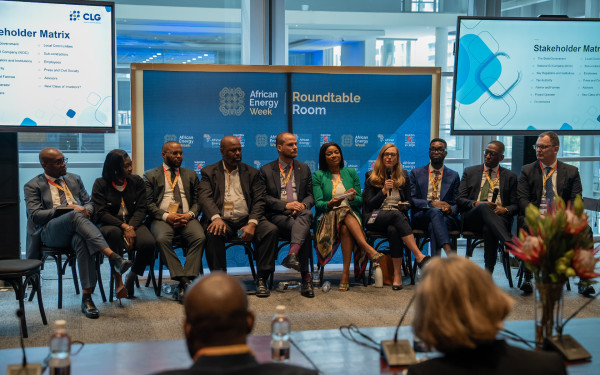
A panel of experts at Africa Energy Week (AEW): Invest in African Energies 2024 emphasized the critical importance of stakeholder engagement and legal considerations in farm-in and farm-out agreements during a workshop titled, ‘Mastering Energy Investment Transactions in Africa'.

Moderated by Zion Adeoye, CEO and Managing Partner of CLG on Monday at the AEW: Invest in African Energies 2024 pre-conference session, the panellists shared insights into essential contractual arrangements in the oil and gas industry for facilitating exploration and development activities and allowing companies to share resources, risks and expertise.

Speaking during a Mastering Energy Investment transaction in Africa: a critical guide for general counsel masterclass, Jude Kearney, managing partner of Asafo & Co noted that there were several critical factors that played a role in allowing for meaningful engagement in farm-in farm-out agreements. “There are literally a thousand considerations a farmor or farmee must make before entering a transaction, but they must realize that they are not alone in their decision-making.”

“It is crucial to engage with local stakeholders – government, prospective service providers, potential employees – early to understand the market dynamics and expectations. This includes assessing local content requirements and corporate social responsibility expectations. The government is your ultimate stakeholder, as they hold the authority to approve or deny transactions,” Kearny added.

Participants underscored the necessity of thorough legal due diligence before entering negotiations. This includes understanding local laws, tax obligations and regulatory requirements to avoid potential pitfalls. Grace Yella, CLG director for tax and legal in Cameroon, emphasised starting with due diligence to lobby for favourable responses from government administrations.

Kearny concurred, “Consider policies that exist in some of the countries, such as Nigeria and South Africa, which have very strong local content regulations. If you are not aware of these regulations, and  have not considered them, then your contract is not perfect,” he added.

CLG Equatorial Guinea managing partner Manuel Oliveira agreed, adding that meeting these regulations were no longer a box-ticking exercise. “Local content is critical for these transactions, there are obligations regarding training local people and to give opportunities to local entities to participate in the economy,” he said, adding that local advisors were also able to navigate the complexities of legislation of this nature.

Tax considerations were also a focal point of the discussion. Daoudou Mohammad, Congo director of CLG, noted that understanding tax obligations is crucial, especially as regulations can change rapidly. Engaging tax consultants early could ensure compliance and identify potential exemptions.

As case study, Mohammad cited the oil and gas taxation decree in the Republic of the Congo having undergone several revisions, which significantly impacts how companies approach their investments and compliance strategies. In 2001, a decree was issued that provided tax exemptions for oil and gas activities, which were included in the terms and conditions of various contracts.

However, subsequent changes in government policy led to the issuance of a new decree that made these activities taxable. This shift raised concerns among investors about the stability and predictability of the regulatory environment. The decree was later suspended following constructive dialogue between government officials and tax operatives, indicating a willingness to find a compromise between government revenue needs and the interests of oil and gas entities.

Similarly, changes in Ghana's oil and gas laws that affected previously favourable tax terms have also changed. “The new Production Sharing Contract focuses more on tax implications than legal terms, highlighting the need for tax experts to be involved in negotiations to avoid unexpected costs,” said Onyeka Ojogbo, CLG deputy managing partner.

“This evolving nature of tax regulations necessitates that companies remain vigilant about compliance to avoid unexpected liabilities, especially given that VAT is now applicable to oil and gas companies, although some activities may still be exempt,”  concluded Mohammad.

Distributed by APO Group on behalf of African Energy Chamber.

Media files
African Energy Chamber
Download logo
Read moreMastering Farm-In and Farm-Out Agreements – Key Insights from AEW 2024
6 November 2024

AEW Highlights Critical Minerals Role in African Renewables Growth

Location: News
African Energy Chamber

Africa must expand its renewable energy manufacturing capabilities and leverage its critical minerals to foster growth in its renewables sector, according to James Mackay, Managing Director at the Energy Council of South Africa.

Speaking on a panel discussion during African Energy Week: Invest in African Energies' Pre-Event Technical Workshops, Mackay said the high cost of renewables in Africa could be lowered by enhancing local manufacturing capacity, making vital technologies more accessible for project developers.

“Egypt is currently leading in solar manufacturing, but other African governments should work to attract investments and implement policies that incentivize manufacturers to establish operations on the continent,” stated Mackay.

Carlos Torres Diaz, Senior Vice President & Head of Gas and Power Markets Research, Rystad Energy highlighted Africa's youthful workforce as a strategic advantage in developing innovative solutions required to harness the continent's 30% share of global critical minerals. According to Diaz, the focus is no longer solely on replacing fossil fuels but on integrating all energy resources and using digital tools to stabilize the power grid.

“Gas-to-power solutions remain essential for stability alongside renewables,” he noted.

Despite holding 40% of the world's total solar potential, Africa currently utilizes only 35% of its capacity, according to Nivedh Das Thaikoottathil, Senior Analyst – Renewables & Power at Rystad Energy. Thaikoottathil pointed out that Africa's ability to add value to its critical minerals will shape its potential to produce over 100,000 TWh of solar energy annually, potentially increasing the share of solar and wind from 8% today to 60% by 2040.

Commenting on high-growth renewable energy markets in Africa, Thaikoottathil said South Africa, Morocco, Egypt, Tunisia, Mauritania and Mozambique are the key players.

“We are seeing growing financing for renewable projects and new interconnectors between North Africa and Europe, with 24 GW of proposed capacity aimed at linking the regions,” he said.

AEW: Invest in African Energy 2024 is held alongside the Critical Minerals Africa Summit which will run from November 6 – 7 November in Cape Town, offering delegates access to the full scope of energy, mining and finance leaders.

Distributed by APO Group on behalf of African Energy Chamber.

Media files
African Energy Chamber
Download logo
Read moreAEW Highlights Critical Minerals Role in African Renewables Growth
6 November 2024

AEW 2024 Opens in Cape Town with Clarion Calls to Drill, Invest and Drive Projects Forward

Location: News
African Energy Chamber

The African Energy Week (AEW): Invest in African Energies 2024 conference officially opened with calls from the industry to ‘drill baby drill.' Citing the need to enhance climate justice through the development of domestic energy resources, industry leaders from across the continent underscored the need to sign deals, foster partnerships and drive projects forward.

With over 600 million people living without access to electricity and 900 million people without access to clean cooking solutions, the AEW: Invest in African Energies opening ceremony – sponsored by Kosmos Energy – positioned the oil and gas industry as the catalyst for making energy poverty history.

“Our priority must continue to be to end energy poverty for all Africans as well as to create an enabling environment where the oil and gas industry can thrive,” stated Diamantino Pedro Azevedo, Minister of Mineral Resources, Petroleum and Gas, Angola. “That is also our priority in Angola. The oil and gas industry will be a fuel for socioeconomic development.”

For the African Petroleum Producers Organization (APPO), prioritizing the development of domestic markets will be integral for eliminating energy poverty. APPO Secretary General Dr. Omar Farouk Ibrahim stated that “Today, APPO is focused on creating an integrated, regional and continental energy market. To create markets, we need to create cross-border, regional and inter-regional infrastructure. One of our projects we are working on is the Central African Pipeline System, which aims to link countries through crude oil and gas pipelines.”

Adding to these remarks, Kgosientsho Ramokgopa, Minister in the Presidency, Energy and Electricity, South Africa, said that “Today, Africa's path forward lies in seizing control of our energy destiny. Our resources make us capable of not just powering our homes and industries but a new Africa. This will require unity of purpose and a collective resolve.”

Despite project progress, financing remains a central challenge to oil and gas development in Africa. According to Mary Bruce Warlick, Deputy Executive Director of the International Energy Agency, “African countries account for 20% of the world's population but only 4% of global investment. Energy investment has been falling across the continent over the past decade. Africa needs $200 billion to achieve its climate and energy goals by 2030.”

To address these challenges, the African Export-Import Bank (Afreximbank), in collaboration with APPO, established the Africa Energy Bank, an institution which offers financing for African oil and gas projects. According to Benedict Oramah, President & Chairman of the Board, Afreximbank, “The Africa Energy Bank is the first multilateral sector bank in Africa. We expect the bank to significantly contribute towards bridging the funding gap in the African energy sector. It will be open for business to have access to funding by February in 2025. We invite you to send in your applications to be the first transaction by the Africa Energy Bank, which will be ready in a few months' time.”

The Africa Energy Bank supports energy companies drive projects forward. For independents such as Oando, this presents a strategic opportunity to expand their oil and gas portfolios in Africa. Wale Tinubu CON, Group Chief Executive Officer, Oando PLC, said that “The oil and gas landscape is changing. Between 2015 and 2023, there have been more than $7 billion of divested assets in Africa. In terms of M&A activity, there have been a focus on onshore and shallow water acquisitions and we have seen a rise of indigenous joint ventures and collaborations.”

Stepping into this picture, the AEW: Invest in African Energies conference convenes under a goal to make energy poverty history. By uniting the industry in Cape Town, the event fosters partnerships, promotes deal-signing while creating a collaborative environment for companies to do business in Africa's energy sector.

“It is the time for us to tell the African story, written from Cape to Cairo and Kampala to Dakar. We will forge a path that shapes the future. We have work to do in Africa. We sign baby sign so that we can drill baby drill. Let's not stop getting projects signed,” stated NJ Ayuk, Executive Chairman, African Energy Chamber.

Distributed by APO Group on behalf of African Energy Chamber.

Media files
African Energy Chamber
Download logo
Read moreAEW 2024 Opens in Cape Town with Clarion Calls to Drill, Invest and Drive Projects Forward
6 November 2024

Select Committee Receives Briefing From AG on Audit Outcomes for Departments of Forestry, Mineral Resources, and Electricity

Location: News

Republic of South Africa: The Parliament
Download logo

The Select Committee on Agriculture, Land Reform, and Mineral Resources received a briefing from the Auditor-General of South Africa (AG) on the audit outcomes of the Department Forestry, Fisheries and the Environment, the Department of Mineral Resources, and the Department of Electricity and Energy for the 2023/24 financial year.

The AG's findings revealed significant irregular expenditure, with the Department of Forestry, Fisheries and the Environment reporting R635 million and the Department of Mineral Resources and Energy disclosing R432.6 million. The AG also highlighted compliance issues, including a 100% non-compliance rate in the Free State pertaining to environmental management regulations in waste management and landfill site operations.

This was of great concern to the committee and members expressed their disbelief at the lack of accountability for such significant failures. Members asked for clarity on how the committee could ensure these matters are adequately addressed.

Additional questions arose regarding the operational performance of the National Energy Regulator of South Africa (NERSA). The committee noted that NERSA's effectiveness is crucial in guiding the energy sector, and members sought to understand its plans for improving compliance and monitoring energy distribution.

The role of the South African National Energy Development Institute (SANEDI) was also discussed, with committee members recognising its importance in supporting government initiatives for sustainable energy practices. The committee emphasised that SANEDI must fulfil its mandate to provide credible data and insights to inform energy planning and policy development.

The committee concluded that a workshop with the AG would be beneficial to enhance understanding and collaboration among members concerning the complex issues surrounding energy security and environmental management. This engagement would facilitate better oversight and accountability within the relevant departments, ultimately benefiting the citizens that the committee serves.

Distributed by APO Group on behalf of Republic of South Africa: The Parliament.

Read moreSelect Committee Receives Briefing From AG on Audit Outcomes for Departments of Forestry, Mineral Resources, and Electricity
5 November 2024

Petrobras Pursues Strategic Oil & Gas Expansion in Southern Africa

Location: News
African Energy Chamber

Brazil's national oil company (NOC), Petrobras, has confirmed it is actively exploring opportunities in South Africa, Namibia and Angola, and it is currently awaiting Galp's decision on its offer to acquire a significant stake in the Mopane block offshore Namibia.

The announcement was made during a pre-conference workshop sponsored by Namibia Energy Corporation (NEC), leading up to the African Energy Week (AEW) 2024: Investing in African Energies conference. Petrobras is widely recognized for its success in the exploration and production of pre-salt oil reserves in the deep waters off the coast of Brazil, which hold close geological similarities to pre-salt areas in southern Africa. 

“As we increase production, we increase the need for reserves. Brazil has a strong correlation with Africa. We feel very comfortable to come back to Africa, and are looking at opportunities in South Africa, Namibia and Angola,” said Sylvia Maria Couto dos Anjos, Executive Officer for Exploration and Production at Petrobras.

The company's technical expertise in pre-salt geology – particularly its ability to extract hydrocarbons from ultra-deep reservoirs beneath thick layers of salt – positions it as a strong contender to unlock frontier acreage in southern Africa. Geological similarities with Angola were highlighted during the workshop, as most of its hydrocarbon discoveries are offshore, with the majority of oil and gas resources located in deepwater reservoirs.

“Both Angola and Brazil have experience in developing deepwater reservoirs,” said Ricardo Van-Deste, CEO – Exploration and Production, Sonangol. “It is very important for us to bring Petrobras back to Angola. They left, but the door is still open.”

Petrobras' deepwater technology, developed over years of working in the Campos and Santos Basins off the shores of Brazil, could also be a game-changer in unlocking South Africa's offshore potential. These include TotalEnergies' Luiperd and Brulpadda discoveries. Earlier this month, the Brazilian NOC announced it had secured approval to acquire a 10% stake in the Deep Water Orange Basin located off the west coast of South Africa.

“Those are challenging operations. With Petrobras' experience and the technologies we have developed over time, this presents a valuable opportunity for us,” said Godfrey Moagi, CEO of the South African National Petroleum Company (SANPC).

In Namibia, Petrobras is currently evaluating entry opportunities as the country has produced a series of world-class discoveries. It is estimated to hold 100 billion barrels of oil equivalent in unrisked resources, with the Deep Water Orange Basin alone accounting for 30 billion barrels of oil equivalent.

“The potential of Namibia is incredible. We have a commitment to fulfill – I guarantee deals will come through,” said Dr. Marcio Rocha Mello, Founder & CEO of Namibia Energy Corporation.

Another key area for potential cooperation is the establishment of a Namibian center of excellence, aimed at enhancing technical capabilities and data analysis to deepen understanding of Namibia's petroleum basins and de-risk prospects for future exploration.

“A center like that in Namibia would enable us to replicate the success of the Orange Basin in the Walvis and Lüderitz basins,” said Maggy Shino, Petroleum Commissioner of Namibia's Ministry of Mines and Energy. “We have blocks that are bigger than some African countries. With such a large volume of available opportunities, we need a diversity of players to fully harness that potential.”

Distributed by APO Group on behalf of African Energy Chamber.

Media files
African Energy Chamber
Download logo
Read morePetrobras Pursues Strategic Oil & Gas Expansion in Southern Africa
5 November 2024

Leaders in energy, investors converge for Africa Energy Week

Location: News

Leaders in energy, investors converge for Africa Energy Week

The African continent’s vast energy-related resources have the potential to forge a prosperous path for the continent. 

This is according to Minister of Energy and Electricity, Dr Kgosientsho Ramokgopa’s written notes for his address at the African Energy Week (AEW), which is underway at the Cape Town International Convention Centre.

AEW brings together Africa’s leaders in energy, investors and executives in the sector.

“Africa’s path forward lies in seizing control of our energy destiny. Our continent’s vast resources, rich potential, and resilience make us capable not just of fueling our homes and industries but of powering a new African century. 

“But this will require unity of purpose, a commitment to innovation, and a collective resolve to harness Africa’s energy to serve African needs,” Ramokgopa said.

Powering the future

The Minister insisted that the continent – despite its challenges, including energy poverty – has the “potential to lead the world in renewable energy and innovative energy solutions”.

“Africa’s potential for renewable energy is unmatched globally. The continent is rich in diverse renewable resources, each offering a path toward sustainable growth that is less dependent on fossil fuels and more aligned with global climate commitments,” Ramokgopa said.

Going further, the Minister cited the number of renewable energy sources available to the continent including solar and wind energy and hydropower.

“With vast stretches of land bathed in sunlight year-round, Africa has some of the highest solar irradiation levels in the world, especially across regions in the Sahara and Sub-Saharan Africa. Solar energy has the potential to power communities, businesses, and industrial zones, especially in off-grid and rural areas.

“From the coastal winds of Egypt to the strong inland gusts in Kenya and Ethiopia, Africa’s wind corridors hold immense potential for generating clean electricity. Expanding wind energy capacity offers not only a path to sustainability but also an opportunity for job creation in turbine manufacturing and maintenance.

“Africa has significant untapped potential, especially in countries with major rivers, such as the Congo, Nile, and Zambezi. Hydropower projects, when sustainably managed, can provide baseload power to support industrialisation and rural electrification, helping reduce energy costs for industries,” the Minister explained.

African Energy Agenda

Ramokgopa told the conference that as South Africa takes up its leadership of the G20 later this year, it is “positioned to champion Africa’s energy priorities on a global platform”.

“South Africa will advocate for energy policies that bridge the development gap, recognising the continent’s need for clean energy and affordable access. In leading the G20, South Africa will focus on strategic interventions to address Africa’s unique energy needs and support a resilient, inclusive future,” he said.

In relation to this, Ramokgopa emphasised that solutions to Africa’s energy challenges must “accelerate sustainable growth, while considering African economies' unique challenges”. 

“Through our G20 leadership, South Africa is committed to championing an African energy agenda that is bold, just, and rooted in an African value system. Together, let us light up Africa with power and the promise of progress, sovereignty, and sustainable prosperity for every African citizen.

“As South Africa leads the G20, we are dedicated to championing an African energy agenda that addresses our challenges, harnesses our resources, and reflects our vision for self-reliance and prosperity.

“Let us seize this moment to build an energy secure Africa, where every community is empowered, every economy is strengthened, and our shared commitment to the future is unwavering. Together, we can light up Africa not just with power, but with the promise of a brighter, more equitable future for all,” Ramokgopa said. – SAnews.gov.za

NeoB
Tue, 11/05/2024 - 12:33

123 views
Read moreLeaders in energy, investors converge for Africa Energy Week
4 November 2024

Lamola to host UK Foreign Secretary in Cape Town

Location: News

Lamola to host UK Foreign Secretary in Cape Town

International Relations and Cooperation Minister, Ronald Lamola, will host his United Kingdom counterpart, David Lammy, on Tuesday, 5 November 2024, in Cape Town. 

According to the department, the meeting between the Minister and the United Kingdom Secretary of State for Foreign, Commonwealth and Development will focus on strengthening relations between the two nations. 

“The UK is one of South Africa’s most significant bilateral partners, particularly in trade, investment, skills development, science, innovation, the Just Energy Transition and tourism, among others,” the Department of International Relations and Cooperation (DIRCO) said.

According to Lammy’s office, he began his visit to the continent in Nigeria, his first trip to Africa as Foreign Secretary and the first to visit South Africa since 2013. 

Committing to a fresh approach to Africa that works productively from Morocco to Madagascar, Lammy announced the start of a five-month consultation process to ensure African voices inform and sit at the very heart of the United Kingdom’s new approach to the continent.

“Accommodating the diverse needs and ambitions of 54 countries, the consultation will guarantee the UK’s relationships across Africa are based on mutual respect and partnership,” Lammy's Office said.

Lammy believes Africa has huge growth potential, with the continent on track to make up 25% of the world’s population by 2050. 

“Our new approach will deliver respectful partnerships that listen rather than tell, deliver long-term growth rather than short-term solutions and build a freer, safer, more prosperous continent. I want to hear what our African partners need and foster relationships so that the UK and our friends and partners in Africa can grow together,“ he said. 

According to Lammy, growth is the core mission of the UK government and will underpin relationships in Nigeria, South Africa and beyond. 

“This will mean more jobs, more prosperity and more opportunities for Brits and Africans alike.” 

In South Africa, Lammy’s Office said he will agree to develop a new United Kingdom-South Africa Growth Plan. 

“South Africa is our largest trading partner on the continent and this plan will allow trade to flourish even more through collaboration on market access, a new UK Trade Partnership programme to boost South Africa exports, and a new programme to increase the number of agricultural jobs in rural South Africa. This will simultaneously boost trade for Brits whilst bolstering opportunities within South Africa.” 

At the biennial United Kingdom-South Africa bilateral forum, the Foreign Secretary and Lamola will refresh the Comprehensive Strategic Partnership to 2030 – raising joint ambition on climate, nature, trade and security, and committing to United Kingdom-South Africa cooperation for the next two years on trade and investment, energy transition, and security. 

South African exports to the United Kingdom supported over 137 000 jobs in 2020. The Foreign Secretary will boost this with the renewal of a risk-sharing partnership between British International Investment and Standard Chartered to provide trade finance for SMEs and corporates operating across Africa and Asia. 

“No growth can be truly inclusive or effective unless it is green,” the statement from Lammy's office read. 

While in South Africa, Lammy will celebrate climate innovation at the Earthshot+ thought leadership conference. – SAnews.gov.za

Gabisile
Mon, 11/04/2024 - 11:13

176 views
Read moreLamola to host UK Foreign Secretary in Cape Town
4 November 2024

Eskom Confirms No Impact on Power Supply Following Incident With Unit 6 at Kriel Power Station

Location: Business

Monday, 04 November 2024: On Sunday, 3 November 2024, at approximately 17:04, Unit 6 at Kriel Power Station correctly tripped following the loss of hydraulic oil to the turbine valves. A preliminary investigation revealed that an oil pipe had broken, causing an oil spill on the hot surfaces of the turbine, which triggered a fire....

Read moreEskom Confirms No Impact on Power Supply Following Incident With Unit 6 at Kriel Power Station
3 November 2024

Eskom saves R13.7 billion on diesel

Location: News

Eskom saves R13.7 billion on diesel

Due to load shedding being suspended for over seven months, Eskom’s diesel savings have reached R13.7 billion year-on-year.

In a statement on Friday, Eskom said load shedding has remained suspended for over seven months (219 consecutive days) since 26 March 2024.

“Investments in the Generation Recovery Plan have been instrumental in maintaining a stable power supply across South Africa, driving efficiencies, and achieving R13.7 billion in year-on-year diesel savings.

“On Monday, 28 October 2024, Eskom achieved a significant milestone in operational efficiency, moving closer to its goal of a 70% Energy Availability Factor (EAF) by end March 2025.

“This achievement is marked by a reduction in unplanned outages, which are measured by the Unplanned Capacity Loss Factor (UCLF) and Other Capacity Loss Factors (OCLF), to 7 299MW. The last time Eskom reached a comparable UCLF milestone was four years ago,” the power utility said.

This achievement follows Eskom’s recent milestone of delivering the longest stretch of uninterrupted power supply in five years, reaching Day 206 of loadshedding suspension on Saturday, 19 October 2024.

“The reduction in unplanned outages means that more generation capacity is available to meet the country’s electricity demand. Additionally, it provides Eskom with the necessary capacity to conduct more planned maintenance activities, which are crucial for further improving the reliability and stability of the generation fleet,” Eskom said.

Eskom’s EAF increased to an average of 65 % over the past week and 63.1% year-to-date, with top-performing stations — including Grootvlei, Camden, Medupi, Lethabo, and peaking facilities — achieving over 70% EAF.

Five other power stations recorded EAFs above 60%.

“By Monday evening, an additional 4 030MW is expected to return online, with six units on cold reserve this weekend to manage supply and demand balance,” Eskom said.

In August, Eskom shared its Summer Outlook for the period from 1 September 2024 to 31 March 2025, predicting a likely scenario of a load shedding-free summer due to structural generation improvements. This outlook remains unchanged.

Illegal connections

While load shedding remains suspended, Eskom continues to face network overloading issues in certain local areas due to illegal connections, vandalism, meter tampering, unauthorised network operations, theft of network equipment, and purchasing electricity from unlicensed vendors.

“To prevent public safety hazards and the risk of network overloading which can lead to load reduction measures and extended unplanned power outages, Eskom strongly urges customers to avoid illegal connections, as this can negatively impact the entire local community. It is also essential for customers to ensure they purchase electricity only from authorised vendors,” the power utility said.

Eskom urged the public to help protect the integrity of the power network by reporting any illegal activities to the Eskom Crime Line at 0800 112 722 or via WhatsApp at 081 333 3323.

Meter updates

In addition, as the 24 November 2024 deadline approaches, Eskom has reminded customers to update their pre-paid meters to avoid them expiring and losing electricity. 

READ | Eskom calls on prepaid customers to update meters before 24 November deadline

The simple, DIY process involves buying credit tokens from authorised vendors. Customers will receive two 20-digit codes to enter into their meters for the update. -SAnews.gov.za

nosihle
Sun, 11/03/2024 - 11:40

1 view
Read moreEskom saves R13.7 billion on diesel
3 November 2024

Deputy Minister Letsike addresses Village Economy Indaba

Location: News

Deputy Minister Letsike addresses Village Economy Indaba

Deputy Minister in the Presidency for Women, Youth and Persons with Disabilities, Mmapaseka Letsike, says more than 60% of jobs and 25% of the Gross Domestic Product (GDP) of the African continent comes from the agricultural sector which is rooted in the rural areas.

“This presents an opportunity for boundless growth through the potential that is inherent in the rural economy and for expansion to industries that ordinarily have not proliferated in rural areas,” Letsike said.

Speaking at the Village Economy Indaba ceremony held in the North West province, Letsike said over half of the population resides in rural regions, yet these areas often face higher poverty rates, lower access to basic services and limited economic opportunities.
“This divide is not only a matter of geography, it concerns social justice, economic necessity, and national progress.”

Letsike said rural areas in South Africa hold an enormous but often overlooked potential for lifting people out of poverty.

“When we invest in rural economies, we create jobs and boost incomes in areas where they are needed most. Imagine empowering smallholder farmers with access to better technology, training, and markets. 

“Not only could they increase their production, but they could also improve their livelihoods, leading to better education, healthcare, and overall well-being for their families and communities,” Letsike said on Friday.

The Deputy Minister said it was reported that about 75% of food produced on the continent is from small farms of less than 20 hectares, while 80% of the 51 million farms on the continent have an area less than two hectares.

“Developing rural economies helps curb urban migration. Every year, thousands of people leave rural areas, hoping for better opportunities in the big cities.

“By creating viable economic opportunities in rural areas, through initiatives such as The Village Economy Indaba whether in agriculture, renewable energy, tourism, or small-scale manufacturing, we can reduce the strain on our cities while enhancing quality of life in the countryside,” the Deputy Minister said.

Letsike said vulnerable groups such as women, youth, LGBTI (lesbian, gay, bisexual, and transgender or intersex), persons and persons with disabilities are the hardest hit by climate change.

“Therefore, renewable energy projects, like solar and wind farms in areas such as the Northern and Eastern Cape, to eco-tourism in Limpopo and the Western Cape, rural South Africa holds immense potential for green growth and sustainability, particularly as we engage the Just Energy Transition.

“By focusing on sustainable practices, we can preserve our environment for future generations while creating jobs today. 

“Many of us who have a rural background will understand that even our indigenous agricultural practices such as companion planting have been proven to promote soil health and maximise production on small pieces of land and it is still used by many farmers in rural areas,” Letsike said.  -SAnews.gov.za 


Edwin
Fri, 11/01/2024 - 14:03

55 views
Read moreDeputy Minister Letsike addresses Village Economy Indaba
1 November 2024

President Ramaphosa Concludes Engagement With Limpopo Executive

Location: News

The Presidency of the Republic of South Africa
Download logo

President Cyril Ramaphosa has concluded a productive session with the Limpopo Provincial Government Executive Council. The President expressed confidence in the economic growth potential that lies within the province that can unlock more opportunities for the people of Limpopo. 

“I am pleased to have the opportunity to reflect on the immediate actions that we can take together as national and provincial governments to bring significant changes to the province of Limpopo that will impact on the lives of ordinary citizens. Limpopo remains a fertile ground upon which we can sow South Africa's growth,” President Ramaphosa said.

President Ramaphosa further said there are areas of infrastructure development that will continue to be at the centre of the agenda of his cabinet, like water provision and roads, until significant progress has been registered and the lives of people of Limpopo are changed for the better.  

The meeting agreed on the urgent support from National Departments, in the areas of Energy and Electricity, Land Reform, Water and Sanitation, Transport, COGTA and Public Works and Infrastructure to assist the province accelerate catalytically projects that will deliver sustainable growth. The inter-governmental framework will prioritise projects that require immediate action whilst allowing those that require long-term planning to be mapped accordingly. 

President Ramaphosa appreciated the understanding of the residents' plight and the vision for the province reflected in the presentation delivered by the Premier and the provincial executive. 

Distributed by APO Group on behalf of The Presidency of the Republic of South Africa.

Read morePresident Ramaphosa Concludes Engagement With Limpopo Executive
1 November 2024

Loadshedding Suspended for Over Seven Months: Unplanned Outages at Four-Year Low, Diesel Savings Reach r13.7 Billion Year-On-Year – Eskom

Location: Business

Friday, 01 November 2024: Loadshedding has remained suspended for over seven months (219 consecutive days) since 26 March 2024. Investments in the Generation Recovery Plan have been instrumental in maintaining a stable power supply across South Africa, driving efficiencies, and achieving R13.7 billion in year-on-year diesel savings. On Monday, 28 October 2024, Eskom achieved a...

Read moreLoadshedding Suspended for Over Seven Months: Unplanned Outages at Four-Year Low, Diesel Savings Reach r13.7 Billion Year-On-Year – Eskom
1 November 2024

President calls for enhanced collaboration between national and provincial governments

Location: News

President calls for enhanced collaboration between national and provincial governments

President Cyril Ramaphosa has emphasised the importance of closer cooperation between national and provincial governments, urging ministers to engage more directly and consistently with their provincial counterparts.

The President was addressing a meeting between the National Executive and the Limpopo Executive Council, led by Premier Phophi Ramathuba, at the Polokwane Municipality Council Chamber in Limpopo on Friday. 

President Ramaphosa described today’s meeting as significant, marking the start of a programme by the National Executive to visit all the provinces in the coming months and to engage directly with their leadership. 

The President outlined the significance of the meeting as the first high-level bilateral engagement between the National Executive and provinces under the 7th Administration and the Government of National Unity (GNU). 

President Ramaphosa highlighted the necessity for such interactions to ensure that both spheres of government can effectively coordinate their efforts and address local needs.

“As we strive for greater alignment between the developmental priorities of national and provincial governments, there is a need for Ministers to engage more directly and regularly with their provincial counterparts.

“On the one hand, this enables the National Executive to have better line of sight of provincial programmes. On the other hand, it enables provincial executive councils to better align their developmental roadmap with national plans,” the President said. 
The President reiterated the constitutional mandate for cooperation among different spheres of government, stressing that effective governance must be transparent, accountable, and coherent in serving the people of South Africa. 

“Section 41 of the Constitution outlines the obligation of different spheres of Government to cooperate with one another, assist one another, coordinate with one another and consult on matters of common interest. 

“The spheres of government are to do so, while respecting the scope of their respective powers and functions,” the President said.
He called for a focus on overcoming structural challenges that hinder investment and job creation in the provinces. 
The GNU, the President said, has identified a set of key priorities for the term of its administration, which includes driving inclusive growth and job creation; reducing poverty and tackling the high cost of living, and building a capable, ethical and developmental State. 

He underscored the vital role provinces play in achieving these goals, particularly through the implementation of the Medium-Term Development Plan.

“Our collective focus now is on marshalling the necessary will and resources to finalise and implement the Medium-Term Development Plan. Driving economic growth that is inclusive and transformational is at the centre of our national agenda. 
“Provinces have a critical role to play in this effort.  Improving service delivery, accelerating job creation and growing provincial economies are as much a priority for provinces as they are for national government. 

“What will be critical in the coming months is a razor-sharp focus on the actions that we all need to take to enable provinces to leverage their respective endowments – be they avocados, minerals or citrus fruit – to ensure that that endowment is more effectively used for economic growth,” the President said. 

The discussion also highlighted the need for provinces to leverage their unique resources such as agriculture, minerals, and tourism to stimulate economic growth. 

President Ramaphosa noted the under-utilisation of arable land and the potential for improved tourism infrastructure as areas needing urgent attention.

Some provinces are extracting large amounts of minerals from the soil, but are not moving to another level. They need to start looking at the second level to beneficiate those minerals. 

“We need to move beyond diagnosis of problems. We need to look at how to overcome the obstacles to provincial endowments being successfully used for development,” he said. 

Premier Ramathuba and the provincial leadership were urged to identify obstacles to growth and to collaborate with ministers to formulate actionable strategies. 

President Ramaphosa pointed out that ongoing structural reforms in sectors, such as electricity and water management, are critical to unlocking provincial potential.

This engagement is intended to open channels of communication and foster a collaborative spirit, with the aim of ensuring that Limpopo and other provinces align their economic development plans with the national vision.

Limpopo perfectly positioned to lead in a number of key sectors

The President said this first engagement between the National Executive and the Limpopo Executive Council must set the tone and agenda for future cooperation.
 
“We have to set our collective sights on what must be done to ensure provinces' economic development plans align with the broader national economic vision. 

“Limpopo is perfectly positioned to lead the country in a number of key sectors, including agriculture, tourism, freight and logistics, and also mineral resources. The province is set to play a major role in the green economy transition. 

“Limpopo possesses a number of critical energy transition minerals, including platinum, and has been designated as a site for the proposed Hydrogen Valley. We are pleased with the work already underway in this regard,” the President said.

President Ramaphosa added that Limpopo, by way of geographical positioning, is South Africa’s gateway to the continent. 

He said the province is well positioned to strengthen South Africa’s links to the rest of the African continent under the African Continental Free Trade Area. 

The President called for innovative solutions and clear timelines to realise the full potential of provincial economies and improve the lives of citizens.

As government prepares for further engagements across the country, the focus remains on creating a capable and accessible governance framework that prioritises the needs of South Africans.

From here, President Ramaphosa will go to KwaZulu-Natal next week and then to other provinces. 

“Our plan is to go to each province over the course of one year. We engage with provinces on an ongoing basis through MinMEC [Minister and Members of Executive Council] meetings and other forums, and we engage with people through izimbizo. This is the government that we want to make more capable and accessible to the people,” the President said. – SAnews.gov.za


DikelediM
Fri, 11/01/2024 - 13:26

150 views
Read morePresident calls for enhanced collaboration between national and provincial governments
  • Previous
  • Page 1
  • Interim pages omitted …
  • Page 29
  • Page 30
  • Page 31
  • Page 32
  • Page 33
  • Interim pages omitted …
  • Page 82
  • Next

Copyright © 2026 · MyZA · All Rights Reserved · Powered by Stratlec Online