• Skip to main content
  • Skip to header right navigation
  • Skip to after header navigation
  • Skip to site footer
MyZA

MyZA

News, Directory, Events and Other Stuff

  • Social Media
  • Sport
  • World News
  • Home
  • Submit News
  • Directory
  • Events
  • Stratlec
  • TFSA
  • News
    • APO
    • Today’s Sport News
    • Todays Social Media and Tech Headlines
    • Today’s World News
    • Today’s SA Financial News
  • Contact
You are here: Home / Archives for Energy

Energy

30 August 2024

President Ramaphosa Leads South Africa Delegation to China for State Visit and the Forum on China-Africa Cooperation Summit

Location: News

The Presidency of the Republic of South Africa
Download logo

President Cyril Ramaphosa will at the invitation of His Excellency President Xi Jinping undertake a State Visit to the People's Republic of China and participate at the Forum on China – Africa Cooperation Summit (FOCAC).

The State Visit and FOCAC Summit will take place in Beijing from 2 - 5 September 2024.

President Cyril Ramaphosa hosted President Xi Jinping on his fourth State Visit to South Africa in August 2023 in the City of Tshwane, cementing twenty five years of strong bonds of friendship and cooperation the two countries enjoy since establishing formal diplomatic relations.

China is South Africa's largest trading partner globally, while South Africa is China's number one trading partner in Africa. Total bilateral trade grew from R614 billion in 2022 to R692 billion in 2023.

On Monday, 2 September 2024, President Ramaphosa's State Visit to China officially commences with a welcome ceremony at the Great Hall of the People. Ahead of the bilateral engagement, President Ramaphosa will lay a wreath at the Monument to the Peoples Heroes in Tiananmen Square in honour of Chinese revolutionaries.

South Africa and China's  bilateral relations are maintained at the level of a Comprehensive Strategic Partnership (CSP) level, underpinned by a Ten-Year Strategic Programme of Cooperation (2020 – 2029).

South Africa and China will sign agreements that are aimed at enhancing economic cooperation and the implementation of technical cooperation, particularly in the fields of  human settlements, agriculture and science and technology.  

On Tuesday, 3 September 2024, President Ramaphosa will champion South Africa's economic diplomacy with China by visiting Shenzhen, an economic technology hub in the Guangdong Province to interact with industry leaders and tour the headquarters of two tech companies as part of the bilateral business programme of the State Visit. 

The President will address the South Africa - China Business Forum on Wednesday, 4 September 2024, on the margins of the FOCAC in Beijing.

On Thursday, 5, September 2024, President Ramaphosa, will participate  in the FOCAC Summit held under the theme “Joining Hands to Advance Modernisation and Build a High-Level China-Africa Community with a Shared Future”. 

The President will co- chair, with the Chairman of the Chinese People's Political Consultative Conference, Mr Wang Huning , the High Level Panel Seminar on “Accompanying Africa in Industrialization, Agricultural Modernization and Green Development to Embark on the path to Modernization”.

South Africa ‘s participation in FOCAC is driven by a constant advancement of Africa's position on development as outlined by the African Union's Agenda 2063: The Africa we Want and its related Flagship Programmes. 

A Declaration and Action Plan (2025-2027) will be issued as the outcome documents of the 2024 FOCAC Summit. 

The Ministers of International Relations and Cooperation, Science, Technology and Innovation; Human Settlements; Small Business Development; Presidency; Trade Industry and Competition; Electricity and Energy ; Public Works and Infrastructure; Higher Education ; Agriculture are accompanying the President to the China State Visit and FOCAC along Premiers of the Eastern Cape and Limpopo province as well as senior government officials.

Distributed by APO Group on behalf of The Presidency of the Republic of South Africa.

Read morePresident Ramaphosa Leads South Africa Delegation to China for State Visit and the Forum on China-Africa Cooperation Summit
30 August 2024

South Africans Clock up 21 Used Car Searches per Second!

Location: MyPR

An impressive 21 used car searches took place every second in South Africa during the first half of 2024. This is one of many fascinating insights to emerge from the 2024 AutoTrader Mid-Year Car Industry Report. The theme of this year’s report is #RethinkAutoSales, and – as George Mienie, CEO of AutoTrader, explains – traditional …

Read moreSouth Africans Clock up 21 Used Car Searches per Second!
30 August 2024

Sungrow Unveils Latest Powerstack 200CS: A Game-Changer Now Available in South Africa’s Energy Sector

Location: MyPR

Sungrow Unveils Latest PowerStack 200CS: A Game-Changer now available in South Africa’s Energy Sector South Africa, Johannesburg 22 August 2024: Sungrow, a global leader in PV inverters and energy storage solutions, has unveiled its latest Commercial and Industrial (C&I) Energy Storage System (ESS), the PowerStack 200CS, at Intersolar Europe. This innovation comes at a crucial …

Read moreSungrow Unveils Latest Powerstack 200CS: A Game-Changer Now Available in South Africa’s Energy Sector
30 August 2024

New Development Bank key to progress in developing countries

Location: News

New Development Bank key to progress in developing countries

Minister of Finance Enoch Godongwana has called for visible thought leadership on how the New Development Bank (NDB) can play a more catalytic role in the achievement of Sustainable Development Goals (SDGs) in developing and emerging markets.

The SDGs are a universal call to action to end poverty, protect the planet, and ensure that by 2030 all people enjoy peace and prosperity.

“The Bank must be unwavering in its commitment to the SDGs as it remains the most relevant benchmark for the development priorities of developing countries. Therefore, as we grow and strengthen the NDB as an institution, we must not lose sight of its developmental mandate. 

“There is a need to address global challenges such as geopolitical challenges, which impacts multilateralism, escalating climate stresses, widening economic and social divides, and challenges we face at a national level. 

“This includes poverty, inequality, and unemployment that continue to plague our societies,” Godongwana said on Friday. The Minister was addressing the NDB Annual meeting in Cape Town.

The Minister noted the significant progress that has been made by the Bank since being operational.

“[However], we must recognise that there is still much work to be done. As the 2030 Agenda draws near, increased momentum towards achieving the SDGs is imperative. This is a critical time for global development partners to come together and convey a strong message on the broad development agenda,” he said.

The Minister said progress on the SDGs will require targeted investment. 

“Access to concessional development finance for developing countries is imperative to ensure accelerated progress in addressing development challenges and achieving inclusive growth that creates economic opportunities for all.

“In addition, there is a need for sizeable increases and greater stability in the flow of private capital investments. The NDB can play an essential role in mobilising private investment and ensuring it flows where it is needed most.

“The Bank must implement innovative financing instruments to crowd-in private sector participation. This should be accompanied by technology transfer and capacity building support as multidimensional enablers to accelerate the implementation of the SDGs, especially in key areas such as renewable energy, infrastructure development, digital access and job creation,” Godongwana said.

He said investment in infrastructure is central to the achievement of the development goals. 

“Infrastructure is an enormous economic multiplier, providing dividends for an economy long after the infrastructure has been built. We believe that the NDB’s activities in developing and emerging markets will assist in addressing the large infrastructure financing gap that has been impeding economic growth and development, particularly in Africa. 

“In this slow growth environment, where fiscal and monetary policy is limited, public and private role players need to collaborate to support growth.

“To this end, we look to the NDB to provide solutions aimed at de-risking infrastructure projects through its financial instruments to attract private capital,” the Minister said.

This will support infrastructure projects and provide technical assistance in designing innovative funding models and institutional arrangements that could accelerate infrastructure investments at a country-level.

“However, if the Bank is to continue advancing the interests of the developing world and address challenges such as renewable energy, infrastructure development, digital access and job creation then NDB must make a concerted effort to speed-up disbursements of approved projects.

“As more African countries become members of the NDB we believe that the Bank can play a very instrumental role in the provision of infrastructure and addressing its infrastructure deficit,” he said. -SAnews.gov.za

nosihle
Fri, 08/30/2024 - 11:44

411 views
Read moreNew Development Bank key to progress in developing countries
30 August 2024

Lamola welcomes Norway’s support to help resolve SA’s triple challenges

Location: News

Lamola welcomes Norway’s support to help resolve SA’s triple challenges

South Africa’s triple challenges of unemployment, inequality, and poverty persist, and Norway’s ongoing support and cooperation to enable the country to resolve these pressing development issues is greatly appreciated. 

This is according to the Department of International Relations and Cooperation (DIRCO) Minister, Ronald Lamola who spoke during the opening remarks on the Working Visit of Norway Foreign Minister Espen Barth Eide.  

Norway is one of the biggest investors in renewable energy in South Africa and is working towards delivering President Cyril Ramaphosa’s request for private-public partnerships to ensure economic growth and job creation through renewable energy.

“Our struggle for a better South Africa is intertwined with our pursuit of a better Africa in a better world. We welcome Norway’s commitment to collaborate with us as we forge ahead with efforts to promote peace and security on the continent and advance regional and continental integration,” the Minister said on Friday. 

According to Lamola, South Africa also seeks partners to promote peace and reconstruction on the continent through various cooperation mechanisms, not in the form of aid but in a way that substantively enables Africa to leverage its rich endowment. 

“In a manner which helps Africa live up to the aspiration, we sing about the African Union anthem, the clarion call to make Africa the tree of life.”

This morning’s discussions focused on bilateral trade including Norwegian investments in South Africa’s renewable energy sector, multilateral affairs, South Africa’s upcoming Presidency of the G20, and geopolitical developments, including peace and reconciliation efforts in South Sudan, Palestine and Ukraine.

“Our engagement today allows us to review the current state of our bilateral political and economic relations and unlock challenges and opportunities where they may exist.”

He said their talks also afford them valuable opportunities for reflection and an honest exchange of views to deepen common understanding of regional, multilateral, and global issues of mutual concern and interest. 

“I do not doubt that today’s meeting’s outcome will revitalise bilateral relations between our two countries and build on the foundation laid in previous engagements.”

The Minister is of the view that Norway stands as a “beacon of unwavering friendship” to South Africans. 

“It is among one of the few nations that extended a hand to host missions from the African National Congress during our most trying times under apartheid rule.”

He expressed his appreciation to the Scandinavian country for supporting South Africa’s liberation struggle from apartheid and said both countries were united by shared values of democracy, respect for human rights, and social justice.

“South Africa continues to make significant strides in reversing the historic injustices of apartheid. 

“However, this remains a work in progress, as it has only been 30 years since we attained our democracy. We deeply value Norway’s contribution in this regard.”

He labelled multilateralism as being at the heart of the biggest issues facing the world currently.  

These include promoting peace and security, trade, and human rights, ending hunger, preventing health epidemics, tackling climate change, and protecting the environment. 

“We value our cooperation with Norway in multilateral fora and look forward to continued engagement between our countries. 

“Strengthening our engagement on these issues goes beyond individual countries and cultures.”

He told Norway’s Foreign Minister that he hoped their continued collaboration through discussions would enhance and foster the constructive and fruitful relationship that both countries derive from our bilateral relationship. – SAnews.gov.za

Gabisile
Fri, 08/30/2024 - 12:15

478 views
Read moreLamola welcomes Norway’s support to help resolve SA’s triple challenges
30 August 2024

Government places the transfer of land to women under the spotlight

Location: News

Government places the transfer of land to women under the spotlight

Minister in the Presidency responsible for Women, Youth and Persons with Disabilities, Sindisiwe Chikunga, has committed the department to prioritise the transfer of land, wealth and income earning ability to organised women.

Addressing the Mpumalanga Provincial Legislature Women’s Parliament on the Economic and Social Empowerment of Women on Friday, Chikunga said the historic treatment of women as minors who are incapable of owning property, continues to reproduce itself today through landlessness and its related disadvantages.

“Through integrated farming value-chain cooperatives as well as a cooperative banking institution, we are determined to see to it that women take ownership and control of land for productive and commercial purposes.

“We will ensure that women and youth have access to land for agricultural purposes and related economic activities. Land is wealth, wealth that has income earning potential,” Chikunga said.

During the Opening of Parliament Address (OPA) last month, President Cyril Ramaphosa announced massive plans to ramp up a green manufacturing sector over the next five years and mentioned Mpumalanga as a priority.

Chikunga said the department will ensure that women are at the centre and do not remain in the margins of these projects.

Emerging Industrialists Accelerator Programs

The Minister said the department has conceptualised a series of Emerging Industrialists Accelerator Programs and intends to rally all relevant stakeholders, particularly state-owned entities (SOEs), and industry associations behind their implementation.

“These programs will target emerging women industrialists in key sectors, including energy security, the maritime, defence and aerospace industries, and agriculture, among others. The recent Sola Mamas initiative will be scaled up and strengthened to reach more women.

“Participating emerging industrialists will work alongside experienced industry associations, receiving support from ideation through to product development, financing, market access, and commercialization pathways,” she explained.

Emerging Industrialists Fund

To support these initiatives, the Minister said the department will advocate for the establishment of an Emerging Industrialists Fund, dedicated to supporting beneficiation and transforming young people’s ideas into productive economic activities.

The Minister emphasised that while investment must come from both the public and private sectors, the state must take the lead as the investor of first resort.

“For example, the tourism industry in Mpumalanga has limitless potential. We need to channel our young women to this industry, not just as employees but owners and operators of tourism infrastructure.”

Enrolment of National Youth Service recruits

Chikunga also announced that work is underway to ensure that the first round of the National Youth Service (NYS) recruits are enrolled before the end of the financial year.

“A minimum of 50% of the beneficiaries of this program will be women, including unemployed graduates and those who have completed Grade 12 but are currently sitting at home. Here in Mpumalanga, we must make sure that the youth of this province, particularly rural youth and those in farming communities, are not left behind.”

Launched by Deputy President Paul Mashatile in May this year, the South African National Defence Force (SANDF)-led NYS is a special project that will be piloted and implemented in the country’s poorest districts, where most youngsters are unemployed.

READ | Mashatile launches SANDF-led youth initiative to create jobs, entrepreneurship

The project is targeting no less than 125 000 youth in its first year of rollout.

Chikunga said through this programme, the department will be rallying industry associations, including SOEs, universities, the Council for Scientific and Industrial Research (CSIR), and participating sister departments behind a nationally coordinated and de-siloed effort to combat youth unemployment.

“We will be training emerging industrialists in the design, manufacturing, piloting and applications of Unmanned Aerial Vehicles (UAVs/drones) from small drones used to inspect borders, to large fixed-wing UAVs applied in mining, construction, oil and gas and related fields,” Chikunga said. – SAnews.gov.za 

GabiK
Fri, 08/30/2024 - 14:33

187 views
Read moreGovernment places the transfer of land to women under the spotlight
29 August 2024

Season Two of NBA Africa’s “Born & Bred” Original Content Series Featuring Raptors’ Ulrich Chomche and Jazz’s Babacar Sané Premieres on the NBA App

Location: Sport

Second Season Tells the Stories of Five Current and Former NBA Academy Africa (www.NBA.com) Prospects from Cameroon, Central African Republic, Egypt and Senegal; All Five Episodes Will Be Available on the NBA App with One Episode Releasing Weekly Throughout September. 

NBA Africa announced the return of its first original documentary series “Born & Bred” which will premiere its second season on the NBA App today.  The docuseries returns with five episodes telling the stories of current and former NBA Academy Africa student athletes from Cameroon, Central African Republic, Egypt and Senegal as they pursue their basketball dreams at the academy and beyond. 

Season two of “Born & Bred” features the first NBA Academy Africa prospect drafted to the NBA Ulrich Chomche (Toronto Raptors; Cameroon), former NBA G League Ignite players Babacar Sané (Utah Jazz; Senegal) and Thierry Darlan (Central African Republic), and current NBA Academy Africa prospects Ali Assran (Egypt) and Modou Fall Thiam (Senegal). 

Chomche became the first prospect from one of the three NBA Academies around the world to be drafted directly to the NBA when he was selected 57th overall by the Memphis Grizzlies and traded to the Toronto Raptors in the 2024 NBA Draft.  During his time at NBA Academy Africa, he was named the Defensive Most Valuable Player (MVP) at the 2022 Basketball Without Borders (BWB) Africa camp and participated in the Basketball Africa League's (BAL) Elevate program, representing Rwanda Energy Group Basketball Club (REG BBC) in 2023 and Cameroon's Forces Armées et Police in 2022. 

The first episode, “Small Village. Big Dreams”, features Chomche and is available to watch today on the NBA App.  All five episodes will be available to stream on the NBA App, with one episode releasing each week throughout September.

Descriptions of each season two “Born & Bred” episode are included below:

  • Episode 1 (Aug. 29): “Small Village. Big Dreams” features Ulrich Chomche, an 18-year-old forward from Bafang, Cameroon, who is set to make his NBA debut later this year during the 2024-25 NBA season.  Chomche joined NBA Academy Africa in 2019.  He represented Team World at the 2024 Nike Hoop Summit in Portland, Oregon in April, before declaring for the 2024 NBA Draft.  He became the seventh Cameroonian to be drafted, joining Ruben Boumtje-Boumtje (NBA Draft 2001), Luc Mbah a Moute (NBA Draft 2008), seven-time NBA All-Star and 2022-23 Kia NBA MVP Joel Embiid (NBA Draft 2014), two-time NBA All-Star Pascal Siakam (NBA Draft 2016), Christian Koloko (NBA Draft 2022) and Yves Missi (NBA Draft 2024).

  • Episode 2 (Sept. 5): “Birth of Young Ossoko” features Babacar Sané, a 20-year-old forward from Ziguinchor, Senegal.  Following his breakthrough performances during the BAL's second season, he spent two years with NBA G League Ignite, before going undrafted in the 2024 NBA Draft and signing with the Jazz earlier this month.  

  • Episode 3 (Sept. 12): “Breaking Ground” features Ali Assran, a 17-year-old forward from Cairo, Egypt.  Assran represented the U17 Egyptian national team at the 2024 FIBA Basketball World Cup and joined the NBA Academy Africa in 2023.  The episode follows him as he continues to discover his passion for basketball while channeling his struggles into determination and finding solace on the court.

  • Episode 4 (Sept. 19): “The Quiet Leader” features Modou Fall Thiam, a 19-year-old from Senegal who joined NBA Academy Africa in 2023.  Hailing from Yeumbeul, the athletic dunker faced an early injury which saw the young point guard sidelined in his second year at the academy.  Thiam details his journey of playing in several international tournaments, participating in the BAL's third season as a BAL Elevate member of Nigeria's Kwara Falcons, and the adversity of dealing with an injury as a young athlete.

  • Episode 5 (Sept. 26): “Against All Odds” features Thierry Darlan, who as a 20-year-old guard from Bangui, Central African Republic became the sixth NBA Academy graduate and third from the NBA Academy Africa to sign with NBA G League Ignite.  Named the MVP of the 2022 BWB Africa camp in Egypt, Darlan also led the academy team to a championship at the NBA Academy Games in Atlanta, Georgia the same year.  Following his BAL debut with Angola's Petro de Luanda in 2022 as part of the BAL Elevate program, Darlan returned to the BAL in 2024, making his professional debut during the Nile Conference for Central African Republic's Bangui Sporting Club.  

“Born & Bred” season one (https://apo-opa.co/4e2kQbl) premiered on the NBA App last November, featuring current and former NBA Academy Africa prospects Nigeria's Rueben Chinyelu, Egypt's Seifeldin Hendawy, South Sudan's Khaman Maluach, Senegal's Khadim Rassoul Mboup, and Angola's Aginaldo Neto, spotlighting each prospect's basketball journey, including the communities where they were raised and the moments that have shaped them as players and young men. 

NBA Academy Africa is an elite basketball training center in Saly, Senegal for the top high-school-age prospects from across Africa and the first of its kind on the continent.  Since its launch in 2017, more than 40 male and female participants have committed to NCAA Division I schools in the U.S. or signed professional contracts.

The NBA App is free to download here (https://apo-opa.co/3T9WrZA).

Distributed by APO Group on behalf of National Basketball Association (NBA).

Contact:
Chumani Bambani
NBA Africa Communications
cbambani@nba.com
+27 65 548 1031

About NBA Africa:
NBA Africa is an affiliate of the National Basketball Association (NBA), a global sports and media organization with the mission to inspire and connect people everywhere through the power of basketball.  NBA Africa conducts the league's business in Africa, including the Basketball Africa League (BAL), and has opened subsidiary offices in Cairo, Egypt; Dakar, Senegal; Johannesburg, South Africa; Lagos, Nigeria; and Nairobi, Kenya. The league's efforts on the continent have focused on increasing access to basketball and the NBA through youth and elite development, social responsibility, media distribution, corporate partnerships, NBA Africa Games, NBA Stores, the BAL, and more. 

NBA games and programming are available in all 54 African countries, and the NBA has hosted three sold-out exhibition games on the continent since 2015.  The BAL, a partnership between the International Basketball Federation (FIBA) and NBA Africa, is a professional league featuring 12 club teams from across Africa that concluded its fourth season in June 2024.  Fans can follow @ NBA_Africa and @ theBAL on Facebook, Instagram, X and YouTube.

Media files
National Basketball Association (NBA)
Download logo
Read moreSeason Two of NBA Africa’s “Born & Bred” Original Content Series Featuring Raptors’ Ulrich Chomche and Jazz’s Babacar Sané Premieres on the NBA App
29 August 2024

Call to place young people in critical infrastructure projects

Location: News

Call to place young people in critical infrastructure projects

Minister in the Presidency responsible for Women, Youth and Persons with Disabilities, Sindisiwe Chikunga, has emphasised that every project, from ideation to implementation, must include the upskilling, reskilling, and placement of young people, through emerging industrialist apprenticeships.

Chikunga was speaking at the National Youth Development Agency (NYDA) and the Presidential Youth Employment Intervention (PYEI) learning event on youth unemployment crisis and gender equity.

“The country is currently facing a situation where serious infrastructure projects, from small harbours development, rail, road, and rural bridge construction to human settlements projects, water sanitation projects, and energy, are in [the] pipeline. It is about time that we insist that no labour is imported for these projects while unemployed graduates are sitting at home,” Chikunga said at Thursday’s event.

Putting in place sustainable interventions

Chikunga underscored a need for strategies to cultivate all of the country’s resources in a coherent and purposeful effort and put forward interventions that can be sustained into the future.

The Minister argued that South Africa cannot have youth hopping from one learnership to another, and from one internship to another.

She emphasised the need for an emerging industrialist programme that reaches every corner of the country.

“These interventions should, in line with our DDM (District Development Model), be implemented at national, provincial and local levels by government, parastatals, organisations within civil society and the private sector working within the framework of reconstruction and development.

“In order to respond in a more purposeful way, we are called upon to transcend traditional boundaries and do away with siloed interventions and adopt a more integrated and coordinated approach,” Chikunga said at the gathering held in Sandton, Johannesburg.

According to the Minister,  a lack of industrial dynamism, youth unemployment, the high cost of living, economic inactivity, violent crime, and a lack of social cohesion, are all multidimensional challenges that require what economists refer to as a “Mission-Oriented Approach” to development.

“We are required to set ambitious goals; foster creative public-private collaborations; approach the state as a patient investor-of first resort; and develop dynamic capabilities to adapt and steer the mission as it evolves.

“The NYDA, for example, must be transformed into a capability that is able to gather market and economic intelligence about the future of industry and work; identify emerging strategic opportunities; measure (cross sectoral) impact of policies; enhance our ability to spot risks/opportunities; increase our ability to anticipate and adapt; and support new agents of systemic socio-economic change.”

Research capability 

She also challenged the NYDA to have a well-resourced research capability that is able to provide situational awareness.

“[The NYDA] must address the questions such as: in light of the youth question, where are we, where should we be going, and what is likely to get in our way [both threats and opportunities], as we navigate to that collectively desired destination.

“What adjustments, if any, do we need to make to deal with the threats and make the most of opportunities? Through knowledge management, we must be able to anticipate, respond, and navigate uncertainties and potential crises,” Chikunga said.

In efforts to attract manufacturing, promote beneficiation and drive industrialisation, Chikunga stressed a need to ensure that women and youth have access to land for agricultural purposes and related value chains. She also stressed the need for an emerging industrialist fund to turn young people’s ideas and innovation into productive economic activities.

She also spoke of a need to engage with all unemployed graduates, listening to their experiences, understanding their needs, and working with them to pursue sustainable opportunities; as well as a need for a cap on the minerals that leave as unprocessed rocks.

‘We need to leverage public procurement to provide off-take for youth and women owned business. We can only do this if we leverage our convening powers as government,” Chikunga said. – SAnews.gov.za


GabiK
Thu, 08/29/2024 - 13:52

281 views
Read moreCall to place young people in critical infrastructure projects
29 August 2024

Bringing Commercial Cooling and Heating Power Home

Location: MyPR

Transform your home climate with LG commercial air conditioning systems When considering climate control for luxury homes, townhouses, and upscale multi-family dwellings, many homeowners overlook a premium solution hiding in plain sight – commercial air conditioning systems. Kichang Jung, Air Solutions Product Director at LG Electronics South Africa, believes it’s time to take advantage of …

Read moreBringing Commercial Cooling and Heating Power Home
29 August 2024

AEW 2024 to Place Leadership at the Forefront of Africa’s Just Energy Future

Location: News
African Energy Chamber

As the global energy landscape shifts towards sustainability, Africa faces the unique challenge of balancing energy access, economic development and environmental stewardship. At African Energy Week (AEW): Invest in African Energy 2024, the Just Energy Leader Dialogue – sponsored by bp South Africa – will gather industry figures to explore how Africa's leaders can balance competing priorities and harness technology, policies and best practices to overcome energy access challenges.

The dialogue brings together key voices, including CEO of bp South Africa Taelo Mojapelo; Chief Investment Officer at the African Development Bank (AfDB) Wole Lawuyi; and Vice President and Country Manager, Senegal at Kosmos Energy, Khady Ndiaye. Moderated by Vice President at S&P Global, Michael Wynne, the session will explore how African leaders are navigating the complex intersection of social justice, economic growth and environmental sustainability in energy policymaking.

AEW: Invest in African Energy is the platform of choice for project operators, financiers, technology providers and government, and has emerged as the official place to sign deals in African energy. Visit www.AECWeek.com for more information about this exciting event.

African countries are leading the charge toward a just energy transition through a mix of enabling policy and investment promotion activities. Under its Department of Mineral Resources and Energy (DMRE), South Africa has rolled out its Integrated Resource Plan (IRP) outlining the country's strategy for energy diversification. The IRP provides for the accelerated adoption of renewable energy, while recognizing the continued role of coal and gas in national energy security. The DMRE has consistently advocated for a balanced energy approach, ensuring that the transition does not come at the expense of jobs and economic stability.

In Nigeria, the Federal Government has announced $585 billion in energy sector investment opportunities, aligning with the Nigerian Energy Transition plan, which focuses on increasing renewable energy, reducing methane emissions and achieving net-zero goals. Investments include $272 billion toward renewable power and infrastructure, $96 billion toward optimizing oil and gas processes, energy efficiency and carbon capture, $80 billion toward zero-emissions technologies and $2.8 billion toward clean cooking solutions. Nigeria will also host the $5-billion African Energy Bank, established by the African Petroleum Producers Organization (APPO) and African Export-Import Bank and set to accelerate access to capital for oil and gas projects across the continent. The initiative affirms Nigeria's leadership and commitment to ensuring energy security in Africa, as well as improving energy project financing.

Last month, APPO held discussions to help identify transition strategies, focusing on reducing gas flaring, enhancing local content and promoting research and development. Thought leaders like NJ Ayuk, Executive Chairman of the African Energy Chamber and Chief Academic Officer of Maarifa Education Olubayi Olubayi, united to explore pathways to more sustainable energy practices across the continent.

In West Africa, Senegal is also prioritizing the simultaneous development of fossil fuel and renewable resources, striking a balance among other, single resource-centric economies.  The country is set to begin gas production from the Greater Tortue Ahmeyim LNG project later this year, creating opportunities in gas processing, gas-to-power and infrastructure and establishing itself as a key regional energy hub. In 2024, Senegal expanded its focus on renewable energy by launching new initiatives aimed at integrating renewables into its energy mix and aligning with its Just Energy Transition Partnership with France, Germany, the EU, the UK and Canada. High-level international cooperation supports Senegal's goal of universal energy access through a low-carbon energy mix and has established the country as a regional pioneer.

Distributed by APO Group on behalf of African Energy Chamber.

Media files
African Energy Chamber
Download logo
Read moreAEW 2024 to Place Leadership at the Forefront of Africa’s Just Energy Future
29 August 2024

Wild Coast: Constitutional Court Says No to Shell Appeal Bid

Location: News

But way is open for Shell to apply for another renewal of seismic survey permit

Read moreWild Coast: Constitutional Court Says No to Shell Appeal Bid
28 August 2024

Are Cramped Classrooms Squashing Big Dreams?

Location: MyPR

The reality for many schools in South Africa is bleak and often dire. Many students are forced to learn in makeshift classrooms under trees or in mud rondavels. South Africa’s most disadvantaged students attend schools that are severely under-maintained and under-resourced. This stands in stark contrast to research highlighting the critical role that a proper …

Read moreAre Cramped Classrooms Squashing Big Dreams?
28 August 2024

Deepening government, business partnership critical for SA

Location: News

Deepening government, business partnership critical for SA

President Cyril Ramaphosa says although the partnership between business and government has yielded results in sectors such as energy and logistics, much more can be done collaboratively to address two of South Africa’s most pressing challenges – unemployment and economic growth.

The President was delivering the keynote address during the Annual General Meeting (AGM) of Business Unity South Africa (BUSA).

“With our far-reaching reforms gaining momentum, the second phase of our partnership with business requires a firm focus on employment creation. This is where we need to strengthen the partnership.

“Business continues to support programmes like the Youth Employment Service and the SA Youth National Pathway Management Network. These initiatives connect young unemployed South Africans with opportunities for work experience, jobs and skills. But there is much more we need to do,” he said.

President Ramaphosa highlighted that government and business are in agreement about various areas where work can be done to stimulate economic growth and employment.

“We must accelerate the work to overhaul the visa regime to attract critical skills, investment and tourism. We need to make use of the opportunities we have identified in tourism, business process outsourcing and the digital economy.

“We agree on the urgency of equipping the workforce with digital skills to take advantage of the new world of work. We agree on the need to use private sector capital to fund the growth of small businesses, particularly in under-serviced areas like townships and rural areas.

“As the Government of National Unity, we seek to deepen this partnership [with business] so that we can together build a conducive environment for investment, growth and job creation,” he said.

A government at work

President Ramaphosa told the BUSA AGM that for its part, the seventh administration is already at work to make good on its commitment to growing the economy.

“As we outlined in the Opening of Parliament Address, the apex priority of this administration is to drive inclusive growth. This is essential if we are to create employment.

“We are therefore focused on sectors with high potential for growth and employment, such as technology, manufacturing, agriculture and renewable energy. 

"We are committed to ensuring that economic growth benefits all South Africans, especially the marginalised and underserved communities. This means supporting SMMEs [small, medium and micro enterprises] and ensuring equitable access to opportunities.

“Growing our exports is a priority. We are committed to working with business and other social partners to improve the global competitiveness of local industries. We are working to streamline export processes to address tariff and non-tariff barriers, and to provide financial and technical assistance to exporters,” the President said.

Furthermore, government will continue on its reform path and with providing opportunities for education and skills development.

“We will continue on the path of structural and regulatory reform to improve the business operating environment. We are committed to a stable policy environment that stimulates investment.

“A skilled workforce is the backbone of a thriving economy. As government, we will continue to invest in education and vocational training to equip young people with the skills needed in a rapidly changing economy,” the President said.

Partnerships

President Ramaphosa maintained that government remains committed to its partnership with BUSA to “drive economic growth that improves the quality of life of all South Africans”.

He added, however, that it is pivotal to maintain active and continuous engagement to sustain the partnership.

“We must accept that there will, from time to time, be areas on which we may disagree. We should not let this deter us from the work we need to do. 

“Rather we should remain engaged in dialogue with a view to finding solutions that serve the interests of the country. Clear communication is crucial for building trust and ensuring that policies are informed by the realities on the ground.

“We must continue to work together. We must leverage our collective resources, expertise and passion for our country’s future. Let us seize this moment to build a more inclusive, prosperous South Africa. Let us build a South Africa where every citizen has the opportunity to contribute to and benefit from our economic progress,” President Ramaphosa said. – SAnews.gov.za

NeoB
Wed, 08/28/2024 - 13:58

132 views
Read moreDeepening government, business partnership critical for SA
28 August 2024

Trinasolar Reinforces Its Commitment to South Africa’s Renewable Energy Future with Landmark Event in Cape Town

Location: News
Trina Solar

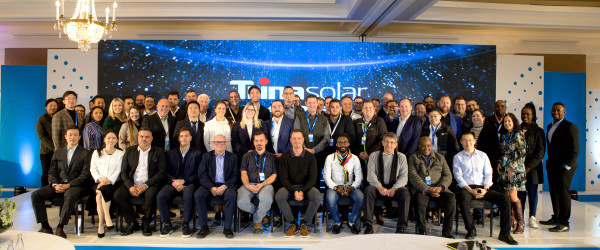
Trinasolar (www.Trinasolar.com), a global leader in smart PV and energy storage solutions, further solidified its commitment to South Africa's renewable energy future with an insightful customer event in Cape Town on August 26th. This event not only emphasized Trinasolar's ongoing expansion in the region but also highlighted its transformative impact on the country's energy landscape. 

The event featured a keynote address by Kadri Nassiep, the City of Cape Town's Energy Executive Director, who provided an insightful overview of the city's energy strategies. Mr. Nassiep's address tackled the critical challenges of power outages and outlined innovative solutions that align with Trinasolar's mission to deliver reliable, sustainable energy to communities across South Africa. 

Zaheer Khan, Regional Director for South Africa at Trinasolar, spoke to the company's significant milestones in the region, reflecting on Trinasolar's growing leadership in the renewable energy sector. "Our journey in South Africa is one of partnership and progress. Trinasolar's advanced technologies and strategic collaborations are not only addressing the immediate energy needs but also laying the foundation for a sustainable energy ecosystem in the country," Khan stated. He further emphasized Trinasolar's role as a catalyst for positive change, driving both economic growth and environmental stewardship in South Africa. 

Peter Pan, Trinasolar's Storage Sales Manager, presented the company's cutting-edge energy storage solutions, which have been instrumental in ensuring energy resilience across different regions. His presentation highlighted Trinasolar's ability to offer full-process solutions that adapt to the diverse and dynamic needs of South African customers, further reinforcing the company's pivotal role in the country's energy transition. 

In a surprise highlight, legendary South African cricketer Dale Steyn shared his journey of overcoming challenges, drawing parallels between his career and the resilience required in the energy sector. Trinasolar also announced the establishment of the Trinasolar SA Padel Club, an initiative designed to strengthen business relationships with key partners in South Africa's renewable energy industry. The club will serve as a platform for collaboration and networking among industry leaders, fostering a community dedicated to the shared goal of sustainable energy advancement. 

The evening concluded with a gala dinner and a captivating performance, leaving guests with a renewed sense of purpose and a commitment to driving forward South Africa's renewable energy agenda, with Trinasolar at the helm. 

Since its founding in 1997, Trinasolar has emerged as a world-leading photovoltaics technology provider. With a robust presence in South Africa, the company continues to innovate and expand, playing a crucial role in the country's transition to a sustainable energy future. 

Distributed by APO Group on behalf of Trina Solar.

About Trinasolar (688599. SH) 
Founded in 1997, Trinasolar Co Ltd (stock symbol: Trinasolar; stock code: 688599) is engaged mainly in PV products, PV systems and smart energy. PV products include R&D, production and sales of PV modules. PV systems consist of power stations and system products. Smart energy comprises mainly PV power generation and operatzions and maintenance, smart solutions for energy storage, smart microgrid, and development and sales of multi-energy systems. We are committed to leading the way in smart PV and energy storage solutions and facilitating the transformation of new power systems for a net-zero future.  

On June 10, 2020, Trinasolar was listed on the Science and Technology Innovation Board (STAR Market) of the Shanghai Stock Exchange(SSE). It was the first PV and energy storage company to go public on the STAR Market providing PV products and systems, as well as smart energy. For more information, please visit www.Trinasolar.com. 

Media files
Trina Solar
Download logo
Read moreTrinasolar Reinforces Its Commitment to South Africa’s Renewable Energy Future with Landmark Event in Cape Town
28 August 2024

Critical Minerals Africa Summit to Showcase Battery, Electric Vehicle (EV) Manufacturing Prospects

Location: News
Energy Capital & Power

The Democratic Republic of the Congo (DRC) and Zambia – among the world's top mineral producers – are currently spearheading the implementation of a Transboundary Battery and Electric Vehicle (EV) Special Economic Zone (SEZ) (https://apo-opa.co/4g2yhK7). The development of SEZs dedicated exclusively to battery and EV production aims to unlock new foreign investment, as well as position both countries within the global automotive manufacturing space. 

The upcoming Critical Minerals Africa (CMA) Summit will feature a Automotive and Batteries Focus panel, examining measures to establish Africa as a global hub for battery precursors, batteries and EVs, as well as exploring opportunities for Africa's critical minerals to support clean energy development. To date, most African automotive manufacturing takes place in South Africa, yet massive mineral wealth in Zambia and the DRC indicates the potential of these markets to become industrial hubs. 

The Critical Minerals Africa 2024 summit on November 6 - 7 serves to position Africa as the primary investment destination for critical minerals. The event is held alongside the African Energy Week: Invest in African Energy 2024 conference (https://apo-opa.co/4fUGT5A) on November 4 - 8, offering delegates access to the full scope of energy, mining and finance leaders in Cape Town. Sponsors, exhibitors and delegates can learn more by contacting sales@energycapitalpower.com. 

Increased cooperation among governments and international partners has been critical to positioning Africa's mineral producers as potential manufacturing partners. The DRC, which holds the world's largest cobalt reserves at 6 million metric tons out of the global 11 million metric tons, established the Congolese Battery Council in 2023 to facilitate investment across its mineral value chain. The country – also representing Africa's largest copper producer – signed an MOU with Zambia in March 2023 to fast-track the implementation of the Transboundary Battery and Electric Vehicle SEZ, seeking to add value to its raw cobalt and copper resources. 

Zambia – Africa's second-largest copper producer – formed a task committee in 2023 to expedite the implementation of the SEZ and identified land to host the zone. The country has strengthened partnerships with global mining firms, including Ivanhoe Mines, Galileo Resources, Tertiary Minerals, First Quantum, Vedanta Resources, Jubilee Metals and Xtract Resources, to achieve its goal of producing three million tons of copper annually by 2030. The Zambian and DRC governments are also partnering with the World Bank to launch local platforms between May 2024 and 2026, aimed at identifying and assessing investment prospects across their respective EV and critical minerals value chain. 

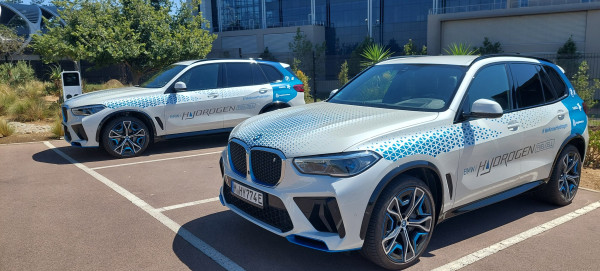
South Africa, which holds 80% of the world's platinum group metals (PGMs) reserves – crucial for EV and hydrogen vehicle production – currently leads Africa's EV market. Mining firm Isondo Precious Metals (https://apo-opa.co/3XlPHdy) plans to launch an advanced manufacturing facility for processing PGMs for EV applications in Johannesburg. Meanwhile, global automaker BMW, mining firm Anglo Platinum and energy company Sasol are piloting a fleet of hydrogen-fueled vehicles to advance smart mobility adoption in South Africa. CMA 2024 will host delegations from the DRC, Zambia, South Africa and other key industry stakeholders to discuss the latest developments shaping Africa's smart mobility and mining sectors. 

Distributed by APO Group on behalf of Energy Capital & Power.

Media files
Energy Capital & Power
Download logo
Read moreCritical Minerals Africa Summit to Showcase Battery, Electric Vehicle (EV) Manufacturing Prospects
28 August 2024

Presidency transfers Department of Mineral Resources and Energy legislation

Location: News

Presidency transfers Department of Mineral Resources and Energy legislation

Legislation previously administered by the Minister of Mineral Resources and Energy has now been transferred to the Minister of Mineral and Petroleum Resources and the Minister of Electricity and Energy.

This as President Cyril Ramaphosa announced the new Cabinet of the seventh administration in June. In announcing the new Cabinet, the President also announced some changes to government departments that involved the merger of the Ministries of Electricity and Energy as well as the announcement of a separate Ministry of Mineral and Petroleum Resources.  

“In terms of section 97 of the Constitution of the Republic of South Africa, 1996, President Ramaphosa has transferred the administration, powers and functions previously entrusted by legislation to the Minister of Mineral Resources and Energy,” the Presidency said in a statement on Tuesday.

The legislation has been transferred as follows:

Legislation transferred to the Minister of Electricity and Energy:
   • Abolition of the National Energy Council Act, 1991 (Act No. 95 of 1991)
   • Nuclear Energy Act, 1993 (Act No. 131 of 1993)
   • Nuclear Energy Act, 1999 (Act No. 46 of 1999)
   • National Nuclear Regulator Act, 1999 (Act No. 47 of 1999)
   • Gas Act, 2001 (Act No. 48 of 2001)
   • Gas Regulator Levies Act, 2002 (Act No. 75 of 2002)
   • National Energy Regulator Act, 2004 (Act No. 40 of 2004)
   • Electricity Regulation Act, 2006 (Act No. 4 of 2006)
   • National Energy Act, 2008 (Act No. 34 of 2008)
   • National Radioactive Waste Disposal Institute Act, 2008 (Act No. 53 of 2008)
     
Legislation transferred to the Minister of Mineral and Petroleum Resources:
   • Central Energy Fund Act, 1977 (Act No. 38 of 1977)
   • Petroleum Products Act, 1977 (Act No. 120 of 1977)
   • Petroleum Pipelines Act, 2003 (Act No. 60 of 2003)
   • Petroleum Pipelines Levies Act, 2004 (Act No. 28 of 2004)
   • Mines and Works Act, 1956 (Act No. 27 of 1956)
   • Mining Titles Registration Act, 1967 (Act No. 16 of 1967)
   • Diamonds Act, 1986 (Act No. 56 of 1986)
   • Mineral Technology Act, 1989 (Act No. 30 of 1989)
   • Geoscience Act, 1993 (Act No. 100 of 1993)
   • Mine Health and Safety Act, 1996 (Act No. 29 of 1996)
   • Abolition of Lebowa Mineral Trust Act, 2000 (Act No. 67 of 2000)
   • Mineral and Petroleum Resources Development Act, 2002 (Act No. 28 of 2002)
   • Precious Metals Act, 2005 (Act No. 37 of 2005)

“The Department of Mineral Resources and Energy [DMRE] will continue to exist until the legislation and relevant human and financial resources are transferred. The DMRE will then be replaced by two departments: the Department of Mineral and Petroleum Resources and the Department of Electricity and Energy.

“As an interim arrangement, the Minister of Mineral and Petroleum Resources has been assigned responsibility for [the] DMRE. A Memorandum of Agreement will be entered into to ensure that DMRE provides the necessary support to the Minister of Electricity and Energy for the remainder of the 2024/2025 financial year and until a new Department of Electricity and Energy is established and resourced,” the Presidency explained. – SAnews.gov.za

NeoB
Wed, 08/28/2024 - 09:32

113 views
Read morePresidency transfers Department of Mineral Resources and Energy legislation
27 August 2024

Prioritising Patient Comfort and Safety: The Vital Role of Air Conditioning in Hospitals

Location: MyPR

The role of air conditioning in hospital settings extends far beyond simply regulating temperatures. In healthcare facilities, ensuring patient well-being extends far beyond medical treatments alone. The environment itself plays a crucial role in facilitating healing and recovery. Among the essential elements contributing to a conducive hospital atmosphere is the ability to maintain optimal air …

Read morePrioritising Patient Comfort and Safety: The Vital Role of Air Conditioning in Hospitals
27 August 2024

Public-private partnership to tackle water crisis – Mashatile

Location: News

Public-private partnership to tackle water crisis - Mashatile

Government is introducing a public-private partnership (PPP) model in water supply, working with National Treasury and the Department of Water and Sanitation. 

According to Deputy President Paul Mashatile, this initiative aims to resolve the potential water crisis, similar to how it has successfully addressed the energy and load shedding crisis.

“We need to act before there is a crisis,” said Deputy President Mashatile on Tuesday. 

Mashatile, in his capacity as Leader of Government Business in Parliament, was delivering a keynote address during the first Three-Sphere Planning session of the National Council of Provinces (NCOP) of the seventh Parliament in Cape Town.

He informed Members of the NCOP that, through the District Development Model (DDM) in Waterberg, Limpopo, and with private sector involvement, government is implementing much-needed interventions to create opportunities for the community.

“In eThekwini, we have been resolving the water crisis to the extent that we are beginning to see much-needed changes in the functioning of the municipality." 

Together with the Minister of Water and Sanitation, Mashatile said they will be visiting Giyani to assess the state of progress in ensuring that people have water in that part of the province. 

“This is going to be the modus operandi of the seventh administration because we want to ensure that we do not have a water crisis in the country. We need to go to these communities and resolve the problems.” 

However, the Deputy President is of the view that the success of the DDM lies in the speed of execution as a modus operandi, which should be adopted across the three spheres of government. 

“We need to ensure that from the point of view of the Executive, we are entrenching the discipline of getting things done. In this regard, we are working on measures that will ensure the introduction of legislation by the Executive in Parliament is done timeously. Equally, we are ensuring that when Bills are introduced in the National Assembly, they must follow all the compliance processes so that the constitutionality of the proposed legislation is not compromised.” 

The Deputy President believes this is an important task to avoid litigation. 

“Honourable Members, as we gather here today, we must ensure that we sharpen and crystallise a common understanding of the three overarching policy priorities of the seventh administration.”

The planning session is being held under the theme: "Establishing an Oversight Agenda for the Seventh Parliament: Defining Key Oversight Priorities for the NCOP in the Seventh Parliament".

Parliament’s strategic innovation emphasises joint and integrated planning, encouraging collaborative work in programme planning and implementation across government.

The session is aimed at ensuring that the NCOP institutionalises and implements a comprehensive Three-Sphere Planning oversight framework and mechanism, in line with the constitutional mandate of promoting the principles of cooperative governance coordination.  

Government believes this will enhance the effective implementation of key transformation priorities, in line with National Development Plan Vision 2030. – SAnews.gov.za
 

Gabisile
Tue, 08/27/2024 - 15:13

193 views
Read morePublic-private partnership to tackle water crisis – Mashatile
27 August 2024

Scaling up Financing Is Key to Accelerating Africa’s Structural Transformation

Location: News
African Development Bank Group (AfDB)

By Adamon Mukasa and Anthony Simpasa, African Development Bank Group (www.AfDB.org).

Document 1: http://apo-opa.co/4g3EVzM
Document 2: http://apo-opa.co/473xTHm
Document 3: http://apo-opa.co/4gcshPk
Document 4: http://apo-opa.co/4gcsi5Q
Document 5: http://apo-opa.co/471DE8y
Document 6: http://apo-opa.co/4gcskL0
Document 7: http://apo-opa.co/47361TE

Document 8: http://apo-opa.co/4dXk53t

The calls for structural economic transformation in Africa date back to the 1960s when newly independent nations aimed to eliminate poverty through economic diversification, sustained growth, and job creation. This agenda persists today, as Africa continues to face significant developmental challenges.

Pursuing post-independence economic agendas was particularly important because, behind the euphoria (http://apo-opa.co/4dZMCVX) of independence, laid significant developmental challenges in several African countries: unskilled labor force, political and institutional fragilities, poor health conditions, rapid population growth, wide income disparities, and the legacy of colonialism and exclusion from the modern world. The establishment of the Organization of African Unity (OAU) (http://apo-opa.co/4g3EVzM) in 1963 and the African Development Bank (http://apo-opa.co/473xTHm) a year later aimed to tackle these other challenges in a more coordinated and impactful manner. The African Union (http://apo-opa.co/475z3Sz), successor of the OAU, developed Agenda 2063 (http://apo-opa.co/4g3EQMu) in 2013 as a blueprint for turning Africa into the global growth pole and powerhouse of the future.

Africa's Economic Development Paradox

More than sixty years after independence (http://apo-opa.co/3AzLutK), Africa's structural transformation – the shift of workers from lower to higher productivity employment and intra-sectoral productivity growth (http://apo-opa.co/4dQj0KK) – has not progressed as quickly as hoped. Both policymakers and analysts within and outside the continent are genuinely concerned that achieving structural transformation could remain a mirage for many African countries in the absence of bold structural reforms and financing to support implementation of these policies. Why being so pessimistic? Because historical facts tend to support their pessimism. The African Economic Outlook (AEO) 2024 (http://apo-opa.co/4g2RATW) report, released in May by the African Development Bank, reveals that Africa's transformation has been slow and uneven. In countries showing signs of transformation, the process has been characterized by low industrialization and predominantly by employment in low-skill, low-productivity services. The agriculture sector, employing 42% of Africa's workforce, is 60% less productive than the economy-wide average. Consequently, many workers remain trapped in low-productivity, low-wage jobs, unable to escape poverty.

As a result, Africa was the only region of the world where the average real GDP per capita contracted in the 1980s and 1990s, the so-called lost decades (http://apo-opa.co/4fYqm0D).

Africa is off-track in achieving almost all SDG targets by 2030, consistently showing the lowest SDG performance globally since the 2000s (Figure 1). Without intervention, it is predicted that by 2030, nearly 9 out of 10 of the world's extremely poor will be in Africa (http://apo-opa.co/4e2weEn) and under current conditions[1], it could take African countries over a century on average to reach high-income status.


[1] This scenario assumes that real GDP per capita of each African country will grow according to its post-COVID-19 (2022–25) average growth rate as computed by the African Development Bank's Statistics Department.

But Africa is a very large, diverse, heterogeneous, region. Some countries have, over the past four decades preceding the COVID-19 pandemic, experienced episodes of growth accelerations, growth spikes and failed take-offs (http://apo-opa.co/4gcshPk). Cases of consistent good performance include Botswana, Seychelles, and Mauritius, routinely ranked among the top 10 fastest-growing economies globally. African countries have indeed exhibited remarkable resilience amid confounding shocks, and in 2024, 10 countries[1] in Africa are projected to be among the world's top 20 fastest-growing economies, sustaining the trend observed during the past four decades pre-COVID-19.

Importantly, over the past quarter century, thanks to strong economic reforms and macroeconomic stability, enhanced governance, relative peace and improved political environment and, public investments in soft and hard infrastructure, some African countries[2] have managed to transform their economies and recorded economic growth rates above the global average.

The role of finance in fast-tracking Africa's structural transformation

Many factors, both internal and external, could explain the relatively slow progress in structurally transforming African economies. Among them: over-reliance on commodity-led growth (http://apo-opa.co/4fZJTxI), inadequate infrastructure (http://apo-opa.co/4dV5DZE); insufficient pool of skilled workers (http://apo-opa.co/4g49x4g) and low access to affordable finance (http://apo-opa.co/47361D8); weak institutional governance (http://apo-opa.co/4e0O5LG), recurrent conflicts (http://apo-opa.co/4g49rtq), effects of climate change (http://apo-opa.co/3ABuuTU), tightening of global financial conditions (http://apo-opa.co/4fZSFvC) and rising debt vulnerabilities (http://apo-opa.co/4724oWk).

While all these factors are equally important and call for urgent actions from policymakers, financing Africa's transformation (http://apo-opa.co/4fTo1Uy) is a multi-layered overarching challenge that demands special attention and a pragmatic approach to move from billions to trillions. The cost of achieving the SDGs by 2030 in Africa is estimated at about $1.3 trillion (http://apo-opa.co/4gcsi5Q) annually, equivalent to 42% of Africa's 2023 GDP. Infrastructure needs alone are estimated by the African Development Bank at $181-$221 billion per year over 2023-2030.  The climate finance gap is approximately $213.4 billion (http://apo-opa.co/4gcsiTo) annually through 2030.

Insufficient domestic resources (http://apo-opa.co/471DE8y), compounded by the failure of the global financial architecture (http://apo-opa.co/471zU6K) to mobilize and at scale, affordable finance for sustainable development (http://apo-opa.co/4gcskL0), have led many African countries to resort to commercial borrowing on unfavorable terms. This has resulted in increased debt vulnerabilities. Africa's Public and Publicly Guaranteed external debt has nearly tripled since 2010, reaching $656 billion in 2022, accounting for 22.4% of the continent's GDP and exceeding Africa's public revenue-to-GDP ratio of 20.4%. In 2024, African countries are expected to spend around $74 billion on debt service, up from $17 billion in 2010. Out of the projected debt service, $40 billion is owed to private creditors.

Even more concerning, debt service payments now account for about 11% of the continent's total revenues. High debt service is diverting resources from crucial investments in infrastructure, education, and health – all critical for economic transformation and long-term growth. As of April 2024, 20 African countries[3] (http://apo-opa.co/47361TE) were either in external debt distress or at high risk of external debt distress.

The AEO 2024 report estimates that to accelerate Africa's structural transformation, the continent needs to close an annual financing gap of $402.2 billion (about 13.7% of its projected 2024 GDP) by 2030. Figure 2 shows that transport[4] infrastructure accounts for the largest share of the gap (72.9%), followed by education (10.4%), energy (9.9%), and productivity-enhancing technologies (6.8%). These figures reflect decades of underinvestment in critical areas for development.

The level of financing gap in transport infrastructure reflects the continent's shortfall explained by decades of public underinvestment to upgrade existing road infrastructure or open new roadways, to match the growing population and economic dynamism across the continent. For instance, Africa's median road density is about 12 km per 100 km2, compared with 42.5 km in high-performing developing countries and 136 km in high-income countries. Only about 27% of African roads are paved, far behind the rest of the world (about 49%) and other developing countries (35.4%).


[1] Niger, Senegal, Libya, Côte d'Ivoire, Ethiopia, Rwanda, Benin, Djibouti, Gambia, and Uganda

[2] Algeria, Comoros, Djibouti, Egypt, eSwatini, Lesotho, Libya, Mauritius, Sao Tome and Principe, Senegal, Seychelles, and Tunisia

[3] Burundi, Cameroon, Central African Republic, Chad, Comoros, Congo, Djibouti, Ethiopia, Gambia, Ghana, Guinea-Bissau, Kenya, Malawi, Mozambique, São Tomé and Príncipe, Sierra Leone, South Sudan, Sudan, Zambia, and Zimbabwe

[4] Proxied by roads as road transport is the most frequently used means of transporting goods and people across the continent, carrying at least 80 percent of goods and 90 percent of passengers.

On education, vital for equipping the current and future workforce with the required skillset for structural transformation, African countries' median SDG index score was only 51.5 (out of a maximum of 100) in 2022, while other low-income developing countries reached a median score of 87. In addition, according to World Bank's World Development Indicators (http://apo-opa.co/3AGXw4N), African governments currently spend on average $312 annually per student in primary education, $473 on secondary education, and $2,227 on tertiary education, or about, respectively, 3, 2.3, and 1.1 times lower than high-performing developing countries on  SDG 4. On energy, Africa's median SDG 7 index score was 38.8 in 2022, suggesting that a typical African country was 61.2% further away from achieving the best possible outcome on SDG 7 targets. Despite its vast energy potential, electric power consumption per capita in Africa is still the lowest in the world, estimated at 638.4 kilowatt-hours (kWh) in 2021, versus 2,056 kWh in other developing countries. Due to poor energy infrastructure, over 600 million Africans have no access to electricity http://apo-opa.co/46YZuJT and this is despite progress in recent years[1]. On productivity-enhancing technology and innovation, the continent lags other regions too. This impedes its ability to either innovate and introduce new products, technologies, and/or services that could support its structural transformation. African countries' average Gross Domestic Expenditure on R&D (GERD) represents about 0.4% of their GDP (against about 1% in the rest of the world) and they spend on average $10.7 per capita on GERD (compared to $403.2 per capita in other regions of the world). Furthermore, the continent displays the lowest concentration of researchers in R&D, with an average of 221 researchers per million people, against 742 researchers in other developing countries.

The financing gap varies significantly across countries. The cross-country heterogeneity is mainly explained by differences in current SDG performance related to structural transformation as well as differences in demographics (current and projected population size and composition, land size, and the like) and socioeconomic characteristics (current and projected GDP per capita, and spending on education, infrastructure, and so on). As shown in Figure 3, the estimated annual financing gap represents at least 10 % of 2024's projected GDP in 36 African countries, and in nine of these, at least 50 % of GDP. For such countries, closing the financing gap by 2030 is, therefore, realistically impossible.


[1] For instance, the average share of people with access to electricity increased from about 38 percent in 2000 to about 59 percent in 2022. In 28 African countries, the percent of people with access to electricity has more than doubled between 2000 and 2022, out of which it has increased at least fivefold in 8 countries (Kenya, Lesotho, Mali, Mozambique, Rwanda, Somalia, Tanzania, and Uganda).

Note: COG: Congo; CPV: Cabo Verde; GHA: Ghana; CIV: Cote d'Ivoire; GAB: Gabon; GNQ: Equatorial Guinea; MUS: Mauritius; SYC: Seychelles; ZAF: South Africa. Source: Authors' computation based on the African Economic Outlook (AEO) 2024 database

A more realistic approach would be to allow for a gradual but steady transformation process over a longer period, aligning with the African Union's Agenda 2063. This would enable countries to mobilize more resources domestically and externally, without jeopardizing debt sustainability.

What next?

Scaling up finance to accelerate Africa's structural transformation should be a key priority for policymakers. While implementing structural reforms is crucial for sustainable growth, success depends on the availability, timeliness, and scale of long-term development financing and enhancing spending efficiency. African countries should therefore, inter alia, focus on: i) scaling up investment to build requisite human capital suited to local realities, circumstances, and development priorities; ii) boosting domestic resource mobilization and improving efficiency of public finance management; iii) creating targeted and streamlined incentives to attract private capital for key transformation sectors; and iv) launching ambitious national infrastructure programs with assured positive returns to attract affordable financing.

The international community should reform the global financial architecture (http://apo-opa.co/4dXk53t) to facilitate African countries' access to long-term, concessional development financing at scale, complementing domestic resources.

By addressing these financing challenges and implementing targeted reforms, Africa can accelerate its structural transformation and move closer to achieving its development goals as espouses in Agenda 2063.

Distributed by APO Group on behalf of African Development Bank Group (AfDB).

Media files
African Development Bank Group (AfDB)
Download logo
Read moreScaling up Financing Is Key to Accelerating Africa’s Structural Transformation
26 August 2024

Don’t Throw Your Lead Acid Trolley Inverter Away – Here Is a Solution

Location: MyPR

Need to replace the Lead Acid Batteries in your old inverter? Then the Hubble S100A Lithion Ion Battery is just for you. We know of many people who bought ‘Eskom in a Box’ to tide them over during loadshedding. Most of those trolley inverters contained Lead Acid Batteries – replacing them has become an expensive …

Read moreDon’t Throw Your Lead Acid Trolley Inverter Away – Here Is a Solution
26 August 2024

Benefits of just energy transition must be shared equally

Location: News

Benefits of just energy transition must be shared equally

As South Africa transitions towards a low carbon economy, Deputy Minister of Forestry, Fisheries and the Environment, Narend Singh, says the benefits of energy renewable projects should be shared equitably with communities.

Addressing the National Consultative Workshop on Early Warnings for All (EW4All) in Pretoria, the Deputy Minister emphasised the importance of addressing potential job losses in the coal sector. 

South Africa’s plans for the just energy transition will focus on the transition of the energy sector, as it navigates the shift away from coal towards cleaner sources of energy.

“It is essential that we approach this transition with humanity, providing support, training, and creating new opportunities within the renewable energy sector. A holistic approach is required, one that embraces clear and comprehensive national renewable energy policies sets defined targets and provides a roadmap for the transition.

“Community participation and ownership in renewable energy projects must be a cornerstone of this policy, ensuring that the benefits of this transition are shared equitably,” Singh said on Monday.

While necessary, he said the just energy transition does come with its set of challenges. 

“Acknowledging our current economic growth's stagnation, the reliance on coal for energy, and the coal industry's role as a significant employment sector, we understand the complexities involved.

“Moreover, the challenge of making renewable energy technologies affordable and accessible cannot be overlooked. We need innovative financing mechanisms to ensure that clean energy solutions are within reach for all South Africans, especially those in low-income communities.

“As we chart our course forward, it is clear that no single solution can address the multifaceted challenges we face,” the Deputy Minister said.

He said for South Africa to truly succeed, it needs more than just policies and roadmaps.

“…We need action and commitment from every sector of our society. From all spheres of government to the private sector, from civil society to every citizen, we must unite in our efforts towards a sustainable future. Now is the time for us to harness the incredible potential of renewable energy, to innovate, to build, and to grow together.

“Therefore, our call to action as a responsible, interdependent, and interrelated government is not just to listen but to participate actively in this transition. Let us collaborate, innovate, and implement the solutions that will power our nation forward. 

“Let us build a future that aligns with our environmental, economic, and social imperatives. A future where sustainable energy drives our progress, where no one is left behind, and where we stand as a beacon of hope and resilience in the face of global challenges,” Singh said.

He stressed that local government is at the coal face of the country’s efforts, as this is where policy legislation and regulation turn into action. 

“We must be focusing on a back-to-basics approach, getting the basics right with respect to our daily deliverables. More than half of the battle will be won if every local sphere of government gets the basics right. Innovation and consistently good service delivery are what will carry the day,” the Deputy Minister said.

He said electricity is the backbone of progress, an enabler that unlocks industrial growth, drives the economy, and promotes inclusivity. 

“Yet, the sustainability of our progress hinges on our ability to shift towards clean energy. The spectres of poverty, inequality and unemployment cannot be exorcised without robust GDP [gross domestic product] growth, which in turn demands a stable and sufficient energy supply. 

“However, our journey is compounded by the environmental cost of our past reliance on coal. This has left us with a legacy of environmental degradation and health issues, making our commitment to transitioning to renewable energy sources crucial for our environment and the well-being of our communities,” Singh said. - SAnews.gov.za
 

nosihle
Mon, 08/26/2024 - 14:30

27 views
Read moreBenefits of just energy transition must be shared equally
26 August 2024

South Africa: President Ramaphosa Assigns Responsibilities for Certain State-Owned Enterprises

Location: News

The Presidency of the Republic of South Africa
Download logo

President Cyril Ramaphosa has assigned shareholder responsibility for each of the state-owned enterprises that previously fell under the Department of Public Enterprises to the respective line-function Ministries.

President Ramaphosa has signed proclamations which, in terms of Section 97 of the Constitution of the Republic of South Africa of 1996, transfer the administration, powers and functions entrusted by the specified legislation as follows:
-    Alexkor: Minister of Mineral and Petroleum Resources
-    Denel: Minister of Defence and Military Veterans
-    Eskom: Minister of Electricity and Energy
-    Safcol: Minister of Forestry, Fisheries and the Environment
-    South African Airways: Minister of Transport
-    South African Express: Minister of Transport
-    Transnet: Minister of Transport

In addition, certain sections of the Overvaal Resorts Limited Act of 1993 and Overvaal Resorts Limited Act Repeal Act of 2019 are vested with the Minister of Water and Sanitation.

The President has signed a proclamation appointing the Minister in the Presidency responsible for Planning, Monitoring and Evaluation as the executive authority of the Department of Public Enterprises (DPE), which will continue to exist and operate until the human and financial resources are transferred appropriately. This appointment empowers the Minister to exercise with respect to DPE all relevant powers and functions under the Public Service Act of 1994 and the Public Finance Management Act of 1999. 

The Minister in the Presidency responsible for Planning, Monitoring and Evaluation has also been assigned the responsibility to finalise the National State Enterprise Bill, which will set out the exercise of shareholder responsibility for respective SOEs which will be transferred in a phased manner into the envisaged national enterprise holding company.

Distributed by APO Group on behalf of The Presidency of the Republic of South Africa.
Read moreSouth Africa: President Ramaphosa Assigns Responsibilities for Certain State-Owned Enterprises
26 August 2024

President Ramaphosa assigns responsibilities for certain SOEs

Location: News

President Ramaphosa assigns responsibilities for certain SOEs

Line function Ministers will now bear shareholder responsibility for certain State-owned enterprises (SOEs) that previously fell under the Department of Public Enterprises (DPE).

This after President Cyril Ramaphosa signed proclamations transferring the administration, powers and functions entrusted by the specified legislation as follows:

  • Alexkor: Minister of Mineral and Petroleum Resources

  • Denel: Minister of Defence and Military Veterans

  • Eskom: Minister of Electricity and Energy

  • South African Forestry Company SOC Limited (Safcol): Minister of Forestry, Fisheries and the Environment

  • South African Airways: Minister of Transport

  • South African Express: Minister of Transport

  • Transnet: Minister of Transport

Furthermore, the Presidency said in a statement, certain sections of the Overvaal Resorts Limited Act of 1993 and Overvaal Resorts Limited Act Repeal Act of 2019 are “vested with the Minister of Water and Sanitation”.

President Ramaphosa has also signed a proclamation appointing Minister in the Presidency responsible for Planning, Monitoring and Evaluation, Maropene Ramokgopa, as the executive authority of the DPE.

“[The department] will continue to exist and operate until the human and financial resources are transferred appropriately. This appointment empowers the Minister to exercise with respect to DPE all relevant powers and functions under the Public Service Act of 1994 and the Public Finance Management Act of 1999.

“The Minister in the Presidency responsible for Planning, Monitoring and Evaluation has also been assigned the responsibility to finalise the National State Enterprise Bill, which will set out the exercise of shareholder responsibility for respective SOEs, which will be transferred in a phased manner into the envisaged national enterprise holding company,” the statement concluded. – SAnews.gov.za

NeoB
Mon, 08/26/2024 - 11:44

148 views
Read morePresident Ramaphosa assigns responsibilities for certain SOEs
26 August 2024

Absa RUN YOUR CITY Series to Deliver a Thrilling 2024 Finale in Joburg on Heritage Day

Location: MyPR

The streets of Jozi are set to come alive with athletic energy and community spirit on Tuesday, 24 September 2024, as thousands of runners gather to participate in one of the city’s most iconic Heritage Day celebrations, the iconic Absa RUN YOUR CITY JOBURG 10K. “The final event in a series of five, the Absa …

Read moreAbsa RUN YOUR CITY Series to Deliver a Thrilling 2024 Finale in Joburg on Heritage Day
  • Previous
  • Page 1
  • Interim pages omitted …
  • Page 38
  • Page 39
  • Page 40
  • Page 41
  • Page 42
  • Interim pages omitted …
  • Page 82
  • Next

Copyright © 2026 · MyZA · All Rights Reserved · Powered by Stratlec Online