• Skip to main content
  • Skip to header right navigation
  • Skip to after header navigation
  • Skip to site footer
MyZA

MyZA

News, Directory, Events and Other Stuff

  • Social Media
  • Sport
  • World News
  • Home
  • Submit News
  • Directory
  • Events
  • Stratlec
  • TFSA
  • News
    • APO
    • Today’s Sport News
    • Todays Social Media and Tech Headlines
    • Today’s World News
    • Today’s SA Financial News
  • Contact
You are here: Home / Archives for Energy

Energy

15 August 2024

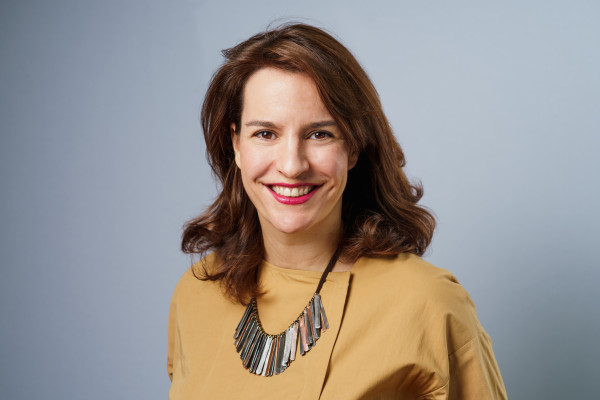
Innovative Financing and Policy Support: Accelerating Renewable Energy Development in Africa (By Ana Hajduka)
Location: News
AOW: Investing in African Energy

By Ana Hajduka, founder and CEO of Africa GreenCo (www.AfricaGreenCo.com).

As Africa's energy sector deregulates, exciting opportunities open up for financial innovation to benefit consumers. Private-sector buyers and traders can mitigate default risk and provide certified green energy at lower cost, writes Ana Hajduka, founder and CEO of Africa GreenCo.

Africa's renewable energy potential is undeniable, but it remains largely untapped. The problem is that the financing landscape for renewable energy and other projects in Africa was previously reliant on state utilities as buyers.

The scale of projects that could be financed in a country were then limited by the fiscal capabilities of that country and the sovereign guarantees it could provide.

This traditional model of relying on countries to provide such guarantees has faced recent challenges, because of increasing debt burdens, and shifting economic priorities.

Opportunities have therefore emerged for innovative financial approaches that will ensure more guarantees can be acquired from other sources and that risk can be diversified across a portfolio of suppliers and customers.  This would see more projects achieving financial close, to ultimately provide more African people with clean energy.

There is also room to not only grow new renewable energy supply, but to create new renewable energy markets on the continent, where that supply can be sold.

As a consequence, the market is opening up to allow alternative buyers of new renewable energy, which can utilize existing regional competitive energy markets to diversify its risks – buyers such as GreenCo.

This is extremely relevant at the moment. Legislation like South Africa's Electricity Regulation Amendment Bill, is set to open up the electricity sector to new supply and trading models. This foreshadows the opening of a competitive spot market for electricity trade in South Africa – linking in the future the South African spot market with that of the Southern African Power Pool.

Namibia did something similar a couple of years ago, as did Zambia.

These regulatory market developments are important as they facilitate innovation and new private sector business models through which there can be a scale up of bankable offtake agreements for new supply. The problem in the region is not lack of projects. It's not lack of funding. It's earning enough lender trust to lend on the back of a  20-25 year power purchase agreement backed by a private sector buyer without state fiscal support.  

Transmission capacity

Transmission constraints are another factor in this emerging scenario. The development of the electricity sector across the region effectively has a ceiling, determined by the available transmission network for new generation.

Previously, development finance institutions would only fund state utilities, and then only when it was proved that sufficient generation would be coming on board to utilize any new transmission infrastructure.

Now, thanks to the growing liberalisation focus in the region, allowing new private sector participants to buy and trade power, these transmission funding inflows can be facilitated. This new supply will be critical to making new transmission investments bankable.

If the private sector can sufficiently guarantee that any proposed new capacity coming on board will utilise the necessary transmission infrastructure, that new capacity effectively backs the viability of the new transmission investing – bringing a direct value add to the state utilities in South Africa and the rest of the SADC region.

Regulatory readiness

But for all of this to fall into place, we need a convergence of the relevant regulatory readiness – and we are already seeing this across the region. In many SADC countries, new legislation is providing the regulatory clarity that the private sector requires to venture into supply, transmission and trade.

The entire ecosystem must work for new entrants, and lenders. Until now, lenders have seldom considered state utilities to be creditworthy, and they have required significant fiscal guarantees to cover the power-purchase obligations of those utilities.

That model is a double whammy. Not only does it encumber utilities with debt for new generation, but it hits the national fiscus as well.

In South Africa, for example, the widely respected REIPPP process has brought online a significant amount of new generation. However, once the South African government started reporting on the process in accordance with IMF fiscal transparency regulations, this added an additional 36% to the contingent liabilities of the national treasury – almost $15 billion - overnight. That is money that can no longer be channeled into education, health and other key infrastructure development (water, transmission etc).

The REIPPP model has been extremely successful in the electricity sector, but it has perhaps outlived its usefulness. There are other priorities, and the private sector should be sufficiently capable to deliver on its own, with the lending community partnering accordingly.

The REIPPP model can be replicated in cases such as storage tenders, and in the transmission space. While transmission is usually considered a government function, it would certainly be possible to incentivize the private sector – and lenders – to enter the space.

New licensees

Across the region, markets are liberalising rapidly. South Africa has shown it can happen almost overnight, as in the case of the country's generation regulations. This has allowed third-party wheeled projects, from generators directly to customers, and facilitated new license applicants in the market such – such as GreenCo.

This shows how market thinking about the development of the electricity sector has fundamentally changed. There is collaboration like never before.

For GreenCo, events like the forthcoming AOW event offer opportunities to align with mining, commercial and industrial offtakers, as well as suppliers and IPPs. For an entity like ours, it's also a chance to show potential customers and suppliers the bankability of our own offtake; that lenders have confidence in our power purchase agreements.

Financial innovation must happen in a way that makes lenders comfortable. What that looks like in our case is that all our payment obligations are backed by an internationally AA- credit rated guarantee provider GuarantCo.

We are entering the South African market operationally ready to supply customers within South Africa and outside; and with financial readiness in the form of innovative guarantee structures to be considered bankable in the market.

The ultimate beneficiaries of this financial innovation must be the consumers. Many are looking to decarbonise their operations – for climate change reasons, and to make their products competitive on international markets.

Affordability is another key consideration. In our case, by being able to provide sufficient operational and financial risk mitigation to the lenders of the generators that supply to us, we can supply electricity far more affordably.

Around 70% of the costs of a generation or renewable energy project is from the cost of debt. Therefore, the more bankable an offtaker is, the lower the debt costs, and the cheaper the electricity – a clear demonstration of the benefits of financial innovation for the end consumer.

  • AOW: Investing in African Energy unites industry leaders to develop policy, share discoveries, secure investment, and shape Africa's energy future. The event runs from October 7 – 11 at the CTICC.

Distributed by APO Group on behalf of AOW: Investing in African Energy.

About GreenCo: 
GreenCo is a renewable energy buyer and trader operating in Southern Africa (Zambia, South Africa, Zimbabwe and Namibia); purchasing power from renewable energy generators and selling that electricity to utilities, private sector offtakers (i.e. commercial and industrial users), national power trading markets and to the competitive markets of the Southern African Power Pool (SAPP). GreenCo is an active trader on SAPP and holds a number of applicable licenses covering its operations within the Southern African region. Through its activities, GreenCo will increase the supply of, and demand for, finance for energy projects, and mobilise private sector capital more quickly towards critical and transformative capacity addition. For more information please see: www.AfricaGreenCo.com

Media files
AOW: Investing in African Energy
Download logo
Read moreInnovative Financing and Policy Support: Accelerating Renewable Energy Development in Africa (By Ana Hajduka)
15 August 2024

Public Procurement Bill to redress women socio-economic exclusion

Location: News

Public Procurement Bill to redress women socio-economic exclusion

Women, Youth and Persons with Disabilities Minister, Sindisiwe Chikunga, says the Public Procurement Bill provides the department with an opportunity to advocate and mainstream tangible models and interventions to redress the ongoing socio-economic exclusion of women, youth and persons with disabilities.

Chikunga commended the significant efforts by President Cyril Ramaphosa after signing into law the Public Procurement Bill last month, which aims to create a single framework that regulates public procurement, including preferential procurement, by all organs of State, with the necessary efficiency, cost-effectiveness and integrity.

“As a department, we will be bringing forward tangible interventions through which this legislation will serve to redress the longstanding and ongoing socio-economic exclusion of women, youth and persons with disabilities,” Chikunga said.

Addressing a dialogue on Women, Democracy and Leadership in South Africa at the University of South Africa (UNISA) on Thursday, Chikunga also commended President Ramaphosa, as the Chairperson of the African Union in 2020, for putting forward a number of recommendations for the advancement of women on the continent, which have been adopted by AU Heads of State.

READ | Government, business partnership begins to flourish

Increase in support for women entrepreneurs

Chikunga also acknowledged a surge in the establishment, growth and support of women-owned businesses in key sectors, including energy, tourism, agriculture, the ocean economy, and manufacturing.

According to the most recent Mastercard Index of Women Entrepreneurs (MIWE), South Africa ranks as the second highest country in Africa in terms of its proportion of women-owned businesses and the formal support available for women entrepreneurs.

The Global Entrepreneurship Monitor (GEM) Women’s Entrepreneurship Report also revealed that women in countries like South Africa are among the most innovative and high-growth entrepreneurs in the world.

“There is sufficient evidence that reaffirms the importance of women entrepreneurs in contributing to the overall productivity and transformation of our economy through diversifying industries, innovation, and fostering economic resilience.

“In addition, women-owned businesses contribute to the creation of employment opportunities, promote inclusive supply chains, and stimulate local economies,” Chikunga said.

Women economic advancement in the Continent

Chikunga further underscored the importance of the adoption of the Decade for African Women’s Financial Inclusion and Gender Equality, 2020-2030.

“This is a critical initiative for the women of Africa, given that the lack of access to finances hinders their socio-economic progress, and thwarts their ability to have ownership and control over resources such as land, businesses and property,” Chikunga said. 

She added that women’s access to markets continues to be a challenge for women on the continent, especially access to trade and global markets.

The Minister argued that the African Continental Free Trade Area Agreement (AfCFTA) will open doors for global trade and markets for women, and “this is of huge importance to the women in South Africa to leverage on the opportunities this AfCTA promises for the economic empowerment and wealth creation for women in Africa”.

“Africa must be Africa’s biggest trading partner and demand for products across the continent offers African women the opportunity to be suppliers to this demand. Joint initiatives of pooling resources in this regard will help grow women businesses, provide the necessary skills and training required for this, and open markets and export trade opportunities,” Chikunga said. – SAnews.gov.za


GabiK
Thu, 08/15/2024 - 13:49

284 views
Read morePublic Procurement Bill to redress women socio-economic exclusion
15 August 2024

30 years of service delivery

Location: News

30 years of service delivery

By Dr Namane Masemola 

On the 29th of May this year, South Africans went to polls to renew our constitutional democracy based on the will of the people and rule of law. 

For the first time since 1994, there was no outright winner in the national elections and this situation required political parties to negotiate amongst themselves on the formation of the 7th Administration.

The Government of National Unity (GNU) presents a unique opportunity to build on the gains made since 1994 by ensuring collaboration across diverse political parties. This unity allows for a more inclusive approach to governance and multiple perspectives are considered in decision making informed by the statement of intent, which finds it expression in the State of the Nation address, a profound government policy statement that sets the trajectory for socio-economic development.

Working through the GNU, South Africa will be working to, for example, expand services to meet the basic needs of all the people, particularly the majority of those who had been deliberately denied by the apartheid government.

In the past, basic services were provided based on race and black people were excluded. In 1994, 12 million people had no access to safe drinking water, 17 million lived below the poverty line while 21 million had no adequate sanitation. About 2 million were subjected to using the bucket system which was a stark violation of the right to dignity and unhygienic. The urban housing backlog in 1990 was conservatively estimated at 1.3 million units. Including hostels and rural areas, the backlog rose to approximately three million units.

Our villages and townships were almost pitch dark at night as there was non-existent or inadequate street lighting. Most people also used open fires and coal stoves and that led to high levels of sulphur dioxide, which adversely affected the health of many people.

To uplift the material condition of all South Africans, the democratically elected government implemented the Reconstruction and Development Programme aimed at addressing and prioritising the provision of the basic needs of people such as water, electricity, housing, sanitation, refuse and waste removal.

Thirty years into our democracy, South Africa is a vastly different place compared to what it was when the government took over in 1994. Key progress is reflected in the Census 2022, with the number of households in the country having almost doubled from 9,1 million in 1996 to 17,8 million in 2022. In 2022, almost 29,9 percent of household reside in a government-subsidised dwelling or RDP house while over 82,4 percent of households had access to piped water either inside their dwelling or inside their yard.

In 2022, approximately 66,3 percent of households in the country had their refuse removed by a local authority once a week, as opposed to 52 percent in 1996. About 13,7 million people have been provided with homes through various social housing programmes from 1994 to 2022. In 2022, 83.2 percent of households had access to improved sanitation services while those using electricity as the main source of energy for lighting increased from 58,1 percent in 1996 to 94,7 percent in 2022.

Another important intervention was to allow households who cannot afford municipal services access to free basic services through the municipal indigent policy. Through this policy, every poor household is guaranteed to receive at least a minimum standard of basic services such as 6 kilolitres of water and 50 kilowatts of electricity monthly.

This free basic services programme currently supports more than 3.5 million indigent households and reduces the burden of household labour and brings about relief to poor households who experience a lower quality of life. It also ensures that no citizen is denied the right to basic services, regardless of their ability to pay.

As we reflect on the progress we've made since 1994, it's equally important to acknowledge the challenges we face, including the lingering issues inherited from our past, even 30 years into our democracy.

To build on our achievements, we must unite as a nation. Every South African has a role to play in shaping our future. In line with the District Development Model, we need collaboration across all sectors—government, business, and civil society—to drive economic growth, create jobs, and foster hope for a better tomorrow.

*Dr Namane is the CoGTA Deputy Minister.

Matona
Thu, 08/15/2024 - 12:35

49 views
Read more30 years of service delivery
14 August 2024

Winners in Table Bay Mall Leg of HYPROP MTN SHIFT Tournament Announced Ahead of the Final Chance to Qualify for Grand Final

Location: Entertainment, MyPR

R200k in prize money, eight qualifiers nationwide, culminating in one epic gaming showdown… this is the MTN SHIFT Gaming Experience 2024! The HYPROP MTN SHIFT Gaming Experience 2024 is approaching its thrilling conclusion, with the announcement of the latest winners and just two more opportunities to qualify for the grand final. The latest round of …

Read moreWinners in Table Bay Mall Leg of HYPROP MTN SHIFT Tournament Announced Ahead of the Final Chance to Qualify for Grand Final
14 August 2024

A New Era of Business and Government Collaboration

Location: Business

The Presidency of the Republic of South Africa
Download logo

President Cyril Ramaphosa convened a meeting yesterday with members of cabinet and senior business leaders to pave the way for a new era of collaboration under South Africa's 7th democratic administration, and to strengthen the partnership formed over a year ago to stimulate economic growth and job creation by addressing constraints on growth in energy, transport and logistics, and crime and corruption.

At the meeting, both business and government leaders committed to build upon progress achieved to date and accelerate implementation over the next 12-18 months in line with the strategic priorities of the Government of National Unity (GNU).

President Cyril Ramaphosa said, “The Government of National Unity has reaffirmed its commitment to urgently implement the reform agenda started by the 6th administration and to restore confidence and sentiment—essential drivers of investment, inclusive economic growth, and job creation. We have reaffirmed our commitment to a dynamic partnership between government and business to foster South Africa's economic growth and social advancement. Since the start of the partnership just over a year ago, we have made substantial progress towards stabilising the energy sector, improving the performance of our rail and port system, and strengthening the fight against crime and corruption.”

Adrian Gore, co-convenor of the business delegation, commented: "We welcome President Ramaphosa's commitment to a new era of partnership at a critical inflection point for the country. In the first phase of our partnership, over 130 CEOs pledged support and business invested more than R260 million and mobilised over 350 experts across the 3 focal areas. This has contributed to the excellent progress made with the reduction in loadshedding being the most visible and pronounced achievement. Continued momentum could mean we are able to achieve 3-5% GDP growth by 2030. We will be launching Phase 2 of our partnership with this ambition in mind.”

The meeting reviewed progress over the past year, as the partnership sought to align on priorities for the next chapter. There was strong consensus on the importance of continuing to address structural challenges, drive reforms and efficiencies, and invest in skills capacitation across all workstreams.

The energy workstream was reported to have had the most impact, achieving a dramatic reduction in load shedding in collaboration with Eskom (over 140 days without load shedding so far this year), and significant grid capacity recovery (with more than 6 GW of new energy generation added) through investment in additional technical support and capacitation from 57 companies investing over 9,000 hours at 5 power stations. The energy availability factor is currently tracking above 60% (vs 54% in 2023). 

However, we still face multiple challenges including rapidly rising electricity costs, unsustainable municipal utilities, complex market reform, a constrained grid with delayed expansion, and stalling investment in new generation. 

Significant investment will be required for energy sector reform over the next 5-10 years and there was strong consensus that it is critical to pave the way now to address the challenges. Business, Eskom and the Presidency have agreed that the priorities of the National Energy Crisis Committee should include a focus on transmission, market reform, municipal utilities and new energy generation. 

The transport and logistics and crime and corruption workstreams which are now fully established have also evidenced impact, albeit not as quickly or extensively as anticipated. 

Business has provided significant technical support and resources to Transnet Freight Rail, including procurement and operations expertise, and port maintenance support for Transnet Port Terminals. The Transnet Board and management team are making progress in implementing the Transnet recovery plan. Despite the significant efforts by the partners, there is broad acknowledgment that Transnet requires substantial interventions to improve performance to meet the needs of its customers and the market demand necessary for sustainable economic growth. 

The meeting agreed that the rapid implementation of structural reforms and strict adherence to the Freight Logistics Roadmap deadlines are crucial to facilitate participation of, and investment by, the private sector to help address our national logistics challenges. This is crucial to ensure that our commodities and manufactured products can be competitively sold into the local market and exported to meet demand. Resolving these issues will promote job retention and job creation.

In the crime and corruption workstream, an immediate joint imperative is to support South Africa's removal from the Financial Action Task Force (FATF) grey list, which would improve international confidence in SA as an investment destination. Key to this is demonstrating the law enforcement agencies' intent and ability to successfully prosecute complex crime and corruption cases and recover assets. Business is providing specialised skills at arm's length to support this objective. The promulgation of the NPA Amendment Act is key to bolstering IDAC's ability to effectively deliver on its mandate. 

The meeting acknowledged that economic growth is a pre-requisite for large-scale job creation. For now, unlocking a few key policy, regulatory and funding bottlenecks could accelerate existing short-term interventions across four areas, including new work opportunities in tourism and global business services, skilling that creates new jobs (particularly in digital skills), providing additional public sector first loss funding to crowd in private sector capital to increase affordable debt available for SMMEs, and institutionalizing, expanding and strengthening the SAYouth platform to facilitate access to opportunities for young people. 

Martin Kingston, Chair of the Business for South Africa (B4SA) Steering Committee, commented: “This is a model of collaboration that has shown its merit and is fit for purpose to drive accelerated growth and jobs in the 7th administration. Over the last year significant progress has been made and impact has been achieved, and whilst it has not been as swift or extensive as we would have liked, it has gifted us with a blueprint for success in a new era with the GNU. We are keen that the reforms are implemented with urgency. We are very optimistic about the next phase of the partnership.”

“As we move forward with this partnership, we will intensify our work to address these pressing issues and expand our efforts to drive employment creation. We know that the challenges ahead are formidable. But with our continued partnership, we are well equipped to navigate these complexities and contribute to sustainable growth for South Africa”, concluded President Ramaphosa.

Distributed by APO Group on behalf of The Presidency of the Republic of South Africa.

Read moreA New Era of Business and Government Collaboration
14 August 2024

Government, business partnership begins to flourish

Location: News

Government, business partnership begins to flourish

The government and business partnership to resolve South Africa’s challenges is beginning to bear fruit, although much more needs to be done.

This is according to a statement released by the Presidency and Business for South Africa.

The partnership between the two parties was established last year in a bid to work together to resolve the question of inclusive and economic growth.

The collaboration has targeted three areas for particular interest, including energy, transport and logistics, and crime and corruption.

PHOTOS | President Ramaphosa meets with business leaders at the Union Buildings


Energy

In a joint statement following a meeting between government and business, which was led by President Cyril Ramaphosa on Tuesday, the Presidency and Business for South Africa noted that the energy workstream, in particular, has achieved significant progress.

“The energy workstream was reported to have had the most impact, achieving a dramatic reduction in load shedding, in collaboration with Eskom (over 140 days without load shedding so far this year), and significant grid capacity recovery (with more than 6 gigawatts of new energy generation added) through investment in additional technical support and capacitation from 57 companies investing over 9 000 hours at five power stations. The energy availability factor is currently tracking above 60% vs 54% in 2023.

READ | A further 2 500MW expected back 'by the end of August'

“However, we still face multiple challenges, including rapidly rising electricity costs, unsustainable municipal utilities, complex market reform, a constrained grid with delayed expansion, and stalling investment in new generation.

“Significant investment will be required for the energy sector reform over the next five to 10 years, and there was strong consensus that it is critical to pave the way now to address the challenges. 

"Business, Eskom and the Presidency have agreed that the priorities of the National Energy Crisis Committee should include a focus on transmission, market reform, municipal utilities and new energy generation,” the statement read.

WATCH | Government, business meet with the President


Transport and logistics 

In the statement, the two parties acknowledged that although the two workstreams have recorded successes, this was not “as quickly or extensively as anticipated”.

“Business has provided significant technical support and resources to Transnet Freight Rail, including procurement and operations expertise, and port maintenance support for Transnet Port Terminals. The Transnet Board and management team are making progress in implementing the Transnet recovery plan. 

“Despite the significant efforts by the partners, there is broad acknowledgment that Transnet requires substantial interventions to improve performance to meet the needs of its customers and the market demand necessary for sustainable economic growth,” the statement read.

READ | Transnet forging ahead with reforms

An agreement was reached to move quickly to implement reforms and meet Freight Logistics Roadmap deadlines.

“The meeting agreed that the rapid implementation of structural reforms and strict adherence to the Freight Logistics Roadmap deadlines are crucial to facilitate the participation of and investment by the private sector to help address our national logistics challenges. 

“This is crucial to ensure that our commodities and manufactured products can be competitively sold into the local market and exported to meet demand. Resolving these issues will promote job retention and job creation,” the joint statement said.

Crime and corruption

Critical to South Africa’s growth and investment prospects is removal from the Financial Action Task Force (FATF) grey list.

When the FATF grey listed South Africa at its February 2023 Plenary meetings, it adopted a jointly agreed Action Plan containing 22 Action Items linked to the eight strategic deficiencies identified in the country’s Anti-Money Laundering and the Combating of the Financing of Terrorism (AML/CFT) regime.

READ | SA continues work to exit grey list

The joint statement said the meeting agreed that an “immediate joint imperative" is to support South Africa’s removal from the list.

“Key to this is demonstrating the law enforcement agencies’ intent and ability to successfully prosecute complex crime and corruption cases, and recover assets. Business is providing specialised skills at arm’s length to support this objective. 

"The promulgation of the NPA Amendment Act is key to bolstering the ability of the IDAC [Investigating Directorate Against Corruption] to effectively deliver on its mandate,” the statement said.

On job creation, the meeting acknowledged that growing the economy is imperative to facilitate employment opportunities.

“For now, unlocking a few key policy, regulatory and funding bottlenecks could accelerate existing short-term interventions across four areas, including new work opportunities in tourism and global business services; skilling that creates new jobs (particularly in digital skills); providing additional public sector first loss funding to crowd in private sector capital to increase affordable debt available for SMMEs, and institutionalising, expanding and strengthening the SAYouth platform to facilitate access to opportunities for young people,” the joint statement said. – SAnews.gov.za

NeoB
Wed, 08/14/2024 - 11:00

333 views
Read moreGovernment, business partnership begins to flourish
14 August 2024

Continued collaboration key to addressing challenges

Location: News

Continued collaboration key to addressing challenges

Government and business have recommitted to working together to resolve some of South Africa’s most pressing challenges.

On Tuesday, President Cyril Ramaphosa, together with members of his Cabinet, held a meeting with senior business leaders and technical experts from government and business to discuss a new era of collaboration for a partnership launched over a year ago to address barriers to growth in South Africa.

President Ramaphosa said since last year when the partnership was established, much progress has been recorded in key areas, including electricity and rail and ports.

“The Government of National Unity has reaffirmed its commitment to urgently implement the reform agenda started by the sixth administration, and to restore confidence and sentiment -- essential drivers of investment, inclusive economic growth, and job creation. 

“We have reaffirmed our commitment to a dynamic partnership between government and business to foster South Africa's economic growth and social advancement. Since the start of the partnership just over a year ago, we have made substantial progress towards stabilising the energy sector, improving the performance of our rail and port systems, and strengthening the fight against crime and corruption,” the President said.

The President expressed optimism that in partnership, government and business can navigate the country’s most pressing challenges successfully.

“As we move forward with this partnership, we will intensify our work to address these pressing issues and expand our efforts to drive employment creation. We know that the challenges ahead are formidable. But with our continued partnership, we are well equipped to navigate these complexities and contribute to sustainable growth for South Africa," said President Ramaphosa.

Chair of the Business for South Africa (B4SA) Steering Committee, Martin Kingston, said: “This is a model of collaboration that has shown its merit and is fit for purpose to drive accelerated growth and jobs in the seventh administration. 

"Over the last year, significant progress has been made and impact has been achieved. While it has not been as swift or extensive as we would have liked, it has gifted us with a blueprint for success in a new era with the GNU. We are keen that the reforms are implemented with urgency. We are very optimistic about the next phase of the partnership.”

Co-convenor of the business delegation, Adrian Gore, said he expects that continued momentum in the partnership will bring the desired level of economic growth needed in South Africa.

“We welcome President Ramaphosa’s commitment to a new era of partnership at a critical inflection point for the country. In the first phase of our partnership, over 130 CEOs pledged support and business invested more than R260 million and mobilised over 350 experts across the three focal areas. 

“This has contributed to the excellent progress made, with the reduction in load shedding being the most visible and pronounced achievement. Continued momentum could mean we are able to achieve 3% - 5% GDP growth by 2030. We will be launching Phase 2 of our partnership with this ambition in mind,” Gore said. – SAnews.gov.za

NeoB
Wed, 08/14/2024 - 11:01

132 views
Read moreContinued collaboration key to addressing challenges
14 August 2024

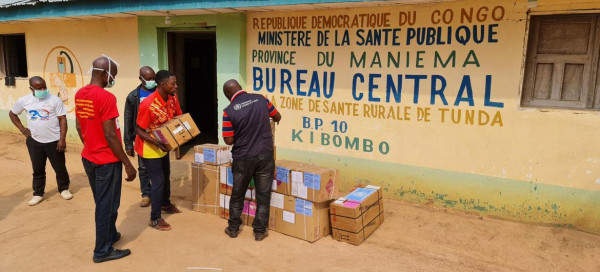
Africa Centres for Disease Control and Prevention (Africa CDC) Declares Mpox A Public Health Emergency of Continental Security, Mobilizing Resources Across the Continent

Location: News

Africa Centres for Disease Control and Prevention (Africa CDC)
Download logo

The Africa Centres for Disease Control and Prevention (Africa CDC) has officially declared the ongoing Mpox outbreak a Public Health Emergency of Continental Security (PHECS), marking the first such declaration by the agency since its inception in 2017.

This declaration, under Article 3, Paragraph F of the Africa CDC Statutes, empowers the organization to lead and coordinate responses to significant health emergencies. The statute mandates Africa CDC to “coordinate and support Member States in health emergency responses, particularly those declared PHECS or Public Health Emergency of International Concern (PHEIC), as well as health promotion and disease prevention through health systems strengthening, addressing communicable and non-communicable diseases, environmental health, and Neglected Tropical Diseases.”

The declaration will enable the mobilization of resources across affected countries, unlocking essential funding, strengthening Risk Communication and Community Engagement (RCCE), boosting surveillance and laboratory testing efforts, and enhancing human resource capacities to respond effectively to Mpox through a One Health approach.

Africa CDC Director General Dr. Jean Kaseya emphasized the urgency of swift and decisive action: “Today, we declare this PHECS to mobilize our institutions, our collective will, and our resources to act—swiftly and decisively. This empowers us to forge new partnerships, strengthen our health systems, educate our communities, and deliver life-saving interventions where they are needed most. There is no need for travel restrictions at this time.”

At least 13 African countries, including previously unaffected nations like Burundi, Kenya, Rwanda, and Uganda, have reported Mpox outbreaks. So far in 2024, these countries have confirmed 2,863 cases and 517 deaths, primarily in the Democratic Republic of the Congo (DRC). Suspected cases across the continent have surged past 17,000, a significant increase from 7,146 cases in 2022 and 14,957 cases in 2023. This is just the tip of the iceberg when we consider the many weaknesses in surveillance, laboratory testing and contact tracing.

Dr. Kaseya underscored the gravity of the situation stating “This is not just another challenge; it's a crisis that demands our collective action. Article 3, Paragraph F of the Africa CDC Statutes mandates us to lead and coordinate the response when there is a declaration of a public health emergency of international concern.”

From May 2022 to July 2023, Mpox was declared a Public Health Emergency of International Concern (PHEIC) by the WHO. However, Africa did not receive the support it urgently needed during this period. As global cases began to decline, the escalating numbers in Africa were largely ignored. Dr. Kaseya emphasized the need for a change in approach: “We urge our international partners to seize this moment to act differently and collaborate closely with Africa CDC to provide the necessary support to our Member States.”

He continued, appealing to global partners: “We call on you to stand with us in this critical hour. Africa has long been on the frontlines in the fight against infectious diseases, often with limited resources. The battle against Mpox demands a global response. We need your support, expertise, and solidarity. The world cannot afford to turn a blind eye to this crisis.”

He explained that the emergency declaration follows wide consultations, including a unanimous decision by the Africa CDC Emergency Consultative Group (ECG), chaired by Professor Salim Abdool Karim, head of CAPRISA, an AIDS research program based in Durban, South Africa.

Prof. Karim highlighted that limited surveillance and evidence suggest the situation could be more severe than currently understood. “The number of cases has significantly increased compared to 2022 when WHO declared Mpox a public health emergency. It's clear that we're facing a different scenario with far more cases, resulting in a higher burden of illness,” he said. He also raised concerns about the rising fatalities, particularly the potential link between HIV and Mpox. “Our concern is that we may be seeing more fatalities in Africa due to the association with HIV,” he noted.

Cross-border transmission to previously unaffected countries was also a concern, prompting the ECG to urge the strategic distribution of the limited vaccines available. The lack of diagnostic capabilities was identified as a critical issue requiring urgent attention, and the ECG encouraged the development of response plans, promising to provide input and support.

To address the Mpox outbreak in Africa, Africa CDC has set up a 25-member Incident Management Team based at the epicenter of the Mpox epidemic with mandate to support affected and at-risk countries. Africa CDC has also signed a partnership agreement with the European Commission's Health Emergency Preparedness and Response Authority (HERA) and Bavarian Nordic to provide over 215,000 doses of the MVA-BN® vaccine—the only FDA and EMA-approved Mpox vaccine. Africa CDC will oversee the equitable distribution of these vaccines, prioritizing local needs across the affected Member States.

MPOX SYMPTOMS, PREVENTION, AND TREATMENT

Mpox is a viral illness caused by the monkeypox virus, with two distinct clades: Clade I and Clade II. Common symptoms include a skin rash or mucosal lesions lasting 2–4 weeks, fever, headache, muscle aches, back pain, low energy, and swollen lymph nodes. The virus can be transmitted to humans through physical contact with an infectious person, contaminated materials, or infected animals.

Distributed by APO Group on behalf of Africa Centres for Disease Control and Prevention (Africa CDC).

Read moreAfrica Centres for Disease Control and Prevention (Africa CDC) Declares Mpox A Public Health Emergency of Continental Security, Mobilizing Resources Across the Continent
14 August 2024

Mpox is still being transmitted across the world, says UN health agency

Location: News
UN News

In an update, the WHO said that an outbreak of mpox was declared in Burundi on 25 July, at around the same time that Kenya, Rwanda, and Uganda also confirmed their own cases. 

The UN health agency noted that all of these infections – where patients' symptoms included fever, joint pain and a widespread rash - were linked to the “expanding outbreak” in East and Central Africa.

Later in the day, the Africa Centres for Disease Control and Prevention (Africa CDC) officially declared the situation a public health emergency voicing concern over the speed of its spread in the past few weeks.

Every infection was identified after genetic sequencing as clade Ib – one of three recognized variants of the virus, explained WHO, which added that 934 new laboratory-confirmed cases of mpox and four deaths had been reported to the UN health agency from 26 countries in June.

This indicated “continuing transmission of mpox across the world”, it noted.

Endemic problem
Mpox been circulating in the Democratic Republic of the Congo (DRC) for years, according to the UN health agency, which said that there has been an “unprecedented increase” in the number of countries in Africa reporting mpox, which is mainly spread through sexual contact.

Within the African Region, the WHO said that the DRC reported 96 per cent of the confirmed mpox cases in June. But with limited access to testing in rural areas, less than one quarter of suspected cases there have been tested, so it is very likely that the disease burden is higher than initial estimates.

Data indicates that the DRC has been experiencing “a severe outbreak” of mpox since the beginning of the year, with more than 14,000 cases and 511 deaths reported, the UN health agency said. 

Transmission focus
In a related development, WHO said that Côte d'Ivoire is also experiencing an outbreak of mpox, clade II; this was the variant that was responsible for the global mpox outbreak in 2022, the UN health agency said, adding that South Africa has reported two more confirmed cases.

Mpox – formerly monkeypox - is endemic in Central and West Africa.  It can be transmitted through physical contact with an infected person, animal or contaminated materials. Symptoms include skin rash or lesions, accompanied by fever, headache, muscle aches, back pain, low energy and swollen lymph nodes.

World trends
Globally, the most affected region in June was Africa with 567 cases of infection, followed by the Americas (175 cases), Europe – excluding the Eastern Mediterranean region - (100 cases), Western Pacific (81 cases) and South-East Asia (11 cases). 

From 1 January 2022 to 30 June 2024, a total of 99,176 laboratory-confirmed cases of mpox - including 208 deaths – have been reported to the UN health agency from 116 countries in all WHO regions. Apart from Africa, “the outbreak continues at a low level of transmission” globally, WHO said.

Data for June showed that 16 out of 26 reporting countries showed an increase in cases compared to May. DR Congo reported the highest increase in Africa – with 543 cases in June compared to 459 a month earlier (up 62 per cent) while Spain saw the highest increase in Europe (54 cases, up from 38 in May), Colombia reported the highest increase in the Americas with 11 cases in June and none in May, Australia had the highest increase in the Western Pacific (from 33 cases in May to 64 in June). No country reported an increase in South-East Asia. 

Distributed by APO Group on behalf of UN News.

Media files
UN News
Download logo
Read moreMpox is still being transmitted across the world, says UN health agency
13 August 2024

Eskom reduces diesel spend by R9bn

Location: News

Eskom reduces diesel spend by R9bn

Eskom has recorded a reduction of some R9 billion in diesel expenditure from 1 April 2024 to 7 August 2024, compared to the same period last year.

This as the power utility has kept load shedding at bay for more than 135 days and reduced reliance on Open Cycle Gas Turbines (OCGTs), which use diesel to generate energy.

During a media briefing on Monday, the Minister of Electricity and Energy, Dr Kgosientsho Ramokgopa, explained that because of Eskom’s sustained Energy Availability Factor (EAF), spending on the fuel has decreased significantly.

“If your EAF is up, it means that you are less reliant on the Open Cycle Gas Turbines. So you are burning less and less diesel. Since the beginning of the financial year, we have brought down the use of diesel by 73%. So we have saved about R9.6 billion compared to the same period last year. That’s significant.

“It’s good for Eskom’s own balance sheet and its liquidity. We can reinvest this money back into the people and into the [generating] units so that we can continue to see the kind of phenomenal improvements that we have been seeing and we can stave off load shedding,” he said.

The Minister expressed optimism that Eskom is moving towards a reality where OCGTs are only used “as and when we need them”.

“The amount of time that we have been calling on [the OCGTs], since the 1st of April, averages about 4%. If you look at the same period last year, we were using them about 20.6% of the time. "

He said the performance of Eskom is an indication that the Energy Action Plan announced by President Cyril Ramaphosa in 2022 is producing tangible fruit.

“We are really optimistic about the situation. The net picture confirms that we are on a good path… It confirms the efficacious nature of our intervention. It’s giving us the kind of results that are desirable and most households can see that,” Ramokgopa said. – SAnews.gov.za

NeoB
Tue, 08/13/2024 - 11:08

358 views
Read moreEskom reduces diesel spend by R9bn
13 August 2024

African Energy Chamber (AEC) Condemns Dialogue Earth’s Brash Attempt to Use an African Voice to Demonize African Oil and Gas

Location: News
African Energy Chamber

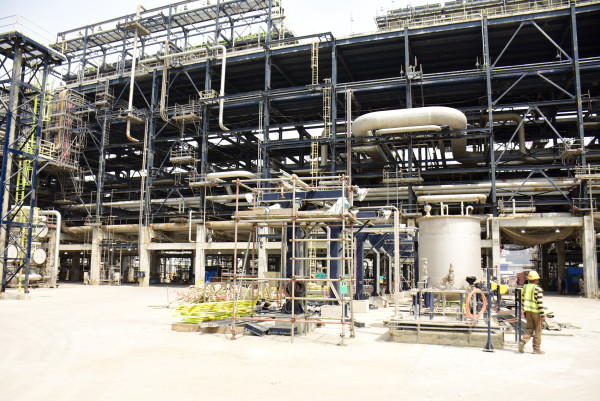
Independent non-profit organization Dialogue Earth has been accused of attempting to mobilize a smear campaign against Africa's largest refinery - the 650,000 barrels per day Dangote Refinery. The NGO allegedly contacted Nigerian journalist David Hundeyin to produce an article stating that the refinery raises questions about the country's climate ambitions while assessing the implications of increased fossil fuel utilization in Nigeria. In a statement released on X, Hundeyin highlights the article for what it is: an attempt by a western NGO to use an African voice to endorse energy poverty in Africa.

Representing the voice of the African energy sector and a strong advocate for African voices, the African Energy Chamber (AEC) strongly condemns the dirty tactics employed by Dialogue Earth to hire Africans and use them to destroy their own oil and gas industry. The AEC has long-promoted the critical role oil and gas plays in driving economic development and advancing clean-fuel utilization in Africa. Projects such as Dangote – Nigeria's first large-scale refinery – stand to transform West Africa by reducing the reliance on imported fuel, increasing the availability of clean and locally-sourced petroleum while creating jobs and business opportunities. The Dialogue Earth campaign is a clear demonstration of how the west is demonizing the industry and preventing any meaningful progress to alleviate energy poverty in Africa.

Dialogue Earth allegedly offered Hundeyin USD $500 to write the article, with the brief highlighting several contradictions and areas of concern. Firstly, Dialogue Earth allegedly shared that the purpose of the article was to identify the environmental implications of the Dangote Refinery on Nigeria, particularly within the context of the country's energy transition. However, Nigeria has strongly advocated for the role oil and gas plays in its transition, advocating for a just transition whereby the country can reduce emissions in a way that protects the economy and reduces energy poverty. As one of the biggest oil producers in Africa, Nigeria considers oil and gas to be central to creating the conditions by which the country can transition. As the industry grows, it will generate revenue, strengthen economic activities while promoting low-carbon fuel production.  As such, the refinery plays an intrinsic part in the Nigerian energy transition, despite what Dialogue Earth is attempting to state.

Secondly, the brief allegedly includes objectives such as investigating the environmental consequences of the refinery within the context of its adherence to emission standards. As Hundeyin so aptly writes in his statement, Nigeria has long-faced that challenge of relying on imported petroleum, owing largely to the lack of facilities such as Dangote. This has led to West African fuel cargoes – refined internationally ­– featuring toxic waste and sulfur content that is 200 times the European legal limit. Through the Dangote Refinery, Nigeria will not only be able to reduce its reliance on imported petroleum but put in place clear restrictions regarding sulfur content, thereby promoting environmental protection. Yet Dialogue Earth doesn't seem to care about toxic fuel, only that a refinery that will transform West Africa is put to rest.

The story also aims to explore the geopolitical implications of Nigeria's growing oil industry and the motivations of the refinery. This is ironic given the lack of recognition by Dialogue Earth to the critical role the refinery plays in developing the economy, contributing to global fuel stability while strengthening the energy industry in Nigeria. This attempted smear campaign shows that NGOs such as Dialogue Earth are only advocating for climate change when it suites them and that they have no problem keeping Africa in the dark, using African voices to do so.

“The AEC fully supports Hundeyin and commends him for standing up against Dialogue Earth. We are wholly against a western NGO trying to use African voices to advance their own biased agenda. The attempt to get a well-known Nigerian journalist to effectively endorse such a smear campaign shows a cowardly approach by the western NGO to try and destroy the African oil and gas industry, all because they can't do it with their own names or organizations,” stated NJ Ayuk, Executive Chairman of the AEC. 

The recent attempt by Dialogue Earth is just one of the many attempts by western-based and funded NGOs to stop oil and gas projects in Africa. From the East African Crude Oil Pipeline in Uganda to offshore exploration in South Africa to LNG projects in Mozambique, such organizations appear committed to restricting access to energy in Africa.

“We have seen how African crude oil has been treated, how funding for Mozambique LNG has been treated, how the west has constantly attacked South Africa as it tries to develop it its natural gas and how they have constantly attacked other gas projects and cut off financing. These tactics are hurtful to African development, our fight against energy poverty and to young people that want to build strong democracies,” added Ayuk.

Distributed by APO Group on behalf of African Energy Chamber.

Media files
African Energy Chamber
Download logo
Read moreAfrican Energy Chamber (AEC) Condemns Dialogue Earth’s Brash Attempt to Use an African Voice to Demonize African Oil and Gas
13 August 2024

African Energy Week (AEW) 2024 Launches Upstream Oil & Gas Forum Amid African Liquefied Natural Gas (LNG) Market Expansion

Location: News
African Energy Chamber

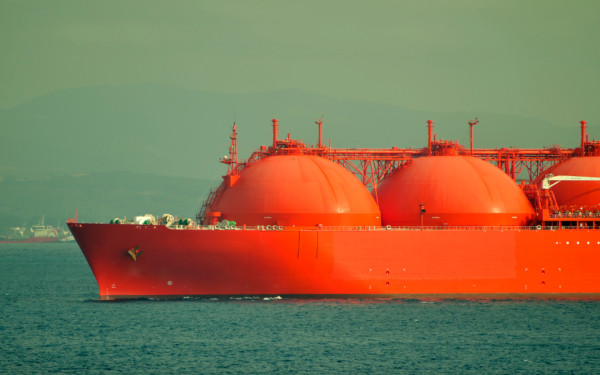
Africa's upstream oil and gas sector is attracting substantial investments, with an $800-billion capital expenditure program focusing on LNG alongside traditional deep-water oil projects currently underway. This investment cycle is expected to boost Africa's LNG production capacity at a time when global gas demand is on the rise.

Responding to this environment, African Energy Week (AEW): Invest in African Energy 2024 will host a two-day Upstream Exploration & Production (E&P) Forum spotlighting Africa's LNG prospects. The forum will feature a series of strategic sessions and presentations, highlighting major LNG and floating LNG (FLNG) developments and investment opportunities shaping the sector.

AEW: Invest in African Energy is the platform of choice for project operators, financiers, technology providers and government, and has emerged as the official place to sign deals in African energy. Visit www.AECWeek.com for more information about this exciting event.

Mozambique is at the forefront of Africa's LNG growth, with the $20-billion Mozambique LNG project led by TotalEnergies set to produce 12.8 million tons of LNG per annum by 2028. Eni's second FLNG production project in the country – Coral Norte – and ExxonMobil's Rovuma LNG development are anticipated to reach FID by 2025. The country achieved natural gas sales of $1.7 billion in revenue in 2023, mostly driven by the start up of the Coral Sul FLNG project in November 2022.

The Nigeria LNG (NLNG) Train 7 expansion project is approaching completion, set to boost the country's LNG capacity by 35%, adding roughly 8 million tons per annum. The project is part of Nigeria's broader strategy to enhance its LNG production capabilities to meet both local and regional demand. In June 2024, the Nigerian National Petroleum Corporation signed a Project Development Agreement (PDA) with marine infrastructure company Golar LNG to deploy a FLNG vessel in the offshore Niger Delta region. The PDA plans to monetize 400-500 million standard cubic feet of gas per day, producing LNG, LPG and condensate, with FID expected by Q4 2024.

Under the Upstream E&P Forum, a session on The Demand Economics Driving the Growth of African LNG and FLNG will explore Africa's LNG portfolio, shedding light on supply and demand dynamics and future investment opportunities. Speakers will include Managing Director & General Manager of Eni Rovuma Basin Marica Calabrese, Africa Finance Corporation Vice President Taiwo Okwor, and senior representatives from Golar LNG, Angola LNG, and UTM Offshore.

In West Africa, Equatorial Guinea is also establishing itself as a major LNG player through its Gas Mega Hub (GMH) initiative, which aims to pool regional gas resources to become a central hub for gas processing, liquefaction and distribution. Last October, US oil and gas company Marathon Oil entered into an LNG sales agreement with commodity trader Glencore for Equatorial Guinea's Alba field, positioning the company for the GMH's next phase of development. Meanwhile, the Greater Tortue Ahmeyim (GTA) LNG project, spanning Mauritania and Senegal, is set to reach first production by Q4 2024, with a capacity of 2.3 million tons per year.

In southern Africa, Angola's LNG market is also growing, launching the second phase of the Falcão natural gas project last December, as well as developing the country's first non-associated gas development project in Soyo. South Africa's Virginia Phase 2 project is set to produce commercial quantities of LNG and liquid helium, with a capacity of 670,000 cubic meters of LNG per day. Meanwhile, the country's Port of Ngqura FLNG project involves the installation of a floating storage and regasification unit, gas-to-power infrastructure, cryogenic pipelines and a terminal for processing, storing, on-site exploitation and distribution of gas acquired from the country's on- and offshore fields.

A session on The Game Changer: Examining African Gas will outline Africa's natural gas reserves, production capacities, infrastructure development and export potential, highlighting potential for transitional energy, power generation and diversified growth. The session will feature senior representatives from Equatorial Guinea's national oil company (NOC) GEPetrol, Seplat Energies, and Mozambican NOC Empresa Nacional de Hidrocarbonetos.

With these developments on the horizon, Africa's leading upstream markets are positioning themselves as key players in the global LNG industry. AEW: Invest in African Energy 2024 will provide a pivotal platform for stakeholders to engage in discussions, forge partnerships and explore new opportunities within Africa's growing LNG sector.

Distributed by APO Group on behalf of African Energy Chamber.

Media files
African Energy Chamber
Download logo
Read moreAfrican Energy Week (AEW) 2024 Launches Upstream Oil & Gas Forum Amid African Liquefied Natural Gas (LNG) Market Expansion
13 August 2024

Smart You, Smart Home: Upgrade with Lights and Blinds

Location: MyPR

In the era of smart technology, it’s no longer just our phones and watches that are intelligent. Our homes are becoming smarter too, thanks to innovations in smart switches, automatic window shades, electric blinds, and other automated systems. Upgrading your home with these technologies can enhance comfort, increase energy efficiency, and add a touch of …

Read moreSmart You, Smart Home: Upgrade with Lights and Blinds
13 August 2024

Absa’s Webber to Highlight Environmental Social Governance (ESG) and Investment Trends in African Critical Minerals at Critical Minerals Africa (CMA) 2024

Location: News
Energy Capital & Power

Mining company African Rainbow Minerals (https://apo-opa.co/46M4tND) reached an agreement last September with financial services company Absa – along with finance institutions Standard Bank, the Development Bank of South Africa and Nedbank – to provide finance for the construction of a 132 MW solar project. The move is set to provide renewable energy to platinum mining projects in South Africa through power purchase agreements (PPAs). 

To support the growth of South Africa and Africa's critical mineral industry, Absa is participating in this year's Critical Minerals Africa (CMA) 2024 summit. Shirley Webber, Coverage Head of Resources & Energy at Absa Corporate and Investment Banking – an Absa subsidiary –, will discuss the firm's contributions and investment strategy in the African critical mineral sector. 

The Critical Minerals Africa 2024 summit on November 6-7 serves to position Africa as the primary investment destination for critical minerals. The event is held alongside the African Energy Week: Invest in African Energy 2024 conference on November 4-8, offering delegates access to the full scope of energy, mining and finance leaders in Cape Town. Sponsors, exhibitors and delegates can learn more by contacting sales@energycapitalpower.com. 

Absa is a major player in Africa's critical mineral industry, providing direct financing to project developers, while supporting critical mineral mining projects through long-term PPAs. The institution is arranging a $120 million debt facility to support platinum group metal (PGM) mining firm Pensana's (https://apo-opa.co/4fTeBZo) strategy to achieve first PGM production in South Africa by 2025. Absa also partnered with French financial services firm Société Générale in March 2023 to raise $130 million in funding to support PGM and chrome-producer Tharisa (https://apo-opa.co/46HEd76) with its mining operations in South Africa. 

Absa has positioned itself as a key driver of environmental social governance (ESG) and skills and capacity building within Africa's critical mineral sector as the global mining industry prioritizes environmental sustainability and local content development. In May 2023, Absa closed a $562.4 million sustainability-linked green bond for mining firm Harmony Gold, enabling the company to expand production and reduce its carbon footprint at its gold and copper projects across Africa. As such, Webber is expected to use the CMA 2024 platform to highlight how Absa is driving ESG projects across Africa's critical mineral sector. 

“Companies like Absa have positioned themselves as key enablers of Africa's critical mineral industry growth by simplifying access to capital for project developers. As demand for Africa's energy transition metals grows and global markets prioritize environmental sustainability, the capital and ESG expertise provided by Absa will be crucial,” stated Rachelle Kasongo, Project Director at CMA 2024 organizer Energy Capital & Power. 

Distributed by APO Group on behalf of Energy Capital & Power.

Media files
Energy Capital & Power
Download logo
Read moreAbsa’s Webber to Highlight Environmental Social Governance (ESG) and Investment Trends in African Critical Minerals at Critical Minerals Africa (CMA) 2024
12 August 2024

Minister Blade Nzimande officially opens 32nd International Astronomical Union General Assembly

Location: News

South African Government
Download logo

The Minister of Science, Technology and Innovation, Prof. Blade Nzimande, officially opened the 32nd International Astronomical Union (IAU) General Assembly in Cape Town last night. The Minister addressed 2 000 delegates from the global astronomy community.

The meeting, held every three years, is an opportunity for astronomers to address key topics in contemporary astronomy and assess the latest scientific progress in various specialised areas.

This year's general assembly, under the theme "It's Time for Africa – Ke Nako", will highlight the continent's growing role in the global astronomical community and its contributions to global astronomical research and development, as well as its potential for future contributions.

Africa is home to some of the world's oldest astronomical achievements. Astronomy in Africa began at least 7 000 years ago, with a stone circle known as Nabta Playa in Egypt that predates Stonehenge by 2 000 years.

IAU President, Prof. Debra Elmegreen, in her address to the gathering, emphasised that astronomy was rooted in all cultures and invited broad thoughts about our place in the universe and on our fragile Earth.

"We celebrate the rich history of astronomy in Africa as we present our research, initiate new collaborations, enjoy networking, share astronomy with the public, and explore the local beauty. August is designated as Africa Astronomy Month, an appropriate cap to the Vision 2024 efforts that have united Africans in their preparations to share astronomy with the world," said Elmegreen.

Over two centuries ago, international observational survey work was led by astronomers in Cape Town and this work continues to the present day under the South African Astronomical Observatory.

Among many other telescopes in Africa, Prof. Elmegreen mentioned the High Energy Stereoscopic System (HESS) gamma ray telescope in Namibia, as well as the Southern African Large Telescope (the largest optical telescope in the Southern Hemisphere), the MeerKAT radio astronomy array, and the KELT-South and SuperWASP-South telescopes, all of which are located in South Africa.

Minister Nzimande spoke about how Africa's rich astronomy history continues to inspire, and the role of indigenous astronomy in South Africa's astronomy programmes. He praised the conference organisers for Cosmic Echoes, a Shared Sky indigenous art exhibition.

The Minister highlighted the trailblazing radio astronomy work that began in South Africa in Hartebeeshoek in 1961, in a partnership with NASA.

"Radio astronomy began in South Africa with a 26-metre dish built by NASA and placed in Hartebeesthoek in 1961 as a deep-space ground station used to get data from, and send commands to, many unmanned US space probes going beyond the Earth's orbit. This was later converted into a radio telescope that led to the establishment of the Hartebeesthoek Radio Astronomical Observatory, which is now part of the South African Radio Astronomy Observatory.

"During the democratic era, the MeerKAT was built in Carnarvon as a precursor to the SKA project. The MeerKAT is another amazing achievement on the global science stage, and we wish to thank our international partners, Germany, Italy and China for their contribution to this project.

"We also have a growing gamma-ray astronomy community that actively participates in the HESS initiative," said the Minister.

He added that these strategic interventions had enabled the exponential growth of South African astronomers from 60 (only five of whom were radio astronomers) to about 300 over the last 30 years.

The Minister highlighted that the MeerKAT/SKA project, in particular, offered South Africa an opportunity to contribute to the knowledge economy and the big data revolution through international collaborations and the pursuit of world-class research, driving transformation and human capital development.

The Minister thanked the IAU for giving South Africa the opportunity to host the prestigious IAU General Assembly.

"This gathering reflects the global astronomy community's commitment to advancing research, fostering collaboration, and addressing contemporary challenges in astronomy and those faced by humanity," concluded the Minister.

The IAU conference runs until 14 August 2024.

Distributed by APO Group on behalf of South African Government.

Read moreMinister Blade Nzimande officially opens 32nd International Astronomical Union General Assembly
12 August 2024

A further 2 500MW expected back ‘by the end of August’

Location: News

A further 2 500MW expected back 'by the end of August'

Minister of Electricity and Energy, Dr Kgosientsho Ramokgopa, says the power grid is expected to be strengthened with generating units expected back by the end of August.

He was speaking during a media briefing in Pretoria on Monday morning.

“We are expecting Medupi Unit 4 to give us 800MW [megawatts] and to fire up Kusile Unit 6, which is another 800MW. We are hoping to get an extension of life of Koeberg Unit 2… We are not complacent. We are doing everything by the book and we are still optimistic about getting that extension of life, and it will give us an additional 980MW.

“We do expect that by the end of August this year, just from the Eskom fleet, we should be getting an additional 2 500MW,” he said.

The Minister cautioned, however, that although “we remain buoyant” regarding Eskom’s performance, load shedding is still not a thing of the past.

“I really want to caution that load shedding is not behind us. In the next three weeks or so Eskom will be sharing what the summer outlook is. We are still buoyant about the performance of these generation plants.

“Having said that, we need to caution against any early declaration to decree load shedding as behind us. We do everything possible to resolve this question but the numbers do indicate that we are within touching distance,” Ramokgopa said.

The Minister made special mention of Tutuka, Kendal and Kriel power stations.

“Tutuka has experienced a significant amount of challenges over a period of time… but we are seeing results now. Just this period from March to August, the unplanned capacity loss factor [UCLF] has reduced by 29%. That’s significant from where Tutuka started; they’ve moved from 2 411MW to 949MW.

“At Kendal, there were major issues with regard to exceeding the emissions standards, so there [were] a number of interventions that had to be made. Today… we were able to reduce the [UCLF] from 2 500MW out and now we’re sitting at about 919MW.

“We have seen exceptional results at Kriel, with the reduction in the UCLF having gone down 53% from 1 400MW to about 508MW,” the Minister said.

He explained that change in leadership at the helm has changed the trajectory of those stations.

“The people issues do matter and the Eskom leadership has taken that into account. The fact that you place the most seasoned, loyal and patriotic individuals to be at the helm of those power stations has given us the kind of results that are required,” Ramokgopa said. – SAnews.gov.za

NeoB
Mon, 08/12/2024 - 11:14

152 views
Read moreA further 2 500MW expected back ‘by the end of August’
12 August 2024

Revitalising Hair Health:Laser Hair Growth Treatments

Location: MyPR

Understanding Laser Hair Growth Treatment Hair growth light therapy, or laser hair growth treatment, has become increasingly popular for addressing hair loss issues. This non-invasive treatment uses low-level laser therapy (LLLT) to stimulate hair follicles, promoting hair growth and preventing further hair loss. The procedure involves exposing the scalp to red light, which penetrates the …

Read moreRevitalising Hair Health:Laser Hair Growth Treatments
11 August 2024

Elevate Your Padel Game with Adidas Rackets at Virgin Active Padel Club

Location: MyPR

Introduction Padel, a racket sport that blends the excitement of tennis, squash, and badminton, has seen its popularity skyrocket across continents. As players from diverse backgrounds dive into the sport, the choice of equipment becomes pivotal in enhancing performance and enjoyment on the court. Virgin Active Padel Club proudly offers a wide array of Adidas …

Read moreElevate Your Padel Game with Adidas Rackets at Virgin Active Padel Club
11 August 2024

South Africa’s Rich Heritage: The Rhino and Lion Park, Soweto, and Cultural Tours

Location: MyPR

Introduction South Africa, a melting pot of cultures and history, offers a tapestry of enriching experiences that cater to wildlife enthusiasts and cultural buffs alike. From the thrilling encounters at the Rhino and Lion Park to the Soweto tours and insightful cultural tours, this guide promises to navigate you through some of the most captivating …

Read moreSouth Africa’s Rich Heritage: The Rhino and Lion Park, Soweto, and Cultural Tours
11 August 2024

The Beach Palace Ramsgate Nominated for International Travel Award

Location: MyPR

The Beach Palace Ramsgate, a luxurious 5-star guesthouse with stunning views over the Indian Ocean, has been nominated for the prestigious Golden Tree International Travel Award, representing South Africa on the global stage. This nomination is a testament to The Beach Palace’s commitment to excellence, sustainability, and unparalleled guest experiences. As a premier guesthouse, The …

Read moreThe Beach Palace Ramsgate Nominated for International Travel Award
8 August 2024

Africa’s Energy Sector to Litigate Banks and Financiers for Financial Apartheid in Oil and Gas Sector

Location: News
African Energy Chamber

In recent years, several Western banks and financial institutions have implemented policies aimed at reducing support for fossil fuel projects, especially in Africa. This has led to a sharp decline in investment in the continent's oil and gas industry, a sector that is crucial for its economic future and energy needs. The African Energy Chamber (AEC) (https://EnergyChamber.org) argues that these institutions are practicing “financial apartheid,” arguing that while similar projects receive support in Europe, Africa's high-cost energy projects are being neglected.

The decline in investment is already having a noticeable impact, exacerbated by global shifts towards cleaner energy and prioritizing of ESG practices. Major international oil companies are reducing their presence in Africa. For instance, Equinor has withdrawn from offshore exploration in South Africa and ExxonMobil has exited a deep-water oil prospect in Ghana. This decline is contributing to a bleak outlook for Africa's energy sector.

“As the international community moves to boycott investments in the African energy sector, African people and African development stand to suffer,” says NJ Ayuk, Executive Chairman of the AEC. “The role of oil in Africa's energy and economic future is apparent, and consequently, should be defended as Western elites move to disrupt African progress.”

The broader implications of financial divestment are profound. Many African governments rely on fossil fuels as a cost-effective means to alleviate energy poverty and boost state revenues. However, the increasing pressure on financial institutions to cut funding for high-carbon projects creates uncertainty about the future of Africa's energy sector.

The International Energy Agency (IEA) has added to these challenges with its calls to cease funding for oil and gas projects, highlighting a disparity: while natural gas is considered a ‘green' energy source for Europe, it does not receive the same treatment in Africa. According to Ayuk, “The IEA has lost its relevance and its authority.” Originally focused on managing oil supply disruptions, the IEA now prioritizes policies aimed at achieving net-zero emissions by 2050. Its 2019 projection that no new investments in oil, gas, or coal are needed if the world continues on this path has been particularly controversial.

Several key African projects are at risk due to the withdrawal of financial support. Significant initiatives like TotalEnergies' Mozambique LNG project, ExxonMobil's Rovuma LNG project, Nigeria's Train 7 LNG expansion, Senegal's Sangomar oil field, Uganda's Tilenga project and the East African Crude Oil Pipeline (EACOP) require substantial financing to advance.

Despite these setbacks, some projects are progressing. TotalEnergies is advancing its $20 billion Mozambique LNG project, aiming to develop the Golfinho and Atum fields with a production capacity of 12.88 million tonnes per year. Eni's Coral South FLNG project in Mozambique has achieved a production capacity of 3.4 million tonnes per year. Additionally, the Greater Tortue Ahmeyim (GTA) LNG project, which started gas production in November 2022, is being developed by bp, Kosmos Energy and the national oil companies of Senegal and Mauritania. This project includes an FLNG facility with an initial capacity of 2.5 million tonnes per year.

Meanwhile Nigeria's Train 7 project, an expansion of the existing NLNG facility on Bonny Island, aims to boost production by 8 million tonnes per year, bringing the total to about 30 million tonnes per year. This development is crucial for Nigeria's growing population and its ability to meet its energy needs.

However, delays persist. The Tanzania LNG project, involving Equinor and Shell, is stalled due to proposed government changes. UTM Offshore's FLNG project in Nigeria, initially planned for 2023, has been postponed. Additionally, the EACOP faces significant criticism from financiers and environmental groups, complicating its development and financing.

Namibia, experiencing heightened interest from recent oil discoveries, is facing delays with the Kudu Conventional Gas Development. The Kudu Gas Project, an offshore initiative, has faced setbacks related to financing and project development challenges. As a result, the project is still pending FID and anticipated to commence production by 2026.

“Today, African Energy Poverty numbers are skyrocketing. Nine hundred million Africans lack access to clean cooking technologies, while 600 million lack access to electricity, most of them women. African families are facing high energy cost and inflation is going up,” Ayuk emphasizes. “It is shocking that financial institutions that do business in Africa continue to practice financial apartheid by cutting off capital and financing to oil and gas companies operating in Africa because of climate concerns. These same institutions fund gas development in Europe, where natural gas is deemed green and a fossil fuel for Africans.”

The disparity in financing not only undermines Africa's ability to harness its natural resources for its development but also perpetuates a cycle of energy deprivation. The AEC urges a re-evaluation of this approach and calls on global financiers to support Africa's energy projects, recognizing their critical role in advancing economic development, enhancing energy security, and improving living standards across the continent.

Distributed by APO Group on behalf of African Energy Chamber.

Media files
African Energy Chamber
Download logo
Read moreAfrica’s Energy Sector to Litigate Banks and Financiers for Financial Apartheid in Oil and Gas Sector
8 August 2024

Africa Tech Festival 2024 Showcases Women Tech and Telecoms Leaders, Aims to Positively Impact Africa’s Information and Communications Technology (ICT) Gender Gap

Location: News

Africa Tech Festival
Download logo

When the 27th edition of Africa Tech Festival (https://AfricaTechFestival.com) kicks off on 12 November at the Cape Town International Convention Centre in South Africa, the spotlight will be on the exceptional women shaping the future of technology and telecoms in Africa. With August marking the celebration of Women's Month in the host country, the event will proudly showcase many of the women leaders driving growth and innovation across the sector.

Taking place from 12 to 14 November, Africa Tech Festival 2024 incorporates AfricaCom, AfricaTech, AfricaIgnite, and The AI Summit Cape Town, which will welcome a cumulative 15,000 visitors, more than 400 speakers, and over 300 exhibitors as it explores enterprise tech innovation and disruption across key sectors such as artificial intelligence, cybersecurity, cloud and data centres, and green ICT.

As the continent's leading platform for technology innovators, specialists, and thought leaders, Africa Tech Festival 2024's agenda includes several prominent female leaders who are making a significant contribution to the industry. Their expertise and insights will provide invaluable perspectives on the challenges and opportunities within the sector.

Key speakers include:

  • Faith Burn, Chief Information Officer, Energy and Utilities, Eskom Holdings SOC (View profile) (https://apo-opa.co/4ddn7Ap)
  • Nollie Maoto, Group Compliance Chief Data and Analytics Officer, FirstRand (View profile) (https://apo-opa.co/4d5MvYZ)
  • Kerissa Varma, CISO, Vodacom Group (View profile) (https://apo-opa.co/3Adtmpr)
  • Funke Opeke, CEO, MainOne (View profile) (https://apo-opa.co/3WRoGOR)
  • Mary Mahuma, CIO, Southern Africa, Philip Morris (View profile) (https://apo-opa.co/4dbGUk3)
  • Motunrayo Opayinka, Founder and CEO, Womenovate (View profile) (https://apo-opa.co/4dd1iRP)

“Africa Tech Festival provides the continent's tech ecosystems with a unique platform from which to collaborate and drive positive change. Building a more inclusive, sustainable world means uniting the world's most inspirational founders, business leaders, policymakers, investors, and rising stars, so we are delighted to see so many inspirational female tech executives featured in this year's speaker line-up. As we celebrate Women's Month, we look forward to their unique insights and contributions,” said Informa's James Williams, Event Director of Africa Tech Festival.  

Organisers are confident that the presence of these female industry leaders at Africa Tech Festival will provide impetus to efforts by the industry to be more inclusive, highlighting the opportunities available to women in various sectors, providing insights for women wishing to embark on tech and telecoms careers, and showcasing the successes and contributions of women making their mark within the industry.

“Events such as Africa Tech Festival provide a platform for women to network and to gain exposure to more accomplished women in tech. These role models provide inspiration to women starting out in their careers that they can break the glass ceiling,” said Funke Opeke, CEO, MainOne, who will be participating in the ‘Big Tech and Telcos: Collaborating on Digital Infrastructure Investment' keynote panel.

Speaking on the importance of mentorship for women entering the industry, Mary Mahuma, CIO, Southern Africa, Philip Morris said, “As a female industry leader, I see mentorship as a necessary reminder of our social responsibility to be empathetic, driven, inclusive, and resilient leaders. I am fortunate to have a female mentor who has significantly influenced my leadership style, thinking, and understanding of corporate dynamics and culture.” Mary will be a panellist on the ‘Nurturing Talent and Bridging Skills Gap: Building a Future-Ready Workforce in the Age of AI' panel.

“Women's contributions are significantly transforming the telecoms and technology landscape in Africa through innovation, leadership, and advocacy. Their contributions are not only advancing the industry but also driving social and economic development across the continent. By fostering innovation, supporting entrepreneurship, and advocating for inclusive policies, these women are transforming the tech landscape in Africa,” added Motunrayo Opayinka, Founder and CEO, Womenovate. Motunrayo will share her insights on the ‘Educational Equity Through AI: Tools for Advancing Education in Underserved Areas' panel. 

In addition, EQL:LOUNGE creates a space for women in tech to connect directly, and engage in meaningful dialogue, with high-calibre speakers in intimate settings hosting panel discussions, keynote addresses, and fireside chats. Taking place the evening before the event opens, InspiringFifty Africa is a prestigious awards ceremony focusing on recognising the top fifty women making significant strides within the African tech ecosystem.

Register now to secure your spot and join us in shaping the future of technology in Africa: https://AfricaTechFestival.com

In a special Women's Day offer, Africa Tech Festival is offering a 15% discount on Platinum Passes until midnight on 16 August. Passes can be purchased via this link, using the code NWD15 - https://apo-opa.co/3SAYyFh

Distributed by APO Group on behalf of Africa Tech Festival.

About Africa Tech Festival: 
Africa Tech Festival, including anchor events AfricaCom, AfricaTech, AfricaIgnite & The AI Summit Cape Town is part of the Informa Tech Connecting Africa event series.  

A vibrant celebration of Africa's diverse community of tech champions, Africa Tech Festival is the largest tech and digital connectivity conference and exhibition in Africa, attracting hundreds of exhibitors, more than 400 speakers and more than 15,000 delegates. 

Read moreAfrica Tech Festival 2024 Showcases Women Tech and Telecoms Leaders, Aims to Positively Impact Africa’s Information and Communications Technology (ICT) Gender Gap
8 August 2024

Consistent electricity supply ‘a step closer’

Location: News

Consistent electricity supply 'a step closer'

Consistent electricity supply in South Africa is now “one step closer” due to the diligent and dedicated implementation of the Energy Action Plan (EAP).

This is according to Minister in The Presidency, Khumbudzo Ntshavheni, who on Thursday briefed members of the media on the outcomes of the Cabinet meeting held on Wednesday.

The country has not experienced load shedding for more than 130 days.

“The supply of consistent electricity is now a step closer due to the steadfast implementation of the EAP announced by President Cyril Ramaphosa in July 2022. The EAP’s consistent focus on planned maintenance and work to achieve energy security by bringing onboard new generation capacity has contributed greatly to consistent power supply and no load shedding over several months. 

“This is an important enabler for economic growth and has a positive impact on quality of life, allowing citizens to continue with their daily activities unhindered,” the Minister said.

She highlighted that at the end of July, Eskom had recorded an unplanned capability loss factor (UCLF) of 8321 MW, signalling a historic milestone in the improvement of electricity generating at its power stations.

“Cabinet congratulated Eskom on achieving this important milestone and urged South Africans to continue adopting an energy saving lifestyle to protect our national grid. By doing, so we all play our part in helping to keep the lights on, which is crucial to business, industry and the economy,” Ntshavheni said. – SAnews.gov.za

NeoB
Thu, 08/08/2024 - 12:12

69 views
Read moreConsistent electricity supply ‘a step closer’
8 August 2024

Eswatini Joins Critical Minerals Africa (CMA) 2024, Following Launch of Critical Mineral Mapping Program

Location: News
Energy Capital & Power

Following the launch of the second phase of its critical mineral mapping program, Eswatini is seeking foreign partners to support mineral exploration and extraction activities. To showcase opportunities across the sector, HRH Prince Lonkhokhela, Eswatini's Minister of Natural Resources and Energy, will speak at the upcoming Critical Minerals Africa (CMA) (www.CriticalMineralsAfrica.com) 2024 summit in Cape Town, joining African ministers including Martin Gama Abucha, Minister of Mining of South Sudan; Monica Chang'anamuno, Minister of Mining of Malawi; and Louis Kabamba Watum, Minister of Industry and the Development of SMEs of the Democratic Republic of the Congo.

As a frontier mining market, Eswatini is currently engaged in various programs to accelerate the exploration of its critical minerals (https://apo-opa.co/3yzeZvd). In December 2023, the Geological Survey of Eswatini, in partnership with South Africa's Council for Geoscience, launched the second phase of a joint geoscience mapping program. The initiative, which leverages AI-based techniques, aims to locate and map the country's critical mineral resources, marking a significant milestone in regional collaboration to advance sector growth. To date, the country produces minor quantities of aggregate, coal, gold and iron ore.

The Critical Minerals Africa 2024 summit on November 6 - 7 serves to position Africa as the primary investment destination for critical minerals. The event is held alongside the African Energy Week: Invest in African Energy 2024 conference (www.AECWeek.com) on November 4 - 8, offering delegates access to the full scope of energy, mining and finance leaders in Cape Town. Sponsors, exhibitors and delegates can learn more by contacting sales@energycapitalpower.com.

“Eswatini represents a promising yet untapped critical minerals market. Recent mapping programs have identified mineralization in several basins across the Kingdom. As a result, increased cooperation with global stakeholders is key to injecting capital and technology into new projects,” stated Rachelle Kasongo, Event & Project Director at CMA 2024 organizers, Energy Capital & Power.

Eswatini is also working with industry stakeholders on best practices to attract foreign investments to bolster its critical mineral industry. Last January, Minister Lonkhokhela met (https://apo-opa.co/3AdjVq1) with the country's Minerals and Mines Management Board to work toward creating an enabling environment for enhanced private sector participation in exploration, production and job creation within the mining sector. At CMA 2024, Minister Lonkhokhela will connect with global investors and industry service providers to discuss and explore Eswatini's mining prospects.

Distributed by APO Group on behalf of Energy Capital & Power.

Media files
Energy Capital & Power
Download logo
Read moreEswatini Joins Critical Minerals Africa (CMA) 2024, Following Launch of Critical Mineral Mapping Program
  • Previous
  • Page 1
  • Interim pages omitted …
  • Page 40
  • Page 41
  • Page 42
  • Page 43
  • Page 44
  • Interim pages omitted …
  • Page 82
  • Next

Copyright © 2026 · MyZA · All Rights Reserved · Powered by Stratlec Online