• Skip to main content
  • Skip to header right navigation
  • Skip to after header navigation
  • Skip to site footer
MyZA

MyZA

News, Directory, Events and Other Stuff

  • Social Media
  • Sport
  • World News
  • Home
  • Submit News
  • Directory
  • Events
  • Stratlec
  • TFSA
  • News
    • APO
    • Today’s Sport News
    • Todays Social Media and Tech Headlines
    • Today’s World News
    • Today’s SA Financial News
  • Contact
You are here: Home / Archives for Energy

Energy

12 March 2024

Transmission key component of stabilising power supply: Ramokgopa

Location: News

Transmission key component of stabilising power supply: Ramokgopa

Minister in the Presidency for Electricity, Dr Kgosientsho Ramokgopa, has reiterated the urgent need for the building of transmission lines to unlock thousands of megawatts for the grid from new generation capacity.

“The major problem is transmission issues. We need to modernise and expand transmission by over 14 000km. To put it into context, in the past 10 years, we only did 4 000km. So, this 14 000km is to enable new generation capacity [to connect to the grid].

“If we had sufficient transmission capacity in the Northern Cape, Eastern Cape and Western Cape, the grid would have the benefit of over 11 000MW,” the Minister said on Tuesday.

The Minister was speaking during a panel discussion at Ninety One’s annual Infrastructure Forum held in Johannesburg on Tuesday. Ninety One is a global asset manager with emerging market roots and a commitment to developing specialist investment teams.

Ramokgopa said the amount of renewable energy that can be released is “healthy” however, challenges persist.

“The pipeline is healthy, with over 66GW that is there. We have already identified the corridors that must be prioritised, and we know out of those corridors, we can get 2 300MW.

“The intervention really is less on the transmission lines and the pylons. It’s about increasing the size of the sub-stations. Once we do that, we know we can get the benefit of that 2 300MW,” he said.

Meanwhile, a statement issued earlier this month after President Cyril Ramaphosa convened a meeting with members of Cabinet and senior business leaders said the work underway within the National Energy Crisis Committee (NECOM) and the implementation of the Energy Action Plan is starting to bear fruit. 

“Load shedding is down by 61% compared to the same period last year, with the return of units at Kusile power station, as well as new generation capacity from rooftop solar and private sector investment having a positive impact. 

“Reform of the energy sector is progressing, with an independent board appointed for the National Transmission Company of South Africa (NTCSA) and preparations underway for the new entity to commence trading,” the statement said.

READ | Ramokgopa sets sights on accelerated transmission line expansion

Load shedding

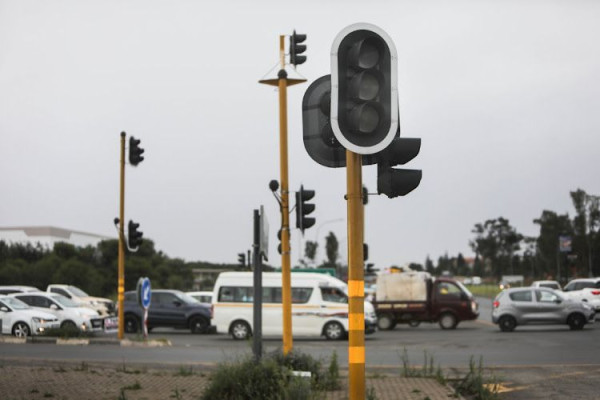
Meanwhile, Eskom has ramped up load shedding to Stage 3 during the evening and Stage 2 during the day.

“Due to the loss of three generating units and the delay in returning a further three generating units to service, Stage 3 load shedding will be implemented from 4pm today until 5am on Wednesday. Thereafter, Stage 2 load shedding will be implemented until 4pm.

“This alternating pattern… will be repeated daily until further notice. Eskom will closely monitor the power system and provide an update should any significant changes occur,” Eskom said. – SAnews.gov.za

NeoB
Tue, 03/12/2024 - 14:14
386 views
Read moreTransmission key component of stabilising power supply: Ramokgopa
12 March 2024

Your next adventure awaits with Southern Sun SunBreaks this March and April

Location: MyPR

As South Africa gears up for a season of relaxation, travel and adventure during the March and April holidays, Southern Sun is thrilled to invite you to embark on an unforgettable holiday experience across South Africa! With unbeatable rates, your next holiday with Southern Sun SunBreaks is just a booking away. Get unmissable deals on …

Read moreYour next adventure awaits with Southern Sun SunBreaks this March and April
12 March 2024

St Benedict’s Top SA Boy’s Rowing School For 30th Consecutive Year

Location: MyPR

They’ve done it again! St Benedict’s College remains unbeaten, holding onto the coveted title of South Africa’s School Rowing Champions, for the 30th consecutive year. Despite fierce competition at the annual schools’ regatta (1-3 March 2024), the Johannesburg boys’ school placed first in the lion’s share of the events, out rowing teams from the best …

Read moreSt Benedict’s Top SA Boy’s Rowing School For 30th Consecutive Year
11 March 2024

Challenges remain, but there is improvement at Eskom: Ramokgopa

Location: News

Challenges remain, but there is improvement at Eskom: Ramokgopa

Minister in the Presidency for Electricity, Dr Kgosientsho Ramokgopa, says trends are showing that there are signs of improvement and progress at Eskom.

He was briefing media on the implementation of the Energy Action Plan on Monday.

“It is important that in the midst of momentary setbacks, when you go to Stage 4 and occasionally go to Stage 6 [load shedding], we don’t lose sight of essentially what is the trendline.

“The best measure of this trendline is illustrated in the Unplanned Capacity Loss Factor (UCLF), which is a combination of the reliability of the units and partial load losses. When we entered May [2023]… the amount of megawatts that were lost as a result of [UCLF] was averaging 17 369MW.

“The trendline has been going down and the best performance… was during the month of December, where we had about 13 473MW. Essentially, we retrieved about 4 000 additional megawatts. For the month of February, we have been able to claw back about 3 000MW,” he said.

On the question of why, if megwatts have been recovered, does load shedding continue, Ramokgopa had this to say: “We use that improvement in the UCLF, as we are taking units out on planned maintenance. We are using that opportunity for us to ramp up planned maintenance.

"As these units return, you will be able to see a completely different picture of the… intensity of load shedding and also the frequency of load shedding.”

Since May 2023, planned maintenance has ramped up from some 3 120MW to about 7 307MW in February this year.

Ramokgopa implored citizens to be patient, as the ministry and Eskom work to resolve load shedding over the long-term.

“If we had not ramped up that planned maintenance… or reduced it from the current levels by anything between 25% and 50%, we would have completely eradicated load shedding at least between those periods.

“It’s important that we play that long-term game... The outside experts have told us to… focus on planned maintenance. And it is for this reason that Eskom has gone to National Treasury and said ‘we need additional fiscal relief’.

"Eskom has deployed a significant amount of that money on planned maintenance. The units will return. They will return healthier and they will be able to perform,” he said.

The Minister said that avoiding planned maintenance could usher in catastrophic consequences.

“We could go on the short-term intervention expedient, [and] reduce this maintenance by up to 50%. But we guarantee you that there will be deterioration of these assets and then in three months, there’ll be total collapse, significant failures and we are going to find it very difficult to recover these units.

“We are confident about the prospects going into the future and those prospects are about reducing the intensity of load shedding, addressing the regularity of load shedding in keeping with that mandate given by the President,” he said. – SAnews.gov.za

NeoB
Mon, 03/11/2024 - 11:00

586 views
Read moreChallenges remain, but there is improvement at Eskom: Ramokgopa
11 March 2024

SA, Zimbabwe to sign agreement for treated water transfer to Musina

Location: News

SA, Zimbabwe to sign agreement for treated water transfer to Musina

Water and Sanitation Minister, Senzo Mchunu, and his Zimbabwean counterpart, Lands, Agriculture, Fisheries and Rural Development Minister, Dr Anxious Jongwe Masuka, will on Thursday sign a Memorandum of Understanding (MOU) for the transfer of treated water to Musina.

The bilateral agreement between the two countries will allow for supply of about 15 million cubic metres per annum (m3/a) which is equal to 41 Ml/d of treated water from Beitbridge Water Treatment Works in the Republic of Zimbabwe to Musina in South Africa. 

The Musina Local Municipality has a total population of 132 009 people residing in 192 villages and one town, which is Musina. The area is dry with limited sources of water and largely relies on groundwater for supply.

“South Africa and Zimbabwe signed a bilateral agreement on Co-operation on Water Resources Management and the Establishment and Functioning of the Joint Water Commission (JWC) in 2015,” the department said in a statement.

Limpopo Watercourse Commission agreement amendment

On the day of the signing of the agreement, Mchunu with his counterparts from Zimbabwe, Botswana, and Mozambique - who are all members of the Limpopo Watercourse Commission (LIMCOM) - will also sign the amended LIMCOM Agreement in the transboundary agreement.

LIMCOM is a transboundary organisation established by four member countries to use management of the shared water resources in an equitable manner.

The department said the agreement will enable the Ministers to adopt policies, decisions and provide guidance on the promotion and coordination of the management, development, and equitable utilisation of the shared water resources. 

“During the Commission Sitting, the four countries will sign a commitment to implement the Integrated Transboundary River Basin Management for the Sustainable Development of the Limpopo River Basin.

“The agreement will strengthen South Africa’s relations with the three riparian states which share the basin and use water from the river to support various socio-economic activities, including agriculture, tourism, energy generation, as well as for domestic use,” the department said.

National Water Month

Meanwhile, Mchunu and his Deputies, David Mahlobo and Judith Tshabalala, together with Vhembe District Municipality Mayor, Freda Nkondo, will on Friday engage with the community of Musina at Musina Showgrounds, to provide feedback and progress made to address water supply challenges in the area. 

The two-day activities form part of the annual National Water Month host by the Department of Water and Sanitation in March.

The National Water Month is South Africa's expansion of World Water Day, which is observed on 22 March and focuses attention on the importance of freshwater and advocating for the sustainable management of freshwater resources.

This year’s World Water Day will be observed under the theme ‘Water for Peace’, which focuses on the critical role water plays in the stability and prosperity of the world. – SAnews.gov.za


GabiK
Mon, 03/11/2024 - 12:47

961 views
Read moreSA, Zimbabwe to sign agreement for treated water transfer to Musina
11 March 2024

Musiquelaine SA Unveils a New Era of Empowering Youth Through Music Education and Cultural Exchange

Location: MyPR

Cape Town, South Africa, March 04, 2024 – Musiquelaine SA, a respected non-profit organisation dedicated to nurturing talent, fostering cultural understanding, and championing the universal language of music, celebrated its 10th-anniversary celebration on the 21st of February 2024! Founder Lainey Trequesser expresses deep gratitude for the organisation’s journey thus far and anticipates the forthcoming relaunch …

Read moreMusiquelaine SA Unveils a New Era of Empowering Youth Through Music Education and Cultural Exchange
11 March 2024

Government, private sector partnership yields positive results

Location: News

Government, private sector partnership yields positive results

Over the last nine months, the partnership between government and business has made significant strides in addressing the electricity supply crisis, the severe challenges in freight rail and port operations, and crime and corruption.

“Since the partnership began, the private sector has contributed more than R170 million of direct support and has mobilised over 350 technical experts. More than 130 CEOs of the country’s leading companies have pledged their support,” President Cyril Ramaphosa said on Monday in his weekly newsletter.

The partnership was established in June last year to tackle challenges that were an obstacle to faster growth and job creation.

“Since November 2023, load shedding is 61% lower than the same period a year ago. Among other things, this has been made possible by the return of units at Kusile power station and the impact of new generation capacity from rooftop solar and private sector investment.

“Under the leadership of its new Group CEO, Eskom is finalising an agreement with business to deploy additional independent skilled experts to support Eskom.

“Business is supporting a number of the workstreams of the National Logistics Crisis Committee (NLCC), providing technical, security and operational expertise to Transnet’s efforts to improve the performance of ports and freight rail,” the President said.

With all stakeholders working together, Transnet has achieved a 45% reduction in vessels anchored outside the Port of Durban and a 36% reduction in the waiting time to anchor for container vessels.

“A major success has been the provision of security by business on the rail network, which has resulted in a 65% reduction in criminal incidents on the Northern Corridor, reducing the number of trains cancelled. Work is currently underway to ramp up the deployment of South African Police Service (SAPS) resources to secure network infrastructure in the longer term.

 “Steady progress has been made in the crime and corruption focal area. Through the Joint Initiative on Crime and Corruption (JICC), the private sector is providing business information and resources to assist with the fight against infrastructure crime,” the President said.

Support has also been provided to modernise the 10111 helpline, with a pilot project initiated at the main call centre in Midrand, and the establishment with the Hawks of a forensics analysis centre.

“Building on this progress, government and business are now focused on actions that will make a considerable and lasting difference over the course of the next few months.

“Among other things, we are working to increase electricity generation capacity from different sources by up to 10 600 MW, which will enable a significant reduction in the severity of load shedding by the end of this year.

“This includes improved Eskom plant performance, additional private investment in rooftop solar and large-scale power projects, and connecting projects from previous renewable energy bid windows to the grid,” the President said.

Following the recent appointment of permanent executive leadership, Transnet is focused on rebuilding internal capacity and drawing on private sector technical resources to restore the operational performance of strategic rail corridors.

“An important part of the work to tackle crime and corruption will be the passage of the National Prosecuting Authority (NPA), Amendment Bill, which will strengthen the independence and investigating capacity of the NPA.

“It will also enable the establishment of additional infrastructure to support the Investigating Directorate as a permanent entity, including a dedicated forensics laboratory. A key focus of the partnership is to secure South Africa’s removal from the Financial Action Task Force grey list by at least June 2025,” Ramaphosa said.

While this partnership between government and business has been focused on specific immediate actions, the President said the broader work to grow the economy and create jobs draws on the contributions and capabilities of all social partners and stakeholders.

“As we work to rebuild our economy, we will strive to deepen these partnerships and to reach out to all South Africans to be involved in these efforts. By broadening the involvement of all social partners in this work, we will continue to build durable social compacts that make a real difference in people’s lives.

“We have long believed that it is only by working together that we can make progress. The partnership between government and business has shown what is possible when we are focused and committed towards the achievement of a common goal,” the President said. – SAnews.gov.za


nosihle
Mon, 03/11/2024 - 09:34

195 views
Read moreGovernment, private sector partnership yields positive results
10 March 2024

Financing Energy Projects: Legal Considerations and Strategies

Location: MyPR

In an era where sustainable energy is not just a preference but a necessity, South Africa stands on the brink of significant energy transitions. This necessitates a robust legal framework and solid financing strategies to effectively navigate the complexities of energy project development. In this article we examine critical legal considerations and strategies pivotal to …

Read moreFinancing Energy Projects: Legal Considerations and Strategies
10 March 2024

Eco-Wisdom: Proven, Implementable Strategies to Living Green

Location: MyPR

The earth’s natural resources such as clean water, fossil fuels, and even arable land, are finite. This is why, if we are to preserve them for future generations, we have to use these resources efficiently and responsibly. Orrin Cottle, CEO of Brahman Hills, home to spectacular views and luxurious 4- and 5-star accommodation in the …

Read moreEco-Wisdom: Proven, Implementable Strategies to Living Green
8 March 2024

Discover the Heart of South Africa with Unforgettable Soweto Tours

Location: MyPR

South Africa is a land of diverse cultures, breathtaking landscapes, and a rich history that tells stories of triumph, struggle, and resilience. Among its many attractions, the township of Soweto stands out as a symbol of the country’s journey towards freedom and equality. If you’re planning to explore Johannesburg, adding a Soweto tour to your …

Read moreDiscover the Heart of South Africa with Unforgettable Soweto Tours
8 March 2024

South Africa needs to use its Abundant Domestic Natural Gas to Fix its Energy Crisis today

Location: News
African Energy Chamber

By NJ Ayuk, Executive Chairman, African Energy Chamber (www.EnergyChamber.org)

South Africans don't want to breathe clean air in the dark. Energy woes are synonymous with South Africa right now.

As the country's fleet of mostly coal-powered plants struggles to keep up with electricity demand, South Africans are enduring daily power outages that last six to 10 hours a day.

With businesses and institutions struggling to function, and tension mounting among South Africa's people, the need for solutions is beyond urgent.

I say “solutions” because providing the reliable power that South Africa needs now, and ensuring that the growing country will have what it needs well into the future, will require multiple strategies.

As I've written, because of the country's current reliance on coal to fire its power plants — and coal mines to fuel the economy — increased coal usage must be one of those solutions for the time being.

South Africa also will need to continue building its renewable energy sector, and it has committed to do so in alignment with global goals to achieve net-zero greenhouse gas (GHG) emissions.

But perhaps one of the most impactful solutions will be natural gas, which not only can power reliable electricity generation but also is a clean energy source – one that can be monetized and one that supports economic diversification as a feedstock for chemical and fertilizer factories.

It only makes sense for South Africa to harness its massive – and largely untapped – reserves of natural gas. As described in the new African Energy Chamber (AEC) report, “The State of South African Energy,” cumulative output for South Africa's large-scale Brulpadda and Luiperd natural gas discoveries, when developed, are estimated to be 50,000 barrels per day (bpd) of liquids and 125,000 barrels of oil equivalent per day (boepd). South Africa must do what it takes to reach that point as quickly as possible.

During the 2023 African Energy Week in Cape Town, Gwede Mantashe, South African Minister of Mineral Resources and Energy Stated, “In recognition of the continued role of the fossil fuels in supporting energy security and the fact that 82% of energy sources in the world are from these fossil fuels, Africa must intensify its efforts aimed at developing its oil and gas sector in order to benefit from the expected increase of natural gas market in global supply”. I agree, that's why South Africa should be encouraging ongoing oil and gas exploration through an enabling regulatory environment. Natural Gas financing and development again will be a key topic during African Energy 2024 scheduled for November 4th to 7th where I expect deals to be signed.

And we cannot forget the importance of natural gas projects in neighboring African countries, including Gigajoule's $550-million Matola Liquefied Natural Gas (LNG) Project in Mozambique, which will supply South Africa with gas; the 865-kilometer Rompco Gas Pipeline from Mozambique to South Africa; and Renergen's Virginia liquefied natural gas project in South Africa. These projects need to be fast-tracked.

Natural gas, if directed toward domestic markets and gas-fired electricity plants, can help South Africa find its way out of its current power crisis. Natural gas can also help ensure energy security and economic growth while the country transitions from fossil fuels to renewables for power generation. South Africa must move decisively to accelerate its gas agenda and start realizing these benefits.

Renewables Alone Will Not Save the Day

I've heard repeated arguments that South Africa's energy crisis is proof that now is the time for the country to move, at lightning speed, to renewable energy sources like wind and solar power.

As I've said more than once, South African can and should embrace solar and wind, but it also must consider the intermittency issues that come with them. They can't be counted on to provide electricity around the clock.

South Africa does not need more power fluctuations. It needs baseload power sources that can generate dependable power capable of consistently meeting demand. And the only way to get that is from coal and natural gas.

We also have to be realistic about the financial requirements for a complete transition to natural gas. Yes, South Africa's Just Energy Transition Investment Plan (JET IP) is an excellent program, but as of yet, the money generated is a drop in the bucket. South Africa has acknowledged that it will need about $99 billion to pay for a full transition to renewable energy. Currently, it has received commitments for about $8.5 billion.

So, as South Africa pursues renewable energy, the logical approach would be to embrace natural gas as well. It can serve as a reliable energy source for the country's current and future needs, and as it's monetized, it can help generate revenue for South Africa's energy transition.

I was pleased to hear South African President Cyril Ramaphosa express that logic. He has made it clear that, while the country does plan to replace coal with lower-carbon alternatives, those alternatives will include both renewables and natural gas.

South Africa has an Integrated Resource Plan in place that calls for gas technology generating 6,000 megawatts (MW) from combined-cycle gas turbines, including 3,000 MW from LNG-to-power, 726 MW from gas-to-power, and 1,500 MW from non-specified gas.

This is doable, and it aligns with the AEC report's forecast for South African power generation during the next decade and beyond. While coal currently accounts for about 80% of power generation, coal usage likely will decrease to 65% by the end of the decade, our report says. Gas and renewables, meanwhile, will see growth around the same time: Natural gas will account for 5% of power generation in 2031, while onshore wind and solar photovoltaic (PV)-generated power will make up 17% and 7%, respectively. In the long term, natural gas, onshore wind, and solar PV are expected to increase to 15%, 30%, and 20%, respectively, making up 65% of total power generation.

It's Time for a Regulatory Rehaul

South Africa's commitment to pursuing these avenues is praiseworthy, but when it comes to harnessing natural gas, more work is needed.

I'm talking about government policies.

South Africa needs a regulatory environment that encourages ongoing investment and exploration by oil and gas companies. Consider the Orange Basin, where Namibia is seeing record-breaking discoveries that will ensure its energy security. But only 20% of the Orange Basin is in Namibia, while 80% of it is in South Africa. Now is the time to capitalize on the opportunity it offers.

Unfortunately, South Africa seems to be stuck: E&P is being hindered by unnecessary government red tape. We need to change that right away. Oil and gas companies already face tremendous pressure not to produce in Africa; this is no time to pile on the challenges.

The African Energy Chamber strongly urges South Africa to ease regulatory burdens on oil and gas companies. And we call upon South Africa to fast-track permit approvals for more drilling, seismic surveys, pipeline developments, and LNG terminal construction.

South Africa also needs to eliminate red tape that could slow the Brulpadda and Luiperd projects.

These steps will be critical for South Africa to start putting natural gas to work for its people, its businesses, and its communities.

Natural Gas Is a Reasonable Solution

Not surprisingly, if you consider the constant pressure Africa has faced in recent years to leave our fossil fuels in the ground, the prospect of pursuing gas-to-power projects in South Africa is being met with sharp resistance. “Dirty gas” is not the answer, environmentalists and Western voices insist.

I strongly disagree. We must be pragmatic: South Africa must harness every solution at its disposal, natural gas in particular, to address the country's energy needs.

Fortunately, President Ramaphosa has been pushing back against the anti-gas narrative as well.

"Countries on the African continent need to be able to explore and extract oil and gas in an environmentally responsible and sustainable manner," Ramaphosa said earlier this year

during an address at the Investing in African Mining Indaba. "These resources are important for energy security, for social and economic development, and for reducing energy poverty on the continent. And we do not see this trajectory as being mutually exclusive to our focus on moving towards ensuring that we reduce our carbon footprint… In our onward march towards a low-carbon future it is critical that our efforts are both realistic and sustainable.”

Well said!

I would add that many of the environmental groups trying to keep people in the dark in South Africa – and across our continent – don't have the same struggles with energy security. In fact, in a move that balances environmental stewardship with energy security, the United States just approved an $8 billion drilling program in Alaska. If it's acceptable for wealthy countries to perform this balancing act, there's no reason why Africa's most industrialized nation cannot do the same.

Having clean air doesn't mean we have to be in the dark.

To read the State of South African Energy 2023, visit https://apo-opa.co/3T7wR6K.

Distributed by APO Group on behalf of African Energy Chamber.

Media files
African Energy Chamber
Download logo
Read moreSouth Africa needs to use its Abundant Domestic Natural Gas to Fix its Energy Crisis today
8 March 2024

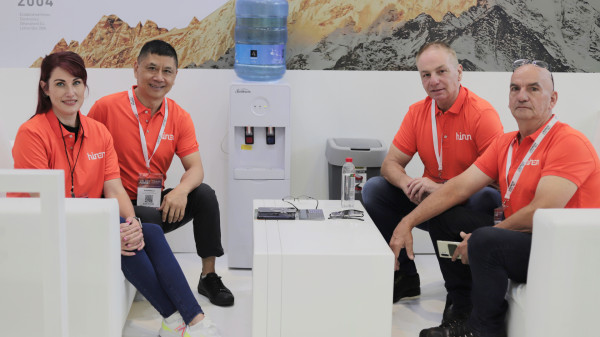
Hinen to Exhibit at Solar & Storage Live Africa, Offering Solutions for Load Shedding

Location: News
Hinen

South Africa is facing a severe energy crisis with frequent power outages since 2007. As the largest state-owned enterprise and electricity supplier in the country, Eskom schedules power cuts across different regions at different times, leading to rotational load shedding throughout South Africa. In 2023, individuals endured up to 15 hours of daily load shedding, underscoring the urgent need for an energy transition.

To accelerate this transition, the largest energy event in Africa, Solar & Storage Live Africa, is set to take place at the Gallagher Convention Centre in Johannesburg, South Africa from March 18th to 20th. As a provider of solutions for load shedding,  Hinen will showcase three specially designed backup solutions for the energy challenges in Africa, utilizing the abundant solar resources in the region to provide stable power support for homes and businesses.

The exhibited products range from 300W to 3000W in power capacity, and feature batteries that are expandable up to 17.5kWh. In addition, Hinen Max series is available in both low-voltage and high-voltage options to cater to a variety of electricity needs. These solutions not only convert solar energy into electricity in real time but also store excess power or harness electricity from the grid during periods of ample supply, ensuring sufficient power during outages and load shedding. With noise levels below 30dB, these products are quiet enough to not disturb sleep, and multiple layers of battery protection ensure safe and reliable power usage. Through the Hinen smart app, users can monitor energy consumption in real-time and easily manage electricity usage.

Hinen cordially invites industry partners and the public to visit our booth, A36, to learn more about our technology. We look forward not only to strengthening relationships with existing partners but also to exploring new cooperation opportunities, jointly promoting sustainable energy development in Africa and beyond.

To demonstrate our commitment to the local market, Hinen has established a branch office in Sandton, Johannesburg. This signifies our dedication to deepening our presence in the African market and providing localized services. We eagerly anticipate meeting you in Johannesburg as we explore a greener, more efficient, and sustainable energy future.

Distributed by APO Group on behalf of Hinen.

Email:
SAfrica@hinen.com

Phone:
010 449 2306

Address:
Ground floor, Block B, 100 West Street, Sandton, Johannesburg 2196, South Africa

Join Hinen in driving energy innovation forward — not only for Africa but for our shared home, Earth.

Media files
Hinen
Download logo
Read moreHinen to Exhibit at Solar & Storage Live Africa, Offering Solutions for Load Shedding
8 March 2024

Patel completes working visit to China

Location: News

Patel completes working visit to China

Trade, Industry and Competition Minister Ebrahim Patel and a high-level delegation have completed a four-day working visit to Shanghai, Nanjing and Beijing to meet with government officials, investors and a number of Chinese electric vehicles and battery manufacturers.

Patel was hosted by his Chinese counterpart, Wang Wentao, the Chinese Minister of Commerce, at a bilateral meeting and working dinner during the visit.

The discussion reviewed trade relations and considered steps taken to implement agreements signed during President Xi Jinping’s State Visit in August 2023. New opportunities were also identified to strengthen economic ties. The leaders also discussed a possible Memorandum of Understanding on the automotive industry.

During his visit, Patel held bilateral meetings with eight Chinese companies, met six South African companies operating in China and undertook two factory site visits.

The SA delegation met with six potential Chinese investors in the electric vehicle value chain. Four are vehicle manufacturers, namely the Shanghai Automotive Industrial Corporation (SAIC), BYD Auto Manufacturers (the world’s largest electric vehicle producer), Foton Group and Beijing Automotive Industrial Group (BAIC).

The meetings were held with two battery producers: CATL - the world’s largest battery producer, and Gotion Hi-Tech International, who have a partnership with Volkswagen.

“The investors we met were very interested in the market particularly with commencement of trade by South Africa under the African Continental Free Trade Agreement (the AfCFTA).

“I found them knowledgeable about local market conditions and keen to explore investment partnerships. This builds on positive sentiment we found in September last year in New York among American investors too,” Patel said.

China is the world’s leading producer of electric vehicles (EVs) and batteries. The visit provided Patel with an opportunity to present the South African automotive value proposition and government policy support to companies looking to invest in the South African automotive industry, particularly in EV manufacturing.

The SA automotive industry is supported by stable long-term policies, such as the South African Automotive Master Plan (SAAM) 2035 and a government support package for capital investment, and vehicle and component production.

The South African government released the Electric Vehicle White Paper in December last year. The paper outlines the country’s approach to supporting the transition to zero-emission vehicle production for the export and domestic market.

As part of the support for the transition, government has improved the automotive industry incentive package for electric vehicle production in South Africa. This includes increased investment support through a recently-announced tax measure.

The support from government ensures South Africa can compete in attracting vital investment into the industry that will facilitate the transition of this well-established sector to new energy vehicles. Access to export markets makes South Africa a more attractive investment destination.

Minister Patel also met investors in the steel and energy sectors and discussed their plans for the SA market.

The Minister was accompanied by senior officials from the Industrial Development Corporation (IDC) and the dtic.

China is currently South Africa’s largest trading partner, with bilateral trade estimated at $34 billion (R556 billion) in 2022. – SAnews.gov.za

Edwin
Fri, 03/08/2024 - 09:08

303 views
Read morePatel completes working visit to China
7 March 2024

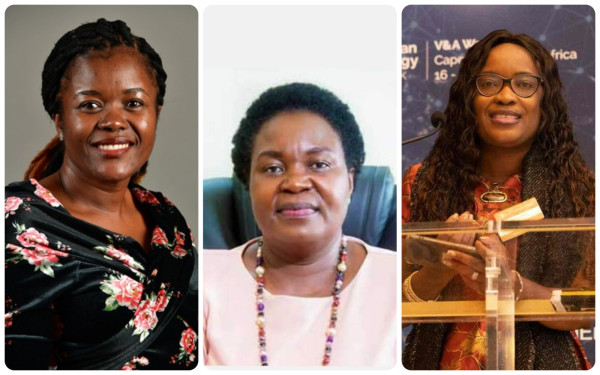
Energy Capital & Power (ECP) Celebrates Women Leading Africa’s Energy Growth

Location: News
Energy Capital & Power

As part of its Women in Energy series taking place this month, Energy Capital & Power (ECP) www.EnergyCapitalPower.com celebrates women in leadership positions within Africa's energy and mining sectors. With Senegal, Uganda, Namibia and South Africa at the helm of female leaders within their respective ministries, these markets have attracted billions in foreign investment and are home to some of the most dynamic upstream developments on the continent.

Since her appointment in November 2020, Sophie Gladima, Minister of Petroleum and Energies of Senegal, has led the country through one of its most transformative periods, with first oil and gas expected this year from the highly-anticipated Sangomar Field Development and Grand Tortue Ahmeyim (GTA) LNG project, respectively. Minister Gladima successfully advanced these projects – which total nearly $10 billion in foreign direct investment – in the face of COVID-19 and demands for cross-border cooperation with Mauritania, whose maritime border with Senegal houses the GTA LNG project. 

Ruth Nankabirwa Ssentamu, Minister of Energy and Mineral Development of Uganda, is another female minister leading frontier market developments since her appointment in June 2021. Targeting first oil output in 2025, Uganda has launched exploration drilling at its $10-billion Lake Albert Development, home to the TotalEnergies-operated Tilenga and CNOOC-operated Kingfisher fields. The country is also at the center of the planned East African Crude Oil Pipeline, which will transport Ugandan oil to the Port of Tanga in Tanzania and represents the single largest investment in either country to date.

Serving as Petroleum Commissioner of Namibia's Ministry of Mines and Energy since October 2015, Maggy Shino has played a pivotal role in securing upstream investment from leading IOCs, with TotalEnergies set to invest roughly $300 million in 2024 alone. With over 15 years in petroleum geological, geophysical and environmental management fields, Commissioner Shino has cemented Namibia's status as a world-class frontier oil and gas market with strong on- and offshore prospectivity. Following five offshore hydrocarbon discoveries, Namibia is currently conducting further appraisal work – as well as new seismic and exploration activity in the Owambo, Kavango and Orange Basins – and is on the path to first oil production by 2030.

In neighboring South Africa, Deputy Minister of Mineral Resources and Energy, Dr. Nobuhle Nkabane, has been active in driving an exploration agenda. Utilizing South Africa's Gas Master Plan, Dr. Nkabane has positioned natural gas as a means of improving energy security, reducing heavy-polluting fossil fuels and establishing domestic LNG production through recent discoveries like the 3.1-billion-cubic-feet Mpumalanga discovery. Under her leadership, South Africa's Department of Mineral Resources also implemented a school outreach program last month aimed at encouraging youth in STEM fields and developing a future workforce for the country's mining and energy sectors.

Energy Capital & Power's Women in Energy series celebrates the women shaping the future of the African energy sector. From projects to companies to programs and community development, the Women in Energy series underscores the integral role women play in developing the sector. Visit www.EnergyCapitalPower.com and keep up-to-date with our social media channels for daily content.

Distributed by APO Group on behalf of Energy Capital & Power.

Media files
Energy Capital & Power
Download logo
Read moreEnergy Capital & Power (ECP) Celebrates Women Leading Africa’s Energy Growth
7 March 2024

The CSA T20 Is Back And Bigger Than Ever Before!

Location: Sport

JOHANNESBURG: Cricket South Africa (CSA) is thrilled to announce the return of the highly anticipated CSA T20 competitions, promising an...

Read moreThe CSA T20 Is Back And Bigger Than Ever Before!
6 March 2024

The nutrition your body needs for peak performance at different ages

Location: MyPR

There’s a reason a person in their 40s doesn’t have the same amount of energy as they did in their 20s, or why they can’t eat like they did as a teenager. Bodies constantly change with age, and with each new phase of life, there are changing requirements for the body to maintain optimum health. …

Read moreThe nutrition your body needs for peak performance at different ages
6 March 2024

Survive or thrive: SA’s SMEs are needing fast capital

Location: MyPR

For more information on Quick Capital and how Zapper is empowering South African businesses, follow this link: https://www.zapper.com/quick-capital/

Read moreSurvive or thrive: SA’s SMEs are needing fast capital
6 March 2024

Collaboration between government and business bearing fruit

Location: News

Collaboration between government and business bearing fruit

The partnership between government and business is yielding positive outcomes, such as decreased load shedding, enhanced efficiency in rail and ports, and a decline in security incidents affecting energy and logistics infrastructure.

This is according to President Cyril Ramaphosa, who convened a meeting with members of Cabinet and senior business leaders on Tuesday on the partnership between government and business to address key challenges in energy, transport and logistics, and crime and corruption.

The objective of the partnership is to achieve more rapid economic growth and generate a significant increase in sustainable employment by urgently delivering on priority interventions in each of the three focal areas. 

“We are beginning to see the tangible results of this collaboration in reduced load shedding, improved performance of our rail network and ports, and a reduction in security incidents targeting energy and logistics infrastructure. 

“We are confident that we are turning the corner on our most urgent challenges, and are absolutely committed to building on this partnership as we work to grow the economy,” President Ramaphosa said in a joint statement between Government and Business. 

Adrian Gore, co-convenor of the business delegation, said they have achieved real progress over the last nine months, and the partnership is gaining excellent traction. 

“The private sector has contributed more than R170 million of support directly into this partnership, and has mobilised over 350 technical experts. We need to capitalise on the momentum and urgently implement the necessary reforms. This will help to improve societal and investor confidence in South Africa’s potential, and mobilize much needed investment to grow the economy inclusively,” Gore said. 

As part of the support provided by business, the Resource Mobilisation Fund (RMF) was established to procure and donate resources to support the implementation of the Energy Action Plan. To date, the fund has raised approximately R100m, with R25m already having been drawn down to fund expertise to support the National Energy Crisis Committee (NECOM).

The joint statement said business is looking to scale this model to support the National Logistics Crisis Committee (NLCC) and the Joint Initiative on Crime and Corruption (JICC). 

The meeting discussed the progress made over the last three months, as well as key priorities to accelerate progress in the next period. 

Key updates since November 2023: 

• Energy: Load shedding is roughly 61% less than the same period last year (80% less for stages 4 and above), and is starting to decouple from Eskom’s Energy Availability Factor (EAF), demonstrating the positive impact of alternative energy sources including rooftop solar. 

• Transport and logistics: A 45% reduction in vessels anchored outside the Port of Durban and a 36% reduction in the waiting time to anchor for container vessels has been achieved. Capable executive leadership has been appointed in Transnet to ensure stability and focused delivery. 

• Crime and corruption: Collaboration between Transnet and business, including the provision of security on the rail network, has resulted in a 65% reduction in criminal incidents on the Northern Corridor which is key to reducing the cancellation of trains.

Energy 

The work underway within the National Energy Crisis Committee (NECOM) and the implementation of the Energy Action Plan is starting to bear fruit. 

“Load shedding is down by 61% compared to the same period last year, with the return of units at Kusile power station as well as new generation capacity from rooftop solar and private sector investment having a positive impact. 

“Reform of the energy sector is progressing, with an independent board appointed for the National Transmission Company of South Africa (NTCSA) and preparations underway for the new entity to commence trading,” the statement read. 

On the downside, however, Eskom plant performance remains unreliable with an unacceptably high level of unplanned outages. Under the leadership of its new Group Chief Executive, Dan Marokane, Eskom is working to ensure full delivery on its recovery plan. 

The joint statement highlighted that Eskom and business are finalising a Mutual Cooperation Agreement to establish a sustainable framework through which to deploy additional independent skilled experts to support Eskom in this regard. 

“The aim for 2024 is to increase generation capacity from multiple sources by up to 11.5 GW, which will enable a significant reduction in the severity of load shedding by the end of the year.

“This includes improved plant performance as a result of Eskom’s Generation Recovery Plan, additional private investment in rooftop solar and utility-scale projects as a result of policy and regulatory reforms, and projects from previous bid windows connecting to the grid,” the statement said. 

Initiatives are also underway to unlock increased grid capacity, successfully conclude Bid Window 7 and open further bid windows for gas-to-power and battery storage will contribute to additional generation capacity in the medium term. 

Finally, government is working to accelerate reforms in the energy sector, including the promulgation of the ERA Bill, the establishment of the NTCSA, the finalisation of a national wheeling framework, and the development of financing mechanisms for transmission infrastructure.

Transport and logistics 

Government and business emphasised that challenges in the logistics system are receiving urgent attention, with the National Logistics Crisis Committee (NLCC) focused on stabilising and improving rail, port and road operations. 

Business is supporting a number of the NLCC workstreams with technical, security and operational expertise. 

“Green shoots include a 45% reduction in vessels anchored outside the Port of Durban and a 36% reduction in the waiting time to anchor for container vessels. A major success has been the provision of security by business on the rail network on an interim basis, which has resulted in a 65% reduction in criminal incidents on the Northern Corridor, reducing the number of trains cancelled. Work is currently underway to ramp up the deployment of SAPS resources to secure network infrastructure in the longer term,” the statement said. 

It further highlighted that progress was achieved with the approval of the Freight Logistics Roadmap (FLRM) and the Private Sector Participation Framework, which together outline clear actions and timeframes to ensure a more efficient logistics network that encourages private investment and competition in operations. 

Implementation of the roadmap is now underway, with key milestones included in conditions attached to the R47 billion guarantee recently extended to Transnet. 

“Despite this progress, continued poor operational performance and inefficiency costs the economy R1 billion per day, with recent announcements of retrenchments in the mining industry illustrating the urgency of reform in the logistics sector. 

“Transnet is focused on improving performance through clearly defined and agreed measures such as rebuilding internal capacity, implementing operational excellence centres for strategic corridors, and drawing on private sector technical resources.

"The recent appointment of permanent executive leadership at Transnet will assist with the necessary focus and delivery mindset, and the urgent implementation of the Transnet Recovery Plan,” the statement said. 

Crime and corruption 

Steady progress has also been made in the crime and corruption focal area, including the establishment of the Joint Initiative on Crime and Corruption. 

The private sector is continuing its support to strengthen law enforcement through providing business information and resources to assist with the fight against infrastructure crime. 

The statement said support has also been provided to modernise the 10111 helpline, with a pilot project initiated at the main call centre in Midrand. 

“Passing the NPA Amendment Bill within the current Parliament will strengthen the independence and investigating capacity of the NPA and will enable the establishment of additional infrastructure to support the Investigating Directorate as a permanent entity, including a dedicated Forensics Laboratory. 

“A key focus is to secure South Africa’s removal from the Financial Action Task Force (FATF) grey list, with the aim of achieving this by June 2025,” the statement said. 

Next steps 

The next meeting will be held in May to assess progress on the three focal areas.

Government and business reaffirmed their commitment to communicating regularly on progress, and identifying areas where further work is required. 

“We are finalising our targets for the end of 2024, and aligning on the critical paths to achieve these. These plans will be communicated publicly, and reported on regularly. This will build confidence in the process and will enforce accountability. As partners, we are absolutely focused on delivery,” Chair of the B4SA Steering Committee, Martin Kingston said. – SAnews.gov.za

DikelediM
Wed, 03/06/2024 - 12:43

81 views
Read moreCollaboration between government and business bearing fruit
6 March 2024

Deregulation: Easing of regulation is driving African innovation across the continent’s energy sector

Location: News
Starsight Energy

A deregulated power sector is an enormous opportunity for key markets in Africa, as individual countries start to contribute to an efficient, sustainable and competitive renewable energy ecosystem, says Paul van Zijl, Group CEO at Starsight Energy (https://StarsightEnergy.com). Here he shares some insight into the potential benefits of deregulation and how these changes can create a ripple effect across the African continent – becoming the blueprints that many African countries will use to overcome their own energy challenges.

The deregulation of the energy sector has massive potential for the continent, but it must be approached in the right way to have a long-term and sustainable impact. Deregulation is already happening in various African countries at differing paces, particularly those in sub-Saharan Africa, as more and more Independent Power Producers (IPPs) collaborate with local regulators and stakeholders to assess and determine the best way to optimise natural resources and harness their limitless potential.

While the application of deregulation in each country is different, the principal benefits remain the same. Each country stands to gain from a revitalised power sector that offers more opportunities to IPPs, attracts more local and international investment into the local energy landscape, and makes electricity and renewable energy more accessible to consumers at competitive prices.

In Nigeria, for example, we are seeing the first exciting steps of deregulation as the Nigerian Electricity Regulatory Commission (NERC) moves towards transforming the sector. A new federal law, the Electricity Act (2023) (https://apo-opa.co/3Ir5QpI), has been enacted which enables different states to pass their own laws and establish state electricity markets. Once a state establishes its electricity market, the federal government will cease regulation of electricity distribution within that state. This first step is a collaborative effort that will go a long way in creating a sustainable, privatised and deregulated market in Nigeria.

In Kenya, the eagerly anticipated Open Access (wheeling) regulations have also recently been gazetted. The regulator fast-tracked Open Access to the grid, enabling IPPs to supply electricity directly to large customers through the national network, under regulation guidelines from the Energy and Petroleum Regulatory Authority (EPRA). Further impetus will also derive from the recent announcement that the Eastern Africa Power Pool (EAPP) (https://EAPPool.org) is targeting to go live with a competitive power trading market by the end of December 2024 – taking the region from bilateral trade to trading amongst all countries. This will allow the EAPP's 13 member countries to sell excess electricity in cross-border transmission projects. Considering that countries in the EAPP are already trading over 3 400 GWh annually, this move is set to transform the region's interconnectivity even more. Kenya has already reaped the rewards of bilateral trading, including an energy exchange engagement with Uganda and the importation of 200 MW of renewable energy from Ethiopia.

Meanwhile, in South Africa, deregulation has seen the introduction of innovations such as self-generation, electricity wheeling (https://apo-opa.co/3IuyKFm), and energy trading from IPPs. The rising popularity of utility-scale solar farms is a direct result of deregulation, which in turn has been accelerated by local funders deploying funds to grow IPPs. The funders invest in the construction of solar farms, allowing them to meet their mandate to fund the low-carbon transition. At the same time, the IPPs can leverage this financial backing to bring Direct Foreign Investment (DFI) on board to support the project until completion. These initiatives demonstrate the power of collaboration between the private and public sectors.

The positive impact of deregulation on South Africa's power infrastructure runs even deeper than boosting generation capacity. In some cases, IPPs also provide a main transmission substation (MTS) to the national utility provider, Eskom, as part of their project to bolster connectivity to the transmission network. In other instances, IPPs are installing utility-scale battery storage alongside their farms to store the solar energy that is produced. These installations help the IPPs mitigate their risk to ensure their projects aren't hampered by the complexities associated with the local grid. Such widespread deregulation is not necessarily to be expected across the continent, but learnings can be taken from South Africa to apply on a country-by-country basis.

Our South African operation, trading as SolarAfrica (https://SolarAfrica.com), is working closely with Eskom to bring projects like these to life in the country, while Starsight Energy (https://StarsightEnergy.com). and Starsight Premier Energy Group (https://SPEGea.com) are working with regulators, stakeholders and various industry players in Nigeria and Kenya to see how we can shape each region's changing energy landscape.

The impact of deregulation has been – and will continue to be – transformative. We look forward to working with the industry and regulators to accelerate the process in our key markets as we ultimately believe a well-considered deregulated market will be to the benefit of the end consumer and allow economies to grow and thrive with the private and public sectors working hand in hand.

Distributed by APO Group on behalf of Starsight Energy.

Media files
Starsight Energy
Download logo
Read moreDeregulation: Easing of regulation is driving African innovation across the continent’s energy sector
6 March 2024

Petrol price increases

Location: News

Petrol price increases

The Department of Mineral Resources and Energy (DMRE) has announced that all grades of fuel will increase by at least R1 from today.

The following are the increases have been announced:

  • Petrol (93 ULP & LRP): R1.21 increase.
  • Petrol (95 ULP & LRP): R1.21 increase.
  • Diesel (0.05% sulphur): R1.05 increase.
  • Diesel (0.005% sulphur): R1.18 increase.
  • Illuminating paraffin (wholesale): 64 cents increase.
  • Single Maximum National Retail Price for illuminating paraffin: 85 cents increase.
  • Maximum LP Gas retail price: 41 cents increase

The increases mean that a litre of 95, which used to cost R23.24 in Gauteng, now costs R24.45 a litre.

The DMRE said a number of factors influenced the increases, including:

  • The average Brent Crude oil price increased from 82.03 US Dollars (USD) to 82.50 USD during the period under review.
  • The average international product prices of petrol, diesel and illuminating paraffin increased in line with the higher crude oil prices.
  • The Rand depreciated slightly on average, against the US Dollar from 18.77 to 19.20 Rand per USD during the period under review. This led to higher contributions to the Basic Fuel Prices of petrol, diesel and illuminating paraffin.
  • The DMRE Minister, Gwede Mantashe with the concurrence Minister of Finance, Enoch Godongwana approved an increase from 0.1 c/l to 1.0 c/l in the IP Tracer Dye Levy that is applicable to Diesel with effect from the 6 March 2024. This increase is temporary until the 5th of March 2025.

“South Africa’s fuel prices are adjusted monthly, informed by international and local factors. International factors include the fact that South Africa imports both crude oil and finished products at a price set at the international level, including importation costs,” the department explained. – SAnews.gov.za

NeoB
Wed, 03/06/2024 - 09:07

482 views
Read morePetrol price increases
6 March 2024

Government working to address South Africa’s gas supply

Location: News

Government working to address South Africa's gas supply

The Department of Mineral Resources and Energy (DMRE) is expected to present a Gas Master Plan to Cabinet this month to address gas supply in the country.

This is according to DMRE Minister Gwede Mantashe, who delivered the opening address at the Africa Energy Indaba held in Cape Town.

Recent media reports have suggested that South Africa may run out of natural gas supply in 2026, which could have devastating consequences for jobs and manufacturing.

In his written speech, the Minister said government has “noted concerns regarding the current and future gas supply in the South African market due to commercial disputes between Sasol and its customers”.

“Our understanding is that this is in relation to the gas flow decline at source. It is a known fact that natural gas, like other natural resources, is a finite resource and therefore, Sasol reaching a cliff in its gas block in Mozambique is not an anomaly.

“Having noted this eventuality, we, together with the Department of Trade, Industry and Competition (dtic), have established a task team that includes private sector players to develop a joint strategy that will ensure a seamless transition and business continuity, thus ameliorating potential job losses. The DMRE has also completed all the modelling and drafting work for the country’s Gas Master Plan, which we intend to present to Cabinet this month,” the Minister said.

Mantashe emphasised the importance for African countries to invest in gas infrastructure also as a means of transitioning from high carbon emitting energy sources.

“In its 72nd edition of the Statistical Review of World Energy, the Energy Institute states that fossil fuel consumption as a percentage of primary energy remains steady at 82%, whereas renewables’ share of primary energy consumption reached 7.5% in 2022.

“In the same year, the European Union taxonomy declared both nuclear and gas as sustainable and part of transitional activities. It is, therefore, crucial for African nations to invest in gas infrastructure, including expansion of pipelines.

“It is in this context that iGas, a subsidiary of the Central Energy Fund (CEF), acquired an additional 40% ownership of the ROMPCO [Republic of Mozambique Pipeline Investments Company] pipeline, resulting in both South Africa and Mozambique jointly owning 80% of the pipeline,” he said.

To solidify gas supply further, South Africa has entered into a gas sales agreement with the Mozambican State-owned hydrocarbon company which has the potential to “deliver up to 200 petajoules of natural gas”.

“To breathe life into this agreement, PetroSA, another subsidiary of CEF [Central Energy Fund], has applied for a gas trading licence with the National Energy Regulator of South Africa [NERSA]. We are convinced that the granting of this licence will ensure continuous gas supply,” the Minister said.

According to the Minister, South Africa has also made “significant new finds of natural gas”.

“The discovery of gas by TotalEnergies in the Outeniqua Basin, and the discovery of maiden gas reserves by Kinetiko Energy in Amersfoort, Mpumalanga, are strategically placed to strengthen South Africa’s energy security and propel the quest for industrialisation that will bring about growth and development,”  he said. – SAnews.gov.za

NeoB
Tue, 03/05/2024 - 12:17

810 views
Read moreGovernment working to address South Africa’s gas supply
5 March 2024

NSA Jazz & Pop Extravaganza: A Showcase of Next-Gen Leading Lights, Advocacy, and Legacy Celebration Featuring Pilani Bubu and Noxolo Seti

Location: Entertainment, MyPR

The National School of the Arts, renowned for being an incubator of the stars of tomorrow, brings to the magnificent Mandela Stage at the Joburg Theatre – The NSA JAZZ & POP Ensembles – in Concert for two unforgettable nights on the 8th and 9th March. Flavoured with South African music, the NSA band will …

Read moreNSA Jazz & Pop Extravaganza: A Showcase of Next-Gen Leading Lights, Advocacy, and Legacy Celebration Featuring Pilani Bubu and Noxolo Seti
5 March 2024

EcoFlow Launches PowerStream, Helping Home Stay Powered During Load Shedding

Location: Business
EcoFlow

EcoFlow (za.EcoFlow.com), a leading eco-friendly energy solutions company, has reached a new milestone with the launch of its latest innovation, the PowerStream (https://apo-opa.co/3Tiz7Jv), a mini home solar system that potentially helps users save on energy bills. This groundbreaking expandable system can also provide backup power when connected to a portable power station, making it a simple, flexible, and reliable energy source at home.

With over 2.5 million users worldwide, EcoFlow has established itself as a leader in the portable power industry. During load shedding last year, the EcoFlow portable power stations helped power over 50,000 families in South Africa. The PowerStream marks the company's expansion into the home solar energy solutions market, responding to the growing demand for sustainable and reliable energy solutions that households can depend on.

“Home solar energy solutions play an increasingly important role in an age of frequent energy crises, and that's what inspired the EcoFlow PowerStream,” said Bradley Chetty, Key Account Director at EcoFlow South Africa. “EcoFlow is committed to a future where everyone can care for their families and combat climate disasters, aging grids, and rising energy bills, and PowerStream is our first step towards that future."

Keep Home Powered During Load Shedding

The PowerStream is an expandable system that includes the EcoFlow PowerStream Microinverter, solar panels, and EcoFlow portable power stations if users want to store excessive energy generated through the system.

When incorporating portable power stations into the system, the stored energy can continue to power the home throughout the night, and provide users with peace of mind during load shedding by keeping the essential devices up and running - from heavy-duty appliances like air conditioners and refrigerators to low-wattage devices like phones and tablets.

With a maximum 800W solar input, the PowerStream generates around 1277kWh[1] of electricity annually, covering a great amount of electricity an average household consumes yearly. Using the EcoFlow app, users can keep track of the solar energy captured, and the estimated saving on energy costs, and get a clear picture of their home energy usage.

A Plug-and-Play System with High Compatibility

The PowerStream is designed for the users to install by themselves as the microinverter, solar panels and portable power stations are all plug-and-play. The solar panels also fit in different scenarios, including flat or house balconies, house gardens, and house Façades. Using the EcoFlow super-flat cables, users don't need to drill through walls or windows to connect the system outdoors to indoors.

The system is compatible with 99% of solar panels on the market and works with all EcoFlow portable power stations, including the DELTA Pro, if users want to store more surplus energy and save more on energy bills. With a base capacity of 3.6kWh and expandable up to 7.2kWh, the DELTA Pro provides reliable power for 99% of home appliances, making it one of the best companions for the PowerStream.

An Entry-level System for Every Home

The PowerStream is an ideal home solar system for beginners, especially if they have already been using solar panels and EcoFlow portable power stations at home. The PowerStream microinverter features a compact design and is lightweight. It can easily blend in users' houses or apartments.

Plus, when users look to enjoy outdoor activities, they can disconnect the portable power station and use it on the go. If moving to new apartments or houses, the entire system can be easily unplugged and packed to go.

Price and Availability

Currently available on the EcoFlow South Africa website (https://apo-opa.co/48AtQ4B), the PowerStream comes in different kits with an Early Bird discount till 31st March 2024.

The No-Storage Kit includes only the PowerStream microinverter, two EcoFlow 400W Rigid Solar Panels, one solar cable, and one EcoFlow AC cable. The kit is priced at R 14,999 for an Early Bird discount.

The 3-kWh Storage Kit includes the PowerStream microinverter with the EcoFlow solar cable and AC cable, an EcoFlow DELTA Pro portable power station with an EB cable and two EcoFlow 400W Rigid Solar Panels. The kit is currently priced at R 61,999 for an Early Bird discount.

To learn more about kits with different storage options, please visit: za.EcoFlow.com

Specs

EcoFlow PowerStream Microinverter

Weight

Approx. 3 Kg

Waterproof

IP67

Dimensions

242 × 169 × 33 mm

Max. Charging & Discharging Power

600W

PV Input Power

400W x 2

DC Input Output

600W

Max. Input Voltage

55Vd.c. (PV Port)/ 59Vd.c. (DC Port)

Max. Input Current

13A

AC Output-Grid Tied

600W

Max. AC Output Current

2.8A

Charging Voltage

30 – 58 Vd.c.

Communication

Wi-Fi & Bluetooth


[1] The amount of electricity generated by PowerStream a year is based on internal testing in Johannesburg. Actual user experiences may vary.

Distributed by APO Group on behalf of EcoFlow.

About EcoFlow:
EcoFlow is a leading eco-friendly energy solutions company with the vision to power a new world. Since its founding in 2017, EcoFlow aims to become a reliable and trusted energy companion for individuals and families across the world, providing accessible and renewable power solutions at home, outdoors, and in mobile spaces. Today, with operational headquarters located in the USA, Germany, and Japan, EcoFlow has empowered more than 2.5 million users in over 100 markets worldwide.

Media files
EcoFlow
Download logo
Read moreEcoFlow Launches PowerStream, Helping Home Stay Powered During Load Shedding
4 March 2024

Free State focuses on job creation

Location: News

Free State focuses on job creation

Free State Premier Mxolisi Dukwana says the province is hard at work to lessen the burden of unemployment.

In his State of the Province Address on Friday, Dukwana said unemployment fell from 38.5% in the third quarter of 2023 to 37% in the fourth quarter.

“Our Expanded Public Works Programme and the Presidential Employment Stimulus is a demonstration of our efforts to ignite economic growth,” he said.

Dukwana said since 2019, the province has created 282 907 work opportunities against a five-year target of 260 000 work opportunities through the Expanded Public Works Programme (EPWP).

“The Presidential Employment Stimulus enabled us to benefit from the creation of 87 357 job opportunities, supporting 24 733 livelihoods and retaining 1 680 jobs in the period between April to December 2023.

“These statistics include the 6 964 Education Assistants and 8 285 General School Assistants in the Department of Education. At the core of this education programme is the placement of unemployed youth in schools.

“This further illustrates how we give practical effect to our commitment to address youth unemployment. We must strengthen the coordination and maximise our participation in this programme,” Dukwana said.

He said a strong agricultural sector is key for food security, job creation, poverty alleviation and rural development.

“Work is underway to position the Free State as the champion of the agricultural green revolution in the country. A total of 4 543 producers were trained, and 249 students graduated from the Glen Agricultural College.

“We facilitated 19 023 export certificates, 29 419 hectares of land was rehabilitated and 987 hectares was cultivated using conservation practices. This will preserve the environment and increase production of organic products.

“Work is underway to avail provincial and municipal land for youth, women, people with disabilities and military veterans for farming purposes. We will increase investment to support the commercialisation of black farmers, investment in agro-logistics infrastructure and open new markets,” he said.

Dukwana said the province is hard at work to position the Free State as the country’s central energy logistics, distribution and beneficiation hub.

“The province has immense opportunities in natural gas, solar, coal, ethanol, wind, uranium, hydropower and hydrogen to power the future of our country,” he said.

30 Years of democracy

Dukwana said with 2024 marking 30 years of freedom and democracy, there is much to take note of.

“It is a year that builds a bridge between our tragic past, encouraging present and a brighter future... With the birth of democracy, the stage was set to carve a path anchored firmly on democratic values, social justice and fundamental human rights,” Dukwana said.

The Premier said central to the democratic transformation process is improving the living conditions of South Africans and fostering shared economic growth.

“Driven by the relentless desire for a better life for all, we have over the past 30 years, invested time, resources and commitment in fighting the triple challenge of unemployment, poverty and inequality.

“The courage of our people continues to be rewarded. Their hopes and dreams continue to be the spark that impels us to even greater heights. Signs are everywhere that the Free State is a province on the move, confident in our actions and optimistic in our future trajectory.

“We are making the most of our potential, harnessing our development efforts and leaving no one behind in a Social Compact with our people,” Dukwana said. – SAnews.gov.za

Edwin
Mon, 03/04/2024 - 13:28

1190 views
Read moreFree State focuses on job creation
  • Previous
  • Page 1
  • Interim pages omitted …
  • Page 57
  • Page 58
  • Page 59
  • Page 60
  • Page 61
  • Interim pages omitted …
  • Page 82
  • Next

Copyright © 2026 · MyZA · All Rights Reserved · Powered by Stratlec Online