Thousands March to Call for Justice for Raped Child
Still no arrests after seven-year-old raped in Eastern Cape in October

MyZA
News, Directory, Events and Other Stuff
Still no arrests after seven-year-old raped in Eastern Cape in October
BMA reflects on progress made since its establishment
While challenges remain, progress has been made in strengthening South Africa’s border management systems, Commissioner of the Border Management Authority (BMA), Dr Michael Masiapato, said on Tuesday.
“Beside the administrative successes relating to the establishment of the new organisation, there are operational successes, worth mentioning,” he said.
Some of the successes since the authority’s establishment in April 2023, include intercepting stolen vehicles. The authority also successfully managed the movement of heads of state and government technocrats from all over the world as well as a higher number of journalists for the BRICS Summit that the country hosted in August 2023.
“We were able to apprehend or arrest over 468 000 individuals who were attempting to enter the country illegally since 1 April 2023,” he said, adding that 2 344 wanted criminals were also arrested.
Additionally, over 262 explosives used in the explosion of rocks during illegal mining operations and the blowing up of cash-in-transit vehicles were also confiscated.
“The establishment of the BMA sought to create a single authority to effect border law enforcement with a single command and control. Contrary to what some people consider to be the functions of the Border Management Authority, our function is not just about stamping passports at the ports of entry,” Masiapato said.
The Commissioner was speaking at the High-Level Colloquium on Migration, in Pretoria.
He said the BMA exists to secure South Africa’s borders and concurrently facilitate legitimate movement of people and goods in all ports of entry and border law enforcement areas. The BMA Act provides for the BMA to collaborate with relevant stakeholders in executing its border law enforcement functions in the Ports of Entry and the Border Law Enforcement areas.
“The Border Management Authority plays a crucial role in facilitating the smooth movement of people, goods, and services across borders while ensuring the safety and security of the country,” he said.
The authority also works to prevent the introduction of invasive species, pests and diseases that can harm the environment and ecosystem.
“We also ensure that all imports and exports comply with environmental regulations, such as the Convention on International Trade in Endangered Species of Wild Fauna and Flora (CITES). The BMA also monitors the movement of hazardous waste across borders to prevent illegal dumping and ensure compliance with international regulations.
“We also inspect food and water imports to ensure they meet international health standards and regulations. We also monitor the movement of vectors, such as mosquitoes and ticks, to prevent the spread of vector-borne diseases,” the Commissioner explained.
He told those attending the colloquium that the authority is most known for its immigration function.
“In this regard, the BMA inspects travel documents, such as passports and visas, to ensure they are authentic and valid. We also monitor the movement of people to ensure compliance with immigration regulations and laws,” he said.
In the last 24 months, the BMA has screened millions of travellers for infectious and communicable diseases and “those we picked up with diseases have been referred to medical facilities for further medical attention.”
Masiapato said despite the achievements, challenges exist.
“Illegal migration, human trafficking and transnational organised crime continue to pose serious threats to our national security and public safety,” he said.
In June 2013, Cabinet made the decision to establish a Border Management Agency under the guidance of the Department of Home Affairs.
President Cyril Ramaphosa launched the Border Management Authority on 5 October 2023, in Musina, Limpopo. – SAnews.gov.za
Edwin
Tue, 04/01/2025 - 14:29
235 views
SARS records historic R2.3 trillion in gross revenue collection
The South African Revenue Service (SARS) has announced preliminary gross revenue collection of some R2.3 trillion as at the end of March, representing a year-on-year growth of 6.9%.
The record collection was announced by the SARS Commissioner Edward Kieswetter who briefed the media on Tuesday.
Preliminary net revenue results totalled R1.855 trillion with refunds totalling some R447.7 billion.
“Net revenue of R1.8551 trillion is a growth of R114 billion higher, a growth of 6.6% against the prior year and exceeds the revised estimate by R8.8 billion. Which is, we believe in the current environment, a very credible outcome delivered by SARS,” he said.
Kieswetter emphasised that the results are due to the diligent work delivered by the revenue services’ 13 000 workers.
“Without the people, we are nothing. We focussed on creating a more conducive environment for our staff during this period. We introduced the notion of employee engagement with a very deliberate and intentional programme to drive that. When we measured [employee engagement] in 2019/20, it was 61.6% and…has gone up to 71%.
“These indicators…don’t speak about money but it speaks about building an institution that can give confidence about the sustainability of giving effect to the mandate and the confidence with which we can project the revenue,” he said.
The Commissioner described the revenue service as a “national treasure” in making sure that South Africa’s democracy is funded.
“Whilst we administer laws, our higher purpose is about enabling government to build a capable state that fosters economic growth and social development, serving the wellbeing of all South Africans.
“Without the important institution of SARS, our democracy would be unfunded. SARS is a national treasure that belongs to all of us and should never be taken for granted,” Kieswetter said. – SAnews.gov.za
NeoB
Tue, 04/01/2025 - 15:16
0 views
North West traditional horse racing gives the economy a leg up
The inaugural Lobelo la Dipitsi Traditional Horse Racing event, held at Bloomtech Lodge in Vryburg at the weekend, celebrated the rich cultural heritage of the North West province while also stimulating local economic growth.
According to the North West Provincial Government (NWPG), Lobelo la Dipitsi represents a significant milestone in the province’s initiative to use traditional sports for economic development.
The race attracted an influx of visitors from across the province and neighbouring countries such as Botswana and Namibia, boosting tourism and fostering cross-border collaboration.
A key feature of the event was the small, medium, and micro enterprises (SMME) exhibition, which showcased 69 stalls supported by the Department of Economic Development, Conservation, Environment, and Tourism (DEDECT)and Dr Ruth Segomotsi Mompati District Municipality.
These enterprises, ranging from flea market vendors to informal traders, displayed a variety of artisanal products, including handcrafted African-themed clothing, footwear, organic herbs, spices, perfumes, and wooden vases.
The gathering was attended by Premier Lazarus Mokgosi and the DEDECT MEC, Bitsa Lenkopane with the MEC emphasising the race’s role in economic transformation, saying it is not just a celebration of cultural heritage but also a strategic initiative to drive local business growth.
This platform empowers Black entrepreneurs, facilitates job creation, and strengthens the local economy.
“Through the North West Gambling Board, we envisage empowering emerging race associations with compliance in terms of acquiring relevant licenses with gambling legislations.”
During a walkabout of the flea market, the MEC engaged directly with small business owners to assess their experiences and the impact of the event on their enterprises.
She alluded to the fact that the department will continue to offer support to small businesses and cooperatives to ensure that their products are well packaged, properly labelled, and adhere to the South African Bureau of Standards (SABS) requirements.
“The economic activity generated by the event reaffirmed the potential of public-private partnerships in promoting sustainable economic development.”
The event reached its highlight with an exciting prize-giving ceremony, officiated by the province’s leadership.
Lenkopane commended the participation of young riders and the involvement of regional partners from Botswana, Namibia, and Lesotho, highlighting the significance of this initiative in fostering strong economic and cultural ties.
“I am confident that Lobelo la Dipitsi has the potential to grow into a flagship event on North West’s tourism calendar,” she added.
She further extended her gratitude to the event sponsors, including GBets, Goldrush, Sunbets, CGM and other contributors, for their commitment to making the event a reality.
She also expressed gratitude to community members and horse riders for their enthusiastic participation and support.
Lobelo la Dipitsi will be rotated annually across the districts of the province, ensuring continued economic impact, cultural preservation, and regional integration.
This groundbreaking initiative has reinforced the NWPG’s commitment to empowering local communities through strategic events and sustainable economic initiatives. – SAnews.gov.za
Gabisile
Tue, 04/01/2025 - 10:03
1 view
G20 Environment and Climate Sustainability Working Group first meeting concluded
The Department of Forestry, Fisheries and the Environment’s Deputy Director-General (DDG) for Climate Change and Air Quality, Maesela Kekana, has reflected on the deliberations that took place during the G20 Environment and Climate Sustainability Working Group (ECSWG) meeting held this week.
The first day of discussions centred around the ECSWG Issue Note as a whole.
“General comments and reflections were presented in the recap report of day one. This was followed by focussed sessions on days two to four wherein each identified priority area was discussed in detail and where participants were provided with the opportunity to provide reflections on each area.
“These included the Biodiversity and Conservation priority area; Land Degradation, Desertification and Drought priority area; Chemicals and Waste Management priority area and the Oceans and Coast priority area,” Kekana said.
He highlighted that the delegates also discussed the Climate Change and Air Quality Management priority area as separate discussions.
“Just looking at this brief synopsis of the discussions which we undertook during the last four days I am sure you would agree with me that the meeting has provided a significant input into the issue note, reflections on the priorities, as well as the expected deliverables.”
“South Africa has taken note of all your comments and proposals and will capture them in the report of the meeting in preparation for the next ECSWG meeting which is scheduled to take place in person in our beautiful and iconic Kruger National Park. It is therefore my honour to invite you to participate in this meeting which will take place from 14-18 July 2025,” Kekana said.
The 1st ECSWG meeting convened virtually, which involved the presentation of the ECSWG Issue Note, priorities and proposed deliverables and received inputs and views from G20 MS. Written comments on the priorities are due by 5 April 2025.
Engagements by the Chair of ECWSG will be undertaken with the Chairs of other relevant working groups to enhance collaboration, synergies and avoid duplications as appropriate.
During the interim period between the 1st ECSWG and 2nd ECSWG meeting, ongoing ECWSG and stakeholder engagements and events will take place, including but not limited to bilateral meetings with G20 member states; workshops; side-events; seminars; and conferences.
Ongoing review, revision and finalisation of the Technical Papers will continue as guided by reflections in the meeting and written inputs. These will be shared well ahead of the 2nd ECSWG meeting.
At the 2nd ECSWG Meeting at the Kruger National Park on 14-18 July 2025 Technical Papers to be presented and discussed.
The 3rd ECSWG Meeting in Cape Town on 13 -15 October 2025 will see final versions of the technical papers and draft Outcome Document discussed.
The Ministerial Meeting in Cape Town on 16 – 17 October 2025 will discuss the Outcome Document and the other deliverables to be adopted.
"I wish to take this opportunity to thank you for your engagement during the last four days and hope that we can continue in this spirit and on this trajectory. It has indeed been an honour to chair this meeting, and we have covered a lot of ground in our initial ECSWG meeting,” Kekana said.
The ECSWG virtual meeting was opened by DFFE Minister, Dr Dion George, on Tuesday, 25 March 2025.
The G20 ECSWG meeting brought together leaders, policymakers, and experts from G20 Countries, invited Countries as well as partners to advance discussions on crucial environment and climate sustainability priorities that shape our collective future. – SAnews.gov.za
DikelediM
Sun, 03/30/2025 - 12:43
35 views
Incubator programme to empower emerging developers
Human Settlements Minister Thembi Simelane has hailed the Emerging Developer Incubator and Post-Investment Support Programme, which aims to empower emerging developers.
Launched in Sandton, Gauteng, the incubator programme will catalyse the transformation of the built environment and assist the Department of Human Settlements in achieving its five-year targets.
The department’s 2025/2030 Medium Term Development Plan (MTDP) seeks to deliver over 200 000 housing units, including 237 000 serviced sites, and 15 000 social housing units. The plan also seeks to upgrade over 4000 informal settlements.
The technical support programme, a brainchild of the department’s agency, the National Housing Finance Corporation (NHFC), will present an opportunity for contractors and emerging property developers to participate and play an active role in assisting the department in housing the nation.
Speaking at Friday’s launch, Simelane commended the NHFC for initiating the “indispensable and bespoke” incubation programme, noting that working together in the human settlement value chain, they can “move the needle as far as transformation is concerned".
The Minister highlighted that the initiative is intrinsically linked to one of the priorities of the government of driving inclusive growth and job creation, and a transformative three-year initiative designed to promote inclusivity and sustainability within the housing sector.
Recognising the challenges faced by emerging developers, including weak balance sheets, limited access to finance, and inadequate technical expertise, Simelane said the NHFC has strategically introduced this programme to address these barriers directly, by providing structured support to aspiring developers, with a keen focus on majority Black-owned and designated groups.
“What is particularly outstanding is that the three-year programme aims to support aspiring developers from majority Black-owned and designated groups by providing non-financial support and facilitating project sustainability through skills transfer and built industry technical assistance.
The Minister noted that the human settlement sector is currently beset with a myriad of challenges of blocked projects abandoned by contractors and developers, with capacity to manage projects, and access to finance being among the few contributing factors to these challenges.
The introduction of the initiative is to ensure an increased delivery of housing units within the sector; grow the participation of aspiring developers in the housing value chain, with an added focus on designated groups (women, youth and people with disability), and ease access to funding from the NHFC and from other financiers.
Monitoring
The Minister also assured that the launch of the programme is not a rhetorical statement.
“We are not here for a talk-shop, we must be intentional and deliberate in driving transformation and in empowering the mentioned designated groups. At the core of the programme is capacity building, which ensures that emerging developers gain essential skills to manage and deliver successful projects.
“The incubator offers hands-on on and off-site support throughout the project lifecycle, from feasibility studies to financial modelling and compliance with statutory regulations, as well as construction monitoring. We are doing away with the tendency of launching projects of this magnitude and design without post-project monitoring and evaluation to measure impact and success.”
She emphasised that a key risk mitigation strategy embedded within the programme is the post-investment technical monitoring function, which ensures that the projects maintain quality and efficiency standards, while developers receive ongoing oversight and advisory services.
The NHFC will collaborate closely with the appointed incubator service provider experienced in contractor and developer support, ensuring adherence to industry best practices and skills transfer to the NHFC itself.
“This Emerging Developer Incubator Programme is designed not only to provide immediate support, but to cultivate a new generation of capable and self-sustaining developers who will contribute meaningfully to the housing sector.
“By aligning with best practices and leveraging past lessons, the department and the NHFC are setting the stage for long-term transformation and economic inclusion,” Simelane said. – SAnews.gov.za
GabiK
Fri, 03/28/2025 - 14:13
87 views
Thabo Khumalo makes R70 a day renting out his buckets to passers-by
In a significant stride towards bolstering its pandemic preparedness and response capabilities, Lesotho convened its inaugural National Steering Committee (NSC) meeting for the Pandemic Fund Southern Africa Multicountry Project. This crucial gathering, held in Maseru, marked a pivotal moment in the nation's efforts to safeguard its population against future health crises.
Lesotho, a recipient country in the second round of the Pandemic Fund's regional proposal alongside Botswana, Madagascar, Mozambique, Malawi, Namibia, South Africa, and Zimbabwe, will benefit from resources aimed at strengthening One Health Disease Surveillance and Response. This initiative, focused on combating disease outbreaks, will enhance Lesotho's infrastructure for pandemic/epidemic preparedness and response. The NSC, a vital component for the implementation of the fund, will serve as the guiding force to ensure the effective utilization of these funds for maximum impact.
The meeting was presided over by the Principal Secretary of the Ministry of Health, Mrs. Moliehi Maneo Ntene, and co-chaired by the WHO Representative, Dr. Innocent Nuwagira. The session drew a diverse and influential assembly, including head of mission from the World Health Organization (WHO) and representation from the World Bank and UNICEF. Principal Secretaries from key ministries, including Health, Agriculture, Finance, Environment, Trade, Education, Gender and Social Development, and Disaster Management Authority, were also in attendance as members of the NSC.
This broad representation underscores the cross-sectoral nature of pandemic preparedness, recognizing that effective responses require a unified, multi-faceted approach.
In her opening remarks, Mrs. Ntene acknowledged Lesotho's vulnerabilities and the need to strengthen its health systems. “Recognizing our vulnerabilities in emergency prevention, preparedness, and response, we seized the opportunity to apply for funding through the Pandemic Fund. The successful multi-country initiative allows us to strategically address our gaps. With this newly formed, multi-sectoral steering committee, we are confident in our ability to strengthen our health systems and build a more resilient Lesotho, ensuring the health security of our people,” said Mrs. Moliehi Maneo Ntene, Principal Secretary, Ministry of Health
WHO Representative Dr. Innocent Nuwagira echoed this sentiment, emphasizing the importance of strong national leadership and coordinated action. “The establishment of this National Steering Committee signifies Lesotho's proactive commitment to safeguarding its population. As WHO, we are committed to working alongside the government and partners, ensuring the Pandemic Fund's resources are strategically deployed to build a resilient and robust health system capable of effectively responding to pandemic threats,” reflected Dr. Innocent Nuwagira, WHO Representative in Lesotho.
A key focus of the meeting was to establish and define the functions of the NSC. Participants meticulously reviewed and endorsed the Terms of Reference (TORs), laying a solid foundation for the committee's operational framework. This crucial step ensures clarity and accountability in the NSC's role, facilitating efficient decision-making and implementation. Additionally, the meeting provided an opportunity to review and endorse the projects microplan presented by the Pandemic Fund task team. The plan outlined strategic interventions in critical areas such as early warning and disease surveillance, laboratory capacity, and workforce capacity through a One Health approach. These focus areas are essential for strengthening Lesotho's ability to prevent, detect and respond to future pandemics.
The Pandemic Fund aims to empower countries like Lesotho to build resilient health systems by investing in infrastructure, training healthcare professionals, and fostering inter-agency collaboration. The One Health approach recognizing the interconnectedness of human, animal, and environmental health - will enable a more holistic and proactive response to emerging threats. As Lesotho embarks on this critical phase of implementing the Pandemic Fund's initiative, the inaugural NSC meeting demonstrates the nation's dedication to strengthening its health security, through collaborative efforts and strategic planning, for a safer and more resilient future for Basotho.
Distributed by APO Group on behalf of World Health Organization (WHO) - Lesotho.
Gautrain looks to adapt to evolving ridership environment
In response to the changing ridership patterns post-COVID-19, the Gautrain is identifying underserved customer groups and their specific needs and will be adapting its products and services to make travel more accessible for a diverse range of passengers.
The pandemic drastically and permanently altered the transit industry. Former frequent commuters continue to work from home in hybrid or remote positions.
“The days of a predictable 9-to-5, Monday through Friday commute are over. Passengers are demanding that we run a frequent service throughout the day and offer dynamic pricing to suit their hybrid work schedules. And with the rising cost of living, cost is increasingly becoming the sole determinant when choosing a mode of transport,” Gautrain Management Agency CEO, Tshepo Kgobe, said on Thursday.
Across the world, rail operators continue to adjust to changing ridership patterns by adapting their service offerings accordingly.
The Gautrain recently commissioned a brand study, which found that the rapid rail link has maintained its brand positioning as a safe, efficient, clean, and convenient service.
However, there is an indication that the brand is perceived as inaccessible to some market segments.
“This presents an opportunity to respond innovatively to changing customer needs, preferences and patterns,” Kgobe said.
In November 2023, the Gautrain kick-started the process to appoint a new delivery partner who will operate, maintain, modernise, innovate, and upgrade the Gautrain system when the current Gautrain concession agreement comes to an end in March 2026.
“A new Public-Private Partnership agreement presents an opportunity to rethink the Gautrain business model, ensuring financial sustainability and operational excellence. Under the new agreement, we will be able to consider a range of fare policies and pricing incentives, introduce products and services that address the needs of a diverse range of passengers, and advance equity in transportation.
“Public transport systems such as the Gautrain should indeed be inclusive, ensuring accessibility and ease of movement for diverse market segments. We are resilient and adaptable, this is an opportune time to rethink, redesign, renew, and build on a highly functional, world-class system,” the CEO said.
Gauteng, South Africa's most populous province, faces significant road congestion due to high traffic volumes and a rapidly growing population, impacting economic activity and daily commutes.
Kgobe said the rapid rail extensions from current Gautrain stations, mostly in the suburbs, to other economic nodes and townships like Soweto and Mamelodi, will significantly increase the customer base, boost ridership, and enable inclusive transport connectivity.
“As part of the diversification strategy, we have already introduced vehicle licensing services at Gautrain stations, and we will be transforming Gautrain stations into hubs for business, retail, and social activities.
“Gauteng, with its diverse attractions, is also an entertainment playground, so we are striving to position the Gautrain as the mobility of choice for large-scale social, sport and lifestyle events, and places of fun and entertainment,” he said. - SAnews.gov.za
nosihle
Thu, 03/27/2025 - 13:28
32 views
Cabinet welcomes strengthened ties between SA and Japan
Cabinet has expressed its support for the strengthened relationship between South Africa and Japan following Deputy President Paul Mashatile’s working visit to Japan earlier this month.
The visit, held from 17 to 19 March 2025, aimed to enhance cooperation between the two countries in areas of mutual interest.
“Engagements were also held with the Japan International Cooperation Agency to explore areas of economic collaboration, the Association for African Economic Development in Japan to discuss trade and investment opportunities, and the Japan Organisation for Metals and Energy Security to highlight investment opportunities in the mining sector,” said the Minister in the Presidency Khumbudzo Ntshavheni.
She was addressing the media during at a post-Cabinet media briefing in Pretoria on Thursday.
SAnews reported that Deputy President Mashatile successfully concluded his working visit to Japan last week.
The two nations commemorated 115 years of strong diplomatic relations, with 2025 marking a significant milestone as both countries chair key multilateral organisations.
South Africa currently holds the Presidency of the Group of 20 (G20), while Japan will lead the Ninth Tokyo International Conference on African Development (TICAD-9) Summit in August this year.
During the working visit, Mashatile met with Japanese government officials, including a courtesy call to Prime Minister Ishiba Shigeru and Chief Cabinet Secretary Yoshimasa Hayashi.
The country’s second-in-command also met with the Japan-African Union Parliamentary Friendship League to strengthen bilateral relations and parliamentary cooperation between South Africa and Japan.
During these engagements, the Deputy President highlighted South Africa’s favourable business environment, skilled workforce, and strategic location, making it an attractive destination for Japanese investment.
The Deputy President expressed his appreciation for Japan’s support of South Africa’s Presidency of the G20, stating that he looks forward to collaborating with Japan to ensure the TICAD-9 Summit is successful. – SAnews.gov.za
Gabisile
Thu, 03/27/2025 - 11:10
101 views
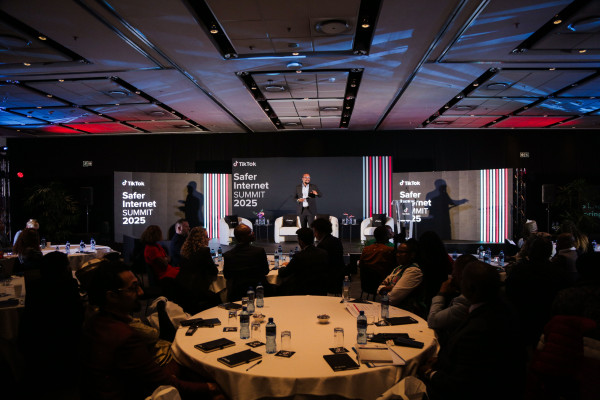
TikTok (www.TikTok.com) hosted its second Annual Africa Safer Internet Summit in Cape Town, South Africa, bringing together government officials, regulators, and industry leaders from across Sub-Saharan Africa. Delegates from South Africa, Nigeria, Ethiopia, Cameroon, Cote d'Ivoire, Kenya, and other countries convened to discuss critical issues on online safety, content moderation, and digital policy development.
The Summit underscores TikTok's ongoing efforts to prioritise user safety in Africa while fostering an open dialogue with policymakers to shape robust frameworks that protect users' rights while encouraging innovation and creativity in the digital space.
Government and Industry Leaders Discuss Digital Safety
The Summit was officially opened by South Africa's Hon. Solly Malatsi, Minister of Communications and Digital Technologies, who highlighted the importance of collaboration among governments, technology platforms, and communities to foster a safer digital ecosystem.
Helena Lersch, TikTok's Vice President for Public Policy, in her remarks, reaffirmed the platform's commitment to user safety and the role of partnerships in creating a secure digital environment.
“Billions of people come to TikTok every day to create, share and connect and we're continually evolving our policies and practices to safeguard our platform so our community can discover and do what they love. This summit underscores the importance of collaboration between industry leaders and regulators in shaping a digital ecosystem that is both innovative and secure," said Lersch.
Fortune Mgwili-Sibanda, Director of Public Policy & Government Relations for Sub-Saharan Africa, further emphasised the significance of collective efforts in digital safety, stating that the Summit serves as a valuable platform for sharing insights, strengthening collaboration, and ensuring that African users, particularly young people, are protected online.
Content Moderation in Africa
During the summit, TikTok reported a significant upward trend in its content removal rate across Sub-Saharan Africa, with data showing a 249.81% increase in content removals from the second quarter of 2023 to the fourth quarter of 2024. This improvement aligns with TikTok's global standards for content moderation and community guidelines enforcement. TikTok's Community Guidelines Enforcement Reports (https://apo-opa.co/3QMZNQH) reflect the platform's continued investment in automated moderation technology, alongside human safety experts that enables the detection and removal of harmful content before it reaches users. Globally, between July and September 2024, TikTok removed more than 147 million videos, of which 118 million were detected and removed automatically using these technologies.
In Sub-Saharan Africa, TikTok removed over 7.5 million videos in Q3 2024, rising to more than 8 million in Q4 2024—an increase of 14.06% quarter-on-quarter. Notably, 99.5% of these videos were removed before any user reports, underscoring TikTok's commitment to proactive moderation and swift action.
A similar trend was observed in North Africa, where TikTok removed over 7 million videos in both Q3 and Q4 of 2024. This represented an 8.70% increase in removals between the quarters, with 99.3% of these takedowns also occurring before user reports.
These figures highlight TikTok's ongoing efforts to provide a safe and positive online environment through robust, technology-enabled content moderation systems.
#SaferTogether - Driving Safer Digital Engagement
As part of its broader commitment to digital safety and education, TikTok is expanding its efforts across Africa through strategic partnerships and training programs that promote digital literacy, safety awareness, and responsible content creation.
At the forefront of these efforts is TikTok's flagship #SaferTogether campaign, which has achieved notable milestones since its launch in 2022.
In Kenya, the initiative, run in partnership with Eveminet (https://apo-opa.co/3Y8mHG7), a youth online protection organisation, has reached over 406,000 participants through in-person workshops across the country. These sessions provided communities with the knowledge and tools needed for responsible online engagement, particularly among students, teachers, and parents.
By working closely with civil society organisations, educators, and government agencies, TikTok continues to integrate proactive safety measures into its platform governance, creating safer digital environments for young users.
In Nigeria, TikTok launched Phase 2 of the #SaferTogether campaign in partnership with the National Information Technology Development Agency (NITDA) (https://apo-opa.co/3FFyx4d) and Data Science Nigeria (DSN) (https://apo-opa.co/3QNqzbJ). Building on the success of Phase 1, which educated parents in major cities such as Abuja, Lagos, and Kano on TikTok's safety features and mental well-being tools, the second phase aims to reach additional states and expand safety awareness among parents, teachers, and guardians.
Since September 2024, TikTok has also partnered with local creators across Sub-Saharan Africa to raise awareness about its safety features and Community Guidelines.
In Egypt, TikTok signed a Memorandum of Understanding (MoU) with the Journalists Syndicate to boost digital awareness, media literacy, and the detection of misinformation and online privacy risks. As part of this partnership, TikTok and the Syndicate hosted a one-day workshop equipping journalists and media professionals with the skills to navigate digital technologies safely and effectively. This collaboration underscores TikTok's ongoing commitment to empowering media professionals and supporting a more informed and digitally literate society.
Shaping the Future of Digital Safety in Africa - Global Youth Council
TikTok is also making a significant step in amplifying youth voices by expanding its Global Youth Council (https://apo-opa.co/4j2OWxZ) for 2025, further strengthening African representation. Originally launched in 2023 to empower young users and shape platform policies, the Global Youth Council has now nearly doubled in size, featuring 28 members from 15 countries. New representatives from Nigeria, Cameroon, Canada, Qatar, and Australia will join returning members from Brazil, Indonesia, Kenya, Mexico, the UK, and the US for a second term. The Youth Council plays an important role in shaping TikTok's safety, well-being, and inclusivity policies, ensuring that young users have a voice in the platform's continued evolution.
The Safer Internet Summit serves as an essential forum for best practice sharing between industry leaders and policymakers. By fostering collaboration, TikTok aims to ensure that digital spaces remain safe, inclusive, and conducive to creativity while balancing the need for effective governance and innovation.
"We value forums such as TikTok's Safer Internet Summit, which bring policymakers into one room for a shared purpose: keeping internet users safe. We are incredibly proud to be a partner of TikTok's #SaferTogether campaign. This collaboration not only underscores our shared commitment to fostering a safer online environment, but also opens new avenues for innovation and collaboration that will enable us to scale our efforts effectively for a safer internet for all.." — Emmanuel Edet - Acting Director, Regulation and Compliance NITDA
For more information on TikTok's safety policies and initiatives, visit our Safety Centre (https://apo-opa.co/4iYko0q), Guardian's Guide (https://apo-opa.co/3QPAKfS) and Youth Safety Center (https://apo-opa.co/4j9JWrB).
Link: https://apo-opa.co/4hZ3JZS
Distributed by APO Group on behalf of TikTok.
The land value of the site ranks “among the highest in the southern hemisphere”
The Portfolio Committee on Higher Education has suspended planned discussions with the Central University of Technology (CUT) in Bloemfontein due to a breakdown in trust among senior management, unions, the Institutional Forum (IF) and the Student Representative Council (SRC). The decision follows an oversight visit that exposed severe governance failures, administrative disfunction and a campus environment that is not conducive to teaching and learning
CUT stakeholders unanimously decried the state of the institution during the Portfolio Committee on Higher Education's oversight visit. The IF, organised labour and the SRC said the CUT has serious administrative and governance issues, which is affecting staff morale and creating an environment that is not conducive to teaching and learning. University stakeholders also told the committee that the CUT registration process left much to be desired – many students could have been admitted but lost the opportunity due to the failure of IT systems.
Some of the allegations levelled against university leaders was that that the university has a serious shortage of academic staff members and the academic programmes is being run by part-time lecturers. In one faculty, for example, there are more part-time lecturers than full-time academic staff. The committee further said it is discouraging to note that CUT does not have an officially recognised SRC despite the fact that elections were held in August last year.
The committee Chairperson, Mr Tebogo Letsie, said that although the committee has postponed immediate engagement with CUT, it plans to revisit the university's challenges in the committee's programme next term. “We will schedule a dedicated hearing to dissect the root causes of this distrust. CUT's leadership must account for why stakeholder relations have deteriorated to this extent and how they intend to rebuild academic and operational stability,” added Mr Letsie.
Members of the committee were deeply concerned that the CUT did not have a recognised SRC. The committee cautioned against a growing practice in the sector where senior management in post-school education used the institution's resources to go after workers and students in the courts.
Distributed by APO Group on behalf of Republic of South Africa: The Parliament.
George rallies world leaders to accelerate efforts to achieve SDGs
Minister of Forestry, Fisheries and the Environment, Dr Dion George, has called on the international community to urgently accelerate efforts to achieve the Sustainable Development Goals (SDGs).
“We are less than five years away from our deadline to achieving the SDGs and the end of this critical decade for climate action. Yet, we are still far from our goals and action targets,” the Minister said on Tuesday.
The United Nations describes the SDGs as the “blueprint to achieve a better and more sustainable future for all” by addressing global challenges related to poverty, inequality and climate change, among others, with the year 2030 set as the target to meet the goals.
Addressing the Group of Twenty (G20) Environment and Climate Sustainability Working Group (ECSWG) virtually, the Minister said poverty levels are worsening, and that carbon dioxide (CO2) emissions reached record highs last year.
“This calls for an urgent acceleration of our efforts. Our commitment to achieve these goals must not waver. That is why South Africa has placed solidarity, equality and sustainability at the centre of our G20 Presidency.
“As the international community, together, we committed ourselves to the ambitious agenda to end poverty and hunger, to protect our planet, to achieve universal education and health coverage, and to promote decent work and sustainable economic growth by adopting the 2030 Agenda for Sustainable Development and its Sustainable Development Goals,” George said.
The Minister said South Africa is striving to champion and fast-track action in the pursuit of a just transition to a low-carbon, climate resilient and inclusive society, and lead by example.
Last week, President Cyril Ramaphosa proclaimed the Climate Change Act, laying the ground for ambitious climate action domestically.
Earlier this month, the Minister informed the public that the President proclaimed the Climate Change Act, 2024, with the proclamation notice published in the Government Gazette on 17 March 2025, which was the commencement date of the Act.
“The Act is intended to enable the development of an effective climate change response and a long-term, just transition to a low-carbon and climate-resilient economy and society for South Africa in the context of sustainable development; and to provide for matters connected therewith,” the Minister said at the time.
The Act lays the foundation for a green economy that is resilient, inclusive and future-focused. It creates a clear framework for climate action.
In his address on Tuesday, the Minister said South Africa’s rollout of renewable energy has materially accelerated over the past few years, driving the decarbonisation of South Africa’s energy system, while the implementation of Expanded Producer Responsibility schemes and circular economy initiatives is improving waste management.
“The task remains immense. Poverty, unemployment, hunger, inequality, environmental degradation and climate change are but a few of the complex and interconnected issues facing the world today.
“...We thus reiterate the critical role of multilateralism in addressing these complexities, and South Africa’s very strong support for multilateralism,” the Minister explained.
Priorities
George said the five interrelated priorities of the Environment and Climate Sustainability Working Group provide an opportunity to address multiple complexities within this context, while advancing the achievement of the Sustainable Development Goals.
The priorities include Biodiversity and Conservation, Land Degradation, Desertification and Drought, Chemicals and Waste Management, Climate Change and Air Quality, as well as Oceans and Coasts.
“These priorities of the G20 Environment and Climate Sustainability Working Group for this year are viewed as critical enablers to address poverty, create employment and meet other sustainable development goals, thereby contributing towards the global effort to respond to the triple complexities of climate change, pollution and biodiversity loss, in line with the overall theme of South Africa’s G20 Presidency of Solidarity, Equality and Sustainability,” the Minister said.
As a primary outcome of the G20 Presidency this year, South Africa will explore ways that the G20 can leverage opportunities to increase the scale and flows of climate finance, critical to enabling the Just Transition, mitigation and adaptation efforts, while ensuring that the required investments reach the most vulnerable of society.
“It is paramount for developing economy countries to be actively supported in their efforts to achieve ‘whole of society and whole of economy’ just transitions to sustainable development on the ground, through scaled access to low-cost finance, technology and skills.
“It is also increasingly recognised that many people across the globe are exposed to unhealthy and often deadly levels of air pollution, and that the impacts of air pollution extend beyond health - affecting climate, biodiversity, ecosystems and economic development.
“This is also a key issue that needs to be addressed, and to which this Working Group can contribute. There are very extensive synergies between decarbonisation and the improvement of air quality,” the Minister said. - SAnews.gov.za
nosihle
Wed, 03/26/2025 - 07:56
106 views
Eskom called to fast track energy transition
With Eskom not meeting minimum emission standards and delaying critical energy reforms, Minister of Forestry, Fisheries and the Environment, Dr Dion George, warned the power utility that government will not grant it unchecked permission to pollute.
In a statement released on Wednesday, the Minister called on Eskom to accelerate its reform process and support the nation’s energy transition.
“Government cannot grant Eskom a blanket waiver to continue polluting without accountability,” George said.
This plea comes ahead of next week’s announcement by the Minister on his decision on Eskom’s application for exemptions from minimum emission standards.
The Minister has emphasised the complexity of the issue, noting that it requires balancing South Africa’s energy needs to drive economic growth with the constitutional right to a healthy environment.
“South Africa cannot remain trapped in a persistent cycle of energy insecurity and environmental degradation that harms public health. South Africans have had to endure rolling blackouts, rising costs, and economic stagnation as a result of Eskom’s inefficiencies,” he said.
According to the Minister, Eskom’s monopoly over electricity generation and transmission has stifled competition, slowed the adoption of renewable energy, and left South Africa exposed to energy insecurity.
“The only viable path forward is to unbundle Eskom without further delay,” George said.
He has called for the Transmission System Operator to be fully independent to ensure fair grid access, warning that without this step, reliance on outdated coal plants will persist.
READ | Eskom-owned transmission company officially commences trading
“The transition to renewable energy is not negotiable. South Africa’s economic future depends on more renewable energy entering the grid, not less. The world is moving toward cleaner energy, and South Africa cannot afford to be left behind,” the Minister said.
George has also directed Eskom to decommission its worst-performing power stations responsibly.
“Those that fail to meet environmental standards and contribute disproportionately to pollution must be retired in a structured and responsible manner, without leaving anyone behind. South Africa cannot remain hostage to outdated infrastructure and poor governance at the expense of its future.
“Eskom must either comply with emissions regulations and accelerate its transition, or it will face the consequences. We are committed to ensuring that South Africa has a future-proof energy sector,” he said. - SAnews.gov.za
nosihle
Wed, 03/26/2025 - 09:16
0 views
UN Tourism has presented its “Tourism Doing Business” guidelines, focused on the opportunities for international investors in Namibia's burgeoning tourism sector
“Tourism Doing Business Investing in Namibia” aims to attract potential investors and provides essential insights into the vibrant opportunities within Namibia's tourism sector. The guidelines showcase Namibia's unique cultural heritage, robust economy, and supportive business environment, highlighting areas of potential significant growth in the years ahead.
Namibia: A thriving tourism ecosystem
Namibia, known for its breathtaking landscapes and rich cultural heritage, is poised for significant growth in tourism investment. With its unique positioning as a gateway to Southern Africa, the country offers a diverse array of attractions, from the iconic dunes of Sossusvlei to the remarkable wildlife of Etosha National Park. According to UN Tourism's guidelines:
UN Tourism Secretary-General Zurab Pololikashvili says: “Namibia's diverse investment opportunities and its dedication to sustainable growth make it an interesting destination for global investments. The country's efforts in energy transition and tourism expansion reflect its commitment to innovation and inclusivity."
Highest level political support for tourism in Namibia
The Investment Guidelines were officially launched as part of a visit by the UN Tourism leadership to Namibia. In Windhoek, Secretary-General Pololikashvili was honored to attend the Inauguration of H.E Dr. Netumbo Nandi-Ndaitwah as Namibia's 5th President, and the first woman to hold the office. The inauguration coincided with celebrations of the 35th Anniversary of Independence for the country.
Secretary-General Pololikashvili also delivered a Keynote Address at the Namibia University of Science and Technology as part of a special day focused on harnessing the power of technology to build a more inclusive and resilient tourism sector across Africa.
Distributed by APO Group on behalf of World Tourism Organization (UN Tourism).
President Ramaphosa pays heartfelt tribute to nurses for their role during COVID
President Cyril Ramaphosa has expressed gratitude for the vital role nurses played during the COVID-19 pandemic.
The President addressed the 9th National Congress of the Democratic Nursing Organisation of South Africa (DENOSA) today. This was the first time the President addressed DENOSA since the outbreak, highlighting the lasting impact of healthcare workers in the fight against the virus.
President Ramaphosa reflected on the significant changes caused by the pandemic, including the loss of lives and the challenges encountered by healthcare workers.
“We lost a number of nurses and healthcare workers, brave men and women who were at the frontline of the pandemic. Brave is not an adequate word to describe them. Many of you faced the danger of being infected and death, but you still went on to care for those who were affected.”
He encouraged attendees to observe a moment of silence in honor of the brave nurses and healthcare professionals, who made the ultimate sacrifice while serving on the front lines.
“For you who are in the profession, nursing is a calling. It requires a strength of character and commitment to service that is rare.”
The President highlighted the long history of struggle for equity in the nursing profession, particularly among black nurses during apartheid, who fought tirelessly for their rights amid systemic inequalities.
“Black nurses were expected to only care for black patients in black-only hospitals. The hospitals and clinics assigned to serve the country’s majority were under resourced and chronically underfunded.
“Black nurses had unfavourable working conditions, were paid less than their white counterparts, and had fewer opportunities for advancement.”
He reiterated his statements made during this year’s State of the Nation Address (SONA), that government will allocate resources to the health sector, build hospitals and clinics, and strengthen the healthcare system.
“This is the commitment that we’re going to achieve, and this is what we’re going to do.”
The President also took the time to commend DENOSA for its nearly three decades of advocacy and service, and emphasised the organisation’s pivotal role in shaping nursing policy in South Africa.
“We all appreciate the difficult balance that must be struck between advocacy and activism, on the one hand, and fulfilling the rights of patients to treatment and care, on the other hand,” he said.
President Ramaphosa outlined key strategic priorities for the next five years, including driving inclusive growth, reducing poverty, and building a capable, ethical developmental State.
He underscored the integral role of nurses in achieving these goals, particularly in contributing to a capable State.
Meanwhile, despite a recent uptick in nursing registrations, he raised concerns about declining training numbers due in part to accreditation delays.
President Ramaphosa urged DENOSA to engage proactively in policy development to ensure that the nursing profession evolves alongside the changing landscape of healthcare.
“In an environment where South Africa has a shortage of nurses, we are encouraged that the issue of South African nurses being recruited in large numbers by other countries is also on the agenda.”
NHI
Meanwhile, he said the support of DENOSA will be pivotal as the country prepares for the National Health Insurance (NHI).
He is of the view that the NHI will bring the country closer to its aspiration of being a society where the human dignity of all is upheld at all times.
“The right to dignity matters most when people are sick and need help, and when they are most vulnerable. Our nurses will be the backbone of the NHI.”
He urged the union to be at the forefront of discussions around skilling and training, health systems strengthening, and other crucial matters.
The President called on the union to continue its leadership in advocating for nursing, while addressing the broader health needs of communities.
“I’d like to thank you all once again for being frontline soldiers of our people’s health... you... are the ones who take your heart and full dedication to serving the people of South Africa, and we’re eternally grateful for that,” he added. – SAnews.gov.za
Gabisile
Tue, 03/25/2025 - 12:33
683 views
Home Affairs Minister issues stern warning to crooked officials
Home Affairs Minister Dr Leon Schreiber has warned crooked officials that the department will leave no stone unturned to rid its ranks of corruption.
Schreiber said officials involved in corrupt activities will face the full might of the law.
“Our message also makes it clear that we apply the rule of law without fear or favour,” Schreiber said.
Speaking at the launch of the Border Management and Immigration Anti-Corruption Forum (BMIACF) in Pretoria on Tuesday, Schreiber said cooperation amongst the relevant authorities is making an impact on efforts to restore the image of the Department of Home Affairs and the Border Management Authority (BMA).
“We are also committed to the kind of systems reform that will close the space for discretion, which enables fraud and corruption in the first place,” Schreiber said.
One of the fundamental pillars of digital transformation, the Minister said, is the use of technology to help prevent and detect corruption, and uproot corrupt networks altogether.
“But the reality is that, for as long as we have paper-based visa documents, for as long as we use manual, paper-based processes, and for as long as decisions are wide-open to human discretion and interference, the space for corruption will continue to exist.
“Paper visas are being replaced by an Electronic Travel Authorisation featuring Artificial Intelligence and machine learning-based adjudication. Paper documents are being replaced by secure digital documents, including the digital ID system announced by the President during the State of the Nation Address.
“The green ID book will be phased out and replaced by the far more secure smart ID and digital ID, and we are automating entry-and-exit at all South African ports-of-entry,” the Minister said.
Schreiber is confident that the systems reforms will deliver a "systems revolution" in the border management and immigration environment.
“No more papers that can go missing or be manipulated. No more photo-swopping on green ID books. No more bribing an immigration officer to manipulate an outcome, or to gain entry into the country illegally because you cannot bribe a computer and an electronic gate,” Schreiber said.
Schreiber said the Department of Home Affairs is concluding the appointment of a permanent Deputy Director-General for Human Resources.
“It is my expectation that this person will further intensify our quest to rid Home Affairs of the bad apples,” he said.
Speaking at the launch of the BMIACF, the National Director of Public Prosecutions (NDPP), Advocate Shamila Batohi, said officials must urgently bring an end to the phenomenon of South Africa being used as a transit route for criminal activities.
“We need law enforcement agencies that serve the public and put an end to these criminal activities.”
Batohi said a lot has been done over the period of five years and that more is still to be done to deal with crime and corruption.
Advocate Andy Mothibi, the Head of the Special Investigating Unit (SIU), said the launch of Border Management and Immigration Anti-Corruption Forum is a strategic intervention in the fight against crime and corruption.
“The launch of Border Management and Immigration Anti-Corruption Forum is a strategic intervention to foster collaboration between various stakeholders, who bring with them their respective mandates and expertise, which will speed up investigations of corruption allegations."
Mothibi expressed the SUI's support for the BMIACF.
The BMIACF focuses on immigration and border management, which is vulnerable to fraud and corruption.
The BMIACF has a steering committee coordinating all the work and managing stakeholders' progress. It is supported by subcommittees that focus on specialist areas such as prevention, detection, investigation and implementation of consequence management. – SAnews.gov.za
Edwin
Tue, 03/25/2025 - 14:30
187 views
Hydroponic farming system overall winner of Global Cleantech Innovation Programme Awards
A groundbreaking hydroponic farming system has won first prize at the Global Cleantech Innovation Programme – South Africa (GCIP-SA) Awards.
This innovative system allows farmers to grow crops using up to 90% less water and requires only 10% of the land compared to traditional farming methods.
AB Farms, founded by Mogale Maleka, beat seven other competitors for the coveted sustainable development prize.
Hosted by the Department of Science, Technology and Innovation (DSTI) entity, the Technology Agency (TIA), the United Nations Industrial Development Organisation (UNIDO) and the Global Environment Facility, the recently held awards acknowledged the outstanding achievements of entrepreneurs and innovators, who are driving sustainable solutions for a greener future.
According to the department, the GCIP is instrumental in South Africa’s response to the challenge of climate change by nurturing and accelerating cleantech startups and small, medium, and micro enterprises (SMMEs).
The programme aligns with the Paris Agreement objectives and also supports South Africa in achieving its Nationally Determined Contribution targets to reduce carbon emissions from 350 to 420 megatonnes of carbon dioxide equivalent by 2030.
Maleka’s farm was recognised for its commitment to clean energy solutions.
“His innovation also reduces electricity consumption by 50% and fertiliser use by 40%, making it a game-changer for resource-scarce regions. Designed for resilience, the system ensures consistent irrigation, even during power or water disruptions,” the statement read.
Congratulating the finalists and winners, DSTI Minister Professor Blade Nzimande stressed the urgent need for sustainable solutions in South Africa, where environmental challenges such as water scarcity, air and water pollution, biodiversity loss, and extreme weather events are deepening socio-economic disparities.
“Unsustainable patterns of consumption and production have led to the triple planetary crisis of climate change, nature and biodiversity loss, and pollution and waste,” Nzimande said.
According to the Minister, this crisis has resulted in severe environmental problems, including extreme weather events like droughts, floods, heatwaves and storms, which cause widespread damage to infrastructure, agriculture, and human lives.
“South Africa, like many other parts of the world, is grappling with these challenges, making the need for climate-resilient infrastructure even more urgent,” Nzimande said.
The 2025 GCIP-SA Awards also recognised other outstanding innovators in sustainable solutions.
Runner-up, Econova Solutions, led by Sanele Mabizela, was honoured for its impactful work in clean energy and environmental sustainability.
Econova converts organic waste into biogas and organic fertilisers.
Meanwhile, the second runner-up spot went to the Graduated Man of Steel, represented by Lunga Calvin Mahlangu, for an innovation that produces affordable electric micro-mobility solutions for urban and industrial transport.
Acting Chief Executive Officer of the TIA, Ismail Abdoola, commended the entrepreneurs for driving clean technology innovations and reaffirmed the TIA’s commitment to strengthening the programme’s impact.
“We recognise the remarkable achievements of the GCIP-SA and the entrepreneurs shaping the future of our country’s cleantech ecosystem. This... is not just about celebrating accomplishments but about reaffirming our shared vision for innovation, sustainability and progress,” said Abdoola at the awards ceremony.
He also acknowledged the long-standing partnership between TIA and UNIDO, which has been instrumental in driving the success of GCIP-SA, and supporting local entrepreneurs in refining their solutions and positioning them for market success.
“The GCIP is more than a programme, it is a movement, a movement that brings together innovation, collaboration, and purpose-driven action in support of a sustainable future. As we look ahead, let us be inspired by the work done so far and remain committed to building a greener and more resilient South Africa,” Abdoola added.
The winner and runners-up will represent South Africa, in the global installment of the Cleantech Awards in Turkey in September 2025. – SAnews.gov.za
Gabisile
Tue, 03/25/2025 - 10:13
408 views
President Ramaphosa pays heartfelt tribute to nurses five years after COVID-19 pandemic
President Cyril Ramaphosa has expressed gratitude for the vital role nurses played during the COVID-19 pandemic.
The President addressed the 9th National Congress of the Democratic Nursing Organisation of South Africa (DENOSA) today. This was the first time the President addressed DENOSA since the outbreak, highlighting the lasting impact of healthcare workers in the fight against the virus.
President Ramaphosa reflected on the significant changes caused by the pandemic, including the loss of lives and the challenges encountered by healthcare workers.
“We lost a number of nurses and healthcare workers, brave men and women who were at the frontline of the pandemic. Brave is not an adequate word to describe them. Many of you faced the danger of being infected and death, but you still went on to care for those who were affected.”
He encouraged attendees to observe a moment of silence in honor of the brave nurses and healthcare professionals, who made the ultimate sacrifice while serving on the front lines.
“For you who are in the profession, nursing is a calling. It requires a strength of character and commitment to service that is rare.”
The President highlighted the long history of struggle for equity in the nursing profession, particularly among black nurses during apartheid, who fought tirelessly for their rights amid systemic inequalities.
“Black nurses were expected to only care for black patients in black-only hospitals. The hospitals and clinics assigned to serve the country’s majority were under resourced and chronically underfunded.
“Black nurses had unfavourable working conditions, were paid less than their white counterparts, and had fewer opportunities for advancement.”
He reiterated his statements made during this year’s State of the Nation Address (SONA), that government will allocate resources to the health sector, build hospitals and clinics, and strengthen the healthcare system.
“This is the commitment that we’re going to achieve, and this is what we’re going to do.”
The President also took the time to commend DENOSA for its nearly three decades of advocacy and service, and emphasised the organisation’s pivotal role in shaping nursing policy in South Africa.
“We all appreciate the difficult balance that must be struck between advocacy and activism, on the one hand, and fulfilling the rights of patients to treatment and care, on the other hand,” he said.
President Ramaphosa outlined key strategic priorities for the next five years, including driving inclusive growth, reducing poverty, and building a capable, ethical developmental State.
He underscored the integral role of nurses in achieving these goals, particularly in contributing to a capable State.
Meanwhile, despite a recent uptick in nursing registrations, he raised concerns about declining training numbers due in part to accreditation delays.
President Ramaphosa urged DENOSA to engage proactively in policy development to ensure that the nursing profession evolves alongside the changing landscape of healthcare.
“In an environment where South Africa has a shortage of nurses, we are encouraged that the issue of South African nurses being recruited in large numbers by other countries is also on the agenda.”
NHI
Meanwhile, he said the support of DENOSA will be pivotal as the country prepares for the National Health Insurance (NHI).
He is of the view that the NHI will bring the country closer to its aspiration of being a society where the human dignity of all is upheld at all times.
“The right to dignity matters most when people are sick and need help, and when they are most vulnerable. Our nurses will be the backbone of the NHI.”
He urged the union to be at the forefront of discussions around skilling and training, health systems strengthening, and other crucial matters.
The President called on the union to continue its leadership in advocating for nursing, while addressing the broader health needs of communities.
“I’d like to thank you all once again for being frontline soldiers of our people’s health... you... are the ones who take your heart and full dedication to serving the people of South Africa, and we’re eternally grateful for that,” he added. – SAnews.gov.za
Gabisile
Tue, 03/25/2025 - 12:33
284 views
Government implements measures to protect penguin populations
Government has implemented island closures with immediate effect to enhance the conservation of South Africa’s penguin populations.
This follows the recent finalisation of a historic settlement agreement -- in the form of a court order -- securing critical protections for South Africa’s penguin populations.
The landmark agreement -- reached between the fishing industry and conservation organisations BirdLife South Africa and the Southern African Foundation for the Conservation of Coastal Birds (SANCCOB) -- establishes island closures to safeguard the critically endangered African Penguin, while supporting sustainable fishing practices.
The order, issued by the Pretoria High Court, include Dassen Island.
To implement these closures, the Minister of Forestry, Fisheries and the Environment, Dr Dion George has amended permit conditions within the small pelagic fishery, encompassing the anchovy and sardine sectors, effective immediately.
“By restricting fishing near key island zones, we are securing a sustainable future for both our wildlife and our fishing communities,” the Minister said on Tuesday.
READ | Government welcomes agreement on protecting penguin populations
These measures will ensure a balanced approach, protecting vital habitats while supporting the long-term viability of the fishery.
“This is a pivotal moment for our marine biodiversity,” George said.
He emphasised government’s steadfast dedication to safeguarding the ecosystems for marine biodiversity.
George further urged all stakeholders to adhere to the amended island closures and to ensure that skippers and operational personnel are duly informed.
“Compliance is essential to the success of this conservation effort,” said the Minister.
The African penguin is an integral component of South Africa’s coastal biodiversity and stands to benefit significantly from these measures.
“Our oceans are a shared legacy, and I am committed to ensuring they thrive for generations to come,” the Minister said.
The island closures represent a decisive step forward in that mission, and the Minister has reaffirmed his dedication to advancing policies that secure the prosperity of the nation’s natural resources.
Having secured more fish for the penguins, the Minister is currently progressing regulations on bunkering – the transfer of oil at sea – to further improve the penguin habitat. -SAnews.gov.za
nosihle
Tue, 03/25/2025 - 13:01
52 views

Pan-African legal firm CLG – formerly Centurion Law Group – led a workshop during the inaugural Congo Energy & Investment Forum (CEIF) on the country's legal and fiscal frameworks. The workshop – Mastering Business in Congo: Challenges and Strategic Solutions for Success – delved into strategies investors can deploy to navigate the Republic of Congo's business environment as the country prepares to launch an international licensing round.
As a leading provider of specialized legal and tax advisory services, CLG – a Legal Partner of CEIF 2025 - caters to a diverse portfolio of multinational energy companies. With offices in the Republic of Congo, Germany, South Africa, Nigeria, Mauritius, Ghana, Cameroon, Equatorial Guinea, Namibia and South Sudan, the firm delivers bespoke solutions for a variety of challenges faced by oil and gas companies. The CLG workshop underscored how the firm's expertise can support oil and gas projects in the Republic of Congo as the country targets 500,000 barrels per day of oil.
“Our goal is to provide solutions by interpreting regulations, ensuring companies can operate freely. We have advisors across several African countries,” stated Zion Adeoye, CEO and Group Managing Partner, CLG.
The country's strong Central African presence and deep knowledge of the associated legal frameworks gives it an edge in the region's energy landscape. According to Yves Ollivier, Managing Director, CLG Congo, the firm's services in the region include M&A transactions, due diligence, legal secretariat services for oil and gas companies and expertise in intellectual property and immigration laws.
“We provide legal opinions in various fields, including employment law, corporate structuring and contract negotiations,” he explained.
In addition to these services, CLG has strong expertise in taxation. Daoudou Mohammad, Director: Tax and Legal, CLG Congo, explained that the firm assists companies with tax compliance, fiscal advisory services and global tax audits. “We conduct comprehensive tax reviews and offer targeted training upon request,” he said.
For the Republic of Congo, these services will play a key role in facilitating investment, advancing projects and realizing the country's energy production goals. Given the complexity of the oil and gas sector, understanding the potential challenges associated with the industry is vital.
Oneyka Cindy Ojogbo, Deputy Managing Director & Partner, CLG, explained that, “Understanding all contractual details is crucial, especially in the gas sector. We have encountered cases where disputes arose due to poorly negotiated agreements. Anticipating potential legal issues is key to mitigating risks.”
Additional challenges include misunderstanding of the requisite taxation laws. Mohammad pointed out that many companies fail to consider available tax exemptions, leading to missed opportunities for fiscal optimization. “A thorough assessment of tax incentives can significantly reduce financial burdens. Companies should proactively evaluate their eligibility for exemptions,” he advised.
Distributed by APO Group on behalf of Energy Capital & Power.
The inaugural Congo Energy & Investment Forum, set for March 24-26, 2025, in Brazzaville, under the highest patronage of President Denis Sassou Nguesso and supported by the Ministry of Hydrocarbons and Société Nationale des Pétroles du Congo, brings together international investors and local stakeholders to explore national and regional energy and infrastructure opportunities.
The sun has set in Johannesburg, South Africa and Nntuthuzelo Ndwandwa, 39, is returning home from her job as a customer care consultant. When once she would have glanced nervously into the shadows, now she walks through a complex illuminated by solar-powered lights and enters her home, where a solar-powered heater doles out warm water for washing up.
“We are safe during load shedding because the external lights are on solar,” says Ndwandwa. “I'm also guaranteed hot water in the morning. It has made my life so much easier.”
This may sound like a humdrum, everyday moment, but for Ndwandwa and the other hundreds of residents of the Tshedzani Phase 3 social housing project, these basics are a revelation. They were provided through a project funded by the Global Environment Facility (GEF) that installed solar-powered equipment in public housing units across South Africa's biggest city. The effort, implemented by the City of Johannesburg, was designed to improve the quality of life of urban dwellers and fight climate change.
Residents of the social housing project say they now feel more secure, are saving money and have more job opportunities.
“Before the project, we had load shedding, and outside, it was dark […] we would not go outside as we were scared,” says resident Catherine Gugulethe Mbuyisa, 55. “Cars would be hijacked, washing would be stolen. But since the installation of solar power, we haven't experienced any of those problems and I've saved a lot in terms of electricity.”
Cities at the centre of climate action
Johannesburg is one of a growing number of global cities racing to lower their greenhouse gas emissions through better urban planning, which experts say can be a quick and easy way to reach climate targets. But such work also has a host of other benefits – from providing access to energy to protecting residents from the health hazards of open dumping.
“Action to reduce greenhouse gas emissions doesn't just make a difference at a global level – it invariably makes a positive difference to people's lives,” says Martin Krause, Director of the UN Environment Programme's Climate Change Division. “This is particularly obvious in cities, where the concentration of people means rapid gains for people and planet are possible.”
Today, some 56 per cent per cent of the world's population live in cities. Almost 1.2 billion of these people already face a bevy of climate-related risks, including rising seas and heatwaves. At the same time, urban areas consume around 75 per cent of the world's energy and produce around 70 per cent of global greenhouse gas emissions, reports the International Energy Agency. Urbanization is occurring rapidly, increasing the impact of cities on the environment and economy.
But cities are also hotbeds of climate solutions. And experts say how they are designed, built and managed will significantly impact global emissions, resource consumption and resilience to climate change. That is why successful projects, such as the one in Johannesburg, are considered so important.
“By adopting integrated approaches to support green, affordable housing, waste management and clean energy access for communities thriving amidst verdant natural spaces, cities like Johannesburg are leading the way to a sustainable urban future that benefits people, natural ecosystems and the global environment,” says Fred Boltz, Manager of GEF's Programming Division.
Multiple benefits
Kicked off in 2020, the GEF project focused on five key areas, including retrofitting social housing, increasing food resilience through sustainable urban farming, boosting biodegradable waste management and increasing evidence-based planning.
As part of this work, 172 units in Roodepoort Tshedzani 3 social housing have been fitted with solar water heaters, solar panels and lithium-ion batteries, energy-saving lighting and water-saving components.
To boost organic peri-urban farming in other areas, seeds, fertilizer and tools have been provided to farmers, alongside boreholes at four sites. Some 8,000 square metres of land is now under organic production and waiting for certification. Residents were also trained in many aspects of sustainability, including recycling, and a biodigester plant is under construction to turn waste into energy.
These additional benefits have brought opportunities to many residents, such as Voneen Trompeter, an unemployed single mother looking for ways to support her two children.
“This project has made me feel more worthy of being in a community, and I have learned a lot about business and recycling,” she says. “My hope for the future is to get a permanent position within the recycling programme, as it will be beneficial to me and my family.”
While the project is set to end later in 2025, its legacy will continue—not just in the infrastructure set up for residents. Standards and guidelines are being prepared to make it easier for such initiatives to take root in other parts of Johannesburg.
“We are excited to see the results of the GEF project coming together,” says Liana Strydom, Assistant Director, Regional Planning, City Transformation and Spatial Planning Directorate in the City of Johannesburg. “It creates momentum to mainstream our initiatives and creates hope for broader impact across many different aspects of the city's resilience and our citizens' ability to navigate climate shifts.”
Distributed by APO Group on behalf of United Nations Environment Programme (UNEP).
Minister leads G20 environment working group
Minister of Forestry, Fisheries and the Environment, Dr Dion George, will this week lead the Group of Twenty (G20) Environment and Climate Sustainability Working Group (ECSWG) as part of South Africa’s Presidency of the G20.
“It is expected that the outcome of this first virtual G20 ECSWG meeting will provide strategic direction and a common understanding amongst G20 Member States on the key environmental and climate change priorities and deliverables,” the Minister said on Sunday.
Taking place under the theme: “Solidarity, Equality, and Sustainability,” the Minister is expected to open the meeting on Tuesday, by setting the scene for South Africa’s Presidency of the G20 ECSWG, provide an opportunity to discuss the five priorities and deliverables, and also present the proposed work plan for the G20 ECSWG for 2025.
The priority focus areas for South Africa’s Presidency of the G20 ECSWG include:
The G20 ECSWG aims to enhance cooperation amongst all G20 members and invitees to address environmental and climate change priorities.
The G20 comprises 19 countries: Argentina, Australia, Brazil, Canada, China, France, Germany, India, Indonesia, Italy, Japan, Republic of Korea, Mexico, Russia, Saudi Arabia, South Africa, Türkiye, United Kingdom and United States, as well as two regional bodies, namely the European Union and the African Union.
The G20 members represent about two-thirds of the world population, approximately 85% of the global GDP and over 75% of the global trade.
This platform is considered as the leading forum for international economic cooperation and plays an important role in shaping and strengthening global architecture and governance on all major international economic issues.
South Africa’s Presidency of the G20 commenced on 01 December 2024 and will continue until 30 November 2025.
The Presidency will build upon on the achievements of India (2023 Presidency) and Brazil (2024 Presidency), to ensure continuity in advancing the developmental agenda within the G20.
“South Africa’s G20 Presidency provides a unique opportunity for the country to champion the aspirations of emerging market economies and lead the developmental agenda of the African Continent within the framework of the G20."
A total of three G20 ECSWG meetings and one ECSWG Ministerial meeting will be held in South Africa, with the first virtual meeting scheduled to take place from 25 – 28 March 2025; followed by the second meeting from 14-18 July 2025 at Kruger National Park, and the final meeting in October 2025 at Cape Town.
The Ministerial meeting will be held back-to-back with the third ECSWG meeting in October 2025.
The department will also roll out outreach and awareness activities in the buildup to the three G20 ECSWG meetings throughout the country to amplify the messaging on the focus areas for the G20 ECSWG.
“The department will leverage South Africa’s Presidency of the G20 to market and showcase the Kruger-Kirstenbosch-iSimangaliso Icon Status Strategy (KISS). Some of the meetings and activities will take place at these iconic world-class sites to showcase them on the global stage,” the Minister said. - SAnews.gov.za
nosihle
Mon, 03/24/2025 - 10:00
179 views