• Skip to main content
  • Skip to header right navigation
  • Skip to after header navigation
  • Skip to site footer
MyZA

MyZA

News, Directory, Events and Other Stuff

  • Social Media
  • Sport
  • World News
  • Home
  • Submit News
  • Directory
  • Events
  • Stratlec
  • TFSA
  • News
    • APO
    • Today’s Sport News
    • Todays Social Media and Tech Headlines
    • Today’s World News
    • Today’s SA Financial News
  • Contact
You are here: Home / Archives for Environment

Environment

5 March 2025

Experts work to strengthen security and information management in secure care centres

Location: News

Experts work to strengthen security and information management in secure care centres

Experts are continuing to refine the norms and standards for secure care centres, taking into account both the importance of physical safety within the facilities and the protection of sensitive information.

The Department of Social Development is currently hosting a two-day workshop in Pretoria focusing on strengthening standards in secure care centres. These care centres are specialised child and youth care facilities designed to provide structured interventions for children in conflict with the law. 

Unlike conventional correctional facilities, these centres prioritise rehabilitation, education and therapeutic support, ensuring that children are reintegrated into society with improved life skills and a renewed sense of responsibility. 

Speaking at the workshop aimed at strengthening policies that uphold the children's rights and dignity, Social Development’s Security Manager, Len Esterhuizen, stressed the urgent need for the South African Police Service (SAPS) to play an active role in shaping security protocols for secure care centres. 

“Secure care centres must align with national security standards to protect children, staff and sensitive data from breaches or potential threats,” Esterhuizen said on Tuesday.

Secure care across the board

A major component of helping secure care centres to align with national security standards is the Integrated Justice System (IJS), which has provided the Department of Social Development with a critical tool for managing children in conflict with the law.

The Probation Case Management System enables probation officers to track, assess and manage cases efficiently, ensuring appropriate intervention and placement.

Given the interconnected nature of child justice processes, the integration of the South African Police Service (SAPS) into these policy discussions has become essential.

The IJS’s mandate is part of the Justice, Crime Prevention and Security Cluster’s broader mission to enhance the safety and security of all South Africans. The cluster also works to protect against cybercrime and identity theft, improve access to civil justice, combat corruption and strengthen the process for issuing enabling documents. 

Esterhuizen explained that SAPS operates under minimum physical security standards, which outline baseline requirements for facility security. 

Within the IJS, the State Security Agency provides oversight on national information security policies, which regulate the classification, handling and storage of sensitive records, including ID documentation, criminal records and case files. 

The minimum information security standards, enforced by the State Security Agency and SAPS’s minimum physical security standards provide an important framework for safeguarding both information and operations within secure care facilities.

Esterhuizen further explained that secure information storage is non-negotiable, as mandatory policies dictate how children’s records must be handled and protected.

Experts also highlighted the importance of confidentiality and strict security protocols in preventing criminal activities, security breaches and potential risks to children in secure care centres.

The department’s Social Work Policy Manager, Linda Makhathini, commended the progressive discussions, emphasising their critical role in ensuring full compliance for secure care centres.

She noted that security experts will contribute to developing a unified security framework, which will define minimum requirements for facility security, staff protocols, and information protection. 

A national security framework for secure care

As discussions progress, the goal is to develop a national security framework that ensures compliance with both physical and information security regulations.

By combining the IJS, SAPS, and the State Security Agency and the Department of Social Development aim to establish a safer, more efficient system that upholds the rights and dignity of children in secure care.

“This work will form a legal document that will be officially published once authorised by the Minister [of Social Development]. It will then be gazetted for public comment before final implementation,” Senior Legal Officer, Advocate Luyanda Mtshotshisa, said. 

Bridging gaps in secure care services

Chief Director of Social Welfare and Restorative Services in the Western Cape, Leana Goosen, who is part of the task team, highlighted the significance of these evolving norms and standards. 

“Secure care is one of the most critical services rendered by the Department of Social Development, yet it has lacked extensive legislative guidance. These new norms and standards will fill that gap and empower staff in secure care to deliver better services. We are pleased to be part of this essential development,” she said.

As South Africa moves forward in modernising its child justice system, these reforms will ensure that secure care centres operate effectively, securely and in full alignment with national policies, creating a safer and more rehabilitative environment for children. – SAnews.gov.za

DikelediM
Wed, 03/05/2025 - 12:12
364 views
Read moreExperts work to strengthen security and information management in secure care centres
5 March 2025

Stakeholders emphasise importance of regulations to combat financial crimes

Location: News

Stakeholders emphasise importance of regulations to combat financial crimes

The importance of financial accountability and regulatory compliance in protecting non-profit organisations (NPOs) from being exploited for money laundering and terrorist financing came to the fore at the Department of Social Development’s (DSD) stakeholder engagement session.

One of the stakeholders at the session on the Financial Action Task Force’s (FATF) Recommendation 8, was the Chartered Institute for Business Accountants, who underscored this point.

The institute’s Technical Manager, Eszter Rapanos, outlined key interventions and innovations aimed at aligning regulatory frameworks with the FATF’s latest measures.

The FATF is the international standard-setting body that oversees global compliance with anti-money laundering rules.

Recommendation 8 of the Financial Action Task Force aims to protect NPOs from potential terrorist financing and money laundering abuse through effective implementation of risk-based measures.

She highlighted the institute’s role as a professional body in advancing these measures to protect NPOs from financial crime, emphasising its commitment to upholding financial integrity.

Rapanos addressed the unique challenges faced by South African NPOs, including limited access to technology, insufficient funding, and a lack of financial management skills, which make them particularly vulnerable to financial crimes.

“The risk-based approach must be applied throughout the process, ensuring that high-risk areas are targeted while avoiding unnecessary burdens on compliant NPOs,” she stated.

Among the significant regulatory changes, Rapanos pointed to the new requirement for compulsory registration of NPOs that operate across borders.

READ | Social Development issues notices of non-compliance to NPOs 

In addition, organisations must now maintain detailed records of their beneficial ownership and enhance governance structures to prevent individuals with a history of financial crimes from assuming leadership roles.

“The increased governance and transparency requirements will ensure that NPOs maintain credibility, but it also places additional administrative responsibilities on them,” she noted.

Rapanos stressed that the new framework presents opportunities for collaboration.

“By working closely with regulatory bodies such as the Department of Social Development, the Financial Intelligence Centre, the Companies and Intellectual Property Commission, and the South African Revenue Service, we can align compliance processes and reduce duplications,” she explained.

The Chartered Institute for Business Accountants’ recommendations include implementing a tiered risk-based approach to compliance, where low-risk NPOs face fewer administrative burdens, while higher-risk organisations undergo more stringent oversight.

Rapanos also called for increased training and capacity-building efforts to help NPOs navigate the evolving regulatory landscape.

“The goal is to strike a balance between preventing illicit financial activities and allowing NPOs to continue their essential work without being overburdened by red tape,” Rapanos concluded.

On Monday, the Deputy Minister of Social Development, Ganief Hendricks, called on NPOs and the civil society sector to work with government in seeing South Africa exit the FATF’s grey list by year-end.

In his address, Hendricks cautioned government against using legislation to stifle the operations of legitimate NPOs that play a vital role in communities across South Africa.

“Our National Development Plan calls for active citizenry especially from the grassroots level. We must therefore guard overburdening and frustrating grassroots initiatives through the use of legislation.

“The objective of the NPO Act is to create an enabling legislative environment for the NPO sector to thrive and contribute to our national development agenda”, the Deputy Minister said at the time.

READ | Call for NPOs to work with government to address FATF challenges

At Monday’s session in Kempton Park, National Treasury said the FATF was not satisfied with the mere existence of national legislation, but also enforcement of administrative penalties for high-risk NPOs that fail to comply with the provisions of the law.

One of the FATF’s requirements is that Social Development, as the regulator of the NPO sector in terms of the NPO Act (Act No. 71 of 1997, as amended through the General Laws Amendment Act 22 of 2022), has to conduct more outreach and educational programmes with NPOs to promote better understanding of the global anti-money laundering and counter-terrorist financing standards.

The FATF grey listed South Africa at its February 2023 plenary meeting held in Paris. It developed an Action Plan with 22 Action items linked to the eight strategic deficiencies identified in the country’s anti-money laundering and combating of financial terrorism regime. -SAnews.gov.za


DikelediM
Wed, 03/05/2025 - 12:42
343 views

Read moreStakeholders emphasise importance of regulations to combat financial crimes
5 March 2025

SA condemns Israel’s refusal to allow aid into Gaza

Location: News

SA condemns Israel’s refusal to allow aid into Gaza

South Africa says it strongly condemns the refusal of Israel to allow humanitarian aid into the Gaza Strip and its closure of border crossings at a time when the people of Gaza are experiencing immeasurable suffering and urgently need food, shelter, and medical supplies.

This is according to a statement issued by the Department of International Relations and Cooperation (DIRCO) on Wednesday. 

According to reports, Israel blocked the entry of all humanitarian aid into Gaza on Sunday as it demands Hamas agree to a United States plan for a ceasefire extension.

The department said preventing food from entering Gaza is a continuation of Israel’s use of starvation as a weapon of war as part of the ongoing campaign of what the International Court of Justice (ICJ) ruled to be plausible genocide against the Palestinian people. 

“South Africa concurs with Qatar, one of the guarantors of the ceasefire agreement, that halting the entry of humanitarian aid into the Gaza Strip is a clear violation of the ceasefire agreement, international humanitarian law, and the Fourth Geneva Convention.” 

South Africa has since called on the international community to hold Israel accountable and ensure the safe, continuous, and unhindered delivery of humanitarian aid to all areas of the Gaza Strip.

The United Nations (UN) Secretary-General Antonio Guterres has implored Israel to end its suspension of humanitarian aid to Gaza “immediately” and to allow aid to flow without impediment in an environment ensuring the safety and security of civilians, including humanitarian workers. 

Guterres has also “urged all parties to make every effort to prevent a return to hostilities in Gaza”, and to find a way forward on the next phase of the ceasefire agreement. 

“South Africa also condemns Israel’s ongoing military operations in the West Bank that represent a dangerous escalation, and which further threatens the Palestinian quest for self-determination and statehood.” 

According to the department, the forced displacement of 40 000 Palestinians from Jenin, Tulkarem, Nour Shams, and elsewhere threatens to erase Palestinian refugee camps, and the right of return.

“The concurrent ban on the UN Relief and Works Agency’s (UNRWA) activities in these areas constitutes a flagrant violation of international law and strips displaced Palestinians of essential support and international oversight,” the department added. 

The department stated that the expanded Israeli military presence, now at its highest levels in the West Bank since 2002, signals an intent to re-establish full-scale military occupation, and undermines the Palestinian Authority and its governance.   

“South Africa supports the guarantors’ continued efforts to address the reported violations of the ceasefire agreement.” 

The department said the delay in releasing the 620 Palestinian prisoners constitutes a fundamental breach of negotiated terms.   

“South Africa once again calls on the international community to act with urgency and decisive action to address the continued systematic violation of international law and international humanitarian and human rights law.” 

The department said South Africa welcomes the outcomes of the Arab League Emergency Summit held on Tuesday, 4 March 2025, that supports a settlement in Gaza that is led by, and inclusive of, Palestinians, and that expressly rejects the ethnic cleansing and forced displacement of Palestinians in Gaza. 

The country has also thrown its weight behind the Arab League’s call for a UN international peacekeeping force in the West Bank and Gaza to ensure security and stability.   

“South Africa also expresses its grave concern over Israel’s continuing violation of Syria’s sovereignty and territorial integrity by towns South of Damascus and the southern province of Daraa. 

“Israel’s depiction of Southern Syria as a ‘security zone’, and statements that any attempt by Syrian government forces to establish themselves in the zone violate Syria’s sovereignty.” – SAnews.gov.za 


Gabisile
Wed, 03/05/2025 - 15:10
46 views

Read moreSA condemns Israel’s refusal to allow aid into Gaza
5 March 2025

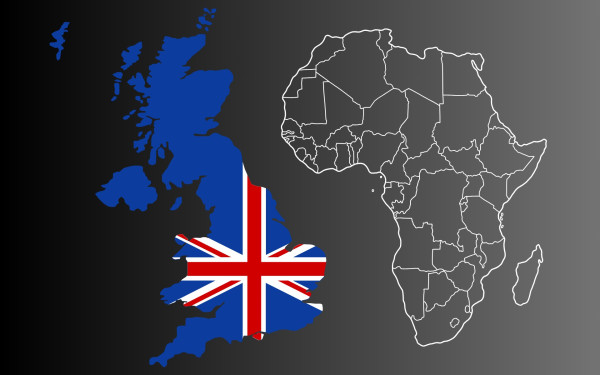
UK Looks to Deepen Energy Trade, Investment Ties with Africa

Location: News
African Energy Chamber

Trade relations between the UK and Africa are gaining momentum. Last month, UK Minister for Trade Policy and Economic Security Douglas Alexander visited South Africa and Botswana to strengthen trade ties and create opportunities for businesses on both sides. The UK aims to expand trade and investment across the continent, fostering mutually beneficial growth by addressing trade barriers, facilitating exports and supporting trade-focused development programs. With South Africa as the UK's largest trading partner in Africa and set to assume the G20 Presidency, this marks an important moment for deepening economic collaboration.

This builds on the UK's 2019 Economic Partnership Agreement (EPA) with the Southern African Customs Union member states – Botswana, Eswatini, Lesotho, Namibia and South Africa – and Mozambique. This agreement eliminates tariffs and quotas on all goods imported from these countries into the UK, facilitating smoother trade relations and economic cooperation. The EPA aims to bolster economic ties and create a conducive environment for investments, including in the energy sector.

The UK is expanding its engagement across Africa, including in West and North Africa. In February 2024, it signed the Enhanced Trade and Investment Partnership (ETIP) with Nigeria – the first such agreement with an African nation – marking a significant milestone. The partnership builds on a trade relationship valued at £7 billion in the year leading up to September 2023. The ETIP focuses on key sectors such as financial and legal services, fostering economic growth and attracting investment across industries, including energy.

Globeleq, a UK government-backed independent power producer, has been instrumental in advancing gas-powered energy projects across Africa. Alongside its 153 MW Red Sands project in South Africa – set to become the continent's largest standalone battery energy storage system – the company recently acquired a stake in a solar plant at Egypt's Benban Solar Complex and secured $99 million in debt financing for Mozambique's first wind project. Supported by shareholders such as British International Investment and Norfund, Globeleq continues to invest in upgrading existing assets and developing new utility-scale power projects, strengthening Africa's energy infrastructure.

In the oil and gas sector, bp achieved first gas from the Greater Tortue Ahmeyim LNG project offshore Senegal and Mauritania at the start of this year, marking a major step in boosting regional energy production and supply. Shell is advancing its $5 billion Bonga North deepwater project in Nigeria and, alongside bp, has agreed to cover operational costs for the buyer of South Africa's Sapref refinery – a move that could revitalize the country's largest refinery and secure oil supply. Meanwhile, Harbour Energy, one of the UK's largest independent oil and gas companies, is looking to expand into African markets following its acquisition of concessions in Egypt's Nile Delta and the Mediterranean Sea.

The UK is also a major investor in Africa's clean energy sector and a key partner in the Mission 300 initiative to expand electricity access to 300 million people by 2030. Last month, British International Investment (BII) committed £5.3 million to UK cleantech firm MOPO to scale battery rental operations in the Democratic Republic of the Congo, where over 80% of the population lacks electricity. In December 2024, BII and GuarantCo announced a $500 million renewable power deal with South Africa's Etana Energy, providing $100 million in guarantees to support the country's largest energy wheeling framework and unlock new projects. Beyond direct investments, the UK government continues to provide funding and technical assistance for energy infrastructure projects across Africa, aiming to improve energy reliability and efficiency, drive economic growth, and enhance the quality of life for local communities.

As a G20 member, the UK plays a pivotal role in shaping global energy investment strategies, with Africa positioned as a key partner in its trade and energy agenda. The UK's investments in oil and gas, renewables and energy infrastructure align with broader G20 goals of energy security, sustainability and economic growth.

“These initiatives not only strengthen the UK's economic ties with Africa, but also support the continent's transition to cleaner, more reliable energy. With African Energy Week: Invest in African Energies 2025 set to convene global stakeholders, the UK's role in advancing energy partnerships will be in focus, offering a platform to drive further investment, policy collaboration, and infrastructure development across Africa's energy landscape,” says Johnson Kayode Obembe, Director of Sales and Partnerships, African Energy Week.

AEW: Invest in African Energies is the platform of choice for project operators, financiers, technology providers and government, and has emerged as the official place to sign deals in African energy. Visit www.AECWeek.com for more information about this exciting event.

Distributed by APO Group on behalf of African Energy Chamber.

Media files
African Energy Chamber
Download logo
Read moreUK Looks to Deepen Energy Trade, Investment Ties with Africa
5 March 2025

SA needs R440 billion for transmission development

Location: News

SA needs R440 billion for transmission development

South Africa requires upwards of R440 billion in the next 10 years to expand its transmission infrastructure, says Minister of Electricity and Energy, Dr Kgosientsho Ramokgopa.

Addressing the Africa Energy Indaba in Cape Town on Tuesday, the Minister said the country’s transmission development plans have identified the need to modernise and expand the grid for 14 000 kilometres in the next 10 years.

“This is going to require an enormous amount of investment. The fiscus won’t be able to carry that. The Eskom balance sheet is not sufficient, so it is important to find bespoke financing instruments to make this possible,” the Minister said.

He called on financial actors to actively take steps to significantly lower the cost of borrowing for the investment of the continent’s development, climate resilience and clean energy transition initiatives.

“We expect the increase in electricity trade volumes to grow by about 300% by 2040 and by that time, the projection is that Africa’s population will be at about two billion people from the current 1.5 billion. For us to be able to achieve this level of ambition, there are huge investments that are required.

“One of the studies done by some of the... organisations suggests that Africa will need upwards of R2.6 trillion in investments in the energy sector by 2040. The pool of financing is enormous. Even if you had to consolidate the balance sheet of the continent, I don’t think we are going to get anywhere near raising this money.

“That is why it is important that we are able to design a financing instrument for us to be able to achieve this level of ambition,” Ramokgopa said.

He expressed support for a single electricity market on the continent, as advocated for by the the African Union's Agenda 2063.

“We think that the ambitions of achieving a single electricity market on the continent is not far-fetched .For us to have universal access by 2063, as advocated for in Agenda 2063, which makes a point that we can achieve that through regional integration… there has to be significant investment on interconnectivity,” the Minister said.

With South Africa hosting the Group of Twenty (G20) Presidency, Ramokgopa outlined the G20 technical energy group priorities, which include energy security and forging reliable and affordable access; achieving just, affordable and inclusive energy transitions, as well as African connectivity and energy pools.

These priorities were canvassed through the platform of the African Union.

According to Ramokgopa, 43% of the total population in Africa does not have access to electricity.

“This is a big issue. Before you can talk about transitioning, people need to have access to whatever form of electricity, irrespective of the fuel sources.

“As a country and the continent, we bear the responsibility to ensure that we are able to provide this access in a manner that doesn’t degrade the environment and keep to our obligations to ensure that we reduce the greenhouse gas emissions, although we contribute less than 2.5% of the CO2 emissions. Going into the future, gas will still be part of the mix on the continent,” the Minister said.

Focus on just transition

South Africa’s G20 Presidency will elevate the issue of just, affordable and inclusive energy transitions.

“That is important because we are of the opinion that there is no single transition. Any transition should take into account the unique circumstances of individual countries, and the pace and scale that they can afford.

“We will be meeting with the National Economic Development and Labour Council (Nedlac) and are hoping that the Integrated Resource Plan (IRP) will be release to the public soon. The plan will explain how we see the transitions unfold in the country,” Ramokgopa said.

South Africa's G20 Presidency is the fourth consecutive emerging market Presidency, and it is also the first African Presidency.

It commenced on 1 December 2024 and all engagements are being held under the theme: “Solidarity, Equality, Sustainability”.

The year-long deliberations will culminate in a G20 Leaders’ Summit in November 2025.

The G20 was established to tackle pressing global economic and financial issues. Together, G20 members account for around 85% of global GDP and 75% of international trade. 

It comprises 19 countries and two regional bodies, namely the European Union and the African Union.

The grouping plays a critical role in influencing global policy making and fostering global economic stability. - SAnews.gov.za

nosihle
Wed, 03/05/2025 - 12:03
108 views

Read moreSA needs R440 billion for transmission development
5 March 2025

Video of bullying incident at Nqabakazulu High School condemned

Location: News

Video of bullying incident at Nqabakazulu High School condemned

The KwaZulu-Natal Department of Education has condemned a video circulating on social media showing an alleged incident of bullying at Nqabakazulu High School in KwaMashu, north of Durban.

In the video, a learner is seen physically attacking another learner inside the school’s toilet over gossiping allegations.

KwaZulu-Natal MEC for Education, Sipho Hlomuka, has expressed his deep concern over the incident and strongly condemned any form of bullying or violence in schools.

"Bullying as a whole is completely unacceptable and will not be tolerated in our schools. We, as a department, are committed to ensuring that all learners feel safe and protected within the school environment,” Hlomuka said.

Hlomuka has encouraged learners to report bullying incidents so that they can be addressed immediately. – SAnews.gov.za


GabiK
Wed, 03/05/2025 - 11:01
34 views

Read moreVideo of bullying incident at Nqabakazulu High School condemned
5 March 2025

President Ramaphosa and Mozambican counterpart solidify bilateral ties

Location: News

President Ramaphosa and Mozambican counterpart solidify bilateral ties

President Cyril Ramaphosa and his Mozambican counterpart, President Daniel Chapo, have reaffirmed their commitment to strengthening the diplomatic, political and economic relations between South Africa and Mozambique.

President Ramaphosa received President Chapo for a meeting at his official residence, Genadendal, in Cape Town on Tuesday.

The two leaders held discussions aimed at deepening cooperation and strengthening state institutions. President Chapo was recently inaugurated President of the Republic of Mozambique, which is a close partner and immediate neighbour of South Africa.

Speaking about the significance of the engagement, President Ramaphosa said he came together with his counterpart to continue strengthening the bonds that already exist between the two countries.

“We came together to continue strengthening the bonds between our two countries and in many ways how we can turn a new page of cooperation at a political, diplomatic and economic level and how we can entrench political stability in Mozambique following the elections. And also, how we can create a conducive environment for businesses to operate in both countries,” President Ramaphosa said.

The discussions also focused on Mozambique’s internal political stability, with President Chapo expressing optimism about the ongoing efforts to engage with opposition parties.

“We are here to explain that our situation in Mozambique is good and now we are working. Tomorrow, we will meet with the opposition to sign an agreement on talks we are going to have about the many issues impacting our country including discussions on our electoral laws. We are also here to talk about how we can grow our economy,” President Chapo said.

The relationship between South Africa and Mozambique is rooted in a shared historical struggle against apartheid and colonialism. This bond is further enriched by familial connections and cultural similarities that unite the two nations.

Currently, it is estimated that South African companies have invested between R155 billion and R175 billion, creating more than 42 000 job opportunities.

Several key South African companies recently established the South African Chamber of Commerce, promoting trade and investment between the two nations. Mozambique is also a vital energy security partner for South Africa.

The bilateral meeting gave effect to President Ramaphosa’s commitment in the 2025 State of the Nation Address that South Africa will leverage its international relations to advance the well-being of humanity; strengthen trade relations around the world and leverage strong and diverse global alliances to make South Africa’s economy more resilient. – SAnews.gov.za

DikelediM
Tue, 03/04/2025 - 16:09
64 views

Read morePresident Ramaphosa and Mozambican counterpart solidify bilateral ties
4 March 2025

Call for NPOs to work with government to address FATF challenges

Location: News

Call for NPOs to work with government to address FATF challenges

As South Africa intensifies efforts to exit the Financial Action Task Force (FATF) grey list by year-end, Deputy Minister of Social Development, Ganief Hendricks, has called on non-profit organisations (NPOs) and the civil society sector to work with government in achieving this goal.

The Deputy Minister made this remark at the start of the three-day multi-stakeholder engagement convened by the Department of Social Development at Premier Hotel OR Tambo, in Kempton Park on Monday.

The engagement is focusing on Recommendation 8 of the Financial Action Task Force, which aims to protect NPOs from potential terrorist financing and money laundering abuse through effective implementation of risk-based measures.

READ | Social Development hosts engagement session on the FATF’s Recommendation 8

The FATF is the international standard-setting body that oversees global compliance with anti-money laundering rules.

In his address, Hendricks cautioned government against using legislation to stifle the operations of legitimate NPOs that play a vital role in communities across South Africa.

“Our National Development Plan (NDP, Vision 2030) calls for active citizenry especially from the grassroots level. We must therefore guard overburdening and frustrating grassroots initiatives through the use of legislation.

“The objective of the NPO Act is to create an enabling legislative environment for the NPO sector to thrive and contribute to our national development agenda”, the Deputy Minister said. 

The Deputy Minister’s sentiments were echoed by representatives from Kagiso Trust, Afrika Tikkun, Thuthuka Foundation, The Grail Centre Trust and Chartered Institute for Business Accountants (CIBA), all of which expressed concerns about “over-regulating the NPO sector”.

Speaking on behalf of the National Treasury, which is the lead government department in addressing all of the FATF’s recommendations, Ismail Momoniat mentioned that while South Africa has made great progress towards exiting the grey list, much more still need to be done with regard to full satisfying FATF’s global anti-money laundering and counter-terrorist financing standards.

“[The] FATF is not satisfied with the mere existence of national legislation, but also enforcement of administrative penalties for high-risk NPOs that fail to comply with the provisions of the law. We need to look beyond FATF’s standards and collectively work towards ensuring a national blueprint on transparency and accountability”, Momoniat said.

The latest report from FATF shows that South Africa has partly met the criteria for Recommendation 8. 

One of the FATF’s requirements is that Social Development, as the regulator of the NPO sector in terms of the NPO Act (Act No. 71 of 1997, as amended through the General Laws Amendment Act 22 of 2022), has to conduct more outreach and educational programmes with NPOs to promote better understanding of the global anti-money laundering and counter-terrorist financing standards.

Survey 

To assess the risks of terror financing in the sector, South Africa conducted a national survey with a sample of 301 registered associations, non-profit companies and public benefit organisations from databases of the Department of Social Development, Companies and Intellectual Property Commission (CIPC) and South African Revenue Service (SARS). 

The survey found that NPOs in South Africa were exposed to medium risks from the operations of known terror organisations such as the Islamic State and its affiliates in Africa, al-Shabab and its affiliates in East Africa Boko Haram, amongst others.

Of the 301 NPOs surveyed, 120 were identified as high-risk. The survey found that the nature of risks associated with NPOs in South Africa include but not limited to, NPOs facilitating foreign travel for terrorist causes, using multiple bank accounts, being used as conduit to channel foreign funds to terrorist groups in Africa, supporting terrorist causes through cash and using the internet and online media for fundraising recruitment and propaganda.

The Acting Director of the Financial Intelligence Centre, Advocate Peter Smit emphasised that since FATF Recommendation 8 does not apply to all NPOs, it is important for South Africa to show that the majority of NPOs are not high-risk and therefore should not be subjected to restrictive legislative and administrative requirements.

FATF is scheduled to conduct an onsite visit on Recommendation 8 in South Africa in September this year as part of the periodic reporting requirement to exit the grey list.

The FATF grey listed South Africa at its February 2023 plenary meeting held in Paris. It developed an Action Plan with 22 Action items linked to the eight strategic deficiencies identified in the country’s anti-money laundering and combating of financial terrorism regime.

The second day of the multi-stakeholder engagement will focus on national and international perspectives and the impact of Recommendation 8 on NPOs, as well as sharing of best practice from Uganda, which has successfully been removed from FATF grey list. – SAnews.gov.za 


DikelediM
Tue, 03/04/2025 - 13:56
76 views

Read moreCall for NPOs to work with government to address FATF challenges
4 March 2025

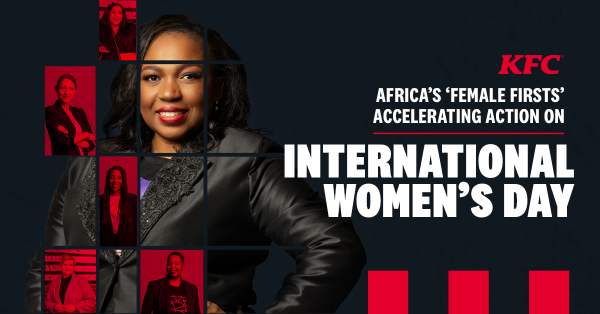
KFC Celebrates Inspirational African Women Accelerating Action Towards Equality

Location: Business
KFC Africa

Progress in closing the gender gap in South Africa and Sub-Saharan Africa has almost halted, leaving millions of women at a disadvantage to men. But female role models across the continent are refusing to admit defeat, dedicating themselves to accelerating progress towards gender equality.

To mark International Women's Day on 8 March and honour its theme of “Accelerate Action”, KFC Africa has collected the stories of dozens of women who are taking bold steps to advance equality on the continent by educating, empowering and supporting women to achieve more, together, faster. 

KFC Africa's list contains the names of 54 women – one for each year the company has been in Africa – and follows its successful International Women's Day campaign in 2024 which introduced an inaugural list (https://apo-opa.co/4h5xiID) of 53 “female firsts”. Each of those women had overcome educational, social and financial obstacles to achieve something no woman in their country had done before. 

The 2025 list (https://apo-opa.co/4h5xiID), drawn from each of the 22 Sub-Saharan Africa countries where KFC has restaurants, also has its share of female firsts – people such as Dior Fall Sow, Senegal's first female prosecutor; Nelly Mutti, the Zambian parliament's first female speaker; and Adelaide Retselisitsoe Matlanyane, the first woman to lead Lesotho's central bank.  

The list is dominated, however, by younger women who are breaking the mould – particularly in the technology sector – and showing they can do anything they set their mind to, regardless of age or gender. 

They include the likes of Christine Ogo, a Cote d'Ivoire physicist who has encouraged thousands of schoolgirls to pursue science, technology, engineering and mathematics; Rachel Sibande, who set up Malawi's first technology incubator for emerging entrepreneurs and has gone on to teach coding to 92,000 women and children; and Regina Honu, whose Tech Needs Girls movement in Ghana has trained more than 20,000 women and girls to code. 

Gender gap 

“It's a powerful list that gives us hope after  the World Economic Forum's Global Gender Gap Report (https://apo-opa.co/4i2QKXB) in 2024 showed that progress seems to have ground to a halt,” says Akhona Qengqe, General Manager of KFC Africa. 

The report showed that 68.4% of Sub-Saharan Africa's gender gap had been closed, only marginally higher than 68.2% in 2023 (https://apo-opa.co/3QEYGm5). South Africa, while being Africa's highest scorer and ranking 18th out of 146 nations, went backwards, from 78.7% in 2023 to 78.5% a year later. 

“The report says that at the current rate of progress, it will be 2158 until the world reaches full gender parity,” says Qengqe. “That's why we need to accelerate action, particularly in Africa, and why the efforts of the women on the KFC list are worthy of recognition and support.” 

In her seven years at KFC – she was as director of Africa franchise development, director of transformation and diversity and chief people officer before taking over as general manager in April 2023 – Qengqe has prioritised female empowerment. 

Her initiatives include spearheading KFC Add Hope, a women-led programme that serves free meals to tens of thousands of children at more than 3,000 feeding centres across South Africa. 

In 2021, she launched the Women on the Move leadership development programme, which prepares 22 women at KFC for future leadership positions every year, cultivating a pipeline of talent. Within two years, the number of female leaders in the business grew by 14%. 

Transforming franchising 

Last November she turned her attention to the wider quick service restaurant sector, launching Women in Franchising Africa (Wifa), the first network for current and aspiring female franchisees and franchisors across the continent. 

“To say I am passionate about the inclusion of women in growing our economies is an understatement. It is in fact one of my life's purposes,” she says. “My partners in Wifa intend to transform the participation of women in the franchising sector across African economies. 

“We want to educate women on how to run successful franchise businesses, provide networking opportunities for like-minded women, transform the sector by making funding accessible to women, and create mentorship opportunities for all the women in the network.” 

KFC Africa Chief People Officer Nolo Thobejane says “Accelerate Action” is a call to look at what has a positive impact on women's advancement and replicate it. 

“This is a journey we need to embark on together as we learn from each other. I cannot stress enough the importance of forming alliances and partnerships to amplify impact. By working together, organisations and individuals can share resources, knowledge, and support to create a more inclusive and equitable environment for women.” 

“At KFC, we have implemented some programmes which have yielded great results – such as the Women on the Move Leadership programme to ensure the pipeline of leaders, developing them with quality education and training through initiatives like our Streetwise Academy and then providing career support into positions of leadership.” 

“Other successful initiatives organisations can implement include designing and building infrastructure that meets the needs of women and girls, involving them in sustainable agriculture, and elevating their participation and achievement in sport, as we do with KFC Mini Cricket.” 

“There's a lot we can do as individuals, too – we can call out stereotypes, challenge discrimination, question bias and celebrate women's success. Everyone everywhere can Accelerate Action.” 

Qengqe says the new list of 54 names brings to 107 the number of inspirational African women KFC has honoured and recognised in the past two years. “We know this is the tip of a wonderful iceberg, and we welcome nominations of other women who are Accelerating Action in Africa.” 

Explore the list of 54 women Accelerating Action across Africa: https://apo-opa.co/4heEjqM  

To nominate a woman Accelerating Action: Email: za-kfcafricamedia@yum.com 

Distributed by APO Group on behalf of KFC Africa.

For media inquiries and to arrange interviews with Akhona Qengqe and Nolo Thobejane: 
Elmarie Swart 
Phone number:  
WhatsApp: +44 7464739649 
South Africa: +27 79 831 2429 
Email: elmarie@kamuses.co.za 

KFC Socials: 
Instagram – @kfcsouthafrica - https://apo-opa.co/3FdDUap 
Facebook – @KFCSA - https://apo-opa.co/4hYOsJl 
TikTok – @kfcsa - https://apo-opa.co/4h83tHx 
X – @KFCSA - https://apo-opa.co/4h9pMMX 
YouTube – @KFCSouthAfrica - youtube.com/@KFCSouthAfrica 

About KFC Africa:
KFC has been in South Africa for over 53 years and has more than 1,300 stores across the country. The first KFC restaurant in South Africa opened in 1971 in Orange Grove, Johannesburg. KFC is the leading quick-service restaurant brand in South Africa with just under a third of market share, according to Brand Image Tracker. KFC serves more than 20 million customers a month and we work hard to ensure that no matter which of our restaurants they walk into, they will get that distinctive KFC flavour and have a great experience. KFC's Original Recipe® Chicken was first made by Colonel Harland Sanders in 1940 when he perfected his secret recipe of 11 herbs and spices at his restaurant in Kentucky. Today, KFC is the world's most popular chicken restaurant, still preparing our chicken with the Colonel's secret recipe to his exact standards. Every KFC restaurant follows the same global processes and procedures to ensure that our customers get great-tasting food, every time.  

Media files
KFC Africa
Download logo
Read moreKFC Celebrates Inspirational African Women Accelerating Action Towards Equality
2 March 2025

Minister announces fund to support spaza shops

Location: News

Minister announces fund to support spaza shops

Small Business Development Minister Stella Ndabeni has announced the creation of a R500 million Spaza Shop Support Fund that aims to enhance market competitiveness to help spaza shops and food handling outlets compete with larger retailers.

Addressing media in Pretoria on Sunday, the Minister said the fund will be launched soon and will support township convenience shops, including spaza stores. 

“The fund will be launched in the next two weeks and a date will be communicated,” she said adding that the fund will comprise of funds from the Department of Small Business Development (R150 million) and the Department of Trade, Industry and Competition (R350 million).

The Minister made the announcement at the briefing that followed the close of the registration period for spaza shops and food-handling businesses to register their businesses with their local municipalities on 28 February.

READ | Spaza shops who met registration deadline to receive support

She said other businesses will still benefit from existing departmental funds and programmes including financial assistance by the Small Enterprise Development and Finance Agency (SEDFA) and other development finance institutions (DFIs). 

The fund aims to achieve economies of scale by linking spaza shops and food handling outlets to buying groups for bulk purchasing; build business capacity through training and support to improve shop operations; enhance market competitiveness to help spaza shops and food- handling outlets compete with larger retailers.

“We are planning a to roll out a multi-disciplinary outreach programme. The purpose of the outreach program is to bring government services closer to the people through disseminating information on community convenience shops and support offerings.

“We will continue to do these things with provincial and local government and will facilitate awareness campaigns in all 52 districts and metros across the country. The awareness campaigns are scheduled to take place from 03 March 2025 to 30 March 2025.”

The awareness campaigns will continue beyond the month of March and the awareness workshops will be facilitated by district champions, SEDFA and business regulation officers.

She said that the Department of Small Business Development has recruited 61 business regulation officers on six -month contracts, each assigned to a District or Metro across the country. 

“These officers will be responsible for conducting awareness campaigns, research, and geo-mapping of spaza shops and food-handling facilities among other functions.”

Regulation 

The Minister further added that the country’s regulatory environment needs to be streamlined, and the department has embarked on a Red Tape Reduction Program to include practical solutions. 

“As a key strategic intervention to support the red tape reduction efforts, the department will ensure that municipalities are assisted with E-registration systems. We remain committed as government to streamline business licensing in South Africa, reduce regulatory burdens, and foster an environment conducive to entrepreneurship, innovation, and job creation.

“Our amended National Business Licensing Bill, once approved and implemented, will provide clarity, consistency, and transparency in business licensing, enabling businesses to thrive and contribute to the country's economic growth and development,” she explained. -SAnews.gov.za

Edwin
Sun, 03/02/2025 - 16:14
272 views

Read moreMinister announces fund to support spaza shops
28 February 2025

G20 focuses on financing health

Location: News

G20 focuses on financing health

The South African Group of Twenty (G20) Presidency will continue the focus on finance and health coordination through the Joint Finance and Health Task Force (JFHTF), as it recognises the high potential impact of health risks on the global economy.

This is according to the G20 Chair’s Summary of the first Finance Ministers and Central Bank Governors’ Meeting that took place in Cape Town from 26 February - 27 February.

The JFHTF seeks to enhance the collaboration and global cooperation on issues relating to pandemic prevention, preparedness and response, thus leaving the international community better prepared in the eventual case of future health threat outbreaks. 

The Task Force will also promote the exchange of experiences and best practices, developing coordination arrangements between Finance and Health Ministries, promoting collective action and encouraging effective stewardship of resources to address the existing financing gaps in pandemic preparedness and response.

The G20 welcomed discussion on addressing deep challenges in the capabilities of countries to prevent, prepare for, and respond to pandemics. 

“[The meeting] recognised the critical importance of sustainable health financing in addressing these challenges, and towards achieving health Sustainable Development Goals (SDGs) on universal health coverage. [The meeting] looked forward to the Task Force delivering important work this year by updating the Global Report based on the Framework for Economic Vulnerabilities and Risks.

“The South African G20 Presidency looked forward to updating the Operational Playbook for pandemic response with a focus on day zero and surge financing, as well as simulation exercises to assess the efficiency of domestic and international finance coordination in dealing with future health emergencies and identify any remaining gaps,” the summary statement said on Thursday. 

The G20 welcomed the important contribution of the Pandemic Fund, as a component of pandemic prevention, preparedness and response financing.

It recognised current contributions and encouraged increased support to the fund, in particular through the voluntary expansion of its donor base. 

“[The meeting] looked forward to the plan to take stock of the JFHTF since its establishment, to discuss and evaluate the options for its potential evolution. [It also] acknowledged the continued support of the World Bank and the World Health Organisation (WHO), and the WHO for hosting the JFHTF Secretariat,” the statement said.

Infrastructure development

Furthermore, the meeting recognised that increasing quality infrastructure investment is critical to support faster, inclusive and sustainable economic growth and development. 

During the meeting, the Infrastructure Working Group discussed the importance of continuing to focus on addressing impediments to long-term finance and creating an enabling environment for infrastructure as an asset class.

In this regard, the Presidency will prioritise:

•    the development of a robust, accessible and investable pipeline towards attracting private sector participation; 
•    exploration of blended finance de-risking measures to bolster sustainable infrastructure investment flows, particularly in Emerging Market and Developing Economies (EMDEs); and
•    development of a toolkit to assist countries in overcoming significant barriers to advancing cross-border infrastructure projects. 

-SAnews.gov.za


nosihle
Thu, 02/27/2025 - 18:50
8 views

Read moreG20 focuses on financing health
27 February 2025

Budget Speech delay a result of “funding challenges”

Location: News

Budget Speech delay a result of "funding challenges"

Cabinet has reiterated that the postponement of the tabling of the National Budget from 19 February to 12 March is a result of efforts by Cabinet to collectively address the nation’s funding challenges within a constrained fiscal environment.

Cabinet on Thursday assured South Africans that deliberations within Cabinet on the 2025 National Budget are continuing to determine the best ways to fund the national priorities and ensure that the budget reflects the aspirations of all South Africans. 

“The postponement, while it is the first in the history of South Africa, but not out of the norm in other jurisdictions, is still within the provisions of the Public Finance Management Act (PFMA),” Cabinet said in a statement after it met on Wednesday. 

Finance Minister Enoch Godongwana was scheduled to outline the financial, economic and social commitments that government would prioritise in its planned expenditure as part of the 2025 Budget Speech.

However, in an unprecedented move, it was postponed for further deliberation.

“The annual budget is tabled by the Minister of Finance but it requires the deliberation of the Cabinet before it is tabled in the National Assembly.

“Cabinet considered that although the tabling of the 2025 budget was scheduled for release at 2pm on 19 February 2025, a postponement is needed to allow for further deliberations to take place on the budget. Cabinet is united in the view that the budget must strike a balance between the interests of the public, economic growth and fiscal sustainability,” Godongwana said at a media briefing after the postponement.

Furthermore, the budget is produced and presented before the National Assembly according to the rules outlined in the Public Finance Management Act.

During the Budget Speech, the Finance Minister indicates the allocation of financial resources to the national government’s priorities outlined by President Cyril Ramaphosa in the State of the Nation Address.

Quarterly Labour Force Survey

Meanwhile, Cabinet welcomed the upward trajectory in employment creation following the second consecutive drop in the unemployment rate, which marks the lowest rate since the third quarter of 2023.

“The country’s unemployment rate decreased to 31.9% in the fourth quarter of 2024 from 32.1% in the previous quarter. The number of employed people increased by 132 000 to 17.1 million, while the number of unemployed persons decreased by 20 000 to eight million during the same quarter,” Cabinet said.

Employment over the quarter increased in four of the 10 industries surveyed by Statistics South Africa, including finance (232 000), manufacturing (41 000), private households (18 000) and transport (17 000). 

“Cabinet affirmed government’s commitment to create jobs with a special focus on youth employment programmes. Through the Presidential Employment Stimulus Programme, almost 2.2 million work opportunities have been created for young people,” Cabinet said. – SAnews.gov.za

Edwin
Thu, 02/27/2025 - 13:19
327 views

Read moreBudget Speech delay a result of “funding challenges”
27 February 2025

Government concludes talks on Sectoral Emission Targets 

Location: News

Government concludes talks on Sectoral Emission Targets 

The Minister of Forestry, Fisheries and the Environment, Dr Dion George, has announced that the first round of consultations on the Sectoral Emission Targets (SETs) have been concluded, marking an important step forward in the country’s climate action journey. 

Published for public comment in May 2024, the SETs are a key component of South Africa’s broader climate change strategy, aligning sector-specific emissions reductions with economic growth and job creation.

“The feedback received through the public consultations has been invaluable, helping to ensure that the Sectoral Emission Targets are both effective in addressing climate change and conducive to sustainable economic development. 

“We are committed to ensuring that the final SETs create clear, actionable goals that will foster green innovation, attract investment, and create job opportunities across key sectors such as energy, manufacturing, and agriculture,” the Minister said on Thursday.

Following a thorough review and consultation process, the Department of Forestry, Fisheries and the Environment (DFFE) is now in the process of refining the SETs, incorporating valuable feedback from stakeholders and the public. 

This inclusive approach ensures that the targets are not only ambitious but also achievable, providing a balanced pathway that supports both climate objectives and economic resilience.

In March 2025, the revised SETs will be shared with the Minister to initiate Inter-Ministerial discussions, as outlined by section 25(3) of the National Climate Change Act. 

“These discussions will focus on aligning the SETs with national development goals, ensuring that South Africa’s climate response supports the creation of jobs in emerging industries while promoting long-term economic growth and accelerating the implementation of existing sectoral policies.

“The SETs will provide a clear framework for sectors to reduce their emissions, which in turn will drive the transition to a low-carbon economy. This transition is expected to create significant employment opportunities in sectors such as renewable energy, energy efficiency, and sustainable agriculture,” the department said.

The DFFE, under the leadership of Dr George, has asserted its commitment to working collaboratively with all stakeholders to ensure that the SETs contribute to building a resilient, low-carbon economy that drives sustainable growth and job creation for all South Africans. -SAnews.gov.za


nosihle
Thu, 02/27/2025 - 15:09
60 views

Read moreGovernment concludes talks on Sectoral Emission Targets 
26 February 2025

Government welcomes provisional outcomes of the media market inquiry

Location: News

Government welcomes provisional outcomes of the media market inquiry

Government says it acknowledges and welcomes the provisional outcomes of the Media and Digital Platforms Market Inquiry (MDPMI), led by the Competition Commission of South Africa. 

This week, the preliminary report from the commission regarding the MDPMI) garnered attention for its strong recommendation that Google should pay as much as R500 million yearly to compensate South Africa’s news industry. 

The commission believes that South Africa should impose a digital tariff of 5% to 10% on major tech companies such as Google, Meta and Microsoft if they fail to fairly compensate media organisations for the content they distribute on their platforms.

The MDPMI began on 17 October 2023 and aims to investigate the characteristics of digital platforms that distribute news media content. 

The focus is on identifying features that may hinder, distort, or restrict competition, or that undermine the objectives of the Competition Act. 

The Government Communication and Information System (GCIS) has since described the inquiry as a crucial step in ensuring a fair and competitive digital media environment that supports the sustainability of local journalism and promotes media diversity.

“The South African media landscape is evolving rapidly, with digital platforms playing an increasingly dominant role in content distribution and advertising revenue,” a statement from the GCIS on Wednesday read. 

Adjunct Faculty Member and Head of the GIBS Media Leadership Think Tank, Michael Markovitz, stated that the report aims to address the root causes of anti-competitive behaviour among big tech companies, and seeks to fundamentally reshape the digital market to foster fairer competitive dynamics.

The inquiry assessed the impact of global digital giants on local media businesses, ensuring that South African publishers, broadcasters and digital content creators can compete on a level playing field.

Government - through the GCIS, in partnership with members of the Print and Digital Media Transformation Steering Committee - said it remains committed to supporting an independent, pluralistic and sustainable media sector, recognising its fundamental role in strengthening democracy and ensuring access to diverse sources of information.

Deputy Minister in the Presidency, Kenny Morolong, said the GCIS will work with all stakeholders, including media houses, digital platforms, advertisers, and the public on the implementation of the final outcomes of the MDPMI. 

“We will also contribute to the solutions proposed for addressing the challenges facing the media sector while unlocking opportunities for innovation and growth,” Morolong said.

The GCIS said the inquiry’s provisional outcome supports efforts for media transformation and sustainability, promoting economic participation and safeguarding public interest journalism, which is vital for a fair and diverse media landscape in South Africa.

White paper

Meanwhile, the Chairperson of the Portfolio Committee on Communication and Digital Technologies, Khusela Diko, has welcomed the recommendations of the provisional report. 

Diko believes that the recommendations strengthen the committee’s call for an urgent publication of a White Paper on Audio and Audiovisual Media Services and Online Content Safety by the Department of Communication and Digital Technologies (DCDT).

“For a very long time, over-the-top (OTT) digital platforms exploited the regulatory gap in the sector to the detriment of the public broadcaster, the South African Broadcasting Corporation, which operates under stringent regulations. We further welcome the recommendation that media houses be remunerated for the content they produce that gets to be exploited by OTT and digital platforms,” Diko explained.

She further said that the recommendations on Google and YouTube, amongst others, will hopefully serve as a deterrent to everyone that the lack of direct regulation in the sector is not "licencee for unscrupulous business practices". – SAnews.gov.za
 

Gabisile
Wed, 02/26/2025 - 15:45
81 views

Read moreGovernment welcomes provisional outcomes of the media market inquiry
26 February 2025

inDrive’s Unstoppable Growth Across Africa

Location: Business
inDrive

inDrive (www.inDrive.com), the ride-hailing app known for its transparent and fair pricing model, has secured its position as the second most downloaded app in its category globally, and it continues to make waves in Africa, where it ranks as the third-largest ride-hailing service in South Africa, second in Nigeria, and number one in Zimbabwe and Botswana and North African countries.

inDrive's success story in Africa reflects its remarkable growth trajectory, driven by its unique approach to mobility. With an innovative, peer-to-peer pricing model and a mission to challenge the traditional fare structures in the ride-hailing industry, inDrive is setting new standards in customer-centric mobility.

The inDrive Advantage: Why It's the Most Downloaded Ride-Hailing App

What sets inDrive apart is its unwavering commitment to creating an ecosystem that benefits both riders and drivers. Unlike other ride-hailing platforms, inDrive empowers users by allowing them to negotiate the fare before confirming the ride, giving both drivers and passengers the freedom to agree on a price that works for them. This model fosters trust, increases satisfaction, and has contributed to record-breaking app downloads in 2025.

InDrive's approach goes beyond just competitive pricing; it has built an environment where driver welfare is prioritized. The company operates with the lowest commission structure in the market, enabling drivers to keep more of what they earn, which in turn has fostered strong loyalty from local drivers across Africa.

Record Growth in Africa: inDrive's Expanding Footprint

  • South Africa: Ranked as the third-largest ride-hailing app in the country, inDrive's innovative model has gained a dedicated user base. Its growth has been accelerated by its focus on affordability, transparency, and safety, catering to the needs of both urban commuters and those in smaller towns. As competition intensifies, inDrive is proving that a user-focused approach is the key to long-term success.
  • Nigeria: Holding the second spot in the market, inDrive's rapid expansion has been fueled by its distinctive no-commission fare model in most cities, creating better earning opportunities for drivers while providing affordable rides for passengers. Nigeria's diverse population and urban landscape have proven to be a strong foundation for inDrive's sustained success.
  • Zimbabwe & Botswana: inDrive's number-one ranking in both countries is a testament to its ability to create localized solutions tailored to meet the unique challenges of each market. By providing access to its services where traditional public transport falls short, inDrive bridges crucial mobility gaps, ensuring more people can commute conveniently. With a strong focus on job creation, affordable transportation, and social impact, inDrive has quickly become the go-to ride-hailing app for millions.

Why Africa Chooses inDrive

inDrive's approach is rooted in equity and inclusivity. The app's growth in Africa is not just a result of its innovative pricing structure, but also its deep understanding of the diverse needs of African consumers and drivers. As the most downloaded ride-hailing app globally, inDrive's popularity is fueled by its customer-centric model, empowered drivers, and fair pricing system.

By offering a solution that works for everyone, inDrive is reshaping the future of mobility across the African continent. Whether it's ensuring driver safety, fair compensation, or increased access to affordable transportation, inDrive is positioning itself as the most reliable, convenient, and transparent ride-hailing option in Africa.

Distributed by APO Group on behalf of inDrive.

Press Contact:
Public Relations Manager - inDrive Africa
Lineo Thakhisi
Phone: +2781 3636 872
Email: lineo.thakhisi@indriver.com

About inDrive:
inDrive is a global mobility and urban services platform. The inDrive app has been downloaded over 240 million times, and was the second most downloaded mobility app in 2022 and 2023. In addition to ride-hailing, inDrive provides an expanding list of urban services, including intercity transportation and delivery. In 2023, inDrive launched New Ventures, a venture and M&A arm.

inDrive operates in 888 cities in 48 countries. Driven by its mission of challenging social injustice, the company is committed to having a positive impact on the lives of one billion people by 2030. It pursues this goal both through its core business, which supports local communities via a fair pricing model; and through the work of inVision, its non-profit arm. inVision's community empowerment programs help to advance education, sports, arts and sciences, gender equality and other vital initiatives.

For more information visit www.inDrive.com

Media files
inDrive
Download logo
Read moreinDrive’s Unstoppable Growth Across Africa
25 February 2025

SA crafts guidelines for green hydrogen development

Location: News

SA crafts guidelines for green hydrogen development

In a major step towards cementing South Africa’s position as a global leader in green hydrogen, the Minister of Forestry, Fisheries, and the Environment, Dr Dion George, has overseen the launch of two game-changing environmental planning mechanisms. 

The Environmental Impact Assessment (EIA) Guideline for green hydrogen projects and the South African Green Hydrogen Potential Atlas will remove regulatory uncertainty, drive investment, and accelerate South Africa’s transition to a green hydrogen economy.

Developed in partnership with the Deutsche Gesellschaft für Internationale Zusammenarbeit (GIZ), the Council for Scientific and Industrial Research (CSIR), and GFA Consulting Group, these mechanisms will provide critical guidance for responsible and sustainable green hydrogen development.

In a statement of Tuesday, the Minister hailed the mechanisms as a victory for South Africa’s economic and environmental ambitions, reinforcing his commitment to positioning the country as a leader in clean energy innovation. 

“This is a defining moment for South Africa’s green economy. By taking proactive steps to provide regulatory clarity and scientific insights, we are ensuring that green hydrogen becomes a major driver of sustainable economic growth, investment, and job creation. This is about unlocking South Africa’s potential while protecting our environment for future generations,” he said.

Under the Minister’s leadership, the Department of Forestry, Fisheries, and the Environment (DFFE) has strengthened the central role it plays in developing clear, science-based guidelines that provide certainty for investors and developers. 

“The EIA Guideline will ensure that projects are planned responsibly, while the Green Hydrogen Atlas offers a powerful, interactive tool for mapping the country’s most promising locations for green hydrogen production.

“With abundant solar and wind resources, strategic port infrastructure, and a central location on global shipping routes, South Africa is uniquely positioned to become a green hydrogen powerhouse. 

“Green hydrogen, which is produced using renewable energy, has the potential to replace fossil fuels in industries like steel, cement, and heavy transport, reducing emissions while creating new economic opportunities,” the department said.

The department said the launch of these mechanisms sends a clear message to international investors, industry leaders, and policymakers.

“South Africa is ready to lead in green hydrogen innovation and production,” the department said.

The EIA Guideline can be accessed at: https://bit.ly/SAGH2eia. - SAnews.gov.za


nosihle
Tue, 02/25/2025 - 11:09
41 views

Read moreSA crafts guidelines for green hydrogen development
24 February 2025

Parties Hold Their Breath in Battle Over R300-Million Stellenbosch Mountain Estate

Location: News

Judgment has been reserved in an urgent application to halt a luxury development on Botmaskop slopes

Read moreParties Hold Their Breath in Battle Over R300-Million Stellenbosch Mountain Estate
24 February 2025

Deputy Minister to open construction and built environment forum

Location: News

Deputy Minister to open construction and built environment forum

Public Works and Infrastructure Deputy Minister Sihle Zikalala will open the Construction and Built Environment Stakeholder Forum and Expo in Pretoria, on Tuesday.

The forum is expected to explore the adoption of new technology in order to keep the industry competitive and adaptive to the climate changes.

This as the country grapples with issues of safety at construction sites and the risks posed by adverse weather conditions on properties, humans and building systems in the country.

Innovative ways of construction and building are required to save lives and improve the building and construction sector.

The theme for the forum is: “Building Stronger Partnership for Sustainable Innovation”.

The Building and Construction Expo which focuses on technology is convened by Agrement South Africa (ASA), an entity of the Department of Public Works and Infrastructure.

ASA was established to be the leading regulator of non-standardised construction products and systems in South Africa. 

The forum and expo which will feature construction and built environment professionals and associations will provide a platform for stakeholders to share insights, challenges and opportunities in the adoption of innovative building technologies for the competitiveness and safety of the industry.

Some of the innovative technology options will be on display during the engagement. – SAnews.gov.za

Edwin
Mon, 02/24/2025 - 12:51
50 views

Read moreDeputy Minister to open construction and built environment forum
24 February 2025

Solarafrica Secures R1.8 Billion Solar Investment, Advancing Wheeling Adoption in South Africa

Location: Business
Starsight Energy

SolarAfrica (https://SolarAfrica.com/) is proud to take another major step forward in the development of its flagship utility-scale solar project, SunCentral, by successfully reaching financial close on the first 114 MW component of the project alongside funding partners Investec and RMB. The R1.8 billion investment into SunCentral marks the start of the project's rollout in South Africa.

SunCentral is a large-scale solar photovoltaic (PV) plant located between Hanover and De Aar in South Africa's Northern Cape province. The project will be developed in three phases.

Phase 1, consisting of 342 MW, will be delivered through a staged roll-out of three 114 MW facilities and will deliver renewable energy to a diverse range of off-takers by wheeling it through South Africa's power grid. Phase 2 and 3 will increase SunCentral's capacity to 1 GW.

Unlike similarly sized projects that offer wheeling on a one-to-one basis (with one generation plant supplying one off-taker), SolarAfrica's project will offer wheeling on a one-to-many basis, making it available to a wider pool of businesses in South Africa.

SolarAfrica's Chief Investment Officer Charl Alheit, who spearheaded the financial close, explains: “Reaching financial close on the first 114 MW of our utility-scale wheeling development and Main Transmission Substation (MTS) investment marks a significant milestone in our commitment to advancing sustainable energy solutions for our customers in the commercial and industrial sectors.”

He adds that the substantial size of SunCentral will unlock access to cheaper, greener power for even more businesses across the country. “We are excited to see this project move forward as we continue contributing to the energy transition while delivering long-term value to our customers."

SolarAfrica is part of the greater Starsight Energy Africa Group. The success of SunCentral will act as a blueprint for similar (and possibly smaller) off-site generation projects in other key African markets in which the Starsight Energy Africa Group companies operate.

“The construction of SolarAfrica's SunCentral is a critical step in our journey to expand clean energy adoption across Sub-Saharan Africa, says Paul van Zijl, Group CEO of Starsight Energy Africa Group. “We are excited to move this project forward and continue delivering long-term value to our customers,” he says.

SolarAfrica is backed by world-class investors African Infrastructure Investment Managers (AIIM) and Helios Investment Partners who both hold decades-long track records of bringing investment to support African innovation.

“Reaching Financial Close on the first 114 MW on SunCentral is a fantastic milestone for SolarAfrica, says Thor Corry, Investment Director at AIIM.

“The modular approach to construct the MTS and plug in subsequent 114 MW modules provides a superb platform for SolarAfrica to scale at pace to meet the needs of the C&I customers in South Africa who want to secure price certainty and cost efficiencies while furthering South Africa's Just Energy Transition. With South Africa requiring up to 30 GW of new capacity by 2030 to meet its climate commitments and energy needs, projects like this are crucial,” Corry concludes.

Distributed by APO Group on behalf of Starsight Energy.

About SolarAfrica:
Founded in 2011, SolarAfrica provides a suite of capex-free green energy solutions to the commercial and industrial sectors in Southern Africa. The holistic suite includes on-site solutions such as solar energy and battery storage together with virtual solutions like wheeling, trading and aggregation.

SolarAfrica partners with businesses in South Africa seeking an energy solution that provides power security, cost savings and carbon reduction – building towards long-term sustainability.

The company has evolved into an ambitious team who are passionate about what they do and the core values they uphold. SolarAfrica has been named the continent's leading solar energy firm twice, scooping the Africa Solar Industry Association's African Solar Company of the Year award in 2021 and 2023.

About Starsight Energy:
Across the continent, Starsight Energy is redefining what it means for businesses to be energy efficient. Starsight Energy provides premier clean on-grid and off-grid energy services to commercial and industrial clients in Africa.

Serving the commercial and industrial, financial, residential, educational and agricultural sectors, Starsight Energy delivers tailored power and cooling solutions to meet client requirements while optimising consumption through energy-efficient appliances and environmentally friendly practices and recommendations.

From load analysis and modelling to demand management and customised solution design, Starsight Energy helps clients optimize energy efficiency and cost savings across the board.

About African Infrastructure Investment Managers (“AIIM”):
AIIM, a member of Old Mutual Alternative Investments* (“OMAI”), has been investing in the African infrastructure sector since 1999 with a track record extending across seven African infrastructure funds. AIIM's team of 40+ investment professionals are based out of five locally staffed offices across the continent in Cape Town, Johannesburg, Nairobi, Lagos and Abidjan providing direct on-the-ground coverage of our key markets.

AIIM is Africa's largest dedicated infrastructure private equity manager and currently manages an aggregate AUM of USD2.9 billion in assets across the power, renewable energy, digital infrastructure, mid-stream energy and transport sectors with operations in 19 African countries.

AIIM is a licensed FSP approved by the Financial Sector Conduct Authority in South Africa.

*Old Mutual Alternative Investments (OMAI) is a private alternative investment manager in Africa, with over USD7.6 billion (ZAR139.4 billion) under management in infrastructure, private equity, hybrid equity and impact funds. It is a member of Old Mutual Investment Group, the investment management arm of Old Mutual.

About Helios Investment Partners:
Established in 2004, Helios Investment Partners is the largest Africa-focused private investment firm, with a record that spans creating start-ups to providing expanding companies with growth capital and expertise. The firm has over $3.0 billion in assets under management and is led and managed by a predominantly African team based in London, Lagos, Nairobi and Paris, with the language skills and cultural affinity to engage with local entrepreneurs, managers, and intermediaries on the continent.

Helios leverages its local and global networks to create attractive proprietary investment opportunities, with an emphasis on building market leaders in core economic sectors and driving performance through a highly engaged approach to portfolio operations. The firm's unique combination of a deep knowledge of the African operating environment, a singular commitment to the region and a proven capability to manage complexity, is reflected in its diverse portfolio of growing, market-leading businesses, and its position as a partner of choice in Africa.

Helios is the second mainstream private equity firm globally, and the largest emerging markets focused private equity firm, to achieve B Corp certification. B Corp status recognizes the firm's longstanding commitment to sustainability and responsible business practices.

Media files
Starsight Energy
Download logo
Read moreSolarafrica Secures R1.8 Billion Solar Investment, Advancing Wheeling Adoption in South Africa
23 February 2025

End of load shedding remains within reach 

Location: News

End of load shedding remains within reach 

The Minister of Electricity and Energy, Dr Kgosientsho Ramokgopa is confident that the end of load shedding in South Africa is within reach. 

Briefing the media on Sunday following an implementation of Stage 6 load shedding, Ramokgopa assured the nation that government and Eskom are making long-term decisions in the best interest of the country's power grid and economy.

“At all material points, we will never make expedient decisions at the cost of the grid, because the consequences will be too ghastly to contemplate. That is why it is important that to the degree that we need to initiate load shedding, understanding fully well that is going to deliver a message of an entity and a ministry that essentially is dropping the ball. 

“But we are making the point that we will not make expedient decisions. We'll make decisions that are in the interest of the of the grid and in the long term, in the interest of the South African economy,” the Minister explained.

The Minister further reassured the public that there is significant progress in stabilising the electricity supply.

“And I give you the assurance, that point I always make consistently, the end of load shedding is within touching distance,” he said. 

New capacity 

The Minister highlighted key developments in Eskom's recovery plan, including the synchronisation of Kusile Unit 6, initially expected by the end of February but now scheduled for 9 March.

Medupi Unit 4 is expected at the end of March or early April. These additions will bring 1,600 megawatts to the grid.
"Of course, the Medupi one is what we lost; we are recovering that. The Kusile unit, however, is entirely new capacity.  I'm confident that we are moving in the right direction.

“I want to say to the rest of the country, you are going through pain, we understand your anger, we feel your pain, we can hear your cries. We will resolve this problem,” Ramokgopa said. 

READ | Load shedding expected to be suspended by the end of the week 

Staying the course

Ramokgopa emphasised that government remains committed to the generation recovery plan, which he said is yielding positive results despite occasional setbacks.

“We're staying the course in relation to the generation recovery plan, because that generation recovery plan is giving us the results that we desire. We have accepted that there are going to be setbacks. 

He explained that the ongoing maintenance work is a critical part of ensuring that when the government ultimately declares load shedding a thing of the past, it does so with confidence.

“But as I’ve said consistently, when I stood before the nation to give an update on the grid’s performance, I made the point [that there will be] short-term pain, [and] long-term gain. We cannot postpone the maintenance of these assets.

“That’s why we are able to allocate the capital received from National Treasury to ensure that we carry out the necessary maintenance so that when we stand before you … that load shedding is behind us I'm able to speak with a degree of confidence. That is why I have not been able to make that absolute statement, because we have accepted that there are inherent risk in relation to the strategy that we have taken,” he explained.

In response to concerns about Eskom’s operational decisions, Ramokgopa dismissed any suggestions of underhanded dealings, reiterating that all efforts are aimed at long-term sustainability.

"We're not going to do shortcuts in relation to our obligations to the environment. We are committed to ensuring that South Africa’s energy supply is both stable and sustainable. As part of this journey to ensure that we eliminate load shedding, we're going to ensure that we keep to our obligations in relation to the environment,” he said. – SAnews.gov.za


DikelediM
Sun, 02/23/2025 - 15:50
629 views

Read moreEnd of load shedding remains within reach 
23 February 2025

Dané Van Niekerk – The Return to Domestic Cricket

Location: Sport

NEWLANDS: Dané van Niekerk, former Proteas captain and world-class all-rounder, has been a key figure in South African women’s cricket....

Read moreDané Van Niekerk – The Return to Domestic Cricket
23 February 2025

African countries urged to address climate change

Location: News

African countries urged to address climate change

The Minister of Forestry, Fisheries and the Environment, Dr Dion George has called on African countries to act with resolve and clarity of purpose on issues of climate change.

This as the Minister attended the annual Committee of African Heads of State and Government on Climate Change (CAHOSCC) in Addis Ababa, Ethiopia on 16 February.

The meeting, which took place on the sidelines of the 38th African Union (AU) Summit, is where Heads of African States and Government consider climate issues of strategic importance to the Continent.

During this session, the Coordinator of CAHOSCC, Dr William Ruto, President of the Republic of Kenya delivered his report which highlighted various developments since the last meeting in 2024.

The report included reflections on the outcomes of the 29th Conference of the Parties of the United Nations Framework Convention on Climate Change in November 2024 and the implications for Africa, the CAHOSCC report from the meeting held on the margins of the 79th United Nations General Assembly in New York, in September 2024, updates from the Africa Climate Initiatives and Commissions, and the operationalisation of the Africa Climate Summit outcomes.

The CAHOSCC meeting also considered and submitted a draft decision on key climate change issues for adoption by the AU Assembly.

While delivering his intervention at the meeting, Dr George reiterated the need for African countries to "act with resolve and clarity of purpose" and went on to highlight the opportunities to do so through South Africa’s G20 Presidency.

“The Minister is leading on the G20 Environment and Climate Sustainability Working Group (ECSWG) which has the overall objective to advance the environmental dimension of the 2030 Agenda for Sustainable Development and its Sustainable Development Goals (SDGs) through focusing on a number of priorities and deliverables,” the Department of Forestry, Fisheries and the Environment said in a statement on Saturday.

These include focusing on adapting to climate change and building resilience, addressing loss and damage, the just transition and mobilising climate finance.

The other priority areas include biodiversity and conservation, addressing land degradation, desertification and drought, sustainable chemicals and waste management as well as oceans and coasts.

Following a request by Dr George in his intervention, the meeting resolved to request the AU Commission to convene a consultative meeting with AU Member States to deliberate about the priorities and proposed deliverables for the ECSWG prior to the first virtual meeting of the Working Group in March 2025. -SAnews.gov.za


Neo
Sun, 02/23/2025 - 12:18
16 views

Read moreAfrican countries urged to address climate change
23 February 2025

Icebreaker Returns From Antarctica With Alarming News

Location: News

Scientists aboard the SA Agulhas II have been tracking ocean health

Read moreIcebreaker Returns From Antarctica With Alarming News
21 February 2025

BMA facilitated smooth arrival of G20 Foreign Ministers

Location: News

BMA facilitated smooth arrival of G20 Foreign Ministers

The Border Management Authority (BMA) says the processing of dignitaries arriving for the G20 Foreign Ministers' meeting, currently underway in Johannesburg, was carried out smoothly.

“The G20 Ministers started arriving in the country from 19 February 2025 and will depart from 22 February 2025, using OR Tambo International Airport and Lanseria International Airport.

“Working together with law enforcement agencies, the BMA has ensured seamless processing of the Foreign Ministers in a safe environment upon arrival. To this effect, the BMA has augmented its capacity at these two airports and allocated dedicated Immigration counters for the delegates to ensure speedy processing of all travellers,” BMA Commissioner Masiapato said in a statement.

The two-day meeting which began on Thursday is taking place in Nasrec, Johannesburg.

South Africa assumed the G20 Presidency on 1 December 2024, which will culminate in a meeting of G20 Heads of State and Government later in November.

Various sectoral Ministerial meetings will be held throughout the year in the lead up to November. 
G20 members include the world’s major economies.

The BMA is a Schedule 3A National Public Entity established in April 2023 with the mandate of facilitating legitimate movement of goods and persons.

Speaking at the opening of the G20 Foreign Ministers’ Meeting at Nasrec in Johannesburg, President Ramaphosa emphasised the significance of hosting the G20 Leaders’ Summit on African soil. 

The Foreign Ministers' Meeting, hosted by the Minister of International Relations and Cooperation, Ronald Lamola, takes place under South Africa's G20 Presidency theme of 'Solidarity, Equality and Sustainability'. 

“Africa is home to some of the world’s fastest-growing economies and faces unique challenges, such as the impact of climate change, development needs and the effects of global trade dynamics.

“The Summit's location underscores the need for African voices to be heard on critical global issues, like sustainable development, the digital economy and the shift toward green energy,” President Ramaphosa said in his address on Thursday. – SAnews.gov.za


Edwin
Fri, 02/21/2025 - 09:43
86 views

Read moreBMA facilitated smooth arrival of G20 Foreign Ministers
  • Previous
  • Page 1
  • Interim pages omitted …
  • Page 17
  • Page 18
  • Page 19
  • Page 20
  • Page 21
  • Interim pages omitted …
  • Page 84
  • Next

Copyright © 2026 · MyZA · All Rights Reserved · Powered by Stratlec Online