• Skip to main content
  • Skip to header right navigation
  • Skip to after header navigation
  • Skip to site footer
MyZA

MyZA

News, Directory, Events and Other Stuff

  • Social Media
  • Sport
  • World News
  • Home
  • Submit News
  • Directory
  • Events
  • Stratlec
  • TFSA
  • News
    • APO
    • Today’s Sport News
    • Todays Social Media and Tech Headlines
    • Today’s World News
    • Today’s SA Financial News
  • Contact
You are here: Home / Archives for Eskom

Eskom

25 March 2024

Progress made at troublesome power stations

Location: News

Progress made at troublesome power stations

Eskom Group Executive for Generation, Bheki Nxumalo, says although challenges continue, at least five power stations identified for attention and intervention are beginning to show improvement.

Nxumalo was speaking during an Energy Action Plan (EAP) media briefing on Monday.

“One of the stations identified was Kusile Power Station, where we were running one unit and it was also not running at full capacity. At Kusile now, we have actually taken it out of recovery station because it is running exceptionally well, on average above 90% availability.

“It shows that we have taken the lessons from Medupi [power station], which has been consistently running at those levels. Kusile has now turned the corner,” he said.

Kusile power station is located in Mpumalanga.

Meanwhile, improvements are being seen at the Majuba, Matla, Duvha and Kriel power stations, which are all located in Mpumalanga.

“With the work that we’ve done, we’ve seen a significant improvement at Majuba in terms of reduction of partial load losses and also trips at that plant. That plant is also running exceptionally well, so is Matla power station as well.

“Duvha has been doing exceptionally well, except for the boiler failures but on average, Duvha is on the right track. It is actually performing much better than it was a year ago. Kriel power station is also seeing good improvement,” he said.

Nxumalo conceded that Kendal and Tutuka power stations “have not improved as expected”.

“We understand why. With Tutuka… we are starting to commission those units so in the next two months, we are going through a major commissioning period. We expect that Tutuka will start performing much better than what has happened.

“Kendal we understand the issues there [and] we are now also starting to commission the units. We are dealing with both the partial [load losses] and the unavailability,” he said.

Load shedding

Meanwhile, Eskom has suspended load shedding between 5am and 4pm daily followed by Stage 2 load shedding in the evening. This pattern will be repeated until further notice.

“Load shedding will be suspended... until 4pm on Monday when Stage 2 load shedding will be implemented until 5am on Tuesday.

“This pattern of suspending load shedding from 5am until 4pm and Stage 2 load shedding from 4pm until 5am will be repeated daily until further notice,” the power utility said on social media platform, X. – SAnews.gov.za

NeoB
Mon, 03/25/2024 - 12:14

496 views
Read moreProgress made at troublesome power stations
25 March 2024

SAP ordered to pay SIU half a billion Rand over ‘invalid’ Eskom contracts

Location: News

SAP ordered to pay SIU half a billion Rand over 'invalid' Eskom contracts

German software company, SAP, has been ordered by the Special Tribunal to pay some R500 million to the Special Investigating Unit (SIU) within seven days following a settlement reached between the company and the unit.

According to the SIU, the settlement stems from an agreement on the validity of two Eskom contracts awarded to SAP between 2013 and 2016.

“Eskom and SAP entered into two contracts, the Enabling Agreement and the Cloud Services Agreement, worth approximately R1.1 billion. The Special Tribunal order has also declared that the two contracts are constitutionally invalid and therefore set aside.

“The order of the Special Tribunal is part of the implementation of the SIU investigation outcomes and consequence management to recover financial losses suffered by State institutions due to negligence or corruption. The settlement agreement does not absolve SAP or any implicated party from possible prosecution,” the SIU said.

The corruption-busting unit explained that an investigation into Eskom found that the contracts were entered into illegally.

“Thereafter, SAP entered into a Sale Commission Agreement with CAD House CC, a Gupta-linked company. Furthermore, Eskom and SAP signed an agreement for Cloud services at a contract value of R21 712 514.82. Following payments from Eskom to SAP, CAD House received funds from SAP.

“SIU findings revealed that the Enabling Agreement and the Cloud Services Agreement did not comply with the Public Finance Management Act, which resulted in Eskom incurring fruitless and wasteful expenditures in respect of the agreements.

“The SIU is empowered to institute civil action in the High Court or a Special Tribunal in its name, to correct any wrongdoing uncovered during its investigations caused by acts of corruption, fraud or maladministration. In line with the Special Investigating Units and Special Tribunals Act 74 of 1996, the SIU refers any evidence pointing to criminal conduct to the National Prosecuting Authority (NPA) for further action,” the SIU said. – SAnews.gov.za

NeoB
Mon, 03/25/2024 - 15:01

189 views
Read moreSAP ordered to pay SIU half a billion Rand over ‘invalid’ Eskom contracts
25 March 2024

Cape Town school in the dark because it owes thousands to Eskom

Location: News

A teacher at Vergenoegd Primary in Delft, Cape Town, says they discovered that the bursar office missed payments from August 2023

Read moreCape Town school in the dark because it owes thousands to Eskom
22 March 2024

We must reject the government’s dirty energy plans

Location: News

This year’s Integrated Resources Plan is horrifying

Read moreWe must reject the government’s dirty energy plans
20 March 2024

Mpumalanga protesters reject government’s latest energy plan

Location: News

Marches for cleaner, safer, and more affordable energy took place across the country on Wednesday

Read moreMpumalanga protesters reject government’s latest energy plan
19 March 2024

South African Special Economic Zones (SEZ) Prioritize Gas, Renewable Energy to Drive Efficiency

Location: News
Energy Capital & Power

South African Special Economic Zones (SEZ) are turning to natural gas and renewable energy to secure energy supply while improving operational efficiency. During a panel discussion at the Sustainable Infrastructure Development Symposium of South Africa (SIDSSA) in Cape Town on Tuesday, representatives from various SEZs across the country underscored the role gas and renewables have already begun to play.

Taking place on March 17-19 at the Century City Conference Center, SIDSSA brings together key stakeholders in South Africa and across the continent with the aim of driving infrastructure development. SIDSSA 2024 serves as a crucial platform for discussions and partnerships in the infrastructure investment landscape, with a focus on accelerating economic activity through strategic infrastructure plans. Energy Capital & Power – the leading investment platform for the African energy sector – is a media partner for this important platform. For more information, visit https://SIDSSA.org.za/.

With South Africa currently faced with an energy crisis, ensuring stability of supply has become a rising challenge for businesses across the country. SEZs are not exempt in this regard. According to Bheka Zulu, CEO, Tshwane Automotive SEZ, “This has led us to find innovative solutions…we are currently building a gas plant project – and solar. We still need to find more energy. Partnerships are key, because stakeholders can help us achieve this.”

Similarly, the Richards Bay Industrial Development Zone (RBIDZ) SEZ is also developing gas and renewable energy projects to enhance energy security while reducing reliance on the national electrical grid. Simthembile Mapu, Executive Manager: Business Development and Support at the RBIDZ SEZ, said “We have a gas to power plant and are also constructing a pipeline. We also have a wind farm.”

While renewables stand to support operational efficiency, baseload power provided by South Africa's state utility Eskom remains imperative.

“We are talking about an intervention in renewable energy. Renewable energy is less about the base load. We can never downplay the role Eskom plays to make sure the baseload is taken care of. The issue of the lack of power is a major [challenge]. We need to sort out the issue of power supply in our country to support SEZ,” stated Themba Koza, Acting CEO, COEGA.

Strategically designated areas for targeted economic activities, South Africa's SEZs are to accelerate industrialization in the country. Stieneke Jensma, COO: Industrial Zones Program, Industrial Development Corporation, explained that “Our mandate is to accelerate the development of SEZ. We started a program focusing on energy security, specifically regarding SEZ. The idea is to collaborate and to ensure that what we are delivering promotes industrialization.”  

Distributed by APO Group on behalf of Energy Capital & Power.

About SIDSSA 2024:
SIDSSA 2024 is organized by the Investment and Infrastructure Office under the Presidency, in collaboration with the Association of African Exhibition Organizers. The National African Federation for the Building Industry joins as an association partner, while the Development Bank of Southern Africa is the official sponsor of the event.

Media files
Energy Capital & Power
Download logo
Read moreSouth African Special Economic Zones (SEZ) Prioritize Gas, Renewable Energy to Drive Efficiency
18 March 2024

NERSA approves Eskom’s NTCSA powers transfer application

Location: News

NERSA approves Eskom's NTCSA powers transfer application

The National Energy Regulator of South Africa (NERSA) has approved Eskom’s application for a transfer of its powers and duties related to section 34 Power Purchase Agreements (PPAs) with Independent Power Producers (IPPs) to the National Transmission Company South Africa (NTCSA).

The NTCSA is the transmission arm of Eskom and the move represents a step forward in the power utility’s unbundling process.

“Eskom’s application to NERSA on 21 December 2023 for consent to transfer its powers and duties under section 34 of the Electricity Regulation Act to the NTCSA was a pivotal step in its unbundling process, as outlined in the 'Roadmap for Eskom in a reformed electricity supply industry' published by the Department of Public Enterprises in 2019.

“The transition of the Buyer role for section 34 IPPs from Eskom to the NTCSA is a critical component of this process,” NERSA said in a statement.

The NTCSA has also been designated as a buyer in the electricity space.

“In addition to this landmark decision, the Energy Regulator further sanctioned the issuance of a cost recovery letter to the NTCSA for section 34 IPP projects, and the amendment of the IPP’s generation licences to designate the NTCSA as the buyer in terms of section 16(1)(d) of the Electricity Regulation Act, replacing Eskom Holdings in this role. The NTCSA’s trading licence will be amended accordingly,” NERSA said.

Meanwhile, NERSA has announced that it has made a “significant decision regarding the processing of high-profile decisions by its subcommittees particularly the Electricity Subcommittee and the Petroleum Pipelines Subcommittee”.

“The Energy Regulator resolved that all subcommittees will no longer withhold the exact number or decision, for example, the total percentage of allowed tariff/revenue being recommended to the Energy Regulator for approval in high-profile matters.

“This decision of the Energy Regulator is in keeping with section 8(9) of the National Energy Regulator Act, which mandates that all Energy Regulator meetings must be open to the public, with the exception being when discussing information that would require the Energy Regulator to refuse access under the Promotion of Access to Information Act,” the regulator said.

NERSA explained that before this decision, certain information would be withheld from the public until a final decision had been reached and communicated with affected parties.

“This decision is a step towards greater transparency and accountability in Energy Regulator proceedings, particularly in cases involving applications from entities such as Eskom and Transnet.

“Moving forward, unless a resolution is passed to withhold information due to legal constraints, all subcommittees will fully disclose the intended recommendations to the Energy Regulator,” NERSA said. – SAnews.gov.za


NeoB
Mon, 03/18/2024 - 10:05

89 views
Read moreNERSA approves Eskom’s NTCSA powers transfer application
18 March 2024

Stage 2 load shedding implemented ‘until further notice’

Location: News

Stage 2 load shedding implemented 'until further notice'

Eskom has implemented Stage 2 load shedding with effect from 5am today.

By Sunday afternoon, unplanned outages at power stations accounted for the unavailability of some 14 641MW of generating capacity with a further 7 850MW offline due to planned maintenance.

“Due to the loss of two generating units over the past 24 hours and the increase of planned maintenance as part of Eskom’s plan to improve its generation fleet reliability, Stage 2 load shedding will be implemented from 5am on Monday until further notice. Eskom will closely monitor the power system and provide an update should any significant changes occur.

“Eskom Power Station General Managers and their teams are working diligently to ensure that additional generating capacity is recovered by bringing units on unplanned outages and planned maintenance back to service as soon as possible.

“A total of 3 830MW of generating capacity is anticipated to return to service by Wednesday,” the power utility said.

Eskom urged all consumers to use electricity sparingly, particularly during peak times.

“We would like to thank those who heed the call to use electricity sparingly and efficiently, including switching off geysers and pool pumps from 5pm to pm or during load limiting. This lowers demand and helps alleviate the pressure on the power system, contributing to lower stages of load shedding,” the power utility said. – SAnews.gov.za


NeoB
Mon, 03/18/2024 - 09:15

182 views
Read moreStage 2 load shedding implemented ‘until further notice’
17 March 2024

Mineral Resources and Energy committee chair welcomes passing of ERA Bill 

Location: News

Mineral Resources and Energy committee chair welcomes passing of ERA Bill 

The chairperson of the Portfolio Committee on Mineral Resources and Energy, Sahlulele Luzipo, has welcomed the passing of the Electricity Regulations and Amendment (ERA) Bill by the National Assembly (NA).

In a statement, Luzipo said the Bill is a product of the collective wisdom of everyone who participated in the process, including the public hearings held in all nine provinces and those who made written submissions. 

The provincial public hearings were held from 26 September 2023 to 29 January 2024 and the majority of those who participated supported the Bill.

The Bill seeks to amend the Electricity Regulation Act of 2006 and once enacted into law, it will enable the transformation of the country’s electricity sector to ensure electricity sustainability, supply and affordability.

READ | National Assembly passes Electricity Regulation Amendment Bill
 
“It proposes an end to the monopoly-driven market and allows competition through key legislative reforms. This move is underscored in the Department of Public Enterprises’ 2019 Roadmap for Eskom in a Reformed Electricity Supply Industry.
 
“The Bill, however, does not propose the privatisation of Eskom, which the majority of participants in the public hearings said they opposed,” the statement read. 

Furthermore, the Bill proposes the establishment, within five years, of a State-owned Transmission System Operator (TSO) that is legally distinct from Eskom; the expansion and alignment of the powers of the National Energy Regulator of South Africa (NERSA) to regulate the competitive market and the empowerment of NERSA to set and approve tariffs and prices, as well as regulate the participation of independent power producers (IPPs), among other things.

In the interim, it authorises a ring-fenced subsidiary of Eskom Holdings, in the form of the National Transmission Company of South Africa, or NTCSA, to fulfil the functions of the TSO.
 
The TSO is an enabler of a competitive market. Therefore, the functions of the TSO are grid ownership and operation, system operation, market operation, and the creation of a Central Purchasing Agency that will take care of the legacy and vesting contracts.

“I am happy that the NA has passed the Bill that is responding to the people’s concerns about the need for setting parameters on the competitive behaviour of IPPs [independent power producers], as this will ensure that the sector delivers sustainable electricity at competitive prices,” Luzipo said. 

According to Luzipo, this is important not only for competition but also because it addresses global commitments around climate change issues with regards to the country’s transition within the context of the Just Energy Transition framework. This is because the participation of multiple players will result in diverse electricity generation technologies, such as renewable energy.

“It is anticipated that, in the long-term, the Bill will drive down the cost of electricity generation, which will be passed on to consumers in the form of lower electricity bills.

“Further, new investment in the industry will bring new technologies and multi-year capital programmes that will enable new local industries and local businesses to empower youth and create new-age skills and digital capabilities because individuals who generate electricity for their use will be allowed to sell surplus to the government,” Luzipo said. 

The ERA Bill criminalises the unlawful destruction and damage of electricity infrastructure, inclusive of transmission, distribution or generation equipment and infrastructure.
 
This provision ensures that cable theft and unlawful electricity damage, amongst other things, are decisively addressed. 
The Bill states that if a person is convicted of these offences, a fine not exceeding R1 million will be imposed.

 
If a person is found guilty of unlawful trading of the electricity infrastructure as listed above, a fine not exceeding R5 million will be charged, or imprisonment not exceeding 10 years, or both such a fine and imprisonment.

Luzipo said that the committee intends for the Bill to not only address the immediate electricity challenges and load shedding but also to enable long-term electricity supply for businesses and the broader society. 

He thanked all political parties that supported the Bill in the NA and for putting the interest of the country and its citizens ahead of their political interests in the forthcoming elections.

Luzipo further thanked members of the committee and the staff for their dedication. – SAnews.gov.za

DikelediM
Sun, 03/17/2024 - 12:14

81 views
Read moreMineral Resources and Energy committee chair welcomes passing of ERA Bill 
15 March 2024

National Assembly passes Electricity Regulation Amendment Bill

Location: News

National Assembly passes Electricity Regulation Amendment Bill

Mineral Resources and Energy Minister Gwede Mantashe says the Electricity Regulation Amendment (ERA) Bill will “radically transform the structure of the electricity sector” for the better.

The bill was passed through a majority in the National Assembly on Thursday.

The bill seeks to, amongst others:

  • Provide for an open market platform that will allow for competitive electricity trading in South Africa.
  • Make provision for the creation of the Transmission Systems Operator (TSO) to act as a wheeler and dealer of electricity.
  • Strengthen the role of the National Energy Regulator of South Africa (NERSA) to include powers to license entities that will implement the competitive market and have regulatory oversight during transitioning to a competitive market.
  • Introduce provisions on offences and penalties to address the theft and vandalism of electricity infrastructure.

In his written remarks for the debate of the adoption of the bill, Mantashe said the ERA Bill will have a positive impact on future generations.

“Notwithstanding the divergent views raised by the public on the introduction of a competitive market, the establishment of the TSO, and on offences and penalties for those who vandalise electricity infrastructure, we are of a firm view that the changes to the regulatory framework will radically transform the structure of the electricity sector for future generations,” his speech read.

The ERA Bill went through a rigorous parliamentary process including public consultation since its introduction to the house.

“In keeping with the Batho Pele Principles, the Bill went through extensive consultations…including periods for public comments initiated by both the DMRE [Department of Mineral Resources and Energy] and Parliament. In addition, the Portfolio Committee on Mineral Resources and Energy (PCMRE) conducted physical public hearings on the ERA Bill in all provinces. We are buoyed by the overwhelming support for the amendments to the ERA Bill by the citizens of this country.

“Cognisant of the concerns raised by some members of this house regarding NERSA retaining the powers to ‘set and approve prices and tariffs’, we are in full support of the Portfolio Committee’s view that end-users need to be protected from possible price manipulation by market participants and therefore NERSA needs to retain the powers to intervene when necessary,” Mantashe said.

The Minister said the adoption of the Bill is “yet another significant milestone in the performance of the sixth administration”.

“We are, therefore, convinced that the adoption of this Bill will not only give effect to Eskom unbundling reforms, but it will also encourage private sector participation in the electricity industry and thus introduce competition in the industry,” he said. – SAnews.gov.za


NeoB
Fri, 03/15/2024 - 10:29

520 views
Read moreNational Assembly passes Electricity Regulation Amendment Bill
13 March 2024

Service delivery ‘war room’ working to resolve water and electricity disruptions

Location: News

Service delivery 'war room' working to resolve water and electricity disruptions

Deputy President Paul Mashatile says government is implementing rapid response interventions to resolve water and electricity disruptions in various municipalities across the country.

The Deputy President was speaking during his question and answer session in the National Council of Provinces on Tuesday.

Through the Service Delivery War Room, the Deputy President said the Department of Cooperative Governance and Traditional Affairs (CoGTA) has developed some improvement plans to implement rapid response interventions. 

These, he said, include the establishment of the Results Management Office and the introduction of reforms in the Municipal Infrastructure Grant to fund repairs, refurbishment and renewal of infrastructure.

The war room is looking into the continued deployment of technical professionals through the Municipal Infrastructure Support Agent (MISA).

The Deputy President told Members of Parliament that part of the Results Management Office’s responsibility is to assist municipalities in advancing demand-side management measures and providing alternate energy supplies. 

“These initiatives are aimed at reducing the impact of load shedding and its effect on substations and transformers,” he said.

Last week, the Deputy President, together with the Deputy Ministers of CoGTA and Water and Sanitation, visited Knysna Municipality in the Western Cape to find solutions to some of the challenges the municipality is facing.

“We are happy to report that with the support of MISA, the pump station that had been vandalised in the Hornlee area has been repaired, and water supply has been restored to the community. 

“As this government, we are committed to working within the inter-governmental relations framework to ensure that we assist municipalities in delivering services to our people,” he said. 

MISA continues to engage the private sector to fund bulk water infrastructure projects. Mashatile cited Sishen Mine in the Northern Cape and the Anglo Platinum Mine in Limpopo as some examples of private sector projects. 

“These private sector entities have stepped up to fund wastewater treatment works upgrades in the Northern Cape and Limpopo,” he said. 

In addition, Eskom has initiated the Active Partnering Programme, which provides technical support to municipalities through targeted interventions based on their needs. This is also aimed at strengthening the capacity to address the high failure rate of mini substations and transformers.

The Deputy President said Parliament is currently processing the South African National Water Resources Infrastructure Agency SOC Limited Bill to establish the South African National Water Resources Infrastructure Agency as a State-owned company, and a major public entity. 

“The agency will enable South Africa to expand our bulk water infrastructure and improve the management of existing water assets to ensure water security over the next decade,” he explained. 

Mashatile said government will continue to work tirelessly to assist municipalities to meet their constitutional obligation to provide reliable water and sanitation services to all South African citizens. – SAnews.gov.za

Gabisile
Wed, 03/13/2024 - 09:36

177 views
Read moreService delivery ‘war room’ working to resolve water and electricity disruptions
12 March 2024

Transmission key component of stabilising power supply: Ramokgopa

Location: News

Transmission key component of stabilising power supply: Ramokgopa

Minister in the Presidency for Electricity, Dr Kgosientsho Ramokgopa, has reiterated the urgent need for the building of transmission lines to unlock thousands of megawatts for the grid from new generation capacity.

“The major problem is transmission issues. We need to modernise and expand transmission by over 14 000km. To put it into context, in the past 10 years, we only did 4 000km. So, this 14 000km is to enable new generation capacity [to connect to the grid].

“If we had sufficient transmission capacity in the Northern Cape, Eastern Cape and Western Cape, the grid would have the benefit of over 11 000MW,” the Minister said on Tuesday.

The Minister was speaking during a panel discussion at Ninety One’s annual Infrastructure Forum held in Johannesburg on Tuesday. Ninety One is a global asset manager with emerging market roots and a commitment to developing specialist investment teams.

Ramokgopa said the amount of renewable energy that can be released is “healthy” however, challenges persist.

“The pipeline is healthy, with over 66GW that is there. We have already identified the corridors that must be prioritised, and we know out of those corridors, we can get 2 300MW.

“The intervention really is less on the transmission lines and the pylons. It’s about increasing the size of the sub-stations. Once we do that, we know we can get the benefit of that 2 300MW,” he said.

Meanwhile, a statement issued earlier this month after President Cyril Ramaphosa convened a meeting with members of Cabinet and senior business leaders said the work underway within the National Energy Crisis Committee (NECOM) and the implementation of the Energy Action Plan is starting to bear fruit. 

“Load shedding is down by 61% compared to the same period last year, with the return of units at Kusile power station, as well as new generation capacity from rooftop solar and private sector investment having a positive impact. 

“Reform of the energy sector is progressing, with an independent board appointed for the National Transmission Company of South Africa (NTCSA) and preparations underway for the new entity to commence trading,” the statement said.

READ | Ramokgopa sets sights on accelerated transmission line expansion

Load shedding

Meanwhile, Eskom has ramped up load shedding to Stage 3 during the evening and Stage 2 during the day.

“Due to the loss of three generating units and the delay in returning a further three generating units to service, Stage 3 load shedding will be implemented from 4pm today until 5am on Wednesday. Thereafter, Stage 2 load shedding will be implemented until 4pm.

“This alternating pattern… will be repeated daily until further notice. Eskom will closely monitor the power system and provide an update should any significant changes occur,” Eskom said. – SAnews.gov.za

NeoB
Tue, 03/12/2024 - 14:14

386 views
Read moreTransmission key component of stabilising power supply: Ramokgopa
12 March 2024

Local Government Association, South African Local Government Association (SALGA) Calls for Adequate Funding

Location: News

Republic of South Africa: The Parliament
Download logo

The South African Local Government Association (SALGA) has called for more funding to improve the financial sustainability of municipalities. SALGA briefed the Standing Committee on Appropriations on the 2024 Budget and the Division of Revenue as part of the Money Bills and Related Matters Act on Tuesday, 12 March.

SALGA welcomed the increased allocation of R177 billion to local government. However, they argued that this still did not address the broader issue of inadequate funding at the local level. Ms Lerato Phasha, the representative from SALGA, highlighted the struggles many local municipalities face in covering their expenditures due to high levels of unemployment, poverty, and reluctance to pay for services by communities.

According to SALGA, the R484 million in conditional grants allocated for the financial year 2024/25 was inadequate considering the substantial infrastructure backlogs in municipalities. The organisation called for more funding for local government to address the infrastructure backlogs and cover expenditures in the face of high unemployment rates and poverty levels.

The committee, in response, recommended public-private partnerships with local spheres of government. This approach would involve redirecting revenue from companies operating in provinces toward the areas they operate in and in so doing, they contribute to local investment and development.

The committee also suggested that the local government sphere should not solely rely on the national government but should work towards revitalising and mobilising local businesses to attract local investment. By doing this, municipalities can strengthen their revenue streams and ultimately improve the quality of services they provide to communities. The committee told SALGA that a comprehensive strategy would help alleviate the financial burdens of municipalities and enable them to address their infrastructure backlogs more effectively.

Meanwhile, SALGA also welcomed the rollout of smart meters to the tune of R2 billion for its members in the local government sphere. However, SALGA wants all member municipalities to benefit from this rollout without restricting it to defaulting municipalities that fall under the Eskom debt relief package.

According to SALGA, the rollout should not be left to municipalities alone, but there should be end-to-end support until municipalities can run the installation themselves.

Distributed by APO Group on behalf of Republic of South Africa: The Parliament.

Read moreLocal Government Association, South African Local Government Association (SALGA) Calls for Adequate Funding
12 March 2024

Malmesbury communities march against high water and electricity tariffs

Location: News

“If you don’t have money to pay for water, the municipality blocks electricity” says protestor

Read moreMalmesbury communities march against high water and electricity tariffs
11 March 2024

Challenges remain, but there is improvement at Eskom: Ramokgopa

Location: News

Challenges remain, but there is improvement at Eskom: Ramokgopa

Minister in the Presidency for Electricity, Dr Kgosientsho Ramokgopa, says trends are showing that there are signs of improvement and progress at Eskom.

He was briefing media on the implementation of the Energy Action Plan on Monday.

“It is important that in the midst of momentary setbacks, when you go to Stage 4 and occasionally go to Stage 6 [load shedding], we don’t lose sight of essentially what is the trendline.

“The best measure of this trendline is illustrated in the Unplanned Capacity Loss Factor (UCLF), which is a combination of the reliability of the units and partial load losses. When we entered May [2023]… the amount of megawatts that were lost as a result of [UCLF] was averaging 17 369MW.

“The trendline has been going down and the best performance… was during the month of December, where we had about 13 473MW. Essentially, we retrieved about 4 000 additional megawatts. For the month of February, we have been able to claw back about 3 000MW,” he said.

On the question of why, if megwatts have been recovered, does load shedding continue, Ramokgopa had this to say: “We use that improvement in the UCLF, as we are taking units out on planned maintenance. We are using that opportunity for us to ramp up planned maintenance.

"As these units return, you will be able to see a completely different picture of the… intensity of load shedding and also the frequency of load shedding.”

Since May 2023, planned maintenance has ramped up from some 3 120MW to about 7 307MW in February this year.

Ramokgopa implored citizens to be patient, as the ministry and Eskom work to resolve load shedding over the long-term.

“If we had not ramped up that planned maintenance… or reduced it from the current levels by anything between 25% and 50%, we would have completely eradicated load shedding at least between those periods.

“It’s important that we play that long-term game... The outside experts have told us to… focus on planned maintenance. And it is for this reason that Eskom has gone to National Treasury and said ‘we need additional fiscal relief’.

"Eskom has deployed a significant amount of that money on planned maintenance. The units will return. They will return healthier and they will be able to perform,” he said.

The Minister said that avoiding planned maintenance could usher in catastrophic consequences.

“We could go on the short-term intervention expedient, [and] reduce this maintenance by up to 50%. But we guarantee you that there will be deterioration of these assets and then in three months, there’ll be total collapse, significant failures and we are going to find it very difficult to recover these units.

“We are confident about the prospects going into the future and those prospects are about reducing the intensity of load shedding, addressing the regularity of load shedding in keeping with that mandate given by the President,” he said. – SAnews.gov.za

NeoB
Mon, 03/11/2024 - 11:00

586 views
Read moreChallenges remain, but there is improvement at Eskom: Ramokgopa
11 March 2024

Government, private sector partnership yields positive results

Location: News

Government, private sector partnership yields positive results

Over the last nine months, the partnership between government and business has made significant strides in addressing the electricity supply crisis, the severe challenges in freight rail and port operations, and crime and corruption.

“Since the partnership began, the private sector has contributed more than R170 million of direct support and has mobilised over 350 technical experts. More than 130 CEOs of the country’s leading companies have pledged their support,” President Cyril Ramaphosa said on Monday in his weekly newsletter.

The partnership was established in June last year to tackle challenges that were an obstacle to faster growth and job creation.

“Since November 2023, load shedding is 61% lower than the same period a year ago. Among other things, this has been made possible by the return of units at Kusile power station and the impact of new generation capacity from rooftop solar and private sector investment.

“Under the leadership of its new Group CEO, Eskom is finalising an agreement with business to deploy additional independent skilled experts to support Eskom.

“Business is supporting a number of the workstreams of the National Logistics Crisis Committee (NLCC), providing technical, security and operational expertise to Transnet’s efforts to improve the performance of ports and freight rail,” the President said.

With all stakeholders working together, Transnet has achieved a 45% reduction in vessels anchored outside the Port of Durban and a 36% reduction in the waiting time to anchor for container vessels.

“A major success has been the provision of security by business on the rail network, which has resulted in a 65% reduction in criminal incidents on the Northern Corridor, reducing the number of trains cancelled. Work is currently underway to ramp up the deployment of South African Police Service (SAPS) resources to secure network infrastructure in the longer term.

 “Steady progress has been made in the crime and corruption focal area. Through the Joint Initiative on Crime and Corruption (JICC), the private sector is providing business information and resources to assist with the fight against infrastructure crime,” the President said.

Support has also been provided to modernise the 10111 helpline, with a pilot project initiated at the main call centre in Midrand, and the establishment with the Hawks of a forensics analysis centre.

“Building on this progress, government and business are now focused on actions that will make a considerable and lasting difference over the course of the next few months.

“Among other things, we are working to increase electricity generation capacity from different sources by up to 10 600 MW, which will enable a significant reduction in the severity of load shedding by the end of this year.

“This includes improved Eskom plant performance, additional private investment in rooftop solar and large-scale power projects, and connecting projects from previous renewable energy bid windows to the grid,” the President said.

Following the recent appointment of permanent executive leadership, Transnet is focused on rebuilding internal capacity and drawing on private sector technical resources to restore the operational performance of strategic rail corridors.

“An important part of the work to tackle crime and corruption will be the passage of the National Prosecuting Authority (NPA), Amendment Bill, which will strengthen the independence and investigating capacity of the NPA.

“It will also enable the establishment of additional infrastructure to support the Investigating Directorate as a permanent entity, including a dedicated forensics laboratory. A key focus of the partnership is to secure South Africa’s removal from the Financial Action Task Force grey list by at least June 2025,” Ramaphosa said.

While this partnership between government and business has been focused on specific immediate actions, the President said the broader work to grow the economy and create jobs draws on the contributions and capabilities of all social partners and stakeholders.

“As we work to rebuild our economy, we will strive to deepen these partnerships and to reach out to all South Africans to be involved in these efforts. By broadening the involvement of all social partners in this work, we will continue to build durable social compacts that make a real difference in people’s lives.

“We have long believed that it is only by working together that we can make progress. The partnership between government and business has shown what is possible when we are focused and committed towards the achievement of a common goal,” the President said. – SAnews.gov.za


nosihle
Mon, 03/11/2024 - 09:34

195 views
Read moreGovernment, private sector partnership yields positive results
10 March 2024

Eskom to implement Stage 1 load shedding

Location: News

Eskom to implement Stage 1 load shedding

Eskom has announced that Stage 1 load shedding will be implemented from 4 pm on Sunday afternoon.

Stage 1 load shedding will be in place until 5 am on Monday.

This as the power utility had suspended load shedding from 5 am on Saturday until 4 pm followed by Stage 2 load shedding until 5am on Sunday. Load shedding was then suspended until 4pm.

In a statement on Sunday, Eskom said load shedding will be suspended again from 5 am on Monday until 4 pm, followed by Stage 2 load shedding until 5 am on Tuesday. 

“The suspension of load shedding from 5 am until 4 pm and the implementation of Stage 2 load shedding from 4 pm until 5 am the next day will be repeated daily from Monday until further notice,” Eskom explained. 

This, according to the entity, is because of the recovery of emergency reserves, the return of three generating units and the anticipated weekday demand. 

Meanwhile, a total of 3 330MW of generation capacity is expected to return to service by Wednesday.

The evening peak demand forecast for tonight is 24 883MW. 

“Eskom will communicate as soon as there are any significant changes.” – SAnews.gov.za


Gabisile
Sun, 03/10/2024 - 14:45

318 views
Read moreEskom to implement Stage 1 load shedding
8 March 2024

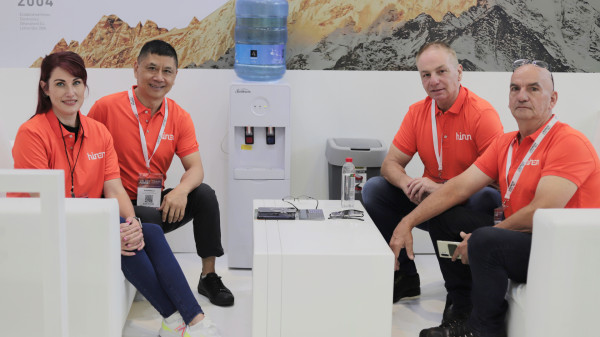
Hinen to Exhibit at Solar & Storage Live Africa, Offering Solutions for Load Shedding

Location: News
Hinen

South Africa is facing a severe energy crisis with frequent power outages since 2007. As the largest state-owned enterprise and electricity supplier in the country, Eskom schedules power cuts across different regions at different times, leading to rotational load shedding throughout South Africa. In 2023, individuals endured up to 15 hours of daily load shedding, underscoring the urgent need for an energy transition.

To accelerate this transition, the largest energy event in Africa, Solar & Storage Live Africa, is set to take place at the Gallagher Convention Centre in Johannesburg, South Africa from March 18th to 20th. As a provider of solutions for load shedding,  Hinen will showcase three specially designed backup solutions for the energy challenges in Africa, utilizing the abundant solar resources in the region to provide stable power support for homes and businesses.

The exhibited products range from 300W to 3000W in power capacity, and feature batteries that are expandable up to 17.5kWh. In addition, Hinen Max series is available in both low-voltage and high-voltage options to cater to a variety of electricity needs. These solutions not only convert solar energy into electricity in real time but also store excess power or harness electricity from the grid during periods of ample supply, ensuring sufficient power during outages and load shedding. With noise levels below 30dB, these products are quiet enough to not disturb sleep, and multiple layers of battery protection ensure safe and reliable power usage. Through the Hinen smart app, users can monitor energy consumption in real-time and easily manage electricity usage.

Hinen cordially invites industry partners and the public to visit our booth, A36, to learn more about our technology. We look forward not only to strengthening relationships with existing partners but also to exploring new cooperation opportunities, jointly promoting sustainable energy development in Africa and beyond.

To demonstrate our commitment to the local market, Hinen has established a branch office in Sandton, Johannesburg. This signifies our dedication to deepening our presence in the African market and providing localized services. We eagerly anticipate meeting you in Johannesburg as we explore a greener, more efficient, and sustainable energy future.

Distributed by APO Group on behalf of Hinen.

Email:
SAfrica@hinen.com

Phone:
010 449 2306

Address:
Ground floor, Block B, 100 West Street, Sandton, Johannesburg 2196, South Africa

Join Hinen in driving energy innovation forward — not only for Africa but for our shared home, Earth.

Media files
Hinen
Download logo
Read moreHinen to Exhibit at Solar & Storage Live Africa, Offering Solutions for Load Shedding
8 March 2024

Blikkiesdorp community protest after years of waiting for houses

Location: News

They say their structures are falling apart and the area has become unliveable

Read moreBlikkiesdorp community protest after years of waiting for houses
6 March 2024

SIU, SCOPA sign memorandum of understanding

Location: News

SIU, SCOPA sign memorandum of understanding

The Special Investigating Unit (SIU) and Parliament’s Standing Committee on Public Accounts (SCOPA) have signed a Memorandum of Understanding to strengthen the relationship between the two entities.

In a joint statement, the two said the MoU will create greater cohesion in relation to “investigating and reporting on matters pertaining to irregular, fruitless, and wasteful expenditure of public funds”.

“More importantly, however, the signing of the MoU assists in the formal referral of certain pressing matters from SCOPA to the SIU, as the SIU does not identify specific matters to investigate.

“Matters referred by SCOPA to the SIU for investigation or for the motivation for a proclamation include the Eskom intelligence report and the National Skills Fund. SCOPA believes that the SIU will continue to prioritise these matters, even after the dissolution of the sixth Parliament. In fact, the SIU will ensure that in its handover report to SCOPA in the seventh Parliament, these matters are flagged for consideration,” the statement said.

The statement reflected on the work carried out by the two institutions during the sixth administration.

“SCOPA has been receiving updates from the SIU on maladministration, malpractice and corruption uncovered during its investigations at state institutions. It has noted the specific concerns raised with respect to the high levels of corruption, maladministration, malpractice lack of consequence management, and delays in prosecutions, all resulting in the failure of the state to recover monies owed to it.

“During the sixth Parliament, the SIU has consistently briefed SCOPA on its investigations, including state capture matters and the lack of consequence management in state institutions in implementing the SIU’s referrals.

“SCOPA intervened by requesting the Presidency to devise a mechanism to ensure that all SIU referrals are implemented. This led to the Presidency establishing a monitoring and tracking tool that ensures every referral from the SIU is implemented for disciplinary action intervention. This has resulted in Eskom and Transnet restricting suppliers implicated in SIU investigations on their own suppliers databases,” the statement said.

The two parties resolved to continue working closely together in areas of mutual interest.

“Both parties acknowledge the importance of consultation, mutual support and cooperation on aspects such as disclosure of information, reporting and mutual cooperation and assistance to ensure effective financial oversight and accountability of state institutions, thereby combatting maladministration, malpractice and corruption of state resources, money and assets,” the statement concluded. – SAnews.gov.za

NeoB
Wed, 03/06/2024 - 12:28

458 views
Read moreSIU, SCOPA sign memorandum of understanding
6 March 2024

Collaboration between government and business bearing fruit

Location: News

Collaboration between government and business bearing fruit

The partnership between government and business is yielding positive outcomes, such as decreased load shedding, enhanced efficiency in rail and ports, and a decline in security incidents affecting energy and logistics infrastructure.

This is according to President Cyril Ramaphosa, who convened a meeting with members of Cabinet and senior business leaders on Tuesday on the partnership between government and business to address key challenges in energy, transport and logistics, and crime and corruption.

The objective of the partnership is to achieve more rapid economic growth and generate a significant increase in sustainable employment by urgently delivering on priority interventions in each of the three focal areas. 

“We are beginning to see the tangible results of this collaboration in reduced load shedding, improved performance of our rail network and ports, and a reduction in security incidents targeting energy and logistics infrastructure. 

“We are confident that we are turning the corner on our most urgent challenges, and are absolutely committed to building on this partnership as we work to grow the economy,” President Ramaphosa said in a joint statement between Government and Business. 

Adrian Gore, co-convenor of the business delegation, said they have achieved real progress over the last nine months, and the partnership is gaining excellent traction. 

“The private sector has contributed more than R170 million of support directly into this partnership, and has mobilised over 350 technical experts. We need to capitalise on the momentum and urgently implement the necessary reforms. This will help to improve societal and investor confidence in South Africa’s potential, and mobilize much needed investment to grow the economy inclusively,” Gore said. 

As part of the support provided by business, the Resource Mobilisation Fund (RMF) was established to procure and donate resources to support the implementation of the Energy Action Plan. To date, the fund has raised approximately R100m, with R25m already having been drawn down to fund expertise to support the National Energy Crisis Committee (NECOM).

The joint statement said business is looking to scale this model to support the National Logistics Crisis Committee (NLCC) and the Joint Initiative on Crime and Corruption (JICC). 

The meeting discussed the progress made over the last three months, as well as key priorities to accelerate progress in the next period. 

Key updates since November 2023: 

• Energy: Load shedding is roughly 61% less than the same period last year (80% less for stages 4 and above), and is starting to decouple from Eskom’s Energy Availability Factor (EAF), demonstrating the positive impact of alternative energy sources including rooftop solar. 

• Transport and logistics: A 45% reduction in vessels anchored outside the Port of Durban and a 36% reduction in the waiting time to anchor for container vessels has been achieved. Capable executive leadership has been appointed in Transnet to ensure stability and focused delivery. 

• Crime and corruption: Collaboration between Transnet and business, including the provision of security on the rail network, has resulted in a 65% reduction in criminal incidents on the Northern Corridor which is key to reducing the cancellation of trains.

Energy 

The work underway within the National Energy Crisis Committee (NECOM) and the implementation of the Energy Action Plan is starting to bear fruit. 

“Load shedding is down by 61% compared to the same period last year, with the return of units at Kusile power station as well as new generation capacity from rooftop solar and private sector investment having a positive impact. 

“Reform of the energy sector is progressing, with an independent board appointed for the National Transmission Company of South Africa (NTCSA) and preparations underway for the new entity to commence trading,” the statement read. 

On the downside, however, Eskom plant performance remains unreliable with an unacceptably high level of unplanned outages. Under the leadership of its new Group Chief Executive, Dan Marokane, Eskom is working to ensure full delivery on its recovery plan. 

The joint statement highlighted that Eskom and business are finalising a Mutual Cooperation Agreement to establish a sustainable framework through which to deploy additional independent skilled experts to support Eskom in this regard. 

“The aim for 2024 is to increase generation capacity from multiple sources by up to 11.5 GW, which will enable a significant reduction in the severity of load shedding by the end of the year.

“This includes improved plant performance as a result of Eskom’s Generation Recovery Plan, additional private investment in rooftop solar and utility-scale projects as a result of policy and regulatory reforms, and projects from previous bid windows connecting to the grid,” the statement said. 

Initiatives are also underway to unlock increased grid capacity, successfully conclude Bid Window 7 and open further bid windows for gas-to-power and battery storage will contribute to additional generation capacity in the medium term. 

Finally, government is working to accelerate reforms in the energy sector, including the promulgation of the ERA Bill, the establishment of the NTCSA, the finalisation of a national wheeling framework, and the development of financing mechanisms for transmission infrastructure.

Transport and logistics 

Government and business emphasised that challenges in the logistics system are receiving urgent attention, with the National Logistics Crisis Committee (NLCC) focused on stabilising and improving rail, port and road operations. 

Business is supporting a number of the NLCC workstreams with technical, security and operational expertise. 

“Green shoots include a 45% reduction in vessels anchored outside the Port of Durban and a 36% reduction in the waiting time to anchor for container vessels. A major success has been the provision of security by business on the rail network on an interim basis, which has resulted in a 65% reduction in criminal incidents on the Northern Corridor, reducing the number of trains cancelled. Work is currently underway to ramp up the deployment of SAPS resources to secure network infrastructure in the longer term,” the statement said. 

It further highlighted that progress was achieved with the approval of the Freight Logistics Roadmap (FLRM) and the Private Sector Participation Framework, which together outline clear actions and timeframes to ensure a more efficient logistics network that encourages private investment and competition in operations. 

Implementation of the roadmap is now underway, with key milestones included in conditions attached to the R47 billion guarantee recently extended to Transnet. 

“Despite this progress, continued poor operational performance and inefficiency costs the economy R1 billion per day, with recent announcements of retrenchments in the mining industry illustrating the urgency of reform in the logistics sector. 

“Transnet is focused on improving performance through clearly defined and agreed measures such as rebuilding internal capacity, implementing operational excellence centres for strategic corridors, and drawing on private sector technical resources.

"The recent appointment of permanent executive leadership at Transnet will assist with the necessary focus and delivery mindset, and the urgent implementation of the Transnet Recovery Plan,” the statement said. 

Crime and corruption 

Steady progress has also been made in the crime and corruption focal area, including the establishment of the Joint Initiative on Crime and Corruption. 

The private sector is continuing its support to strengthen law enforcement through providing business information and resources to assist with the fight against infrastructure crime. 

The statement said support has also been provided to modernise the 10111 helpline, with a pilot project initiated at the main call centre in Midrand. 

“Passing the NPA Amendment Bill within the current Parliament will strengthen the independence and investigating capacity of the NPA and will enable the establishment of additional infrastructure to support the Investigating Directorate as a permanent entity, including a dedicated Forensics Laboratory. 

“A key focus is to secure South Africa’s removal from the Financial Action Task Force (FATF) grey list, with the aim of achieving this by June 2025,” the statement said. 

Next steps 

The next meeting will be held in May to assess progress on the three focal areas.

Government and business reaffirmed their commitment to communicating regularly on progress, and identifying areas where further work is required. 

“We are finalising our targets for the end of 2024, and aligning on the critical paths to achieve these. These plans will be communicated publicly, and reported on regularly. This will build confidence in the process and will enforce accountability. As partners, we are absolutely focused on delivery,” Chair of the B4SA Steering Committee, Martin Kingston said. – SAnews.gov.za

DikelediM
Wed, 03/06/2024 - 12:43

81 views
Read moreCollaboration between government and business bearing fruit
6 March 2024

Deregulation: Easing of regulation is driving African innovation across the continent’s energy sector

Location: News
Starsight Energy

A deregulated power sector is an enormous opportunity for key markets in Africa, as individual countries start to contribute to an efficient, sustainable and competitive renewable energy ecosystem, says Paul van Zijl, Group CEO at Starsight Energy (https://StarsightEnergy.com). Here he shares some insight into the potential benefits of deregulation and how these changes can create a ripple effect across the African continent – becoming the blueprints that many African countries will use to overcome their own energy challenges.

The deregulation of the energy sector has massive potential for the continent, but it must be approached in the right way to have a long-term and sustainable impact. Deregulation is already happening in various African countries at differing paces, particularly those in sub-Saharan Africa, as more and more Independent Power Producers (IPPs) collaborate with local regulators and stakeholders to assess and determine the best way to optimise natural resources and harness their limitless potential.

While the application of deregulation in each country is different, the principal benefits remain the same. Each country stands to gain from a revitalised power sector that offers more opportunities to IPPs, attracts more local and international investment into the local energy landscape, and makes electricity and renewable energy more accessible to consumers at competitive prices.

In Nigeria, for example, we are seeing the first exciting steps of deregulation as the Nigerian Electricity Regulatory Commission (NERC) moves towards transforming the sector. A new federal law, the Electricity Act (2023) (https://apo-opa.co/3Ir5QpI), has been enacted which enables different states to pass their own laws and establish state electricity markets. Once a state establishes its electricity market, the federal government will cease regulation of electricity distribution within that state. This first step is a collaborative effort that will go a long way in creating a sustainable, privatised and deregulated market in Nigeria.

In Kenya, the eagerly anticipated Open Access (wheeling) regulations have also recently been gazetted. The regulator fast-tracked Open Access to the grid, enabling IPPs to supply electricity directly to large customers through the national network, under regulation guidelines from the Energy and Petroleum Regulatory Authority (EPRA). Further impetus will also derive from the recent announcement that the Eastern Africa Power Pool (EAPP) (https://EAPPool.org) is targeting to go live with a competitive power trading market by the end of December 2024 – taking the region from bilateral trade to trading amongst all countries. This will allow the EAPP's 13 member countries to sell excess electricity in cross-border transmission projects. Considering that countries in the EAPP are already trading over 3 400 GWh annually, this move is set to transform the region's interconnectivity even more. Kenya has already reaped the rewards of bilateral trading, including an energy exchange engagement with Uganda and the importation of 200 MW of renewable energy from Ethiopia.

Meanwhile, in South Africa, deregulation has seen the introduction of innovations such as self-generation, electricity wheeling (https://apo-opa.co/3IuyKFm), and energy trading from IPPs. The rising popularity of utility-scale solar farms is a direct result of deregulation, which in turn has been accelerated by local funders deploying funds to grow IPPs. The funders invest in the construction of solar farms, allowing them to meet their mandate to fund the low-carbon transition. At the same time, the IPPs can leverage this financial backing to bring Direct Foreign Investment (DFI) on board to support the project until completion. These initiatives demonstrate the power of collaboration between the private and public sectors.

The positive impact of deregulation on South Africa's power infrastructure runs even deeper than boosting generation capacity. In some cases, IPPs also provide a main transmission substation (MTS) to the national utility provider, Eskom, as part of their project to bolster connectivity to the transmission network. In other instances, IPPs are installing utility-scale battery storage alongside their farms to store the solar energy that is produced. These installations help the IPPs mitigate their risk to ensure their projects aren't hampered by the complexities associated with the local grid. Such widespread deregulation is not necessarily to be expected across the continent, but learnings can be taken from South Africa to apply on a country-by-country basis.

Our South African operation, trading as SolarAfrica (https://SolarAfrica.com), is working closely with Eskom to bring projects like these to life in the country, while Starsight Energy (https://StarsightEnergy.com). and Starsight Premier Energy Group (https://SPEGea.com) are working with regulators, stakeholders and various industry players in Nigeria and Kenya to see how we can shape each region's changing energy landscape.

The impact of deregulation has been – and will continue to be – transformative. We look forward to working with the industry and regulators to accelerate the process in our key markets as we ultimately believe a well-considered deregulated market will be to the benefit of the end consumer and allow economies to grow and thrive with the private and public sectors working hand in hand.

Distributed by APO Group on behalf of Starsight Energy.

Media files
Starsight Energy
Download logo
Read moreDeregulation: Easing of regulation is driving African innovation across the continent’s energy sector
1 March 2024

New Eskom chief executive assumes duties

Location: News

New Eskom chief executive assumes duties

Dan Marokane officially assumes his role as Eskom Group Chief Executive today.

In a statement on Friday, the Eskom Board expressed confidence in Marokane’s abilities, as well as in the leadership and staff of Eskom, emphasising their collective commitment to turning the organisation around.

“We expect Morokane and his leadership team to accomplish at least two critical tasks. Firstly, they must address the current business challenges. Load shedding must become a thing of the past. Secondly, they need to reposition and restructure Eskom to enable growth and sustainability,” said Eskom Board chairman Mteto Nyati.

As Marokane takes the helm, the Eskom Board has asked him to prioritise several key areas in the first 100 days and these are:

  • Assessing the Generation Operational Recovery Plan.
  • Reviewing Eskom’s unbundling plans.
  • Engaging with internal and external stakeholders.

These first 100 days are crucial for helping him gain the necessary insights about Eskom and the industry.

Eskom said the new Group Chief Executive should be in a position to engage with the media at the end of this critical period.

“Morokane has the full support of the Eskom Board. Eskom employees are excited to welcome him back into the organisation. We invite all South Africans to rally behind him as he steers Eskom toward stability, reliability, and sustainability,” said Nyati.

Public Enterprises Minister Pravin Gordhan announced the appointment of Marokane in December 2023.

READ | Marokane re-joins Eskom as new chief executive

According to the Department of Public Enterprises, Marokane is a qualified Chemical Engineer, who has a MBA and is a seasoned executive with more than 20 years of senior leadership experience.

At the time of the announcement of his appointment, Marokane was expected to join the power utility no later than 31 March 2024.

Marokane was a senior manager at Eskom from 2010 to 2015, holding various senior positions, including Head of Group Capital. - SAnews.gov.za


Neo
Fri, 03/01/2024 - 09:11

109 views
Read moreNew Eskom chief executive assumes duties
28 February 2024

Soweto households without electricity for seven months

Location: News

Premier blames Eskom for delays

Read moreSoweto households without electricity for seven months
  • Previous
  • Page 1
  • Interim pages omitted …
  • Page 24
  • Page 25
  • Page 26
  • Page 27
  • Page 28
  • Interim pages omitted …
  • Page 33
  • Next

Copyright © 2026 · MyZA · All Rights Reserved · Powered by Stratlec Online