BBC Has a Long History in Africa. New Book Offers a Critical Take on the Broadcaster
The end of colonisation did not dismantle the BBC’s operation – the style was already embedded in the broadcasting system.

MyZA
News, Directory, Events and Other Stuff
The end of colonisation did not dismantle the BBC’s operation – the style was already embedded in the broadcasting system.
Credit rating agencies are now responding to governance failures, not just macroeconomic trends.
A recently approved drug for malaria treatment offers hope to millions of children who suffer from the disease in Africa.
Whatever the outcome of the Wafcon final, Nigeria’s sole dominance of women’s football in Africa has ended.
Chinese manufactured cloth has undermined the monopoly on the trade of Dutch African print textiles that Togolese traders once enjoyed.
Ghana stands out in west Africa as a nation that hasn’t experienced terrorist attacks. Its proactive, multi-faceted strategies offer a blueprint for neighbours.
New study finds that people in 12 African countries don’t fully accept that extreme weather disasters are caused by climate change. More public awareness is needed.
Mandatory national service in Ghana has helped national cohesion.
Announcement comes after months of litigation by another bidder

In a landmark diplomatic step, Tanzania has launched a revised National Foreign Policy that reinforces the country's leadership in African diplomacy. The updated policy embraces Pan-African values, supports the African Continental Free Trade Area (AfCFTA), and advances regional peace, integration, and sustainable development.
The launch event, held at the Julius Nyerere International Convention Centre (JNICC) in Dar es Salaam, was officiated by H.E. Dr. Samia Suluhu Hassan, President of the United Republic of Tanzania. It was also attended by Dr. Hussein Ali Mwinyi, President of Zanzibar and Chairman of the Revolutionary Council, members of the Diplomatic Corps, senior government leaders, and private sector representatives.
Rooted in the vision of Mwalimu Julius Nyerere, Tanzania has historically championed unity, liberation, and non-alignment in African diplomacy. Under Nyerere's leadership, Tanzania became a moral compass for the continent and a founding member of the Organization of African Unity (OAU).
“This policy speaks on who we are as a nation—firm in our values, proactive in our diplomacy, and committed to constructive partnerships that advance peace, security, and shared prosperity,” President Samia said during the event.
The new policy reflects this legacy while responding to contemporary priorities like trade, migration, regional infrastructure, climate action, and digital transformation. It aims to deepen Tanzania's engagement with continental bodies like the AU, SADC, and EAC while emphasizing Kiswahili as a tool for regional integration.
President Samia noted that the revised policy was shaped through a broad-based participatory process involving Tanzanians from all walks of life. “It was high time we revised the policy to cope with global shifts in various spheres,” she said, citing the global scramble for strategic minerals and trade disruptions caused by ongoing conflicts as key motivators.
A core feature of the updated framework includes economic diplomacy and the creation of a Special Status for Tanzanians in the diaspora. The policy promotes legal reforms that would allow non-citizen Tanzanians abroad to own land, register businesses, and invest back home.
To strengthen implementation, President Samia called on the Ministry of Foreign Affairs and East African Cooperation to engage retired diplomats in training current officials, ensuring that Tanzania's envoys are equipped to promote national interests globally.
President Mwinyi welcomed the revised policy as a catalyst for unlocking social, economic, and political potential. “Tanzania continues to position itself globally, and the revised policy aligns with evolving global needs,” he said.
He urged the Ministry to encourage more countries to open consulates in Zanzibar and called on all Tanzanians to embrace and defend national interests through the policy. “This policy will benefit both Tanzania Mainland and Zanzibar,” he emphasized.
President Samia's regional outreach began early in her presidency. In April 2021, she visited Uganda, where she and President Yoweri Museveni signed the Final Investment Decision for the $10 billion East African Crude Oil Pipeline (EACOP).
In May 2021, her visit to Kenya revitalized bilateral ties, followed by trips to Burundi, Mozambique, Rwanda, Zambia, and Egypt, resulting in cooperation on trade, energy, security, and innovation.
At the June 2021 SADC Summit in Mozambique, Tanzania reaffirmed its commitment to regional peace by supporting the fight against insurgency in Cabo Delgado. In Ghana, she received the Africa Road Builders–Babacar Ndiaye Trophy for leadership in infrastructure development.
In Senegal, during the IDA20 Summit, and at COP27 in Egypt, she positioned Tanzania as a leader in climate resilience, presenting an $18 billion renewable energy plan.
From 2023 to 2025, she maintained strong continental engagement through AU summits, the BRICS Summit in South Africa, and diplomatic visits to Malawi, Zambia, South Africa, and Morocco.
A key milestone in Tanzania's growing international stature was the invitation to the Lobito Corridor Development Project high-level meeting in Angola—part of the G7's Global Infrastructure Initiative. Although Tanzania was not originally a member of the project, its geographic and strategic relevance was recognized as critical to the corridor's success.
In February 2024, President Samia unveiled a statue of Mwalimu Nyerere at the AU Headquarters in Ethiopia—a symbolic act that underscored Tanzania's foundational role in the Pan-African movement.
As Chair of the SADC Organ, she presided over the 2024 Troika Summit in Zimbabwe, advancing peace and security initiatives and supporting Raila Odinga's candidacy for AU Commission leadership.
On May 18, 2025, Professor Mohamed Yakub Janabi was elected as the next Regional Director of the WHO African Region, a milestone widely credited to Tanzania's rising diplomatic influence. His nomination followed the untimely death of Dr. Faustine Ndugulile in 2024. Janabi's appointment will be formalized by the WHO Executive Board later this month.
According to Ambassador Mahmoud Thabit Kombo, the revised policy focuses on ten strategic pillars:
This updated policy reflects Tanzania's commitment to Pan-African unity while embracing innovation, inclusion, and global partnership. It sets the stage for the next chapter in Tanzania's regional leadership and sustainable development.
Distributed by APO Group on behalf of Tanzania Ministry of Foreign Affairs and East African Cooperation.
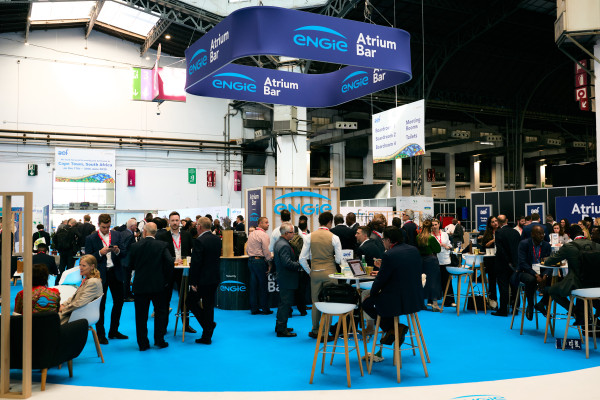
Powering AI data centres, accelerating large-scale solar projects and leading the global energy transition are just three of the critical topics up for debate at next month's Africa Energy Forum (aef), kicking off for the first time in Cape Town, South Africa, 17–20 June 2025. Forum sponsor Sun Africa returns for the third consecutive year, a testament to its sustained commitment to powering Africa's clean energy future.
For a full programme and to join the debate, visit: https://apo-opa.co/4k7ngcj
Under the theme of ‘Africa United', and featuring hundreds of ministers, policymakers and executives from nations across the continent, the aef will spotlight the continent's expanding ambition and the urgent drive to reshape its own energy future.
With South Africa now chairing the G20, the continent will gain a pivotal voice in global decision-making, making aef 2025 the launchpad for a bold message to the world: Africa knows what it needs, and it's ready to lead.
This year's aef will welcome a significant number of new companies participating for the first time, expanding the community of innovators and investors at the event. It will also host delegations from 33 countries, comprising head of state, ministers, regulators, and other public sector leaders from across the continent.
Confirmed speakers include the President of Ghana, John Dramani Mahama, South Africa's Minister of Electricity & Energy, Dr. Kgosientsho Ramokgopa, Nigeria's Minister of Power, Adebayo Adelabu and Noureddine Yassaa, Algeria's Secretary of State for Renewable Energies.
The high-level line-up also features the current Senegalese candidate for the Presidency of the African Development Bank, Amadou Hott, plus senior ministers and policy makers from Liberia, Ghana, Malawi, Zambia, Guinea-Bissau, Zimbabwe, Ethiopia and Madagascar.
This year's aef will focus on how the private sector can help move from ambition to implementation on Mission 300, connecting power to 300 million people by 2030. And, as demand surges from commercial and industrial sectors, the aef will also unpack the infrastructure, investment, and regulatory models needed to keep pace.
Grounded in Ubuntu, the African philosophy of shared humanity, the event will call for a global energy transition that is cooperative, equitable, and Africa-led.
“Something urgent has to be achieved as we simply cannot have another 10 woeful years of investment into projects. No more [time] can pass with one side saying we “we need guarantees” and the other side saying, “we can't afford guarantees.” Time is THE DETERMINING FACTOR holding energy access back and this needs to change. Now is the time for Africa to unite behind common goals and common infrastructure!” Simon Gosling, Managing Director, EnergyNet
“The future of African power infrastructure starts with Sun Africa, and the conversation about Africa's energy future continues at the Africa Energy Forum. We are proud to be the Forum Sponsor of an event that will unite visionaries and unite people from across the continent.” – Adam Cortese, CEO, Sun Africa.
Bringing together community and sport, the 2025 edition of eaf also features the Africa Challenge Cup, a special evening of football at Cape Town's iconic DHL Stadium. Four teams will face off in friendly matches under the floodlights, offering a chance for delegates, partners, and peers to connect in a spirited, relaxed setting alongside friends and family.
The Youth Energy Summit (YES!), held in parallel with aef, is expected to welcome more than 4,000 participants, making it one of the largest gatherings focused on youth engagement in the African energy sector. Many companies are supporting the initiative not just as sponsors, but as active partners in youth participation across the continent. These include the DBSA, Nedbank, Pele Green Energy, Seriti Green, Siemens Energy, Genesis, and others from the energy and mining sectors.
Distributed by APO Group on behalf of EnergyNet Ltd..
Notes:
The main sponsors at this year's aef include Sun Africa, AKSA, Red Rocket, Globeleq, Nedbank and the World Bank. See https://apo-opa.co/3ZrUw5E
Lead sponsors at this year's aef include the Africa Development Bank, AMEA Power, the British International Investment, BCG, EDF, Engie, the European Investment Bank, GE Vernova, Infinity Power, Standard Bank, Synergy Consulting and TotalEnergies. See https://apo-opa.co/3ZrUw5E
For media inquiries and registration please email :
Poliana Sperandio: poliana@energynet.co.ke
Sylvia Gaita: sylvia.gaita@apo-opa.com
About the Africa Energy Forum (aef):
The Africa Energy Forum (aef) is taking place in the Cape Town International Convention Centre, South Africa, 17-20 June 2025.
The event is the continent's leading platform for energy sector stakeholders to collaborate, invest, and accelerate progress. In its 27th year, the aef brings together governments, developers, investors, and innovators to drive real-world solutions in energy access and sustainability.
(Africa Day debate in Parliament) Africa Day commemorates the great expectations that the leaders of a new, free Africa cherished some sixty years ago. Unfortunately, most of their expectations have since been dashed. The Organisation of African Unity was established on 25 May 1963, largely inspired by the president of Ghana, Dr Kwame Nkrumah. Certain […]
The post Africa Day just a commemoration of African ideals appeared first on Freedom Front Plus.
The African Energy Chamber (AEC) (www.EnergyChamber.org) – representing the voice of the African energy sector – offers its full support and endorsement of the upcoming Africa Energy Technology (AET) conference, recognizing the role the event plays as a platform for fostering innovation and technology in Africa. Taking place May 27-29, 2025, in Accra, Ghana, the event unites government representatives, policymakers and energy technology leaders to discuss financing and technology opportunities in Africa.
AET 2025 takes place under the theme: Innovate, Invest, Implement: Revolutionized Financing for Sustainable Energy Sector Growth in Africa, highlighting the need to scale-up spending across the continent. Key topics that will be explored include innovation in technology, attracting diverse investment through new financial mechanisms and ensuring effective implementation of energy projects. Striving to address Africa's most pressing energy challenges – including access to energy and financing – the event is expected to position the continent at the forefront of global energy discussions.
Africa is at a critical juncture in its energy development as it strives to advance large-scale energy projects while reducing carbon emissions. With over 600 million people living without access to electricity and 900 million people living without access to clean cooking solutions, countries across the continent are advocating for greater investment across the energy value chain, with the aim of accelerating oil, gas and renewable energy projects. Concurrently, the continent has committed to reducing greenhouse gas emissions to mitigate climate change impacts, given that Africa faces the worst impacts of the climate crisis worldwide. It is within this juncture that the need to fast-track technology adoption and enhance innovation becomes clear.
Africa's unique energy challenges can be addressed through the rapid roll-out of various energy sources, and progress is already being made to achieve this. Africa's biggest oil producers seek to increase oil production, with Angola planning to sustain output above one million barrels per day (bpd), Nigeria targeting 2.5 million bpd while Libya strives for 2 million bpd. In tandem, gas-rich nations across the continent aim to increase LNG output. The Republic of Congo targets 3 million tons per annum (mtpa) with the start of Congo LNG phase two in 2025; Mozambique is advancing its Rovuma Basin projects; while Senegal and Mauritania eye 5 mtpa at the Greater Tortue Ahmeyim project, following first production in 2024.
Meanwhile, countries are advancing their clean energy portfolios, with projects in nuclear energy and green hydrogen taking shape. Upcoming green hydrogen projects include the 2,100 kilo-ton-per-annum (ktpa) ACME Group Sokhna project in Egypt (2030); the 1,200 ktpa Project Nour in Mauritania; the 900 ktpa AMAN project in Morocco, among others. In the nuclear sector, over 15 GW of operational capacity is targeted across the continent by 2035. South Africa is expanding production capacity, Egypt is developing its first facility – comprised of four reactors – while over 10 countries are looking at embracing nuclear technology. To make energy poverty history by 2030, the continent will need all of these energy sources.
The AET 2025 conference steps into this picture to foster collaboration across the entire energy value chain in Africa. The event underscores the need for an integrated and diverse energy mix, with technology driving energy efficiency and sustainability. By leveraging innovation, the event emphasizes the value of groundbreaking technology and innovative investments.
“As the continent strives to unlock the full potential of its oil, gas and energy resources, greater technology deployment will be critical. AET is expected to not only revolutionize the African energy landscape by identifying key financing and technology opportunities, but to foster greater collaboration across the sector by bringing together key energy stakeholders,” stated NJ Ayuk, Executive Chairman of the AEC.
Visit https://AETConference.com/tickets/ to register
Distributed by APO Group on behalf of African Energy Chamber.
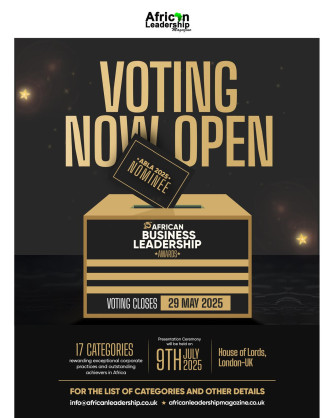
African Leadership Magazine (www.AfricanLeadershipMagazine.co.uk) proudly unveils the distinguished list of nominees for the 17 categories of the 2025 African Business Leadership Awards (ABLA)—a premier recognition platform celebrating excellence in corporate governance, impactful leadership, and trailblazing contributions to the growth and sustainability of Africa's dynamic business and economic ecosystem. The public voting process is now officially open and will run until 29 May 2025, offering stakeholders across Africa and the globe the opportunity to celebrate and affirm exemplary leadership in the African business space.
The ongoing public voting marks the third phase in a rigorous four-step, points-based selection process for the African Business Leadership Awards (ABLA). The process begins with open nominations, followed by a shortlist of top contenders curated by the African Leadership Magazine editorial board. In this third phase, the public is invited to vote, adding stakeholder voices to the evaluation process. The final stage involves a detailed editorial assessment of votes and supporting evidence to determine winners, ensuring a transparent, merit-based outcome that reflects both public sentiment and proven impact.
Public votes in this phase contribute 65% of the final decision, with the remaining 35% based on supporting evidence for each nominee. This ensures a fair and credible process that values both public opinion and verifiable impact. Winners and first runners-up will be honoured at the 15th African Business Leadership Awards (ABLA), a special highlight of the Africa Summit–London, scheduled for 9–10 July 2025 at the House of Lords, London, United Kingdom.
To cast your vote, visit:
The 2025 African Business Leadership Awards (BLA Nominee Highlights
African Business Leader of the Year
African Female Business Leader of the Year
African Regulator of the Year
Business-Friendly Governor of the Year
African Finance Minister of the Year
Trade & Investment Promotion Agency of the Year
Central Bank Governor of the Year
Trade & Investment Minister of the Year
African CEO of the Year
Young Business Leader of the Year
Africa CSR & Community Development Impact Award
African Brand of the Year
African Company of the Year
Industry Personality of the Year
Africa Business Integrity Leader Award
African Tech & Digital Economy Leader of the Year
Lifetime Achievement Award
Distributed by APO Group on behalf of African Leadership Magazine.
Media Enquiries:
Ehis Ayere
T: +44 (0) 20 3051 1883
E: ehis@africanleadership.co.uk
About African Leadership Magazine:
African Leadership Magazine is the flagship publication of the African Leadership Organisation (UK) Limited. For over 19 years, it has championed impactful leadership across Africa and amplified African opportunities on the global stage. Through its platforms—including Afro-positive content, trade facilitation, market entry solutions, public sector consulting, and business networking events—the magazine plays a pivotal role in fostering sustainable development and positive change across the continent.
Minister Kubayi travels to Ghana
The Minister of Justice and Constitutional Development, Mmamoloko Kubayi, will travel to the Republic of Ghana to participate in a high-level Retreat on the Kampala Amendments and International Criminal Justice.
“The Retreat will bring together Ministers of Justice and senior officials from all 33 African States Parties to the International Criminal Court (ICC), alongside representatives from the ICC Presidency, the Assembly of States Parties (ASP), the ICC Trust Fund for Victims, senior African Union officials, and international legal experts,” the Ministry of Justice and Constitutional Development said on Sunday.
Her visit is scheduled to take place from 19 to 21 May 2025.
The event follows the successful pilot retreat in Johannesburg in October 2024, which raised awareness and fostered a sense of ownership among African States Parties to advocate for a crime of aggression regime that is both fair and legitimate and began the process of an amendment proposal being submitted by African States.
“The Kampala Amendments on the Crime of Aggression are a set of legal changes adopted in 2010 at the Review Conference of the Rome Statute of the International Criminal Court (ICC), held in Kampala, Uganda.
“These amendments define the Crime of Aggression and establish the conditions under which the ICC can exercise jurisdiction over it. An act of aggression includes using armed force by one state against another in violation of the United Nations (UN) Charter, such as, invasion, military occupation, annexation by force, bombardment, or blockade,” the Ministry explained.
The meeting in Johannesburg laid the groundwork for an Africa-led amendment proposal and reaffirmed the continent’s commitment to a fair and legitimate international criminal justice framework.
“South Africa remains a committed advocate for international legal accountability. Minister Kubayi’s participation highlights the country’s support for multilateralism, the fight against impunity, and the advancement of an inclusive and balanced global justice system,” the Ministry said.
Organised in collaboration with the Ministries of Justice of Ghana, Sierra Leone, and the Democratic Republic of Congo, the Accra retreat will build on the Johannesburg outcomes and further deliberate on the amendment proposal submitted by the Group of Friends (GoF).
“The goal is to finalise a unified African position on the Kampala Amendments ahead of discussions at the Assembly of States Parties. The Ministry welcomes this opportunity for meaningful engagement and continental collaboration as African States continue to shape a credible and effective international criminal justice system.” - SAnews.gov.za
nosihle
Sun, 05/18/2025 - 12:40
Africa is entering a pivotal phase in its energy transformation, characterized by a growing shift toward “Africa-first” energy policies. Despite contributing less than 4% to global emissions, Africa faces the world's most severe energy access challenges – with approximately 600 million people lacking electricity and 900 million without clean cooking solutions. With $47 billion in oil and gas capex in 2024 – a 23% increase year-over-year – Africa is proving its value as a competitive and resilient energy investment destination. This surge reflects growing investor appetite, strengthened policy frameworks and a renewed focus on project bankability.
In this context, African Energy Week (AEW): Invest in African Energies 2025 – taking place from September 29 to October 3 in Cape Town – serves as the continent's leading forum for turning vision into tangible investment. With a focus on public-private partnerships (PPPs), blended finance and strategic energy projects, the event brings together government leaders, financiers, developers and technology providers to advance deals, foster collaboration and position Africa as a global energy leader.
Building Institutions for Local Investment
A wave of institutional and policy advancements is laying the groundwork for increased local investment in energy. A key milestone is the establishment of the Africa Energy Bank (AEB) by the African Petroleum Producers' Organization (APPO) and Afreximbank, with an initial capital of $5 billion. Headquartered in Abuja and set to launch in June 2025, the AEB will finance oil and gas infrastructure projects, serving as a bold step toward regional energy self-sufficiency and resource sovereignty.
At the same time, the African Development Bank (AfDB) is supporting long-term energy planning. In Algeria, the AfDB has launched a strategic dialogue to shape the 2025–2030 Country Strategy Paper, aligning national goals with sustainable, diversified energy development.
In South Africa, the success of the Renewable Energy Independent Power Producer Procurement Program (REIPPPP) illustrates how structured procurement can generate market certainty. The latest round secured 1,760 MW of solar PV capacity backed by R31.4 billion ($1.7 billion) in investment — with 49% local ownership and 46% equity held by Black Economic Empowerment entities.
Scaling Investment through PPPs and Blended Finance
As Africa's energy project pipeline expands, PPPs and blended finance have become essential tools for scaling investment. The AfDB's $10 million concessional equity stake in the ARM-Harith Successor Infrastructure Equity Fund, a $200 million regional vehicle, highlights how development finance institutions can de-risk infrastructure and crowd in private capital. The fund supports AfDB's target to electrify 300 million people by 2030 through sustainable energy solutions.
Meanwhile, South Africa's Battery Energy Storage Independent Power Producer Procurement Program illustrates the power of blended finance in scaling innovation. With R12.8 billion ($678.8 million) allocated to eight projects delivering 615 MW of storage across three provinces, the initiative enhances grid stability and achieved a 35% cost reduction from the first bid round – a clear sign of growing cost efficiency.
Frameworks for African-Led Growth
The African Continental Free Trade Agreement (AfCFTA), ratified by over 48 countries, offers a powerful framework for prioritizing African-led energy development. By promoting intra-African investment flows and removing trade barriers, AfCFTA enables energy projects to be sourced, financed and executed within the continent. With Ghana spearheading the AfCFTA Guided Trade Initiative – engaging eight pilot countries – the agreement is fostering regional cooperation to scale African energy solutions and reduce external dependency. Once fully operational across more than 50 member states, AfCFTA is set to accelerate an Africa-first approach to infrastructure, technology, and capital deployment in the energy sector.
Meanwhile, the African Energy Commission continues to strengthen institutional cooperation across the African Union to support sovereign energy strategies. A prime example of African private-sector leadership is Coscharis Technologies' $4 billion solar project in Nigeria – the largest renewable energy initiative in West Africa – reflecting a shift toward domestically-driven, large-scale investment in clean energy that aligns with national priorities and regional ambitions.
“Africa's energy future must be shaped by African priorities, African solutions and African investment. At AEW: Invest in African Energies 2025, we are not just talking about the energy transition – we are driving real deals and partnerships that put Africa-led development at the center of the global energy conversation,” states NJ Ayuk, Executive Chairman of the African Energy Chamber.
Distributed by APO Group on behalf of African Energy Chamber.
About AEW: Invest in African Energies:
AEW: Invest in African Energies is the platform of choice for project operators, financiers, technology providers and government, and has emerged as the official place to sign deals in African energy. Visit www.AECWeek.com for more information about this exciting event.

Giants of Africa (https://GiantsOfAfrica.org/), a non-profit organization dedicated to empowering African youth through basketball, alongside its founder Masai Ujiri, Vice-Chairman and President of the Toronto Raptors, has announced Giants of Africa Festival 2025. Returning to the vibrant city of Kigali, Rwanda from July 26-August 2, the event will bring together 320 young athletes from 20 African nations, and more than 20,000 spectators for a week of community, culture, basketball, education, and entertainment. The festival will unite communities, spark potential, and drive transformative change across the continent.
“Like these kids, I grew up on the continent,” says Ujiri. “As Africans, we know the landscape of what the kids go through. We know they dream just like we did and it really inspires me because, those kids have so much more talent and intelligence, they have ways to communicate now that we didn't. This festival is about showing them there is a path. We want them to never stop dreaming.”
Giants of Africa Festival 2025 will begin with an exhilarating Opening Show, as the athletes unite in an inspiring parade to kick off the weeklong celebration. South African international DJ sensation Uncle Waffles, MTV Video Music Award-winning choreographer Sherrie Silver, and Rwandan singer and songwriter, Kevin Kade will bring electrifying performances as Ujiri and special guests welcome all to the festivities. The awe-inspiring event will mark the beginning of life-changing journeys for Africa's leaders of tomorrow.
Taking place across Kigali Sports City's BK Arena, Amahoro National Stadium, Petit Stade, and Paralympic Gymnasium, the festival will showcase the full potential of Africa's sports and entertainment ecosystem, highlighting its social and economic value for the next generation and the continent at large. Giants of Africa Festival 2025 will also serve as the grand opening of Zaria Court. Founded by Ujiri, the new mixed-use sports, entertainment, and cultural district includes an 80-room hotel, sports bar, basketball court, event space, retail outlets, gym, five-a-side football pitch, and outdoor public areas.
The festival will conclude with a spectacular Closing Concert featuring performances from Nigerian Afrobeats artist Kizz Daniel and award-winning Nigerian singer/songwriter Timaya. Celebrity guests in attendance throughout the week will include Chris Tucker, Candace Parker, Robin Roberts, Chiney Ogwumike, Didier Drogba, Michael Blackson, Boris Kodjoe and more. Additional performers for both the Opening Show and Closing Concert will be announced in the coming weeks.
Since 2003, Giants of Africa has empowered youth through basketball, hosting camps and building courts across 20 African countries. The foundation not only teaches game fundamentals but connects young people with inspirational mentors who show how determination, leadership, and integrity can transform dreams into reality. Also central to their mission is basketball's unique power to transcend barriers and unite diverse communities. The Giants of Africa Festival is a culmination of this vision, featuring a weeklong youth basketball camp and tournament that brings together young men and women from 20 nations. Youth campers will represent Senegal, Nigeria, Cameroon, Mali, Ivory Coast, Ghana, Burkina Faso, Benin, Gabon, Rwanda, Kenya, Uganda, South Sudan, Tanzania, D.R. Congo, Somalia, Ethiopia, Morocco, Botswana, and South Africa. Giants of Africa and NBA/WNBA coaches and personnel will lead training sessions, with assistance from local coaches from the participating countries. A round-robin tournament will determine which countries and players will compete in the festival's championship and all-star games.
This year, Giants of Africa will also present its inaugural Threads of Africa Fashion Show, celebrating culture, fashion, and design from across Africa. The show will spotlight the work of three talented fashion designers, each from a different region of the continent. Cameroon's Hortense Mbea (Afropian: https://apo-opa.co/4d97Od4), Niger's Alia Baré (Alia: https://apo-opa.co/3GMuRyk), and Rwanda and South Africa's Nyambo (Masa Mara: https://apo-opa.co/4377tTx) will each present their new collections, and come together for a moderated discussion.
Additionally, festival highlights include the International Youth Day Forum, presented in partnership with the Imbuto Foundation, Ministry of Youth and Arts and ALX, bringing together over 2,000 Rwandan youth and festival campers to hear from esteemed leaders. The Women's Community Outreach Program will take place in Rwanda and across all 20 represented countries, offering leadership and education sessions in local communities to empower women and girls with knowledge, resources, and inspiration.
Giants of Africa Festival 2025 follows the inaugural Giants of Africa Festival (https://apo-opa.co/42RZZFe) which took place in Kigali in 2023 in celebration of the non-profit's 20th anniversary. The event united over 250 youth basketball players from 16 African nations, drew in over 14,000 spectators, and saw an estimated $1.5M invested into Kigali's local economy. The festival culminated in a closing concert featuring performances from Afrobeats icon Davido, Queen of Afrobeats Tiwa Savage, Rwanda's own Bruce Melodie, and South African superstar Tyla. It was a beacon of unity, inspiration, and transformation that ignited the continent. Building upon their bold ambitions, Masai Ujiri and Giants of Africa are poised to make an even more powerful statement in 2025.
Tickets for Giants of Africa Festival 2025's Opening Show and Closing Concert will go on sale beginning Thursday, May 8 at 3:00PM Central Africa Time. To learn more about the festival, its other initiatives and to purchase tickets or VIP and corporate packages, please visit www.GOAFestival.org or email info@giantsofafrica.org.
Distributed by APO Group on behalf of Giants of Africa.
For the festival launch video and still images:
https://apo-opa.co/430fZUd
For more information, please contact:
Tamara Kamaka - Giants of Africa
tamara@giantsofafrica.org
Emmanuel Ainamani - SRC Agency
emmanuel@srcagency.com
Social Media:
Instagram: https://apo-opa.co/4d7L5Og
Facebook: https://apo-opa.co/44t3xik
X: https://apo-opa.co/4dbdpj9
YouTube: https://apo-opa.co/4k6P14f
About Masai Ujiri and Giants of Africa:
Masai Ujiri, an award-winning and barrier-breaking NBA executive, is the founder of Giants of Africa. Started in 2003, Giants of Africa draws upon Ujiri's unique basketball journey to achieve its goal of uplifting African youth with programs focused on empowerment and leadership. As the first African general manager in North American professional sports who was named NBA Executive of the Year in 2013, Ujiri's ascent to the top of the basketball world began in his native Nigeria and took him around the world as a player, scout and executive, culminating in 2019 when he served as the architect of a Toronto Raptors team that became the first franchise outside the United States to be crowned NBA champions. Ultimately, he believes his work with Giants of Africa will prove to be the most meaningful and rewarding of his life.
Partners:
Giants of Africa Festival 2025 would like to express its gratitude to all sponsors and partners who have contributed to making this event possible:
|
● The Lake Family's All One Fund ● RwandAir ● ALX Africa ● Kensington ● Sport Court International, LLC
|
● BK Arena ● DHL Express Canada ● Imbuto Foundation ● Ministry of Sports ● Visit Rwanda |
● Volkswagen Move ● Zaria Court ● Bralirwa PLC ● Toronto Raptors ● Marriott
|

In the evolving and competitive energy landscape of Africa, the Frontier and Africa Energies Summit in London holds a critical position, drawing substantial revenue from the continent's thriving markets. However, there is a glaring issue that the organization cannot afford to ignore: the lack of Black Africans in its workforce. This absence raises serious concerns about the company's commitment to diversity and inclusion, and it's time for Africa Energies Summit to address this inequality. The African Energy Chamber (https://EnergyChamber.org) has issued a direct call for action, urging the summit to rectify this imbalance by hiring Black Africans.
It is deeply disappointing that, despite reaping significant benefits from Africa's economic contributions, Frontier and Africa Energies Summit in London has failed to reflect the continent's rich diversity by hiring Black employees. The company continues to prioritize personal networks in its hiring practices, which perpetuates exclusionary systems. As a result, many highly qualified Black Africans, with the necessary skills and experience, are left outside the company's inner circle.
This issue becomes even more perplexing when we consider that Black Africans are not merely passive participants in the success of the Africa Energies Summit; they are active sponsors and contributors to its events and programs. This contradiction calls into question the sincerity of the company's commitment to inclusivity and raises concerns about the integrity of its diversity policies.
NJ Ayuk, Executive Chairman of the African Energy Chamber, has highlighted the remarkable progress of the Oil and Gas industry in promoting Africans, especially women, into leadership positions. He praises the industry for fostering entrepreneurship and providing opportunities for Africans to rise to the top. This success serves as a stark reminder that Africans, especially African women, are not only capable but essential to the success of organizations operating within the continent.
The African Energy Chamber believes firmly that Black Africans possess the expertise, leadership qualities, and vision required for positions at the highest levels within the Africa Energies Summit. Inclusion is not just a matter of social justice—it is a strategic necessity for a company that depends heavily on Africa's energy market for its revenue. It is time for Frontier and Africa Energies Summit in London to move beyond lip service and show real, meaningful commitment to diversity by empowering Africans within its workforce.
The issue at hand goes beyond tokenism; it speaks to the very principles of fairness and equal opportunity. The idea that Africans can contribute to the financial success of the company through large exhibitions, yet are denied equal representation within the organization, is both unacceptable and unsustainable. The time to act is now, and this imbalance must be addressed without delay.
While it may be uncomfortable to raise these concerns, the African Energy Chamber is committed to shining a light on uncomfortable truths within the industry. The progress made in the Oil and Gas sector—particularly in the hiring, training, and promotion of Africans—demonstrates that genuine diversity efforts lead to entrepreneurial success and organizational growth. The African Energy Chamber urges Africa Energies Summit in London to adopt similar practices and take lessons from the success stories in the Oil and Gas industry.
Countries such as South Africa, Nigeria, Angola, Gambia, Sierra Leone, Kenya, Ghana, Namibia, and Tanzania—along with others that actively support the summit and participate in its events—deserve to see their talent represented at the highest levels of the organization. Africa Energies Summit must step up and ensure that the diversity it benefits from in its African markets is reflected in the diversity of its workforce.
"Frontier makes a huge part of its revenue from Africa, yet no Black people are hired within the company. They hire people they know, trust, and like, but we are not part of that circle. I am deeply disappointed. Black Africans are major participants and sponsors of their programs. I believe we are more than capable of doing the job, but there has been no true commitment to hiring or promoting us. We also need to have a serious conversation about why Africa Energies Summit in London isn't hosted in Africa," said NJ Ayuk, Executive Chairman of the African Energy Chamber.
The African Energy Chamber calls on Africa Energies Summit in London to recognize the urgent need to address the underrepresentation of Black Africans in leadership roles within its organization. This is a critical opportunity for the summit to prove its commitment to true diversity and inclusivity by embracing the talents, skills, and potential of Africa's brightest minds.
Distributed by APO Group on behalf of African Energy Chamber.

Africa Finance Corporation (AFC) (www.AfricaFC.org), the continent's leading instrumental infrastructure solutions provider, today announced the appointment of Mrs Ireti Samuel-Ogbu as Chair of its Board of Directors. She succeeds Mr. Emeka Emuwa who has completed 12 years of meritorious service to the Corporation.
Mrs. Samuel-Ogbu brings a wealth of experience spread over three decades leading and transforming the banking sector in Europe, Middle East, and Africa. Until recently, she led Citi's institutional businesses in Nigeria and Ghana, with oversight across Banking, Markets and Services. During this period, she steered the franchise through significant macroeconomic and regulatory headwinds, strengthening its strategic momentum and resilience.
Her international career within Citibank included senior leadership roles across over 50 countries in the Europe, Middle East, and Africa region, during which time she worked in the United Kingdom, Nigeria, and South Africa.
Mrs. Samuel-Ogbu has extensive boardroom experience including Citibank Nigeria where she was a Non-Executive Director for 6 years and Chair of the Risk Committee prior to becoming the Managing Director. She also served on the board of CHAPS Clearing UK, the high value payment system now operated by the Bank of England and a UK-based charity, Opportunity International. Her extensive experience and unwavering dedication to the advancement of Africa make her a valuable asset to AFC at a time when the Corporation is more committed than ever to accelerating Africa's transformation through bold investments, innovative financing models and catalytic partnerships.
AFC recently delivered a record-breaking FY2024 financial performance, with total revenue increasing by 22.8% to US$1.1 billion, surpassing the US$1 billion milestone for the first time. This strong performance was driven by several transformational projects including acting as the Lead Project Developer for the Lobito Corridor, a transformative multi-country transport network connecting Angola, Zambia and the Democratic Republic of Congo (DRC), financing of the expansion of the Kamoa-Kakula Copper Complex in the DRC — one of the world's highest-grade, low-carbon underground copper mines and financing support for the commissioning of the Dangote Refinery, the largest in Africa.
Speaking on the appointment, Samaila Zubairu, President & CEO of AFC, said: " We are delighted to welcome Mrs Ireti Samuel-Ogbu as Chair of the Board. Her wealth of experience, visionary leadership and deep understanding of Africa's financial landscape will be invaluable as we navigate our next phase of growth- expanding our impact, mobilising urgently needed capital and delivering transformative projects that enable inclusive and sustainable prosperity across the continent.”
Mrs Ireti Samuel-Ogbu commented: “I am honoured to take on the role of Chair at AFC, an institution that serves as a trusted bridge between international capital and Africa's dynamic growth opportunities. I look forward to working closely with the board, management, and all stakeholders to advance the Corporation's mission and strengthen its role as the leading provider of strategic, investment-driven solutions that unlock Africa's full economic potential.”
Distributed by APO Group on behalf of Africa Finance Corporation (AFC).
Media Enquiries:
Yewande Thorpe
Communications
Africa Finance Corporation
Mobile +234 1 279 9654
Email: yewande.thorpe@africafc.org
About AFC:
AFC was established in 2007 to be the catalyst for pragmatic infrastructure and industrial investments across Africa. AFC's approach combines specialist industry expertise with a focus on financial and technical advisory, project structuring, project development, and risk capital to address Africa's infrastructure development needs and drive sustainable economic growth.
Seventeen years on, AFC has developed a track record as the partner of choice in Africa for investing and delivering on instrumental, high-quality infrastructure assets that provide essential services in the core infrastructure sectors of power, natural resources, heavy industry, transport, and telecommunications. AFC has 45 member countries and has invested over US$15 billion in 36 African countries since its inception.
Having been briefed on the 2025-2030 strategic and annual performance plans as well as the 2025/26 budget of the Central Energy Fund (CEF) Group and subsidiaries, the Portfolio Committee on Minerals and Petroleum Resources is encouraged by the healthy balance sheet of the CEF Group.
The CEF Group's balance sheet will fund the company's operation until 2030, and the group is projecting a net profit of R398 million by 2030.
The committee views this information as positive, considering that CEF together with its subsidiaries, except for the Petroleum Agency South Africa (PASA), are Schedule 2 state-owned entities required to generate revenue to fund their operations, without allocation from the state.
The CEF Group's subsidiaries are PASA, the African Exploration Mining and Finance Corporation (AEMFC), iGas, PetroSA and the Strategic Fuel Fund (SFF). Meanwhile, the CEF Group is in an advanced stage to merge PetroSA, iGas and SFF to establish a single state petroleum company called South African National Petroleum Company (SANPC).
SANPC is established as part of government's initiative to repurpose and rationalise state-owned enterprises to support the country's growth and development.
The committee, however, raised a concern with the missed target for SANPC to go live by 1 April 2025, as it was promised in February this year. CEF Group announced a new date of 1 May 2025.
Although noting the challenge of transferring the current employees and some assets from PetroSA, iGas and SFF to SANPC, the committee is comforted by relentless efforts to find an amicable solution with the organised labour as well as the authorities in Ghana to approve the transfer of assets belonging to PetroSA Ghana Limited back to PetroSA in South Africa.
The committee further welcomed the commitment by the Board of CEF Group to fill existing vacancies at the executive level to strengthen governance and improve delivery.
Distributed by APO Group on behalf of Republic of South Africa: The Parliament.
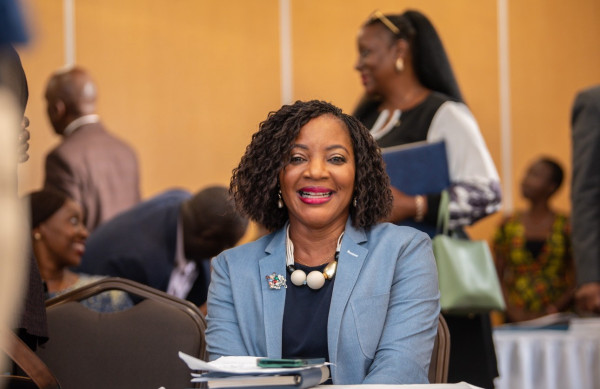
HPV is fuelling high cervical cancer rates in sub-Saharan Africa despite the availability of effective vaccines. Yet uptake remains low, driven largely by vaccine hesitancy. In South Africa alone, most participants (71%) were hesitant to receive at least one of the vacines in the country, according to the Vaccine Confidence Report by MSD (www.MSD.co.za) and Prof. Hannelie Meyer, Head of the South African Vaccination and Immunisation Centre. [1] The report was launched at the European Society of Clinical Microbiology and Infectious Diseases and during the SSA HPV Media Roundtable held during World and Africa Immunisation Week (24–30 April 2025).
Cervical cancer, caused by persistent infection of HPV, is one of the leading causes of cancer-related deaths among women in sub-Saharan Africa. The World Health Organization (WHO) estimates that 94% of global cervical cancer deaths occur in low- and middle-income countries, with sub-Saharan Africa heavily affected. [2]
Studies indicate that, globally, about 12% of women with normal cervical cytology are found to have an HPV infection. This prevalence doubles to around 24% in sub-Saharan Africa. Young women under 25 are particularly vulnerable, with an HPV prevalence rate of 43.9% in Africa compared to the global rate of 19.2%. [3]
A 2023 report indicated that cervical cancer ranks as the 13th most frequent cancer among women in Egypt and the 9th most frequent among women aged 15 to 44 years. [4] In Kigali, Rwanda, before the national HPV vaccination programme, 54% of women aged 19 years and younger were found to have received an HPV-positive result. [5] The high mortality rate in Ghana further demonstrates the burden, with approximately 3,000 women diagnosed with cervical cancer annually, resulting in around 2,000 deaths each year. [6]
Vaccine hesitancy, defined as a delay in acceptance or refusal of vaccines despite their availability, remains a challenge in the fight against preventable diseases such as cervical cancer. Misinformation, cultural beliefs, and accessibility issues further compound the low uptake of HPV vaccines. As global health organisations and local health authorities strive to eliminate preventable diseases, understanding and addressing vaccine hesitancy has never been more urgent. [1]
Understanding vaccine hesitancy
The Vaccine Confidence Report highlights several drivers of HPV vaccine hesitancy, including safety concerns, mistrust in healthcare systems, and misinformation on social media. According to Prof. Meyer, despite clear scientific evidence, many still believe vaccines are harmful. [1] “This reluctance is troubling,” she said, “given the direct link between HPV and cervical cancer. Addressing these fears with credible information is vital to reducing the burden in sub-Saharan Africa.”
An external study titled 'Vaccine Hesitancy and Trust in sub-Saharan Africa' published in Scientific Reports in May 2023 examined vaccination behaviours and attitudes across six sub-Saharan African countries: Ghana, Kenya, Nigeria, South Africa, Tanzania, and Uganda. The study found that only about 10% of respondents reported receiving at least one HPV vaccination. Vaccine hesitancy rates varied across countries, with South Africa exhibiting the highest rate at 17.15% and Kenya the lowest at 8.3%. [7]
Impact of misinformation, funding gaps and immunisation disruption Misinformation remains a major driver of vaccine hesitancy in Africa, especially through online platforms. It has shaped public attitudes and eroded trust in immunisation programmes. At the same time, shifting global priorities and economic pressures have led to reduced funding for vaccination efforts, limiting access in low-income communities. [8] “Routine immunisation has saved millions of lives,” said Dr Alima Essoh, Regional Director of the Preventive Medicine Agency for Africa (AMP Africa). “When misinformation and resource constraints disrupt these efforts, we risk undoing decades of progress.” Expanding HPV vaccination is critical to reducing cervical cancer, but it requires tackling misinformation head-on and improving access across the continent.
Broader implications for public health
While HPV vaccination remains a key focus, vaccine hesitancy extends to other preventable diseases. The World Health Organization (WHO) has set a target to eliminate cervical cancer as a public health concern by 2030, which includes ensuring that 90% of girls are fully vaccinated against HPV by age 15. [9] According to Prof Meyer, vaccine hesitancy threatens to derail this goal and broader efforts to achieve high immunisation rates for other preventable illnesses such as measles, polio, and influenza.
Rethinking the fight against HPV-related cervical cancer: Community action and vaccine confidence
Efforts to eliminate HPV and reduce HPV-related cervical cancer in Africa necessitate innovative, community-driven solutions. Dr Sabrina Kitaka, Senior Lecturer at Makerere University, states that engaging and accessible tools, such as comic books and school-based vaccination, have significantly enhanced vaccine uptake among young people. She adds that reminder systems, such as SMS and automated phone calls, help ensure adolescents complete the HPV vaccine schedule. If implemented on a large scale, these strategies could strengthen vaccine coverage across the region. She further states that, tackling vaccine hesitancy will require a coordinated approach involving governments, healthcare workers, civil society, and the private sector. This means improving health communication, building trust through local partnerships, and tailoring outreach to meet communities where they are.
“There is no time to waste,” says Prof. Meyer. “We must work together to share accurate information, address concerns, and make vaccines truly accessible. Only then can we protect future generations from preventable diseases.”
Disclaimer: The views and opinions expressed by the speakers in this document are their own and do not necessarily reflect the views or positions of MSD.
References
Distributed by APO Group on behalf of MSD.
REPORT ANY SUSPECTED ADVERSE EVENTS OR PRODUCT QUALITY COMPLAINTS TO DPOC SOUTH AFRICA:
dpoc.zaf@msd.com
Tel: +27 (0)11 655 3000.
www.MSD.co.za
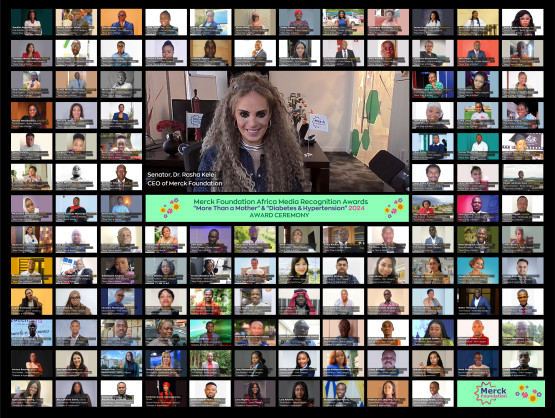
Merck Foundation (www.Merck-Foundation.com), the philanthropic arm of Merck KGaA Germany, in partnership with the First Ladies of Africa, proudly announced the Winners of their Merck Foundation Africa Media Recognition Awards 2024 under the categories “More Than a Mother” and “Diabetes and Hypertension”.
The Awards Ceremony was conducted virtually to honor and celebrate the outstanding contributions of all the winning media professionals. The winners were warmly acknowledged by Senator Dr. Rasha Kelej, CEO of Merck Foundation and President of the “More Than a Mother” campaign.
Senator, Dr. Rasha Kelej expressed, “I am truly happy to announce the winners of our Media Awards, together with my dear sisters, The First Ladies of Africa, who are also the Ambassadors of the Merck Foundation ‘More Than a Mother' Campaign. This year, we are delighted to celebrate 125 outstanding winners from 36 countries. It brings me joy to see such impressive participation not only from across Africa but also from several Asian and Latin American countries. Congratulations to all our incredible winners!
It is a true pleasure to welcome you all as Merck Foundation Alumni. Let's continue to work together to raise awareness about critical social and health challenges, be the voice of the voiceless, and create culture shift in our communities.”
Merck Foundation Media Awards launched in 2017, are announced annually, with over 640 Winners from 52 countries celebrated to date.
The theme of the “More Than a Mother” Media Awards is to raise awareness about important social issues like: Breaking Infertility Stigma, Supporting Girl Education, Women Empowerment, Ending Child Marriage, Ending Female Genital Mutilation and/or Stopping Gender-Based Violence. The theme of the “Diabetes and Hypertension” Media Awards is to Promote a Healthy Lifestyle and raise awareness about prevention and early detection of Diabetes and Hypertension.
The Merck Foundation CEO also launched the Call for Applications for the 2025 Media Awards. “I am pleased to invite entries for the Merck Foundation Media Recognition Awards 2025 – “More Than a Mother” & “Diabetes and Hypertension”, in partnership with the African First Ladies. I look forward to receiving another outstanding round of impactful entries this year as well.” Said Senator Dr. Rasha Kelej.
Winners of Merck Foundation "More Than a Mother" Media Recognition Awards 2024
Here are the winners from West African Countries in partnership with The First Lady of the Republic of The Gambia, H.E. Mrs. FATOUMATTA BAH-BARROW; and The First Lady of the Republic of Sierra Leone, H.E. Dr. FATIMA MAADA BIO:
PRINT CATEGORY WINNER
ONLINE CATEGORY WINNERS
RADIO CATEGORY WINNER
MULTIMEDIA CATEGORY WINNERS
Here are the Winners from Southern African Countries in partnership with The First Lady of the Republic of Malawi, H.E. Mrs. MONICA CHAKWERA; The First Lady of the Republic of Zimbabwe, H.E. Amai Dr. AUXILLIA MNANGAGWA:
PRINT CATEGORY WINNERS
ONLINE CATEGORY WINNERS
RADIO CATEGORY WINNERS
MULTIMEDIA CATEGORY WINNERS
Here are the winners from East African Countries:
PRINT CATEGORY WINNERS
ONLINE CATEGORY WINNERS
RADIO CATEGORY WINNERS
MULTIMEDIA CATEGORY WINNER
Here are the winners from French Speaking African Countries in partnership with The First Lady of the Republic of Burundi, H.E. Madam ANGELINE NDAYISHIMIYE; The First Lady of Democratic Republic of the Congo, H.E. Madam DENISE NYAKERU TSHISEKEDI:
PRINT CATEGORY WINNER
ONLINE CATEGORY WINNERS
RADIO CATEGORY WINNERS
MULTIMEDIA CATEGORY WINNERS
Here are the winners from Portuguese Speaking African Countries in partnership with The First Lady of the Republic of Cabo Verde, H.E. Dr. DÉBORA KATISA CARVALHO:
ONLINE CATEGORY WINNERS
RADIO CATEGORY WINNERS
MULTIMEDIA CATEGORY WINNERS
Merck Foundation "Diabetes & Hypertension" Media Recognition Awards 2024
Here are the winners from West African Countries in partnership with The First Lady of the Republic of The Gambia, H.E. Mrs. FATOUMATTA BAH-BARROW; and The First Lady of the Republic of Sierra Leone, H.E. Dr. FATIMA MAADA BIO:
PRINT CATEGORY WINNER
ONLINE CATEGORY WINNERS
RADIO CATEGORY WINNERS
MULTIMEDIA CATEGORY WINNER
Here are the Winners from Southern African Countries in partnership with The First Lady of the Republic of Malawi, H.E. Mrs. MONICA CHAKWERA; The First Lady of the Republic of Zambia, H.E. Mrs. MUTINTA HICHILEMA; The First Lady of the Republic of Zimbabwe, H.E. Amai Dr. AUXILLIA MNANGAGWA:
PRINT CATEGORY WINNER
ONLINE CATEGORY WINNERS
RADIO CATEGORY WINNERS
Here are the winners from East African Countries:
PRINT CATEGORY WINNER
ONLINE CATEGORY WINNERS
RADIO CATEGORY WINNERS
MULTIMEDIA CATEGORY WINNER
Here are the winners from French Speaking African Countries in partnership with The First Lady of the Republic of Burundi, H.E. Madam ANGELINE NDAYISHIMIYE; and The First Lady of Democratic Republic of the Congo, H.E. Madam DENISE NYAKERU TSHISEKEDI:
PRINT CATEGORY WINNERS
ONLINE CATEGORY WINNERS
RADIO CATEGORY WINNERS
MULTIMEDIA CATEGORY WINNER
Here are the winners from ASIAN Countries:
PRINT CATEGORY WINNER
ONLINE CATEGORY WINNERS
Here are the winners from LATIN AMERICA Countries:
ONLINE CATEGORY WINNERS
MULTIMEDIA CATEGORY WINNER
Details of Merck Foundation Media Awards 2025:
1. Merck Foundation Africa Media Recognition “More Than a Mother” Awards 2025
Theme for the awards: Breaking Infertility Stigma, Supporting Girl Education, Women Empowerment, Ending Child Marriage, Ending FGM, and/or Stopping GBV at all levels.
Who can apply: Journalists from Print, Radio, Online, and Multimedia platforms from the following groups:
Submission deadline: 30th September 2025.
Theme for the awards: Promoting a healthy lifestyle and raising awareness about prevention and early detection of Diabetes and Hypertension.
Who can apply: Journalists from Print, Radio, Online, and Multimedia platforms from the following groups:
Submission deadline: 30th October 2025.
All entries are to be submitted to submit@merck-foundation.com.
Distributed by APO Group on behalf of Merck Foundation.
Contact details:
Mehak Handa
Community Awareness Program Manager
+91 9310087613 / +91 9319606669
mehak.handa@external.merckgroup.com
Join the conversation on our social media platforms below and let your voice be heard!
Facebook: https://apo-opa.co/4cLhp9K
X: https://apo-opa.co/3EtS73f
YouTube: https://apo-opa.co/4cUG7o7
Instagram: https://apo-opa.co/3GnWcqj
Threads: https://apo-opa.co/3EvXLlq
Flickr: https://apo-opa.co/42ZoEr6
Website: www.Merck-Foundation.com
About Merck Foundation:
The Merck Foundation, established in 2017, is the philanthropic arm of Merck KGaA Germany, aims to improve the health and wellbeing of people and advance their lives through science and technology. Our efforts are primarily focused on improving access to quality & equitable healthcare solutions in underserved communities, building healthcare & scientific research capacity, empowering girls in education and empowering people in STEM (Science, Technology, Engineering, and Mathematics) with a special focus on women and youth. All Merck Foundation press releases are distributed by e-mail at the same time they become available on the Merck Foundation Website. Please visit www.Merck-Foundation.com to read more. Follow the social media of Merck Foundation: Facebook (https://apo-opa.co/4cLhp9K), X (https://apo-opa.co/3EtS73f), Instagram (https://apo-opa.co/3GnWcqj), YouTube (https://apo-opa.co/4cUG7o7), Threads (https://apo-opa.co/3EvXLlq) and Flickr (https://apo-opa.co/42ZoEr6).
The Merck Foundation is dedicated to improving social and health outcomes for communities in need. While it collaborates with various partners, including governments to achieve its humanitarian goals, the foundation remains strictly neutral in political matters. It does not engage in or support any political activities, elections, or regimes, focusing solely on its mission to elevate humanity and enhance well-being while maintaining a strict non-political stance in all of its endeavors.
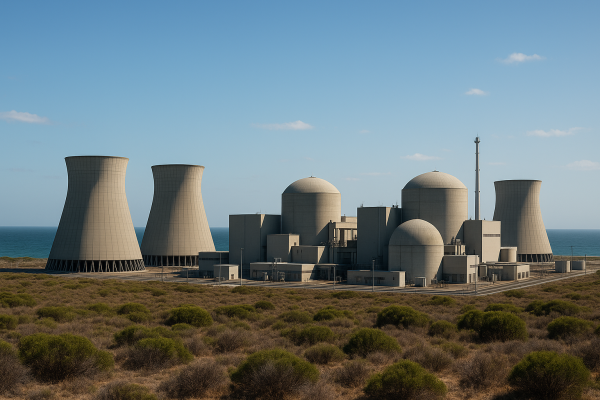
China is rapidly scaling up its energy diplomacy in Africa, with nuclear cooperation emerging as a cornerstone of its broader strategic agenda. On April 8, South Africa's Nuclear Energy Corporation signed a Memorandum of Understanding (MoU) with the China National Nuclear Corporation (CNNC) during an official visit to China led by South Africa's Electricity Minister, Dr. Kgosientsho Ramokgopa.
The agreement aims to revive South Africa's nuclear fuel cycle, accelerate the deployment of small modular reactors and promote collaboration on advanced fuels such as high-assay low-enriched uranium. With strong government support for nuclear power but limited domestic financing, South Africa is seeking international partners to inject capital and technology while maintaining state ownership of key infrastructure.
Minister Ramokgopa's working visit to China also aimed to find solutions to South Africa's energy insecurity and loadshedding. Central to this effort is the proposed life extension of the SAFARI-1 reactor at the Pelindaba nuclear research center, which is scheduled for retirement in 2030. Plans for a new multi-purpose reactor are already underway with R1.2 billion ($63.6 million) in seed funding allocated, but further investment is needed to move the project forward. This underscores the critical role of sustained nuclear investment in securing South Africa's long-term energy resilience and reducing dependence on aging infrastructure.
China's Expanding Footprint
China's ambitions in Africa's nuclear sector extend beyond South Africa. At the 2024 Forum on China-Africa Cooperation (FOCAC) in Beijing, China launched the China-Africa Forum on the Peaceful Use of Nuclear Technology, as part of its 2025-2027 Beijing Action Plan. The move reinforced China's long-term goal to become Africa's premier nuclear energy partner. With 53 of 54 African nations represented at FOCAC – including 51 Heads of State – the event provided a powerful platform for Beijing to promote its nuclear agenda and expand its diplomatic and technical reach, while highlighting how Africa is leveraging nuclear energy to meet its growing power demands.
For Africa, nuclear power presents a unique opportunity to address the continent's urgent energy access gap while advancing long-term sustainability. Nuclear offers baseload electricity with zero carbon emissions, making it well-suited to complement intermittent renewables like solar and wind. Small modular reactors, in particular, are seen as a viable solution for remote or off-grid regions due to their scalability, smaller footprint and enhanced safety features. With growing populations and rising industrial demand, several African nations view nuclear power as a low-carbon, scalable pathway to energy security and broader socioeconomic development.
Nuclear Expansion Across Africa
Currently, Africa's nuclear energy development is concentrated in six countries – Egypt, Ghana, Kenya, Morocco, Nigeria and South Africa. Of these, four have recently signed nuclear cooperation agreements with China. In September 2024, Nigeria entered high-level discussions with China on peaceful nuclear energy cooperation, covering the full project lifecycle – from research and training to construction and plant decommissioning. Earlier that year, Nigeria also signed an MoU with the CNNC aimed at operationalizing nuclear power plants by the 2030s. Ghana followed suit with a deal to deploy China's Hualong One reactor, while Kenya continues to pursue its longstanding 2015 agreement with China to develop a 1,000 MW plant by 2034.
The International Atomic Energy Agency projects a 58% increase in nuclear energy use in Africa by 2030, with a tenfold increase by 2050. With more than 600 million people on the continent lacking electricity access, China's nuclear partnerships are positioned to close critical power gaps while supporting shared decarbonization goals.
Against this backdrop, African Energy Week (AEW) 2025: Invest in African Energies serves as a pivotal platform for advancing nuclear energy collaboration between Africa, China and other global partners. Building on existing partnerships and recent MoUs, AEW will facilitate high-level discussions on technology transfer, investment frameworks and regulatory readiness to accelerate nuclear deployment in key African markets. These conversations will align national nuclear ambitions with China's global expertise, ensuring that energy security, sustainability and sovereignty are at the core of future collaborations.
AEW: Invest in African Energies is the platform of choice for project operators, financiers, technology providers and government, and has emerged as the official place to sign deals in African energy. Visit www.AECWeek.com for more information about this exciting event.
Distributed by APO Group on behalf of African Energy Chamber.
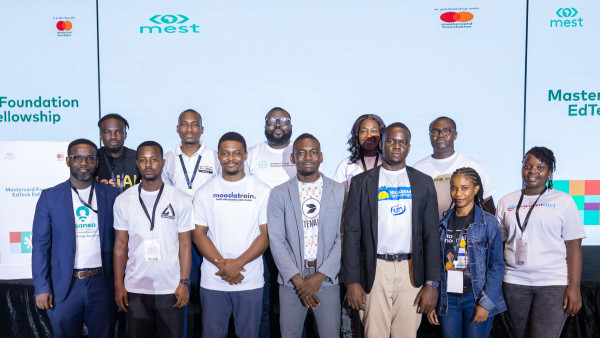
MEST Africa (www.Meltwater.org), in partnership with the Mastercard Foundation, has announced its second cohort of 12 innovative companies for the Mastercard Foundation EdTech Fellowship in Ghana. This six-month entrepreneurship acceleration program is dedicated to supporting Africa's most promising EdTech ventures by equipping them with mentorship, funding, and expertise in the science of learning. These newly selected companies are set to scale their groundbreaking solutions and address pressing educational challenges across Ghana.
The Second cohort builds on the success of the first cohort of 12 EdTech Companies, whose solutions impacted over 136,798 learners during the period of acceleration, underscoring the Fellowship's ability to drive transformative change.
“We are thrilled to welcome the second cohort of the Mastercard Foundation EdTech Fellowship,” said Angela Duho, Program Manager at MEST Africa. “In Ghana, EdTech is not just about innovation—it's about creating equal opportunities for every student, no matter where they live. It empowers teachers with the tools they need to inspire, and it prepares our youth for a future where digital skills are essential. The first cohort has already shown us what's possible, and we're confident that these new Fellows will continue to transform education and unlock potential across the country.”
The 12 EdTech companies selected for the 2025 cohort demonstrated strengths in [please add here] that point to Ghana's educational needs. Over the next six months, they will benefit from comprehensive support, including expert mentorship, access to funding, and specialized training, enabling them to scale their solutions effectively and sustainably.
The EdTech companies selected by MEST Africa for the 2025 Mastercard Foundation EdTech Fellowship are:
“The Mastercard Foundation looks to support the acceleration of EdTech solutions that reach all, including those out-of-school young people who are constantly left out of the education ecosystem. For it is when we design with the end user in mind that the business case for the solutions is more scalable, sustainable and impactful. Our collaboration with MEST Africa is to transform education in Ghana through technology-enabled learning”, added Rodwell Mangisi, the Acting Director of the Mastercard Foundation Centre for Innovative Teaching and Learning.
Through the Mastercard Foundation EdTech Fellowship, this cohort will embark on a transformative journey, gaining mentorship from experts in education innovation, sustainability, and scale, access to courses on the science of learning, and equity-free grants. This robust support aims to scale their solutions and elevate educational outcomes for millions across Ghana and Africa.
For more information about the Mastercard Foundation EdTech Fellowship and MEST Africa initiatives, visit www.Meltwater.org.
Distributed by APO Group on behalf of The Meltwater Entrepreneurial School of Technology (MEST Africa).
For media inquiries, contact:
Francis Akondor
Marketing and Recruitment Manager, MEST Africa
francis@meltwater.org
About MEST Africa:
Established in 2008, the Meltwater Foundation is the non-profit arm of the global media intelligence company, Meltwater. Its mission is to create job opportunities and drive economic growth in Africa through software entrepreneurship, primarily via the Meltwater Entrepreneurial School of Technology (MEST Africa). Based in Accra, Ghana, MEST offers a one-year, specialised tech entrepreneurial training program for top talent from over 22 countries, including Nigeria, Kenya, South Africa, and Senegal. Additionally, MEST invests in early to growth-stage startups.
In 2020, MEST Programs was launched to forge partnerships with other foundations and organisations that share our goal of creating wealth and jobs in Africa through digital skills training and startup acceleration. MEST Africa has trained over 2,000 entrepreneurs and invested in more than 90 startups across various industries throughout Africa.
Visit www.Meltwater.org to learn more.
About the Mastercard Foundation:
The Mastercard Foundation is a registered Canadian charity and one of the largest foundations in the world. It works with visionary organisations to advance education and financial inclusion to enable young people in Africa and Indigenous youth in Canada to access dignified and fulfilling work. Established in 2006 through the generosity of Mastercard when it became a public company, the Foundation is an independent organisation separate from the company, with offices in Toronto, Kigali, Accra, Nairobi, Kampala, Lagos, Dakar, and Addis Ababa. Its policies, operations, and program decisions are determined by the Foundation's Board of Directors and leadership.
For more information on the Foundation, please visit www.MastercardFDN.org
About the Mastercard Foundation EdTech Fellowship:
The Mastercard Foundation EdTech Fellowship is an entrepreneurship acceleration program designed to support promising, African EdTech ventures. Implemented in partnership with innovation hubs and EdTech accelerators across Africa, the Fellowship provides select EdTech companies with critical business and financial support, as well as insight into the science of learning, preparing them for scale, sustainability, and impact. The Mastercard Foundation EdTech Fellowship was launched in 2019 by the Mastercard Foundation through its Centre for Innovative Teaching and Learning with the goal to partner with 12 Tech Hubs to support over 250 EdTech companies and reach at least 1.8 million young people by 2025.
For more information about the Centre for Innovative Teaching and Learning, visit: https://apo-opa.co/42DjLmm or contact: edtechfellowship@mastercardfdn.org