• Skip to main content
  • Skip to header right navigation
  • Skip to after header navigation
  • Skip to site footer
MyZA

MyZA

News, Directory, Events and Other Stuff

  • Social Media
  • Sport
  • World News
  • Home
  • Submit News
  • Directory
  • Events
  • Stratlec
  • TFSA
  • News
    • APO
    • Today’s Sport News
    • Todays Social Media and Tech Headlines
    • Today’s World News
    • Today’s SA Financial News
  • Contact
You are here: Home / Archives for Ghana

Ghana

8 March 2025

Ecobank Côte D’Ivoire Launches West Africa’s First Gender Bond

Location: Business
Ecobank Transnational Incorporated

Ecobank Côte d'Ivoire, a subsidiary of Ecobank Transnational Incorporated (www.Ecobank.com), the leading Pan African Bank, takes a major step forward in its commitment to financial inclusion with the launch of the first Gender Bond in West Africa. This groundbreaking bond issuance, amounting to XOF 10 billion, aims to mobilize funding for women-owned and women-led businesses, reducing financing inequalities and fostering inclusive economic growth.

Named "Ellever Gender Bond 6.5% 2024-2029," this bond has been structured and arranged by EDC Investissement Corporation (EIC), Ecobank's Brokerage and Asset Management subsidiary. It marks Ecobank Côte d'Ivoire's second bond issuance after its initial fundraising in 2013. Aligned with international sustainable finance standards, the Gender Bond has received an independent second-party opinion from Morningstar Sustainalytics, ensuring compliance with global best practices in responsible investment.

Since its inception, the ELLEVER program has made a tangible impact on women entrepreneurship. In 2024, over 3,465 businesses registered, benefiting from XOF 13.25 billion in disbursed loans. However, access to financing remains a significant challenge for women entrepreneurs in West Africa, where less than 20% of women-led SMEs have access to adequate funding. Globally, Gender Bonds represented only USD 14.5 billion, accounting for just 1.5% of the sustainable bond market in 2023, underscoring the need to expand such initiatives.

According to Paul-Harry Aithnard, Managing Director of Ecobank Côte d'Ivoire, women's financial inclusion is a major economic priority. "This Gender Bond provides a tangible solution to the challenges faced by women entrepreneurs in West Africa. Today, women-led businesses are recognized for their resilience and performance, yet they remain significantly underfunded. Through this issuance, we reaffirm our commitment to building an ecosystem where women have full access to the financial resources they need to grow and succeed. This is a powerful tool to transform access to financing and sustainably accelerate the growth of women-led businesses."

The "Ellever Gender Bond 6.5% 2024-2029" offers investors and the public a unique opportunity to combine profitability with social impact. This five-year bond provides an attractive annual interest rate of 6.5% with a two-year capital repayment grace period. The total issuance of XOF 10 billion consists of one million securities with a nominal value of XOF 10,000 each.

All funds raised will be fully allocated to strengthening the ELLEVER program, financing initiatives led by women, and providing them with tailored financial and technical support. Roseline Abé, Chief Executive Officer of EDC Investissement Corporation, highlights the significance of this initiative: "We have structured this bond to be attractive to investors while delivering a strong impact on women's empowerment in Côte d'Ivoire. This is a unique opportunity to combine financial performance with social inclusion."

With this Gender Bond, Ecobank Côte d'Ivoire cements its leadership in sustainable finance and paves the way for greater economic inclusion. The bank's ambition goes beyond this issuance, as it envisions a long-term strategy to promote innovative and inclusive financial instruments.

Paul-Harry Aithnard concludes: "This issuance is just the beginning. We will continue to develop tailored solutions to enhance women's participation in the economy and encourage other financial institutions to follow this path."

Through this initiative, Ecobank Côte d'Ivoire is transforming access to finance and reaffirming its commitment to inclusive and sustainable development.

Distributed by APO Group on behalf of Ecobank Transnational Incorporated.

Media Contact:
Cynthia KOIDIO
Corporate Communications Manager
Ecobank Côte d'Ivoire
Email: ckoidio@ecobank.com
Tel : +2250787733729

About Ecobank Côte d'Ivoire:
Ecobank Côte d'Ivoire is a subsidiary of the Ecobank Group, the leading independent pan-African banking group, whose parent company is Ecobank Transnational Incorporated (ETI).

The Ecobank Group employs over 13,000 professionals, serving approximately 32 million customers across retail, commercial, and corporate banking sectors in 33 African countries. The Group also holds a banking license in France and maintains representative offices in Addis Ababa (Ethiopia), Johannesburg (South Africa), Beijing (China), London (United Kingdom), and Dubai (United Arab Emirates). Ecobank offers a comprehensive range of banking products, services, and solutions, including deposit accounts, cash management, advisory services, trading, securities brokerage, and wealth management. ETI is listed on multiple stock exchanges, including the Nigerian Stock Exchange (Lagos), the Ghana Stock Exchange (Accra), and the Bourse Régionale des Valeurs Mobilières (Abidjan).

For more information, visit www.Ecobank.com.
Media files
Ecobank Transnational Incorporated
Download logo
Read moreEcobank Côte D’Ivoire Launches West Africa’s First Gender Bond
7 March 2025

Immigrant Spaza Shop Owners Battle to Meet Registration Deadline in NMB

Location: News

Problems with documents from Home Affairs affect shop owners’ ability to comply with President Ramaphosa’s announcement about food outlets

Read moreImmigrant Spaza Shop Owners Battle to Meet Registration Deadline in NMB
6 March 2025

Women-Focused Program Launching in Ghana

Location: Business

Empowering women through tailored financial services is not just a goal but a proven strategy for unlocking economic potential. Recognising the impact of women-focused programmes in underserved communities, Standard Bank is now expanding its female-centric propositions to two more countries. Through initiatives like the Dare to Aspire and Dare to Achieve (DADA) programme in Stanbic …

Read moreWomen-Focused Program Launching in Ghana
5 March 2025

JETA Holding Expands its Vision for FinTech in Africa Following the Inclusive FinTech Forum 2025

Location: Business

JETA Africa Holding
Download logo

During the Inclusive FinTech Forum 2025, JETA Holding (www.JETAHolding.com) reinforced its commitment to FinTech and trade expansion in Africa, leveraging its expertise in other industries, including healthcare and technology-driven solutions to position itself as a key player in the region's digital transformation.

At the event, JETA engaged with leading industry stakeholders, established connections with potential partners, and explored investment opportunities to accelerate FinTech adoption and financial inclusion across Africa.

Haim Taib, Founder & President of Mitrelli Group and JETA Holding, emphasized on stage:
"FinTech is not just about technology—it's about unlocking opportunity, fostering inclusion, and driving economic transformation. Across Africa, a new generation of creative entrepreneurs is emerging, bringing bold ideas and innovations that have the potential to redefine industries. However, true progress requires more than innovation; it demands the collective commitment of governments, private capital, and human talent working together to turn potential into impact. This is why JETA is making strategic investments in FinTech—not just to connect people, businesses, and communities with financial tools, but to lay the foundation for long-term, sustainable growth."

With a strong foundation in healthcare, cybersecurity, and ICT, JETA is expanding into FinTech and trade, leveraging its experience in complex regulatory environments and established relationships with governments, banks, and regulators.

JETA operates through three core subsidiaries:

  • Luanda Medical Center (LMC) – A leading hospital and clinic in Luanda, Angola, delivering high-quality healthcare services.
  • Yapama – A medical equipment and consumables distribution company with operations in Angola, Senegal, and Côte d'Ivoire.
  • New Cognito – A cybersecurity and ICT services company, well established in Angola. 

As JETA enters FinTech and trade, the company is looking to bridge financial technology with real-sector applications, including digital payments, lending, trade finance, and financial inclusion solutions.

JETA is actively seeking partnerships with investors, FinTech startups, and financial institutions to drive innovation and scale financial solutions across key African markets.

Doron Ben Sira, CEO of JETA Holding, added:
"FinTech is one of the most dynamic and transformative sectors in Africa, with enormous potential to accelerate financial inclusion and unlock new trade opportunities. At JETA, we don't just invest in technology—we invest in building strong ecosystems. We connect capital, expertise, and markets to ensure that financial innovation doesn't just grow but establishes itself as a sustainable engine for development. We are actively seeking the best companies and partnerships to build a more integrated and accessible digital future in Africa."

Expanding Across Africa

JETA is more than an investor—it is a business accelerator and growth enabler. Through its subsidiaries and strategic investments, JETA is building an ecosystem that connects technology, capital, and local expertise.

As part of its FinTech and trade expansion, JETA is focusing on high-growth markets, including Nigeria, South Africa, Kenya, Ghana, Côte d'Ivoire, Ethiopia, Rwanda, Tanzania, Senegal, Mauritius, and Uganda.

With a proven track record in market expansion, JETA is committed to leveraging its regional presence and deep industry networks to build scalable and impactful financial solutions across the continent.

Distributed by APO Group on behalf of JETA Africa Holding.

For more information or to schedule interviews with JETA Holding's spokespersons, please contact:
Doron Ben Sira
+357 9974 3916
info@jetaholding.com

Read moreJETA Holding Expands its Vision for FinTech in Africa Following the Inclusive FinTech Forum 2025
4 March 2025

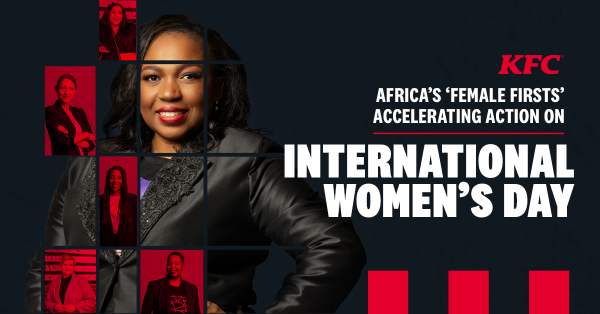
KFC Celebrates Inspirational African Women Accelerating Action Towards Equality

Location: Business
KFC Africa

Progress in closing the gender gap in South Africa and Sub-Saharan Africa has almost halted, leaving millions of women at a disadvantage to men. But female role models across the continent are refusing to admit defeat, dedicating themselves to accelerating progress towards gender equality.

To mark International Women's Day on 8 March and honour its theme of “Accelerate Action”, KFC Africa has collected the stories of dozens of women who are taking bold steps to advance equality on the continent by educating, empowering and supporting women to achieve more, together, faster. 

KFC Africa's list contains the names of 54 women – one for each year the company has been in Africa – and follows its successful International Women's Day campaign in 2024 which introduced an inaugural list (https://apo-opa.co/4h5xiID) of 53 “female firsts”. Each of those women had overcome educational, social and financial obstacles to achieve something no woman in their country had done before. 

The 2025 list (https://apo-opa.co/4h5xiID), drawn from each of the 22 Sub-Saharan Africa countries where KFC has restaurants, also has its share of female firsts – people such as Dior Fall Sow, Senegal's first female prosecutor; Nelly Mutti, the Zambian parliament's first female speaker; and Adelaide Retselisitsoe Matlanyane, the first woman to lead Lesotho's central bank.  

The list is dominated, however, by younger women who are breaking the mould – particularly in the technology sector – and showing they can do anything they set their mind to, regardless of age or gender. 

They include the likes of Christine Ogo, a Cote d'Ivoire physicist who has encouraged thousands of schoolgirls to pursue science, technology, engineering and mathematics; Rachel Sibande, who set up Malawi's first technology incubator for emerging entrepreneurs and has gone on to teach coding to 92,000 women and children; and Regina Honu, whose Tech Needs Girls movement in Ghana has trained more than 20,000 women and girls to code. 

Gender gap 

“It's a powerful list that gives us hope after  the World Economic Forum's Global Gender Gap Report (https://apo-opa.co/4i2QKXB) in 2024 showed that progress seems to have ground to a halt,” says Akhona Qengqe, General Manager of KFC Africa. 

The report showed that 68.4% of Sub-Saharan Africa's gender gap had been closed, only marginally higher than 68.2% in 2023 (https://apo-opa.co/3QEYGm5). South Africa, while being Africa's highest scorer and ranking 18th out of 146 nations, went backwards, from 78.7% in 2023 to 78.5% a year later. 

“The report says that at the current rate of progress, it will be 2158 until the world reaches full gender parity,” says Qengqe. “That's why we need to accelerate action, particularly in Africa, and why the efforts of the women on the KFC list are worthy of recognition and support.” 

In her seven years at KFC – she was as director of Africa franchise development, director of transformation and diversity and chief people officer before taking over as general manager in April 2023 – Qengqe has prioritised female empowerment. 

Her initiatives include spearheading KFC Add Hope, a women-led programme that serves free meals to tens of thousands of children at more than 3,000 feeding centres across South Africa. 

In 2021, she launched the Women on the Move leadership development programme, which prepares 22 women at KFC for future leadership positions every year, cultivating a pipeline of talent. Within two years, the number of female leaders in the business grew by 14%. 

Transforming franchising 

Last November she turned her attention to the wider quick service restaurant sector, launching Women in Franchising Africa (Wifa), the first network for current and aspiring female franchisees and franchisors across the continent. 

“To say I am passionate about the inclusion of women in growing our economies is an understatement. It is in fact one of my life's purposes,” she says. “My partners in Wifa intend to transform the participation of women in the franchising sector across African economies. 

“We want to educate women on how to run successful franchise businesses, provide networking opportunities for like-minded women, transform the sector by making funding accessible to women, and create mentorship opportunities for all the women in the network.” 

KFC Africa Chief People Officer Nolo Thobejane says “Accelerate Action” is a call to look at what has a positive impact on women's advancement and replicate it. 

“This is a journey we need to embark on together as we learn from each other. I cannot stress enough the importance of forming alliances and partnerships to amplify impact. By working together, organisations and individuals can share resources, knowledge, and support to create a more inclusive and equitable environment for women.” 

“At KFC, we have implemented some programmes which have yielded great results – such as the Women on the Move Leadership programme to ensure the pipeline of leaders, developing them with quality education and training through initiatives like our Streetwise Academy and then providing career support into positions of leadership.” 

“Other successful initiatives organisations can implement include designing and building infrastructure that meets the needs of women and girls, involving them in sustainable agriculture, and elevating their participation and achievement in sport, as we do with KFC Mini Cricket.” 

“There's a lot we can do as individuals, too – we can call out stereotypes, challenge discrimination, question bias and celebrate women's success. Everyone everywhere can Accelerate Action.” 

Qengqe says the new list of 54 names brings to 107 the number of inspirational African women KFC has honoured and recognised in the past two years. “We know this is the tip of a wonderful iceberg, and we welcome nominations of other women who are Accelerating Action in Africa.” 

Explore the list of 54 women Accelerating Action across Africa: https://apo-opa.co/4heEjqM  

To nominate a woman Accelerating Action: Email: za-kfcafricamedia@yum.com 

Distributed by APO Group on behalf of KFC Africa.

For media inquiries and to arrange interviews with Akhona Qengqe and Nolo Thobejane: 
Elmarie Swart 
Phone number:  
WhatsApp: +44 7464739649 
South Africa: +27 79 831 2429 
Email: elmarie@kamuses.co.za 

KFC Socials: 
Instagram – @kfcsouthafrica - https://apo-opa.co/3FdDUap 
Facebook – @KFCSA - https://apo-opa.co/4hYOsJl 
TikTok – @kfcsa - https://apo-opa.co/4h83tHx 
X – @KFCSA - https://apo-opa.co/4h9pMMX 
YouTube – @KFCSouthAfrica - youtube.com/@KFCSouthAfrica 

About KFC Africa:
KFC has been in South Africa for over 53 years and has more than 1,300 stores across the country. The first KFC restaurant in South Africa opened in 1971 in Orange Grove, Johannesburg. KFC is the leading quick-service restaurant brand in South Africa with just under a third of market share, according to Brand Image Tracker. KFC serves more than 20 million customers a month and we work hard to ensure that no matter which of our restaurants they walk into, they will get that distinctive KFC flavour and have a great experience. KFC's Original Recipe® Chicken was first made by Colonel Harland Sanders in 1940 when he perfected his secret recipe of 11 herbs and spices at his restaurant in Kentucky. Today, KFC is the world's most popular chicken restaurant, still preparing our chicken with the Colonel's secret recipe to his exact standards. Every KFC restaurant follows the same global processes and procedures to ensure that our customers get great-tasting food, every time.  

Media files
KFC Africa
Download logo
Read moreKFC Celebrates Inspirational African Women Accelerating Action Towards Equality
3 March 2025

Next generation of scholars gathering to shape Africa’s future

Location: News

Next generation of scholars gathering to shape Africa’s future

Research-based insights and collaboration on finding solutions to Africa’s most urgent challenges will be at the heart of the Human Sciences Research Council (HSRC)’s 19th Africa Young Graduates and Scholars (AYGS) Conference. 

The conference which gets underway tomorrow, is being held in collaboration with the University of Mpumalanga (UMP).

Under the theme “Enabling Africa’s Inclusive and Sustainable Development: Challenges and Opportunities,” the conference will gather over 100 young and emerging scholars, policymakers, and practitioners from various regions of Africa to share research-based insights and collaborate on solutions to the continent’s most urgent challenges. 

The gathering will take place at UMP’s Mbombela campus from 4 to 6 March 2025. 

“We are excited to provide a platform for Africa’s next generation of leaders to engage, share knowledge, and shape the continent’s future,” said the Executive Head at the HSRC’s Africa Institute of South Africa (AISA), Dr Sabelo Gumedze. 

He believes that the AYGS Conference has the potential to contribute significantly to Africa’s developmental trajectory, and said they were looking forward to fostering innovative solutions, enhancing capacity, and informing policy decisions with research-based insights.

Meanwhile, the UMP Deputy Vice-Chancellor for Research and Innovation, Professor Aldo Stroebel, said the university was privileged to partner with the HSRC and other prominent stakeholders to engage and strengthen an opportunity framework for emerging scholars through critical thinking and policy impact. 

“UMP benefits from this convening to further advance our focus on sustainability and innovation, building a strong base of intellectual engagement, international networks, and learning,” Stroebel added. 

The conference will feature sessions covering various topics such as advancing agricultural sustainability and food security. 

The panellists will also zoom into governance, peace, and security in enabling Africa’s inclusive and sustainable development; climate change action and the Just Transition; and leveraging artificial intelligence (AI) to drive Africa’s development priorities.

Meanwhile, more than 30 papers will be presented by scholars from over 15 countries, including Cameroon, Ghana, Kenya, Lesotho, Madagascar, Nigeria, Rwanda, Sierra Leone, South Africa, Tanzania, Togo, Uganda, Zambia, and Zimbabwe. 

The annual AYGS conference is a research capacity-building project that was conceived in 2005 to build a body of knowledge and to project the African “voice” into various global discussions. 

It is further intended to bridge the existing expertise gap in knowledge production on African affairs by developing a society of knowledge producers among the youth. 

The conference, which features a comprehensive programme including a pre-conference training workshop on policy-engaged research and open science, is hosted by the HSRC’s Africa Institute of South Africa (AISA) in collaboration with the UMP, the National Research Foundation’s (NRF) Future Earth Africa Hub Leadership Centre, the Partnership for African Social and Governance Research (PASGR), and other key partners. – SAnews.gov.za


Gabisile
Mon, 03/03/2025 - 08:50
134 views

Read moreNext generation of scholars gathering to shape Africa’s future
26 February 2025

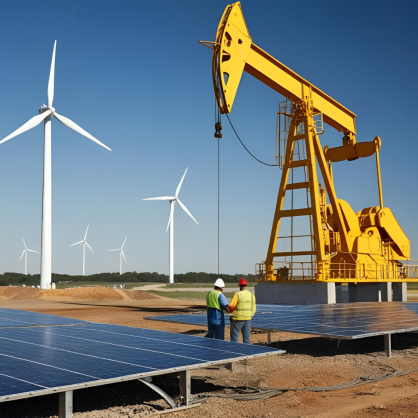
The Future of Africa’s Energy Sector

Location: Business
African Energy Chamber

By NJ Ayuk, Executive Chairman, African Energy Chamber (www.EnergyChamber.org).

There's a promising future for African renewables as the continent strives to balance its current reliance on fossil fuels.

That's the prediction of the African Energy Chamber's 2025 Outlook Report on the State of African Energy.

As I have said before, Africa will eventually rely primarily on renewable energy, as much of the rest of the world strives to — but on its own timetable, not that of Western countries who have benefited for centuries from the exploitation of fossil fuels.

To achieve a carbon neutral future, African nations must have the underlying infrastructure and industry to make the dominance of renewables possible. As things currently stand, most African states lack said infrastructure and industry, and the most feasible and expedient way for them to achieve both is through leveraging the abundant oil and gas resources so many of them possess.

As our report finds:

  • Fossil fuels account for 72% of Africa's power generation. South Africa and Egypt are Africa's leading producers, and their dominance will continue into the next decade.
  • Renewables account for over 27% of Africa's power generation and are projected to increase to 43% by the end of this decade.
  • Africa accounts for 3.3% of the global power generation, with a total power generation of over 980 terawatt hours.
  • 13 GW of utility-scale solar PV and wind projects are under construction – South Africa, Egypt, Morocco, Ethiopia and Algeria account for over 75% of this capacity.

No Electricity at All

There are also significant challenges facing Africa's energy sectors, as we cover in detail in our report.

The most pressing of those challenges is the fact that many rural areas across Africa are underserved and lack the necessary power infrastructure to access any electricity at all. In fact, of the 685 million people worldwide living without access to electricity, 590 million (86%) live in Africa. Conversely, even in well-served areas electricity is not cheap and reliable, as population and urbanization growth have outpaced the growth of power infrastructure, placing additional strain on the existing power systems. Many African households still rely on alternative, less efficient energy sources such as biomass, kerosene, etc., for heating and cooking.

One practical solution to these challenges is Western investment.

Western investment — providing both funds and technology — will help expand our existing infrastructure into underserved areas and harness our natural resources, and that will go a long way toward improving economic conditions across the continent. This will in turn improve energy affordability for many Africans as it becomes both more widely available and cheaper to access.

But where and in what should the West invest? That is up to them, but there are many development opportunities across the continent right now. I will cover just a few of the most promising, according to our outlook report.

What we found is that most North African countries see 90% access rates for electricity and are looking to enhance their power sectors while reducing reliance on fossil fuels. The bulk of renewable power share increases by the end of the decade will almost certainly be seated in this region. In contrast, sub-Saharan countries will continue to fight low electricity access for some time. They have been able to increase access to 55% currently, up from 38.3% in 2010. These countries will be ripe for investment, expanding the grid and production infrastructure to improve electrical access.

We also found that hydropower continues to dominate in East Africa, which has some of the largest dams in the world generating 19% of Africa's overall power generation and providing up to 90% of the available power for countries such as Ethiopia and the Democratic Republic of Congo. Africa's largest hydroelectric project, the Grand Ethiopian Renaissance Dam (GERD) is nearing completion and is expected to generate 15,760 GWh annually once fully operational. The project is of such importance to the region that it has sparked diplomatic cooperation between the Nile-bound countries of Ethiopia, Egypt, and Sudan in an effort to ensure equitable sharing of the river's precious waters. Other currently ongoing projects such as Ethiopia's Gibe III Dam (1870 MW), Zambia and Zimbabwe's Kariba Dam (1830 MW) and Ghana's Akosombo Dam (1020 MW) also speak to promising future growth and development opportunities for those willing to get their feet wet in the central and eastern parts of the continent along the Congo and Nile rivers, where nearly 90% of the continent's hydroelectric potential remains untapped.

Geothermal power in Africa is currently dominated by Kenya, which to date is the seventh largest producer of geothermal power. Kenya's estimated geothermal power potential is roughly 10 GW, but current operation capacity only allows 1 GW to be harnessed.

International investment is what launched Kenya's geothermal power in the first place, with the United Nation's development program providing the requisite research and funds in 1972 to establish the country's first geothermal plant by the 1980s. Since then, Kenya has expanded independently, creating the state-owned Geothermal Development Company (GDC) in 2008 to both speed up geothermal advancements and lower the initial investment risk for foreign investment.

Solar Power: A Light in the Dark

Solar power offers a veritable gold mine of opportunity given Africa's high irradiance levels: nearly 80% of the continent receives more than 2 MWh per square meter. This amounts to a solar PV potential of 1 million terawatt hours per year and a solar thermal potential of over 500,000 terawatt hours (for reference, a single terawatt hour is enough to light over 1 million homes for a year). Yet to date, Africa only generates over 35 TWh and 3.3 TWh from solar PV and solar thermal, respectively. Over 13 GW of utility-scale solar PV and wind projects are currently under construction, with hundreds more GW of capacity in the concept phase..

I would like to reiterate: Africa will reach a point where we will rely primarily on low carbon and renewable energy. But we cannot get to that point without building the proper infrastructure, and we cannot fund the building of said infrastructure without leveraging our natural resources, oil and gas being chief among them. If the west wishes to speed along Africa's progress on this front, the best way is to work with African as partners and investors working towards common goals. 

Distributed by APO Group on behalf of African Energy Chamber.

Media files
African Energy Chamber
Download logo
Read moreThe Future of Africa’s Energy Sector
26 February 2025

Ghana’s Mining in Motion Summit Gains Support From Key Leaders

Location: News
Energy Capital & Power

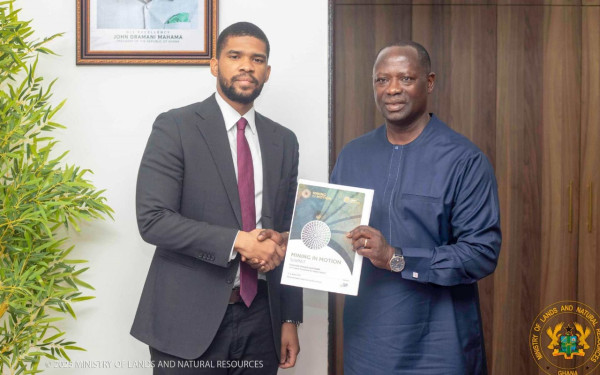
Otumfuo Osei Tutu II, King of the Ashanti Kingdom; Hon. Emmanuel Armah Kofi Buah, Minister of Lands and Natural Resources of Ghana; and Oheneba Kwaku Duah, the son of Otumfuo Osei Tutu II and Managing Director of the Ashanti Green Initiative recently met to discuss the upcoming Mining in Motion Summit in Ghana.

They explored the summit's potential to improve the artisanal and small-scale gold mining (ASGM) sector in Ghana and the role of government, international partners and major mining firms in accelerating the sector's growth. Hon. Kofi Buah endorsed the event, emphasizing its significance in connecting small-scale miners with technology providers, financiers, regulatory bodies and global industry stakeholders to improve their operations and impact.

Organized by the Ashanti Green Initiative along with the World Bank, the World Gold Council and other international partners, Mining in Motion will take place from June 2 - 4 in Accra.

The summit is held under the theme Sustainable Mining & Local Growth – Leveraging Resources for Global Impact, uniting key decision-makers, including H.E. John Dramani Mahama, President of the Republic of Ghana, as well as representatives from public and private sector mining institutions from South Africa, the Republic of Guinea, the African Union, ECOWAS and the United Nations.

The three-day event will highlight the role of traditional authorities in shaping artisanal and small-scale mining practices, emphasizing the sector's contribution to employment and economic growth. In 2024 alone, Ghana's artisanal miners generated $5 billion in foreign exchange earnings through gold exports. Providing direct employment for over one million Ghanaians and accounting for 35% of domestic gold output, the sector has the potential to significantly shape socioeconomic development in the west African country.

As Ghana's mining sector increasingly supports sustainable development, the Mining in Motion Summit will highlight best practices for integrating ASGM into the global financial system. Representatives from prominent international financing organizations will share their insights.

In a significant move to boost earnings for small-scale miners, Ghana has announced plans to establish a Gold Board. This new entity will simplify the process of purchasing gold from small-scale miners, providing them with easier access to global markets. With Samuel Adu Gyamfi, who was appointed Acting Managing Director of Precious Minerals Marketing Company last month and tasked with setting up the Ghana Gold Board, playing a pivotal role in shaping the summit, Mining in Motion is set to have a sizable impact on the growth of Ghana's gold sector.

Through a series of high-level panel discussions, deal signings, project showcases and exclusive networking, Mining in Motion serves as the ideal platform to connect Ghanaian miners with regional counterparts and global investors for forge industry-changing partnerships.

Stay informed about the latest advancements, network with industry leaders and engage in critical discussions on key issues impacting ASGM and medium- to large-scale mining in Ghana. Secure your spot at the Mining in Motion 2025 Summit by visiting https://MiningInMotionSummit.com. For sponsorship opportunities or delegate participation, contact sales@energycapitalpower.com.

Distributed by APO Group on behalf of Energy Capital & Power.

About Ashanti Green Initiative:
The Ashanti Green Initiative is a foundation dedicated to promoting environmental restoration, advocating for climate-related issues, and fostering community development in Ghana and beyond. Guided by a commitment to sustainability, the foundation undertakes projects aimed at rehabilitating degraded lands, restoring water bodies, and promoting responsible natural resource management. The initiative also champions regenerative practices in mining, agriculture, and energy, aligning with global efforts to combat climate change while uplifting local communities through education, capacity-building, and economic empowerment programs. The Ashanti Green Initiative is led by Nana Kwaku Duah, son of His Majesty Otumfuo Osei Tutu II, King of the Ashanti Kingdom. Under his leadership, the foundation applies forward-thinking approaches and innovative solutions, creating impactful partnerships with local and international stakeholders to drive meaningful change.

About Energy Capital & Power:
Energy Capital & Power is an Africa-focused global leading investment platform for the energy and mining sectors. Through a series of events, online content and investment reports, we unite the entire energy and mining value chains – from oil and gas exploration to renewable power – and facilitate global and intra-African investment and collaboration.

Media files
Energy Capital & Power
Download logo
Read moreGhana’s Mining in Motion Summit Gains Support From Key Leaders
23 February 2025

Afreximbank to Set up $1 Billion Oil Service Financing Facility in Guyana

Location: Business
Afreximbank

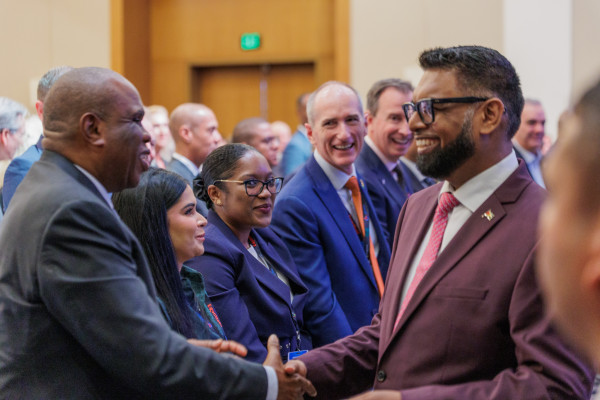
In a significant announcement at the Guyana Energy Conference and Supply Chain Expo being held from, February 18 - 21, Prof. Benedict Oramah, President and Chairman of the Board of Directors of African Export-Import Bank (Afreximbank) (www.Afreximbank.com), declared the multilateral Bank's intention to establish a $1 billion oil service financing facility in Guyana. This initiative aims to enhance local participation in the country's fast growing oil industry, in alignment with the government's local content policies. The Bank will deploy the $1 billion facility directly to qualifying corporate clients or through a factoring line via local banks, enabling them to finance invoices from local contractors.

President Oramah highlighted the transformative potential of Guyana's estimated 12 billion barrels of crude oil reserves. Emphasising the transformative power in proactive resource management, he advised Guyana to aggressively harness and build capital from its oil resources.

He said, "Given the level of oil production in Guyana and its offshore location, I estimate that the oil service sector would amount to 5 to 8 billion US dollars annually. But where will it go? Most of it would be paid to oil service companies abroad, if Guyana does nothing to avoid that. A 50% retention in Guyana would increase Guyana's GDP by 29% to 47%.” As such, he called for robust local content policies that would enable Guyanese entrepreneurs to become significant players in the oil value chain.

Based on Afreximbank's rich history of supporting commodity-dependent economies, President Oramah shared insights to complement the ongoing efforts of the Guyanese government. He acknowledged the inherent risks associated with dependency on a single commodity and laid stress on the importance of diversification.

He cautioned, “The commodity market is prone to volatility and cyclicality; hence, the reliance on crude revenues as a primary source of government funding could expose the national economy to volatile commodity markets." As such, he advised the government to secure long-term off-take contracts with oil service companies, which will enhance market access and price stability.

In the spirit of deepening Afri-Caribbean partnership, President Oramah remarked that skilled oil service companies from Ghana, Egypt, and South Africa, are "ready and willing to support Guyanese... And of course, Afreximbank is there to underwrite the marriage.”

He added that: “These measures are necessary if Guyana and other new entrants in the Caribbean and Africa are to avoid the painful "Dutch Disease. We make these suggestions based on the three long decades of financing oil and gas activities across Africa. We have witnessed oil-dependent economies transform for better or worse through these periods. In all these, the difference reflected the policy choices the leaders made.”

Distributed by APO Group on behalf of Afreximbank.

Media Contact:
Vincent Musumba
Communications and Events Manager (Media Relations)
Email: press@afreximbank.com

Follow us on:
X: apo-opa.co/436nryI
Facebook: apo-opa.co/3ENmLEu
LinkedIn: apo-opa.co/4bcByVp
Instagram: apo-opa.co/3Xb0g2y

About Afreximbank:
African Export-Import Bank (Afreximbank) is a Pan-African multilateral financial institution mandated to finance and promote intra-and extra-African trade. For over 30 years, the Bank has been deploying innovative structures to deliver financing solutions that support the transformation of the structure of Africa's trade, accelerating industrialization and intra-regional trade, thereby boosting economic expansion in Africa. A stalwart supporter of the African Continental Free Trade Agreement (AfCFTA), Afreximbank has launched a Pan-African Payment and Settlement System (PAPSS) that was adopted by the African Union (AU) as the payment and settlement platform to underpin the implementation of the AfCFTA. Working with the AfCFTA Secretariat and the AU, the Bank is setting up a US$10 billion Adjustment Fund to support countries effectively participating in the AfCFTA. At the end of December 2023, Afreximbank's total assets and contingencies stood at over US$37.3 billion, and its shareholder funds amounted to US$6.1 billion. Afreximbank has investment grade ratings assigned by GCR (international scale) (A), Moody's (Baa1), Japan Credit Rating Agency (JCR) (A-) and Fitch (BBB). Afreximbank has evolved into a group entity comprising the Bank, its impact fund subsidiary called the Fund for Export Development Africa (FEDA), and its insurance management subsidiary, AfrexInsure (together, "the Group"). The Bank is headquartered in Cairo, Egypt.

For more information, visit: www.Afreximbank.com

Media files
Afreximbank
Download logo
Read moreAfreximbank to Set up $1 Billion Oil Service Financing Facility in Guyana
20 February 2025

Merck Foundation CEO Provides 194 Oncology Scholarships in Africa

Location: News
Merck Foundation

  • Merck Foundation marks World Cancer Day with African First Ladies by providing 194 scholarships of Oncology Training to African doctors from 32 countries. 
  • Merck Foundation together with Africa First Ladies and Ministries of Health has been building cancer care capacity and increasing the limited number of Oncologists in their countries by providing close to 200 Scholarships of One-, two- and three-years fellowship, diploma and Master Degree of oncology to African doctors from 32 Countries. 
  • Merck Foundation is making history in Africa by training the First African Oncologists and First Cancer Care Teams in Countries such as The Gambia, Sierra Leone, Burundi, Liberia, Guinea Conakry, Central African Republic, Chad, Burundi, Malawi, Niger, Namibia, Zambia, Zimbabwe and more. 

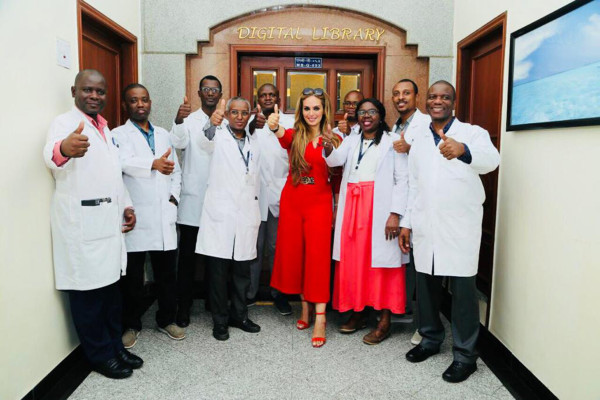
Merck Foundation (www.Merck-Foundation.com), the philanthropic arm of Merck KGaA Germany, marks ‘World Cancer Day 2025' together with Africa's First Ladies and Ministries of Health. Through their Cancer Access Program, Merck Foundation is is building quality and equitable cancer care capacity in Africa.  

Senator Dr. Rasha Kelej, the CEO of Merck Foundation, highlighted, “At Merck Foundation, we mark World Cancer Day not just as a single day, but as a our continued commitment to transform and advance cancer care in Africa.  

Together with my dear sisters, the Africa's First Ladies, we are have enhanced the cancer care capacity in the continent by providing 194 scholarships to young African doctors from 32 countries, significantly increasing the number of oncologists in Africa. We are making history together by providing these important scholarships for the first oncologists and /or the first cancer care teams in many countries across Africa.”  

Merck Foundation in total provided more than 2100 scholarships to doctors from over 52 countries in 44 critical and underserved medical specialties.  

The Merck Foundation Cancer Access Program provides One, two- and three-years fellowship, Post Graduate Diploma and Master Degree of oncology for doctors from Africa. The clinical training has been conducted in India, Egypt and Kenya. Additionaly, Merck Foundation also provides scholarships for 2 years online PG Diploma in Cancer and Clinical Oncology, 01 year online PG Diploma in Medical Oncology and 1 year online PG Diploma in Pain Management from reputed Universities in UK like University of South Wales, University of Buckingham, Queen Mary University of London, and Cardiff University. 

Merck Foundation is establishing Multidisciplinary Oncology Care teams in many African countries by providing scholarships of clinical training in Medical Oncology, Surgical Oncology, Pediatrics Oncology, Gynecology Oncology, Breast Oncology, Haemato-Oncology, Orthopaedic Oncology, Palliative Care, Pathology Oncology, Radiation Oncology, Research in Oncology, Surgical Oncology - Genital Urinary System, Advanced Cytopathology Training, Interventional Radiology, Radiation Technician, Laboratory Technician, Oncology Nursing. 

Merck Foundation through its Merck Foundation Cancer Access Program has provided 194 scholarships of Oncology to doctors from 32 countries including Botswana, Burkina Faso, Burundi, Cameroon, Central African Republic, Chad, Congo Brazzaville, Democratic Republic of the Congo, Ethiopia, Gabon, Gambia, Ghana, Guinea, Kenya, Liberia, Malawi, Mauritius, Mozambique, Namibia, Nepal, Niger, Nigeria, Rwanda, Sao Tome & Principe, Senegal, Sierra Leone, South Africa, Sri Lanka, Tanzania, Uganda, Zambia and Zimbabwe.  

“In several of these countries, there wasn't even a single oncologist. We are proud to be making history in Africa by training the first oncologists and establishing the first cancer care teams in nations such as The Gambia, Sierra Leone, Burundi, Liberia, Guinea Conakry, Central African Republic, Chad, and Niger. Merck Foundation remains committed to transforming the landscape of cancer care across the continent and leading Africa toward a healthier future,” explained Senator Dr. Rasha Kelej.  

Africa records around 1.1 million new cases of cancer, resulting in up to 700,000 deaths, every year, as per WHO data. The mortality rate of cancer patients is very high in Africa, as compared to the rest of the world.  

“One of the key reasons is also the late diagnosis of the disease. Therefore, these scholarships are very important” added Senator Kelej.  

Merck Foundation has also created awareness materials including awareness leaflets and videos on Cancer Prevention and Early Detection.  

Dr. Chifundo Kajombo, Merck Foundation Alumni from Malawi shares, “I am privileged to be awarded a scholarship by Merck Foundation to pursue the Surgical Oncology fellowship training program at Tata Memorial Hospital, India. I managed to advance from basic surgical oncology principles to the advanced level. This has helped me improve my understanding of cancer and operative principles. Since returning back home, I have managed to change the structure of how our breast clinic runs and modified it to incorporate a number of new things that we probably could not have possibly included. I am so proud to share that I have just been awarded the Best Surgeon for 2023 in Malawi. I would not have achieved this feat without Merck Foundation's scholarship. I am very thankful.” 

Watch testimonials videos of Merck Foundation Oncology Fellowship Alumni: https://apo-opa.co/4bab06Y

Distributed by APO Group on behalf of Merck Foundation.

Link of the extra posters: https://apo-opa.co/3X6RmD6

Contact details:
Mehak Handa
Community Awareness Program Manager
+91 9310087613 / +91 9319606669
mehak.handa@external.merckgroup.com

Join the conversation on our social media platforms below and let your voice be heard! 
Facebook: https://apo-opa.co/4k65XbW
X: https://apo-opa.co/43mGeGv
YouTube: https://apo-opa.co/3EVeWMS
Instagram: https://apo-opa.co/413ECyl
Threads: https://apo-opa.co/4gLTA1P
Flickr: https://apo-opa.co/4gSxZVs
Website: www.Merck-Foundation.com
Download the Merck Foundation App: https://apo-opa.co/413wo9z

About Merck Foundation:
The Merck Foundation, established in 2017, is the philanthropic arm of Merck KGaA Germany, aims to improve the health and wellbeing of people and advance their lives through science and technology. Our efforts are primarily focused on improving access to quality & equitable healthcare solutions in underserved communities, building healthcare & scientific research capacity, empowering girls in education and empowering people in STEM (Science, Technology, Engineering, and Mathematics) with a special focus on women and youth. All Merck Foundation press releases are distributed by e-mail at the same time they become available on the Merck Foundation Website.  Please visit www.Merck-Foundation.com to read more. Follow the social media of Merck Foundation: Facebook (https://apo-opa.co/4k65XbW), X (https://apo-opa.co/43mGeGv), Instagram (https://apo-opa.co/413ECyl), YouTube (https://apo-opa.co/3EVeWMS), Threads (https://apo-opa.co/4gLTA1P) and Flickr (https://apo-opa.co/4gSxZVs). 

The Merck Foundation is dedicated to improving social and health outcomes for communities in need. While it collaborates with various partners, including governments to achieve its humanitarian goals, the foundation remains strictly neutral in political matters. It does not engage in or support any political activities, elections, or regimes, focusing solely on its mission to elevate humanity and enhance well-being while maintaining a strict non-political stance in all of its endeavors. 

Media files
Merck Foundation
Download logo
Read moreMerck Foundation CEO Provides 194 Oncology Scholarships in Africa
19 February 2025

Human Rights Council to Hold Its Fifty-Eighth Regular Session

Location: News

Office of the UN High Commissioner for Human Rights (OHCHR)
Download logo

The United Nations Human Rights Council will hold its fifty-eighth regular session from 24 February to 4 April 2025 at the Palais des Nations in Geneva, starting with its high-level segment from 24 to 26 February, when dignitaries representing more than 100 Member States will address the Council.

The session will open at 9 a.m. on Monday, 24 February under the Presidency of Ambassador Jürg Lauber of Switzerland. Delivering statements at the opening will be the Secretary-General of the United Nations, António Guterres; thePresident of the United Nations General Assembly, Philemon Yang; the United Nations High Commissioner for Human Rights, Volker Türk; as well as the Chief of the Federal Department of Foreign Affairs of Switzerland, Ignazio Cassis. The Council will be meeting in room XX of the Palais des Nations.

On Monday, 3 March, the Council is scheduled to hear a global update by the High Commissioner for Human Rights on the situation of human rights around the world. The general debate on his global update will start following his presentation of a number of country-specific reports and updates.

During the session, the Council will hold 30 interactive dialogues with the High Commissioner, his Office and designated experts, with Special Procedure mandate holders and investigative mechanisms, and with Special Representatives of the Secretary-General. The Council will also hold five enhanced interactive dialogues and one high-level dialogue, as well as nine general debates.

The Council will also hold theannual high-level panel discussion on human rights mainstreaming with a focus on the thirtieth anniversary of the Beijing Declaration and Platform for Action;the biennial high-level panel on the death penalty; panel discussions on early warning and genocide, HIV response and leaving no one behind, and onrights to work and to social security; the annual interactive debate on the rights of persons with disabilities; the annual discussion on the rights of the child; and a commemoration of the International Day for the Elimination of Racial Discrimination.

The Council will examine the situation of human rights in a number of countries under its various agenda items, including the situation in the occupied Palestinian territory, Eritrea, Sudan, South Sudan, Nicaragua, Afghanistan and Myanmar under agenda item two; in Iran, Syria, Venezuela, Ukraine, Belarus, the Democratic People's Republic of Korea, and Myanmar under agenda item four; and in Mali, Haiti, Ukraine, the Democratic Republic of the Congo, South Sudan and Central African Republic under agenda item 10.

The final outcomes of the Universal Periodic Review of14 States will also be considered, namely those of Norway, Albania, Democratic Republic of the Congo, Côte d'Ivoire, Portugal, Bhutan, Dominica, Democratic People's Republic of Korea, Brunei Darussalam, Costa Rica, Equatorial Guinea, Ethiopia, Qatar and Nicaragua.

Towards the end of the session, the Council will appoint three new members of the Expert Mechanism on the Rights of Indigenous Peoples.

A detailed agenda and further information on the fifty-eighth session can be found on the session'swebpage. Reports to be presented are available here.

First Week of the Session

The fifty-eighth regular session will open at 9 a.m. on Monday, 24 February with a short opening meeting, followed by the start of the high-level segment, which will continue until 26 February, and during which the Council will hear addresses by more than 100 dignitaries. Intervening during the high-level segment will be the annual high-level panel discussion on human rights mainstreaming in the afternoon of 24 February and the biennial high-level panel on the death penalty in the morning of Tuesday, 25 February. The general segment will follow the conclusion of the high-level segment in the afternoon of Wednesday, 26 February.

On Thursday, 27 February, the Council will hold an interactive dialogue on the High Commissioner's report on the occupied Palestinian territory, including East Jerusalem, and the obligation to ensure accountability and justice, followed byenhanced interactive dialogues on the situation of human rights in Eritrea and on the High Commissioner's report on Sudan, with the assistance of the designated Expert. Friday, 28 February, will see the conclusion of the discussion on Sudan, followed by an enhanced interactive dialogue on the report of the Commission on Human Rights in South Sudan. This will be followed by three interactive dialogues, the first on the report of the Group of Human Rights Experts on Nicaragua, the second with the Special Rapporteur on the situation of human rights in Afghanistan, and the third on the High Commissioner's oral update on Myanmar.

Second Week of the Session

At the beginning of the second week, on the morning of Monday, 3 March, the Council will hear the High Commissioner's global update, then conclude the interactive dialogue on the High Commissioner's oral update on Myanmar. This will be followed by the presentation of reports on the activities of the Office of the High Commissioner in Colombia, Guatemala and Honduras, and of another report on Cyprus, and oral updates on Sri Lanka and Nicaragua. The Council will then begin the general debate under agenda item two, namely the annual report of the High Commissioner for Human Rights and reports of the Office of the High Commissioner and the Secretary-General, which will conclude on Tuesday, 4 March. The Council will subsequently begin its considerations under agenda item three on the promotion and protection of all human rights, holding interactive dialogues with the Special Rapporteur on torture and other cruel, inhuman or degrading treatment or punishment and with the Special Rapporteur on freedom of religion or belief.

On the morning of Wednesday, 5 March, the Council will hold a panel on early warning and genocide prevention, then conclude its interactive dialogue with the Special Rapporteur on freedom of religion or belief. This will be followed by an enhanced interactive dialogue on the report of the Office of the High Commissioner on transitional justice. Another panel will be held on Thursday, 6 March on HIV response and leaving no one behind, in addition to two interactive dialogues with the Special Rapporteur on the situation of human rights defenders and the Special Rapporteur in the field of cultural rights. A third panel will be held in the morning of Friday, 7 March on rights to work and to social security, followed by two interactive dialogues with the Special Rapporteur on the right to adequate housing and the Independent Expert on the rights of persons with albinism.

Third Week of the Session

The Council will start its third week on Monday, 10 March with a focus on disability, beginning with an interactive dialogue with the Special Rapporteur on the rights of persons with disabilities, to be followed by the annual debate on the rights of persons with disabilities. The day will conclude with aninteractive dialogue with the Independent Expert on foreign debt, which will continue in the morning of Tuesday, 11 March. Two moreinteractive dialogues will also be held on Tuesday with the Special Rapporteur on the right to food and the Special Rapporteur on the promotion and protection of human rights and fundamental freedoms while countering terrorism.

Wednesday, 12 March will see a further three interactive dialogues with the Special Rapporteur on the right to privacy, and the Special Representatives of the Secretary-General on violence against children and on children and armed conflict, the latter of which will conclude on Thursday, 13 March. The focus on children will continue on Thursday, with the Council also holding its annual discussion on the rights of the child, the theme of which will be early childhood development, and starting an interactive dialogue with the Special Rapporteur on the sale of children, which will conclude on Friday, 14 March.

On Friday, an interactive dialogue with the Special Rapporteur on the human right to a healthy environment will precede the presentation of reports by the open-ended intergovernmental working group on transnational corporations and other business enterprises with respect to human rights, the Secretary-General, the High Commissioner and his Office, followed by the start of the general debate on agenda item three.

Fourth Week of the Session

The first day of the Council's fourth week, Monday 17 March, will be devoted to concluding the general debate on agenda item three. From Tuesday, 18 March, consideration of agenda item four, human rights situations that require the Council's attention, will begin. First on the schedule is a joint interactive dialogue with the Special Rapporteur and the independent international fact-finding mission on the situation of human rights in Iran, followed by interactive dialogues with the independent international commission of inquiry on Syria, the fact-finding mission on Venezuela and the independent internationalcommission of inquiry on Ukraine.

On Wednesday, 19 March, after the conclusion of the dialogue with the commission of inquiry on Ukraine, three more separate interactive dialogues will be held with the group of independent experts on the situation of human rights inBelarus and with the Special Rapporteurs on the situation of human rights in the Democratic People's Republic of Korea and in Myanmar.

Thursday, 20 March, will see the Council hear the presentation of the High Commissioner's report on the Democratic People's Republic of Korea and his oral update of the situation of human rights in Venezuela. This will be followed by the general debate on agenda item four, which will conclude on the morning of Friday, 21 March. On Friday, the Council will also hold an interactive dialogue with the Special Rapporteur on minority issues, before beginning considerations under agenda item five on human rights bodies and mechanisms. After hearing the presentation of reports by the Forum on Minority Issues, the Social Forum, and the Special Procedures of the Council, it will commence the general debate on agenda item five.

Fifth Week of the Session

The Council will start its fifth week on Monday, 24 March with its consideration under agenda item six of the final outcomes of theUniversal Periodic Reviews of 14 States: Norway, Albania, Democratic Republic of the Congo, Côte d'Ivoire, Portugal, Bhutan, Dominica, Democratic People's Republic of Korea, Brunei Darussalam, Costa Rica, Equatorial Guinea, Ethiopia, Qatar and Nicaragua. This consideration will continue through to the morning of Wednesday, 26 March, after which the Council will hold a general debate on agenda item six. This will be followed by the presentation of the reports of the High Commissioner and the Secretary-General under agenda item seven, namely the human rights situation in Palestine and other occupied Arab territories, and the general debate on this agenda item. The general debate under agenda item eight - follow-up and implementation of the Vienna Declaration and Programme of Action – is also scheduled to commence on Wednesday afternoon.

Ending racism will be the Council's theme for Thursday, 27 March. After concluding the debate under agenda item eight, it will hear the presentation of the report of the intergovernmental working group on the effective implementation of the Durban Declaration and Programme of Action, then hold its general debate on agenda item nine, namely racism, racial discrimination, xenophobia and related forms of intolerance, follow-up to and implementation of the Durban Declaration and Programme of Action. From 2:30 to 4:30 p.m., the Council will also hold a meeting in commemoration of the International Day for the Elimination of Racial Discrimination.

Friday, 28 March will begin with the conclusion of the debate under agenda item nine, followed by three interactive dialogues conducted under agenda item 10 on technical assistance and capacity-building. The first dialogue will be with the Independent Expert onthe situation of human rights in Mali; the second on the High Commissioner's report on the situation of human rights in Haiti, with the participation of the Independent Expert on the subject; and the third on the High Commissioner's oral update on the situation of human rights in Ukraine.

Sixth Week of the Session

Monday, 31 March is a United Nations holiday. On Tuesday, 1 April, the Council will hold an enhanced interactive dialogue on oral updates by the High Commissioner and by the team of international experts on the Democratic Republic of the Congo, followed by an interactive dialogue on the report of the Office of the High Commissioner on technical assistance and capacity building for South Sudan and a high-level dialogue on the Central African Republic. At the end of the day, the Council will hear the annual presentation of the High Commissioner on technical cooperation and his oral update on Georgia, and the presentation of the report of the Board of Trustees of the Voluntary Fund for Technical Cooperation, followed by the general debate on agenda item 10.

The general debate will conclude on Wednesday, 2 April, and the Council will then start to act on draft decisions and resolutions, appoint three new members of the Expert Mechanism on the Rights of Indigenous Peoples, and adopt the report of the fifty-eighth regular session, before closing the session on Friday, 4 April.

The Human Rights Council

The Human Rights Council is an inter-governmental body within the United Nations system, made up of 47 States, which is responsible for strengthening the promotion and protection of human rights around the globe. The Council was created by the United Nations General Assembly on 15 March 2006 with the main purpose of addressing situations of human rights violations and making recommendations on them.

The composition of the Human Rights Council at its fifty-eighth session is as follows: Albania (2026); Algeria (2025); Bangladesh (2025); Belgium (2025); Benin (2027); Bolivia (2027); Brazil (2026); Bulgaria (2026); Burundi (2026); Chile (2025); China (2026); Colombia (2027); Costa Rica (2025); Côte d'Ivoire (2026); Cuba (2026); Cyprus (2027); Czechia (2027); Democratic Republic of the Congo (2027); Dominican Republic (2026); Ethiopia (2027); France (2026); Gambia (2027); Georgia (2025); Germany (2025); Ghana (2026); Iceland (2027); Indonesia (2026); Japan (2026); Kenya (2027); Kuwait (2026); Kyrgyzstan (2025); Malawi (2026); Maldives (2025); Marshall Islands (2027); Mexico (2027); Morocco (2025); Netherlands (2026); North Macedonia (2027); Qatar (2027); Republic of Korea (2027); Romania (2025); South Africa (2025); Spain (2027); Sudan (2025); Switzerland (2027); Thailand (2027); and Viet Nam (2025).

The term of membership of each State expires in the year indicated in parentheses.

The President of the Human Rights Council in 2025 is Jürg Lauber (Switzerland). The four Vice-Presidents are Tareq Md Ariful Islam (Bangladesh), Razvan Rusu (Romania), Paul Empole Losoko Efambe (Democratic Republic of the Congo) and a fourth Vice-President to be elected later from the Group of Latin American and Caribbean States. Mr. Efambe will also serve as Rapporteur of the Geneva-based body.

The dates and venue of the fifty-eighth session are subject to change.

Information on the fifty-eighth session can be foundhere, including the annotated agenda and the reports to be presented.

Distributed by APO Group on behalf of Office of the UN High Commissioner for Human Rights (OHCHR).

Read moreHuman Rights Council to Hold Its Fifty-Eighth Regular Session
17 February 2025

Celebrating Best African Women and Young Researchers

Location: News
Merck Foundation

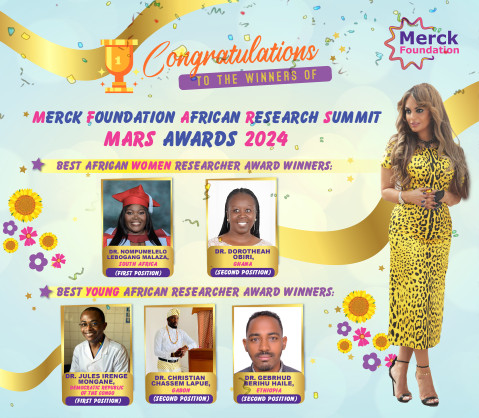
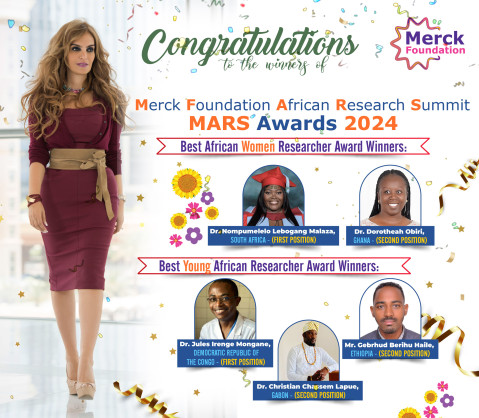
  • Merck Foundation announced the winners of Merck Foundation Africa Research Summit – MARS Awards winners 2024, 5 Researchers from 5 different African Countries recognized under two categories - Best African Women Researchers and Best Young African Researchers.
  • Merck Foundation also announced the Call for Applications for new edition of Merck Foundation Africa Research Summit – MARS Awards 2025 to empower Women and Youth in STEM in Africa with special focus on ‘The Role of Scientific Research in Women Health and Reproductive Care'.

Merck Foundation (www.Merck-Foundation.com), the philanthropic arm of Merck KGaA Germany, announced the Winners of Merck Foundation Africa Research Summit (MARS) Awards 2024, in partnership with International Federation of Fertility Societies -IFFS, Africa Reproductive Care Society - ARCS, Manipal University and African Union Scientific Technical Research Commission to recognize African Researchers for their valuable research work and contribution to empowering women and youth in STEM in Africa with special focus on ‘The Role of Scientific Research in Women Health and Reproductive Care'.

Senator Dr. Rasha Kelej, CEO of Merck Foundation and Chairperson of Merck Foundation Africa Research Summit - MARS expressed, “Since 2016, I have taken immense pride in recognizing the achievements of our MARS Awards winners. This year, we honor Six Winners in two categories: ‘Best African Women Researchers Awards' and ‘Best African Young Researchers Awards.'

These awards celebrate their significant contributions to research, particularly highlighting the efforts of African women researchers, who remain underrepresented in this field. Through the MARS Awards, our mission is to empower young researchers in Africa and to specifically encourage and support women researchers by enhancing their research capabilities and promoting their vital roles in STEM (Science, Technology, Engineering, and Mathematics).”

The winners of ‘Best African Women Researchers Awards' and ‘Best Young African Researcher Awards' will be enrolled into research training at a premier research institute in India.

“And I am also very happy to share with you all that as promised, we provided an opportunity to our first-place winner of each category to attend the 11th Edition of Merck Foundation Africa Asia Luminary which was recently conducted in Tanzania, however, only Mr. Jules Irenge Mongane was able to attend it”, shared Senator Rasha Kelej.

Merck Foundation is committed to improving the lives of people and has been transforming the Patient care landscape and making history together with its partners in Africa, Asia, and beyond, by providing 2080 Scholarships for doctors from 52 Countries in 44 critical and underserved medical specialties.

The MARS 2024 Award Winners are:

Winners of “MARS Best Women African Researchers Awards” 2024

  • Dr. Nompumelelo       Lebogang     Malaza, SOUTH AFRICA (First Position)

TOPIC: Association Between Biochemical And Epigenetic Markers With Glycaemic Control And Neonatal Outcomes In Diabetic Pregnancies

  • Dr. Dorotheah Obiri, GHANA (Second Position)

TOPIC: Immune dysregulation in placental malaria and hypertensive disorders of pregnancy

Winners of “MARS Best Young African Researchers Awards” 2024

  • Dr. Jules Irenge Mongane, DEMOCRATIC REPUBLIC OF THE CONGO (First Position)

TOPIC: Association Between Bacterial Vaginosis, Chlamydia Trachomatis Infection And Tubal Factor Infertility In Bukavu, Democratic Republic Of Congo

  • Dr. Christian     Chassem Lapue, GABON (Second Position)

TOPIC: Epidemiology of helminthiases in women of reproductive age living in Lambaréné and its surroundings, Gabon

  • Dr. Gebrhud Berihu Haile, ETHIOPIA (Second Position)

TOPIC: Incidence of neonatal mortality and factors influencing neonate survival in  neonatal intensive care unit in Northern Ethiopia: a prospective cohort study

“I am also excited to announce the Call for Applications for the new edition of the Merck Foundation Africa Research Summit (MARS) Awards 2024. This year, special focus will be again on “The Role of Scientific Research in Women Health and Reproductive Care,” added Senator, Dr. Rasha Kelej.

Merck Foundation Africa Research Summit - MARS 2025 will have scientific support from African Union Scientific-Technical and Research Commission (AU-STRC); African Reproductive Care Society (ARCS), and Manipal Academy of Higher Education (MAHE).

Details for MARS AWARDS 2025

Abstracts are invited from final year African PhD students and young investigators involved in research related to either of the following topics:

1) Women's Health

2) Infertility and Reproductive Health

All applicants should be primarily based at African Research Institutes and Universities, although collaboration within Africa as well as outside is also welcome.

Last Date of Submission:

Applications can be submitted till 30th June 2025

How to apply:

Apply by clicking: https://apo-opa.co/3X5kcnH

Alternatively, the Applications and abstracts can be submitted via email to mars@merck-foundation.com, along with CV (including Name, Gender, Country, University/Hospital Name, Email address, Mobile Number) and the abstract document as an attachment.

Other Details:

  • All Abstracts will be peer reviewed.
  • Research Awards will be dedicated for two categories of Best African Women Researchers and Best Young Africa Researchers.
  • Winners will be eligible for Research Training in a prestigious Research Institute in India.
  • Top Winners will be invited to attend the 12th Edition of Merck Foundation Africa Asia Luminary 2025.

Distributed by APO Group on behalf of Merck Foundation.

Videos Link: https://apo-opa.co/4hXOFvN

Contact Detials:
Mehak Handa
Community Awareness Program Manager
+91 9310087613
+91 9319606669
mehak.handa@external.merckgroup.com

Join the conversation on our social media platforms below and let your voice be heard!
Facebook: https://apo-opa.co/4gLG2TW
X: https://apo-opa.co/3X70mZ3
YouTube: https://apo-opa.co/4bbfmef
Instagram: https://apo-opa.co/4b0ipG5
Thread: https://apo-opa.co/4i22rgV
Flickr: https://apo-opa.co/4b8xLZ5
Website: http://www.Merck-Foundation.com

About Merck Foundation:
The Merck Foundation, established in 2017, is the philanthropic arm of Merck KGaA Germany, aims to improve the health and wellbeing of people and advance their lives through science and technology. Our efforts are primarily focused on improving access to quality & equitable healthcare solutions in underserved communities, building healthcare & scientific research capacity, empowering girls in education and empowering people in STEM (Science, Technology, Engineering, and Mathematics) with a special focus on women and youth. All Merck Foundation press releases are distributed by e-mail at the same time they become available on the Merck Foundation Website.  Please visit www.Merck-Foundation.com to read more. Follow the social media of Merck Foundation: Facebook (https://apo-opa.co/4gLG2TW), X ( https://apo-opa.co/3X70mZ3), Instagram (https://apo-opa.co/4b0ipG5), YouTube (https://apo-opa.co/4bbfmef), Threads (https://apo-opa.co/4i22rgV) and Flickr (https://apo-opa.co/4b8xLZ5).

The Merck Foundation is dedicated to improving social and health outcomes for communities in need. While it collaborates with various partners, including governments to achieve its humanitarian goals, the foundation remains strictly neutral in political matters. It does not engage in or support any political activities, elections, or regimes, focusing solely on its mission to elevate humanity and enhance well-being while maintaining a strict non-political stance in all of its endeavors.

Media files
Merck Foundation
Download logo
Read moreCelebrating Best African Women and Young Researchers
17 February 2025

Over Half of Africans Fear Financial Losses From Cybercrime, Survey Finds

Location: News
KnowBe4

According to a recent survey conducted by KnowBe4 AFRICA (www.KnowBe4.com), 58% of respondents are very concerned about cybercrime, a figure which has almost doubled from 29% in 2023. Fear of online fraud and losing money remain their top concern, given the increasing sophistication of AI-assisted cyberthreats.

The cybersecurity landscape in Africa is rapidly evolving and presents both significant challenges and opportunities (http://apo-opa.co/3EK2IH1). Africa has seen a notable increase in cybercrime (http://apo-opa.co/434M677), with ransomware, digital extortion and online scams being particularly prevalent. South Africa, for instance, lost $3 billion to digital banking and mobile app crime in 2023, according to the SA Banking Risk Information Centre (http://apo-opa.co/4k4oUvu). Cybercriminals are using increasingly sophisticated methods, including AI-generated content (http://apo-opa.co/434M677) to impersonate officials and executives, while social engineering attacks become more advanced.

In response to these concerns, KnowBe4 conducted a survey to determine how prepared Africans are for cybersecurity threats. This survey, which has been done annually since 2019, polled 800 adults across seven African countries: Morocco, South Africa, Nigeria, Ghana, Egypt, Kenya and Botswana. “The goal of the survey was to assess respondents' cybersecurity awareness, digital habits and online security practices,” says Anna Collard, SVP Content Strategy and Evangelist at KnowBe4 AFRICA. “Many challenges remain the same, but some are new, such as the alarming rise of deepfake technology.”

Increased adoption of mobile banking

One of the survey's key findings is that the Africans are more concerned about cybercrime than they were two years ago (http://apo-opa.co/4k0SAK8). The percentage of respondents who said they were “very concerned” about cybercrime almost doubled to 58% in 2025, compared to 29% in 2023 [1]. Fear of online fraud and losing money remained their top concern.

Another important insight is that the use of smart phones in Africa is on the rise. Mobile data usage increased from 71% in 2023 to 75% in 2025. Added to this was the fact that the use of mobile financial services, both for payments and banking, increased significantly from 63% to 85%. “The rise in mobile banking and payments indicates greater financial inclusion through digital means, which is generally positive for economic development in Africa,” asserts Collard. “However, an increase in mobile banking and payments also increases the attack surface for cybercriminals, which underscores the importance of mobile-centric security education.”

WhatsApp for work

A further interesting trend is that although WhatsApp is traditionally used for sharing messages with friends and family, work-related usage of WhatsApp increased slightly from 89% in the previous poll to 93% in this year's survey. Other popular apps used by respondents for work were email, Facebook, Instagram, LinkedIn and Zoom.

“The increase in WhatsApp usage for work shows a further blurring of lines between users' personal and professional lives,” comments Collard. “This can lead to increased risks, as personal devices may not have the same level of security as corporate-managed devices.”

Privacy concerns are fading

A worrying trend that emerged is the level of ease with which African users give away their personal information. The percentage of respondents “very unlikely” to give away personal information almost halved from 29% in 2023 to 14% in 2025. The survey found that 14% of respondents are comfortable sharing personal information, with 8% saying they are likely to do so if they can get something in return, such as a discount, and 6% saying they share personal information all the time.

“This is a concerning trend and reveals the need for more training on personal security,” asserts Collard. “This is further emphasised by the lack of understanding among respondents about what constitutes a strong password and multi-factor authentication.” Understanding of strong passwords slightly decreased from 62% in 2023 to 58% in 2025, while comprehension of multi-factor authentication remained stable at around 58%.

“The latest survey aims to identify key vulnerabilities that should be a priority for individuals, organisations and policy makers,” states Collard. She believes the survey highlights areas that should be addressed in 2025 to achieve strong and strategic cybersecurity. “Despite increased concern about cybercrime among the survey's respondents, there are still gaps in knowledge and practice that need to be addressed to improve overall cybersecurity posture across the continent,” she concludes.

To read the full KnowBe4 African Cybersecurity & Awareness Report 2025, click here (http://apo-opa.co/3X4alhO).


[1] No survey was conducted in 2024.

Distributed by APO Group on behalf of KnowBe4.

Media files
KnowBe4
Download logo
Read moreOver Half of Africans Fear Financial Losses From Cybercrime, Survey Finds
13 February 2025

Seychelles Participates in the 46th Ordinary Session of the Executive Council in Addis Ababa, Ethiopia

Location: News

Ministry of Foreign Affairs and Tourism - Foreign Affairs Department, Republic of Seychelles
Download logo

Minister Sylvestre Radegonde, Minister for Foreign Affairs and Tourism led the Seychelles delegation at the 46th Ordinary Session of the Executive Council, taking place from 12th to 13th February in Addis Ababa at the African Union Headquarters.

In his intervention on the Permanent Representatives Committee Report, Minister Radegonde expressed Seychelles' sincere appreciation for the donation of USD 200,000 towards the country's recovery efforts following the disasters of December 2023. The Minister touched on the importance of the blue economy for Seychelles, stating that it is more than a concept– it is a conduit for innovation and diversification, while ensuring the preservation of our rich marine environment. He also recognised that the Continent is a distance from achieving the targets set out in Agenda 2063 and that all parties need to collectively work together to maximise the impact of continental projects.

Minister Radegonde also cast Seychelles' votes during the election of four Commissioners of the African Union Commission. Representatives from the Kingdom of Eswatini, the Republic of South Africa, Federal Republic of Nigeria, and the Republic of Ghana were elected.

On the margins of the Executive Council Meeting, Minister Radegonde met with H.E. Dr. Badr Abdelatty, Minister of Foreign Affairs, Emigration, and Expatriate Affairs of the Arab Republic of Egypt. The two Ministers discussed the strengthening of bilateral relations in key areas of cooperation, notably tourism, healthcare, investment, and trade. They agreed to pursue these endeavours through knowledge-sharing practices, capacity building and exchange of experts between the two countries.

Minister Radegonde reiterated Seychelles' strong interest in concluding the visa waiver agreement for diplomatic and official passport holders.  He also stressed the need to conclude the negotiations for ordinary passport holders to further cement the people-to-people relations between the Seychelles and Egypt. The Egyptian Minister also took the opportunity to present, once again, Dr. Hanan Morsy, the Egyptian candidate for the position of Deputy Chairperson of the African Union Commission, for the elections to be held during the Assembly of the Union on 15th February 2025.

Distributed by APO Group on behalf of Ministry of Foreign Affairs and Tourism - Foreign Affairs Department, Republic of Seychelles.

Read moreSeychelles Participates in the 46th Ordinary Session of the Executive Council in Addis Ababa, Ethiopia
13 February 2025

South Africa’s New National Petroleum Company Signals Shift in African Energy Governance

Location: News
African Energy Chamber

The upcoming launch of the South African National Petroleum Company (SANPC) on April 1, 2025 marks a significant step in South Africa's ongoing efforts to restructure its energy sector and improve efficiency within state-owned enterprises. This move, which consolidates PetroSA, iGas and the Strategic Fuel Fund (SFF), aligns with broader regional trends in energy governance, where NOCs are increasingly being positioned as catalysts for investment, security of supply and economic development.

The South African government first announced plans for SANPC in 2020 as part of its strategy to rationalize state-owned enterprises and create a more competitive and investment-friendly energy sector. The merger process, overseen by the Central Energy Fund (CEF) Group under the Department of Mineral and Petroleum Resources, has progressed steadily, with agreements in place to ensure a smooth transition for employees. However, questions remain over asset management, particularly regarding how viable and non-viable assets will be handled post-merger.

SANPC's establishment comes at a time when Africa's energy sector is striving to create a more enabling environment for investment, a theme that will take center stage at the upcoming African Energy Week (AEW): Invest in African Energies conference in Cape Town on September 29 - October 3. As South Africa works to streamline its state-owned energy enterprises, other African nations are similarly evaluating how to strengthen their own NOCs to attract investment, drive economic growth and navigate the global energy transition.

In Angola, Sonangol has embarked on a restructuring process to enhance its operational efficiency and financial sustainability, including divesting non-core assets and increasing transparency to attract private sector investment. Similarly, Ghana's GNPC has pursued strategic partnerships with IOCs to maximize offshore exploration and production while ensuring local participation in energy projects. These efforts reflect a broader trend across the continent, where governments are leveraging regulatory reforms and governance improvements to make their NOCs more competitive in the global energy market.

Nigeria has also taken significant steps with the transformation of the Nigerian National Petroleum Company (NNPC), a commercially driven entity under its Petroleum Industry Act. The shift aims to position NNPC as a profit-oriented enterprise, reducing government dependence on oil revenues while fostering a more attractive investment climate. The success of these reforms will serve as a key reference for SANPC and other emerging NOCs in Africa, underscoring the importance of strong governance, fiscal discipline and strategic partnerships in the sector.

A key aspect of SANPC's establishment is its impact on local content development. The latest report from the Portfolio Committee on Mineral and Petroleum Resources indicates that the integration of employees from PetroSA, iGas and SFF is progressing smoothly, with agreements in place to ensure job security and a seamless transition. This is a crucial development, as maintaining a skilled workforce and prioritizing local expertise will be essential for SANPC's operational success. As the newly established NOC progresses, its approach to workforce integration and skills development will serve as a benchmark for other state-owned enterprises in Africa looking to balance efficiency with social responsibility.

With regulatory and policy frameworks playing a crucial role in shaping investor confidence, SANPC's structure and governance will be closely watched by industry stakeholders. Its success – or challenges – could offer valuable lessons for other African countries seeking to optimize their state energy assets while balancing the transition to cleaner energy sources. AEW: Invest in African Energies 2025 will provide a platform to discuss these critical issues, bringing together policymakers, industry leaders and investors to explore solutions for Africa's energy future.

Distributed by APO Group on behalf of African Energy Chamber.

About AEW: Invest in African Energy:
AEW: Invest in African Energy is the platform of choice for project operators, financiers, technology providers and government, and has emerged as the official place to sign deals in African energy. Visit www.AECWeek.com for more information about this exciting event.

Media files
African Energy Chamber
Download logo
Read moreSouth Africa’s New National Petroleum Company Signals Shift in African Energy Governance
3 February 2025

Merck Foundation and First Ladies of Africa Mark World Cancer Day 2025: 194 Oncology Scholarships Provided Across 32 African Countries

Location: News
Merck Foundation

  • Merck Foundation marks World Cancer Day with African First Ladies by providing 194 scholarships of Oncology Training to African doctors from 32 countries.
  • Merck Foundation together with Africa First Ladies and Ministries of Health has been building cancer care capacity and increasing the limited number of Oncologists in their countries by providing close to 200 Scholarships of One-, two- and three-years fellowship, diploma and Master Degree of oncology to African doctors from 32 Countries.
  • Merck Foundation is making history in Africa by training the First African Oncologists and First Cancer Care Teams in Countries such as The Gambia, Sierra Leone, Burundi, Liberia, Guinea Conakry, Central African Republic, Chad, Burundi, Malawi, Niger, Namibia, Zambia, Zimbabwe and more.

Merck Foundation (www.Merck-Foundation.com), the philanthropic arm of Merck KGaA Germany, marks ‘World Cancer Day 2025' together with Africa's First Ladies and Ministries of Health. Through their Cancer Access Program, Merck Foundation is building quality and equitable cancer care capacity in Africa.

Senator Dr. Rasha Kelej, the CEO of Merck Foundation, highlighted, “At Merck Foundation, we mark World Cancer Day not just as a single day, but as our continued commitment to transform and advance cancer care in Africa.

Together with my dear sisters, the Africa's First Ladies, we are have enhanced the cancer care capacity in the continent by providing 194 scholarships to young African doctors from 32 countries, significantly increasing the number of oncologists in Africa. We are making history together by providing these important scholarships for the first oncologists and /or the first cancer care teams in many countries across Africa.”  

Merck Foundation in total provided more than 2100 scholarships to doctors from over 52 countries in 44 critical and underserved medical specialties.

The Merck Foundation Cancer Access Program provides One, two- and three-years fellowship, Post Graduate Diploma and Master Degree of oncology for doctors from Africa. The clinical training has been conducted in India, Egypt and Kenya. Additionaly, Merck Foundation also provides scholarships for 2 years online PG Diploma in Cancer and Clinical Oncology, 01 year online PG Diploma in Medical Oncology and 1 year online PG Diploma in Pain Management from reputed Universities in UK like University of South Wales, University of Buckingham, Queen Mary University of London, and Cardiff University.

Merck Foundation is establishing Multidisciplinary Oncology Care teams in many African countries by providing scholarships of clinical training in Medical Oncology, Surgical Oncology, Pediatrics Oncology, Gynecology Oncology, Breast Oncology, Haemato-Oncology, Orthopaedic Oncology, Palliative Care, Pathology Oncology, Radiation Oncology, Research in Oncology, Surgical Oncology - Genital Urinary System, Advanced Cytopathology Training, Interventional Radiology, Radiation Technician, Laboratory Technician, Oncology Nursing.

Merck Foundation through its Merck Foundation Cancer Access Program has provided 194 scholarships of Oncology to doctors from 32 countries including Botswana, Burkina Faso, Burundi, Cameroon, Central African Republic, Chad, Congo Brazzaville, Democratic Republic of the Congo, Ethiopia, Gabon, Gambia, Ghana, Guinea, Kenya, Liberia, Malawi, Mauritius, Mozambique, Namibia, Nepal, Niger, Nigeria, Rwanda, Sao Tome & Principe, Senegal, Sierra Leone, South Africa, Sri Lanka, Tanzania, Uganda, Zambia and Zimbabwe.

“In several of these countries, there wasn't even a single oncologist. We are proud to be making history in Africa by training the first oncologists and establishing the first cancer care teams in nations such as The Gambia, Sierra Leone, Burundi, Liberia, Guinea Conakry, Central African Republic, Chad, and Niger. Merck Foundation remains committed to transforming the landscape of cancer care across the continent and leading Africa toward a healthier future,” explained Senator Dr. Rasha Kelej.

Africa records around 1.1 million new cases of cancer, resulting in up to 700,000 deaths, every year, as per WHO data. The mortality rate of cancer patients is very high in Africa, as compared to the rest of the world.

“One of the key reasons is also the late diagnosis of the disease. Therefore, these scholarships are very important” added Senator Kelej.

Merck Foundation has also created awareness materials including awareness leaflets and videos on Cancer Prevention and Early Detection.

Dr. Chifundo Kajombo, Merck Foundation Alumni from Malawi shares, “I am privileged to be awarded a scholarship by Merck Foundation to pursue the Surgical Oncology fellowship training program at Tata Memorial Hospital, India. I managed to advance from basic surgical oncology principles to the advanced level. This has helped me improve my understanding of cancer and operative principles. Since returning back home, I have managed to change the structure of how our breast clinic runs and modified it to incorporate a number of new things that we probably could not have possibly included. I am so proud to share that I have just been awarded the Best Surgeon for 2023 in Malawi. I would not have achieved this feat without Merck Foundation's scholarship. I am very thankful.”

Watch testimonials videos of Merck Foundation Oncology Fellowship Alumni: https://apo-opa.co/42ziwpY

Distributed by APO Group on behalf of Merck Foundation.

Contact details:
Mehak Handa
Community Awareness Program Manager
+91 9310087613 / +91 9319606669
mehak.handa@external.merckgroup.com

Join the conversation on our social media platforms below and let your voice be heard!
Facebook: https://apo-opa.co/3CxqKnW
X: https://apo-opa.co/3Q8rwL3
YouTube: https://apo-opa.co/42zjKl4
Instagram: https://apo-opa.co/42Hdtnk
Threads: https://apo-opa.co/40A5EwY
Flickr: https://apo-opa.co/40GOfmv
Website: www.Merck-Foundation.com
Download the Merck Foundation App: https://apo-opa.co/3Q0ZWPV

About Merck Foundation:
The Merck Foundation, established in 2017, is the philanthropic arm of Merck KGaA Germany, aims to improve the health and wellbeing of people and advance their lives through science and technology. Our efforts are primarily focused on improving access to quality & equitable healthcare solutions in underserved communities, building healthcare & scientific research capacity, empowering girls in education and empowering people in STEM (Science, Technology, Engineering, and Mathematics) with a special focus on women and youth. All Merck Foundation press releases are distributed by e-mail at the same time they become available on the Merck Foundation Website.  Please visit www.Merck-Foundation.com to read more. Follow the social media of Merck Foundation: Facebook (https://apo-opa.co/3CxqKnW), X (https://apo-opa.co/3Q8rwL3), Instagram (https://apo-opa.co/42Hdtnk), YouTube (https://apo-opa.co/42zjKl4), Threads (https://apo-opa.co/40A5EwY) and Flickr (https://apo-opa.co/40GOfmv).

The Merck Foundation is dedicated to improving social and health outcomes for communities in need. While it collaborates with various partners, including governments to achieve its humanitarian goals, the foundation remains strictly neutral in political matters. It does not engage in or support any political activities, elections, or regimes, focusing solely on its mission to elevate humanity and enhance well-being while maintaining a strict non-political stance in all of its endeavors.

Media files
Merck Foundation
Download logo
Read moreMerck Foundation and First Ladies of Africa Mark World Cancer Day 2025: 194 Oncology Scholarships Provided Across 32 African Countries
3 February 2025

Surge in international arrivals a major boost for SA tourism

Location: News

Surge in international arrivals a major boost for SA tourism

The latest international arrivals data from Statistics South Africa confirms that South Africa’s tourism sector continues to grow, with total arrivals reaching 8.92 million in 2024 -- an impressive 5.1% increase compared to 2023.

Tourism Minister Patricia de Lille on Monday said Africa continues to drive the majority of arrivals, contributing 76% of all tourists from January to December 2024, while growth from other regions signals steady recovery.

Although the sector has yet to fully recover to pre-pandemic levels (2019), it now contributes 8.8% to gross domestic product (GDP) and supports 1.68 million jobs, according to World Travel and Tourism Council (WTTC) estimates. 

This positive momentum underscores the resilience of the sector, despite global economic pressures.

"It is encouraging to see that despite economic uncertainties in various parts of the world, the global tourism sector is growing. It is even more encouraging that our country follows the same trend and trajectory," said De Lille.

She expressed appreciation for the continued growth from the African continent, particularly Ghana.

"Ghana’s immense performance can be attributed to the fact that travellers between Ghana and South Africa no longer need visas to travel between the two countries. This, coupled with increased airlift targeted marketing initiatives by South African Tourism, makes for a winning formula for the growth of our sector.” 

The visa-free travel agreement between South Africa and Ghana, implemented in November 2023, has played a pivotal role in attracting tourists, allowing travel for up to 90 days without a visa for business or tourism purposes.

Americas market

Tourist arrivals from the Americas saw a strong 10.9% growth from 2023, reaching 505 579 arrivals in 2024.

The United States remains the top market in the region and is the top overseas market, with 372 36 tourists, reflecting a 5.2% increase from 2023 to 2024.

The increase in direct air connectivity from Brazil, combined with improved marketing efforts, has contributed significantly to a 94.2% rise in arrivals from Brazil from 2023 to 2024, totalling 49 855 tourists for 2024.

"This consistent growth highlights South Africa’s appeal among long-haul travellers and the effectiveness of strategic partnerships with airlines and trade," De Lille said.

European markets

Tourist arrivals from Europe reached 1 258 706 in 2024, reflecting a 1.1% increase compared to 2023.

The United Kingdom remains the top European source market, with 349 883 arrivals in 2024, though this was 1.8% lower than 2023.

Germany experienced strong growth of 4.0%, with 254 992 arrivals in 2024.

The Netherlands is performing better than France and saw a 0.8% increase, totalling 132 422 arrivals in 2024.

"While Europe’s growth is slower compared to other regions, the region is a bedrock with regard to having the most overseas arrivals and has emerged as a strong-performing market, largely due to focused marketing campaigns showcasing South Africa’s culture, people and attractions," the Minister said.

Asia & Australasia

Tourist arrivals from Asia surged by 4.2%, with 207 718 tourists recorded in 2024.

China saw an 11.4% increase, totalling 41 651 arrivals, driven by targeted promotions and increasing flight connectivity.

India recorded 75 541 arrivals, a 5.3% decline, primarily due to visa processing backlogs and the absence of direct flights.

"South Africa saw a phenomenal 31.8% growth from Japan, reaching 17 370 arrivals in 2024.

"Australia also posted steady gains, with strong travel demand from the region expected to fuel further growth in 2025," said De Lille.

Middle East

The Middle East saw a decline of 16.1%, with total arrivals dropping to 45 602. However, Saudi Arabia increased arrivals by 12.1% to 18 333 in 2024.

The United Arab Emirates contributed 6 717 arrivals to South Africa in 2024. 

"While the overall performance in this region faced setbacks, strategic efforts to increase connectivity and enhance trade engagement in other markets in the region will be crucial to future recovery," the Minister said.

The future of tourism

To accelerate recovery, South Africa has implemented strategic marketing and policy interventions. These include:

  • Expanding airlift: Efforts are underway to restore key routes, increase airline partnerships and improve direct access to a variety of cities in South Africa and access to the globe. A key development is that on 4 December 2024, Cabinet approved the Route Development Marketing Strategy to be implemented by the Department of Tourism, SA Tourism and the private sector.
  • Targeted market campaigns: Promoting unique South African experiences in key markets such as China, India and the Americas.
  • Boosting digital and AI-powered travel planning: Enhancing traveller experiences with personalised digital platforms.
  • Growing sustainable and cultural tourism: Capitalising on eco-tourism, cultural and heritage-based experiences.
  • Enhancing safety and security measures: Working with law enforcement and industry partners to enhance traveller confidence, while ensuring the safety of local communities. 

"The tourism sector is a strong contributor to the economy and job creation. We are determine to continue with this momentum and push the numbers much higher, so that we can grow our contribution to economic growth and job creation even further. 

"South Africa remains attractive and accessible for all travellers to enjoy, and we thank all international and domestic travellers for exploring our beautiful country and contributing to the tourism sector’s performance," De Lille said. – SAnews.gov.za

Edwin
Mon, 02/03/2025 - 10:54

293 views
Read moreSurge in international arrivals a major boost for SA tourism
31 January 2025

AMW to Showcase Africa’s Rising Investment Potential in the Mining Sector

Location: News

Energy Capital & Power
Download logo

International investments in Africa's mining sector are surging as global demand for both traditional and emerging minerals continues to grow. For example, Australian mining firms saw their asset value in Africa reach $60 billion in 2024, while Canadian firms' assets climbed to $37 billion. China also launched an ambitious $50 billion, three-year investment strategy targeting increased stakes in Africa's most lucrative opportunities including in the mining sector.

The upcoming African Mining Week Summit, scheduled for October 1 - 3 in Cape Town, will highlight profitable opportunities within Africa's mining industry and reinforce the continent's attractiveness as an investment destination for global mining financiers.

Untapped Mineral Deposits

Africa's vast, untapped mineral resources present potential for new investments. The continent holds 30% of the world's critical minerals (https://apo-opa.co/3ClkUGd) essential for the energy transition, including the largest global reserves of cobalt (in the Democratic Republic of Congo) and over 80% of the world's platinum group metals in South Africa. The continent accounts for more than 44% of global diamond production, while its share of the gold market continues to grow, with markets such as Ghana, Mali and Zimbabwe ramping up production.

Supportive Policies and Investor-Friendly Terms

African governments are enhancing the investment climate within the mining industry by enacting new policies and modernizing fiscal terms to streamline processes and reduce delays in project rollouts. Zambia, for instance, introduced a New Mining Tax Regime in 2023, improving transparency and reducing tax evasion, as the country targets a copper production target of three million tons by 2032. Mali has also experienced increased investment flows following its 2023 Mining Code, with global players such as HummingGold, B2Gold and Ganfeng committing to new lithium and gold projects. Malawi has also taken steps to attract investments by launching its Mining Regulatory Authority in October 2024, supported by the Mines and Minerals Act of 2023.

Improved Mining and Export Infrastructure

African nations are enhancing cooperation with global partners to improve mining production and mineral transportation infrastructure. For example, investment firm Africa Finance Corporation has announced that the Zambia-Lobito Railway project will commence (https://apo-opa.co/3Q0RcJL) construction in early 2026, to facilitate the efficient and cost-effective transportation of critical minerals from East and Southern Africa to global markets. Upgrades to the Tanzania-Zambia Railway (https://apo-opa.co/3PXFeAE) and South Africa's modernization of ports through freight operator, Transnet, are further enhancing the region's mining investment prospects.

Rich Mining History

Africa's established history as a global mining hub has fostered the development of key infrastructure and a skilled workforce that international mining firms rely on to meet global mineral demand. Mining remains a cornerstone of many African economies, attracting both traditional and emerging players keen to expand their operations and leverage the continent's resources. With its rich deposits and ongoing improvements in policy and infrastructure, Africa maintains its position as a key investment destination for the global mining industry.

African Mining Week will serve as a premier platform for exploring the full spectrum of mining opportunities across Africa. The event is held alongside the African Energy Week: Invest in African Energy 2025 conference (https://apo-opa.co/4htJMdI) from October 1 -3. in Cape Town. Sponsors, exhibitors and delegates can learn more by contacting sales@energycapitalpower.com

Distributed by APO Group on behalf of Energy Capital & Power.

Read moreAMW to Showcase Africa’s Rising Investment Potential in the Mining Sector
28 January 2025

SA hosts global circular economy workshop

Location: News

SA hosts global circular economy workshop

Efforts to ensure that South Africa has a clean and healthy environment are under the spotlight at the 7th Global Forum of Cities for Circular Economy (GFCCE) workshop.

The two-day workshop, which is being hosted by the Department of Forestry, Fisheries and the Environment (DFFE) in Johannesburg -- in collaboration with the Centre for Science and Environment -- is aimed at enhancing South-South cooperation for improving the solid waste management ecosystem in the Global South, and building the capacity of nominated officials from 18 African nations.

The workshop, which concludes on Wednesday, is being attended by delegates from Botswana, Cameroon, Côte d’Ivoire, Ethiopia, Eswatini, Ghana, Kenya, Lesotho, Madagascar, Mozambique, Namibia, Rwanda, Senegal, South Africa, Tanzania, Uganda, Zambia and Zimbabwe.

Addressing the opening of the workshop, South Africa's Deputy Minister of Forestry, Fisheries and the Environment, Bernice Swarts, highlighted some of the measures government has adopted to bolster the circular economy, focusing on reusing and recycling materials to ensure a sustainable and secure supply of resources.

“South Africa has instituted various policy instruments and initiatives to advance sustainable development pathways, with circular economy principles firmly embedded in these strategies,” Swarts said on Tuesday. 

These policy instruments include the National Waste Management Strategy, Extended Producer Responsibility Regulations (EPR) for priority waste streams and other economic instruments that include fees, levies and taxes to incentivise or disincentivise behaviour change.

“Extended Producer Responsibility became necessary to be included in South Africa’s policy mix, given the increased generation of waste. EPR shifts seek to shift the responsibility for products from municipalities and consumers, to producers.

“South Africa is under immense pressure and the host city [of the workshop] - the City of Joburg - together with others - does not have sufficient landfill airspace. It is, therefore, necessary to utilise a policy mix to address resource efficiency. It is also necessary that cities are enabled to monitor resource use,” Swarts said.

The Deputy Minister noted that for meaningful progress to be made across the board, strong partnerships are needed.

"Collaboration between government and the private sector is paramount in realising the goals of the waste management hierarchy and facilitating our transition to a circular economy. 

“South Africa remains steadfast in its commitment to strengthening these partnerships and advancing the shared objectives of the GFCCE. This collaboration benefits our governments through reduced spending and creates green opportunities,” she said.

Since its establishment in 2021, the GFCCE has expanded to a community of 22 Member States, with 18 countries from Africa. This platform is dedicated to advancing circular economy principles in alignment with national policies and priorities. 

Cities account for 75% of natural resource consumption and 70% of global greenhouse gas emissions. 

Swarts said more people will continue to migrate to cities to seek better opportunities and it is necessary that cities become resilient in resource efficiency and reduce their environmental footprint. - SAnews.gov.za

nosihle
Tue, 01/28/2025 - 13:05

25 views
Read moreSA hosts global circular economy workshop
20 January 2025

Tanzania Confirms Outbreak of Marburg Virus Disease

Location: News

World Health Organization - United Republic of Tanzania
Download logo

Tanzania today confirmed an outbreak of Marburg virus disease in the northwestern Kagera region after one case tested positive for the virus following investigations and laboratory analysis of suspected cases of the disease. 

President of the Republic of Tanzania, Her Excellency Samia Suluhu Hassan, made the announcement during a press briefing alongside World Health Organization (WHO) Director-General, Dr Tedros Adhanom Ghebreyesus, in the country's administrative capital Dodoma. 

“Laboratory tests conducted at Kabaile Mobile Laboratory in Kagera and later confirmed in Dar es Salaam identified one patient as being infected with the Marburg virus. Fortunately, the remaining suspected patients tested negative,” the president said. “We have demonstrated in the past our ability to contain a similar outbreak and are determined to do the same this time around.” 

A total of 25 suspected cases have been reported as of 20 January 2025, all of whom have tested negative and are currently under close follow-up, the president said. The cases have been reported in Biharamulo and Muleba districts in Kagera. 

“We have resolved to reassure the general public in Tanzania and the international community as a whole of our collective determination to address the global health challenges, including the Marburg virus disease,” said H.E President Hassan.  

WHO is supporting Tanzanian health authorities to enhance key outbreak control measures including disease surveillance, testing, treatment, infection prevention and control, case management, as well as increasing public awareness among communities to prevent further spread of the virus. 

“WHO, working with its partners, is committed to supporting the government of Tanzania to bring the outbreak under control as soon as possible, and to build a healthier, safer, fairer future for all the people of Tanzania,” said Dr Tedros. “Now is a time for collaboration, and commitment, to protecting the health of all people in Tanzania, and the region, from the risks posed by this disease.” 

Marburg virus disease is highly virulent and causes haemorrhagic fever. It belongs to the same family as the virus that causes Ebola virus disease. Illness caused by Marburg virus begins abruptly. Patients present with high fever, severe headache and severe malaise. They may develop severe haemorrhagic symptoms within seven days.  

“The declaration by the president and the measures being taken by the government are crucial in addressing the threat of this disease at the local and national levels as well as preventing potential cross-border spread,” said Dr Matshidiso Moeti, WHO Regional Director for Africa. “Our priority is to support the government to rapidly scale up measures to effectively respond to this outbreak and safeguard the health of the population,”  

Tanzania previously reported an outbreak of Marburg in March 2023 – the country's first – in Kagera region, in which a total of nine cases (eight confirmed and one probable) and six deaths were reported, with a case fatality ratio of 67%. 

In the African region, previous outbreaks and sporadic cases have been reported in Angola, the Democratic Republic of the Congo, Ghana, Kenya, Equatorial Guinea, Rwanda, South Africa and Uganda. 

Marburg virus is transmitted to people from fruit bats and spreads among humans through direct contact with the bodily fluids of infected people, surfaces and materials. Although several promising candidate medical countermeasures are currently undergoing clinical trials, there is no licensed treatment or vaccine for effective management or prevention of Marburg virus disease. However, early access to treatment and supportive care – rehydration with oral or intravenous fluids – and treatment of specific symptoms, improve survival. 

Distributed by APO Group on behalf of World Health Organization - United Republic of Tanzania.

Read moreTanzania Confirms Outbreak of Marburg Virus Disease
16 January 2025

Coca-Cola Beverages Africa Recognised as a Top Employer in Africa

Location: Business
Coca Cola Beverages Africa

Coca-Cola Beverages Africa (CCBA) (www.CCBAGroup.com) has been certified as a Top Employer in Africa for 2025, based on the results of the Top Employers Institute's HR Best Practices Survey.  

CCBA was certified as a Top Employer in Africa, and its operations in Ethiopia, South Africa, Tanzania and Uganda achieved this accolade at country level.  

“We have a people-first culture that ensures unparalleled professional development for our valued employees,” said CCBA Chief People and Culture Officer Natasa Prodanovic. 

“Our aim is to nurture potential, attract and retain high-performing talent, and invest in growth. 

“CCBA's continued market success and status as the largest bottler of beloved Coca-Cola brands on the continent are other key differentiators. 

“We empower individuals to thrive and our certification as a Top Employer reflects the strength of our commitment to being an employer of choice for professionals with a desire to learn and grow. 

“Our people are driven to make an impact, are passionate about learning and committed to caring for others. 

“Congratulations to our leaders and colleagues, and thank you for making this recognition possible,” Prodanovic concluded.  

Distributed by APO Group on behalf of Coca Cola Beverages Africa.

ISSUED BY: 
Wendy Thole-Muir 
Head: Reputation and Communication  
Coca-Cola Beverages Africa  
Tel: +27 83 795 8524 
Email: WThole-Muir@ccbagroup.com 

Follow us on:
LinkedIn : https://apo-opa.co/4jfwP95

ABOUT CCBA:
CCBA is the 8th largest Coca-Cola bottling partner in the world by revenue, and the largest on the continent. It accounts for over 40% of all Coca-Cola products sold in Africa by volume. With over 18,000 employees in Africa, CCBA services more than 720,000 customers with a host of international and local brands. The group was formed in July 2016 after the successful combination of the southern and east Africa bottling operations of the non-alcoholic ready-to-drink beverages businesses of The Coca-Cola Company, SABMiller plc and Gutsche Family Investments. CCBA shareholders are currently: The Coca-Cola Company 66.5% and Gutsche Family Investments 33.5%. CCBA operates in 15 countries, including its six key markets of South Africa, Kenya, Ethiopia, Uganda, Mozambique and Namibia, as well as Tanzania, Botswana, Ghana, Zambia, the islands of Comoros and Mayotte, Eswatini, Lesotho, and Malawi.  

Learn more at  https://www.CCBAGroup.com 

Media files
Coca Cola Beverages Africa
Download logo
Read moreCoca-Cola Beverages Africa Recognised as a Top Employer in Africa
8 January 2025

Merck Foundation CEO Announced the Best African Women Researchers and African Young Researchers

Location: News
Merck Foundation

  • Merck Foundation announced the winners of Merck Foundation Africa Research Summit – MARS Awards winners 2024, 5 Researchers from 5 different African Countries recognized under two categories - Best African Women Researchers and Best Young African Researchers.
  • Merck Foundation also announced the Call for Applications for new edition of Merck Foundation Africa Research Summit – MARS Awards 2025 to empower Women and Youth in STEM in Africa with special focus on ‘The Role of Scientific Research in Women Health and Reproductive Care'.

​Merck Foundation (www.Merck-Foundation.com), the philanthropic arm of Merck KGaA Germany, announced the Winners of Merck Foundation Africa Research Summit (MARS) Awards 2024, in partnership with International Federation of Fertility Societies -IFFS, Africa Reproductive Care Society - ARCS, Manipal University and African Union Scientific Technical Research Commission to recognize African Researchers for their valuable research work and contribution to empowering women and youth in STEM in Africa with special focus on ‘The Role of Scientific Research in Women Health and Reproductive Care'.

Senator Dr. Rasha Kelej, CEO of Merck Foundation and Chairperson of Merck Foundation Africa Research Summit - MARS expressed, “Since 2016, I have taken immense pride in recognizing the achievements of our MARS Awards winners. This year, we honor Six Winners in two categories: ‘Best African Women Researchers Awards' and ‘Best African Young Researchers Awards.'

These awards celebrate their significant contributions to research, particularly highlighting the efforts of African women researchers, who remain underrepresented in this field. Through the MARS Awards, our mission is to empower young researchers in Africa and to specifically encourage and support women researchers by enhancing their research capabilities and promoting their vital roles in STEM (Science, Technology, Engineering, and Mathematics).”

The winners of ‘Best African Women Researchers Awards' and ‘Best Young African Researcher Awards' will be enrolled into research training at a premier research institute in India.

“And I am also very happy to share with you all that as promised, we provided an opportunity to our first-place winner of each category to attend the 11th Edition of Merck Foundation Africa Asia Luminary which was recently conducted in Tanzania, however, only Mr. Jules Irenge Mongane was able to attend it”, shared Senator Rasha Kelej.

Merck Foundation is committed to improving the lives of people and has been transforming the Patient care landscape and making history together with its partners in Africa, Asia, and beyond, by providing 2080 Scholarships for doctors from 52 Countries in 44 critical and underserved medical specialties.

The MARS 2024 Award Winners are:

Winners of “MARS Best Women African Researchers Awards” 2024

  • Dr. Nompumelelo Lebogang Malaza, SOUTH AFRICA (First Position)

TOPIC: Association Between Biochemical And Epigenetic Markers With Glycaemic Control And Neonatal Outcomes In Diabetic Pregnancies

  • Dr. Dorotheah Obiri, GHANA (Second Position)

TOPIC: Immune dysregulation in placental malaria and hypertensive disorders of pregnancy

Winners of “MARS Best Young African Researchers Awards” 2024

  • Dr. Jules Irenge Mongane, DEMOCRATIC REPUBLIC OF THE CONGO (First Position)

TOPIC: Association Between Bacterial Vaginosis, Chlamydia Trachomatis Infection And Tubal Factor Infertility In Bukavu, Democratic Republic Of Congo

  • Dr. Christian Chassem Lapue, GABON (Second Position)

TOPIC: Epidemiology of helminthiases in women of reproductive age living in Lambaréné and its surroundings, Gabon

  • Dr. Gebrhud Berihu Haile, ETHIOPIA (Second Position)

TOPIC: Incidence of neonatal mortality and factors influencing neonate survival in  neonatal intensive care unit in Northern Ethiopia: a prospective cohort study

“I am also excited to announce the Call for Applications for the new edition of the Merck Foundation Africa Research Summit (MARS) Awards 2024. This year, special focus will be again on “The Role of Scientific Research in Women Health and Reproductive Care,” added Senator, Dr. Rasha Kelej.

Merck Foundation Africa Research Summit - MARS 2025 will have scientific support from African Union Scientific-Technical and Research Commission (AU-STRC); African Reproductive Care Society (ARCS), and Manipal Academy of Higher Education (MAHE).

Details for MARS AWARDS 2025

Abstracts are invited from final year African PhD students and young investigators involved in research related to either of the following topics:

1) Women's Health

2) Infertility and Reproductive Health

All applicants should be primarily based at African Research Institutes and Universities, although collaboration within Africa as well as outside is also welcome.

Last Date of Submission:

Applications can be submitted till 30th June 2025

How to apply:

Apply by clicking: https://apo-opa.co/406P6N1

Alternatively, the Applications and abstracts can be submitted via email to mars@merck-foundation.com, along with CV (including Name, Gender, Country, University/Hospital Name, Email address, Mobile Number) and the abstract document as an attachment.

Other Details:

  • All Abstracts will be peer reviewed.
  • Research Awards will be dedicated for two categories of Best African Women Researchers and Best Young Africa Researchers.
  • Winners will be eligible for Research Training in a prestigious Research Institute in India.
  • Top Winners will be invited to attend the 12th Edition of Merck Foundation Africa Asia Luminary 2025.

Distributed by APO Group on behalf of Merck Foundation.

Contact details:
Mehak Handa
Community Awareness Program Manager
+91 9310087613 / +91 9319606669
mehak.handa@external.merckgroup.com

Join the conversation on our social media platforms below and let your voice be heard!
Facebook: https://apo-opa.co/422rSKr
X: https://apo-opa.co/425eC7X
YouTube: https://apo-opa.co/4h62x6H
Instagram: https://apo-opa.co/40ogTKb
Threads: https://apo-opa.co/3DKxNtP
Flickr: https://apo-opa.co/4h2Lt1q
Website: www.Merck-Foundation.com
Download the Merck Foundation App: https://apo-opa.co/3W6yK5V

About Merck Foundation:
The Merck Foundation, established in 2017, is the philanthropic arm of Merck KGaA Germany, aims to improve the health and wellbeing of people and advance their lives through science and technology. Our efforts are primarily focused on improving access to quality & equitable healthcare solutions in underserved communities, building healthcare & scientific research capacity, empowering girls in education and empowering people in STEM (Science, Technology, Engineering, and Mathematics) with a special focus on women and youth. All Merck Foundation press releases are distributed by e-mail at the same time they become available on the Merck Foundation Website. Please visit www.Merck-Foundation.com to read more. Follow the social media of Merck Foundation: Facebook (https://apo-opa.co/422rSKr), X (https://apo-opa.co/425eC7X), Instagram (https://apo-opa.co/40ogTKb), YouTube (https://apo-opa.co/4h62x6H), Threads (https://apo-opa.co/3DKxNtP) and Flickr (https://apo-opa.co/4h2Lt1q).

The Merck Foundation is dedicated to improving social and health outcomes for communities in need. While it collaborates with various partners, including governments to achieve its humanitarian goals, the foundation remains strictly neutral in political matters. It does not engage in or support any political activities, elections, or regimes, focusing solely on its mission to elevate humanity and enhance well-being while maintaining a strict non-political stance in all of its endeavors.

Media files
Merck Foundation
Download logo
Read moreMerck Foundation CEO Announced the Best African Women Researchers and African Young Researchers
16 December 2024

Surging Investment, Waves of Change

Location: News
African Energy Chamber

By NJ Ayuk, Executive Chairman, African Energy Chamber (https://EnergyChamber.org/).

I've said for years that African energy is a vital investment. Backers clearly agree — to the tune of USD47 billion. That's how much capital expenditure (capex) 2024 saw in African oil and gas, showing a 23% increase from last year. Better yet, we expect growth to continue through the end of the decade.

This capex activity is a welcome sign that energy majors are deepening their long-term interests in Africa. And as our 2025 State of African Energy report details, their momentum has created unique opportunities for local communities, indigenous companies, and national oil companies (NOCs) from other continents.

Emerging Players

While the majority of 2024's capex was driven by established producers like Angola and Nigeria, emerging players are making noise in the industry. Take Senegal, which saw its first offshore oil production this year. Ghana, following a five-year slump, increased oil output during 2024 by 10% and gas output by 7%.

Exploration hotspot Namibia also deserves a special mention: The Southern African nation aims todrill over 12 offshore wells next year, begin production by 2029, and become one of the top-five African producers by the 2030s. Good work for a nation that only discovered its enormous reserves in 2022! I frequently cite Namibia because it proves that a complete newcomer can attract serious foreign investment with smart, swift policy changes — and poise itself to shake up the energy industry.

Increased Exploration

An exciting question remains: Just where will we find the next Namibia Thanks to a resurgence in exploration, another hotspot may be around the corner. There were 1,060 wells drilled in Africa this year — more than any time since 2015. Africa has also become a global leader in drilling high-impact wells, which have the potential to significantly increase overall reserves. That strategy is already paying off: Notable 2024 finds include Namibia's Mopane complex, which holds approximately 10 billion barrel of oil equivalent (boe) – “one of the world's largest offshore finds,” according to Offshore Magazine. Even while global exploration as a whole remains stagnant, Africa is stepping up to meet growing energy demands.

When exploration is successful, new fields follow. We also expect to see African greenfield spending exceed brownfield by 10% by 2030. These capex trends all demonstrate that investors won't limit themselves to mature fields: Eyes are on fresh locations, fresh facilities, and fresh opportunities in Africa.

A Gas Future

As we highlight in our 2025 report, one of those opportunities is natural gas. Africa holds nearly 18 trillion cubic meters of reserves, which will prove essential for a just energy transition as natural gas can provide significant near-term emissions reductions while fostering energy security and economic development. Global demand for this clean-burning resource is also growing, particularly in Asia. That's why I'm glad to see a greater emphasis on developing natural gas resources. In 2023, capex spending on natural gas was about 30%, but this is projected to grow 10% by 2030. It's another sign that more investors are thinking in the long term about Africa, and interested in being part of a just energy transition.

Take Senegal, where the Greater Tortue Ahmeyim gas field will begin production next year. A Final Investment Decision is also expected in 2024 on Yakaar-Teranga. The West African nation is another fantastic example of how operator-friendly policies, political stability, and vast reserves can attract significant foreign investment: I'm excited to see Senegal transform itself from an oil importer to a gas exporter.

M&A Opportunity

The past year saw a huge increase in divestment by O&G majors: Large IOCs are aggressively streamlining their African portfolios. As a rule, they're selling mature, high-emission, and high-cost assets. While large divestments often signal trouble, they're actually creating some promising changes for African O&G.

For one, Asian and Middle Eastern nations are purchasing more assets: Dubai, Qatar, the U.A.E., Malaysia, and Chinese NOCs acquired stakes in Egypt, Mozambique, Namibia, Kenya, and South Africa this year. As global demand for energy grows, particularly in Asia, I'm glad to see these nations looking to Africa for long-term solutions.

Foreign divestment also matters because it's creating opportunities for indigenous companies. Thanks to a recent Shell acquisition, Aradel Holdings became Nigeria's most valuable oil company (https://apo-opa.co/3ZVzGwh). In Angola, IOC Afentra has acquired Azule's (a joint BP and Eni venture) assets and plans to dramatically increase the nation's overall output.

“Having the big players sell to independents is the future,” oil trader Trafigura said in a statement.

It's a promising pattern: Majors sell off mature assets and use the capital to invest in fresh fields and facilities. Independent foreign or indigenous companies use their acquired assets to expand but are spared the expense of building facilities from the ground up. These smaller companies are also strongly motivated to further develop and reduce emissions from these existing fields — an environmental and financial win for everyone.

The Angolan government clearly agrees, encouraging regional players with tax incentives and reduced government profit shares. It will be truly fascinating to watch this industry shakeup in Nigeria and Angola, which have been dominated for decades by majors.

It's no secret that Africa needs O&G majors to stay: They drill over half of our exploration wells and hold a quarter of the continent's equity production. However, I'm thrilled to see indigenous companies growing and harnessing these assets to their fullest extent.

Conclusion

Just what prompted this surge in African capex? A great deal of credit goes to common sense policy changes in nations such as Namibia, Senegal, Mauritania, Egypt, and Angola. We can also point out that the COVID-19 pandemic artificially slowed capex for several years, so an uptick was inevitable once the world opened up again. 

However, I believe a lot of it comes down to economic reality: Global energy needs are rising. Africa has vast, untapped resources. I urge all parties to continue building a thriving energy industry that takes Africa – and the world – into the next century.

For further insights, check out our 2025 State of African Energy report here (https://apo-opa.co/3ZHldTr).

Distributed by APO Group on behalf of African Energy Chamber.

Media files
African Energy Chamber
Download logo
Read moreSurging Investment, Waves of Change
14 December 2024

African Youth Tech Venture Entrepreneurs Embark on Groundbreaking Korean Innovation Tour

Location: News
African Development Bank Group (AfDB)

Twenty promising youth entrepreneurs from African technology ventures and enterprise support organizations have embarked on a two-week study tour of the Republic of Korea, seeking investment and insights from the country's innovative tech ecosystem. The African Development Bank Group's (www.AfDB.org) Innovation and Entrepreneurship Lab selected these young entrepreneurs from 133 ventures that participated in last month's Africa Tech Startup Forum.  

Held under the auspices of the Lab's Leveraging the Entrepreneurial and Innovation Success of Korea to Strengthen African Enterprise Support project, the Forum selected entrepreneurs who pitched the best business models during the weeklong virtual market access and acceleration program preparing, training, and connecting technology ventures with opportunities. 

Representing eight African nations -- Egypt, Ghana, Kenya, Morocco, Nigeria, Rwanda, South Africa, and Uganda – the delegates span diverse technological sectors, including agritech and health. Their ambitious itinerary includes visits to prestigious institutions such as Global Startup Centre, LG Science Park, the Korea Software Technology Association, unicorn companies with valuations exceeding $1 billion and the Global Digital Innovation Network, a foundation supporting the expansion of South Korea's tech startups. 

Uche Ezadinachi, the founder of Kenya-based health technology venture Zuri Health, expressed enthusiasm about the opportunity. “I am excited to go to Korea because the country has made serious technological developments. The [country] is a technology-driven society, and this tour is an opportunity for me to see how we can bring such technology to Africa,” she said.  

“We will share experiences with our Korean counterparts; they will learn from us as much as we learn from them,” she added. 

The delegation, which is more than one-third women and entirely composed of entrepreneurs aged 18 to 35, will participate in several high-profile events, including, K Startup Grand Challenge, an accelerator program supported by the South Korean government, Africa Innovation Networking Gala, and COMEUP Korea, an event connecting Korean startups with global investors, corporations, and media. 

David Chen, co-founder of Rwandan health data venture Kapsule, highlighted the tour's potential for relationship-building. “This is an opportunity for us to have face-to-face interactions and build relationships. This trip will help us link with other health technology companies operating in Asia,” he said. 

Financially supported by the Korea-Africa Economic Cooperation Trust Fund, the Africa Tech Startup Forum is part of the African Development Bank's broader Jobs for Youth in Africa Strategy.  

Martha Phiri, the Bank's Director of Human Capital, Youth and Skills Development, underscored the program's significance. 

“This is a pivotal initiative that plays a crucial role in enhancing the skills of young entrepreneurs. These skills will empower young entrepreneurs to expand their ventures, which leads to significant employment creation,” she stated. 

Ndeye Absa Gningue, Innovation Platform Officer, managing the Bank's Innovation and Entrepreneurship Lab, said: “Platforms like the Africa Tech Startup Forum provide young people with the opportunity to nurture their potential. We will continue to work with them so they can blossom.” 

Distributed by APO Group on behalf of African Development Bank Group (AfDB).

Media contact:  
Leonard Makombe
Communication Specialist
Communication and External Relations Department
email: media@afdb.org 

About the African Development Bank Group: 
The African Development Bank Group is Africa's premier development finance institution. It comprises three distinct entities: the African Development Bank (AfDB), the African Development Fund (ADF) and the Nigeria Trust Fund (NTF). On the ground in 41 African countries with an external office in Japan, the Bank contributes to the economic development and the social progress of its 54 regional member states. For more information: www.AfDB.org

Media files
African Development Bank Group (AfDB)
Download logo
Read moreAfrican Youth Tech Venture Entrepreneurs Embark on Groundbreaking Korean Innovation Tour
  • Previous
  • Page 1
  • Interim pages omitted …
  • Page 3
  • Page 4
  • Page 5
  • Page 6
  • Page 7
  • Interim pages omitted …
  • Page 12
  • Next

Copyright © 2026 · MyZA · All Rights Reserved · Powered by Stratlec Online