• Skip to main content
  • Skip to header right navigation
  • Skip to after header navigation
  • Skip to site footer
MyZA

MyZA

News, Directory, Events and Other Stuff

  • Social Media
  • Sport
  • World News
  • Home
  • Submit News
  • Directory
  • Events
  • Stratlec
  • TFSA
  • News
    • APO
    • Today’s Sport News
    • Todays Social Media and Tech Headlines
    • Today’s World News
    • Today’s SA Financial News
  • Contact
You are here: Home / Archives for global

global

24 July 2024

Transnet granted R18.85 billion loan

Location: News

Transnet granted R18.85 billion loan

The African Development Bank Group has approved a R18.85 billion ($1 billion) corporate loan to Transnet for its recovery and growth plans.

Transnet has faced operational challenges mainly in the critical rail and port businesses resulting from underinvestment in infrastructure and equipment, theft and vandalism, and external shocks such as floods and the effects of the COVID-19 pandemic. 

“We appreciate the support demonstrated by the African Development Bank. The loan extended by the bank will make a significant contribution to Transnet’s capital investment plan to stabilise and improve the rail network and to contribute to the broader South African economy. 

“The accompanying grant funding to the loan will also greatly assist Transnet with its energy efficiency efforts and with Infrastructure Project Preparation initiatives,” Group Chief Executive of Transnet Michelle Phillips said.

The 25-year loan, which was approved by the African Development Bank Group’s Board of Directors on 12 July 2024 is fully guaranteed by the government of South Africa. 

It will facilitate the first phase of the company’s R152.8  billion ($8. 1 billion) five-year capital investment plan to improve its existing capacity ahead of expansion for the priority segments throughout the transport value chain.

“The company is committed to addressing past challenges, fostering integrity, and enhancing efficiency within the organization. It has made progress in some key areas, including reforms in governance procurement and financial management,” a joint statement by Transnet and the African Development Bank said.

Recovery Plan

In October 2023, Transnet launched its recovery plan, which seeks to rehabilitate infrastructure and accelerate the relaunch of operations over 18 months, focusing on restoring operational performance and freight volumes to meet customer demands.

“Transnet, the custodian of South Africa's critical transport and logistics infrastructure, plays an indispensable role in the economy of the country, ensuring a competitive freight system and serving as a gateway to the Southern African Development Community (SADC) region.

“Our partnership will enable Transnet to execute a comprehensive Recovery Plan (RP), addressing operational inefficiencies, particularly in rail and port sectors. It is aligned with South Africa’s strategic 'Roadmap for Freight Logistics System,' and overseen by the National Logistics Crisis Committee, chaired at the Presidency level.

 "This initiative signifies our commitment to enhancing national logistics capabilities and driving sustainable economic growth,” African Development Bank’s Vice President for Private Sector, Infrastructure and Industrialisation Solomon Quaynor said.

Transnet has been a client of the African Development Bank since 2010. The company employs more than 50 000 people and plays a critical role in integrating and connecting South Africa with the global economy. 

The company’s freight system’s activities contribute significantly to South Africa’s economy. 

Its operations serve as key gateways for trade within South Africa and with landlocked countries in the region, such as Botswana, Zambia, Zimbabwe, and the Democratic Republic of Congo through the Port of Durban. –SAnews.gov.za


nosihle
Wed, 07/24/2024 - 12:25

215 views
Read moreTransnet granted R18.85 billion loan
24 July 2024

Regent Business School unveils revolutionary Postgraduate Diploma in Business Intelligence

Location: MyPR

Regent Business School, a leading provider of higher education, is excited to introduce its trailblazing Postgraduate Diploma in Business Intelligence, designed to equip students with advanced business analysis and decision-making skills, ensuring they are well-prepared to navigate complex business scenarios effectively in the real world. This cutting-edge programme, crafted to empower future business leaders with …

Read moreRegent Business School unveils revolutionary Postgraduate Diploma in Business Intelligence
24 July 2024

New law on climate change response welcomed

Location: News

New law on climate change response welcomed

The Presidential Climate Commission (PCC) has welcomed the signing of the Climate Change Bill by President Cyril Ramaphosa, into law.

“We welcome this ground-breaking legislation, which not only clearly sets out the functions of the PCC but outlines the role that provinces and municipalities will play in mitigation efforts, to ensure the realisation of the vision for effective climate change response and just transition to a climate-resilient and low-carbon economy and society,” PCC Commissioner and Executive Director, Dr Crispian Olver, said on Tuesday.

The Climate Change Act sets out the legal mandate for countrywide climate change response, to enable the alignment of South Africa’s climate change response policy and actions, including mitigation and adaptation actions, which also constitutes South Africa’s country fair contribution to the global climate change response. 

READ | SA’s response to climate change outlined in new law

While a few state departments and other government agencies have just transition outcomes explicitly outlined in their annual performance plans, the Act now clearly instructs every organ of state to review and if necessary, revise, amend, coordinate and harmonise their policies and measures, programmes and decisions in order to ensure that the risks of climate change impacts and associated vulnerabilities are taken into consideration.

Olver said the Climate Change Act is South Africa’s first comprehensive legislation to encourage the development of an effective climate change response.

“To enable the development of an effective climate change response and a long-term, just transition to a low-carbon and climate-resilient economy and society for South Africa in the context of sustainable development.

“Undoubtedly, any successful climate action effort will require alignment of major social-economic, environmental and governance policies. We are entering a new phase of climate action and we believe the Climate Change Act, will foster institutional coherence and enhance climate change adaptation governance across the national, provincial and local layers of government,” Olver said.

The Commission will contribute to strengthen its relations with government,  particularly the Department of Forestry, Fisheries and the Environment (DFFE) as well as the National Treasury in giving life to the Act and ensuring that a smooth evolution to a public entity. It will also strengthen the work of the commission and improve its partnership with stakeholders and other role-players. –SAnews.gov.za


nosihle
Wed, 07/24/2024 - 09:12

113 views
Read moreNew law on climate change response welcomed
23 July 2024

World Bank Group Executive Directors note progress and re-affirm support to South Africa and Namibia

Location: News

The World Bank Group
Download logo

A delegation of the World Bank Group's (WBG) Board of Executive Directors (EDs) noted South Africa's and Namibia's progress in achieving their development goals and re-affirmed World Bank Group's commitment to providing support. The 11 EDs and Alternate EDs were hosted by the World Bank and International Finance Corporation (IFC) country offices during their recent visit on July 7-13.

The visit provided a platform to assess progress with projects and engage on the evolution of the World Bank Group's relationship with the countries, from a knowledge-focused to a broader knowledge and financing partnership. EDs met government and business leaders, local stakeholders, and project beneficiaries, and experienced first-hand how the countries manage development priorities and challenges. South Africa and Namibia have common challenges, including poverty, unemployment, and inequality. Throughout the visit, the delegation discussed the ongoing and future support from the World Bank Group to boost inclusive economic growth and job creation.

In South Africa, over the past three years the country has shifted from being a non-borrowing client to borrowing over $1 billion per year from the World Bank. South Africa also constitutes the largest IFC portfolio in Africa and the Multilateral Investment Guarantee Agency's (MIGA) second largest on the continent.

In Namibia, the World Bank Group is preparing a new Country Partnership Framework (CPF) with the government that will strategically guide its support as the engagement continues to grow. The World Bank recently approved a $138.5 million renewable energy and transmission loan to NamPower, after 15 years without borrowing.

Key highlights of the visit included:

  • In South Africa, the delegation met with the Minister of Finance Honorable Enoch Godongwana, and the Minister of Electricity and Energy Honorable Kgosientsho Ramokgopa. EDs visited two IFC clients and two World Bank projects which showcased support for key government priorities and demonstrated how these projects link to global issues and corporate initiatives such as the just energy transition, health, urban development, and subnational government engagement. The delegation toured and engaged with stakeholders at the Komati power station – the site of the Eskom Just Energy Transition Project; the Addo Elephant Park that houses the innovative Wildlife Conservation Bond; and the IFC-supported Trust for Urban Housing Finance and BioVac Institute that manufactures vaccines locally.
  • In Namibia, the delegation met with Minister of Finance and Public Enterprises Honorable Ipumbu Shiimi and key stakeholders, including development partners and the private sector.  The delegation visited informal settlements near Windhoek to gain insights on housing related issues, a sector where IFC is investing and which the government has identified as a priority for World Bank Group engagement.

Matteo Bugamelli, the World Bank's Executive Director who represents the constituency of countries including Albania, Greece, Italy, Malta, Portugal, San Marino, and Timor-Leste, expressed optimism about the countries' progress. He emphasized the World Bank Group's commitment to helping South Africa and Namibia address unemployment and inequality challenges. He particularly welcomed the increased financing to support the implementation of much needed reforms.

About the World Bank Group's Board of Directors: The Board of Executive Directors is responsible for the conduct of the general operations of the Bank, making decisions on loans, credits, grants, policies, and financial matters. The Board consists of 25 members who represent the 189 member countries, providing guidance for the institution's development activities.

Visiting Board Officials: The delegation included Mr. Abdulaziz E A Almulla (Executive Director for Bahrain, Arab Republic of Egypt, Jordan, Iraq, Kuwait, Lebanon, Maldives, Oman, Qatar, United Arab Emirates, West Bank and Gaza, and Republic of Yemen); Mr. Matteo Bugamelli (Executive Director for Albania, Greece, Italy, Malta, Portugal, San Marino, and Timor-Leste); Ms. Ayanda Dlodlo (Executive Director Angola, Nigeria, South Africa); Mr. Floribert Ngaruko (Executive Director for Botswana, Burundi, Eritrea, Eswatini, Ethiopia, The Gambia, Kenya, Lesotho, Liberia, Malawi, Mozambique, Namibia, Rwanda, Seychelles, Sierra Leone, Somalia, South Sudan, Sudan, Tanzania, Uganda, Zambia and Zimbabwe); Ms. Katharine Rechico (Executive Director for Antigua & Barbuda, The Bahamas, Barbados, Belize, Canada, Dominica, Grenada, Guyana, Ireland, Jamaica, St. Lucia, St. Kitts & Nevis and St. Vincent & the Grenadines); and Mr. Tauqir Shah (Executive Director for Afghanistan, Algeria, Ghana, Islamic Republic of Iran, Morocco, Pakistan, and Tunisia.

Visiting Alternate Executive Directors:  Mr. Louis Albisson (Alternate Executive Director for France); Mr. Felice Gorordo (Alternate Executive Director for the United States), Mr. Koji Uemura (Alternate Executive Director for Japan); Ms. Kerstin Sumana Wijeyewardene (Alternate Executive Director for Asia and the Pacific Constituency) and Mr. Weifeng Yang (Alternate Executive Director for China).

Included in the delegation was Ms. Mercy Tembon, World Bank Vice President and Corporate Secretary.

Distributed by APO Group on behalf of The World Bank Group.

Read moreWorld Bank Group Executive Directors note progress and re-affirm support to South Africa and Namibia
23 July 2024

From startup to key industry player in five years: Internal Developer’s (ID) rise in workplace design and build

Location: MyPR

In the business of workplaces, where innovation meets functionality, Internal Developers (ID) has emerged as a formidable force. Celebrating its fifth anniversary, this dynamic turnkey, Design + Build firm has charted an extraordinary journey from a fledgling startup to a key industry player in five short years. With a portfolio of high-profile projects for global …

Read moreFrom startup to key industry player in five years: Internal Developer’s (ID) rise in workplace design and build
23 July 2024

Chair of the Subcommittee on Prevention of Torture Presents Annual Report to the Committee against Torture

Location: News

Office of the UN High Commissioner for Human Rights (OHCHR)
Download logo

The Chair of the Subcommittee on Prevention of Torture this morning presented the Subcommittee's seventeenth annual report to the Committee against Torture.

Suzanne Jabbour, Chairperson of the Subcommittee on Prevention of Torture, said that in 2023, the landscape within which the Subcommittee and the Committee operated had been significantly shaped by conflict, yet the commitment to the prevention of torture remained resolute. In 2023, the Subcommittee conducted eight official visits to the Philippines, Georgia, Guatemala, State of Palestine, Croatia, Madagascar, Kazakhstan and South Africa.

In 2024, the Subcommittee had already conducted visits to Gabon, Albania, Honduras and Mongolia, and planned to extend its efforts to Bolivia, Democratic Republic of the Congo, Greece and Nigeria throughout the rest of the year. Despite these efforts, the Subcommittee faced notable operational challenges, primarily stemming from resource limitations, as well as the prevailing liquidity crisis at the United Nations. The exchange of information between the Subcommittee and the Committee was a vital lifeline that enhanced operational efficiency.

In the ensuing discussion, Committee Experts asked about the impact of states of emergency and armed conflict on the work of the Committee, as well as how to encourage States to commit themselves to the principle of transparency.

The Committee against Torture will next meet in public this afternoon on Tuesday, 23 July at 4 p.m., for a follow-up discussion on articles 19 and 22 and on reprisals.

Statement by the Chair of the Subcommittee on Prevention of Torture

SUZANNE JABBOUR, Chairperson of the Subcommittee on Prevention of Torture, said the session this year took place in a year of special significance, the celebration of the fortieth anniversary of the Convention against Torture. In 2023, the landscape within which the Subcommittee and the Committee operated had been significantly shaped by conflict, yet the commitment to the prevention of torture remained resolute. Throughout the year, the Subcommittee had expanded its reach within the framework of the Optional Protocol to the Convention, with the accession of Côte d'Ivoire and the ratification by Slovakia, increasing the number of States parties to 93.

In 2023, the Subcommittee conducted eight official visits to the Philippines, Georgia, Guatemala, State of Palestine, Croatia, Madagascar, Kazakhstan and South Africa. These missions allowed the Subcommittee to identify repetitive issues and advocate for necessary reforms, including the establishment of national preventive mechanisms, actions to reduce prison overcrowding, and the modernisation of prison systems. In 2024, the Subcommittee had already conducted visits to Gabon, Albania, Honduras and Mongolia, and planned to extend its efforts to Bolivia, Democratic Republic of the Congo, Greece and Nigeria throughout the rest of the year.

During its visits in 2023, the Subcommittee had conducted more than 1,100 interviews with more than 3,500 persons, including detainees, officials, law enforcement personnel, and medical staff. The Subcommittee's approach was informed by the particular cultural, socio-economic, and institutional contexts of each country, enabling the Subcommittee to tailor advice to the different authorities. Despite these efforts, the Subcommittee had faced notable operational challenges, primarily stemming from resource limitations, as well as the prevailing liquidity crisis at the United Nations. Ms. Jabbour was pleased to have been informed that the Subcommittee would be able to proceed with planned missions to Nigeria, Democratic Republic of the Congo and Greece, as well as their third session.

Although not without challenges, the Subcommittee's visits yielded promising direct outcomes. During the recent visit to Honduras, the Subcommittee witnessed deeply troubling conditions in places of deprivation of liberty. While, the outlook was challenging, the Subcommittee's presence acted as a catalyst, possibly accelerating the appointment of the remaining commissioners of the national preventive mechanism. To provide comprehensive insights into the operational challenges, this year's report included annexes that addressed specific inquiries raised by national preventive mechanisms.

The Subcommittee continued to foster relationships with various United Nations bodies, regional organizations, and civil society stakeholders to bolster efforts in torture prevention. Notably, collaboration extended to the Global Alliance of National Human Rights Institutions during the International Conference on the Prevention of Torture held in Copenhagen. The publication of the Subcommittee's general comment no.1 on article 4 of the Optional Protocol to the Convention, adopted during their June session, would provide much-needed clarity to ensure comprehensive access for monitoring bodies, including national preventive mechanisms, in gaining access to places of deprivation of liberty.

The exchange of information between the Subcommittee and the Committee was a vital lifeline that enhanced operational efficiency. This synergy was further magnified by the Committee's role in advocating for the ratification of the Optional Protocol and the establishment of national preventive mechanisms by States. The expected adoption of the resolution by the Chairs of the treaty bodies this December to endorse the strengthening process would highlight the shared leadership between the Committee and the Subcommittee. Ms. Jabbour reasserted the Subcommittee's dedication to this cooperation and to the common goal, to prevent, and ultimately end, the use of torture and all forms of ill treatment.

Questions by Committee Experts

A Committee Expert said the Committee noted with appreciation the report of the Subcommittee and the publication of the general comment, clarifying the concept of places of deprivation of liberty. Effective coordination between the Committee and the Subcommittee was of vital importance. Transparency constituted a measure to prevent the risk of torture. The report indicated that by the end of 2023, 52 of the 82 visit reports had been made public, a total of 63 per cent. It was important to continue efforts to remain seized of this matter. Did the Subcommittee have further guidance to enhance commitments of States parties to upscale their efforts to commit themselves to the principle of transparency?

CLAUDE HELLER, Committee Chairperson, thanked Ms. Jabbour for presenting the report, which contained a great deal of substantive information. The report outlined the constraints being faced by the Committee and Subcommittee. The Committee and the Subcommittee played a pivotal role despite prevailing challenges. It was positive that the Subcommittee would be able to undertake a series of visits this year and hold their November session. This year, the Committee was commemorating the fortieth anniversary of the Convention. The issue of ratifications of the Optional Protocol should be highlighted. It was important that countries established national preventive mechanisms and facilitated visits to places of detention.

When the Subcommittee visited a State where there was a state of emergency in place, had they faced restrictions on their visits to places of detention? Many of the treaty bodies had been advocating for appropriate resources in light of the backlog of reports which needed to be reviewed by the Committees. How had this affected the Subcommittee with delays in conducting visits?

A Committee Expert said there were more than 100 armed conflicts in the world today. Could the Subcommittee work in the difficult circumstances of an armed conflict? Could they still undertake visits and visit detainees?

Responses by the Chair of the Subcommittee

SUZANNE JABBOUR, Chairperson of the Subcommittee on Prevention of Torture, said the work of the Subcommittee was built with the State on the principle of confidentiality. The presence of national preventive mechanisms could be a great added value to push for the publications of reports. The Subcommittee tried to have synergy with the national preventive mechanisms; they were their partners on the ground. Currently, States were less interested in human rights, particularly on issues relating to torture prevention. Other actors could also support the work of the Subcommittee, including the national human rights institutions.

The Subcommittee had faced the state of emergency issue in Palestine, where they had engaged with the authorities and the de-facto authorities. The Subcommittee had the obligation to respect how the United Nations engaged with de-facto authorities. Based on this, the Subcommittee failed to visit Gaza. The armed conflicts around the world put further responsibility on the Subcommittee. Because the Subcommittee had a proactive mandate, it believed that during armed conflicts, lifesaving actions were a priority, rather than preventive actions.

Distributed by APO Group on behalf of Office of the UN High Commissioner for Human Rights (OHCHR).

Read moreChair of the Subcommittee on Prevention of Torture Presents Annual Report to the Committee against Torture
23 July 2024

President Ramaphosa Assents to Climate Change Bill

Location: News

The Presidency of the Republic of South Africa
Download logo

President Cyril Ramaphosa has signed into law the Climate Change Bill which sets out a national climate change response, including mitigation and adaptation actions, which also constitutes South Africa's fair contribution to the global climate change response. 

The Climate Change Act, as endorsed by the President, enables the alignment of policies that influence South Africa's climate change response, to ensure that South Africa's transition to a low carbon and climate resilient economy and society is not constrained by policy contradictions.

The law also sets out to enhance South Africa's ability and capacity over time to reduce greenhouse gas emissions, and build climate resilience, while reducing the risk of job losses, and promoting opportunities for new job opportunities in the emerging green economy.

The Act has the aim of strengthening co-ordination between national sector departments and provide policy setting and decision-making to enable South Africa to meet the commitments in Nationally Determined Contribution (NDC) under the Paris Agreement.

The National Determined Contribution is a set of commitments South Africa has made under the international Paris Agreement to reduce greenhouse greenhouse emissions as part of climate change mitigation. 

South Africa is one of more than 190 members of the United Nations Framework Convention on Climate Change who are parties to the eight-year-old Paris Agreement. 

South Africa's mitigation measures are a response to climate change impacts that are increasingly experienced across a number of sectors including water resources; agriculture and food production; forestry and fisheries; human health; energy generation; industry; human settlements and migration; disaster management; biodiversity and terrestrial ecosystems. 

These impacts will disproportionately affect poor communities and vulnerable groups and could affect South Africa's ability to meet its development and economic growth goals, including job creation and poverty reduction.

The Climate Change Act sets out the functions of the Presidential Climate Commission, which includes providing advice on the Republic's climate change response to ensure the realisation of the vision for effective climate change response and the long-term just transition to a climate-resilient and low-carbon economy and society.

The law also stipulates the role provinces and municipalities will play in mitigation efforts.

Distributed by APO Group on behalf of The Presidency of the Republic of South Africa.

Read morePresident Ramaphosa Assents to Climate Change Bill
23 July 2024

Farmer, 53, can sleep on his back for the first 15 in years

Location: News
Mercy Ships

A father of three can sleep comfortably on his back for the first time in 15 years after having a massive tumor – weighing 11lbs (5kgs) – removed by surgical charity Mercy Ships (www.MercyShips.org).

Malagasy builder and rice farmer Fidisoa was 38 when what appeared to be a tiny pimple on his back started to grow, first into a lump and then into the size of a fist. It continued to grow until Fidisoa looked as if he carried a backpack underneath his shirt.

By age 53, Fidisoa struggled to do the high level of manual labor required from his livelihood and laying down on his back was painful for him.

Despite his best efforts to have the tumor removed using his life savings to pay for three surgeries at hospitals in his home country in 2015, 2018 and 2021, each time the tumor just regrew.

He said: “The first surgery was 600,000 Ariary (about $135 USD) since the tumor was comparatively smaller then. The second surgery was 1,300,000 Ariary ($290 USD) and the third surgery was 5,000,000 Ariary ($1,250 USD).”

“The first and second surgeries were paid for, using all the money I had worked and saved over the years.” Then, in order to pay for his third surgery in 2021, Fidisoa took on a new contract abroad to raise the final funds he needed – all of which was spent on the treatment.

A family man with three children aged five, 22 and 25, Fidisoa felt driven to continue working hard in the fields and providing for his loved ones despite the fact he was in physical pain and struggled to remain active.

Hope finally came in the form of a news announcement explaining that international charity Mercy Ships was offering free surgeries for conditions such as his on hospital ship the Africa Mercy®.

“I heard of Mercy Ships in 2015 on the news, but at the time, I didn't know how to get selected,” he admitted. When Mercy Ships returned to Madagascar in 2024, Fidisoa was able to be seen by the volunteer medical team and was welcomed on board the Africa Mercy® to receive his long-awaited surgery.

The day Fidisoa finally boarded the hospital ship was unforgettable – for more reasons than one. “Today, June 6, is my 53rd birthday and to be going in for free surgery tomorrow is like the best birthday gift I have ever received. The nurses here are so kind and even sang a happy birthday song for me,” Fidisoa shared.

After the four-hour surgery, Fidisoa's family, including his wife, daughter, and sister, were all waiting for him outside the operating room and were elated to see the tumor had gone.

“They were amazed at how different I looked,” Fidisoa said with a smile. “Thank you to all the loving, humble people at Mercy Ships and to everyone who made this possible.”

Dr. Tertius Venter, a volunteer reconstructive plastics surgeon from South Africa, was among the team who operated on Fidisoa in a procedure called a back hibernoma excision. He said that the benign tumor, a soft lobular fibroma which weighed 5 kilograms (11 lbs.), was now gone for good. After past surgeries regrowth occurred because not all abnormal tissue was removed.

“In his case, we spent quite a lot of time because it [abnormal tissue] also infiltrated into his muscles, so we had to go thoroughly and find every bit and remove it as far we could. We have removed it completely now,” explained Dr. Venter.

Finally free from the weight he had long carried, Fidisoa would now be able to live a normal life.

After his healing journey was complete, Fidisoa was filled with fresh ideas for the future. Without the physical limitations of his tumor, the work that had long been challenging now felt like a new beginning.

“I look forward to getting back to work immediately on the farm where I grow rice. I intend to fix an old motorbike I have back home and use that to supply sacks of rice to my customers. Maybe with time, I will travel to the Comoros Islands to do construction work, but for now, I'll stay in Madagascar,” he said with optimism.

Distributed by APO Group on behalf of Mercy Ships.

Video link: https://apo-opa.co/4cPqspq

For more Information about Mercy Ships, contact:
Sophie Barnett
Mercy Ships International PR Manager
sophie.barnett@mercyships.org

About Mercy Ships: 
Mercy Ships operates hospital ships that deliver free surgeries and other healthcare services to those with little access to safe medical care. An international faith-based organization, Mercy Ships has focused entirely on partnering with African nations for the past three decades. Working with in-country partners, Mercy Ships also provides training to local healthcare professionals and supports the construction of in-country medical infrastructure to leave a lasting impact.   

Each year, more than 3,000 volunteer professionals from over 60 countries serve on board the world's two largest non-governmental hospital ships, the Africa Mercy® and the Global Mercy™. Professionals such as surgeons, dentists, nurses, health trainers, cooks, and engineers dedicate their time and skills to accelerate access to safe surgical, obstetric and anesthetic care. Mercy Ships was founded in 1978 and has offices in 16 countries as well as an Africa Service Center in Dakar, Senegal. For more information, visit www.MercyShips.org and follow @ MercyShips on social media.  

Media files
Mercy Ships
Download logo
Read moreFarmer, 53, can sleep on his back for the first 15 in years
23 July 2024

200 oil producers, stakeholders from Southern Africa gather in Pretoria

Location: News

200 oil producers, stakeholders from Southern Africa gather in Pretoria

The Department of Trade, Industry and Competition (dtic) will this week host the 3rd South African Conference on Essential and Vegetable Oils, bringing together 200 oil producers and stakeholders from across South Africa and Southern Africa. 

The event aims to share innovative trends in the global marketplace, including various applications for essential and vegetable oils, and to address critical issues faced by this industry. 

According to the department, attendees will gain valuable insights from proven experts on the most pressing challenges, equipping them with the knowledge needed to thrive in the dynamic essential and vegetable oils sector.

Acting Deputy Director-General of Sectors at the dtic, Thandi Phele, said the upcoming conference will be a significant step in strengthening the quality of essential and vegetable oil exports from South Africa. 

Phele said the conference will highlight the “technical competence and the sustainability of the National Quality Infrastructure system and the conformity assessment services that serve the selected value chains in this industry”.

SADC compliance with international standards, technical regulations and culture for quality will be addressed.

“This conference will serve as a pivotal platform for knowledge sharing and networking among key industry players. Our collaboration with SECO, UNIDO, and SAEOPA underscores our commitment to fostering growth and innovation within the essential and vegetable oils industry," she said.

The conference will feature a series of presentations, panel discussions, and interactive sessions, focusing on:
   • Innovative trends shaping the global essential and vegetable oils market
   • Addressing critical challenges faced by producers and stakeholders
   • Strategies for expanding market reach from local to global

Head of SECO in South Africa,  Daniel Lauchenauer, says the gathering presents an unparalleled opportunity for stakeholders to engage with industry leaders, share best practices, and forge partnerships that will drive the industry forward.

According to SAEOPA, the global essential oils market size was valued at $11 billion in 2023. It is projected to grow to $12,47 billion in 2024 and $27,82 billion by 2032. 

South African exports of essential oils, perfumes, cosmetics and toiletries was $679 million during 2023, according to the United Nations Commodity Trade Statistics database on international trade.

The department will host the conference at the South African National Botanical Gardens in Pretoria from 25-26 July 2024, in partnership with the Swiss State Secretariat for Economic Affairs SECO, the United Nations Industrial Development Organisation (UNIDO) and the Southern African Essential Oils Producers Association (SAEOPA), 

The theme for the conference is “Local to Global: East West, Home is Best”. – SAnews.gov.za 

Edwin
Tue, 07/23/2024 - 09:45

186 views
Read more200 oil producers, stakeholders from Southern Africa gather in Pretoria
23 July 2024

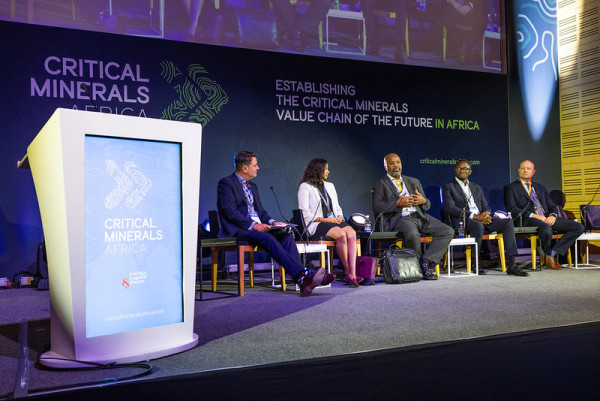
CMA to Host Investment Forum Showcasing Opportunities in African Critical Minerals

Location: Business
Energy Capital & Power

Investment in African critical minerals are on the rise, with global entities acquiring assets, funding upstream projects and developing midstream and logistics facilities. Over the past three years, Zambia (http://apo-opa.co/3yk2ymJ) ­– Africa's second-largest copper producer – has recorded $10 billion in investments (http://apo-opa.co/3WibyRd) in its mining sector. These investments are pushing the country closer to its goal of increasing copper production to one million tons by 2026 and three million tons by 2030, with several new projects coming online. To promote opportunities and drive fresh investment across African markets, the upcoming Critical Minerals Africa Summit (http://apo-opa.co/3WzznFR) will feature a dedicated Investment Forum.

The Critical Minerals Africa 2024 summit on November 6 - 7 serves to position Africa as the primary investment destination for critical minerals. The event is held alongside the African Energy Week: Invest in African Energy 2024 conference (http://apo-opa.co/3VMQTpp) on November 4 - 8, offering delegates access to the full scope of energy, mining and finance leaders in Cape Town. Sponsors, exhibitors and delegates can learn more by contacting sales@energycapitalpower.com

The Investment Forum will delve into investment opportunities across the spectrum of critical minerals and rare earth projects, highlighting how African governments are partnering with global stakeholders to create an enabling environment for market expansion.

Zambia introduced the Mineral Royalty Tax Reform in 2022 – reducing mineral royalty rates for investors – resulting in a surge of fresh investments. In June 2024, mining firm Jubilee Metals Group (http://apo-opa.co/3WiXJlA) acquired two operational copper mines to support efforts to increase activities at its Sable Refinery in Zambia. Canadian mining firm Ivanhoe Mines (http://apo-opa.co/4d4bNqc) also announced that is investing in the expansion of a concentrator at the Kipushi Copper Mine, aiming to increase output to 960,000 tons of copper annually by 2030, up from 140,000 tons in 2024. The UAE's International Resources Holding is providing $300 million to enhance copper production at Mopani Mines, following its acquisition of a 51% stake in a $1.1 billion deal in April 2024. The Investment Forum will showcase lucrative prospects for global investors within Zambia's copper value chain.

Meanwhile, Zimbabwe (http://apo-opa.co/3WwoAfw) banned the export of raw lithium in 2022 in a bid to attract investments across the midstream sector to value add its lithium output. The regulation aims to help the country account for 20% of global lithium demand, build a $12 billion economy by 2030 and has resulted in an influx in new investments and project launches. Mining revenue (http://apo-opa.co/4bPAEwM) has grown from $3.5 billion in 2020 to $9.77 billion in 2023, as a result. Mining firms including Rwizi Rukuru, Shengxiang Investments, Chengxin Lithium Group, Zhejiang Huayou Cobalt and Sinomine Resource Group have invested in large-scale lithium processing facilities in 2023 and 2024. The Investment Forum will feature stakeholders from Zimbabwe's critical mineral sector in panel discussions and exclusive networking sessions, highlighting investment opportunities across the mining value chain.

With the global demand for critical minerals set to increase by four times by 2030 – driven by increasing adoption of clean energy technologies – Africa, which holds 30% of the world's total critical mineral reserves, is well positioned to attract global investors. South Africa holds 80% of the world's platinum group metals, Morocco 70% of total phosphate, the Democratic Republic of Congo the world's largest cobalt reserves, Guinea-Conakry the world's second-largest bauxite reserves, and Gabon the world's second-largest manganese resources. CMA will spotlight these resources and partnership opportunities available for global stakeholders as African countries unlock their full mineral potential for GDP growth.

“Africa's critical mineral resources present an opportunity for the continent to forge partnerships on infrastructure development and economic growth with global investors. We hope to see an increase in investments flowing into Africa as global mining stakeholders capitalize on the continent's vast resources and strategic locations to feed the global demand,” stated Rachelle Kasongo, Project Director at CMA-organizer, Energy Capital & Power.

Distributed by APO Group on behalf of Energy Capital & Power.

Media files
Energy Capital & Power
Download logo
Read moreCMA to Host Investment Forum Showcasing Opportunities in African Critical Minerals
23 July 2024

SA’s response to climate change outlined in new law

Location: News

SA’s response to climate change outlined in new law

President Cyril Ramaphosa has signed into law the Climate Change Bill, which sets out a national climate change response, including mitigation and adaptation actions, which also constitutes South Africa’s fair contribution to the global climate change response.

“The Climate Change Act, as endorsed by the President, enables the alignment of policies that influence South Africa’s climate change response, to ensure that South Africa’s transition to a low carbon and climate resilient economy and society is not constrained by policy contradictions,” the Presidency said on Tuesday.

The law also sets out to enhance South Africa’s ability and capacity over time to reduce greenhouse gas emissions, and build climate resilience, while reducing the risk of job losses, and promoting opportunities for new job opportunities in the emerging green economy.

“The Act has the aim of strengthening co-ordination between national sector departments and provide policy setting and decision-making to enable South Africa to meet the commitments in Nationally Determined Contribution (NDC) under the Paris Agreement.

“The National Determined Contribution is a set of commitments South Africa has made under the international Paris Agreement to reduce greenhouse emissions as part of climate change mitigation,” the Presidency said.

South Africa is one of more than 190 members of the United Nations Framework Convention on Climate Change who are parties to the eight-year-old Paris Agreement.

South Africa’s mitigation measures are a response to climate change impacts that are increasingly experienced across a number of sectors, including water resources; agriculture and food production; forestry and fisheries; human health; energy generation; industry; human settlements and migration; disaster management; biodiversity and terrestrial ecosystems.

“These impacts will disproportionately affect poor communities and vulnerable groups and could affect South Africa’s ability to meet its development and economic growth goals, including job creation and poverty reduction,” the Presidency said.

The Climate Change Act sets out the functions of the Presidential Climate Commission, which includes providing advice on the Republic’s climate change response to ensure the realisation of the vision for effective climate change response and the long-term just transition to a climate-resilient and low-carbon economy and society.

The law also stipulates the role provinces and municipalities will play in mitigation efforts. – SAnews.gov.za
  

nosihle
Tue, 07/23/2024 - 09:33

58 views
Read moreSA’s response to climate change outlined in new law
22 July 2024

SA delegation in Munich for International AIDS conference

Location: News

SA delegation in Munich for International AIDS conference

Deputy Minister of Health, Dr Joe Phaahla, has arrived in Munich, Germany, ahead of the 25th International AIDS Conference, scheduled to take place from Monday to Friday.

The Deputy Minister will lead the South African delegation at the conference which will be held under the theme: “Put people first”.

This year’s conference theme highlights a clarion call for all key role players to strengthen efforts in deepening human rights, providing adequate health care facilities and protecting civil rights. 

The AIDS 2024 Conference offers a platform to address persistent challenges which impact negatively on countries' overall HIV response.

Phaahla is supported by the SA Patron of the Global Alliance for ending AIDS in children by 2030, Humile Mashatile, the SANAC Chief Executive Officer, Dr Thembisile Xulu, Health Department Director General, Dr Sandile Buthelezi, a team of health scientists, civil society activists, social partners as well as senior government officials. 

“This important world’s largest and most influential conference on HIV/AIDS, will feature discussions on, amongst others, key population-led innovations, artificial intelligence and digital technology in healthcare provision, HIV and climate change, prevention of vertical transformation and also consider lessons from COVID-19 on misinformation,” the Presidency said in a statement.

In this regard, the SA Global Alliance Patron, Humile Mashatile, will participate in panel discussions focused on “Connecting data, programmes and communities with the view to contribute in defining Global Alliance Roadmap to Ending AIDS in Children by 2030”.   

Mashatile will also meet with the Executive Director of UNAIDS, Winnie Byanyima, to outline the strategic plans and programmes developed by key South African role-players, geared towards ending AIDS in Children by 2030. 

The Human Sciences research Council (HSRC) of South Africa, which is Africa’s largest dedicated social science and humanities research agency and policy think tank, will utilise the opportunity to present a study on South African HIV Prevalence, Incidence and Behavior (SABSSM) survey results. 

This critical work by the HSRC signifies an important legacy collection of public data that has contributed to the improvement of lives for citizens.

The Deputy Minister and the delegation will join world activists in confronting challenges and identifying opportunities to accelerate progress in HIV science, policy and initiatives, to foster a more resilient, equitable and sustainable international community. – SAnews.gov.za

Edwin
Mon, 07/22/2024 - 09:52

740 views
Read moreSA delegation in Munich for International AIDS conference
22 July 2024

Africa – Unfinished business: only urgent and accelerated delivery of HIV services will keep the promise of ending AIDS in children by 2030

Location: News

United Nations Children’s Fund (UNICEF)
Download logo

Despite progress made in reducing HIV infections and AIDS-related deaths among children, a new report released today by the Global Alliance for Ending AIDS in Children by 2030 shows that an urgent scale up of HIV services in countries worst affected by the pandemic is required to end AIDS by 2030.

The report, Transforming Vision Into Reality, shows that programmes targeting vertical transmission of HIV have averted 4 million infections among children aged 0-14 years old since 2000. Globally, new HIV infections among children aged 0-14 years old have declined by 38 per cent since 2015 and AIDS-related deaths have fallen by 43 per cent.    

Among the 12 Global Alliance countries, several have achieved strong coverage of lifelong antiretroviral therapy among pregnant and breastfeeding women living with HIV, with Uganda nearing 100 per cent, United Republic of Tanzania at 98 per cent, and South Africa at 97 per cent. Mozambique has achieved 90 per cent coverage, with Zambia at 90 per cent, Angola at 89 per cent, Kenya at 89 per cent, Zimbabwe at 88 per cent, and Cote d'Ivoire at 84 per cent.

“I applaud the progress that many countries are making in rolling out HIV services to keep young women healthy and to protect babies and children from HIV,” said UNAIDS Executive Director, Winnie Byanyima. “With the medicines and science available today, we can ensure that all babies are born – and remain – HIV-free, and that all children who are living with HIV get on and stay on treatment. Services for treatment and prevention must be ramped up immediately to ensure that they reach all children everywhere. We cannot rest on our laurels. The death of any child from AIDS related causes is not only a tragedy, but also an outrage. Where I come from, all children are our children. The world can and must keep its promise to end AIDS in children by 2030.”

Global Alliance countries are innovating to overcome barriers and accelerate progress towards ending AIDS in children. However, despite advances neither the world nor Global Alliance countries are currently on track to reach HIV-related commitments for children and adolescents and the pace of progress in preventing new HIV infections and AIDS-related deaths among children has slowed in recent years.

“Accelerating the delivery and uptake of HIV services for children and adolescents is a moral obligation, and a political choice,” said Dr Tedros Adhanom Ghebreyesus, Director-General of the World Health Organization. “Twelve countries are demonstrating they have made that choice, but significant challenges remain. While we have made progress in increasing access for pregnant women to testing and treatment to prevent vertical transmission of HIV, we are still far from closing the paediatric treatment gap. We need to further strengthen the collaboration and reach of the Global Alliance, and we must do this work with focus, purpose and in solidarity with all affected mothers, children, and adolescents.”

Around 120 000 children aged 0-14 years old became infected with HIV in 2023, with around 77 000 of these new infections occurring in the Global Alliance countries. AIDS-related deaths among children aged 0-14 years old numbered 76 000 globally with Global Alliance countries accounting for 49 000 of these unnecessary deaths. Vertical transmission rates remain extremely high in some locations, particularly in Western and Central Africa, with rates exceeding 20 per cent in countries including Nigeria and the Democratic Republic of the Congo.

“In the fight against HIV, we must do a much better job for children,” said Peter Sands, Executive Director of the Global Fund to Fight AIDS, Tuberculosis and Malaria, which provides funding for HIV programmes in over 100 countries through a country-led partnership model. “In support of national programmes, we have been procuring the latest dolutegravir-based paediatric treatment regimens at negotiated prices. Our investments in laboratory systems are helping ensure exposed infants are rapidly tested and that those that test positive are quickly initiated on age-appropriate antiretroviral treatment. Differentiated testing and treatment approaches are helping close the diagnostic gap and ensuring more child-centred service delivery.”

It is concerning that the treatment gap between adults and children continues to widen.

“Just 57 per cent of children living with HIV receive life-saving treatment, compared to 77 per cent of adults,” said UNICEF Associate Director HIV/AIDS, Anurita Bains. “Without early and effective testing and treatment, HIV remains a persistent threat to the health and well-being of children and adolescents and puts them at risk of death. To close the treatment gap, we must support governments to scale up innovative testing approaches and ensure children and adolescents living with HIV receive the treatment and support they need.”

In 2023, there were 210 000 new infections globally among young women and girls aged 15—24 years old (130 000 in Global Alliance countries), four times higher than the 2025 goal set at 50 000. Preventing new infections among this age group is critical both to protect the health and wellbeing of young women and to reduce the risk of new infections among children.

Gender inequalities and human rights violations are increasing women's vulnerability to HIV and diminishing their ability to access essential services. Globally, nearly one in three women have encountered some form of violence during their lifetime, with adolescent girls and young women disproportionately affected by intimate partner violence. In the four Global Alliance countries with available data, countries are not currently on track to achieve the target of ensuring that by 2025 less than 10 per cent of women, key populations and people living with HIV experience gender-based inequalities and gender violence.

"It has been remarkable to see how many more children's lives can be saved when all stakeholders and partners come together to commit to end AIDS in children. While much progress has been made, notably through the successful introduction of pediatric dolutegravir, large gaps still remain across the pediatric cascade and we must recommit ourselves with purpose and innovation to fulfill the promises we have made by 2025 and beyond,” said Ambassador John N. Nkengasong, United States Global AIDS Coordinator and Special Representative for Global Health Diplomacy.

The Global Alliance for Ending AIDS in Children by 2030 was launched in 2022 by WHO, UNICEF and WHO to reinvigorate the paediatric HIV agenda. It has now grown, and in addition to the United Nations agencies, the alliance includes civil society movements, including the Global Network of People living with HIV, national governments in the most affected countries, and international partners, including PEPFAR and the Global Fund. Twelve countries are members: Angola, Cameroon, Côte d'Ivoire, The Democratic Republic of the Congo (DRC), Kenya, Mozambique, Nigeria, South Africa, Tanzania, Uganda, Zambia, and Zimbabwe. 

Distributed by APO Group on behalf of United Nations Children’s Fund (UNICEF).

Read moreAfrica – Unfinished business: only urgent and accelerated delivery of HIV services will keep the promise of ending AIDS in children by 2030
22 July 2024

Chikunga condemns persistent acts of gender-based violence

Location: News

Chikunga condemns persistent acts of gender-based violence

Minister in the Presidency responsible for Women, Youth and Persons with Disabilities, Sindisiwe Chikunga, has reiterated the call for all South Africans to rally behind the country’s fight against Gender-Based Violence and Femicide (GBVF).

This includes acts of GBVF perpetrated by intimate partners and family members. 

Chikunga emphasised the urgent need to move beyond sloganeering.

“There is an urgent need to invest adequate resources to respond to the GBVF pandemic and all forms of discrimination by the whole of society and the government,” Chikunga said.

In its 2020 report titled "Killings of Women and Girls by Their Intimate Partner or Other Family Members - Global Estimates," the United Nations Office on Drugs and Crime (UNODC) estimated that, on average, a woman or girl is killed by someone in her own family every 11 minutes.

A year later, estimates by the World Health Organisation (WHO) also found that one in three women worldwide has suffered from physical and sexual violence in her lifetime, and that one in five women who have had at least one partner has experienced physical or sexual violence by an intimate partner.

Chikunga noted that despite the exponential high level of commendable advocacy and policy commitment, Intimate Partner Violence (IPV) remains one of the most frequent forms of violence against women and girls.
She added that recent studies affirm that despite decades of activism, advocacy, and action by state and non-state actors, the available evidence shows that progress in stopping IPV and related violence has been deeply inadequate.

While government has heeded this call and elevated the fight against GBVF into one of its top priorities, Chikunga acknowledged that in the past 30 years of democratic dispensation, the plight of women and girls in South Africa has remained deplorable and far from ideal.

“As we begin the seventh Administration, our message has to be clear when it comes to the fight against GBVF; the master's tools will not destroy the master's house. We need new tools, and we need them urgently.

“South Africans have bestowed on our shoulders a responsibility to recognise and respond appropriately to the systemic and structural nature of discrimination, and violence against women and girls. We can no longer tinker on the edges and expect systemic results.”

Across educational, religious, cultural, sporting, and creative environments, the Minister said, “all our values and practices must be put into question and deliberately repurposed to support the fight against patriarchal chauvinism in all spheres of life.’

She further stressed a need for systemic change, noting that the Department of Women, Youth and Persons with Disabilities is committed to enforcing gender equality throughout government and society as a constitutional imperative, and “not as an afterthought that emerges when the next victim is lying cold.”

“Women have been and continue to be the basic foundation of all human civilisation, and yet we wake up every day and petition a man for the right to survive until the end of the day.

“We need community intelligence - researchers, scholars, advocates, and activists who will go beyond reproducing mainstream narratives and get a granular picture from communities that face violence at a community or even street level, to ensure that justice is served,” Chikunga said. – SAnews.gov.za


GabiK
Mon, 07/22/2024 - 10:03

494 views
Read moreChikunga condemns persistent acts of gender-based violence
22 July 2024

What Is Hepatitis? Understanding The Liver’S Silent Threat

Location: MyPR

Affinity Health, a leading provider of high-quality health coverage, explores hepatitis, its types, causes, symptoms, and prevention strategies. “Every year, 28 July celebrates World Hepatitis Day, a global effort to raise awareness of hepatitis,” says Murray Hewlett, CEO of Affinity Health. “According to the World Health Organization (WHO), the prevalence of chronic hepatitis B in …

Read moreWhat Is Hepatitis? Understanding The Liver’S Silent Threat
22 July 2024

Efficiency and alignment are key to 7th administration

Location: News

Efficiency and alignment are key to 7th administration

Greater efficiency and the alignment of priorities will define the newly constituted seventh administration.

“What will define the seventh administration is strategic alignment of priorities, greater efficiencies, focus and the optimal use of resources,” President Cyril Ramaphosa said on Monday.

Replying to the Opening of Parliament Address (OPA) debate, President Ramaphosa said South Africans expect government to chart the country towards the ultimate goal of a better life for all.

“As we said, our priorities are inclusive growth and job creation, reducing poverty and tackling the high cost of living, and building a capable, ethical and developmental state,” President Ramaphosa said.

President Ramaphosa said during much of the sixth administration, government worked to address the challenges that impeded growth, such as state capture, lack of reforms, COVID-19 and others. 

“We also worked to overcome the silo mentality that pervaded the work of government, and which in the past had contributed to inefficiency, duplication and wastage of resources.”

He said the Government of National Unity (GNU) must demonstrate in word and deed that the seventh administration is an era of a government of national unity and not a fleeting convenience.

“At the same time, we all understand what is expected of us by those who put us here,” President Ramaphosa said.
The President who delivered the OPA on Thursday, said it was important to examine the progress made by the nation in addressing the “the challenges our people face.”

READ | 'We will succeed' - President Ramaphosa on prospects of GNU

Last year, South Africa submitted its third country report to the United Nations (UN) on its progress towards meeting the Sustainable Development Goals (SDG).

The President said the UN report highlighted important trends towards meeting SDG targets in eradicating poverty and hunger, in good health and well-being, in inclusive and equitable quality education, in the provision of clean water and sanitation, in climate action, in building strong institutions for peace and justice and others.

He added that government’s 30 Year Review report and the results of Census 2022 are testament to the considerable progress the democratic state has made in pursuing equitable and sustainable development.

“On eradicating poverty and hunger, more indigent South Africans are accessing grants as part of an extensive social security net to mitigate the worst effects of poverty.

“Sixty percent of our national budget is spent on the social wage and programmes vital to reducing poverty and supporting the poor.

“When the worst global health emergency in modern times struck in the form of the COVID-19 pandemic, we were able to shelter society’s most vulnerable through the provision of special COVID grants, a scheme to support workers’ wages, and support to businesses affected by the lockdowns,” the President said.

READ | Government creates better life during 30 years of democracy

President Ramaphosa said over the next five years, government will be putting further programmes in place to reduce poverty and mitigate the effects of the high cost of living, especially on the poorest of the poor.

NHI 

With regards to the National Health Insurance (NHI), President Ramaphosa said a key task for government over the next five years will be to ensure that everyone in South Africa has equal access to affordable quality healthcare through the implementation of health insurance.

“We are unwavering in our commitment to implement universal health coverage in a manner that brings all South Africans on board. We will continue with dialogues, with exchanges, with interactions to make this an important programme for our people,” President Ramaphosa said. – SAnews.gov.za


Edwin
Mon, 07/22/2024 - 12:42

255 views
Read moreEfficiency and alignment are key to 7th administration
22 July 2024

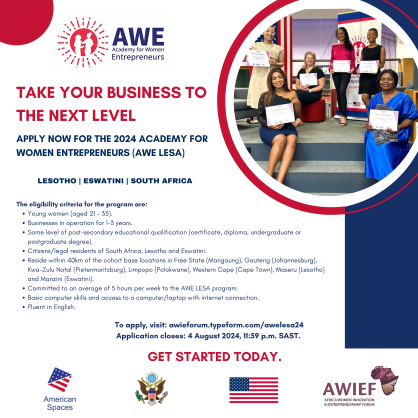
The United States and Africa Women Innovation and Entrepreneurship Forum (AWIEF) launch the 2024 Academy for Women Entrepreneurs Lesotho, Eswatini and South Africa (AWE LESA)

Location: Business
Africa Women Innovation and Entrepreneurship Forum (AWIEF)

The U.S. Mission to South Africa and the Africa Women Innovation and Entrepreneurship Forum (AWIEF) (www.AWIEForum.org) proudly announce the launch of the 2024 Academy for Women Entrepreneurs program in Lesotho, Eswatini and South Africa.

The Academy for Women Entrepreneurs (AWE) is an initiative of the U.S. Department of State and Arizona State University's Thunderbird School of Global Management. It supports the U.S. National Strategy on Gender, Equity and Equality and reflects the United States' commitment to advancing gender equity and economic prosperity in Southern Africa

The Academy for Women Entrepreneurs LESA (Lesotho, Eswatini and South Africa) program is centred on the Francis and Dionne Najafi 100 Million Learners Global Initiative, an accredited online global management and entrepreneurship certificate consisting of five world-class courses and available to learners across the globe.

The overall goal of the program is to promote economic prosperity, including equitable economic development opportunities for historically disadvantaged groups and individuals. AWE LESA provides a resource for women entrepreneurs to engage in online education with guided facilitation and localization; fosters networks that support participants' access to peer-to-peer mentorship, business partners, and scaling opportunities with businesses in the region and in the United States; as well as provides access to a range of educational programs tailored to women's economic empowerment to expand the impact on the participant.

AWE LESA 2024 will empower 100 young women entrepreneurs in seven cities – five in South Africa and one each in Lesotho and Eswatini. The program will host cohorts in Bloemfontein (10 participants), Cape Town (10 participants), Johannesburg (15 participants), Polokwane (15 participants), Manzini (20 participants), Maseru (20 participants), and Pietermaritzburg (10 participants). The participants will attend in-person training sessions and events at designated American Corners and partner spaces in each location.

AWE LESA 2024 activities will take place between August 2024 and January 2025, and this edition will bring the total number of women entrepreneurs trained through the U.S. Mission to South Africa and AWIEF partnership to more than 700.

What do you gain from participating in the AWE LESA program?

  • Free entry to the program;
  • Enrolment in the Francis and Dionne Najafi 100 Million Learners platform for online learning;
  • Expert-facilitated in-person business management training and mentorship sessions at American Spaces;
  • Networking and peer-learning opportunities with like-minded entrepreneurs;
  • A collaboratively developed and refined draft of your business plan;
  • A 100 Million Learners certificate after completing the program;
  • Access to the U.S. alumni network's robust network of support, including business opportunities, potential seed funding and a vast, global network of like-minded and highly regarded entrepreneurs;
  • Membership to the AWIEF Community which provides ongoing peer learning and support; and
  • Free delegate pass to AWIEF2024 Conference, Exhibition and Awards scheduled to take place at the Cape Town International Convention Centre (CTICC), Cape Town on November 28 and 29, 2024.

What are the criteria to apply?

  • Young women (aged 21 – 35);
  • Early-stage entrepreneurs (with businesses in operation for 1-3 years);
  • Citizens/legal residents of South Africa, Lesotho and Eswatini;
  • Read, write, speak and listen to the program in English;
  • Reside within 40km of one of the seven program cities: Bloemfontein, Cape Town, Johannesburg, Polokwane, Maseru, Manzini, and Pietermaritzburg;
  • Commit to weekly in-person training sessions at a designated American Space of the U.S. Missions to Lesotho, Eswatini and South Africa;
  • Commit to up to 5 hours of weekly programmatic assignments; and
  • Basic computer skills, access to a computer with a data plan to access program content and activities.

Applications Open Now!

Academy for Women Entrepreneurs applications are officially open for highly motivated and self-driven young women entrepreneurs from Lesotho, Eswatini and South Africa. THERE IS NO COST TO APPLICANTS AT ANY STAGE.

To submit your application, please follow this link:  https://apo-opa.co/3WvSAIa

The deadline for submission is August 4, 2024 at 11:59 p.m. South Africa Standard Time (SAST).

For more information email: info@awieforum.org

Distributed by APO Group on behalf of Africa Women Innovation and Entrepreneurship Forum (AWIEF).

Media files
Africa Women Innovation and Entrepreneurship Forum (AWIEF)
Download logo
Read moreThe United States and Africa Women Innovation and Entrepreneurship Forum (AWIEF) launch the 2024 Academy for Women Entrepreneurs Lesotho, Eswatini and South Africa (AWE LESA)
22 July 2024

SA committed to meeting climate change undertakings

Location: News

SA committed to meeting climate change undertakings

Forestry, Fisheries and the Environment Minister, Dr Dion George, has assured of South Africa’s commitment to meeting its undertakings under the United Nations Framework Convention on Climate Change (UNFCCC) and its Paris Agreement.

George said South Africa is working on its second Nationally Determined Contribution, and the country has also committed to updating and submitting its first Biennial Transparency Report.

“We will contribute our fair share and not make false promises that we are unable to keep,” George said.

George was speaking at the Brazil, South Africa, India and China (BASIC) Ministerial Meeting held on Sunday, ahead of the 8th Session of the Ministerial Meeting on Climate Action (MoCA) taking place in Wuhan, China.

The Ministers responsible for climate change from the BASIC countries gathered for the bi-annual meeting to discuss key issues related to the United Nations Framework Convention on Climate Change (UNFCCC) negotiations at the upcoming Conference of Parties (COP29).

These include the need to finalise the rules around carbon markets, adaptation indicators, the Just Transition Pathways Work Programme, the Mitigation Work Programme, and the new collective quantified goal (NCQG) on finance.

In his opening remarks, George said South Africa is focused on implementing ambitious actions to reduce greenhouse gas emissions, including through the Just Energy Transition Investment Plan (JET-IP).

The implementation of this plan includes actions around electricity, electric vehicles and green hydrogen and, said the Minister, South Africa is interested in partnering with BASIC and other countries towards its implementation.

“The Just Energy Transition Partnership (JETP) with some developed countries is only a small component of our much larger energy transition plan, which in turn is only one sector of the all-of-economy and all-of-society just transition we seek in line with the COP28 UAE Vision.

“Our Parliament has adopted a Climate Change Bill [and] since 2011, when we outlined South Africa’s response to climate change in our National Climate Change Response White Paper, we have been putting in place the components of an integrated response. Now, this Bill will integrate all of these components into a robust legal framework, and mainstream climate action across government,” George said.

For South Africa, progress is required in terms of emission reduction obligations, adaptation commitments and the means of implementation “to ensure that we are on track to achieving the 1.5-degree target, and that support for both adaptation and loss and damage will address all likely outcomes”.

The Minister said the country believes that COP29 should enable enhanced, effective and sustained international cooperation on both adaptation and mitigation (equally treated), to achieve the missing ambition in climate actions to date.

“Developed countries’ commitment to providing adequate support to developing countries, is key for the Paris Agreement to be truly applicable to all. The global North should ensure no backtracking on support obligations,” the Minister said.

Ministerial on Climate Action

Meanwhile, MoCA, which is taking place on 22 -23 July 2024, is a key moment for ministers and senior climate diplomats to gather, coming shortly after the UNFCCC intersessional in June.

The meeting will be a chance to elevate sticky issues in climate negotiations to a higher political level.

MoCA is one of the platforms created at the initiative of individual States in support of the UNFCCC negotiations that seeks to identify issues of convergence and divergence at a political level, with a view to bridge building and exploring potential landing zones ahead of the COP.

Convened by China, the European Union (EU) and Canada, MoCA was initiated in 2017 to support the Paris Agreement and the multilateral climate process. - SAnews.gov.za
 

GabiK
Mon, 07/22/2024 - 10:56

28 views
Read moreSA committed to meeting climate change undertakings
21 July 2024

George attends ministerial meetings on climate action in China

Location: News

George attends ministerial meetings on climate action in China

Forestry, Fisheries and the Environment Minister, Dr Dion George, will on Sunday attend the Brazil, South Africa, India and China (BASIC) Ministerial Meeting, ahead of the 8th Session of the Ministerial on Climate Action (MoCA) taking place in Wuhan, China.

The Ministers responsible for climate change from the BASIC countries will gather for the bi-annual meeting to discuss key issues related to the United Nations Framework Convention on Climate Change (UNFCCC) negotiations at the upcoming Conference of Parties (COP29).

These include the need to finalise the rules around carbon markets, adaptation indicators, the Just Transition Pathways Work Programme, the Mitigation Work Programme, and the new collective quantified goal (NCQG) on finance.

George emphasised the importance of ensuring a balanced agenda that addresses issues critical to developing countries, and to pressure developed countries to fulfil their commitments.

The BASIC group plays a pivotal role in unifying developing countries and providing leadership in climate negotiations.

“South Africa reaffirms its unwavering solidarity with fellow members of the Global South. We regard the BASIC group as a key strategic platform for articulating and advancing the interests of developing countries towards a more sustainable, just and equitable international order,” George said.

MoCA, which is taking place on 22 -23 July 2024, is one of the platforms created at the initiative of individual States in support of the UNFCCC negotiations that seeks to identify issues of convergence and divergence at a political level, with a view to bridge building and exploring potential landing zones ahead of the COP.

MoCA is convened by China, the European Union (EU) and Canada. It was initiated in 2017 to support the Paris Agreement and the multilateral climate process.

The MoCA in Wuhan is a key moment for ministers and senior climate diplomats to gather, coming shortly after the UNFCCC intersessional in June.

It will be a chance to elevate sticky issues in climate negotiations to a higher political level.

George said such meetings are important because the negotiations often deadlock at the technical level due to geopolitical tensions and the national interests at stake.

South Africa has traditionally played a key role in the UNFCCC process, helping to secure consensus outcomes, including through special co-facilitation, and chairing roles being conferred to successive South African Presidents and Ministers at Climate Summits and COPs over the past two decades.

“I look forward to the frank political discussions on the progress and complexities around implementing the COP 28 outcomes, the role of carbon markets, the new collective quantified goal on climate finance beyond $100 billion per annum to be set at COP29 in Baku, Azerbaijan, as well as other critical negotiations items needed to be addressed,” George said. – SAnews.gov.za


GabiK
Sun, 07/21/2024 - 13:05

68 views
Read moreGeorge attends ministerial meetings on climate action in China
20 July 2024

Rowing SA: Paris Olympics 2024 – National Rowers Ready for Global Challenge

Location: MyPR

The anticipation is palpable as the Rowing South Africa team departed for France on Thursday, 18th of July. The team, comprising of the men’s pair John Smith and Chris Baxter, and women’s single sculler Paige Badenhorst, has just completed their final preparation camp in Tzaneen and are ready to represent South Africa on the world …

Read moreRowing SA: Paris Olympics 2024 – National Rowers Ready for Global Challenge
19 July 2024

The dtic to support programmes outlined by the President

Location: News

The dtic to support programmes outlined by the President

Trade, Industry and Competition (the dtic) Minister Parks Tau says his department's mandate is clear in that it will work to support and enhance the programmes instructively outlined by President Cyril Ramaphosa during the Opening of Parliament Address in Cape Town on Thursday evening.

“This is important, especially if we calculate the costs of poverty which constitutes 60 percent of the National Budget,” Tau said.

Responding to the Opening of Parliament Address (OPA) on Friday, Tau said the reality is that government has to adopt a mission-oriented approach to industrial policy and strategy.

“As such, we must implement with laser focus, the programme of priorities outlined in the Government of National Unity (GNU) to benefit all South Africans, most particularly, women, the youth majority and people with disabilities,” Tau said.

He said if government does not implement the priorities of social justice, and poverty alleviation, then the nation-building and social cohesion projects will remain an elusive ideal.

“In line with what the President said when talking about smart industrial policy, the dtic  group will implement sectoral plans building on the successes recorded in the automotive, clothing and textiles, retail and agro-processing sectors.

“Smart industrial policy speaks to underlining beneficiation and export-led growth. It highlights the imperatives of the Public Procurement Act that will complement the essential legislative tools to unlock localisation and transformation.

“Every year the South African economy spends 25% of the national wealth created on imported goods. Not only is this propensity to import much greater than our competitor countries, it is also out of sync with our developmental needs,” Tau said.

Tau said government will reverse this in pharmaceuticals and medical devices, green industries, food products and manufactured goods, among others.

He said smart industrial policies and programmes are being implemented to respond to the global market trends towards electric vehicles.

“As you know, in February this year, the Minister of Finance announced that the government will introduce an investment allowance for new investments. This will see producers having the opportunity to claim 150 percent of qualifying investment expenditure on electric and hydrogen-powered vehicles within the initial year.

“On structural transformation relating to B-BBEE, the dtic group will use the public procurement regime to advance B-BBEE and SMMEs. We will work with National Treasury to ensure that the Procurement Bill, under consideration by the President is implemented,” Tau said.

The Minister said government is aware that the Enterprise and Supplier Development (ESD) elements of the B-BBEE Codes have the potential to raise several billions from the private sector.

“Therefore, working closely with the B-BBEE Commission in monitoring the contributions of the ESD, black industrialists and SMMEs will benefit from such financial contributions.

“Our common prosperity is contingent on building a better life for all, and not for some. In line with what the President said, the DTIC group will refocus on industrialisation in a targeted manner using available policy instruments.

“Our message to our SADC partners is a call-to-action for a united effort to promote regional industrialisation. This will leverage South Africa’s trade with Africa which has increased significantly, growing from just over R343 billion in 2019, to just under R547 billion in 2023,” Tau said.

In his Opening of Parliament Address (OPA), President Cyril Ramaphosa said government had decided to place inclusive economic growth at the centre of the work of the Government of National Unity and at the top of the national agenda.

“The Government of National Unity will pursue every action that contributes to sustainable, rapid economic growth and remove every obstacle that stands in the way of growth,” President Ramaphosa said. – SAnews.gov.za

Edwin
Fri, 07/19/2024 - 15:33

48 views
Read moreThe dtic to support programmes outlined by the President
19 July 2024

Afrika Tikkun Announces 30 Year Milestone: Developing A Brighter Future For South Africa’s Youth From Cradle To Career

Location: MyPR

17 July 2024, Johannesburg: As the nation grapples with ongoing stark inequalities, pervasive poverty and a dire youth unemployment rate, Afrika Tikkun, a leading youth development non-profit organisation, marks its 30-year legacy of creating holistic development, sustainable impact and tackling South Africa’s (SA’s) entrenched socio-economic disparities to foster an equitable society for all. The country’s …

Read moreAfrika Tikkun Announces 30 Year Milestone: Developing A Brighter Future For South Africa’s Youth From Cradle To Career
19 July 2024

Family and Home at the Heart of LG’s Latest Campaign “Life’s Good When You Get More Care”

Location: Business
LG Electronics

LG Electronics (LG) (www.LG.com) has announced its new campaign of short videos under the “Life's Good” brand slogan, titled Get More Care, following the success of previous themes “Get More Love” and “Get More Magic”, aimed at highlighting how LG products enable small gestures of love and care among family members so that they can enjoy true “Life's Good” moments amidst unforgettable experiences.

Throughout the video series, LG will showcase those sometimes unnoticed loving moments experienced in the home while shining a subtle light on how its products enhance everyday lives through the brand's innovative technology intricately interwoven into its customers' everyday lives, by chasing their vicarious football dreams, or simply following their favourite teams in 4K clarity.

A key highlight of the campaign is the immersive family viewing experience provided by LG's groundbreaking OLED screens – such as the LG Signature OLED M3 4K Smart TV, offering a portal to new universes. With unparalleled picture quality and vivid colours, and sound refinements of α9 AI Processor 4K Gen6, LG OLED screens transform an otherwise ordinary viewing into an unforgettable experience of resplendent immersion, bringing families closer together.

Additionally, the campaign will showcase the convenience of LG's WebOS, a smart platform that offers seamless access to a wide range of entertainment options and smart home features. Whether it's finding the perfect movie or the latest TV shows for family night, explore a vast array of content with built-in streaming services such as Netflix, Prime Video, Disney+, YouTube, and Apple TV+. LG's intuitive WebOS interface also means receiving personalised sports updates and tailored content recommendations is as easy as accessing further built-in apps like Music and Sports, making family time entertainment effortless and enjoyable.

The cutting-edge InstaView knock-knock feature is another standout in the campaign, perfect for revealing those sometimes-hidden signs of love. This technology, available on LG's latest refrigerators, allows users to see inside with a simple knock, making meal preparation more interactive and fun. Families can easily decide what to cook from the fridge without opening a door.

“We are excited to introduce ‘Get More Care' as our new brand campaign,” said Elena Yiallouris, Corporate & PR Marketing Specialist at LG Electronics South Africa. “Through these heartwarming short films, we aim to show how our products make everyday moments more special and meaningful. At LG, we believe that technology should enhance the way we care for each other, and this campaign perfectly encapsulates LG's ‘Life's Good' vision.”

LG's commitment to human-centered innovation and user-centric design is at the forefront of this campaign, demonstrating how the company's products contribute to a more connected and caring lifestyle. By showcasing the practical benefits and emotional value of LG's technology, “Get More Care” aims to resonate with families across the region.

The four-episode Get More Care video campaign, which launches in July, showcases fun and touching stories in the home, and ties in effortlessly with LG's brand direction and visual identity, while maintaining and reiterating the brand's core values of ‘Uncompromised Customer Experience', ‘Human-centered Innovation', and ‘Warmth to Power a Smile'.

To learn more about LG's campaign, please visit: https://apo-opa.co/3W3dRHK.  

Distributed by APO Group on behalf of LG Electronics.

About LG Electronics, Inc.:  
LG Electronics is a global innovator in technology and consumer electronics with a presence in almost every country and an international workforce of more than 74,000. LG's four companies - Home Appliance & Air Solution, Home Entertainment, Vehicle component Solutions and Business Solutions - combined for global revenue of over KRW 84 trillion in 2023. LG is a leading manufacturer of consumer and commercial products ranging from TVs, home appliances, air solutions, monitors, service robots, automotive components and its premium LG SIGNATURE and intelligent LG ThinQ brands are familiar names world over. Visit www.LGnewsroom.com  for the latest news.

Media files
LG Electronics
Download logo
Read moreFamily and Home at the Heart of LG’s Latest Campaign “Life’s Good When You Get More Care”
19 July 2024

CSA Extends Broadcast Deal With Fox Sports Australia Until 2027

Location: Sport

JOHANNESBURG – Cricket South Africa (CSA) today announced it has extended its deal with Fox Sports Australia to broadcast the...

Read moreCSA Extends Broadcast Deal With Fox Sports Australia Until 2027
  • Previous
  • Page 1
  • Interim pages omitted …
  • Page 50
  • Page 51
  • Page 52
  • Page 53
  • Page 54
  • Interim pages omitted …
  • Page 103
  • Next

Copyright © 2026 · MyZA · All Rights Reserved · Powered by Stratlec Online