• Skip to main content
  • Skip to header right navigation
  • Skip to after header navigation
  • Skip to site footer
MyZA

MyZA

News, Directory, Events and Other Stuff

  • Social Media
  • Sport
  • World News
  • Home
  • Submit News
  • Directory
  • Events
  • Stratlec
  • TFSA
  • News
    • APO
    • Today’s Sport News
    • Todays Social Media and Tech Headlines
    • Today’s World News
    • Today’s SA Financial News
  • Contact
You are here: Home / Archives for global

global

30 July 2024

Strong bipartisan backing from the US for the reauthorisation of AGOA

Location: News

Strong bipartisan backing from the US for the reauthorisation of AGOA

South Africa’s position at the 21st African Growth and Opportunity Act (AGOA) Forum was to reset and create partnerships with an emphasis on industrialisation, building a capable state and job creation. 

“As the dtic [Department of Trade, Industry and Competition] family, we regard the AGOA Forum as a crucial engagement reinforcing the strong economic ties between South Africa and the United States and our African continent,” Trade, Industry and Competition Minister Parks Tau said.

He said the mutually beneficial economic and trade partnership was highlighted by the more than 600 US businesses operating in South Africa and with over 1.3 million jobs created in sub-Saharan Africa.

The Minister was addressing the media in Cape Town on Tuesday to present some of the major outcomes that emanated from the two international engagements, AGOA and the 14th BRICS+ held in the United States and in Moscow, Russia, recently.

Parks said South Africa received strong bipartisan backing from the US Congress and colleagues in the US Administration for the reauthorisation of AGOA.

Proposals presented by the South African delegation included the extension of AGOA for stability, improved rules of origin, and adjustments to the eligibility review process to preserve regional value chains and enhance Africa’s manufacturing capabilities.

“The importance of maintaining these value chains was emphasised, with calls for AGOA enhancements to support the Africa Continental Free Trade Area (AfCFTA) integration.

“AGOA and AfCFTA should be viewed as complementary forces crucial for Africa’s economic integration rather than as separate entities. 

“AGOA has significantly expanded Africa’s access to US markets, while AfCFTA aims to create a unified continental market by eliminating tariffs and fostering economic cooperation among African nations,” Parks said.

Parks said to fully leverage both frameworks, AGOA’s provisions should be enhanced to support AfCFTA’s goals.

“This includes extending AGOA to provide trade stability, improving rules of origin to streamline the integration of regional value chains, and adjusting the eligibility review process to reflect AfCFTA’s progress,” he said.

The Minister said by aligning AGOA with AfCFTA, Africa can create a more cohesive economic structure that boosts intra-African trade, enhances manufacturing capabilities and integrates regional economies into the global market and driving sustainable growth across the continent.

“I would like to commend Deputy Minister Andrew Whitfield for his exceptional facilitation during the highly contested meeting that determined the host nation for AGOA in 2025. He navigated such a challenging and contentious environment skillfully. DM Whitfield's adept handling of the situation was crucial in achieving a balanced and effective outcome.

“Equally, Deputy Minister Zuko Godlimpi represented South Africa at the pivotal BRICS+ Trade Minister’s Meeting. A key from the BRICS+ Meeting was to call for a predictable, fair and equitable trade environment consistent with WTO’s rules as crucial for advancing economic prosperity,” the Minister said.

The outcomes emanating from the BRICS+ Meeting included, among others: 

- The need for coordinated multilateral action on climate change and expressed concerns about unilateral measures like the Carbon Border Adjustment Mechanism (CBAM) impacting developing countries. Furthermore, they agreed to ensure climate measures respect WTO commitments and resist discriminatory practices.

- The potential of e-commerce to enhance market access and economic growth with calls for developing international rules and standards to address challenges such as cross-border taxation and data privacy.

- The role of SEZs in driving economic growth and investment was discussed, with a commitment to sharing best practices.

Parks said both the AGOA Forum and the BRICS Trade Ministers Meeting were fundamental in advancing international trade relations and economic cooperation.

“These engagements underscore the importance of cooperative trade relations in shaping a more equitable and sustainable global economy.

“They both underscore South Africa’s commitment to pursue transparent and strategic partnerships with both our Global North and Global South partners guided by the global policy and programmatic blueprints such as the SDGs, the Paris Climate Accord, the AU’s Vision 2063, and our very own NDP,” Parks said. – SAnews.gov.za

Edwin
Tue, 07/30/2024 - 12:32
382 views
Read moreStrong bipartisan backing from the US for the reauthorisation of AGOA
30 July 2024

World faces era of new economic challenges

Location: News

World faces era of new economic challenges

The world is entering an era of new economic challenges, even as the recent ones have yet to be overcome, says South African Reserve Bank (SARB) Governor Lesetja Kganyago.

“The global economy continues on a long recovery path from the pandemic. This path has been a troubled one, and despite better prospects in recent months, remains beset by risks and vulnerabilities built up during the pandemic. 
“Inflation remains stubbornly high, and public debt levels globally are at record levels,” the Governor said on Tuesday.

Addressing the 104th annual Ordinary General Meeting of the SARB shareholders in Pretoria, Kganyago asserted that technological development carries both risks to cybersecurity and the hope of large and sustained boosts to global productivity.

“Inflation remains a major policy concern for central banks globally. Although global inflation declined from 8.7% in 2022 to 6.8% in 2023 and continues to ease in 2024, it remains high relative to the 2–3% inflation targets that many countries are trying to achieve.

“Restrictive monetary policy, along with the recovery in supply chains and other pandemic-related bottlenecks, has helped inflation to recede from its 2022 highs. However, global disinflation has slowed recently, as is well illustrated by consumer price inflation in the United States (US) still sitting at 3% relative to their 2% target,” Kganyago said.

He said the slow pace of disinflation reflects a pattern of lower imported inflation but higher services inflation across most economies. 

“In some [economies], rising wages and sustained pent-up demand for services have been key factors. In emerging markets specifically, fiscal challenges and sustained currency depreciations have played more of a role.

“Policy commitment to reduce inflation back to targets has been strongly signalled around the globe, and central banks have generally been cautious in their approach to policy. Deepening geo-economic fragmentation, higher temperatures and other supply-related risks raise concerns about the long-term prospects for inflation, and considerable effort is going into reassessments of neutral real rate levels,” the Governor said.

While inflation remains higher than desired, global economic activity has proven to be more resilient than expected. 

“Global growth surprised higher at 3.3% in 2023, despite considerable divergence in growth across individual economies. Generally, however, global growth rates are expected to remain below pre-pandemic trends. This reflects the impact of protectionist measures on global trade, relatively tight financial conditions as well as uncertainty of future policy trajectories,” Kganyago said.

Domestic real economy developments

Despite South Africa’s low economic growth, employment levels have recovered the 2.2 million jobs lost during the height of the pandemic.|

“As of the first quarter of this year, total employment surpassed its 2019 level. Nonetheless, job creation has been too slow and not enough to offset the growth in the labour force, leaving the unemployment rate elevated at 32.9% in the first quarter of this year,” the Governor said.

The South African economy slowed to 0.7% in 2023 from 1.9% in 2022, and remains well below growth in peer emerging markets.

“Load shedding and logistical challenges have been weighing heavily on economic activity, depressing the credit appetite of businesses and the spending of households.

“South Africa’s tailwind for growth coming from strong terms of trade continued to fade, despite still remaining at historically good levels. Exports also suffered over the past 12 months from energy and logistics challenges as much as price factors. Imports were also muted by logistics. 

“As energy and logistics constraints continue to ease, the growth outlook will also improve. The domestic economy is expected to grow by 1.1% this year, rising to 1.7% by 2026, as both household spending and investment start to strengthen,” Kganyago said.

Domestic inflation dynamics

As with the global trend of moderating inflation, South Africa’s headline inflation decelerated over the past year, falling from 6.9% in 2022 to an average of 6% in 2023.  

“These annual averages, however, hide the ongoing volatility in the underlying components of inflation, in turn demonstrating the risks and uncertainty marking the disinflation path. 
“Since September of last year, headline inflation has been fluctuating between 5% and 6%, with frequent monthly setbacks coming from fuel, food and services prices.

“In February, core inflation rose by 0.4 percentage points to 5%, propelled sharply higher by medical insurance inflation. Encouragingly, as of June, core inflation has moved to 4.5%,” Kganyago said. 

The SARB sees core inflation averaging 4.6% this year, from 4.8% last year. Inflation expectations eased in the first half of this year, but still remain well above the midpoint of the target band.  

“While headline inflation came out between 5% and 6% for much of the past year, our current forecast shows it easing to 4.9% this year, pulled lower mainly by softening food and fuel inflation, and resting at the midpoint in 2025 and 2026. 

“Even with some quantitative and qualitative adjustments to risk perceptions over time, the Monetary Policy Committee (MPC) has felt it appropriate to maintain the repurchase (repo) rate at 8.25% – a level set in May of 2023,” he said. - SAnews.gov.za


nosihle
Tue, 07/30/2024 - 14:14

308 views
Read moreWorld faces era of new economic challenges
30 July 2024

Social Department reaffirms its commitment to protecting children from trafficking

Location: News

Social Department reaffirms its commitment to protecting children from trafficking

The Department of Social Development (DSD) has reaffirmed its commitment to combating human trafficking, focusing on the protection of children as the world commemorates World Day Against Trafficking in Persons.

This year’s theme focuses on leaving no child behind in the fight against human trafficking.

The World Day Against Trafficking in Persons is observed annually on 30 July to raise awareness about human trafficking and to promote and protect the rights of trafficking victims.

The department has since taken the time to remind South Africans especially caregivers about the prevalence of human trafficking and appeal for their vigilance when it comes to protecting children.

Citing the June 2023 publication by the Human Sciences Research Council (HSRC), the department said it was estimated that a possible 250 000 people have fallen victim to human trafficking in South Africa alone.

“This serves as a grave violation of human rights and dignity. On this World Day Against Trafficking in Persons, the Department of Social Development stands united against this heinous crime,” the department said.

According to the department, children represent a significant proportion of trafficking victims worldwide, with girls being disproportionately affected.

In terms of the United Nations Office on Drugs and Crime’s Global Report on Trafficking in Persons, children are twice as likely to face violence during trafficking than adults.

Sub-Saharan Africa, North Africa, and the Caribbean, according to the department, make up 60% of detected trafficking victims.

“In addition to conflicts, pandemics, economic hardships, and environmental challenges, the proliferation of online platforms poses risks as children often connect to these sites without adequate protection.”

The department explained that traffickers exploit online platforms, social media, and the dark web to recruit and exploit children.

They also use technology to evade detection, reach wider audiences, and disseminate exploitative content.

“Countries including South Africa, are required to prioritise child protection, bolster legislation, improve law enforcement, and allocate more resources to combat child trafficking.”

The department has since called for prevention efforts to target root causes of human trafficking such as poverty and inequality to reduce children’s vulnerability with special attention paid to trafficking of children on the move or in transit.

According to the department, South Africa remains a source, transit, and destination country for men, women and children subjected to the crime of trafficking for forced labour and sexual exploitation.

“This means South Africans are being trafficked to other parts of the globe while the country is also used by traffickers to harbour victims in transit to other countries where they are going to be exploited.

“Victims of trafficking are also brought into the country to be exploited.”

Meanwhile, traffickers are said to control victims through deception, intimidation, threats, use of force, withholding of passports, debt bondage, and forced use of drugs and alcohol.

The department has described the Prevention and Combating of Trafficking in Persons Act (PACOTIP) of 2013 as a critical legislative tool in South Africa’s fight against human trafficking.

The South African government, through the Department of Social Development has implemented various measures to prevent child trafficking. The PACOTIP Act aims to align with international agreements and provides for the prosecution of traffickers, protection of victims, and coordination of anti-trafficking efforts.

The Department of Social Development’s Gyan Dwarika said the significance of the PACOTIP Act, in conjunction with the Children’s Act, in safeguarding vulnerable children and ensuring their rights and safety are upheld.

“The Act ensures that any child identified as a victim of trafficking is treated as a child in need of care and protection mandates immediate reporting and investigation of suspected cases, and provides for the safe placement and care of trafficked children,” Dwarika said.

Dwarika’s roles in the department include focusing on child labour, commercial sexual exploitation of children, online safety, and child marriages.

The department said they also offer victims of child trafficking comprehensive support and rehabilitation services.

These include psychological counselling, medical care, legal assistance, and placement in Child and Youth Care Centres (CYCCs).

She said community involvement was crucial in preventing and combating child trafficking.

“International cooperation strengthens the response to the repatriation process of children trafficked into and out of South Africa. It ensures that children are repatriated safely and in line with international standards, considering factors like the best interests of the child and the safety of the repatriation process.”

Victims are also placed in accredited shelters where they are cared for by shelter staff and social workers to determine if they were trafficked.

Through the Criminal Assets Recovery Account (CARA) fund, the department is procuring a fleet of 10 vehicles to be distributed to gender-based violence (GBV) shelters accredited to accommodate victims across all nine provinces.

The Western Cape has partnered with the Passenger Rail Agency of South Africa (Prasa) to create awareness at the Cape Town bus rank. – SAnews.gov.za

Gabisile
Tue, 07/30/2024 - 15:11

128 views
Read moreSocial Department reaffirms its commitment to protecting children from trafficking
30 July 2024

Welo – Using technology to enable human healthcare connections

Location: MyPR

In the world of entrepreneurship, the most remarkable stories often begin with a personal challenge. For Zanele Matome, Founder and CEO of Welo, that challenge is the lack of affordable access to healthcare services for an overwhelming majority of South Africans. Having spent 15 years in the construction and mining sectors, Matome saw firsthand the …

Read moreWelo – Using technology to enable human healthcare connections
29 July 2024

How to be successful in the music industry

Location: Entertainment, MyPR

Nick Matzukis, co-founder and CEO at Academy of Sound Engineering There is no magic wand to make it in the music industry. A combination of talent, technical knowledge and business acumen is essential if aspiring young artists are to monetise their skills effectively. According to the International Federation of the Phonographic Industry (IFPI) Global Music …

Read moreHow to be successful in the music industry
29 July 2024

Governments urged to prioritise testing, treatment and vaccinating against hepatitis

Location: News

Governments urged to prioritise testing, treatment and vaccinating against hepatitis

A liver performs over 500 vital functions every single day to keep us alive, that is the reason that the World Health Organisation (WHO) believes testing, treating and preventing viral hepatitis is so important.

On Sunday, the globe commemorated World Hepatitis Day and the WHO called on all governments to prioritise testing, treatment and vaccination to realise a hepatitis-free world by 2030.

The Department of Health said viral hepatitis is a preventable and manageable disease, which remains a silent and neglected cause of morbidity and mortality worldwide. 

Hepatitis is an inflammation of the liver often caused by a virus. Viral hepatitis means there is a specific virus causing your liver to swell or become larger than normal.

World Hepatitis Day is observed each year on 28 July to educate the public about the disease and encourage people, health professionals, communities and governments to drive awareness and action to eliminate viral hepatitis.

“Viral hepatitis is responsible for an enormous health burden, mostly due to chronic hepatitis B and C infection,” the department explained. 

According to the 2024 WHO Global Hepatitis Report, in 2022, an estimated 304 million people were living with hepatitis B and hepatitis C globally. 

The department said viral hepatitis is the second leading infectious cause of death globally, with about 1.3 million deaths recorded annually around the world, including over 2 000 deaths recorded in South Africa. 

This burden is further compounded by the lack of screening, access to care and treatment, inadequate disease surveillance, and human and financial resources. 

Meanwhile, the department stated that people living with underlying conditions such as HIV are at a higher risk due to coinfection, which further exacerbates the burden of liver disease. 

South Africa is a signatory to the WHO’s global hepatitis strategy endorsed by other Member States, which aims to reduce new hepatitis infections by 90% and deaths by 65% between 2016 and 2030. 

The prevention of this infectious disease includes both pharmaceutical and non-pharmaceutical interventions such as vaccines, practising safer sex, good hygiene, avoid sharing needles, toothbrushes and razors. 

The department is also advising people to avoid drinking water from known potentially unsafe sources and cooking food well to help prevent the spread of the disease. 

While viral hepatitis is typically asymptomatic, the department said some signs may include fever, malaise, loss of appetite, diarrhoea, nausea, abdominal discomfort, dark-coloured urine and jaundice.

“In some cases, the virus can also cause a chronic liver infection or liver cancer, putting patients at a higher risk of death, unless they get treatment.”

The department has since developed National Guidelines for the Management of Viral Hepatitis as part of efforts to reduce morbidity and mortality in the country. 

People, especially those experiencing any of the hepatitis symptoms, are urged to go for screening and testing for early diagnosis and treatment depending on the type of hepatitis. 

In addition, those at higher risk of serious health complications if they contract hepatitis B and/or C need the vaccine, including all newborns and previously unvaccinated children and adolescents, people with more than one sex partner, key populations, and those infected with HIV and/or other sexually transmitted diseases. – SAnews.gov.za


Gabisile
Mon, 07/29/2024 - 10:11

357 views
Read moreGovernments urged to prioritise testing, treatment and vaccinating against hepatitis
29 July 2024

The Awareness Company: Transforming Sustainability Through Data

Location: MyPR

The Awareness Company, founded by Priaash Ramadeen, Shazia Vawda, and Estelle Lubbe, brings together nearly six decades of collective experience in fields ranging from border control and defense to municipal processes and conservation. Their situational awareness software has been instrumental in protecting over 10,000 rhinos, utilized by more than 200 organizations worldwide. Ramadeen highlights the …

Read moreThe Awareness Company: Transforming Sustainability Through Data
29 July 2024

Call for inclusion of young professionals in finding solutions to water challenges

Location: News

Call for inclusion of young professionals in finding solutions to water challenges

The National Water and Sanitation Youth Indaba has thrust into the spotlight the inclusion of young professionals in research and innovation to improve the water sector.

The Department of Water and Sanitation, in conjunction with its entity in Limpopo, Lepelle Northern Water, hosted the Indaba under the theme: “Actively embracing the socio-economic gains of our democracy” last week.

Addressing the young professionals, Lepelle Northern Board Chairperson, Dr Nndweleni Mphephu, emphasised the significance of the youth’s active participation in research and innovation in the sector.

“As many might be aware of the challenges facing the water sector, which are increasingly being exacerbated by the impact of climate change, I urge you all to invest your brilliant young and sharp minds into research and to find long lasting solutions that could steer the sector to new heights,” Mphephu said.

The Department’s Chief Director responsible for Intergovernmental Relations, Sector Transformation and Provincial Governance, Petunia Ramunenyiwa emphasised the department’s commitment to the inclusion of young professionals, as a means to finding innovative solutions to address challenges faced by the sector.

“This Indaba is one of the programmes of the Department of Water and Sanitation that is very close to my heart, and it is by no means just a talk shop but a platform for engagement and exchange of knowledge and technical expertise that will improve the sector’s governance and transformation,” Ramunenyiwa said.

The indaba undertook discussions that provided opportunities for the exchange of knowledge and technical expertise aimed at improving the sector’s governance and transformation.

These included discussions on understanding national water and sanitation issues and government priorities, providing youth with information, opportunities, and technical resources available within the sector, as well as encouraging community involvement in the sector and establishing partnerships with the private sector, civil society and other stakeholders, among others.

To give a first-hand account of the operations of water testing and water treatment, the department and Lepelle Northern Water led a guided tour of the Ebenezer Water Treatment Plant, which mainly treats water abstracted from Ebenezer Dam and supplies to Polokwane Local Municipality and surrounding areas.  

An excursion was also undertaken to the University of Limpopo’s water laboratory to explore the analytical methods used to conduct water quality analysis.

The laboratory is among the country's best and most advanced technologies, which use methods, including inductively coupled plasma to analyse heavy metals in water samples.

The National Water and Sanitation Youth Indaba was attended by more than 400 participants in the Water, Sanitation and Hygiene (WASH) sector from various backgrounds, including unemployed individuals, professionals, entrepreneurs, young professionals and civil society organisations.

The four-day Indaba was held in Polokwane, in Limpopo from 22-25 July 2024.

Among the issues discussed were the department’s youth strategy with a special focus on innovations and entrepreneurship, challenges and opportunities in South Africa's water and sanitation sector, South Africa's water issues in the global context, as well as education and career opportunities within the sector. – SAnews.gov.za

GabiK
Mon, 07/29/2024 - 10:24

163 views
Read moreCall for inclusion of young professionals in finding solutions to water challenges
28 July 2024

Well wishes for Team South Africa at Paris Olympics

Location: News

Well wishes for Team South Africa at Paris Olympics

President Cyril Ramaphosa has wished Team South Africa the best success for the Olympic Games currently underway in Paris.

This as the 2024 Olympic Games got underway this week in France.

“Having our flag held aloft by Team South Africa fills us with great pride and expectation for the team’s success in the Paris Games. Team South Africa also causes us to reflect on how our 30 years of freedom have opened the doors for South Africans from all backgrounds, walks of life and geographic locations to exercise their human potential and talents,” said the President in a statement.

The Opening Ceremony of the Games was held on Friday evening with the President saying that the diversity of national team reflects the unity, social inclusion and shared vision “we have been able to build as a previously divided nation.”

“Today, we celebrate our participation in global society, including in the sports arenas of the world.
“From rugby sevens, aquatics, fencing and archery to track and field, canoeing, cycling and golf, our flag and our good wishes will accompany our athletes as they realise their dreams, which are our collective dreams.”

President Ramaphosa assured the athletes who will perform at the games as well as the South African Sports Confederation and Olympic Committee (SASCOC) of the nation’s full support.

The President similarly wished the host nation, France, and the International Olympic Committee a successful showcase of human ability and social solidarity.

The Paris Olympic Games which began on on 24 July, will conclude on 11 August 2024. -SAnews.gov.za 
 

Neo
Sun, 07/28/2024 - 10:24

596 views
Read moreWell wishes for Team South Africa at Paris Olympics
28 July 2024

Presidency welcomes UNESCO inscription of Human Rights Liberation and Reconciliation: Nelson Mandela Legacy Sites

Location: News

The Presidency of the Republic of South Africa
Download logo

The Presidency has welcomed the latest inscription of the South African human rights and liberation struggle sites in the prestigious list of UNESCO'S World Heritage Sites. 

The inscription follows the 46th session of the UNESCO World Heritage Committee in New Delhi, India held from the 21 - 31 of July 2024. 

The inscribed sites termed as The Human Rights, Liberation and Reconciliation: Nelson Mandela Legacy Sites, which is a serial property comprising of fourteen (14) components that are located in four provinces and seven municipalities across South Africa are, the Union Buildings, Constitution Hill, Liliesleaf, Sharpeville (comprising three component parts), Walter Sisulu Square, 16 June 1976: The Streets of Orlando West, University of Fort Hare and ZK Mathews House (Comprising two component parts), Mqhekezweni, Waaihoek and Ohlange. 

Collectively, this serial property demonstrates the events and ideas that served as the core of South Africa's liberation struggle, which continue to inspire humanity and the embrace of reconciliation, a quarter century later. 

The 14 components exemplify strong memories and beliefs in the triumph of human rights, liberation and reconciliation.

The UNESCO World Heritage Committee further inscribed three Middle Stone Age sites as recognition of South Africa's significant contribution to the understanding of the origins of modern human behaviour. 

The second South African serial site inscribed is The Emergence of Modern Human Behaviour: The Pleistocene Occupation Sites of South Africa. 

The sites are located in the Western Cape Province and KwaZulu-Natal. The three sites are:

- Diepkloof Rock Shelter close to Elands Bay, Western Cape

- Pinnacle Point Site Complex in Mossel Bay, Western Cape

- Sibhudu Cave in KwaDukuza, KwaZulu-Natal.

The inscription of these two serial properties, increases South Africa's list of World Heritage Sites to 12. 

The two newly inscribed properties join the following; Robben Island, Vredefort Dome, Richtersveld Cultural and Botanical Landscape, Cape Floral Region Protected Areas, Mapungubwe Cultural Landscape and iSimangaliso Wetland Park. 

The Barberton Makhonjwa Mountains, Cradle of Humankind /Fossil Hominid Sites of South Africa, Maluti Drakensberg Park and The Khomani Cultural Landscape.

The Union Buildings joins global sites like the Kremlin, Kasubi Tombs, Mose oaThunya, Taj Mahal, The Vatican and others onto the World Heritage List.  

On behalf of the Government and the people of South Africa, The Presidency wishes to express its heartfelt gratitude to the members of the 46th session Committee for the honour bestowed to the country, its history and rich legacy. 

The Presidency also acknowledges the members of the Africa Group and most importantly, the African World Heritage Fund, which is an intergovernmental organisation created in 2006 by the African Union and UNESCO to address challenges faced by the African State Parties in the implementation of the 1972 World Heritage Convention, specifically the underrepresentation of African sites on the World Heritage List and the insufficient conservation and management of these sites. 

The fund is hosted by the Government of South Africa on behalf of the African continent. 

The Presidency would like to recognise the Department of Sport, Arts and Culture team that worked tirelessly for months preparing this nomination and the contribution of the Provinces of KwaZulu-Natal and Western Cape. 

The Presidency calls on all South Africans, spheres of Government, management authorities and heritage stakeholders to work in a co-ordinated manner to ensure that these precious treasures of humanity are safeguarded and optimally deployed to meaningfully contribute to sustainable development in communities and further entrench the values of human rights, freedom, peace and reconciliation.

Distributed by APO Group on behalf of The Presidency of the Republic of South Africa.

Read morePresidency welcomes UNESCO inscription of Human Rights Liberation and Reconciliation: Nelson Mandela Legacy Sites
28 July 2024

Concern over labour inequality

Location: News

Concern over labour inequality

The Labour Ministers of South Africa, Brazil and Spain have expressed concern that labour inequality remains an unmet challenge in many societies across the world.

“The only way to address this challenge properly is to abandon traditional models and responses, such as those favouring deregulation and market-based solutions, that have already been proven not to work and to accept that an expansive social response must be consensual and shared. 

"Thus, in an expression of strengthened cooperation from three different continents, the Labour Ministers of Brazil, South Africa and Spain seek to advance towards a fairer distribution of the products of labour at a global level, adopting a common approach to tackling this problem that reflects our collective commitment to expanding labour rights the world over,” said the Ministers in a joint statement on Friday.

Luiz Marinho is Minister of Labour and Employment of Brazil and South Africa’s Minister of Employment and Labour is Nomakhosazana Meth.

Yolanda Díaz is the Second Vice-President and Minister of Labour and Social Economy of Spain.

The Ministers comments come on the occasion of the G20 Labour Ministers’ Meeting in Fortaleza.
The three leaders said the decline in labour share has been observed in many of the world’s economies, particularly since the wave of neo-conservatism in the 1980s. 

The term "labour share" refers to the proportion of national income allocated to workers in the form of labour compensation, as opposed to that going to capital owners. The decline means that a smaller share of economic income is reaching workers, with most of it being distributed as returns to capital. 
They said the undesired effects of a digital transition at the service of the few, labour flexibility and deregulation policies, and painful and ineffective austerity measures are just some of the causes behind this worrying trend.

“Such developments sometimes result in the delocalisation of production, in the absence of social dialogue and trade union participation, in the growing precariousness of working conditions, in an imbalance in collective bargaining that gives rise to low salaries or to fiscal policies that prioritize capital over work, or restrict natural growth in salaries.  Neither Brazil, South Africa nor Spain is unaffected by these trends.”

In Brazil, the recovery of the economy following the COVID-19 pandemic has been underscored by positive milestones, including robust growth of gross domestic product (GDP) and improvements in employment metrics.

Despite these positive results, enduring challenges persist within the Brazilian labour market. According to the International Labour Organisation (ILO), Brazil exhibited very slight productivity growth between 2015 and 2023 (an annual average of 0.1%), while real wages fell 6.9 % in 2023.

South Africa’s labour market is also a prime example of declining labour share. Real wages have shown significant fluctuations, failing to keep pace with steady productivity growth.

“This has led to a situation where workers are not proportionally benefiting from the wealth they help create. The volatility of real wage growth compared to productivity underscores the disparity, which has been further exacerbated by shocks like the COVID-19 pandemic, which severely impacted economic growth, job stability, and both productivity and wage levels, leading to declining living standards and economic inequality for many South Africans.”

These disruptions highlight the vulnerability of workers' livelihoods and contribute to widening labour inequality.

In Spain, productivity growth over the past few decades has been sluggish, with certain significant exceptions such as the upturn seen in 2022. However, salaries have grown at a considerably lower rate than corporate profit.

Overcoming challenges

“In order to expand labour rights, our countries must overcome at least four fundamental challenges. Firstly, we must continue to raise wages. Real wages are growing at a far slower pace than productivity. As we have already demonstrated, abandoning neoliberalism and embracing policies aimed at increasing labour compensation —and in particular the legal minimum wage— contributes decisively to ensuring that productivity gains are distributed to workers, reducing inequality and the scourge of the gender pay gap. We are committed to doing what we know to work.”

The Ministers said that while substantial progress has been made in terms of equality and diversity in the world of work, there are major challenges that must still be overcome in order to ensure that all people —irrespective of their gender, race, sexual orientation or gender identity— enjoy equal opportunities, fair treatment and decent working conditions.

“Thirdly, the digital transition must be just, and workers’ individual and collective rights must be safeguarded throughout. We must make certain that digitalisation is placed at the service of decent work and not the other way around, ensuring that the use of technology makes human work less onerous.

“Fourthly and lastly, we must combine our efforts to strengthen collective bargaining, halting, once and for all, the continuing decline in its coverage rate across the world. In this regard, we have trust in social dialogue as a powerful tool for mutual understanding and collaboration and thus as a means of achieving better living and working conditions.”

“This is why, today, the Labour Ministries of Brazil, South Africa and Spain —reaching across the traditional and antiquated North-South divide— have agreed to establish a permanent and strengthened framework of collaboration and exchange on social and labour matters between our countries.”

According to the Ministers, the framework will guide policies in defence of increasing labour participation to ensure that workers receive a just share in national wealth.

“In short, Brazil, Spain and South Africa will advance towards a new labour international, a global alliance that is fully aware that the major challenges to be overcome —the climate crisis, rising inequality, the erosion of democracies— must be tackled by expanding labour rights, and not by cutting them,” said the Ministers in the joint statement. -SAnews.gov.za


Edwin
Sun, 07/28/2024 - 12:40

347 views
Read moreConcern over labour inequality
28 July 2024

SA’s 30 years of democracy presents opportunity for reflection

Location: News

SA’s 30 years of democracy presents opportunity for reflection

South Africa’s 30-years of democracy presents a chance to reflect on how far the country has come while also providing the opportunity to create a path that promotes economic growth and nation-building.

“The thirty-year mark of democracy is a crucial turning point for reflection on both how far we have come and, most importantly, where we are going in the immediate future and in the next 30 years as a nation.

“In my considered view, I believe that we can all play a role in creating the country of our dreams. Not only the Government, but all sectors of society, including politicians, public sector, policy specialists, and the academia, must collaborate to create a path for our country that promotes economic growth, overall prosperity, and nation-building," said Deputy President Paul Mashatile.

The Deputy President was speaking at the BBQ Awards ceremony and Gala Dinner in Kempton Park on Friday.

READ | Deputy President to address BBQ Awards ceremony 

With South Africa having held elections on 29 May the Deputy President said: “Once again, as in 1994, we have the opportunity to build a united and prosperous South Africa under the GNU [Government of National Unity]”.

He added that the nation-building process is extensive with government’s vision being to establish a society that is founded on the most superior aspects of human civilisation, including political and human freedoms, socio-economic rights, value systems, and identity.

“Indeed, the 2024 election outcomes present us with an opportunity to return to the task of building a South Africa that will not be defined by race, class, or gender.

“However, we must not ignore the structural and systemic inequality that persists across all sectors of our economy, particularly in business and industry, if we are to build a truly united South Africa. Our dedication to non-racialism and working together does not mean we are unaware that the apartheid legacy still systemically disenfranchises individuals based on race, gender, and class 30 years later. However, we must be positive about our nation's future,”he explained.

He added that government remains committed to investing in people through education, skill development, and high-quality healthcare. 

“We aspire to improve our communities' spatial perspectives by constructing inclusive cities and delivering services. We urge all segments of society to work with us to ensure that our democracy is stable, efficient, and effective, bringing all people together.

“The Government remains resolute in its pledge to cultivate an environment conducive to the flourishing of black, youth, and women-led businesses.

Altering SA’s economic growth trajectory

As Government, we are leveraging the black-owned business sector to rebuild after the global economic downturn and COVID-19 pandemic. We are willing to have important conversations about how the informal economy can contribute to building our economy.”

He stressed that increase in the number of unemployed South is a concern.

“The increase in the number of unemployed South Africans, particularly among the youth, necessitates more immediate steps to assist us in fundamentally altering our economic growth trajectory. We must therefore have an open and inclusive conversation about rebuilding, which will result in increased economic activity.

“We must acknowledge that there is a more pressing need to support aggressive means and forms of economic integration for black-owned firms, particularly in the historically untransformed sectors of the economy. We must pay close attention to how governments at all levels can create supportive policies and regulatory environments that support the informal economy.”

Hope and eradicating poverty

He added that amid the current discourse on the country’s economic trajectory, there is room for growth, development, and hope. 

“The Government's efforts to restructure the economy through the B-BBEE [Broad-Based Black Economic Empowerment] policy, legislative framework, and other interventions have made progress, but further efforts are still required. Despite the obstacles encountered since the passage of the B-BBEE Act two decades ago, our government remains unwavering in its mission to enhance and broaden economic empowerment and inclusion across all sectors. 

“This will continue to be the case even under the Government of National Unity.”

The Deputy President also called for collaboration in eradicating poverty.

“If we do not collaborate, the Government alone cannot create stability or fulfil the National Development Plan and Vision 2030 goal of eradicating poverty. We must collaborate to broaden the scope of black-owned businesses beyond the convenience store chain, such as spaza shops. 

“Our economy has much to offer, and the informal sector, which is dominated by black-owned businesses, should take advantage of this reality.” -SAnews.gov.za

Neo
Sun, 07/28/2024 - 12:27

233 views
Read moreSA’s 30 years of democracy presents opportunity for reflection
28 July 2024

Embracing Self-Care: 4 Ways to Nurture Your Mind, Body and Soul

Location: MyPR

“Taking care of yourself does not mean me first, it means me too.” ~ L.R. Knost Often, we are so busy taking care of the physical and/or emotional needs of our spouses, children, parents, and even friends – all the while juggling work and the demands of our daily lives – that the importance of …

Read moreEmbracing Self-Care: 4 Ways to Nurture Your Mind, Body and Soul
27 July 2024

President Ramaphosa wishes Team South Africa well for Olympic Games

Location: News

The Presidency of the Republic of South Africa
Download logo

President Cyril Ramaphosa wishes Team South Africa the best success for the Olympic Games Paris 2024 and assures the team of the nation's fervent support.

President Ramaphosa said: “Having our flag held aloft by Team South Africa fills us with great pride and expectation for the team's success in the Paris Games.

“Team South Africa also causes us to reflect on how our 30 years of freedom have opened the doors for South Africans from all backgrounds, walks of life and geographic locations to exercise their human potential and talents.

“The diversity of our national team reflects the unity, social inclusion and shared vision we have been able to build as a previously divided nation.

“Today, we celebrate our participation in global society, including in the sports arenas of the world.

“From rugby sevens, aquatics, fencing and archery to track and field, canoeing, cycling and golf, our flag and our good wishes will accompany our athletes as they realise their dreams, which are our collective dreams.”

President Ramaphosa assures the athletes who will perform at the Games as well as the South African Sports Confederation and Olympic Committee (SASCOC) of the nation's full support.

The President similarly wishes the host nation, France, and the International Olympic Committee a successful showcase of human ability and social solidarity.

Distributed by APO Group on behalf of The Presidency of the Republic of South Africa.

Read morePresident Ramaphosa wishes Team South Africa well for Olympic Games
26 July 2024

Churches join call for basic income grant

Location: News

Providing a guaranteed minimum level of income frees people from vicious cycle of poverty, says Archbishop Thabo Makgoba

Read moreChurches join call for basic income grant
26 July 2024

JR Activate Emerges as a Premier Event Management Powerhouse in South Africa

Location: MyPR

Johannesburg, South Africa –  JR Activate, a 100% black female-owned enterprise, has established itself as a leading force in the event management industry, showcasing an impressive ability to execute events of all scales with precision and creativity. The company’s growing portfolio of high-profile clients and successful events has positioned it as a go-to partner for …

Read moreJR Activate Emerges as a Premier Event Management Powerhouse in South Africa
26 July 2024

Mercatique Consulting Shines at South Africa’s 7th Presidential Inauguration Under the Leadership of Yasmine Kazadi

Location: MyPR

25 July 2024 – Johannesburg, South Africa – Mercatique Consulting had the immense honour of playing an integral role in the 7th Presidential Inauguration — a historic event celebrating 30 years of democracy in South Africa. Under the visionary leadership of Yasmine Kazadi, CEO of Mercatique Consulting, their mission was to deliver a turnkey solution …

Read moreMercatique Consulting Shines at South Africa’s 7th Presidential Inauguration Under the Leadership of Yasmine Kazadi
25 July 2024

Conference to reflect on 30 years of democracy

Location: News

Conference to reflect on 30 years of democracy

The University of Johannesburg (UJ) and the National School of Government (NSG) are co-hosting a seminal conference this week, to reflect on the state of South Africa, 30 years into its democracy. 

The conference will focus on three decades of democracy in South Africa and will zoom into social, economic and global transformation. This as South Africans of all races went to the polls for the first time in April 1994, ushering in a new democratic dispensation.

The event got under way on Thursday and is organised in association with The Presidency, the Department of Planning, Monitoring and Evaluation (DPME), and the Mapungubwe Institute for Strategic Reflection (MISTRA). 

The conference will feature key panelists from the public service, academia, and civil society, fostering a national discourse through research and dynamic social dialogue. 

Deputy President Paul Mashatile is scheduled to deliver the keynote address on the second day of the conference on Friday. 

The gathering aims to assess the country’s democratic achievements and ongoing challenges, encouraging an inclusive discussion on the future trajectory of South Africa. 

While significant strides have been made in dismantling the legacy of apartheid and establishing a participatory democratic system, the institutions said the country continues to grapple with challenges. 

These include declining voter participation, inequality, widespread poverty, high unemployment, water insecurity, an energy crisis, corruption, and the mounting threat of climate change. 

“Addressing these complex issues demands a concerted effort from all sectors of society – government, civil society, and business,” the co-hosts said in a statement. 

Attendees will be encouraged to consider the interconnectedness of social, political, cultural, and economic dimensions that shape the lived experiences of individuals in South Africa’s diverse society. 

UJ Faculty of Humanities’ Professor Kamilla Naidoo emphasised the importance of this conference. 

“This conference represents a critical opportunity to reflect on South Africa’s journey over the past three decades. While the introduction of free tertiary education in South Africa through various initiatives such as the National Student Financial Aid Scheme marks a bold stride towards equity and opportunity, the conference will also address broader issues such as inequality, unemployment, and climate change,” Naidoo said. 

By examining these interconnected challenges, the professor spoke of fostering a dialogue that will contribute to the refinement of existing policies and the creation of new strategies for a more inclusive and prosperous future.

The Principal of the NSG, Professor Busani Ngcaweni, said as the country commemorates three decades of democracy, it is an opportune time to reflect on the path travelled, acknowledge the hurdles that lie ahead, and reaffirm the collective commitment to building a nation that embodies the core values of equality, justice, and shared prosperity. 

He pointed out: “Thirty years is an important milestone in the life of any living being, institution, or democracy. Looking at South Africa and its democracy using the metaphor of a child that grows from zero to thirty years we will be able to explain the best and challenges of what the country has gone through as anyone who grows up between the age of zero to thirty”. – SAnews.gov.za 


Gabisile
Thu, 07/25/2024 - 11:14

345 views
Read moreConference to reflect on 30 years of democracy
25 July 2024

How South Africa’s vehicle retail landscape is adapting to change

Location: MyPR

South Africa’s choice of motor vehicle segment and body shape is changing – perhaps permanently – and, as a struggling market adapts to new realities, brand favourites face challenges too. South Africa’s motor retail industry landscape over the past 15 years has been affected by slow economic growth, poor infrastructure, political uncertainty and a series …

Read moreHow South Africa’s vehicle retail landscape is adapting to change
25 July 2024

Unlocking The Potential Of Ai And Machine Learning For South African Companies

Location: MyPR

SevenC, a leading IT infrastructure and network service provider striving to identify and make available the best possible ICT strategies for its clients’ unique needs, explores the value of artificial intelligence and machine learning for South African companies. Artificial intelligence (AI) and machine learning (ML) are not just buzzwords; they are transformative technologies reshaping industries …

Read moreUnlocking The Potential Of Ai And Machine Learning For South African Companies
25 July 2024

SA’s Hidden Treasure: Groundwater and its use

Location: MyPR

South Africa’s water crisis is well-documented, with surface water resources under immense pressure from overuse, pollution and climate change. There is another critical water source that often goes unnoticed, however: groundwater. This underground reservoir, accessed through boreholes and springs, serves as a vital backup to the country’s primary water supply and is increasingly becoming a …

Read moreSA’s Hidden Treasure: Groundwater and its use
25 July 2024

Africa Data Centres announces additional 6MW capacity now live in Cape Town

Location: News
Africa Data Centres

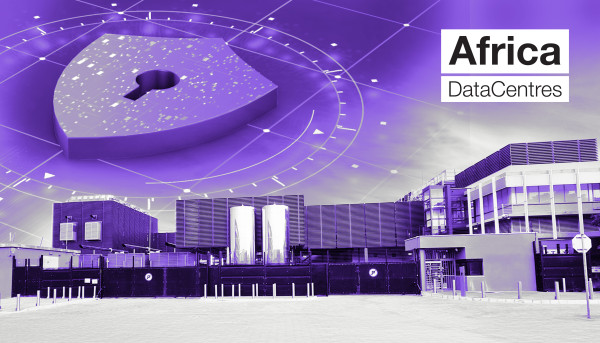
Africa Data Centres (www.AfricaDataCentres.com), a business of Cassava Technologies, a pan-African technology group, has announced it is expanding its CPT1 facility in Cape Town.

This expansion shows the data centre giant adding three new state-of-the-art halls in new areas on the campus and adds another 6MW of IT load, effectively doubling its current capacity. The new expansion was implemented with support from the United States through an up to $300 million loan from the U.S. International Development Finance Corporation (DFC) to Africa Data Centres.

According to Hardy Pemhiwa, President & Group CEO of Cassava, “This expansion by Africa Data Centres is in response to the increasing demand for co-location capacity in South Africa. Not only is Cape Town the second largest economy in South Africa, but it is also the de facto software and technology hub in Southern Africa.”

The company is seeing tremendous growth in the data centre market in South Africa generally, as both national and international cloud and IT service providers seek to expand their footprints in the region.

In terms of size, the expansion adds 1000 racks of white space or the space available for customers to lease, although the physical site is significantly larger than that. It is made up of two more colocation data halls and one hyperscale hall.

The additional halls are built in the cutting-edge modular design pioneered by Africa Data Centres, which enables rapid scalability and a modern design that allows the facility to be populated as and when required to suit the needs of the customer.

Pemhiwa says this would not have been possible without the support of the Ministry of ICT, Western Cape Provincial Government and the Western Cape Department of Economic Development. “I would like to acknowledge their ongoing support, as we expand our data centre facilities in South Africa.”

The new halls feature the same cutting-edge security standards and focus on the elements that matter most to clients, including scalability, flexibility, and energy efficiency, to bring world-class, affordable solutions to all its clients in the area. This data centre is highly flexible and designed to accommodate different and evolving customer demands.

Additionally, this data centre boasts hybrid cooling technology capable of handling both air cooling and liquid cooling. Despite its versatility, no compromises were made on efficiency. It is one of the most efficient and sustainable data centres ever built in South Africa. It is powered by renewable energy, boasts a Water Usage Effectiveness of 0 due to no water consumption for the IT infrastructure, and has an impressive Power Usage Effectiveness rating as well.

The Africa Data Centres' CPT1 facility is at the forefront of pioneering the use of wheeled solar power in the market. This innovation is enabled through a 20-year Power Purchase Agreement (PPA) signed in March last year with Distributed Power Africa, part of the Cassava Technologies group. Africa Data Centres is the first company to successfully implement this groundbreaking technology in Africa, marking it the continent's first project of its kind.

“The introduction of wheeled solar power at the CPT1 facility offers significant benefits to our' customers, providing a truly sustainable data centre solution. As the demand for data continues to skyrocket across Africa, a continent where power supply is often intermittent, the need for reliable, cost-effective, and green power has never been more critical,” said Finhai Munzara, Interim CEO of Africa Data Centres.

By harnessing renewable energy, he says the CPT1 facility not only ensures consistent power supply but also supports sustainable operations, helping customers achieve their environmental goals. “Our state-of-the-art facility reduces reliance on non-renewable energy sources, setting a new standard for sustainability in the data centre industry.”

Munzara adds that Cape Town is an excellent location for colocation facilities as it is a stone's throw away from all the submarine cable landing stations. In addition, the Cape Town facility houses the Cape Town Internet Exchange (CINX), which makes multi-region peering more accessible, efficient, and easy to manage. This also facilitates direct connections between networks, enabling data to flow more efficiently and reducing latency, giving our users a faster, more responsive online experience.

In ending, Munzara says the expansion increases the capacity of the company's data centres in South Africa and it is an integral part of its investment plans to deliver several additional data facilities across the continent.

Distributed by APO Group on behalf of Africa Data Centres.

Social Media Platforms:
Twitter: https://apo-opa.co/3Sklmcm
LinkedIn: https://apo-opa.co/3WjNnSt
Facebook: https://apo-opa.co/3WjNpK5
YouTube: https://apo-opa.co/3WjNq0B

About Africa Data Centres: 
Africa Data Centres owns and operates Africa's largest network of interconnected, carrier and cloud-neutral data centre facilities. Bringing international experts to the pan-African market, Africa Data Centres is a trusted partner for rapid and secure data centre services and interconnections across Africa. Strategically located in South, East and West Africa our world-class data centre facilities provide a home for all business-critical data for Africa's small, medium and large enterprises and global hyper scale customers. https://www.AfricaDataCentres.com/

Media files
Africa Data Centres
Download logo
Read moreAfrica Data Centres announces additional 6MW capacity now live in Cape Town
24 July 2024

SA committed to addressing climate change

Location: News

SA committed to addressing climate change

The signing of the Climate Change Bill by President Cyril Ramaphosa into law, demonstrates South Africa’s commitment to address and respond to the global phenomenon that involves long term shifts in temperatures and general weather patterns. 

Minister of Forestry, Fisheries and the Environment, Dr Dion George, has welcomed the new law which sets out a national climate change response, including mitigation and adaptation actions, which also constitutes South Africa’s fair contribution to the global climate change response.

“The President’s signing of the climate Change Bill into law marks a significant milestone in our nation's commitment to addressing climate change. This legislation provides a comprehensive framework for climate action across all our society and economy. We are now poised to move forward with its implementation,” George said on Wednesday. 

The law also sets out to enhance South Africa’s ability and capacity over time to reduce greenhouse gas emissions, and build climate resilience, while reducing the risk of job losses, and promoting opportunities for new job opportunities in the emerging green economy.

The Act will strengthen coordination between national sector departments and provide policy setting and decision-making to enable South Africa to meet the commitments of the Nationally Determined Contribution (NDC) under the Paris Agreement. 

“Through the Act, we aim to show leadership and we look forward to collaborating with all stakeholders to ensure its equitable and ambitious implementation,” the Minister said.

Some of the key provisions of the Act include:

• Mitigation: Establishing a national greenhouse gas (GHG) emission trajectory, requiring several Ministers to develop and implement measures to address climate change through sectoral emission targets, and mandating major emitting companies to comply with mandatory carbon budgets.

• Adaptation: Involving cooperation with provincial and local governments and communities to address climate adaptation challenges.

The Act, in addition to establishing new processes and institutional arrangements, formalises and integrates existing measures to address both mitigation and adaptation. 

It also provides a “coordinated and integrated response by the economy and society to climate change and its impacts in accordance with the principles of cooperative governance,” in line with South Africa’s 2011 National Climate Change Response Policy.

The Minister has commended the role played by all South Africans in the formulation of the Act. 

“As we implement the Act, we welcome the active engagement of citizens, workers and businesses, to move to low-emissions and climate resilient development,” he said. – SAnews.gov.za

nosihle
Wed, 07/24/2024 - 11:08

442 views
Read moreSA committed to addressing climate change
24 July 2024

President outlines process to establish SOEs Holding Company

Location: News

President outlines process to establish SOEs Holding Company

With government moving full steam ahead with plans to establish a holding company for state-owned enterprises (SOEs), the Department of Planning, Monitoring and Evaluation has been assigned the responsibility to finalise the processes.

“The SOEs that were previously under the stewardship of the Department of Public Enterprises will report to their respective line departments in terms of policy and regulatory matters,” President Cyril Ramaphosa said on Wednesday in Parliament.

Responding to the debate on the Presidency Budget Vote speech, the President reiterated that government is introducing legislation to establish a state-owned holding company to oversee and coordinate key strategic SOEs.

“The legislation will assign the functions of the holding company, which will cover issues of governance, financial management, remuneration standards and similar matters.

“This is in line with global best practice and is the approach taken by many countries with SOEs that successfully fulfil a social and economic development mandate.

“While some in this House might be dismissive of the work being coordinated in the Presidency, let us not lose sight of what these measures mean for the everyday lives of South African citizens. They mean more affordable and reliable electricity, cleaner water, efficient trains and lower data costs,” President Ramaphosa said.

Meanwhile, turning to other issues, the President said with just a small team of dedicated officials in the Presidency and National Treasury working closely with a wide range of government departments and entities, the President said the reforms implemented through Operation Vulindlela have had a measurable impact on growth and investment.

“These structural reforms are in the most strategic and critical sectors of our economy, as I indicated yesterday. They are in energy, in logistics, in telecommunications, in visa reform and in water. 

“The reforms that are underway in the water sector – like reinstituting water quality monitoring systems, developing a raw water pricing strategy, and establishing a Water Partnerships Office to develop water infrastructure – have direct and material benefits for service delivery,” the President said.

Improved water infrastructure ensures more reliable and sustainable water supply while water quality management systems mean cleaner water and a reduced health risk.

“The ultimate beneficiary is the people of South Africa, and strengthening and enhancing the economy of our country,” the President said.

He said the reforms being implemented are laying a robust foundation for sustained economic and social progress.

“We have noted calls for programmes to involve young unemployed people in various forms of work, training and development. Contrary to some suggestions in the debate, we do have such programmes.

“These include the successful National Rural Youth Service Corps programme – known as NARYSEC – which provides opportunities to unemployed rural youth. We also spoke yesterday about other public and social employment programmes that have a large number of young participants.

“The challenge we have now is to scale up these programmes within available resources to ensure that they have a greater reach and impact,” the President said.

Size of the Executive

On the matter of the size of the Executive, the President said at this moment in South Africa’s history, the country faces complex and urgent challenges, which require strong coordination from the centre of government.

“While we continue to seek ways to use the resources of the state optimally, we have also had to ensure that we achieve inclusivity and balance. We believe that this is important for ensuring governance outcomes that serve the interests of all South Africans.

“Most importantly, we will ensure that the machinery of government works efficiently, and that it is used to advance the people’s interests and improve their lives.

“We will ensure that we reduce waste, rationalise and restructure our state-owned entities, and continue to direct the majority of our budget towards sustaining the social wage and investing in infrastructure,” the President said.

He said now more than ever, government must demonstrate what the people of South Africa can achieve when they work together.

“We must seize the opportunity that this Government of National Unity presents to restore these people’s trust in our democracy, and to realise the promise of dignity and equality that is contained in our Constitution.

“Five years from now, let us be able to say that we have made a difference in the lives of our people. Let us ensure that we take our beautiful country closer to the society of which we have all dreamed. And let us make sure that we leave no-one behind,” the President said. – SAnews.gov.za

nosihle
Wed, 07/24/2024 - 15:32

160 views
Read morePresident outlines process to establish SOEs Holding Company
  • Previous
  • Page 1
  • Interim pages omitted …
  • Page 49
  • Page 50
  • Page 51
  • Page 52
  • Page 53
  • Interim pages omitted …
  • Page 103
  • Next

Copyright © 2026 · MyZA · All Rights Reserved · Powered by Stratlec Online