• Skip to main content
  • Skip to header right navigation
  • Skip to after header navigation
  • Skip to site footer
MyZA

MyZA

News, Directory, Events and Other Stuff

  • Social Media
  • Sport
  • World News
  • Home
  • Submit News
  • Directory
  • Events
  • Stratlec
  • TFSA
  • News
    • APO
    • Today’s Sport News
    • Todays Social Media and Tech Headlines
    • Today’s World News
    • Today’s SA Financial News
  • Contact
You are here: Home / Archives for Government

Government

16 May 2024

Eastern Cape small-scale fishermen get a shot in the arm

Location: News

Eastern Cape small-scale fishermen get a shot in the arm

Small-scale fishermen in the Eastern Cape got a shot in the arm when Rural Development and Agrarian Reform (DRDAR) MEC, Nonkqubela Pieters, handed over much-needed fishing gear and equipment to help improve their fishing.

The handover comes after the 2023/24 financial year, when the department injected a R1.7 million investment to kick-start support to small-scale fishing cooperatives along the province’s coastline as part of driving agricultural development programmes. 

The fishing equipment was handed over to the fishing cooperative members from Lusikisiki, Port St Johns and Xolobeni during an event held at Madakeni Village, on Wednesday.

The equipment was handed over to the fishing enterprises, including small-scale fishing permit holders, who received their fishing permits, as part of government’s deliberate effort to ensure that they have proper equipment and gear for fishing. This is part of ensuring that the communities benefit from the marine resources near them.

The equipment includes fishing rods, wet suits, fishing nets, blades, sucking pumps, safety boots, head lamps, life jackets and masks with snorkels.

Pieters said the handing over the equipment forms part of the department’s ongoing investment in coastal communities aimed at helping coastal communities with fishing permits to improve their fishing and increase income from fishing. 

Pieters said while the province has 75 fishing cooperatives with fishing rights, most of them are unable to harvest the marine resources due to inadequate infrastructure, fishing gear and equipment.

She said the support will benefit five cooperatives, with 195 fishers in the OR Tambo, Amathole, and Alfred Nzo District Municipalities. 
 
“As the custodians of Rural Development and Agrarian Reform programmes in the province, the department prioritises supporting previously disadvantaged communities and individuals with appropriate fishing gear and equipment to improve their livelihoods,” Pieters said. 

Pieters reiterated that the department seeks to enable subsistence and black fishing cooperatives to derive optimum economic benefit out of their agricultural activities. - SAnews.gov.za 

GabiK
Thu, 05/16/2024 - 09:49
151 views
Read moreEastern Cape small-scale fishermen get a shot in the arm
16 May 2024

Premier steps in to resolve funding crisis at Gauteng social development department

Location: News

Non-profit organisations starved of funds

Read morePremier steps in to resolve funding crisis at Gauteng social development department
16 May 2024

Pact to provide access for small fishers to public works facilities

Location: News

Pact to provide access for small fishers to public works facilities

The Department of Forestry, Fisheries and the Environment (DFFE),  has entered into a Memorandum of Agreement (MOA) with the Department of Public Works and Infrastructure on the preferential access for small scale fisheries co-operatives to public works facilities.

The MOA between the two departments will cover areas such as small fishing harbours, forestry villages, expanded public works as well as government offices and facilities.

“This MOA will enable us to solve a long-standing problem of access for small scale fishers to public works facilities in small harbours. This will include facilitating small scale co-operatives to enter into longer term leases of up to 10 years for public works buildings,” Minister of Forestry, Fisheries and the Environment Barbara Creecy said on Wednesday.

Minister of Public Works and Infrastructure Sihle Zikalala said this preferential access will enable co-operatives to invest in developing freezing, storage and processing facilities in small harbours.

The MOA and related implementation plans are expected to be completed in the second quarter of the financial year. –SAnews.gov.za


nosihle
Thu, 05/16/2024 - 08:55

112 views
Read morePact to provide access for small fishers to public works facilities
15 May 2024

The traffic department that hasn’t issued a ticket for years

Location: News

“We used to have ticket books, but they were stolen” says a traffic officer in Ngcobo, Eastern Cape

Read moreThe traffic department that hasn’t issued a ticket for years
15 May 2024

Chikunga reflects on state of road safety

Location: News

Chikunga reflects on state of road safety

South Africa has seen an escalation in the number of road traffic casualties since 1994 due to the rise in the vehicle population, which has presented a plethora of road safety related challenges.

Addressing the launch of the United Nations Global Campaign for Road Safety, Transport Minister Sindisiwe Chikunga attributed the increase of the vehicle population to access to bank loans and the ability to purchase vehicles.

“Such an increase has presented a plethora of road safety related challenges, from human factors, environmental factors, engineering and technical factors, law enforcement, as well as education and awareness factors.

“From 1994 - 1995, the vehicle population increased by one million, from 5.5 to 6.5 million. Calculating from a period between 1994 and 2022, we moved from 5.5 million to an almost 13 million (12 964 430) vehicle population,” the Minister said on Wednesday in Johannesburg. 

According to statistics, 87% of road fatalities in the country can be attributed to road user behaviour.

“Research has shown that our employed youth are the ones who carry the heaviest burden of road crashes, injuries, and fatalities in our country. Statistics also show that pedestrian fatalities are highest segment of victims in the country and young economically active people between the ages of 25 and 39 constitute the majority of those who die on the roads,” Chikunga said.

In an effort to address numbers of road traffic casualties, government has developed a multifaceted approach to regulate and ultimately reduce the fatalities on the roads.

“We introduced legislative amendments to enhance preventive measures, for instance we introduced blood alcohol content limits; speed limits especially in urban areas and around schools. We also established mandatory the seat belt regulations and child restraints use.

“We examined a range of sentencing options for traffic violations, including licence suspensions under the Administrative Adjudication of Road Traffic Offences (AARTO) demerit points system, and – for specific grades of offences – community service sentences and/or mandatory licence re-testing. We put in place, advance technical norms and standards for road infrastructure and vehicles,” the Minister said.

In addition, government approved the 2016 - 2030 National Road Safety Strategy, with intermediate and long-term actions to ensure vehicle fitness, driver safety, pedestrian safety, community participation in issues of road safety.

The National Department of Transport has convened a series of national road safety policy consultative workshops and a Road Safety Summits to foster open and critical dialogue between government, industry, civil society and academia.

Recently, South Africa conducted a detailed analysis of road crash patterns in the county over the past five years (2018 - 2022).

“The analysis has shown that although we are making steady progress in reducing fatalities, we need to fast-track progress by intelligently deploying our law enforcement, conducting safety education communication campaigns at identified hotspots and at times when crashes are likely to happen,” the Minister said. – SAnews.gov.za

nosihle
Wed, 05/15/2024 - 13:33

263 views
Read moreChikunga reflects on state of road safety
15 May 2024

Victims of 2022 KwaZulu-Natal floods march to demand housing

Location: News

Hundreds come to central Durban to hand over memo to Premier’s office

Read moreVictims of 2022 KwaZulu-Natal floods march to demand housing
15 May 2024

President Ramaphosa signs NHI Bill into law

Location: News

President Ramaphosa signs NHI Bill into law

President Cyril Ramaphosa has emphasised the importance of the National Health Insurance (NHI) in providing equal access to healthcare services and addressing inequalities.

This, as he signed the NHI Bill into law on Wednesday. 

“[The Bill] is also about efficiency and quality. The provision of healthcare in this country is currently fragmented, unsustainable and unacceptable,” President Ramaphosa said, adding that he finally "found his pen" to sign the long-awaited Bill.  

READ | Somebody give me a pen! - President

At its core, the country’s leader stated that health insurance is a commitment to eliminating the longstanding, severe disparities in healthcare access.

“The NHI is an important instrument to tackle poverty. The rising cost of health care makes families poorer. By contrast, healthcare provided through the NHI frees up resources in poor families for other essential needs.”

He believes that the NHI will make healthcare in the country more affordable. 

“The way healthcare services will be paid for is meant to contain comprehensive healthcare costs and to ensure the available resources are more efficiently used.”

President Ramaphosa described the public signing of the NHI Bill into law as a pivotal moment and a milestone in South Africa’s ongoing quest for a more just society.

WATCH | President Cyril Ramaphosa signs into law the National Health Insurance Bill


The President said the public sector serves most of the population but faces budget constraints. In contrast, he said the private sector serves a fraction of society at a far higher cost without a proportional improvement in health outcomes. 

He believes that tackling the imbalance requires a radical “reimagining” of resource allocation. 

Meanwhile, he said the challenge in implementing the NHI lies not in the lack of funds, but in the misallocation of resources that currently favours the private health sector at the expense of public health needs. 

He is of the view that the NHI Bill presents an innovative approach to funding universal healthcare based on social solidarity. 

This, he said, proposes a comprehensive strategy that combines various financial resources, including both additional funding and reallocating funds already in the health system. 

Special Report | National Health Insurance: All you need to know

The Head of State strongly believes that financial hurdles facing the NHI can be navigated with careful planning, strategic resource allocation and a steadfast commitment to achieving equity. 

He also explained that the NHI Fund will procure services from public and private service providers to ensure all South Africans have access to quality healthcare. 

In addition, he said that health insurance ensures that both the public and private sectors complement and reinforce each other. 

“The effective implementation of the NHI depends on the collective will of the South African people. We all need to embrace a future where healthcare is a shared national treasure, reflective of the dignity and value we accord to every South African life.”

According to President Ramaphosa, government has already begun implementing a national quality improvement plan in public and private healthcare facilities, and is now seeing improvement. 

“Even in areas where we never thought [we would] see improvement, we see improvement of health facilities, even in our townships, where old people go to get critical medication.”

In addition, he said government would now establish the systems and put in place the necessary governance structures to implement the NHI, based on the primary healthcare approach. 

The President has urged people not to fear, as the NHI will be implemented gradually rather than as "an overnight event". 

“The NHI is an opportunity to make a break with the inequality and inefficiency that has long characterised our approach to the health of the South African people. Let us work together, in a spirit of cooperation and solidarity, to make the NHI work.” – SAnews.gov.za

Gabisile
Wed, 05/15/2024 - 16:46

216 views
Read morePresident Ramaphosa signs NHI Bill into law
15 May 2024

Approval granted to reopen Lily and Barbrook mines

Location: News

Approval granted to reopen Lily and Barbrook mines

The Department of Mineral Resources and Energy (DMRE) has approved Section 11 of the Mineral and Petroleum Resources Development Act (MPRDA) of 2002 for Vantage Goldfields to resume operations at Lily and Barbrook gold mines in Mpumalanga.

Lily Mine is the site of the 2016 tragedy where three mineworkers were trapped underground in a container following a fall of ground accident. They lost their lives and their bodies were never been retrieved.

The three miners were Solomon Nyirenda, Pretty Nkambule and Yvonne Mnisi.

“The company is expected to sink a decline/shaft to gain access to the underground workings to retrieve the container and the three missing employees at Lily mine,” the department said.

The reopening of the mine was announced following an engagement session between Mineral Resources and Energy Minister Gwede Mantashe and stakeholders representing Vantage Goldfields, Lomshiyo Traditional Council, the Business Rescue Practitioner, organised labour, and government leaders.

During the session, Mantashe warned that the reopening is not a time for celebrations.

“[We] all agree that at the centre of our work is to re-open Lily mine, retrieve the bodies and bring closure to the affected families and fellow mineworkers.

“Despite the approval of the section 11 which paves the way for the re-opening of the mines and retrieval of the containers, this is not the time for celebrations, but the time for us to put more efforts and ensure that the mines re-open in the shortest possible time.”

The department said operations may resume later this year.

“All stakeholders, including representatives of the Lomshiyo Traditional Council; the Association of Mineworkers and Construction Union (AMCU); and the Congress of South African Trade Unions (Cosatu) expressed full support and confidence in the efforts to reopen the mines as these will create the much need jobs in the Liouville community.

“The business rescue process is expected to be completed by end of July 2024, after which the operations may resume,” the department said. – SAnews.gov.za


NeoB
Wed, 05/15/2024 - 15:04

102 views
Read moreApproval granted to reopen Lily and Barbrook mines
15 May 2024

Guidance Note aims to protect personal information of voters

Location: News

Guidance Note aims to protect personal information of voters

The Information Regulator (South Africa) has launched a guidance note to guide how political parties and independent candidates use the personal information of voters for campaigning purposes in the run-up to the National and Provincial Elections.

The Guidance Note addresses aspects such as the responsibilities of political parties and independent candidates as responsible parties in terms of the Protection of Personal Information Act No. 4 of 2013 (POPIA).

“This is done by aligning each of the eight conditions for the lawful processing of personal information to the circumstances of political parties and independent candidates as they campaign for elections. 

"The Guidance Note indicates what would be expected of political parties and independent candidates with regard to the protection of personal information of the voters, in accordance with each of the eight conditions for the lawful processing of personal information,” the Regulator said on Tuesday.

The Guidance Note states that if political parties and independent candidates want to use personal information of voters for campaign purposes, they must collect such personal information from the voters directly and not from data brokers or lead generators and use it for campaign purposes only.

It also prohibits the supply of personal information that has been collected for campaigning purposes to third parties without the consent of a voter.

“With the new Guidance Note, the Regulator seeks to ensure that both political parties, independent candidates and the public are fully informed and enabled to take the necessary action to protect the personal information of voters during elections.

"It will also minimise the risks to the free flow of accurate information that is crucial for informed participation in the electoral process,” the Regulator said.

The new guidance note is an update to the Guidance Note issued by the Regulator in the run-up to the local government elections in 2019.

The new Guidance Note is based on recent developments in the electoral process following changes in electoral law (allowing for independent candidates to stand and campaign for elections), the increasing instances of security compromise to personal information in various segments of the economy and society and increasing risks to the electoral process due to misinformation and disinformation.

Solicitation of donations

The Guidance Note also addresses the issue of solicitation of donations by political parties and independent candidates through direct marketing.

According to the Guidance Note, campaigning for votes does not constitute the promotion of any services and does not fall within the definition of direct marketing in POPIA.

“However, the act of requesting for donations by a political party or independent candidate is subject to the regulation of direct marketing in terms of POPIA and therefore, in this respect, political parties and independent candidates have to comply with the provisions of POPIA in relation to direct marketing,” the Regulator said.

Misinformation and disinformation

The Guidance Note regards misinformation and disinformation as a violation of the right of access to accurate and reliable information and also violates the right to privacy of a person whose image and/or voice of is used without their consent to spread fake messages through generative artificial intelligence.

“It therefore requires political parties and independent candidates to play their role in fighting misinformation and disinformation by developing and implementing policies and action plans to mitigate against misinformation and disinformation.

“The Guidance Note requires political parties and independent candidates to investigate instances of misinformation and disinformation by their campaigns and take disciplinary action against their staff that engage in these practices,” the Regulator said.

It also calls on the Independent Electoral Commission to issue a code of conduct to address misinformation and disinformation in digital in digital platforms to promote free, fair and orderly elections in terms of section 99(2) of the Electoral Act. – SAnews.gov.za

nosihle
Wed, 05/15/2024 - 09:27

467 views
Read moreGuidance Note aims to protect personal information of voters
15 May 2024

President Ramaphosa to visit George building disaster site

Location: News

President Ramaphosa to visit George building disaster site

President Cyril Ramaphosa is expected to visit the site of the collapsed George building in the Western Cape on Thursday.

The building construction site collapsed nearly ten days ago – trapping at least 81 people under the rubble.

By 9am on Wednesday, the George Municipality had released the following statistics:

  • Total estimated individuals on-site when the incident occurred: 81
  • Rescued and recovered: 62
  • Of which deceased: 33 (27 males, six females)
  • Currently hospitalised: 12
  • Unaccounted for: 19

In a statement, the Presidency said since the incident last Monday, government and its agencies have been hard at work at the disaster site.

“Government and its disaster management agencies at all levels has mobilised personnel and resources towards the rescue efforts and is providing support to the survivors and families of the deceased. President Ramaphosa remains deeply attentive to the rescue and recovery efforts underway and has expressed his deep condolences to the family and friends of the deceased workers.

“Ahead of President Ramaphosa’s visit on Thursday, Ministers and Deputy Ministers in the Departments of Cooperative Governance and Traditional Affairs, Employment and Labour, Health, Police, International Relations and Cooperation, and Public Works and Infrastructure have visited the site and have been working collaboratively with the Disaster Joint Operations Centre, with the Western Cape Provincial government and the Garden Route District Municipality,” the statement read. – SAnews.gov.za


NeoB
Wed, 05/15/2024 - 09:40

464 views
Read morePresident Ramaphosa to visit George building disaster site
15 May 2024

The increasing risk of cyber fraud takes centre stage at the SAFPS Fraud Summit

Location: MyPR

The South African fraud landscape has steadily increased over the past five years, making this one of the top risks South Africans face daily. Evidence of this risk is clear for all to see with the recent hack of the Companies and Intellectual Property Commission (CIPC) and the Government Employees Pension Fund (GEPF), which are …

Read moreThe increasing risk of cyber fraud takes centre stage at the SAFPS Fraud Summit
15 May 2024

Government supports Caster Semenya in legal battle

Location: News

Government supports Caster Semenya in legal battle

The Department of Sport, Arts and Culture (DSAC) has expressed that it stands in solidarity, with unwavering commitment, to seek justice for Caster Mokgadi Semenya as she is back in the Grand Chamber of the European Court of Human Rights in France.

The court will reportedly consider whether the double Olympic champion must lower her testosterone levels in order to participate in competitions.

“The department is committed to advocating for fairness and equality in sport.  As the country celebrates 30 Years of Democracy, every athlete, regardless of their gender or physical attributes, should have the right to compete without facing unjust obstacles.

"We trust that the Grand Chamber's judgment will uphold these principles and deliver a positive outcome for Caster and all athletes affected by similar challenges,” DSAC Acting Director-General, Dr Cynthia Khumalo, said on Wednesday.

Government is working in collaboration with the Commission for Gender Equality (CGE), Norton Rose Fulbright (NRF), Probono.org, and various other stakeholders to support Semenya on the matter.

“The DSAC notes the hearing scheduled for Wednesday, 15 May 2024, where the Grand Chamber will evaluate the matter presented by the Swiss government in relation to the European Court of Human Rights’ July 2023 decision. Caster Semenya has endured years of unfair discrimination based on her gender.

“The 2019 regulations imposed by the World Athletics body created significant challenges for athletes with Differences in Sex Development (DSD), who wish to compete in their chosen sport. This ruling reaffirmed the international legal requirement for World Athletics to refrain from engaging in discriminatory practices, barring exceptional circumstances,” the DSAC said.

The CGE has called on all to rally behind Semenya’s endeavour to seek justice not only for herself, but for other affected athletes.

“A finding by the Grand Chamber that issues between international athletics bodies, such as World Athletics and individual athletes, are not a matter of private law but of public human rights law are transformative and progressive.

"A favourable outcome will be of massive importance to athletes with differences in sexual development worldwide,” Chairperson of the CGE, Advocate Nthabiseng Sepanya-Mogale said. 

READ | Kodwa welcomes Court's ruling on Semenya's appeal

DSAC said the referral to the Grand Chamber is in accordance with the violations identified by the Court in Switzerland vs Caster Mokgadi Semenya.

“These violations encompassed a breach of the prohibition on discrimination, a denial of the right to an effective remedy, and a failure to respect private life.

“Government, through the department, has consistently advocated and supported initiatives aimed at resolving this matter equitably. The DSAC remains optimistic that the Grand Chamber's decision will reflect the values of justice, inclusivity and diversity that underpin the South African sporting sector,” DSAC said. – SAnews.gov.za

nosihle
Wed, 05/15/2024 - 09:54

128 views
Read moreGovernment supports Caster Semenya in legal battle
14 May 2024

MEC Anton Bredell on appointment of Ombali Sebola’s as Knysna Municipal Manager

Location: News

Republic of South Africa: Western Cape, Department of Local Government
Download logo

Anton Bredell, Western Cape Minister of Local Government, Environmental Affairs and Development Planning, said the judgement declaring the appointment of Ombali Sebola as Knysna's Municipal Manager null and void should be seen as a strong warning message to councils that do not respect the relevant legal frameworks when making appointments in municipalities.

“This judgement is another victory for the rule of law and strengthens and confirms our interpretation of legislation that governs municipal appointments. It is unfortunate that we sometimes have to communicate through the courts to a council, but we also understand the dire consequences of having unqualified and unsuited individuals in critical positions in a municipality. We will remain firm on the minimum requirements and procedural requirements as set out in law, and councils should reacquaint themselves with these before embarking on recruitment to avoid the steps that we have had to take on this matter.”

“It cannot be that it takes more than a year of legal wrangling to set aside an appointment that was patently illegal right from the start. While we were fighting in court, Knysna has been paralysed by a lack of basic service delivery and we have had to work with officials who are more focussed on retaining their positions than on what they have been appointed to do, which is to serve the residents of Knysna,” Minister Bredell said.

On 22 March 2023 Minister Bredell sought, by way of an urgent application, to declare the decision taken by the Knysna Municipal Council on 25 January 2023 to appoint Ombali Phineas Sebola as its Municipal Manager, null and void, and in further orders, in the event of opposition, an order of costs.

In its correspondence to the Executive Mayor on 23 February 2023, Minister Bredell alerted the Executive Mayor, that the appointment of Mr Sebola was made in contravention of the provisions of the Local Government: Municipal Systems Act 32 of 2000 and the Regulations on Appointment and Conditions of Employment of Senior Managers, as published in Government Gazette No. 37245 of 17 January 2014.

Minister Bredell requested the municipality to terminate the appointment, failing which he would take appropriate steps to enforce compliance with the provisions of the Municipal Systems Act and the Appointment Regulations. No such steps were forthcoming from the Municipality, leading to the Minister to institute legal proceedings declaring that the appointment is null and void and seeking that it be set aside.

The Court in its ruling expressly held that critical required information was not placed before the Municipal Council at the time when it made its decision to appoint Mr Sebola. In this respect, there was a failure to provide Council with the Curriculum Vitae of the appointee, nor was the weighted scores allocated to the candidates during the assessment of their competency tabled before Council. In addition, it was apparent that Council did not have before it information related to the candidates leading competencies and core competencies. 

The Court further held that the applicant's application was devoid of his academic qualifications, contactable references, registration with a professional body, full details of dismissal for misconduct and details of any disciplinary actions pending, instituted, or finalized against the candidate, which is specifically required in terms of the applicable Regulations.

According to the Court, “it is …. clear that the process of appointment was riddled by one or more procedural flaw and that certain documents which were supposed to have been before the Council were not, prior to the final appointment decision being made.” As a result, it was evident that the Municipal Council did not comply with the Municipal Systems Act and the applicable Regulations regulating the appointment process.

Minister Bredell said the length of time and legal costs to reach this point is unsustainable, and better consequence management is needed to deal with such cases.

Distributed by APO Group on behalf of Republic of South Africa: Western Cape, Department of Local Government.

Read moreMEC Anton Bredell on appointment of Ombali Sebola’s as Knysna Municipal Manager
14 May 2024

30 years of democracy: The electrification of South African households

Location: News

30 years of democracy: The electrification of South African households

Despite a myriad of challenges – both present and past – along the way, the South African government through Eskom and municipalities has made great strides towards achieving universal access to electricity in the country.

This came out during a roundtable on the electrification programme since 1994 hosted by the Government Communication and Information System (GCIS).

According to the Eskom website, in 1987, fewer than 13 million people had access to electricity with the vast majority of that access servicing white households – leaving other population groups reeling in the dark.

At the dawn of democracy in 1994, Parliament endorsed a plan to create universal access to electricity – defined at some 97% due to population growth and challenges related to the formalisation of informal settlements.

This charged government’s wholesale plan to electrify homes. Now, access to electricity in South Africa today is at least 94% according to Statistics South Africa.

Director Project Monitoring and Intergovernmental Relations at the Department of Mineral Resources and Energy, Lufuno Madzhie, said the electrification programme has thus far, been a success.

“[During 1994 to 1998] Eskom and municipalities only electrified 2.5 million households. In 2001, then government decided this [electrification] programme needs to reside within the Department of Mineral Resources and Energy [DMRE]. Through us as the department, working with different stakeholders, we have achieved a lot with regard to this electrification programme.

“Through this programme, the department has achieved a huge milestone. Currently, we have electrified over 8.3 million households,” he said.

Eskom’s Pozisa Njezula emphasised how access to electricity improves the welfare of households and explained how Eskom contributes to facilitating access for hard-to-reach rural areas.

“[It allows for the] improving on safety where we no longer have to use candles and paraffin stoves. It improves on convenience where we no longer have to collect wood to cook and also, in terms of improving on education where kids can study at night.

“With…us now pushing towards universal access, the challenge that we are now faced with is that we now have to reach the far-flung areas. The far corners in all the rural areas. With the support from the DMRE, as Eskom we have started and embarked on the rolling out of micro grids for those far-flung areas where you may not be able to get grid electricity because of losses as well as the amount of money that you would have to spend to get to those areas.

“The [micro grid] is just a container, it has solar panels, it has got batteries and then you’ve got the reticulation network. When you get to a certain area, you electrify it off grid and those people benefit,” she said.

Challenges and solutions

Njezula bemoaned that although the electrification programme is going full steam ahead, the power utility faces serious and dangerous challenges when going into communities.

“We are not immune as Eskom to the crime [and] extortion in our project sites. In South Africa, with almost all the projects that are being undertaken, there’s reports of these extortions and these demands for certain amounts of money, for protection fees and so forth.

“That delays the progress in our projects, and it really puts the lives of our employees as well as our contractors in danger. In some instances, we have to leave site, we need to be escorted, we need protection,” she said.

Head of energy and electricity distribution at the South African Local Government Association, Nhlanhla Ngidi, described South Africa’s electrification plan as a “moving target”.

“In terms of access itself, at 94%, I think it’s very important that people understand because this is a moving target. In a year’s time, you could find this being below 94% and it’s because of all these challenges…people moving towards where the economy is more active.

“Municipalities have done quite well but with the capacity challenges we have, we still need municipalities to be assisted and government needs to put in place agencies that can come in and be catalysts in terms of the implementation of the programme,” he said.

Energy expert, Chris Yelland, agreed that access to electricity has improved but warned that affordability remains a blockage to some households.

“[There] are some technology developments that require that we look at these distant rural customers. The first thing of course is renewable energy. The price of renewable energy…has come down dramatically over the last ten years. This is now opening the doors to renewable energy for remote households that never existed ten years ago.

“There’s a lot to celebrate in electrification [but] there’s a lot to do about affordability. We are not there yet. We need to understand where we come from, where we are and where we’re going and for that we need data…so that we know where we are and where we’re going” he said. – SAnews.gov.za


NeoB
Tue, 05/14/2024 - 14:06

110 views
Read more30 years of democracy: The electrification of South African households
14 May 2024

Soup kitchen serves Eastern Cape children the only meal they’ll eat that day

Location: News

The Human Rights Commission has recommended that child malnutrition in the province be declared a disaster

Read moreSoup kitchen serves Eastern Cape children the only meal they’ll eat that day
14 May 2024

George building collapse: Death toll reaches 32, while 20 still unaccounted

Location: News

George building collapse: Death toll reaches 32, while 20 still unaccounted

Rescue and recovery efforts are ongoing into the second week after the collapse of the George building, with the death toll standing at 32, as at 9am on Tuesday.

According to the latest statistics released by George Municipality, out of the estimated 81 workers who were on site at the time of the incident on 6 May, 61 have been rescued and/or recovered, while 20 are still unaccounted for.

“The primary focus continues to be on rescue efforts. With this in mind, we are also proactively setting up plans to expedite the identification of the deceased,” the statement read.

This is being done by the Forensic Pathology Service (FPS) and the South African Police Service (SAPS). 

“We, therefore, endeavour to fast-track the process to help bring closure to families. Fingerprints, DNA testing and photographs of unique markings, such as tattoos and clothing items, are some of the methods used to identify the deceased.” 

READ | Public Works Minister to visit George building disaster site

Meanwhile, six of the deceased have already been positively identified. 

Since the first call for support, the municipality confirmed that adequate numbers of fluent practitioners in Chewa, Portuguese and Shona languages are all at the scene to address the emotional, social, and overall mental health needs of those affected by the building collapse. 

However, the municipality said it was having trouble obtaining accurate names of missing people or the deceased. 

“We urgently request families who have lost contact with their loved ones to come to the George Civic Centre on York Street. This will enable the Department of Social Development to collect detailed and precise information, ensuring that all records are accurately documented.”

Investigations

The Western Cape MEC for Infrastructure, Tertuis Simmers, visited the site in George and expressed his sincere gratitude to the rescue workers, who have been on site for over 187 hours, as well as the support personnel and the Joint Operations Centre for their dedicated work since the tragedy occurred. 

Simmers confirmed that the Western Cape Government (WCG) has launched an independent investigation into the collapse. 

“We want to make sure that we fully investigate and understand what happened so that a tragedy like this does not occur on any construction site in this province. 

“I received a briefing this morning from our independent investigator and at this stage, the team is still busy with information and fact-finding processes. This includes document analysis of plans, site records and the like,” he said on Monday. 

The MEC stated that specialist equipment, including ground penetration radar (GPR) is also used on-site, while investigators are also collecting material samples.

In addition, an independently appointed laboratory is working around the clock to analyse the material samples. 

“Not only did the WCG appoint an independent investigation, but we also supplied trucks and machinery and even hired an excavator to assist with bulk movement of material. We will continue to provide support until all workers are accounted for and we get to the bottom of this tragedy,” said Simmers.

Meanwhile, the MEC said the WCG is working with the SAPS, the Department of Employment and Labour, National Department of Public Works and Infrastructure in their investigations.  

“On behalf of the WCG, I offer our sincere condolences to the bereaved families, and I wish those currently hospitalised a speedy recovery,” the MEC added. – SAnews.gov.za 

Gabisile
Tue, 05/14/2024 - 11:10

103 views
Read moreGeorge building collapse: Death toll reaches 32, while 20 still unaccounted
14 May 2024

President Ramaphosa to sign NHI Bill into law

Location: News

President Ramaphosa to sign NHI Bill into law

President Cyril Ramaphosa is expected to sign the National Health Insurance Bill (NHI) into law on Wednesday, 15 May 2024. 

According to the Presidency, the move will transform South Africa’s healthcare system and ensure universal coverage for health services.

Through this, the country will overcome critical socio-economic imbalances and inequities of the past.

The NHI Bill, passed by the National Assembly (NA) and the National Council of Provinces (NCOP) last year, will provide free healthcare at the point of care for all South Africans, whether in public or private health facilities.

The Bill currently only requires President Ramaphosa’s signature for enactment.

Speaking during the State of the Nation Address (SONA) in February, President Ramaphosa said the State was working tirelessly to improve healthcare quality and access equality, despite the country’s health system significantly impacting people’s lives.

During the debate on President Ramaphosa’s SONA, Health Minister, Dr Joe Phaahla, announced that the NHI will be implemented in two remaining phases from 2024 to 2026, while between 2026 and 2028 government will focus on establishing the Board and CEO and several key committees of the NHI Fund. 

“We are confident that the innovative funding of infrastructure as stated by the President will also contribute to health facilities,” he told Parliament at the time. 

In the meantime, the Minister said his department was strengthening key delivery areas. These include the healthcare benefits design, digital health systems, and risk identification and fraud prevention.

The signing ceremony will take place at the Union Buildings in Pretoria at 2pm. 

Phaahla will conduct a question-and-answer session with the media immediately after the ceremony. – SAnews.gov.za 


Gabisile
Tue, 05/14/2024 - 10:15

282 views
Read morePresident Ramaphosa to sign NHI Bill into law
14 May 2024

Thousands of people abandoned as the Gauteng Social Development Department implodes

Location: News

Vulnerable people are being failed by an inefficient and corrupt department

Read moreThousands of people abandoned as the Gauteng Social Development Department implodes
13 May 2024

National reforms can boost economy by R426bn & create thousands of jobs

Location: News

Republic Of South Africa: Western Cape Provincial Government
Download logo

The South African economy can be significantly boosted, and the growth of start-ups and the private sector – through businesses big and small – that create vital jobs, catalysed through two regulatory reforms: lifting exchange controls on the offshore transfer of intellectual property and introducing tax incentives for investors in start-ups.

“Our research shows that changes to the Exchange Control Regulations relating to the offshore transfer of intellectual property and offshore movement of money could create a net benefit to the South Africa economy of R426 billion over the next five years. In addition, SARS could collect a net increase of R315 billion in tax revenue over the same period. These reforms would not compromise attempts to comply with the Financial Action Task Force standards,” Provincial Minister of Finance and Economic Opportunities, Mireille Wenger, explained.

She continued, “Similarly, improving tax incentives for investors to encourage early-stage start-up enterprises could result in R927 million in total investment raised by the country's venture capital industry over the next five years. This would result in an additional 79 start-ups, creating 1 840 jobs with total after-tax salaries generated amounting to R890 million.”

These reforms will also allow South Africa to remain competitive against other global destinations, including competitors on the African continent like Nigeria, Kenya, and Egypt.

In 2023, the South African Start-up Act Movement conducted a survey of 52 start-up founders who had moved part or all of their business offshore. Of the respondents, 42 (81%) reported that they had moved their businesses offshore to raise capital from international investors whose main concern was South Africa's exchange controls.  Views from start-ups consulted all confirmed that investors are increasingly refusing to invest in South African-domiciled companies due to restrictions on the offshore movement of IP.

The WCG is determined to make it as easy as possible for the private sector to do business and create jobs in the province.

This objective lies at the very core of the WCG's bold new economic action plan, ‘Growth For Jobs' or G4J, which aims to enable a R1 trillion jobs-rich and inclusive economy, that is growing between 4% and 6% in real terms by 2035.

“The introduction of these reforms is a no-brainer. With current anaemic GDP growth rates, it is our responsibility as government to explore and introduce measures that boost growth so that we can help enable the creation of jobs in South Africa. Our comprehensive proposals, that we have shared with Minister Godongwana, the South African Reserve Bank and the South African Revenue Service, offer a relatively easy path towards achieving rapid growth and expansion in the start-ups sector, aiding South Africa's economic recovery in the short and long term” Minister Wenger concluded.

Distributed by APO Group on behalf of Republic Of South Africa: Western Cape Provincial Government.

Read moreNational reforms can boost economy by R426bn & create thousands of jobs
13 May 2024

Eastern Cape intensifies fight against stock theft

Location: News

Eastern Cape intensifies fight against stock theft

Eastern Cape Premier Lubabalo Oscar Mabuyane and Rural Development and Agrarian (DRDAR) Reform MEC Nonkqubela Pieters will on Tuesday kick start the use of the Livestock Identification and Traceability System (LITS) as part of efforts to fight stock theft.

LITS is a technology-based ear-tag gadget that government is delivering to 120 cattle farming enterprises across the province. The technology is also part of efforts to strengthen biosecurity measures to improve the international trade of cattle.

As part of this rollout, 30 000 cattle will be ear-tagged for identification and traceability purposes in Tsolo.

The rollout of LITS is a commitment made by Premier Mabuyane during the 2024 State of the Province Address, and as part of implementing an agreement between government and the red meat industry.

LITS will ensure individual animal identification so that livestock owners comply with the Animal Identification Act.

This will improve the prosecution rate of people charged for livestock theft and strengthen biosecurity measures in farms to improve international trade of cattle opportunities.

All ear-tagged animals and identities of their owners are registered onto a central database, where animal movement is recorded to make it easy to trace the animal back to the owner.

Once the system is fully implemented, each animal slaughtered in any abattoir can be traced to where it was farmed, the farming conditions where the animal was farmed, and all animal health practices the animal was exposed to.

This will also make it possible to identify owners of registered animals, thus improving the recovery of stolen animals.

DRDAR is implementing this national policy through collaboration with the Agricultural Research Council (ARC).

Currently, the department has trained and registered more than 250 veterinarians, scientists, animal health technicians and extension advisors to lead the implementation of the system. – SAnews.gov.za

Edwin
Mon, 05/13/2024 - 10:11

580 views
Read moreEastern Cape intensifies fight against stock theft
13 May 2024

South Africa Extends Condolences to the People of Afghanistan

Location: News

The Presidency of the Republic of South Africa
Download logo

The South African Government has learnt with sadness of devastating floods in northern Afghanistan that have claimed more than 300 lives.

The Government and the people of South Africa stand in solidarity with those affected by this tragedy and laud the emergency rescue and medical personnel in their tireless rescue efforts.

South Africa extends heartfelt condolences to the people of Afghanistan following these flash floods and offers our deepest sympathy to those families who lost their loved ones as well as their homes. 

The thoughts of the South African people are with the people of Afghanistan. 

Distributed by APO Group on behalf of The Presidency of the Republic of South Africa.

Read moreSouth Africa Extends Condolences to the People of Afghanistan
13 May 2024

Eskom breaches ‘psychological mark’ of 70% Energy Availability Factor

Location: News

Eskom breaches ‘psychological mark’ of 70% Energy Availability Factor

Eskom has achieved an Energy Availability Factor (EAF) of some 70.78% - a feat last achieved nearly three years ago.

This is according to Minister in The Presidency responsible for Electricity, Dr Kgosientsho Ramokgopa, who was briefing media on the implementation of the Energy Action Plan on Monday.

The power utility has suspended load shedding for more than a month.

“As I stand before you today, the Energy Availability Factor of Eskom has breached the 70% mark. That’s significant. The last time we achieved this was in August 2021.

"The month-to-date statistics suggest that we are at 64.34% and the year to date we are at 59.92%. But we have breached the psychological mark of 70% as a result of this consistent performance.

“This has happened over a period of time. It stretches from the appointment of [the current Eskom] board in October 2022. It gets to be codified in the Energy Action Plan unveiled by President Ramaphosa [in] July 2022, the appointment of the Minister in The Presidency responsible for Electricity, the stabilisation of the management team, the introduction of performance related incentive bonuses and the isolation of critical stations that required attention,” he said.

WATCH | 


The Minister reflected that as the country was plunged into higher stages of load shedding as a result of heightened and extensive maintenance and other factors, government argued that "the short-term pain would be eclipsed by long-term gains".

“The aggressive maintenance-led recovery plan is beginning to yield fruits. When we went into December 2023, transitioning into January 2024, we reached the highest levels of planned maintenance in the period of three years. We took out 18% of the total generating capacity into planned maintenance and these units are coming back."

Ramokgopa said as a result of the improved performance of Eskom’s coal fleet, the power utility is less reliant on the Open Cycle Gas Turbines (OCGTs), which consume diesel.

“What we are told in the public domain…[is] that the result of this improvement is on the back of the burning of diesel. There could be nothing further from the truth. This is anchored by these machines that are at Kusile and many other power stations.

“The load factor of the OCGT [has decreased] from what was previously 19.13% to now what is 6.8%. So we have reduced it by about 13 percentage points. What anchors this recovery is the performance of these coal fired power stations,” Ramokgopa said.

The Electricity Minister warned that although there has been noteworthy improvement, more work must be done to resolve the energy challenge in its entirety.

“We need to ensure sure that we bring other power stations to the levels of [best performers] Kusile, Lethabo, Majuba and Medupi so that across the entire fleet, when you use station by station, we should be above 70%.

“Of course we don’t congratulate a fish for swimming because it must swim but we know where we come from. So I want to say to the [Eskom] team, thank you for breaching the 70% EAF… but we know that there are power stations that require attention going into the future,” Ramokgopa concluded. – SAnews.gov.za

NeoB
Mon, 05/13/2024 - 11:13

480 views
Read moreEskom breaches ‘psychological mark’ of 70% Energy Availability Factor
13 May 2024

United Nation Secretary-General’s Special Envoy for Road Safety to launch global road safety campaign in South Africa

Location: News

United Nations Economic Commission for Europe (UNECE)
Download logo

The United Nations Secretary-General's Special Envoy for Road Safety, Jean Todt, will visit South Africa from 13 to 15 May 2024 to support national and local authorities' road safety initiatives. In particular, the Special Envoy will launch the UN Global Campaign for Road Safety, in partnership with the No.1 outdoor advertising company worldwide, JCDecaux, under the hashtag #MakeASafetyStatement.  

One of the main goals of this campaign is to raise awareness of life-saving actions among young generations, who as statistics show, are the major victims of road crashes especially for young people aged from 5 to 29 years old worldwide. Supporting the efforts of South Africa in addressing this issue is key in a country where more than 60% of the population is under 35 years old. 

The launch events are to be held in Johannesburg and Pretoria with the participation of the Minister of Transport of South Africa and the Executive Mayors of Tshwane and Johannesburg.   

Mr. Todt will meet members of the Government as well as representatives of the private and public sectors and NGOs to advocate for the effective implementation of the Global Plan for the Decade of Action for Road Safety 2021-2030, which aims to halve the number of road fatalities by 2030.  

"Africa is the continent most affected by road crashes. Knowing that these affect the youngest first, it is beyond the human tragedy, an economic devastation sacrificing or invalidating for life the active force of a country. While the vaccine to avoid this carnage on the road exists, I urgently call on everyone to use it," said the Special Envoy.

#MakeASafetyStatement 

Ten South African celebrities including Yvonne Chaka-Chaka, Bryoni Govender, Dr. Khumalo, Sello Maake Ka Ncube, Maduvha Madima, Leanne Manas, Dr. Moratwe Masima, Thokozani Ndaba, Gaisang Noge, and Caster Semenya, will join the campaign's worldwide ambassadors to encourage users to adopt simple but effective rules to keep their roads safe. 

“Human Factors contribute 88% to South African road fatalities and therefore the involvement of celebrities as role models for the Youth in the #MakeASafetyStatement campaign will contribute towards the reduction of accidents on our roads,” stressed Ms. Sindisiwe Lydia Chikunga, Minister of Transport of the Republic of South Africa. 

New alarming figures 

The Special Envoy's visit coincides with the recent release of the Global Status Report on Road Safety 2023 from the World Health Organization (WHO) on road safety, highlighting that Africa remains the region the most affected by this tragedy. 

According to the WHO report, the number of victims on African roads continues to grow with a mortality rate of 19/100,000 people, while in Europe, we observe a rate of 7 deaths/100,000 people. In South Africa, there are 25 deaths per 100,000 people.  

According to the World Bank (2026), the cost of road crashes represented 8.6% of South Africa's GDP in 2016.  The RTMC 2023 State of Road safety Report highlights for 2023 the rate of 2.74% of South Africa 's GDP.    

Reliable data for swift revitalization 

Recent bus accidents have highlighted the run-down state of Africa's vehicle fleet. Failure to comply with the Highway Code and to enforce penalties are also significant causes of accidents.  

Solutions to be implemented include adhering to the African Road Safety Charter and the United Nations Conventions on Road Safety, strengthening the health services that treat the injured and stepping up public awareness campaigns. Systematically collecting reliable data on road accidents and monitoring casualties is also a key element in reducing the number of victims. 

There is also a need to protect the most vulnerable road users, pedestrians, and cyclists, who are often the most disadvantaged and the youngest. Africa has the highest proportion of cyclist and pedestrian deaths, accounting for 44% of all road deaths.  

In South Africa, the efforts of the authorities are to be commended, with new initiatives such as the implementation of the Administrative Adjudication of Road Traffic Offences, the adoption of new technologies to enhance access to traffic licensing services (National Traffic Information System Online Services), the professionalization of the Traffic and Road Safety Officers Training through the National Framework Level 6 Qualification), Standardization and Harmonization of Traffic Law Enforcement and the development of a National Traffic Law Enforcement Code.   

Risk factors that are too often neglected 

Drink-driving, speeding, drowsiness, carelessness, non-use of seatbelts and helmets, negligence and non-compliance with the Highway Code are responsible for most road accidents in Africa. However, according to the WHO, more progress must be made regarding legislation and safety standards.   

Only six countries in the world have laws that comply with WHO best practices for all the risk factors - speeding, driving under the influence or distracted driving, use of UN-standard motorbike helmets, and use of seatbelts and child restraints. 

In South Africa, speeding in urban areas is high (60KM/h), and child restraint systems are not always available. At a time when the use of motorbikes is on the increase, particularly among young people, the wearing of seatbelts and quality helmets remains a real challenge, even though it could prevent many deaths and reduce the risk of serious injury by 69%.  

Recent data reveal that the majority of road crashes occur at night from Friday till Sunday with youth and pedestrians being the lead victims.   

Distributed by APO Group on behalf of United Nations Economic Commission for Europe (UNECE).

Read moreUnited Nation Secretary-General’s Special Envoy for Road Safety to launch global road safety campaign in South Africa
13 May 2024

Riding the Wave: South Africa’s Financial Digital Revolution

Location: News
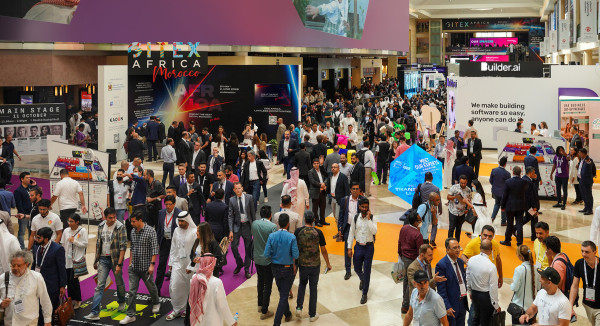
GITEX Africa

GITEX Africa 2024 (www.GITEXAfrica.com), the continent's largest tech and startup exhibition scheduled from 29-31 May in Marrakech, Morocco, emerges as a pivotal platform for exploring the intersections of digital transformation, financial inclusion, and economic empowerment. As South Africa's banking of finance sector takes center stage in this global dialogue, the event promises to be a catalyst for innovation, collaboration, and growth.

In South Africa, digital transformation has become imperative across industries, and the financial sector is no exception. From the convenience of online banking to mobile payment solutions, banks are leveraging digital technologies to enhance efficiency, improve customer experience, and expand access to financial services.

With a growing youth population favoring digital banking, financial institutions are investing in user-friendly mobile apps and online platforms to meet evolving customer preferences.

Banks Face Competition from Fintech and Innovative Platforms

These digital banking platforms provide users with convenient access to a wide range of financial services, including account management, payments, and lending, all through intuitive user-friendly mobile and online interfaces.

However, amidst this digital transformation, banks face stiff competition from a diverse array of players, including agile fintech startups and innovative tech-driven platforms. These disruptors offer innovative solutions that challenge traditional norms and cater to evolving customer needs.

South African fintech startups, recognized locally and globally, provide convenient digital banking services, investment platforms, and innovative lending solutions, drawing customers away from traditional banks with their agility and customer-centric approach. In 2021, South Africa boasted the highest number of fintech startups in the African region with 154 companies (https://apo-opa.co/3KjmVTL). As of May 2022, fintech startups in South Africa secured close to $US77 million (https://apo-opa.co/3ys79ms).

The fintech value chain encompasses a wide range of services including banking, infrastructure, crowdfunding, digital currencies, lending, payment, and regulation technology.

By facilitating dialogue, collaboration, and knowledge sharing, GITEX Africa accelerates the pace of digital transformation in the financial services sector, driving inclusive growth and economic empowerment across the African continent. Among the more than 35 esteemed speakers from South Africa include Lillian Barnard, President at Microsoft Africa; Zondwa Mandela from Mandela Legacy; and Chipo Mushwana, Executive of Emerging Innovation and Payments, Nedbank.

Major South African investment funds, unicorns, and start-ups fast-forwarding cross-continental progress at GITEX AFRICA 2024 include SAVANT, Zindi, and go1.

Lillian Barnard, President of Microsoft Africa, said: “Africa has long been recognised for its formidable growth prospects and AI is the long-awaited key to help unlock that potential.”

“The AI-powered innovation we're seeing today is poised to reinvent every aspect of society from healthcare to financial services, manufacturing and beyond. If Africa is to benefit from the paradigm shift currently sweeping the globe, we must make the promise of AI real for people and organisations across the continent – and do so responsibly.”

Hands-on Support Required for Startups

Bongani Sithole, CEO of Founders Factory Africa and a speaker at GITEX Africa outlines key challenges facing African startups: difficulties in finding product-market fit, hiring the right talent, maintaining company culture while expanding into new markets and securing funding.

Despite these challenges, Sithole highlights opportunities for startups to tap into, including the “development of new products and services to meet the needs of their growing customer base. This can lead to increased innovation and competitiveness.”    

In terms of specific trends within the African startup ecosystem, Sithole says we can expect to see more mergers and acquisitions (M&As) continue this year, primarily driven by larger companies seeking to acquire earlier-stage companies. “M&As are strengthening the startup ecosystem by offering a guarantee of revenue and funding for founders.” Additionally, he notes the potential of AI applications to address societal challenges and drive economic growth.

As Africa's tech ecosystem evolves, he sees opportunities for cross-regional collaboration through initiatives like cross-border agreements for trade and talent, full implementation of the African Continental Free Trade Agreement (AfCFTA), fast-tracking of regulatory approvals.

Reflecting on lessons from leading African unicorns, he highlights the importance of solving societal problems and embracing failure as part of the startup journey. “Many successful founders are not first-time successes. Founders are encouraged to remain within the ecosystem even after failures to create potential unicorn by leveraging their experience.”

At GITEX Africa, Sithole aims to emphasize the importance of “hands-on support” for early-stage ventures beyond just capital. He also hopes to develop actionable steps to stimulate innovation and funding across Africa, advancing the tech and startup ecosystems.

Financial Inclusion and Economic Empowerment

Recognizing the significance of digital transformation, the South African government has taken proactive steps to promote financial inclusion and economic growth. In 2023, the National Treasury released a policy framework to broaden financial inclusion (https://apo-opa.co/4bff3OC), to achieve 90 percent banked status by 2030. This initiative highlights the government's commitment to leveraging digital technologies to drive socioeconomic development and create opportunities for all South Africans.

While progress has been significant, challenges persist, highlighting the need for targeted interventions to ensure equal access to financial services. As South Africa continues to ride the wave of digital finance, the possibilities are boundless. By embracing innovation and strengthening collaboration, the country is charting a journey toward a brighter and more equitable future for all.

Distributed by APO Group on behalf of GITEX Africa.

Media Contact: 
Tayce Marchesi – PR Executive 
Tel.: + 971 58 552 3994 
Tayce.Marchesi@dwtc.com 

On social media:
Facebook: https://apo-opa.co/3JwCSp0
Instagram: https://apo-opa.co/3Qjatqj
Twitter: https://apo-opa.co/3w8Pbom
LinkedIn: https://apo-opa.co/3QluZGW
Youtube: https://apo-opa.co/3UdDFAb
Hashtag: #GITEXAFRICA
Website: www.GITEXAfrica.com

About KAOUN International:
KAOUN International is the independent events company and wholly owned subsidiary of Dubai World Trade Centre (DWTC) established to organize and manage events internationally. Derived from the Arabic word ‘universe', KAOUN International's mission is to ‘Create Limitless Connections' for the industries and markets in which it operates. Created to leverage the 40-year legacy of DWTC's events management business and drive future MICE sector opportunity in the MENASA region. KAOUN International delivers game-changing live experiences that build robust business connections, create opportunity, and stimulate economic growth, building on DWTC's extensive portfolio of business and consumer events spanning multiple sectors, including technology, food and hospitality, sustainability, broadcast and satellite, automotive, talent development and leisure marine.

Media files
GITEX Africa
Download logo
Read moreRiding the Wave: South Africa’s Financial Digital Revolution
  • Previous
  • Page 1
  • Interim pages omitted …
  • Page 139
  • Page 140
  • Page 141
  • Page 142
  • Page 143
  • Interim pages omitted …
  • Page 210
  • Next

Copyright © 2026 · MyZA · All Rights Reserved · Powered by Stratlec Online