• Skip to main content
  • Skip to header right navigation
  • Skip to after header navigation
  • Skip to site footer
MyZA

MyZA

News, Directory, Events and Other Stuff

  • Social Media
  • Sport
  • World News
  • Home
  • Submit News
  • Directory
  • Events
  • Stratlec
  • TFSA
  • News
    • APO
    • Today’s Sport News
    • Todays Social Media and Tech Headlines
    • Today’s World News
    • Today’s SA Financial News
  • Contact
You are here: Home / Archives for Government

Government

16 March 2025

President Ramaphosa to open ECD leadership summit

Location: News

President Ramaphosa to open ECD leadership summit

President Cyril Ramaphosa will on Monday officially open the Bana Pele Early Childhood Development (ECD) Leadership Summit at the Atlas Studios, in Johannesburg.

The summit, convened by the Department of Basic Education (DBE) and Business Leadership South Africa (BLSA), aims to mobilise a public and private coalition behind the DBE’s 2030 ECD Roadmap for quality, universal access to early learning.

In a statement on Saturday, The Presidency noted that in South Africa, more than 1.3 million children are not enrolled in any form of ECD programme, leaving them without the foundational literacy and numeracy skills required to succeed in school.

“This learning gap affects their ability to take on critical subjects, such as Mathematics, Science, Accounting, and Economics in later years, which are the skills that are vital for innovation, economic growth, and job creation,” the Presidency said.

The summit will bring together government, business, civil society and education experts to “construct a roadmap for universal access to quality ECD across the country.

“This initiative is a crucial step toward ensuring that every child, regardless of background, has access to the early learning opportunities they need to thrive in life,” the Presidency said. – SAnews.gov.za

NeoB
Sun, 03/16/2025 - 12:56
448 views
Read morePresident Ramaphosa to open ECD leadership summit
16 March 2025

Deputy President leads working visit to Japan

Location: News

Deputy President leads working visit to Japan

Deputy President Paul Mashatile will on Sunday undertake a working visit to Tokyo, in Japan.

The Presidency said the visit, from 16 – 19 March 2025, is aimed at “reaffirming the strong cooperation between” the countries in areas of mutual interest.

“The two countries enjoy well established diplomatic relations, and the year 2025 marks 115 years of such relations. The working visit by the Deputy President underscores South Africa’s strong commitment and the importance that South Africa attaches to the relationship with Japan.

“During the working visit, the Deputy President and his delegation will meet with the Japanese Government and private sector stakeholders to advance South Africa’s key economic growth drivers, such as manufactured-led growth and increasing South Africa’s exports,” the Presidency said in a statement on Saturday.

The Deputy President will be accompanied by Deputy Minister of International Relations and Cooperation, Tandi Moraka; Minister of Sport, Arts and Culture, Gayton McKenzie, Minister of Higher Education, Dr Nobuhle Nkabane; Minister of Agriculture, John Steenhuisen, Trade Industry and Competition Minister, Parks Tau; and Science, Technology and Innovation Deputy Minister,  Nomalungelo Gina. – SAnews.gov.za

NeoB
Sun, 03/16/2025 - 13:13
275 views

Read moreDeputy President leads working visit to Japan
15 March 2025

Deputy President Mashatile to Undertake a Working Visit to Japan

Location: News

The Presidency of the Republic of South Africa
Download logo

Deputy President Shipokosa Paulus Mashatile will on 16 - 19 March 2025, undertake a working visit to Tokyo in Japan, aimed at reaffirming the strong cooperation between South Africa and Japan in areas of mutual interest.

The two countries enjoy well established diplomatic relations, and the year 2025 marks 115 years of such relations.

The working visit by the Deputy President underscores South Africa's strong commitment and the importance that South Africa attaches to the relationship with Japan.

During the working visit, the Deputy President and his delegation will meet with the Japanese Government and private sector stakeholders to advance South Africa's key economic growth drivers such as manufactured-led growth and increasing South Africa's exports.

The Deputy President will be supported by the Deputy Minister of International Relations and Cooperation, Ms Tandi Moraka; the Minister of Sport, Arts & Culture, Mr Gayton McKenzie; the Minister of Higher Education, Dr Nobuhle Nkabane; the Minister of Agriculture, Mr John Steenhuisen; the Minister of Trade Industry and Competition, Mr Parks Tau; the Deputy Minister of Science, Technology and Innovation, Ms Nomalungelo Gina.

Distributed by APO Group on behalf of The Presidency of the Republic of South Africa.

Read moreDeputy President Mashatile to Undertake a Working Visit to Japan
15 March 2025

Ambassador Ebrahim Rasool’s Speech That Made Him ‘No Longer Welcome’ in the US

Location: News

The South African ambassador to the United States, Ebrahim Rasool, is no longer welcome in the US, several news publications reported on Saturday. The Guardian states: “South Africa’s ambassador to the United States is no longer welcome in our great country,” [US Secretary of State Marco] Rubio posted on X on Friday. Rubio accused ambassador …

Read moreAmbassador Ebrahim Rasool’s Speech That Made Him ‘No Longer Welcome’ in the US
14 March 2025

North West takes steps to tackle unemployment

Location: News

North West takes steps to tackle unemployment

Over 24 000 job opportunities are expected to help tackle the unemployment challenge in the North West province.

This was revealed during a roundtable discussion involving North West Premier Lazarus Kagiso Mokgosi, Deputy Minister of Employment and Labour Judith Nemadzinga-Tshabalala, as well as representatives from organised labour, business, and civil society.

The initiative, which involves collaborative work between the North West Provincial Government and the Department of Employment and Labour, will be implemented through a Labour Activation Plan (LAP). 

The LAP initiative, funded by the Unemployment Insurance Fund (UIF), aims to enhance employability, enable entrepreneurship, and preserve jobs through skills training, enterprise development, and other intervention measures. 

“This initiative has been in the pipeline for some time, and I am happy that it is coming to fruition. This is one of the policy announcements I made during the State of the Province Address [SOPA] to help find solutions to high levels of unemployment in the province,” Mokgosi said on Thursday. 

In the SOPA delivered last month, the Premier reaffirmed the government’s commitment to creating job opportunities through public employment programs, such as expanded public works, community health workers, community works, and labour activation programmes.

These initiatives aim to create over 150 000 job opportunities in the next five years, targeting women, youth, and persons with disabilities.
READ | Over R20 million allocated to boost North West economy 

At the roundtable, Deputy Minister Nemadzinga-Tshabalala said the roll-out of the programme is in full swing in various provinces and that the North West is the latest beneficiary.

“Young people will be trained in various fields such as engineering, agriculture and artisanal work in preparation for the job market and consequently placed in various industries,” Nemadzinga-Tshabalala added. – SAnews.gov.za


Gabisile
Fri, 03/14/2025 - 09:36
290 views

Read moreNorth West takes steps to tackle unemployment
14 March 2025

Roundtable thrashes out job creation measures 

Location: News

Roundtable thrashes out job creation measures 

Strengthening collaboration between government and private sector is crucial for driving economic growth and creating sustainable employment, said the Department of Employment and Labour.

This as the department in collaboration with the North West Provincial Government, organised labour, business, and social partners, convened a round table to address key labour challenges and strategies for economic growth. 

Thursday’s session focused on identifying obstacles hindering economic expansion and job creation, with stakeholders highlighting government red tape as a major impediment to progress. 

Participants emphasised the importance of strengthening advocacy for existing government and private sector programmes to drive sustainable employment. 

In response to concerns raised by some attendees, Deputy Minister of Employment and Labour, Judith Nemadzinga-Tshabalala, stated that to tackle the unemployment crisis, the department through its Public Employment Services (PES) Division has been working to facilitate job creation in collaboration with government, business, labour, and civil society. 

She highlighted Career and Jobs Fairs as a key initiative in addressing unemployment, providing a vital platform for job seekers to connect with potential employers.

“These Jobs Fairs serves as a bridge between job seekers and potential employers, ensuring that unemployed individuals, particularly the youth will gain direct access to job opportunities, training programmes and skills development initiatives.

“The Jobs Fairs play a crucial role in empowering unemployed work seekers by offering a structured and supportive environment where they can explore various career paths, receive guidance on employability, and interact with industry professionals,” Nemadzinga-Tshabalala said. 

North West Premier Lazarus Mokgosi reiterated the province’s commitment to youth empowerment, aligning with the seventh administration’s priority agenda. 

“Youth empowerment remains an apex priority of the 7th administration and in my acceptance speech last year as well as the Province’s 2025 Policy Statement, I highlighted a litany of intervention measures to address this scourge. 

 “However, addressing a problem of this magnitude needs all of us to work together as government, the private sector, labour, business, civil society, Dikgosi and all other stakeholders to respond to this challenge,” the Premier said. 

Thursday’s session is expected to be followed by a handover of the Labour Activation Programme (LAP) contracts by the Minister of Employment and Labour, Nomakhosazana Meth at the Rustenburg Civic Centre on Friday, 14 March 2025.

The handover will run simultaneously with a Jobs/Career Fair where jobseekers and unemployed graduates will receive career counselling and apply for available opportunities on the Employment Services South Africa (ESSA) portal, among other services that will be rendered.

ESSA is an online recruitment service of the Department of Employment and Labour, available to all South African citizens. – SAnews.gov.za


DikelediM
Fri, 03/14/2025 - 10:08
128 views

Read moreRoundtable thrashes out job creation measures 
14 March 2025

South Africa-European Union Summit concludes

Location: News

South Africa-European Union Summit concludes

President Cyril Ramaphosa has welcomed the European Union’s €4.7 billion Global Gateway Investment Package aimed at supporting strategic investment projects.

The President was speaking during a press briefing following the 8th South Africa-European Union Summit held in Cape Town on Thursday.

The package is aimed at supporting:
•    A clean and just energy transition in South Africa
•    Digital and physical connectivity infrastructure
•    The local pharmaceutical industry.

“The investment package covers areas such as critical raw mineral processing, green hydrogen, renewable energy, transport and digital infrastructure, local vaccine and pharmaceutical production, and resources for skills development.

“To boost the competitiveness of our economies, we agreed to launch negotiations towards a Clean Trade and Investment Partnership. This will support the development of cleaner value chains for raw materials and local beneficiation, renewable and low carbon energy, and clean technology,” President Ramaphosa said.

Furthermore, the partnership will also serve as a platform for “regulatory cooperation between the European Union and South Africa in areas of mutual interest related to clean supply chains”.

“This partnership is expected, for example, to deliver short and long term solutions to enable Sasol to export sustainable fuel, especially aviation fuel, to the European Union,” the President added.

Strengthening ties

President Ramaphosa noted that the summit – the first such held in seven years – reflects mutual commitment to “enhancing our Strategic Partnership for the mutual benefit of our people”.

As a regional bloc, the European Union (EU) is South Africa’s biggest trading partner recording some €49.5 billion in total trade in 2023 with EU foreign direct investment into South Africa reaching around €71 billion in 2022.

“Today’s Summit focused on strengthening our trade and investment relations, which are vital for the growth of our economies and the achievement of our development goals,” the President noted.

Discussions also focussed on other areas including green energy, science and health.

“We have prioritised the transition to green energy, ensuring that this process is just and inclusive and safeguards the livelihoods of those most affected by the transition. We also had discussions on our robust cooperation in education; science, technology and innovation; and health.

“We have recognised the vital importance of developing the skills and capabilities of young people, starting from early childhood development through to the training of young people in the skills of the future,” President Ramaphosa explained.

Global developments 

On the global stage, President Ramaphosa said, “we reaffirmed our commitment to multilateralism, the rule of law and the central role of the United Nations in maintaining global peace and security”.

“We also expressed our resolve to resist actions that undermine multilateral cooperation. We reinforced our belief that the institutions of global governance must be reformed to make them representative and fit for purpose. 

“We agreed that addressing the root causes of conflict is essential for achieving durable peace, security and stability in Africa.”

Turning to the conflict in the Democratic Republic of Congo (DRC), President Ramaphosa said South Africa calls on parties to assist in addressing the “dire situation of the people” caught in the blaze of the war.

“As South Africa, we have made a call for a humanitarian intervention for displaced people in the eastern Democratic Republic of the Congo. 

“As we work to achieve a ceasefire and achieve a peaceful resolution of the conflict in the DRC, we are calling on the United Nations, African Union and EU to help to address the dire situation of the people affected by the fighting,” he said.
Reflecting on the outcomes of the Summit, President Ramaphosa described it as having further strengthened the strategic partnership.

“Today’s Summit has further strengthened our Strategic Partnership, which will support our efforts to drive inclusive economic growth, create jobs, eradicate poverty and address global challenges in a spirit of solidarity, collaboration and partnership.

“On behalf of the Government and people of South Africa, it has been a pleasure to host you today, reaffirming our commitment to building strong, mutually beneficial relations with the European Union,” President Ramaphosa concluded. 

In his opening remarks at the summit, the President said that as one of South Africa’s most important trade and investment partners, the European Union can play a catalytic role in unleashing the productive capacity of our economy and equip our people, especially the youth, to participate in the economy of the future.

READ | President Ramaphosa engages EU on new investment package

“We hope we can continue to rely on the support of the European Union and its member states in our efforts to alleviate poverty, transition to a low-carbon economy, invest in climate-resilient infrastructure and grow our industrial capacity,” the President explained. – SAnews.gov.za


NeoB
Thu, 03/13/2025 - 19:06
122 views

Read moreSouth Africa-European Union Summit concludes
13 March 2025

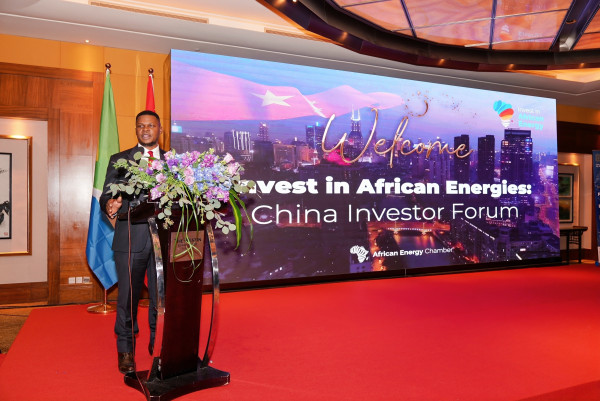
China-Africa Business Ties a Key Focus

Location: News
African Energy Chamber

China has reaffirmed its commitment to supporting Africa's drive for enhanced energy access and industrialization, according to speakers at the Invest in African Energies Shanghai Forum. Leveraging China's expertise in technology-driven oil, gas and energy development, African firms can tap into a valuable partnership and greater investment by Chinese firms would further efforts to make energy poverty history in Africa.

With over 600 million people living without access to electricity and 900 million people without access to clean cooking solutions, Africa is seeking to leverage global partnerships to fast-track energy production and development. China stands to play a major part in facilitating this growth and the Shanghai Forum - co-organized by the African Energy Chamber (AEC) and the Shanghai Development Research Foundation - drew insight into strategic areas of collaboration.

“We want to see investments in African energy. The AEC will continue to support Chinese businesses that want to invest in China and give you the priority needed for you to invest in our beautiful continent,” stated NJ Ayuk, Executive Chairman, AEC. 

For emerging African players seeking to unlock the full potential of their underdeveloped resources, Chinese partnerships have the ability to unlock new capital and technology to advance projects. Partnerships also serve to support mature players enhance their production capacity as Africa drives long-term energy development. Phuti Joyce Tsipa, Consul General, South African Consulate-General Shanghai, highlighted the value of enhanced cooperation with China.

“Together, China and South Africa can work towards building a high-quality international community that can work on a prosperous future, centered on balanced economic growth. Increased energy investment in Africa is at the heart of our future prosperity. We see China as a critical country to partner with, not only with South Africa, but the entire continent,” she said.  

The Shanghai Forum sought to bolster China-Africa relations by facilitating market entry and expansion by Chinese firms in Africa. The Forum featured the participation of 100 companies, including consulates, private firms, investors and policymakers, with presentations centering on opportunities for Chinese firms in Africa, strategies for advancing African industrialization and electrification and the impact Chinese technology will have on the African energy market.

Dr. Bieni Da, Chief Representative for China at the AEC and Yide Qiao, Vice Chairman and Secretary General, Shanghai Development and Research Foundation, underscored the need to facilitate energy ties between China and Africa. According to Qiao, “China has strong technology in green energy and cooperation can be extended to Africa.”

Chinese firms are leading in terms of innovative, low-carbon energy solutions. With a national goal of becoming carbon neutral by 2060, China is supporting domestic companies through policy improvements, capital and research and development. Africa stands to leverage this expertise to advance its own development agenda. This expertise extends to the oil and gas sectors and Chinese companies have begun to expand their footprint in Africa.

Dr. Wang Zengye, Deputy Director-General of Policy Research Office, China National Petroleum Corporation (CNPC) provided an overview of the projects CNPC has led in Africa. He said: “Bilateral relationships between China and Africa is already quite strong and high-level cooperation has been established. This ensures that investment can flow.”

China has also effectively established industrial hubs which support the economy by centralizing manufacturing. Bi Mingze, CFO of Yunan County Chuangxing Industrial Investment Group, said that the company has established an industrial hub in Yunan in China. This hub can be replicated across Africa.

The Shanghai Forum served as a prelude to the African Energy Week (AEW): Invest in African Energies conference, slated for September 29 to October 3 in Cape Town. As the largest event of its kind in Africa, AEW: Invest in African Energies fosters collaboration and investment in Africa. For Chinese companies, the event offers a strategic opportunity to gain insight into African projects while strengthening ties with African firms.

“If you work in any energy field, we are able to help you connect with key stakeholders. We support policy that enhances local content and infrastructure development. It is time to invest in Africa,” stated Johnson Kayode Obembe, Sales Director, African Energy Week.

Distributed by APO Group on behalf of African Energy Chamber.

AEW: Invest in African Energies is the platform of choice for project operators, financiers, technology providers and government, and has emerged as the official place to sign deals in African energy. Visit www.AECWeek.com for more information about this exciting event.

Media files
African Energy Chamber
Download logo
Read moreChina-Africa Business Ties a Key Focus
13 March 2025

Government determined to tackle economic challenges

Location: News

Government determined to tackle economic challenges

Deputy President Paul Mashatile has stressed the urgent need to tackle the nation’s pressing challenges in light of sluggish economic growth and has called for a collective effort to improve the quality of life for all citizens.

“As we embark on this journey, we must have a full appreciation that the first 15 years of democracy were characterised by high economic growth. However, the last decade and a half has been characterised by stagnant growth,” he said on Thursday. 

According to the Deputy President, the stagnant growth of the past decade and a half has led to calls for immediate action to initiate structural reforms that would bolster gross domestic product (GDP) growth and create job opportunities.

“I must state from the onset that the responsibility of guiding South Africa to greater prosperity is not solely on the shoulders of the government. It is a shared responsibility among the business community, NGOs [non-governmental organisations], civil society and all those who aspire to see our country prosper.”

The Deputy President was speaking at the 7th BizNews Conference (BNC#7) at the Hermanus Municipal Auditorium in the Western Cape. 

The BizNews Conference is an annual event focused on investment, business, and political issues.

The country’s second-in-command opened the dialogue with a reflection on South Africa’s democratic journey.

Mashatile underscored the issues plaguing the nation, including poverty, inequality, unemployment and corruption, which he believes threaten the fabric of South Africa’s democracy.  

“They keep us, and if I may say so myself, awake at night because if we do not swiftly overcome these systemic economic issues, we shall experience perpetual unrest.” 

Commitment to cooperation

He said the recent Budget Speech by the Minister of Finance highlights a step toward addressing these dilemmas. 

According to the Deputy President, yesterday’s Budget was the product of a consensus reached within the Government of National Unity (GNU) following last month’s postponement. 

“As I have indicated on several occasions, having a GNU Cabinet does not imply that we will agree on everything. There will be times when we do not view things the same way, but this does not spell the end of the GNU.” 

However, Mashatile stressed GNU’s commitment to prioritising the needs of its citizens.

He also took the time to reinforce the credibility of the GNU amid scepticism about its longevity and effectiveness. 

“Several coalition governments around the world have collapsed as a consequence of misunderstandings about the country’s Budget; this is but a reflection of democracy at work.”

The Deputy President assured attendees that the focus was on inclusive growth, job creation and addressing the high cost of living, while striving to build a capable and ethical State.

“We must do this to find solutions to the challenges that confront our nation,” he said. – SAnews.gov.za

Gabisile
Thu, 03/13/2025 - 13:30
273 views

Read moreGovernment determined to tackle economic challenges
13 March 2025

SA focuses on improving diplomatic relations with United States

Location: News

SA focuses on improving diplomatic relations with United States

Deputy President Paul Mashatile says South Africa is working on stabilising relations with the United States of America (USA), given the long-standing ties between the two nations.

Addressing the 7th BizNews Conference (BNC#7) at the Hermanus Municipal Auditorium in the Western Cape, on Thursday, the Deputy President said this partnership is also significant to South Africa's economic development goals.

The BizNews Conference is an annual event focused on investment, business and political issues.

The Deputy President emphasised the need for collaborative efforts, in light of recent cuts to key health funding programmes, such as the President’s Emergency Plan for AIDS Relief (PEPFAR).

PEPFAR was established by former President George W Bush in 2003 and continued under various administrations.

“The withdrawal of PEPFAR funding highlights the urgent need for South Africa to further strengthen its own interventions to reach the most vulnerable and access health services and support," Mashatile said.

He said the opportunity showed the importance of bolstering the country's own healthcare interventions and ensuring the delivery of health services without heavy reliance on external assistance.

"In this regard, we have been investing heavily in healthcare reform and responding to the dual epidemics of HIV/AIDS and TB. The Department of Health has put measures in place to ensure that patients receiving TB and HIV treatment are not affected and do not default," said the Deputy President.

Mashatile encouraged stakeholders to unite and support government in promoting South Africa's interests in the United States, including through mechanisms such as the African Growth and Opportunity Act (AGOA).

"The loss of AGOA benefits would have the most devastating effect on South African farmers and agriculture workers. AGOA is presently providing support to South Africa's agriculture and manufacturing sectors, which is expected to generate around $21 billion in trade with the United States.

“Therefore, our position is that South Africa should maintain strong bilateral relations with the United States. Most importantly, as a country, we are committed to improving mutually beneficial trade, political, and diplomatic relations with the United States,” he said. 

Diversifying export markets and growing the economy

The country’s second-in-command stated that South Africa should push for diversified export markets, citing ongoing engagement with global powers such as China, Russia, India, and various European countries. 

President Cyril Ramaphosa is currently co-chairing the EU-South Africa Summit, which aims to deepen relations with the European Union (EU) across several domains, including trade, security, and sustainable development.

In addition, Mashatile highlighted the importance of intra-African trade and financial cooperation through the African Continental Free Trade Area (AfCFTA). 

According to the Deputy President, the AfCFTA is a crucial step toward reducing dependency on volatile global markets.

Mashatile believes that South Africa’s wealth of natural resources, including significant agricultural potential, is positioned as an attraction for investment. 

He said government is committed to removing blockages to economic growth, lifting economic expansion to above 3% in the medium-term, and creating a cycle of investment, growth and jobs.

He outlined government’s plans to focus on improving productivity and innovating skills development through the National Digital and Future Skills Strategy as part of a broader vision for a knowledge-based economy.

Furthermore, he said the newly approved Reconceptualised Human Resource Development Strategy outlines priority goals aimed at enhancing early education outcomes, increasing youth employability, and ensuring that higher education aligns with market demands. 

FATF grey list

The Deputy President said South Africa is making steady progress in efforts to be removed from the Financial Action Task Force (FATF) grey list.

"Through new legislation, we have strengthened our ability to prevent money laundering and fraud, and secure South Africa’s removal from the grey list of the Financial Action Task Force."

He said the country has addressed 20 of the 22 action items relating to combating money laundering and terrorist financing. 

“These improvements are essential not only to remove ourselves from the grey list but also to strengthen the battle against crime and corruption, which is crucial for the betterment of all South Africans. 

“We will continue to resolve both remaining action items by June, towards our removal from the grey list by October 2025,” he said.

Moreover, the Deputy President committed that South Africa will use its Group of 20 (G20) Presidency to place Africa’s development at the top of the agenda. – SAnews.gov.za

Gabisile
Thu, 03/13/2025 - 13:52
339 views

Read moreSA focuses on improving diplomatic relations with United States
13 March 2025

Africa Tech Festival Announces Leadership Council for 2025

Location: Business
Africa Tech Festival

Africa Tech Festival (www.AfricaTechFestival.com), the continent's leading platform for technology innovation and connectivity, is proud to announce the esteemed members of its Leadership Council for 2025. Comprising influential leaders from across Africa's technology, business, and investment sectors, the Leadership Council will play a pivotal role in shaping the festival's agenda, ensuring it remains at the forefront of industry trends, policy discussions, and digital transformation.

The Africa Tech Festival 2025 Leadership Council comprises of:

  • Brelotte Ba, Deputy CEO of Orange Middle East and Africa, Orange​
  • Antoinette Kwofie, Chief Financial Officer, MTN Ghana
  • Bunmi Adeleye, Chief Strategy Officer, Retail Supermarkets Nigeria (Shoprite Nigeria)
  • Charles Murito, Regional Director, Government Affairs & Public Affairs, Sub-Saharan Africa, Google​
  • Dido wa Kalonji, Chief Information Officer, First National Bank – Eswatini​
  • Faith Burn, Chief Information Officer, Eskom​
  • Nicolas Pompigne-Mognard, Founder and Chairman, APO Group​
  • Nina Triantis, Global Head Telecoms, Media and Technology, Client Coverage, Corporate and Investment Banking, Standard Bank​
  • Nomsa Chabeli, Group CEO, SABC​
  • Mary Mahuma, Chief Information Officer, Southern Africa, Philip Morris​
  • Philip Besiimire, CEO, Vodacom Tanzania​
  • President Ntuli, Managing Director, South Africa, Hewlett Packard Enterprise​
  • Ravi Bhat, Chief Technology and Solutions Officer, Microsoft Africa​
  • Ayanda Peta, Chief Information Security Officer, African Rainbow Minerals​
  • Richard Cazalet, Executive: Strategy and Transformation, Telkom SA​
  • Shamiela Letsoalo, Director: Public Affairs, Naspers Limited

Bringing together a wealth of expertise, the Leadership Council will provide strategic guidance to ensure Africa Tech Festival continues to address the most pressing issues and opportunities within Africa's digital economy. Their insights will help drive meaningful discussions on connectivity, AI, fintech, cybersecurity, cloud, and the future of digital infrastructure across Africa.

“Africa Tech Festival serves as a platform for connection, collaboration, and innovation across the continent,” said James Williams, Event Director of Africa Tech Festival. “With the guidance of our Leadership Council, we will continue to curate an event that drives impactful conversations, supports industry growth, and fosters Africa's position as a global technology leader.”

Distributed by APO Group on behalf of Africa Tech Festival.

Media Contact:
Tori Wilson
Senior Marketing Manager
tori.wilson@informa.com

About Africa Tech Festival 2025:
Now in its 28th edition, Africa Tech Festival 2025 will take place from 11 to 13 November 2025 at the Cape Town International Convention Centre (CTICC), bringing together over 15,000 technology leaders, policymakers, investors, startups, and visionaries. The festival encompasses four anchor events:

  • AfricaCom – The continent's largest telecoms and connectivity event
  • AfricaTech – The hub for technology, innovation, and enterprise growth
  • AfricaIgnite – Driving growth and impact in Africa's startup ecosystem
  • The AI Summit Cape Town – Where commercial AI comes to life

With over 500 speakers, 300 exhibitors, and multiple networking opportunities, Africa Tech Festival remains the largest and most influential tech event on the continent.

For more information about Africa Tech Festival 2025 and its Leadership Council, visit www.AfricaTechFestival.com.

Media files
Africa Tech Festival
Download logo
Read moreAfrica Tech Festival Announces Leadership Council for 2025
13 March 2025

How Much Does Our HIV Response Depend on US Funding?

Location: News

Critical services in some high-burden districts have collapsed

Read moreHow Much Does Our HIV Response Depend on US Funding?
13 March 2025

Government steps in to assist citizens affected by severe weather

Location: News

Government steps in to assist citizens affected by severe weather

Government has called on all citizens to exercise caution in parts of the country that experience severe weather conditions.

This after a national state of disaster was declared in KwaZulu-Natal, where heavy downpours have battered the coastal province – leaving at least nine dead, infrastructure and housing destroyed and people displaced.

During a post-Cabinet media briefing on Thursday in Cape Town, Minister in the Presidency Khumbudzo Ntshavheni urged residents to exercise caution.

“Cabinet calls on all South Africans to exercise extreme caution whenever there is inclement weather. Heavy rain poses a risk of localised flooding, particularly in low-lying areas, bridges and roads.

“In cases of heavy rains, communities are urged to avoid flooded roads and to monitor news broadcasts, radio bulletins, and government official social media pages for real-time updates and alerts,” she said.

The Minister also assured those impacted by the severe weather that government is stepping in to assist.

“The impact of severe weather conditions in KwaZulu-Natal has led to a national state of disaster being declared - to allow the provincial Department of Corporate Governance and Traditional Affairs (CoGTA) to mobilise all organs of State to augment support measures, limiting the impact of the disaster on communities.

“Government continues to provide flood victims with assistance and the Department of Human Settlements has allocated R100 million to KwaZulu-Natal to assist managing the flood aftermath,” Ntshavheni said. – SAnews.gov.za

NeoB
Thu, 03/13/2025 - 11:42
224 views

Read moreGovernment steps in to assist citizens affected by severe weather
13 March 2025

Deadline for comments into CPA discussion papers looms 

Location: News

Deadline for comments into CPA discussion papers looms 

The Department of Justice and Constitutional Development (DOJ&CD) is appealing to citizens to make their voices heard as the deadline for comments into the discussion papers for the review of the Criminal Procedure Act draws closer. 

Last month, the Deputy Ministers in the Justice, Crime Prevention and Security (JCPS) Cluster welcomed the publication of the discussion papers on the review of the Act which were released by the South African Law Reform Commission (SALRC).

The review seeks to address systemic challenges in the Act, particularly in relation to provisions that deal with arrest, bail, alternative dispute resolution, and victim participation in the criminal justice process.

In an interview with SAnews, the Deputy Director-General for Court Administration at the DOJ&CD Lucky Mohalaba said the Act was outdated.

“It’s a pre-1994 piece of legislation and one of the key areas which the department and the [JCPS] cluster is faced with, is how do we ensure that important legislation like the Criminal Procedure Act [CPA] is reviewed to be in line with the Constitution? Our Constitution actually was signed into law after the Criminal Procedure Act,” he remarked of the 1977 legislation.

The act makes provision for procedures and related matters in criminal proceedings.

“This initiative from the department as led by Deputy Minister [Andries] Nel is really a milestone. Firstly to ensure that we comply and are in line with the constitutional imperatives including the issues that relate to equality [and] transparency.  
“The work that the Law Reform Commission has undertaken is going to result in the reform of legislation, including the Criminal Procedure Act,” said Mohalaba.

The SALRC released the discussion papers covering the pre-trial stage on the Bail System Reform, Arrest Dispensation Reform, Alternative Dispute Resolution (ADR) in Criminal Matters and the Non-Trial Resolutions (NTRs): Deferred Prosecution, Alternative Dispute Resolution and Non-Prosecution.

“In the main, there are components where the issue of the bail dispensation is going to be looked at. Secondly, the issues that relate to the arrest dispensation is going to be looked at. Part of the issues raised there is [that] should people be arrested for having committed certain crimes or should they be given dates to come to court and appear in court for those crimes? 

“Are we not increasing the numbers in our correctional centres by arresting everyone? So those are the areas that the research papers are looking at,” the DDG said of the four papers that were first published on 20 February 2025.

This as the comment period into the documents will close on 31 March 2025.

Content of the documents

The Bail System Reform discussion document speaks to ensuring a balanced approach that upholds the rights of accused persons while addressing public safety concerns, reducing lengthy pre-trial detention, and easing overcrowding in correctional facilities.

Chapter 1 of the Review of South Africa’s Bail System document, states that the country’s bail law forms an “integral part of the Criminal Procedure Act of 1977 a law of apartheid extraction which has been in existence for almost five decades.” 

It further states that it is “also probable that the relevant provisions have become obsolete and redundant.”

South Africa’s bail system is regulated under Chapter 9 of the CPA with the review aiming to align bail laws with constitutional principles while also tackling inefficiencies.

Challenges with bail for foreign nationals, limited police powers in the granting of bail, the strict verification of accused persons’ residential addresses as well as affordability issues that prevent accused individuals from securing bail are some of the deficiencies identified in the current bail system according to Chapter 2 of the document.

The proposals for reform include enhancing victim rights where courts should consider victim safety when granting bail as well as that victims should be informed of bail proceedings and allowed to express their concerns. 

The proposals for reform in the document also talks to reducing delays and overcrowding where automatic bail reviews to avoid unnecessary detentions is introduced while revising bail conditions. The proposal is that alternative measures be found for those who can’t afford bail.

The document states that in the late 1990s and early 2000s, the Commission “lamented the failure of the law to cater specifically for victims of crime. It argued, at the time, that if the position of victims was not drastically reformed in the criminal justice system, it would lead to a legitimacy crisis.”

The Arrest Dispensation Reform speaks to promoting alternative measures, such as summons, to secure court attendance and reduce unlawful and unnecessary arrests. 

Chapter 3 of this discussion paper states that the CPA outlines the methods for securing the court attendance of accused persons. This as Section 38 of the legislation “provides that the methods of securing the court appearance of accused persons are arrest, written notice, summons and indictment.” 

However, the CPA doesn’t specify which of the measures should be used in “certain situations, nor does it mandate the utilisation of the least intrusive measure.”

The paper notes that arrest should only be used as a last resort when other methods (summons, written notices) are inadequate and that police discretion in arrest decisions is broad, often leading to unnecessary detentions and overcrowding in prisons. 

The paper proposes the amendment of Section 39 of the CPA to define the purpose of arrest, preventing misuse as well as the amendment of Section 40 to restrict arrests without warrants, ensuring judicial oversight.

Section 39 of the Act states that an arrest can be effected with or without a warrant and, unless the person to be arrested submits to custody, by actually touching his body or, if the circumstances so require, by forcibly confining his body.

It also states that at the time of effecting the arrest or immediately after effecting the arrest, the person effecting it should inform the arrested person of the cause of the arrest. It adds that in an arrest effected by virtue of a warrant, upon demand of the person arrested, a copy of the warrant must be given.

Meanwhile, section 40 of the Act talks to the arrest by peace officers. This is whereby a peace officer may without  a warrant arrest any person who commits or attempts to commit any offence in his presence or a person who has escaped or who attempts to escape from lawful custody, among others.

According to the CPA, the Minister of Justice and Constitutional Development has the power to declare by notice in the Government Gazette any category of persons, by virtue of their office, as peace officers for specific purposes.
This as peace officers are not police officials. 

The proposal made in the document speaks to clarifying the powers of peace officers as well as creating an oversight mechanism. It also notes that electronic summons and written notice could replace many physical arrests among others.

The third document which is the Alternative Dispute Resolution (ADR) in Criminal Matters, speaks to challenges in the criminal justice system such as the over-reliance on imprisonment leading to overcrowding and the high costs of traditional prosecution among others.

The document notes that the country’s “legal system does not make provision for the coherent and unified regulation of ADR in criminal matters, a concept which, in foreign jurisdictions may be referred to in a number of ways, including discretionary prosecution, waiver of prosecution and out of court settlements.”

The proposed reforms it makes include the expanded use of ADR for minor offenses. This includes conditional withdrawals of prosecution, greater victim participation in ADR processes as well as focussing on restorative justice that includes victim-offender mediation. This also includes community-based sentencing alternatives such as rehabilitation programmes and community service.

The fourth discussion document known as the Non-Trial Resolutions (NTRs): Deferred Prosecution, Alternative Dispute Resolution and Non-Prosecution explores NTRs as an alternative to traditional criminal prosecutions. 

It focuses on Deferred Prosecution Agreements (DPAs), Alternative Dispute Resolution (ADR), and Non-Prosecution Agreements (NPAs), particularly in corruption and financial crime cases.

It states that traditional criminal trials for corporate and economic crimes are slow, costly, and complex adding that NTRs encourage self-reporting, corporate reform, and financial restitution without lengthy trials.

It states that the country lacks a structured legal framework for non-trial resolutions, unlike countries such as the United Kingdom and the United States of America.

The document adds that the Zondo Commission recommends the proposed introduction of   Deferred Prosecution Agreements for companies implicated in corruption.  Appointed by the President, The Zondo Commission was a commission of inquiry that investigated state capture in South Africa.

The DPAs allow companies to admit wrongdoing, pay fines, and commit to reforms in exchange for prosecutorial leniency.
The benefits of NTRs are that they encourage companies to cooperate with law enforcement and also reduces court backlogs while prioritising serious cases for trial.

The recommendation is that NTRs should be legislated to provide clear guidelines for corporate settlements as well as ensure judicial oversight to prevent abuse among others.

In November 2023, former Minister of Justice and Correctional Services Ronald Lamola appointed an Advisory Committee consisting of eight experts chaired by the former Judge President of Mpumalanga, Justice Francis Legodi to advise the Law Reform Commission on the review of the Criminal Justice System. 

The Law Reform Commission is currently chaired by former Constitutional Court judge, Justice Chris Jafta.

Reforming SA’s laws 

At the release of the discussion papers, Deputy Minister Nel spoke of the need to transform the justice system.
The DDG said discussion documents provide an opportunity for citizens to debate the proposals.

“I’m quite certain that given the launch of the discussion documents these then will present an opportunity for South Africans to debate the proposals made in the documents which will ultimately result in the Criminal Procedure Bill which will replace the current Criminal Procedure Act of 1977 so that we are more aligned to our constitutional values as a country.

“We really wish to welcome members of the public, NGOs [non-government organisations], community organisations to make sure that they make inputs into the discussion papers. This is quite an important area for us as a country going forward to reform and modernise the laws that are applicable currently,” he said.

The discussion papers which were released at a media briefing in Pretoria 20 February, can be accessed at https://www.justice.gov.za/salrc/dpapers.htm .  
-SAnews.gov.za

Neo
Thu, 03/13/2025 - 12:44
65 views

Read moreDeadline for comments into CPA discussion papers looms 
13 March 2025

Cabinet welcomes 2025 National Budget 

Location: News

Cabinet welcomes 2025 National Budget 

Cabinet has welcomed the 2025 National Budget as it seeks to maintain a balance between South Africa’s fiscal framework, fund the priorities of the seventh administration while mitigating negative impact on poor and middle-income households.

The budget was tabled by the Minister of Finance, Enoch Godongwana, in the National Assembly, on Wednesday. 

He outlined all the financial, economic and social commitments the government will prioritise in its planned expenditure and provided a detailed plan for 2025 spending. This includes proposals for revenue collection to help fund the government’s planned interventions and commitments.

“The allocation of over R1 trillion to infrastructure development over the Medium-Term Expenditure Framework (MTEF), the establishment of alternative infrastructure financing through a credit guarantee vehicle and the introduction of multiple bid windows on the Budget Facility for infrastructure is a demonstration of commitment to grow the economy through a strong infrastructure-build programme, whilst simultaneously improving service delivery. 

“Mechanisms for private sector participation as announced with the Budget, which are part of Operation Vulindlela driven reforms, in the energy, transport and freight logistics sectors indicate government’s commitment to fast-tracking private sector investment and inclusive economic growth,” Minister in The Presidency, Khumbudzo Ntshavheni, said on Thursday.

Minister Ntshavheni was briefing the media in Cape Town, following Cabinet’s meeting on Wednesday.

Operation Vulindlela is aimed at stabilising the supply of electricity; creating a competitive and efficient freight logistics system; reducing the cost and improving the quality of digital communication; ensuring a stable, quality supply of water; and reforming the visa regime to facilitate skilled immigration and support tourism.

READ | Operation Vulindlela records notable progress

Since its establishment in 2020, Operation Vulindlela has made real progress in achieving these objectives.

In light of new and persistent spending pressures in health, education, transport and security, government decided to raise value-added tax (VAT) by 0.5 percentage points in each of the next two years, which will bring VAT to 16% in the 2026/27 financial year.

READ | Government proposes VAT increase over two years

The first 0.5 percentage point increase in the VAT rate will take effect on 1 May 2025 and the second 0.5 percentage point increase will take effect on 1 April 2026.

“Acknowledging the impact of the tax increases, the Budget provides for mitigation measures against the increases such as no increase in the fuel levy, above inflation increases to social grants, with old age and disability grants increasing by R130 to R2315 in 2025 and significant funding allocation to PRASA [ Passenger Rail Agency of South Africa] to improve passenger rail transport which will reduce household income spend on transport costs.

“Most significantly, the tax increases are going to finance sustainability of this country, by maintaining 11,000 teachers in the classrooms, 9300 health-workers in their jobs, the employment of 800 post-community service doctors and allow an additional 700, 000 children (4-years of age) access to early childhood development which is the necessary foundation education they need for a successful education journey,” Ntshavheni explained. –SAnews.gov.za 
 

nosihle
Thu, 03/13/2025 - 11:49
58 views

Read moreCabinet welcomes 2025 National Budget 
13 March 2025

Settlement Reached in African Penguin Case

Location: News

Government, environmental groups and fishing industry agree to new no-fishing zones around penguin breeding grounds

Read moreSettlement Reached in African Penguin Case
12 March 2025

Government expenditure to reach R2.59 trillion in 2025/26

Location: News

Government expenditure to reach R2.59 trillion in 2025/26

Consolidated government spending is expected to increase from R2.4 trillion in 2024/25 to R2.83 trillion in 2027/28, at an annual average of 5.6%.

Consolidated expenditure will reach R2.59 trillion in 2025/26.

This according to National Treasury’s 2025 Budget Review document.

The majority of that spend will fund the social wage, which includes spend on health, education, social protection (grants), community development and employment programmes.

“Over the medium-term, economic development is the fastest-growing function at an annual average rate of 8.1%, driven by higher allocations to infrastructure projects.

“Spending is highly redistributive, with the social wage making up 61% of total consolidated non-interest spending over the next three years,” the Budget Review read.

Consolidated government expenditure by function is as follows:

  • Learning and Culture: R508.7 billion
  • Health: R298.9 billion
  • Social Development: R422.3 billion
  • Community Development: R286.6 billion
  • Economic Development: R289.8 billion
  • Peace and Security: R266.1 billion
  • General Public Services: R78.7 billion
  • Contingency Reserve: R5 billion

Spending pressures

The 2025 Budget will fund spending pressures of R232.6 billion over the Medium-Term Expenditure Framework (MTEF) period, including “provisional allocations for frontline service delivery departments amounting to R70.7 billion”.

“These spending additions are partially offset by drawdowns on provisional allocations and contingency reserves, resulting in a net increase in non-interest expenditure of R142 billion. 

“The main spending additions are for critical infrastructure investments, social protection and a higher-than-anticipated public-service wage agreement, alongside provisional allocations for critical frontline services,” the Budget Review said.

Spending additions over the medium-term are attributed mainly to:

  • R46.7 billion for infrastructure investments.
  • R35.2 billion to extend the COVID-19 social relief of distress grant until March 2026.
  • R23.4 billion for the costs of the 2025 public service wage agreement.
  • R8.2 billion to increase the value of social grants by more than inflation.
  • R11 billion to implement early retirement measures in 2025/26 and 2026/27.
  • R5 billion for the carry-through costs for the deployment of South African National Defence Force (SANDF) troops in the Democratic Republic of Congo.
  • R4.6 billion in 2025/26 for public employment programmes.
  • R3.2 billion in 2025/26 for national government’s share of the debt repayment for the South African National Roads Agency Limited (SANRAL). Gauteng province will pay R13.4 billion for its share of the debt repayment to SANRAL.

Addressing government debt

During the Budget Speech on Wednesday, Finance Minister Enoch Godongwana said government debt is expected to stabilise at 76.2% of gross domestic product in 2025/26, with the consolidated budget deficit expected to narrow to some 3.5% by 2027/28.

“[As] debt stabilises, a growing primary surplus will enable government to reduce debt-service costs as a proportion of revenue.

“Debt service costs will amount to R389.6 billion in the current financial year. This translates to 22 cents of every rand we raise in revenue. It is more than what we spend on health, the police and basic education.

“We must reverse this trend and prevent the cost of debt from taking away resources that could otherwise be spent on our pressing social needs, or to invest in growth. In this regard, our fiscal strategy stabilises debt service costs as a percentage of revenue in 2024/25 by maintaining a primary budget surplus,” he said. – SAnews.gov.za

NeoB
Wed, 03/12/2025 - 13:54
483 views

Read moreGovernment expenditure to reach R2.59 trillion in 2025/26
12 March 2025

Government’s three-year plan to spend R1 trillion on infrastructure

Location: News

Government’s three-year plan to spend R1 trillion on infrastructure

The South African government will spend more than R1 trillion over the next three years on public infrastructure in a show of government’s commitment to driving economic growth.

This is according to Minister of Finance Enoch Godongwana who delivered the 2025 Budget speech in Parliament on Wednesday.

“[Infrastructure] is a key pillar of our growth strategy. It is the bedrock for economic development, a key source of jobs, and an avenue to scale-up service delivery.

“This budget reflects that understanding. Allocations towards capital payments are the fastest growing area of spending by economic classification. Public infrastructure spending over the next three years will amount to more than R1 trillion,” Godongwana said.

Current infrastructure focus is geared towards:

•    R402 billion on roads infrastructure
•    R219.2 billion on energy infrastructure
•    R156.3 billion on water and sanitation infrastructure
The Minister highlighted some of the key projects that will be underway.

“In transport, the South African National Roads Agency will spend R100 billion over the medium term to keep the national road network in good condition. Provincial roads departments will reseal over 16 000 lane-kilometres of roads in their areas of authority.

“The Passenger Rail Agency of South Africa is making steady progress to rebuild infrastructure to provide affordable commuter rail services.

“In water, we are investing in several large-scale dam projects that are ramping up or entering construction. The Mkhomazi Project is expected to commence construction in November 2027, transferring water to the Mngeni Water Supply System. This will increase the total capacity of the system to 5 million households in eThekwini and 4 district municipalities in KwaZulu Natal,” Godongwana said.

In the 2025 Budget Review, National Treasury explained that investment in economic infrastructure – mainly by state owned entities – accounts for some 81.5% of the medium-term estimate.

“These funds are used to expand power-generation capacity, upgrade and expand the transport network and improve sanitation and water services. Social services infrastructure accounts for 15.5% of the total, with the two largest sectors, health and education, contributing 4.4 % and 5.5% respectively,” the review read.

Public-Private Partnerships

The department explained that infrastructure reforms are “underpinned by a commitment to significantly increase partnerships with the private sector”.

Some of these measures and reforms include:

•    From June 2025, projects below a total value of R2 billion will no longer have to clear onerous approval processes intended for large projects before proceeding.
•    A clear framework is being established to receive and process unsolicited PPP proposals or bids from the private sector.
•    New legislative amendments and regulations for municipal PPPs will also be introduced in 2025
•    Revised manuals and guidelines on PPPs are being produced and will be made available to the public

“During 2025/26, a single structure overseen by the National Treasury will be established to coordinate state participation in project preparation and planning, public-private partnerships (PPPs), funding and credit guarantees. 

“It will be established by merging two units currently in the Government Technical Advisory Centre that coordinate PPPs and capital appraisals with the Infrastructure Fund in the Development Bank of Southern Africa,” Treasury said. – SAnews.gov.za


NeoB
Wed, 03/12/2025 - 13:56
394 views

Read moreGovernment’s three-year plan to spend R1 trillion on infrastructure
12 March 2025

Government allocates R19.1 billion for teachers over the medium term 

Location: News

Government allocates R19.1 billion for teachers over the medium term 

The government has added R19.1 billion over the medium term to keep approximately 11 000 teachers in classrooms.

“Our learner-teacher ratios remain higher than we would like, meaning that we still need more teachers in classrooms,” Minister of Finance Enoch Godongwana said on Wednesday in Parliament.

According to the Minister, paying salaries constitute 76% of provincial education budgets. 

“This means that only R24 out of every R100 of their budget is left for funding school infrastructure, meals for learners from poor backgrounds, and stationery and textbooks, amongst others.

“To prevent compensation of employees from crowding out other equally important areas of spending, R19.1 billion is added over the medium term to keep approximately 11 000 teachers in classrooms,” the Minister said during the Budget Speech.

He said the foundation to building the next generation of citizens who contribute economically and socially to the nation is in early childhood development (ECD).

“Despite this, the subsidy for ECD has not increased from the 2019 level of R17 per day, per child. To remedy this, an additional R10 billion over the medium term is allocated to increase the subsidy to R24 per day per child. The extra funding will also support increased access to ECD for approximately 700 000 more children, up to the age of four years old.”

Meanwhile, the Department of Higher Education is implementing a pilot student funding model for the “missing middle”, which refers to students from families with annual incomes ranging from R350 000 to R600 000. 

The National Student Financial Aid Scheme will manage these loans using funds provided by the National Skills Fund, amounting to R1.5 billion in 2024/25 and R3 billion over the Medium-Term Expenditure Framework (MTEF) period.

“The apprenticeship and skills development levy systems will be reviewed. The goal, in collaboration with the private sector, is to double the number of artisans completing trade tests in the next three years through increased work-based learning opportunities.

“The arts, culture, sport and recreation sector is allocated R38.4 billion over the medium term to support school sports, national recreation events and selected sporting codes, as well as to preserve and promote the cultural, heritage and linguistic diversity of South Africa,” Treasury’s  2025 Budget Review document noted.

Health

Health spending will grow from R277 billion in 2024/25 to R329 billion in 2027/28 to support the equitable provision of public health services, including free primary healthcare.

“Like in provincial education, a significant portion of the provincial health budget is spent on the salaries and wages. R28.9 billion is added to the health budget, mainly to keep about 9 300 healthcare workers in our hospitals and clinics.

“It will also be used to employ 800 post-community service doctors, and to ensure that our pharmacies do not run out of medicines,” the Minister said.

National Health Insurance (NHI) policy

As part of strengthening the health system and preparing for the National Health Insurance (NHI) policy, the Department of Health will fund the development of a patient information system, a centralised chronic medicine dispensing and distribution system, and a facility medicine stock surveillance system. 

Over the MTEF period, the indirect and direct conditional grants for NHI are allocated R8.5 billion and R1.4 billion respectively.
“Sustained allocations for direct and indirect infrastructure grants, including potential additional funding through the Budget Facility for Infrastructure (BFI), as outlined in the 2024 MTBPS, will focus on new or replacement buildings, upgrades, rehabilitation and maintenance. 

“The total infrastructure allocation is R37.4 billion over the MTEF period, including provisional allocations from the BFI and new allocations for Siloam District Hospital and Tygerberg Hospital equipment through a public-private partnership in 2027/28,” National Treasury said. -SAnews.gov.za


nosihle
Wed, 03/12/2025 - 14:23
403 views

Read moreGovernment allocates R19.1 billion for teachers over the medium term 
12 March 2025

Economic development initiatives to spur economic growth

Location: News

Economic development initiatives to spur economic growth

Over the next three years, government spending on economic development will be the fastest-growing function at an annual average rate of 8.1%, driven by higher allocations to infrastructure projects.

According to the 2025 National Treasury Budget Review, medium-term spending for economic development will grow from R252.4 billion in 2024/25 to R318.4 billion in 2027/28.

The Department of Land Reform and Rural Development will expedite the finalisation of outstanding land claims, prioritising older claims. 

The department has been allocated R11.6 billion over the medium-term to settle about 844 land restitution claims, with R3 billion earmarked to allocate 138 000 hectares of land.

“Over the medium-term, the Department of Science, Technology and Innovation will invest R3 billion in the construction of the MeerKAT array and efforts to secure the hosting of part of the Square Kilometre Array. 

“Guided by evidence and targeted public policy interventions, R2.9 billion will be invested annually in postgraduate development and research support. Additionally, R3.8 billion will be allocated annually to provide access to cutting-edge research infrastructure,” the Budget Review document said.

To enhance productivity, competitiveness and the green economy, government will spend R18.4 billion over the medium term to support businesses through various incentive programmes under the Department of Trade, Industry and Competition.

These programmes include the automotive investment scheme, business process outsourcing, film and television production incentives, special economic zones, clothing and textile competitiveness programmes, the industrial park revitalisation programme and industrial development support for electric vehicle production.

“The Department of Small Business Development is allocated R2.1 billion over the medium-term to support about 120 000 competitive small businesses, particularly those owned by women, youth and people with disabilities in marginalised areas, such as townships and rural regions. 

“In addition, government has allocated R313.7 million over the medium-term for the establishment of micro, small and medium enterprise hubs to support business expansion,” National Treasury said.

Government will merge the comprehensive agricultural support programme grant and the Ilima/Letsema projects grant into a single grant with the existing consolidated baseline of R7.3 billion over the Medium-Term Expenditure Framework (MTEF) period. 

This merger aims to streamline grant administration, improve resource allocation, and support commercial and subsistence farming. 

“To minimise outbreaks of pests and diseases that affect agricultural production, the department will accelerate regulatory compliance and monitoring interventions costing R30.3 million over the medium term.

“The Independent Communications Authority of South Africa is allocated R102 million in 2025/26 for the second phase of the licensing of spectrum through an auction process.

“This is expected to increase investment in networks, improve network quality, contribute to economic growth and lower data costs,” National Treasury said. -SANews.gov.za

nosihle
Wed, 03/12/2025 - 14:29
234 views

Read moreEconomic development initiatives to spur economic growth
12 March 2025

UN Torture Prevention Body Welcomes Establishment of National Preventive Mechanisms in Benin, Madagascar, Nigeria, and South Africa

Location: News

Office of the UN High Commissioner for Human Rights (OHCHR)
Download logo

The UN Subcommittee on Prevention of Torture (SPT) hails the setting up of the national preventive mechanisms (NPMs) in Benin, Madagascar, Nigeria, and South Africa as a significant step in advancing and fulfilling their obligations under the Optional Protocol to the Convention against Torture (OPCAT).

“The OPCAT's torture prevention architecture is built on the partnership between the SPT, the international body designated by the treaty, and the NPMs, our national counterparts. These national partners play a crucial role in making the system work effectively. Today, we are delighted to welcome the NPMs of Benin, Madagascar, Nigeria, and South Africa to the global family of nearly 80 NPMs,” said María Luisa Romero, the SPT Chair.

“They now have the demanding tasks of ensuring their independence and effectiveness, as outlined in the OPCAT. At the same time, the authorities also have a duty to respect the NPMs' independence, provide financial resources to support their mandate, and implement their recommendations in good faith. The SPT stands ready to assist, advise and support these four new NPMs,” she added.

Under the OPCAT, the SPT monitors treatment and conditions for people deprived of liberty by conducting unannounced visits to police stations, prisons, psychiatric hospitals, immigration detention centres, drug rehabilitation centres and other places of deprivation of liberty. In this task, the SPT works closely with government authorities, the NPMs, other domestic monitoring bodies, as well as human rights institutions, and civil society to strengthen torture preventive measures.

Distributed by APO Group on behalf of Office of the UN High Commissioner for Human Rights (OHCHR).

Read moreUN Torture Prevention Body Welcomes Establishment of National Preventive Mechanisms in Benin, Madagascar, Nigeria, and South Africa
12 March 2025

Operation Vulindlela records notable progress

Location: News

Operation Vulindlela records notable progress

Minister of Finance Enoch Godongwana has highlighted the real progress achieved by implementing structural reforms through Operation Vulindlela, which is a joint initiative between the Treasury and the Presidency.

Operation Vulindlela is aimed at stabilising the supply of electricity; creating a competitive and efficient freight logistics system; reducing the cost and improving the quality of digital communication; ensuring a stable, quality supply of water; and reforming the visa regime to facilitate skilled immigration and support tourism.

Since its establishment in 2020, Operation Vulindlela has made real progress in achieving these objectives.

“The energy reforms have created a 22 500 mega-watt pipeline of projects. More than 10 000 mega-watts are formally registered with NERSA [National Energy Regulator of South Africa], which is one of the last steps in the regulatory process. These projects will contribute to reducing power cuts.

“The Freight Logistics Roadmap was approved. The roadmap allows private sector participation and gives third-party access to any operator without discrimination in accordance with the network statement.

“The cost of a 1.5GB data bundle has declined by 51%, allowing individuals and small businesses to access more affordable data,” Godongwana said on Wednesday during his Budget Speech.

He noted that the water-use licenses backlog has been cleared, unlocking billions in investment and freeing projects that had stalled because of the backlog.

The water quality regulatory system was reinstated for the first time since 2014.

“This is the Green Drop, Blue Drop and No Drop certification that enables effective intervention in supporting failing municipalities to provide clean water to citizens. e-Visas for travellers from 34 countries have been introduced to significantly boost tourism. The trusted employer scheme has been established to fast-track visa process for major investors,” the Minister said.

These achievements have eased economic bottlenecks. 

Building on the successes of the initiative, Phase 2 of Operation Vulindlela will focus on:

  • Following through on existing reforms in energy, water, logistics and visa systems;
  • Strengthening local government and improving the delivery of basic services;
  • Harnessing digital public infrastructure as a driver of growth and inclusion; and
  • Creating efficient, productive and inclusive cities. - SAnews.gov.za

nosihle
Wed, 03/12/2025 - 14:43
189 views

Read moreOperation Vulindlela records notable progress
12 March 2025

Budget: Social Grants to Increase and VAT Goes Up

Location: News

Finance minister announces above-inflation grant increases

Read moreBudget: Social Grants to Increase and VAT Goes Up
12 March 2025

Government allocates R19.2 billion to upgrade PRASA signalling

Location: News

Government allocates R19.2 billion to upgrade PRASA signalling

Government has provisionally allocated an additional R19.2 billion over the medium term for the Passenger Rail Agency of South Africa’s (PRASA) critical signalling upgrades.

Tabling the 2025 Budget Speech on Wednesday, Minister of Finance Enoch Godongwana, said the agency was making steady progress towards rebuilding infrastructure to provide affordable commuter rail services.

“To sustain this progress, we have provisionally allocated an additional R19.2 billion over the medium term for critical signalling upgrades. This will enable commuters from areas like Mamelodi, Kwa-Mashu, Motherwell and Khayelitsha to catch a train every 10 minutes, to get to and from work and significantly reduce the money that low-income households spend on transport.

“The allocation will also allow PRASA to maximise the potential of the 241 new trains delivered through the rolling stock renewal programme,” the Minister said in Parliament.

Despite the progress made, Godongwana said PRASA’s procurement system needed strengthening.

“The management of the entity is already instituting measures to strengthen their procurement weaknesses. This includes getting support from the National Treasury to build capacity and mitigate risks and undertaking live audits for large procurement projects,” the Minister said. - SAnews.gov.za

nosihle
Wed, 03/12/2025 - 14:53
131 views

Read moreGovernment allocates R19.2 billion to upgrade PRASA signalling
  • Previous
  • Page 1
  • Interim pages omitted …
  • Page 59
  • Page 60
  • Page 61
  • Page 62
  • Page 63
  • Interim pages omitted …
  • Page 210
  • Next

Copyright © 2026 · MyZA · All Rights Reserved · Powered by Stratlec Online