Africa Gets Only 23% of the Climate Finance It Needs – And Pays Too Much for It
Climate finance should not be separated from development funding.

MyZA
News, Directory, Events and Other Stuff
Climate finance should not be separated from development funding.
In South Africa and Kenya, some green energy projects have deprived local communities of land and livelihoods instead of sharing the benefits.
Solar farms can bring jobs, but the story of one South African community shows that rural residents who give up their land need more say in how benefits are shared.
Africa’s clean energy funding would work much better if projects could borrow on fairer terms, and have longer to pay back loans.
The decision made by the Department of Mineral and Petroleum Resources (DMPR) and the Minister of Forestry, Fisheries, and the Environment (DFFE) to allow Total Energies to explore offshore drilling along the West Coast is a ticking time bomb for not only our already fragile environment but also the livelihoods of thousands of fishermen.
The post TOTAL’S OFFSHORE DRILLING RISKS THOUSANDS OF LIVELIHOODS appeared first on For Good.
Africa holds key green energy minerals but exports them raw. If the continent had its own Green Bank, it could finance local manufacturing and green industry.
South Africa’s largest gold producer went to court to win the right to use its own solar power.
Subsidies reached almost R200-billion last year, mostly from increases in Eskom bailouts and carbon tax exemptions, while the renewables subsidy in 2024 was less than 5% of fossil fuel support
South Africa’s water, energy and food crises are interconnected. Coordinated funding across all three, including community-led and blended finance, is needed.
Moeketsi Victor Williams and business partner Mabohlokoa Itumeleng Chaka allegedly siphoned off R4.5-million from one of the contracting companies
They also want TotalEnergies to stop further fossil fuel extraction in Africa
New study finds that people in 12 African countries don’t fully accept that extreme weather disasters are caused by climate change. More public awareness is needed.
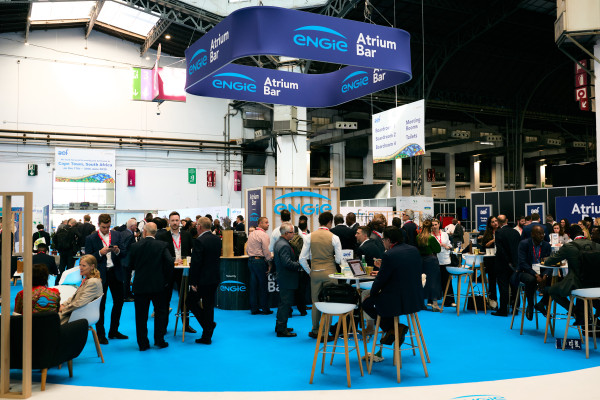
Powering AI data centres, accelerating large-scale solar projects and leading the global energy transition are just three of the critical topics up for debate at next month's Africa Energy Forum (aef), kicking off for the first time in Cape Town, South Africa, 17–20 June 2025. Forum sponsor Sun Africa returns for the third consecutive year, a testament to its sustained commitment to powering Africa's clean energy future.
For a full programme and to join the debate, visit: https://apo-opa.co/4k7ngcj
Under the theme of ‘Africa United', and featuring hundreds of ministers, policymakers and executives from nations across the continent, the aef will spotlight the continent's expanding ambition and the urgent drive to reshape its own energy future.
With South Africa now chairing the G20, the continent will gain a pivotal voice in global decision-making, making aef 2025 the launchpad for a bold message to the world: Africa knows what it needs, and it's ready to lead.
This year's aef will welcome a significant number of new companies participating for the first time, expanding the community of innovators and investors at the event. It will also host delegations from 33 countries, comprising head of state, ministers, regulators, and other public sector leaders from across the continent.
Confirmed speakers include the President of Ghana, John Dramani Mahama, South Africa's Minister of Electricity & Energy, Dr. Kgosientsho Ramokgopa, Nigeria's Minister of Power, Adebayo Adelabu and Noureddine Yassaa, Algeria's Secretary of State for Renewable Energies.
The high-level line-up also features the current Senegalese candidate for the Presidency of the African Development Bank, Amadou Hott, plus senior ministers and policy makers from Liberia, Ghana, Malawi, Zambia, Guinea-Bissau, Zimbabwe, Ethiopia and Madagascar.
This year's aef will focus on how the private sector can help move from ambition to implementation on Mission 300, connecting power to 300 million people by 2030. And, as demand surges from commercial and industrial sectors, the aef will also unpack the infrastructure, investment, and regulatory models needed to keep pace.
Grounded in Ubuntu, the African philosophy of shared humanity, the event will call for a global energy transition that is cooperative, equitable, and Africa-led.
“Something urgent has to be achieved as we simply cannot have another 10 woeful years of investment into projects. No more [time] can pass with one side saying we “we need guarantees” and the other side saying, “we can't afford guarantees.” Time is THE DETERMINING FACTOR holding energy access back and this needs to change. Now is the time for Africa to unite behind common goals and common infrastructure!” Simon Gosling, Managing Director, EnergyNet
“The future of African power infrastructure starts with Sun Africa, and the conversation about Africa's energy future continues at the Africa Energy Forum. We are proud to be the Forum Sponsor of an event that will unite visionaries and unite people from across the continent.” – Adam Cortese, CEO, Sun Africa.
Bringing together community and sport, the 2025 edition of eaf also features the Africa Challenge Cup, a special evening of football at Cape Town's iconic DHL Stadium. Four teams will face off in friendly matches under the floodlights, offering a chance for delegates, partners, and peers to connect in a spirited, relaxed setting alongside friends and family.
The Youth Energy Summit (YES!), held in parallel with aef, is expected to welcome more than 4,000 participants, making it one of the largest gatherings focused on youth engagement in the African energy sector. Many companies are supporting the initiative not just as sponsors, but as active partners in youth participation across the continent. These include the DBSA, Nedbank, Pele Green Energy, Seriti Green, Siemens Energy, Genesis, and others from the energy and mining sectors.
Distributed by APO Group on behalf of EnergyNet Ltd..
Notes:
The main sponsors at this year's aef include Sun Africa, AKSA, Red Rocket, Globeleq, Nedbank and the World Bank. See https://apo-opa.co/3ZrUw5E
Lead sponsors at this year's aef include the Africa Development Bank, AMEA Power, the British International Investment, BCG, EDF, Engie, the European Investment Bank, GE Vernova, Infinity Power, Standard Bank, Synergy Consulting and TotalEnergies. See https://apo-opa.co/3ZrUw5E
For media inquiries and registration please email :
Poliana Sperandio: poliana@energynet.co.ke
Sylvia Gaita: sylvia.gaita@apo-opa.com
About the Africa Energy Forum (aef):
The Africa Energy Forum (aef) is taking place in the Cape Town International Convention Centre, South Africa, 17-20 June 2025.
The event is the continent's leading platform for energy sector stakeholders to collaborate, invest, and accelerate progress. In its 27th year, the aef brings together governments, developers, investors, and innovators to drive real-world solutions in energy access and sustainability.

The Spanish Chamber of Commerce in South Africa has partnered with the African Energy Week (AEW): Invest in African Energies conference to foster collaboration between Spanish and South African energy companies. The partnership builds on dual goals of driving investment and development in South Africa and will support greater participation by Spanish firms at this year's edition of the conference – scheduled for September 29 to October 3.
As a non-profit entity whose main objective is the promotion of commercial, economic and industrial relations between Spain and South Africa, the Chamber of Commerce seeks to strengthen business prosperity and trade between the two nations. At the heart of this strategy is the energy industry, with the Chamber committing to exposing its members to emerging opportunities in both Spain and South Africa. At AEW: Invest in African Energies, the Chamber will play an instrumental part in strengthening energy relations and trade, supporting market entry by Spanish firms into South Africa.
AEW: Invest in African Energies is the platform of choice for project operators, financiers, technology providers and government, and has emerged as the official place to sign deals in African energy. Visit www.AECWeek.com for more information about this exciting event.
The opportunities for heightened collaboration between Spain and South Africa are extensive. While Spain is a net-importer of oil and gas, Spanish oil and gas firms have seen great success abroad, highlighting the level of expertise the country has to offer. Spanish companies such as multinational energy and petrochemical firm Repsol already have a strong presence in Africa, offering significant expertise that could help unlock South Africa's energy industry. The company has been active in Algeria since 1973, recently receiving approval to invest up to €731 million in oil and gas blocks in the country. The Chamber has also been active in Libya since the 1970s and is implementing an ambitious exploration agenda in the country. It plans to drill nine wells consecutively via two drilling rigs by November 2025, and aims to increase production to 350,000 barrels per day (bpd) in the country. As of December 2024, production stood at 300,000 bpd.
Meanwhile, for South Africa, which is only just starting to realize the full potential of its oil and gas market, Spanish partnerships could propel a hydrocarbon evolution. Despite being a frontier market, South Africa has proven oil and gas discoveries and significant upside potential. The Luiperd and Brulpadda discoveries, for example, are the largest discoveries of natural gas resources in South Africa to date. Situated in the Outeniqua Basin, operator Africa Oil Corp plans to conduct surveys within the Block 11B/12B area to determine a development plan. Additionally, South Africa's Orange Basin – shared with Namibia where several high-impact finds have been made – offers strategic opportunities for billion-barrel finds. International companies have recently expanded their footprint in the basin, led by firms such as Eco Atlantic, TotalEnergies and QatarEnergy.
In the green energy sector, Spain is spearheading Europe's energy transition through rapid developments in green hydrogen. According to the World Economic Forum, the country already accounts for 20% of green hydrogen projects announced in the European Union, with plans to create industrial clusters expected to bolster the bloc's clean energy adoption. South Africa is also targeting ambitious green hydrogen projects. The government introduced a R300 billion investment pipeline in 2023, targeting between 6 and 13 million tons of green hydrogen and derivatives production per annum by 2050. Up to 19 projects were identified for accelerated development and global support will be key to bring these projects into fruition. In 2023, Spain committed $2.3 billion to help fund South Africa's energy transition, but further support could unlock greater value from the country's renewable energy industry.
“Global partnerships are fundamental for countries seeking to rapidly grow their oil, gas and renewable energy industries. Spain and South Africa have significant potential to expand their trade, energy and business ties, and the Spanish Chamber of Commerce in South Africa works hard to achieve mutual development goals,” states Tomás Gerbasio, VP Commercial and Strategic Engagement, African Energy Chamber.
Distributed by APO Group on behalf of African Energy Chamber.
German technology leader Neuman & Esser will join the upcoming Invest in African Energy (IAE) 2025 forum in Paris, with Nmesoma Francess Okereke, Sales Manager - Flare Gas Recovery Specialist, and Dr. Jiří Rus, Sales Director for Africa, participating in a technical presentation and panel discussion focused on advancing gas monetization and energy efficiency across the continent.
Neuman & Esser brings over a century of expertise in gas compression, flare gas recovery and energy transition technologies. Specializing in high-performance compressor systems and green hydrogen solutions, the company plays a pivotal role in helping nations optimize energy production, reduce emissions and accelerate the shift to sustainable energy systems. By transforming flare gas into usable energy, Neuman & Esser supports operators in meeting environmental and regulatory goals, offering scalable, end-to-end solutions that combine German engineering with on-the-ground expertise to maximize resource value while aligning with global sustainability standards. The company will present on “Flare Gas Utilization – The Importance of Mid-Scale Integrated Gas Commercialization Solutions” at the upcoming forum.
IAE 2025 (www.Invest-Africa-Energy.com) is an exclusive forum designed to facilitate investment between African energy markets and global investors.Taking place May 13-14, 2025 in Paris, the event offers delegates two days of intensive engagement with industry experts, project developers, investors and policymakers. For more information, please visit www.Invest-Africa-Energy.com. To sponsor or participate as a delegate, please contact sales@energycapitalpower.com.
Germany has been significantly expanding its investments in Africa in recent months, particularly in green energy and sustainable projects. The country has pledged €4 billion for green energy initiatives on the continent by 2030 and is advancing hydrogen and gas partnerships through the European Union's Global Gateway initiative. In December 2024, Germany further demonstrated its commitment by investing R5.2 billion in South Africa to support the country's energy transition and strengthen bilateral cooperation.
In Namibia, German investors have partnered on the $10 billion Hyphen Green Hydrogen Project, aiming to utilize the country's abundant solar and wind resources to produce green ammonia for global export. In December 2024, German President Frank-Walter Steinmeier visited Nigeria to discuss the future prospects for German-Nigerian energy collaboration, further solidifying the growing energy ties between Germany and the continent.
The IAE 2025 Forum serves as a crucial platform for connecting global capital and expertise with Africa's burgeoning energy sector. As European and global investors continue to deepen their investments and partnerships across the continent, the forum provides a unique opportunity to further explore collaborative efforts and advance Africa's energy transition. By bringing together key players from the global energy community, IAE 2025 will play a pivotal role in driving sustainable growth and innovation in Africa's energy future.
Distributed by APO Group on behalf of Energy Capital & Power.
Germany is eyeing expanded investments in Africa's energy sector, having pledged €4 billion for green energy projects by 2030 and advancing hydrogen and gas partnerships through the European Union's (EU) Global Gateway initiative. These investments aim to enhance conditions for private sector involvement and infrastructure development, underscoring Germany's commitment to sustainable development and economic growth across the continent.
In South Africa, Germany committed R5.2 billion last December to support the country's energy transition and deepen bilateral cooperation. This funding is directed towards facilitating South Africa's shift from coal to renewable energy sources, addressing both environmental concerns and energy security. Earlier this month, the EU also announced a €4.7 billion investment in South Africa to support green energy initiatives and vaccine production, reflecting a broader commitment to sustainable development in the region.
Further strengthening these efforts, Germany and the African Development Bank announced joint initiatives last month to accelerate energy access and private sector growth across Africa. This partnership includes support for the Mission 300 initiative, which aims to provide electricity access to 300 million Africans by 2030, and expanded financing for youth entrepreneurship programs.
Meanwhile, German companies are optimistic about their prospects in South Africa, signaling growing confidence in the country's economic stability, expanding trade opportunities and the potential for long-term partnerships in energy and industrial sectors. A recent survey by KPMG Germany and the Southern African-German Chamber of Commerce and Industry revealed that 64% of German companies expect rising revenues in South Africa, with 44% planning to invest in the country within the next three years.
Germany has already been active in Africa's green hydrogen sector, recognizing the continent's vast potential for renewable energy production. In Namibia, German investors have partnered on the $10 billion Hyphen Green Hydrogen Project, aiming to harness the country's abundant solar and wind resources to produce green ammonia for global export. Additionally, Germany mobilized €150 billion through the Global Gateway initiative earlier this year to enhance its energy engagement in Africa, with green hydrogen as a key focus. West African countries alone have the potential to produce up to 165,000 TWh of green hydrogen annually – far exceeding Germany's projected demand for 2030.
Beyond renewable initiatives, Germany remains open to cooperating with African countries on natural gas and blue hydrogen production. This approach reflects Germany's updated Africa policy guidelines, which emphasize the importance of African energy resources – including renewable electricity, green hydrogen and, under specific conditions, natural gas – for a successful energy transition in both Africa and Europe.
"Germany's growing investment in Africa's energy sector signals a transformative shift toward sustainable development and economic growth. With a clear focus on green hydrogen, renewables and responsible fossil fuel cooperation, the country is positioning itself as a key partner in Africa's energy future. African Energy Week 2025 will serve as a vital platform to advance these partnerships, unlocking new opportunities and accelerating Africa's energy transition,” said Tomás Gerbasio, Vice President of Commercial and Strategic Engagement at the African Energy Chamber.
The upcoming African Energy Week (AEW) 2025: Invest in African Energies conference presents a strategic platform for German investors to explore and engage with energy opportunities across the continent. AEW 2025 aims to drive forward the momentum established in previous years, offering a dynamic space for leaders, policymakers and stakeholders to address regional and global energy challenges while advancing Africa's position as a leader in sustainable energy solutions.
AEW: Invest in African Energies is the platform of choice for project operators, financiers, technology providers and government, and has emerged as the official place to sign deals in African energy. Visit www.AECWeek.com for more information about this exciting event.
Distributed by APO Group on behalf of African Energy Chamber.
African nations are leveraging strategic partnerships to attract investment and strengthen their mining sectors. As competition between Western and Eastern powers intensifies over critical minerals, Africa has emerged as a key player in global supply chains, balancing geopolitical interests while maximizing economic benefits. With global markets racing to secure resources for the energy transition and the Fourth Industrial Revolution, the upcoming African Mining Week will facilitate collaboration between African governments and international stakeholders.
U.S.–DRC Partnership to Unlock Mineral Wealth
In March 2025, the U.S. State Department reaffirmed (https://apo-opa.co/43JPLr8) its interest in engaging with the Democratic Republic of Congo (DRC) to unlock its estimated $1.2 trillion in untapped mineral resources. Cooperation between the two countries could yield a transformative impact on the sector, with U.S. financing and technical expertise unlocking the potential of the world's largest cobalt producer and Africa's largest copper producer. The U.S. has already played an active role in the financing and development of the Lobito Corridor, facilitating mineral transport and trade between the DRC, Angola, Zambia and international markets.
EU Expands Mining, Green Energy Investments
This month, the European Union (EU) pledged €4.7 billion (https://apo-opa.co/42q3265) to South Africa to support raw material value addition, the energy transition, local vaccine manufacturing and green hydrogen production. South Africa, home to the world's largest deposits of platinum group metals (PGMs), will leverage this funding to enhance PGM production to meet growing demand for electrolysers used in green hydrogen applications. This follows South Africa's $1 billion green hydrogen partnership with Denmark and the Netherlands established in 2023. Neighboring Namibia has also attracted European investment, with the EU committing €25 million to Namibia Hydrogen Fund Managers in September 2024 to propel the country's green hydrogen sector. Meanwhile, Uganda is taking steps to develop its mining sector with the support of the EU and Germany's Federal Ministry for Economic Cooperation and Development, having launched the Sustainable Development of the Mining Sector project earlier this month.
China Strengthens its Position in African Mining
China remains one of the largest investors in African mining, with both state-owned and private firms driving sector growth. In September 2024, China pledged $50 billion over three years for infrastructure and mineral development across the continent. Key projects in the DRC include CMOC's $2.5 billion expansion of the Tenke Fungurume Mine and Sinohydro and China Railway's $7 billion infrastructure-for-minerals deal in copper and cobalt mining. China has also invested heavily in Zimbabwe's lithium sector and pledged $1 billion to upgrade the Tazara Railway, improving East Africa's mineral exports.
Growing Global Interest in Africa's Mining Sector
Beyond the U.S., EU and China, countries like Canada, Australia and the UAE are ramping up mining investments in Africa. Canadian firms are expanding their footprint in West Africa's gold sector, Australian companies are backing lithium and rare earth projects in southern Africa and the UAE is securing stakes in critical mineral supply chains through strategic joint ventures. African Mining Week, taking place October 1-3 in Cape Town, will provide a platform for African nations to engage global investors, strengthen cooperation and accelerate resource development.
Distributed by APO Group on behalf of Energy Capital & Power.
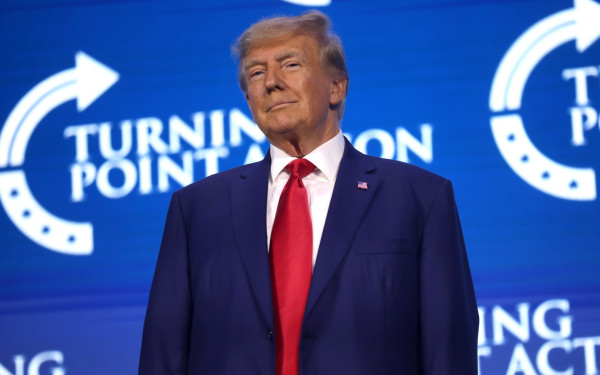
By NJ Ayuk, Executive Chairman, African Energy Chamber (https://EnergyChamber.org)
Donald Trump's return to the White House in 2025 represents a pivotal moment for Africa's fossil fuel industry. His administration's swift reapproval of a USD4.7 billion loan from the U.S. Export-Import Bank (Exim) for TotalEnergies' liquefied natural gas (LNG) project in Mozambique — initially greenlit in 2020 during his first term but sent into deep-freeze for the full duration of the Biden years — sets the tone for what could be a transformative era for Africa's energy sector.
Despite Mozambique's stabilization of security issues and concerns that the transfer of power in America would delay receipt of the loan even further, the Biden Administration refused to release the funds ahead of Trump's inauguration, a decision reflective of the administration's reluctance to support new fossil fuel initiatives throughout Biden's time in office. In contrast, Trump's decisive action within weeks of taking office signals a renewed, positive working relationship between the United States and Africa — one that prioritizes energy development over ideological objections and the Green Agenda's influence.
The African Energy Chamber (AEC) contends that Africa should seize this potentially brief moment in history and embrace the Trump administration as a partner rather than an opponent. For too long, global pressures have insisted that African nations move toward green energy projects only and leave their fossil fuel resources behind.
While renewable energy has its place, and will be important to Africa's future, fossil fuels still clearly constitute the backbone of any realistic efforts for African industrialization and economic growth — goals we simply cannot afford to sideline.
Alignment with Trump's energy-first ethos would mean that Africa could unlock significant funding for wide-ranging fossil fuel projects, and not just the offshore oil and gas ventures that dominate the headlines. The continent should capitalize on all opportunities in onshore projects, wildcat wells (exploratory drilling in unproven areas), and the proliferation of numerous small operators. These avenues lead the way to diversity in Africa's energy portfolio, job creation, and massively strengthened energy security.
The reapproval of funding for Mozambique LNG is a case in point. The project's revival under Trump demonstrates how quickly thick bureaucratic congestion can dissolve when political will aligns with economic practicality. This USD4.7 billion infusion will boost Mozambique's economy while sending a message to other African nations: Under Trump, at long last, America is open for business.
In contrast to the previous administration, which openly regarded fossil fuel development with skepticism and disdain, Trump's “drill baby drill” mantra — while rooted in an “America First” agenda — pairs seamlessly with the ambitions of the African oil and gas industry. Africa should adopt a similar mindset and position itself as an attractive destination for American investment dollars.
Coal's Comeback
Another of Trump's domestic priorities, no doubt a response to China's unabashed expansion of coal production within its borders, is to revive clean coal production in the U.S. This initiative offers a compelling blueprint for Africa. While coal remains a contentious, harshly criticized resource globally, its advantages are undeniable: It's cheaper to produce, often doesn't require big bank financing, and is abundant across the continent. For African nations grappling with energy poverty, coal can serve as a means to an end, delivering affordable power to millions in the interim while the infrastructure for other energy sources matures. Simply put, Africa deserves to be the last global holdout on coal production and should leverage its coal reserves to meet domestic needs and export demands. Trump's willingness to disregard the international campaign against coal should embolden African leaders to reopen their abandoned coal mines and rest assured that this time around, they'll be able to operate freely, without fear of U.S. opposition.
Fossil Fuels Unleashed
Looking beyond coal, over the next four years, Africa has the rare chance to pursue an aggressive fossil fuel agenda. The continent should unite under an “Africa First” banner and adopt its own “drill baby drill” mentality in support of every promising oil exploration and production project, every possible natural gas project, and a multinational effort to slash through regulatory red tape.
In Nigeria, for instance, the wheels of progress moved agonizingly slowly when it came to passing the Petroleum Industry Act, first proposed in 2008 and not signed into law until 2021. Even after the law was passed, Nigeria has been slow to fully implement it. This kind of inertia deters investment and slows development. A Trump-inspired push to clean up such bureaucratic roadblocks could unleash a wave of prosperous development. Similarly, addressing security issues — like those that drove U.S. firms out of Libya — will be critical to restoring confidence and attracting capital from abroad.
While the offshore sector will undoubtedly remain a cornerstone of Africa's fossil fuel strategy, the continent's onshore potential is equally vast. Wildcat wells offer high-risk/ high-reward prospects that could uncover new reserves. Meanwhile, instead of relying solely on multinational oil and gas giants, empowerment of more independent companies and indigenous small operators could diversify the industry, build up local entrepreneurship, and ensure the economic benefits are more widespread. It is highly unlikely that the Trump administration, with its emphasis on deregulation and energy independence for its own shores, would obstruct such efforts on ours. Conversely, it may actively encourage them through financing and technical support, as seen with the Exim loan.
Balancing Development and Climate Realities
Though critics will argue that this push for fossil fuel proliferation contradicts global climate goals, at the AEC, we insist that the calculations for Africa are simply different.
Africa accounts for a fraction of global emissions but bears a disproportionate burden when it comes to energy poverty. Fossil fuels offer a realistic and relatively quick path to electrification and industrialization, the proven prerequisites for lifting millions out of poverty. Trump's indifference to international climate orthodoxy, while controversial, gives Africa the much-needed breathing room to prioritize development over decarbonization. This is in no way an outright rejection of renewables but a recognition that fossil fuels can and will facilitate a just transition to green technologies once their capabilities catch up to Africa's current needs.
Seizing the Moment
The next four years under Trump could redefine Africa's energy landscape. With U.S. interference a thing of the past, Africa can pursue a multi-pronged energy strategy. With a ramp-up in natural gas to meet global demand, a coal revival to power its own grids, and on and offshore opportunities tapped into, Africa could finally secure its full resource base.
However, this approach will require bold leadership. Governments will have to eliminate obstructive policies and address security challenges head-on to secure foreign investments. The payoff could be immense: energy abundance, economic growth, and a partnership with the U.S. that is stronger than ever before.
For example, Nigeria's oil and gas sector has been hampered by regulatory uncertainty and security threats in the Niger Delta. A Nigerian “drill baby drill” mindset could accelerate regulatory, social, and economic reforms needed to address the Niger Delta's deep-rooted instability. This kind of mindset could restart stalled projects and attract American firms eager to invest in a Trump-approved climate. Likewise, in Libya, a resolution to security concerns could lure back U.S. companies that fled during years of instability, reviving a once-thriving oil industry. Across the continent, small operators could flourish under a lighter regulatory touch, drilling wildcat wells and tapping into overlooked reserves.
South Africa, with its vast coal deposits, could take the lead on clean coal technologies to balance affordability and environmental concerns. Smaller nations with untapped coal reserves could follow Trump's lead in defying global pressures against production. The result would be a continent less dependent on foreign aid and more capable of powering its own future.
Trump's presidency offers Africa a chance to unapologetically double down on its fossil fuel potential. The USD4.7 billion Mozambique loan is just the beginning — a proof of concept for what collaboration with the U.S. can achieve. By embracing this partnership, Africa can shed the shackles of the Biden era and chart a course toward energy sovereignty.
The tools are all there: offshore rigs, onshore fields, wildcat wells, established mines, and a willing ally in Washington. The question that remains is whether Africa's leaders have the courage to stand up to the anti-carbon lobby.
Trump's second term could be remembered as the moment Africa's fossil fuel industry came into its own — as a partner to the U.S. in a shared vision of energy abundance. With four years of clear skies ahead, there is no question that Africa should build, mine, and yes, drill, baby, drill like never before.
If we don't act now, it might be a very long wait for an opportunity like this one to present itself again.
Distributed by APO Group on behalf of African Energy Chamber.
The global demand for rare earth elements (apo-opa.co/3FI1pbZ) is projected to increase four-fold by 2030, driven by the energy transition and increasing investments in industrialization. African nations rich in rare earth minerals are accelerating exploration and production efforts to capitalize on this growth. With up to eight rare earth projects set for commissioning across the continent by 2029 - boosting Africa's share of the global supply chain to 10% - the upcoming African Mining Week will spotlight opportunities across the rare earth value chain.
Africa's rare earth sector remains largely untapped, thereby attracting the interest of global project developers eager to unlock its full potential. South African asset manager Novare, for example, signed a R1.8 billion agreement (apo-opa.co/3E9EG8f) in February 2025 with American firm ReElement Technologies to develop a rare earth refining and battery manufacturing facility. ReElement will contribute its refining technology while Novare will provide funding for the value addition initiative, with construction expected to begin in the second half of 2025.
In Namibia, the Japan Organization for Metals and Energy Security and Namibia Critical Metals (apo-opa.co/427nfNI) completed a production pilot for the Lofdal Project, one of only two xenotime-type heavy rare earth deposits currently under development worldwide. Meanwhile, in Angola, Pensana (apo-opa.co/43A3nW0) secured an $80 million loan from Absa Bank Limited in January 2025 to expedite the rollout of the Longonjo Project, which is expected to supply 5% of the world's magnet metal rare earths demand – essential for the development of wind turbines and electric vehicles.
Major investors are also making bold moves in Africa's rare earth sector. Billionaires Jeff Bezos and Bill Gates (apo-opa.co/3FJsOdC) have injected $537 million into exploration and mine development through mining startup KoBold Metals, further accelerating Africa's rare earth ambitions. The funding will be directed toward rare earth mining ventures. Additionally, recognizing the strategic value of rare earths, multinational financial institution the African Development Bank proposed the development of the African Units of Account (AUA) (apo-opa.co/3FOTDxe) - a new currency backed by Africa's critical mineral reserves, including rare earth elements. The initiative would help stabilize regional currency markets and attract more international investment in green energy projects, amidst the growing demand of critical minerals globally and Africa's vast reserves.
The year 2025 continues to mark significant milestones in the growth of Africa's rare earth sector, with the advancement of key projects (apo-opa.co/43uodGd) such as Phalaborwa and Steenkampskraal (South Africa), Makuutu (Angola), Ngualla (Tanzania) and Songwe (Malawi). Amid these developments, African Mining Week serves as a strategic platform for African regulators, industry stakeholders and global investors to engage in deal signings and forge partnerships, further solidifying Africa's role in the global rare earth supply chain.
Distributed by APO Group on behalf of Energy Capital & Power.
African Mining Week serves as a premier platform for exploring the full spectrum of mining opportunities across Africa. The event is held alongside the African Energy Week: Invest in African Energies 2025 conference from October 1-3 in Cape Town. Sponsors, exhibitors and delegates can learn more by contacting sales@energycapitalpower.com.
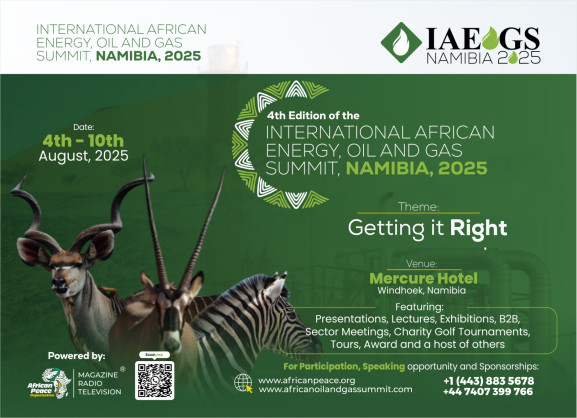
We bring you compliments from the Chairman Hon. Justice Suleiman Galadima JSC, CFR, OFR (Rtd.) and the Management of African Peace Magazine UK (https://AfricanPeace.org/).
African Peace Magazine UK, has been publishing for well over 15 years, and we are committed to promoting Peace, business networking, good governance and improved condition of living for Africans.
We are pleased to invite you to the 2025 International African Energy, Oil and Gas Summit, an event pivotal for those eager to stay abreast with the latest trends, innovations and opportunities in the oil and gas industry in Africa.
The International African Energy, Oil & Gas Summit & Awards/Exhibition (IAEOG) is few months away, kicking off on 4th-10th of August 2025.
This premier event continues to grow remarkably each year, with over 2500 attendees expected to converge from more than 50 countries under one roof.
The IAEOG is an interactive exhibition and networking event that unites global and African Energy key players, stakeholders, and decision makers.
This event is a proactive endeavor supporting the AfCTA's mission to forge regional value chains in Africa, aims at stimulating investment and job creation across the continent and ensure energy security.
AfCFTA ultimate goal is to unify approximately 1.3 billion people across Africa, with a collective GDP of nearing US$ 3.4 trillion.
The African Peace Organization, in conjunction with other strategic partners is set to organize the 4th Edition of the International African Energy, Oil and Gas Summit Namibia 2025 with the Theme: Getting it Right, scheduled to hold on the 4th -10th of August 2025 in Namibia. It would feature panel discussions, presentations, exhibitions, dinners, golf tournament, award presentations, tours and a host of others. The venue for Charity Golf Tournament; is the 18th Hole Championship Golf Course of the prestigious Windhoek Golf & Country Club.
The event seeks to promote further business corporation between Nigeria – Namibia and other African Countries as a follow up to the African Continental Free Trade Agreement.
The summit will bring together high level top executives, CEOs, Managers, investors, the business community, government agencies, exporters and importers from oil and gas sectors from across Africa and the world. To deliberate on the challenges and opportunities of the energy transition and the future of oil and gas in Africa
Further the purpose of the summit is to facilitate trade amongst African countries and the world by providing a physical networking platform for participants to interface with their potential clients and partners, as well as to attract investment opportunities for business growth across Africa particularly in the oil and gas sector.
Join 540+ downstream trailblazers across reliability & maintenance, shutdown & turnarounds and capital projects at the Namibian oil and Gas summit 2025 sharing exclusive lessons learned and new best practices during 3-days of interactive, peer-led discussions and explore 50+ booths showcasing the latest innovation driving efficiency and safety.
Green Energy International Ltd (GEIL), an indigenous Nigeria oil and gas producing company and operator of the Otakikpo Marginal Field in OML-11, will attend and participate as a Bronze sponsor at this year's edition of the conference. The company is one of Nigeria's most vibrant service companies driving investment and infrastructure development for economic growth.
Distributed by APO Group on behalf of African Peace Magazine.
For sponsorship, participation, partnership, Exhibition and speaking opportunities and all other enquiries please contact:
Sandra Chia
International Affairs
+2348033975746
+447407399766
Email: africanpeacemag@gmail.com
Nigeria Abuja Office:
Suite FT 12B
Alibro Atrium Plaza
Utako, Abuja
+2348033975746
South African Office:
16 Ridge Road
Vorna Valley
Midland 1686
South Africa
+27662449117
Angola:
Call: +244928690892
+244993656970
+244927589884
London Office:
Call: +4477771217805
WhatsApp: +447407399766
Social Media:
Twitter: https://apo-opa.co/41U2TaH
Facebook: https://apo-opa.co/41U2UeL
Instagram: https://apo-opa.co/4kOkRE5
LinkedIn: https://apo-opa.co/4kN8ckT
About African Peace:
African Peace Organization is an international organization for peace promotion, cultural relations, good governance and educational opportunities.
We build connections, understanding and trust between Africans and world. APO is also the organizer of the prestigious African Peace Awards.
APO is a brand which includes African Peace Television, African Peace Radio and African Peace Magazine. APO has been publishing for well over 15 years, and we are committed to promoting Peace, business networking, good governance and improved condition of living for Africans.
African Peace Organization through its Magazine condemns violence and acknowledges those who strive to make the strife disappear. It features pieces, articles and write-ups which go a long way in promoting this noble cause of peace. We at African Peace Magazine believe that every sector of a nation contributes in the collective journey of a peace country.
The IAEOG 2025 Summit will take place in August 2025; it will unveil investment prospects and connect global players to the growing Namibian oil and gas market.
Secure Your Exclusive Group Rate & Network with Global Oil & Gas Leaders in Namibia.
We would like to present an exclusive group booking rate for your attendance at IAEOG, buy 4 early bird delegate passes, and receive 1 complimentary pass. By joining us at the event, your team will gain market insights, forge essential connections, and meet our sponsors, partners, and speakers.
Africa Peace Magazine:
Website: https://AfricanPeace.org/
www.AfricanPeaceAwards.com
https://AfricanOilAndGasSummit.com/
www.IAEOGS.com
Ambrosia Enters Malian Market
In February 2025, investment fund Ambrosia Investment Holding acquired a 50% stake in Canadian firm Allied Gold's mining projects in Ethiopia and Mali. As part of the deal, Ambrosia will inject $375 million in working capital to accelerate project development, boosting Ethiopia and Mali's gold output by 290,000 ounces per annum by mid-2026 and 400,000 ounces per annum by 2028, respectively. Additionally, Ambrosia plans to deploy solar photovoltaic and battery energy storage systems to ensure energy security at the Sadiola mine in Mali by July 2026 as part of the acquisition agreement.
AD Ports Kickstarts Luanda Operations
Logistics firm AD Ports Group started operations at the Luanda Port in January 2025 as part of a $250 million investment plan. With the Luanda Port handling 76% of Angola's cargo volumes and serving as a crucial trade corridor between international markets and Angola, Zambia and the Democratic Republic of Congo, AD Ports' investment will bolster the region's mining sector. AD Ports will operate the terminal over the next 20 years. The company could increase investments at the facility to $380 million to meet the growing demand for logistics as Angola's container volumes are anticipated to increase by 3.3% annually over the next decade.
IHC Bolsters Production at Mopani Mine
International Holding Company boosted ore production at the Mopani Mine in Zambia from 2.2 million tons to 2.8 million tons in January 2025 through its $1.1 billion investment made in March 2024. The mine has also improved copper grade from 1.68% to 2.21% and expanded employment from 10,765 to 12,684 workers.
Emiral Expedites Ghana, Mauritania Projects
Emiral Mining is fast-tracking its iron ore project in Mauritania, with a pre-feasibility study report set for release in Q1, 2025. The company has invested $40 million in exploration since February 2020. Additionally, Emiral Mining is strengthening Ghana's gold industry through its majority stake in Asante Gold Corporation, the operator of Ghana's major gold mines such as Bibiani and Chirano. Asante Gold Corporation is undertaking a $522 million expansion program for the Bibiani and Chirano Mines.
Looking Ahead
A number of UAE public and private sector entities are seeking partnership and investment opportunities across various African markets. International Resources Holding signed an agreement with South Africa's Public Investment Corporation in late 2024 to invest in mining, green energy and logistics projects. Similarly, DP World announced a five-year $3 billion investment plan in mid-2024 to enhance Africa's logistics infrastructure and facilitate mineral exports to international markets. In Kenya, the UAE Ministry of Investment and Abu Dhabi's sovereign wealth fund ADQ signed agreements in 2024 to invest in the country's mining sector as part of broader efforts to enhance bilateral trade and economic cooperation.
The upcoming African Mining Week – taking place October 1-3 in Cape Town - presents an ideal platform for UAE and African stakeholders to strengthen industry cooperation. As the premier event for the African mining industry, African Mining Week fosters collaboration and dealmaking, striving to advance projects and consolidate the continent's position as a global mineral producer. The event takes place under the theme From Extraction to Beneficiation: Unlocking Africa's Mineral Wealth.
African Mining Week serves as a premier platform for exploring the full spectrum of mining opportunities across Africa. The event is held alongside the African Energy Week: Invest in African Energies 2025 conference from October 1-3 in Cape Town. Sponsors, exhibitors and delegates can learn more by contacting sales@energycapitalpower.com.
Distributed by APO Group on behalf of Energy Capital & Power.

Now in its 11th year, The Africa Debate 2025 returns as London's leading Africa-focused investment forum, bringing together global policymakers, industry leaders, and investors at the prestigious Guildhall on 2 July 2025.
At a time when Africa's economic transformation is at a critical inflection point, this year's debate will focus on “Harnessing Natural Capital for Growth.” With 60% of the world's richest solar resources and a wealth of critical minerals crucial to next-generation industries, Africa is positioned at the centre of the global energy transition. However, realising this opportunity requires more than just resource extraction. The focus must shift towards bold policy reforms, investment in value chains, and partnerships that promote industrial growth, ensuring Africa is not just a supplier of raw materials but a leader in global markets.
“Africa is no longer defined by its raw materials - it is emerging as a global force in advanced industries, sustainable energy, and digital innovation,” said Chantelé Carrington, CEO at Invest Africa. “The challenge now is not just unlocking potential, but turning ambition into action. This year's debate will bring together visionary leaders and investors to shape the strategies that will drive Africa's next phase of economic transformation.”
Key Themes Driving The Africa Debate
This year's discussions will focus on four central themes shaping Africa's investment landscape:
The Africa Debate 2025 offers a unique platform for deal-making, strategic discussions and networking that will shape the future of trade and investment across the continent. Attendees will gain exclusive insights from high-level industry leaders, investors, and policymakers driving Africa's economic transformation. Join us on 2 July 2025 at London's Guildhall for a day of unparalleled thought leadership and opportunity. Register now at The Africa Debate 2025 (https://apo-opa.co/4hj6zsc).
Distributed by APO Group on behalf of Invest Africa.
Media Contact:
Invest Africa
Email: pippa.vanbreda@investafrica.com
Websites:
Invest Africa: www.InvestAfrica.com
The Africa Debate: https://TheAfricaDebate.com
About The Africa Debate:
The Africa Debate is London's premier investment forum dedicated to shaping the future of African trade, investment, and economic transformation. Now in its 11th year, the event serves as a critical platform for global businesses, investors, policymakers, and thought leaders to engage in high-level discussions on Africa's evolving role in the global economy.
About Invest Africa:
Invest Africa is a leading business and investment platform with over sixty years of expertise in Africa, dedicated to connecting businesses with unique opportunities across the continent. Their global network comprises more than 400 member companies, including multinationals, private equity firms, institutional investors, development finance institutions, professional service providers, government bodies, and entrepreneurs. With chapters in Kenya, South Africa, the UAE, the UK, and the US, Invest Africa leverages their global reach, market intelligence, and extensive network to support and connect businesses. As a trusted gateway into Africa, they drive socio-economic growth by facilitating sustainable capital flows and providing strategic insights through our membership, consultancy services, and dynamic events programme.
South Africa-European Union Summit concludes
President Cyril Ramaphosa has welcomed the European Union’s €4.7 billion Global Gateway Investment Package aimed at supporting strategic investment projects.
The President was speaking during a press briefing following the 8th South Africa-European Union Summit held in Cape Town on Thursday.
The package is aimed at supporting:
• A clean and just energy transition in South Africa
• Digital and physical connectivity infrastructure
• The local pharmaceutical industry.
“The investment package covers areas such as critical raw mineral processing, green hydrogen, renewable energy, transport and digital infrastructure, local vaccine and pharmaceutical production, and resources for skills development.
“To boost the competitiveness of our economies, we agreed to launch negotiations towards a Clean Trade and Investment Partnership. This will support the development of cleaner value chains for raw materials and local beneficiation, renewable and low carbon energy, and clean technology,” President Ramaphosa said.
Furthermore, the partnership will also serve as a platform for “regulatory cooperation between the European Union and South Africa in areas of mutual interest related to clean supply chains”.
“This partnership is expected, for example, to deliver short and long term solutions to enable Sasol to export sustainable fuel, especially aviation fuel, to the European Union,” the President added.
Strengthening ties
President Ramaphosa noted that the summit – the first such held in seven years – reflects mutual commitment to “enhancing our Strategic Partnership for the mutual benefit of our people”.
As a regional bloc, the European Union (EU) is South Africa’s biggest trading partner recording some €49.5 billion in total trade in 2023 with EU foreign direct investment into South Africa reaching around €71 billion in 2022.
“Today’s Summit focused on strengthening our trade and investment relations, which are vital for the growth of our economies and the achievement of our development goals,” the President noted.
Discussions also focussed on other areas including green energy, science and health.
“We have prioritised the transition to green energy, ensuring that this process is just and inclusive and safeguards the livelihoods of those most affected by the transition. We also had discussions on our robust cooperation in education; science, technology and innovation; and health.
“We have recognised the vital importance of developing the skills and capabilities of young people, starting from early childhood development through to the training of young people in the skills of the future,” President Ramaphosa explained.
Global developments
On the global stage, President Ramaphosa said, “we reaffirmed our commitment to multilateralism, the rule of law and the central role of the United Nations in maintaining global peace and security”.
“We also expressed our resolve to resist actions that undermine multilateral cooperation. We reinforced our belief that the institutions of global governance must be reformed to make them representative and fit for purpose.
“We agreed that addressing the root causes of conflict is essential for achieving durable peace, security and stability in Africa.”
Turning to the conflict in the Democratic Republic of Congo (DRC), President Ramaphosa said South Africa calls on parties to assist in addressing the “dire situation of the people” caught in the blaze of the war.
“As South Africa, we have made a call for a humanitarian intervention for displaced people in the eastern Democratic Republic of the Congo.
“As we work to achieve a ceasefire and achieve a peaceful resolution of the conflict in the DRC, we are calling on the United Nations, African Union and EU to help to address the dire situation of the people affected by the fighting,” he said.
Reflecting on the outcomes of the Summit, President Ramaphosa described it as having further strengthened the strategic partnership.
“Today’s Summit has further strengthened our Strategic Partnership, which will support our efforts to drive inclusive economic growth, create jobs, eradicate poverty and address global challenges in a spirit of solidarity, collaboration and partnership.
“On behalf of the Government and people of South Africa, it has been a pleasure to host you today, reaffirming our commitment to building strong, mutually beneficial relations with the European Union,” President Ramaphosa concluded.
In his opening remarks at the summit, the President said that as one of South Africa’s most important trade and investment partners, the European Union can play a catalytic role in unleashing the productive capacity of our economy and equip our people, especially the youth, to participate in the economy of the future.
READ | President Ramaphosa engages EU on new investment package
“We hope we can continue to rely on the support of the European Union and its member states in our efforts to alleviate poverty, transition to a low-carbon economy, invest in climate-resilient infrastructure and grow our industrial capacity,” the President explained. – SAnews.gov.za
NeoB
Thu, 03/13/2025 - 19:06
122 views
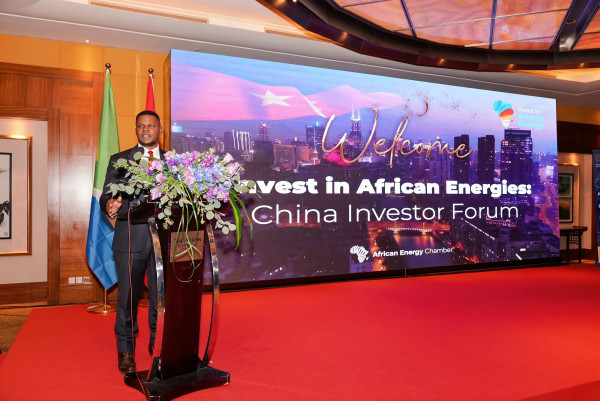
China has reaffirmed its commitment to supporting Africa's drive for enhanced energy access and industrialization, according to speakers at the Invest in African Energies Shanghai Forum. Leveraging China's expertise in technology-driven oil, gas and energy development, African firms can tap into a valuable partnership and greater investment by Chinese firms would further efforts to make energy poverty history in Africa.
With over 600 million people living without access to electricity and 900 million people without access to clean cooking solutions, Africa is seeking to leverage global partnerships to fast-track energy production and development. China stands to play a major part in facilitating this growth and the Shanghai Forum - co-organized by the African Energy Chamber (AEC) and the Shanghai Development Research Foundation - drew insight into strategic areas of collaboration.
“We want to see investments in African energy. The AEC will continue to support Chinese businesses that want to invest in China and give you the priority needed for you to invest in our beautiful continent,” stated NJ Ayuk, Executive Chairman, AEC.
For emerging African players seeking to unlock the full potential of their underdeveloped resources, Chinese partnerships have the ability to unlock new capital and technology to advance projects. Partnerships also serve to support mature players enhance their production capacity as Africa drives long-term energy development. Phuti Joyce Tsipa, Consul General, South African Consulate-General Shanghai, highlighted the value of enhanced cooperation with China.
“Together, China and South Africa can work towards building a high-quality international community that can work on a prosperous future, centered on balanced economic growth. Increased energy investment in Africa is at the heart of our future prosperity. We see China as a critical country to partner with, not only with South Africa, but the entire continent,” she said.
The Shanghai Forum sought to bolster China-Africa relations by facilitating market entry and expansion by Chinese firms in Africa. The Forum featured the participation of 100 companies, including consulates, private firms, investors and policymakers, with presentations centering on opportunities for Chinese firms in Africa, strategies for advancing African industrialization and electrification and the impact Chinese technology will have on the African energy market.
Dr. Bieni Da, Chief Representative for China at the AEC and Yide Qiao, Vice Chairman and Secretary General, Shanghai Development and Research Foundation, underscored the need to facilitate energy ties between China and Africa. According to Qiao, “China has strong technology in green energy and cooperation can be extended to Africa.”
Chinese firms are leading in terms of innovative, low-carbon energy solutions. With a national goal of becoming carbon neutral by 2060, China is supporting domestic companies through policy improvements, capital and research and development. Africa stands to leverage this expertise to advance its own development agenda. This expertise extends to the oil and gas sectors and Chinese companies have begun to expand their footprint in Africa.
Dr. Wang Zengye, Deputy Director-General of Policy Research Office, China National Petroleum Corporation (CNPC) provided an overview of the projects CNPC has led in Africa. He said: “Bilateral relationships between China and Africa is already quite strong and high-level cooperation has been established. This ensures that investment can flow.”
China has also effectively established industrial hubs which support the economy by centralizing manufacturing. Bi Mingze, CFO of Yunan County Chuangxing Industrial Investment Group, said that the company has established an industrial hub in Yunan in China. This hub can be replicated across Africa.
The Shanghai Forum served as a prelude to the African Energy Week (AEW): Invest in African Energies conference, slated for September 29 to October 3 in Cape Town. As the largest event of its kind in Africa, AEW: Invest in African Energies fosters collaboration and investment in Africa. For Chinese companies, the event offers a strategic opportunity to gain insight into African projects while strengthening ties with African firms.
“If you work in any energy field, we are able to help you connect with key stakeholders. We support policy that enhances local content and infrastructure development. It is time to invest in Africa,” stated Johnson Kayode Obembe, Sales Director, African Energy Week.
Distributed by APO Group on behalf of African Energy Chamber.
AEW: Invest in African Energies is the platform of choice for project operators, financiers, technology providers and government, and has emerged as the official place to sign deals in African energy. Visit www.AECWeek.com for more information about this exciting event.