• Skip to main content
  • Skip to header right navigation
  • Skip to after header navigation
  • Skip to site footer
MyZA

MyZA

News, Directory, Events and Other Stuff

  • Social Media
  • Sport
  • World News
  • Home
  • Submit News
  • Directory
  • Events
  • Stratlec
  • TFSA
  • News
    • APO
    • Today’s Sport News
    • Todays Social Media and Tech Headlines
    • Today’s World News
    • Today’s SA Financial News
  • Contact
You are here: Home / Archives for health

health

9 April 2025

Southern African Countries Launch Climate-Resilient Health Initiative With WHO Support

Location: News

2025 GoGettaz Agripreneur Prize Competition
Download logo

Eight Southern African countries have embarked on a landmark effort to bolster emergency preparedness and response systems in the face of increasing climate-related health threats. 

With financial support from the Pandemic Fund, and technical assistance from World Health Organization (WHO) in the African Region and other partners, Botswana, Lesotho, Madagascar, Malawi, Mozambique, Namibia, South Africa and Zimbabwe are advancing their capacity to protect public health, and respond to emergencies.

The US$ 35-million, three-year programme is aimed at supporting these countries as they strengthen national and regional systems for early warning, disease surveillance, laboratory diagnostics and workforce development – key pillars of health emergency readiness.

While implementation activities are yet to begin on the ground, coordinated planning efforts are well under way, including the establishment of governance structures at country and regional levels. Through a dedicated technical coordination capacity at the WHO Emergency Hub in Nairobi, Kenya, WHO is putting in place systems to ensure agile implementation and project monitoring, evaluation, research and learning over the three-year project duration. 

To date, all eight countries have convened multi- disciplinary National Steering Committees and have undertaken a detailed microplanning activity with key stakeholders. Furthermore, initial funds have been disbursed to countries, marking a critical early milestone in a regionally coordinated, country-driven initiative to build climate-resilient health systems.

A formal launch event is planned for next month.

“This investment represents a vital turning point for Southern Africa, a region on the frontlines of the climate and health crisis. Countries now have a unique opportunity to develop systems that are robust, responsive and resilient to emerging threats,” said Dr Chikwe Ihekweazu, Acting WHO Regional Director for Africa.

Southern Africa is warming at nearly twice the global average. Droughts, floods and cyclones are becoming more frequent and severe, fuelling the spread of vector- and waterborne diseases such as malaria and cholera, and placing added strain on health systems.

Five of the countries involved in the initiative – Lesotho, Madagascar, Malawi, Mozambique and Zimbabwe – rank among the world's 50 most vulnerable nations to infectious diseases. Many also face high climate risk, compounded by structural challenges such as weak infrastructure, limited resources and high levels of cross-border migration, underlining the urgent need for coordinated preparedness across the region. 

The new programme, developed under the leadership of national governments, is focused on addressing critical gaps in three priority areas:

  • Early warning and disease surveillance: Strengthening real-time, cross-border detection and information-sharing systems across the One Health spectrum, including human, animal and environmental health.
  • Laboratory systems: Enhancing national and regional laboratory networks, including  upgrading diagnostic capacity and regional testing hubs.
  • Public health and community workforce: Supporting the development of a skilled, coordinated workforce aligned with countries' Human Resources for Health strategies.

The proposal was developed as part of the Common Africa Approach under the Joint Emergency Action Plan, with WHO in the African Region, Africa Centres for Disease Control and WHO's Regional Office for the Eastern Mediterranean. Proposal development was supported by the Gates Foundation.

It builds on existing primary health care and community health efforts, and is aligned with global standards, including the International Health Regulations (2005) and the One Health approach.

One of its most ambitious long-term goals is the creation of a Climate-Health Observatory, a platform to support early warning systems and evidence-based decision making by tracking climate-sensitive health risks across borders. The observatory will facilitate data-driven policymaking and foster long-term resilience in the region.

In addition, the programme will help strengthen leadership and governance by establishing a regional network of connected leadership across Ministries of Health and National Public Health Agencies, further enabling swifter and smarter coordination during responses to emerging threats. 

“These efforts are essential in a region with frequent population movement, fragile health systems, and limited emergency response capacity,” said Dr Abdou Salam Gueye, WHO's Africa Regional Emergency Director. “Our role is to support countries with the expertise, tools and evidence they need to lead these efforts effectively.”

Funding is provided by the Pandemic Fund, which supports pandemic prevention, preparedness and response capacity in low- and middle-income countries. The programme also contributes to building sustainable, resilient health systems that can withstand future pandemics and climate shocks.

By working together, and with strong technical support from WHO and partners, countries in Southern Africa are laying the foundation for a scalable model for climate-resilient health security – grounded in national ownership, regional solidarity and a shared commitment to protecting health and saving lives.

Distributed by APO Group on behalf of 2025 GoGettaz Agripreneur Prize Competition.
Read moreSouthern African Countries Launch Climate-Resilient Health Initiative With WHO Support
9 April 2025

Government empowers spaza shops 

Location: News

Government empowers spaza shops 

With the launch of the R500 million Spaza Shop Support Fund (SSSF), government is ready to assist entrepreneurs who want to establish startups, expand their businesses, and gain essential business skills to improve the performance of their enterprises.

This is according to the Minister of Small Business Development, Stella Ndabeni.

With the recent drive to have spaza shops registered, government has received 87 407 applications and of these, a total 53% is from South African-owned spaza shops.

“Our commitment with this fund is to support those who heeded the President’s call to register their spaza shops. As the Department of Small Business Development (DSBD), we can help you when you have an idea and want to start a business.

“We have incubators that help new and startup businesses. We can help you from being an informal trader to a formal trader, to start a spaza shop and to own a wholesale or an entire distribution channel. We will be working with you to help you to turn things around,” said Ndabeni.

The support fund was launched on Tuesday in Soweto to support South African-owned township community convenience shops, including spaza shops, to increase their participation in the townships and rural areas retail trade sector.

READ | Government launches R500 million Spaza Shop Support Fund 

Jointly administered by the National Empowerment Fund (NEF) and the Small Enterprise Development Finance Agency (SEFDA), the fund provides critical financial and non-financial support to township businesses, including community convenience stores and spaza shops.

The fund provides various types of support, including the initial purchase of stock via delivery channel partners, upgrading of building infrastructure, systems, refrigeration, shelving and security, as well as training programmes, which includes point of sale devices, business skills, digital literacy, credit health, food safety and business compliance.

“The fund will address economy of scale disadvantages by linking spaza shops to buying groups for aggregation and bulk purchasing; building business capacity through training and support to improve shop operations; and enhancing market competitiveness to help spaza shops compete with larger retailers," the Minister said.

The fund will be rolled out nationally to impact spaza shops across all major townships, as well as rural areas.

The Minister said government endeavours to work with entrepreneurs to localise supply chain opportunities for township and rural enterprises.

This will ensure that spaza shops do not procure imported products or simply use the platforms of large companies.

“To achieve this, we will utilise other instruments like the Small Enterprise Manufacturing Support Programme, Township and Rural Entrepreneurship Programmes (TREP), the Informal and Micro Enterprise Development Programme (IMEDP), Asset Assist, and our Shared Economic Infrastructure Facility.

“These programmes in turn have the potential to attract municipalities, the private sector, business and informal trader associations, and other stakeholders to work together in contributing their facilities, expertise and resources in support of new localised supply chains and distribution networks for spaza shops. 

“Logistics management partners will offer logistics management services, including warehousing and delivery solutions. They will ensure that products are stored safely and delivered efficiently, reducing transportation costs, and improving the overall supply chain efficiency for spaza shops,” the Minister said.

DSBD Connect

The department has recruited 52 Business Regulation Officers across all districts and metros to support business registration using the DSBD Connect system.

DSBD Connect is a platform which will be used to collaborate or put together small business to collaborate and/or work together on a particular project. 

This can be businesses within the same industries or different industries but need each other for specific skills or qualifications. 

The platform will put together small businesses within the same geographical area, interests, and skills. 

“Despite their importance, spaza shops face several challenges, including access to capital, security concerns, and competition from formal retailers, like larger retail stores and supermarkets which are encroaching on their markets.

"South African-owned spaza shops also face intense competition from foreign-operated spaza shops, who use more organised supply chains to gain competitiveness.

“Therefore, I want to encourage you to collaborate and establish cooperatives so that you can leverage resources, knowledge, and work together on projects, sharing best practices,” Ndabeni said.

Access to funding 

To access the funding, applicants need to apply to the National Empowerment Fund (NEF) and the Small Enterprise Development Finance Agency (SEFDA) through the prescribed application process outlined on the relevant institution's website.

The following website can be used to apply for funding:

Spaza Shop Support Fund - www.spazashopfund.co.za 
NEF - www.nefcorp.co.za 
SEDFA - https://systems.sefa.org.za/SMMEPortal/

The contact details for the Spaza Shop Support Fund call centre are 01 1 305 8080 or via email: Spazafund@nefcorp.co.za.

Contact details for the NEF call centre are 0861 843633, SEDFA call centre 012 748 9600 or an email can be sent to helpline@sefa.org.za. - SAnews.gov.za

nosihle
Wed, 04/09/2025 - 10:27
162 views

Read moreGovernment empowers spaza shops 
9 April 2025

USAID Cuts Force HIV and TB Services Into Business Rescue

Location: News

MatCH employees fight for salaries

Read moreUSAID Cuts Force HIV and TB Services Into Business Rescue
8 April 2025

Mchunu prioritises fight against GBV

Location: News

Mchunu prioritises fight against GBV

Police Minister Senzo Mchunu has reiterated government’s intensifying efforts to tackle gender-based violence and femicide (GBVF), and organised crime and corruption.

Speaking at the inaugural National Policing Summit in Kempton Park, Gauteng, Mchunu highlighted the urgency of addressing crimes targeting women and children, which he described as a top priority.

“We are very concerned about this, and it is our priority. We are equally concerned about the murder rate in the country, the easy availability of firearms -- especially illegal firearms -- and drugs,” Mchunu said on Tuesday.

The summit, themed “Efficiency in Action: Optimising South Africa's Policing Potential”, aligns with Chapter 12 of the National Development Plan (NDP), which focuses on building safer communities by 2030. 

The three-day event brings together police leaders, crime experts, and stakeholders to evaluate SAPS strategies and chart a way forward.

Mchunu noted the recent decline in third-quarter crime statistics but said the overall levels remain unacceptably high. He identified organised crime, including gang violence, kidnappings, extortion, cash-in-transit heists, and stock theft, as a major contributor to crime in the country.

“We believe we can substantially minimise, if not eliminate, gang-related violence in the country,” he said.

Efforts are underway to bolster border security in collaboration with the Border Management Authority and the Department of Home Affairs, Mchunu said. He also acknowledged the pressing issue of internal corruption within the SAPS, stating that decisive measures are being taken.

The summit will address key focus areas such as proactive policing, infrastructure, crime intelligence, and the integration of technology. Mchunu revealed plans to implement a restructured SAPS organisational model designed to enhance crime-fighting capacity.

On the technology front, SAPS is set to pilot automated police stations and digitise its docket management system. Partnerships with the private sector will support these initiatives, including the expansion of forensic laboratories and the introduction of an electronic laboratory (e-lab).

Mchunu said the outcomes of a recent SAPS Employee Health and Wellness Workshop will contribute to the summit’s deliberations, aiming to improve morale and overall well-being within the service.

“We have a number of identified projects which we will implement together with business. Amongst these are automating police stations and digitising our docket management systems.”

The summit includes breakaway sessions on modern policing strategies, technology, intelligence-led investigations, and workforce development. Participants will share best practices, explore innovative approaches, and strengthen networks aimed at improving public safety. – SAnews.gov.za

Edwin
Tue, 04/08/2025 - 12:22
254 views

Read moreMchunu prioritises fight against GBV
7 April 2025

Budget 2025 vital for economic growth and poverty alleviation

Location: News

Budget 2025 vital for economic growth and poverty alleviation

In his weekly newsletter, President Cyril Ramaphosa has emphasised the crucial role of the 2025 Fiscal Framework and Revenue Proposals, which were recently passed by Parliament, in driving economic growth and relieving the effects of poverty.

The budget – tabled by Finance Minister Enoch Godongwana in Parliament last month – was passed by Parliament last week.

“The 2025 Budget is directed at growing the economy and supporting the livelihoods of our people.

“It is a critical instrument to drive development, eradicate poverty and narrow inequality. At a time of constrained economic growth and narrow fiscal space, the budget must direct sufficient resources to activities that encourage inclusive growth and lay the groundwork for sustained economic recovery.

“It reflects the strategic priorities of the Government of National Unity: inclusive growth and job creation, reducing poverty and tackling the high cost of living and building a capable, ethical and developmental state,” he said.

Uplifting the nation

The budget has a strong focus on the social wage with 61% of resources directed at, amongst others, healthcare, education, housing and social grants.

“Over the past 24 years we have implemented an indigent policy under which free water, electricity and sanitation services are provided to qualifying households.

“Social grants, like the childcare, old age and disability grants, are another tool for alleviating poverty. This year, the value of these grants will increase at above inflation. The Social Relief of Distress grant, which has played an important role in poverty alleviation, will also be extended for another year," President Ramaphosa said.

As part of improving access to healthcare, the President said there will be a higher allocation of funding to clinics and community health centres. 

He said government is investing in the recruitment and retention of health personnel, particularly doctors and nurses, and to employ newly qualified doctors after their community service ends. 

The budget also allocates substantial funding to “other frontline services such as teachers, police, emergency personnel and the Border Management Authority”.

“Improving educational outcomes is key to community upliftment, development and producing the skills needed by our economy. Budgetary allocations have been made to support teacher training, for expanded mother-tongue bilingual education and for early reading programmes. 

“This year sees a substantial investment in early childhood development, reflecting our commitment to establishing a solid foundation for the development of every child,” the President added.

Funding for public employment programmes and to support small businesses has also been allocated.

Driving growth

President Ramaphosa noted sustaining expenditure on the social wage requires “higher levels of economic growth”.

“The budget allocates considerable resources to encourage infrastructure development, which drives growth and job creation.

“Taken together, up to R1 trillion will be spent on infrastructure over the medium term. This includes the allocation in this budget of an additional R62 billion over the next three years for road maintenance, electricity transmission lines, water and sanitation projects, school infrastructure and to support the ongoing recovery of our rail networks.

“Support is also provided to other growth enhancing measures in the medium term, including incentive programmes in automotive, business process outsourcing, special economic zones, electric vehicle production, clothing and textiles, and other sectors,” he said.

South Africa’s municipalities will also receive adjusted budget allocations to help them address infrastructure needs and improve service delivery.

“In a challenging economic environment – both locally and globally – this year’s budget supports measures to drive growth and relieve the effects of poverty. At the same time, it aims to stabilise public finances and continue to reduce our national debt.

“The budget reflects the priorities of Government’s Medium Term Development Plan, a five-year programme of action that prioritises rapid, inclusive growth, creating a more just society and building state capacity.

“At a time when our singular focus must be the South African people, we need to use the limited resources we have to work together for the common good,” President Ramaphosa concluded. – SAnews.gov.za

NeoB
Mon, 04/07/2025 - 09:37
135 views

Read moreBudget 2025 vital for economic growth and poverty alleviation
5 April 2025

Alcohol Industry Used “Regulatory Capture” to Delay Liquor Bill, Say Researchers

Location: News

Liquor Amendment Bill still not introduced to Parliament after nine years

Read moreAlcohol Industry Used “Regulatory Capture” to Delay Liquor Bill, Say Researchers
4 April 2025

Work continues to solve Matatiela rape case 

Location: News

Work continues to solve Matatiela rape case 

No effort will be spared in bringing the responsible parties to account in the case of the alleged sexual assault of a seven-year-old child in Matatiele, says Police Minister Senzo Mchunu.

“What I can promise, on behalf of the Ministry of Police and the SAPS [South African Police Service] is that we are committed to upholding the law and ensuring that justice is served,” Mchunu said.

The Minister was addressing a media briefing in Pretoria on Friday.

“This is a matter that transcends individual tragedy, and we acknowledge the deep emotional impact it has had on our communities,” said the Minister, adding that the Eastern Cape matter is a sensitive one that police are handling and dealing with, with great sensitivity.

“When the matter first came to our attention earlier this year, we sent a warrant officer to investigate the matter, interact with the complainant and the investigating officer, whilst looking at other related matters.

“In the initial report we received from the warrant officer, we came to learn that the incident occurred in October last year, and a case was formally opened on the 16th of October 2024, following [the] medical examination of the minor and session with a social worker.”

The Minister said from the report provided by the warrant officer, police concluded that the matter could have been handled better and still needed intervention.

“We then realised that we needed to reinforce the team and have a dedicated officer on the matter. After the handling of the matter by the various offices, one critical aspect which has continued to present a serious challenge is the matter around DNA. DNA testing was done on the victim, with no foreign DNA having been found,” he explained.

Three persons of interest have since emerged and following that, further DNA processing is underway as the investigation continues.

“A thorough investigation is now fully underway, and I can assure you that we are consulting with all relevant role players to ensure that every aspect of this matter is examined carefully and comprehensively.”

Additionally, he said the track record of the Family Violence, Child Protection (FCS) Unit remains commendable with more than 35 500 gender-based violence and femicide (GBVF) suspects arrested in the last two years.

READ | FCS unit deployed to boost Matatiele case 

“During the same period, 4500 accused were convicted to time in prison for GBVF related crimes and notably, 660 of them were sentenced to life in prison. This indeed, must illustrate the seriousness at which the SAPS treats victims of GBVF related crimes especially those involving young children,” Mchunu said.

Citing police success in dealing with gender-based violence cases, Mchunu said in the past week alone, 259 rape suspects were arrested.

“This week, we have also welcomed the arrest of a 58-year-old male educator on Monday afternoon, 31 March 2025, for an alleged rape incident of a 13-year-old female learner in the Capricorn District of Limpopo. The Educator has appeared before the Mankweng Magistrates Court and is facing a charge of rape.”

Police will continue to support the family and the victim through the Employee Health and Wellness unit, including any other aspects related to the case. 

“We assure the affected family of our full support and commitment to this case,” he said.

On Saturday, the Ministry of Police assured members of the public that law enforcement is actively investigating two incidences involving the rape of minors in the Eastern Cape.

This was after the Ministry took note of calls on various social media platforms regarding the tragic violation of the two minors in two separate incidences in October and November last year.

In both incidences, the suspects have been identified and were arrested. – SAnews.gov.za


Edwin
Fri, 04/04/2025 - 14:54
27 views

Read moreWork continues to solve Matatiela rape case 
4 April 2025

Court Backs Woman Pastor Against Barrage of Sexist Abuse

Location: News

All employers, including churches, are subject to labour laws, judge points out

Read moreCourt Backs Woman Pastor Against Barrage of Sexist Abuse
3 April 2025

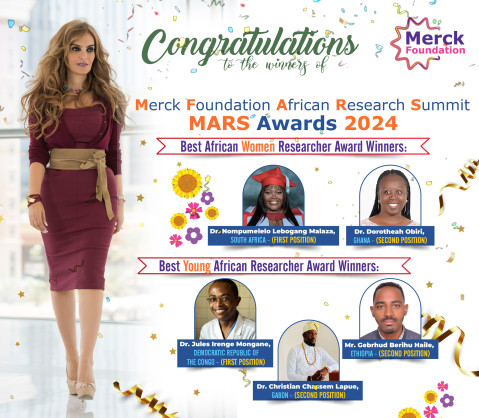
MARS Awards 2024 Winners: 5 Outstanding Researchers from 5 African Countries Honored

Location: News
Merck Foundation

  • Merck Foundation announced the winners of Merck Foundation Africa Research Summit – MARS Awards winners 2024, 5 Researchers from 5 different African Countries recognized under two categories - Best African Women Researchers and Best Young African Researchers. 
  • Merck Foundation also announced the Call for Applications for new edition of Merck Foundation Africa Research Summit – MARS Awards 2025 to empower Women and Youth in STEM in Africa with special focus on ‘The Role of Scientific Research in Women Health and Reproductive Care'. 

Merck Foundation (www.Merck-Foundation.com), the philanthropic arm of Merck KGaA Germany, announced the Winners of Merck Foundation Africa Research Summit (MARS) Awards 2024, in partnership with International Federation of Fertility Societies -IFFS, Africa Reproductive Care Society - ARCS, Manipal University and African Union Scientific Technical Research Commission to recognize African Researchers for their valuable research work and contribution to empowering women and youth in STEM in Africa with special focus on ‘The Role of Scientific Research in Women Health and Reproductive Care'. 

Senator Dr. Rasha Kelej, CEO of Merck Foundation and Chairperson of Merck Foundation Africa Research Summit - MARS expressed, “Since 2016, I have taken immense pride in recognizing the achievements of our MARS Awards winners. This year, we honor Six Winners in two categories: ‘Best African Women Researchers Awards' and ‘Best African Young Researchers Awards.'  

These awards celebrate their significant contributions to research, particularly highlighting the efforts of African women researchers, who remain underrepresented in this field. Through the MARS Awards, our mission is to empower young researchers in Africa and to specifically encourage and support women researchers by enhancing their research capabilities and promoting their vital roles in STEM (Science, Technology, Engineering, and Mathematics).” 

The winners of ‘Best African women Researchers Awards' and ‘Best Young African Researcher Awards' will be enrolled into research training at a premier research institute in India. 

“And I am also very happy to share with you all that as promised, we provided an opportunity to our first-place winner of each category to attend the 11th Edition of Merck Foundation Africa Asia Luminary which was recently conducted in Tanzania, however, only Mr. Jules Irenge Mongane was able to attend it”, shared Senator Rasha Kelej. 

Merck Foundation is committed to improving the lives of people and has been transforming the Patient care landscape and making history together with its partners in Africa, Asia, and beyond, by providing 2080 Scholarships for doctors from 52 Countries in 44 critical and underserved medical specialties. 

The MARS 2024 Award Winners are: 

Winners of “MARS Best Women African Researchers Awards” 2024  

1. Nompumelelo Lebogang Malaza, SOUTH AFRICA (First Position) 
TOPIC: Association Between Biochemical And Epigenetic Markers With Glycaemic Control And Neonatal Outcomes In Diabetic Pregnancies 

2. Dorotheah Obiri, GHANA (Second Position) 
TOPIC: Immune dysregulation in placental malaria and hypertensive disorders of pregnancy 

Winners of “MARS Best Young African Researchers Awards” 2024 

1. Jules Irenge Mongane, DEMOCRATIC REPUBLIC OF THE CONGO (First Position) 
TOPIC: Association Between Bacterial Vaginosis, Chlamydia Trachomatis Infection And Tubal Factor Infertility In Bukavu, Democratic Republic Of Congo 

2. Christian Chassem Lapue, GABON (Second Position) 
TOPIC: Epidemiology of helminthiases in women of reproductive age living in Lambaréné and its surroundings, Gabon 

3. Gebrhud Berihu Haile, ETHIOPIA (Second Position) 
TOPIC: Incidence of neonatal mortality and factors influencing neonate survival in  neonatal intensive care unit in Northern Ethiopia: a prospective cohort study 

“I am also excited to announce the Call for Applications for the new edition of the Merck Foundation Africa Research Summit (MARS) Awards 2024. This year, special focus will be again on “The Role of Scientific Research in Women Health and Reproductive Care,” added Senator, Dr. Rasha Kelej. 

Merck Foundation Africa Research Summit - MARS 2025 will have scientific support from African Union Scientific-Technical and Research Commission (AU-STRC); African Reproductive Care Society (ARCS), and Manipal Academy of Higher Education (MAHE). 

Details for MARS AWARDS 2025 

Abstracts are invited from final year African PhD students and young investigators involved in research related to either of the following topics: 

1) Women Health 
2) Infertility and Reproductive Health  

All applicants should be primarily based at African Research Institutes and Universities, although collaboration within Africa as well as outside is also welcome.  

Last Date of Submission: 

Applications can be submitted till 30th June 2025 

How to apply:  

Apply by clicking: https://apo-opa.co/3R1Vhhq

Alternatively, the Applications and abstracts can be submitted via email to mars@merck-foundation.com, along with CV (including Name, Gender, Country, University/Hospital Name, Email address, Mobile Number) and the abstract document as an attachment. 

Other Details: 

  • All Abstracts will be peer reviewed. 
  • Research Awards will be dedicated for two categories of Best African Women Researchers and Best Young Africa Researchers. 
  • Winners will be eligible for Research Training in prestigious Research Institute in India. 
  • Top Winners will be invited to attend the 12th Edition of Merck Foundation Africa Asia Luminary 2025. 

Distributed by APO Group on behalf of Merck Foundation.

Contact details:
Mehak Handa
Community Awareness Program Manager
+91 9310087613 / +91 9319606669
mehak.handa@external.merckgroup.com

Join the conversation on our social media platforms below and let your voice be heard! 
Facebook: https://apo-opa.co/41VyNEY
X: https://apo-opa.co/3FTjdRz
Youtube: https://apo-opa.co/42klehm
Instagram: https://apo-opa.co/4crisLN
Threads: https://apo-opa.co/447LYnA
Flickr: https://apo-opa.co/4ckHufy
Website: www.Merck-Foundation.com
Download Merck Foundation App: https://apo-opa.co/43E0Da6

About Merck Foundation: 
The Merck Foundation, established in 2017, is the philanthropic arm of Merck KGaA Germany, aims to improve the health and wellbeing of people and advance their lives through science and technology. Our efforts are primarily focused on improving access to quality & equitable healthcare solutions in underserved communities, building healthcare & scientific research capacity, empowering girls in education and empowering people in STEM (Science, Technology, Engineering, and Mathematics) with a special focus on women and youth. All Merck Foundation press releases are distributed by e-mail at the same time they become available on the Merck Foundation Website.  Please visit www.Merck-Foundation.com to read more. Follow the social media of Merck Foundation: Facebook (https://apo-opa.co/41VyNEY), X (https://apo-opa.co/3FTjdRz), Instagram (https://apo-opa.co/4crisLN), YouTube (https://apo-opa.co/42klehm), Threads (https://apo-opa.co/447LYnA) and Flickr (https://apo-opa.co/4ckHufy). 

The Merck Foundation is dedicated to improving social and health outcomes for communities in need. While it collaborates with various partners, including governments to achieve its humanitarian goals, the foundation remains strictly neutral in political matters. It does not engage in or support any political activities, elections, or regimes, focusing solely on its mission to elevate humanity and enhance well-being while maintaining a strict non-political stance in all of its endeavors. 

Media files
Merck Foundation
Download logo
Read moreMARS Awards 2024 Winners: 5 Outstanding Researchers from 5 African Countries Honored
3 April 2025

Progress made in tackling global challenges

Location: News

Progress made in tackling global challenges

South Africa’s Presidency of the Group of 20 (G20) is making significant progress in tackling global challenges through an inclusive and collaborative approach.

This is according to the country’s G20 Sherpa, Zane Dangor. Sherpas are the personal representatives of the G20 leaders.

“We believe this is important and that the G20 must work with the UN [United Nations] and other multilateral institutions to mitigate these challenges and to find practical solutions for all of us. 

“We look forward to constructive engagements from all members of the G20, the invited guests [and] also the international organisations,” he said on Thursday. 

Dangor who is also the Director-General for International Relations and Cooperation, chaired the second virtual meeting of the G20 Sherpas in Pretoria on Thursday.

He also stressed the importance of Ubuntu – a philosophy of inclusiveness and solidarity – in addressing global challenges and achieving shared interests across international organisations.

“We must express our appreciation in the way that you embraced the spirit of Ubuntu, the culture that underpins not just South Africa’s culture of inclusiveness, but also Africa’s wider culture. Ubuntu really underpins our commitment and solidarity in addressing our common challenges in achieving shared prosperity,” he said during the opening session of the meeting. 

Dangor stressed South Africa’s commitment to multilateralism and shared prosperity, with 15 working groups having already conducted their first meetings and three task force meetings.

Working Groups are made up of representatives from member countries’ Ministries. The G20 working groups cover diverse areas, including development, anti-corruption, culture, education, women’s empowerment, environment, health, tourism, and disaster risk management.

“We hope that as you listen to the reflections of the working group members in your own inputs, you’ll be able to sharpen what you believe we should be taking forward as a collective.” 

He also touched on a diplomatic engagement where he told attendees that the Foreign Ministers’ meeting in February this year expressed strong support for South Africa’s themes and priorities, particularly in managing geopolitical issues.

At the meeting in February, G20 foreign ministers threw their weight behind South Africa’s Presidency priorities, which focus on sustainable development and debt sustainability for low-income countries, amongst others.

READ | Foreign Ministers’ Meeting backs SA’s G20 Presidency priorities 

In addition, he said following Brazil’s model, South Africa’s Presidency aims to develop in-depth discussions on geopolitical matters through ministerial and leadership channels while allowing working groups to focus on technical issues.

Dangor acknowledged the enormous task ahead and the need for support from key members and international organisations.

The Sherpa said the objective of the two-day meeting which will conclude on Friday, is to take stock of what has happened, identify areas for improvement, and address key issues.

READ | South Africa convenes second G20 Sherpa Meeting

He announced that the next meeting for the G20 Sherpa will be held from 26 to 28 June 2025 at the Sun City Resort in the North West, marking an in-person gathering to continue collaborative discussions. – SAnews.gov.za


Gabisile
Thu, 04/03/2025 - 13:49
46 views

Read moreProgress made in tackling global challenges
3 April 2025

Government to launch R500m spaza shop support fund

Location: News

Government to launch R500m spaza shop support fund

Trade, Industry and Competition Minister Parks Tau and the Minister of Small Business Development, Stella Tembisa Ndabeni, will next Tuesday officially launch the R500 million Spaza Shop Support Fund, an initiative which was first announced by President Cyril Ramaphosa in November 2024.

The fund, which will be jointly administered by the National Empowerment Fund (NEF) and the Small Enterprise Development Finance Agency (SEFDA), provides critical financial and non-financial support to township businesses, including community convenience stores and spaza shops.

The aim of the fund is to support South African owned township community convenience shops, including spaza shops, in order to increase their participation in the townships and rural areas’ retail trade sector.

“The opening of the applications for the fund marks another milestones in government’s efforts to stimulate the growth of the rural and township economy in the country, particularly by providing the necessary support to the convenience stores and spaza shops that are based in the townships and rural areas. 

“Government recognises the important role that small businesses, including those operating in the rural areas and townships, can play in creating jobs, growing our economy and alleviating poverty,” Ndabeni said.

The fund provides various types of support including the initial purchase of stock via delivery channel partners, upgrading of building infrastructure, systems, refrigeration, shelving and security, as well as training programmes which includes Point of Sale devices, business skills, digital literacy, credit health, food safety and business compliance.

Tau pointed out that the fund does not only support economic inclusion but also aligns with national priorities to formalise informal sectors, safeguard consumers and promote local production and said it is a holistic approach to revitalising township economies.

“Beyond individual support, the fund seeks to bolster the broader supply chain by fostering partnerships with local manufacturers, black industrialists and wholesalers. 

“Through bulk purchasing arrangements and the promotion of locally produced goods, spaza shops will benefit from reduced costs and increased access to quality products,” Tau said. – SAnews.gov.za

Edwin
Thu, 04/03/2025 - 10:31
31 views

Read moreGovernment to launch R500m spaza shop support fund
3 April 2025

SA Has World Class Medical Researchers – They Can and Should Be Bailed Out

Location: News

Medical scientists at the University of Cape Town have been hit especially hard by funding cuts made by the US government. South Africa has many of the world’s best HIV and TB researchers. Until recently, this research excellence was widely recognised by the fact that local research groups kept winning grants to conduct critically important …

Read moreSA Has World Class Medical Researchers – They Can and Should Be Bailed Out
2 April 2025

How Women Political Leaders Are Beating the Odds in Eastern & Southern Africa

Location: News

UN Women - Africa
Download logo

Progress in women's representation in politics globally has been slow. Women's representation in parliaments in Africa increased by one point from 2021 to 2024, shifting the total from 25% to 26%. “At this rate, it will take Africa until the year 2100 to achieve gender parity in its parliaments. But this assumes a linear progression, which is unlikely given the fact that generally after countries achieve the 30%-mark, progress slows down,” says Gram Mutenga, Regional Head of Programmes at International IDEA. In November 2024, UN Women and the International Institute for Democracy and Electoral Assistance (International IDEA), supported by the European Union, hosted the WYDE Women's Leadership Initiative regional dialogue in Johannesburg, South Africa. The programme brought together more than 50 women political leaders from East and Southern Africa for three days of exchanging ideas, sharing lessons and best practices, and networking.

One of the participants, Lioness Sibanda, holds the prominent position of Secretary General of a political party in Eswatini. She is tirelessly fighting for democratic reforms while mentoring the next generation of female leaders: “Eswatini has deep-rooted cultural and religious practices that still hold to the belief that a woman cannot be in the forefront or stand in front of men and tell them what to do. I have done a lot of work in terms of contributing to the struggle for women's rights in Eswatini, but because I am a woman, I am not taken seriously." Sibanda added that her work as a politician is mainly recognized by leaders of organizations advocating for democratic reform, and it remains challenging to persuade voters about the benefits of electing women into office.

Another challenge women political leaders face is violence, which includes tech-facilitated gender-based violence. Sibanda knows this reality well as she reveals that she must constantly be on the lookout for threats to her life. UN Women's data, based on five national surveys across Asia and Arab States, reveals that up to two-thirds of women elected in local government experience violence, yet less than 20% file formal complaints. Reiterating this issue, Hazel Gooding, UN Women Deputy Representative for the South Africa Multi-Country Office said, “We know that violence against women in politics weakens democracy by silencing voices and deterring future leaders. It is our collective duty to protect them, for instance by enacting and enforcing laws, providing victim support, protection and access to justice, training law enforcement officials, advocating to change minds and social norms.”

Betty Milgo, Secretary General for Persons with Disabilities in Kenya's ruling party, is also a teacher and disability rights advocate. Her journey into politics has not been an easy one: "My community is patriarchal and many don't understand the types of disabilities that exist, including albinism," she explains. Milgo emphasized that women politicians urgently need increased visibility and institutional support to promote their participation in politics. 

For women like Motamma Horatius, a politician from Botswana who also attended the dialogue, the slow progress comes at a high cost. For five years, she was at the helm of one Itumeleng Ward as the Councillor. She recalls one of the biggest challenges she faced in her career as running for office while pregnant. “I had to wear extra-big dresses to conceal my pregnancy, on the campaign trail to avoid being viewed as a weak link. Culturally, they would say a pregnant woman will not manage. I won primary elections without them knowing that I was pregnant,” says Horatius.

Immediately after winning the elections, she gave birth but only took two weeks' leave as media articles scrutinized her absence. “I gave birth via C-section, and days later, there was already an uproar. ‘Where is she? She has abandoned her voters. She cannot serve,' these were some of the statements in the media. Two weeks post-partum, I was on the campaign trail again, this time for the general elections,” she recalls. These experiences shed light on the numerous systemic barriers unique to women politicians and aspiring candidates. These challenges are rooted in deeply ingrained social and cultural norms that dictate certain expectations for women's behaviour and impose restrictions on what they can and cannot achieve.

When asked what women political leaders want and need, Horatius, Milgo, and Sibanda shared similar perspectives. They underscored the importance of robust mental health support systems to help navigate the unique pressures of public life, particularly the pervasive violence against women in politics. Equally crucial is the need for comprehensive training and education programs to equip women with the skills and confidence to excel in leadership roles.

Building on these insights, participants of the Regional Dialogue identified additional strategies to enhance women's and youth participation in leadership and decision-making. These include providing financial support and fostering economic independence for women and youth candidates, challenging restrictive social norms through education and advocacy campaigns, ensuring balanced media coverage, and amplifying the visibility of female role models. Finally, capacity building through training and mentorship, as provided under the WYDE Women's Leadership initiative, was recognized as essential, alongside addressing intersectional challenges and actively combating violence against women in politics. Only by tackling these barriers collectively can the political landscape evolve to enable and empower women leaders.

WYDE | Women's Leadership, funded by the European Union, is a collaborative global effort aimed at advancing women's full and effective political participation and decision-making at all levels, especially those most often left furthest behind. WYDE | Women's Leadership is implemented by UN Women, the International Institute for Democracy and Electoral Assistance (International IDEA), the Inter-Parliamentary Union (IPU) and United Cities and Local Governments (UCLG), and is part of the Women and Youth Democratic Engagement initiative (WYDE), powered by the European Union, which seeks to empower and strengthen the rights, and participation in public and political life of women and youth as key actors of development and change.

Distributed by APO Group on behalf of UN Women - Africa.

Read moreHow Women Political Leaders Are Beating the Odds in Eastern & Southern Africa
2 April 2025

Men as Allies: Youth Dialogue Tackles Patriarchal Masculinities for Gender Equality

Location: News

UN Women - Africa
Download logo

On 27 March 2025, UN Women South Africa Multi-Country Office, in partnership with the Tshwane University of Technology, and the Departments of Women, Youth, and People with Disabilities, hosted a dialogue on ‘Transforming Patriarchal Masculinities for a Gender-Equal World' for 150 young people. The dialogue, which took place in Pretoria, brought together students from universities, Technical and Vocational Education and Training Institutions (TVETs), and high schools from South Africa's Gauteng Province.

The dialogue, supported by the Embassy of Ireland in South Africa, was convened to compile youth recommendations for the upcoming Women Empowerment Ministerial Working Group (W20) meeting to be held later this year as part of the support to South Africa's G20 Presidency in 2025.

One of the pillars of South Africa's National Strategic Plan (NSP) on Gender-Based Violence and Femicide (GBVF) served as the basis for the dialogue. Pillar 2 of the NSP on GBVF focuses on unlearning toxic masculinities and embracing alternative positive forms of masculinity. This was seen as a key strategy in a country where more than one-third of women have been subjected to violence at least once in their lifetime.

"Engaging young men and boys as allies in gender equality is critical for addressing the root causes of gender-based violence and patriarchy in our society," said Aleta Miller, UN Women Representative for the South Africa Multi-Country Office. "The dialogue creates a valuable platform to amplify the voices of young people to influence global policy discussions on gender equality through South Africa's G20 Presidency."

Civil society organizations, government stakeholders, youth representatives, women's movements, academic institutions, and the private sector discussed how positive, respectful, and inclusive behaviors that promote accountability can help to transform harmful social norms and prevent violence.

The dialogue began with reflections UN South Africa Resident Coordinator Nelson Muffuh and Advocate Joyce Maluleke who provided opening remarks before the keynote presentations. Two impactful presentations were delivered by Professor Langa Malose from Wits University and Rahul Gandhi from the Southern Centre for Inequality Studies. Both shared their experiences to explain how their views about masculinity and its effects on society were shaped.

These were followed by two engaging panel discussions that explored ways for men and boys to serve as successful allies in gender equality promotion and gender-based violence prevention. Sibulele Poswayo from W20 South Africa and Nkere Skosana from the Department of Social Development, along with Precious Banda from Young Women of Africa, Kabelo Chabala of Primestars, Thabo Limema from Absa, and Andiswa Mthembu ofYoung Women for Life, participated in direct discussions with youth participants to create open dialogue about these essential matters.

For Gomolemo Mokemane, a TUT student, the workshop was “very enlightening” because it allowed him to hear different opinions from different stakeholders on gender-based violence. “From attending this dialogue, I walk away with the firm belief that women should be treated as equals and not as competitors or subordinates, that we are all human beings first and foremost and not men and women, and that if we embraced Ubuntu (our shared humanity and interconnectedness), many of our problems would be solved,”

Nhlanhla Ditire also gave his view on gender equality: “To make the world gender equal, men must learn that they have to respect and protect women from a young age. I was nine years old when I lost both my parents, but I told myself that I would never raise my hand on a woman.” Nhlanhla also emphasized the importance of emotional health and saying, ‘When men get angry, it's good to cry it out; crying does not mean that you are weak. Get help, get therapy. Don't break the law."

The discussions concluded with selected representative reading out commitments to gender equality that they believe leaders should consider and adopt in their policies for action towards a gender-equal world.

Distributed by APO Group on behalf of UN Women - Africa.

Read moreMen as Allies: Youth Dialogue Tackles Patriarchal Masculinities for Gender Equality
2 April 2025

All systems go for Africa Children’s Summit

Location: News

All systems go for Africa Children’s Summit

The voices of children across the continent will be amplified when more than 1000 children from the African region take part in the upcoming 2nd Biennial Africa Children’s Summit.

South Africa through the Department of Social Development, in collaboration with the Nelson Mandela Children’s Fund, will be hosting the second Africa Children’s Summit, scheduled to take place at St John’s College in Parktown, Johannesburg, from 4-7 April 2025.

The summit forms part of a series of activities during the country's Presidency of the Group of 20 (G20), which will culminate in the G20 Leaders’ Summit in November this year.

The summit aims to promote child-centred dialogue and advocacy; empower children as agents of change and ensure inclusive and equitable participation.

It also aims to provide evidence-based policy recommendations; strengthen collaboration across sectors and regions on the continent; review and advance progress; raise awareness and mobilise for national and regional action.

The child-led summit, which aims to amplify the voices of children in policymaking and decision-making processes across the continent, is also aligned to the African Union (AU) Agenda 2040, and the recent Bogotá 2024 Global Commitment to Ending Violence Against Children.

With just one day remaining before the highly anticipated summit, Social Development Minister, Nokuzola Tolashe, said it was all systems go, ahead of the start of the summit on Friday.

Addressing the media on South Africa’s state of readiness to host the summit in Cape Town on Wednesday, Tolashe said of the 54 states in Africa, 17 have confirmed participation.

“The Summit will bring together 1 300 children from 10-17 years from all five African regions, with around 300 children expected to attend in-person and about 1000 children expected to participate virtually.”

She added that the landmark gathering is aimed at championing child participation and shaping the future trajectory of the African continent with inputs from children.

This follows the inaugural summit held in Nairobi, Kenya, in 2023.

The child-led summit emphasises the importance of children’s agency under the saying “Nothing about us without us”.

“The summit creates a platform … for accelerated action needed to realise the full enjoyment of the human rights and freedoms of all children on the African continent. Because it is led by children themselves, it gives them a collective voice to share their views and hold African leaders and governments to account on key issues affecting them.

“These include democracy, emerging technologies and climate change, promoting inclusive education for all children, [the]role of artificial intelligence (AI) in education, addressing school violence [and] gender-based violence (GBV) against children, amongst others,” Tolashe said.

The Minister also highlighted that the child-friendly programme will feature a dynamic and inclusive structure that is designed to maximise engagement, encourage meaningful participation, and foster intergenerational dialogue.

The structure includes a blend of plenaries, panels, workshops, exhibitions, and cultural events, with hybrid components to enhance accessibility. 

Children living with disabilities 

The host has also ensured the inclusion of about 50 children with disabilities in the summit.

“Children with disabilities are among the most vulnerable people on the continent. Recent reports point to the harsh realities of their daily lives and that children with disabilities are twice as likely to be victims of sexual abuse as their non-disabled peers.

“Both the CRC [United Nations Convention on the Rights of the Child] and the African Children’s Charter, put an obligation on the African State to promote the development of all children, [and] where possible prevent disabilities, and realise the rights of children with disabilities,” Tolashe said.

The CRC is a human rights convention that sets out the civil, political, economic, social, health and cultural rights of children. It was the first international convention that the newly elected democratic government ratified on 16 June 1996.

Tolashe ensured the safety and well-being of the children attending the summit, as the State Security Agency conducted a thorough security vetting, including background checks of 82 caregivers who will be accompanying child delegates at the summit.  – SAnews.gov.za


GabiK
Wed, 04/02/2025 - 13:28
16 views

Read moreAll systems go for Africa Children’s Summit
1 April 2025

Quick Explainer: Government Debt and Why It Matters

Location: News

Finance Minister Enoch Godongwana says South Africa is spending 22c of every rand raised in taxes to pay interest on government debt. Archive photo: Ashraf Hendricks Minister of Finance Enoch Godongwana reminded everyone during his budget speech in March: South Africa is spending more than 22c of every rand raised in taxes just to pay …

Read moreQuick Explainer: Government Debt and Why It Matters
1 April 2025

Thousands March to Call for Justice for Raped Child

Location: News

Still no arrests after seven-year-old raped in Eastern Cape in October

Read moreThousands March to Call for Justice for Raped Child
1 April 2025

BMA reflects on progress made since its establishment 

Location: News

BMA reflects on progress made since its establishment 

While challenges remain, progress has been made in strengthening South Africa’s border management systems, Commissioner of the Border Management Authority (BMA), Dr Michael Masiapato, said on Tuesday.

“Beside the administrative successes relating to the establishment of the new organisation, there are operational successes, worth mentioning,” he said.

Some of the successes since the authority’s establishment in April 2023, include intercepting stolen vehicles. The authority also successfully managed the movement of heads of state and government technocrats from all over the world as well as a higher number of journalists for the BRICS Summit that the country hosted in August 2023. 

“We were able to apprehend or arrest over 468 000 individuals who were attempting to enter the country illegally since 1 April 2023,” he said, adding that 2 344 wanted criminals were also arrested. 

Additionally, over 262 explosives used in the explosion of rocks during illegal mining operations and the blowing up of cash-in-transit vehicles were also confiscated.

“The establishment of the BMA sought to create a single authority to effect border law enforcement with a single command and control. Contrary to what some people consider to be the functions of the Border Management Authority, our function is not just about stamping passports at the ports of entry,” Masiapato said.

The Commissioner was speaking at the High-Level Colloquium on Migration, in Pretoria.

He said the BMA exists to secure South Africa’s borders and concurrently facilitate legitimate movement of people and goods in all ports of entry and border law enforcement areas. The BMA Act provides for the BMA to collaborate with relevant stakeholders in executing its border law enforcement functions in the Ports of Entry and the Border Law Enforcement areas.

“The Border Management Authority plays a crucial role in facilitating the smooth movement of people, goods, and services across borders while ensuring the safety and security of the country,” he said.

The authority also works to prevent the introduction of invasive species, pests and diseases that can harm the environment and ecosystem.

“We also ensure that all imports and exports comply with environmental regulations, such as the Convention on International Trade in Endangered Species of Wild Fauna and Flora (CITES). The BMA also monitors the movement of hazardous waste across borders to prevent illegal dumping and ensure compliance with international regulations.

“We also inspect food and water imports to ensure they meet international health standards and regulations. We also monitor the movement of vectors, such as mosquitoes and ticks, to prevent the spread of vector-borne diseases,” the Commissioner explained.

He told those attending the colloquium that the authority is most known for its immigration function.

“In this regard, the BMA inspects travel documents, such as passports and visas, to ensure they are authentic and valid. We also monitor the movement of people to ensure compliance with immigration regulations and laws,” he said.

In the last 24 months, the BMA has screened millions of travellers for infectious and communicable diseases and “those we picked up with diseases have been referred to medical facilities for further medical attention.”

Masiapato said despite the achievements, challenges exist.

“Illegal migration, human trafficking and transnational organised crime continue to pose serious threats to our national security and public safety,” he said.

In June 2013, Cabinet made the decision to establish a Border Management Agency under the guidance of the Department of Home Affairs.

President Cyril Ramaphosa launched the Border Management Authority on 5 October 2023, in Musina, Limpopo. – SAnews.gov.za

Edwin
Tue, 04/01/2025 - 14:29
235 views

Read moreBMA reflects on progress made since its establishment 
1 April 2025

Three Common Myths About US Funding Cuts to South Africa

Location: News

US and South African officials have contributed to misinformation about the cancellation of funding

Read moreThree Common Myths About US Funding Cuts to South Africa
1 April 2025

People With Disabilities Lack Accessible Public Transport in Cape Town

Location: News

The Dial-a-Ride service has been stagnant for seven years

Read morePeople With Disabilities Lack Accessible Public Transport in Cape Town
31 March 2025

Government allocates R1.44 billion for natural disaster recovery efforts – Hlabisa

Location: News

Government allocates R1.44 billion for natural disaster recovery efforts – Hlabisa

Minister of Cooperative Governance and Traditional Affairs (CoGTA), Velenkosini Hlabisa, has announced a significant financial commitment of R1.44 billion from the R11 billion requested to assist municipalities impacted by recent natural disasters.

The funds, dispersed between February and March 2025, aim to address infrastructure damage caused by floods, heat waves, and severe weather events across multiple provinces.

The grant allocation covers 60 municipalities and provincial sector departments across five provinces, including the Eastern Cape, KwaZulu-Natal, Limpopo, Mpumalanga and Free State, targeting sectors such as infrastructure repair, education, health and agriculture.

Meanwhile, the Minister announced that the National Disaster Management Centre (NDMC) has officially classified recent weather events as a national disaster, enabling prompt intervention and support for affected communities.

“As we face the growing challenges posed by natural hazards such as floods, heat waves, fires and droughts, it is crucial to recognise the substantial threats these events pose to our communities, to our infrastructure, as well as to our economy.

“While climate change has exacerbated some of these risks, we also confront challenges that stem from unsustainable practices and inadequate planning,” the Minister said on Monday at a media briefing. 

He believed that acknowledging these factors allowed government to pursue proactive measures and solutions that can lessen future risks.

The country has been experiencing significant weather events, including heavy rains, floods, thunderstorms and strong winds since the beginning of 2025. 

The Minister is of the view that this calls for urgent collaborative action and resilience-building within communities on behalf of the government and South Africans. 

Hlabisa also took the time to offer his condolences to the families and loved ones of the 40 people who have lost their lives since the December holidays. 

“We continue to commit our efforts to build resilience and reduce the risk of future disasters so that no more lives are needlessly lost.” 

He assured citizens that the State was now turning its attention to recovery and improving preparedness for future challenges by learning through developing stronger systems and strategies that will safeguard citizens and enhance collective resilience.

Hlabisa emphasised the importance of accountability, warning that any mismanagement or diversion of funds will face strict consequences. 

“I'm speaking about the funds amounting to R1.44 billion already in the accounts of our municipalities, but what we notice in some of our municipalities is that the poor infrastructure, planning and implementation become a serious factor.

“The poor workmanship is always noted once the money has been spent, diversion from the original allocation. When money was allocated for a bridge, a municipality decides to use the money for salaries, or when the money was allocated for 3 kilometres, the municipality decided to spend the money on 1 kilometre,” he explained. 

However, he said government will do whatever it takes to ensure that they follow these monies that have been allocated and have given municipalities up until August this year to use the allocated funds.

“The allocation of disaster response and recovery grants is a testament to our unwavering commitment to safeguarding our communities and rebuilding our nation as we navigate these challenging times. We must work together, leveraging our collective strengths and resources to ensure a resilient and prosperous future for all people of South Africa,” he concluded. – SAnews.gov.za

Gabisile
Mon, 03/31/2025 - 14:24
389 views

Read moreGovernment allocates R1.44 billion for natural disaster recovery efforts – Hlabisa
31 March 2025

Stakeholders commit to improved water services for all 

Location: News

Stakeholders commit to improved water services for all 

Stakeholders in the water sector have committed to collaborative efforts to implement tangible plans and reforms outlined at the recent Water and Sanitation Indaba aimed at improving water security and services for all citizens.

This pledge was made on the final day of the two-day Water and Sanitation Indaba, held at the Gallagher Convention Centre in Midrand, Johannesburg, from 27-28 March 2025.

At the Indaba, stakeholders including government representatives, agreed to work together and hold each other accountable for their actions and commitments. Stakeholders also agreed to increase investment in water research and development as well as technological transfer.

They also agreed to recognise the existing body of knowledge including indigenous systems as well as promote the inclusion of women, youth, and people with disabilities in the water and sanitation sector.

Several key resolutions were also made during the event, including a commitment by the Department of Water and Sanitation (DWS) to finalise the establishment of the National Water Resource Infrastructure Agency by mid-2026, and the creation of Catchment Management Agencies, set to be completed by July 2025.

The Water Service Authorities (WSAs) pledged to adopt a utility model for water and sanitation to ensure operational efficiency while maintaining municipal ownership, to be implemented within three years.

A utility can be a ring-fenced internal department, municipal entity, water board, special purpose vehicle, or concession, amongst other options.

Additionally, the South African Local Government Association (SALGA), in collaboration with the Departments of Co-operative Governance and Traditional Affairs (CoGTA) and DWS, committed to implement a coordinated Municipal Systems Act Section 78 consultative process, according to the timeframes in the plan. This process will facilitate the appointment of capable Water Service Providers (WSPs). This should lead to the appointment of capable Water Service Providers (WSPs).

In line with good governance and legal compliance, it was resolved that all WSAs must separate their WSA and WSP functions, accounting for them independently within one year. Resolutions on this matter should be presented to Council within three months.

The metropolitan municipalities were also tasked to implement the Reform of Metropolitan Trading Services Programme. This includes establishing or appointing ring-fenced, professionally managed utilities, either internal or external, for water and sanitation services within two years, with support from National Treasury and relevant departments.

Stakeholders also agreed that COGTA should review the current local government structure including the appropriateness of the two-tier system, followed by the review of the allocation of WSA status to municipalities.

Furthermore, the DWS committed to finalise the amendments to the Water Services Act for tabling to Parliament by May 2025.

“Following this, [the] DWS [is] to put in place an operating licensing system for Water Services Providers by June 2026. DWS to provide guidance to WSAs on the different options for external WSPs, on request from April 2025, and to issue guidelines on the roles and functions of WSAs versus WSPs by April 2025.

“[The] DWS and AWSISA [Association of Water and Sanitation Institutions of South Africa] to develop a plan for building Water Boards’ capacity and readiness to provide a retail WSP function to WSAs if requested, informed by a capacity assessment of the Water Boards, by end July 2025,” the declaration read.

Non-revenue water programmes 

Meanwhile, all WSAs and WSPs that have not yet established non-revenue water programmes, will be required to have these in place by May 2025.

These programmes should cover:

•    Budgets for maintenance and for reducing leaks in water distribution systems;
•    Ensuring that all reported leaks are fixed quickly;
•    Closing illegal water connections; 
•    Replacing old leaking pipes, including asbestos pipes (which are a danger to health);
•    Improving management of water systems (through pressure management for example); and
•    Strengthening metering, billing, and revenue collection, including ensuring that billing systems are accurate.

All WSAs that have not yet ring-fenced revenues from the sale of water for the water function, will be required to bring resolutions to their Councils within six months.  The DWS will facilitate provincial workshops with all WSAs in each province to develop a common understanding of "ring-fencing."

“All WSAs to review their indigent registers and ensure the provision of free basic water to the indigent within two years. All other water users to be billed and revenue to be collected from all other users. DWS and the Water Partnerships Office to develop Green and Blue Bond financing mechanisms with the private sector, for implementation by Catchment Management Agencies and WSAs, starting immediately.”

In his weekly newsletter on Monday, President Cyril Ramaphosa said a well-functioning water and sanitation sector is not only a constitutional right and a pillar of development, but also a crucial factor in driving economic growth and job creation.

READ | Water and sanitation sector is a key cog in economic growth 

President Ramaphosa underscored the importance of efficient water management in boosting investor confidence and ensuring sustainable development. – SAnews.gov.za
 

GabiK
Mon, 03/31/2025 - 14:41
313 views

Read moreStakeholders commit to improved water services for all 
31 March 2025

NICD warns of increase in cases of respiratory diphtheria

Location: News

NICD warns of increase in cases of respiratory diphtheria

The National Institute for Communicable Diseases (NICD) has urged citizens to check their children’s vaccination status due to a rise in diphtheria cases in the country.

Since the beginning of 2025, up until 23 March, diphtheria, caused by the bacterium Corynebacterium diphtheriae, has been confirmed in 40 people in South Africa.

Of these cases, 19 exhibited symptoms, while 21 were asymptomatic.

“These asymptomatic individuals were carriers identified during contact tracing,” the statement read.

According to data from the NICD, there were 15 reported cases of respiratory diphtheria in the Western Cape, two cases in Gauteng, three cases in Mpumalanga, and one probable case in Limpopo.

Laboratory tests did not confirm the case from Limpopo, but the person exhibited symptoms consistent with respiratory diphtheria.

Over 78% of the cases have occurred in adults aged 18 and older.

Among the symptomatic cases, the public health institute said it was important to note that nine people have died, resulting in a case fatality rate of 27% (nine out of 33 cases) since the beginning of 2024.

“Adults who have not had a diphtheria vaccine in the last 10 years are urged to seek vaccination at a clinic or with their usual healthcare provider.

“Pregnant women are advised to get the vaccine with each pregnancy to protect the baby from diphtheria, tetanus, and pertussis.”

Diphtheria is a contagious, severe, vaccine-preventable illness usually associated with a sore throat, fever, and large, swollen glands in the neck.

The NICD said this illness is sometimes called a “bull neck”, and on examining a patient, the doctor will see a characteristic adherent membrane over the tonsils and the throat, also known as a “pseudomembrane”.

“If not treated early, the public health institute said diphtheria causes difficulty in breathing and can lead to complete blockage of the airway and death. The organism also produces a toxin that affects the heart muscle, kidneys, and nervous system, leading to life-threatening illness.”

Treatment is with diphtheria antitoxin to neutralise the toxin produced by the bacterium and appropriate antibiotics to eradicate the organism, which should be given early to be effective.

The NICD is encouraging doctors and healthcare workers to be on high alert for suspected diphtheria cases and are urged to report cases on the Notifiable Medical Condition app or the NICD website.

The NICD said the best protection against diphtheria is vaccination.

Infant vaccine is given at six, 10, and 14 weeks of age, with booster doses at 18 months and six and 12 years.

The available vaccines include Dt (diphtheria and tetanus) and DTaP (diphtheria, tetanus, and acellular pertussis or whooping cough). – SAnews.gov.za 


Gabisile
Mon, 03/31/2025 - 09:41
443 views

Read moreNICD warns of increase in cases of respiratory diphtheria
31 March 2025

Committee on Women, Youth and Persons With Disabilities Wraps Its KZN Oversight Visit

Location: News

Republic of South Africa: The Parliament
Download logo

The Portfolio Committee on Women, Youth and Persons with Disabilities has today wrapped its week-long oversight visit to KwaZulu-Natal (KZN) province where it assessed critical government programmes that included gender equality, youth development, gender-based violence (GBV), and the inclusion of children with disabilities in the education system.

The committee chose KZN province for the March oversight due to the challenges that the province experiences. The challenges that include high rate of teen pregnancies and the highest reported incidents of rape in the country. GBV remains a top priority for the committee.

The committee evaluated the implementation of the Sanitary Dignity Programme, which the province has touted as a best practice model. The committee raised concerns over inequality regarding the allocation of resource. Some girls received more sanitary products and others less, a very unfair situation.

During its visit at the Commission for Gender Equality (CGE), the committee emphasised the need for improved visibility of the Commission and its accessibility to the people it was established for. The committee noted that the location of CGE offices in the Durban CBD makes it inaccessible to those who stay in deep rural areas. The committee has urged the CGE to consider relocating its offices and utilising government mobile units for accessibility to its clients.

At the National Youth Development Agency (NYDA), the committee recommended that the agency improves its outreach by using municipal offices and mobile vehicles to connect with the youth, especially in rural areas. Furthermore, it urged the NYDA to address diversity concerns among its coordinators.

The committee also visited Umlazi Police Station where it engaged with Rapid Response Teams (RRT) on infrastructure problems, high incidences of GBV, and the impact of liquor outlets in the area. Members of the committee expressed concerns over the backlog at forensic labs and called for improved staffing ratios.

The committee visited the Arthur Blaxall School where it noted the lack of maintenance and the crumbling infrastructure. The committee expressed a concern over the socio-economic challenges faced by learners, health problems, and the lack of parental involvement. At the KZN Blind and Deaf Society, which the committee also visited, it noted a lot of problems that included non-accreditation of courses offered. It also called on the management of the institution to forge partnerships with accredited organisations.

In a meeting with the Office of the Premier and the Standing Committee on Quality of Life, the committee received a briefing on the Premier's Women's Empowerment and Youth Empowerment Fund on new initiatives aimed at combating GBV. The committee appreciated the Premier's Office for its commitment to protect vulnerable people and it acknowledged the collaborative efforts that are applied to address the problems experienced by the people.

Distributed by APO Group on behalf of Republic of South Africa: The Parliament.

Read moreCommittee on Women, Youth and Persons With Disabilities Wraps Its KZN Oversight Visit
  • Previous
  • Page 1
  • Interim pages omitted …
  • Page 20
  • Page 21
  • Page 22
  • Page 23
  • Page 24
  • Interim pages omitted …
  • Page 95
  • Next

Copyright © 2026 · MyZA · All Rights Reserved · Powered by Stratlec Online