• Skip to main content
  • Skip to header right navigation
  • Skip to after header navigation
  • Skip to site footer
MyZA

MyZA

News, Directory, Events and Other Stuff

  • Social Media
  • Sport
  • World News
  • Home
  • Submit News
  • Directory
  • Events
  • Stratlec
  • TFSA
  • News
    • APO
    • Today’s Sport News
    • Todays Social Media and Tech Headlines
    • Today’s World News
    • Today’s SA Financial News
  • Contact
You are here: Home / Archives for health

health

20 May 2025

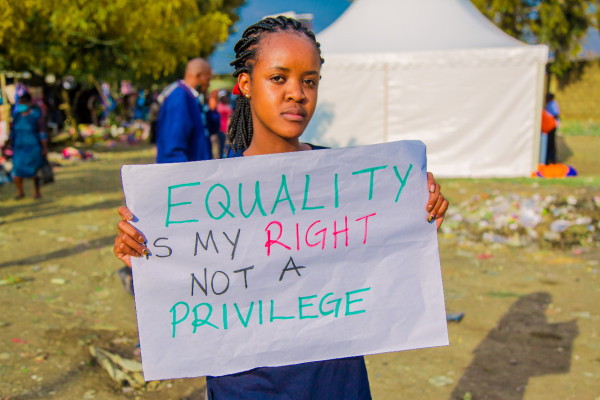
African Commission on Human and Peoples’ Rights Must Push for Reforms to Protect Women and Girls, Urges Equality Now
Location: News
Equality Now

Equality Now (www.EqualityNow.org) is urging the African Commission on Human and Peoples' Rights to call upon African Union (AU) member states to urgently address rising sexual violence and exploitation of women and girls across the continent.

In its statement to the 83rd Ordinary Session of the Commission this month, the human rights organisation called on the Commission to use its mandate to underscore the importance to governments about the need to provide reparations for survivors of sexual violence, criminalise femicide, boost efforts to end child marriage, and strengthen laws to stop digital violence.

Equality Now wants the Commission to remind States of their obligations under the Maputo Protocol on Women's Rights (http://apo-opa.co/4mnt56T). Of the 55 member States, 45 have ratified or signed the protocol.

Deborah Nyokabi, a legal equality and gender policy expert at Equality Now, explains, “Women and girls across Africa are enduring violence in all its forms - including rape, child marriage, femicide, trafficking, and digital abuse - while legal systems too often fail to protect or deliver justice. These are not isolated issues but symptoms of a broader failure to uphold the rights enshrined in the Maputo Protocol.”

“African governments must prioritise legal reform, provide reparations to survivors, and close the protection gaps that leave so many women and girls vulnerable and without access to assistance when their rights have been violated, especially in conflict zones where the breakdown of services intensifies harm.”

Sexual violence reparations

According to figures (http://apo-opa.co/4jctrKY) released by UNICEF last year, more than 79 million girls and women in sub-Saharan Africa have been subjected to rape or sexual assault as children. The region has the highest number of child sexual violence victims in the world.

Yet research by Equality Now found that survivors of sexual violence are being denied justice. In its report, “Barriers to Justice: Rape in Africa, Law, Practice and Access to Justice” (http://apo-opa.co/4moIxj6), the NGO exposed key gaps in rape laws in 45 African countries, which included allowing rape in marriage, perpetrators to walk free from court if they agree to marry their victims, and judges to define evidence based on the complainant's behaviour.

In its statement, Equality Now called on the Commission to urge member States to urgently integrate the Niamey Guidelines (http://apo-opa.co/4jeCsTE) on combatting sexual violence, adopted by the Commission in 2017, emphasising governments' obligation to provide reparations to survivors.

Criminalising femicide

The NGO called on the Commission to implore governments to criminalise femicide - the most extreme and brutal manifestation of violence against women.

Equality Now's report “Gender Inequality in Family Laws in Africa: An Overview of Key Trends in Select Countries” (http://apo-opa.co/3SJVkPy) revealed that the most devastating facet of inequality within the family is sexual and gender-based violence, including domestic violence, marital rape, economic violence and femicide, which is the intentional murder of a woman or girl because of their gender.

In 2023, an average of 140 women and girls were killed (http://apo-opa.co/3FfMOEV) by a partner or family member every day. Current and former intimate partners were the most likely perpetrators. Yet not enough is being done to end the crisis or hold offenders to account.

In South Africa, a national femicide study (http://apo-opa.co/3HhFEAv) found that three women a day were killed by an intimate partner in 2020/21, but in 44% of cases, police had failed to identify a perpetrator. In Kenya, 170 cases of femicide (http://apo-opa.co/4kuOVUs) were reported in 2024. A petition (http://apo-opa.co/4kuOVUs) calling on the government to make femicide a distinct crime has received more than 78,000 signatures.

In Cameroon last month, Bekobe Eric, accused of murdering his wife Diane Yangwo, received (http://apo-opa.co/4mfd9n8) a five-year suspended sentence and a fine of 52,000 CFA (approximately $90). The sentence was immediately denounced by women's rights advocates.

Earlier this year, the African Union took a significant step to address the crisis by adopting the African Union Convention on Ending Violence Against Women and Girls (http://apo-opa.co/4kuPjCk), which included an explicit definition of femicide. Equality Now wants the Commission to seize the momentum to encourage governments to recognise and criminalise femicide as a distinct crime, and outlaw marital rape and domestic violence.

Safeguarding rights in Sudan and the DRC

Equality Now urges the Commission to encourage Sudan to ratify the Maputo Protocol to provide essential legal protections for women and girls. Sudan is now in its third year of conflict, facing widespread destruction, significant civilian casualties and an unparalleled humanitarian crisis.

Women and girls are bearing the brunt of Sudan's war (http://apo-opa.co/434bmd9), with sexual violence being weaponised by both sides. The destruction of healthcare infrastructure, however, means there are inadequate medical and reproductive health services to support survivors of violence, which has led to more unintended pregnancies, miscarriages and maternal deaths.

Increasing rates of maternal mortality are also being recorded in the Democratic Republic of the Congo, where decades of conflict have severely damaged healthcare services.

The Commission should encourage both countries to integrate sexual and reproductive health rights into their humanitarian response.

End child marriage

In its statement to the Commission, Equality Now expressed deep concern at the continued high rates of child marriage across the continent. Fourteen of the 20 countries with the highest prevalence rates are in Africa. Child marriage is a serious human rights violation (http://apo-opa.co/3SLkD3G). Girls are often forced to drop out of school, restricting their life chances, and are likely to give birth at a young age, which poses severe health risks.

One of the reasons child marriage is continuing unchecked is because of weak legal protections, which must be addressed, said Equality Now. All AU member States should raise the minimum age of marriage to 18, without exceptions, and implement measures and programmes to end child marriage in line with recommendations (http://apo-opa.co/4mpDrDo) made in 2017 by the Commission and the African Committee of Experts on the Rights and Welfare of the Child.

End sexual exploitation

The Commission was also asked to encourage member States to address the surge in trafficking of women and girls across the continent.

UNODC's 2024 global report on trafficking (http://apo-opa.co/4kMq3Yv) found that a third of all cross-border trafficking flows involved Africans. In sub-Saharan Africa, 98% of victims were trafficked within the region, 21% for sexual exploitation. About 42% of trafficked victims in sub-Saharan Africa were girls.

Member States have enacted anti-trafficking laws and policies, but they are not being adequately enforced. Meanwhile, the systemic factors that make women and girls vulnerable to sexual exploitation have not been meaningfully addressed.

Digital spaces are also becoming more dangerous for women and girls. Online abuse, including sexual harassment and the non-consensual sharing of intimate images, is rising in tandem with increased internet penetration. Technology is increasingly being weaponised to attack women and girls, including women politicians, journalists and human rights defenders.

Digital violence is being exacerbated by weak legal protections, underreporting and the limited capacity for law enforcement to investigate tech-related crimes. Governments need to enforce and tighten existing laws on online sexual exploitation and invest in digital safety initiatives, in line with the recently adopted UN Global Digital Compact (http://apo-opa.co/4kxzb33), said Equality Now.

Distributed by APO Group on behalf of Equality Now.

Notes to editors:
For media enquiries, contact:
Tara Carey
Global Head of Media
Equality Now
Tcarey@equalitynow.org
T. +44 (0)7971556340 (available on WhatsApp and Signal)

About Equality Now:
Equality Now (https://EqualityNow.org) is an international human rights organisation dedicated to protecting and promoting the rights of all women and girls worldwide. Its work is organised around four main program areas: Achieving Legal Equality, Ending Sexual Violence, Ending Harmful Practices, and Ending Sexual Exploitation, with a cross-cutting focus on the unique challenges facing adolescent girls.

Equality Now combines grassroots activism with legal advocacy at the international, regional, and national levels to achieve systemic change, and collaborates with local partners to ensure governments enact and enforce laws and policies that uphold women's and girls' rights.

For more information about Equality Now, visit www.EqualityNow.org, and find us on Bluesky @ equalitynow.bsky.social (https://apo-opa.co/3H4U6fb), on Instagram @ equalitynoworg (http://apo-opa.co/3S9vxAb), Linkedin at Equality Now (https://EqualityNow.org).
Media files
Equality Now
Download logo
Read moreAfrican Commission on Human and Peoples’ Rights Must Push for Reforms to Protect Women and Girls, Urges Equality Now
18 May 2025

Minister Lamola arrives in France

Location: News

Minister Lamola arrives in France

International Relations and Cooperation Minister Ronald Lamola has arrived in France to co-chair the Ninth Forum for Political Dialogue alongside the Minister for Europe and Foreign Affairs of the French Republic, Jean-Noël Barrot.  

“This bilateral engagement will enable the two Ministers to review progress and discuss key issues of mutual interest, further strengthening the strategic partnership between South Africa and France,” the Ministry of International Relations and Cooperation said on Friday.

South Africa enjoys robust trade relations and significant investment flows with France, which remains one of its largest trading partners within the European Union. 

The two nations also collaborate strategically in critical areas such as education and skills development science, technology, arts, and culture, energy cooperation, health and defence. 

According to the Ministry, the forum will further provide an opportunity for the Ministers to exchange perspectives on pressing global and regional geopolitical developments, underscoring their shared commitment to multilateralism and a rules-based international order.  

“This dialogue reaffirms the enduring partnership between South Africa and France, rooted in mutual respect and a common vision for advancing peace, sustainable development, and innovation,” it said. - SAnews.gov.za

Neo
Fri, 05/16/2025 - 10:36

1003 views
Read moreMinister Lamola arrives in France
18 May 2025

Concern raised over Lesotho Water Project non-compliance

Location: News

Concern raised over Lesotho Water Project non-compliance

Water and Sanitation Minister Pemmy Majodina has expressed concern over wastewater management non-compliance by a contractor involved in the Lesotho Highlands Water Project Phase 2 (LHWP2) which is currently under construction in Lesotho.

This comes after the reports that contractor responsible for the construction of the Polihali Transfer Tunnel, Kopano Ke Matla (KKM), failed to adhere to regulations governing effluent discharge.

In light of this, the Department of Water and Sanitation convened an urgent meeting on Wednesday, with South Africa’s delegation to the Lesotho Highlands Water Commission (LHWC) and the Trans-Caledon Tunnel Authority (TCTA), to receive a full briefing on the matter.
The contractor has since been suspended on-site by the implementing agency, the Lesotho Highlands Development Authority (LHDA).

In a statement on Thursday, the department confirmed the suspension of Kopano Ke Matla following several warnings of non-compliance issued to the contractor for polluting water courses with raw effluent during tunnel construction.

Through its engineer, the department said LHDA had issued a targeted suspension of works to the Polihali Transfer Tunnel contractor, KKM, due to non-compliance with contractual environmental obligations, specifically regarding wastewater management.

“The suspension was prompted by persistent failures to meet treatment standards across multiple sites, despite prior warnings and formal Non-Conformance Reports emanating from concerns on the inadequate management and treatment of wastewater and effluent generated during tunnel construction activities.

“This measure was implemented to uphold environmental, health, and safety standards on a nationally and regionally significant infrastructure project and did not constitute a project-wide shut down. Contractual enforcement of environmental obligations is standard and necessary on infrastructure projects of this scale to protect the environment, communities, and the workers,” the department explained.

Due to the suspension, the contractor was compelled to send home approximately 1 300 workers as a precautionary step to avoid further environmental risk and protect worker safety.

The department revealed that the contractor has been given until 26 May 2025 to submit a comprehensive remedial plan and compliance roadmap, with clear and measurable milestones and interim controls to address the deficiencies in wastewater treatment works.

The suspension will not impact tunnel’s overall completion date, as the project is currently ahead of schedule.

Work continues in unaffected areas of the project, including the Polihali and Katse zones, to minimise any broader delays.

“The LHDA whose role is to safeguard the public, the workforce, and the environment through responsible oversight of contractors and the Engineer, continues to ensure that interim containment and treatment measures are in place to avoid further environmental risk while the main upgrades are pursued,” the department said.

“The Ministry has since directed the South African delegation, TCTA and the Department of Water and Sanitation to reinforce monitoring of the projects, to ensure no further delays occur.

The LHWP Phase 2 includes the construction of an approximately 165m high Concrete Faced Rockfill Dam at Polihali, downstream of the confluence of the Khubelu and Sengu (Orange) Rivers and a 38km long concrete-lined gravity tunnel connecting the Polihali reservoir to the Katse reservoir.

Other Phase 2 activities include construction of the Senqu bridge, accommodation, power lines and telecommunication. – SAnews.gov.za
 

GabiK
Fri, 05/16/2025 - 12:16

840 views
Read moreConcern raised over Lesotho Water Project non-compliance
18 May 2025

SA’s G20 Presidency to aid recovery of global economy

Location: News

SA’s G20 Presidency to aid recovery of global economy

Deputy Minister in the Presidency Nonceba Mhlauli says the primary focus of the G20 platform is to increase multilateral cooperation for the recovery of the global economy.

“Since President Ramaphosa took over the Presidency of the G20 in December 2024, a lot of public discourse has already gone into what this could potentially mean for South Africa, particularly in a post-COVID-19 era where developing economies are still on a path to recovery,” Mhlauli said.

Mhlauli explained that the G20 initially focused largely on broad macro-economic issues but has since expanded its agenda to inter-alia include trade, climate change, sustainable development, health, agriculture, energy, environment, climate change and anti-corruption.

“The G20 was upgraded to the level of Heads of State/Government in the wake of the global economic and financial crisis of 2007, and in 2009, when it became apparent that the necessary crisis coordination would only be possible at the highest political level,” Mhlauli said.

In her address at a G20 public lecture held at the Tshwane University of Technology (TUT) south campus in Soshanguve, north of Pretoria, Mhlauli said that since then, the G20 leaders have met regularly, and the G20 has become the premier forum for international economic cooperation.

“The primary focus of the forum is to increase multilateral cooperation for the recovery of the global economy, bring stability to the global financial system, promote long-term sustainable growth and strengthen global economic governance,” she said on Friday.

Mhlauli said South Africa will use the G20 Presidency to focus on inclusive and sustainable economic growth that benefits its citizens.

“Through the G20 Presidency, we will foster inclusive economic growth, industrialisation and employment. 

“This Presidency is about demonstrating that our country is open for business. South Africa is an attractive destination for business services, and has sophisticated digital infrastructure, including mobile networks and high-speed broadband.”

On the economic front, the G20 will provide a massive boost, especially in areas such as tourism and hospitality.   

“The over 200 expected G20 related meetings have already commenced in our country presenting opportunities for the country’s tourism, manufacturing, trade and other investment growth.

“We are also intently focusing on youth employment, closing the gender gap, reducing inequality and protecting the environment. 

“The G20 will unlock new possibilities in artificial intelligence (AI), which has the potential to provide unprecedented economic and social opportunities,” Mhlauli said.

Meanwhile, Government Communications and Information System (GCIS) Acting Deputy Director-General, Sandile Nene, said South Africa’s hosting of the G20 will improve the economy.

“We are hoping that the G20 will make people invest in the country,” he said.

Kutlwano Mahosi, a first year Journalism student at TUT, told SAnews that G20 meetings will play a role in increasing the country’s economy as many people will be coming into the country.

“As people come to our country, they will be spending their money which will play a role in job creation,” she said.

Echoing same sentiments was fellow Journalism student, Andiswa Mchunu, who said hosting the G20 gives the country an opportunity to attract investors, thereby improving the economy.

“A better economy means more jobs and better life for South Africans,” Mchunu said.

South Africa assumed the role of Presidency of the G20 on 1 December 2024, taking over from Brazil. – SAnews.gov.za

Edwin
Fri, 05/16/2025 - 14:41

1039 views
Read moreSA’s G20 Presidency to aid recovery of global economy
16 May 2025

Ninth Meeting of the South Africa-France Forum for Political Dialogue

Location: News

Republic of South Africa: Department of International Relations and Cooperation
Download logo

The Minister of International Relations and Cooperation of the Republic of South Africa, Mr Ronald Lamola, has arrived in France to co-chair the Ninth Forum for Political Dialogue alongside the Minister for Europe and Foreign Affairs of the French Republic, Mr Jean-Noël Barrot.

This bilateral engagement will enable the two Ministers to review progress and discuss key issues of mutual interest, further strengthening the strategic partnership between South Africa and France.

South Africa enjoys robust trade relations and significant investment flows with France, which remains one of its largest trading partners within the European Union. The two nations also collaborate strategically in critical areas such as education and skills development science, technology, arts, and culture, energy cooperation, health and defence.

The Forum will further provide an opportunity for the Ministers to exchange perspectives on pressing global and regional geopolitical developments, underscoring their shared commitment to multilateralism and a rules-based international order.

This dialogue reaffirms the enduring partnership between South Africa and France, rooted in mutual respect and a common vision for advancing peace, sustainable development, and innovation.

Distributed by APO Group on behalf of Republic of South Africa: Department of International Relations and Cooperation.

Read moreNinth Meeting of the South Africa-France Forum for Political Dialogue
16 May 2025

Mashatile Undertakes an Official Working Visit to France

Location: News

The Presidency of the Republic of South Africa
Download logo

Deputy President Shipokosa Paulus Mashatile will undertake an official Working Visit to the Republic of France from 19 – 24 May 2025, for the South Africa-France Investment Conference. The Visit is aimed at strengthening relations between the two countries and, most importantly, mobilising investments in order to realise the country's economic growth and transformation objectives.

South Africa and France enjoy cordial relations underpinned by a robust bilateral cooperation programme in areas such as Political Dialogue, Defence, Science & Technology, Energy cooperation, Education and skills development, Health, Transport, Arts and Culture, among others.

This Investment Conference will be held under the theme “SA-France: A Partnership for Mutual Prosperity” with the objective of attracting Foreign Direct Investment (FDI), Public-Private Partnerships (PPPs), and financial resources focusing on key issues such as unemployment, poverty, inequality, climate change and transitions in the digital economy.

The Conference will be centred on eight main sectors, namely Energy, Infrastructure, Transport and Logistics, Finance, Tourism, Agriculture and Agro-Processing, Mining, as well as Information and Communication Technology (ICT). There will also be breakaway groups, which will explore practical steps for projects and investments in these areas.

In addition, the Conference will consist of a high-level segment by Government officials who will lead on thematic discussions related to investment opportunities, policies, and the investment climate in South Africa.

The Deputy President is expected to have a bilateral meeting with his counterpart, Mr Francois Bayrou, Prime Minister of the French Republic.

Deputy President Mashatile will be accompanied by Dr A Motsoaledi: Minister of Health; Ms S Ndabeni-Abrahams: Minister of Small, Business Development; Ms B Creecy: Minister of Transport; Mr G McKenzie: Minister of Sport, Arts and Culture; Ms Patricia de Lille: Minister of Tourism; Mr A Botes: Deputy Minister of International Relations and Cooperation; Mr B Manamela: Deputy Minister of Higher Education and Training; Mr Z Godlimpi: Deputy Minister Trade, Industry and Competition; and Ms S Graham-Mare: Deputy Minister of Electricity and Energy.

Distributed by APO Group on behalf of The Presidency of the Republic of South Africa.

Read moreMashatile Undertakes an Official Working Visit to France
15 May 2025

Radisson Hotel Group Leads Hospitality Growth in Africa With the Most Hotel Openings

Location: Business
Radisson Hotel Group

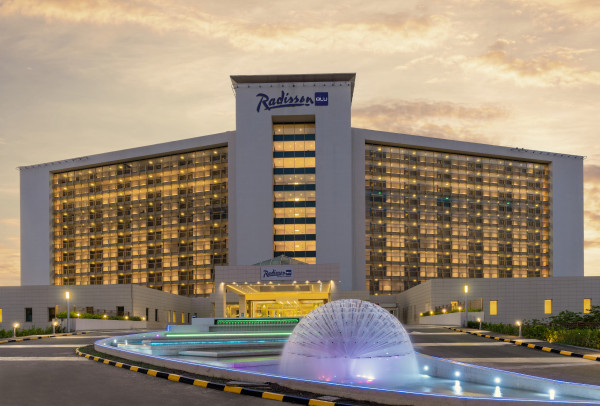
Radisson Hotel Group (www.RadissonHotels.com) continues to solidify its leadership in Africa's hospitality landscape, with its top ranking in W Hospitality Group's (https://W-HospitalityGroup.com) 2024 “From Pipeline to Reality” report for achieving the most hotel openings across the continent within the year. Building on this momentum during the first quarter of 2025, Radisson Hotel Group announces its market entry into the Democratic Republic of Congo with two landmark signings, while further strengthening its presence in Central Africa with the signing of Radisson Blu Hotel & Apartments, Yaoundé in Cameroon.

With 11 hotel signings and 7 openings over the last 15 months totaling over 2,000 signed and 1,500 opened rooms, 1,000 through conversions, the Group has strengthened its position as the leading hotel company in Africa, with a diverse portfolio of 100 hotels across more than 30 countries. This growth reflects the Group's focused expansion strategy, strong local partnerships, and continued success in delivering high-impact conversions.

“In line with our global achievements, over the last 15 months, we have achieved remarkable growth across Africa. We expanded into new markets like Tanzania, Conakry, and the Democratic Republic of Congo, further cementing our position as the most diverse hotel company across the continent in terms of country presence,” said Ramsay Rankoussi, Vice President, Development, Africa and Turkiye, Radisson Hotel Group. “Our pipeline remained the most active in the industry, driving sustained momentum and once again highlighting the quality of our partners and a clear strategy. Once again, we are proud to see our group leading the rankings in Africa. We celebrate these successes and look forward to unlocking continued economic value across the continent.”

Expanding the Footprint: New Market Entries and Key Openings

Radisson Hotel Group proudly announces its entry into the Democratic Republic of Congo with the signing of two landmark properties: Radisson Blu Hotel, Kinshasa and Radisson Hotel Lubumbashi, further strengthening the Group's presence in Central Africa.

Radisson Blu Hotel, Kinshasa – Opening late 2026
Strategically located on Boulevard Colonel Tshatshi in the Gombe district, Kinshasa's prime residential and business area, this upper-upscale hotel will feature 110 elegantly designed rooms, including standard rooms, suites, and a Presidential Suite. Guests can enjoy a variety of dining options, including a Lobby Bar, All-Day Dining Restaurant, and Pool Bar. The hotel's wellness facilities will include a gym, massage rooms, and an outdoor swimming pool with a pool terrace. Its modern meeting and event spaces will feature an event hall and pre-function area, ideal for both corporate and social gatherings. The hotel is conveniently situated 32 km from N'djili International Airport, 10 km from N'Dolo Airport, and 6 km from the Gare Centrale train station.

Radisson Hotel Lubumbashi – Opening mid-2027
Located on Revolution Road Avenue in Lubumbashi, the second-largest city in the DRC, this upscale hotel will offer 97 stylish guest rooms, including standard rooms, junior suites, and a Presidential Suite. Culinary offerings will include a Lobby Bar, All-Day Dining Restaurant, and a Rooftop Bar & Grill with panoramic city views. The hotel's meetings and events facilities will comprise three flexible meeting rooms and a dedicated pre-function area. Guests will also have access to a well-equipped gym and a swimming pool. The hotel enjoys a prime location near Kipopo Lake, surrounded by luxury residences and notable landmarks such as Lubumbashi Golf Club and La Plage, and is just 12 km from Luano International Airport.

In Guinea, the Group marked a significant milestone with the opening of the Radisson Blu Hotel, Conakry (apo-opa.co/3S5KC5S), just three months after signing. This contemporary beachfront property, located in the city's vibrant Kipé neighborhood, features 282 stylish rooms, suites, and apartments with sweeping ocean views and convenient access to the city's key business and leisure hubs.

Further strengthening its Indian Ocean portfolio, Radisson Hotel Group signed and opened Crystals Beach Resort Belle Mare, a member of Radisson Individuals (apo-opa.co/4dlCM1x). Located on the east coast of Mauritius, the resort features 234 spacious accommodations, family-friendly amenities, and breathtaking lagoon views, making it a sought-after destination for travelers of all types.

“We've had a successful track record over the past 15 months with our focus on conversions, including Crystals Beach Resort Belle Mare, Radisson Blu Hotel, Conakry, and Radisson Blu Hotel & Convention Center, Tunis (apo-opa.co/4koQYJF)—all fantastic hotels that have further elevated our portfolio in Africa,” added Rankoussi.

Strengthening Strategic Markets and Future Pipeline

In Cameroon, Radisson Hotel Group continues to strengthen its presence with the signing of Radisson Blu Hotel & Apartments, Yaoundé. Scheduled to open by the end of 2026, this 150-room property will be ideally located in the heart of the capital's central business district, just a 30-minute drive from Yaoundé Nsimalen International Airport.

The hotel will feature a vibrant selection of dining venues, including a Lobby Bar, All-Day Dining Restaurant, and a Specialty Restaurant. With 1,350 m² of flexible meetings and events space, as well as premium wellness facilities, including a spa, gym, and a rooftop pool with an expansive pool deck, the hotel is set to become a landmark destination in the city. This signing also reinforces the Group's continued pursuit of growth opportunities across Cameroon, including in the key market of Douala.

Meanwhile, Radisson Hotel Group is also deepening its commitment to key markets across the continent:

  • Morocco: Targeting 30 hotels by 2030, building on an already robust development pipeline.
  • South Africa: Aiming for 25 hotels by 2030, doubling its current footprint.
  • Nigeria: Continuing its growth momentum with multiple developments, alongside strengthening the Group's West Africa presence with its entry into DRC.

“While geographical diversification remains a priority for us, we also see a clear opportunity to consolidate our presence across key markets such as Morocco, Nigeria, and South Africa, each with at least one opening scheduled in 2025. Our results reinforce our brand strength and ability to adapt and grow across diverse markets. We remain committed to expanding our footprint while delivering world-class hospitality experiences across Africa,” concluded Rankoussi.

Distributed by APO Group on behalf of Radisson Hotel Group.

Media Contacts: 
Saadiyah Hendricks
Area Director PR & Social Media, MEA & MED
saadiyah.hendricks@radissonhotels.com

Business Development Contacts:
Ramsay Rankoussi

Vice President, Development, Africa & Turkey
ramsay.rankoussi@radissonhotels.com

Connect with Radisson Hotels on: 
LinkedIn: apo-opa.co/4j9Oz4v
Instagram: apo-opa.co/44E3lwF
X: apo-opa.co/4jX8XHi
Facebook: apo-opa.co/43hBQ9M
YouTube: apo-opa.co/3Fbzql4
TikTok: apo-opa.co/3HbuMnG 

Radisson Hotel Group:
Radisson Hotel Group is a rapidly expanding international hotel group, operating in EMEA and APAC with over 1,520 hotels in operation and under development in +100 countries. The Group's overarching brand promise is Every Moment Matters with a signature Yes I Can! service ethos. 

The Radisson family of brands portfolio includes Radisson Collection, art'otel, Radisson Blu, Radisson, Radisson RED, Radisson Individuals, Park Plaza, Park Inn by Radisson, Country Inn & Suites by Radisson, and Prize by Radisson brought together under one commercial umbrella brand Radisson Hotels.  

Radisson Rewards (apo-opa.co/3ZemGkw) is Radisson Hotel Group's loyalty program, which delivers an elevated experience that makes Every Moment Matter, counting more than 20 million members. As the most streamlined program in the sector, members enjoy exceptional advantages and can access their benefits from day one across a wide range of hotels in Europe, Middle East, Africa, and Asia Pacific. 

Radisson Meetings (apo-opa.co/4j83NHh) provides tailored solutions for any event or meeting, including hybrid solutions placing guests and their needs at the heart of its offer. Radisson Meetings is built around three strong service commitments: Personal, Professional and Memorable, while delivering on the brilliant basics and being uniquely Carbon Compensated.  

At Radisson Hotel Group we care for people, communities and planet (apo-opa.co/4iZqzRn) and aim to be Net Zero by 2050 based on the approved Science Based Targets. With unique solutions such as carbon compensated Radisson Meetings, we make sustainable hotel stays easy. To facilitate sustainable travel choices, all our hotels are becoming verified on Hotel Sustainability Basics. 

The health and safety of guests and team members remain a top priority for Radisson Hotel Group. All properties across the Group's portfolio are subject to health and safety requirements, ensuring we always care for our guests and team members. 

For more information, visit our corporate website (apo-opa.co/3H8NyMt). 

Media files
Radisson Hotel Group
Download logo
Read moreRadisson Hotel Group Leads Hospitality Growth in Africa With the Most Hotel Openings
12 May 2025

FIND Convenes African Union Ambassadors

Location: News
FIND

As part of its continuing outreach to the parts of the world that it was set up to serve, FIND  (www.FINDdx.org) hosted Ambassadors from 26 African countries and the African Union for a meeting at FIND's offices in the Global Health Campus in Geneva. The Ambassadors received an overview of FIND's work in their respective countries, future prospects and were made aware of FIND as a value-added partner for countries with respect to diagnostics.

“The foundation of any successful health response is diagnosis. From early detection to pandemic preparedness, our collaboration with the African Union is essential to guaranteeing that no one is left behind,” said Dr. Ifedayo Adetifa, CEO of FIND. “FIND's  vision is focused on both catalyzing innovation and ensuring access to diagnostics in low- and middle-income countries.”

In order to improve diagnostic systems and get ready for potential health and pandemic risks, FIND's leadership presented its updated strategic vision as a precursor to this year's Diagnostics Day event to be held on 21 May, which will take place on the sidelines of the World Health Assembly.

The ambassadors of the African Union, Angola, Burkina Faso, Cabo Verde, Cameroon, Central African Republic, Chad, Côte d'Ivoire, Democratic Republic of Congo, Kenya, Lesotho, Madagascar, Malawi, Mauritania, Mauritius, Mozambique, Namibia, Rwanda, Sao Tomé and Principe, Sierra Leone, South Africa, South Sudan, Sudan, Tanzania, The Gambia, Togo, and Zimbabwe were present.

The Ambassadors led a lively discussion which touched upon a number of key issues, including South-South collaboration; pandemic preparedness and response; the role of health in national development; national essential diagnostics lists; the growing issue of non-communicable diseases such as diabetes; and ensuring sustainable financing for diagnostics and health in general.

Among the meeting's main conclusions were:

  • Commitment to strengthen regional manufacturing of diagnostics and other health technologies.
  • Consensus on increased AU-FIND cooperation to country and Africa CDC's diagnostic priorities.
  • Support for FIND's function as a technical partner to expand access to vital diagnostics for illnesses like HIV, TB, malaria, mpox and emerging outbreaks.
  • Diagnostics acknowledged as a key component of health security and universal health coverage.

“In this moment of dramatic change, African leaders are stepping up to fill the power vacuum left by a world in turmoil where women and children are being left behind and left to die, particularly on the African continent – the continent with the greatest health burden,” said Dr Ayoade Alakija, FIND's Board Chair. “FIND will continue to support them on strengthening pandemic preparedness and ensuring quality diagnostics are available to all.”

FIND's Diagostics Day (https://apo-opa.co/44AX9pc) event on 21 May at the Vieux Bois in Geneva will bring leaders from health from around the world to agree on next steps to ensuring quality and accessible diagnostics for all.

Distributed by APO Group on behalf of FIND.

Media contacts:
Beatrice Bernescut
Director, Communications
media@finddx.org

About FIND:
FIND accelerates equitable access to reliable diagnosis around the world. We are working to close critical testing gaps that leave people at risk from preventable and treatable illnesses, enable effective disease surveillance, and build sustainable, resilient health systems. In partnership with countries, WHO and other global health agencies, we are driving progress towards global health security and universal health coverage. We are a WHO Collaborating Centre for Laboratory Strengthening and Diagnostic Technology Evaluation. For more information, please visit www.FINDdx.org.

Media files
FIND
Download logo
Read moreFIND Convenes African Union Ambassadors
8 May 2025

Milken Institute and Motsepe Foundation Announce Winner

Location: News
The Milken-Motsepe Innovation Prize Program

The Milken Institute (https://apo-opa.co/452va1L) and the Motsepe Foundation are proud to announce the winner of the Milken-Motsepe Prize in FinTech, a $2 million innovation award designed to reward companies working to expand access to capital and financial services for small businesses in emerging and frontier markets. The winner was announced at the Milken Institute Global Conference in Los Angeles. 

Verto (https://apo-opa.co/4d7WePf), based in the United Kingdom, won the $1 million Grand Prize for its business-to-business cross-border payments platform, which enables businesses in emerging markets to send and receive payments, eliminating intermediary fees, supporting 49 currencies, and settling transactions quickly. 

FinTech is the third prize awarded as part of the Milken–Motsepe Innovation Prize Program, a series of competitive multimillion-dollar global competitions and awards designed to incentivize and reward bold, innovative solutions to address pressing economic and environmental challenges in Africa. 

A Rigorous Award Cycle: From Application to Award 

Launched in May 2024, the Milken-Motsepe Prize in FinTech attracted more than 3,000 entrepreneurs from 126 countries across six continents. A total of 400 teams applied, with just 10 being selected as semifinalists. 

Each team underwent a comprehensive judging process that evaluated five key criteria: affordability and accessibility, ethical and responsible practices, scalability in other markets, the use of cutting-edge technology, and the potential to promote equitable access to financial services.  

In December 2024, 10 semifinalists pitched their innovations to investors at the Milken Institute Middle East and Africa Summit in Abu Dhabi. From this group, an expert panel of judges selected three finalists—Chumz, Oze, and Verto—to advance to the final stage of the innovation award at the 2025 Milken Institute Global Conference. 

“Across the African continent, technology and innovation are disrupting traditional finance and banking approaches. Investment in this space is profitable and, more importantly, necessary for financial inclusion," said Dr. Precious Moloi-Motsepe, co-founder and CEO of the Motsepe Foundation. "My heartfelt congratulations to the winners and all the finalists for demonstrating feasible and impactful solutions that will drive economic activity and shared prosperity in the global South, while influencing the financial sector all over the world." 

Since its launch in 2021, the Milken-Motsepe Innovation Prize Program has awarded over $6 million in funding to more than 50 innovators worldwide. Participating teams have raised nearly 10 times the Grand Prize in additional outside investments, reaching and impacting over 530,000 community members. 

The Milken-Motsepe Innovation Prize Program offers free, curated resources and online events not only to award winners but also to nearly 9,000 global entrepreneurs.  

New Prize in AI and Manufacturing 

The fourth Milken-Motsepe Innovation Prize, which focuses on AI and manufacturing, launched at the 2025 Milken Institute Global Conference. The new $2 million award is designed to recognize established companies driving innovation in Africa's manufacturing sector. Focused on advanced data analytics and artificial intelligence, the prize rewards technological breakthroughs that create long-term economic resilience in the supply chain in Africa. 

Registration is open until July 31, 2025.  

With $2 million in total prizes, including a $1 million Grand Prize, “AI and Manufacturing” seeks companies that accelerate technological advancements, create jobs, and improve access to essential goods and services for communities across Africa. The award represents an opportunity to support companies leading the next wave of transformative change in manufacturing. 

“We have witnessed our prize programs bring forward some of the most visionary thinkers across sectors, from agriculture to financial technology. Now we're excited to see what bold entrepreneurs are doing for the manufacturing sector to harness the power of AI and other advanced technologies to improve the supply chain in Africa,” said Emily Musil, PhD, managing director of environmental and social innovation at the Milken Institute. “Prizes like this have the power to reveal new and better ways to operate in the digital age and shape how we can do better for people and the planet in the new future we are building.”  

For more information about the winners and the Milken-Motsepe Innovation Prize Program, visit https://MilkenMotsepePrize.org/.   

Distributed by APO Group on behalf of The Milken-Motsepe Innovation Prize Program.

Additional Video Link:
Opening Video: https://apo-opa.co/3GJgJpr
Finalist Video 1 - Chumz: https://apo-opa.co/436rMk6
Finalist Video 2  - Oze: https://apo-opa.co/4md7NsO
Finalist Video 3 - Verto: https://apo-opa.co/3Z9lVZT

Contact: 
Paul Guequierre  
Email: pguequierre@milkeninstitute.org 
Phone: 202-249-6942 

ABOUT THE MILKEN INSTITUTE:  
The Milken Institute is a nonprofit, nonpartisan think tank focused on accelerating measurable progress on the path to a meaningful life. With a focus on financial, physical, mental, and environmental health, we bring together the best ideas and innovative resourcing to develop blueprints for tackling some of our most critical global issues through the lens of what's pressing now and what's coming next. For more information, visit www.MilkenInstitute.org.  

ABOUT THE MOTSEPE FOUNDATION:
The Motsepe Foundation was founded in 1999 by Dr. Patrice Motsepe and his wife, Dr. Precious Moloi-Motsepe. The goal of the Motsepe Foundation is to contribute toward eradicating poverty and to sustainably improve the living conditions and standards of living of poor, unemployed, and marginalized people in South Africa, Africa, and the world. In January 2013, Dr. Motsepe and Dr. Moloi-Motsepe joined the Giving Pledge, which was started by Warren Buffett and Bill and Melinda Gates. Dr. Motsepe and his wife committed to give half of their wealth to the poor and for philanthropic purposes during their lifetime and beyond. 

Media files
The Milken-Motsepe Innovation Prize Program
Download logo
Read moreMilken Institute and Motsepe Foundation Announce Winner
8 May 2025

CSA Welcomes ISDIN As The Official Sunscreen Partner To CSA And The Proteas

Location: Sport

JOHANNESBURG: Cricket South Africa (CSA) today announced ISDIN as the official sunscreen partner to CSA and the Proteas Men and...

Read moreCSA Welcomes ISDIN As The Official Sunscreen Partner To CSA And The Proteas
29 April 2025

WHO and UNICEF Warn Parents Against Unethical Baby Milk Advertising In South Africa

Location: News

World Health Organization (WHO) - South Africa
Download logo

The World Health Organization (WHO) and the United Nations Children's Fund (UNICEF) are today launching a “Babies Before Bottom Lines” manifesto to warn parents in South Africa against false and unethical baby milk advertising. The manifesto was posted online today to call out “predatory and pervasive practices” and has been backed and shared by prominent parenting influencers around the country. 

WHO and UNICEF are jointly calling the attention of parents and caregivers to the WHO International Code of Marketing of Breastmilk Substitutes and its related information sources. The code provides guidelines on stricter regulation of marketing of breastmilk substitutes, to curb harmful effects on babies' short- and long-term health. 

WHO's Country Representative in South Africa, Shenaaz El-Halabi, says: “False, incomplete, misleading health and nutrition claims by formula companies should stop now. The WHO calls on formula milk companies to stop presenting incomplete scientific evidence and inferring unsupported health outcomes.”

WHO and UNICEF are specifically calling on local regulators to update Regulations Relating to Foodstuffs for Infants and Young Children (aka R991) to include other advertising techniques and digital marketing practices that have become prevalent in the past few years since the International Code of Marketing of Breastmilk Substitutes of 1981 and local Regulation R991 of 2012 were drafted. Some popular social media platforms, whose algorithms can target specific consumers with specific messages at specific times, were still in their infancy or did not yet exist in 2012. Of particular concern is that parents are often targeted with information that blurs the lines between nutritional facts and promotional pseudo-science and emotional manipulation when they are at their most vulnerable.    

The pseudo-scientific health claims made by formula companies discourage mothers from breastfeeding, which should always be a first choice as breastmilk is the most complete and healthiest milk for babies. In addition, widespread evidence exists that women have internalised doubts about the quality and quantity of their breastmilk, mirroring the themes and messaging of formula milk marketing campaigns.     

In line with their multi-country study on the impacts of marketing breastmilk substitutes, WHO and UNICEF warn that “inappropriate promotion of breastmilk substitutes negatively impacts breastfeeding practices, and that advertisers are promoting a false choice between formula feeding and breastfeeding, without offering informed choice to parents about the real differences between breastmilk and various brands of formula”.

UNICEF South Africa Representative, Christine Muhigana, notes that: “Government and civil society partners are to be commended for their efforts to address this concerning issue. It is evident that formula milk companies continue to actively target health professionals to convince them to prescribe formula. This Manifesto is part of a broader effort to address these unfair practices so that mothers and caregivers are fully aware of unethical marketing practices.”

Cross promotion, also known as “brand extension” which is a marketing practice whereby one product is used to advertise another product by using similar branding, packaging and labelling (including but not limited to similar colours, design, font types, mascots and logos) has become a common practice by the bay formula companies.

“All families need to be supported with evidence-based information so that they can make the most appropriate and informed decision for feeding their babies. Those choices, however, should never be exploited for corporate profits. We are finding again and again, all around the world, that unethical corporate influence is imposed on caregivers through false advertising. Companies use digital marketing algorithms that exploit parents when they are most vulnerable. They capitalize on parents' doubts and questions. For instance, we see advertisers directing fake science at caregivers in the middle of the night, when they or their babies are struggling, to falsely convince them that bottle-fed babies sleep better than breastfed babies. This is wrong and needs to stop,” says Dr Laurence Grummer-Strawn, who leads WHO‘s work on infant and young child feeding.

WHO and UNICEF have uncovered systematic and unethical marketing strategies by the US $55 billion infant formula industry, finding it uses the “infant formula industry uses pervasive, personalised and powerful methods to target parents when they are at their most vulnerable in the early days of their new babies life, and manipulate scientific claims to promote their products whilst undermining parents' confidence”.

Aqeelah Harron, an online content creator who owns the popular Fashion Breed social media platform, is supporting the campaign. "I'm a mom to a toddler and my child's health matters to me more than anything. I think it's wrong that powerful formula companies with big platforms are preying on parents to manipulate us into falling for fake science. Babies and new parents are vulnerable and should never be exploited. We need to prioritise comprehensive feeding education for all caregivers, free from the influence of profit-driven marketing." Several other online influencers are also backing the campaign.

WHO and UNICEF invite the public to join them in calling for an end to the aggressive marketing of formula milk, and to share their call to action: “Choose babies before bottom lines.” 

Distributed by APO Group on behalf of World Health Organization (WHO) - South Africa.

Read moreWHO and UNICEF Warn Parents Against Unethical Baby Milk Advertising In South Africa
25 April 2025

WHO Welcomes Dr. Fabian Ndenzako as New Representative to Botswana

Location: News

World Health Organization (WHO), Botswana
Download logo

The World Health Organization (WHO) has officially welcomed Dr. Fabian Ndenzako as the new Head of Mission and WHO Representative to Botswana and the Southern African Development Community (SADC). A seasoned global health expert, Dr. Ndenzako brings with him over 25 years of experience in public health, including more than two decades of service within WHO across various regions and leadership capacities.

His appointment comes at a pivotal time, as WHO continues to deepen its collaboration with the newly constituted Government of Botswana, following the November 2024 elections. Guided by the WHO Country Cooperation Strategy (CCS) 2024–2027, Dr. Ndenzako will lead efforts aligned with Botswana's National Development Plan. These efforts focus on five strategic priorities: strengthening health systems toward Universal Health Coverage (UHC); delivering quality, equitable, and integrated health services across the life course; preventing and controlling communicable and non-communicable diseases; enhancing health security and disaster risk reduction management; and promoting multisectoral action for a healthier population.

Dr. Ndenzako is a medical doctor trained at the University of Dar es Salaam in Tanzania. He holds a master's in public health from the University of Oslo and a master's in development studies and diplomacy from the University for Peace in collaboration with UNITAR. His impressive academic background complements a broad and deep understanding of global health systems, policy, and diplomacy.

Prior to his appointment in Botswana, Dr. Ndenzako served as Acting WHO Representative in South Africa, based in Pretoria. He has also led WHO country offices in South Sudan (2021–2024) and Malawi (2018–2019), demonstrating strong leadership in navigating complex public health landscapes, managing crises, and mobilizing resources to strengthen national health responses.

Earlier in his career, Dr. Ndenzako served as Medical Officer for HIV, Hepatitis, and TB at the WHO Regional Office for Africa, supporting over 20 countries in Eastern and Southern Africa. His contributions included reviewing national health programs, developing strategies and guidelines, coordinating multi-country responses, and facilitating resource mobilization for health emergencies and epidemics.

He also brings valuable international experience from nearly a decade with the WHO Western Pacific Region, based in Papua New Guinea, where he supported regional responses to both communicable and non-communicable diseases. His work with governments, the United Nations, NGOs, civil society, donors, and international partners underscores his commitment to inclusive and collaborative public health strategies.

Now at the helm of WHO Botswana, Dr. Ndenzako is poised to steer the office's efforts toward impactful implementation of the biennial plan, support national health priorities, and strengthen regional coordination through SADC. His vast experience and visionary leadership are set to advance the health and well-being of the people of Botswana and the region at large.

Distributed by APO Group on behalf of World Health Organization (WHO), Botswana.

Read moreWHO Welcomes Dr. Fabian Ndenzako as New Representative to Botswana
24 April 2025

HPV Vaccination in Africa: Urgent Steps Needed to Address Low Uptake Amid Rising Hesitancy

Location: News
MSD

HPV is fuelling high cervical cancer rates in sub-Saharan Africa despite the availability of effective vaccines. Yet uptake remains low, driven largely by vaccine hesitancy. In South Africa alone, most participants (71%) were hesitant to receive at least one of the vacines in the country, according to the Vaccine Confidence Report by MSD (www.MSD.co.za) and Prof. Hannelie Meyer, Head of the South African Vaccination and Immunisation Centre. [1] The report was launched at the European Society of Clinical Microbiology and Infectious Diseases and during the SSA HPV Media Roundtable held during World and Africa Immunisation Week (24–30 April 2025).

Cervical cancer, caused by persistent infection of HPV, is one of the leading causes of cancer-related deaths among women in sub-Saharan Africa. The World Health Organization (WHO) estimates that 94% of global cervical cancer deaths occur in low- and middle-income countries, with sub-Saharan Africa heavily affected. [2]

Studies indicate that, globally, about 12% of women with normal cervical cytology are found to have an HPV infection. This prevalence doubles to around 24% in sub-Saharan Africa. Young women under 25 are particularly vulnerable, with an HPV prevalence rate of 43.9% in Africa compared to the global rate of 19.2%. [3]

A 2023 report indicated that cervical cancer ranks as the 13th most frequent cancer among women in Egypt and the 9th most frequent among women aged 15 to 44 years. [4] In Kigali, Rwanda, before the national HPV vaccination programme, 54% of women aged 19 years and younger were found to have received an HPV-positive result. [5] The high mortality rate in Ghana further demonstrates the burden, with approximately 3,000 women diagnosed with cervical cancer annually, resulting in around 2,000 deaths each year. [6]

Vaccine hesitancy, defined as a delay in acceptance or refusal of vaccines despite their availability, remains a challenge in the fight against preventable diseases such as cervical cancer. Misinformation, cultural beliefs, and accessibility issues further compound the low uptake of HPV vaccines. As global health organisations and local health authorities strive to eliminate preventable diseases, understanding and addressing vaccine hesitancy has never been more urgent. [1]

Understanding vaccine hesitancy

The Vaccine Confidence Report highlights several drivers of HPV vaccine hesitancy, including safety concerns, mistrust in healthcare systems, and misinformation on social media. According to Prof. Meyer, despite clear scientific evidence, many still believe vaccines are harmful. [1] “This reluctance is troubling,” she said, “given the direct link between HPV and cervical cancer. Addressing these fears with credible information is vital to reducing the burden in sub-Saharan Africa.”

An external study titled 'Vaccine Hesitancy and Trust in sub-Saharan Africa' published in Scientific Reports in May 2023 examined vaccination behaviours and attitudes across six sub-Saharan African countries: Ghana, Kenya, Nigeria, South Africa, Tanzania, and Uganda. The study found that only about 10% of respondents reported receiving at least one HPV vaccination. Vaccine hesitancy rates varied across countries, with South Africa exhibiting the highest rate at 17.15% and Kenya the lowest at 8.3%. [7]

Impact of misinformation, funding gaps and immunisation disruption Misinformation remains a major driver of vaccine hesitancy in Africa, especially through online platforms. It has shaped public attitudes and eroded trust in immunisation programmes. At the same time, shifting global priorities and economic pressures have led to reduced funding for vaccination efforts, limiting access in low-income communities. [8] “Routine immunisation has saved millions of lives,” said Dr Alima Essoh, Regional Director of the Preventive Medicine Agency for Africa (AMP Africa). “When misinformation and resource constraints disrupt these efforts, we risk undoing decades of progress.” Expanding HPV vaccination is critical to reducing cervical cancer, but it requires tackling misinformation head-on and improving access across the continent.

Broader implications for public health

While HPV vaccination remains a key focus, vaccine hesitancy extends to other preventable diseases. The World Health Organization (WHO) has set a target to eliminate cervical cancer as a public health concern by 2030, which includes ensuring that 90% of girls are fully vaccinated against HPV by age 15. [9] According to Prof Meyer, vaccine hesitancy threatens to derail this goal and broader efforts to achieve high immunisation rates for other preventable illnesses such as measles, polio, and influenza.

Rethinking the fight against HPV-related cervical cancer: Community action and vaccine confidence

Efforts to eliminate HPV and reduce HPV-related cervical cancer in Africa necessitate innovative, community-driven solutions. Dr Sabrina Kitaka, Senior Lecturer at Makerere University, states that engaging and accessible tools, such as comic books and school-based vaccination, have significantly enhanced vaccine uptake among young people. She adds that reminder systems, such as SMS and automated phone calls, help ensure adolescents complete the HPV vaccine schedule. If implemented on a large scale, these strategies could strengthen vaccine coverage across the region. She further states that, tackling vaccine hesitancy will require a coordinated approach involving governments, healthcare workers, civil society, and the private sector. This means improving health communication, building trust through local partnerships, and tailoring outreach to meet communities where they are.

“There is no time to waste,” says Prof. Meyer. “We must work together to share accurate information, address concerns, and make vaccines truly accessible. Only then can we protect future generations from preventable diseases.”

Disclaimer: The views and opinions expressed by the speakers in this document are their own and do not necessarily reflect the views or positions of MSD.

References

  1. MSD South Africa., Meyer, JC. 2025. Vaccination Hesitancy Study. Accessed 07 April 2025
  2. ‘Human papillomavirus and cancer', World Health Organization, 5 March 2024: http://apo-opa.co/3Glx3fK.
  3. High Burden of Human Papillomavirus (HPV) Infection Among Young Women in KwaZulu-Natal, South Africa' PLOS One, 19 January 2016: https://apo-opa.co/4cTdfNc. Accessed 07 April 2025.
  4. ‘Egypt HPV and Related Cancers, Fact sheet 2023, https://apo-opa.co/3YMStZv? Accessed 2 April 2025.
  5. ‘Human papillomavirus infection in Rwanda at the moment of implementation of a national HPV vaccination programme', National Library of Medicine, National Centre for Biotechnology Information, 24 May 2016: https://apo-opa.co/4jORArD. Accessed 07 April 2025.
  6. ‘Human Papillomavirus and Related Diseases Report', HPV Information Centre, 10 March 2023: https://apo-opa.co/3RzzoGn. Accessed 07 April 2025.
  7. ‘Vaccine hesitancy and trust in sub-Saharan Africa', Scientific Reports (https://apo-opa.co/4jGlMVQ), 13 May 2024: https://apo-opa.co/4cQyUp9. Accessed 10 April 2025.
  8. UNICEF, Global immunization coverage stalled in 2021, leaving millions of children unprotected – WHO and UNICEF, 2022: http://apo-opa.co/3RTv3OB.
  9. WHO. HPV & Cancer. Available at:  Human papillomavirus and cancer (http://apo-opa.co/4cSGTSM). Accessed: 07 April 2025

Distributed by APO Group on behalf of MSD.

REPORT ANY SUSPECTED ADVERSE EVENTS OR PRODUCT QUALITY COMPLAINTS TO DPOC SOUTH AFRICA:
dpoc.zaf@msd.com
Tel: +27 (0)11 655 3000.
www.MSD.co.za

Media files
MSD
Download logo
Read moreHPV Vaccination in Africa: Urgent Steps Needed to Address Low Uptake Amid Rising Hesitancy
23 April 2025

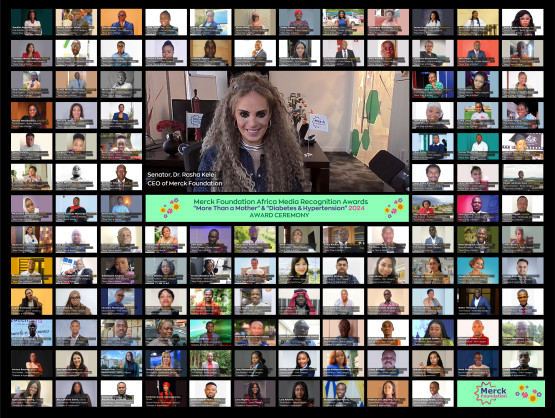
Merck Foundation CEO Meets the 125 Winners From 36 Countries- “More Than a Mother” and “Diabetes and Hypertension” Media Awards 2024, Announced in Partnership With the First Ladies of Africa

Location: News
Merck Foundation

  • Merck Foundation CEO announced call for application of 2025 Merck Foundation Media Recognition Awards in partnership with African First Ladies - apply now at submit@merck-foundation.com 

Merck Foundation (www.Merck-Foundation.com), the philanthropic arm of Merck KGaA Germany, in partnership with the First Ladies of Africa, proudly announced the Winners of their Merck Foundation Africa Media Recognition Awards 2024 under the categories “More Than a Mother” and “Diabetes and Hypertension”. 

The Awards Ceremony was conducted virtually to honor and celebrate the outstanding contributions of all the winning media professionals. The winners were warmly acknowledged by Senator Dr. Rasha Kelej, CEO of Merck Foundation and President of the “More Than a Mother” campaign. 

Senator, Dr. Rasha Kelej expressed, “I am truly happy to announce the winners of our Media Awards, together with my dear sisters, The First Ladies of Africa, who are also the Ambassadors of the Merck Foundation ‘More Than a Mother' Campaign. This year, we are delighted to celebrate 125 outstanding winners from 36 countries. It brings me joy to see such impressive participation not only from across Africa but also from several Asian and Latin American countries. Congratulations to all our incredible winners! 

It is a true pleasure to welcome you all as Merck Foundation Alumni. Let's continue to work together to raise awareness about critical social and health challenges, be the voice of the voiceless, and create culture shift in our communities.” 

Merck Foundation Media Awards launched in 2017, are announced annually, with over 640 Winners from 52 countries celebrated to date. 

The theme of the “More Than a Mother” Media Awards is to raise awareness about important social issues like: Breaking Infertility Stigma, Supporting Girl Education, Women Empowerment, Ending Child Marriage, Ending Female Genital Mutilation and/or Stopping Gender-Based Violence. The theme of the “Diabetes and Hypertension” Media Awards is to Promote a Healthy Lifestyle and raise awareness about prevention and early detection of Diabetes and Hypertension.  

The Merck Foundation CEO also launched the Call for Applications for the 2025 Media Awards. “I am pleased to invite entries for the Merck Foundation Media Recognition Awards 2025 – “More Than a Mother” & “Diabetes and Hypertension”, in partnership with the African First Ladies. I look forward to receiving another outstanding round of impactful entries this year as well.” Said Senator Dr. Rasha Kelej.  

Winners of Merck Foundation "More Than a Mother" Media Recognition Awards 2024  

Here are the winners from West African Countries in partnership with The First Lady of the Republic of The Gambia, H.E. Mrs. FATOUMATTA BAH-BARROW; and The First Lady of the Republic of Sierra Leone, H.E. Dr. FATIMA MAADA BIO:  

PRINT CATEGORY WINNER 

  • Jennifer Ambolley, The Chronicle, Ghana (First Position) 
  • Mackie Muctarr Jalloh, News Times Daily, Sierra Leone (Second position) 
  • Alao Abiodun, The Nation, Nigeria (Second position) 

ONLINE CATEGORY WINNERS 

  • Dzifa Tetteh Tay, The Spectator, Ghana (First Position) 
  • Laudia Sawer, Ghana News Agency, Ghana (First Position) 
  • Nyima Sillah, The Voice, The Gambia (Second Position) 
  • Isatou Ceesay, The Gambia Point, The Gambia (Third Position) 
  • Abigail Arthur, Citi Newsroom, Ghana (Third Position) 
  • Odimegwu Onwumere, The Nigerian Voice, Nigeria (Third Position) 

RADIO CATEGORY WINNER 

  • Mavis Offei Acheampong, GBC Radio, Ghana (First Position) 
  • Joyce Kantam Kolamong, GBC Radio, Ghana(Second Position) 
  • Zainab Sunkary Koroma, Star Radio, Sierra Leone (Third Position) 

MULTIMEDIA CATEGORY WINNERS 

  • Tolulope Adeleru-Balogun, News Central TV, Nigeria (First Position) 
  • Alieu Ceesay, QTV, The Gambia (Second Position) 
  • Mona Lisa Frimpong, Joy News, Ghana (Third Position) 

Here are the Winners from Southern African Countries in partnership with The First Lady of the Republic of Malawi, H.E. Mrs. MONICA CHAKWERA; The First Lady of the Republic of Zimbabwe, H.E. Amai Dr. AUXILLIA MNANGAGWA: 

PRINT CATEGORY WINNERS 

  • Precious Kumbani, The Nation, Malawi (First Position) 
  • Gresham Ngwira, Freelancer, Malawi (Second Position) 
  • Simon Muntemba, Daily Nation, Zambia (Second Position) 
  • Charlotte Nambadja, The Namibian, Namibia (Third Position) 
  • Silence Mugadzaweta, The Standard, Zimbabwe (Third Position) 

ONLINE CATEGORY WINNERS 

  • Alain Kabinda, Daily News Agency, Zambia (First Position) 
  • Catherine Murombedzi, Freelancer, Zimbabwe (First Position) 
  • Alick Ponje, The Times, Malawi (second Position) 
  • Wallace Mawire, Pan African Visions, Zimbabwe (Second Position) 
  • Hamu Madzedze, 365 Health Diaries, Zimbabwe (Third Position) 
  • Kundai Michael Magoronga, Chronicle, Zimbabwe (Third Position) 
  • Mlondi Mkhize, Briefly News, South Africa (Third Position) 

RADIO CATEGORY WINNERS 

  • Glendah Fadzai Takachicha, Capitalk FM, Zimbabwe (First Position) 
  • Tina Nyirenda, Smooth FM, Zambia (Second Position) 
  • Sylviah Chisi, Trans World Radio, Malawi (Second Position) 
  • Nyasha Mandimutsira, Capitalk FM, Zimbabwe (Third Position) 
  • Perina N. Wahara, PL FM, Malawi (Third Position) 

MULTIMEDIA CATEGORY WINNERS 

  • Keneilwe Pono, YTV, Botswana (First Position) 
  • Taati Niilenge, The Namibian, Namibia (Second Position) 
  • Lame Lucas, YTV, Botswana (Third Position) 

Here are the winners from East African Countries: 

PRINT CATEGORY WINNERS 

  • Elizabeth Angira, People Daily, Kenya (First Position) 
  • Marco Maduhu, Nipashe, Tanzania (Second Position) 
  • Margaret Maina, Nation Media, Kenya (Second Position) 
  • Beatrice Philemon Mukocho, The Guardian, Tanzania (Third Position) 
  • Vitus Audax, The Guardian, Tanzania (Third Position) 

ONLINE CATEGORY WINNERS 

  • Kamau Maichuhie, Nation Online, Kenya (First Position) 
  • Isabella Maua Chemosit, Freelancer, Kenya (Second Position) 
  • Anne Robi, Daily News, Tanzania (Second Position) 
  • Nteza Michael, UG Standard, Uganda (Third Position) 
  • Benjamin Takpiny, Anadolu Agency, South Sudan (Third Position) 
  • Ayele Addis Ambelu, Ethiopian Mass Media Action News, Ethiopia (Third Position) 

RADIO CATEGORY WINNERS 

  • Caren Waraba Sisya, Radio Citizen, Kenya (First Position) 
  • Mamer Abraham Kuot, Voice of America, South Sudan, (Second Position) 
  • Mwanaisha Makumbuli, Highlands FM, Tanzania (Second Position) 
  • Fatuma Mustapha Mtemangani, Pambazuko FM, Tanzania (Third Position) 
  • Daniel Byiringiro, Flash FM, Rwanda (Third Position) 

MULTIMEDIA CATEGORY WINNER 

  • Rose Wangui, NTV Kenya, Kenya (First Position) 
  • Andrew Juma, TV47, Kenya (Second Position) 
  • Leonard Kigozi  and Isabel Nakirya, CGTN Africa, Uganda (Third Position) 
  • Mackriner Siyovelwa, Crown Media, Tanzania (Third Position) 

Here are the winners from French Speaking African Countries in partnership with The First Lady of the Republic of Burundi, H.E. Madam ANGELINE NDAYISHIMIYE; The First Lady of Democratic Republic of the Congo, H.E. Madam DENISE NYAKERU TSHISEKEDI: 

PRINT CATEGORY WINNER 

  • Issa Moussa, Niger Times, Niger (First Position) 
  • Koami Agbetiafa, Niger Inter Press Group, Niger (Second Position) 

ONLINE CATEGORY WINNERS 

  • AZODODASSI Mêmèdé Ambroisine, Savoir News, Togo (First Position) 
  • Julio Gada, Global News, Benin (Second Position) 
  • Boris Esono Nwenfor, Pan African Visions, Cameroon (Third Position) 
  • Bakari Guèye, Initiatives News, Mauritania (Third Position) 
  • Frimo Koukou Djipro, Lelus, Côte d'Ivoire (Third Position) 

RADIO CATEGORY WINNERS 

  • Remy RUKUNDO, Radio TV Buntu, Burundi (First Position) 
  • Magnus MFURANZIMA, ISÔKO FM, Burundi (First Position) 
  • Mame Mbagnick DIOUF, Radio Oxyjeunes, Senegal (Second Position) 
  • Tanko Worou, Radio SU TII DERA, Benin (Second Position) 
  • Moussa KONE, Radio Channel 2, Mali (Third Position) 

MULTIMEDIA CATEGORY WINNERS 

  • Matthias KABUYA TSHILUMBA, RTDK, DRC (First Position) 

Here are the winners from Portuguese Speaking African Countries in partnership with The First Lady of the Republic of Cabo Verde, H.E. Dr. DÉBORA KATISA CARVALHO: 

ONLINE CATEGORY WINNERS 

  • Edisângela Tavares, Expresso das Ilhas, Cabo Verde (First Position) 
  • Sheilla Ribeiro, Sociedade, Cabo Verde (Second Position) 

RADIO CATEGORY WINNERS 

  • Teresa Monteiro Pinto, Rádio Televisão de Cabo Verde, Cabo Verde (First Position) 

MULTIMEDIA CATEGORY WINNERS 

  • Ângelo Semedo, Deutsche Welle, Cabo Verde (First Position) 

Merck Foundation "Diabetes & Hypertension" Media Recognition Awards 2024 

Here are the winners from West African Countries in partnership with The First Lady of the Republic of The Gambia, H.E. Mrs. FATOUMATTA BAH-BARROW; and The First Lady of the Republic of Sierra Leone, H.E. Dr. FATIMA MAADA BIO:  

PRINT CATEGORY WINNER 

  • Agnes Opoku Saprong, Ghanaian Times, Ghana (First Position) 
  • Patience Ivie Ihejirika, Leadership Newspaper, Nigeria (Second Position) 

ONLINE CATEGORY WINNERS 

  • Muhammed Lamin Touray, Freelancer, The Gambia (First Position) 
  • Prince Owusu Asiedu, Adom Online, Ghana (Second Position) 
  • Lara Adejoro, The Punch, Nigeria (Third Position) 

RADIO CATEGORY WINNERS 

  • Godwin Awuni Anafo, Odadee Radio, Ghana (First Position) 

MULTIMEDIA CATEGORY WINNER 

  • Emmanuel Dzivenu Seyram Abla De-Souza, Joy TV, Ghana (First Position) 
  • Ezedimbu Karen Ogomegbunem, Africa Independent Television, Nigeria, (Second Position) 
  • Lois Abba Sambo, Abuja Broadcasting Corporation, Nigeria (Third Position) 
  • Akua Oforiwa Darko, TV3, Ghana (Third Position) 

Here are the Winners from Southern African Countries in partnership with The First Lady of the Republic of Malawi, H.E. Mrs. MONICA CHAKWERA; The First Lady of the Republic of Zambia, H.E. Mrs. MUTINTA HICHILEMA; The First Lady of the Republic of Zimbabwe, H.E. Amai Dr. AUXILLIA MNANGAGWA: 

PRINT CATEGORY WINNER 

  • Nancy Kefilwe Ramokhua, The Patriot, Botswana (First Position) 
  • Matilda Chimwaza Majawa, Times Group, Malawi (Second Position) 

ONLINE CATEGORY WINNERS 

  • June Shimuoshili, Unwrap Online, Namibia (First Position) 
  • Tendai Chisiri, Sport Way News Net, Zimbabwe (Second Position) 
  • Shireen van Wyk, Shay Blogger, Namibia (Third Position) 
  • Prince Kurupati, Pan African Visions, Zimbabwe (Third Position) 

RADIO CATEGORY WINNERS 

  • Elvis Howahowa, Times Radio, Malawi (First Position) 
  • Stella Mlotha, Trans World Radio, Malawi (Second Position) 

Here are the winners from East African Countries: 

PRINT CATEGORY WINNER 

  • Lucy Johnbosco, Mwananchi, Tanzania (First Position) 
  • Christina Mwakangale, Nipashe, Tanzania (Second Position) 

ONLINE CATEGORY WINNERS 

  • Joan Mbabazi, The New Times, Rwanda (First Position) 
  • Leon Lidigu, Nation Online, Kenya (Second Position) 
  • Namwalo Daniel Absalom, Kenya News Agency, Kenya (Third Position) 
  • Angela Kezengwa, Citizen Digital, Kenya (Third Position) 
  • Veronica Mrema, M24 Tanzania, Tanzania (Third Position) 

RADIO CATEGORY WINNERS 

  • Kintu Khalid, Radio Simba, Uganda (First Position) 
  • Asha Bekidusa, Bahari FM, Kenya (Second Position) 

MULTIMEDIA CATEGORY WINNER 

  • Walter Mwesigye, NTV, Uganda (First Position) 
  • Edvesta Tarimo, Tumaini Media, Tanzania (Second Position) 

Here are the winners from French Speaking African Countries in partnership with The First Lady of the Republic of Burundi, H.E. Madam ANGELINE NDAYISHIMIYE; and The First Lady of Democratic Republic of the Congo, H.E. Madam DENISE NYAKERU TSHISEKEDI: 

PRINT CATEGORY WINNERS 

  • Konan N'Guessan Attoumgbre Joseph, La Retraite Active, Côte d'Ivoire (First Position) 
  • Nkurunziza Moise, Le Renouveau, Burundi (Second Position) 

ONLINE CATEGORY WINNERS 

  • Bahwa Ferdinand, Le Journal Africa, Burundi (First Position) 
  • Abdoulaye Ouédraogo, Queen Mafa, Burkina Faso (Second Position) 
  • Richard Manirakiza, l'Agence Burundaise de Presse, Burundi (Second Position) 
  • Mapote Gaye, Infomedia27, Senegal (Second Position) 
  • Atha Menssan Woffa Assan, Focus Infos, Togo (Third Position) 
  • Catherine Aimée Biloa, Échos Santé, Cameroon (Third Position) 
  • Nadège Omoladé SANNY, SRTB Online, Benin (Third Position) 

RADIO CATEGORY WINNERS 

  • MVUYEKURE Jean Claude, Radio TV Buntu, Burundi (First Position) 
  • Abdoul Razak Sani Oumarou, Radio Saraounia Maradi, Niger (Second Position) 
  • Kabamba Ngalamulume Fabrice, Radio Télévision de l'éducation (RTEDUC), DRC (Third Position)  

MULTIMEDIA CATEGORY WINNER 

  • Chris IRAMBONA, Radio Television Buntu, Burundi (First Position) 

Here are the winners from ASIAN Countries: 

PRINT CATEGORY WINNER 

  • Parikshit Nirbhay, Amar Ujala, India (First Position) 
  • Revathi Murugappan, Star Health, Malaysia (Second Position) 
  • Pooja Biraia, The Week, India (Third Position) 

ONLINE CATEGORY WINNERS 

  • Rashe Zoe Sophia B Piquero, Cebu Daily News, Philippines (First Position) 
  • Roshan Bhandari, Medicoliterature, Nepal (Second Position) 
  • Crystal Chow, Undark Magazine, China (Third Position) 

Here are the winners from LATIN AMERICA Countries: 

ONLINE CATEGORY WINNERS 

  • Adriana Becerra, Agencia Brunch, Mexico (First Position) 
  • Rafaela Polo, UOL, Brazil (Second Position) 

MULTIMEDIA CATEGORY WINNER 

  • Roxana Fabiola Lopresti, Channel 9 Televida, Argentina (First Position) 
  • Ana Paula Pedrosa, R7, Brazil (Second Position) 

Details of Merck Foundation Media Awards 2025: 

1. Merck Foundation Africa Media Recognition “More Than a Mother” Awards 2025 

Theme for the awards: Breaking Infertility Stigma, Supporting Girl Education, Women Empowerment, Ending Child Marriage, Ending FGM, and/or Stopping GBV at all levels.  

Who can apply: Journalists from Print, Radio, Online, and Multimedia platforms from the following groups:  

  • Southern African Countries  
  • West African Countries  
  • East African Countries 
  • French Speaking African Countries 
  • Portuguese Speaking African Countries 

Submission deadline: 30th September 2025. 

2. Merck Foundation Media Recognition “Diabetes & Hypertension” Awards 2025 

Theme for the awards: Promoting a healthy lifestyle and raising awareness about prevention and early detection of Diabetes and Hypertension.  

Who can apply: Journalists from Print, Radio, Online, and Multimedia platforms from the following groups:  

  • Southern African Countries  
  • West African Countries  
  • East African Countries 
  • French Speaking African Countries 
  • Portuguese Speaking African Countries 
  • Latin American Countries 
  • Asian Countries 

Submission deadline: 30th October 2025. 

All entries are to be submitted to submit@merck-foundation.com.

Distributed by APO Group on behalf of Merck Foundation.

Contact details:
Mehak Handa
Community Awareness Program Manager
+91 9310087613 / +91 9319606669
mehak.handa@external.merckgroup.com

Join the conversation on our social media platforms below and let your voice be heard! 
Facebook:
 https://apo-opa.co/4cLhp9K
X: https://apo-opa.co/3EtS73f
YouTube: https://apo-opa.co/4cUG7o7
Instagram: https://apo-opa.co/3GnWcqj
Threads: https://apo-opa.co/3EvXLlq
Flickr: https://apo-opa.co/42ZoEr6
Website: www.Merck-Foundation.com

About Merck Foundation:  
The Merck Foundation, established in 2017, is the philanthropic arm of Merck KGaA Germany, aims to improve the health and wellbeing of people and advance their lives through science and technology. Our efforts are primarily focused on improving access to quality & equitable healthcare solutions in underserved communities, building healthcare & scientific research capacity, empowering girls in education and empowering people in STEM (Science, Technology, Engineering, and Mathematics) with a special focus on women and youth. All Merck Foundation press releases are distributed by e-mail at the same time they become available on the Merck Foundation Website.  Please visit www.Merck-Foundation.com to read more. Follow the social media of Merck Foundation: Facebook (https://apo-opa.co/4cLhp9K), X (https://apo-opa.co/3EtS73f), Instagram (https://apo-opa.co/3GnWcqj), YouTube (https://apo-opa.co/4cUG7o7), Threads (https://apo-opa.co/3EvXLlq) and Flickr (https://apo-opa.co/42ZoEr6). 

The Merck Foundation is dedicated to improving social and health outcomes for communities in need. While it collaborates with various partners, including governments to achieve its humanitarian goals, the foundation remains strictly neutral in political matters. It does not engage in or support any political activities, elections, or regimes, focusing solely on its mission to elevate humanity and enhance well-being while maintaining a strict non-political stance in all of its endeavors. 

Media files
Merck Foundation
Download logo
Read moreMerck Foundation CEO Meets the 125 Winners From 36 Countries- “More Than a Mother” and “Diabetes and Hypertension” Media Awards 2024, Announced in Partnership With the First Ladies of Africa
16 April 2025

South Africa Condemns the Bombing of Hospitals in Gaza, and the Brutal Massacres of Humanitarian Workers and Journalists

Location: News

Republic of South Africa: Department of International Relations and Cooperation
Download logo

South Africa condemns the continuous bombing of civilian targets in Gaza, the most recent being the missile strike by Israel forces on the al-Ahli Arab hospital in Gaza on Sunday, 13 April, forcing the evacuation of dozens of wounded people, and leaving Gaza critically short of emergency care. South Africa joins the global condemnation of the bombing, which is a flagrant violation of international humanitarian law. Israel has bombed, burned and destroyed at least 35 hospitals in Gaza since the start of the war in October 2023. Attacks on health facilities, medical personnel and patients are considered a war crime under the IV Geneva Convention of 1949.

The attack on Al Ahli Arab hospital follows the killing of 15 humanitarian personnel in Gaza – eight Palestinian Red Crescent Society health workers, one UNRWA staff member, and six members of the Palestinian Civil Defence who were on a rescue mission on the morning of 23 March and deliberately fired upon by Israeli military forces. Deliberate attacks on medics and humanitarian workers are prohibited by international law and constitute war crimes. First responders like civilians and other non-combatants are never legitimate targets.

We are also concerned that Israel has halted the entry of all aid into Gaza since 2 March. This is in defiance of the binding provisional orders of the International Court of Justice, which ordered Israel to ensure unhindered access of humanitarian aid in Gaza. The international community must hold Israel accountable through effective counter-measures, as the impunity enjoyed by Israel has emboldened its genocidal actions in Palestine.

Distributed by APO Group on behalf of Republic of South Africa: Department of International Relations and Cooperation.

Read moreSouth Africa Condemns the Bombing of Hospitals in Gaza, and the Brutal Massacres of Humanitarian Workers and Journalists
15 April 2025

Majodina commits to accelerate bulk water infrastructure implementation

Location: News

Majodina commits to accelerate bulk water infrastructure implementation

Water and Sanitation Minister Pemmy Majodina has reaffirmed government’s commitment to fast-track the rollout of bulk water infrastructure projects across the country.

Majodina made the commitment during the official handover of the Kirkwood Bulk Water Project to the Sundays River Valley Local Municipality, on Monday.

Funded through the Department of Water and Sanitation’s Regional Bulk Infrastructure Grant (RBIG), the R35 million project represents a transformative investment in water security for the Kirkwood community and the wider Eastern Cape province.

The project, implemented by Amatola Water, includes the construction of a new 14 million-litre raw water storage dam, which boosts the total storage capacity from 20.2 million litres to 34.2 million litres.

The expansion ensures an uninterrupted water supply, even during the annual maintenance shutdown of the Orange-Fish Water Scheme, which previously left the communities exposed to water shortages.

In addition to the dam, the project delivered two new 3.0-megalitre reservoirs in Kirkwood Town and Bontrug (Moses Mabida), as well as critical pipework upgrades to improve water distribution efficiency and reduce losses.

The project will also bring tangible benefits to communities, including reliable water access for 3,963 households and an estimated population of 16 778.

The improved infrastructure will also bring reliable water access to the communities, including 3,963 households, benefiting an estimated 16 778 population.

The project is also expected to bolster the local citrus industry, a key economic driver in the region, by enhancing water reliability for agricultural operations - thereby safeguarding jobs and export revenues.

Addressing the community during a handover ceremony, Majodina said the completion of Kirkwood Bulk Water Project, is more than just infrastructure, but “a clear demonstration of this government’s urgent and unwavering commitment to water security for all.”

“We are now entering a phase where we must - and will - fast-track the rollout of bulk water projects across the country with speed, focus, and accountability. Water is not a luxury, it is a basic right and a driver of economic growth, health, and dignity.

“Communities like Kirkwood deserve nothing less, and we will not rest until every household, farm, and business has reliable access to water,” Majodina said.

The Minister also urged the public to actively safeguard water infrastructure, take pride in the assets, and to work with the government to protect them.

“We call on all South Africans to avoid, prevent, and report any acts of vandalism, or theft that threaten our water systems. These projects belong to the people [and] when infrastructure is destroyed, it is our communities, our families, and our children who suffer,” Majodina said.

The project, which started in July 2023 and completed in March 2025, has brought inclusive economic benefits during its construction phase, generating 41 jobs for local community members and engaging 10 local small businesses, furthering the department’s goals for empowerment and local economic development.

The project components included:

•    A 14-million-litre raw water lay dam at the Kirkwood Water Treatment Works;
•    All associated infrastructure such as inlet chambers, interconnecting pipework, and security fencing;
•    A 3.0-million-litre steel reservoir in Kirkwood serving Aqua Park, Bergsig, and surrounds;
•    A second 3.0-million-litre reservoir in Bontrug, supplying Moses Mabida, Msengeni, and nearby settlements; and 
•    Interlinking pipework to enable zoning and efficient water distribution across the municipal network.

Majodina was joined by the Sarah Baartman District Municipality Mayor, Deon de Vos, and Sundays River Valley Local Municipality Mayor, Solethu Lucas. – SAnews.gov.za


GabiK
Tue, 04/15/2025 - 14:24
209 views

Read moreMajodina commits to accelerate bulk water infrastructure implementation
14 April 2025

Call to monitor rented spaces 

Location: News

Call to monitor rented spaces 

Police Minister Senzo Mchunu says municipalities must rise to the occasion and be aware of the activities taking place in the spaces they rent out.

The Minister’s comments come as he visited various drug laboratories and a warehouse which were discovered and shut down by the Hawks in Mpumalanga.

“The spaces where this operation was carried out (industrial and residential areas) are indicative that municipalities have to rise to the occasion and be aware of the activities which take place in relation to the spaces they rent out,” the Minister said following his visit to the sites on Sunday.

READ | Police Minister to visit Mpumalanga drug labs following arrests 

The visit follows an operation carried out by a team comprising of among others, the Hawks in Secunda, Standerton K9, and the Standerton Crime Intelligence on 4 April.

“A search warrant was obtained and large quantities of liquid chemicals in drums, powder chemicals in sacks, machinery and equipment were found. It was confirmed that the building was used as a storage facility for illicit drug producing material,” the Minister said.

Three Mozambican nationals found at the scene were arrested; a fourth suspect who is also a Mozambican national was also arrested. 

“All these individuals are illegal immigrants. Three vehicles were seized. Further investigation led us to a farm, where a clandestine drug lab was discovered, and a Mozambican couple was arrested - parents to one of the suspects arrested prior. Again, these individuals do not have the requisite papers to be in South Africa,” he said.

The combined value of items found was around R20 million.

All six suspects appearance in the Standerton Magistrate court on Monday, 07 April 2025.
Additionally, intelligence about two additional laboratories in the area were received. Search warrants were applied for and executed on 8 April 2025.

“The Investigation team comprising of the Directorate for Priority Crime Investigation (DPCI/Hawks) Secunda, SANEB [South African Narcotics Enforcement Bureau] head office, Standerton K9, Standerton Crime Intelligence, and private security visited a farm and discovered it was empty and then proceeded to a residential address. 

"A tablet pressing machine, a disassembled machine worth over R2 million, petrol generator and 20 litre buckets full of finished powder products valued at over R28 million were found,” said the Minister.

Two South African males were arrested while a third suspect, handed himself in. They appeared in the Standerton Magistrates Court on 10 April 2025.

Several luxury vehicles were seized, including a Mercedes Benz and an amount of R3 689 200 was found in the boot of the Mercedes Benz. A white Isuzu van was found at another address and is in police custody.

“All suspects have since appeared in the Standerton Magistrate’s Court; one suspect (South African) has been released but investigations are still underway. The eight suspects who are in custody will appear again for a formal bail hearing on the 25th of April 2025.

This whole operation is an indication that we need to increase our law enforcement capacity in order to achieve such results and more. This is one aspect which we as the SAPS [South African Police Service] are focused on,” the Minister explained.

He added that the police have prioritised tackling the drug trade and is looking at dismantling the entire value chain.

“Since August 2024, the SAPS have uncovered several clandestine drug laboratories, leading to significant seizures of illicit substances and manufacturing equipment.”

Among some of the drug busts made by police previously include the dismantling of a laboratory valued at R100 million was dismantled in Rietfontein, Tshwane, resulting in the arrest of a 39-year-old Mexican national in November last year.

In December 2024, a drug bust valued at R4.5 million was executed, uncovering machines used for drug production, though no suspects were found at the scene in Kibler Park, Johannesburg.

“The total estimated street value of the 800 kilograms of drugs that were destroyed on 7 March 2025 is in excess of R340 million. About a year ago, drugs worth R550 million were destroyed. In three years, various types of drugs worth R5.2 billion have been destroyed.

“As the SAPS, we have a constitutional duty to ensure that all South Africans are and feel safe. Drugs have a negative impact on our communities. They have an impact on the crime levels, they destroy young lives and the health of those who consume them,” he said.-SAnews.gov.za 


Edwin
Mon, 04/14/2025 - 11:48
315 views

Read moreCall to monitor rented spaces 
14 April 2025

Establishment of Eskom’s renewable energy business unit welcomed

Location: News

Establishment of Eskom’s renewable energy business unit welcomed

The Minister of Forestry, Fisheries and the Environment, Dr Dion George, has welcomed Eskom’s recent issuance of a tender to establish a separate renewable energy business unit. 

“This significant step reflects Eskom’s dedication to accelerating renewable energy deployment and supporting South Africa’s transition to a cleaner, more sustainable energy future, consistent with the nation’s Just Energy Transition (JET) objectives and commitments under the Paris Agreement,” the Minister said on Monday.

On 31 March 2025, the Minister granted conditional emissions exemptions to Eskom’s coal-fired power stations, underscoring the urgent need for prioritisation of renewable energy integration. 

“The establishment of this independent subsidiary, structured to operate with agility and encourage public-private partnerships, directly addresses those conditions.

“It positions Eskom to capitalise on South Africa’s abundant solar and wind resources, enhance competitiveness, and secure green financing, while contributing to improved air quality and reduced carbon emissions,” George said.

He acknowledged Eskom’s proactive approach and called for a transparent, competitive, and inclusive tender process that fosters opportunities for local and international expertise. 

The Department of Forestry, Fisheries and the Environment will closely monitor the initiative’s progress to ensure alignment with South Africa’s Nationally Determined Contributions (NDCs), the 2050 net-zero emissions target, as well as the stringent conditions imposed on Eskom on 31 March 2025 that support compliance with the Minimum Emissions Standards (MES).

The Minister further encouraged Independent Power Producers (IPPs) and the private sector to actively participate, driving innovation and investment to bolster renewable energy capacity. 

“Through collective effort, South Africa can build a resilient, inclusive, and environmentally sustainable energy sector that upholds the constitutional mandate to protect the health and well-being of all its citizens,” he said. - SAnews.gov.za


nosihle
Mon, 04/14/2025 - 11:28
63 views

Read moreEstablishment of Eskom’s renewable energy business unit welcomed
11 April 2025

Hlabisa urges communities to protect children 

Location: News

Hlabisa urges communities to protect children 

The Minister of Cooperative Governance and Traditional Affairs (CoGTA), Velenkosini Hlabisa, has urged communities to be vigilant and proactive in protecting the health and well-being of children.

The Minister was speaking at the Chris Hani Baragwanath Hospital in Soweto, Johannesburg, where he was visiting an eight-year-old boy. It was reported that the boy was hospitalised after he fell ill after consuming contaminated snacks purchased from a spaza shop in Mapetla, Soweto.

According to reports, the eight-year-old boy was taken to a nearby clinic after complaining of persistent pain.
After his condition deteriorated, he was transferred to the hospital over the weekend.

“Government plays a crucial role, but we also urge communities to take shared responsibility,” Hlabisa said on Friday. 

He urged communities to protect all children and work together with government to create safer and healthier environments.
In November 2024, President Cyril Ramaphosa issued a directive requiring all spaza shops and food-handling facilities to register with their respective municipalities. 

This action was prompted by incidents involving foodborne illnesses that resulted in over 890 cases and nearly 30 deaths since September 2024.

In October last year, six primary school children from Naledi, Soweto, died after allegedly eating snacks from a foreign-owned local spaza shop.

Some of the children were confirmed to have died of poisoning linked to the agricultural pesticide terbufos.

According to the Department of Cooperative Governance and Traditional Affairs (CoGTA), spaza shops are crucial in local communities, often serving as the primary source of essential goods in underserved areas.

“We are here on humanitarian grounds to stand in solidarity with this young boy and his family during this difficult time,” said Hlabisa. 

“It was our sincere hope that such incidents of poisoning would never happen again.”

READ | Hlabisa to visit child who consumed alleged contaminated snacks

The Minister believes that tragedies of this nature demand a united front and reaffirmed government’s commitment to working collaboratively to protect vulnerable communities. 

“We are here in the spirit of the District Development Model because incidents like these require the combined efforts of all of government and all of society,” he said.

The District Development Model aims to improve the coherence and impact of government service delivery with focus on 44 Districts and 8 Metros around the country as development spaces that can be used as centres of service delivery and economic development, including job creation.  – SAnews.gov.za


Gabisile
Fri, 04/11/2025 - 12:31
103 views

Read moreHlabisa urges communities to protect children 
11 April 2025

Government to recruit 1 200 new doctors

Location: News

Government to recruit 1 200 new doctors

In a significant move to address the critical shortage of healthcare professionals in the public healthcare system, the National Health Council has announced the approval of 1 200 new positions for doctors. 

The decision comes after years of budgetary constraints that hindered the employment of medical professionals despite dissatisfaction and urgent need. 

Health Minister, Dr Aaron Motsoaledi’s announcement follows the presentation of a new budget by the Finance Minister on 12 March 2025, which allocated R1.78 billion to fund the recruitment of healthcare workers. 

In addition to the 1 200 doctors, Motsoaledi said the Council has approved the hiring of 200 nurses and 250 other healthcare professionals.  

He told journalists that the Human Resources units will soon commence with recruitment processes once all logistics have been finalised. 

“Early this year, the country woke up to widespread dissatisfaction about the employment of healthcare professionals, especially doctors amid [a] shortage in the public healthcare system,” he said.

However, Motsoaledi believes that this development marks a turning point for the public healthcare sector, which has been struggling to meet the demands of a growing population.

The Council’s decision is expected to alleviate pressure on existing healthcare facilities and improve access to quality medical care for citizens.

Meanwhile, he said the Council emphasised its commitment to addressing the challenges facing the system and ensuring that the sector is adequately staffed to deliver essential services.

The Council is a statutory body consisting of the Minister of Health, all nine Health MECs, the South African Local Government Association (SALGA) and the Surgeon General of South African Military Health Services.

Addressing shortages

“One of the most embarrassing experiences the public health sector had to endure is the shortage of simple things that will make the stay of patients a worthwhile experience.

“In fact, one of the biggest differences between the public and private sectors are the hotelling services characterised by the issues we have just mentioned,” said Motsoaledi. 

He said the Council has decided to purchase 25 000 beds, 80 000 mattresses, 7 655 bassinets for new babies, and 1 250 million linens, including bed sheets and pillows, for a total of R1.346 billion. 

“It is for that reason that we wish to announce that we have checked province by province what that need [is] in the form of hospital beds and bassinet for newborn babies. We remember with a sense of shame how babies were put in cardboard boxes in Mahikeng hospital in the North West province.” 

Review of human resources policies

Meanwhile, Motsoaledi said that during the Council meeting held in November last year, a decision was taken for the review of some of the “outdated” human resources policies. 

“There are lot of health policies adopted at the dawn of democracy which we believe are now obsolete or do no longer serve the purpose they were intended for. Some of them have created unnecessary costs without any tangible benefits. We can even say some have contributed to the undermining of the public sector’s ability to deliver quality services.” 

Four health policies are currently under review, including the policy on remunerative work outside the public service, which outlines the regulations for employees wishing to obtain permission for paid work beyond their regular responsibilities. 

A committee that has been set up, in terms of section 91 (1) of the National Health Act of 2003 (Act no 61 of 2003) read with sections 91 (2) of the same Act, will also look into the overtime policy, which pertains to established fixed payment for overtime hours worked by healthcare professionals, aimed at meeting operational demands and addressing skill shortages. 

In addition, the community service policy, which focuses on the deployment of medical practitioners and the rural allowance policy, designed for medical practitioners serving in remote rural locations, will also be looked into.

The committee members include Dr Cassius Lubisi, Sibongile Mchunu, Professor Laetitia Rispel, Professor Eric Buch, Dr Terence Carter, Dr Rajen Morar, Professor Binu Luke, Nomvula Marawa, Professor Busisiwe Ncama and Professor Somadoda Fikeni. – SAnews.gov.za


Gabisile
Fri, 04/11/2025 - 09:52
114 views

Read moreGovernment to recruit 1 200 new doctors
10 April 2025

US Funding Cuts Could Cause Over 150,000 Extra HIV Infections in SA by 2028

Location: News

Experts say this can be avoided if the South African government covers some of the defunded services

Read moreUS Funding Cuts Could Cause Over 150,000 Extra HIV Infections in SA by 2028
10 April 2025

Systematic failures responsible George building collapse

Location: News

Systematic failures responsible George building collapse

An independent forensic investigation into the building collapse in George, in the Western Cape, has revealed systemic failures at multiple levels.

The report cites widespread non-compliance with regulatory standards and mismanagement by both the National Home Builders Registration Council (NHBRC) and project personnel as key causes of the incident.

The findings, presented by Human Settlements Minister, Thembi Simelane during a media briefing in Pretoria on Wednesday, revealed a series of procedural and structural failures, including irregular project enrolment, inspection lapses, poor material quality, and violations of occupational health and safety (OHS) protocols.

The NHBRC initiated the investigation after the Neo Victoria project collapsed on 6 May 2024, killing 34 people and injuring many others. Several survivors are still recovering.

Homebuilder certification and grading process

The investigation uncovered serious irregularities in the registration process of the construction company. The firm misrepresented its capabilities and failed to disclose that it intended to construct a multi-storey building.

“This omission breached NHBRC’s policies, which require transparency regarding a home builder's intended project scope in technical capacity. By bypassing this rigorous process, a company in question compromised its registration and certification of the project,” Simelane said.

Enrolment certification irregularities

The enrolment process demonstrated significant non-compliance with the NHBRC's enrolment procedures, resulting in critical regulatory breaches and unauthorised approvals.

“The enrolment forms were processed on 11 July 2023 even though the construction start date was scheduled for 19 June 2023. Again, the official did not verify that a homebuilder was registered to construct despite the building plans showing that this was indeed a multistorey enrolment.

“Thus, a contractor was allowed to proceed with the construction of a multi-storey building without the proper enrolment. Even more disturbing was the unlawful use of other official’s credentials to enrol the first phase of the project. This demonstrated the breakdown in the NHBRC’s internal control system,” the Minister highlighted.

Deficient inspection model

The NHBRC inspections failed to meet internal protocols, and these included one inspection, which was conducted eight days after enrolment, exceeding the five-day window period, in line with the NHBRC’s inspection protocol.

“More worrying was that the inspection reports included units which were yet to be constructed.” the Minister noted.

Occupational health and safety adherence

The report revealed multiple OHS breaches, including unresolved safety concerns, the resignation of a safety consultant, and the complete absence of OHS enforcement protocols in NHBRC’s procedures.

Inspectors were not empowered to enforce safety compliance, leaving serious safety violations unaddressed. The investigation also revealed that several personnel performing critical tasks lacked qualifications in engineering or quantity surveying.

Significant shortcomings were found in the evaluation of the appointed technical manager, whose credentials were not adequately reassessed.

According to the report, this played a major role in the technical missteps observed during the construction.

The geotechnical report provided did not include crucial information, such as trial pit locations, Dynamic Cone Penetrometer (DCP) test results, and geological maps. This information is essential for foundation design and site preparation.

Additionally, George Municipality approved the building plans after construction had already begun.

Recommendations

To prevent future incidents, the report issued comprehensive recommendations for reform within the NHBRC and the broader construction oversight framework.

These include clearly specifying the type of buildings a homebuilder is certified to construct on NHBRC registration certificates; establishing a peer review team to independently assess high-risk projects such as multi-storey buildings; conducting a comprehensive competency skills audit of inspectors and develops a thorough due diligence process to evaluate all information submitted during the registration phase.

“The report went further to recommend that technical managers be full-time onsite during critical stages of construction, that inspection be conducted within five days and that NHBRC staff must not be allowed to use another staff member’s login credentials.

“The outcome of the investigation has also made recommendations that implicated officials be held accountable for their actions. 

“The charges that will be levelled against them include dereliction of duty, misconduct, negligence, dishonesty, and misrepresentation in official inspection reports. We will continue to monitor that this is done by following due process,” the Minister said. – SAnews.gov.za

GabiK
Thu, 04/10/2025 - 11:29
52 views

Read moreSystematic failures responsible George building collapse
9 April 2025

Court Orders Gauteng Health Department to Treat Cancer Patients

Location: News

Judge rules failure to deal with backlog of patients needing radio treatment is unconstitutional

Read moreCourt Orders Gauteng Health Department to Treat Cancer Patients
9 April 2025

Government launches R500 million Spaza Shop Support Fund 

Location: News

Government launches R500 million Spaza Shop Support Fund 

Government has officially opened applications for the highly anticipated R500 million support fund aimed at increasing the participation of South African owned Spaza Shops in the townships and rural areas retail trade sector.

Addressing the launch of the Spaza Shop Support Fund (SSSF), Minister of Trade, Industry and Competition, Parks Tau, said the fund will transform the spaza shop landscape by creating jobs, alleviating poverty, promoting economic inclusion and empowerment as well as stimulating local economic growth.

The fund provides for funding of up to R300 000 per shop through a combination of grants and low-interest loans.

It allocates funding specifically for initial stock purchases, infrastructure improvements, business development tools, and Point of Sale (POS) system adoption.

Through the fund, shop owners will be provided with assistance in meeting hygiene and regulatory standards to ensure the provision of safe, high-quality products.

“We are committed to ensuring that every spaza shop that benefits from this fund also gains access to the necessary health and safety training and resources. This holistic approach will help create workplaces that are not only economically vibrant but also secure and sustainable for the future,” the Minister said on Tuesday in Soweto.

He indicated that studies show that small businesses account for a significant portion of job creation in South Africa. 

“By equipping spaza shop owners with financial support, infrastructure upgrades, and essential business training, we are setting the stage for sustainable job creation. This means more opportunities for local talent and a reduction in poverty levels, as spaza shops expand their roles as community hubs.

“Every spaza shop supported by this fund is an engine for local growth. When these businesses thrive, they create ripple effects that boost surrounding sectors—be it suppliers, service providers, or local artisans. 

“This fund is a catalyst for economic dynamism, injecting energy and resources where they are most needed. It is an investment in our people, our neighbourhoods, and ultimately, the entire South African economy,” he explained.

The fund will be jointly administered by the National Empowerment Fund (NEF) and the Small Enterprise Development Finance Agency (SEFDA).

“We want a South Africa where economic opportunities are available to all, where the informal becomes formal, and where the entrepreneurial spirit of our townships becomes a driving force for national transformation.

“With this fund, we are taking a concrete step to formalise and empower the informal sector. By supporting spaza shops, we are enabling entrepreneurs, often women and young people, to participate fully in the economic process.
“These small businesses generate employment, drive local commerce, and channel much-needed income into communities that have long been underserved,” Tau said.

In order to access the funding, applicants need to apply to the NEF and SEDFA through the prescribed application process outlined on the relevant institution's website.

The following website can be used to apply for funding:

Spaza Shop Support Fund - www.spazashopfund.co.za 
NEF - www.nefcorp.co.za 
SEDFA - https://systems.sefa.org.za/SMMEPortal/

The contact details for the Spaza Shop Support Fund Call Centre are 01 1 305 8080 or via email: Spazafund@nefcorp.co.za

Contact details for the NEF Call Centre are 0861 843633, SEDFA Call Centre 012 748 9600 or an email can be sent to helpline@sefa.org.za.

-SAnews.gov.za


nosihle
Tue, 04/08/2025 - 16:14
365 views

Read moreGovernment launches R500 million Spaza Shop Support Fund 
  • Previous
  • Page 1
  • Interim pages omitted …
  • Page 19
  • Page 20
  • Page 21
  • Page 22
  • Page 23
  • Interim pages omitted …
  • Page 95
  • Next

Copyright © 2026 · MyZA · All Rights Reserved · Powered by Stratlec Online