• Skip to main content
  • Skip to header right navigation
  • Skip to after header navigation
  • Skip to site footer
MyZA

MyZA

News, Directory, Events and Other Stuff

  • Social Media
  • Sport
  • World News
  • Home
  • Submit News
  • Directory
  • Events
  • Stratlec
  • TFSA
  • News
    • APO
    • Today’s Sport News
    • Todays Social Media and Tech Headlines
    • Today’s World News
    • Today’s SA Financial News
  • Contact
You are here: Home / Archives for infrastructure

infrastructure

26 February 2025

Global challenges require G2O countries to work together

Location: News

Global challenges require G2O countries to work together

President Cyril Ramaphosa has emphasised the importance of the Group of 20 (G20) members working together to overcome unprecedented challenges, including slow and uneven growth, rising debt burdens, persistent poverty and inequality, and the existential threat of climate change.

“We are not moving quickly enough or boldly enough to address these global challenges. We must collectively target a step-change in our efforts to improve the lives of all of our people and protect future generation,” the President said on Wednesday.

Addressing the opening of the first meeting of the Group of 20 (G20) Finance Ministers and Central Bank Governors in Cape Town, the President said at this time of global uncertainty and escalating tension, it is now more important than ever that the members of the G20 work together.

“The erosion of multilateralism presents a threat to global growth and stability. We know from the experience of past decades that a fair, transparent and inclusive rules-based international order is an essential requirement for economic stability and for sustained growth.

“At this time of heightened geopolitical contestation, a rules-based order is particularly important as a mechanism for managing disputes and resolving conflict. It is vital to ensuring that the rights and interests of the vulnerable are not trampled beneath the ambitions of the powerful,” he explained.

The first citizen said one of the greatest impediments to growth, development and stability is the persistence of inequality within and between countries.

“The pursuit of the United Nations Sustainable Development Goal on reducing inequality is as much of an economic imperative as a social imperative. As the G20 we need deliberate and coordinated efforts to focus on inclusive growth based on responsive trade and investment to grow the incomes of poor nations and the poorest in society.

“We need to ensure equal access to opportunities, especially for women and young people. For nations to flourish, equality and prosperity must be available to everyone – regardless of gender, race, religious beliefs or economic status.

“The pursuit of equality is an imperative for wealthy and poor countries alike. That is why South Africa has placed solidarity, equality and sustainability at the centre of its G20 Presidency,” the President said.

Priorities 

In line with the original mandate of the G20 to promote strong, sustainable, balanced and inclusive growth, South Africa has identified four priorities for its G20 Presidency.

The first priority is to take action to strengthen disaster resilience and response.

“The increasing rate of climate-induced natural disasters is disproportionately affecting countries that can least afford the costs of recovery and rebuilding.

“When repeated disasters lead to widespread damage of infrastructure, economic activity is disrupted and livelihoods are destroyed,” the President said.

He said innovative financing and insurance mechanisms must be put in place by the global community – including international financial institutions, development banks and the private sector – to scale up funding for disaster prevention and post-disaster reconstruction.

“Our second priority is to ensure debt sustainability for developing economies. In recent years, low- and middle-income countries have seen their levels of sovereign debt and the cost of servicing that debt rise substantially.

“The combined external debt stock of low-income countries more than doubled in the decade to 2022. Debt service costs are increasingly crowding out spending on education, healthcare and other social services, as well as infrastructure needed for economic development,” the President said.

He stressed that the work of the International Financial Architecture Working Group and other working groups will be particularly important in improving the Common Framework for Debt Treatment, accelerating the reform of multilateral development banks, and strengthening capital flows to emerging markets.

“Our G20 Presidency will be addressing the high cost of capital faced by developing economies as one of the main barriers to sustainable growth. The G20 must show leadership in addressing the imbalances that persist in the global economy and filling the significant gap in funding required to achieve the Sustainable Development Goals.

“The third priority of South Africa’s G20 Presidency is to mobilise finance for a just energy transition. Significantly more funding is required to limit global temperature rise in line with the goals of the Paris Agreement, and to do so in a manner that is equitable and just.”

South Africa has pioneered the use of country platforms to coordinate funding through the Just Energy Transition Partnership.

“We continue to advocate for greater concessional and grant funding to support the energy transition in developing economies. G20 member countries should lead the way in demonstrating ambition on climate action in the lead-up to COP30 in Brazil later this year.

“The need to rapidly scale up adaptation funding is particularly important, as those countries which have contributed the least to climate change are now most vulnerable to its effects. We must also scale up the use of innovative financing instruments, improve coordination among funders, and unlock the potential of carbon markets to create new and diverse sources of funding,” the President said.

South Africa’s fourth priority for the G20 Presidency is to harness critical minerals for inclusive growth and sustainable development.

“We need a G20 framework on green industrialisation and investment that promotes value addition to critical minerals close to the source of extraction. We need to promote the development of low-carbon manufacturing value chains which can support decarbonisation while promoting growth.

“As minerals extraction accelerates to match the needs of the energy transition, the countries and local communities endowed with these resources must be the ones to benefit the most,” said President Ramaphosa. - SAnews.gov.za
 

nosihle
Wed, 02/26/2025 - 09:39
175 views
Read moreGlobal challenges require G2O countries to work together
25 February 2025

President Ramaphosa to open G20 finance track meeting 

Location: News

President Ramaphosa to open G20 finance track meeting 

President Cyril Ramaphosa will open the first meeting of the Group of 20 (G20) Finance Ministers and Central Bank Governors’ under South Africa’s Presidency.

“The first G20 Finance Meeting and Central Bank Governors Meeting in South Africa will focus on the thematic areas of [the] global economy, debt, infrastructure, joint finance and health task force, international taxation, finance sector issues, and sustainable finance,” the Presidency said on Tuesday.

This engagement will take place at the Cape Town International Convention Centre on Wednesday, 26 February 2025. 

The G20 Finance Ministers and Central Bank Governors’ Meeting is hosted by the Minister of Finance Enoch Godongwana and Governor of the South African Reserve Bank, Lesetja Kganyago under South Africa’s G20 Presidency theme of “Solidarity, Equality and Sustainability.”

The Finance Ministers meeting is preceded by the second meeting of the Finance and Central Bank Deputies which took place on 24 and 25 February 2025. 

“South Africa’s G20 Presidency commenced in December 2024, and the Finance Ministers and Central Bank Governors’ meeting is part of a series of 23 ministerial and approximately 130 working groups meetings that will take place during the course of 2025. The year-long deliberations will culminate in a G20 Leaders’ Summit in November 2025,” the Presidency said.

The G20 was originally established as a meeting of Finance Ministers in response to the Asian financial crisis of 1997-99, with the aim of coordinating policies to promote international financial stability’.

This initiative was elevated to a Heads of State and Government Leaders Meeting in 2008 after the global financial crisis of 2007.

Together, G20 members account for around 85% of global Gross Domestic Product (GDP) and 75% of international trade. 
It comprises 19 countries including: Argentina, Australia, Brazil, Canada, China, France, Germany, India, Indonesia, Italy, Japan, Republic of Korea, Mexico, Russia, Saudi Arabia, South Africa, Türkiye, United Kingdom, and United States and two regional bodies, namely the European Union and the African Union.

The grouping therefore plays a critical role in influencing global policy making and fostering global economic stability. -SAnews.gov.za


nosihle
Tue, 02/25/2025 - 12:00
505 views

Read morePresident Ramaphosa to open G20 finance track meeting 
25 February 2025

Eco Atlantic CEO to Speak at IAE 2025 Amid Orange Basin Expansion

Location: Business
Energy Capital & Power

Gil Holzman, President & CEO, Eco Atlantic Oil & Gas, will speak at the Invest in African Energy (IAE) Forum 2025 in Paris this May as the company expands its presence in the Orange Basin, offshore South Africa.

The Canada-headquartered Eco Atlantic has recently expanded its presence in Africa through strategic transactions and exploration initiatives. In June 2024, Eco Atlantic farmed into Block 1 in the Orange Basin, further strengthening its exploration portfolio in the region. The block has extensive 2D and 3D seismic data already completed, with no additional seismic acquisition or well drilling planned during the three-year carried period. During this time, Eco will focus on interpreting and analyzing the existing data to inform its planned Work Program, leveraging its in-house exploration team. The company also holds interests in Blocks 2B and 3B/4B in South Africa, along with four licenses in Namibia.

IAE 2025 (http://apo-opa.co/3ETVwbj) is an exclusive forum designed to facilitate investment between African energy markets and global investors. Taking place May 13-14, 2025 in Paris, the event offers delegates two days of intensive engagement with industry experts, project developers, investors and policymakers. For more information, please visit www.Invest-Africa-Energy.com. To sponsor or participate as a delegate, please contact sales@energycapitalpower.com.

Eco Atlantic's approach centers on exploring low-carbon intensity oil and gas in stable emerging markets close to infrastructure, aiming to deliver material value for its stakeholders while contributing to the energy transition. The company prioritizes efficient exploration strategies that minimize environmental impact while maximizing resource potential.

By focusing on proven basins with existing infrastructure, Eco Atlantic seeks to accelerate development timelines and enhance economic viability in its operating regions. The upcoming forum will highlight how oil and gas independents like Eco Atlantic are navigating Africa's evolving energy landscape, driving investment and sustainable resource development.

Distributed by APO Group on behalf of Energy Capital & Power.

Media files
Energy Capital & Power
Download logo
Read moreEco Atlantic CEO to Speak at IAE 2025 Amid Orange Basin Expansion
25 February 2025

Plans underway to ensure service delivery in the Free State 

Location: News

Plans underway to ensure service delivery in the Free State 

Free State Premier Maqueen Letsoha-Mathae says plans are underway to ensure that municipalities in the province can deliver basic services such as water, electricity, and refuse collection to the people. 

Delivering the State of the Province Address (SOPA) on Friday, Letsoha-Mathae said that work to improve the state of the province’s municipalities is continuing. 

“We are deeply concerned about the state of some of our municipalities. Their failure to provide services such as water, electricity and refuse removal is worrying. Water treatment plants are not maintained. Electricity infrastructure is collapsing. Taps are dry. Streets are littered with garbage. 

“Work to improve the state of our municipalities is continuing. We want to get the basics right and improve service delivery to our people,” she said.

She added that the professionalisation of local government was ongoing and that the seventh administration continues to assist municipalities with the implementation of the Municipal Staff Regulations meant to create a development-oriented local government. 

“We are also supporting municipalities with the development of municipal staff establishments that are fit for purpose, review of competency assessments, and remuneration framework for senior managers.

“Section 56 Managers are now permanently appointed in compliance with the Municipal Systems Amendment Act of 2022. Deployment of competent managers and technical officials to municipalities to enhance service delivery is also continuing.”

Letsoha-Mathae said the provincial authorities and municipal officials met with the Minister of Electricity and Energy, Kgosientsho Ramokgopa last week to ensure that all municipalities can meet their financial obligations to Eskom.

“Ten municipalities in our province are participating in the Eskom Debt Relief Programme meant to help them settle their current accounts. We continue to provide support to these municipalities to ensure compliance and financial discipline in their engagements with Eskom. 

“We commit to meet our electricity, water, services and property rates obligations to municipalities to lessen their dire financial state. Payment plans will be developed and adhered to. We will lead by example,” she explained.

The province has also been battling water challenges, however, the Premier announced that the Department of Water and Sanitation has committed to giving the provincial government R1.4 billion to deal with water and sanitation issues.

This amount is meant to improve water supply and quality and upgrade water and wastewater treatment works throughout the province.

Housing 

Meanwhile, the Premier committed that there shall be housing, security and comfort for all as the provincial government drives integration to bring people closer to areas of opportunities. 

“We will complete the upgrade of G-Hostel in Welkom, and Dark and Silver City Development in Bloemfontein in the third quarter of the 2025/26 financial year. Conversion and development of hostels into family units is our way of saying our people deserve better. 

“We will also upgrade 34 informal settlements by the end of cycle to ensure access to basic services and security for thousands of residents,” she said. 

This financial year, the province had planned to service 3 652 sites in informal settlements and greenfields. She announced that this target has been surpassed with 6 878 sites having been serviced. 

She added that this year, contractors will be invited through a competitive bidding process to complete historically incomplete houses throughout the province.

“In improving the living conditions of our people in rural areas, we will eradicate mud houses and replace them with proper housing structures in [the]Thabo Mofutsanyana District and Mangaung Metro. We also commit to delivering government-subsidised housing across various types to meet the diverse needs of our communities,” she said. – SAnews.gov.za

DikelediM
Tue, 02/25/2025 - 14:31
305 views

Read morePlans underway to ensure service delivery in the Free State 
25 February 2025

Traditional leaders urged to help build a better SA 

Location: News

Traditional leaders urged to help build a better SA 

President Cyril Ramaphosa has called on traditional leaders to work alongside the Government of National Unity (GNU) in shaping a prosperous and inclusive future for South Africa.

Addressing the annual opening of the National House of Traditional and Khoi-San Leaders (NHTKL) at the Good Hope Centre in Cape Town, the President reaffirmed the vital role of traditional leadership in the country’s development.

“As the Government of National Unity, I once again call on Amakhosi to join hands with us as we embark on a new, glorious future for South Africa and its people,” said President Ramaphosa said on Tuesday.

The National House of Traditional and Khoi-San Leaders comprises traditional leaders who are delegates from the Provincial Houses of Traditional Leaders of South Africa and represent the Provincial Houses at national level.

He highlighted the historical significance of traditional leadership, noting that traditional leaders support governance in many rural and peri-urban communities, often facing the harshest conditions of poverty, inequality, and climate change. 

The President expressed concern over the recent devastating floods in KwaZulu-Natal, which led to loss of life and destruction of property and infrastructure. He urged Amakhosi to work with disaster management teams to protect rural communities from extreme weather events.

“The recent floods in parts of KwaZulu-Natal have led to loss of life, damage to farming land, and the destruction of property and infrastructure. Our thoughts and prayers are with all the affected communities. 

“I want to use this opportunity to call on you as Amakhosi to work with the disaster management response teams in our provinces and support the work that is being done to protect our rural communities against extreme weather,” he said. 

READ | Level 2 heavy rain warning issued for KwaZulu-Natal

Killings

President Ramaphosa strongly condemned the increasing assassinations of traditional leaders, calling the attacks an “affront to our nation". 

He referenced the recent killing of Contralesa NEC member and Ndzundza-Fene Traditional Council Chairperson, Kosi Thugwana, in Mpumalanga, stressing that such violence must be rooted out.

“Even one killing is one too many. Be assured that our law enforcement agencies are working around the clock to ensure that the perpetrators of these heinous crime are brought to book.”

Shared prosperity 

The President reiterated the government’s commitment to working with traditional and Khoi-San leaders to foster unity and development. He also emphasised the importance of their participation in the upcoming National Dialogue, a platform aimed at fostering inclusivity and shaping the country’s future.

He said that government will rely on the traditional leaders’ guidance to rally people towards a future of shared prosperity and inclusivity.

“It will be important that traditional leaders and the communities they lead [to] participate in the National Dialogue so that the process produces a plan that reflects the interests and aspirations of everyone.

“The Medium Term Development Plan that we have adopted as the Government of National Unity intends to advance three strategic priorities: to drive inclusive growth and job creation, to reduce poverty and tackle the high cost of living and to build a capable, ethical and developmental state,” the President explained.

He also highlighted ongoing consultations to review the White Paper on Local Government and emphasised the role of Amakhosi in shaping policies that affect rural communities.

The Deputy President has been mandated to facilitate dialogues with traditional leaders, further strengthening collaboration between government and traditional institutions.

Legislative developments

Following the Constitutional Court’s ruling that declared the Traditional and Khoi-San Leadership Act unconstitutional, the President confirmed that steps were being taken to reintroduce a revised bill in Parliament. 

He urged traditional leaders to actively participate in consultations to ensure their interests are reflected in the legislation.

In addition, President Ramaphosa addressed the longstanding issue of customary initiation practices, particularly in the Eastern Cape, where fatalities and injuries continue to be a concern. 

The government has gazetted regulations for public comment and is working towards drafting guidelines to regulate initiation school fees and prevent exploitation.

READ | Hlabisa and traditional leaders discuss safer customary initiation plan

Turning to the issue of land reform and economic development, the President reaffirmed the government’s commitment to land reform, noting the passage of the Expropriation Act as part of efforts to ensure that land is equitably shared.

The Department of Land Reform and Rural Development has completed its work on the Communal Land Tenure Bill and is set to conduct public consultations.

Tackling gender-based violence and Forum of Majesties

The President urged Amakhosi to take a stand against gender-based violence and femicide, emphasising that such crimes have no place in African culture. He commended the House for its existing initiatives and called for greater involvement in protecting women and children.

“We know that such violence is not part of any culture. Violence against women and children is not part of the nation we want to build.”

Turning to traditional leadership, President Ramaphosa welcomed the launch of the Forum of South Africa’s Majesties, chaired by His Majesty King Makhosonke II, and acknowledged efforts to establish a similar platform for Queens. 
He also encouraged traditional leaders to continue engaging with government ministries, particularly in sectors such as mineral resources, to ensure communities benefit from the country’s natural wealth.

G20 and National Budget

With South Africa set to host the G20 Summit for the first time later this year, the President urged traditional leaders to use the opportunity to showcase the nation’s diverse cultural heritage. 

He also addressed the postponement of the Budget Speech, explaining that further discussions were necessary to align the priorities of the multi-party GNU.

READ | Government continues working for the people, despite Budget postponement

“In the interests of consensus-building, we are undertaking further discussions so that we can arrive at a budget that everyone can have confidence in a budget that promotes inclusive growth, supports job creation and that tackles poverty and inequality,” he said. 

The President further emphasised that despite many challenges, it is through cooperation and partnership that a better South Africa can be built in which everyone enjoys equal opportunity and can lead lives of dignity. – SAnews.gov.za

DikelediM
Tue, 02/25/2025 - 13:17
7 views

Read moreTraditional leaders urged to help build a better SA 
25 February 2025

Level 2 heavy rain warning issued for KwaZulu-Natal

Location: News

Level 2 heavy rain warning issued for KwaZulu-Natal

The South African Weather Service (SAWS) has issued a yellow level 2 heavy rain warning for KwaZulu-Natal.

This follows widespread flooding that has claimed the lives of nine people.

In a statement released Monday afternoon, the weather service warned of disruptive rainfall leading to localised flooding in susceptible areas, including formal and informal settlements, roads, bridges, and critical infrastructure in the province’s extreme northeastern regions.

On Tuesday, KwaZulu-Natal Premier Thami Ntuli visited the families of those affected by the recent severe weather conditions in the KwaMakhutha Township, south of Durban.

The floods have claimed the lives of three people, including the families’ graves, which were washed away due to the persistent rainfall in eThekwini and surrounding areas of the province.

The three affected families reside in KwaMakhutha, Mbumbulu, and Folweni.

Premier Ntuli expressed his condolences and reassured the public that the provincial government was taking immediate steps to provide assistance.

Ntuli said the MECs have already visited the area to assess the situation and ensure that those affected are not enduring further hardships.

He said the provincial government was committed to providing the necessary support, including temporary shelter and fixing the stormwater drainage system.

The Premier underscored the importance of allocating people in strategic areas, where they would be less vulnerable to floods.

“We asked the traditional leaders, when they allocate land for building houses, to consider flood-prone areas. Even in informal settlements, people must avoid building on land in floodplains,” Ntuli said.

While the provincial Department of Cooperative Governance and Traditional Affairs (CoGTA) has a comprehensive disaster response plan in place designed to provide immediate assistance during and after such crises, the Premier stressed that prevention remains a top priority.

“We must prioritise early intervention over waiting until lives are lost. It is essential that people in KwaZulu-Natal observe the warnings given by weather service and CoGTA,” Ntuli said. – SAnews.gov.za

GabiK
Tue, 02/25/2025 - 12:11
128 views

Read moreLevel 2 heavy rain warning issued for KwaZulu-Natal
25 February 2025

Energise Mzansi campaign to empower South Africans on energy transition

Location: News

Energise Mzansi campaign to empower South Africans on energy transition

The Energy Council of South Africa has launched a nationwide campaign to empower South Africans to gain a better understanding of and engage in the energy transition.

South Africa has committed to lowering carbon emissions to net-zero by 2050 and usher in a green economy.

In that regard, government has also committed to an energy transition which is just, inclusive and which responds to South Africa’s developmental needs – leaving no one behind.

“Energy literacy is more than just understanding the basics, it’s the foundation for informed decision-making, constructive collaboration, and ultimately driving investment and economic growth through gained public positive sentiment.

“Through this campaign, we aim to connect South Africans with the factual information they need to make sense of the challenges and take advantage of the opportunities presented by the energy transition,” Energy Council CEO James Mackay said.

According to the council, the campaign focuses on six technical energy topics.

 These are:

  • Energy is an integrated system: Shifting from a polarised “supply mix” ideology to a practical, integrated system planning and delivery approach. This aims to balance supply side actions with demand response and changing trends, the increasing importance of infrastructure and digital integration and the critical issue of a competitive marketplace.
  • Vital emissions obligations: South Africa has an intensive carbon footprint and is now exposed to carbon tax and carbon border adjustments from 2026 with its biggest trade partner, Europe.
  • Ongoing coal dependency: Examining coal’s critical role in South Africa’s energy mix, which is still planned to be in operation well beyond 2026. The need for cleaner, reliable and more efficient use, and the pathway to a strategic, balanced transition not compromising energy security and economic stability.
  • Bridging the transition with gas: Exploring how gas could provide crucial support to South Africa’s energy system by meeting fluctuating demand, system variability and bridging the gap as renewable energy grows and large coal stations are decommissioned.
  • Scaling renewables and storage: Evaluating the growing adoption of solar and wind energy as well as battery storage, focusing on the advantages of renewable energy, the barriers to widespread deployment, and the role of technology in making renewables a central part of South Africa's energy future.
  • Reforming the Energy Market: Understanding the critical need and benefits of a competitive wholesale electricity market to unlock investment, drive efficiency and lower prices, as well as anchor South Africa's future power sector eco-system

“The Energy Council estimates that R2 trillion will be required by 2035 for new technology financing and system upgrades. Government policy and commitment is clear. The two key drivers of our energy reform agenda are now anchored in law: The Electricity Regulation Amendment Act, 2004 and the Climate Change Act, 2024. 

“It is critical that informed responses lead the transition, ensuring collaboration across all stakeholders to create sustainable, long-term solutions for South Africa’s energy future,” the Energy Council said. – SAnews.gov.za


NeoB
Tue, 02/25/2025 - 12:19
8 views

Read moreEnergise Mzansi campaign to empower South Africans on energy transition
25 February 2025

SA crafts guidelines for green hydrogen development

Location: News

SA crafts guidelines for green hydrogen development

In a major step towards cementing South Africa’s position as a global leader in green hydrogen, the Minister of Forestry, Fisheries, and the Environment, Dr Dion George, has overseen the launch of two game-changing environmental planning mechanisms. 

The Environmental Impact Assessment (EIA) Guideline for green hydrogen projects and the South African Green Hydrogen Potential Atlas will remove regulatory uncertainty, drive investment, and accelerate South Africa’s transition to a green hydrogen economy.

Developed in partnership with the Deutsche Gesellschaft für Internationale Zusammenarbeit (GIZ), the Council for Scientific and Industrial Research (CSIR), and GFA Consulting Group, these mechanisms will provide critical guidance for responsible and sustainable green hydrogen development.

In a statement of Tuesday, the Minister hailed the mechanisms as a victory for South Africa’s economic and environmental ambitions, reinforcing his commitment to positioning the country as a leader in clean energy innovation. 

“This is a defining moment for South Africa’s green economy. By taking proactive steps to provide regulatory clarity and scientific insights, we are ensuring that green hydrogen becomes a major driver of sustainable economic growth, investment, and job creation. This is about unlocking South Africa’s potential while protecting our environment for future generations,” he said.

Under the Minister’s leadership, the Department of Forestry, Fisheries, and the Environment (DFFE) has strengthened the central role it plays in developing clear, science-based guidelines that provide certainty for investors and developers. 

“The EIA Guideline will ensure that projects are planned responsibly, while the Green Hydrogen Atlas offers a powerful, interactive tool for mapping the country’s most promising locations for green hydrogen production.

“With abundant solar and wind resources, strategic port infrastructure, and a central location on global shipping routes, South Africa is uniquely positioned to become a green hydrogen powerhouse. 

“Green hydrogen, which is produced using renewable energy, has the potential to replace fossil fuels in industries like steel, cement, and heavy transport, reducing emissions while creating new economic opportunities,” the department said.

The department said the launch of these mechanisms sends a clear message to international investors, industry leaders, and policymakers.

“South Africa is ready to lead in green hydrogen innovation and production,” the department said.

The EIA Guideline can be accessed at: https://bit.ly/SAGH2eia. - SAnews.gov.za


nosihle
Tue, 02/25/2025 - 11:09
41 views

Read moreSA crafts guidelines for green hydrogen development
25 February 2025

SA participates in UNGA meeting marking Russia, Ukraine conflict anniversary

Location: News

SA participates in UNGA meeting marking Russia, Ukraine conflict anniversary

South Africa has voted in favour of a General Assembly resolution, presented by the United States of America with amendments by the European Union, which reiterates that the principal purpose of the United Nations is to maintain international peace and security and to peacefully settle disputes.

It further reaffirms the commitment to the sovereignty, independence, unity and territorial integrity of Ukraine within its internationally recognised borders, extending to its territorial waters; and implores a swift end to the conflict and further urges a just, lasting and comprehensive peace between Ukraine and Russia, in line with the United Nations (UN) Charter and the principles of sovereign equality and territorial integrity of States.

This comes as the United Nations General Assembly met in New York on Monday - on the third anniversary of the conflict between Russia and Ukraine.

“South Africa continues to call for the urgent cessation of the Russia-Ukraine conflict in order to prevent the further loss of life and the destruction of Ukraine’s infrastructure. Every effort must be made to de-escalate the conflict.

“South Africa remains firmly committed to the need for a peaceful and negotiated resolution of the conflict within a rules-based system centred on international law, including the respect for human rights, and the principles of the UN Charter,” said the Department of International Relations and Cooperation in a statement.

It said the sovereignty and territorial integrity of all states remain inviolable.

Consequently, South Africa supports all efforts to bring the conflict to an end and welcomes all efforts to bring about negotiations. 

“We remain steadfast in our commitment to peaceful resolution of the conflict through a negotiated settlement with all parties to the conflict having a seat at the table.

“Consistent with the African Peace initiative we have always maintained that a commitment to inclusivity is key to deliver the buy-in of all Parties to the conflict, and to provide acceptable solutions to both parties,” said the department.

It added that countries are at a point of inflection in this conflict with the urgency to seize the momentum towards a negotiated settlement.

Head of UN Peacekeeping and Political Affairs, Rosemary DiCarlo, emphasised that the Russian invasion has “undermined the very foundations of the international order”. 

She also reminded delegates that since 24 February 2022, the conflict has resulted in the tragic loss of at least 12 654 Ukrainian civilians, including 673 children.

In light of the recently adopted Security Council resolution, UN News reported that DiCarlo stressed the need for peace in Ukraine to be “just, sustainable, and comprehensive”. 

She said such peace must align with the Charter of the UN, international law, and the resolutions passed by the General Assembly, including those enacted during Monday’s emergency special session. – SAnews.gov.za


Gabisile
Tue, 02/25/2025 - 09:51
136 views

Read moreSA participates in UNGA meeting marking Russia, Ukraine conflict anniversary
25 February 2025

Government activities for the week 24 – 28 February 2025

Location: News

Government activities for the week 24 – 28 February 2025

On Monday, 24 February, the Minister of Communications and Digital Technologies, Solly Malatsi, in collaboration with the World Bank and GSMA, will host a high-level workshop focused on accelerating access to affordable smart devices for all South Africans. 

On Tuesday, 25 February, the Deputy Minister in the Presidency responsible for Planning, Monitoring and Evaluation, Seiso Mohai, will visit the Thabo Mofutsanyana District Municiaplity in the Free State as part of the 2025 Back-to-School Programme.

On Wednesday, 26 February, Premier Alan Winde, will deliver the 2025 State of the Province Address (SOPA), outlining the Western Cape Government’s plans for the year ahead and reflecting on its achievements over the past year.

On Thursday, 27 February, Public Works and Infrastructure Minister, Dean Macpherson, undertakes an official working visit to the Middle East to attract infrastructure investment (20-27 February 2025).

Friday, 28 February, Parliament hosts the sitting of the permanent committees and pre-sitting meetings of the Pan-African Parliament (18-28 February 2025).  


Neo
Tue, 02/25/2025 - 09:42
1 view

Read moreGovernment activities for the week 24 – 28 February 2025
25 February 2025

Kholo Capital Mezzanine Debt Fund I Reaches Final Close at R1,4 Billion

Location: Business

Kholo Capital
Download logo

Kholo Capital Mezzanine Debt Fund I (“Kholo Capital” or “the Fund”) (www.KholoCapital.com/), has reached final close at R1,4 billion in commitments, in order to make long-term mezzanine debt investments in small and medium sized businesses in Southern Africa (i.e., South Africa, Botswana, Namibia, Lesotho and Swaziland). The funding provided to these businesses will positively impact communities and support economic growth, job creation, alleviation of poverty and advancement of transformation in the Southern African region. The Fund provides growth capital, BEE Financing and acquisition funding into sectors of the Southern African economy with high social impact including social housing, healthcare, education, renewable energy, food and food security, ICT, financial technology and infrastructure. The Fund follows the United Nation's 17 Sustainable Development Goals as guiding principles with key focus on those linked to Job Creation (i.e., Decent work and Economic growth, Reduced Inequalities and Gender Equality) and those linked to Sustainable Growth (i.e.; Affordable and Green Energy, Sustainable Cities and Communities and Climate Action). The R1,4 billion in commitments was secured from leading South African institutional investors.

Kholo Capital believes that mezzanine debt funding, being a subordinated loan position that sits between senior debt and equity in the capital structure of a business, is attractive because it plugs any equity funding gaps and provides businesses with a tailored and flexible loan solutions in support of their growth requirements. Kholo Capital's investment criteria include investing in small and medium sized businesses generating minimum R25m EBITDA across various growth sectors of the Southern African economy, thereby providing much needed access to capital within a preferred range of R70m to 200m per investment. The benefit of mezzanine debt loan funding lies not only in the ability to tailor funding terms like debt servicing requirements (e.g., providing capital repayment moratoriums), and also because it is a loan funding instrument it avoids the significant equity dilution which is sometimes the sad reality when businesses try to fund their growth ambitions by raising pure equity funding.

Mokgome Mogoba, Founder and Managing Partner at Kholo Capital, said: “We are very bullish about South Africa, the South African economy and the future prospects of this beautiful country and the surrounding region. We are heartened and motivated by the optimism and the resilience of its people. We aim to create in excess of 500 new jobs at a rate of more than 40 nett jobs created per investment and we have committed to investing more than 50% of the Fund in black empowered companies. We are excited at the opportunity to bring creative funding solutions to the Southern African market and to form long term sustainable partnerships with businesses over a 4 to 7-year investment horizon, realising not only strong commercial returns for our investors, but also providing transformational funding that has a positive ESG impact on businesses and surrounding communities as we also look to boost our rural and township economies.”

Zaheer Cassim, Founder and Managing Partner at Kholo Capital, added: “Mezzanine debt funding is non-dilutive by nature and therefore is an attractive funding option for family-owned businesses, BEE companies or any business that needs to raise capital and hold onto the equity in the business. And with the banks becoming more risk averse due to regulatory requirements, lending to small and medium sized businesses has reduced, creating a great opportunity for flexible mezzanine debt structures.  We are grateful that our investors recognise the opportunity and have shown us tremendous support.”

With a strong pipeline of opportunities, Kholo Mezzanine Debt Fund I is well positioned to advance its investment objectives, and make a sustainable impact in support of the real economy. 

Distributed by APO Group on behalf of Kholo Capital.

For more information contact:
Mokgome Mogoba
Managing Partner
Kholo Capital Mezzanine Debt Fund I
mokgome@kholocapital.com
Tel: +27-79-631-5860                                     

Zaheer Cassim
Managing Partner
Kholo Capital Mezzanine Debt Fund I
zaheer@kholocapital.com
Tel: +27-83-786-0845

About Kholo Capital Mezzanine Debt Fund I:
Kholo Capital is a specialist alternative investment fund management company with deep experience and track record in private markets. It was founded in 2020 by Mokgome Mogoba and Zaheer Cassim. The Kholo Capital investment team has more than 100 years of collective credit and investment experience and is highly skilled in senior debt, mezzanine debt and private equity. The investment team has a strong track record in the credit and investment space and has invested in excess of R50bn of mezzanine debt, private equity and senior debt investment transactions in over 90 transactions in more than 10 African countries. Kholo Capital Mezzanine Debt Fund I is managed by a cohesive, dynamic and nimble team and the management team has worked together over the last 21 years.

Website: www.KholoCapital.com

Read moreKholo Capital Mezzanine Debt Fund I Reaches Final Close at R1,4 Billion
24 February 2025

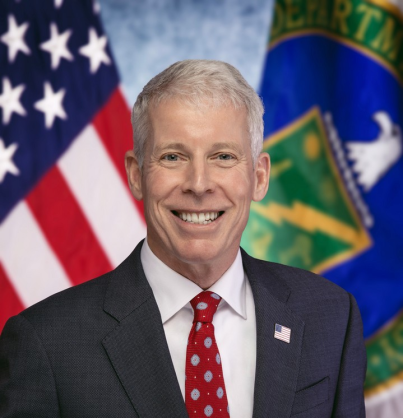
u.s. Secretary of Energy Chris Wright to Deliver Keynote Address at 10th Powering Africa Summit

Location: News
EnergyNet Ltd.

Secretary Chris Wright, U.S. Department of Energy, has been confirmed as a speaker and guest of honour at the 10th Powering Africa Summit (PAS), taking place at JW Marriott Washington, D.C. across March 6-7. This is an important step to provide an answer to the question that all of African energy is now asking: how will the new Administration approach the strategic energy relationship between the U.S. and Africa

Under the Summit theme, The Future of the US & Africa Energy Partnership, U.S. Secretary of Energy Chris Wright will deliver a keynote address at the 10th annual Powering Africa Summit. Wright will be joined by representatives from the U.S. Department of State: Ambassador Troy Fitrell, Senior Bureau Official, Bureau of African Affairs; Kimberly Harrington, Acting Principal Deputy Assistant Secretary, Bureau of Energy Resources; and Stephen Banks, Acting Deputy Assistant Secretary for Energy Diplomacy, Bureau of Energy Resources. All will share their vision for this future relationship between African countries and the US-based investors that are so vital to realizing their energy ambitions.

“As Secretary of Energy, I am committed to unleashing all forms of affordable, reliable and secure energy here at home and advancing that mission of energy security around the world – and nowhere is that more critical than the continent of Africa. I look forward to joining the Summit to reaffirm the strategic energy partnership between the U.S. and Africa and share my vision for advancing innovation and removing barriers to energy access, both at home and around the world,” Secretary Wright said.

Ministers and governments from 19 African countries will arrive in Washington D.C., where the Africa Welcome Address will be given by H.E. Honourable Adebayo Adelabu, Minister of Power, Nigeria. Together with H.E. Honourable Jeremiah Kpan Koung, Vice President, Liberia; H.E. Honourable Dr. Dele Alake, Minister for Solid Minerals Development, Nigeria; H.E. Honourable Mahmoud Mustafa Esmat, Minister of Electricity & Renewable Energy, Egypt; H.E. Honourable Karim Badawi, Minister of Petroleum & Mineral Resources, Egypt; H.E. Honourable Bogolo Joy Kenewendo, Minister of Minerals & Energy, Botswana; H.E. Honourable Alex Wachira, Principal Secretary, Ministry of Energy & Petroleum, Kenya; and Amina Benkhadra, Director General, Office National des Hydrocarbures et des Mines (ONHYM), Morocco, he will meet distinguished Ministers and leaders from South Africa, Senegal, Ethiopia, Zimbabwe, Togo, Sierra Leone and more to drive energy development across the continent.

Flagship ministerial boardrooms and regional energy cooperation sessions will discuss and debate   derisking projects, South Africa's energy future, the need for West African regulatory reforms, and the role of hydrogen in North Africa. New areas of opportunity such as bitcoin mining and data centers will be discussed through an East African lens. The Mission 300 initiative, set to provide electricity access to 300 million people in sub-Saharan Africa by 2030, is also high on the agenda.

The 10th Anniversary Gala Drinks Reception sponsored by Genesis Energy, will celebrate International Women's Day, ahead of March 8.

Critical to the week's discussions will be a host of private players including Alliant Insurance Services, GE Vernova, ARM-Harith Infrastructure Investment, Globeleq, Africa50, Nextracker, Schneider Electric, Newmarket Capital and the summit's general sponsor, Sun Africa, who are looking to a new future for the U.S.-Africa relationship.   

Sun Africa CEO, Adam Cortese said: “We are seeing a sea change in how the U.S. participates in foreign infrastructure development and our unique model of development is an excellent illustration of how U.S. energy companies can thrive in emerging markets on a strictly commercial basis. Sun Africa remains committed to harnessing Africa's immense energy resources through innovative structures, state-of-the-art technology and strong alliances while maintaining our long-standing market-based approach to development.  At Sun Africa, we believe energy development on the continent truly represents an opportunity for win-win partnerships and look forward to sharing our experience.”

Simon Gosling, MD of EnergyNet added: “This summit has always been about bringing together African countries seeking investment with U.S.-based investors who see the vast potential on the continent.  It is more important than ever to establish the crucial energy projects that Africa needs. PAS25 will put the continent center stage and make sure that both sides have a future relationship to be excited about.”

Media Credentials Requited for Powering Africa Summit

The Secretary will open the Summit on 6 March, delivering a Keynote Speech at 09:45, followed by a Fireside Chat with Mission 300 Accelerator CEO, Andrew Herscowitz.

Distributed by APO Group on behalf of EnergyNet Ltd..

For more information, please get in touch with 
Poliana@EnergyNet.co.uk
Senior Marketing Manager

Media files
EnergyNet Ltd.
Download logo
Read moreu.s. Secretary of Energy Chris Wright to Deliver Keynote Address at 10th Powering Africa Summit
24 February 2025

Parties Hold Their Breath in Battle Over R300-Million Stellenbosch Mountain Estate

Location: News

Judgment has been reserved in an urgent application to halt a luxury development on Botmaskop slopes

Read moreParties Hold Their Breath in Battle Over R300-Million Stellenbosch Mountain Estate
24 February 2025

Deputy Minister to open construction and built environment forum

Location: News

Deputy Minister to open construction and built environment forum

Public Works and Infrastructure Deputy Minister Sihle Zikalala will open the Construction and Built Environment Stakeholder Forum and Expo in Pretoria, on Tuesday.

The forum is expected to explore the adoption of new technology in order to keep the industry competitive and adaptive to the climate changes.

This as the country grapples with issues of safety at construction sites and the risks posed by adverse weather conditions on properties, humans and building systems in the country.

Innovative ways of construction and building are required to save lives and improve the building and construction sector.

The theme for the forum is: “Building Stronger Partnership for Sustainable Innovation”.

The Building and Construction Expo which focuses on technology is convened by Agrement South Africa (ASA), an entity of the Department of Public Works and Infrastructure.

ASA was established to be the leading regulator of non-standardised construction products and systems in South Africa. 

The forum and expo which will feature construction and built environment professionals and associations will provide a platform for stakeholders to share insights, challenges and opportunities in the adoption of innovative building technologies for the competitiveness and safety of the industry.

Some of the innovative technology options will be on display during the engagement. – SAnews.gov.za

Edwin
Mon, 02/24/2025 - 12:51
50 views

Read moreDeputy Minister to open construction and built environment forum
24 February 2025

Innovation Fund: Everything you need to know

Location: News

Innovation Fund: Everything you need to know

The Department of Science, Technology and Innovation (DSTI) has expressed its strong support for government's vision to bolster innovation as articulated by President Cyril Ramaphosa in the 2025 State of the Nation Address (SONA).

The department said the Innovation Fund will be a key priority for the government in the 2025/26 financial year, with implementation overseen by the DSTI Minister, Professor Blade Nzimande.

In his address earlier this month, President Ramaphosa reaffirmed the government’s commitment to advancing the Innovation Fund, which aims to bolster the growth of innovative startups and technology-driven Small and Medium Enterprises (SMEs).

“To build an innovative economy, the Department of Science, Technology and Innovation will establish an Innovation Fund to provide venture capital to tech start-ups that emerge from our higher education institutions,” the President said in his speech. 

What is the DSTI’s Innovation Fund? 

In 2021, the DSTI launched the Innovation Fund as part of its comprehensive suite of initiatives aimed at fostering innovation. 

According to the department, the primary goal of the Innovation Fund is to stimulate the development and ongoing expansion of the high-tech SME sector.

It also aims to reduce risks associated with early-stage SME creation, fostering sustainable pipelines of viable, investable high-tech enterprises that can attract later-stage investments from the private sector.

In contrast to conventional financing institutions like private equity firms and commercial banks, the Innovation Fund is less stringent and offers more flexible yet thoroughly enforced financial support.

Who does this Fund target?

The Innovation Fund cuts across various stages of the SMEs’ business development life cycle and is structured to drive public-private co-investment in innovative high-tech SMEs. 

The Innovation Fund model also leverages the investment expertise of institutions such Technology Innovation Agency (TIA), the SA SME Fund and the Public Investment Cooperation (PIC), which in turn, drive the syndication of investment with various venture capital fund management entities. 

What is the objective of the Fund?

Leverage Private Capital: Attract additional private sector investments into the South African innovation ecosystem and venture capital industry.

Stimulate Innovation: Encourage the development and commercialisation of locally developed IP and innovative products and services. 

Support startups and tech-enabled SMEs: Provide catalytic capital backing to early-stage startups and tech-enabled SMEs. 

Build a resilient innovation ecosystem: Strengthen the infrastructure and support systems for innovation and venture building, including venture studios, incubators, accelerators, hubs, and so on to ensure a robust and interconnected ecosystem.

DSTI’s financial investment: 

The department has currently invested nearly R917.2 million in various investment intermediaries, including TIA, PIC, and the SA SME Fund.

This Fund has successfully leveraged over half a billion in co-investments from the private sector. 

To date, it has provided support to 12 venture capital firms and approximately 96 technology investment opportunities and enterprises.

How can SMEs access the Fund?

More information on the Fund can be accessed at https://innovationbridge.info/ibportal/innovation-fund.

For current open calls visit https://www.tia.org.za/innovation-fund-first-time-and-emerging-fund-managers/ or https://epftechfund.orcaa.ai. 

For further inquiries on the Fund please contact Mr Konanani Rashamuse on Koanani.Rashamuse@dsti.gov.za. – SAnews.gov.za

Gabisile
Mon, 02/24/2025 - 13:29
78 views

Read moreInnovation Fund: Everything you need to know
24 February 2025

G20 finance track meeting to tackle global economic issues

Location: News

G20 finance track meeting to tackle global economic issues

Global leaders will this week come together in Cape Town to tackle economic and financial challenges in an effort to promote stability, growth and international cooperation at the Group of Twenty (G20) Finance Track meetings.

South Africa’s Presidency of the G20 continues full steam ahead - with the country's efforts to foster greater collaboration among the G20 members to address pressing global issues and find sustainable solutions that prioritise the well-being of all people.

South Africa’s G20 Presidency commenced on 1 December 2024 and all engagements are being held under the theme: “Solidarity, Equality, Sustainability” as the country endeavours to ensure “no one is left behind.”

The Finance Track deals with strategic macroeconomic and financial stability issues and is led by member countries’ Finance Ministers and central bank heads.

South Africa will host the first meeting of the G20 Finance Ministers and Central Bank Governors on 26 to 27 February 2025 at the Cape Town International Convention Centre. 

This meeting will be preceded by the Finance and Central Bank Deputies meeting on 24 and 25 February 2025. 

The Finance Track has four working groups, which includes the Framework working group, Sustainable Finance working group, International Financial Architecture, and Infrastructure working group.

In addition, there are three technical groups, not classified as working groups, which deal with financial inclusion, financial sector issues and international taxation.

The G20 was established to tackle pressing global economic and financial issues. Together, G20 members account for around 85% of global GDP and 75% of international trade. 

It comprises 19 countries including: Argentina, Australia, Brazil, Canada, China, France, Germany, India, Indonesia, Italy, Japan, Republic of Korea, Mexico, Russia, Saudi Arabia, South Africa, Türkiye, United Kingdom, and United States and two regional bodies, namely the European Union and the African Union.

The grouping therefore plays a critical role in influencing global policy making and fostering global economic stability. -SAnews.gov.za


nosihle
Mon, 02/24/2025 - 06:01
296 views

Read moreG20 finance track meeting to tackle global economic issues
24 February 2025

M&As Reflect Growing Global Interest in African Mining

Location: Business
Energy Capital & Power

International mining stakeholders are increasing their access to Africa's mineral resources through joint ventures, acquisitions and stakes in local projects. Meanwhile, African countries and operators are leveraging these partnerships to enhance capital, accelerate project development and meet ambitious production targets.

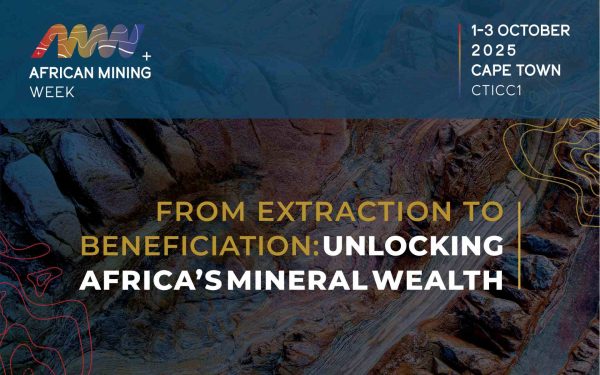
The upcoming African Mining Week (AMW), taking place in Cape Town this October, will spotlight mergers and acquisitions (M&A), offering African projects a platform to showcase opportunities and providing global investors the stage to present growth strategies for Africa's expanding mining sector.

Recent research by the Economist Intelligence Unit indicates that foreign investment in Africa's mining industry is poised for significant growth in 2025, building on strong momentum established in 2024. Several key transactions highlight this trend. Earlier this month, UK-based Altona Rare Earths finalized its acquisition of an 85% stake in Botswana's Sesana Copper-Silver Project from Ignate Minerals, committing significant capital to accelerate exploration and mine development. In December 2024, Australian mining firm Patriot Lithium acquired a 90% stake in Zambia's Kitumba Copper Large Scale Exploration License from Newlight Nominees Zambia, enabling increased funding for exploration and production activities. Similarly, in October 2024, Jubilee Metals, a UK-based company, acquired Project G, its second open-pit copper asset in Zambia, as part of a strategy to boost investments and raise copper output to 25,000 tons per year.

Recent M&A activity in Africa's mining sector is reshaping the industry, improving operational efficiencies and creating new pathways for innovation and technology transfer. For African nations, these investments bring new opportunities for job creation, infrastructure development and access to global markets, fueling economic growth. Additionally, the influx of foreign capital and expertise enhances local capabilities, enabling African countries to harness their natural resources more effectively while addressing challenges like underdeveloped supply chains and limited financing for exploration.

In South Africa, M&A activity reached $10 billion between June 2023 and 2024, with 32 deals closed, compared to 24 year-on-year, according to PwC. Among the notable deals, Kenya's Marula Mining secured a 51% stake in South Africa's Mansera Kruisrivier Cobalt Holding Company in July 2024, funding feasibility and aerial studies to advance the project. Meanwhile, China's Baowu Steel Group acquired stakes in Guinea's Simandou Project, the world's largest untapped iron ore deposit, in June 2024. In Mali, Ganfeng Lithium secured an operational stake in the Goulamina Lithium Mine in a $342.7-million deal with Australia's Leo Lithium in May 2024. The UAE-based International Resource Holdings also entered the market, acquiring Zambia's Mopani Copper Mines for $1.1 billion in May 2024, enhancing exploration and production capabilities at one of the country's largest copper facilities.

As African nations focus on boosting mineral production to drive economic growth, M&A activity is expected to intensify, with global partners seeking greater stakes in the continent's abundant resources. Against this backdrop, the upcoming AMW will play a crucial role in shaping Africa's M&A landscape by facilitating project showcases, fostering partnerships and advancing deal signings that will define the future of the mining sector.

African Mining Week serves as a premier platform for exploring the full spectrum of mining opportunities across Africa. The event is held alongside the African Energy Week: Invest in African Energy 2025 conference (https://AECWeek.com/) from October 1 -3. in Cape Town. Sponsors, exhibitors and delegates can learn more by contacting sales@energycapitalpower.com

Distributed by APO Group on behalf of Energy Capital & Power.

Media files
Energy Capital & Power
Download logo
Read moreM&As Reflect Growing Global Interest in African Mining
24 February 2025

Solarafrica Secures R1.8 Billion Solar Investment, Advancing Wheeling Adoption in South Africa

Location: Business
Starsight Energy

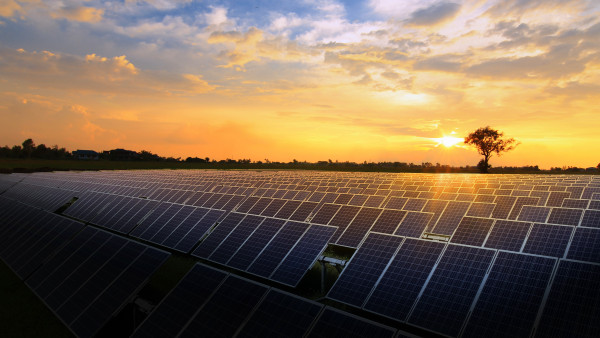
SolarAfrica (https://SolarAfrica.com/) is proud to take another major step forward in the development of its flagship utility-scale solar project, SunCentral, by successfully reaching financial close on the first 114 MW component of the project alongside funding partners Investec and RMB. The R1.8 billion investment into SunCentral marks the start of the project's rollout in South Africa.

SunCentral is a large-scale solar photovoltaic (PV) plant located between Hanover and De Aar in South Africa's Northern Cape province. The project will be developed in three phases.

Phase 1, consisting of 342 MW, will be delivered through a staged roll-out of three 114 MW facilities and will deliver renewable energy to a diverse range of off-takers by wheeling it through South Africa's power grid. Phase 2 and 3 will increase SunCentral's capacity to 1 GW.

Unlike similarly sized projects that offer wheeling on a one-to-one basis (with one generation plant supplying one off-taker), SolarAfrica's project will offer wheeling on a one-to-many basis, making it available to a wider pool of businesses in South Africa.

SolarAfrica's Chief Investment Officer Charl Alheit, who spearheaded the financial close, explains: “Reaching financial close on the first 114 MW of our utility-scale wheeling development and Main Transmission Substation (MTS) investment marks a significant milestone in our commitment to advancing sustainable energy solutions for our customers in the commercial and industrial sectors.”

He adds that the substantial size of SunCentral will unlock access to cheaper, greener power for even more businesses across the country. “We are excited to see this project move forward as we continue contributing to the energy transition while delivering long-term value to our customers."

SolarAfrica is part of the greater Starsight Energy Africa Group. The success of SunCentral will act as a blueprint for similar (and possibly smaller) off-site generation projects in other key African markets in which the Starsight Energy Africa Group companies operate.

“The construction of SolarAfrica's SunCentral is a critical step in our journey to expand clean energy adoption across Sub-Saharan Africa, says Paul van Zijl, Group CEO of Starsight Energy Africa Group. “We are excited to move this project forward and continue delivering long-term value to our customers,” he says.

SolarAfrica is backed by world-class investors African Infrastructure Investment Managers (AIIM) and Helios Investment Partners who both hold decades-long track records of bringing investment to support African innovation.

“Reaching Financial Close on the first 114 MW on SunCentral is a fantastic milestone for SolarAfrica, says Thor Corry, Investment Director at AIIM.

“The modular approach to construct the MTS and plug in subsequent 114 MW modules provides a superb platform for SolarAfrica to scale at pace to meet the needs of the C&I customers in South Africa who want to secure price certainty and cost efficiencies while furthering South Africa's Just Energy Transition. With South Africa requiring up to 30 GW of new capacity by 2030 to meet its climate commitments and energy needs, projects like this are crucial,” Corry concludes.

Distributed by APO Group on behalf of Starsight Energy.

About SolarAfrica:
Founded in 2011, SolarAfrica provides a suite of capex-free green energy solutions to the commercial and industrial sectors in Southern Africa. The holistic suite includes on-site solutions such as solar energy and battery storage together with virtual solutions like wheeling, trading and aggregation.

SolarAfrica partners with businesses in South Africa seeking an energy solution that provides power security, cost savings and carbon reduction – building towards long-term sustainability.

The company has evolved into an ambitious team who are passionate about what they do and the core values they uphold. SolarAfrica has been named the continent's leading solar energy firm twice, scooping the Africa Solar Industry Association's African Solar Company of the Year award in 2021 and 2023.

About Starsight Energy:
Across the continent, Starsight Energy is redefining what it means for businesses to be energy efficient. Starsight Energy provides premier clean on-grid and off-grid energy services to commercial and industrial clients in Africa.

Serving the commercial and industrial, financial, residential, educational and agricultural sectors, Starsight Energy delivers tailored power and cooling solutions to meet client requirements while optimising consumption through energy-efficient appliances and environmentally friendly practices and recommendations.

From load analysis and modelling to demand management and customised solution design, Starsight Energy helps clients optimize energy efficiency and cost savings across the board.

About African Infrastructure Investment Managers (“AIIM”):
AIIM, a member of Old Mutual Alternative Investments* (“OMAI”), has been investing in the African infrastructure sector since 1999 with a track record extending across seven African infrastructure funds. AIIM's team of 40+ investment professionals are based out of five locally staffed offices across the continent in Cape Town, Johannesburg, Nairobi, Lagos and Abidjan providing direct on-the-ground coverage of our key markets.

AIIM is Africa's largest dedicated infrastructure private equity manager and currently manages an aggregate AUM of USD2.9 billion in assets across the power, renewable energy, digital infrastructure, mid-stream energy and transport sectors with operations in 19 African countries.

AIIM is a licensed FSP approved by the Financial Sector Conduct Authority in South Africa.

*Old Mutual Alternative Investments (OMAI) is a private alternative investment manager in Africa, with over USD7.6 billion (ZAR139.4 billion) under management in infrastructure, private equity, hybrid equity and impact funds. It is a member of Old Mutual Investment Group, the investment management arm of Old Mutual.

About Helios Investment Partners:
Established in 2004, Helios Investment Partners is the largest Africa-focused private investment firm, with a record that spans creating start-ups to providing expanding companies with growth capital and expertise. The firm has over $3.0 billion in assets under management and is led and managed by a predominantly African team based in London, Lagos, Nairobi and Paris, with the language skills and cultural affinity to engage with local entrepreneurs, managers, and intermediaries on the continent.

Helios leverages its local and global networks to create attractive proprietary investment opportunities, with an emphasis on building market leaders in core economic sectors and driving performance through a highly engaged approach to portfolio operations. The firm's unique combination of a deep knowledge of the African operating environment, a singular commitment to the region and a proven capability to manage complexity, is reflected in its diverse portfolio of growing, market-leading businesses, and its position as a partner of choice in Africa.

Helios is the second mainstream private equity firm globally, and the largest emerging markets focused private equity firm, to achieve B Corp certification. B Corp status recognizes the firm's longstanding commitment to sustainability and responsible business practices.

Media files
Starsight Energy
Download logo
Read moreSolarafrica Secures R1.8 Billion Solar Investment, Advancing Wheeling Adoption in South Africa
23 February 2025

Call to use water sparingly 

Location: News

Call to use water sparingly 

The Department of Water and Sanitation (DWS), uMngeni-uThukela Water and eThekwini Metro have urged the public to use water sparingly as eThekwini battle water supply disruptions.

In light of ongoing water supply disruptions in eThekwini, the Minister of Water and Sanitation, Pemmy Majodina, and Deputy Minister David Mahlobo convened an urgent meeting on Sunday with key stakeholders to address the matter. 

The meeting included eThekwini Mayor Cyril Xaba, Trading Services Committee Chairperson Mdu Nkosi, uMngeni-uThukela Water Board (UUW) Chairperson Advocate Vusi Khuzwayo, and senior management from the involved institutions.

“The public is encouraged to play their part in reducing the risk of water supply disruptions. All water users in the municipality are encouraged to use water sparingly to reduce the average consumption of water per capita per day. 

“The 2023 DWS No Drop audit (which was released by DWS in December 2023) found this to be 298 liters/capita/day, compared to the international average of 173 l/c/d,” the joint statement read. 

According to the statement, the root cause of the water shortages is that demand for treated water in eThekwini has outstripped supply. 
This is due to rapid population growth and significant leaks within the municipality’s water distribution system. 
This has resulted in a situation where the City’s reservoirs become depleted, because water is being drawn out of them faster than the reservoirs can be filled. 

This particularly affects water supply to high-lying areas and areas far from the reservoirs, because the water levels in the reservoirs drop to a level where they are insufficient to provide the pressure required to get water to the high-lying and far-away areas. 
This has been the main cause of water supply disruptions in Chatsworth, Umlazi and surrounding areas in the South, as well as Verulam, Tongaat and Ntuzuma in the North. 

Further exacerbating the situation, a key UUW pipeline was shut down last month to allow the South African National Roads Agency (SANRAL) to upgrade the N3 highway, affecting water supply to Hillcrest and surrounding areas.

The pipeline is expected to resume operations on 27 February. Additionally, restrictions imposed by the DWS on raw water abstraction from the uMngeni Water Supply System (uMWS) have also contributed to supply challenges.

“To ensure a continuous supply of water to users even in times of drought,  the DWS sets a limit on the amount of raw water that uMngeni-uThukela Water can abstract from the uMngeni Water Supply System (uMWS) for eThekwini to its consumers. Dam storage levels can fall rapidly when there is a drought, and it would therefore be irresponsible to raise the abstraction limit when the dams are full.”

UUW has been exceeding the abstraction limit imposed by DWS, and consequently the department instructed UUW to curtail its abstraction in October 2024. 

During the December holidays, when demand for water peaked in eThekwini, DWS temporarily lifted this curtailment directive, but it was reinstated again in mid-January 2025.

“Various projects are underway to augment the amount of water in the uMWS. The raising of the Hazelmere Dam wall was completed in 2023 at a cost of R820 million and has doubled the amount of water that can be stored in the Dam. 

“uMngeni-uThukela Water has completed a project to increase the capacity of the Hazelmere Water Treatment Works from 55 to 75 megalitres per day (75 million litres per day), at a cost of R135 million. The capacity of the treatment work will be further increased to 90 megalitres per day within the next three years, at a cost of R25 million,” the statement read. 

Work underway

In addition, UUW is currently constructing a dam and a 100 million megalitres treatment plant on the Lower uMkhomazi River.

The Trans Caledon Tunnel Authority (TCTA) is at an advanced stage of raising R28 billion for the construction of a large new dam and transfer tunnel on the upper uMkhomazi River which is part of the uMkhomazi Water Project. 
UWW is in the process of procuring additional treatment capacity so that it will be able to treat and supply more water to eThekwini once the uMkhomazi Water Project is completed.

“eThekwini Municipality is also working on its own measures to increase the supply of water. In addition to the existing water re-use plant currently being used by industries, which the City is implementing as a public private partnership, the City is in the process of procuring two additional water re-use plants that will treat secondary effluent to produce potable water that meets the required water quality standards.

“It is also planning to implement two seawater desalination projects. All these projects will also be implemented through public private partnerships.”

The City is also implementing several major projects to increase the resilience of its water distribution system to breakdowns and to enable it to manage peaks in demand better with fewer water supply disruptions. 

Examples of these include the R1.2 billion Southern Aqueduct upgrade which is approximately 30% complete; the commissioning of the new Northern Aqueduct which is approximately 70% complete; and the R60 million upgrade of the Tongaat Water Treatment Works, which will be commencing this year. 

Turnaround

The City Council approved a water and sanitation turnaround strategy in April 2023, which is now under implementation. The strategy includes ringfencing revenue from the sale of water for the water function, reduction of non-revenue water (NRW), improving leak repair, and disconnection of illegal connections. 

“The backlog of water leaks requiring repair has been significantly reduced. The City is in the procurement stage of a public private partnership to mobilise private sector funding and expertise to reduce non-revenue water. The City is also in the process of issuing several City-funded contracts for non-revenue water reduction,” the statement said.

The City is also installing pressure management valves to reduce the water pressure in the water distribution system, which reduces the frequency of pipe bursts and extends the useful life of the infrastructure. It also reduces the amount of water lost through leaks in the system.

A programme to replace old leaking water distribution pipes is also being implemented. 

The meeting agreed on the following measures that will be implemented :

•    The City Council will consider implementing formal water-use restrictions through by-laws
•    Given the recent rainfall and improvement in dam levels in the uMWS, DWS will again temporarily lift the curtailment, with effect from today, until 23 April 2025
•    Weekly technical coordination meetings between the city, UUW and DWS will continue and there will be weekly meetings between the Mayor, the Minister and the Chairperson of UUW to review progress
•    This work will be coordinated with the fortnightly meetings of the water and sanitation workstream meetings of the Presidential eThekwini Working Group
•    The City and UUW will improve their communications regarding water supply disruptions to residents, including the causes of the disruptions and what is being done about them. 

-SAnews.gov.za


DikelediM
Sun, 02/23/2025 - 16:26
99 views

Read moreCall to use water sparingly 
23 February 2025

Sustainability of black farmers is crucial for SA’s sugar industry

Location: News

Sustainability of black farmers is crucial for SA’s sugar industry

Government is committed to ensuring that the more than 24 000 black small-scale sugarcane farmers remain an integral part of the multi-billion-rand sugar industry, Agriculture Minister John Steenhuisen said.

The industry is the bedrock of rural economies in KwaZulu-Natal and Mpumalanga.

Steenhuisen met with a number of small-scale growers and the sugar industry leadership at KwaShukela in Mount Edgecombe, Durban.

“The sustainability of the small-scale sugarcane farmers must remain one of the main priorities for both government and the industry. I am passionate about the cause of small-scale farmers to ensure their growth and success. You are part of the agriculture family, and we regard you as very important stakeholders in agriculture," said the Minister on Friday.

The leadership of the sugar industry at the meeting was led by the South African Sugar Association (SASA), the South African Farmers Development Association, SA Canegrowers and South African Sugar Millers’ Association.

SASA has been at the forefront of the efforts aimed at securing the sustainability of the small-scale sugarcane farmers (SSGs).

“The dire situation of SSGs necessitated a decisive intervention by SASA and industry leaders, hence the installation of the billion-rand empowerment plan. An average of 13 349 SSGs per season have benefited from the Transformation Intervention Fund since the 2019/2020 season,” the Ministry of Agriculture said.

It added that SASA has spent R1.09 billion on empowerment interventions/initiatives, especially for the benefit of black small-scale growers.

Of the R1.09 billion, SSGs received R700.55 million (64.27%), black large-scale growers (LSGs) received R254.47 million (25.22%) and the value of other interventions for black beneficiaries amounted to R137.88 million (12.64%).

Furthermore, the extension of empowerment funding (R238.9 million for the current season) will continue to have a positive impact on SSGs and black growers in general. Two major categories of interventions exist – cane delivery-based and non-delivery-based interventions.

“The condition for receiving this cane delivery-based grant funding is for growers to be active farmers who deliver sugarcane.

“Besides the cane delivery-based grant funding to black growers, further funding examples include the R46.5 million infrastructure rehabilitation project in the Nkomazi region, Mpumalanga (which has greatly benefited SSGs and led to 300 hectares of cane being established), the R3.3 million SSG-driven rail siding initiative in Mkhuze, KwaZulu-Natal (making it possible for 70 000 tons of SSG cane to be transported to the Felixton Mill for the Makhathini-based growers  at a significantly lower transport cost) and the installation of a dummy spiller (R7.6 million) at the Gledhow Sugar Mill for cane delivery by SSGs, which reduced SSG hauler turnaround times and transport costs.”

Sugarcane Value Chain Master Plan

Phase One of the Sugarcane Value Chain Master Plan to 2030 has cemented the foundational role of SSGs.

A minimum of R60 million of the Premium Price Payment (PPP) to SSGs as part of the Master Plan, for a period of three seasons (2021/2022 to 2023/2024), was allocated, escalating annually to R68 051 340 in the 2023/2024 season.

The 2023/2024 season was the last year of the PPP. However, on 20 March 2024, SASA Council approved the extension of PPP to 2024/2025 with an inflationary adjustment, meaning the allocation for this season is R71.08 million.

Through the Master Plan processes, the industry has been able to pinpoint challenges or factors which impede the envisaged growth of SSGs through surveys that engaged more than 2 500 growers. Some of these factors include access to land and capital.

“There are limited opportunities for individual small-scale growers to expand their area under cane due to the lack of access to land and the dispersed distribution of cane farms in the deep rural areas of KZN and Mpumalanga. SASA is focused on ensuring that the lack of economies of scale, long transport distances and high contractor costs, are mitigated by the grants and other support to small-scale growers.”

The Ministry said that the long-term strategy is to ensure that small-scale growers remain in cane farming and are sustainable with improved productivity in the short-term while medium to long-term interventions are being developed.

“The industry is now working on putting together an intervention plan for the improving the livelihoods of SSGs across the industry. This forms part of Phase Two of the Master Plan, which is yet to be signed and implemented, with Phase One having expired on 31 March 2023,” it said. -SAnews.gov.za

Neo
Sun, 02/23/2025 - 12:53
31 views

Read moreSustainability of black farmers is crucial for SA’s sugar industry
23 February 2025

Icebreaker Returns From Antarctica With Alarming News

Location: News

Scientists aboard the SA Agulhas II have been tracking ocean health

Read moreIcebreaker Returns From Antarctica With Alarming News
21 February 2025

Cabinet commends Class of 2024 for impressive results

Location: News

Cabinet commends Class of 2024 for impressive results

Cabinet has commended the Class of 2024 for achieving the highest matric pass rate since the advent of democracy in 1994. 

The National Senior Certificate (NSC) results saw an impressive 87.3% pass rate, marking a significant 4.4% increase from the previous year. 

A total of 615 429 learners successfully passed the NSC examinations, with nearly half of those who sat for the exams obtaining a Bachelor pass, granting them access to higher education institutions. Additionally, close to 320 000 distinctions were achieved, highlighting the academic excellence of the matriculants. 

Government lauded the results as a significant milestone in the country’s education sector, emphasising that the achievements of the Class of 2024 reflect the strides made in improving the quality of education in South Africa. 

These results coincide with the country’s celebration of 30 years of freedom and democracy, symbolising the ongoing efforts to dismantle the remnants of apartheid-era educational disparities. 

“The achievements of the Class of 2024 are a clear demonstration of the progress we have made as we commemorate 30 Years of Freedom and Democracy. They also provide proof that we are reversing apartheid’s planned legacy of intergenerational indignity, disadvantage and poverty for the majority of South Africans," Cabinet said in a statement on Friday.

South Africa's education system has undergone significant reforms since 1994, with the government implementing policies aimed at improving access to quality education for all learners. 

Under the National Development Plan (NDP), education remains a key pillar in addressing inequality and fostering economic growth. 

Over the years, interventions such as the provision of no-fee schools, the school nutrition program, improved infrastructure, and curriculum enhancements have contributed to the steady improvement in matric results. 

The increased focus on Science, Technology, Engineering, and Mathematics (STEM) subjects, teacher training programs, and digital learning initiatives has also played a crucial role in raising learner performance. 

Despite these successes, challenges remain, including resource disparities between urban and rural schools, socio-economic factors affecting learner performance, and the need to further enhance post-matric opportunities. 

However, the Class of 2024’s results demonstrate resilience and a positive trajectory for the country’s education system. 

Government has previously urged learners who did not pass to explore alternative pathways such as the Second Chance Matric Programme and Technical and Vocational Education and Training (TVET) colleges to ensure they remain within the education and skills development pipeline. – SAnews.gov.za

DikelediM
Fri, 02/21/2025 - 12:00
30 views

Read moreCabinet commends Class of 2024 for impressive results
21 February 2025

Cabinet supports bold vision outlined by President’s SONA

Location: News

Cabinet supports bold vision outlined by President's SONA

Cabinet has called on all sectors of society to support the initiatives announced by the President Cyril Ramaphosa during his State of the Nation address earlier this month. 

Cabinet said this in a statement on Friday following a Cabinet meeting held on 12 February 2025 and a special Cabinet meeting on 29 January 2025. 

“Cabinet calls on all sectors of society to support the initiatives announced by the President in his 2025 SONA and partner with government as we set our nation on a trajectory for the year ahead,” Cabinet said in a statement. 

Cabinet also expressed its support for the bold vision of creating a nation where all South Africans share in its prosperity and opportunities, as outlined by President Ramaphosa. 

“The President called on all South Africans to unite in action to reignite our collective vision and shared passion to build a South Africa that works for everyone. Through the planned National Dialogue, we will chart our nation’s course and forge a common vision for our country’s future,” Cabinet said. 

The statement highlighted that the new Medium-Term Development Plan (MTDP) guides government’s initiatives to create a more inclusive country that lives up to the commitments of the Government of National Unity. 

The MDTP aims, among others, to reduce unemployment, poverty and the rising cost of living as well as combat crime and corruption.

“The massive R940 billion investment drive announced by President Ramaphosa in new infrastructure and the upgrading of existing infrastructure over the next three years, puts infrastructure development at the heart of our country’s economic growth and job creation,” Cabinet said. 

The address outlined a clear path to tackle the challenges experienced at local municipalities, particularly in the maintenance of essential infrastructure. It also detailed intensive interventions to deal with the country’s water challenges, including the expansion of water infrastructure by investing R23 billion into seven large water infrastructure projects.

President Ramaphosa outlined government’s commitment to support the well-being of South Africans through various social support initiatives in health, education, social protection, community development and public employment programmes, with around 60 percent of our national budget spent on the social wage.

“The President affirmed our nation’s sovereignty and constitutional democracy, and South Africa’s position to advance the well-being of humanity, and those around the world who continue to experience colonialism and oppression,” Cabinet said. – SAnews.gov.za

DikelediM
Fri, 02/21/2025 - 10:34
10 views

Read moreCabinet supports bold vision outlined by President’s SONA
21 February 2025

Saudi Arabia Expands Energy Ties With Africa

Location: News
African Energy Chamber

Earlier this week, Egypt's Minister of Petroleum and Mineral Resources Karim Badawi and Saudi Arabia's Minister of Energy Abdulaziz bin Salman Al Saud signed an agreement to develop an executive plan for energy efficiency cooperation, strengthening bilateral ties in the energy sector and fostering sustainable development. This follows another significant development in September, in which Egyptian Prime Minister Mostafa Madbouly secured a $5 billion pledge from Saudi Arabia's PIF, representing the “first phase” of a larger investment strategy. 

As a leading global energy giant, Saudi Arabia has been actively investing in Africa's energy sector, aiming to expand its energy reserves, advance energy diplomacy and compete with other global superpowers. This strategic push not only strengthens Saudi Arabia's influence in the region, but also paves the way for deeper economic and political ties with African nations. 

To date, the lion's share of investment in Africa's energy sector has focused on clean energy advancements. With total project costs reaching $7 billion across the continent, Saudi developer ACWA Power stands as the leading private-sector investor in African renewable energy. In October 2024, the company announced that its Redstone solar plant in South Africa was set to achieve its full 100 MW capacity, while its Kom Ombo solar PV plant in Egypt successfully reached its full capacity of 200 MW. ACWA Power is also leading Project DAO, South Africa's largest hybrid renewable power plant, with an $800 million investment. The project is expected to come online by 2026 and aligns with the Kingdom's broader Vision 2030 goals.  

In addition to renewable energy, Saudi Arabia is diversifying its investments to secure critical minerals for clean energy technologies. In October, Saudi Arabia's Manara Minerals, a joint venture between Ma'aden and the Public Investment Fund (PIF), entered advanced talks to acquire a minority stake in First Quantum Minerals' Zambian copper and nickel assets. The potential investment, valued between $1.5 billion and $2 billion, underscores Saudi Arabia's strategy to secure critical minerals that are vital for the global clean energy transition. 

Turning to broader regional commitments, Saudi Arabia's financial support for Africa's energy infrastructure has grown. In October, the Kingdom announced a major funding initiative, pledging at least $41 billion for sub-Saharan African nations. This includes $1 billion for development, $5 billion for startups, $10 billion in financing from the Saudi Export-Import Bank and $25 billion in private sector investments over the next decade.  

Meanwhile, the Saudi Ministry of Energy has established the "Empowering Africa" initiative as part of its broader commitment to supporting sustainable development across the continent. In collaboration with the Ministries of Communications and Information Technology and Health, the initiative aims to deliver clean energy, connectivity, e-health and e-learning solutions to enhance lives and promote long-term growth in Africa. Building upon the Clean Fuel Solutions for Cooking Program, it focuses on providing cleaner cooking solutions to vulnerable populations, aiming to reduce reliance on traditional biomass fuels and improve health outcomes for millions of households. Minister bin Salman Al Saud has emphasized energy as a fundamental human right and is spearheading efforts to improve access to clean cooking technologies across the continent. 

Additionally, state-owned petroleum company Saudi Aramco is strengthening its partnerships with African nations to support energy investments and mobilization. These collaborations are expected to drive infrastructure development, enhance oil and gas production capacity and facilitate knowledge transfer between Saudi and African energy stakeholders, while aligning with broader energy security and sustainability goals.  

In the multilateral arena, the African Energy Chamber is working with Saudi Arabia to support South Africa's G20 energy investments and mobilization. This partnership is set to facilitate greater financing and policy coordination, ensuring Africa's energy priorities are well-represented in global energy discussions. The upcoming African Energy Week: Invest in African Energies conference in Cape Town serves as a key platform to facilitate and support these investments, bringing together Saudi stakeholders, African governments and global energy leaders to advance new projects, strengthen partnerships and accelerate the continent's energy transition. These collaborations are essential in addressing energy challenges, driving economic growth and fostering long-term sustainability. As Saudi investments expand – alongside those of other G20 nations – their impact on Africa's energy landscape will only deepen.  

AEW: Invest in African Energies is the platform of choice for project operators, financiers, technology providers and government, and has emerged as the official place to sign deals in African energy. Visit www.AECWeek.com for more information about this exciting event. 

Distributed by APO Group on behalf of African Energy Chamber.

Media files
African Energy Chamber
Download logo
Read moreSaudi Arabia Expands Energy Ties With Africa
  • Previous
  • Page 1
  • Interim pages omitted …
  • Page 41
  • Page 42
  • Page 43
  • Page 44
  • Page 45
  • Interim pages omitted …
  • Page 108
  • Next

Copyright © 2026 · MyZA · All Rights Reserved · Powered by Stratlec Online