• Skip to main content
  • Skip to header right navigation
  • Skip to after header navigation
  • Skip to site footer
MyZA

MyZA

News, Directory, Events and Other Stuff

  • Social Media
  • Sport
  • World News
  • Home
  • Submit News
  • Directory
  • Events
  • Stratlec
  • TFSA
  • News
    • APO
    • Today’s Sport News
    • Todays Social Media and Tech Headlines
    • Today’s World News
    • Today’s SA Financial News
  • Contact
You are here: Home / Archives for infrastructure

infrastructure

6 March 2025

President Ramaphosa kicks off Gauteng oversight visit

Location: News

President Ramaphosa kicks off Gauteng oversight visit

President Cyril Ramaphosa says the economic success of Gauteng Province is crucial to the overall success of the country.

The President was addressing the Gauteng Provincial Government and the National Executive during an oversight visit to the province, on Thursday.

Gauteng is home to the financial capital of Africa in the form of Johannesburg, while Tshwane is South Africa’s administrative capital, and Ekurhuleni is an industrial and manufacturing hub critical to the country’s supply chains.

“Gauteng’s unique position in the national landscape is both an opportunity and a challenge. While it may be the smallest province in terms of land size, it is a giant in many other respects.

“Gauteng contributes the largest share of any province to the country’s Gross Domestic Product. It is the single most critical economic hub in the country, serving as a powerhouse of finance, governance, industry and innovation.

“The economic success of Gauteng is integral to the economic success of South Africa. It is here in Gauteng where our policies, plans and commitments must translate into action,” President Ramaphosa said.

Resolving challenges

During the State of the Province Address (SOPA) last week, Gauteng Premier Panyaza Lesufi pinpointed 13 challenges the provincial government must address. These include:

  • Water
  • Cable theft and vandalism
  • Non-functional traffic lights
  • Potholes
  • Crime and lawlessness
  • Mushrooming of informal settlements
  • Electricity in particular load shedding and load reduction in our communities
  • Increase in Gender Based Violence and Femicide
  • Drug abuse
  • Service at our hospitals and clinics
  • Lack of schools
  • Failing infrastructure and CBDs
  • Unemployment

During his remarks today, the President expressed consensus with the Premier.

“Premier, we also agree with you that if we do not move with speed to address the critical challenges identified in the State of the Province Address, we risk undermining the progress we have made.

“There are recurring problems across Gauteng. Some of these include governance failures, financial mismanagement, crumbling infrastructure, crime and lawlessness, as well as unreliable service delivery. These are the challenges that are also articulated in your G13 list which…if we do not address, we will not have served our people well.

“Our greatest challenges – in Gauteng and across the country – are in the end, unemployment and poverty. These are the challenges we all must face head on,” President Ramaphosa said.

Changing lives

The President also emphasised that the outcomes from the oversight visit must improve the lives of Gauteng citizens.

“What emerges from this meeting must not remain as just plans on paper. The outcomes of this meeting must be transformed into practical, measurable interventions that directly benefit the people of Gauteng.

“Through a collaborative and solutions-oriented approach, we will drive sustainable development, improve service delivery and enhance the quality of life for all who call this province home.

“Let us seize this moment with urgency and determination, ensuring that every commitment made here today is followed by decisive action,” he said.

The engagement with the provincial government is the fourth oversight visit, following engagements with the provincial governments of Limpopo, KwaZulu-Natal and Mpumalanga.

“These engagements are crucial in strengthening intergovernmental cooperation, collaboration and consultation. They are important for ensuring better alignment of provincial priorities with the priorities of the Government of National Unity (GNU).

“Cooperative governance is a constitutional principle. It requires that, as different spheres of government, we must cooperate with one another in mutual trust and good faith. We must assist and support each other and coordinate our actions,” he said.

Human Rights Month

President Ramaphosa noted that as the national executive conducts its oversight visit to Gauteng, the country is commemorating Human Rights Month.

He highlighted that Human Rights Month is “particularly relevant in the context of our discussions today”.

“The right to water, sanitation, healthcare, housing and education are fundamental to the well-being of our communities. It is our duty to ensure that these rights are not just enshrined in our Constitution but are actively realised through tangible and impactful service delivery.

“People should not only be aware of their right to these services but should actively experience them in their daily lives. We therefore have to continue to harness the power of collaboration to overcome obstacles and implement sustainable solutions that will uplift our communities.

“Through unity and action, we must create a future where the rights of all South Africans are upheld, and where every citizen can access the quality services they rightfully deserve,” President Ramaphosa said. 

The month of March is a heightened period in South Africa to mark Human Rights Month, commemorated under the 2025 theme, “Deepening a culture of social justice and human rights”. – SAnews.gov.za

NeoB
Thu, 03/06/2025 - 10:51
194 views
Read morePresident Ramaphosa kicks off Gauteng oversight visit
6 March 2025

More Than 20 Dead and Hundreds Displaced in KZN Floods

Location: News

Sithembiso Mbutho died crossing the Mthwalume River. Residents have been pleading for the government to build a bridge

Read moreMore Than 20 Dead and Hundreds Displaced in KZN Floods
5 March 2025

Govt workshops evolving needs of children in conflict with the law

Location: News

Govt workshops evolving needs of children in conflict with the law

The Department of Social Development is reinforcing its commitment to protecting children in conflict with the law.

This as it holds a two-day workshop on the regulations of norms and standards for secure care centres. Secure care centres are facilities where children in conflict with the law are placed for holistic intervention and as required by legislation.

The workshop, currently taking place in Pretoria, brings together a diverse panel of experts and practitioners dedicated to enhancing policies and ensuring these facilities evolve to meet the changing needs of children.

This workshop builds on the initial consultations held in August 2024, where provincial and national role players gathered, particularly social workers, secure care centre managers, and coordinators who provided vital insights based on their on-the-ground experiences.

The objective was to assess the Department of Social Development’s blueprint, norms, and standards for secure care centres to improve service delivery and ensure facilities operate at optimal levels.

The recommendations from those engagements are now being carefully examined by experts, including legal specialists, child protection officers, and policymakers. This process ensures that the revised norms and standards are comprehensive, evidence-based, and responsive to the real challenges faced in secure care centres nationwide.

Identifying gaps and strengthening policy

The current norms, formulated in 2010, were designed to address challenges identified at the time, alongside amendments to the Children’s Act (2007). However, as social dynamics change, so do the needs of children in secure care.

Linda Makhathini from the Department of Social Development emphasised the urgent need to update these policies. 

“The landscape has changed, and we need to identify gaps in the current norms and craft solutions that address today’s children’s needs.

“The policies of 2010 have served their purpose, and we must now develop new plans that reflect current realities,” Makhathini said. 

The workshop is focused on finalising the recommendations and addressing critical gaps in secure care centres, with key areas including:

  • Children with disabilities: ensuring facilities and services are adequately equipped.
  • Expanding multidisciplinary teams: some facilities are run primarily by social workers, child and youth care workers, and social auxiliary workers. However, additional professionals such as nurses, psychologists, and occupational therapists, among others, are needed.
  • Legislative review: considering amendments to the Child Justice Act and the Children’s Act based on identified gaps. The Children’s Act, the Child Justice Act and international instruments are important pieces of legislation that complement and protect children in conflict with the law. International Instruments include the United Convention on the Rights of the Child and the optional protocol to the Convention against Torture, Cruel, Inhuman, Degrading Treatment, or Punishment.
  • Infrastructure and operational improvements: addressing the tools of the trade, facility infrastructure, and service delivery enhancements.
  • Provision for children with special needs: ensuring inclusivity and adequate resources for all children.
  • Infrastructure compliance: ensuring facilities meet legal and operational standards.
  • Safety protocols and crisis preparedness: ensuring facilities are ready to handle pandemics and other emergencies.

At the heart of the discussions is the principle that children’s rights include the right to basic care and safety.

The consultations have produced insights from experts across various fields, shaping recommendations for policy revisions.

One such policy revision focuses on managing challenging behaviour. The current norms allow for a child to be placed in isolation for up to two hours. However, in secure care settings, a child may only be separated from others if they pose a danger to themselves or others and for no longer than 24 hours.

During this time, the child must be under the direct supervision of a child and youth care worker, consulted by a social worker to provide support and help them regain control and dignity and lastly be provided with their basic needs, as overseen by the centre manager.

To ensure compliance with human rights standards, a new policy will replace the term “isolation”, which is often associated with solitary confinement, with a different term such as “separation”.

Makhathini also highlighted a benchmarking exercise, led by the Organisational Development Directorate, that will assess best and worst-performing centres to gather insights for future improvements.

A collaborative approach for effective change

Recognising the need for a holistic, multi-sectoral approach, the Social Crime Prevention Directorate has brought together 11 directorates to contribute to these discussions.

Participants include representatives from service standards, child protection, legal services, anti-substance abuse, security, organisational development, and persons with disabilities.

“We cannot take a unilateral approach or work in silos. It is crucial that all these directorates collaborate to ensure every aspect of secure care is addressed,” Makhathini said.

She emphasised the role social workers play in shaping policies, citing that their first experiences within these facilities are informing legislative drafting and shaping the next phase of reforms.

Towards a stronger, more inclusive secure care system

By updating the norms and standards, the Department of Social Development is reaffirming its commitment to protecting and rehabilitating children in conflict with the law.

This process ensures that secure care centres evolve to meet modern challenges, provide essential services, and uphold the rights of every child in need.

With meaningful engagement and collaboration, these reforms will strengthen South Africa’s child protection framework and create a more effective, compassionate system for children in secure care.

The workshop continues today, with recommendations set to be finalised and gazetted for public consultation. – SAnews.gov.za


DikelediM
Wed, 03/05/2025 - 11:52
249 views

Read moreGovt workshops evolving needs of children in conflict with the law
5 March 2025

DPWI Minister briefs committee on progress made since taking office

Location: News

DPWI Minister briefs committee on progress made since taking office

Public Works and Infrastructure Minister Dean Macpherson has told the Portfolio Committee on Public Works and Infrastructure that while the department faces several challenges, there are visible signs of progress that have been achieved which will help improve service delivery.

The Minister on Wednesday updated the Portfolio Committee on Public Works and Infrastructure on the progress made in his department since taking office.

The Minister emphasised that in the months ahead, the department will need to accelerate its efforts to ensure that it plays a leading role in turning the country into a construction site, driving economic growth and creating jobs.

Among the key initiatives implemented in the department are:

● Establishing a Special Projects Unit within the department to revive stalled infrastructure projects and prevent future failures.

● Restructuring the Prestige Unit - previously responsible for the Nkandla scandal - to fall under the direct oversight of the Director-General. Furthermore, bringing an end to the practice of unchecked spending, including eliminating R20 million in unauthorised expenses.

● Tackling the construction mafia head-on by signing the historic Durban Declaration between the South African Police Service (SAPS) and National Treasury to improve cooperation and bring an end to construction site stoppages.

● Releasing 31 public properties valued at R1.4 billion for requests for proposals under the first phase of redevelopment, which is expected to attract R10 billion in private investment and create 165 000 jobs.

● Initiating a process to reform procurement regulations within the department to blacklist non-performing service providers.

● Collaborating with the National Treasury to reform Public-Private Partnership (PPP) regulations, making it easier for the private sector to invest in public infrastructure projects.

● Initiating a number of investigations into allegations of corruption, including the failed nearly R1 billion Telkom Towers project and PSA Oxygen Plant Tender at the IDT. 

● Spearheading the revitalisation of small harbours, including Hout Bay Harbour, to transform them into economic hubs that create jobs and drive investment.

● Launching a first-of-its-kind project preparation fund with an R180 million budget to prepare and package infrastructure projects across government. The first bid window of the fund was oversubscribed, reflecting strong demand and investor confidence in the country’s infrastructure pipeline.

● Piloting an ‘Adopt a Municipality’ programme through the Presidential Infrastructure Coordinating Commission to ensure that infrastructure budgets are optimally utilised and delays in project execution are minimised.

● Initiating a process to reform the Expanded Public Works Programme (EPWP) to ensure that it provides participants with a pathway to permanent employment.

“The progress we have achieved in the eight months since taking office is a testament to our commitment to reforming the Department of Public Works and Infrastructure into the economic delivery unit of South Africa. 

“This will help turn South Africa into a construction site, grow the economy, and create thousands of new jobs,” Macpherson said.

“However, in the months ahead, we must expedite the work we are doing to ensure that South Africans across the country experience the department’s efforts to improve their lives. While we face a number of challenges, we are working to overcome them and enhance service delivery. 

“I have no doubt that, by working together, the Department of Public Works and Infrastructure will play a leading role in building a better country for all South Africans,” the Minister said. – SAnews.gov.za


Edwin
Wed, 03/05/2025 - 14:58
11 views

Read moreDPWI Minister briefs committee on progress made since taking office
5 March 2025

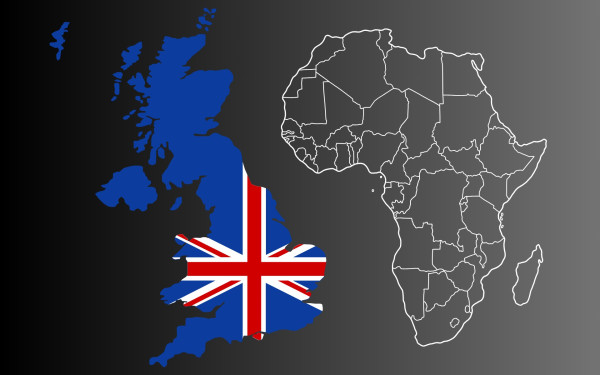
UK Looks to Deepen Energy Trade, Investment Ties with Africa

Location: News
African Energy Chamber

Trade relations between the UK and Africa are gaining momentum. Last month, UK Minister for Trade Policy and Economic Security Douglas Alexander visited South Africa and Botswana to strengthen trade ties and create opportunities for businesses on both sides. The UK aims to expand trade and investment across the continent, fostering mutually beneficial growth by addressing trade barriers, facilitating exports and supporting trade-focused development programs. With South Africa as the UK's largest trading partner in Africa and set to assume the G20 Presidency, this marks an important moment for deepening economic collaboration.

This builds on the UK's 2019 Economic Partnership Agreement (EPA) with the Southern African Customs Union member states – Botswana, Eswatini, Lesotho, Namibia and South Africa – and Mozambique. This agreement eliminates tariffs and quotas on all goods imported from these countries into the UK, facilitating smoother trade relations and economic cooperation. The EPA aims to bolster economic ties and create a conducive environment for investments, including in the energy sector.

The UK is expanding its engagement across Africa, including in West and North Africa. In February 2024, it signed the Enhanced Trade and Investment Partnership (ETIP) with Nigeria – the first such agreement with an African nation – marking a significant milestone. The partnership builds on a trade relationship valued at £7 billion in the year leading up to September 2023. The ETIP focuses on key sectors such as financial and legal services, fostering economic growth and attracting investment across industries, including energy.

Globeleq, a UK government-backed independent power producer, has been instrumental in advancing gas-powered energy projects across Africa. Alongside its 153 MW Red Sands project in South Africa – set to become the continent's largest standalone battery energy storage system – the company recently acquired a stake in a solar plant at Egypt's Benban Solar Complex and secured $99 million in debt financing for Mozambique's first wind project. Supported by shareholders such as British International Investment and Norfund, Globeleq continues to invest in upgrading existing assets and developing new utility-scale power projects, strengthening Africa's energy infrastructure.

In the oil and gas sector, bp achieved first gas from the Greater Tortue Ahmeyim LNG project offshore Senegal and Mauritania at the start of this year, marking a major step in boosting regional energy production and supply. Shell is advancing its $5 billion Bonga North deepwater project in Nigeria and, alongside bp, has agreed to cover operational costs for the buyer of South Africa's Sapref refinery – a move that could revitalize the country's largest refinery and secure oil supply. Meanwhile, Harbour Energy, one of the UK's largest independent oil and gas companies, is looking to expand into African markets following its acquisition of concessions in Egypt's Nile Delta and the Mediterranean Sea.

The UK is also a major investor in Africa's clean energy sector and a key partner in the Mission 300 initiative to expand electricity access to 300 million people by 2030. Last month, British International Investment (BII) committed £5.3 million to UK cleantech firm MOPO to scale battery rental operations in the Democratic Republic of the Congo, where over 80% of the population lacks electricity. In December 2024, BII and GuarantCo announced a $500 million renewable power deal with South Africa's Etana Energy, providing $100 million in guarantees to support the country's largest energy wheeling framework and unlock new projects. Beyond direct investments, the UK government continues to provide funding and technical assistance for energy infrastructure projects across Africa, aiming to improve energy reliability and efficiency, drive economic growth, and enhance the quality of life for local communities.

As a G20 member, the UK plays a pivotal role in shaping global energy investment strategies, with Africa positioned as a key partner in its trade and energy agenda. The UK's investments in oil and gas, renewables and energy infrastructure align with broader G20 goals of energy security, sustainability and economic growth.

“These initiatives not only strengthen the UK's economic ties with Africa, but also support the continent's transition to cleaner, more reliable energy. With African Energy Week: Invest in African Energies 2025 set to convene global stakeholders, the UK's role in advancing energy partnerships will be in focus, offering a platform to drive further investment, policy collaboration, and infrastructure development across Africa's energy landscape,” says Johnson Kayode Obembe, Director of Sales and Partnerships, African Energy Week.

AEW: Invest in African Energies is the platform of choice for project operators, financiers, technology providers and government, and has emerged as the official place to sign deals in African energy. Visit www.AECWeek.com for more information about this exciting event.

Distributed by APO Group on behalf of African Energy Chamber.

Media files
African Energy Chamber
Download logo
Read moreUK Looks to Deepen Energy Trade, Investment Ties with Africa
5 March 2025

SA needs R440 billion for transmission development

Location: News

SA needs R440 billion for transmission development

South Africa requires upwards of R440 billion in the next 10 years to expand its transmission infrastructure, says Minister of Electricity and Energy, Dr Kgosientsho Ramokgopa.

Addressing the Africa Energy Indaba in Cape Town on Tuesday, the Minister said the country’s transmission development plans have identified the need to modernise and expand the grid for 14 000 kilometres in the next 10 years.

“This is going to require an enormous amount of investment. The fiscus won’t be able to carry that. The Eskom balance sheet is not sufficient, so it is important to find bespoke financing instruments to make this possible,” the Minister said.

He called on financial actors to actively take steps to significantly lower the cost of borrowing for the investment of the continent’s development, climate resilience and clean energy transition initiatives.

“We expect the increase in electricity trade volumes to grow by about 300% by 2040 and by that time, the projection is that Africa’s population will be at about two billion people from the current 1.5 billion. For us to be able to achieve this level of ambition, there are huge investments that are required.

“One of the studies done by some of the... organisations suggests that Africa will need upwards of R2.6 trillion in investments in the energy sector by 2040. The pool of financing is enormous. Even if you had to consolidate the balance sheet of the continent, I don’t think we are going to get anywhere near raising this money.

“That is why it is important that we are able to design a financing instrument for us to be able to achieve this level of ambition,” Ramokgopa said.

He expressed support for a single electricity market on the continent, as advocated for by the the African Union's Agenda 2063.

“We think that the ambitions of achieving a single electricity market on the continent is not far-fetched .For us to have universal access by 2063, as advocated for in Agenda 2063, which makes a point that we can achieve that through regional integration… there has to be significant investment on interconnectivity,” the Minister said.

With South Africa hosting the Group of Twenty (G20) Presidency, Ramokgopa outlined the G20 technical energy group priorities, which include energy security and forging reliable and affordable access; achieving just, affordable and inclusive energy transitions, as well as African connectivity and energy pools.

These priorities were canvassed through the platform of the African Union.

According to Ramokgopa, 43% of the total population in Africa does not have access to electricity.

“This is a big issue. Before you can talk about transitioning, people need to have access to whatever form of electricity, irrespective of the fuel sources.

“As a country and the continent, we bear the responsibility to ensure that we are able to provide this access in a manner that doesn’t degrade the environment and keep to our obligations to ensure that we reduce the greenhouse gas emissions, although we contribute less than 2.5% of the CO2 emissions. Going into the future, gas will still be part of the mix on the continent,” the Minister said.

Focus on just transition

South Africa’s G20 Presidency will elevate the issue of just, affordable and inclusive energy transitions.

“That is important because we are of the opinion that there is no single transition. Any transition should take into account the unique circumstances of individual countries, and the pace and scale that they can afford.

“We will be meeting with the National Economic Development and Labour Council (Nedlac) and are hoping that the Integrated Resource Plan (IRP) will be release to the public soon. The plan will explain how we see the transitions unfold in the country,” Ramokgopa said.

South Africa's G20 Presidency is the fourth consecutive emerging market Presidency, and it is also the first African Presidency.

It commenced on 1 December 2024 and all engagements are being held under the theme: “Solidarity, Equality, Sustainability”.

The year-long deliberations will culminate in a G20 Leaders’ Summit in November 2025.

The G20 was established to tackle pressing global economic and financial issues. Together, G20 members account for around 85% of global GDP and 75% of international trade. 

It comprises 19 countries and two regional bodies, namely the European Union and the African Union.

The grouping plays a critical role in influencing global policy making and fostering global economic stability. - SAnews.gov.za

nosihle
Wed, 03/05/2025 - 12:03
108 views

Read moreSA needs R440 billion for transmission development
5 March 2025

Totalenergies’ Mike Sangster to Headline Invest in African Energy Forum in Paris

Location: News
Energy Capital & Power

Mike Sangster, Senior Vice President for Africa at TotalEnergies, will deliver a keynote address at the Invest in African Energy (IAE) Forum in Paris this May. Sangster will also participate in an exclusive fireside chat, offering critical insights into the company's vision for Africa's energy future, its ongoing projects and the evolving role of oil and gas in the continent's energy mix.

TotalEnergies continues to drive oil and gas development across Africa, with a strong focus on both emerging and mature markets. In Namibia, the company is advancing its Venus-1 discovery, targeting first oil by the decade's end, with an FID expected in early 2026 for a development producing 150,000 barrels per day. TotalEnergies is also exploring additional prospects in the Orange Basin, having recently drilled the Marula-1X and Tabmoti-1X wells. In the Republic of Congo, the company is investing $600 million to expand deepwater production at the Moho Nord field, while in Libya, it plans to complete an onshore exploration project and lead new drilling campaigns in the Waha and Sharara fields in 2025.

IAE 2025 (www.Invest-Africa-Energy.com) is an exclusive forum designed to facilitate investment between African energy markets and global investors. Taking place May 13-14, 2025 in Paris, the event offers delegates two days of intensive engagement with industry experts, project developers, investors and policymakers. For more information, please visit www.Invest-Africa-Energy.com. To sponsor or participate as a delegate, please contact sales@energycapitalpower.com.

Meanwhile, TotalEnergies is expanding its gas processing and midstream infrastructure across Africa, strengthening its role in the continent's evolving energy landscape. In Mozambique, the company is progressing with the Mozambique LNG project, a $20 billion development expected to secure renewed financial backing from export credit agencies. I Uganda, TotalEnergies is gearing up for first oil from its Tilenga field in 2025, with crude transported via the East African Crude Oil Pipeline (EACOP). Once operational, EACOP will be the longest heated crude oil pipeline globally, significantly enhancing East Africa's ability to monetize its hydrocarbon resources and attract further investment into the region's energy sector.

TotalEnergies is also expanding its renewable energy footprint in Africa through strategic investments in solar, wind, hydropower and green hydrogen. The company is advancing its 500 MW Sadada solar project in Libya and acquired Scatec's hydropower portfolio on the continent in July 2024, including the 250 MW Bujagali Hydropower Plant in Uganda and stakes in projects in Malawi, Rwanda and the DRC. In South Africa, TotalEnergies is constructing a 216 MW solar plant with battery storage, along with a 140 MW wind farm and a 120 MW solar facility, set to supply green electricity to Sasol's industrial operations. In Morocco, the company is developing the Chbika project, a 1 GW wind and solar farm designed to produce 200,000 metric tons of green ammonia annually for export to Europe. These initiatives align with TotalEnergies' strategy to integrate renewables into its portfolio while supporting Africa's energy transition.

Sangster's participation at IAE 2025 comes at a pivotal time for Africa's energy sector, as investors and policymakers navigate a shifting global energy landscape. His keynote address and fireside chat will provide valuable perspectives on the role of private investment in African energy, strategies for unlocking new upstream opportunities and how TotalEnergies is adapting to the continent's long-term energy needs.

Distributed by APO Group on behalf of Energy Capital & Power.

Media files
Energy Capital & Power
Download logo
Read moreTotalenergies’ Mike Sangster to Headline Invest in African Energy Forum in Paris
4 March 2025

Government welcomes GDP growth

Location: News

Government welcomes GDP growth

Government has welcomed the latest Gross Domestic Product (GDP) data released by Statistics South Africa, which shows that the economy expanded by 0.6% in the fourth quarter of 2024. 

The growth followed a contraction of 0.1% in the third quarter. 

Growth in the fourth quarter was primarily driven by the agriculture, finance, and trade sectors on the production side, while household spending led growth on the expenditure side.

“The latest GDP data is encouraging and signals a welcome recovery, especially because one of government’s immediate priorities is to ensure positive economic growth that will encourage business development and provide more opportunities for employment, especially for women and the youth,” Government Communication and Information System (GCIS) Acting Director-General, Terry Vandayar, said on Tuesday.

GCIS said government has put in place a broad range of programmes and policies to support the growth of small businesses, develop infrastructure for faster economic growth, and encourage investment from inside and outside of South Africa. 

“Working with various stakeholders, Government will continue to build on this momentum to drive even greater economic resilience,” GCIS said. - SAnews.gov.za

nosihle
Tue, 03/04/2025 - 15:33
16 views

Read moreGovernment welcomes GDP growth
4 March 2025

eThekwini Municipality tackles water challenges

Location: News

eThekwini Municipality tackles water challenges

The eThekwini Municipality will continue to work on various interventions to manage and reduce the increase in water demand that has resulted in the recurring disruption of water supply.

To manage the demand and to build storage, the municipality has implemented rationing in many areas, especially in the Northern and Southern areas. 

In a statement issued on Tuesday, the municipality noted that demand currently exceeds supply by approximately 100 megalitres a day, resulting in further strain on the system. 

This is due to the current curtailment measures that were implemented by uMngeni-uThukela Water in October last year. 

“To augment the water supply, comprehensive plans have been set in motion in collaboration with the national Department of Water and Sanitation and uMngeni-uThukela Water to construct and commission the uMkhomazi Dam, a pivotal project to augment water supply to the city,” the municipality said. 

The municipality is also actively implementing various medium-term interventions, including infrastructure upgrades, pipeline replacements, and a comprehensive leak detection and repair programme. 

The installation of pressure management valves, dysfunctional meter replacements, the incorporation of technology to enhance meter accuracy, and improvements in billing and debtor management, are also being implemented. 

“Currently, areas in the West of the city are experiencing intermittent supply due to the shutdown of the 53 Pipeline by uMngeni-uThukela Water. This was done to allow the South African National Roads Agency (SANRAL) to relocate approximately 200m of the 53 Pipeline, as part of its N3 upgrade project,” the municipality said.

Durban’s beachfront set for major overhaul

Meanwhile, Durban’s iconic beachfront is set to undergo a major transformation, with a complete facelift and redevelopment of the buildings along the promenade.

Over the past few years, changes have been made to improve the offering to visitors on the beachfront, ensuring that it remains a world-class facility. 

Head of the Real Estate Unit, Thapelo Mmusinyane noted that as tenant leases expire, the municipality follows proper process to invite bids for the development of innovative new spaces and eateries that will elevate the beachfront experience.

This forms an integral part of the City’s Proactive Land Release Strategy, which was adopted in September 2021.

The strategy enables the city to proactively manage surplus land, assisting the city to achieve its developmental objectives, stimulate economic activity and Black economic empowerment, and promoting economic transformation in the property sector. 

Mmusinyane explained that between May 2021 and November 2022, 25 properties were put up for bid, with 10 new leases being awarded to companies 100% owned by historically disadvantaged individuals.

“All 10 awards were made to companies that are 100% owned by historically disadvantaged individuals. On the beachfront in particular, properties that have been affected are Circus, Bike and Bean, and Minitown.”

Mmusinyane added that the historic building in which Joe Cools and other eateries are housed, will be upgraded soon by a developer, who will then sublet the space to suitable tenants. 

He assured the public that a fair, equitable, and transparent process was followed as stipulated in Section 14(5) of the Municipal Finance Management Act (MFMA). 

“This section mandates that the disposal, including leasing of municipal properties must adhere to principles of fairness, equity, transparency, and competitiveness in line with the City’s Supply Chain Management Policy (Section 111 of the MFMA). 

“Renewing the leases without an open, competitive process would have violated these principles, as well as Section 217(1) of the Constitution, which upholds the same standards for public procurement. Therefore, lease renewals could not be granted without contravening the law,” he explained. – SAnews.gov.za


GabiK
Tue, 03/04/2025 - 14:47
3 views

Read moreeThekwini Municipality tackles water challenges
4 March 2025

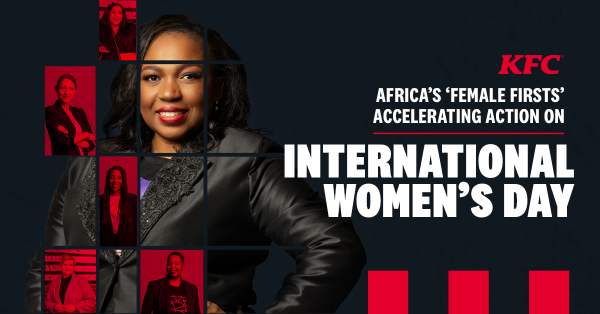
KFC Celebrates Inspirational African Women Accelerating Action Towards Equality

Location: Business
KFC Africa

Progress in closing the gender gap in South Africa and Sub-Saharan Africa has almost halted, leaving millions of women at a disadvantage to men. But female role models across the continent are refusing to admit defeat, dedicating themselves to accelerating progress towards gender equality.

To mark International Women's Day on 8 March and honour its theme of “Accelerate Action”, KFC Africa has collected the stories of dozens of women who are taking bold steps to advance equality on the continent by educating, empowering and supporting women to achieve more, together, faster. 

KFC Africa's list contains the names of 54 women – one for each year the company has been in Africa – and follows its successful International Women's Day campaign in 2024 which introduced an inaugural list (https://apo-opa.co/4h5xiID) of 53 “female firsts”. Each of those women had overcome educational, social and financial obstacles to achieve something no woman in their country had done before. 

The 2025 list (https://apo-opa.co/4h5xiID), drawn from each of the 22 Sub-Saharan Africa countries where KFC has restaurants, also has its share of female firsts – people such as Dior Fall Sow, Senegal's first female prosecutor; Nelly Mutti, the Zambian parliament's first female speaker; and Adelaide Retselisitsoe Matlanyane, the first woman to lead Lesotho's central bank.  

The list is dominated, however, by younger women who are breaking the mould – particularly in the technology sector – and showing they can do anything they set their mind to, regardless of age or gender. 

They include the likes of Christine Ogo, a Cote d'Ivoire physicist who has encouraged thousands of schoolgirls to pursue science, technology, engineering and mathematics; Rachel Sibande, who set up Malawi's first technology incubator for emerging entrepreneurs and has gone on to teach coding to 92,000 women and children; and Regina Honu, whose Tech Needs Girls movement in Ghana has trained more than 20,000 women and girls to code. 

Gender gap 

“It's a powerful list that gives us hope after  the World Economic Forum's Global Gender Gap Report (https://apo-opa.co/4i2QKXB) in 2024 showed that progress seems to have ground to a halt,” says Akhona Qengqe, General Manager of KFC Africa. 

The report showed that 68.4% of Sub-Saharan Africa's gender gap had been closed, only marginally higher than 68.2% in 2023 (https://apo-opa.co/3QEYGm5). South Africa, while being Africa's highest scorer and ranking 18th out of 146 nations, went backwards, from 78.7% in 2023 to 78.5% a year later. 

“The report says that at the current rate of progress, it will be 2158 until the world reaches full gender parity,” says Qengqe. “That's why we need to accelerate action, particularly in Africa, and why the efforts of the women on the KFC list are worthy of recognition and support.” 

In her seven years at KFC – she was as director of Africa franchise development, director of transformation and diversity and chief people officer before taking over as general manager in April 2023 – Qengqe has prioritised female empowerment. 

Her initiatives include spearheading KFC Add Hope, a women-led programme that serves free meals to tens of thousands of children at more than 3,000 feeding centres across South Africa. 

In 2021, she launched the Women on the Move leadership development programme, which prepares 22 women at KFC for future leadership positions every year, cultivating a pipeline of talent. Within two years, the number of female leaders in the business grew by 14%. 

Transforming franchising 

Last November she turned her attention to the wider quick service restaurant sector, launching Women in Franchising Africa (Wifa), the first network for current and aspiring female franchisees and franchisors across the continent. 

“To say I am passionate about the inclusion of women in growing our economies is an understatement. It is in fact one of my life's purposes,” she says. “My partners in Wifa intend to transform the participation of women in the franchising sector across African economies. 

“We want to educate women on how to run successful franchise businesses, provide networking opportunities for like-minded women, transform the sector by making funding accessible to women, and create mentorship opportunities for all the women in the network.” 

KFC Africa Chief People Officer Nolo Thobejane says “Accelerate Action” is a call to look at what has a positive impact on women's advancement and replicate it. 

“This is a journey we need to embark on together as we learn from each other. I cannot stress enough the importance of forming alliances and partnerships to amplify impact. By working together, organisations and individuals can share resources, knowledge, and support to create a more inclusive and equitable environment for women.” 

“At KFC, we have implemented some programmes which have yielded great results – such as the Women on the Move Leadership programme to ensure the pipeline of leaders, developing them with quality education and training through initiatives like our Streetwise Academy and then providing career support into positions of leadership.” 

“Other successful initiatives organisations can implement include designing and building infrastructure that meets the needs of women and girls, involving them in sustainable agriculture, and elevating their participation and achievement in sport, as we do with KFC Mini Cricket.” 

“There's a lot we can do as individuals, too – we can call out stereotypes, challenge discrimination, question bias and celebrate women's success. Everyone everywhere can Accelerate Action.” 

Qengqe says the new list of 54 names brings to 107 the number of inspirational African women KFC has honoured and recognised in the past two years. “We know this is the tip of a wonderful iceberg, and we welcome nominations of other women who are Accelerating Action in Africa.” 

Explore the list of 54 women Accelerating Action across Africa: https://apo-opa.co/4heEjqM  

To nominate a woman Accelerating Action: Email: za-kfcafricamedia@yum.com 

Distributed by APO Group on behalf of KFC Africa.

For media inquiries and to arrange interviews with Akhona Qengqe and Nolo Thobejane: 
Elmarie Swart 
Phone number:  
WhatsApp: +44 7464739649 
South Africa: +27 79 831 2429 
Email: elmarie@kamuses.co.za 

KFC Socials: 
Instagram – @kfcsouthafrica - https://apo-opa.co/3FdDUap 
Facebook – @KFCSA - https://apo-opa.co/4hYOsJl 
TikTok – @kfcsa - https://apo-opa.co/4h83tHx 
X – @KFCSA - https://apo-opa.co/4h9pMMX 
YouTube – @KFCSouthAfrica - youtube.com/@KFCSouthAfrica 

About KFC Africa:
KFC has been in South Africa for over 53 years and has more than 1,300 stores across the country. The first KFC restaurant in South Africa opened in 1971 in Orange Grove, Johannesburg. KFC is the leading quick-service restaurant brand in South Africa with just under a third of market share, according to Brand Image Tracker. KFC serves more than 20 million customers a month and we work hard to ensure that no matter which of our restaurants they walk into, they will get that distinctive KFC flavour and have a great experience. KFC's Original Recipe® Chicken was first made by Colonel Harland Sanders in 1940 when he perfected his secret recipe of 11 herbs and spices at his restaurant in Kentucky. Today, KFC is the world's most popular chicken restaurant, still preparing our chicken with the Colonel's secret recipe to his exact standards. Every KFC restaurant follows the same global processes and procedures to ensure that our customers get great-tasting food, every time.  

Media files
KFC Africa
Download logo
Read moreKFC Celebrates Inspirational African Women Accelerating Action Towards Equality
3 March 2025

SA joins the world in marking Hearing Day

Location: News

SA joins the world in marking Hearing Day

All South Africans have been called to join the global community in commemorating World Hearing Day on Monday.

World Hearing Day, which is celebrated annually on 3 March, aims to raise awareness about deafness and hearing and to promote access to ear and hearing care.

The day highlights a specific theme on which the World Health Organisation and its partners carry out activities based on the theme.

This year’s World Hearing Day theme, “Changing mindsets: Empower yourself”, builds on the 2024 focus on changing mindsets towards ear and hearing care.

Department of Women, Youth and Persons with Disabilities spokesperson, Cassius Selala, said that hearing was fundamental to communication, education, employment, and overall well-being.

“If it is left unaddressed, hearing loss can hinder speech development, academic progress, and economic opportunities. It can also lead to social isolation, stigma, and reduced quality of life.

“Hearing impairment (HI) is a silent planetary health crisis that requires attention worldwide. The prevalence of HI in South Africa is estimated at 5.5 in 100 live births, which is about five times higher than the prevalence in high-income countries,” Selala said.

According to the World Report on Hearing 2022, approximately four million people with a hearing disability live in South Africa. However, less than 600 000 South Africans use South African Sign Language, which accounts for just 0.02% of the country’s population, according to Census 2022.

Urgent interventions needed

Selala warned that without urgent interventions, hearing loss, particularly among vulnerable and disadvantaged populations, will continue to rise, exacerbating existing inequalities in healthcare access across the continent.

“It is estimated that by 2030, over 500 million people are expected to have disabling hearing loss, which will also require rehabilitation. Over the years, one billion young people will also face the risk of permanent hearing loss due to prolonged exposure to loud sounds during recreational pastimes, such as listening to music and video game play,” Selala said.

Addressing hearing impairment

To address the growing challenge of hearing impairment, the department is advocating for several key actions, and these include: 
• Improve access to ear and hearing care, especially in underserved communities.
• Combat stigma and misperceptions about hearing loss through education and awareness campaigns.
• Strengthen national policies to integrate hearing care into primary healthcare 
systems.
• Expand training programmes to increase the number of skilled hearing care 
professionals.
• Invest in infrastructure and assistive devices, ensuring that hearing aids, cochlear implants and other technologies are available and affordable for those who need them.

Selala urged individuals of all ages to empower themselves, to ensure healthy ears and hearing for themselves and others. – SAnews.gov.za

GabiK
Mon, 03/03/2025 - 09:56
329 views

Read moreSA joins the world in marking Hearing Day
3 March 2025

Finance in Common Summit Urges Global Development Finance Institutions to Harness Collective Power to Address Global Poverty

Location: News
African Development Bank Group (AfDB)

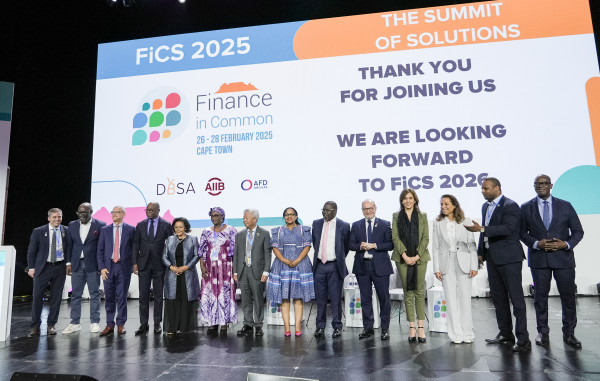
The fifth edition of the Finance in Common Summit (FiCS) concluded on Friday in Cape Town, South Africa, with strong calls for global development finance institutions to work together to address poverty and development challenges. South African Finance Minister Enoch Godongwana led the call.

The summit, which was co-sponsored by the African Development Bank and took place alongside the G20 Finance Ministers' Meeting, was themed "Fostering Infrastructure and Finance for Fair and Sustainable Growth."

Godongwana described the meeting as an unprecedented gathering of key financial players, saying: "Your determination and commitment will change the world. Your determination and will have an impact on global poverty.”

The minister linked the summit's goals to South Africa's development trajectory, highlighting the structural reforms the country had undertaken in the electricity, roads, and port sectors, which have opened new investment opportunities to development partners.

African Development Bank Vice President for Finance and Chief Financial Officer, Hassatou Diop N'Sele—one of several senior officials of the Bank Group at FiCS—represented Bank Group President, Dr. Akinwumi Adesina at a meeting on Wednesday organized by the Council of Europe Development Bank. At the meeting, multilateral development banks reaffirmed a shared commitment to maximize their collective impact.

During the G20 meetings of Finance Ministers and central bank governors, Hassatou Diop N'Sele said, “We call on G20 nations to enhance financial commitments, especially for the 17th replenishment of the African Development Fund, to simplify processes for accessing climate finance, and to create enabling policies that facilitate sustainable capital flows to Africa.”

In her various interventions during FiCS, she discussed the innovative financing tools and initiatives launched by the African Development Bank to leverage resources and mobilize the private sector at scale, including the landmark hybrid capital transactions successfully replicated by other development finance institutions and the Africa Investment Forum.

N'Sele emphasized the urgency for philanthropies and foundations to further strengthen their partnerships with multilateral development banks and to fully embrace innovation to amplify their impact. She also recognized the challenges for expanding climate finance in Africa and reflected on such solutions and platforms as the Alliance for Green Infrastructure in Africa, designed to catalyze bankable, greener infrastructure projects at scale and speed.

The African Development Bank delegation highlighted the progress of Mission 300 (https://apo-opa.co/4bolqQE), an initiative to accelerate access to electricity for 300 million Africans by 2030. The Bank, working with the World Bank and other development finance institutions and private sector partners, has committed $18.2 billion to this effort.

Senior leaders of the Bank stressed the need for urgent action. Nnenna Nwabufo, Bank Group Vice President for Regional Development, Integration and Business Delivery, said: "Africa is not looking for aid, we are looking for partnerships.".

She added: "The time for pilot projects that deliver incremental progress is over. We need investments that enable our nations to take ownership of their development, fostering resilience, self-sufficiency, and sustainable growth that benefits both Africa and the global economy."

Solomon Quaynor, the African Development Bank's Vice President for Private Sector, Infrastructure and Industrialization, called for faster implementation of infrastructure projects. "Africa can no longer sustain infrastructure projects that take seven to 10 years to complete - we must accelerate development to deliver within three years, prioritizing green infrastructure," he said.

The African continent needs $2.7 trillion through 2030 to meet its climate action goals, but receives only 3.6% of all global climate finance, despite its minimal contribution to global emissions.

The African Development Bank's Director General for Southern Africa, Leila Mokaddem, emphasized that Africa's green transition must be inclusive. She said: "With 600 million Africans still without electricity, our transition cannot be about climate goals alone. It must be about jobs, industrialization and economic opportunity. The African Development Bank is supporting this vision through its Jobs for Youth in Africa strategy to create 25 million jobs and equip 50 million young Africans with green economy skills by the end of this year.”

The summit achieved several significant breakthroughs in expanding the scope and impact of development financing. Key outcomes included: the endorsement by G20 finance ministers of public development banks' crucial role in international financial architecture; steps toward setting up frameworks to support cultural industries as valid asset classes; and the formation of a coalition between public development banks and civil society to ensure that development finance serves communities.

CEO of Agence Française de Développement and Chair of the Finance in Common Summit Rémy Rioux noted: "We have made tremendous progress in building public development banks as an asset class through innovation, commitment, and shared values. In times of uncertainty and conflict, we are offering a calm, collective alternative."

"This has truly been an African FiCS," said Boitumelo Mosako, CEO of the Development Bank of Southern Africa. He added:  "With 34% of delegates coming from the continent, we have shown that Africa is unstoppable as the second fastest growing region in the world."

Following the Finance in Common Summit, the Fourth Finance for Development Conference will take place in Spain between June and July this year. Being organized by the United Nations and the Spanish government, that summit will feature continuing discussions on reshaping the international financial architecture to better serve development needs.

Distributed by APO Group on behalf of African Development Bank Group (AfDB).

Media contact:
Emeka Anuforo
Principal Regional Communication Officer
Email: media@afdb.org

About the African Development Bank Group:
The African Development Bank Group is Africa's premier development finance institution. It comprises three distinct entities: the African Development Bank (AfDB), the African Development Fund (ADF) and the Nigeria Trust Fund (NTF). On the ground in 41 African countries with an external office in Japan, the Bank contributes to the economic development and the social progress of its 54 regional member states. For more information: www.AfDB.org

Media files
African Development Bank Group (AfDB)
Download logo
Read moreFinance in Common Summit Urges Global Development Finance Institutions to Harness Collective Power to Address Global Poverty
3 March 2025

Social Development and BMA to strengthen social services at border posts

Location: News

Social Development and BMA to strengthen social services at border posts

The Department of Social Development and the Border Management Authority (BMA) have committed to working together to address gaps in social service delivery at border crossings.

The two bodies held a high-level strategic meeting focusing on implementing the strategy for the employment of social workers and other social service professionals.

The meeting examined strengthening the partnerships between the two entities to address essential gaps in social service delivery, particularly in cross-border contexts.

The session, chaired by Acting Deputy Director-General for Corporate Support Services Lumka Oliphant, explored avenues for collaboration. This included building synergies between social service professionals and border management officials, recognising the vital role social workers play in protecting vulnerable groups including undocumented migrants, victims of human trafficking, and children in need of care and protection. 

Amanda Vokwana, the department’s Director of Organisational Development and HR Planning, outlined the strategy for the employment of social workers and other social service professionals. 

The strategy was developed as part of a broader government effort to employ 55 000 social service professionals by 2030, in alignment with the National Development Plan. 

“This strategy is not just a vision; it is a collective commitment to building a social service sector that is responsive to the needs of our communities. It seeks to address the employment gaps faced by social workers while ensuring that their skills are effectively utilised in both the public and private sectors,” Vokwana said at Friday's meeting.

This as the country continues to face pressing social ills, including poverty, substance abuse, gender-based violence, child-headed households, and human trafficking, she emphasised. 

The strategy provides a framework for recruiting, training, and retaining qualified social service professionals to tackle these issues. It also introduces a funding and deployment model to ensure professionals are placed where they are needed most, including in border management operations.

Vulnerable groups 

A significant part of the meeting held in Pretoria focused on a proposal for collaboration between the department and the BMA.
The proposal presented by Oliphant underscored the vital need to integrate social workers into the BMA’s operations, particularly in addressing the challenges faced by vulnerable groups. 

Oliphant highlighted that, like the South African National Defence Force, the South African Police Service, and the Department of Correctional Services, the Border Management Authority also requires dedicated social workers.
“Border posts are high-risk environments where social vulnerabilities intersect with security concerns.

“Social workers play an essential role in ensuring that individuals, especially children and victims of trafficking, receive the necessary psychosocial support and interventions in line with legislative frameworks,” she explained. 

Beyond assisting vulnerable groups, Oliphant stressed that social workers would also be instrumental in supporting the Border Management Authority’s personnel who are frequently exposed to traumatic and high-pressure situations.

“Border officials often deal with emotionally taxing cases, from human trafficking survivors to desperate asylum seekers. Having in-house social workers would provide much-needed psychological support and trauma counselling, ensuring the well-being of both staff and those they serve.

“With the growing complexities of migration and border-related social issues, it is critical that social service professionals are part of border management processes. Their expertise in psychosocial support, child protection, and victim assistance will enhance the effectiveness of our interventions,” she said. 

The Deputy Assistant Commissioner of the Border Management Authority, Peter Mphilo, acknowledged the financial constraints that have hindered the establishment of an independent social services unit within the agency.

While recognising the initial intent to develop internal capacity, he emphasised the necessity of collaboration with the Department of Social Development and provincial stakeholders. 

“We appreciate the assistance and cooperation from the provinces. The demand for social services at our border posts far exceeds supply, and this collaboration is critical in addressing those challenges,” Mphilo said. 

Infrastructure

He highlighted the need to assess infrastructure requirements at border posts, focusing on interception procedures, interview facilities, and the seamless handover of vulnerable individuals to inland social services.

“Mapping out the entire process, from the port of entry to final social service intervention, is crucial for us to determine what needs to be funded,” he added. 

Regarding funding strategies, Mphilo inquired about the role of donor funding and private sector involvement in the employment of social workers.

He stressed the importance of understanding whether private players directly fund social worker employment or contribute to broader organisational initiatives. 

Moving forward, the Border Management Authority aims to refine its strategy by aligning funding mechanisms, infrastructure planning, and service delivery models to support social service professionals operating within border management, effectively.
“We need to be guided in terms of requirements. A phased approach, where we employ one or two social workers per region to provide advisory services, would be beneficial.

“Currently, we rely on provinces for support, but their capacity varies, and assistance does not always arrive on time. Having dedicated social workers within border regions would help bridge this gap.”

Mphilo also emphasised the importance of ensuring compliance with legislative frameworks, particularly the Children’s Act, given that many women who cross borders irregularly do so with children. 

The presence of social workers at border posts would help facilitate proper child protection interventions.

The authority reaffirmed its commitment to continuing its partnership with the department, benefitting from its support, and actively participating in the broader interdepartmental task team to enhance social service provision within border management operations. – SAnews.gov.za

DikelediM
Mon, 03/03/2025 - 12:03
348 views

Read moreSocial Development and BMA to strengthen social services at border posts
3 March 2025

Report on Hazelmere Dam water release dismissed

Location: News

Report on Hazelmere Dam water release dismissed

UMngeni-uThukela Water has dismissed a video circulating suggesting that water will be released from the Hazelmere Dam without any prior warning being issued to communities living in the vicinity of the dam. 

In a statement issued on Monday, uMngeni-uThukela Water spokesperson, Siyabonga Maphumulo, said the entity has not effected a release of water from the Hazelmere Dam, as the video suggested on Sunday, 2 March 2025. 

“The dam is currently overflowing due to the recent heavy rains in parts of KwaZulu-Natal that have pushed up dam levels to 102%. 

“In this regard, uMngeni-uThukela Water issued a media statement on Friday, 28 February 2025, wherein it cautioned communities living downstream of the dam to practice extra caution, as the dam overflow would lead to the uMdloti River swelling,” Maphumulo said. 

uMngeni-uThukela Water will continue to monitor the Hazelmere Dam, and in the event that its level gets to 105%, the entity will consider a water release. 

Maphumulo emphasised that in the event of a water release, uMngeni-uThukela Water, guided by its operating protocols, would inform the public and all affected stakeholders before effecting the water release. 

“As the water levels at the Hazelmere Dam levels have not reached 105% mark, uMngeni[1]uThukela Water has no immediate plans of releasing water via its emergency scours. UMngeni-uThukela Water would therefore like to allay any public fears or concerns about water releases. 

“We would also like to again remind the public to practice vigilance around the Umdloti River due to the dam overflow,” Maphumulo said.

Floods

Addressing the media on Sunday, KwaZulu-Natal Cooperative Governance and Traditional Affairs MEC, Thulasizwe Buthelezi announced that more than 20 people have lost their lives as heavy rains continue to wreak havoc in the province.

“We have lost more than 20 people in the last two months and we are continuing to count the cost, especially the destruction of public infrastructure such a roads, clinics and access to homes,” Buthelezi said.

The MEC urged residents in low-lying areas to seek shelter on higher ground and appealed to people in the province to stay indoors and avoid unnecessary travel, as roads in eThekwini, are already flooded.

“We strongly urge residents in low-lying areas, and those who are near riverbanks, to immediately move away and seek shelter on higher ground. Residents are also advised to avoid all non-essential travel,” the MEC said.

More rain expected 

Meanwhile, the South African Weather Service has reported that isolated showers and thundershowers expected over the most parts of the country, on Tuesday and Wednesday, with scattered over the south-eastern areas, as well as the western parts of the Northern Cape on Tuesday.

The forecaster has also issued an alert level 5 for eThekwini and other four KwaZulu-Natal areas, including Ray Nkonyeni, Mkhambathini, UMzumbe and Umdoni Local Municipalities. 

"Take immediate action to ensure your safety. Stay indoors, avoid travel and follow evacuation instructions, if necessary,” the weather service said in a statement on Monday. – SAnews.gov.za


GabiK
Mon, 03/03/2025 - 15:15
56 views

Read moreReport on Hazelmere Dam water release dismissed
3 March 2025

SANPC to Showcase Strategic Vision at IAE 2025

Location: Business
Energy Capital & Power

South Africa's newly established South African National Petroleum Company (SANPC) will host an investor roadshow at the Invest in African Energy (IAE) Forum in Paris this May, highlighting its strategic vision and the more than R95 billion in untapped market and investment opportunities in South Africa's oil and gas sector. Under the theme "South Africa's Energy Future: A New Age State Entity," the presentation will be led by SANPC CEO Godfrey Moagi, following the company's official launch, scheduled for April 2025.

With a clear mandate to promote energy independence and diversification, SANPC is set to drive large-scale investments in the oil, gas and clean energy sectors. SANPC's strategy includes ring-fencing all non-functioning assets, identifying assets that can be moved to the NOC and ensuring these assets can be traded and utilized effectively. At the IAE 2025, delegates will gain an exclusive look into SANPC's far-reaching goals, including the creation of a state-backed energy company that will enhance the country's energy security, facilitate the transition to cleaner energy sources and create employment opportunities for the nation's youth.

IAE 2025 (https://apo-opa.co/4h81CCe) is an exclusive forum designed to facilitate investment between African energy markets and global investors. Taking place May 13-14, 2025 in Paris, the event offers delegates two days of intensive engagement with industry experts, project developers, investors and policymakers. For more information, please visit www.Invest-Africa-energy.com. To sponsor or participate as a delegate, please contact sales@energycapitalpower.com.

SANPC's strategic vision aligns with South Africa's National Development Plan, which outlines the country's goals to expand access to affordable, reliable energy while navigating the energy transition. The creation of SANPC marks a bold step toward achieving these objectives, acting as a catalyst for new ventures, partnerships and large-scale infrastructure projects. As South Africa's energy landscape undergoes reform, SANPC aims to drive the rapid deployment of new projects while adhering to the highest sustainability standards and fostering regional integration in oil and gas.

SANPC's participation at IAE 2025 is part of the company's series of investor roadshows, first launched at the African Energy Week: Invest in African Energies 2024 conference in Cape Town. These roadshows support the company's commitment to attracting foreign investment and offer stakeholders the opportunity to engage with SANPC leadership, while gaining insight into the company's vision for an energy future that fosters both economic and environmental sustainability.

Distributed by APO Group on behalf of Energy Capital & Power.

Media files
Energy Capital & Power
Download logo
Read moreSANPC to Showcase Strategic Vision at IAE 2025
2 March 2025

Spaza shops who met registration deadline to receive support

Location: News

Spaza shops who met registration deadline to receive support

Spaza shop and food handling businesses that applied to register their businesses with their local municipalities but were awaiting their registration outcomes will not be penalised, Small Business Development Minister Stella Ndabeni said.

“We know the process had challenges, with many municipalities not having electronic business registration systems. All those that have applied are within their constitutional rights to do business but still await the registration outcomes will not be penalised. 

She revealed that only 60 out of the municipalities in the country had a digital registration system.

Additionally, 135 registration centres were visited to gain firsthand experience of the challenges. 

“We understand the difficulties and costs associated with becoming compliant and this is why over the next six months we will be supporting these spaza shops who applied but are not yet compliant with non-financial support to enable their successful registration and compliance,” the Minister said on Sunday.

Ndabeni was addressing media in Pretoria on the on Friday’s the spaza shop and food outlet registration deadline.
This as the deadline for registration was on Friday, 28 February 2025.

“This is the developmental approach to compliance we have adopted, offering assistance to those seeking to comply through training programs provided by our agency, the Small Enterprise Development and Finance Agency (SEDFA). We already have a spaza shop support programme that we are running including with the Wholesale and Retail SETA and others partners where we train spaza shops on inventory management and assist with essential equipment such as point-of-sale systems as well as financial support for stock. 

“This is our proof of concept which we will improve and scale going forward. We also have a range of other interventions and offerings to support township and rural enterprises, including asset assist, business infrastructure support, as well as wholesale and direct lending, as well as credit guarantees we offer to banks to get them to lend to township and rural enterprises,” the Minister explained.

She said that Friday’s deadline does not necessarily mean that the problems and challenges of compliance by spaza shops and food handling outlets are over.

“The aim of the registration drive was two-fold, to ensure compliance with all food safety standards and to rebuild a more competitive and compliant business in our country,” Ndabeni said.

Ndabeni said the registration of spaza shops is but one of the interventions in a multi-disciplinary approach to curbing foodborne illnesses.

Sunday marked exactly 107 days since President Cyril Ramaphosa announced the registration of all spaza shops and food handling outlets. The announcement came after several incidents of food poisoning and deaths related to foodborne illnesses that were reported in different parts of the country.

The initial 21 days registration period, which would have ended in December last year, was subsequently extended by the President to 28 February as part of accommodating all eligible businesses to comply with the directive. 

After the announcement by the President, through the National Joint Operational and Intelligence Structure (NATJOINTS), seven workstreams were established with the Department of Small Business Development (DSBD) leading the economic workstream focussing more on interventions to build capacity in township and rural spaza shops and food convenience stores. 

“We have supported the registration process which the Minister of COGTA [Cooperative Governance and Traditional Affairs] will speak to in the NATJOINT briefing in two weeks’ time,” she said. -SAnews.gov.za


Edwin
Sun, 03/02/2025 - 15:08
56 views

Read moreSpaza shops who met registration deadline to receive support
2 March 2025

Mass Protest Against Failing Makana Municipality

Location: News

Archbishop calls for immediate removal of mayor, speaker and chief financial officer

Read moreMass Protest Against Failing Makana Municipality
28 February 2025

KZN aims to attract investment while also creating jobs

Location: News

KZN aims to attract investment while also creating jobs

The KwaZulu-Natal province aims to secure an additional R4 billion in investments in the 2025/26 financial year and create 5 000 potential jobs, Premier Thamsanqa Ntuli said on Friday.

This is after the KZN Investment Conference held in November 2024 resulted in R75.8 billion in investment pledges, including major projects like the Westown mixed-use development in Shongweni and SAPPI Southern Africa upgrades.  

Delivering the State of the Province Address (SOPA), the Premier outlined a bold future for the province.

Ntuli began by honouring the memory of citizens lost to recent floods and heavy rains, as well as soldiers who died in the Democratic Republic of Congo (DRC). 

READ | KZN flood victims moved to temporary accommodation

He stressed the province’s resilience and commitment to overcoming challenges, including high unemployment, poverty, and the impacts of global crises.

Ntuli also highlighted significant achievements over the past eight months and outlined strategic priorities for the coming year.

The Premier also detailed the ongoing and upcoming infrastructure projects, including upgrades to the N3 and N2 highways, the construction of new dams, and the expansion of the Dube Trade Port and Richards Bay Industrial Development Zone.  

According to Ntuli, these projects are expected to create thousands of jobs and boost the local economy. 

Meanwhile, the King Dinuzulu Innovation Valley at Dube TradePort, set to open in June 2025, will serve as a hub for technological advancement and entrepreneurship. 

The province is also rolling out broadband connectivity projects to ensure high-speed internet access for all citizens. 

He also emphasised the province’s commitment to reducing poverty and the rising cost of living which remains as a persistent challenge for many families across the province.

Initiatives include social grants, support for child-headed households, and efforts to combat gender-based violence, while also focusing on youth and women empowerment through various programmes and funds.

“Poverty and the rising cost of living remains a persistent challenge for many families across KwaZulu-Natal. While social assistance remains a necessary lifeline for many of our people, this trajectory is not sustainable.” 

Instead, he believes government should build a nation where economic opportunities replace dependency, where employment and entrepreneurship empower people, and where prosperity is driven by innovation and productivity. 

The Premier also noted the province’s record-breaking 2024 matric pass rate of 89.5% and improvements in healthcare services, including the purchase of new ambulances and the expansion of the school nutrition programme. 

Meanwhile, he stated that efforts to improve school infrastructure and reduce dropout rates are also underway. 

Ntuli reaffirmed the administration’s commitment to building a capable, ethical, and developmental State. This includes strengthening public institutions, enhancing service delivery, and rooting out corruption.

Spaza shops

Meanwhile, he said from 14 October to 14 November 2024, the provincial government conducted unannounced inspections of spaza shops and wholesale businesses. 

“What we uncovered was deeply concerning. It became abundantly clear that economic activity in many of these areas has shifted away from our local entrepreneurs, with some businesses operating in direct violation of our laws – engaging in illicit trade and other criminal activities that threaten the well-being of our communities.” 

A joint operation was conducted, resulting in the inspection of 7 729 premises and as a result, 337 premises were closed, and 142 arrests were made.

In addition, 2 429 compliance notices and 480 fines were issued, alongside the confiscation of 10 210 kg of illicit goods.

“It is our firm belief that the township and rural economy in KwaZulu-Natal plays a vital role in both economic growth and job creation for local communities, with substantial value and employment opportunities across informal sectors like spaza shops, street vendors, and small-scale manufacturing.” 

READ | Deadline won't be extended for spaza shops to register

Today marks the deadline for spaza shop and other food handling to register their businesses with their local municipalities. 

He called on all citizens and stakeholders to work together towards a prosperous and inclusive future for KwaZulu-Natal. 

“The future calls, and we must answer with action, integrity, and unwavering dedication to the service of our nation, “ he said. – SAnews.gov.za


Gabisile
Fri, 02/28/2025 - 14:58
233 views

Read moreKZN aims to attract investment while also creating jobs
28 February 2025

Minister Creecy outlines plans to reinvigorate logistics sector

Location: News

Minister Creecy outlines plans to reinvigorate logistics sector

The South African government is committed to reinvigorating the country’s logistics sector as an enabler of economic prosperity.

This is according to Transport Minister Barbara Creecy who delivered remarks at the launch of a new World Bank report titled: “Driving Inclusive Growth in South Africa: Quick Wins with Competitive Markets and Efficient Institutions".

“[Government has] established the National Logistics Crisis Committee [NLCC]…comprised of representatives from the Presidency, various government departments and the private sector.

“Its work includes securing strategic logistics corridors handling commodities that are essential to the export market and economic growth; addressing backlogs and congestion at strategic border crossings; combatting congestion in key national highway corridors such as the N1 and N3, as well as interventions to combat cable theft and maintenance backlogs at Transnet. 

“This collaboration has seen modest improvements in our logistics performance,” she said on Friday.

The department and Transnet have set a target of moving at least 250 million tonnes of freight on the Transnet network by the year 2030 up from 150 million tonnes in the 2023/24 financial year.

Investment 

Creecy highlighted that to achieve this, the rejuvenation of the rail sector is a key objective, which began with the Cabinet’s approval of the White Paper on National Rail Policy in March 2022. 

“The Rail Policy introduces structural reforms in the sectors that are intended to enable private sector investment, optimal utilisation of the rail network, and effective economic regulation of rail that will facilitate equitable access to the rail network and ensure that it is properly managed. 

“As part of this process a Private Sector Participation [PSP] Unit is being established by the department in collaboration with the Development Bank of Southern Africa. Once established, this unit will help direct and coordinate private sector investments in priority rail projects requiring capital investment.”

The Minister revealed that the department is currently in the process of issuing Requests for Information “regarding potential investment in the rail and port sector”.

“This serves to share information with the public regarding possible PSP projects, but also to allow the department, and by extension Transnet, to gather information on projects with the potential for third party involvement.

“I want to emphasise again that throughout this process all rail and port infrastructure will remain under the government’s ownership. We are also in the process of consulting with organised labour regarding the details of our freight logistics roadmap. 

“We cannot continue with the status quo, where derailments and port blockages cost our economy billions of rands, and thousands of jobs in all sectors of our economy are at risk,” Creecy said.

Port efficiency

Turning to inefficiencies at South African ports, the Minister said Transnet has launched a recovery plan aimed at “increasing and stabilising port and rail volumes”.

“The establishment of various war rooms for specific corridors and commodities has allowed Transnet and the private sector to collaborate and share expertise and address challenges such as derailments and unplanned maintenance.

“As part of Transnet’s Recovery Plan, replacement and refurbishment of crucial ports infrastructure such as cranes, gantries and straddles is planned in the short, medium and long term, and continued collaboration with original equipment manufacturers (OEMs) has ensured that spare parts for essential machinery can be secured when necessary. 

“This has resulted in improvements we are seeing in our ports which have cut down on ship waiting times and queuing times for trucks,” she said.

Creecy told stakeholders at the launch that collaborations have also assisted to address bottlenecks and inefficiencies.

She insisted that all the measures set out by government will “enable us to meet the targets that we set for the logistics sector, based on pre-pandemic figures”.

“Transnet and the department have set the goal of 250 million tonnes of freight per year, moving on the Transnet network by 2030. Transnet achieved 150 million tonnes of freight per year during the 2023/ 2024 financial year. At our ports, the target is to improve gross crane moves per hour from the 2024 average of 16 to 30 by 2030. 

“These ambitious targets cannot be achieved within the existing Transnet system and will require significant private and public investments in infrastructure, rolling stock and digital systems. 

“This can only be achieved through a partnership between government and the private sector, where technical knowledge, experience, [the] world’s best practice and funding can be shared,” Creecy concluded. – SAnews.gov.za

NeoB
Fri, 02/28/2025 - 13:44
147 views

Read moreMinister Creecy outlines plans to reinvigorate logistics sector
28 February 2025

G20 focuses on financing health

Location: News

G20 focuses on financing health

The South African Group of Twenty (G20) Presidency will continue the focus on finance and health coordination through the Joint Finance and Health Task Force (JFHTF), as it recognises the high potential impact of health risks on the global economy.

This is according to the G20 Chair’s Summary of the first Finance Ministers and Central Bank Governors’ Meeting that took place in Cape Town from 26 February - 27 February.

The JFHTF seeks to enhance the collaboration and global cooperation on issues relating to pandemic prevention, preparedness and response, thus leaving the international community better prepared in the eventual case of future health threat outbreaks. 

The Task Force will also promote the exchange of experiences and best practices, developing coordination arrangements between Finance and Health Ministries, promoting collective action and encouraging effective stewardship of resources to address the existing financing gaps in pandemic preparedness and response.

The G20 welcomed discussion on addressing deep challenges in the capabilities of countries to prevent, prepare for, and respond to pandemics. 

“[The meeting] recognised the critical importance of sustainable health financing in addressing these challenges, and towards achieving health Sustainable Development Goals (SDGs) on universal health coverage. [The meeting] looked forward to the Task Force delivering important work this year by updating the Global Report based on the Framework for Economic Vulnerabilities and Risks.

“The South African G20 Presidency looked forward to updating the Operational Playbook for pandemic response with a focus on day zero and surge financing, as well as simulation exercises to assess the efficiency of domestic and international finance coordination in dealing with future health emergencies and identify any remaining gaps,” the summary statement said on Thursday. 

The G20 welcomed the important contribution of the Pandemic Fund, as a component of pandemic prevention, preparedness and response financing.

It recognised current contributions and encouraged increased support to the fund, in particular through the voluntary expansion of its donor base. 

“[The meeting] looked forward to the plan to take stock of the JFHTF since its establishment, to discuss and evaluate the options for its potential evolution. [It also] acknowledged the continued support of the World Bank and the World Health Organisation (WHO), and the WHO for hosting the JFHTF Secretariat,” the statement said.

Infrastructure development

Furthermore, the meeting recognised that increasing quality infrastructure investment is critical to support faster, inclusive and sustainable economic growth and development. 

During the meeting, the Infrastructure Working Group discussed the importance of continuing to focus on addressing impediments to long-term finance and creating an enabling environment for infrastructure as an asset class.

In this regard, the Presidency will prioritise:

•    the development of a robust, accessible and investable pipeline towards attracting private sector participation; 
•    exploration of blended finance de-risking measures to bolster sustainable infrastructure investment flows, particularly in Emerging Market and Developing Economies (EMDEs); and
•    development of a toolkit to assist countries in overcoming significant barriers to advancing cross-border infrastructure projects. 

-SAnews.gov.za


nosihle
Thu, 02/27/2025 - 18:50
8 views

Read moreG20 focuses on financing health
27 February 2025

Over R20 million allocated to boost North West economy 

Location: News

Over R20 million allocated to boost North West economy 

The North West Provincial Government has allocated R24 million to establish a Development Fund to accelerate development initiatives across the province.

The fund will be established with a special focus on stimulating economic growth and creating sustainable job opportunities.
This is according to the North West Premier Lazarus Kagiso Mokgosi who delivered his State of the Province Address (SOPA) at the provincial legislature on Thursday.

He informed the Members of the Provincial Legislature (MPL) that the efforts of the Economic and Investment Advisory Council are starting to produce positive results.

The Council is responsible for assisting the province to drive its industrialisation programme, lure investments, and see to the full implementation of the Provincial Growth and Development Strategy.

“We envisage establishing a Regional Research, Innovation and Development Office, which will be in, and coordinated by, the Office of the Premier with a specific focus on Science, Technology and Engineering,” he said on Thursday. 

The SOPA outlined the province’s strategic priorities for the next five years, focusing on inclusive growth, job creation, poverty reduction, and building a capable and ethical State. 

Mokgosi highlighted the province’s challenges, including high unemployment and poverty rates, and emphasised the need for aggressive measures to address these issues.  

He announced several initiatives, such as the expansion of the National School Nutrition Programme to provide two meals per day to learners in more schools and the launch of the “Ntime o Mphele Ngwana Poverty Alleviation Programme” to combat hunger among children and youth. 

In addition, infrastructure development was a key focus, with significant investments in road projects, water and sanitation improvements, and the construction of new schools and clinics. 

The Premier also announced plans to revitalise the Taung irrigation scheme and other agricultural projects to boost food production and support emerging farmers. 

“The collaborative work between the Vaalharts Water Users Association, the Department of Water and Sanitation, and the Dr Ruth Segomotsi Mompati District Municipality will result in an increase of water supply to households in areas such as Taung, Pudimoe, and Huhudi.” 

Jobs and attracting investment

Mokgosi reaffirmed the government’s commitment to creating job opportunities through public employment programs, such as expanded public works, community health workers, community works, and labour activation programmes.

These initiatives aim to create over 150 000 job opportunities in the next five years, targeting women, youth, and persons with disabilities.

The provincial government is fostering relations with the private sector to address infrastructure backlogs and attract investment.  

The Premier cited the Mekgareng Smart City project, which is expected to create 20 000 jobs for the people of Madibeng Local Municipality and attract investments of between R10 and R25 billion.

The smart city project is a collaborative development initiative between the North West and Gauteng, coordinated by the national Department of Human Settlements.

Meanwhile, the provincial government has partnered with the South African National Defence Force (SANDF) and Phila Jordan Academy to provide training opportunities to 3 000 beneficiaries in artisanal and tooling programs.  

In addition, more than 1 200 young people are participating in a National Youth Service programme, and over 7 000 youth have been provided with skills and job placements.

The Premier hopes that these comprehensive measures will help reduce unemployment and stimulate economic growth in the North West. 

In addition, he covered efforts to promote clean governance, combat corruption, and improve audit outcomes.  

He concluded with a call for unity and collaboration among all stakeholders to tackle the province’s socioeconomic challenges and build a better future for all residents. 

“Ours is a skewed past centered on exploitation, exclusion, and oppression but we remain hopeful about the socio-economic prospects of our province, and we are unflinching on our commitment to creating a better life of all, irrespective of race, class, and gender or creed,” he said. – SAnews.gov.za


Gabisile
Thu, 02/27/2025 - 15:36
32 views

Read moreOver R20 million allocated to boost North West economy 
26 February 2025

The Future of Africa’s Energy Sector

Location: Business
African Energy Chamber

By NJ Ayuk, Executive Chairman, African Energy Chamber (www.EnergyChamber.org).

There's a promising future for African renewables as the continent strives to balance its current reliance on fossil fuels.

That's the prediction of the African Energy Chamber's 2025 Outlook Report on the State of African Energy.

As I have said before, Africa will eventually rely primarily on renewable energy, as much of the rest of the world strives to — but on its own timetable, not that of Western countries who have benefited for centuries from the exploitation of fossil fuels.

To achieve a carbon neutral future, African nations must have the underlying infrastructure and industry to make the dominance of renewables possible. As things currently stand, most African states lack said infrastructure and industry, and the most feasible and expedient way for them to achieve both is through leveraging the abundant oil and gas resources so many of them possess.

As our report finds:

  • Fossil fuels account for 72% of Africa's power generation. South Africa and Egypt are Africa's leading producers, and their dominance will continue into the next decade.
  • Renewables account for over 27% of Africa's power generation and are projected to increase to 43% by the end of this decade.
  • Africa accounts for 3.3% of the global power generation, with a total power generation of over 980 terawatt hours.
  • 13 GW of utility-scale solar PV and wind projects are under construction – South Africa, Egypt, Morocco, Ethiopia and Algeria account for over 75% of this capacity.

No Electricity at All

There are also significant challenges facing Africa's energy sectors, as we cover in detail in our report.

The most pressing of those challenges is the fact that many rural areas across Africa are underserved and lack the necessary power infrastructure to access any electricity at all. In fact, of the 685 million people worldwide living without access to electricity, 590 million (86%) live in Africa. Conversely, even in well-served areas electricity is not cheap and reliable, as population and urbanization growth have outpaced the growth of power infrastructure, placing additional strain on the existing power systems. Many African households still rely on alternative, less efficient energy sources such as biomass, kerosene, etc., for heating and cooking.

One practical solution to these challenges is Western investment.

Western investment — providing both funds and technology — will help expand our existing infrastructure into underserved areas and harness our natural resources, and that will go a long way toward improving economic conditions across the continent. This will in turn improve energy affordability for many Africans as it becomes both more widely available and cheaper to access.

But where and in what should the West invest? That is up to them, but there are many development opportunities across the continent right now. I will cover just a few of the most promising, according to our outlook report.

What we found is that most North African countries see 90% access rates for electricity and are looking to enhance their power sectors while reducing reliance on fossil fuels. The bulk of renewable power share increases by the end of the decade will almost certainly be seated in this region. In contrast, sub-Saharan countries will continue to fight low electricity access for some time. They have been able to increase access to 55% currently, up from 38.3% in 2010. These countries will be ripe for investment, expanding the grid and production infrastructure to improve electrical access.

We also found that hydropower continues to dominate in East Africa, which has some of the largest dams in the world generating 19% of Africa's overall power generation and providing up to 90% of the available power for countries such as Ethiopia and the Democratic Republic of Congo. Africa's largest hydroelectric project, the Grand Ethiopian Renaissance Dam (GERD) is nearing completion and is expected to generate 15,760 GWh annually once fully operational. The project is of such importance to the region that it has sparked diplomatic cooperation between the Nile-bound countries of Ethiopia, Egypt, and Sudan in an effort to ensure equitable sharing of the river's precious waters. Other currently ongoing projects such as Ethiopia's Gibe III Dam (1870 MW), Zambia and Zimbabwe's Kariba Dam (1830 MW) and Ghana's Akosombo Dam (1020 MW) also speak to promising future growth and development opportunities for those willing to get their feet wet in the central and eastern parts of the continent along the Congo and Nile rivers, where nearly 90% of the continent's hydroelectric potential remains untapped.

Geothermal power in Africa is currently dominated by Kenya, which to date is the seventh largest producer of geothermal power. Kenya's estimated geothermal power potential is roughly 10 GW, but current operation capacity only allows 1 GW to be harnessed.

International investment is what launched Kenya's geothermal power in the first place, with the United Nation's development program providing the requisite research and funds in 1972 to establish the country's first geothermal plant by the 1980s. Since then, Kenya has expanded independently, creating the state-owned Geothermal Development Company (GDC) in 2008 to both speed up geothermal advancements and lower the initial investment risk for foreign investment.

Solar Power: A Light in the Dark

Solar power offers a veritable gold mine of opportunity given Africa's high irradiance levels: nearly 80% of the continent receives more than 2 MWh per square meter. This amounts to a solar PV potential of 1 million terawatt hours per year and a solar thermal potential of over 500,000 terawatt hours (for reference, a single terawatt hour is enough to light over 1 million homes for a year). Yet to date, Africa only generates over 35 TWh and 3.3 TWh from solar PV and solar thermal, respectively. Over 13 GW of utility-scale solar PV and wind projects are currently under construction, with hundreds more GW of capacity in the concept phase..

I would like to reiterate: Africa will reach a point where we will rely primarily on low carbon and renewable energy. But we cannot get to that point without building the proper infrastructure, and we cannot fund the building of said infrastructure without leveraging our natural resources, oil and gas being chief among them. If the west wishes to speed along Africa's progress on this front, the best way is to work with African as partners and investors working towards common goals. 

Distributed by APO Group on behalf of African Energy Chamber.

Media files
African Energy Chamber
Download logo
Read moreThe Future of Africa’s Energy Sector
26 February 2025

US-Funded Programmes in South Africa Benefit the US Too

Location: News

The world class research conducted in SA is vital for everyone

Read moreUS-Funded Programmes in South Africa Benefit the US Too
26 February 2025

South Africa and Japan foster relations 

Location: News

South Africa and Japan foster relations 

The friendship and collaboration between Japan and South Africa – as an essential factor in the advancement of peace, prosperity and mutual understanding – have been reflected upon at Deputy President Paul Mashatile’s meeting with Japanese Ambassador to South Africa, Fumio Shimizu.

The Deputy President received a courtesy visit from newly appointed Ambassador Shimizu at Mashatile Tuynhuys office in Parliament, Cape Town, on Tuesday.

Shimizu is hosting a high-powered Japanese delegation in South Africa to attend the G20 Foreign Ministers’ Meeting and the meeting of the G20 Finance Ministers and Central Bank Governors, alongside a number of G20 workstream meetings.

At Tuesday’s meeting, South Africa and Japan reaffirmed their strong diplomatic and economic partnership, with Mashatile emphasising Japan’s role in South Africa’s economic growth and investment landscape.

“In particular, the Deputy President appreciated the continued strengthening of South Africa-Japan cooperation in several sectors, including politics, trade and investment, science and innovation, education, energy and development cooperation,” the Presidency said in a statement on Tuesday.

Mashatile highlighted Japan’s role as one of South Africa’s most significant economic partners, particularly in the automotive industry, technology, skills development and mineral beneficiation. He expressed optimism about increasing Japanese investments in local manufacturing, job creation and infrastructure projects.

“In Japan, we see the potential for the increase of already sizable investment in our economy, especially in the automotive industry, technology and skills development, commercialisation and manufacturing, as well as machinery for mining and mineral beneficiation, which are among the key economic drivers in South Africa,” Mashatile said.

The Deputy President and Shimizu committed to strengthening cooperation in various sectors, including science and innovation, education and energy.

Mashatile will undertake a working visit to Japan next month to solidify trade relations and attract further investment. 

South Africa also eagerly anticipates the 9th Tokyo International Conference on African Development (TICAD 9) in Yokohama this August, which is expected to further bolster economic ties between Japan and the African continent. – SAnews.gov.za

Gabisile
Wed, 02/26/2025 - 11:26
332 views

Read moreSouth Africa and Japan foster relations 
  • Previous
  • Page 1
  • Interim pages omitted …
  • Page 40
  • Page 41
  • Page 42
  • Page 43
  • Page 44
  • Interim pages omitted …
  • Page 108
  • Next

Copyright © 2026 · MyZA · All Rights Reserved · Powered by Stratlec Online