
law
President Ramaphosa, EU Council President hold bilateral call
President Ramaphosa, EU Council President hold bilateral call
President Cyril Ramaphosa has held a bilateral telephone conversation with the President of the European Council, Charles Michel.
According to a statement by the Presidency, the conversation was a positive and constructive discussion on bilateral, regional, and global issues.
The statement said the two leaders also discussed the need for more engagement to address global peace and reaffirmed shared respect for international law.
“They both welcomed the recent bilateral South Africa-European Union Political and Security Dialogue Forum, and the Human Rights Dialogue held in Pretoria on 26 and 27 February 2024, and they agreed to continue stepping up cooperation to support stability and prosperity.
“In this regard, both Presidents discussed the importance of upholding the UN Charter and the principles of sovereignty and territorial integrity notably in Ukraine. Furthermore, both Presidents stressed the importance of addressing urgently the situation in the Middle East, notably reaching a ceasefire in Gaza, release of hostages as well as the provision of humanitarian assistance, recalling the orders of the International Court of Justice in this respect,” the Presidency said.
On matters relating to tensions in the East of the Democratic Republic of Congo, “both underlined the importance of a political solution” in that country and also called for an “immediate and durable ceasefire” in Sudan.
Globally, the two leaders agreed to closer working relations in the run up to and during South Africa’s upcoming Presidency of the G20 in 2025 “including on the protection and advancement of multilateral cooperation and the international rules-based order”.
The strategic partnership between South Africa and the European Union – which has brought economic and social dividends for both parties – also came under discussion.
“They welcomed recent engagements in Brussels and in Pretoria to deepen and expand the partnership to new areas of mutual interest, such as strategic value chains in the sectors of green hydrogen, critical minerals and vaccines, which will also support progress in regional integration and the implementation of the African Continental Free Trade Agreement.
“Against this framework of close and regular cooperation, both Presidents agreed to hold a bilateral Summit at earliest convenience,” the statement concluded. – SAnews.gov.za
NeoB
Tue, 05/21/2024 - 09:39
DWS one step closer to establishing national water agency
DWS one step closer to establishing national water agency
The Department of Water and Sanitation (DWS) says it is one step closer to establishing the National Water Resource Infrastructure Agency (NWRIA) to ensure sustainable, equitable and reliable supply of water from national water resources infrastructure.
The NWRIA Bill was recently adopted by the Select Committee on Cooperative Governance and Traditional Affairs, Water and Sanitation and Human Settlements and the National Council of Provinces.
This follows the Bill’s adoption by the Portfolio Committee on Water and Sanitation and the National Assembly.
READ | National Water Resource Infrastructure Agency Bill: Explanatory Summary
The Bill seeks to establish the NWRIA, which will result in the ownership of national water resources infrastructure, as well as its asset management and revenue collection-related functions being integrated under one entity.
Departmental spokesperson Wisane Mavasa said the agency will raise funding for the development of national water resources infrastructure.
The NWRIA Bill was initially drafted in late 2021, after which it received preliminary certification from the Office of the Chief State Law Advisor in April 2022.
The certification set the wheels in motion for the Department of Water and Sanitation to commence with the Cabinet process and seek approval to conduct public consultations.
The department had comprehensive, all-inclusive public consultations for a period of 120 days aimed at soliciting meaningful inputs from the public, as the key water sector stakeholders, to enhance the legislation and echo the voices of South Africans.
Mavasa said the department received over 80 comments, and these include comments from the National Economic Development and Labour Council (NEDLAC), National Treasury, Labour Unions, and Trans-Caledon Tunnel Authority (TCTA), a departmental entity responsible for financing and implementing bulk raw water infrastructure projects.
The comments were taken into consideration when the Bill was being refined, and in June 2023, Cabinet approved the Bill for introduction to Parliament.
“Now that the Bill has been adopted, this means that we will submit it to President Cyril Ramaphosa for his sign-off. Once that happens, the Bill will become law, which will entail that we move with the establishment for the agency,” Mavasa said.
The department reiterated the assurance that the agency will significantly improve the provision of reliable water supply through effective rollout of national water resource infrastructure projects.
The main mandates of the NWRIA are to:
• Implement water resource management infrastructure as identified by the department’s water resources planning processes;
• Manage national water resources infrastructure;
• Generate and collect revenue from the sale of water as its primary source of income, and
• Raise commercial funding on the strength of its balance sheet and operational cash flows (actual and projected) for commercially viable projects. – SAnews.gov.za
GabiK
Tue, 05/21/2024 - 09:52
NHI does not signal end of private healthcare – President Ramaphosa
NHI does not signal end of private healthcare - President Ramaphosa
President Cyril Ramaphosa has dismissed claims that the National Health Insurance (NHI) will signal the end of private healthcare.
“To the contrary, the NHI aims to use the respective strengths and capabilities of both the private and public health sectors to build a single, quality health system for all,” the President wrote in his weekly newsletter on Monday.
He explained that the NHI Fund will procure services from accredited public and private service providers for every person in need of health care.
“The NHI will be a lifeline for millions of poor South Africans whose resources will be freed up for other essential needs. It will also alleviate the burden on those who are increasingly paying more in medical aid premiums for increasingly fewer services.”
According to the President, South Africa’s private health sector has world-class expertise and is a major source of domestic and foreign investment.
He also praised the public sector, which also has numerous centres of excellence and is staffed by well-trained and experienced personnel.
While there may be different views on how NHI will be progressively implemented, the reality is that the current healthcare system is unsustainable.
Access to quality, decent healthcare should not depend on one’s ability to pay, he said, adding that the “current situation does not serve the poor, does not serve the middle class and does not serve the country.”
However, with careful planning, effective oversight and monitoring, and the strategic allocation of resources, the country’s commander-in-chief believes that South Africa can achieve universal health coverage (UHC).
“Working together in partnership, as both the public and private sectors, we can make the dream of quality health care for all a reality.”
This as the country edges closer to affordable quality healthcare for all after the President signed the NHI Bill into law last week.
“For many years, we have had parallel healthcare systems operating in our country. The majority of the population, 84%, uses public health facilities, while 16% are covered by medical schemes, enabling them to access private healthcare facilities. A small percentage of people use both,” he added.
The President is of the view that this has perpetuated inequality, with the quality of healthcare one receives being determined by one’s ability to pay.
“This runs contrary to our aspiration to be a society that is just and equal.”
While achieving social justice is a key objective of NHI, he stated that efficiency and better resource allocation are equally important.
“We have said that the challenge in implementing NHI lies not in the lack of funds but in the misallocation of resources that currently favour the private health sector at the expense of public health needs.
“There is a misconception that the private health care sector operates and is funded completely independently of government.”
However, he said the training of doctors, nurses and other healthcare personnel who work in both the public and private sectors is subsidised by the State.
Secondly, the State pays billions of rands annually in subsidies for employees who are members of various public sector medical aid schemes.
“Thirdly, taxpayers claim tax rebates for medical aid expenses amounting to approximately R37 billion. This is the money the state should earn in taxes which it foregoes to subsidise private health care.
“We therefore have a situation where the state both directly and indirectly helps to fund a private health care sector that serves only a minority of society.”
In addition, he said access to private healthcare through medical aids is also costly for users.
“It is said that without the tax rebate private healthcare would not be affordable to the majority of users. Medical aid contributions are increasing faster than inflation. At the same time, benefits are being reduced.”
The President cited the 2016 Healthcare Market Inquiry, which found that private healthcare services and medical scheme coverage are frequently over-used without clear improvements in health outcomes.
“The resources that are spent both by the state and private individuals can, therefore, be more efficiently used to build a single, unitary health care system that serves all.” – SAnews.gov.za
Gabisile
Mon, 05/20/2024 - 10:03
South Africans in London urged to cast their vote
South Africans in London urged to cast their vote
The Electoral Commission has called on South Africans living in London to make their voices heard by casting their vote in the 2024 National and Provincial Elections.
“Today is your last chance to make your voice heard in the #SAelections24. Remember to bring your ID and share a pic of your inked thumb! The voting station is open from 7am-9pm,” said the Commission in a social media post on X on Sunday.
This as the Electoral Commission announced a smooth start to special voting abroad at nine South African missions on Friday, 17 May 2024.
The Commission had designated 17 May 2024 as a special voting day at nine foreign missions as follows: Algiers, Amman, Cairo, Damascus, Jeddah, Kuwait City, Ramallah, Riyad, and Teheran.
"We are pleased that South Africans living abroad have heeded the call to vote. It is appropriate at this time to also express gratitude to the Department of International Relations and Cooperation and the Department of Home Affairs for their ongoing support,” said Chief Electoral Officer Sy Mamabolo.
“The Commission reminds voters that the 102 missions with a work week from Monday–Friday will vote tomorrow, Saturday, 18 May, between 7am and 7pm,” it said in a statement on Friday afternoon.
Due to the large voter population, the Commission determined two days of special voting for London.
“These are Saturday 18 and Sunday 19 May 2024 from 7 am to 9pm. The additional voting day and extended voting hours are intended to enable proper arrangements for the 24 535 voters entitled to vote at the mission.”
Mamabolo reminded voters that, by law, South Africans abroad and those voting outside of their provinces of registration, will only vote on the national compensatory ballot.
The 2024 National compensatory ballot has 52 political parties arranged in two columns. Voters are reminded to make a mark against a single party on the ballot.
Voters out-of country on special voting days must present in person at a mission at which they are registered (or where they have successfully applied for a special vote by VEC 10 notice), and will vote as follows:
- A voter will present their South African identity document (ID) book, smartcard or temporary identity certificate to the election official (copies of identity documents and images saved on devices are not competent forms of identification for voting).
- The left thumbnail of the voter is marked with indelible ink to indicate that they have voted.
- The name of the voter is marked off the list of voters approved to vote at that mission to indicate that the voter has participated in the election.
- The voter is issued with the National compensatory ballot paper.
- The voter will mark the ballot in secret, and place and seal the ballot in an unmarked envelope which will in turn be placed in a second envelop marked with details of the voter and the mission.
- After the voting process, cast national compensatory ballots will be transported through a secure channel back to the national office of the Electoral Commission for counting. The votes will be counted in the presence of agents representing contestants after the close of the voting stations in the country.
Meanwhile, with JUST days left to the 2024 National and Provincial Elections, President Cyril Ramaphosa has called on voters to exercise their right to vote.
“Your vote is important. Your vote counts,” he said in a message to the nation. -SAnews.gov.za
Neo
Sun, 05/19/2024 - 11:41
Communities warned against vandalising election posters
Communities warned against vandalising election posters
The National Joint Operational and Intelligence Structure (NATJOINTS) has cautioned communities against vandalising, defacing and removing posters of political parties ahead of the 2024 National and Provincial Elections.
“Anyone found to be tampering with these posters or vandalizing them will be arrested. Such cases have been reported and arrests have been made,” Deputy National Commissioner of the South African Police Service, Lieutenant General Tebello Mosikili said on Sunday in Pretoria during a media briefing.
Led by the South African Police Service (SAPS), the South African National Defence Force (SANDF) and the State Security Agency (SSA), the NATJOINTS reminded communities that the Constitution protects citizens’ rights to make political choices.
WATCH | NATJOINTS media briefing
These rights, includes the right to participate in the activities of, or recruit members for a political party and to campaign for a political party or cause.
In addition, the Electoral Act 73 of 1998 prohibits the unlawful removal and defacing of posters published by a registered party.
On 29 May 2024, South Africans will once again get an opportunity to exercise their right to vote in the 2024 National and Provincial elections, which marks the country's seventh democratic elections.
READ | NATJOINTS to ensure peaceful elections
Fake news
The NATJOINTS has urged members of the public to fact-check information first before sharing it on social media platforms.
“One of our biggest threats at the moment is fake news. We strongly condemn the spreading of fake news, unverified information, rumours or threats as this seeks to cause panic and confusion, and in some instances incite possible violence.
“Those who are found to be sharing inflammatory messages and inciting violence will be charged accordingly. We, therefore, urge prompt reporting of these incidents to ensure that law enforcement deals with such issues,” Mosikili said.
She called on political leaders to be responsible in the manner in which they communicate on public platforms.
“We have noted an increase in the number of service delivery related protests. To mitigate this, increased police visibility through the deployment of the public order policing unit has been made to potentially volatile areas to address large crowds.
“We will continue to work closely with key role players to monitor developments and attend to them. Law enforcement agencies are on the ground and will continue to apply fundamental policing principles, guided by the Constitution of the Republic of South Africa. Every law enforcement officer has a responsibility and an obligation to execute their mandate, professionally, impartially and with integrity, and to do so within the confines of the laws of the country,” the Deputy National Commissioner said.
The NATJOINTS said measures that have been put in place to ensure that the country’s upcoming general elections proceed without any incidents of crime and disruptions.
“Having conducted a national security assessment with key role players in the Justice, Crime Prevention and Security Cluster, we are satisfied with the operational plan that is currently being implemented, and can assure South Africans that a conducive environment for a peaceful election has been prepared.
“While measures have been put in place, the ultimate responsibility of a safe and secure election lies with each one of us. It is a partnership that is required to create harmony, respect for self and others even as we make our way to the polls and back home,” Mosikili said. –SAnews.gov.za
nosihle
Sun, 05/19/2024 - 12:28
NATJOINTS to ensure peaceful elections
NATJOINTS to ensure peaceful elections
The National Joint Operational and Intelligence Structure (NATJOINTS) has assured South Africans that a conducive environment for a peaceful election has been prepared.
“As the NATJOINTS, we are confident that the measures that have been put in place are sufficient to ensure that the country’s upcoming general elections proceed without any incidents of crime and disruptions,” Deputy National Commissioner of the South African Police Service, Lieutenant General Tebello Mosikili said on Sunday in Pretoria during a media briefing.
Led by the South African Police Service (SAPS), the South African National Defence Force (SANDF) and the State Security Agency (SSA), the NATJOINTS has conducted a national security assessment with key role players in the Justice, Crime Prevention and Security (JCPS) Cluster.
WATCH | NATJOINTS briefing
On 29 May 2024, South Africans will once again get an opportunity to exercise their right to vote in the 2024 National and Provincial elections, which marks the country's seventh democratic elections.
“The planning for the safety and security of the 2024 General Elections has been finalised. The operational phase will commence from Wednesday, 22 May 2024 with the activation of the NATJOINTS Coordination Centre, until 09 June 2024
“This NATJOINTS Coordination Centre (NCC) is operating around the clock, closely monitoring the situation in the country through proactive identification of threats and vulnerabilities. The centre serves as a central point of contact for coordination of information and the reporting of incidents to ensure a swift, prompt and coordinated response,” Mosikili said.
This is where all operations in relation to major events in the country including the National and Provincial General Elections will be coordinated.
The NCC structure is mirrored at provincial level through the Provincial Joint Operation and Intelligence Structure (PROVJOINTS), which is activated through the provincial joint operation centres.
The NATJOINTS and PROVJOINTS five-pillar approach is being implemented to ensure that all areas of concern are covered through:
- Intelligence gathering, analysis and co-ordination;
- Proactive approach, which includes high visibility to police, prevent and respond to any crime eventuality;
- Combat approach through law enforcement in response to any violation of the law through deployment of specialized units, supported by the SANDF should the need arise for the SANDF to exercise their secondary role of supporting the SAPS;
- Reactive approach through detection and case management; and the fifth approach; and
- Awareness and information sharing led by the Government Communication and Information System (GCIS), Electoral Commission (IEC), the NATJOINTS and other government departments in keeping interest parties and communities at home and abroad updated through messaging that will enhance the safety and security of everyone in the country. The media will continuously be updated on a daily basis during the election period by the NATJOINTS.
“While measures have been put in place, the ultimate responsibility of a safe and secure election lies with each one of us. It is a partnership that is required to create harmony, respect for self and others even as we make our way to the polls and back home,” she said.
Risk assessment
Working through the Operational Intelligence Co-ordination Committee (OICC), the NATJOINTS have identified a number of high-risk voting stations and potentially volatile areas, which are being monitored on an on-going basis.
“Deployments are subsequently proportional to the level of risk identified through intensified operations, informed by thorough analysis and intelligence-based reports.
“Threats identified such as community protests are already being attended to and those that are found to be in contravention of the law are being dealt with. Our Public Order Policing Units are on the ground and are ready to prevent and combat any such incidents,” Mosikili said.
The NATJOINTS is aware of social media posts calling for a shutdown by a group of truck drivers.
“As previously communicated, there will be zero tolerance towards threats, intimidation and closure of our roads. Law enforcement agencies are on high alert to ensure there are no criminal activities and that law abiding citizens are not inconvenienced. We call on the Road Freight Industry workers to communicate their grievances within the confines of the law. We reiterate our stance, that no lawlessness and any form of criminality will be tolerated,” she said.
The NATJOINTS is in the first phase of the elections.
“To this end, the NATJOINTS is satisfied that from a security point of view, the securing of voter registrations, policing of gatherings, celebrations and demonstrations, intensifying stabilization at hotspot areas across the country, enhancing visibility and ensuring crime prevention around election related matters, has been executed with precision.
“The second phase of the election, which is the period from the 27th [of May 2024] up until the announcement of the results, will see static deployments at voting stations, escorting of voter material and IEC staff, securing of election warehouses, transportation of voting material and the enforcement of the Electoral Act,” Mosikili explained.
During the third phase, which is the period after the election results have been officially announced, plans are already in place for police to monitor celebrations and gatherings.
Preparations for the inauguration of the President are also in full swing. –SAnews.gov.za
nosihle
Sun, 05/19/2024 - 11:53
Special Official Funeral for retired ConCourt Justice Yvonne Mokgoro
Special Official Funeral for retired ConCourt Justice Yvonne Mokgoro
President Cyril Ramaphosa has declared that the late retired Constitutional Justice Yvonne Mokgoro be honoured with a Special Official Funeral Category 1.
Justice Mokgoro, who was an esteemed member of the Order of the Baobab, passed away on 9 May 2024 at the age of 73.
“In recognition of her distinguished career and contribution to the nation, President Ramaphosa has declared, in terms of Chapter 1.3.2(a) of the State, Official and Provincial Funeral Policy Manual, that the late justice be accorded a Special Official Funeral Category 1.
“The distinguishing features of a special official funeral in this category include ceremonial elements by the South African National Defence Force,” the Presidency said on Saturday.
President Ramaphosa has also declared that the national flag be flown at half-mast at all flag stations around the country from Sunday, 19 May 2024, until the evening of the funeral on Thursday, 23 May 2024.
Further details of the funeral, which will be held in Johannesburg, will be made known in due course.
“Justice Mokgoro, one of the first Justices to be appointed to the Constitutional Court when it was established in 1994, was also the first black woman judge of the apex court.
“During her legal career, she taught a number of law courses at universities in South Africa, the United States, the Netherlands and the United Kingdom.
“She was a member of the International Women's Association (Washington DC), the International Association of Women Judges, the International Federation of Women Lawyers and the South African Women Lawyers Association. In 2006, she was selected as an icon of the history of Women Lawyers in South Africa,” the Presidency said.
READ | President mourns passing of retired ConCourt Justice Yvonne Mokgoro
-SAnews.gov.za
nosihle
Sun, 05/19/2024 - 10:15
Late Justice Yvonne Makgoro honoured with Special Official Funeral Category
President Cyril Ramaphosa has declared that the late retired Constitutional Justice Yvonne Mokgoro be honoured with a Special Official Funeral Category 1.
Justice Mokgoro, who was an Esteemed Member of the Order of the Baobab, passed away on 9 May 2024 at the age of 73.
In recognition of her distinguished career and contribution to the nation, President Ramaphosa has declared, in terms of Chapter 1.3.2(a) of the State, Official and Provincial Funeral Policy Manual, that the late justice be accorded a Special Official Funeral Category 1.
The distinguishing features of a special official funeral in this category include ceremonial elements by the South African National Defence Force.
President Ramaphosa has also declared that the national flag be flown at half mast at all flag stations around the country from tomorrow morning, Sunday, 19 May 2024, until the evening of the funeral on Thursday, 23 May 2024.
Further details of the funeral, which will be held in Johannesburg, will be made known in due course.
Justice Mokgoro, one of the first Justices to be appointed to the Constitutional Court when it was established in 1994, was also the first black woman judge of the apex court.
During her legal career, she taught a number of law courses at universities in South Africa, the United States, the Netherlands and the United Kingdom.
She was a member of the International Women's Association (Washington DC), the International Association of Women Judges, the International Federation of Women Lawyers and the South African Women Lawyers Association. In 2006, she was selected as an icon of the history of Women Lawyers in South Africa.
Distributed by APO Group on behalf of The Presidency of the Republic of South Africa.
Safeguarding the future
Safeguarding the future
As the country celebrates 30 years of freedom and democracy, the Department of Social Development will launch the country’s Child Protection Week on Sunday, 19 May 2024.
According to the department, South Africa has undergone a deliberate transformation, with one of the key priorities being to ensure the protection and upholding of the human rights of children.
The previous laws, according to the department, were informed by colonial and apartheid systems, which brought the provision of services based on race and colour.
These laws, amongst others, included the Group Areas Act, Bantu Local Authorities Act and the 1923 Native Areas Act, which segregated urban residential space and created “influx controls” to reduce access to cities by Blacks.
“All these and other pieces of legislation had a negative impact on the lives of Blacks, Coloureds, and Indian communities who were discriminated against because of their colour and were categorised as minority groups without access to basic services, including, clean water, quality education, and their right to dignity.
“The South African family was disintegrated and separated through migrant labour laws leaving children with one or no caregiver or parent,” the statement read.
In its efforts to advance the dignity and human rights of the people, the democratic government has since prioritised the development of the Constitution which was signed into law in 1996.
Section 28 of the Bill of Rights in the Constitution guarantees children their rights, including the right to a name, citizenship, education care and support.
According to the Constitution, children need food and shelter for their development and survival. They should also be protected from maltreatment, neglect, abuse, or degradation as well as from exploitative labour practices.
“When Nelson Mandela became President, he committed to creating and leading a people-centred society and spoke to the needs of caring for children and young people.
“The youth of our country are the valued possession of the nation. Without them, there can be no future. Their needs are immense and urgent. They are at the centre of our reconstruction and development plan.”
To demonstrate the commitment of the new government to the rights of children, in his first State of the Nation Address, President Mandela ordered the release of children who were incarcerated by the oppressive government.
The department said before 2005, the Child Care Act, which was later overhauled and replaced by the Children’s Act 38 of 2005, regulated children’s services.
“The introduction of the Children’s Act brought in a paradigm shift in the provision of child protection services and put the best interest of all children at the centre.”
As a result, the strengthened child protection measures saw the introduction of services that were geared towards care and protection of children, cushioning orphans, and vulnerable children as well as the protection of children in need of care and protection.
In celebrating the country’s 30 years of freedom and democracy, Social Development Minister, Lindiwe Zulu, will launch the Child Protection Week campaign to reflect on the gains of the country and to promote the rights of children.
This year, the campaign was brought forward due to the national elections and will be commemorated under the ‘Protecting South Africa’s Children 30 years on’ theme.
South Africa through the United Nations (UN) Convention on the Rights of the Child and the African Charter on the Rights and Welfare of the Child is obligated to look after every child within its borders.
The department said government has invested in children through various services like education, health, access to clean water, health, and electricity and currently has the biggest social assistance programme aimed at protecting children. – SAnews.gov.za
Gabisile
Fri, 05/17/2024 - 09:39
Phaahla reassures healthcare workers things will improve as NHI becomes law
Phaahla reassures healthcare workers things will improve as NHI becomes law
Health Minister, Dr Joe Phaahla, has urged healthcare workers not to be swayed by fearmongers pushing for emigration from South Africa due to the National Health Insurance (NHI).
“Don’t listen to doomsayers and the scaremongers who are telling you that things are going to collapse and [you] must leave now that the President has [signed the Bill], [and you must] find the first flight [out of the country]. Stay here. Things are going to get better.
“This is our only country. We’re going to make sure that what we have achieved in the last 30 years can only get better and not worse,” Phaahla told medical professionals.
Phaahla was speaking at the signing of the NHI Bill into law by President Cyril Ramaphosa at the Union Buildings on Wednesday.
READ | President Ramaphosa signs NHI Bill into law
He urged all citizens to collaborate with government and be part of the solutions to achieve a fair, just, and sustainable health system that caters to the health needs of all citizens, regardless of their location or socioeconomic status.
According to the Minister, inequities that characterise South Africa’s health system are unjustifiable and require fundamental overhauling to ensure equity and sustainability.
“Families have faced agonising decisions, having to choose between necessities and necessary medical care.
“This reality does not align with the vision we hold for South Africa, where every citizen should enjoy their life to the fullest potential,” said the Minister.
Phaahla described the signing of the Bill as a historic milestone, which paves the way for government to forge ahead with universal health coverage (UHC).
WATCH |
The Minister is of the view that the law was not just a policy but also a promise.
“This is a promise of a better, healthier future for every South African, affirming that the long wait has indeed been worth it.”
This new law, according to Phaahla, is derived from the National Development Plan (NDP) and will usher in free comprehensive healthcare services at the point of use.
“Thank you very much Mr President for convening us here at the citadel of power [the Union Buildings] in our country after you found the most valued pen in the history of South Africa. I’m sure it’s going to be kept in the museum,” the Minister quipped.
READ | Somebody give me a pen! - President
Phaahla told the attendees that the vision dates as far back as 1942 under the leadership of ANC President Dr AB Xuma.
“Even at that time, they already had an outline of the type of NHI that South Africa must adopt. One of the clauses of the document called for ‘the establishment of free medical and health services for all sections of the population’,” he explained.
He also quoted another clause, which called for a “drastic overhauling of the health services of the country, with an emphasis on preventive medicine”.
“We are happy that after many years of policy discussions and five years of the NHI Bill in Parliament, the National Health Insurance has now reached the starting line,” he said.
Phaahla stated that the department will now begin implementation and create mechanisms for the use of resources available to the NHI Fund to meet the health needs of the population.
“We stand resolute and remain committed to realising a health system that ensures our people enjoy healthy and productive lives, spurred on to achieve their full potential in a more equitable South Africa.”
He believes that the signing of the Bill will add impetus to other efforts to close the inequality gap in the country.
Phaahla stated that with the Bill becoming an Act of Parliament, it would facilitate the establishment of crucial institutional and organisational structures of the NHI Fund, along with its governance arrangements.
“However, it is important for the public to note that the provisions of the NHI Act will be implemented in phases. Our intention has always been to have a rational, structured and phased approach implementation.”
Special Report | National Health Insurance: All you need to know
The Constitution empowers the President to set different dates for the effectiveness of various provisions within the Act.
Meanwhile, President Ramaphosa described the public signing of the NHI Bill into law as a pivotal moment and a milestone in South Africa’s ongoing quest for a more just society.
The Head of State strongly believes that financial hurdles facing the NHI can be navigated with careful planning, strategic resource allocation and a steadfast commitment to achieving equity.
The President also explained that the NHI Fund will procure services from public and private service providers to ensure all South Africans have access to quality healthcare. – SAnews.gov.za
Gabisile
Thu, 05/16/2024 - 13:18
Women in Africa face widespread discrimination in family laws
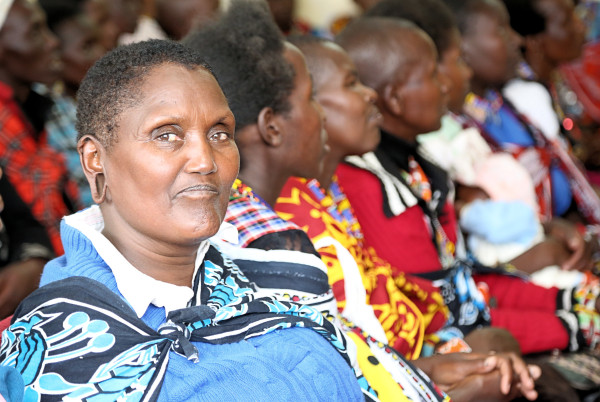
Discrimination against women and girls remains widespread in family laws across Africa, finds new research by Equality Now (www.EqualityNow.org). Analysis of twenty African countries reveals gender inequality in marriage, divorce, custody, and property rights is being perpetuated by sex discrimination institutionalized within legal systems and customary laws. While some significant legal reforms have been achieved, progress has been slow, inconsistent, and hampered by setbacks, lack of political will, and weak implementation.
The report, Gender Inequality in Family Laws in Africa: An Overview of Key Trends in Select Countries (http://apo-opa.co/3V0dD4R), identifies how overlap and contradictions in legal frameworks make the interpretation and application of family laws confusing, creating complex challenges for harmonizing legal systems.
The impacts of discriminatory family laws can be profound, putting women and girls at greater risk of sexual and gender-based violence and making them more dependent and vulnerable by curtailing their economic opportunities and reducing their decision-making power.
Full equality in family laws has not been achieved in any of the countries reviewed, namely Algeria, Angola, Botswana, Burundi, Cameroon, Côte d'Ivoire, the Democratic Republic of the Congo (DRC), Egypt, Ethiopia, Kenya, Malawi, Mozambique, Nigeria, Senegal, South Africa, South Sudan, Sudan, Tanzania, The Gambia, and Tunisia.
Pressing need for comprehensive legal reforms
Africa is home to diverse ethnic, linguistic, and religious groups with varied family law structures. Historically, communities developed intricate and deep-rooted systems of customary laws governing family relations. The introduction of European legal systems and religion resulted in a blend of customary, religious, and statutory laws that still shape legislation and practice through legal pluralism.
This complex patchwork is influenced by evolving social dynamics. Civil, customary, and religious law, such as Islamic or Christian canon law, sometimes encroach or conflict, and many provisions in religious and customary laws discriminate against women and girls.
Esther Waweru, report co-author and a Senior Legal Advisor at Equality Now, explains, “Culture and religion frequently act as major impediments in the struggle for family law equality, stalling reforms. Claw-back clauses and retrogressive practices water down the positive impact of progressive laws, and there is backlash from anti-rights movements seeking to reverse hard-won gains in areas such as eliminating child marriage and female genital mutilation.”
“Stagnation is also a problem, with governments pledging to reform discriminatory laws but failing to take meaningful action. In some instances, progressive family codes remain in limbo awaiting enactment.”
Progress on child marriage, but shortfalls remain
Child marriage is one area of notable progress. Absolute bans on marriage under 18 exist in Côte d'Ivoire, DRC, Egypt, The Gambia, Kenya, Malawi, and Mozambique. However, the persistence of child marriage in certain communities underscores the need for a multi-sectoral approach (http://apo-opa.co/3UFhEKR) incorporating awareness raising about the legal consequences and harms of child marriage.
Concerningly, laws in Cameroon, Nigeria, Senegal, South Sudan, Sudan, and Tanzania still allow child marriage, while in Algeria, Angola, Botswana, Burundi, Ethiopia, South Africa, and Tunisia, the legal age of marriage is 18, but exceptions are permitted.
Marital rape
Countries need greater protections against gender-based violence, especially intimate partner violence. Marital rape is not prohibited in Algeria, Kenya, Sudan, and The Gambia, while Northern Nigeria's Penal Code allows marital rape and “corrective” assault within marriage.
Marital rape is only criminalized upon separation in Tanzania, and in Burundi, the penalty is under 30 days imprisonment or a fine. Tunisia's law states a wife must fulfill her duties in line with ‘usages and customs,' putting women at risk of marital rape as a wife's traditional role includes pleasing her husband sexually.
Malawi's courts have stated that rape does not extend to marriage. Customary law presumes perpetual consent to sex within marriage, and Malawi's civil law appears to support this by providing only limited circumstances in which a wife can deny her husband sex, such as poor health or when legally separated.
Countries like Côte d'Ivoire, Mozambique, and South Africa can be commended for explicitly criminalizing marital rape. It's imperative that all nations introduce bans, accompanied by awareness-raising campaigns and accessible support services for survivors. Effective legal enforcement is also crucial, as is providing comprehensive training for officials in the criminal justice, healthcare, and social service sectors.
Discriminatory marriage practices
In most African countries, registration of civil marriages is a legal requirement governed by specific laws formalizing marriage. Women in customary and religious marriages are at greater risk of discrimination as they don't have the same legal protection as people in civil marriages. Same-sex partners also experience this, as marriages and civil unions are largely reserved for heterosexual couples.
Polygamy is legally permitted in Cameroon, Egypt, Kenya, Senegal, and South Sudan, with men allowed four wives in Sudan and Senegal. Côte d'Ivoire, Mozambique, and South Africa have statutory laws for monogamy, but customary and religious laws and practices continue to recognize polygamy without adequate protections for women in polygamous marriages. Other harmful traditional practices, such as widow inheritance and surrogate marriage, treat women as property.
Discrimination in divorce and child custody laws
Countries such as Sudan discriminate by granting husbands more powers to initiate divorce. In Algeria, women can only request a divorce in cases of abandonment, violation of the marriage contract, or if alimony is unpaid. In both Sudan and Egypt, in some no-fault divorces, a woman must pay financial compensation to her ex-husband.
Child custody laws have been reformed in Angola, Botswana, Burundi, Cameroon, Côte d'Ivoire, DRC, Mozambique, and Senegal, ensuring guardianship rights for both parents, irrespective of marital status.
Sex discrimination remains in countries like Senegal, where the father is the legal guardian regardless of the mother's caregiving role. In Tunisia and Algeria, fathers retain legal guardianship even if the mother has custody. Algeria and Sudan strip a mother's rights to custody upon remarriage, but this doesn't apply to men.
Matrimonial property and inheritance
Matrimonial property laws is another area that has undergone considerable reforms. Côte d'Ivoire, Kenya, Malawi, and South Africa have introduced legal provisions for equitable distribution of matrimonial property. In Ethiopia, Nigeria, South Africa, and The Gambia, laws recognize the right of married women to acquire, own, maintain, and dispose of their property.
However, some customary and religious laws undermine women's inheritance rights. In Algeria, Cameroon, Côte d'Ivoire, Egypt, Nigeria, South Sudan, Sudan, and Tunisia, women and girls receive less inheritance than men and boys.
Women are disadvantaged by cultural biases that influence judicial decisions, with unequal distribution particularly evident in divorce and widowhood. In some countries, wives can be excluded from inheriting their husbands' property. One example is Angola, where customary laws exclude wives from inheriting their deceased husband's property, and widows are sometimes forced from their matrimonial home.
Aligning family laws with international human rights standards
Family laws in Africa must align fully with international human rights standards. Many countries have ratified key treaties like the Convention on the Elimination of All Forms of Discrimination against Women (CEDAW) and the Protocol to the African Charter on Human and Peoples' Rights on the Rights of Women in Africa (Maputo Protocol). However, implementation and enforcement of these treaties remain inconsistent, with discriminatory family laws and policies remaining in statutes and practices.
Waweru concludes, “It's especially concerning that in most countries where national judiciaries and African Union judicial bodies have explicitly called for law reform in their decisions, governments haven't implemented these changes. And even where laws are equitable, enforcement is frequently inadequate and biased against women, and women may not know their legal rights.”
“To safeguard women and girls within family law, it is imperative for all African nations to promptly enact robust legislative and policy frameworks that align with international and regional human rights obligations.”
Distributed by APO Group on behalf of Equality Now.
Notes to editors
For media requests, please contact
Tara Carey
Global Head of Media
at Tcarey@equalitynow.org
T. +44 (0)7971556340 (WhatsApp)
About Equality Now:
Equality Now is an international non-governmental human rights organization that works to protect and promote the rights of all women and girls around the world by combining grassroots activism with international, regional, and national legal advocacy.
Our international network of lawyers, activists, and supporters achieve legal and systemic change by holding governments responsible for enacting and enforcing laws and policies that end legal inequality, sex trafficking, online sexual exploitation, sexual violence, and harmful practices such as female genital mutilation and child marriage.
For more information about Equality Now go to www.EqualityNow.org, and follow on X (Twitter) at http://apo-opa.co/3yiYRgN and Linkedin at http://apo-opa.co/3wrGPIT.
About Africa Family Law Network (AFLN):
Gender Inequality in Family Laws in Africa: An Overview of Key Trends in Select Countries is a critical data source informing legal, policy, and practice reforms to end sexism and discrimination in family laws in Africa. It will be used by Equality Now, the Africa Family Law Network (AFLN) (http://apo-opa.co/4bkc0ot), and partners to help facilitate work with the policy and judicial organs of the African Union, particularly the Special Rapporteur on the Rights of Women in Africa to influence change.
AFLN was launched in October 2022 and aims to formulate a regional alliance in Africa amongst national advocates and groups to raise collective action and accelerate organizing and mobilization efforts toward family law reform.
AFLN is led by founding partners Equality Now, The African Women's Development and Communication Network (FEMNET) (http://apo-opa.co/3WIinxt), Musawah (http://apo-opa.co/3UZrM2h), and the Strategic Initiative for Women in the Horn of Africa (SIHA Network) (http://apo-opa.co/4bkz5r2).
AFLN is part of the Global Campaign for Equality in Family Law (http://apo-opa.co/4bDdSbF), which calls on all states to ensure equality for women and men under the law in all matters relating to the family, regardless of religion, culture, and tradition.
Six suspects killed in gun battle with KZN police
Six suspects killed in gun battle with KZN police
Six suspects were shot and fatally wounded and five firearms were recovered during two separate shootouts with KwaZulu-Natal police on Thursday.
KZN police spokesperson, Brigadier Jay Naicker, said four men, who were suspected to be behind a string of cash-in-transit (CIT) robberies in the province, were shot and fatally wounded in a shootout with police at Camperdown, in the Umgungundlovu District Municipality, in the early hours of Thursday.
“A team comprising police officers from various units, including the Hawks, gathered intelligence regarding the whereabouts of the suspects and when police announced their arrival at the identified house, they were greeted with a hail of bullets from the suspects.
“The police officers returned fire and during the shootout, four suspects sustained fatal gunshot wounds. Three firearms were found in the possession of the suspects,” Naicker said.
In another incident, police officers, who are members of the National Intervention Unit, operationalised intelligence cornered two suspects who were sought for intimidation, extortion, and other violent crimes.
Naicker said when police pounced on the suspects at their hideout at the Klaarwater Hostel in Mariannhill, the suspects opened fire at the police officers.
Two suspects were shot and fatally wounded in the shootout, and two firearms were found in the possession of the suspects.
Naicker warned that police in KwaZulu-Natal remain committed to enforcing and upholding the law by preventing, combatting, and investigating crime.
“Suspects who challenge the authority of the state by shooting at police officers will be met with the force proportional to their actions,” Naicker said. – SAnews.gov.za
GabiK
Thu, 05/16/2024 - 11:42
The traffic department that hasn’t issued a ticket for years
“We used to have ticket books, but they were stolen” says a traffic officer in Ngcobo, Eastern Cape
Chikunga reflects on state of road safety
Chikunga reflects on state of road safety
South Africa has seen an escalation in the number of road traffic casualties since 1994 due to the rise in the vehicle population, which has presented a plethora of road safety related challenges.
Addressing the launch of the United Nations Global Campaign for Road Safety, Transport Minister Sindisiwe Chikunga attributed the increase of the vehicle population to access to bank loans and the ability to purchase vehicles.
“Such an increase has presented a plethora of road safety related challenges, from human factors, environmental factors, engineering and technical factors, law enforcement, as well as education and awareness factors.
“From 1994 - 1995, the vehicle population increased by one million, from 5.5 to 6.5 million. Calculating from a period between 1994 and 2022, we moved from 5.5 million to an almost 13 million (12 964 430) vehicle population,” the Minister said on Wednesday in Johannesburg.
According to statistics, 87% of road fatalities in the country can be attributed to road user behaviour.
“Research has shown that our employed youth are the ones who carry the heaviest burden of road crashes, injuries, and fatalities in our country. Statistics also show that pedestrian fatalities are highest segment of victims in the country and young economically active people between the ages of 25 and 39 constitute the majority of those who die on the roads,” Chikunga said.
In an effort to address numbers of road traffic casualties, government has developed a multifaceted approach to regulate and ultimately reduce the fatalities on the roads.
“We introduced legislative amendments to enhance preventive measures, for instance we introduced blood alcohol content limits; speed limits especially in urban areas and around schools. We also established mandatory the seat belt regulations and child restraints use.
“We examined a range of sentencing options for traffic violations, including licence suspensions under the Administrative Adjudication of Road Traffic Offences (AARTO) demerit points system, and – for specific grades of offences – community service sentences and/or mandatory licence re-testing. We put in place, advance technical norms and standards for road infrastructure and vehicles,” the Minister said.
In addition, government approved the 2016 - 2030 National Road Safety Strategy, with intermediate and long-term actions to ensure vehicle fitness, driver safety, pedestrian safety, community participation in issues of road safety.
The National Department of Transport has convened a series of national road safety policy consultative workshops and a Road Safety Summits to foster open and critical dialogue between government, industry, civil society and academia.
Recently, South Africa conducted a detailed analysis of road crash patterns in the county over the past five years (2018 - 2022).
“The analysis has shown that although we are making steady progress in reducing fatalities, we need to fast-track progress by intelligently deploying our law enforcement, conducting safety education communication campaigns at identified hotspots and at times when crashes are likely to happen,” the Minister said. – SAnews.gov.za
nosihle
Wed, 05/15/2024 - 13:33
President Ramaphosa signs NHI Bill into law
President Ramaphosa signs NHI Bill into law
President Cyril Ramaphosa has emphasised the importance of the National Health Insurance (NHI) in providing equal access to healthcare services and addressing inequalities.
This, as he signed the NHI Bill into law on Wednesday.
“[The Bill] is also about efficiency and quality. The provision of healthcare in this country is currently fragmented, unsustainable and unacceptable,” President Ramaphosa said, adding that he finally "found his pen" to sign the long-awaited Bill.
READ | Somebody give me a pen! - President
At its core, the country’s leader stated that health insurance is a commitment to eliminating the longstanding, severe disparities in healthcare access.
“The NHI is an important instrument to tackle poverty. The rising cost of health care makes families poorer. By contrast, healthcare provided through the NHI frees up resources in poor families for other essential needs.”
He believes that the NHI will make healthcare in the country more affordable.
“The way healthcare services will be paid for is meant to contain comprehensive healthcare costs and to ensure the available resources are more efficiently used.”
President Ramaphosa described the public signing of the NHI Bill into law as a pivotal moment and a milestone in South Africa’s ongoing quest for a more just society.
WATCH | President Cyril Ramaphosa signs into law the National Health Insurance Bill
The President said the public sector serves most of the population but faces budget constraints. In contrast, he said the private sector serves a fraction of society at a far higher cost without a proportional improvement in health outcomes.
He believes that tackling the imbalance requires a radical “reimagining” of resource allocation.
Meanwhile, he said the challenge in implementing the NHI lies not in the lack of funds, but in the misallocation of resources that currently favours the private health sector at the expense of public health needs.
He is of the view that the NHI Bill presents an innovative approach to funding universal healthcare based on social solidarity.
This, he said, proposes a comprehensive strategy that combines various financial resources, including both additional funding and reallocating funds already in the health system.
Special Report | National Health Insurance: All you need to know
The Head of State strongly believes that financial hurdles facing the NHI can be navigated with careful planning, strategic resource allocation and a steadfast commitment to achieving equity.
He also explained that the NHI Fund will procure services from public and private service providers to ensure all South Africans have access to quality healthcare.
In addition, he said that health insurance ensures that both the public and private sectors complement and reinforce each other.
“The effective implementation of the NHI depends on the collective will of the South African people. We all need to embrace a future where healthcare is a shared national treasure, reflective of the dignity and value we accord to every South African life.”
According to President Ramaphosa, government has already begun implementing a national quality improvement plan in public and private healthcare facilities, and is now seeing improvement.
“Even in areas where we never thought [we would] see improvement, we see improvement of health facilities, even in our townships, where old people go to get critical medication.”
In addition, he said government would now establish the systems and put in place the necessary governance structures to implement the NHI, based on the primary healthcare approach.
The President has urged people not to fear, as the NHI will be implemented gradually rather than as "an overnight event".
“The NHI is an opportunity to make a break with the inequality and inefficiency that has long characterised our approach to the health of the South African people. Let us work together, in a spirit of cooperation and solidarity, to make the NHI work.” – SAnews.gov.za
Gabisile
Wed, 05/15/2024 - 16:46
Grade 11 School Boys Event in Qgeberha
The annual Grade 11 Male learners event for boys from various high schools in Gqeberha took place in the Hellenic Hall, Gqeberha on Tuesday 14 May 2024. Title sponsor, Vodacom, ensured that the learners with Vodacom phones all received 1 Gig of data to make their participation in a fun online event easier on the …
Guidance Note aims to protect personal information of voters
Guidance Note aims to protect personal information of voters
The Information Regulator (South Africa) has launched a guidance note to guide how political parties and independent candidates use the personal information of voters for campaigning purposes in the run-up to the National and Provincial Elections.
The Guidance Note addresses aspects such as the responsibilities of political parties and independent candidates as responsible parties in terms of the Protection of Personal Information Act No. 4 of 2013 (POPIA).
“This is done by aligning each of the eight conditions for the lawful processing of personal information to the circumstances of political parties and independent candidates as they campaign for elections.
"The Guidance Note indicates what would be expected of political parties and independent candidates with regard to the protection of personal information of the voters, in accordance with each of the eight conditions for the lawful processing of personal information,” the Regulator said on Tuesday.
The Guidance Note states that if political parties and independent candidates want to use personal information of voters for campaign purposes, they must collect such personal information from the voters directly and not from data brokers or lead generators and use it for campaign purposes only.
It also prohibits the supply of personal information that has been collected for campaigning purposes to third parties without the consent of a voter.
“With the new Guidance Note, the Regulator seeks to ensure that both political parties, independent candidates and the public are fully informed and enabled to take the necessary action to protect the personal information of voters during elections.
"It will also minimise the risks to the free flow of accurate information that is crucial for informed participation in the electoral process,” the Regulator said.
The new guidance note is an update to the Guidance Note issued by the Regulator in the run-up to the local government elections in 2019.
The new Guidance Note is based on recent developments in the electoral process following changes in electoral law (allowing for independent candidates to stand and campaign for elections), the increasing instances of security compromise to personal information in various segments of the economy and society and increasing risks to the electoral process due to misinformation and disinformation.
Solicitation of donations
The Guidance Note also addresses the issue of solicitation of donations by political parties and independent candidates through direct marketing.
According to the Guidance Note, campaigning for votes does not constitute the promotion of any services and does not fall within the definition of direct marketing in POPIA.
“However, the act of requesting for donations by a political party or independent candidate is subject to the regulation of direct marketing in terms of POPIA and therefore, in this respect, political parties and independent candidates have to comply with the provisions of POPIA in relation to direct marketing,” the Regulator said.
Misinformation and disinformation
The Guidance Note regards misinformation and disinformation as a violation of the right of access to accurate and reliable information and also violates the right to privacy of a person whose image and/or voice of is used without their consent to spread fake messages through generative artificial intelligence.
“It therefore requires political parties and independent candidates to play their role in fighting misinformation and disinformation by developing and implementing policies and action plans to mitigate against misinformation and disinformation.
“The Guidance Note requires political parties and independent candidates to investigate instances of misinformation and disinformation by their campaigns and take disciplinary action against their staff that engage in these practices,” the Regulator said.
It also calls on the Independent Electoral Commission to issue a code of conduct to address misinformation and disinformation in digital in digital platforms to promote free, fair and orderly elections in terms of section 99(2) of the Electoral Act. – SAnews.gov.za
nosihle
Wed, 05/15/2024 - 09:27
400 Junior Border Guards to be deployed to country’s ports of entry
400 Junior Border Guards to be deployed to country's ports of entry
The Border Management Authority (BMA) will on Thursday host a pass out parade for 400 new recruits who have completed their training at the South African Police Training College in Pretoria West.
The Junior Border Guards are to be deployed at the various ports of entry throughout the country.
They will be officially assigned as law enforcement officers with the responsibility to arrest and deport illegal migrants across all ports of entry.
“This important event comes during South Africa’s 30 years of democracy following years of struggle to curb illegal movement at ports of entry and along the borderline. In the backdrop of an ever-challenging border environment, these border guards are expected to stand firm, protecting the country’s borders with vigilance and valour,” said the BMA in a statement.
It said being a border guard in South Africa requires one to “have unwavering dedication to the nation, displaying commitment by being patriotic and having an indomitable spirit of rejecting negative persuasion”.
“Our nation's borders are complex and therefore require discipline and courage to carry out the border management mandate. In other settings, daily you are faced with illegal migrants attempting to enter the country or smuggle illegal goods in or out of South Africa,” the BMA said.
Commissioner of Border Management Authority, Dr Michael Masiapato, said: “On the day, the nation will witness the culmination of the physical and mental training, with displays expected to be done on the ground during the event.
“We will celebrate not only their achievements but also reaffirm our steadfast support to the border guards. They are to be officially adorned not just as defenders of borders; they are the guardians of our freedom, the sentinels of our sovereignty.”
More than 100 border management response vehicles will also be displayed at the passing out parade.
President Cyril Ramaphosa officially launched the Border Management Authority in Musina last year
At the time, he said the authority will provide a sustainable solution to the structural challenges of border security, control and coordination.
The Border Management Authority is now the third armed service in South Africa after the South African National Defence Force and the South African Police Service. – SAnews.gov.za
Edwin
Wed, 05/15/2024 - 09:44
Government supports Caster Semenya in legal battle
Government supports Caster Semenya in legal battle
The Department of Sport, Arts and Culture (DSAC) has expressed that it stands in solidarity, with unwavering commitment, to seek justice for Caster Mokgadi Semenya as she is back in the Grand Chamber of the European Court of Human Rights in France.
The court will reportedly consider whether the double Olympic champion must lower her testosterone levels in order to participate in competitions.
“The department is committed to advocating for fairness and equality in sport. As the country celebrates 30 Years of Democracy, every athlete, regardless of their gender or physical attributes, should have the right to compete without facing unjust obstacles.
"We trust that the Grand Chamber's judgment will uphold these principles and deliver a positive outcome for Caster and all athletes affected by similar challenges,” DSAC Acting Director-General, Dr Cynthia Khumalo, said on Wednesday.
Government is working in collaboration with the Commission for Gender Equality (CGE), Norton Rose Fulbright (NRF), Probono.org, and various other stakeholders to support Semenya on the matter.
“The DSAC notes the hearing scheduled for Wednesday, 15 May 2024, where the Grand Chamber will evaluate the matter presented by the Swiss government in relation to the European Court of Human Rights’ July 2023 decision. Caster Semenya has endured years of unfair discrimination based on her gender.
“The 2019 regulations imposed by the World Athletics body created significant challenges for athletes with Differences in Sex Development (DSD), who wish to compete in their chosen sport. This ruling reaffirmed the international legal requirement for World Athletics to refrain from engaging in discriminatory practices, barring exceptional circumstances,” the DSAC said.
The CGE has called on all to rally behind Semenya’s endeavour to seek justice not only for herself, but for other affected athletes.
“A finding by the Grand Chamber that issues between international athletics bodies, such as World Athletics and individual athletes, are not a matter of private law but of public human rights law are transformative and progressive.
"A favourable outcome will be of massive importance to athletes with differences in sexual development worldwide,” Chairperson of the CGE, Advocate Nthabiseng Sepanya-Mogale said.
READ | Kodwa welcomes Court's ruling on Semenya's appeal
DSAC said the referral to the Grand Chamber is in accordance with the violations identified by the Court in Switzerland vs Caster Mokgadi Semenya.
“These violations encompassed a breach of the prohibition on discrimination, a denial of the right to an effective remedy, and a failure to respect private life.
“Government, through the department, has consistently advocated and supported initiatives aimed at resolving this matter equitably. The DSAC remains optimistic that the Grand Chamber's decision will reflect the values of justice, inclusivity and diversity that underpin the South African sporting sector,” DSAC said. – SAnews.gov.za
nosihle
Wed, 05/15/2024 - 09:54
MEC Anton Bredell on appointment of Ombali Sebola’s as Knysna Municipal Manager
Anton Bredell, Western Cape Minister of Local Government, Environmental Affairs and Development Planning, said the judgement declaring the appointment of Ombali Sebola as Knysna's Municipal Manager null and void should be seen as a strong warning message to councils that do not respect the relevant legal frameworks when making appointments in municipalities.
“This judgement is another victory for the rule of law and strengthens and confirms our interpretation of legislation that governs municipal appointments. It is unfortunate that we sometimes have to communicate through the courts to a council, but we also understand the dire consequences of having unqualified and unsuited individuals in critical positions in a municipality. We will remain firm on the minimum requirements and procedural requirements as set out in law, and councils should reacquaint themselves with these before embarking on recruitment to avoid the steps that we have had to take on this matter.”
“It cannot be that it takes more than a year of legal wrangling to set aside an appointment that was patently illegal right from the start. While we were fighting in court, Knysna has been paralysed by a lack of basic service delivery and we have had to work with officials who are more focussed on retaining their positions than on what they have been appointed to do, which is to serve the residents of Knysna,” Minister Bredell said.
On 22 March 2023 Minister Bredell sought, by way of an urgent application, to declare the decision taken by the Knysna Municipal Council on 25 January 2023 to appoint Ombali Phineas Sebola as its Municipal Manager, null and void, and in further orders, in the event of opposition, an order of costs.
In its correspondence to the Executive Mayor on 23 February 2023, Minister Bredell alerted the Executive Mayor, that the appointment of Mr Sebola was made in contravention of the provisions of the Local Government: Municipal Systems Act 32 of 2000 and the Regulations on Appointment and Conditions of Employment of Senior Managers, as published in Government Gazette No. 37245 of 17 January 2014.
Minister Bredell requested the municipality to terminate the appointment, failing which he would take appropriate steps to enforce compliance with the provisions of the Municipal Systems Act and the Appointment Regulations. No such steps were forthcoming from the Municipality, leading to the Minister to institute legal proceedings declaring that the appointment is null and void and seeking that it be set aside.
The Court in its ruling expressly held that critical required information was not placed before the Municipal Council at the time when it made its decision to appoint Mr Sebola. In this respect, there was a failure to provide Council with the Curriculum Vitae of the appointee, nor was the weighted scores allocated to the candidates during the assessment of their competency tabled before Council. In addition, it was apparent that Council did not have before it information related to the candidates leading competencies and core competencies.
The Court further held that the applicant's application was devoid of his academic qualifications, contactable references, registration with a professional body, full details of dismissal for misconduct and details of any disciplinary actions pending, instituted, or finalized against the candidate, which is specifically required in terms of the applicable Regulations.
According to the Court, “it is …. clear that the process of appointment was riddled by one or more procedural flaw and that certain documents which were supposed to have been before the Council were not, prior to the final appointment decision being made.” As a result, it was evident that the Municipal Council did not comply with the Municipal Systems Act and the applicable Regulations regulating the appointment process.
Minister Bredell said the length of time and legal costs to reach this point is unsustainable, and better consequence management is needed to deal with such cases.
Distributed by APO Group on behalf of Republic of South Africa: Western Cape, Department of Local Government.
President Ramaphosa to sign NHI Bill into law
President Ramaphosa to sign NHI Bill into law
President Cyril Ramaphosa is expected to sign the National Health Insurance Bill (NHI) into law on Wednesday, 15 May 2024.
According to the Presidency, the move will transform South Africa’s healthcare system and ensure universal coverage for health services.
Through this, the country will overcome critical socio-economic imbalances and inequities of the past.
The NHI Bill, passed by the National Assembly (NA) and the National Council of Provinces (NCOP) last year, will provide free healthcare at the point of care for all South Africans, whether in public or private health facilities.
The Bill currently only requires President Ramaphosa’s signature for enactment.
Speaking during the State of the Nation Address (SONA) in February, President Ramaphosa said the State was working tirelessly to improve healthcare quality and access equality, despite the country’s health system significantly impacting people’s lives.
During the debate on President Ramaphosa’s SONA, Health Minister, Dr Joe Phaahla, announced that the NHI will be implemented in two remaining phases from 2024 to 2026, while between 2026 and 2028 government will focus on establishing the Board and CEO and several key committees of the NHI Fund.
“We are confident that the innovative funding of infrastructure as stated by the President will also contribute to health facilities,” he told Parliament at the time.
In the meantime, the Minister said his department was strengthening key delivery areas. These include the healthcare benefits design, digital health systems, and risk identification and fraud prevention.
The signing ceremony will take place at the Union Buildings in Pretoria at 2pm.
Phaahla will conduct a question-and-answer session with the media immediately after the ceremony. – SAnews.gov.za
Gabisile
Tue, 05/14/2024 - 10:15
United Nation Secretary-General’s Special Envoy for Road Safety to launch global road safety campaign in South Africa
The United Nations Secretary-General's Special Envoy for Road Safety, Jean Todt, will visit South Africa from 13 to 15 May 2024 to support national and local authorities' road safety initiatives. In particular, the Special Envoy will launch the UN Global Campaign for Road Safety, in partnership with the No.1 outdoor advertising company worldwide, JCDecaux, under the hashtag #MakeASafetyStatement.
One of the main goals of this campaign is to raise awareness of life-saving actions among young generations, who as statistics show, are the major victims of road crashes especially for young people aged from 5 to 29 years old worldwide. Supporting the efforts of South Africa in addressing this issue is key in a country where more than 60% of the population is under 35 years old.
The launch events are to be held in Johannesburg and Pretoria with the participation of the Minister of Transport of South Africa and the Executive Mayors of Tshwane and Johannesburg.
Mr. Todt will meet members of the Government as well as representatives of the private and public sectors and NGOs to advocate for the effective implementation of the Global Plan for the Decade of Action for Road Safety 2021-2030, which aims to halve the number of road fatalities by 2030.
"Africa is the continent most affected by road crashes. Knowing that these affect the youngest first, it is beyond the human tragedy, an economic devastation sacrificing or invalidating for life the active force of a country. While the vaccine to avoid this carnage on the road exists, I urgently call on everyone to use it," said the Special Envoy.
#MakeASafetyStatement
Ten South African celebrities including Yvonne Chaka-Chaka, Bryoni Govender, Dr. Khumalo, Sello Maake Ka Ncube, Maduvha Madima, Leanne Manas, Dr. Moratwe Masima, Thokozani Ndaba, Gaisang Noge, and Caster Semenya, will join the campaign's worldwide ambassadors to encourage users to adopt simple but effective rules to keep their roads safe.
“Human Factors contribute 88% to South African road fatalities and therefore the involvement of celebrities as role models for the Youth in the #MakeASafetyStatement campaign will contribute towards the reduction of accidents on our roads,” stressed Ms. Sindisiwe Lydia Chikunga, Minister of Transport of the Republic of South Africa.
New alarming figures
The Special Envoy's visit coincides with the recent release of the Global Status Report on Road Safety 2023 from the World Health Organization (WHO) on road safety, highlighting that Africa remains the region the most affected by this tragedy.
According to the WHO report, the number of victims on African roads continues to grow with a mortality rate of 19/100,000 people, while in Europe, we observe a rate of 7 deaths/100,000 people. In South Africa, there are 25 deaths per 100,000 people.
According to the World Bank (2026), the cost of road crashes represented 8.6% of South Africa's GDP in 2016. The RTMC 2023 State of Road safety Report highlights for 2023 the rate of 2.74% of South Africa 's GDP.
Reliable data for swift revitalization
Recent bus accidents have highlighted the run-down state of Africa's vehicle fleet. Failure to comply with the Highway Code and to enforce penalties are also significant causes of accidents.
Solutions to be implemented include adhering to the African Road Safety Charter and the United Nations Conventions on Road Safety, strengthening the health services that treat the injured and stepping up public awareness campaigns. Systematically collecting reliable data on road accidents and monitoring casualties is also a key element in reducing the number of victims.
There is also a need to protect the most vulnerable road users, pedestrians, and cyclists, who are often the most disadvantaged and the youngest. Africa has the highest proportion of cyclist and pedestrian deaths, accounting for 44% of all road deaths.
In South Africa, the efforts of the authorities are to be commended, with new initiatives such as the implementation of the Administrative Adjudication of Road Traffic Offences, the adoption of new technologies to enhance access to traffic licensing services (National Traffic Information System Online Services), the professionalization of the Traffic and Road Safety Officers Training through the National Framework Level 6 Qualification), Standardization and Harmonization of Traffic Law Enforcement and the development of a National Traffic Law Enforcement Code.
Risk factors that are too often neglected
Drink-driving, speeding, drowsiness, carelessness, non-use of seatbelts and helmets, negligence and non-compliance with the Highway Code are responsible for most road accidents in Africa. However, according to the WHO, more progress must be made regarding legislation and safety standards.
Only six countries in the world have laws that comply with WHO best practices for all the risk factors - speeding, driving under the influence or distracted driving, use of UN-standard motorbike helmets, and use of seatbelts and child restraints.
In South Africa, speeding in urban areas is high (60KM/h), and child restraint systems are not always available. At a time when the use of motorbikes is on the increase, particularly among young people, the wearing of seatbelts and quality helmets remains a real challenge, even though it could prevent many deaths and reduce the risk of serious injury by 69%.
Recent data reveal that the majority of road crashes occur at night from Friday till Sunday with youth and pedestrians being the lead victims.
Distributed by APO Group on behalf of United Nations Economic Commission for Europe (UNECE).
Electoral Court fines ANC, ATM, COPE, PAC, NFP and AIC
They failed to provide audited financial statements