• Skip to main content
  • Skip to header right navigation
  • Skip to after header navigation
  • Skip to site footer
MyZA

MyZA

News, Directory, Events and Other Stuff

  • Social Media
  • Sport
  • World News
  • Home
  • Submit News
  • Directory
  • Events
  • Stratlec
  • TFSA
  • News
    • APO
    • Today’s Sport News
    • Todays Social Media and Tech Headlines
    • Today’s World News
    • Today’s SA Financial News
  • Contact
You are here: Home / Archives for Lesotho

Lesotho

17 April 2025

Coca-Cola Beverages Africa invests USD14.9m in Malawi production capacity
Location: Business
Coca Cola Beverages Africa

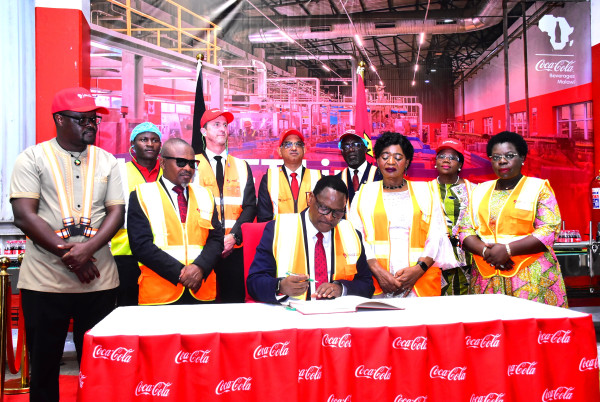
Coca-Cola Beverages Africa Proprietary Limited (CCBA) (www.CCBAGroup.com), through its subsidiary Coca-Cola Beverages Malawi Limited (CCBM), has invested USD14.9 million in a new state-of-the art production line in Lilongwe. 

This investment marks a significant advancement in CCBM's production capacity, allowing it to produce bottled water and beverages bearing Coca-Cola's trademarks as well as the iconic local brand Sobo, all on the same line.

The line is capable of producing 19,200 bottles per hour in pack sizes ranging from 300ml to 2 litres. This increase in production will facilitate the export of beverages to Zambia.

The new production line uses artificial intelligence (AI) to proactively identify and resolve issues before they cause stoppages, thereby minimising downtime and reducing costs.

The introduction of new technology has also created the opportunity for employees to be trained in new skills, contributing to the development of a future-ready workforce for both the business and the country.

Sunil Gupta, Chief Executive Officer of CCBA said: “This investment in Malawi reaffirms the Coca-Cola system's local approach - we produce locally, distribute locally and, where possible, source locally. Our value chain includes a significant number of businesses, many of them small and medium enterprises (SMEs).”

“This investment goes beyond numbers, it's about creating shared opportunities across the value chain,” said Neil French, General Manager of CCBM.

Gupta echoed the sentiment, adding: “This investment is a clear demonstration of our continued belief in the future of Malawi.”

Gupta also highlighted CCBA's broader efforts: “As a customer centric, digitally-enabled, growth-driven business, we are committed to excellence across our value chain. Efficient operations allow us to offer faster delivery and improved service. This new production line is another step in our journey to achieve execution excellence.”


Distributed by APO Group on behalf of Coca Cola Beverages Africa.

ISSUED BY:
Godwin Ngoma
Public Affairs, Communication and Sustainability Director
CCBA in Malawi
Tel: +265 995 36 15 55
Email: gngoma@ccbagroup.com

Keli Fernie
Head: Reputation and Communication 
Coca-Cola Beverages Africa
Tel: +27 82 419 8766
Email: KFernie@ccbagroup.com

Follow us on:
LinkedIn: https://apo-opa.co/4cFhA6r

ABOUT CCBA:
CCBA is the 8th largest Coca-Cola authorised bottler in the world by revenue, and the largest on the African continent. It accounts for over 40% of all Coca-Cola products sold in Africa by volume. With over 18,000 employees in Africa, CCBA services more than 735,000 customers with a host of international and local brands. CCBA operates in 15 countries, including its six key markets of South Africa, Kenya, Ethiopia, Uganda, Mozambique and Namibia, as well as Tanzania, Botswana, Ghana, Zambia, the islands of Comoros and Mayotte, Eswatini, Lesotho, and Malawi.

Learn more at  www.CCBAGroup.com
Media files
Coca Cola Beverages Africa
Download logo
Read moreCoca-Cola Beverages Africa invests USD14.9m in Malawi production capacity
15 April 2025

Lesotho Gives In, Approves Starlink Licence

Location: News

Civic organisation says this is a “sell-out”

Read moreLesotho Gives In, Approves Starlink Licence
10 April 2025

Lesotho Under Pressure to Approve Starlink Licence

Location: News

Prime Minister says his government is removing obstacles to US investment, including Starlink, in the wake of the tariff hike

Read moreLesotho Under Pressure to Approve Starlink Licence
9 April 2025

Southern African Countries Launch Climate-Resilient Health Initiative With WHO Support

Location: News

2025 GoGettaz Agripreneur Prize Competition
Download logo

Eight Southern African countries have embarked on a landmark effort to bolster emergency preparedness and response systems in the face of increasing climate-related health threats. 

With financial support from the Pandemic Fund, and technical assistance from World Health Organization (WHO) in the African Region and other partners, Botswana, Lesotho, Madagascar, Malawi, Mozambique, Namibia, South Africa and Zimbabwe are advancing their capacity to protect public health, and respond to emergencies.

The US$ 35-million, three-year programme is aimed at supporting these countries as they strengthen national and regional systems for early warning, disease surveillance, laboratory diagnostics and workforce development – key pillars of health emergency readiness.

While implementation activities are yet to begin on the ground, coordinated planning efforts are well under way, including the establishment of governance structures at country and regional levels. Through a dedicated technical coordination capacity at the WHO Emergency Hub in Nairobi, Kenya, WHO is putting in place systems to ensure agile implementation and project monitoring, evaluation, research and learning over the three-year project duration. 

To date, all eight countries have convened multi- disciplinary National Steering Committees and have undertaken a detailed microplanning activity with key stakeholders. Furthermore, initial funds have been disbursed to countries, marking a critical early milestone in a regionally coordinated, country-driven initiative to build climate-resilient health systems.

A formal launch event is planned for next month.

“This investment represents a vital turning point for Southern Africa, a region on the frontlines of the climate and health crisis. Countries now have a unique opportunity to develop systems that are robust, responsive and resilient to emerging threats,” said Dr Chikwe Ihekweazu, Acting WHO Regional Director for Africa.

Southern Africa is warming at nearly twice the global average. Droughts, floods and cyclones are becoming more frequent and severe, fuelling the spread of vector- and waterborne diseases such as malaria and cholera, and placing added strain on health systems.

Five of the countries involved in the initiative – Lesotho, Madagascar, Malawi, Mozambique and Zimbabwe – rank among the world's 50 most vulnerable nations to infectious diseases. Many also face high climate risk, compounded by structural challenges such as weak infrastructure, limited resources and high levels of cross-border migration, underlining the urgent need for coordinated preparedness across the region. 

The new programme, developed under the leadership of national governments, is focused on addressing critical gaps in three priority areas:

  • Early warning and disease surveillance: Strengthening real-time, cross-border detection and information-sharing systems across the One Health spectrum, including human, animal and environmental health.
  • Laboratory systems: Enhancing national and regional laboratory networks, including  upgrading diagnostic capacity and regional testing hubs.
  • Public health and community workforce: Supporting the development of a skilled, coordinated workforce aligned with countries' Human Resources for Health strategies.

The proposal was developed as part of the Common Africa Approach under the Joint Emergency Action Plan, with WHO in the African Region, Africa Centres for Disease Control and WHO's Regional Office for the Eastern Mediterranean. Proposal development was supported by the Gates Foundation.

It builds on existing primary health care and community health efforts, and is aligned with global standards, including the International Health Regulations (2005) and the One Health approach.

One of its most ambitious long-term goals is the creation of a Climate-Health Observatory, a platform to support early warning systems and evidence-based decision making by tracking climate-sensitive health risks across borders. The observatory will facilitate data-driven policymaking and foster long-term resilience in the region.

In addition, the programme will help strengthen leadership and governance by establishing a regional network of connected leadership across Ministries of Health and National Public Health Agencies, further enabling swifter and smarter coordination during responses to emerging threats. 

“These efforts are essential in a region with frequent population movement, fragile health systems, and limited emergency response capacity,” said Dr Abdou Salam Gueye, WHO's Africa Regional Emergency Director. “Our role is to support countries with the expertise, tools and evidence they need to lead these efforts effectively.”

Funding is provided by the Pandemic Fund, which supports pandemic prevention, preparedness and response capacity in low- and middle-income countries. The programme also contributes to building sustainable, resilient health systems that can withstand future pandemics and climate shocks.

By working together, and with strong technical support from WHO and partners, countries in Southern Africa are laying the foundation for a scalable model for climate-resilient health security – grounded in national ownership, regional solidarity and a shared commitment to protecting health and saving lives.

Distributed by APO Group on behalf of 2025 GoGettaz Agripreneur Prize Competition.

Read moreSouthern African Countries Launch Climate-Resilient Health Initiative With WHO Support
7 April 2025

Young voices make their mark at Africa Children’s Summit 2025

Location: News

Young voices make their mark at Africa Children’s Summit 2025

Children have taken centre stage to address critical issues affecting their lives, from education access to violence prevention, proving that they are not just future leaders but active changemakers.

This is according to the Department of Social Development, which has hosted the Africa Children’s Summit 2025.

Since its opening last week Friday, the summit has brought together some of the brightest and courageous young leaders in person from across Africa, with hundreds joining virtually. 

The children who attended in person are from South Africa, South Sudan, DRC, Ethiopia, Kenya, Lesotho, Ghana, Liberia, Mozambique, Uganda, Zambia and Zimbabwe.

In a statement, the department said the summit was child-led and child-centred, with its chairperson and programme facilitators all drawn from children invited to the summit. 

“Under the theme 'Seen, Heard, and Engaged in Education,' the children have boldly taken centre stage to address critical issues affecting their lives, from education access to violence prevention, proving that they are not just future leaders but active changemakers today,” the department said. 

One of the child leaders, 17-year-old Ison Cumbane from Mozambique, captured the spirit of the summit when he said: “Many children don’t have the opportunity to speak about their rights. We are here to give a voice to them and show that we can participate and influence decisions.”

The summit wraps up in Johannesburg today.

The child-led initiative is hosted by the South African Government through the Department of Social Development, in partnership with the Nelson Mandela Children’s Fund.

An Outcome Statement will be crafted by the children themselves, which will be handed over to the CEO of the Nelson Mandela Children's Fund and other key policymakers.

“The Outcome Statement outlines actionable recommendations for governments and civil society to implement policies that prioritise children’s voices and rights across Africa,” the department said. – SAnews.gov.za

DikelediM
Mon, 04/07/2025 - 11:12
249 views

Read moreYoung voices make their mark at Africa Children’s Summit 2025
3 April 2025

Trump Is Punishing Poor Countries Which Export More to the US Than They Import

Location: News

People in developing countries will lose jobs and poverty will rise

Read moreTrump Is Punishing Poor Countries Which Export More to the US Than They Import
2 April 2025

Still No Compensation for Victims of George Building Collapse

Location: News

Dysfunction at the Compensation Commission mean some victims may never receive payment

Read moreStill No Compensation for Victims of George Building Collapse
1 April 2025

Three Common Myths About US Funding Cuts to South Africa

Location: News

US and South African officials have contributed to misinformation about the cancellation of funding

Read moreThree Common Myths About US Funding Cuts to South Africa
1 April 2025

North West traditional horse racing gives the economy a leg up

Location: News

North West traditional horse racing gives the economy a leg up

The inaugural Lobelo la Dipitsi Traditional Horse Racing event, held at Bloomtech Lodge in Vryburg at the weekend, celebrated the rich cultural heritage of the North West province while also stimulating local economic growth.

According to the North West Provincial Government (NWPG), Lobelo la Dipitsi represents a significant milestone in the province’s initiative to use traditional sports for economic development.

The race attracted an influx of visitors from across the province and neighbouring countries such as Botswana and Namibia, boosting tourism and fostering cross-border collaboration.

A key feature of the event was the small, medium, and micro enterprises (SMME) exhibition, which showcased 69 stalls supported by the Department of Economic Development, Conservation, Environment, and Tourism (DEDECT)and Dr Ruth Segomotsi Mompati District Municipality.

These enterprises, ranging from flea market vendors to informal traders, displayed a variety of artisanal products, including handcrafted African-themed clothing, footwear, organic herbs, spices, perfumes, and wooden vases.

The gathering was attended by Premier Lazarus Mokgosi and the DEDECT MEC, Bitsa Lenkopane with the MEC emphasising the race’s role in economic transformation, saying it is not just a celebration of cultural heritage but also a strategic initiative to drive local business growth. 

This platform empowers Black entrepreneurs, facilitates job creation, and strengthens the local economy.

“Through the North West Gambling Board, we envisage empowering emerging race associations with compliance in terms of acquiring relevant licenses with gambling legislations.” 

During a walkabout of the flea market, the MEC engaged directly with small business owners to assess their experiences and the impact of the event on their enterprises. 

She alluded to the fact that the department will continue to offer support to small businesses and cooperatives to ensure that their products are well packaged, properly labelled, and adhere to the South African Bureau of Standards (SABS) requirements. 

“The economic activity generated by the event reaffirmed the potential of public-private partnerships in promoting sustainable economic development.” 

The event reached its highlight with an exciting prize-giving ceremony, officiated by the province’s leadership. 

Lenkopane commended the participation of young riders and the involvement of regional partners from Botswana, Namibia, and Lesotho, highlighting the significance of this initiative in fostering strong economic and cultural ties. 

“I am confident that Lobelo la Dipitsi has the potential to grow into a flagship event on North West’s tourism calendar,” she added. 

She further extended her gratitude to the event sponsors, including GBets, Goldrush, Sunbets, CGM and other contributors, for their commitment to making the event a reality.

She also expressed gratitude to community members and horse riders for their enthusiastic participation and support.
Lobelo la Dipitsi will be rotated annually across the districts of the province, ensuring continued economic impact, cultural preservation, and regional integration. 

This groundbreaking initiative has reinforced the NWPG’s commitment to empowering local communities through strategic events and sustainable economic initiatives. – SAnews.gov.za


Gabisile
Tue, 04/01/2025 - 10:03
1 view

Read moreNorth West traditional horse racing gives the economy a leg up
27 March 2025

President commends progress made in provision of water and sanitation

Location: News

President commends progress made in provision of water and sanitation

President Cyril Ramaphosa has commended the Department of Water and Sanitation for its ongoing efforts to improve water and sanitation access in the country.

Delivering the keynote address at the Water and Sanitation Indaba currently underway at Gallagher Convention Centre in Midrand, Gauteng, the President highlighted that through the department’s efforts, progress has been made towards meeting the minimum standards for the provision of water and sanitation services, and in addressing connection backlogs.

“As a country we can be proud of the progress we have made in fulfilling this basic right of our people since the advent of democracy. The National Water Act of 1998 was the key legislative enabler to facilitate access to adequate water and sanitation for our people.

“The results of Census 2022 point to our ongoing progress since the National Water Act was signed into law. In 2022 access to clean water stood at 88.5 %, and access to improved sanitation stood at 80.7 %,” the President said on Thursday. 

The President highlighted an increase in water infrastructure build, and this includes the National Infrastructure Fund which has to date, secured R23 billion for seven large water infrastructure projects, Phase 2 of the Lesotho Highlands Water Project (LHWP) which is currently underway, as well as work on the uMkhomazi Dam.

Preparations are also underway for the construction of the Ntabelanga Dam on the uMzimvubu River.

The President noted a number of other water infrastructure projects earmarked for blended financing through the Infrastructure Fund, including the Polihali Dam that will feed 490 million cubic meters of water a year from the Lesotho Highlands into the Vaal River System.

Held under the theme: “Water Security and Provision”, the Indaba set for Thursday and Friday, underscores government’s ongoing commitment to tackling South Africa’s water security challenges and ensuring reliable and sustainable water and sanitation services for all citizens.

With its focus on water security and provision, the two-day gathering takes place during National Water Month and Human Rights Month, a significant period that underpins the importance of water as a fundamental human right and a critical resource for socio-economic development.

The timing of the gathering also underscores the urgency of addressing water and sanitation challenges to uphold the dignity and well-being of all South Africans.

Clean water and sanitation for all

While progress has been made, President Ramaphosa acknowledged that the country still has a long way to go towards achieving clean water and sanitation for all, as encapsulated in Sustainable Development Goal (SDG) 6.

“Last year’s Water Summit identified ageing and poorly maintained infrastructure, vandalism of water infrastructure, illegal connections, and organised crime in the water sector as some of the challenges facing service delivery in this sector.

“At a local government level, financial mismanagement, insufficient revenue collection systems and high levels of physical water losses are compounding existing service delivery problems. These challenges have been consistently reflected in reports of the Municipal Strategic Self-Assessment, Stats SA, the Auditor-General and others,” the President explained.

With this dire state of affairs, he added that the country has seen declining private sector investment in water infrastructure, “a situation that is only now improving”.

By equal measure, he said the municipalities have not reinvested the revenue they earn from the provision of services to the upkeep of key water infrastructure.

“A number of water boards have been or are the subject of probes by the Special Investigating Unit (SIU) for corruption and fraud. These are problems impacting a country with a growing population, which is one of the most water-scarce countries in the world,” the President said. – SAnews.gov.za

GabiK
Thu, 03/27/2025 - 13:21
254 views

Read morePresident commends progress made in provision of water and sanitation
27 March 2025

A Landmark Step for Lesotho

Location: News

World Health Organization (WHO) - Lesotho
Download logo

In a significant stride towards bolstering its pandemic preparedness and response capabilities, Lesotho convened its inaugural National Steering Committee (NSC) meeting for the Pandemic Fund Southern Africa Multicountry Project. This crucial gathering, held in Maseru, marked a pivotal moment in the nation's efforts to safeguard its population against future health crises.

Lesotho, a recipient country in the second round of the Pandemic Fund's regional proposal alongside Botswana, Madagascar, Mozambique, Malawi, Namibia, South Africa, and Zimbabwe, will benefit from resources aimed at strengthening One Health Disease Surveillance and Response. This initiative, focused on combating disease outbreaks, will enhance Lesotho's infrastructure for pandemic/epidemic preparedness and response. The NSC, a vital component for the implementation of the fund, will serve as the guiding force to ensure the effective utilization of these funds for maximum impact.

The meeting was presided over by the Principal Secretary of the Ministry of Health, Mrs. Moliehi Maneo Ntene, and co-chaired by the WHO Representative, Dr. Innocent Nuwagira. The session drew a diverse and influential assembly, including head of mission from the World Health Organization (WHO) and representation from the World Bank and UNICEF. Principal Secretaries from key ministries, including Health, Agriculture, Finance, Environment, Trade, Education, Gender and Social Development, and Disaster Management Authority, were also in attendance as members of the NSC. 

This broad representation underscores the cross-sectoral nature of pandemic preparedness, recognizing that effective responses require a unified, multi-faceted approach.

In her opening remarks, Mrs. Ntene acknowledged Lesotho's vulnerabilities and the need to strengthen its health systems. “Recognizing our vulnerabilities in emergency prevention, preparedness, and response, we seized the opportunity to apply for funding through the Pandemic Fund. The successful multi-country initiative allows us to strategically address our gaps. With this newly formed, multi-sectoral steering committee, we are confident in our ability to strengthen our health systems and build a more resilient Lesotho, ensuring the health security of our people,” said Mrs. Moliehi Maneo Ntene, Principal Secretary, Ministry of Health

WHO Representative Dr. Innocent Nuwagira echoed this sentiment, emphasizing the importance of strong national leadership and coordinated action. “The establishment of this National Steering Committee signifies Lesotho's proactive commitment to safeguarding its population. As WHO, we are committed to working alongside the government and partners, ensuring the Pandemic Fund's resources are strategically deployed to build a resilient and robust health system capable of effectively responding to pandemic threats,” reflected Dr. Innocent Nuwagira, WHO Representative in Lesotho.

A key focus of the meeting was to establish and define the functions of the NSC. Participants meticulously reviewed and endorsed the Terms of Reference (TORs), laying a solid foundation for the committee's operational framework. This crucial step ensures clarity and accountability in the NSC's role, facilitating efficient decision-making and implementation. Additionally, the meeting provided an opportunity to review and endorse the projects microplan presented by the Pandemic Fund task team. The plan outlined strategic interventions in critical areas such as early warning and disease surveillance, laboratory capacity, and workforce capacity through a One Health approach. These focus areas are essential for strengthening Lesotho's ability to prevent, detect and respond to future pandemics.

The Pandemic Fund aims to empower countries like Lesotho to build resilient health systems by investing in infrastructure, training healthcare professionals, and fostering inter-agency collaboration. The One Health approach recognizing the interconnectedness of human, animal, and environmental health - will enable a more holistic and proactive response to emerging threats. As Lesotho embarks on this critical phase of implementing the Pandemic Fund's initiative, the inaugural NSC meeting demonstrates the nation's dedication to strengthening its health security, through collaborative efforts and strategic planning, for a safer and more resilient future for Basotho.

Distributed by APO Group on behalf of World Health Organization (WHO) - Lesotho.

Read moreA Landmark Step for Lesotho
26 March 2025

Health Minister Confident Lesotho Can Manage Without US Funding, but Jobs Are Already Being Lost

Location: News

And funding cuts are hitting access to HIV tests and medicines

Read moreHealth Minister Confident Lesotho Can Manage Without US Funding, but Jobs Are Already Being Lost
25 March 2025

African Development Bank Group to Expand Investment in Lesotho to $331 Million

Location: Business
African Development Bank Group (AfDB)

The African Development Bank Group (www.AfDB.org) plans to invest $331 million in key strategic sectors in Lesotho as part of its proposed Country Strategy Paper for 2025-2030 to boost economic growth and industrial competitiveness. 

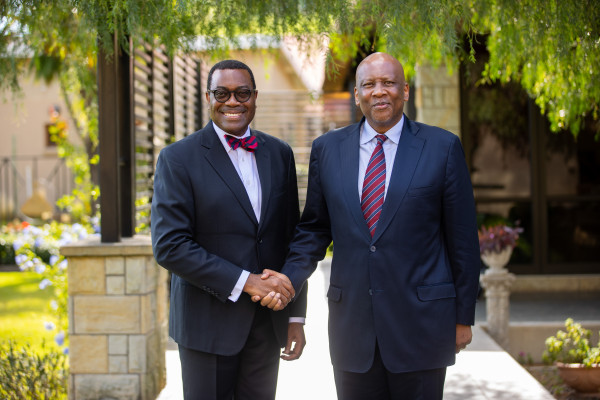
During an official visit to Lesotho -- the first by an African Development Bank President -- Dr. Akinwumi Adesina met with His Majesty King Letsie III to discuss strengthening development partnerships and expanding the Bank's investments in the country. 

His Majesty expressed delight at the Bank President's visit, viewing the mission as a reflection of the Bank and Adesina's appreciation for Lesotho's progress in improving people's lives. 

“With haste, we will ensure that the policies and incentives to accommodate the needs of and attract the private sector are in place, especially in healthcare, agriculture, and manufacturing,” the King remarked. 

King Letsie said he was confident that Adesina, whom he described as a 'man of action,' would help catalyze progress on the Bank's strategic projects in Lesotho. 

Adesina thanked King Letsie for his strong leadership role as the African Union Nutrition Champion since 2014, his advocacy for improved nutrition and food security on the continent -- especially for women, adolescents, and children -- and his passion for youth development. 

The African Development Bank president commended His Majesty for his leadership on the  King Letsie III Just Energy Transition Fund, which aims to generate approximately 200 megawatts of power through private sector investments. 

He also briefed King Letsie about the Bank's new 2025-2030 Country strategy paper and planned investments of $331 million to support quality infrastructure, capacity building, energy, integration and interconnectivity, debt management and standards, and strengthening the office of the Prime Minister.  

Referencing dwindling donor commitments globally, Dr. Adesina said, "Africa must prepare to engage more proactively with the private sector. Every challenge is an investor's dream. Ultimately, capital, like water, will always find a receptive place to go." 

According to Adesina, the Bank has implemented 87 projects totaling $429 million since Lesotho joined the Bank in 1973.  

"We have eight ongoing projects worth $60 million, and we look forward to significantly expanding our commitments," Adesina said. 

The Bank's investment strategy for Lesotho will focus on several priority areas: 

  • Energy infrastructure, including electricity transmission lines connecting Lesotho to South Africa 
  • Agricultural development to enhance food security and rural livelihoods 
  • Climate resilience initiatives to address environmental challenges 
  • Digital transformation, including broadband expansion for digital financial inclusion and government service digitalization 
  • Water resource management, building on the success of the Lesotho Lowland Rural Water Supply Project 
  • Public financial management and debt management support 
  • Trade competitiveness enhancements through improved grades and standards for exports 

The African Development Bank-led Lesotho Rural Water Supply and Sanitation Project has delivered remarkable results: 190 kilometers of pipeline to distribution networks, water storage tanks with a total capacity of 3.48 million liters, and 166 public water points serving approximately 28,266 people across eight zones in Maseru and Berea districts. 

Responding to King Letsie's request, Dr. Adesina said the Bank will prioritize investments in primary healthcare centers across Lesotho.  

“We will work on an integrated project that includes components of energy, a potential multi-partner $2.3 billion water transfer project from Lesotho through South Africa to Botswana, agro-value chains, and trade facilitation in Lesotho,” Adesina said after the meeting with King Letsie III. 

The Bank is expected to support Lesotho in mobilizing approximately $260 million for the integrated water transfer project, which will supply 308 million cubic meters of water for domestic, agricultural, and industrial use through a 700 km pipe system. The project has the potential to generate up to 22 MW of hydropower. 

Speaking earlier, Minister of Finance and Development Planning Retselisitsoe Matlanyane indicated that as Lesotho's energy supply will exceed domestic demand by the end of 2026, the country intends to build a substation to export excess power production to South Africa. She reiterated Lesotho's commitment to private sector-friendly policies and engagement. 

The minister highlighted the importance of primary healthcare and nutrition investments to help combat extreme stunting in several parts of the country.  

King Letsie is the African Union-appointed African Leaders for Nutrition champion.  The initiative, spearheaded by the African Development Bank and championed by African leaders, works to galvanize political will and significant investments to end malnutrition on the continent. 

Dr. Adesina also met with Prime Minister Samuel Ntsokoane Matekane; and the ministers of Foreign Affairs; Agriculture, Food Security & Nutrition; Natural Resources; Health; Communication, Science & Technology; and Education & Training. 

The Bank's delegation to Lesotho included its Executive Director for Lesotho, Dr. Nomfundo X. Ngwenya; Deputy Director General for Southern Africa, Moono Mupotola; and Senior Advisor to the President for Communication and Stakeholder Engagement, Dr. Victor Oladokun. 

Distributed by APO Group on behalf of African Development Bank Group (AfDB).

Media Contact:  
Emeka Anuforo
Principal Regional Communication Officer 
media@afdb.org

About the African Development Bank Group: 
The African Development Bank Group is Africa's premier development finance institution. It comprises three distinct entities: the African Development Bank (AfDB), the African Development Fund (ADF) and the Nigeria Trust Fund (NTF). On the ground in 41 African countries with an external office in Japan, the Bank contributes to the economic development and the social progress of its 54 regional member states. For more information: www.AfDB.org

Media files
African Development Bank Group (AfDB)
Download logo
Read moreAfrican Development Bank Group to Expand Investment in Lesotho to $331 Million
20 March 2025

Political Will Needed to Save Lives Amid USAID Funding Cuts, Say Activists

Location: News

“We will not let our people die” says Zackie Achmat

Read morePolitical Will Needed to Save Lives Amid USAID Funding Cuts, Say Activists
14 March 2025

The “Biggest Trout Farm in Africa” and the Failed R5,000 Community Fund

Location: News

Lesotho Highlands aquaculture project offers little in return for its licence

Read moreThe “Biggest Trout Farm in Africa” and the Failed R5,000 Community Fund
13 March 2025

Lesotho Highlands Water Project tunnel closure extended 

Location: News

Lesotho Highlands Water Project tunnel closure extended 

Due to technical challenges, the closure of the Lesotho Highlands Water Project (LHWP) water transfer and delivery tunnels for maintenance has been extended by an additional three weeks.

In a statement released on Wednesday, the Department of Water and Sanitation (DWS) confirmed that the extension was due to the delays in the maintenance work experienced in the Delivery Tunnel South on the Lesotho side of the project.

Originally, the tunnel shutdown was planned to run from 1 October 2024 to 31 March 2025.

However, the department cited a combination of unpredictable weather conditions and technical issues experienced by the implementing agent, the Lesotho Highlands Development Agency (LHDA).

“The challenges experienced include higher than anticipated seepage within the tunnel due to a change in sand blasting technique. There was a change from a manual to an automated approach of sand blasting, but high humidity affected the automated approach.

“The contractor is reported to have procured additional equipment to better manage the seepage challenge. The recovery plan was implemented to accelerate the progress of the maintenance work in Lesotho, but the delay could not be avoided,” the department’s spokesperson, Wisane Mavasa, explained.

According to Mavasa, on the South African side of the project, maintenance work being carried out by the Trans Caledon Tunnel Authority (TCTA) is progressing according to schedule and is expected to be completed on time.

With the Vaal Dam currently at full capacity (101.51%) due to the recent above-normal rainfall experienced in most parts of the country, the department has reassured all water users that the extended tunnel closure will not affect the availability of water for the Integrated Vaal River System.

The municipalities located along the Liebenbergsvlei River in the Free State will also not be impacted by the extended tunnel closure.

“The Sol Plaatje (Saulspoort) Dam is [currently] at satisfactory levels, standing at 82.1% this week. Therefore, water can be released from the dam to assist downstream users, should the need arise. 

"Saulspoort Dam will be able to provide water to the local communities of Bethlehem, Reitz and Tweeling for a period of up to nine months, which is more than the initially scheduled six months of the LHWP tunnel shutdown,” Mavasa said. – SAnews.gov.za

GabiK
Thu, 03/13/2025 - 09:34
25 views

Read moreLesotho Highlands Water Project tunnel closure extended 
11 March 2025

SASSA Gets About 80,000 New SRD Grant Applications Each Month

Location: News

17.4-million people have applied for the Social Relief of Distress grant since it was introduced in May 2020

Read moreSASSA Gets About 80,000 New SRD Grant Applications Each Month
8 March 2025

Elon Musk Is Trying to Do Business in Lesotho, the Country Donald Trump Says “Nobody Has Ever Heard Of”

Location: News

And Starlink is not the only US company investing in the kingdom

Read moreElon Musk Is Trying to Do Business in Lesotho, the Country Donald Trump Says “Nobody Has Ever Heard Of”
6 March 2025

Lesotho HIV Programmes Collapse After USAID Decision

Location: News

Fear of a surge in new infections as antiretroviral medicines become harder to get

Read moreLesotho HIV Programmes Collapse After USAID Decision
5 March 2025

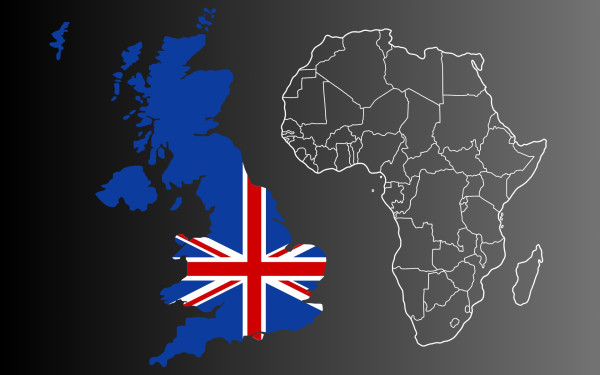
UK Looks to Deepen Energy Trade, Investment Ties with Africa

Location: News
African Energy Chamber

Trade relations between the UK and Africa are gaining momentum. Last month, UK Minister for Trade Policy and Economic Security Douglas Alexander visited South Africa and Botswana to strengthen trade ties and create opportunities for businesses on both sides. The UK aims to expand trade and investment across the continent, fostering mutually beneficial growth by addressing trade barriers, facilitating exports and supporting trade-focused development programs. With South Africa as the UK's largest trading partner in Africa and set to assume the G20 Presidency, this marks an important moment for deepening economic collaboration.

This builds on the UK's 2019 Economic Partnership Agreement (EPA) with the Southern African Customs Union member states – Botswana, Eswatini, Lesotho, Namibia and South Africa – and Mozambique. This agreement eliminates tariffs and quotas on all goods imported from these countries into the UK, facilitating smoother trade relations and economic cooperation. The EPA aims to bolster economic ties and create a conducive environment for investments, including in the energy sector.

The UK is expanding its engagement across Africa, including in West and North Africa. In February 2024, it signed the Enhanced Trade and Investment Partnership (ETIP) with Nigeria – the first such agreement with an African nation – marking a significant milestone. The partnership builds on a trade relationship valued at £7 billion in the year leading up to September 2023. The ETIP focuses on key sectors such as financial and legal services, fostering economic growth and attracting investment across industries, including energy.

Globeleq, a UK government-backed independent power producer, has been instrumental in advancing gas-powered energy projects across Africa. Alongside its 153 MW Red Sands project in South Africa – set to become the continent's largest standalone battery energy storage system – the company recently acquired a stake in a solar plant at Egypt's Benban Solar Complex and secured $99 million in debt financing for Mozambique's first wind project. Supported by shareholders such as British International Investment and Norfund, Globeleq continues to invest in upgrading existing assets and developing new utility-scale power projects, strengthening Africa's energy infrastructure.

In the oil and gas sector, bp achieved first gas from the Greater Tortue Ahmeyim LNG project offshore Senegal and Mauritania at the start of this year, marking a major step in boosting regional energy production and supply. Shell is advancing its $5 billion Bonga North deepwater project in Nigeria and, alongside bp, has agreed to cover operational costs for the buyer of South Africa's Sapref refinery – a move that could revitalize the country's largest refinery and secure oil supply. Meanwhile, Harbour Energy, one of the UK's largest independent oil and gas companies, is looking to expand into African markets following its acquisition of concessions in Egypt's Nile Delta and the Mediterranean Sea.

The UK is also a major investor in Africa's clean energy sector and a key partner in the Mission 300 initiative to expand electricity access to 300 million people by 2030. Last month, British International Investment (BII) committed £5.3 million to UK cleantech firm MOPO to scale battery rental operations in the Democratic Republic of the Congo, where over 80% of the population lacks electricity. In December 2024, BII and GuarantCo announced a $500 million renewable power deal with South Africa's Etana Energy, providing $100 million in guarantees to support the country's largest energy wheeling framework and unlock new projects. Beyond direct investments, the UK government continues to provide funding and technical assistance for energy infrastructure projects across Africa, aiming to improve energy reliability and efficiency, drive economic growth, and enhance the quality of life for local communities.

As a G20 member, the UK plays a pivotal role in shaping global energy investment strategies, with Africa positioned as a key partner in its trade and energy agenda. The UK's investments in oil and gas, renewables and energy infrastructure align with broader G20 goals of energy security, sustainability and economic growth.

“These initiatives not only strengthen the UK's economic ties with Africa, but also support the continent's transition to cleaner, more reliable energy. With African Energy Week: Invest in African Energies 2025 set to convene global stakeholders, the UK's role in advancing energy partnerships will be in focus, offering a platform to drive further investment, policy collaboration, and infrastructure development across Africa's energy landscape,” says Johnson Kayode Obembe, Director of Sales and Partnerships, African Energy Week.

AEW: Invest in African Energies is the platform of choice for project operators, financiers, technology providers and government, and has emerged as the official place to sign deals in African energy. Visit www.AECWeek.com for more information about this exciting event.

Distributed by APO Group on behalf of African Energy Chamber.

Media files
African Energy Chamber
Download logo
Read moreUK Looks to Deepen Energy Trade, Investment Ties with Africa
4 March 2025

KFC Celebrates Inspirational African Women Accelerating Action Towards Equality

Location: Business
KFC Africa

Progress in closing the gender gap in South Africa and Sub-Saharan Africa has almost halted, leaving millions of women at a disadvantage to men. But female role models across the continent are refusing to admit defeat, dedicating themselves to accelerating progress towards gender equality.

To mark International Women's Day on 8 March and honour its theme of “Accelerate Action”, KFC Africa has collected the stories of dozens of women who are taking bold steps to advance equality on the continent by educating, empowering and supporting women to achieve more, together, faster. 

KFC Africa's list contains the names of 54 women – one for each year the company has been in Africa – and follows its successful International Women's Day campaign in 2024 which introduced an inaugural list (https://apo-opa.co/4h5xiID) of 53 “female firsts”. Each of those women had overcome educational, social and financial obstacles to achieve something no woman in their country had done before. 

The 2025 list (https://apo-opa.co/4h5xiID), drawn from each of the 22 Sub-Saharan Africa countries where KFC has restaurants, also has its share of female firsts – people such as Dior Fall Sow, Senegal's first female prosecutor; Nelly Mutti, the Zambian parliament's first female speaker; and Adelaide Retselisitsoe Matlanyane, the first woman to lead Lesotho's central bank.  

The list is dominated, however, by younger women who are breaking the mould – particularly in the technology sector – and showing they can do anything they set their mind to, regardless of age or gender. 

They include the likes of Christine Ogo, a Cote d'Ivoire physicist who has encouraged thousands of schoolgirls to pursue science, technology, engineering and mathematics; Rachel Sibande, who set up Malawi's first technology incubator for emerging entrepreneurs and has gone on to teach coding to 92,000 women and children; and Regina Honu, whose Tech Needs Girls movement in Ghana has trained more than 20,000 women and girls to code. 

Gender gap 

“It's a powerful list that gives us hope after  the World Economic Forum's Global Gender Gap Report (https://apo-opa.co/4i2QKXB) in 2024 showed that progress seems to have ground to a halt,” says Akhona Qengqe, General Manager of KFC Africa. 

The report showed that 68.4% of Sub-Saharan Africa's gender gap had been closed, only marginally higher than 68.2% in 2023 (https://apo-opa.co/3QEYGm5). South Africa, while being Africa's highest scorer and ranking 18th out of 146 nations, went backwards, from 78.7% in 2023 to 78.5% a year later. 

“The report says that at the current rate of progress, it will be 2158 until the world reaches full gender parity,” says Qengqe. “That's why we need to accelerate action, particularly in Africa, and why the efforts of the women on the KFC list are worthy of recognition and support.” 

In her seven years at KFC – she was as director of Africa franchise development, director of transformation and diversity and chief people officer before taking over as general manager in April 2023 – Qengqe has prioritised female empowerment. 

Her initiatives include spearheading KFC Add Hope, a women-led programme that serves free meals to tens of thousands of children at more than 3,000 feeding centres across South Africa. 

In 2021, she launched the Women on the Move leadership development programme, which prepares 22 women at KFC for future leadership positions every year, cultivating a pipeline of talent. Within two years, the number of female leaders in the business grew by 14%. 

Transforming franchising 

Last November she turned her attention to the wider quick service restaurant sector, launching Women in Franchising Africa (Wifa), the first network for current and aspiring female franchisees and franchisors across the continent. 

“To say I am passionate about the inclusion of women in growing our economies is an understatement. It is in fact one of my life's purposes,” she says. “My partners in Wifa intend to transform the participation of women in the franchising sector across African economies. 

“We want to educate women on how to run successful franchise businesses, provide networking opportunities for like-minded women, transform the sector by making funding accessible to women, and create mentorship opportunities for all the women in the network.” 

KFC Africa Chief People Officer Nolo Thobejane says “Accelerate Action” is a call to look at what has a positive impact on women's advancement and replicate it. 

“This is a journey we need to embark on together as we learn from each other. I cannot stress enough the importance of forming alliances and partnerships to amplify impact. By working together, organisations and individuals can share resources, knowledge, and support to create a more inclusive and equitable environment for women.” 

“At KFC, we have implemented some programmes which have yielded great results – such as the Women on the Move Leadership programme to ensure the pipeline of leaders, developing them with quality education and training through initiatives like our Streetwise Academy and then providing career support into positions of leadership.” 

“Other successful initiatives organisations can implement include designing and building infrastructure that meets the needs of women and girls, involving them in sustainable agriculture, and elevating their participation and achievement in sport, as we do with KFC Mini Cricket.” 

“There's a lot we can do as individuals, too – we can call out stereotypes, challenge discrimination, question bias and celebrate women's success. Everyone everywhere can Accelerate Action.” 

Qengqe says the new list of 54 names brings to 107 the number of inspirational African women KFC has honoured and recognised in the past two years. “We know this is the tip of a wonderful iceberg, and we welcome nominations of other women who are Accelerating Action in Africa.” 

Explore the list of 54 women Accelerating Action across Africa: https://apo-opa.co/4heEjqM  

To nominate a woman Accelerating Action: Email: za-kfcafricamedia@yum.com 

Distributed by APO Group on behalf of KFC Africa.

For media inquiries and to arrange interviews with Akhona Qengqe and Nolo Thobejane: 
Elmarie Swart 
Phone number:  
WhatsApp: +44 7464739649 
South Africa: +27 79 831 2429 
Email: elmarie@kamuses.co.za 

KFC Socials: 
Instagram – @kfcsouthafrica - https://apo-opa.co/3FdDUap 
Facebook – @KFCSA - https://apo-opa.co/4hYOsJl 
TikTok – @kfcsa - https://apo-opa.co/4h83tHx 
X – @KFCSA - https://apo-opa.co/4h9pMMX 
YouTube – @KFCSouthAfrica - youtube.com/@KFCSouthAfrica 

About KFC Africa:
KFC has been in South Africa for over 53 years and has more than 1,300 stores across the country. The first KFC restaurant in South Africa opened in 1971 in Orange Grove, Johannesburg. KFC is the leading quick-service restaurant brand in South Africa with just under a third of market share, according to Brand Image Tracker. KFC serves more than 20 million customers a month and we work hard to ensure that no matter which of our restaurants they walk into, they will get that distinctive KFC flavour and have a great experience. KFC's Original Recipe® Chicken was first made by Colonel Harland Sanders in 1940 when he perfected his secret recipe of 11 herbs and spices at his restaurant in Kentucky. Today, KFC is the world's most popular chicken restaurant, still preparing our chicken with the Colonel's secret recipe to his exact standards. Every KFC restaurant follows the same global processes and procedures to ensure that our customers get great-tasting food, every time.  

Media files
KFC Africa
Download logo
Read moreKFC Celebrates Inspirational African Women Accelerating Action Towards Equality
3 March 2025

Next generation of scholars gathering to shape Africa’s future

Location: News

Next generation of scholars gathering to shape Africa’s future

Research-based insights and collaboration on finding solutions to Africa’s most urgent challenges will be at the heart of the Human Sciences Research Council (HSRC)’s 19th Africa Young Graduates and Scholars (AYGS) Conference. 

The conference which gets underway tomorrow, is being held in collaboration with the University of Mpumalanga (UMP).

Under the theme “Enabling Africa’s Inclusive and Sustainable Development: Challenges and Opportunities,” the conference will gather over 100 young and emerging scholars, policymakers, and practitioners from various regions of Africa to share research-based insights and collaborate on solutions to the continent’s most urgent challenges. 

The gathering will take place at UMP’s Mbombela campus from 4 to 6 March 2025. 

“We are excited to provide a platform for Africa’s next generation of leaders to engage, share knowledge, and shape the continent’s future,” said the Executive Head at the HSRC’s Africa Institute of South Africa (AISA), Dr Sabelo Gumedze. 

He believes that the AYGS Conference has the potential to contribute significantly to Africa’s developmental trajectory, and said they were looking forward to fostering innovative solutions, enhancing capacity, and informing policy decisions with research-based insights.

Meanwhile, the UMP Deputy Vice-Chancellor for Research and Innovation, Professor Aldo Stroebel, said the university was privileged to partner with the HSRC and other prominent stakeholders to engage and strengthen an opportunity framework for emerging scholars through critical thinking and policy impact. 

“UMP benefits from this convening to further advance our focus on sustainability and innovation, building a strong base of intellectual engagement, international networks, and learning,” Stroebel added. 

The conference will feature sessions covering various topics such as advancing agricultural sustainability and food security. 

The panellists will also zoom into governance, peace, and security in enabling Africa’s inclusive and sustainable development; climate change action and the Just Transition; and leveraging artificial intelligence (AI) to drive Africa’s development priorities.

Meanwhile, more than 30 papers will be presented by scholars from over 15 countries, including Cameroon, Ghana, Kenya, Lesotho, Madagascar, Nigeria, Rwanda, Sierra Leone, South Africa, Tanzania, Togo, Uganda, Zambia, and Zimbabwe. 

The annual AYGS conference is a research capacity-building project that was conceived in 2005 to build a body of knowledge and to project the African “voice” into various global discussions. 

It is further intended to bridge the existing expertise gap in knowledge production on African affairs by developing a society of knowledge producers among the youth. 

The conference, which features a comprehensive programme including a pre-conference training workshop on policy-engaged research and open science, is hosted by the HSRC’s Africa Institute of South Africa (AISA) in collaboration with the UMP, the National Research Foundation’s (NRF) Future Earth Africa Hub Leadership Centre, the Partnership for African Social and Governance Research (PASGR), and other key partners. – SAnews.gov.za


Gabisile
Mon, 03/03/2025 - 08:50
134 views

Read moreNext generation of scholars gathering to shape Africa’s future
1 March 2025

Picket for Water Budget Increase During Joburg Council Meeting

Location: News

Activists gather outside the City Council in Braamfontein to picket about water challenges affecting millions of residents

Read morePicket for Water Budget Increase During Joburg Council Meeting
25 February 2025

Kholo Capital Mezzanine Debt Fund I Reaches Final Close at R1,4 Billion

Location: Business

Kholo Capital
Download logo

Kholo Capital Mezzanine Debt Fund I (“Kholo Capital” or “the Fund”) (www.KholoCapital.com/), has reached final close at R1,4 billion in commitments, in order to make long-term mezzanine debt investments in small and medium sized businesses in Southern Africa (i.e., South Africa, Botswana, Namibia, Lesotho and Swaziland). The funding provided to these businesses will positively impact communities and support economic growth, job creation, alleviation of poverty and advancement of transformation in the Southern African region. The Fund provides growth capital, BEE Financing and acquisition funding into sectors of the Southern African economy with high social impact including social housing, healthcare, education, renewable energy, food and food security, ICT, financial technology and infrastructure. The Fund follows the United Nation's 17 Sustainable Development Goals as guiding principles with key focus on those linked to Job Creation (i.e., Decent work and Economic growth, Reduced Inequalities and Gender Equality) and those linked to Sustainable Growth (i.e.; Affordable and Green Energy, Sustainable Cities and Communities and Climate Action). The R1,4 billion in commitments was secured from leading South African institutional investors.

Kholo Capital believes that mezzanine debt funding, being a subordinated loan position that sits between senior debt and equity in the capital structure of a business, is attractive because it plugs any equity funding gaps and provides businesses with a tailored and flexible loan solutions in support of their growth requirements. Kholo Capital's investment criteria include investing in small and medium sized businesses generating minimum R25m EBITDA across various growth sectors of the Southern African economy, thereby providing much needed access to capital within a preferred range of R70m to 200m per investment. The benefit of mezzanine debt loan funding lies not only in the ability to tailor funding terms like debt servicing requirements (e.g., providing capital repayment moratoriums), and also because it is a loan funding instrument it avoids the significant equity dilution which is sometimes the sad reality when businesses try to fund their growth ambitions by raising pure equity funding.

Mokgome Mogoba, Founder and Managing Partner at Kholo Capital, said: “We are very bullish about South Africa, the South African economy and the future prospects of this beautiful country and the surrounding region. We are heartened and motivated by the optimism and the resilience of its people. We aim to create in excess of 500 new jobs at a rate of more than 40 nett jobs created per investment and we have committed to investing more than 50% of the Fund in black empowered companies. We are excited at the opportunity to bring creative funding solutions to the Southern African market and to form long term sustainable partnerships with businesses over a 4 to 7-year investment horizon, realising not only strong commercial returns for our investors, but also providing transformational funding that has a positive ESG impact on businesses and surrounding communities as we also look to boost our rural and township economies.”

Zaheer Cassim, Founder and Managing Partner at Kholo Capital, added: “Mezzanine debt funding is non-dilutive by nature and therefore is an attractive funding option for family-owned businesses, BEE companies or any business that needs to raise capital and hold onto the equity in the business. And with the banks becoming more risk averse due to regulatory requirements, lending to small and medium sized businesses has reduced, creating a great opportunity for flexible mezzanine debt structures.  We are grateful that our investors recognise the opportunity and have shown us tremendous support.”

With a strong pipeline of opportunities, Kholo Mezzanine Debt Fund I is well positioned to advance its investment objectives, and make a sustainable impact in support of the real economy. 

Distributed by APO Group on behalf of Kholo Capital.

For more information contact:
Mokgome Mogoba
Managing Partner
Kholo Capital Mezzanine Debt Fund I
mokgome@kholocapital.com
Tel: +27-79-631-5860                                     

Zaheer Cassim
Managing Partner
Kholo Capital Mezzanine Debt Fund I
zaheer@kholocapital.com
Tel: +27-83-786-0845

About Kholo Capital Mezzanine Debt Fund I:
Kholo Capital is a specialist alternative investment fund management company with deep experience and track record in private markets. It was founded in 2020 by Mokgome Mogoba and Zaheer Cassim. The Kholo Capital investment team has more than 100 years of collective credit and investment experience and is highly skilled in senior debt, mezzanine debt and private equity. The investment team has a strong track record in the credit and investment space and has invested in excess of R50bn of mezzanine debt, private equity and senior debt investment transactions in over 90 transactions in more than 10 African countries. Kholo Capital Mezzanine Debt Fund I is managed by a cohesive, dynamic and nimble team and the management team has worked together over the last 21 years.

Website: www.KholoCapital.com

Read moreKholo Capital Mezzanine Debt Fund I Reaches Final Close at R1,4 Billion
  • Previous
  • Page 1
  • Interim pages omitted …
  • Page 3
  • Page 4
  • Page 5
  • Page 6
  • Page 7
  • Interim pages omitted …
  • Page 13
  • Next

Copyright © 2026 · MyZA · All Rights Reserved · Powered by Reach Trust