• Skip to main content
  • Skip to header right navigation
  • Skip to after header navigation
  • Skip to site footer
MyZA

MyZA

News, Directory, Events and Other Stuff

  • Social Media
  • Sport
  • World News
  • Home
  • Submit News
  • Directory
  • Events
  • Stratlec
  • TFSA
  • News
    • APO
    • Today’s Sport News
    • Todays Social Media and Tech Headlines
    • Today’s World News
    • Today’s SA Financial News
  • Contact
You are here: Home / Archives for Manufacturing

Manufacturing

3 September 2024

President calls for investments in SA

Location: News

President calls for investments in SA

By Nosihle Shelembe

Beijing, China - President Cyril Ramaphosa has appealed to the business sector in China to invest in South Africa and make use of the great opportunities that exist for growth and development.

“South Africa presents a great opportunity for companies in Shenzhen to deepen their global value chains,” the President said on Tuesday.

The President made the remarks during the Shenzhen Business Roundtable at the occasion of the State Visit to China.

“With the capabilities that your companies have, we encourage you to play a more active role in our economy for mutual benefit,” he said.

Impressed by how Shenzhen has over four decades transformed into a leading digital supply chain hub, the President said South Africa can learn important lessons from Shenzhen.

Shenzhen is home to the most innovation-based technology start-up companies in China.

“Shenzhen is now a leader in the knowledge economy. We are keen to learn more about the city’s journey towards becoming a global centre of technology, innovation and growth. As we work to develop our economy, we value advice, support and technical assistance in planning, infrastructure and skills development.

“As we undertake this just and inclusive energy transition, we see many opportunities for growth and job creation in the green economy,” the President said.

South Africa has made a firm commitment to reduce its carbon emissions in line with global commitments.

“We are doing so at a pace and in a manner that is appropriate to our country’s development path.

“We have introduced policies to promote the development of the electric vehicle industry in South Africa.

“We are certain that companies such as BYD and CATL will find South Africa a unique and advantageous location that can serve as a hub to reach other markets,” the President said.

He said as a global leader in green energy and infrastructure, Shenzhen could be an important partner for South Africa as the energy sector undergoes a major transformation.

“Over the last few years, regulatory changes have stimulated substantial new investment in electricity generation capacity, mainly from renewable sources.

“We now have pipeline of over 130 confirmed private sector energy projects that will produce approximately 22 500 MW of electricity,” Ramaphosa said.

READ: China to assist SA in alleviating poverty 

South Africa is also making significant investments in the electricity transmission infrastructure.

“In addition to securing our country’s energy supply, these investments will lay the basis for the further growth of our advanced manufacturing sector.

“This is further supported by the implementation of the African Continental Free Trade Area, which will drive a new era of industrialisation in South Africa and across the continent.

“With its abundant renewable energy resources and significant deposits of the minerals that are needed to drive green growth, South Africa is well-positioned to be a leader in the green energy and related industries,” the President said. – SAnews.gov.za

nosihle
Tue, 09/03/2024 - 12:38

165 views
Read morePresident calls for investments in SA
3 September 2024

Motsoaledi calls on pharmacists to play a role in vaccine manufacturing

Location: News

Motsoaledi calls on pharmacists to play a role in vaccine manufacturing

Department of Health Minister, Dr Aaron Motsoaledi, has called on pharmacists to play an active role in vaccine manufacturing as the world grapples with a growing trend of infectious diseases. 

“The world is seriously crying for vaccines and medicines – affordable ones for that matter. Should we be squabbling with each other like we did during COVID-19?” the Minister retorted.

The Minister was speaking at the opening of the first-ever Pharmacists International Federation (FIP) Congress held in Cape Town on Monday.

The four-day congress, which kickstarted on Sunday is also part of the Pharmacy Month commemorative activities to raise patient awareness of the vital role pharmacists can play in the community’s healthcare and to improve communication between patients and pharmacists and pharmacy support personnel.

READ | Motsoaledi to open Pharmacists International Federation Congress

“When the need arises for all humanity to be vaccinated, should the vaccines be so scarce that the developed world starts hoarding them for themselves, leaving the still developing world on their own? Surely, we can do better than this and it is within our capability to do better,” he told delegates. 

“I have full confidence that in your deliberations, those facts will not just be shoved away and kept under the carpet, for there is a lot at stake for all humanity.”

He told the attendees that he believes that in the next 10 to 15 years the world will have defeated modern-day infectious diseases like HIV and Aids, Ebola, Mpox, tuberculosis, malaria and others.

“But in doing this, as The Lancet states, we shall be ushering in a new era of non-communicable diseases (NCDs). You shall be called again to provide easily accessible and affordable pharmaceuticals to deal with these NCDs, which are, already upon us.

“The question is: are we equal to the job? Shall we rise to the occasion?” 

Motsoaledi also touched on the need to address health inequities across the world, urgently strengthening health systems and the need to harness innovation and technology to transform health systems. 

The Minister also spoke about the need to invest in sustainable and equitable health financing and using healthcare as a public good and as part of social justice. 

“Let us remember that as pharmacists, we are not just being distributors but also serve as instructors, patient safety advocates and important participants in public health campaigns.

“I call upon every one of you to be agents of change,” he stressed. 

The Minister challenged the pharmacists to ensure the health systems are not just of good quality but are also equitable and inclusive. 

“This is a call to advocate for policies that prioritise the needs of the most vulnerable, and in the process, commit to advancing the pharmacy profession as a driving force for health equity and quality care.”

He also took the time to express his gratitude to the FIP for bringing the congress to Cape Town and to all the delegates for their commitment to improving healthcare through the pharmacy profession. 

“We hope that your decisions over the next few days will shape the future of health. I wish you all a productive and inspiring experience at congress, and I look forward to seeing the innovative solutions and partnerships that will emerge from our time together.” – SAnews.gov.za
 

Gabisile
Tue, 09/03/2024 - 09:29

343 views
Read moreMotsoaledi calls on pharmacists to play a role in vaccine manufacturing
2 September 2024

China to assist SA in alleviating poverty 

Location: News

China to assist SA in alleviating poverty 

By Nosihle Shelembe

Beijing, China -  As part of ongoing efforts to improve the lives of South Africans, China has committed to assist the country in tackling poverty. 

This commitment was revealed in a joint statement by President Cyril Ramaphosa and Chinese President Xi Jinping on the occasion of President Ramaphosa’s State Visit to the People’s Republic of China.

“China is committed to sharing with South Africa its experience in poverty alleviation and rural revitalisation; in building poverty alleviation model villages and offering support for South Africa's coordinated urban and rural development,” the statement said on Monday. 

During the State Visit, the two countries recommitted to working together towards building a high-quality China-South Africa community, with a shared future. 

“To carry forward the friendship, consolidate mutual trust, expand cooperation and enhance coordination, the two Heads of State agreed to elevate the bilateral relationship to an All-round Strategic Cooperative Partnership in a New Era, underpinned by strong political ties and focused on a prosperous future with balanced trade, and accelerated transformative economic growth,” the statement said. 

Improving lives

China expressed its firm support of national unity and the path of economic and social development that South Africa has chosen. It also said it respects efforts by the South African government to safeguard its national interests to improve the lives of all South Africans. 

“The two sides agreed to work on strengthening cooperation and synergy between the Belt and Road Initiative and the Economic Reconstruction and Recovery Plan and to continue implementing the 10 Years Strategic Programme of Cooperation between the People’s Republic of China and the Republic of South Africa (2020-2029), as a blueprint towards more substantive outcomes on priority political and socio-economic issues between the two sides. 

“The two sides agreed to fully leverage the role of mechanisms such as the China-South Africa Joint Working Group (JWG) and the Joint Economic and Trade Committee (JETC) to further expand economic and trade ties by improving the current trade structure, increasing market access and the export of value-added goods from South Africa,” the statement said. 

Trade and investment

China is South Africa's largest trading partner globally, while South Africa is China’s number one trading partner in Africa. Total bilateral trade grew from R614 billion in 2022 to R692 billion in 2023. 

“The two sides encouraged the respective business communities to enhance new two-way investments and increase their manufacturing bases within the proximity of the relevant source of raw materials to enable the transfer of skills technology and job creation. 

“The two sides committed to providing a stable, fair and enabling business environment for companies from both sides and to ensure the safety and legitimate rights and interests of the relevant personnel, projects and institutions. 

“The two sides encouraged mutual visits by economic and trade delegations, including co-hosting the New Energy Investment Conferences with South Africa and holding the Jobs Fair of Chinese-invested Enterprises in South Africa to boost local employment and improve people’s lives,” the statement said.

READ | President calls for narrowing of SA, China trade deficit

Deepening cooperation 

The two sides agreed that promoting modernisation is the joint goal in building a high-level South Africa-China community, with a shared future. 

“The two sides will deepen cooperation in traditional fields such as agriculture, health, medical sciences and infrastructure development. However, they will further seize opportunities presented by the new scientific and technological revolution and industrial transformation, focusing on key areas such as the digital economy, new energies and artificial intelligence, boost cooperation on quality productive forces, and further expand mutually beneficial cooperation in renewable energy, energy storage and power transmission and distribution,” the statement said. 

The two sides further agreed to continue to strengthen exchanges and cooperation in the areas of culture, women, health, youth, education, sport, media, tourism and other people-to-people cooperation fields. 

As part of the State Visit, the two Presidents jointly witnessed the signing of several bilateral cooperation instruments in the following areas: 

   • Cooperation of the Application of BeiDou Navigation Satellite System;
   • Sustainable Housing and Human Settlements Development; 
   • Deepening Bilateral Trade Cooperation; 
   • Cultural Heritage; 
   • Cooperation in Prevention and Control of Foot-and-Mouth Disease; 
   • Inspection, Quarantine and Sanitary Requirements for Dairy Products Exported from the Republic of South Africa to the People’s Republic of China; and the Protocol on Greasy Wool. -SAnews.gov.za
 

nosihle
Mon, 09/02/2024 - 14:41

188 views
Read moreChina to assist SA in alleviating poverty 
2 September 2024

President calls for narrowing of SA, China trade deficit

Location: News

President calls for narrowing of SA, China trade deficit

By Nosihle Shelembe

Beijing, China -  While China is South Africa's largest trading partner globally, President Cyril Ramaphosa has called for the narrowing of the trade deficit that exists between both countries. 

Delivering opening remarks during the official talks with Chinese President Xi Jinping on Monday in Beijing, President Ramaphosa emphasised the importance of addressing the structure of South Africa’s trade. 

“We have witnessed an increase in our bilateral trade. However, as South Africa, we would like to narrow the trade deficit and address the structure of our trade,” the President said.

China is South Africa's largest trading partner globally, while South Africa is China’s number one trading partner in Africa. Total bilateral trade grew from R614 billion in 2022 to R692 billion in 2023.

“As we enter a new phase of our partnership, we should continue to consult closely in pursuit of a just, equitable and prosperous world. 

“I believe that our elevated levels of mutual trust will accommodate each other's interests, views and concerns – and deepen our cooperation as we build a shared future,” the President said. 

President Ramaphosa is on a State Visit to the People’s Republic of China where he will also participate at the Forum on China – Africa Cooperation Summit (FOCAC). 

South Africa and China’s bilateral relations are maintained at the level of a Comprehensive Strategic Partnership (CSP), underpinned by a Ten-Year Strategic Programme of Cooperation (2020 – 2029).

President Ramaphosa welcomed the proposal to upgrade the Comprehensive Strategic Partnership to an All-Round Strategic Cooperative Partnership in a New Era. 

“This will elevate our mutually beneficial political and economic ties for the benefit of both our countries and our people.

“We were encouraged by the inward procurement mission of Chinese companies last year. We urge for more sustainable manufacturing and job-creating investments,” the President said.

He said the development cooperation between the two countries continues to grow, covering many areas. 

“Our two countries share many common objectives. Building on the firm foundation of solidarity, we continue to provide support in promoting our interests, those of the African Continent and the Global South.”

The newly formed Government of National Unity continues to place the achievement of the African Union's Agenda 2063 and the pursuit of a better Africa and world at the centre of its foreign policy. 

“As our history demands, South Africa will continue to pursue progressive internationalism. We remain firmly committed to the One China Policy.

“South Africa will use the opportunity of hosting the G20 Summit next year to focus global attention on the developmental challenges confronting Africa and the countries of the Global South,” President Ramaphosa said. – SAnews.gov.za 

Janine
Mon, 09/02/2024 - 12:18

235 views
Read morePresident calls for narrowing of SA, China trade deficit
2 September 2024

Media Invitation: Unlocking Productivity Potential in the Eastern Cape!

Location: MyPR

Join us for an engaging and impactful event as Productivity SA, in collaboration with the Department of Trade, Industry and Competition (the dtic) and the Eastern Cape Development Corporation (ECDC), present the Eastern Cape Workplace Challenge Programme Milestone Workshop. • Date:: Tuesday, 03rd of September 2024 • Venue: ECDC Boardroom, One Stop shop, Coutts St, …

Read moreMedia Invitation: Unlocking Productivity Potential in the Eastern Cape!
1 September 2024

Ministers discuss SA, Chinese relations ahead of State Visit

Location: News

Ministers discuss SA, Chinese relations ahead of State Visit

Beijing - Minister of International Relations and Cooperation Ronald Lamola has met with his Chinese counterpart, Foreign Affairs Minister Wang Yi, to exchange views on bilateral, multilateral and geopolitical matters of mutual interests.

The meeting took place on Sunday in Beijing ahead of President Cyril Ramaphosa’s second State Visit to China and the Summit of the Forum on China-Africa Cooperation (FOCAC) scheduled for this week.

“In this inaugural meeting, the two Ministers discussed the enduring ties between the two nations, spanning many areas of cooperation.

“They agreed to address issues such as structure of bilateral trade significantly and to increase mutually beneficial investments in areas such as agriculture, energy, manufacturing, the automotive sector, green technologies and infrastructure,” the Department of International Relations and Cooperation said.

The talks focused in particular on South Africa’s beneficiation efforts, market access, economic growth, local job creation and the transfer of skills.

READ I President Ramaphosa to lead SA delegation to China for State Visit

China is South Africa's largest trading partner globally, while South Africa is China’s number one trading partner in Africa. Total bilateral trade grew from R614 billion in 2022 to R692 billion in 2023.

“In terms of Africa-China cooperation, South Africa believes that FOCAC must align with the African Union’s Agenda 2063, especially the Second Ten- Year Implementation Plan.

“South Africa believes implementing the African Continental Free Trade Area (AfCFTA) will promote intra-Africa trade, boost economic growth and address the continent’s infrastructure deficit.

“Through FOCAC, China offers a unique platform to contribute to continental and regional initiatives including continental integration. The Minister inter alia reflected on cooperation within the multilateral context and through their membership of fora such as BRICS and the G20,” the department said.

The Minister welcomed China’s recent initiatives to facilitate a reconciliation agreement among Palestinian factions, who signed the Beijing Declaration.

“These efforts will contribute to peace building and demonstrate China’s significant role in this regard. The Minister further highlighted the need to also focus on conflicts on the African continent.”

Furthermore, both Ministers concurred that the United Nations, including the Security Council must be comprehensively reformed to bolster its ability to respond to global challenges and amplify the developing South’s representation within the Council’s memberships.

“This would better support the legitimate aspirations of emerging and developing countries from Africa, Asia and Latin America to assume a large role in international affairs, particularly the United Nations,” the department said. - SAnews.gov.za
 

nosihle
Sun, 09/01/2024 - 18:35

225 views
Read moreMinisters discuss SA, Chinese relations ahead of State Visit
30 August 2024

Government places the transfer of land to women under the spotlight

Location: News

Government places the transfer of land to women under the spotlight

Minister in the Presidency responsible for Women, Youth and Persons with Disabilities, Sindisiwe Chikunga, has committed the department to prioritise the transfer of land, wealth and income earning ability to organised women.

Addressing the Mpumalanga Provincial Legislature Women’s Parliament on the Economic and Social Empowerment of Women on Friday, Chikunga said the historic treatment of women as minors who are incapable of owning property, continues to reproduce itself today through landlessness and its related disadvantages.

“Through integrated farming value-chain cooperatives as well as a cooperative banking institution, we are determined to see to it that women take ownership and control of land for productive and commercial purposes.

“We will ensure that women and youth have access to land for agricultural purposes and related economic activities. Land is wealth, wealth that has income earning potential,” Chikunga said.

During the Opening of Parliament Address (OPA) last month, President Cyril Ramaphosa announced massive plans to ramp up a green manufacturing sector over the next five years and mentioned Mpumalanga as a priority.

Chikunga said the department will ensure that women are at the centre and do not remain in the margins of these projects.

Emerging Industrialists Accelerator Programs

The Minister said the department has conceptualised a series of Emerging Industrialists Accelerator Programs and intends to rally all relevant stakeholders, particularly state-owned entities (SOEs), and industry associations behind their implementation.

“These programs will target emerging women industrialists in key sectors, including energy security, the maritime, defence and aerospace industries, and agriculture, among others. The recent Sola Mamas initiative will be scaled up and strengthened to reach more women.

“Participating emerging industrialists will work alongside experienced industry associations, receiving support from ideation through to product development, financing, market access, and commercialization pathways,” she explained.

Emerging Industrialists Fund

To support these initiatives, the Minister said the department will advocate for the establishment of an Emerging Industrialists Fund, dedicated to supporting beneficiation and transforming young people’s ideas into productive economic activities.

The Minister emphasised that while investment must come from both the public and private sectors, the state must take the lead as the investor of first resort.

“For example, the tourism industry in Mpumalanga has limitless potential. We need to channel our young women to this industry, not just as employees but owners and operators of tourism infrastructure.”

Enrolment of National Youth Service recruits

Chikunga also announced that work is underway to ensure that the first round of the National Youth Service (NYS) recruits are enrolled before the end of the financial year.

“A minimum of 50% of the beneficiaries of this program will be women, including unemployed graduates and those who have completed Grade 12 but are currently sitting at home. Here in Mpumalanga, we must make sure that the youth of this province, particularly rural youth and those in farming communities, are not left behind.”

Launched by Deputy President Paul Mashatile in May this year, the South African National Defence Force (SANDF)-led NYS is a special project that will be piloted and implemented in the country’s poorest districts, where most youngsters are unemployed.

READ | Mashatile launches SANDF-led youth initiative to create jobs, entrepreneurship

The project is targeting no less than 125 000 youth in its first year of rollout.

Chikunga said through this programme, the department will be rallying industry associations, including SOEs, universities, the Council for Scientific and Industrial Research (CSIR), and participating sister departments behind a nationally coordinated and de-siloed effort to combat youth unemployment.

“We will be training emerging industrialists in the design, manufacturing, piloting and applications of Unmanned Aerial Vehicles (UAVs/drones) from small drones used to inspect borders, to large fixed-wing UAVs applied in mining, construction, oil and gas and related fields,” Chikunga said. – SAnews.gov.za 

GabiK
Fri, 08/30/2024 - 14:33

187 views
Read moreGovernment places the transfer of land to women under the spotlight
30 August 2024

UsPlus Raises R80 Million From Its Inaugural Listed Bond Issuance

Location: Business
Verdant Capital

Verdant (www.Verdant-Cap.com) has raised ZAR 40 million for Us Plus Limited (“UsPlus”) as a senior unsecured note through UsPlus' JSE-listed social bond. The investment comes from an Africa-focused fund headquartered in Europe and was matched by an equal investment through local funding on the JSE making ZAR 80 million in total through the bond issuance.  Furthermore, in parallel UsPlus drew down ZAR 60 million for a bilateral facility previously arranged by Verdant, making a total of ZAR 140 million of new funding this quarter (approx. USD 7 million).  This substantial funding injection increases the total capital raised for the business by Verdant to USD 22 million in just over 2 years. It underscores market confidence in UsPlus' mission to drive economic growth and social impact in South Africa.

UsPlus, known for its innovative financial solutions tailored for SMEs, is dedicated to enhancing competitiveness and access to finance for small and medium enterprises. This strategic partnership reinforces UsPlus' commitment to fostering sustainable development and economic inclusion in South Africa.

The fresh capital will empower UsPlus to expand its support, particularly to black-owned, women-owned, and youth-owned MSMEs, particularly in underserved provinces. By focusing on sectors such as food security, waste management, and manufacturing, UsPlus aims to create lasting positive changes in local communities by contributing to employment creation, food security and sustainable production.

This collaboration highlights the vital role of social bonds in mobilising capital for impactful projects, and it reinforces UsPlus' position as a catalyst for financial inclusion and economic empowerment in South Africa. The commitment from this latest funding partner and the continued support from local funders are a testament to the crucial work being done by UsPlus to promote sustainable growth and support the nation's SME sector.

This is the fourth investment into UsPlus arranged by Verdant from international development finance institutions and impact investors.

The transaction further solidifies Verdant as a leading advisor and manager for inclusive financial institutions in Africa.

Terms for the transaction were not disclosed.

Distributed by APO Group on behalf of Verdant Capital.

Media enquiries:
Orient Mahonisi
orient.mahonisi@verdant-cap.com

About Verdant IMAP:
Verdant IMAP is a leading investment bank operating on a pan-African focus, specialising in M&A and in private capital markets.  Verdant IMAP is the IMAP partner firm for its region.  IMAP with partner firms in nearly 50 countries, with over 600 M&A professionals, completing over 200 M&A transactions per year, reinforces Verdant IMAP's capability to deliver innovative financial solutions to clients across Africa and around the World. www.Verdant-Cap.com

Source: US Plus Limited, Verdant

Media files
Verdant Capital
Download logo
Read moreUsPlus Raises R80 Million From Its Inaugural Listed Bond Issuance
29 August 2024

Call to place young people in critical infrastructure projects

Location: News

Call to place young people in critical infrastructure projects

Minister in the Presidency responsible for Women, Youth and Persons with Disabilities, Sindisiwe Chikunga, has emphasised that every project, from ideation to implementation, must include the upskilling, reskilling, and placement of young people, through emerging industrialist apprenticeships.

Chikunga was speaking at the National Youth Development Agency (NYDA) and the Presidential Youth Employment Intervention (PYEI) learning event on youth unemployment crisis and gender equity.

“The country is currently facing a situation where serious infrastructure projects, from small harbours development, rail, road, and rural bridge construction to human settlements projects, water sanitation projects, and energy, are in [the] pipeline. It is about time that we insist that no labour is imported for these projects while unemployed graduates are sitting at home,” Chikunga said at Thursday’s event.

Putting in place sustainable interventions

Chikunga underscored a need for strategies to cultivate all of the country’s resources in a coherent and purposeful effort and put forward interventions that can be sustained into the future.

The Minister argued that South Africa cannot have youth hopping from one learnership to another, and from one internship to another.

She emphasised the need for an emerging industrialist programme that reaches every corner of the country.

“These interventions should, in line with our DDM (District Development Model), be implemented at national, provincial and local levels by government, parastatals, organisations within civil society and the private sector working within the framework of reconstruction and development.

“In order to respond in a more purposeful way, we are called upon to transcend traditional boundaries and do away with siloed interventions and adopt a more integrated and coordinated approach,” Chikunga said at the gathering held in Sandton, Johannesburg.

According to the Minister,  a lack of industrial dynamism, youth unemployment, the high cost of living, economic inactivity, violent crime, and a lack of social cohesion, are all multidimensional challenges that require what economists refer to as a “Mission-Oriented Approach” to development.

“We are required to set ambitious goals; foster creative public-private collaborations; approach the state as a patient investor-of first resort; and develop dynamic capabilities to adapt and steer the mission as it evolves.

“The NYDA, for example, must be transformed into a capability that is able to gather market and economic intelligence about the future of industry and work; identify emerging strategic opportunities; measure (cross sectoral) impact of policies; enhance our ability to spot risks/opportunities; increase our ability to anticipate and adapt; and support new agents of systemic socio-economic change.”

Research capability 

She also challenged the NYDA to have a well-resourced research capability that is able to provide situational awareness.

“[The NYDA] must address the questions such as: in light of the youth question, where are we, where should we be going, and what is likely to get in our way [both threats and opportunities], as we navigate to that collectively desired destination.

“What adjustments, if any, do we need to make to deal with the threats and make the most of opportunities? Through knowledge management, we must be able to anticipate, respond, and navigate uncertainties and potential crises,” Chikunga said.

In efforts to attract manufacturing, promote beneficiation and drive industrialisation, Chikunga stressed a need to ensure that women and youth have access to land for agricultural purposes and related value chains. She also stressed the need for an emerging industrialist fund to turn young people’s ideas and innovation into productive economic activities.

She also spoke of a need to engage with all unemployed graduates, listening to their experiences, understanding their needs, and working with them to pursue sustainable opportunities; as well as a need for a cap on the minerals that leave as unprocessed rocks.

‘We need to leverage public procurement to provide off-take for youth and women owned business. We can only do this if we leverage our convening powers as government,” Chikunga said. – SAnews.gov.za


GabiK
Thu, 08/29/2024 - 13:52

281 views
Read moreCall to place young people in critical infrastructure projects
29 August 2024

Nzimande calls for urgent need to transform South Africa’s science landscape

Location: News

Nzimande calls for urgent need to transform South Africa's science landscape

Science, Technology and Innovation Minister, Professor Blade Nzimande, has called on the National Advisory Council on Innovation (NACI) to convene a summit to discuss transformation within South Africa’s national system of innovation (NSI).

Speaking in Pretoria at the launch of the 2024 Science, Technology and Innovation (STI) Indicators Report, Nzimande said that the summit should bring together stakeholders to address the remaining barriers to achieving a fully transformed innovation system.

Despite the report highlighting increases in the numbers of women and Black academic staff at higher education institutions in South Africa, the Minister said there is still much room for improvement. 

“We must recognise the ongoing challenges in transforming our STI landscape. We need to ensure that our NSI truly reflects the demographics of our nation, particularly in terms of race, class and gender,” he added. 

According to the report, university enrolments in South Africa increased by 12% between 2012 and 2021, with a 41% rise in the number of graduates.

Black African academic staff representation rose to 43%, marking substantial progress in gender and racial equity. 

Meanwhile, scientific publications increased from 3 693 in 2000 to 27 208 in 2022, securing a global share of one percent.

Diversity among authors has also improved significantly, with the percentage of women authors rising from 32% in 2005 to 45% in 2022, and contributions from black academics growing from under 15% to over 52%. 

The Minister said the ongoing transformation of the NSI is about ensuring that the benefit of innovation is shared equitably across society. 

This includes enhancing access to science and technology education for young people from working-class and poor backgrounds to ensure they can become future scientists and innovators. 

However, he said the positive increases in university enrolments and graduates, coupled with the growing representation of women and Black African academic staff, were testament to government’s commitment to building a more equitable and inclusive scientific community.

The National Research Foundation, which celebrated its 25th anniversary last week, said that, among 4 212 rated researchers in South Africa, Black South Africans account for 38%. 

Nzimande believes this was testimony to the commitment to transform the country’s research landscape. 

The STI report, titled ‘Measuring science, technology and innovation to guide their contribution to socio-economic development’, highlights South Africa’s advancements and the challenges that remain. 

Commissioned by NACI, the report provides data and insights that inform policy decisions by government, helping to shape strategies aimed at improving the country’s STI landscape. 

The report reveals that South Africa invested R2.4 billion in national research infrastructure and R1.2 billion in the National Equipment Programme, strengthening research capabilities across the country. 

The nation’s e-Government Development Index improved from 0.49 in 2012 to 0.74 in 2022, with its global ranking jumping from 101 to 65 out of 193 countries, reflecting significant progress in digital inclusion. 

Manufacturing exports increased by 11.7% between 2021 and 2022, with medium and high technology (MHT) exports showing strong growth. 

The sector saw a notable rise in patent filings and publications in emerging technologies, including digitalisation and nanotechnology, indicating a robust commitment to innovation.

The report identified ongoing challenges, including low research and development (R&D) intensity, declining international patent applications, and reduced venture capital investment. 

South Africa’s patenting activity has declined significantly over the past few years. 

Domestic patents granted decreased from 694 in 2019 to 513 in 2022, while patent applications abroad dropped from 1 457 in 2020 to 968 in 2022. 

Additionally, patents granted by the European Patent Office decreased from 80 in 2020 to 38 in 2022. 

However, there was a slight increase in patents granted by the US Patent and Trademark Office, from 125 in 2021 to 150 in 2022. 

“As we move forward, it is imperative that we make targeted and sustainable policy, institutional, and resource interventions to address the challenges identified in the 2024 STI Indicators Report. Our goal is to place science, technology, and innovation at the core of South Africa's national development agenda, the Minister. 

CEO of NACI, Dr Mlungisi Cele, underscored the importance of addressing these challenges with a comprehensive strategy. – SAnews.gov.za


Gabisile
Wed, 08/28/2024 - 15:23

556 views
Read moreNzimande calls for urgent need to transform South Africa’s science landscape
28 August 2024

Deepening government, business partnership critical for SA

Location: News

Deepening government, business partnership critical for SA

President Cyril Ramaphosa says although the partnership between business and government has yielded results in sectors such as energy and logistics, much more can be done collaboratively to address two of South Africa’s most pressing challenges – unemployment and economic growth.

The President was delivering the keynote address during the Annual General Meeting (AGM) of Business Unity South Africa (BUSA).

“With our far-reaching reforms gaining momentum, the second phase of our partnership with business requires a firm focus on employment creation. This is where we need to strengthen the partnership.

“Business continues to support programmes like the Youth Employment Service and the SA Youth National Pathway Management Network. These initiatives connect young unemployed South Africans with opportunities for work experience, jobs and skills. But there is much more we need to do,” he said.

President Ramaphosa highlighted that government and business are in agreement about various areas where work can be done to stimulate economic growth and employment.

“We must accelerate the work to overhaul the visa regime to attract critical skills, investment and tourism. We need to make use of the opportunities we have identified in tourism, business process outsourcing and the digital economy.

“We agree on the urgency of equipping the workforce with digital skills to take advantage of the new world of work. We agree on the need to use private sector capital to fund the growth of small businesses, particularly in under-serviced areas like townships and rural areas.

“As the Government of National Unity, we seek to deepen this partnership [with business] so that we can together build a conducive environment for investment, growth and job creation,” he said.

A government at work

President Ramaphosa told the BUSA AGM that for its part, the seventh administration is already at work to make good on its commitment to growing the economy.

“As we outlined in the Opening of Parliament Address, the apex priority of this administration is to drive inclusive growth. This is essential if we are to create employment.

“We are therefore focused on sectors with high potential for growth and employment, such as technology, manufacturing, agriculture and renewable energy. 

"We are committed to ensuring that economic growth benefits all South Africans, especially the marginalised and underserved communities. This means supporting SMMEs [small, medium and micro enterprises] and ensuring equitable access to opportunities.

“Growing our exports is a priority. We are committed to working with business and other social partners to improve the global competitiveness of local industries. We are working to streamline export processes to address tariff and non-tariff barriers, and to provide financial and technical assistance to exporters,” the President said.

Furthermore, government will continue on its reform path and with providing opportunities for education and skills development.

“We will continue on the path of structural and regulatory reform to improve the business operating environment. We are committed to a stable policy environment that stimulates investment.

“A skilled workforce is the backbone of a thriving economy. As government, we will continue to invest in education and vocational training to equip young people with the skills needed in a rapidly changing economy,” the President said.

Partnerships

President Ramaphosa maintained that government remains committed to its partnership with BUSA to “drive economic growth that improves the quality of life of all South Africans”.

He added, however, that it is pivotal to maintain active and continuous engagement to sustain the partnership.

“We must accept that there will, from time to time, be areas on which we may disagree. We should not let this deter us from the work we need to do. 

“Rather we should remain engaged in dialogue with a view to finding solutions that serve the interests of the country. Clear communication is crucial for building trust and ensuring that policies are informed by the realities on the ground.

“We must continue to work together. We must leverage our collective resources, expertise and passion for our country’s future. Let us seize this moment to build a more inclusive, prosperous South Africa. Let us build a South Africa where every citizen has the opportunity to contribute to and benefit from our economic progress,” President Ramaphosa said. – SAnews.gov.za

NeoB
Wed, 08/28/2024 - 13:58

132 views
Read moreDeepening government, business partnership critical for SA
28 August 2024

Critical Minerals Africa Summit to Showcase Battery, Electric Vehicle (EV) Manufacturing Prospects

Location: News
Energy Capital & Power

The Democratic Republic of the Congo (DRC) and Zambia – among the world's top mineral producers – are currently spearheading the implementation of a Transboundary Battery and Electric Vehicle (EV) Special Economic Zone (SEZ) (https://apo-opa.co/4g2yhK7). The development of SEZs dedicated exclusively to battery and EV production aims to unlock new foreign investment, as well as position both countries within the global automotive manufacturing space. 

The upcoming Critical Minerals Africa (CMA) Summit will feature a Automotive and Batteries Focus panel, examining measures to establish Africa as a global hub for battery precursors, batteries and EVs, as well as exploring opportunities for Africa's critical minerals to support clean energy development. To date, most African automotive manufacturing takes place in South Africa, yet massive mineral wealth in Zambia and the DRC indicates the potential of these markets to become industrial hubs. 

The Critical Minerals Africa 2024 summit on November 6 - 7 serves to position Africa as the primary investment destination for critical minerals. The event is held alongside the African Energy Week: Invest in African Energy 2024 conference (https://apo-opa.co/4fUGT5A) on November 4 - 8, offering delegates access to the full scope of energy, mining and finance leaders in Cape Town. Sponsors, exhibitors and delegates can learn more by contacting sales@energycapitalpower.com. 

Increased cooperation among governments and international partners has been critical to positioning Africa's mineral producers as potential manufacturing partners. The DRC, which holds the world's largest cobalt reserves at 6 million metric tons out of the global 11 million metric tons, established the Congolese Battery Council in 2023 to facilitate investment across its mineral value chain. The country – also representing Africa's largest copper producer – signed an MOU with Zambia in March 2023 to fast-track the implementation of the Transboundary Battery and Electric Vehicle SEZ, seeking to add value to its raw cobalt and copper resources. 

Zambia – Africa's second-largest copper producer – formed a task committee in 2023 to expedite the implementation of the SEZ and identified land to host the zone. The country has strengthened partnerships with global mining firms, including Ivanhoe Mines, Galileo Resources, Tertiary Minerals, First Quantum, Vedanta Resources, Jubilee Metals and Xtract Resources, to achieve its goal of producing three million tons of copper annually by 2030. The Zambian and DRC governments are also partnering with the World Bank to launch local platforms between May 2024 and 2026, aimed at identifying and assessing investment prospects across their respective EV and critical minerals value chain. 

South Africa, which holds 80% of the world's platinum group metals (PGMs) reserves – crucial for EV and hydrogen vehicle production – currently leads Africa's EV market. Mining firm Isondo Precious Metals (https://apo-opa.co/3XlPHdy) plans to launch an advanced manufacturing facility for processing PGMs for EV applications in Johannesburg. Meanwhile, global automaker BMW, mining firm Anglo Platinum and energy company Sasol are piloting a fleet of hydrogen-fueled vehicles to advance smart mobility adoption in South Africa. CMA 2024 will host delegations from the DRC, Zambia, South Africa and other key industry stakeholders to discuss the latest developments shaping Africa's smart mobility and mining sectors. 

Distributed by APO Group on behalf of Energy Capital & Power.

Media files
Energy Capital & Power
Download logo
Read moreCritical Minerals Africa Summit to Showcase Battery, Electric Vehicle (EV) Manufacturing Prospects
27 August 2024

Procuring for a better SA

Location: News

Procuring for a better SA

The recently signed Public Procurement Act is expected to reduce bureaucratic delays and curb corruption while also ensuring that taxpayer money is used responsibly.

“It is a good move for many reasons,” says Kamogelo Mampane, the Executive Chairman of the Supply Chain Council (SCC).

President Cyril Ramaphosa assented the act that aims to create a single framework that regulates public procurement, in July.

“It is a consolidation of all guidelines, practice notes and procurement guidelines that were found in other regulations into one legislative framework. The Procurement Act introduces standardised procedures that streamline the procurement process, making it more efficient and transparent. This will significantly reduce bureaucratic delays and curb corruption, ensuring that taxpayer money is used responsibly and effectively,” Mampane told SAnews.

The SCC is a non-profit association that was set-up in 2010 to provide quality and professional supply chain services to organisations across the globe. The association helps organisations to make improvements in supply chain processes.

The act also complies with the Constitution’s Section 217 that states that the contracting of goods and services by organs of state in all spheres of government must occur in accordance with a system which is fair, equitable, transparent, competitive and cost-effective, among others.

According to the Presidency, the act also responds to the acknowledgement that legislation regulating procurement by organs of state is fragmented and constrains the justified advancement of persons or categories of persons who could provide goods or services.

Mampane said the act also creates clarity on what is legal, possible and creates many possible options for state organs to drive economic transformation while also forming a basis for investments in technology and best sourcing practices.

Recently, National Treasury indicated that the provisions of the act are not in force yet and that the President will bring the provisions of the Act into operation through a new proclamation in the government gazette.
The Public Procurement Act, 2024 (Act No. 28 of 2024) was approved by the President and published as an Act in the Government Gazette on 23 July 2024. 

According to Treasury, Section 69 of the Act enables the President to bring the provisions into operation on different dates (phased approach) and to determine different dates for different categories of procuring institutions such as national and provincial departments, national and provincial public entities and municipalities and municipal entities.

Public Procurement Tribunal 

Chapter 6 of the Act makes provision for a dispute resolution mechanism and a Public Procurement Tribunal to review decisions taken by procurement institutions. 

Asked about his thoughts on the tribunal, Mampane said that small businesses often lack the resources to engage in prolonged legal battles.

“The tribunal offers a more accessible and cost-effective platform for resolving disputes, ensuring that their grievances are heard and addressed promptly. By upholding transparent procurement practices, the tribunal also assists small businesses to understand the criteria and processes used in awarding contracts.”

He added that this clarity can help small business to better prepare and compete for future opportunities. 

“We foresee a tribunal receiving a huge number of applications in the beginning as small businesses seek a hearing.”

“The tribunal will also hold procurement officials accountable for their actions, encouraging them to adhere to the Act and code of conduct. This can lead to more diligent and conscientious behaviour in the execution of their duties. 

“It is our view public procurement officials did not have a place to go if they felt threatened by people in authority, politicians, or suppliers. The tribunal will be a place to go as an independent body that can listen to their challenges,” he explained.

Asked about what type of individuals must sit on the tribunal, Mampane said this institution must be chaired by a retired judge supported by individuals with many years of experience in public procurement. This also includes someone who has experience in contract management and Broad-Based Black Economic Empowerment (BBBEE) to ensure the consistency of the application of the rules. 

According to the Act, a member of the Tribunal holds office for a period of five years, or the shorter period that the Minister of finance determines.

Additionally, a member of the Tribunal may be re-appointed at the expiry of a term for a further term not exceeding three years. 

Transformation 

In the year that marks 30 years of freedom and democracy in South Africa, the act is cognisant of the need to continue to foster economic transformation.

The act contains set asides for designated groups like women and persons living with disabilities who have historically been disadvantaged.

According to the chairman, this inclusive approach is expected to level the playing field and provide equal opportunities for all businesses to compete and thrive.

“Our economy is not growing, unemployment remains a challenge, youth unemployment is an indication of a non-productive economy. In any developing country like South Africa, SMMEs [small, medium, and micro-enterprises] play a crucial role in developing the economy, creating jobs and reindustrialisation. The protection and advancement of designated groups is crucial in creating sustainable projects in our communities.”

He added that the setting aside of opportunities for the productive sector of the economy will encourage innovation and investment by local and international organisations.

“A key aim of the bill is to drive economic transformation by mandating that a substantial portion of procurement contracts be awarded to historically disadvantaged individuals and SMMEs, the bill promotes inclusivity and equal opportunity. This is a major win for economic empowerment and growth.” 

In an earlier media release, the SCC said a highlight of the act is its strong support for local production and manufacturing. 

“The law stipulates that government entities prioritise locally produced goods and services in their procurement decisions. This provision aims to boost local industries, create jobs, and stimulate economic growth within the country. 

“Supply chain professionals will need to cultivate robust relationships with local suppliers, ensuring that the procurement of locally manufactured products meets quality and cost-efficiency standards,” it said.

Reducing bureaucracy

Asked about whether the act will reduce government bureaucracy, Mampane said the Act provides a clear framework for efficient, fair and sustainable development for the more than 700 state organs, government departments and municipalities.

“The implementation of electronic procurement platforms to facilitate online submission and processing of bids, reducing paperwork and speeding up the procurement cycle will reduce bureaucracy of public procurement. 

“Some processes were completely unnecessary e.g. having to go to National Treasury to ask for permission for minor deviations. The need to submit manual reports to National Treasury even though some were hardly ever used or perused by National Treasury, was also onerous.”

Concerns

Chapter 6 of the Act which speaks to dispute resolution, also refers to the Stand Still Process which speaks to the “prohibition on concluding contract during reconsideration or review proceedings”. 

According to the process, if a procurement process is subject to a reconsideration in accordance with section 37, a procuring institution may not conclude a contract with the successful bidder within 10 days after completion of the reconsideration or review process.

Section 37 (Reconsideration by procuring institution) of the Act states that a bidder may submit an application for reconsideration to the procuring institution if that bidder is not satisfied with a decision to award a bid by that institution.

Mampane expressed concern over the process saying that in its current form, the clause creates “an automatic stand still, as it requires an organ of state not to conclude a contract with the successful bidder prior to completion of the review process by a Tribunal.”

“Projects will be stopped even if the request is frivolous and has no basis. The prima facie rule is ignored by this clause. We are extremely concerned that this will create inefficiencies in the process,” he said.

Taking supply chain forward

Asked about what the act means for the supply chain sector as a whole, Mampane is of the view that the act elevates the profession.

“This is a boost to the supply chain professionalising agenda as it elevates the profession to its right full place, i.e. a strategic function to assist government in achieving their social and economic objectives.

“Supply chain professionals must be at the forefront of driving this change, leveraging their expertise to assist their organisations in delivering their strategic objectives. Supply Chain professionals must build on this foundation that is created by this Act and build strong cases for SMME development, increase spend on locally produced products and deliver tangible value to their organisations and communities,” he said. -SAnews.gov.za

Neo
Tue, 08/27/2024 - 14:58

10 views
Read moreProcuring for a better SA
27 August 2024

What Is a Managed Service Provider?

Location: MyPR

SevenC, a top managed service provider in South Africa, delves into the critical responsibilities and roles of MSPs in the region, highlighting their importance in optimising IT solutions for diverse businesses. Imagine a world where your business operations run smoothly, your IT systems are always up-to-date, and technical hiccups are a thing of the past. …

Read moreWhat Is a Managed Service Provider?
23 August 2024

Strong municipalities needed to grow economy

Location: News

Strong municipalities needed to grow economy

Efficient and strong municipalities are key to ensuring that South Africa’s economy grows and jobs are created, says President Cyril Ramaphosa. 

The President addressed the District Development Model (DDM) Presidential Imbizo at Tsakane Stadium in Ekurhuleni, Gauteng, on Friday.

The Presidential Imbizo is a platform for communities to interact with government leaders from all three spheres of government on service delivery challenges, and for the executive to respond to the community on what they are doing to resolve those issues.

WATCH | 

“We have said as the Government of National Unity, our key priority is to grow the economy, and to create jobs and fight poverty. But to do this, we need strong municipalities. It is municipalities that are the engine room of development because they provide the services to our people but they also are economic engine rooms.

“We want our municipalities to work efficiently. To our councillors, we should not be continuously hearing that our people don’t even know their councillors. That must come to an end. Councillors have been elected to serve the people and they must show themselves in the community. They must hold meetings with our communities. We must not wait for an Imbizo to come and listen to our people raising their concerns,” the President said.

Turning to the City of Ekurhuleni municipality, President Ramaphosa said it is one of South Africa’s most important hubs.

“The Ekurhuleni Municipality is well positioned as an economic driver of job creation.  Ekurhuleni is a major transportation hub. But apart from that… it is the manufacturing capital of our country. Ekurhuleni plays a very important role in the life of our province, and in the life of our country and our economy.

“It is home to Africa’s largest and busiest airport… OR Tambo International Airport. It’s also a major centre for freight corridors in our country. This makes the metro a substantial economic player because manufacturing is one of the key contributors to the GDP,” he said.

President Ramaphosa acknowledged, however, that service delivery in the area must be improved. He assured the community gathered at the imbizo that government has heard their cries.

“We want to improve the services that are delivered to our people. We know that service delivery is one of the key challenges and particularly water and electricity.

“We are going to be giving more focus on water…building new reservoirs, increasing our bulk water delivery. We are also going to be focusing on housing. Housing shortage is one of challenges many of our people face and we will address that,” he said.

Another area of concern raised by community members is crime and the President said Police Minister Senzo Mchunu is focusing “on how we can deal with extortion, the construction mafia and gender based violence”.

“Those men who play football with the women of our country must stop and we are going to be focusing on that. Gender based violence is a pandemic and our people are working in a very focused manner on that,” he said. – SAnews.gov.za

NeoB
Fri, 08/23/2024 - 17:03

89 views
Read moreStrong municipalities needed to grow economy
23 August 2024

Youth is a strategic resource essential for moving the country forward

Location: News

Youth is a strategic resource essential for moving the country forward

The youth is a strategic resource and an intellectual reservoir of ideas essential for moving the country forward, says the Women, Youth and Persons with Disabilities Minister, Sindisiwe Chikunga.

“Our youthful population represents a blessing with limitless potential—a strategic asset for the current and future well-being of this country and continent,” Chikunga said.

Delivering a keynote address at the South African Youth Economic Council (SAYEC) 3rd annual job imbizo, held at Melrose Arch on Thursday evening, Chikunga argued that while the current socio-economic conditions pose a direct threat to national stability and undermine future prospects, it is not the youth who are a threat to national security.

According to Chikunga, the conditions under which the youth continue to exist, create opportunities for both known and unknown threats to emerge and become institutionalised.

“Without a more purposeful, quantifiable, and deliberate investment in their potential and capabilities, South Africa will not be in a position to reap the benefits of its demographic dividend.

“No country on earth has been able to industrialise or re-industrialise while neglecting the role of youth in the economy. A trained, capable, and industrious youth is the crucial ingredient currently missing in South Africa’s industrialisation puzzle,” Chikunga said.

She emphasised that placing the youth at the centre of re-industrialisation must be accompanied by fundamental changes in the structure, systems and institutions.

This must also be accompanied by fundamental changes in patterns of ownership, management, and control of the wealth producing resources in favour of all South Africans, particularly the marginalised, vulnerable and poor, who are primarily Africans and women.

She said youth participation in the economy should not be reduced to hopping from one internship to another.

To prepare the youth for meaningful participation in South Africa’s era of industrialisation, the Minister stressed the need for a reimagined industrial strategy that is both fit for purpose and responsive to rapidly changing global economic patterns.

“These patterns range from automation and the rise of artificial intelligence in manufacturing to the ongoing geopolitical realignment. Such a strategy should be anchored on robust economic and market intelligence in order to enhance the quality of decision-making in support of our goals of productivity, industrialisation, commercialisation, and beneficiation,” Chikunga said.

Chikunga added that addressing youth unemployment requires targeted, sustainable interventions with clearly articulated exit opportunities.

"High levels of youth unemployment require special programs. The National Youth Service Programme must better educate, develop, train, and empower youth, and enable them to participate in the reconstruction of society,” Chikunga said. – SAnews.gov.za

GabiK
Fri, 08/23/2024 - 11:40

307 views
Read moreYouth is a strategic resource essential for moving the country forward
23 August 2024

The Crucial Role of Innovation in Hospitality

Location: MyPR

Innovation is the cornerstone of success in the restaurant industry, where staying ahead of trends and continually improving offerings is vital. Visionary Chef Dario de Angeli, renowned for his innovative culinary approach, shares insights drawn from years of experience in conceptualising and managing successful dining establishments, and now a boutique hotel. He explores the importance …

Read moreThe Crucial Role of Innovation in Hospitality
23 August 2024

Police uncover drug lab with estimated value of R80 million

Location: News

Police uncover drug lab with estimated value of R80 million

Gauteng police have uncovered a drug lab with drugs and processing machinery with an estimated value of R80 million, at a plot in Douglasdale, Johannesburg.

The lab was discovered through the Organised Crime Unit and Police Emergency Service (PES) Flexi Team.

In a statement, police said they also found two unlicensed firearms, ammunition of high caliber firearms, pullet guns, and replica firearms at the premises. 

Two illegal immigrants who were found at the premises were arrested.

“The police have been observing and monitoring a plot where suspicious activities were taking place. On Thursday morning, the police executed a search warrant where they discovered that the premises were used to manufacture drugs. Chemicals used to manufacture drugs, machinery, and finished products were found at the premises,” the statement read.

Gauteng Provincial Commissioner, Lieutenant General Tommy Mthombeni, applauded the team for their hard work.

"More than ten drug labs have been discovered by the police in Gauteng in the last five months. This is evidence enough that we are making inroads in identifying and dismantling drug labs in our province.

“I am proud of my members who have been working with diligence to identify and close down the existing drug labs in our province,” Lieutenant General Mthombeni said.

Police said the arrested suspects will appear before the local Magistrate's Court in due course. They will face charges that include the manufacturing of drugs, possession of unlicensed firearms, and possession of ammunition. - SAnews.gov.za

DikelediM
Fri, 08/23/2024 - 10:23

165 views
Read morePolice uncover drug lab with estimated value of R80 million
22 August 2024

Good news for local meat producers

Location: News

Good news for local meat producers

The South African Ambassador to Saudi Arabia, Mogobo Magabe, says the lifting of the 21-year import ban of South African meat products by Saudi Arabia has opened a lucrative market for local meat producers.

Ambassador Magabe was speaking during the virtual Outward Selling Mission to Saudi Arabia that was hosted by the Department of Trade, Industry and Competition (the dtic), in partnership with the Department of Agriculture, South African Embassy, Saudi Arabia Food and Drug Authority, South African National Halaal Authority, and the Red Meat Producers Organisation.

Over 250 people attended Thursday’s session that was held under the theme: “Unlocking Trade Opportunities through Collaboration”

“The lifting of the ban was one of the strategic outcomes of President Cyril Ramaphosa’s State Visit to the Kingdom of Saudi Arabia where he held constructive and fruitful engagements with the Crown Prince and Prime Minister of the Kingdom of Saudi Arabia, Mohammed bin Salman. The two leaders signed fifteen agreements that included collaboration in agriculture, mining and tourism.

“It is an opportune time for the South African meat producers to take advantage of the lifting of the ban and export their products to the Kingdom. This can contribute in growing our economy, and strengthening our bilateral economic relations with Saudi Arabia,” Magabe said.

READ | The dtic to host virtual outward selling mission to Saudi Arabia 

The Chief Director of Export Promotion and Marketing at the dtic, Ms Zanele Sanni, encouraged South African companies to utilise the virtual session to market their respective products to potential Saudi buyers with the aim of concluding sustainable export contracts that would increase trade between the two countries.

“As government, we are mandated to support local industries to enhance their manufacturing capacity and find suitable export markets for their products through strategic mechanisms like these,” Sanni said.

“We are committed to enhancing bilateral economic ties with Saudi Arabia. In recent years, both countries have had high-level political and business exchanges, leading to the lifting of the 21-year ban on South African meat exports to Saudi Arabia. This has opened up the substantial Saudi Arabian market to South African producers,” she said.

She expressed South Africa’s appreciation to the Saudi authorities for having already approved twelve South African companies to export beef meat to Saudi Arabia, and seven companies for lamb and mutton meat products.

“This demonstrates the high standards met by South African companies. It also confirms that the meat-producing sector in South Africa is highly developed and strategically positioned to meet the demand of the Saudi Arabian market,” Sanni noted.

The Chief Director of Animal Production and Health at the Department of Agriculture, Dr Botlhe Modisane, said Saudi Arabia provided a high potential market for South African exporters to tap into, in terms of both fresh or chilled beef meat as well as frozen beef products.

“Saudi Arabia currently accounts for about one percent of agricultural exports from South Africa,” Modisane said.

South Africa anticipates to expand its export market share with Saudi Arabia given the signing of the recent trade agreements. 

Saudi Arabia is a net importer of beef. Its imports of frozen beef and fresh or chilled meat imports recorded approximately 71% and 90% growth rates respectively.

The session was also addressed by representatives of the South African National Halaal Authority (SANHA), Hammid Mulla and of the Red Meat Abattoir Association, Dr Gerhard Neethling. – SAnews.gov.za

Edwin
Thu, 08/22/2024 - 14:48

103 views
Read moreGood news for local meat producers
21 August 2024

Tailored Support for Women Entrepreneurs Will Raise SA’s Job Creation and Economic Growth Prospects

Location: MyPR

South African women are exiting their businesses at a higher rate than they are starting and running businesses indicating they need more support in growing start-ups to the established stage of more than 3.5 years. This is a key finding of the Global Entrepreneurship Monitor (GEM) South Africa Report 2023/2024 by Stellenbosch Business School, launched …

Read moreTailored Support for Women Entrepreneurs Will Raise SA’s Job Creation and Economic Growth Prospects
20 August 2024

Gauteng’s Food Supply Chain: Catering Suppliers and Manufacturers

Location: MyPR

The Backbone of the Catering Industry In the bustling regions of Johannesburg and Gauteng, the catering industry relies heavily on a network of wholesale suppliers and food manufacturing companies. These suppliers are the unsung heroes, providing the essential ingredients that fuel the culinary creations we enjoy at various events.   Catering Wholesale Suppliers: The Cornerstone …

Read moreGauteng’s Food Supply Chain: Catering Suppliers and Manufacturers
19 August 2024

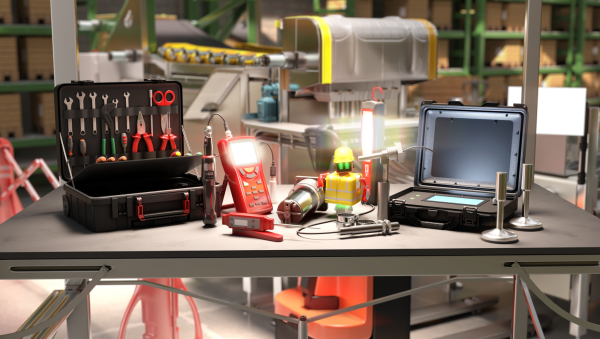
RS’s Own Brand RS Pro to Become a Key Partner for Planned Maintenance

Location: Business
RS South Africa

RS PRO (https://Africa.RSdelivers.com), the own brand of RS, offers a comprehensive selection of over 80 000 products spanning all industries and technologies. Renowned for its quality and extensive range, RS PRO is the Smart Choice for businesses and working environments.

Planned maintenance is a crucial element of every production cycle, and manufacturing companies regularly schedule downtime for this purpose. To support these maintenance activities, RS PRO is excited to announce the expansion of its Planned Maintenance range. This expansion adds over 850 new products across more than 24 categories to our portfolio, providing all the components and materials needed to optimise this essential process.

Building on a broad existing range of over 55 000 products, this expansion aims to offer our customers an ever-expanding and comprehensive choice at a competitive price.

The new range stands out as the go-to solution for minimising downtime and increasing productivity while reducing costs – from monitoring equipment to assess machine performance to having the right parts available when needed. Test & Measurement, Automation Components, Lighting, Cable Accessories, Batteries, Fasteners & Fixings, Lubricants & Greases, Tools, PPE, Site Safety, and Cleaning solutions. RS PRO offers a comprehensive one-brand solution for diverse maintenance needs.

The Planned Maintenance expansion caters to a broad spectrum of sectors, including discrete and process manufacturing, energy & utilities, facilities & intralogistics. With a new range expansion covering 100% of our 80 000-product selection, RS PRO ensures that its unique offering addresses the specific needs of each customer.

In the ever-changing industrial landscape, RS PRO remains steadfast in its commitment to quality and choice, providing customers with a comprehensive range that meets design and compliance specifications at all stages of the product lifecycle.

For more information about RS South Africa's products and services for the Sub-Saharan market, visit their website (https://Africa.RSdelivers.com/) and follow them on LinkedIn (http://apo-opa.co/3YPXcKR) for regular updates on innovative solutions.

Distributed by APO Group on behalf of RS South Africa.

PR Contact Person -
RS South Africa:

Princess Tlou
Communications & Content Specialist
RS South Africa
Princess.Tlou@rsgroup.com
+27 11 691 9366

Media Contact Person –
NGAGE:

Thobile Ndlovu
PR Account Executive
thobile@ngage.co.za
+27 11 867 7763

Further information is available via these links:
Twitter: https://apo-opa.co/3yKqaRJ
LinkedIn: https://apo-opa.co/3YPXcKR
Facebook: https://apo-opa.co/3yKqboL
RS South Africa: www.za.RS-online.com
RS Africa Exports: http://apo-opa.co/3ADBrDT
DesignSpark: http://apo-opa.co/3yKqcZR
RS Group plc: http://apo-opa.co/4cChpai

RS:
RS is a trading brand of RS Group plc, providing product and service solutions that help our customers design, build, maintain, repair, and operate industrial equipment and operations, safely and sustainably. We stock more than 750,000 industrial and electronic products, sourced from over 2,500 leading suppliers, and provide a wide range of product and service solutions to 1.1 million customers.

We support customers across the product lifecycle, whether via innovation and technical support at the design phase, improving time to market and productivity at the build phase, or reducing purchasing costs and optimising inventory in the maintenance, repair, and operation phase. We offer our customers tailored product and service propositions that are essential for the successful operation of their businesses and help them save time and money.

RS Group plc is listed on the London Stock Exchange with stock ticker RS1 and in the year ended 31 March 2023 reported revenue of £2,982 million.

Media files
RS South Africa
Download logo
Read moreRS’s Own Brand RS Pro to Become a Key Partner for Planned Maintenance
18 August 2024

SADC Ordinary Summit expresses concern over attacks on civilians in Palestine

Location: News

SADC Ordinary Summit expresses concern over attacks on civilians in Palestine

The 44th Ordinary Summit of the Southern African Community (SADC) Heads of State and Government has noted with concern, the ongoing attacks on civilians in Palestine.

“[The] Summit noted with concern the relentless attack on civilians in Palestine (Gaza) which has resulted in the loss of lives, destruction of property, and deteriorating humanitarian conditions and called for an immediate cease-fire, the release of all hostages, and the commencement of talks to bring a lasting solution to the conflict,” it said in its communique.

The 44th Ordinary Summit of the SADC was held in held in Harare, Zimbabwe on Saturday.

READ | President Ramaphosa arrives in Zimbabwe for Ordinary SADC Summit 

The gathering elected President of Zimbabwe, Dr Emmerson Mnangagwa, as the Chairperson of SADC, and Madagascar President, Andry Rajoelina as the incoming Chairperson.

The Summit also reiterated the regional call made at the 39th SADC Summit for the unconditional removal of sanctions imposed on Zimbabwe and acknowledged that the sanctions continue to hinder the progress and prosperity of Zimbabweans and the SADC region.

Mpox

The leaders also touched on the Mpox situation on the continent and in the SADC region. 

The Member States welcomed the declaration by the World Health Organisation (WHO) of Mpox as a Public Health Emergency of International Concern (PHIEC). 

The Africa Centres for Disease Control and Prevention (Africa CDC) also declared Mpox as a Public Health Emergency of Continental Security (PHECS).

They have since urged Member States to strengthen disease surveillance, diagnosis testing and clinical care, infection prevention and control as well as awareness raising of the disease at all levels of the community.
“The summit extended solidarity and support to Member States affected by Mpox and further requested the World Health Organisation, Africa CDC and other partners to avail resources towards the Mpox response in the region.”

READ | President Ramaphosa raises concern over rise of Mpox in AU region

Peace and security 

In addition, the leaders reiterated their unwavering support to Mozambique and the Democratic Republic of Congo (DRC) in promoting and consolidating peace, security and stability in the two countries.

“The summit commended His Excellency João Manuel Gonçalves Lourenço, the President of the Republic of Angola, for his efforts to bring lasting peace to the security challenges in the Eastern Democratic Republic of Congo through the Luanda Process and brokering a cease-fire agreement between the DRC and Rwanda and called on the two countries to cease all hostilities.” 

They also endorsed the establishment of the Office and the structure of the Special Representative of SADC and Head of Mission of SADC Mission in the DRC (SAMIDRC). 

Elections

In addition, the leaders noted the SADC electoral calendar for the remaining part of 2024, which includes elections in Botswana and Mozambique in October. Elections will take place in Namibia in November and Mauritius on a date still to be determined.

The summit wished the Member States successful elections.

Economic growth and climate change 

The gathering also endorsed the theme of the 44th SADC Summit of Heads of State and Government, titled ‘Promoting Innovation to unlock opportunities for sustained economic growth and development towards an Industrialised SADC’. 

The theme recognised that innovation is a fundamental instrument with significant potential to drive priority sectors of manufacturing, mineral beneficiation and agro-processing to enhance the industrialisation and economic growth of the SADC region.

The SADC Member States also committed to take the necessary measures at the regional and national levels to address the challenges faced by people with albinism. 

“The summit urged Member States to continue monitoring weather and climate risks, including the forecasted La Niña event and develop contingency measures to mitigate the impact of disasters.” – SAnews.gov.za
 

Gabisile
Sun, 08/18/2024 - 14:40

100 views
Read moreSADC Ordinary Summit expresses concern over attacks on civilians in Palestine
15 August 2024

Public Procurement Bill to redress women socio-economic exclusion

Location: News

Public Procurement Bill to redress women socio-economic exclusion

Women, Youth and Persons with Disabilities Minister, Sindisiwe Chikunga, says the Public Procurement Bill provides the department with an opportunity to advocate and mainstream tangible models and interventions to redress the ongoing socio-economic exclusion of women, youth and persons with disabilities.

Chikunga commended the significant efforts by President Cyril Ramaphosa after signing into law the Public Procurement Bill last month, which aims to create a single framework that regulates public procurement, including preferential procurement, by all organs of State, with the necessary efficiency, cost-effectiveness and integrity.

“As a department, we will be bringing forward tangible interventions through which this legislation will serve to redress the longstanding and ongoing socio-economic exclusion of women, youth and persons with disabilities,” Chikunga said.

Addressing a dialogue on Women, Democracy and Leadership in South Africa at the University of South Africa (UNISA) on Thursday, Chikunga also commended President Ramaphosa, as the Chairperson of the African Union in 2020, for putting forward a number of recommendations for the advancement of women on the continent, which have been adopted by AU Heads of State.

READ | Government, business partnership begins to flourish

Increase in support for women entrepreneurs

Chikunga also acknowledged a surge in the establishment, growth and support of women-owned businesses in key sectors, including energy, tourism, agriculture, the ocean economy, and manufacturing.

According to the most recent Mastercard Index of Women Entrepreneurs (MIWE), South Africa ranks as the second highest country in Africa in terms of its proportion of women-owned businesses and the formal support available for women entrepreneurs.

The Global Entrepreneurship Monitor (GEM) Women’s Entrepreneurship Report also revealed that women in countries like South Africa are among the most innovative and high-growth entrepreneurs in the world.

“There is sufficient evidence that reaffirms the importance of women entrepreneurs in contributing to the overall productivity and transformation of our economy through diversifying industries, innovation, and fostering economic resilience.

“In addition, women-owned businesses contribute to the creation of employment opportunities, promote inclusive supply chains, and stimulate local economies,” Chikunga said.

Women economic advancement in the Continent

Chikunga further underscored the importance of the adoption of the Decade for African Women’s Financial Inclusion and Gender Equality, 2020-2030.

“This is a critical initiative for the women of Africa, given that the lack of access to finances hinders their socio-economic progress, and thwarts their ability to have ownership and control over resources such as land, businesses and property,” Chikunga said. 

She added that women’s access to markets continues to be a challenge for women on the continent, especially access to trade and global markets.

The Minister argued that the African Continental Free Trade Area Agreement (AfCFTA) will open doors for global trade and markets for women, and “this is of huge importance to the women in South Africa to leverage on the opportunities this AfCTA promises for the economic empowerment and wealth creation for women in Africa”.

“Africa must be Africa’s biggest trading partner and demand for products across the continent offers African women the opportunity to be suppliers to this demand. Joint initiatives of pooling resources in this regard will help grow women businesses, provide the necessary skills and training required for this, and open markets and export trade opportunities,” Chikunga said. – SAnews.gov.za


GabiK
Thu, 08/15/2024 - 13:49

284 views
Read morePublic Procurement Bill to redress women socio-economic exclusion
  • Previous
  • Page 1
  • Interim pages omitted …
  • Page 8
  • Page 9
  • Page 10
  • Page 11
  • Page 12
  • Interim pages omitted …
  • Page 16
  • Next

Copyright © 2026 · MyZA · All Rights Reserved · Powered by Stratlec Online