• Skip to main content
  • Skip to header right navigation
  • Skip to after header navigation
  • Skip to site footer
MyZA

MyZA

News, Directory, Events and Other Stuff

  • Social Media
  • Sport
  • World News
  • Home
  • Submit News
  • Directory
  • Events
  • Stratlec
  • TFSA
  • News
    • APO
    • Today’s Sport News
    • Todays Social Media and Tech Headlines
    • Today’s World News
    • Today’s SA Financial News
  • Contact
You are here: Home / Archives for Manufacturing

Manufacturing

21 October 2024

Europe’s Network and Information Security (NIS2) directive raises the stakes for African businesses to comply with European Union’s (EU) cyber security standards
Location: News
Check Point Software Technologies Ltd.

The European Union's NIS2 cyber security  directive has significant implications for African businesses trading with the continent.  This is according to Check Point Software Technologies (www.CheckPoint.com), a leading AI-powered cloud-delivered cyber security provider, which urges African businesses with strong ties to the EU to take steps to comply with this new, stringent cyber security regulation.

Download document: https://apo-opa.co/3UgCQYj

The European Union's NIS2 Directive, came into effect this month and requires member states to amend their national legislation. The NIS2 Directive imposes strict cyber security requirements, including enhanced management liability, reporting to authorities, risk management, and business continuity planning, placing African companies trading with the EU under increased scrutiny.

The NIS2 Directive builds upon the original NIS1 Directive introduced in 2016, expanding its scope to cover a wider range of sectors including Energy, Banking, Transport, Digital Infrastructure, Healthcare, Food Production, and Research. More than 80% of European enterprises are now within the scope of this legislation, which extends to global supply chain partners—including many businesses in Africa.

Collins Emadau, Check Point Partner and Director at Westcon, explains, “Europe is still Africa's leading trading partner. African businesses, particularly in leading economies such as South Africa, Kenya, and Nigeria, need to understand the far-reaching impact of NIS2. Compliance is not just about meeting EU standards—it's about securing their future in a globalised market. Failure to comply will result in not only heavy fines but also the potential loss of critical trade partnerships with EU member states."

What's at Stake for African Businesses?

The EU remains the largest trading partner for Africa, with over 18 Economic Partnership Agreements and trade worth billions annually. African businesses, especially in sectors like Energy, Banking, Transport, and Manufacturing, are key partners in the EU's supply chains. To continue doing business with EU companies, African organisations must comply with NIS2, which mandates strict cyber security measures to protect critical infrastructure and supply chains.

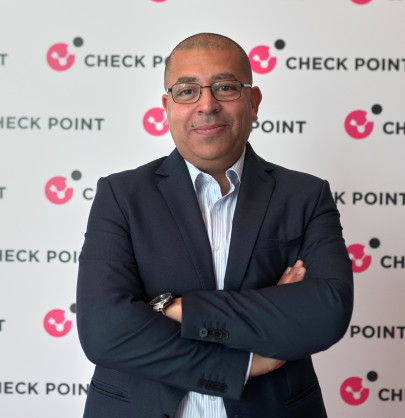
Issam El Haddioui, Head of Security Sales Engineering:  Africa, Check Point Software Technologies, says, "NIS2 sets a new standard for cyber security, and African businesses must act now. Many organisations are unaware of the depth of these requirements, which go beyond local regulations. Compliance is essential not only for maintaining business relationships with the EU but also for enhancing the overall resilience of African economies against cyber threats."

Compliance will exact a cost for African organisations, which according to Interpol's 2021 Africa Cyberthreat Assessment Report, spends an average of only 0.05% of their revenue on cyber security, far below the global average of 0.3-0.5%.  The Report also estimated the financial impact of cyber crime in the region at over $4 billion USD, representing about 10 percent of Africa's total GDP.

Tougher Penalties and Personal Responsibility

NIS2 introduces personal liability for business leaders in the event of a cyber attack, meaning that executives themselves can be held financially accountable for breaches. Penalties include fines of up to EUR 7 million or 1.4% of a company's global annual turnover, whichever is higher. This goes beyond the GDPR, placing even more responsibility on corporate leadership to ensure robust cyber security practices are in place.

NIS2 mandates that organisations must report cyber incidents to authorities promptly and inform their stakeholders, suppliers, and customers. Therefore, African businesses must ensure they have a comprehensive incident response plan in place, along with regular cyber security training for both IT and leadership teams.

Steps for African Businesses to Ensure Compliance

To successfully implement NIS2 and avoid devastating penalties, Check Point recommends the following four steps for African businesses:

  1. Knowledge: Business leaders must gain a basic understanding of cyber security to effectively communicate with their IT teams and ensure sound decision-making.
  2. People: Establish an agile IT security department, including key roles such as a Data Protection Officer (DPO) and a Chief Information Security Officer (CISO), to manage and distribute responsibilities efficiently.
  3. Audit: Conduct regular risk assessments and audits to identify and mitigate vulnerabilities. Continuous monitoring is essential to stay compliant with evolving threats.
  4. Incident Management: Develop clear procedures for responding to cyber incidents, including swift reporting to national authorities, suppliers, and stakeholders.

Long-Term Commitment to Cyber Security

Compliance with NIS2 is not a one-time process; it requires a long-term commitment to cyber security. From 2028, organisations will be required to annually document their NIS2-compliant IT infrastructure and demonstrate that their cyber security measures are aligned with the latest technological advancements.

“African countries, especially economic leaders like South Africa, Kenya, and Nigeria, should also consider using the NIS2 framework as a model for strengthening their own national cyber security regulations. By improving cyber-readiness, African businesses can not only comply with international standards but also protect their data, operations, and reputations from evolving threats,” El Haddioui continues.

El Haddioui, concludes, "The NIS2 Directive marks a significant shift in the cyber security landscape. African business leaders must recognise that cyber security is now a matter of survival, not just compliance. By taking proactive measures, they can safeguard their future, avoid heavy penalties, and ensure their organisations thrive in an increasingly interconnected global economy."

Distributed by APO Group on behalf of Check Point Software Technologies Ltd..

Follow Check Point via:
LinkedIn: https://apo-opa.co/48bWAC1
X: https://apo-opa.co/3Uh9uJo
Facebook: https://apo-opa.co/40cvTLl
Blog: http://apo-opa.co/4e2KjBm
YouTube: https://apo-opa.co/48wjFQd

About Check Point Software Technologies Ltd.:
Check Point Software Technologies Ltd. (www.CheckPoint.com) is a leading AI-powered, cloud-delivered cyber security platform provider protecting over 100,000 organisations worldwide. Check Point leverages the power of AI everywhere to enhance cyber security efficiency and accuracy through its Infinity Platform, with industry-leading catch rates enabling proactive threat anticipation and smarter, faster response times. The comprehensive platform includes cloud-delivered technologies consisting of Check Point Harmony to secure the workspace, Check Point CloudGuard to secure the cloud, Check Point Quantum to secure the network, and Check Point Infinity Core Services for collaborative security operations and services.

Media files
Check Point Software Technologies Ltd.
Download logo
Read moreEurope’s Network and Information Security (NIS2) directive raises the stakes for African businesses to comply with European Union’s (EU) cyber security standards
16 October 2024

SARS grants special permission for importation of jet fuel

Location: News

SARS grants special permission for importation of jet fuel

South African Revenue Service [SARS] Commissioner, Edward Kieswetter has granted special permission for the importation of jet fuel, known as kerosene, after the industry raised concerns about the threat of fuel shortage.

The Fuels Industry Association of South Africa warned that this could disrupt operations at O.R. Tambo International Airport and other airports, which include King Shaka International Airport.

Following Monday’s media statement by SARS about an engagement with industry to avert fuel shortages at all airports, the revenue service announced that special permission for the importation of kerosene was granted after careful consideration from 21 October 2024 until 20 October 2025.

“The special permission is granted to allow parties to attend to the complexities involved in the process of the deregistration of manufacturing warehouses and reregistration of affected storage facilities.

“The Commissioner requests all parties to conclude the outstanding work urgently and ensure that all compliance requirements are met, and that the current licensing provision, in respect of the importation of kerosene fuel and its derivatives, may be confirmed where appropriate.

“Every taxpayer that is involved will be communicated with individually, in line with their applicable circumstances. SARS believes that this announcement will bring certainty to the industry, which will benefit the country’s economy and enable everyone to travel smoothly,” the revenue service said on Tuesday.

The Fuels Industry Association of South Africa had warned that the supply of aviation kerosene is facing severe threat due to regulatory delays in the licensing of import storage facilities.

READ | SARS to engage fuel industry on shortage of jet fuel

-SAnews.gov.za

nosihle
Wed, 10/16/2024 - 09:15

78 views
Read moreSARS grants special permission for importation of jet fuel
15 October 2024

PRASA committed to fostering a skilled workforce

Location: News

PRASA committed to fostering a skilled workforce

The Passenger Rail Agency of South Africa (PRASA) has asserted that it remains committed to fostering a skilled and innovative workforce to drive the future of rail. 

As one of the strategies that it is implementing to attract a skilled workforce for the future of rail, the agency is engaging young learners, with the intention to empower and inspire the next generation to pursue careers in the rapidly evolving industry.

On Monday, the agency’s Group Chief Executive Officer (GCEO) Hishaam Emeran addressed about 70 learners from Mamelodi, Soshanguve, Lyttelton, Soweto, Tembisa, and Kempton Park at PRASA’s first ever career day held its headquarters in Johannesburg. 

READ | PRASA to expose learners to careers in the rail industry 

Emeran encouraged learners to consider a career in rail as the agency needs a new generation of leaders.

“PRASA is turning around, and we need a new generation of leaders. There is a future for you at PRASA, and the PRASA of the future will need new skills, new  innovation, and you are the generation that can drive that innovation,” Emeran said on Monday.

Emeran, who has an engineering background reaffirmed the agency’s commitment and aspirations to restore and revitalise passenger rail as the backbone of South Africa’s public transport.

During his address he provided an overview of what the agency does under its two primary mandates – providing transport services and generating additional revenue from its assets such as key stations. 

He also shared PRASA’s ongoing rail rebuilding milestones, including the rollout of world-class trains across the country and the development of student accommodation at Cape Town Station, which are positively impacting communities.

“Working for PRASA or a state-owned entity is a noble profession. You are changing the lives of millions of people. One day, you could be in my position, addressing learners like yourselves,” Emeran said.

PRASA’s Chief Engineer of Signals and Telecommunications Pabalelo Nkwe shared his personal journey and insights into the diverse career options within PRASA TECH.

“You can pursue a career in civil engineering to become a Perway Engineer with key focus on maintenance and engineering works for bridges; structures and railway tracks, mechanical engineering, electro-mechanical and mechatronics if you are interested in maintenance and engineering of the rolling stock/trains, or electrical engineering (Heavy Current) to become an Overhead Traction Equipment (OHTE) or substation engineering specialist or like me, pursue a career in Electrical Engineering (Light Current) and specialise in Railway Signalling and Telecommunications,” Nkwe said.

The event concluded with a trip to the Gibela manufacturing plant where PRASA’s new blue and white modern trains - Isitimela Sabantu - are manufactured. 

The Gibela team explained that it is manufacturing 600 trains for PRASA and 245 of these trains have been manufactured. Learners were given a tour of the facility and a first-hand look at the production process, sparking great excitement and interest. - SAnews.gov.za

nosihle
Tue, 10/15/2024 - 14:48

37 views
Read morePRASA committed to fostering a skilled workforce
15 October 2024

African Development Bank and Absa Unveil Multi-Billion Rand Financial Package to Expand Sustainable Capital Markets, Boost Economic Growth for Women and Youth

Location: Business

African Development Bank Group (AfDB)
Download logo

The African Development Bank (www.AfDB.org) and Absa Group, one of Africa's leading financial services providers, today celebrated a landmark agreement to mark the execution of a transformative financial package aimed at increasing funding for underserved segments, across South Africa and the continent. The target audience includes women-owned businesses, youth entrepreneurs, and small and medium-sized enterprises (SMEs).

In addition to enhancing Absa's regulatory capital, the facility will promote access to finance, deepen domestic capital markets, and ensure continued access to global supply chains for issuing banks in regional member countries, including low-income and fragile states.

The financial package includes:

  • A subordinated sustainability-linked (Tier 2) loan amounting to R1.7 billion, complemented by a non-financial support package of R18 million for capacity building and technical assistance targeted at SMEs, youth, and women-owned enterprises.
  • Subscription of R1 billion into Absa's inaugural social (Tier 2) bond issuance, with proceeds earmarked for providing affordable housing loans to female homeowners.
  • A trade finance Risk Participation Agreement (RPA) facility valued at $150 million, designed to underwrite the risks of trade transactions originated by African issuing banks, reinforcing Absa's role as a regional bank.

Several components of the package have already been executed, including the successful issuance of Absa's first Tier 2 social bond on the Johannesburg Stock Exchange in July 2024. The R1 billion proceeds from this bond will be allocated towards affordable housing loans specifically targeting women, empowering them as first-time homeowners in low-income segments.

Leila Mokaddem, Director General of the African Development Bank's Southern Africa Region, stated: “This partnership with Absa Group underscores our commitment to driving sustainable and inclusive economic growth across Africa. Through this financial package, we are not only fortifying Absa's capital base but also ensuring that essential funding reaches women, youth, and entrepreneurs, fostering a more equitable and prosperous continent. This collaboration aligns seamlessly with our strategic priorities of supporting Africa's industrialization and enhancing the quality of life for its people. “

Absa has secured a R1.7 billion sustainability-linked Tier 2 loan aimed at general corporate business purposes while incentivizing the extension of finance products to women-owned SMEs as a key performance indicator. As part of this agreement, Absa is collaborating with the African Development Bank to enhance skills among both Absa staff and women business owners. A capacity-building training program has been launched to address the unique challenges faced by female and youth entrepreneurs, by providing mentorship and financial solutions.

Charles Russon, Absa Group interim CEO designate remarked: “The finalisation of this package concludes a three-year process that significantly enhances our capacity to fund social initiatives aligned with our commitment to being a force for good. This partnership enables us to increase funding for women and youth in South Africa while facilitating greater trade opportunities across the continent. “

“This partnership aligns with the African Development Bank's strategic objectives of advancing green, social, and sustainability instruments in the domestic capital markets, supporting African capital market development and regional financial integration,” said Ahmed Attout, Director of the Financial Sector Development Department at the African Development Bank. He emphasised that it is designed to empower Absa to effectively disburse funds for highly impactful social and sustainable economic development initiatives.

The $150 million trade finance facility will drive trade support across Africa, addressing the continent's annual trade finance gap of over $100 billion. This initiative will enhance access to financing for key sectors such as agriculture, transport, and manufacturing, while fostering financial sector development and regional integration.

Distributed by APO Group on behalf of African Development Bank Group (AfDB).

Contact:             
African Development Bank:  

Natalie Naudé,
Communication and External Relations Department,
email: media@afdb.org

Technical Contacts:
Peter Onyango,
Chief Capital Markets Officer,
Financial Sector Development Department,

Bleming Nakati,
Regional Lead,
Private Sector Operations, Southern Africa

Absa:
Carli Cooke,
Head of Media Relations,
email : prmedia@absa.afrca

About the African Development Bank Group:
The African Development Bank Group is Africa's premier development finance institution. It comprises three distinct entities: the African Development Bank (AfDB), the African Development Fund (ADF) and the Nigeria Trust Fund (NTF). On the ground in 41 African countries with an external office in Japan, the Bank contributes to the economic development and the social progress of its 54 regional member states. For more information: www.AfDB.org

About Absa Group:
Absa Group Limited (‘Absa Group') is listed on the Johannesburg Stock Exchange and is one of Africa's largest diversified financial services groups.  Absa Group offers an integrated set of products and services across personal and business banking, corporate and investment banking, wealth and investment management and insurance.  

Absa Group owns majority stakes in banks in Botswana, Ghana, Kenya, Mauritius, Mozambique, Seychelles, South Africa, Tanzania (Absa Bank Tanzania and National Bank of Commerce), Uganda and Zambia and has insurance operations in Botswana, Kenya, Mozambique, South Africa and Zambia. Absa also has offices in China, Namibia, Nigeria and the United States, as well as securities entities in the United Kingdom and the United States, along with technology support colleagues in the Czech Republic. 

For further information about Absa Group Limited, visit www.Absa.africa. 

Read moreAfrican Development Bank and Absa Unveil Multi-Billion Rand Financial Package to Expand Sustainable Capital Markets, Boost Economic Growth for Women and Youth
14 October 2024

PRASA to expose learners to careers in the rail industry

Location: News

PRASA to expose learners to careers in the rail industry

The Passenger Rail Agency of South Africa (PRASA) will today host a career day aimed at exposing about 70 learners from Mamelodi, Soshanguve, Soweto, Tembisa, and Kempton Park to diverse career paths within the agency and the broader rail industry.

“During the day, the group of learners will have the unique opportunity to get first-hand experience of the manufacturing process of the new world-class modern blue and white trains, known as Isitime Sabantu, at the state-of-the-art Gibela Manufacturing plant, and ignite their curiosity in the production of trains,” PRASA said of Monday’s career day.

The learners will also hear from industry professionals from Gibela, the Gautrain and the Transport Education Training Authority, who will share their personal career experiences and opportunities in the rail sector.

In addition, PRASA teams from Human Capital, PRASA TECH, and PRASA CRES (Corporate Real Estate Solutions) will be present to provide further career guidance.

The PRASA Career Day marks the launch of PRASA’s commitment to community development initiatives, aimed at reaching the communities it serves, and the start of many more similar initiatives nationally.

The event is a collaborative effort with partners such as the Gibela Rail Transport Consortium, Gautrain, Transport Education Training Authority (TETA) and the City of Joburg.

It comes at a time when PRASA is making significant strides in restoring the passenger rail network and services, offering a platform for aspiring youth to dream big and consider a future career in rail. - SAnews.gov.za

nosihle
Mon, 10/14/2024 - 08:28

39 views
Read morePRASA to expose learners to careers in the rail industry
12 October 2024

Committee on Agriculture Wraps Its Oversight Visit to OBP and ARC With Success in Tshwane

Location: News

Republic of South Africa: The Parliament
Download logo

The Portfolio Committee on Agriculture has concluded its week-long oversight visit to Onderstepoort Biological Products (OBP) and Agricultural Research Council (ARC) with success in Tshwane. Both visits were aimed at assessing progress in the modernisation of a vaccine manufacturing plant by OBP and the construction of the foot and mouth disease facility by the ARC.

The committee had fruitful and productive engagements with board chairpersons and executive managers of both entities. Furthermore, the committee had an opportunity of rich and memorable exposure through walkabouts at both entities. “We have seen these entities physically and we now have a clearer picture of each of them,” said the Chairperson of the committee, Ms Dina Pule.

Ms Pule described the visits as a great success. She said as the committee, they can say without fear of contradiction that the objective of the visit has been achieved. “The committee has a better understanding of the challenges that are experienced by both entities and had an opportunity to share some insights with them to take them to the higher heights,” said Ms Pule.

The visit also provided the committee with an opportunity to interact with scientists, and researchers. The committee wrapped-up the oversight programme with a visit to the ARC's Plant Health and Protection (ARC-PHP) and ARC's Vegetable, Industrial and Medicinal Plants Institute (ARC-VIMP) in Roodepoort.

The ARC-PHP provides specialist knowledge on organisms that threaten agricultural crops in natural environment, to protect arable land, water resources, natural biodiversity and food security. Its focus is on promoting economic and environmentally acceptable, management strategies for pests, plant diseases, weeds and invasive plants.

The committee was happy to learn that ARC also offers a mobile health clinic. The plant supports small-scale farmers, it creates networks and serves as a mechanism to monitor pests and diseases. The clinic is furnished with basic equipment and accessories to facilitate training and plant health diagnostic services to smaller farmers. The committee heard that the entity is in the process of procuring more mobile clinics.

As part of walkabouts that were conducted at AC-PHP, the committee was taken to an upgraded fully operational plant pathogen facility. It was also taken to an interactive exhibition which showcased some of the products produced by both ARC-PHP and ARC VIMP.

Ms Pule committed the committee to playing its role and called on all other role-players to ensure that these entities meet the objectives for which they were created to add a meaningful value in the broader ecosystem of the South African economy. She said agriculture is one of the major sources of the South African economy and based on that reality all its components must be fully activated and used to their fullest potentials.

Distributed by APO Group on behalf of Republic of South Africa: The Parliament.

Read moreCommittee on Agriculture Wraps Its Oversight Visit to OBP and ARC With Success in Tshwane
8 October 2024

Government discussing reduction in administered prices, including petrol

Location: News

Government discussing reduction in administered prices, including petrol

Government is in discussions to intervene in the reduction of administered prices, including the petrol price, in South Africa.

This is according to Minerals and Petroleum Resources Minister Gwede Mantashe, who was delivering the welcome address at the Africa Oil Week 2024 on Tuesday in Cape Town.

Mantashe explained that the price of fuel directly influences the cost of living for South Africans.

“If the fuel price goes up, the cost of living goes up, which is not good for our society. To make life more affordable for all South Africans, we have already begun discussions on reducing administered prices, including the price of fuel and electricity. Included in the discussions of fuel prices are discussions on, but not limited to, the general fuel and the Road Accident Fund levies.

“In the fuel price, there is the general fuel levy, there is the Road Accident Fund linked to the price of fuel. Our argument is that you are distorting the price of fuel. Let’s find a formula of separating them and have the price of fuel visible, and when there is intervention in the fuel price, we can see it (sic),” the Minister said.

He said government intends to conclude those discussions “in the shortest possible time”.

Boosting economic growth

Mantashe said government is making concerted efforts to develop the country’s petroleum resources in an equitable way.

In that regard, he said, the Upstream Petroleum Resources Development Bill is ready for assent by President Cyril Ramaphosa after it was passed by both Houses of Parliament.

“This is the first of its kind in South African history as the Upstream Petroleum Industry has always been regulated as an appendage to other industries. 

“We are convinced that once the bill is enacted into law, it will not only pave the way for an orderly development of the Upstream Petroleum Industry but will boost the country’s economic growth to 8% as is the case with Namibia which increased its potential to double its economy by 2040 on the back of its recent discoveries of oil and associate gas,” he said.

The South African National Petroleum Company (SANPC) has also been established to “ensure that South Africans enjoy maximum benefits from their national patrimony, their petroleum resources” and to “carry the State share in petroleum projects and exploit some resources in its own right”.

“The [SANPC] Bill is undergoing Cabinet processes ahead of its onward transmission to Parliament for consideration and adoption. The enactment of the bill into law will enable the SANPC to operate as South Africa’s leading player in the petroleum industry, thereby ensuring energy security, foster partnerships, and propel economic growth on the back of petroleum resources.

“Additionally, the Petroleum Products Amendment Bill is also undergoing Cabinet processes for approval to publish for stakeholder comments. The bill seeks to, firstly, promote the transformation of the petroleum and liquid fuels sector by encouraging participation and equity; secondly, ensure that the persons involved in the manufacturing or sale of liquid fuels are regulated, and lastly, to ensure that the petroleum sector contributes to the country's economic development,” Mantashe said. – SAnews.gov.za

NeoB
Tue, 10/08/2024 - 11:12

209 views
Read moreGovernment discussing reduction in administered prices, including petrol
7 October 2024

SA, Botswana strengthen economic ties

Location: News

SA, Botswana strengthen economic ties

South Africa and Botswana have committed to strengthening economic ties between the two countries and reducing the barriers that currently impede the free flow of goods.

The commitment was made during a meeting between the Deputy Minister of Trade, Industry and Competition Zuko Godlimpi and the Botswana Minister of Trade and Industry Mmusi Kgafela in Pretoria recently.

The two discussed the promotion of trade and investment and committed to addressing key challenges hindering the full potential of economic cooperation between the two countries.

They also reaffirmed their commitment to strengthen economic ties, deepening communication on trade relations, and fostering mutually beneficial investment opportunities that contribute to sustainable industrial development and employment creation for both countries.

Deputy Minister Godlimpi and Minister Kgafela emphasised the importance of simplifying trade processes and reducing the barriers that currently impede the free flow of goods. 

The two also discussed possible cooperation in areas of mutual interest where investment cooperation can be expanded such as manufacturing, agriculture, transport, and other services sectors.

A central part of the discussions focused on addressing existing challenges, including non-tariff barriers, regulatory obstacles, and market access issues that have hindered trade growth. 

Both countries agreed to establish a bilateral working group to identify and resolve these challenges to ensure a fair and open trading environment.

Both delegations expressed optimism about the future of their economic partnership and agreed to hold and sustain regular consultations to monitor progress and explore new areas of cooperation. – SAnews.gov.za

Edwin
Mon, 10/07/2024 - 11:28

88 views
Read moreSA, Botswana strengthen economic ties
7 October 2024

Massive budget increase for TERS

Location: News

Massive budget increase for TERS

In a bid to cushion companies in distress and prevent job losses, the Department of Employment and Labour has significantly increased its Temporary Employer-Employee Relief Scheme (TERS) budget from R400 million to R2.4 billion for the current financial year.

In a statement issued on Sunday, the department said this significant boost aims to assist companies in distress and prevent employee layoffs amid unstable economic conditions, as revealed by Employment and Labour Minister Nomakhosazana Meth.

TERS is an intervention by the department that provides financial assistance to companies in distress for up to 12 months. The scheme enables employers to retain employees by covering their salaries while the company focuses on implementing a turnaround strategy to remain operational. 

During this period, employers are only required to cover employee social costs such as provident fund and medical aid contributions. 

Productivity SA, an entity under the department, offers turnaround strategy solutions to companies in distress. 

Minister Meth urged companies experiencing financial challenges to participate in the scheme as soon as they notice signs of distress.

"The nature and degree of distress will be objectively measured through indicators including but not limited to a decline in revenue. The application process for TERS begins at the Commission for Conciliation, Mediation and Arbitration (CCMA) and is entirely free of charge. There are no application, initiation, or administration fees required," said Meth. 

A single adjudication committee administered by the CCMA evaluates all TERS applications for eligibility using a combination of indicators.

Rationale for the budget increase

The expanded budget comes in response to the country’s ongoing economic challenges, which have resulted in significant job losses across various sectors. 

Recent reports from the CCMA reveal that while 14 887 jobs were saved through interventions during the 2023/2024 financial year, over 22 500 employees were still retrenched. 

The number of job losses, particularly in key industries, necessitated an adjustment in the budget to enhance TERS.

“The increase in the TERS budget is a proactive response to volatile economic trends that threaten the livelihoods of impoverished workers and the sustainability of businesses. Our goal is to preserve jobs and support companies facing financial difficulties.

“Furthermore, the increase in the scheme's capacity, aims to reduce the risk of further retrenchments and support economic stability,” Meth said. 

The highest number of job losses were recorded in the following sectors:
• Mining: 5 153 job losses.
• Manufacturing: 2 125 job losses.
• Telecommunications: 1 680 job losses.

Since its inception, TERS has been instrumental in supporting a wide range of industries severely impacted by economic challenges. 

The following sectors have notably benefited from the scheme: 
• Hospitality and tourism: hotels, restaurants, and travel agencies affected by decreased tourism.
• Manufacturing: factories experiencing reduced demand and supply chain disruptions.
• Retail: non-essential retail businesses facing reduced consumer spending.
• Transportation: bus services, and logistics companies dealing with decreased operations.

TERS has facilitated the retention of hundreds of thousands of jobs by providing salary support to employees who might otherwise have been laid off. It continues to play a significant role in stabilising the economy during turbulent times, ensuring a quicker path to recovery by alleviating the financial burden on companies.

Application requirements

Employers seeking to participate in the TERS scheme will be required to provide documentary evidence for evaluation:
• Audited Annual Financial Statements for the past two financial years.
• Independently Reviewed Annual Financial Statements for companies not legally required to be audited, covering the past two financial years. 
• Independently Reviewed Management Accounts with comparative figures if the latest financial statements are older than three months.
• Termination of Contract and Bank Statement for individual applicants.
• Business Case outlining the triggers for distress and proposed remedial actions.

With the expanded budget, the department said it hopes that more businesses will participate in the scheme, preventing further job losses and helping to build resilience within South Africa's economic landscape. - SAnews.gov.za


DikelediM
Mon, 10/07/2024 - 11:01

212 views
Read moreMassive budget increase for TERS
6 October 2024

Man arrested for forging car license disks in Kuruman

Location: News

Man arrested for forging car license disks in Kuruman

A 48-year-old Tanzanian citizen appeared in court this week for allegedly manufacturing and selling fraudulent vehicle license discs.

Vincent Christian Mkumbo made a brief appearance before the Kuruman Magistrate’s Court on Friday for alleged cyber fraud, alternatively fraud, alternatively forgery and uttering.

According to the police, it is alleged that the Tanzanian citizen manufactured and sold fraudulent vehicle license discs. He would give clients a printout of the same license disc with an extended expiration date or which he renewed for an amount of R350.

On Thursday, a search and seizure operation was conducted at Promise Land, Kuruman.

“During the search, a red and black USB memory stick and the accused’s cellphone were seized for further investigation. The accused was immediately apprehended by the Hawks’ Serious Corruption Investigation team.

“Mkumbo was released on R500 bail with the condition of informing the investigating officer about his movements out of Kuruman at all times,” said the police.

The case was postponed to 5 December 2024. – SAnews.gov.za
 

Janine
Sun, 10/06/2024 - 10:30

138 views
Read moreMan arrested for forging car license disks in Kuruman
2 October 2024

SMEs critical to economic growth

Location: News

SMEs critical to economic growth

The role of Small and Medium Enterprises (SMEs) in driving economic diversity and fostering innovation to boost competitiveness is critical. 

This is according to Deputy Minister of Trade, Industry, and Competition, Andrew Whitfield, who was speaking during a panel discussion at the London Stock Exchange on the role of small businesses in the economy.

Whitfield is currently in the United Kingdom, accompanying Deputy President Paul Mashatile on a mission to promote South Africa as a leading investment destination. 

This high-level delegation aims to strengthen bilateral relations between South Africa and the United Kingdom, showcasing South Africa's vast investment potential while identifying new trade opportunities for local businesses.

In his address, Whitfield highlighted the broad range of support mechanisms available to South African SMEs through the Department of Trade, Industry, and Competition (the dtic).

"At the dtic, we have developed several industrial levers, including competition policy and export marketing assistance, to ensure that SMEs have the tools to expand and trade globally.

“We are also deeply engaged in conversations around digital transformation, enabling marginalised SMEs, particularly in sectors like agro-processing to access global value chains and participate on digital platforms,” he said.

Whitfield emphasised that supporting SMEs through digital platforms was crucial for ensuring that they can compete not only regionally but also globally. 

He stressed the importance of reducing market access barriers for sectors like agriculture, which remains a vital area of growth for SMEs and enhancing collaboration between the private and public sectors to create a conducive trading environment.

He addressed the broader role of SMEs in South Africa’s industrial policy, highlighting the need for targeted interventions that enable them to participate in high-growth sectors such as manufacturing, technology and agro-processing.

"The export potential for South African SMEs is enormous, and we are committed to scaling them up to ensure they are integrated into both regional and global value chains. Through our policies, we aim to create an ecosystem that supports rapid and inclusive growth.

“This is essential for job creation and for ensuring that SMEs can contribute meaningfully to the industrialisation of our economy," he added.

Furthermore, Whitfield touched on the need for removing red tape and bureaucratic barriers that hinder SME growth, stressing the importance of regulatory reform as part of South Africa’s economic recovery strategy.

As the delegation continues its engagements in the UK, Whitfield emphasised that partnerships between government and private sector entities, particularly in sectors like agriculture and technology, would be pivotal in unlocking future opportunities.

"We have had promising discussions around agricultural products and solutions for SME growth, and we’re committed to ensuring that companies investing in South Africa make deliberate efforts to partner with small and medium-sized enterprises. 

“We believe that such partnerships, coupled with digital transformation, will play a major role in positioning SMEs to thrive in global markets," he said.

Whitfield reaffirmed South Africa’s commitment to creating an enabling environment that will attract investments and spur growth across various sectors of the economy. – SAnews.gov.za

Edwin
Wed, 10/02/2024 - 14:45

297 views
Read moreSMEs critical to economic growth
1 October 2024

Limpopo police discover drug lab, seize mandrax worth R4 million

Location: News

Limpopo police discover drug lab, seize mandrax worth R4 million

A joint operation involving the Limpopo Provincial Organised Crime Unit, Limpopo Provincial Flying Squad and Lebowakgomo police has led to the discovery of a drug lab at the Makotse village in Lebowakgomo, on Sunday. 

Drugs valued at approximately R4 million were seized and three suspects aged between 25 and 33 were arrested.

“The police discovered a significant quantity of mandrax at the suspect’s residence and located a nearby drug manufacturing lab containing various chemicals and substances used in drug production.

“The SAPS Forensic Science Laboratory has been alerted to investigate the drug lab further. Security measures will remain in place at the site until the investigation is completed,” said the police.

Acting Provincial Commissioner of Police in Limpopo, Major General Samuel Manala, commended the collaborative efforts of the various law enforcement agencies involved in the operation aimed at dismantling drug-related crimes in the province.

The suspects appeared before the Thabamoopo Magistrate's Court on Monday facing charges of possession and dealing in drugs. 

Their case has been postponed to 7 October 2024 for a formal bail application. – SAnews.gov.za
 

Edwin
Tue, 10/01/2024 - 10:21

161 views
Read moreLimpopo police discover drug lab, seize mandrax worth R4 million
30 September 2024

GNU working to build an inclusive economy

Location: News

GNU working to build an inclusive economy

Deputy President Paul Mashatile has reiterated government’s commitment to building an inclusive economy in South Africa and has assured Londoners that the Government of National Unity (GNU) is working around the clock to make this a reality. 

The country’s second-in-command was speaking on Monday at the Bloomberg roundtable discussion in London, during his second leg of a weeklong working visit, which kickstarted today. 

The Deputy President is in the United Kingdom to engage with leaders with the hope of improving trade and investment relations between the two nations, following a successful visit to Ireland.

“My delegation and I are here in the United Kingdom to build on the outcomes of the State Visit by President Cyril Ramaphosa in 2022, with a specific focus on how we can work together to ensure inclusive economic growth, address and respond to climate change challenges and the Just Transition, and ensure a balance and increase of trade between our two countries,” he told the attendees. 

Top of the agenda, he said, is advancing inclusive and sustainable economic growth, addressing poverty and the high cost of living and strengthening bilateral partnerships in several sectors.

These sectors include trade, investment, skills development, science, innovation, tourism, and the Just Energy Transition.

“All of these major sectors aim to advance the GNU’s strategic priorities of achieving sustainable economic growth, alleviating poverty and the high cost of living, and developing an ethical, capable developmental State. 

“Our people voted for us to collaborate to achieve their goal of creating better employment opportunities and equal economic growth in all facets of society.

“The GNU is the best tactical option for us to move the country ahead, putting our differences aside for the benefit of our great nation,” he said. 

He assured those who have business interests in South Africa and potential investors that the GNU is working together to create a conducive environment for businesses to strive. 

“As the new government, we will continue to hold the United Kingdom in a special place in our hearts, not only due to our historical ties but also because of the immense potential for collaboration and growth that exists between our two countries.” 

By fostering stronger trade and investment relationships, he said the State aims to create a “win-win” situation for both nations that will bring economic prosperity and stability. 

He acknowledged that both countries are facing various challenges impacting stagnant economic growth affected by the COVID-19 pandemic, the energy crisis and the Russia-Ukraine war. 

“South Africa is committed to reviving our economy and in this regard, we have made notable progress in terms of economic growth and development.” 

The Deputy President urged United Kingdom businesses to deepen their investment ties with South Africa as the country works around the clock to revive its economy. 

“We assure the investors that investments in South Africa are secure. Our business environment is stable as is the political environment and this is supported policy certainty and regulatory safeguards.”

He told them that government is boosting its investment in electricity generation and drawing up plans that are now being implemented, to allow more private participation in the country’s freight-rail network and reform its byzantine work permit regime. 

According to the Deputy President, measures are in place to deal with load shedding which have already shown results. 

“As a country, we are also looking at expanding our investment in the United Kingdom because we consider you to be a major economic powerhouse with a diverse and dynamic market that offers numerous opportunities for our businesses to expand and thrive.” 

He is of the view that enhancing investment relationship with the United Kingdom will open new sources of funding and expertise that can support key sectors of our economy, such as infrastructure, manufacturing, and technology. 

“By working together, we can leverage each other’s strengths and resources to promote economic growth, create job opportunities, and improve the standard of living for all our citizens. 

“We are committed to fostering a strong and mutually beneficial relationship with the United Kingdom government, based on shared values of democracy, freedom, and economic prosperity,” he added. – SAnews.gov.za


Gabisile
Mon, 09/30/2024 - 14:57

47 views
Read moreGNU working to build an inclusive economy
27 September 2024

Deputy President assures Ireland of SA’s  commitment  to ‘enabling environment’ for business

Location: News

Deputy President assures Ireland of SA’s  commitment  to 'enabling environment' for business

Deputy President Paul Mashatile has assured Ireland that South Africa is committed to creating an enabling business environment that attracts investment, spurs economic development, and creates jobs.

“We understand the significance of collaboration with countries like Ireland, which share our values and aspirations for a better future. As a country, we want to enhance our exports of value-added goods and services to Ireland,” the Deputy President said on Friday. 

This as the Deputy President undertook a working visit to Ireland to reinforce South Africa’s historic and warm bilateral relations with the nation where he is also expected to meet his Irish counterpart, Prime Minister Simon Harris. 

READ | Mashatile undertakes working visits to Ireland and the UK

Speaking at the South Africa-Ireland Forum, the country’s second-in-command said the nation’s focus was on understanding the potential for growth in the global economy. 

“It is our responsibility as leaders in our various regions to cultivate an environment that promotes entrepreneurship stimulates innovation and propels inclusive prosperity.” 

The Deputy President said he was pleased that the two countries already trade in food and beverages. 

“However, I must admit that the global pandemic has hindered our trade partnership, leading to only modest progress. We must identify measures to expedite international investment. I strongly believe that there is significant potential to significantly increase the volume and value of various products, including those that are manufactured,” he added. 

He told businesspeople that there were many reasons to invest in South Africa, including the fact that the country has had political stability and peaceful elections since 1994. 

“We emerged from a peaceful election and formed a Government of National Unity (GNU). All parties in the GNU pledge to uphold the 10 fundamental principles.” 

These, he said, include respect for the Constitution, non-racialism, social justice, human dignity, nation-building, peace and stability, accountability, evidence-based policy, a professional developmental public service, and integrity. 

The Deputy President also said South Africa prides itself on quality infrastructure and logistics, the largest presence of multinationals in Africa, a well-developed and diversified manufacturing base. 

In addition, he pointed out that the country also has a lucrative emerging market, favourable market access to the global market, an innovation and technology hub, abundant natural resources, Africa’s leading financial hub, a young labour workforce, and excellent quality of life. 

He also told potential investors that several South African key science and technology innovations and achievements emerge from our home soil. 

He mentioned the Kreepy Krauly automatic pool cleaner, CAT scan, Q20 lubricant, Pratley Putty and Smartlock Safety Syringe. 

Government interventions

Shifting his focus on the South Africa’s Economic Recovery Plan and projects like Operation Vulindlela, which he said were a collaborative effort to expedite the implementation of economic and structural reforms, are aimed at stimulating job creation and development. 

To ensure the rapid expansion of energy generation capacity, he stated government’s various interventions including the announcement of a further 6800 MW of solar PV and wind power being procured through Bid Windows 5, 6, and 7. 

“Future windows will procure an additional 3000 MW of gas and 513 MW of battery storage. The government has boosted private sector participation in energy generation by removing the 100MW National Energy Regulator of South Africa (Nersa) licence threshold, a game-changing announcement for the industry. 

“It should also be noted that the Hydrogen Economy has been identified as a potential game changer for South Africa,” he explained. 

In addition to the investment opportunities in the energy space, he said the nation wishes to explore cooperation for investment projects in sectors such as food tech, global business services, film, fintech and infrastructure in Ireland. 

He believes that South Africa can benefit from Ireland’s expertise in the technplogy sector as the country is currently attracting a lot of back-office service operations from foreign companies. 

“However, foreign companies from Ireland have been slow in relocating operations to South Africa. 
“This engagement presents an opportunity to reverse this trend. In terms of fintech, there is a lot of capital available in Ireland that could boost South Africa’s innovative fintech. Furthermore, the film industries of both countries could benefit from enhancing cooperation in the film space could benefit both countries film industries.” 

He urged Ireland to assist South Africa with the successful implementation of the projects, with the provision of requisite skills in these sectors. – SAnews.gov.za

Gabisile
Fri, 09/27/2024 - 15:47

211 views
Read moreDeputy President assures Ireland of SA’s  commitment  to ‘enabling environment’ for business
26 September 2024

Ramokgopa attends BRICS Energy Ministers Meeting

Location: News

Ramokgopa attends BRICS Energy Ministers Meeting

The Minister of Electricity and Energy, Dr Kgosientsho Ramokgopa, has called on the BRICS Plus bloc of countries to work together to assist and support member countries to tackle energy challenges.

The Minister was delivering his opening remarks at the 9th Annual BRICS [Brazil, Russia, India, China and South Africa] Energy Ministers' Meeting in Moscow, Russia.

“We believe that this BRICS group of like-minded country members has a huge potential, and working together will strengthen this resolve through cooperation on energy security.

“[It will] also provide an opportunity to join efforts to annihilate the challenges diagnosed during the BRICS 2023 Summit held in South Africa, such as addressing the lack or absence of integrated energy policy framework, diversification and beneficiation at source of critical minerals, infrastructure development, manufacturing, technology transfer and intellectual property, scaling up energy efficiency, mobilisation of finance and investment, as well as skills and capacity building, amongst others,” Ramokgopa said.

He called on the member countries to “tap and dig deeper into various capabilities and strengths" to ensure mutual support in harnessing the individual potential each country has at its disposal.

“To mention a few opportunities, it is mining and beneficiation of critical minerals, and rare-earth elements required to power the green economy, [expand] hydro power potential, promising hydrogen solutions and its derivatives, gas, nuclear - including small modular reactors, renewables, storage, biofuels, as well as clean coal, and carbon capture utilisation and storage,” the Minister said.

Ramokgopa highlighted that the meeting of BRICS Energy Ministers comes at a critical time, as countries ponder ways to transition towards low carbon economies.

“This meeting comes at a critical phase where our countries are grappling with the challenge of balancing developmental goals with energy transition pathways. 

“We must ensure that these transitions safeguard energy sovereignty and security, promote sustainable economic development, facilitate universal access and respond effectively to environmental imperatives, all the while ensuring no one is left behind,” he said.

He told the meeting that the expansion of the BRICS bloc of countries is a “clear affirmation of the group's growing significance and influence in the global energy agenda”. 

“This is a pivotal moment, positioning BRICS to reshape, refocus, and reset the global energy architecture to ensure energy access, security, affordability, and eradicate energy poverty and promote a just energy transition.

“For us as South Africa, we see this as an opportune moment to clearly articulate our collective position as the developing nations that will enable us to continue to use our energy resources through innovative technologies that allow us to move from high emitting to low emitting energy systems, and thus achieve carbon-neutrality or net-zero at a pace and scale that is in line with our different national circumstances and capabilities.

“In this regard, we want to reiterate that our approach to an inclusive and people centred energy transition is informed by the need to maintain energy security in support of socio-economic objectives,” Ramokgopa said. – SAnews.gov.za

NeoB
Thu, 09/26/2024 - 14:42

231 views
Read moreRamokgopa attends BRICS Energy Ministers Meeting
26 September 2024

Recycled PVC Products Shine at the 2024:Best Recycled Plastic Product of the Year Awards

Location: MyPR

Recycled PVC products stole the spotlight at the 2024 Best Recycled Plastic Product of the Year Awards, announced last week at a glittering gala dinner held in Cape Town. The event, organised by the South African Plastics Recycling Organisation (SAPRO), saw three innovative products made from recycled PVC dominate the Building and Construction category, impressing …

Read moreRecycled PVC Products Shine at the 2024:Best Recycled Plastic Product of the Year Awards
26 September 2024

Waste to wealth: solutions for a sustainable future

Location: News

Waste to wealth: solutions for a sustainable future

By Deputy Minister Bernice Swarts

For decades, the rapid urbanisation and industrial growth experienced by many nations, had come at a high environmental cost. Landfills overflowed, plastic waste contaminated rivers and oceans, and emissions from improper waste disposal intensified the climate crisis.

The International Solid Waste Association (ISWA) Congress 2024, themed "Waste to Wealth: Solutions for a Sustainable Future," signalled a turning point, with the idea that waste could be transformed into wealth resonating deeply. 

The congress brought together global experts, policymakers, and business leaders to share cutting-edge practices in waste management and the circular economy. But more importantly, it showcased South Africa's commitment to turning its waste challenges into economic opportunities.

The government’s introduction of the Extended Producer Responsibility (EPR) Regulations and the accent of the Climate Change Bill into an Act marked a significant shift in how the nation approached waste. The EPR Regulations require manufacturers to take responsibility for the lifecycle of their products, from production to post-consumer waste. This policy forces businesses to rethink how they design, produce, and manage products, pushing them toward more sustainable practices.

The Climate Change Act further aligns the nation’s policies with its environmental goals. It ensures that South Africa’s response to climate change, particularly in transitioning to a low-carbon, climate-resilient economy is supported by robust legislation. This act not only aims to reduce greenhouse gas emissions but also promotes the creation of green jobs and investments in the emerging circular economy.

However, one of the most remarkable aspects of South Africa’s waste management evolution is the active role the private sector plays. While government policies set the framework, it is private companies that help drive real change. Faced with regulatory requirements, businesses are beginning to take ownership of their waste, investing in recycling technologies, sustainable product designs, and waste-to-energy initiatives.

The idea that waste could be a resource, rather than a burden, has begun to reshape industries. For instance, South Africa’s plastic manufacturing sector was forced to adapt to new requirements mandating the inclusion of recycled content in products. This sparked a wave of innovation, as companies began developing new methods to incorporate recyclates into their production processes. Similarly, the construction industry began embracing the reuse of demolition waste, reducing its dependence on raw materials and lowering its environmental footprint.

While these changes are promising, the waste crisis is still far from being resolved. This is due to municipalities across South Africa being overwhelmed and lacking the necessary infrastructure to handle the growing volume of waste. Many cities and towns have inadequate waste collection services, let alone the advanced recycling and waste-to-energy facilities needed to close the loop in a circular economy. Additionally, the waste management sector is in dire need of investment, and the ISWA Congress offered a unique platform for South Africa to engage with international experts and potential investors.

What made the congress particularly significant was its global scope. Waste management has long since ceased being a local problem; it is a global one, particularly in the fight against plastic pollution.
South Africa found itself in the unique position of contributing to international discussions on the issue, especially through its involvement in the development of a legally binding instrument on plastic pollution. The country is increasing its recycling capacity for plastic waste, and it supports global efforts to eliminate plastic pollution by regulating product design and prioritizing recyclates.

As South Africa prepares for its G20 presidency in 2025, the outcomes of the ISWA Congress took on even greater importance. The country has an opportunity to set the agenda on sustainability for some of the world’s most powerful economies. The government-to-government (G2G) session held during the congress provided a critical forum for sharing best practices with other nations, many of which were facing similar challenges. These exchanges were crucial, as they not only helped shape South Africa’s preparations for the G20 but also fostered greater international cooperation in addressing global waste and sustainability issues.

One of the most pressing priorities for the South African government remained job creation. The waste management sector, particularly through the circular economy, offers a promising avenue for addressing the nation’s high unemployment rate. Small, Medium, and Micro Enterprises (SMMEs) are already benefitting from government and private sector support to enter the waste management space.

Bernice Swarts is the Deputy Minister of Forestry, Fisheries and the Environment
 

Neo
Thu, 09/26/2024 - 10:09

331 views
Read moreWaste to wealth: solutions for a sustainable future
26 September 2024

Eye Wash Stations for Emergency Preparedness

Location: MyPR

Accidental exposure to harmful chemicals is always a risk, particularly in industries that involve the handling of hazardous substances. For this reason, having access to eye wash stations is crucial for ensuring quick first-aid responses in emergencies. What are Eye Wash Stations? An eye wash station is a piece of safety equipment that allows workers …

Read moreEye Wash Stations for Emergency Preparedness
26 September 2024

Maximising ROI in Education: Aligning Employee Learning Paths with Corporate Strategy

Location: MyPR

By Dr Ridwaan Asvat (Director Student Services – Regent Business School) Investing in employee education is no longer just about personal development; it’s a powerful way to advance a company’s goals. HR managers are increasingly tasked with ensuring these investments align with the company’s strategic objectives. By tailoring learning paths to support business strategies, companies …

Read moreMaximising ROI in Education: Aligning Employee Learning Paths with Corporate Strategy
25 September 2024

‘We will not remain silent as apartheid is perpetrated against others’ – President Ramaphosa

Location: News

'We will not remain silent as apartheid is perpetrated against others' – President Ramaphosa

President Cyril Ramaphosa has told the United Nations General Assembly (UNGA) that South Africa will not remain silent and watch as apartheid is perpetrated against others.

In his address to the Assembly's annual high-level debate on Tuesday, President Ramaphosa said the South African story bears witness to the enduring role of the United Nations in global affairs. 

In supporting South Africa’s struggle for liberation, the President highlighted that the UN affirmed the principles of the UN Charter – fundamental human rights, the dignity and worth of every person, and the equal rights of nations large and small. 

“It affirmed the aspiration contained in the Universal Declaration of Human Rights that we should strive for a world free of barbarous acts that outrage the conscience of mankind.

“We South Africans know what apartheid looks like. We lived through it. We suffered and died under it. We will not remain silent and watch as apartheid is perpetrated against others. Through the United Nations and the instruments it wields, we must end this suffering,” the President said. 

He further reiterated South Africa’s call for an immediate cease fire, and for the release of all hostages.

He highlighted that the violence the Palestinian people are being subjected to is a grim continuation of more than half a century of apartheid. 

“The only lasting solution is the establishment of a Palestinian State, existing side by side with Israel with East Jerusalem as its capital,” he said. 

Earlier this month, The Presidency announced that South Africa is set to submit its Memorial to the International Court of Justice (ICJ) in October 2024, presenting evidence to support its claim that Israel is committing genocide in Palestine.

The Memorial will outline facts and arguments as part of a broader legal effort to hold Israel accountable under international law.

READ | SA to file Memorial to the ICJ on Israel matter

Addressing the conflicts in the Democratic Republic of Congo (DRC), Sudan, Yemen, Ukraine, and the Sahel region, the President highlighted the country's role in supporting international efforts for conflict resolution. 
“Our moral conscience further demands that we exert every effort to bring peace to the Democratic Republic of Congo, to Sudan, to Yemen, to Ukraine and to the troubled Sahel region. We must realise the aspirations of the people of Western Sahara to self-determination.”

He emphasised that achieving and maintaining peace and security requires the collective will of the community of nations.

Reform of the UN Security Council 

“It requires that the UN Security Council is representative and inclusive. Seventy-eight years since its formation, the structure of the UN Security Council remains largely unchanged. 

“Africa and its 1,4 billion people remain excluded from its key decision-making structures.  The Security Council has not fulfilled its mandate to maintain international peace and security,” he said. 

The President called for the UN Security Council to be reformed as a matter of urgency and become more inclusive so that the voices of all nations are heard and considered.

“Africa stands ready to play its part in building a safer global order. The African Union and its member states are engaged in mediation, dialogue, and diplomacy across the continent, to create conditions under which peace and development can take hold. 

“There must be greater collaboration between the AU [African Union] and the UN towards resolving these conflicts, and also in addressing their root causes,” he said. 

President Ramaphosa is leading South Africa’s delegation to the High-Level General Debate of the 79th Session of the General Assembly (UNGA79) in the United States of America.

The High-Level General Debate of the UNGA79 is taking place at the United Nations headquarters in New York, from 24 to 30 September 2024. 

Speaking at the African Minerals Forum hosted by the Business Council for International Understanding (BCIU) and Prosper Africa on Monday, the President emphasised the importance of the critical minerals sector in driving global economic growth and sustainability. 

By leveraging key sectors such as mining, energy, and manufacturing, the President said South Africa is set to improve its business environment and attract much-needed investment.
The President addressed the session on the sidelines of the UNGA.

READ | Critical minerals sector key to driving global economic growth

-SAnews.gov.za


DikelediM
Wed, 09/25/2024 - 09:55

376 views
Read more‘We will not remain silent as apartheid is perpetrated against others’ – President Ramaphosa
24 September 2024

The Role of Drip Trays in Spill Containment

Location: MyPR

In addition to spill kits, businesses should also consider the role of drip trays in maintaining a safe work environment. Drip trays are designed to capture and contain small leaks and drips that may occur during the handling or storage of liquids. These trays serve as an essential component of a company’s spill prevention plan, …

Read moreThe Role of Drip Trays in Spill Containment
24 September 2024

Critical minerals sector key to driving global economic growth

Location: News

Critical minerals sector key to driving global economic growth

President Cyril Ramaphosa has emphasised the importance of the critical minerals sector in driving global economic growth and sustainability. 

By leveraging key sectors such as mining, energy, and manufacturing, the President said South Africa is set to improve its business environment and attract much-needed investment.

He was addressing the African Minerals Forum hosted by the Business Council for International Understanding (BCIU) and Prosper Africa on the sidelines of the United Nations General Assembly (UNGA 79), in New York, USA, on Monday. 

He highlighted that four months ago, South Africa held national general elections, which ushered in a Government of National Unity, where 10 political parties have come together to coalesce around a common agenda for economic growth and sustainable development.

President Ramaphosa underlined South Africa's commitment to reducing greenhouse gas emissions and mitigating climate change through the country's Just Energy Transition Plan. This plan aims to guide the shift from coal to renewable energy, while also ensuring equitable economic opportunities for affected communities. 

“South Africa's and Africa’s critical minerals sector has a crucial role to play in this regard, and we recognise the importance of collaboration with other countries to develop the potential of our critical minerals sector. 

“The US in particular has established expertise in advanced mining technologies, automation and sustainability practices. 

“We want to strengthen our ties with US companies and institutions to foster technological advancements, enhance supply chain efficiencies and attract investment into our mining sector,” the President said. 

The President also emphasised that South Africa strongly endorses the United Nations Secretary-General’s position paper on Critical Energy Transition Minerals, where he highlights the importance of beneficiation, benefit sharing, local value addition and economic diversification.

“It would not be an understatement to say that the minerals that lie beneath the soil of Africa are powering the green energy revolution. Thirty percent of the world’s proven critical mineral reserves are found in Sub-Saharan Africa.

“South Africa has substantial reserves of platinum group metals, manganese, vanadium as well as chromium. 

“These resources are fundamental to the development of cutting-edge technologies that drive progress in various sectors. What will be critical is to ensure that this progress does not leave Africa behind,” he said.

The President stressed the need to avoid perpetuating colonial-era exploitation, where African countries primarily export raw minerals. He said that by focusing on beneficiation and domestic processing, African nations could see significant economic growth. 

President Ramaphosa highlighted that beneficiation and local processing of critical minerals could increase the continent’s GDP by 12% or more by 2050. 

He cited estimates suggesting that African countries could generate USD 24 billion annually in GDP and create 2.3 million jobs by investing in mining beneficiation and domestic processing.

President Ramaphosa highlighted the strides made by SASOL, South Africa’s flagship petrochemical company, in leading green hydrogen technologies research and development. 

“As the global automotive industry moves towards Electric Vehicles and New Energy Vehicles, we are leveraging our rich experience with automotive production to get some of the world’s leading automotive manufactures with a footprint in South Africa to produce more their green vehicles in our country,” he said. 

Despite improvements in the beneficiation of South Africa’s mineral exports, President Ramaphosa admitted that more needs to be done. 

He underscored the country’s commitment to creating a supportive policy framework for the critical minerals sector, focused on streamlining regulations, fostering innovation in mining technologies, building workforce skills, improving transport and logistics infrastructure, and incentivising investment.

South Africa's five-point policy approach aims to create a supportive environment for the critical minerals sector. This includes simplifying regulations, supporting research and development in mining technologies, investing in workforce skills, improving logistics infrastructure, and incentivising domestic and international investment. 

“South Africa also has a beneficiation strategy that seeks to translate the benefits of our country’s mineral endowments into a national competitive advantage. 

“As the UN Secretary-General’s paper has noted, Critical Energy Transition Minerals can transform economies, create green jobs and foster sustainable local, regional and global development,” he said. 

President Ramaphosa further stressed that for the potential of critical minerals to be fully realised, both mineral-producing nations and their end-user countries must embrace inclusivity. 

He emphasised the importance of creating decent work opportunities, eradicating exploitative practices such as child and forced labour, and ensuring human rights protections. 

Local beneficiation and industrialisation were highlighted as priorities, alongside environmental safeguards to ensure sustainable extraction practices. 

The President urged for a long-term focus on inter-generational equity, recognising that critical minerals are vital for solving global challenges like climate change, energy, and food insecurity. 

He called on US companies to collaborate in fostering sustainable development.

“By leveraging our respective strengths, pursuing strategic collaborations, and implementing supportive policies, we stand ready to meet the demands of the global market and drive sustainable development. 

“I call on US companies and investors to join us on our journey,” he said. – SAnews.gov.za

DikelediM
Tue, 09/24/2024 - 10:07

396 views
Read moreCritical minerals sector key to driving global economic growth
24 September 2024

President Ramaphosa urges US business to invest in SA’s growing economy

Location: News

President Ramaphosa urges US business to invest in SA’s growing economy

President Cyril Ramaphosa has called on US businesses to deepen their investment ties with South Africa, highlighting the country's renewed focus on economic recovery and structural reform. 

Speaking at the SA-US Interactive Business Forum in New York on Monday, the President emphasised the progress made under South Africa's Government of National Unity (GNU) and the vast opportunities available to foreign investors.

He said this is a “timely intervention”, referencing his first visit to the US since South Africa's general elections in May, which led to a coalition government of political parties committed to inclusive growth and job creation.

“The advent of the Government of National Unity has renewed investor optimism in the South African economy. The message I bring to US investors today is that this optimism is well-placed. 

“South Africa is firmly on the road to recovery, and we invite you to be part of this journey. Investments in South Africa are secure. Our business environment is stable. This is supported policy certainty and regulatory safeguards,” the President said. 

He added that South Africa intends to stay the course on the structural economic reform process, on scaling up investment in key infrastructure, and on improving the business operating environment.

The President noted South Africa’s success in attracting investment, revealing that the country had achieved its target of raising R1.2 trillion (approximately USD 63.6 billion) ahead of schedule in 2022. 

 “We have announced a new target of approximately R2 trillion or approximately USD 100 billion over the next five-year period up to 2028. 

“The far-reaching structural reforms we have implemented over the past six years have opened up the country to increased levels of investment that continues to grow,” the President said. 

Ramaphosa particularly underscored the potential in the clean energy sector, which has attracted significant investment, supporting South Africa’s commitment to decarbonisation and energy security. 

"We are equally committed to a Just Energy Transition that is inclusive, that take our developmental needs into account, and that leaves no community behind. 

“We have a supportive and enabling industrial policy that incorporates amongst others expanding the special economic zones, driving export-led growth, and harnessing the potential of the Africa Continental Free Trade Area or AfCFTA. In January 2024 we began preferential trading under the AfCFTA,” he said. 

The President emphasised that the Government of National Unity is furthermore committed to prudent monetary and fiscal policy and to strengthening regulatory and legislative frameworks to combat corruption.

The President also highlighted the importance of strategic partnerships with US businesses, especially in sectors like advanced manufacturing, energy, healthcare, and infrastructure. 

“South Africa and Africa is ripe for investment in financial services, advanced manufacturing, energy, healthcare, infrastructure development, mining, science and technology and other sectors. South Africa is also developing the value chains of the future.

“With substantial reserves of critical energy transition minerals, we are positioning ourselves to be at the forefront of the green energy revolution,” he said. 

He added that as the country with the world’s largest platinum group metal reserves, South Africa has a competitive advantage when it comes to the production of sustainable energy technologies, including electric vehicles, new energy vehicles and renewable energy components.

President Ramaphosa praised the collaboration between the New York Stock Exchange (NYSE) and Johannesburg Stock Exchange (JSE), following the 2022 Memorandum of Understanding. He stated that the partnership between the two stock exchanges “promotes cross-border investment and drives economic growth on a global scale.”

The President further highlighted the US as one of South Africa’s most valued trade partners, noting that bilateral trade totalled USD 17.6 billion in 2022. 

He also praised the impact of the African Growth and Opportunity Act (AGOA) in fostering trade and creating jobs in sectors like automotive, agriculture, and precious metals.

With Africa's population expected to reach 2.5 billion by 2050, President Ramaphosa painted a bright picture of the continent's economic prospects, noting that the African Continental Free Trade Area (AfCFTA) would "drive a wave of industrialisation and create dynamic regional value chains."

“This too presents opportunities for US businesses and investors, and opens up new markets for their goods, products and services. 

“Mutually beneficial trade and investment not only unlocks the dynamism and potential of an entire continent. It will also aid Africa’s efforts to achieve the Sustainable Development Goals,” the President said. 

In closing, President Ramaphosa reassured investors of the stability and security of investments in South Africa. 

“South Africa is open for business. Sustainable and inclusive growth spurs development and creates jobs.

“Together, we can forge a path to shared success and progress, leveraging our combined strengths to achieve enduring prosperity for our people,” the President said. – SAnews.gov.za


DikelediM
Tue, 09/24/2024 - 11:01

179 views
Read morePresident Ramaphosa urges US business to invest in SA’s growing economy
24 September 2024

Ensuring Workplace Safety with Spill Kits and Spill Containment Solutions

Location: MyPR

In any industry where liquids, chemicals, or hazardous substances are used, the risk of accidental spills is a constant concern. Having the appropriate spill kits in place is crucial to mitigating these risks and ensuring the safety of both employees and the environment. Whether you’re working in manufacturing, healthcare, or even a simple office environment, …

Read moreEnsuring Workplace Safety with Spill Kits and Spill Containment Solutions
  • Previous
  • Page 1
  • Interim pages omitted …
  • Page 6
  • Page 7
  • Page 8
  • Page 9
  • Page 10
  • Interim pages omitted …
  • Page 16
  • Next

Copyright © 2026 · MyZA · All Rights Reserved · Powered by Stratlec Online