Men’s Drinking Harms Women and Children, and the Impact Is Worst in Poorer Countries
Governments across the world must look at alcohol and its related harms through the eyes of women and children who are mostly affected.

MyZA
News, Directory, Events and Other Stuff
Governments across the world must look at alcohol and its related harms through the eyes of women and children who are mostly affected.
Swiss investigative outlet claims Nestlé is misrepresenting sugar content
The past week’s violence has once again torn through our communities, leaving women, children, and families devastated.
The post THE CITY’S FAILED STRATEGIES LEAVE WOMEN AND FAMILIES IN DANGER appeared first on For Good.
Long-standing arts festivals that provide thousands of jobs have received no funds this year from the arts and culture department
Provisional registration to be phased out over two years
It is crucial and in the best interest of everyone in South Africa that the agricultural sector functions optimally, therefore, the Freedom Front Plus (VF Plus) is willing to facilitate discussions to resolve the long-standing disputes surrounding the Agriculture and Agro-Processing Master Plan (AAMP). An analysis of the points of contention and discussions with all […]
The post Freedom Front Plus wants to help get agricultural plan back on track for all South Africans’ sake appeared first on Freedom Front Plus.
A guide to the work of an acclaimed writer who represented the marginalised in society.
The community project launched by the Freedom Front Plus (VF Plus) in collaboration with the Wonderpark Shopping Centre became tangible on Friday when the first house in Wolmer’s housing scheme was painted bright orange. The objective of the project, initiated at the beginning of the year, is to improve the quality of life for residents […]
The post From dilapidated to upgraded: Wolmer houses get a makeover appeared first on Freedom Front Plus.
The launch of the Drakenstein “anthem” may be intended to promote pride, but what it reveals instead is a deeply troubling set of municipal priorities and a worrying use of public funds in a time of growing hardship.
The post DRAKENSTEIN MUNICIPALITY: DRAMATIC SONG, DISTURBING PRIORITIES – MUNICIPALITY MUST EXPLAIN WASTEFUL SPENDING appeared first on For Good.
Fela Kuti’s legacy plays out in music, in politics and even in food, with Nigerian restaurants paying homage to him on their menus.
The Freedom Front Plus (VF Plus) in the Eastern Cape strongly objects to the proposed name change of Port Alfred to iCawa or iCoyi, as well as the renaming of the Kowie River to iQoyi. These changes, proposed by the Eastern Cape Geographical Names Committee, pose a significant risk to the local economy, tourism and […]
The post No to name change for Port Alfred appeared first on Freedom Front Plus.
Court challenges by rejected bidders have compelled him to explain his decisions
South African law says that we must be informed about our health care options
Coolness has changed. Today it’s about being extroverted, hedonistic, adventurous, open, powerful and autonomous.
Chinese manufactured cloth has undermined the monopoly on the trade of Dutch African print textiles that Togolese traders once enjoyed.
JOHANNESBURG: Cricket South Africa (CSA) has appointed Patrick Moroney as the new Convenor Selector for the Proteas Men’s Team. Patrick...
South Africa does not need parties walking away from dialogue. It needs leadership that can engage with complexity, manage disagreement maturely, and stay the course. The DA’s decision to abandon the National Dialogue, while clinging to its GNU positions, exposes the contradiction in its stance.
The post DA’S WITHDRAWAL FROM NATIONAL DIALOGUE: STUNTS OVER SOLUTIONS appeared first on For Good.
The Freedom Front Plus (VF Plus) in the Tshwane Metro is proud to announce a project that will not only improve the living conditions of Wolmer residents, but also bring hope to a community that has been plagued by poverty and deplorable housing conditions for years. During a recent oversight visit to the area, the […]
The post Wolmer gets a new lease on life thanks to the Freedom Front Plus appeared first on Freedom Front Plus.
JOHANNESBURG: In a landmark moment for women’s cricket in South Africa, Cricket South Africa (CSA) hosted the inaugural Women in Cricket...

The future of African trade is digital, and it's unfolding. From Dakar to Durban, a quiet but steady transformation is taking shape. According to the United Nations Conference on Trade and Development (UNCTAD), global trade hit a record $33 trillion in 2024, with developing economies, including Africa, playing a growing role in that expansion.
The African Free Continental Trade Area offers the largest free market, including 55 countries, a population of 1.3 billion and a combined GDP of $3.4 trillion. The opportunities are vast, yet the strategies required for industrial players to source, move and manage raw materials and finished goods remain a challenge.
“The continent's digital economy is projected to reach $180 billion by 2025, up from $115 billion in 2020, thus contributing significantly to Africa's GDP, creating new job opportunities, and expanding regional trade. Digital trade is transforming the continent's economic landscape, creating new opportunities for real economic growth, productive job creation, and poverty reduction.” H.E. Dr Jumoke Oduwole, Minister, Federal Ministry of Industry, Trade & Investment
“Building on this rapid expansion, our focus must shift from isolated digital initiatives to a fully integrated ecosystem that streamlines every step of trade—sourcing, supplying, logistics and payments. By integrating these functionalities on a single platform, Matta enables manufacturers to navigate sourcing headaches and suppliers to manage cross-border complexities with confidence and unlocks new markets in Africa in real time. This holistic approach is what will transform digital trade's potential into tangible, inclusive economic growth across Africa.” Mudiaga Mowoe, Founder and Chief Executive Officer, Matta.
Launched to enable sustainable African economies, Matta's integrated ecosystem—today powered by the Matta digital marketplace (www.Matta.Trade) and the Flux logistics management tool, with Oxide Finance (Matta's upcoming trade-financing and cross-border payments platform) arriving soon—empowers manufacturers and suppliers across food & beverage, home & personal care, paints & coatings, agro-processing, automotive assembly, textiles, construction, and beyond with truly end-to-end sourcing, movement, and settlement. Rather than supplanting traditional trade networks, this unified platform amplifies human partnerships through real-time visibility, traceability, and seamless transactions.
This evolution in digital trade and industrial growth is one of the key conversations that will take centre stage at the West Africa Industrialisation, Manufacturing & Trade (West Africa IMT) Summit and Exhibition, set to take place from October 21-23, 2025. West Africa IMT is a high-level platform for government leaders, investors, manufacturers, and technology innovators to align practical solutions and policy frameworks for accelerating Africa's industrial transformation.
Matta, Africa's integrated ecosystem for industrial trade, will join other industry stakeholders across the continent at West Africa IMT 2025 to discuss the potential opportunities for industrial growth in the West African sub-region. As manufacturers increasingly seek more innovative, more efficient ways to power production beyond physical infrastructure and policy support, there's an urgent need for systems that simplify sourcing, enhance transparency, and ensure supply chain reliability. Matta addresses these challenges by connecting African manufacturers directly to verified suppliers of raw materials and commodities, ensuring business continuity in an environment where procurement bottlenecks often slow production timelines.
Digital platforms address multiple challenges simultaneously: procurement complexities, logistics coordination, payment processing, and data-based planning. By integrating these capabilities into industrial operations, West African economies can accelerate development timelines and establish competitive manufacturing centres that participate effectively in global markets.
As African nations chart independent economic paths, digital trade platforms like Matta will significantly influence how quickly and effectively new industrial capabilities develop. The transformation in African trade is already underway, with effects that will continue to reshape economic relationships for years to come.
West Africa Industrialisation, Manufacturing & Trade Summit & Exhibition
21-23 October 2025 I Landmark Centre | Lagos | Nigeria
Distributed by APO Group on behalf of dmg Nigeria events.
Contact Details:
Roshan Jan-Mahomed
Head of Marketing – Africa
Email: info@westafricaimt.com
www.WestAfricaIMT.com
About the West Africa Industrialisation, Manufacturing & Trade Summit and Exhibition 2025:
The Pre-eminent Global Gathering Driving West Africa's Industrial Revolution
The West Africa Industrialisation, Manufacturing and Trade (West Africa IMT) Summit and Exhibition will unite the industrialisation ecosystem, including energy, finance, infrastructure, manufacturing, raw materials, logistics/supply chain, technology, trade and security, to accelerate a sustainable industrial revolution for West Africa. As governments across the region have declared industrialisation as a key priority, the Strategic Summit will feature the visions from Heads of government seeking public–private partnerships to drive industrial revolution across the region. Decisive action is at the core of the agenda, providing solutions for sustainable resource valorisation and opening up trade pathways for economic development and prosperity.
Participation is expected from across the global industrialisation value chain including the following industries: Aerospace, Agriculture, Automotive, Chemicals, Construction, Energy & Utilities, FCMG, Heavy Industries, ICT & Electronics, Infrastructure, Logistics & Transportation, Machine & Equipment, Maritime, Medical, Mining, Plastics & Rubber, Pharmaceuticals, Retail, Technology Solution Providers, Textiles, Water & Utilities.
● 15+ African ministers
● 25+ countries represented from around the globe
● 70+ expert industry speakers
● 250+ exhibiting companies
● 500+ conference delegates
● 2,500+ attendees
About dmg Nigeria events:
dmg Nigeria events is a subsidiary of dmg events. dmg events is a wholly owned subsidiary of the Daily Mail and General Trust plc (DMGT), an international portfolio of information, media and events businesses.
DMGT manages a diverse, multinational portfolio of companies, with total revenues of around £1 billion, that provide businesses and consumers with compelling information, analysis, insight, events, news and entertainment. Its venture capital business, dmg ventures, holds minority stakes in early-stage businesses and focuses particularly on disruptive consumer media propositions.
Headquartered in Dubai, UAE since 1989 with offices in Canada, Egypt, Nigeria, Saudi Arabia, Singapore, South Africa, Thailand and the UK. dmg events is an international exhibition, conference and intelligence company, attracting more than 1,000,000 attendees to a portfolio of over 80 events each year.
This global portfolio works closely with key stakeholders across the industry to facilitate pragmatic dialogue, serving as a platform for the latest discussions at the forefront of change.
For more information on dmg events, visit: www.dmgevents.com
The World Health Organization (WHO) and the United Nations Children's Fund (UNICEF) are today launching a “Babies Before Bottom Lines” manifesto to warn parents in South Africa against false and unethical baby milk advertising. The manifesto was posted online today to call out “predatory and pervasive practices” and has been backed and shared by prominent parenting influencers around the country.
WHO and UNICEF are jointly calling the attention of parents and caregivers to the WHO International Code of Marketing of Breastmilk Substitutes and its related information sources. The code provides guidelines on stricter regulation of marketing of breastmilk substitutes, to curb harmful effects on babies' short- and long-term health.
WHO's Country Representative in South Africa, Shenaaz El-Halabi, says: “False, incomplete, misleading health and nutrition claims by formula companies should stop now. The WHO calls on formula milk companies to stop presenting incomplete scientific evidence and inferring unsupported health outcomes.”
WHO and UNICEF are specifically calling on local regulators to update Regulations Relating to Foodstuffs for Infants and Young Children (aka R991) to include other advertising techniques and digital marketing practices that have become prevalent in the past few years since the International Code of Marketing of Breastmilk Substitutes of 1981 and local Regulation R991 of 2012 were drafted. Some popular social media platforms, whose algorithms can target specific consumers with specific messages at specific times, were still in their infancy or did not yet exist in 2012. Of particular concern is that parents are often targeted with information that blurs the lines between nutritional facts and promotional pseudo-science and emotional manipulation when they are at their most vulnerable.
The pseudo-scientific health claims made by formula companies discourage mothers from breastfeeding, which should always be a first choice as breastmilk is the most complete and healthiest milk for babies. In addition, widespread evidence exists that women have internalised doubts about the quality and quantity of their breastmilk, mirroring the themes and messaging of formula milk marketing campaigns.
In line with their multi-country study on the impacts of marketing breastmilk substitutes, WHO and UNICEF warn that “inappropriate promotion of breastmilk substitutes negatively impacts breastfeeding practices, and that advertisers are promoting a false choice between formula feeding and breastfeeding, without offering informed choice to parents about the real differences between breastmilk and various brands of formula”.
UNICEF South Africa Representative, Christine Muhigana, notes that: “Government and civil society partners are to be commended for their efforts to address this concerning issue. It is evident that formula milk companies continue to actively target health professionals to convince them to prescribe formula. This Manifesto is part of a broader effort to address these unfair practices so that mothers and caregivers are fully aware of unethical marketing practices.”
Cross promotion, also known as “brand extension” which is a marketing practice whereby one product is used to advertise another product by using similar branding, packaging and labelling (including but not limited to similar colours, design, font types, mascots and logos) has become a common practice by the bay formula companies.
“All families need to be supported with evidence-based information so that they can make the most appropriate and informed decision for feeding their babies. Those choices, however, should never be exploited for corporate profits. We are finding again and again, all around the world, that unethical corporate influence is imposed on caregivers through false advertising. Companies use digital marketing algorithms that exploit parents when they are most vulnerable. They capitalize on parents' doubts and questions. For instance, we see advertisers directing fake science at caregivers in the middle of the night, when they or their babies are struggling, to falsely convince them that bottle-fed babies sleep better than breastfed babies. This is wrong and needs to stop,” says Dr Laurence Grummer-Strawn, who leads WHO‘s work on infant and young child feeding.
WHO and UNICEF have uncovered systematic and unethical marketing strategies by the US $55 billion infant formula industry, finding it uses the “infant formula industry uses pervasive, personalised and powerful methods to target parents when they are at their most vulnerable in the early days of their new babies life, and manipulate scientific claims to promote their products whilst undermining parents' confidence”.
Aqeelah Harron, an online content creator who owns the popular Fashion Breed social media platform, is supporting the campaign. "I'm a mom to a toddler and my child's health matters to me more than anything. I think it's wrong that powerful formula companies with big platforms are preying on parents to manipulate us into falling for fake science. Babies and new parents are vulnerable and should never be exploited. We need to prioritise comprehensive feeding education for all caregivers, free from the influence of profit-driven marketing." Several other online influencers are also backing the campaign.
WHO and UNICEF invite the public to join them in calling for an end to the aggressive marketing of formula milk, and to share their call to action: “Choose babies before bottom lines.”
Distributed by APO Group on behalf of World Health Organization (WHO) - South Africa.
The Department of Tourism and its entity, South African Tourism (SAT), appeared before the Portfolio Committee on Tourism yesterday to present their annual performance plans for the 2025/26 financial year and their strategic plans for 2025–2030, which aim to situate South Africa as a preferred and competitive tourism destination regionally, continentally and globally.
The department assured the committee that, unlike before, its strategy is aligned to the government's Medium-Term Development Plan and will have the capacity to deliver the strategy as planned.
The department said it provides small, medium and micro enterprises in the sector with financial and non-financial capabilities required for them to become financially literate. It also helps these enterprises to develop business plans, market their products and run their businesses profitably while using digital technology to bring about transformation, inclusivity and beneficiation of youth, women and people living with disabilities in the tourism sector.
The committee Chairperson, Ms Lungi Mnganga-Gcabashe, told the department to brief the committee on the partnership model it has with critical stakeholders and how it intends to use its marketing budget to leverage these partnerships and synergies to enhance its tourism assets, products and services. The briefing must also include a timeline on when it intends to implement its digital transformation strategy.
Ms Mnganga-Gcabashe also urged the department to set clear guidelines and milestones on when it intends to present the Tourism Amendment Act before the committee and when it will be introduced as an act of law.
In its presentation, SAT stated that its 2025–2030 strategic mission is to enhance South Africa's profile as leading regional, continental and global tourism destination. This it will achieve by ensuring that its platforms provide a high quality and inclusive visitor experience, while ensuring organisational excellence and a high-performance culture along with knowledge-driven marketing and quality assurance strategies.
Ms Mnganga-Gcabashe reiterated that digital marketing should be at the core of SAT's marketing strategy given its unparallel reach in disseminating tourism products and assets regionally, continentally and globally.
Distributed by APO Group on behalf of Republic of South Africa: The Parliament.
JOHANNESBURG: Cricket South Africa (CSA) today announced the end of commercial partner Momentum’s sponsorship of the Proteas Women’s team, which...
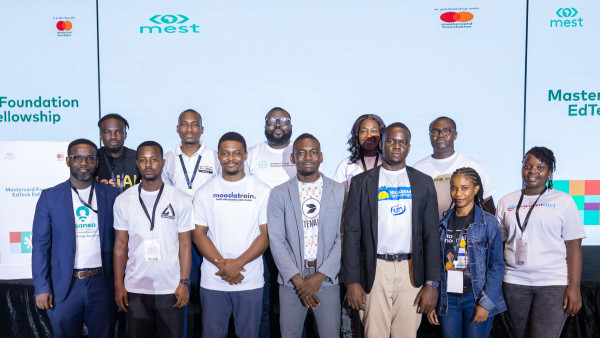
MEST Africa (www.Meltwater.org), in partnership with the Mastercard Foundation, has announced its second cohort of 12 innovative companies for the Mastercard Foundation EdTech Fellowship in Ghana. This six-month entrepreneurship acceleration program is dedicated to supporting Africa's most promising EdTech ventures by equipping them with mentorship, funding, and expertise in the science of learning. These newly selected companies are set to scale their groundbreaking solutions and address pressing educational challenges across Ghana.
The Second cohort builds on the success of the first cohort of 12 EdTech Companies, whose solutions impacted over 136,798 learners during the period of acceleration, underscoring the Fellowship's ability to drive transformative change.
“We are thrilled to welcome the second cohort of the Mastercard Foundation EdTech Fellowship,” said Angela Duho, Program Manager at MEST Africa. “In Ghana, EdTech is not just about innovation—it's about creating equal opportunities for every student, no matter where they live. It empowers teachers with the tools they need to inspire, and it prepares our youth for a future where digital skills are essential. The first cohort has already shown us what's possible, and we're confident that these new Fellows will continue to transform education and unlock potential across the country.”
The 12 EdTech companies selected for the 2025 cohort demonstrated strengths in [please add here] that point to Ghana's educational needs. Over the next six months, they will benefit from comprehensive support, including expert mentorship, access to funding, and specialized training, enabling them to scale their solutions effectively and sustainably.
The EdTech companies selected by MEST Africa for the 2025 Mastercard Foundation EdTech Fellowship are:
“The Mastercard Foundation looks to support the acceleration of EdTech solutions that reach all, including those out-of-school young people who are constantly left out of the education ecosystem. For it is when we design with the end user in mind that the business case for the solutions is more scalable, sustainable and impactful. Our collaboration with MEST Africa is to transform education in Ghana through technology-enabled learning”, added Rodwell Mangisi, the Acting Director of the Mastercard Foundation Centre for Innovative Teaching and Learning.
Through the Mastercard Foundation EdTech Fellowship, this cohort will embark on a transformative journey, gaining mentorship from experts in education innovation, sustainability, and scale, access to courses on the science of learning, and equity-free grants. This robust support aims to scale their solutions and elevate educational outcomes for millions across Ghana and Africa.
For more information about the Mastercard Foundation EdTech Fellowship and MEST Africa initiatives, visit www.Meltwater.org.
Distributed by APO Group on behalf of The Meltwater Entrepreneurial School of Technology (MEST Africa).
For media inquiries, contact:
Francis Akondor
Marketing and Recruitment Manager, MEST Africa
francis@meltwater.org
About MEST Africa:
Established in 2008, the Meltwater Foundation is the non-profit arm of the global media intelligence company, Meltwater. Its mission is to create job opportunities and drive economic growth in Africa through software entrepreneurship, primarily via the Meltwater Entrepreneurial School of Technology (MEST Africa). Based in Accra, Ghana, MEST offers a one-year, specialised tech entrepreneurial training program for top talent from over 22 countries, including Nigeria, Kenya, South Africa, and Senegal. Additionally, MEST invests in early to growth-stage startups.
In 2020, MEST Programs was launched to forge partnerships with other foundations and organisations that share our goal of creating wealth and jobs in Africa through digital skills training and startup acceleration. MEST Africa has trained over 2,000 entrepreneurs and invested in more than 90 startups across various industries throughout Africa.
Visit www.Meltwater.org to learn more.
About the Mastercard Foundation:
The Mastercard Foundation is a registered Canadian charity and one of the largest foundations in the world. It works with visionary organisations to advance education and financial inclusion to enable young people in Africa and Indigenous youth in Canada to access dignified and fulfilling work. Established in 2006 through the generosity of Mastercard when it became a public company, the Foundation is an independent organisation separate from the company, with offices in Toronto, Kigali, Accra, Nairobi, Kampala, Lagos, Dakar, and Addis Ababa. Its policies, operations, and program decisions are determined by the Foundation's Board of Directors and leadership.
For more information on the Foundation, please visit www.MastercardFDN.org
About the Mastercard Foundation EdTech Fellowship:
The Mastercard Foundation EdTech Fellowship is an entrepreneurship acceleration program designed to support promising, African EdTech ventures. Implemented in partnership with innovation hubs and EdTech accelerators across Africa, the Fellowship provides select EdTech companies with critical business and financial support, as well as insight into the science of learning, preparing them for scale, sustainability, and impact. The Mastercard Foundation EdTech Fellowship was launched in 2019 by the Mastercard Foundation through its Centre for Innovative Teaching and Learning with the goal to partner with 12 Tech Hubs to support over 250 EdTech companies and reach at least 1.8 million young people by 2025.
For more information about the Centre for Innovative Teaching and Learning, visit: https://apo-opa.co/42DjLmm or contact: edtechfellowship@mastercardfdn.org