• Skip to main content
  • Skip to header right navigation
  • Skip to after header navigation
  • Skip to site footer
MyZA

MyZA

News, Directory, Events and Other Stuff

  • Social Media
  • Sport
  • World News
  • Home
  • Submit News
  • Directory
  • Events
  • Stratlec
  • TFSA
  • News
    • APO
    • Today’s Sport News
    • Todays Social Media and Tech Headlines
    • Today’s World News
    • Today’s SA Financial News
  • Contact
You are here: Home / Archives for Mauritania

Mauritania

13 August 2024

African Energy Week (AEW) 2024 Launches Upstream Oil & Gas Forum Amid African Liquefied Natural Gas (LNG) Market Expansion
Location: News
African Energy Chamber

Africa's upstream oil and gas sector is attracting substantial investments, with an $800-billion capital expenditure program focusing on LNG alongside traditional deep-water oil projects currently underway. This investment cycle is expected to boost Africa's LNG production capacity at a time when global gas demand is on the rise.

Responding to this environment, African Energy Week (AEW): Invest in African Energy 2024 will host a two-day Upstream Exploration & Production (E&P) Forum spotlighting Africa's LNG prospects. The forum will feature a series of strategic sessions and presentations, highlighting major LNG and floating LNG (FLNG) developments and investment opportunities shaping the sector.

AEW: Invest in African Energy is the platform of choice for project operators, financiers, technology providers and government, and has emerged as the official place to sign deals in African energy. Visit www.AECWeek.com for more information about this exciting event.

Mozambique is at the forefront of Africa's LNG growth, with the $20-billion Mozambique LNG project led by TotalEnergies set to produce 12.8 million tons of LNG per annum by 2028. Eni's second FLNG production project in the country – Coral Norte – and ExxonMobil's Rovuma LNG development are anticipated to reach FID by 2025. The country achieved natural gas sales of $1.7 billion in revenue in 2023, mostly driven by the start up of the Coral Sul FLNG project in November 2022.

The Nigeria LNG (NLNG) Train 7 expansion project is approaching completion, set to boost the country's LNG capacity by 35%, adding roughly 8 million tons per annum. The project is part of Nigeria's broader strategy to enhance its LNG production capabilities to meet both local and regional demand. In June 2024, the Nigerian National Petroleum Corporation signed a Project Development Agreement (PDA) with marine infrastructure company Golar LNG to deploy a FLNG vessel in the offshore Niger Delta region. The PDA plans to monetize 400-500 million standard cubic feet of gas per day, producing LNG, LPG and condensate, with FID expected by Q4 2024.

Under the Upstream E&P Forum, a session on The Demand Economics Driving the Growth of African LNG and FLNG will explore Africa's LNG portfolio, shedding light on supply and demand dynamics and future investment opportunities. Speakers will include Managing Director & General Manager of Eni Rovuma Basin Marica Calabrese, Africa Finance Corporation Vice President Taiwo Okwor, and senior representatives from Golar LNG, Angola LNG, and UTM Offshore.

In West Africa, Equatorial Guinea is also establishing itself as a major LNG player through its Gas Mega Hub (GMH) initiative, which aims to pool regional gas resources to become a central hub for gas processing, liquefaction and distribution. Last October, US oil and gas company Marathon Oil entered into an LNG sales agreement with commodity trader Glencore for Equatorial Guinea's Alba field, positioning the company for the GMH's next phase of development. Meanwhile, the Greater Tortue Ahmeyim (GTA) LNG project, spanning Mauritania and Senegal, is set to reach first production by Q4 2024, with a capacity of 2.3 million tons per year.

In southern Africa, Angola's LNG market is also growing, launching the second phase of the Falcão natural gas project last December, as well as developing the country's first non-associated gas development project in Soyo. South Africa's Virginia Phase 2 project is set to produce commercial quantities of LNG and liquid helium, with a capacity of 670,000 cubic meters of LNG per day. Meanwhile, the country's Port of Ngqura FLNG project involves the installation of a floating storage and regasification unit, gas-to-power infrastructure, cryogenic pipelines and a terminal for processing, storing, on-site exploitation and distribution of gas acquired from the country's on- and offshore fields.

A session on The Game Changer: Examining African Gas will outline Africa's natural gas reserves, production capacities, infrastructure development and export potential, highlighting potential for transitional energy, power generation and diversified growth. The session will feature senior representatives from Equatorial Guinea's national oil company (NOC) GEPetrol, Seplat Energies, and Mozambican NOC Empresa Nacional de Hidrocarbonetos.

With these developments on the horizon, Africa's leading upstream markets are positioning themselves as key players in the global LNG industry. AEW: Invest in African Energy 2024 will provide a pivotal platform for stakeholders to engage in discussions, forge partnerships and explore new opportunities within Africa's growing LNG sector.

Distributed by APO Group on behalf of African Energy Chamber.
Media files
African Energy Chamber
Download logo
Read moreAfrican Energy Week (AEW) 2024 Launches Upstream Oil & Gas Forum Amid African Liquefied Natural Gas (LNG) Market Expansion
8 August 2024

Africa’s Energy Sector to Litigate Banks and Financiers for Financial Apartheid in Oil and Gas Sector

Location: News
African Energy Chamber

In recent years, several Western banks and financial institutions have implemented policies aimed at reducing support for fossil fuel projects, especially in Africa. This has led to a sharp decline in investment in the continent's oil and gas industry, a sector that is crucial for its economic future and energy needs. The African Energy Chamber (AEC) (https://EnergyChamber.org) argues that these institutions are practicing “financial apartheid,” arguing that while similar projects receive support in Europe, Africa's high-cost energy projects are being neglected.

The decline in investment is already having a noticeable impact, exacerbated by global shifts towards cleaner energy and prioritizing of ESG practices. Major international oil companies are reducing their presence in Africa. For instance, Equinor has withdrawn from offshore exploration in South Africa and ExxonMobil has exited a deep-water oil prospect in Ghana. This decline is contributing to a bleak outlook for Africa's energy sector.

“As the international community moves to boycott investments in the African energy sector, African people and African development stand to suffer,” says NJ Ayuk, Executive Chairman of the AEC. “The role of oil in Africa's energy and economic future is apparent, and consequently, should be defended as Western elites move to disrupt African progress.”

The broader implications of financial divestment are profound. Many African governments rely on fossil fuels as a cost-effective means to alleviate energy poverty and boost state revenues. However, the increasing pressure on financial institutions to cut funding for high-carbon projects creates uncertainty about the future of Africa's energy sector.

The International Energy Agency (IEA) has added to these challenges with its calls to cease funding for oil and gas projects, highlighting a disparity: while natural gas is considered a ‘green' energy source for Europe, it does not receive the same treatment in Africa. According to Ayuk, “The IEA has lost its relevance and its authority.” Originally focused on managing oil supply disruptions, the IEA now prioritizes policies aimed at achieving net-zero emissions by 2050. Its 2019 projection that no new investments in oil, gas, or coal are needed if the world continues on this path has been particularly controversial.

Several key African projects are at risk due to the withdrawal of financial support. Significant initiatives like TotalEnergies' Mozambique LNG project, ExxonMobil's Rovuma LNG project, Nigeria's Train 7 LNG expansion, Senegal's Sangomar oil field, Uganda's Tilenga project and the East African Crude Oil Pipeline (EACOP) require substantial financing to advance.

Despite these setbacks, some projects are progressing. TotalEnergies is advancing its $20 billion Mozambique LNG project, aiming to develop the Golfinho and Atum fields with a production capacity of 12.88 million tonnes per year. Eni's Coral South FLNG project in Mozambique has achieved a production capacity of 3.4 million tonnes per year. Additionally, the Greater Tortue Ahmeyim (GTA) LNG project, which started gas production in November 2022, is being developed by bp, Kosmos Energy and the national oil companies of Senegal and Mauritania. This project includes an FLNG facility with an initial capacity of 2.5 million tonnes per year.

Meanwhile Nigeria's Train 7 project, an expansion of the existing NLNG facility on Bonny Island, aims to boost production by 8 million tonnes per year, bringing the total to about 30 million tonnes per year. This development is crucial for Nigeria's growing population and its ability to meet its energy needs.

However, delays persist. The Tanzania LNG project, involving Equinor and Shell, is stalled due to proposed government changes. UTM Offshore's FLNG project in Nigeria, initially planned for 2023, has been postponed. Additionally, the EACOP faces significant criticism from financiers and environmental groups, complicating its development and financing.

Namibia, experiencing heightened interest from recent oil discoveries, is facing delays with the Kudu Conventional Gas Development. The Kudu Gas Project, an offshore initiative, has faced setbacks related to financing and project development challenges. As a result, the project is still pending FID and anticipated to commence production by 2026.

“Today, African Energy Poverty numbers are skyrocketing. Nine hundred million Africans lack access to clean cooking technologies, while 600 million lack access to electricity, most of them women. African families are facing high energy cost and inflation is going up,” Ayuk emphasizes. “It is shocking that financial institutions that do business in Africa continue to practice financial apartheid by cutting off capital and financing to oil and gas companies operating in Africa because of climate concerns. These same institutions fund gas development in Europe, where natural gas is deemed green and a fossil fuel for Africans.”

The disparity in financing not only undermines Africa's ability to harness its natural resources for its development but also perpetuates a cycle of energy deprivation. The AEC urges a re-evaluation of this approach and calls on global financiers to support Africa's energy projects, recognizing their critical role in advancing economic development, enhancing energy security, and improving living standards across the continent.

Distributed by APO Group on behalf of African Energy Chamber.
Media files
African Energy Chamber
Download logo
Read moreAfrica’s Energy Sector to Litigate Banks and Financiers for Financial Apartheid in Oil and Gas Sector
12 July 2024

African Players, Coaches, and Referees to Participate in the National Basketball Association (NBA) 2K25 Summer League

Location: News

Basketball Africa League (BAL)
Download logo

Twenty-Five Basketball Coaches from 15 African Countries Selected for NBA 2K25 Summer League; Five Players Who Featured in the 2024 BAL Season (https://BAL.NBA.com/) to Compete in Las Vegas.

Twenty-five basketball coaches from 15 African countries have been selected to participate in the NBA 2K25 Summer League which will take place in Las Vegas, Nevada from July 12 -22, 2024.  The selected coaches form part of the Africa Coaches Program, which builds on NBA Africa's and Basketball Africa League's (BAL) commitment to building capacity and expertise of coaches from across the continent, improving the quality of the on-court product, and contributing to the continued growth of basketball on the continent.  Eight of the coaches represent teams that have participated in the BAL.

Please see below for some of the notable storylines, followed by the full roster of the African coaches, players, and referees who will take part in the Summer League.

African Coaches Program

Building Continuity

  • Six teams that took part in the 2024 BAL season will have at least one coach participating – Al Ahly (Egypt), Bangui Sporting Club (Central Africa Republic) City Oilers (Uganda), FUS de Rabat (Morocco), Rivers Hoopers (Nigeria), and US Monastir (Tunisia). 
  • Sixteen of the 24 coaches will take part in the Africa Coaches Program for the first time.
  • Rivers Hoopers head coach Ogoh Odaudu was named 2024 BAL Coach of the Year and led his team to a third-place finish this season.  Rivers Hoopers' head coach since 2009, Odaudu coached the team to five Nigerian Premier League titles.  Since 2019, Odaudu has been a member of the coaching staff on the Nigerian national team. 
  • Two coaches – Francois Enyegue (Cameroon; San Antonio Spurs) and Emmanuel Mavomo (Democratic Republic of the Congo; Milwaukee Bucks) – return to the Summer League for a third consecutive year.  Last year, they coached with the Orlando Magic and Utah Jazz, respectively.  Enyegue is currently the head coach of Bangui Sporting Club (Central Africa Republic) and served as head coach of Team Africa & Middle East Girls at the Jr. NBA Global Championship in 2018.  Mavomo is NBA G League's Austin Spurs assistant coach and served as an assistant coach of Paris Basketball and BC Espoir Fukash during the 2022 BAL season.

Empowering the Next Generation

  • Three players with BAL experience who have decided to take up a career in coaching will be part of this year's program.  John Wilkins (Rivers Hoopers), Mohamed Gaddour (US Monastir), and Radouane Slimane (US Monastir) will respectively join the Phoenix Suns, Los Angeles Clippers, and Miami Heat.

NBA Academy Africa Well-Represented

  • NBA Academy Africa players development coaches Goitsemang Ditsheko (South Africa) and Karim Nesba (Morocco) will coach with the Houston Rockets and the Sacramento Kings respectively.  Based at the NBA Academy Africa in Saly, Senegal since 2022, Ditsheko is part of the academy coaching staff who worked with NBA Academy Africa's first NBA draftee, Cameroon's Ulrich Chomche, selected with the number 57 overall by the Memphis Grizzlier and traded to the Toronto Raptors in the 2024 NBA Draft.  While enrolled at NBA Academy Africa, Chomche competed in the BAL as part of the BAL Elevate program, representing Rwanda Energy Group Basketball (REGBBC) in 2023 and Cameroon's Forces Armées et Police (FAP) in 2022.  Karim Nesba is a former AS Salé and Morocco National Team player.  He coached the Uganda City Oilers in the 2024 BAL season and the BAL Select Team at Quai 54 this summer.  NBA Academy Africa Alumni Ibou Badji (Senegal) and Babacar Sané (Senegal) will be playing with the Milwaukee Bucks and Utah Jazz respectively. Badji who signed a two-way contract with Portland Trail Blazers last season, played 22 games in the 2023-24 NBA season. Sané former BAL Elevate player has played with the G League Ignite since 2022.

Female Participants

  • For the first time, three female coaches will participate in the Africa Coaches Program – Sofia Bey (Morocco; Sacramento Kings), Aliaa Mahmoud Mohamed (Egypt; Washington Wizards), Ruth Bibeyi (Gabon; Los Angeles Lakers).  They join the Africa Coaches Program as part of NBA Africa's and the BAL's efforts to provide more opportunities for women in basketball.  
  • Sofia Bey (Morocco, Sacramento Kings) is the head coach of Wydad Athletic in Morocco.  Bey participated 2022 FIBA Africa Regional Youth Camp and was selected for the FIBA Young Coach program in 2015.
  • Ruth Bibeyi (Gabon; Los Angeles Lakers) was the head coach of Espoir Basket Club (Gabon) which participated in Road to the BAL 2023.  Aliaa Mahmoud (Egypt, Washington Wizards) was the assistant coach of FIBA U19 Women's Basketball World Cup 2023.

Please see below for the complete list of African coaches participating in the NBA 2K25 Summer League and the NBA teams coaching staff they have joined.

First name

Last name

Country of origin

NBA Team

Mohamed Lamine

Kriedeche

Algeria

New Orleans Pelicans

Stef

Pare

Burkina Faso

Orlando Magic

Francois

Enyengue

Cameroon

San Antonio Spurs

Victor

Samnick

Cameroon

Denver Nuggets

Pierrot

Ilunga

Democratic Republic of the Congo

Toronto Raptors

Emmanuel

Mavomo

Democratic Republic of the Congo

Milwaukee Bucks

Ahmed

Elgarhi

Egypt

Minnesota Timberwolves

Alia

Mahmoud

Egypt

Washington Wizards

Ruth

Bibeyi

Gabon

Los Angeles Lakers

Ahmed

Salam

Morocco

Atlanta Hawks

John

Wilkins

Morocco

Phoenix Suns

Sofia

Bey

Morocco

Sacramento Kings

Karim

Nesba

Morocco

Sacramento Kings

Leonel

Manhique

Mozambique

Brooklyn Nets

Ogoh

Odaudu

Nigeria

Cleveland Cavaliers

Mohamed

Abdulrahman

Nigeria

Utah Jazz

Mugisha Igor

Keys

Rwanda

Boston Celtics

Prosper

Naci

Rwanda

Philadelphia 76ers

Matar

Mbodji

Senegal

Chicago Bulls

Goitsemang

Ditsheko

South Africa

Houston Rockets

Akech Wuoi Garang

Ajak

South Sudan

New York Knicks

Bechir

Hadidane

Tunisia

Memphis Grizzlies

Mhamed

Gaddour

Tunisia

Los Angeles Clippers

Radouane

Slimane

Tunisia

Miami Heat

Andrew

Senyondwa

Uganda

Trailblazers Portland

BAL Season 4 Players*

Five players who played in the 2024 BAL season are set to feature in this year's Summer League: Jo Lual-Acuil Jr. (South Sudan; Sacramento Kings), Samkelo Cele (South Africa; New York Knicks), Obadiah Noel (USA; New York Knicks) Devine Eke (Nigeria, Milwaukee Bucks), and Makhtar Gueye (Senegal; Atlanta Hawks).

  • Lual-Acuil Jr. averaged 21.1 points, 9.9 rebounds, and 1.6 blocks during the last BAL season, helping Al Ahly Ly (Libya) to the 2024 BAL Finals.  Lual-Acuil Jr. won the Hakeem Olajuwon Trophy as the 2024 BAL Most Valuable Player and the Dikembe Mutombo Trophy as the Defensive Player of the Year.  Lual-Acuil Jr. also emerged as the 2024 BAL Scoring Champion and was named to the 2024 All-BAL First Team and the All-BAL Defensive Team.
  • Cele averaged 20.2 points per game and finished second in scoring in the league.  He led South Africa's Cape Town Tigers to the semifinals and was named to both the 2024 All-BAL First Team and All-Defensive Team.
  • Obadiah averaged 19.4 points and 4.2 rebounds per game with Armée Patriotique Rwandaise basketball (APR; Rwanda) in the Sahara Conference last season.
  • Eke registered 16.6 points and 11.3 rebounds per game, leading Nigeria's Rivers Hoopers to third place in the last BAL season.
  • Gueye represented Burundi's Dynamo Basketball Club in the inaugural Kalahari Conference last season.
  • Cele and Gueye were part of the BAL Select team that featured at the 2024 Quai 54 Streetball Tournament, the world's biggest streetball tournament in Paris, France, last month.

*Rosters are subject to change.

Referees with BAL Experience

Five referees who officiated in the 2024 BAL season will also join the program, including Annie Joyce Muchenu (Zimbabwe).  Muchenu became a FIBA international referee in September 2008 and was appointed to officiate at the FIBA Women's Champions Cup in Nairobi, Kenya the same year.  She has since officiated at major competitions on the African continent including junior and senior tournaments but has also officiated at two All Africa Games (2011 and 2015), three FIBA U-17 World Cups, two FIBA U-19 World Cups, pre-Olympic Qualifiers and the 2018 Commonwealth Games in Gold Coast, Australia, and the BAL since the beginning of the competition.  

Please see below the complete list of African referees:

NAME

COUNTRY

Oumar Sy

Mauritania

Yann Davidson

Madagascar

Annie Joyce Muchenu

Zimbabwe

Vitalis Gode

Kenya (Referee Supervisor)

Silver Houngbedji

Benin

Distributed by APO Group on behalf of Basketball Africa League (BAL).

Read moreAfrican Players, Coaches, and Referees to Participate in the National Basketball Association (NBA) 2K25 Summer League
26 June 2024

African Development Bank expands urban support program to six new cities

Location: News
African Development Bank Group (AfDB)

The African Development Bank's (www.AfDB.org) Urban and Municipal Development Fund (UMDF) (https://apo-opa.co/4exYmAh) has expanded its African Cities Program to cover six new cities across the continent. The expansion, approved by the Fund's 13th Oversight Committee, will help bolster urban development and address critical challenges faced by rapidly growing African cities.

The newly included cities are:

  • Kolwezi, the Democratic Republic of Congo: mining town grappling with rapid urban growth and environmental issues.
  • Grand Nokoué, Benin: an economic hub with over two million inhabitants.
  • Buffalo City, South Africa: a coastal city prioritizing climate resilience.
  • Joal, Senegal: A medium-sized city focusing on integrating environmental and social issues into economic development.
  • Juba, South Sudan: Prioritizing essential services for a growing, vulnerable population;
  • Nouakchott, Mauritania: Planning to combine projects on climate resilience, urban mobility, and sustainable energy.

The Bank launched the UMDF in 2019 in response to growing demand from countries and cities for urban development support. It receives contributions from the Nordic Development Fund and the governments of Denmark, Spain, and Switzerland, as well as the Walloon Export and Foreign Investment Agency.

The Fund provides financial and technical assistance to national and local governments for improving governance, planning, and to prepare investments in sustainable urban development for more climate resilient, resilient, liveable and productive cities, underpinning national socio-economic development and poverty reduction.

UMDF will provide funding for each of the six cities over several months, including a detailed analysis of the strengths and vulnerabilities, especially regarding economic, social, climate, and gender issues. The goal is to identify transformative infrastructure projects that can attract public and private sector investments.

The committee also reviewed the Fund's progress and approved its 2024 work program, allocating over $4.7 million to identify and develop urban infrastructure projects and bring them to maturity.

Mike Salawou, Director of the African Development Bank's Infrastructure and Urban Development Department, committed to strengthening the Fund's operational effectiveness and capacity to mobilize more funding and partnerships for greater impact.

“The question of urban development is at the heart of the Bank's new ten-year strategy for 2024-2033, of which the Urban and Municipal Development Fund is a strategic implementation mechanism,” he emphasized. The Bank ten-year strategy 2024-2025 (https://apo-opa.co/3L73NIF) includes data and research from publications (https://apo-opa.co/3XEbJbS) financed by the Fund and its partners.

It is hoped that the Fund will act as a catalyst in boosting access of African municipalities to public and private finance, a priority defined by the President of the African Development Bank Group, Akinwumi Adesina, at the Africa Investment Forum (www.AfricaInvestmentForum.com) 2023 Market Days in Morocco.

Distributed by APO Group on behalf of African Development Bank Group (AfDB).

Media contact:
Communication and External Relations Department
media@afdb.org

About the African Development Bank Group:
The African Development Bank Group (AfDB) is the premier multilateral financing institution dedicated to Africa's development. It comprises three distinct entities: the African Development Bank (AfDB), the African Development Fund (ADF) and the Nigeria Trust Fund (NSF). The AfDB has a field presence in 41 African countries, with an external office in Japan, and contributes to the economic development and social progress of its 54 regional member states. For more information: www.AfDB.org

Media files
African Development Bank Group (AfDB)
Download logo
Read moreAfrican Development Bank expands urban support program to six new cities
21 June 2024

African Energy Week (AEW) 2024 to Drive Investment in African Energy, Announces Second Speaker Lineup

Location: News
African Energy Chamber

With over 125 billion barrels of proven oil reserves, 620 trillion cubic feet of natural gas and abundant opportunities in solar, wind and green hydrogen, Africa has the potential to become a global hub for energy. The International Energy Agency estimates that to meet energy and climate goals, Africa requires over $200 billion in annual investment, highlighting a strategic opportunity for global financiers and project developers.

As such, the African Energy Week (AEW): Invest in African Energy conference – Africa's premier event for the energy sector – will drive a new wave of investment in the sector. The conference convenes under the mandate of making energy poverty history by 2030, with industry experts and thought-leaders, African governments and NOCs, and energy investors and developers leading discussions on the challenges and opportunities in Africa's energy sector. Taking place from 4–8 November in Cape Town, the event offers unparalleled access to the African industry.

AEW: Invest in African Energy is the platform of choice for project operators, financiers, technology providers and government, and has emerged as the official place to sign deals in African energy. Visit www.AECWeek.com for more information about this exciting event.

African governments are revamping fiscal policies and launching new licensing rounds to attract investments and partners, aiming to unlock the full potential of the continent's energy sector. Over 11 licensing rounds are planned for sub-Saharan Africa between 2024 and 2025, all of which aim to attract new investment and bolster project development. At AEW: Invest in African Energy, government representatives will outline optimal energy financing mechanisms and incentives aimed at advancing energy investments. Key speakers include:

  • Birame Soulèye Diop, Minister of Energy, Petroleum and Mines, Senegal
  • Habtamu Itefa Geleta, Minister of Water and Energy, Ethiopia
  • Situmbeko Musokotwane, Minister of Finance and National Planning, Zambia
  • Diamantino Pedro Azevedo, Minister of Mineral Resources, Petroleum and Gas, Angola

African state-owned energy entities have positioned themselves as reliable partners for global energy firms, driving the continent's energy market expansion. During this year's AEW: Invest in African Energy conference, African NOCs and energy associations will discuss investment and partnership opportunities in Africa's energy value chain. In addition to the first AEW: Invest in African Energy speaker lineup, featured speakers include:

  • Proscovia Nabbanje, CEO of the Uganda National Oil Company
  • Zwanani Titus Mathe, CEO, South African National Energy Development Institute

Across Africa, international energy companies are driving a series of large-scale project developments under efforts to unlock high returns, increase energy access while driving sustainable economic growth. Projects such as the Greater Tortue Ahmeyim LNG development – on track for first production this year -; the trio of LNG projects in Mozambique's Rovuma Basin; South Africa's offshore exploration campaigns and onshore gas projects and many more are set to transform the African oil and gas landscape. This creates newfound opportunities for regional and international technology providers, which also play a crucial role in driving Africa's energy renaissance. A strong lineup of IOCs, technologies companies and service providers will discuss ongoing projects, future prospects and efforts to maximize Africa's energy resources at the conference. These include:

  • Ainojie Alex Irune, CEO of Oando Energy Resources
  • Dave Campbell, Senior Vice President of bp in Mauritania and Senegal
  • Dennis Bauer, Senior Executive: Energy Transition Advisor, Neuman & Esser
  • Dennis Malkoc, Business Development Manager, Universal Africa Lines
  • Dmitry Khandoga, Head of International Department, Gazprom PJSC
  • Marica Calabrese, Managing Director and General Manager, Eni Mozambique
  • Matthieu Milandri, Head of Upstream Finance at Trafigura Group
  • Mikhail Chudakov, Head of the Department of Nuclear Energy, International Atomic Energy Agency
  • Nikki Martin, President & CEO,EnerGeo Alliance
  • Nosa Omorodion, Executive Director, SLB
  • Rene Awambeng, Director and Global Head of Client Relations, Afreximbank
  • Taelo Mojapelo, CEO, bp South Africa

During the AEW: Invest in African Energy conference, speakers will showcase projects, highlight energy financing mechanisms and government incentives, and provide insights on best practices for a just and inclusive energy transition, addressing the continent's goals for eradicating energy poverty and promoting environmental sustainability.

Keep following for more exciting announcements about the AEW: Invest in African Energy 2024 speaker lineups! For more information, visit www.AECWeek.com. 

Distributed by APO Group on behalf of African Energy Chamber.

Media files
African Energy Chamber
Download logo
Read moreAfrican Energy Week (AEW) 2024 to Drive Investment in African Energy, Announces Second Speaker Lineup
20 June 2024

Hydrogen Energy Technologies to Drive Demand for Africa’s Platinum Group Metals (PGMs)

Location: News
Energy Capital & Power

The global market for platinum group metals (PGMs) – which include platinum, palladium, rhodium, iridium, osmium and ruthenium – will record a 4.47% increase between now and 2029, according to market research firm Mordor Intelligence. In part, market growth will come from growing demand for PGMs in green technologies, including hydrogen energy technologies, in turn generating opportunities across Africa's mining and hydrogen value chains.

https://apo-opa.co/3Rzawim

The Critical Minerals Africa (CMA) Summit, taking place on November 6-7 in Cape Town, will unpack the nexus between PGMs and green hydrogen and their evolving role within the African and global energy transition. The continent is home to the world's largest PGM reserves, with South Africa alone possessing over 80% of global resources and Zimbabwe also holding substantial reserves. These metals play a vital role in fuel cell technology, enabling the production of electricity from hydrogen and oxygen. As African countries – including Namibia, South Africa, Mauritania and Egypt – intensify their green hydrogen activities, long-term PGM demand is expected to grow substantially, powering a wide range of applications from hydrogen fuel cell vehicles to stationary power generation to industrial processes.

Africa's Green Hydrogen Potential

The African continent holds substantial potential for green hydrogen production given its abundance of co-located renewable resources. According to the European Investment Bank, Africa has the potential to produce 50 million tons of green hydrogen per annum by 2035, which could help meet power, transportation and industrial energy needs, decarbonize heavy-polluting industries, as well as be used for global export.

Namibia represents a pioneer of green hydrogen on the continent, having secured billions in investment for green hydrogen projects from various investors, including the USAID, the Development Bank of Southern Africa and Japanese investment firm ITOCHU. Green energy firm Hyphen Hydrogen Energy is implementing a $10-billion project, with the capacity to produce 350,000 metric tons per year using 7 GW of renewable energy and 3 GW of hydrogen electrolyzers. Last May, Belgian port operator Antwerp Bruges partnered with the Namibian Ports Authority to develop a EUR 250-million hydrogen and ammonia storage facility at Walvis Bay Port to facilitate the transport of hydrogen to regional and global markets.  

Realizing the potential of green hydrogen to drive regional energy security, South African tourism, trade and investment agency Wesgro signed an agreement last month with the Northern Cape Economic Development, Trade and Investment Promotion Agency, Namibia's Environmental Investment Fund and infrastructure company Gasunie and Climate Fund Managers. The agreement paves the way for the parties to assess the feasibility of developing a green hydrogen corridor connecting the Western Cape and Northern Cape provinces of South Africa with Lüderitz in Namibia.

https://apo-opa.co/3KR5JVJ

https://apo-opa.co/3XvTSnz

Furthermore, green energy companies Hive Energy UK and Genesis Eco-Energy are developing a R105 billion green hydrogen and ammonia project in the Coega Special Economic Zone in the Eastern Cape province of South Africa. The project will add 14,400 MW of electricity to the grid and produce 900,000 tons of green ammonia for export to global markets, increasing the country's export revenue. South Africa has also established a $1-billion fund in partnership with the Netherlands, aimed at accelerating the deployment of green hydrogen projects to feed growing demand in Europe.

https://apo-opa.co/3xdxaWM

Private and public sector entities in South Africa are demonstrating the potential for synergy between PGMs and green hydrogen, specifically in hydrogen fuel cell vehicles. Last October, mining firm Anglo American entered into a partnership with automotive firm BMW South Africa and international energy firm Sasol to develop South Africa's PGMs and green hydrogen value chains. Anglo American will provide PGMs used in hydrogen fuel-cell vehicles, while Sasol will provide the green hydrogen and BMW the vehicles.

https://apo-opa.co/3XBI9UJ

As global demand for green hydrogen rises due to carbon emission reduction policies and growing energy needs, a parallel surge in PGMs demand is also anticipated. Given that Africa is home to the overwhelming majority of these critical minerals, CMA 2024 will explore the latest policies, projects and developments ensuring that the continent capitalizes on green hydrogen as a key growth driver.

Organized by Energy Capital & Power, CMA is the largest gathering of critical mineral stakeholders in Africa. Taking place from November 6 – 7 in Cape Town, the event positions Africa as the primary investment destination for critical minerals. This year's edition takes place under the theme Innovate, Enact, Invest in African Critical Minerals to Sustain Global Growth, connecting African mining projects and regulators with global investors and stakeholders to untap the full potential of the continent's raw materials. Sponsors, exhibitors and delegates can learn more by contacting sales@energycapitalpower.com.

Distributed by APO Group on behalf of Energy Capital & Power.

Media files
Energy Capital & Power
Download logo
Read moreHydrogen Energy Technologies to Drive Demand for Africa’s Platinum Group Metals (PGMs)
11 June 2024

Licensing Rounds Open New Block Opportunities in Africa Ahead of AEW 2024

Location: Business
African Energy Chamber

With a strong slate of exploration and production activities and competitive licensing rounds in 2024, Africa is well-positioned to realize its potential as the global energy frontier. These bid rounds are poised to cement Africa as a global hub for hydrocarbon development.

Licensing rounds from Africa's leading upstream players will be on display at this year's African Energy Week (AEW): Invest in African Energy 2024 – scheduled for November 4-8 in Cape Town. Investors will be able to access exclusive information and technical presentations from the relevant petroleum ministries and regulators on both current and planned licensing rounds as the continent seeks to attract a broader range of companies to sign new contracts and drive exploratory drilling.

AEW: Invest in African Energy is the platform of choice for project operators, financiers, technology providers and government, and has emerged as the official place to sign deals in African energy. Visit www.AECWeek.com for more information about this exciting event.

Oil and Gas Revival in North Africa

As part of the country's plan to boost oil production to two million barrels per day within the next three to five years, Libya's parastatal National Oil Corporation has announced plans for an oil and gas licensing round in 2024 or early 2025. The licensing round will focus on fields in the Sirte, Murzuq and Ghadames basins and presents a vital opportunity for Libya to attract new upstream investments.

Meanwhile, Algeria is expected to launch a licensing round offering between 10 and 12 onshore blocks in late 2024. The bid round forms part of the country's strategy to maximize its gas and LNG potential. Additionally, in September 2023, the Egyptian General Petroleum Corporation and the South Valley Petroleum Holding Company launched a new licensing round aimed at boosting the country's energy reserves and production capacity. The licensing round offers 23 on- and offshore blocks for oil and gas exploration in the Western Desert, Eastern Desert, Gulf of Suez and Red Sea.

Driving Production in Africa's Promising Frontiers

With energy supermajors bp, TotalEnergies and Shell as well as upstream independent Kosmos Energy spearheading exploration activities in Mauritania, the country's upcoming licensing round for 15 offshore blocks in 2024 is poised to mark a significant milestone in its energy sector. Mauritania's coastal basin features extensive 2D and 3D seismic data coverage covering over 100,000km and 100,000km2, respectively.

Additionally, with its latest licensing round having featured 56 offshore blocks and concluding last September, another bid round is on the horizon for Sierra Leone in 2024. Despite its position as a frontier exploration market, Sierra Leone boasts a significant petroleum system that includes the Venus-B1, Mercury-1, Jupiter-1 and Savannah-1X discoveries. The country's licensing round is supported by extensive 2D and 3D multi-client data, competitive and transparent fiscal terms and cooperation agreements in place with other African markets.

Set to spur new exploration and drilling activities in the prospective acreages of its deepwater basins, Nigeria's Upstream Petroleum Regulatory Commission relaunched its latest licensing round during the Invest in African Energy summit in May. The round features 12 deep offshore and shallow water oil blocks and is available for bidding through January 2025.

Propelling Southern and Eastern Africa's Energy Security

Last September, Angola's national concessionaire the National Oil, Gas and Biofuels Agency launched a public tender for 12 onshore blocks in the Kwanza and Congo Basins. Receiving 53 bids, the tender includes four blocks in Angola's Congo Basin and eight in the Kwanza Basin.

https://apo-opa.co/4ciSR6B

Expected for 2024 or 2025, the South African government will put up at least 10 new onshore blocks for shale gas development in the country's Karoo region to reduce imports and alleviate an ailing energy grid. The licensing round will serve as the country's first competitive auction for oil and gas resources. According to the state-owned Petroleum Agency of South Africa, the Karoo basin is estimated to hold up to 209 trillion cubic feet of recoverable shale gas and includes 90,000km2 of acreage previously held by Shell.

https://apo-opa.co/4cfD8F4

Tanzania has proposed auctioning up to 26 oil and gas blocks by June 2024 and will award licenses to the winners by December of the same year. The round will serve as Tanzania's fifth bid round and is designed to revive interest in the country's largely underdeveloped oil and gas sector. Of the 26 demarcated blocks open for bidding, 11 will be situated in the country's offshore while 15 will be onshore. The Tanzanian government is currently in talks with a multi-client data contractor to compile extensive 2D and 3D seismic data within the basins.

https://apo-opa.co/3Vj2B9V

Meanwhile, having introduced a new Hydrocarbons Code in 2019, Gabon has emerged as a preferred destination for energy investors and majors due to investor-friendly reforms. Gabon's heightened interest is attributable to the deregulation of its hydrocarbons sector, which is a core aim of its recently enacted reforms.

https://apo-opa.co/3VglcU9

During the AEW: Invest in African Energy conference, industry experts will unpack block opportunities across Africa's mature and emerging oil and gas markets. Through dedicated country spotlight sessions, panel discussions and investor briefings, the event promotes deal-signing and project development.

Distributed by APO Group on behalf of African Energy Chamber.

Media files
African Energy Chamber
Download logo
Read moreLicensing Rounds Open New Block Opportunities in Africa Ahead of AEW 2024
10 June 2024

AEW Targets Equitable Energy Future with Just Energy Transition Summit

Location: News
African Energy Chamber

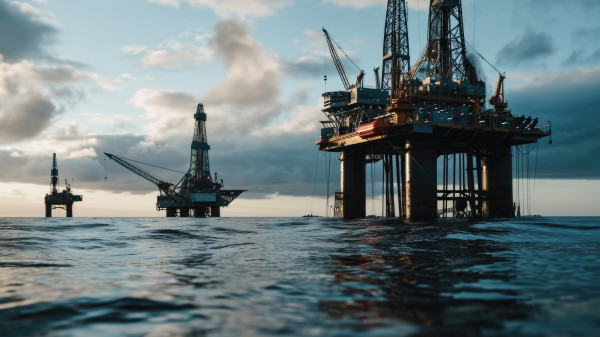
The upcoming African Energy Week (AEW): Invest in African Energy conference will feature a Just Energy Transition (JET) Summit, bringing together African energy policymakers, industry leaders, community representatives and global investors to develop actionable solutions for building a sustainable energy future.

The Summit will discuss Africa's gas market potential as a transition fuel, from financing small-scale LNG to establishing integrated LPG value chains. Prioritizing gas development for enhanced energy security and industrialization, Mozambique is home to two planned large-scale LNG developments from TotalEnergies and ExxonMobil, as well as Eni's Coral South and North projects. In South Africa, exploration company Kinetiko Energy is advancing an onshore LNG project with gas-to-power plans in Mpumalanga, while TotalEnergies is targeting FID on its Brulpadda-Luiperd conventional gas field this year, with commercial production expected by 2030.

https://apo-opa.co/3yRyajN.

AEW: Invest in African Energy is the platform of choice for project operators, financiers, technology providers and government, and has emerged as the official place to sign deals in African energy. Visit www.AECWeek.com for more information about this exciting event.

Africa's coal industry will also play a crucial role in shaping a just transition, with many countries relying on clean coal as a primary energy source. In South Africa, the Council for Geoscience is piloting the use of carbon capture storage and utilization technology to capture emissions from coal-fired power generation in Mpumalanga Province, leveraging funding from the World Bank. Botswana plans to construct a $2.5-billion coal-to-liquids plant, producing 12,000 barrels of diesel and gasoline daily. The facility will enable the southern African country to maximize the exploitation of its 212 billion tons of coal reserves for regional energy security, while reducing emissions, compared to using conventional coal combustion. The Just Energy Transition Summit will address strategies to decarbonize and transition existing coal power stations, while ensuring assets are not left stranded.   

Africa's burgeoning green hydrogen industry is pivotal in advancing the continent's inclusive energy transition agenda. By accelerating renewable energy infrastructure development, attracting new investments, creating jobs, and fostering workforce development, Africa is maximizing its green hydrogen potential. Namibia is spearheading this movement with the $10 billion Tsau/Khaeb project, securing funding from global investors including the German government, Japanese investors, and regional financial institutions. The Just Energy Transition Summit will spotlight projects and investment opportunities in Africa's leading green hydrogen markets, such as Mauritania, Egypt, South Africa, and Morocco, illustrating their significant role in driving the energy transition continent-wide.

https://apo-opa.co/4cewJtS

Furthermore, the Summit will highlight the intersection of social justice, environmental sustainability and economic policies, and how African leaders can prioritize local workforce development as part of the transition. Private and public sector entities across Africa are introducing policies and programs aimed at supporting local capacity building and female empowerment, ensuring that oil and gas sector activities are inclusive. Last month, Angola-based investment firm ABO Capital launched the Amity Training Center in Luanda to equip the next-generation workforce with technical skills across various sectors, including oil and gas. Namibia is also prioritizing local content with the launch of its draft Local Content Policy last November, anticipating an upcoming oil and gas boom and affirming capacity building as a critical component of a just transition.

“The exploitation of Africa's oil, gas, renewable and coal resources is crucial for a successful, inclusive and just energy transition. Increasing female and youth participation – another critical component of the Just Energy Transition Summit – will also ensure value addition to local economies, while ensuring long-term stability of energy markets,” states NJ Ayuk, the Executive Chairman of the African Energy Chamber.

Distributed by APO Group on behalf of African Energy Chamber.
Media files
African Energy Chamber
Download logo
Read moreAEW Targets Equitable Energy Future with Just Energy Transition Summit
26 April 2024

Africa Teems with Clean Energy Prospects, Ahead of IAE Forum

Location: News
Energy Capital & Power

European partners have been vocal about plans to boost clean, smart and secure investments in Africa's energy sector, with the EU's Global Gateway Initiative aiming to mobilize €150 billion across the continent through 2027. Motivations for this range from securing the bloc's own energy supplies, to strengthening energy diplomacy on the continent, to generating high returns on critical infrastructure investments. Given Europe's focus on sustainable energy development, the upcoming Invest in African Energy (IAE) forum (https://Invest-Africa-Energy.com) – taking place in Paris on May 14-15 – will showcase opportunities for the European and global private sector to develop and advance natural gas, renewable energy, green hydrogen and decarbonization technologies across the continent, with a view to supporting Africa's role in the global energy transition.

LNG

As Africa looks to develop its gas for domestic and export markets, LNG (https://apo-opa.co/3UD3ivS) represents a critical investment avenue for European partners and investors. Representing a relatively clean-burning fossil fuel that can deliver energy reliably and to scale, LNG has been positioned as the fuel of the future and the key to meeting rising energy demand in Africa and globally. European majors and independents are already at the helm of developing world-class LNG facilities across the continent, from bp's Greater Tortue Ahmeyim LNG in Senegal and Mauritania, to Perenco's Cap Lopez LNG Terminal in Gabon, to Eni's Congo LNG in the Republic of Congo. The continent features myriad opportunities in the exploration, transport, processing and storage of natural gas and associated EPC contract value in establishing integrated gas value chains. 

Renewables

Africa's solar potential is measured at 7,900 GW – more than 1,000 times its current solar generation capacity – while wind potential is measured at 461 GW, which equates to 100 times the current wind generation capacity. The continent is home to considerable technical potential for hydropower – which accounts for approximately 17% of its electricity generation on average – and is set to overtake Europe in installed geothermal capacity by the end of the decade. Given Africa's prolific energy needs, decentralized power solutions (https://apo-opa.co/4aRnFuC) – particularly from renewables – hold the capacity to help electrify rural parts of the continent, while aligning with net-zero targets.

Green Hydrogen

Owing to its substantial and often co-located renewable resources, Africa provides optimal conditions for the development of green hydrogen (https://apo-opa.co/4aRgItB) and green ammonia, estimated to be able to produce a surplus of 20-40 million tons of green hydrogen per year by 2050. The continent is home to several major green hydrogen projects – namely, the 15 GW Aman project in Mauritania, 3 GW Tsau Khaeb project in Namibia and 4 GW SCZONE project in Egypt. Germany has emerged as an active player in this domain by investing in and lending technical expertise to hydrogen development in Angola, Mauritania and Namibia, as well as pledging to invest €4 billion in sustainable energy projects in Africa – including renewable power, green hydrogen and critical raw mineral extraction – through 2030. The EU is targeting ten million tons of imported renewable hydrogen per year by 2030, offering development finance and production subsidies to help African countries develop their green hydrogen supplies.

Carbon Capture and Storage (CCUS)

Capturing carbon dioxide produced from burning fossil fuels or as a by-product of industrial manufacturing processes, CCUS technology represents a dynamic investment opportunity within Africa's energy transition. It holds a wide range of applications – from enhanced oil recovery to fuel production to waste-to-energy plants – and aligns with Africa's decarbonization goals, while enabling much-needed energy production. CCUS projects are already underway in South Africa's Mpumalanga Province – where it will capture carbon dioxide from coal-fired power stations – and at Egypt's Meleiha Field, part of a broader $25-million, multi-phase CCUS project. CCUS aligns closely with the EU's broader decarbonization goals and represents a strategic area of potential collaboration between European and African service providers by way of sharing best practices, technical expertise and technological innovation.

Distributed by APO Group on behalf of Energy Capital & Power.

Media files
Energy Capital & Power
Download logo
Read moreAfrica Teems with Clean Energy Prospects, Ahead of IAE Forum
7 March 2024

Energy Capital & Power (ECP) Celebrates Women Leading Africa’s Energy Growth

Location: News
Energy Capital & Power

As part of its Women in Energy series taking place this month, Energy Capital & Power (ECP) www.EnergyCapitalPower.com celebrates women in leadership positions within Africa's energy and mining sectors. With Senegal, Uganda, Namibia and South Africa at the helm of female leaders within their respective ministries, these markets have attracted billions in foreign investment and are home to some of the most dynamic upstream developments on the continent.

Since her appointment in November 2020, Sophie Gladima, Minister of Petroleum and Energies of Senegal, has led the country through one of its most transformative periods, with first oil and gas expected this year from the highly-anticipated Sangomar Field Development and Grand Tortue Ahmeyim (GTA) LNG project, respectively. Minister Gladima successfully advanced these projects – which total nearly $10 billion in foreign direct investment – in the face of COVID-19 and demands for cross-border cooperation with Mauritania, whose maritime border with Senegal houses the GTA LNG project. 

Ruth Nankabirwa Ssentamu, Minister of Energy and Mineral Development of Uganda, is another female minister leading frontier market developments since her appointment in June 2021. Targeting first oil output in 2025, Uganda has launched exploration drilling at its $10-billion Lake Albert Development, home to the TotalEnergies-operated Tilenga and CNOOC-operated Kingfisher fields. The country is also at the center of the planned East African Crude Oil Pipeline, which will transport Ugandan oil to the Port of Tanga in Tanzania and represents the single largest investment in either country to date.

Serving as Petroleum Commissioner of Namibia's Ministry of Mines and Energy since October 2015, Maggy Shino has played a pivotal role in securing upstream investment from leading IOCs, with TotalEnergies set to invest roughly $300 million in 2024 alone. With over 15 years in petroleum geological, geophysical and environmental management fields, Commissioner Shino has cemented Namibia's status as a world-class frontier oil and gas market with strong on- and offshore prospectivity. Following five offshore hydrocarbon discoveries, Namibia is currently conducting further appraisal work – as well as new seismic and exploration activity in the Owambo, Kavango and Orange Basins – and is on the path to first oil production by 2030.

In neighboring South Africa, Deputy Minister of Mineral Resources and Energy, Dr. Nobuhle Nkabane, has been active in driving an exploration agenda. Utilizing South Africa's Gas Master Plan, Dr. Nkabane has positioned natural gas as a means of improving energy security, reducing heavy-polluting fossil fuels and establishing domestic LNG production through recent discoveries like the 3.1-billion-cubic-feet Mpumalanga discovery. Under her leadership, South Africa's Department of Mineral Resources also implemented a school outreach program last month aimed at encouraging youth in STEM fields and developing a future workforce for the country's mining and energy sectors.

Energy Capital & Power's Women in Energy series celebrates the women shaping the future of the African energy sector. From projects to companies to programs and community development, the Women in Energy series underscores the integral role women play in developing the sector. Visit www.EnergyCapitalPower.com and keep up-to-date with our social media channels for daily content.

Distributed by APO Group on behalf of Energy Capital & Power.

Media files
Energy Capital & Power
Download logo
Read moreEnergy Capital & Power (ECP) Celebrates Women Leading Africa’s Energy Growth
20 November 2023

FIFA Secretary General receives Choiseul Grand Prix award in Casablanca

Location: Sport
FIFA

Fatma Samoura honoured in recognition of her achievements as Secretary General; Progress in women's football and development schemes central themes of speech; Vows to continue work against discrimination after stepping down at the end of the year.

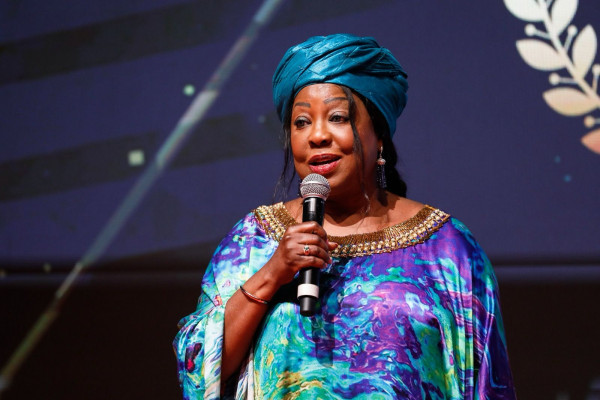
Fatma Samoura has received the Choiseul Grand Prix award at a ceremony in Casablanca, Morocco, in recognition of her achievements during more than seven years as FIFA Secretary General.

Appointed in 2016 and the first female, African and Muslim Secretary General in over a century of FIFA history, Ms Samoura has since worked tirelessly alongside President Gianni Infantino to rehabilitate FIFA's image and increase transparency.

She has also been a staunch advocate for women's football, and her tenure has seen a major increase in the number of girls and women playing the game as FIFA work towards the goal of 60 million female players in organised football by 2026.

In her acceptance speech, Ms Samoura highlighted the success of the expanded FIFA Women's World Cup 2023, which saw nearly two million fans attend matches in Australia and Aotearoa New Zealand, and noted the significant impact the tournament would have not only on the women's game, but also society.

“As my journey with FIFA draws to a close, I have had some time to look back on the last seven-and-a-half years and see just how far we have come. FIFA itself has changed significantly. When I stepped into the role in June 2016, it was basically a toxic brand due to all the corruption scandals. So along with President Infantino, I had to take a leading role in cleaning up the organisation, inside and out. Today FIFA is a more accountable, better governed and more transparent organisation that puts football in the center of its activities, and I am hugely proud to have contributed in some small way to creating that.” said Ms Samoura at the event organised by Institut Choiseul, an independent, non-partisan and non-profit thinktank focused on finding solutions to economic challenges in Africa.

Ms Samoura has also contributed to changing the face of FIFA. Since the founding of the Women's Football (https://apo-opa.co/3G7NOrE) Division in 2016, the FIFA Council (https://apo-opa.co/46kZotR) now features seven female members, including one FIFA Vice-President, while over 40 percent of FIFA employees are female.

But she has also been a driving force behind development schemes such as the FIFA Football for Schools programme (www.FootballForSchools.FIFA.com), this week attending the launch in Ethiopia (https://apo-opa.co/46qshVE) as the East African nation became the 102nd of FIFA's 211 Member Associations (MAs) to join the initiative, which aims to give children around the world skills for life as well as football.

She also highlighted the benefits of the Talent Development Scheme (https://apo-opa.co/46j6ZsT), which provides the most promising young players a pathway to fully exploit their potential, and the FIFA Forward programme (https://apo-opa.co/49VJNUX), which funds MAs' football-related development projects and has seen a seven-fold increase in support since 2016.

The FIFA Talent Development Scheme (https://apo-opa.co/47DbFuR) helps raise the standards of national-team football around the world for both men and women. The scheme supports MAs in making the most of the talent available to them with FIFA approved a funding allocation of USD 200 million. FIFA's ambition is that by 2026, all MAs will have at least one high-performance centre of excellence for players between the ages of 12 and 16.

Ms Samoura was also a driving force behind FIFA's partnership with Agence Française de Développement (AFD) (https://apo-opa.co/3MRbDaG). The partnership has seen projects to mitigate Covid 19 effects, projects on mental health co-financed with the GIZ (the German Development Cooperation) (https://apo-opa.co/3sEkaXQ), and the Championnes programme. The Championnes programme is an important project that promotes leadership among girls and promotes gender equality in Africa through football.

The most recent co-financed FIFA/AFD initiative (https://apo-opa.co/3sEinC4) – with Play International and Diambars as implementation agencies – is an inclusive football academy programme launched in Djibouti, Malawi and Mauritania.

The benefits of these programmes in Africa can already been seen in recent FIFA tournaments including the FIFA Women's World Cup™️ which saw an increase to four African teams qualify for the finals, with a record three of them – Morocco, Nigeria and South Africa – reaching the knockout rounds. African nations have also impressed in the FIFA U-17 World Cup™️, currently being held in Indonesia. Three out of the four CAF nations – Morocco, Mali and Senegal – have qualified for the knockout rounds with Morrocco finishing top of their group.

The Football Unites the World campaign, and the wide range of social issues given greater visibility at the FIFA World Cup last year in Qatar and this year's FIFA Women's World Cup, such as gender equality and education for all, have all been causes close to Ms Samoura's heart during her time in office. She said she intends to keep promoting those issues when she steps down as FIFA Secretary General at the end of the year.

Distributed by APO Group on behalf of FIFA.

Download more images: https://apo-opa.co/3SMBEvO

Contact for African media: 
AfricanMedia@fifa.org

Media files
FIFA
Download logo
Read moreFIFA Secretary General receives Choiseul Grand Prix award in Casablanca
15 November 2023

FIFA+ to stream every Confederation of African Football (CAF) qualifiers for the FIFA World Cup 26™

Location: Sport
FIFA

First two matchdays of CAF qualifying will be played from 15 to 21 November; All matches will be streamed on FIFA+; Find out below which countries the matches will be available in.

Africa's qualifying matches for the FIFA World Cup 26™ kick off on Wednesday 15 November and you'll be able to watch them all live on FIFA+.

Nine African teams are guaranteed to compete at the World Cup. Another will participate in the FIFA Play-off Tournament as the global showpiece will host 48 teams for the first time ever.

Everything you need to know about African qualifying (https://apo-opa.co/47xtb3H)

Where to watch the CAF qualifiers for FIFA World Cup 26™
You will be able to watch all Matchday 1 African qualifiers on FIFA+ with English commentary from anywhere in the world, with the exception of the Middle East and North Africa (MENA) region, sub-Saharan Africa*, India and Portugal.

* It will be possible to follow the matches live in sub-Saharan Africa in the following countries: Benin, Burundi, Ethiopia, Gambia, Guinea Bissau, Malawi, Sao Tome e Principe, Seychelles, Uganda and Zimbabwe.

Highlights of all the matches will also be available on FIFA+ worldwide.

Where can I watch FIFA+ content? (https://apo-opa.co/40FfYDJ)

CAF qualifiers schedule
Click on the links for each match to go to the streaming page. (all kick-off times local)

Matchday 1

15 November
Equatorial Guinea v Namibia (Group H) | 1400 | Malabo, Equatorial Guinea
Rwanda v Zimbabwe (Group C) | 1500 | Butare, Rwanda
Congo DR v Mauritania (Group C) | 1500 | Kinshasa, Congo DR
Ethiopia v Sierra Leone (Group A) | 2000 | El Jadida, Morocco

16 November
Botswana v Mozambique (Group G) | 1500 | Francistown, Botswana
Burundi v The Gambia (Group F) | 1600 | Dar Es Salaam, Tanzania
Gabon v Kenya (Group F) | 1700 | Franceville, Gabon
Nigeria v Lesotho (Group C) | 1700 | Uyo, Nigeria
Algeria v Somalia (Group G) | 1700 | Baraki, Algeria
Cape Verde v Angola (Group D) | 1800 | Praia, Cape Verde
Egypt v Djibouti (Group A) | 1800 | Cairo, Egypt
Sudan v Togo (Group B) | 1800 | Benina, Libya

17 November
Guinea v Uganda (Group G) | 1400 | Berkane, Morocco
Eswatini v Libya (Group D) | 1500 | Nelspruit, South Africa
Liberia v Malawi (Group H) | 1600 | Paynesville, Liberia
Ghana v Madagascar (Group I) | 1600 | Kumasi, Ghana
Comoros v Central African Republic (Group I) | 1600 | Moroni, Comoros
Zambia v Congo (Group E) | 1800 | Ndola, Zambia
Côte d'Ivoire v Seychelles (Group F) | 1900 | Ebimpe, Côte d'Ivoire
Mali v Chad (Group I) | 1900 | Bamako, Mali
Tunisia v Sao Tome e Principe (Group H) | 2000 | Rades, Tunisia
Cameroon v Mauritius (Group D) | 2000 | Douala, Cameroon
Burkina Faso v Guinea Bissau (Group A) | 2000 | Marrakesh, Morocco

18 November
South Africa v Benin (Group C) | 1500 | Durban, South Africa
Niger v Tanzania (Group E) | 1700 | Marrakesh, Morocco
Senegal v South Sudan (Group B) | 1900 | Diamniadio, Senegal

Matchday 2

19 November
Zimbabwe v Nigeria (https://apo-opa.co/49CLrKF) (Group C) | 1500 | Butare, Rwanda
Mozambique v Algeria (Group G) | 1500 | Maputo, Mozambique
Burundi v Gabon (Group F) | 1600 | Dar Es Salaam, Tanzania
Sierra Leone v Egypt (Group A) | 1600 | Paynesville, Liberia
Sudan v Congo DR (Group B) | 1800 | Benina, Libya

20 November
Djibouti v Guinea Bissau (Group A) | 1500 | Cairo, Egypt
Liberia v Equatorial Guinea (Group H) | 1600 | Paynesville, Liberia
Seychelles v Kenya (Group F) | 1900 | Abidjan, Côte d'Ivoire
The Gambia v Côte d'Ivoire (Group F) | 1900 | Dar Es Salaam, Tanzania
Mali v Central African Republic (Group I) | 1900 | Bamako, Mali
Chad v Madagascar (https://apo-opa.co/40E03p4) (Group I) | 2000 | Oujda, Morocco

21 November
Somalia v Uganda (Group G) | 1400 | Berkane, Morocco
Botswana v Guinea (Group G) | 1500 | Francistown, Botswana
Malawi v Tunisia (Group H) | 1500 | Lilongwe, Malawi
Eswatini v Cape Verde (Group D) | 1500 | Nelspruit, South Africa
Rwanda v South Africa (Group C) | 1500 | Butare, Rwanda
Lesotho v Benin (Group C) | 1500 | Durban, South Africa
South Sudan v Mauritania (Group B) | 1600 | Diamniadio, Senegal
Togo v Senegal (Group B) | 1600 | Lome, Togo
Sao Tome e Principe v Namibia (https://apo-opa.co/49E13NY) (Group H) | 1700 | Agadir, Morocco
Libya v Cameroon (Group D) | 1800 | Benina, Libya
Comoros v Ghana (https://apo-opa.co/3G4ObTu) (Group I) | 1900 | Moroni, Comoros
Niger v Zambia (Group E) | 2000 | Marrakesh, Morocco
Mauritius v Angola (Group D) | 2000 | Saint Pierre, Mauritius
Ethiopia v Burkina Faso (Group A) | 2000 | El Jadida, Morocco
Tanzania v Morocco (Group E) | 2200 | Dar Es Salaam, Tanzania

Live streaming on FIFA+
During this international break, FIFA+ will be your point of reference for World Cup 2026 streaming, with all the African qualifiers and the CONMEBOL qualifier between Bolivia and Peru.

CAF schedule

  • 15-21 November, 2023: 1st and 2nd matchdays
  • 3-11 June, 2024: 3rd and 4th matchdays
  • 17-25 March, 2025: 5th and 6th matchdays
  • 1-9 September, 2025: 7th and 8th matchdays
  • 6-14 October, 2025: 9th and 10th matchdays
  • 10-18 November, 2025: CAF play-off tournament

Distributed by APO Group on behalf of FIFA.

Contact for African media: 
AfricanMedia@fifa.org

Media files
FIFA
Download logo
Read moreFIFA+ to stream every Confederation of African Football (CAF) qualifiers for the FIFA World Cup 26™
15 November 2023

State Security Agency Head Ambassador Majola resigns

Location: News

State Security Agency Head Ambassador Majola resigns

State Security Agency (SSA) Director-General, Ambassador Thembisile Cheryl Majola, has resigned, the Presidency announced on Wednesday.

Presidential spokesperson Vincent Magwenya said President Cyril Ramaphosa accepted the resignation of Majola and wished her well in all her future endeavours.  

“Ambassador Majola commenced her role at SSA on 1 March 2022 and her resignation, by mutual consent with the President, will be effective as of 30 November 2023. 

“The President has expressed his appreciation to Ambassador Majola for her contribution to the reform and rebuilding of the State Security Agency,” Magwenya said.  

Majola is a former Deputy Minister of Energy and was South Africa’s ambassador to Senegal, Mauritania, Cape Verde, Gambia and Guinea-Bissau.

She has held several positions in the Presidency and was a deputy coordinator in the National Intelligence Coordinating Committee.

Among other roles, Majola was the observer on behalf of President Ramaphosa to the trilateral negotiations on the Grand Renaissance Dam during South Africa’s tenure as chair of the AU in 2020. - SAnews.gov.za

DikelediM
Wed, 11/15/2023 - 10:20

203 views
Read moreState Security Agency Head Ambassador Majola resigns
18 October 2023

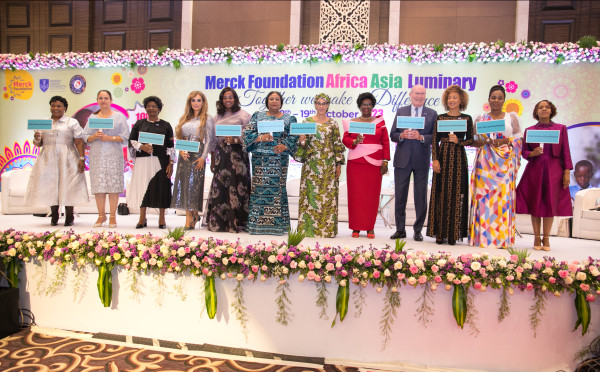
Merck Foundation Chairman and Chief Executive Officer (CEO) with African First Ladies inaugurate their 10th Africa Asia Luminary 2023 in India

Location: News
Merck Foundation

Prof. Dr. Frank Stangenberg-Haverkamp, Senator Dr. Rasha Kelej and African First Ladies of Botswana, Burundi, Cabo Verde, Central African Republic, The Gambia, Ghana, Liberia, Malawi, Democratic Republic of São Tomé and Príncipe, Zimbabwe, Democratic Republic of Congo, to inaugurate 10th Edition of Merck Foundation Africa Asia Luminary 2023 (http://www.Merck-Foundation.com); More than 10,000 participants including healthcare providers, policymakers, researchers, academia and media representatives from 70 English, French, Spanish and Portuguese speaking countries attended the Luminary through hybrid model to benefit from five parallel  scientific and social sessions to  advance healthcare capacity and awareness in 42 critical and underserved medical specialties; Celebrating 6th Anniversary of Merck Foundation and marking 11-year journey of their development programs, during 2023 Luminary; Merck Foundation reported the impact of providing 1700 scholarships to doctors from 50 countries in 42 critical and underserved specialties such as; Oncology, Diabetes, Cardiovascular Preventive, Endocrinology, Fertility, Embryology, Reproductive Care, Respiratory Care, Acute and Intensive Care, Neonatal Care, Pediatric Emergency, Advanced Surgery, Microbiology & Infectious Diseases, Internal Medicine, Ophthalmology, Psychiatry, Palliative Care and Pain Management and more; Merck Foundation marked Cancer Awareness Month during their annual conference.

Merck Foundation, the philanthropic arm of Merck KGaA Germany, conducted their annual conference, the 10th Edition of “Merck Foundation Africa Asia Luminary”, in partnership with Tata Memorial Centre and Department of Atomic Energy, Ministry of External Affairs, Ministry of Home Affairs, Ministry of Health of India, State Protocol Office of Government of Maharashtra and Krishna  World University, Karad, on the 18th of October 2023 in Mumbai, India. The conference was inaugurated by Prof. Dr. Frank Stangenberg-Haverkamp, Chairman of Merck Foundation Board of Trustees, and Senator, Dr. Rasha Kelej, CEO of Merck Foundation and Chairperson of Merck Foundation Africa Asia Luminary, along with African First Ladies of 11 countries;

  • H.E. Mrs. NEO JANE MASISI, The First Lady of the Republic of Botswana
  • H.E. Madam ANGELINE NDAYISHIMIYE, The First Lady of the Republic of Burundi
  • H.E. Dr. DÉBORA KATISA CARVALHO, The First Lady of the Republic of Cabo Verde
  • H.E. Madam BRIGITTE TOUADERA, The First Lady of Central African Republic
  • H.E. Mrs. FATOUMATTA BAH-BARROW, The First Lady of the Republic of The Gambia
  • H.E. Mrs. REBECCA AKUFO-ADDO, The First Lady of the Republic of Ghana
  • H.E. Mrs. CLAR MARIE WEAH, The First Lady of the Republic of Liberia
  • H.E. Mrs. MONICA CHAKWERA, The First Lady of the Republic of Malawi
  • H.E. Mrs. MARIA DE FATIMA VILA NOVA, The First Lady of the Democratic Republic of São Tomé and Príncipe
  • H.E. Amai Dr. AUXILLIA MNANGAGWA, The First Lady of the Republic of Zimbabwe
  • H.E. Madam DENISE NYAKERU TSHISEKEDI, The First Lady of the Democratic Republic of The Congo

Senator Dr. Rasha Kelej, CEO of Merck Foundation and Chairperson of Merck Foundation Africa Asia Luminary emphasized, “I am very proud to welcome our Guests of Honors and Keynote Speakers, the First Ladies of Africa and Ambassadors of “More Than a Mother” Campaign, for our annual conference that we have conducted first time in India. Together, we shared experiences and discussed the impact of our programs to transform patient care and raise awareness on a wide range of sensitive and critical social and health. Today we are also marking together Cancer Awareness Month, it is great to remember that Merck Foundation provided 138 scholarships of Oncology Training in many sub-specialties to doctors from 37 African countries, many of them have become the first oncologists in their countries. We are making history together in Africa, with our Ambassadors, First Ladies of Africa and our partners, Tata Hospital and Krishna University.”

Prof. Dr. Frank Stangenberg-Haverkamp Chairman of both of Executive Board of E.Merck KG and Merck Foundation Board of Trustees expressed “At Merck Foundation, our goal is improving overall health and well-being by building healthcare capacity and by providing access to quality & equitable healthcare solutions in the Africa, Asia and beyond. I would like to thank our partners, African First Ladies and Health Experts, Policy Makers, Government Officials, Academia and Media from more than 70 countries to join hands with us in order to realize the vision of Merck Foundation that “Everyone can lead a Healthy and Happy life.”

“I am proud to share that Merck Foundation has provided more than 1700 scholarships to young doctors from 50 countries in 42 critical and underserved specialties such as Oncology and Cancer care, Diabetes, Endocrinology, Cardiovascular, Fertility Care, Embryology, Sexual & Reproductive Medicine, Internal Medicine, Respiratory Medicine, Acute Medicine, Critical Care, Pediatric Emergency, Gastroenterology, Rheumatology, Clinical Psychiatry, Urology, Ophthalmology, General Surgery, Trauma & Orthopedic, Dermatology, Neonatal Care, Pain Management, Clinical Microbiology & Infectious Diseases, Advanced Surgical Practice, Neuroimaging for Research and more. Many of them are becoming the first specialists in their countries. Many of these scholarships were conducted in India where a state of art clinical training was provided at the prestigious training institutions of our partners such as Tata Memorial Center, Manipal University, Maharashtra University, Krishna University, Indra IVF Training and more. Therefore, we are very happy to be this year in India to celebrate our 10 years partnership with our respectable Indian partners”, added Senator Kelej.  

During the 10th Edition of Merck Foundation Africa Asia Luminary, the First Ladies of 11 African Countries, also the Ambassadors of Merck Foundation “More Than a Mother”, celebrated the 6th Anniversary of Merck Foundation and marked the 11-year journey of Merck Foundation development programs that started in 2012.

During the day 1 of the conference, the Plenary Session of Merck Foundation Africa Asia Luminary 2023 was held, during which a high-level panel meeting of Merck Foundation First Ladies Initiative Summit was conducted.

Day 2 of the conference will have important five parallel Medical and Scientific Sessions on Oncology, Diabetes & Hypertension, Fertility and Reproductive Care, and medical capacity building of other specialties such as; respiratory, acute care, emergency pediatric and neonatal care and more. Additionally, a community awareness session, the Merck Foundation Health Media Training session will also be conducted for the African journalists, to emphasize on the important role that they play to influence the community to create a cultural shift with the aim to Break Infertility Stigma, Support Girl Education, Stop GBV, End Child Marriage, End FGM, and Women Empowerment at all levels.

Countries participating in the 10th Edition of Merck Foundation Africa Asia Luminary include:

Angola, Bangladesh, Benin, Botswana, Burkina Faso, Burundi, Cameroon, Canada, Central Africa Republic, Cambodia, Chad, Côte d'Ivoire, Republic of the Congo, Democratic Republic of the Congo, Egypt, Ethiopia, France, Gabon, Germany, Ghana, Guinea – Bissau, Guinea – Conakry, India, Indonesia, Kenya, Lesotho, Liberia, Malawi, Malaysia, Mali, Mauritania, Mauritius, Mexico, Mozambique, Myanmar, Namibia, Nepal, Niger, Nigeria, Peru, Philippines, Russia, Rwanda, Senegal, Sierra Leone, Somalia, South Africa, Sri Lanka, Sudan, Tanzania, Thailand, The Gambia, Togo, Tunisia, U.A.E, UK, Uganda, US, Vietnam, Zambia, Zimbabwe and more.

The 10th Edition of Merck Foundation Africa Asia Luminary 2023 was streamed live on the social media handles of Merck Foundation (https://apo-opa.info/3Ykd3hH) and Senator, Dr. Rasha Kelej (https://apo-opa.info/3SfA0AF).

Link to the Facebook live steam of Inaugural Session of Merck Foundation Africa Asia Luminary & African First Ladies High Level Panel: https://apo-opa.info/3RYXLPa

Summarizing Merck Foundation's initiatives and impact:

Merck Foundation is transforming the Patient care landscape and making history together with its partners in Africa, Asia, and beyond, through:

• 1700+ Scholarships provided by Merck Foundation for doctors from 50 Countries in 42 critical and underserved medical specialties.  

Merck Foundation is also creating a culture shift and breaking the silence about a wide range of social and health issues in Africa and underserved communities through:

• 3000+ Media Persons from more than 30 countries trained to better raise awareness about different social and health issues

• 8 Different Awards launched annually for best media coverage, fashion designers, films, and songs

• Around 30 songs to address health and social issues, by local singers across Africa

• 8 Children's Storybooks in three languages - English, French, and Portuguese

• 7 Awareness Animation films in four languages - English, French, Portuguese and Spanish to raise awareness about prevention and early detection of Diabetes & Hypertension and supporting girl education.

• Pan African TV Program "Our Africa by Merck Foundation” addressing Social and Health Issues in Africa through “Fashion and ART with Purpose” Community

• 1000+ Girls from 15 African countries supported through scholarships or school items, annually.

• 12 Social Media Channels with more than 5 Million Followers.

Distributed by APO Group on behalf of Merck Foundation.

Media contact:
Mehak Handa 
Community Awareness Program Manager 
+91 9310087613/ +91 9319606669  
mehak.handa@external.merckgroup.com 

Join the conversation on our social media platforms below and let your voice be heard:
Facebook: https://apo-opa.info/3Ykd3hH
Twitter: https://apo-opa.info/3Yo3y11
YouTube: https://apo-opa.info/3CNFGLa
Instagram: https://apo-opa.info/3lsqM7q
Flickr: https://apo-opa.info/3JT8BSC
Website: Merck-Foundation.com
Download the Merck Foundation App: https://apo-opa.info/3xeJMsI

About Merck Foundation:
The Merck Foundation, established in 2017, is the philanthropic arm of Merck KGaA Germany, aims to improve the health and wellbeing of people and advance their lives through science and technology. Our efforts are primarily focused on improving access to quality & equitable healthcare solutions in underserved communities, building healthcare and scientific research capacity and empowering people in STEM (Science, Technology, Engineering, and Mathematics) with a special focus on women and youth. All Merck Foundation press releases are distributed by e-mail at the same time they become available on the Merck Foundation Website. Please visit Merck-Foundation.com to read more. To know more, reach out to our social media: Merck Foundation (Merck-Foundation.com); Facebook (https://apo-opa.info/3Ykd3hH), Twitter (https://apo-opa.info/3Yo3y11), Instagram (https://apo-opa.info/3lsqM7q), YouTube (https://apo-opa.info/3CNFGLa), and Flickr (https://apo-opa.info/3JT8BSC).

Media files
Merck Foundation
Download logo
Read moreMerck Foundation Chairman and Chief Executive Officer (CEO) with African First Ladies inaugurate their 10th Africa Asia Luminary 2023 in India
16 October 2023

Green hydrogen economy plays prominent role in SA’s honest energy transition

Location: News

Green hydrogen economy plays prominent role in SA’s just energy transition

President Cyril Ramaphosa has highlighted the vital role the green hydrogen economy plays in the country’s development and just energy transition.

 
“The hydrogen economy has a prominent role to play in our country’s just energy transition, providing employment and support to vulnerable workers, communities and small businesses. 

“It has been estimated that the hydrogen economy has the potential to add 3.6% to our GDP by 2050 and approximately 370 000 jobs. We must act with purpose to harness the potential of the green hydrogen economy,” the President said. 

President Ramaphosa was delivering remarks at the second iteration of South African Green Hydrogen Summit (SAGHS) in Century City, Cape Town, on Monday. 

The inaugural SAGHS, held in 2022, reaffirmed South Africa as an investment destination of choice and a world leader in the green energy space. It focused on scaling up regional cooperation around green hydrogen.

This second summit aims to highlight South Africa’s exceptional potential as an early stage, large scale and low cost world-class green hydrogen production hub, and total value chain investment destination.

South Africa’s Investment Strategy, approved by Cabinet earlier this year, lists green hydrogen as one of the big frontier strategic sectors expected to attract foreign and domestic direct investment.

The President emphasised the nation’s goal to position itself as a globally competitive player in this dynamic and growing industry.

The President noted that 64 countries, accounting for 89% of global emissions, have announced net zero targets by 2050. He further said that is anticipated that global green hydrogen demand will increase sevenfold by 2050.

He said that for the world to limit global warming to less than 1.5 degrees Celsius, green hydrogen will need to constitute 10% to 20% of the global energy mix. 
 
“South Africa has committed to ambitious emission reduction targets. Our own estimates indicate that green hydrogen has the potential to remove 10% to 15% of our domestic emissions and contribute to our nation’s long-term energy security,” he said. 

Green Hydrogen Alliance
 

The President acknowledged the collaboration efforts being made through the African Green Hydrogen Alliance, which includes Egypt, Kenya, Mauritania, Morocco, Namibia, Ethiopia, Angola and South Africa.
 
The alliance aims to harness Africa’s potential in developing green hydrogen industries. It aims to make joint calls for technical support, funding and market access to international public and private sector partners.
 
“The inaugural summit laid a strong policy foundation. This year’s summit has a dedicated project focus, providing an opportunity to demonstrate the degree to which projects have matured and advanced. This is also an opportunity to demonstrate technological developments and advancements in the green hydrogen space.
 
“Close cooperation between public, private and financial partners will be key to unlocking Africa’s green hydrogen potential. This will enable mass-scale domestic and international demand for green hydrogen, and increase cooperation on green hydrogen production, storage and distribution infrastructure,” President Ramaphosa said.

The President emphasised that if investment is significantly scaled-up, green hydrogen can deliver the equivalent of more than one third of Africa’s current energy consumption, increase the collective GDP, improve clean water supply and empower communities.
 
He said proper planning, regulation and incentive schemes are critical to mobilise private sector investment.
 
“South Africa has deep capital markets, with world-class conditions for generating renewable energy through solar and wind power, which are key drivers of the production of green hydrogen.
 
“Funding green hydrogen projects will require innovative financing structures sourced from multiple stakeholders,” President Ramaphosa said. 

Building the green hydrogen industry
 
In June 2023, South Africa concluded a Heads of Agreement with the intention to launch the SA-H2 Fund. This is an innovative blended finance fund that will facilitate the development of a green hydrogen sector and circular economy in South Africa.
 
SA-H2 aims to secure $1 billion in funding raised directly in South Africa or via indirect channels. The Fund is a partnership of private and public enterprises, locally and globally.
 
Since the last Summit, the President said advances have been made towards building the green hydrogen industry in the country.
 
These include a Joint Declaration of Intent with the German government, focusing on market access, off-take opportunities and value-additive benefits in the production of green steel and green fertiliser.
 
South Africa has also signed a MOU with the Netherlands as an off-taker for green hydrogen derivative products.
 
“It is encouraging to note that a Memorandum of Cooperation will be signed at this conference by three multinationals in the green hydrogen mobility space, namely Sasol, Anglo American and BMW.
 
“Sasol will serve as a supplier to Anglo and BMW as part of their focus on commercial and passenger fleet transformation. These are important initiatives within the context of carbon border adjustment mechanisms,” the President said. 
 

He thanked all the partners and sponsors that have made this summit possible. He sent a special mention to Anglo American, BMW, Sasol, the Industrial Development Corporation and GIZ. 
 
“I wish business and government delegations at this summit well as we work to shape Africa’s green hydrogen agenda for the benefit of our economies and societies, now and into the future,” he said. – SAnews.gov.za

DikelediM
Mon, 10/16/2023 - 13:20

319 views
Read moreGreen hydrogen economy plays prominent role in SA’s honest energy transition
8 September 2023

SA awarded Chairship of the Africa Green Hydrogen Alliance

Location: News

SA awarded Chairship of the Africa Green Hydrogen Alliance

South Africa will use its Chairship of the Africa Green Hydrogen Alliance (AGHA) to advance the green hydrogen agenda on the continent and support opportunities for peer-to-peer learning, technology transfer, economic and employment opportunities.

This is according to Minister in the Presidency for Electricity, Dr Kgosientsho Ramokgopa, who was handed Chairship of the AGHA on the sidelines of the Inaugural Africa Climate Summit (ACS), which took place from 04-06 September 2023 in Nairobi Kenya.

“Green hydrogen and its associated large scale renewable energy production has the potential to support the expansion of the electricity transmission infrastructure, to add additional renewable energy generation capacity and to support the local development of renewable energy.

“As such it is a key component of South Africa’s future energy mix to achieve sustainable energy security,” the Ministry for Electricity said on Thursday.

AGHA was formed in May 2022 by six African countries, Egypt, Kenya, Mauritania, Morocco, Namibia and South Africa, to drive decarbonisation through green hydrogen.

The alliance seeks to intensify collaboration and supercharge the development of green hydrogen projects on the African continent in line with the Just Energy Transition.

“It focuses on public and regulatory policy, capacity building, financing and certification needs to mobilise green hydrogen production for domestic use and export. The inclusion of the Ethiopia and Angola’s membership were also announced alongside South Africa’s Chairship,” the Ministry for Electricity said.

During the ACS, the Minister participated in panel sessions where he shared lessons on South Africa’s energy outlook and the role of green hydrogen in supporting energy security and driving green industrialisation.

On the margins of the Summit, the Minister engaged in multiple high-level bilateral meetings to explore energy collaborations and meaningful partnerships in the energy space.

The Minister’s participation at the Summit was underpinned by a commitment to consistent, sustainable and affordable energy supply for South Africa. – SAnews.gov.za


nosihle
Fri, 09/08/2023 - 09:30

649 views
Read moreSA awarded Chairship of the Africa Green Hydrogen Alliance
7 September 2023

The key to Africa’s industrialisation process and ending the region’s massive energy poverty

Location: News
African Energy Chamber

By Jason Mitchell

Africa's vast natural gas reserves are key to bringing energy to Africa's poorest countries, to a solid industrialisation process throughout the region and to significant poverty reduction.

The region is home to 33 of the world's 46 least-developed countries (LDCs) with an average income per head of less than $1,018 a year. The continent's poorest countries must expand at 6-7% a year if poverty is to be reduced in a big way and if the life chances of hundreds of millions of people are to be improved. To achieve this goal, these countries require abundant and cheap energy. Luckily, for many African states, the answer lies on their own doorstep — natural gas. Gas has remained a niche fuel in sub-Saharan Africa — contributing only 5% of the total energy mix against a global average of 20-25% — but its potential is enormous.

A new vision for Africa is required — a criss-crossing network of natural gas pipelines that brings energy to all corners of the region. The continent's contribution to global greenhouse gas emissions is tiny and will only become slightly bigger if the region's natural gas reserves are exploited. There is also a massive opportunity to wean poor Africans away from the use of biomass fuel and to help protect the region's forests through the rollout of small, liquified petroleum gas (LPG) stoves. Climate change is an issue in Africa but poverty reduction is a bigger one. Poverty is the biggest killer in Africa today.

It's very hard for Europeans and North Americans to imagine what it's like to live on under $1,018 a year, to not have readily available electricity, to not have a refrigerator or a washing machine, to not have a car, to not have a lawnmower, to not be able to fly from one country to another cheaply, to not have electricity in the school or the workplace and to have to use firewood or charcoal for cooking purposes. Fossil fuels have been at the heart of the Industrial Revolution that has brought prosperity and better living standards to the developed world. People in the First World must be very careful if they decide to deny Africans the same chance to prosper.

Africa has the lowest energy use per capita in the world — the average electricity use of a sub-Saharan African resident is lower than that of a household fridge in the United States. Average consumption per person in sub-Saharan Africa, excluding South Africa, is a mere 185 kilowatt-hours (kWh) a year, compared with about 6,500kWh in Europe and 12,700kWh in the US. Every year San Antonio, Texas, with a population of 1.5m people, uses as much electricity as the whole of Nigeria, with 203m people. Golden, Colorado, a small town with only 19,000 people, uses as much electricity as Chad, a country with 16m people.

The UN's Sustainable Development Goal Seven aims to “ensure access to affordable, reliable, sustainable and modern energy for all” by the year 2030. That's a tall order. In 2019, 917m people in Africa (around 80% of the region's population) relied on wood, charcoal, kerosene, animal and crop waste or other solid fuels to cook their food and heat their homes. The International Energy Agency (IEA) reports that almost 490,000 people die prematurely every year in sub-Saharan Africa from household air pollution-related causes — stemming from the lack of access to clean cooking facilities. Gas is a much cleaner form of cooking than biomass and its use should be encouraged. Biomass burning-power plants emit 300-400% more CO2 than natural gas per unit energy produced. Natural gas emits almost 50% less carbon dioxide than coal. 

Africa has one-fifth of the world's population but contributes only 3% to global greenhouse gas emissions. Incredibly, some 48 sub-Saharan African countries, excluding South Africa, have an estimated share of global emissions of only 0.55%. The fact is that many African states are already at net zero. If the continent were to use an additional 90bn cu m of natural gas per year — or 50% more than today — the resulting emissions would only raise Africa's cumulative contribution to global carbon emissions to 3.5% (ten gigatonnes) by the year 2050, according to the IEA. It really is a tiny increase compared to the chance of reducing poverty levels for hundreds of millions of poor people. If Africa is to provide universal electricity access by 2030 it would have to almost double its total generation capacity from around 260gw today to 510gw. 

Almost half the continent's 55 countries have proven natural gas reserves. Across the region, natural gas reserves amount to around 17.5trn cubic metres (cu m), making up around 9% of the world's total gas reserves. They are considerable in northern Africa (accounting for 45% of African reserves) and western Africa (32%), in particular. Commercial quantities of natural gas have been found in many African countries.

Previously, only four countries from the region have been major natural gas production hubs: Nigeria (with total gas reserves of 5.8trn cu m), Algeria (4.5trn cu m), Egypt (2.2trn cu m) and Libya (1.5trn cu m). These four accounted for 78% of African gas reserves in 2021 (https://apo-opa.info/48gDBWG), according to the United States Energy Information Administration.

However, seven African countries — Mozambique, Senegal, Tanzania, Mauritania, South Africa, Ethiopia and Morocco — with no history of fossil gas exploitation have now opened up their doors to gas projects. Some 84% of new reserves in the pre-production stage are found in these states — total new reserves amount to 5.1trn cu m. Mozambique has re-production reserves of 2.3trn cu m, Senegal 779bn cu m, Mauritania 575bn cu m, Tanzania 512bn cu m, South Africa 96bn cu m, Ethiopia 42bn cu m and Morocco 39bn cu m.

Furthermore, major untapped reserves have been discovered in Angola, Cameroon, Ghana, Equatorial Guinea, the Republic of the Congo, Kenya and Uganda. A number of these states — including Mozambique, Tanzania, Mauritania and Senegal — are actively marketing natural gas to capitalise on recent discoveries. In fact, the IEA has declared Africa the ‘new frontier' in global oil and gas.

The big four gas-producing countries will continue to dominate gas production in the near term but experts estimate that Mozambique and the other new entrants will contribute more than 50% of the region's gas production by 2038.

Natural gas can be used for electricity generation, industry and domestic use. Crucially, harnessing Africa's gas could provide the baseload power needed to boost Africa's capacity to process its raw materials locally. It could provide enough energy for industrial processes, including steel and cement production and paper and pulp manufacturing. It could be also used to make fertiliser to raise agricultural yields. Renewables, including solar and wind, cannot yet provide enough energy for these purposes.

The huge reserves of gas can play a significant role in the continent's energy transition, as natural gas has a much lower carbon footprint than oil and coal. Critically, natural gas development and renewable power are not mutually exclusive. If Africa were to triple its use of natural gas, the United Nations Economic Commission for Africa (Uneca) estimates that the region would be able to increase its use of renewable energy eight-fold. Reliable forms of energy such as gas can be used to stabilise a grid powered by intermittent sources such as wind and solar. It can play a key role in a ‘just' energy transition.

However, expanding gas supply across Africa would require a whole web of new gas pipelines and that does not come cheap. A lot of the gas from the new projects already under way in Africa is destined for international markets, including the European Union — which have been seeking new sources of energy since the Ukraine crisis — but it is vital that the region's gas reserves are deployed for domestic use, as well. Nigeria, for example, sits on the continent's largest known natural gas reserves but only 55% of the population had access to secure electricity in 2020.

Multilateral financial institutions (MFIs) — many of which are headquartered in the developed world — are now shying away from investing in natural gas projects in Africa because of pressure from a vociferous green lobby. In 2021, 20 countries — including almost all the world's big, rich democracies — pledged to stop almost all financing of new fossil fuel projects internationally by the end of 2022. Furthermore, under the Glasgow Financial Alliance for Net Zero (GFANZ), 450 financial firms across 45 countries, responsible for over $130trn in assets, committed to accelerate the global decarbonisation process. The problem is that most Western governments and financial institutions do not distinguish between coal, oil and gas, and the pressure to stop funding all hydrocarbons has negatively impacted gas projects in Africa in a big way.  

Some of the continent's biggest financiers — including the African Development Bank (AfDB) — are finding it increasingly difficult to support gas project developments that require loan syndication and foreign partners. The World Bank is pulling back, too. Local banks cannot finance major gas projects on their own, as they are limited by their capital base. In particular, the fossil fuels divestment campaign is having a big impact on the amount of development and concessional finance available. This kind of finance used to support a number of gas projects for their poverty-reducing and economic development value.

For example, without the guarantees of development finance institutions (DFIs), most of Africa's recent gas-to-power plants would have never been built in the first place. The withdrawal of development finance from downstream gas and gas-to-power projects is a serious cause for concern for Africa's electrification effort and moving the needle on energy access.

Furthermore, there is a glaring double standard — many European countries have increased their use of hydrocarbons (coal as well as gas) since Russia's invasion of Ukraine. They are constructing new fossil fuel pipelines at home. The EU recently classified natural gas a ‘green' fuel, which will allow Europe's projects to be backed by investors committed to environmental, social and governance (ESG) principles. European countries are now looking towards African states for new sources of gas. However, they are not prepared to back new gas projects in Africa that would supply the fuel to the region itself. That smacks of hypocrisy of the worst kind. How can you deny the poorest people in the world the sort of energy that you want to use yourselves?

Lumping all hydrocarbons together is a blunt policy mechanism that is not good from an emissions perspective either. In poorer places, like sub-Saharan Africa, the available alternative to gas is not renewable electricity but rather coal, diesel and, most of all, polluting biomass. In sub-Saharan Africa, demand for biomass fuels is expected to surge by 40% by the year 2040 if ‘business as usual' continues. The burning of biomass is a major contributor to global carbon emissions and charcoal has been a top driver of tropical forest loss during the past two decades, with the greatest footprint in Africa. The continent's carbon sinks need protecting and the irony is that the greater use of gas would achieve that.

Africa is home to 18% of humanity but receives less than 5% of global energy investment. And much of this investment goes on producing oil and gas for export. There must be much more investment in the region for the domestic use of gas. Gas projects could play an absolutely vital role in bringing energy to Africa but obviously the projects require financing. DFIs must think again about their decision to limit investment in new projects in Africa. The financing of a network of gas pipelines throughout Africa would be one of the quickest and surest ways of industrialising the region in a big way and of alleviating poverty on a large scale. Renewables just cannot do that how ever much wishful thinking takes place.

In fact, development institutions should go one step further and consider subsiding a massive roll out of small LPG stoves to millions of poor households in the region. It could be one of the biggest moves in contributing to Africa's decarbonisation effort by arresting the pace of deforestation in the region. LPG is recovered from ‘wet' natural gas (gas with condensable heavy petroleum compounds) by absorption and reaches the domestic consumer in cylinders under relatively low pressures. The widespread adoption of LPG stoves would reduce the amount of pollutants in the air from biomass fuels. Poor households that currently depend on woodfuel for cooking require a cleaner cooking alternative — LPG is one of the solutions.

LPG stoves are also suitable for domestic use in rural settings — a key consideration in Africa where energy poverty is greatest in the countryside. For instance, in 2016, electricity access in urban and rural areas in Nigeria was 86% and 34%, respectively, according to the World Bank.

Africa only needs to look to Asia for examples. In 2006, Indonesia implemented a ‘mega-programme' to induce a large-scale transition from kerosene to LPG stoves in order to reduce government spending on kerosene subsidies. The initiative invested in LPG infrastructure, domestic cylinder production and consumer awareness. By 2012, 93% of the target had been reached and LPG consumption had grown by almost 350%.

In India, LPG access expanded through the early-2000s but it was still not reaching most poor families. To boost access among the poor, the Indian government introduced the Pradhan Mantri Ujjwala Yojana (PMUY) Scheme. Under it, the country's oil marketing companies provide subsidies to reduce the cost of both LPG connections and cylinder refills to women in households classified as below the poverty line. In 2016, the cost of a connection was about Rupees 3,200 ($48) and included the first full cylinder (plus deposit), deposit for a regulator, an LPG stove and administrative fees.

Furthermore, African governments must consider increasing domestic gas allocations from liquified natural gas (LNG) export projects. These are an effective way to ensure that even if developers prioritise lucrative exports over local sales, they must reserve part of their production for the domestic market. Upcoming LNG terminals in sub-Saharan Africa — for example, in Mozambique — now make it compulsory to allocate a specific amount of gas to the domestic market. The availability of domestic gas from export facilities can encourage gas-based industrialisation (for example, in Senegal) or additional gas-to-power capacity (Mozambique, Mauritania and Senegal). In August 2022, for instance, Senegal's Petrosen Trading & Services signed an MoU with Turkey's Çalık Enerji and Japan's Mitsubishi for the pre-feasibility study of a gas-based ammonia and urea manufacturing unit.

It is a huge mistake to lump all hydrocarbons together and for Western environmentalists to argue that no new new fossil fuel projects should happen in Africa whatsoever. Deforestation is one of the biggest issues in Africa today. Poor Africans must be weaned off the use of wood-based fuels. The widespread adoption of small LPG stoves would be one of the surest ways of reducing deforestation. Natural gas could also form the basis for a solid, large-scale industrialisation process in Africa — something that is essential if the region is to achieve the sort of economic growth needed to lift hundreds of millions of people out of poverty.

Distributed by APO Group on behalf of African Energy Chamber.

Media files
African Energy Chamber
Download logo
Read moreThe key to Africa’s industrialisation process and ending the region’s massive energy poverty
12 July 2023

West Africa’s Top 5 Renewable Energy Projects

Location: News

With both the energy transition and fuel security top priorities for West Africa, future energy solutions will require innovation. A pipeline of innovative renewable energy projects being developed in West Africa are driving sustainable solutions for the region. The upcoming MSGBC Oil, Gas & Power conference – which is organized by Energy Capital & Power …

Read moreWest Africa’s Top 5 Renewable Energy Projects
  • Previous
  • Page 1
  • Page 2

Copyright © 2026 · MyZA · All Rights Reserved · Powered by Stratlec Online