• Skip to main content
  • Skip to header right navigation
  • Skip to after header navigation
  • Skip to site footer
MyZA

MyZA

News, Directory, Events and Other Stuff

  • Social Media
  • Sport
  • World News
  • Home
  • Submit News
  • Directory
  • Events
  • Stratlec
  • TFSA
  • News
    • APO
    • Today’s Sport News
    • Todays Social Media and Tech Headlines
    • Today’s World News
    • Today’s SA Financial News
  • Contact
You are here: Home / News / Hydrogen Energy Technologies to Drive Demand for Africa’s Platinum Group Metals (PGMs)

Hydrogen Energy Technologies to Drive Demand for Africa’s Platinum Group Metals (PGMs)

20 June 2024 by Guest
Energy Capital & Power

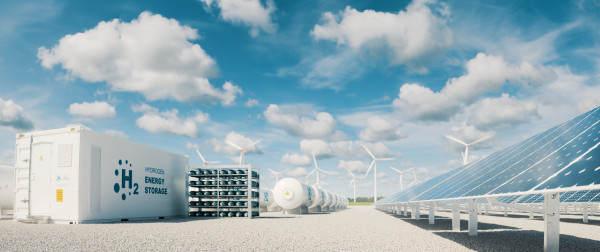
The global market for platinum group metals (PGMs) – which include platinum, palladium, rhodium, iridium, osmium and ruthenium – will record a 4.47% increase between now and 2029, according to market research firm Mordor Intelligence. In part, market growth will come from growing demand for PGMs in green technologies, including hydrogen energy technologies, in turn generating opportunities across Africa’s mining and hydrogen value chains.

https://apo-opa.co/3Rzawim

The Critical Minerals Africa (CMA) Summit, taking place on November 6-7 in Cape Town, will unpack the nexus between PGMs and green hydrogen and their evolving role within the African and global energy transition. The continent is home to the world's largest PGM reserves, with South Africa alone possessing over 80% of global resources and Zimbabwe also holding substantial reserves. These metals play a vital role in fuel cell technology, enabling the production of electricity from hydrogen and oxygen. As African countries – including Namibia, South Africa, Mauritania and Egypt – intensify their green hydrogen activities, long-term PGM demand is expected to grow substantially, powering a wide range of applications from hydrogen fuel cell vehicles to stationary power generation to industrial processes.

Africa’s Green Hydrogen Potential

The African continent holds substantial potential for green hydrogen production given its abundance of co-located renewable resources. According to the European Investment Bank, Africa has the potential to produce 50 million tons of green hydrogen per annum by 2035, which could help meet power, transportation and industrial energy needs, decarbonize heavy-polluting industries, as well as be used for global export.

Namibia represents a pioneer of green hydrogen on the continent, having secured billions in investment for green hydrogen projects from various investors, including the USAID, the Development Bank of Southern Africa and Japanese investment firm ITOCHU. Green energy firm Hyphen Hydrogen Energy is implementing a $10-billion project, with the capacity to produce 350,000 metric tons per year using 7 GW of renewable energy and 3 GW of hydrogen electrolyzers. Last May, Belgian port operator Antwerp Bruges partnered with the Namibian Ports Authority to develop a EUR 250-million hydrogen and ammonia storage facility at Walvis Bay Port to facilitate the transport of hydrogen to regional and global markets.  

Realizing the potential of green hydrogen to drive regional energy security, South African tourism, trade and investment agency Wesgro signed an agreement last month with the Northern Cape Economic Development, Trade and Investment Promotion Agency, Namibia’s Environmental Investment Fund and infrastructure company Gasunie and Climate Fund Managers. The agreement paves the way for the parties to assess the feasibility of developing a green hydrogen corridor connecting the Western Cape and Northern Cape provinces of South Africa with Lüderitz in Namibia.

https://apo-opa.co/3KR5JVJ

https://apo-opa.co/3XvTSnz

Furthermore, green energy companies Hive Energy UK and Genesis Eco-Energy are developing a R105 billion green hydrogen and ammonia project in the Coega Special Economic Zone in the Eastern Cape province of South Africa. The project will add 14,400 MW of electricity to the grid and produce 900,000 tons of green ammonia for export to global markets, increasing the country’s export revenue. South Africa has also established a $1-billion fund in partnership with the Netherlands, aimed at accelerating the deployment of green hydrogen projects to feed growing demand in Europe.

https://apo-opa.co/3xdxaWM

Private and public sector entities in South Africa are demonstrating the potential for synergy between PGMs and green hydrogen, specifically in hydrogen fuel cell vehicles. Last October, mining firm Anglo American entered into a partnership with automotive firm BMW South Africa and international energy firm Sasol to develop South Africa’s PGMs and green hydrogen value chains. Anglo American will provide PGMs used in hydrogen fuel-cell vehicles, while Sasol will provide the green hydrogen and BMW the vehicles.

https://apo-opa.co/3XBI9UJ

As global demand for green hydrogen rises due to carbon emission reduction policies and growing energy needs, a parallel surge in PGMs demand is also anticipated. Given that Africa is home to the overwhelming majority of these critical minerals, CMA 2024 will explore the latest policies, projects and developments ensuring that the continent capitalizes on green hydrogen as a key growth driver.

Organized by Energy Capital & Power, CMA is the largest gathering of critical mineral stakeholders in Africa. Taking place from November 6 – 7 in Cape Town, the event positions Africa as the primary investment destination for critical minerals. This year’s edition takes place under the theme Innovate, Enact, Invest in African Critical Minerals to Sustain Global Growth, connecting African mining projects and regulators with global investors and stakeholders to untap the full potential of the continent’s raw materials. Sponsors, exhibitors and delegates can learn more by contacting sales@energycapitalpower.com.

Distributed by APO Group on behalf of Energy Capital & Power.

Media files
Energy Capital & Power
Download logo

The global market for platinum group metals (PGMs) – which include platinum, palladium, rhodium, iridium, osmium and ruthenium – will record a 4.47% increase between now and 2029, according to market research firm Mordor Intelligence. In part, market growth will come from growing demand for PGMs in green technologies, including hydrogen energy technologies, in turn generating opportunities across Africa’s mining and hydrogen value chains.

The Critical Minerals Africa (CMA) Summit, taking place on November 6-7 in Cape Town, will unpack the nexus between PGMs and green hydrogen and their evolving role within the African and global energy transition. The continent is home to the world’s largest PGM reserves, with South Africa alone possessing over 80% of global resources and Zimbabwe also holding substantial reserves. These metals play a vital role in fuel cell technology, enabling the production of electricity from hydrogen and oxygen. As African countries – including Namibia, South Africa, Mauritania and Egypt – intensify their green hydrogen activities, long-term PGM demand is expected to grow substantially, powering a wide range of applications from hydrogen fuel cell vehicles to stationary power generation to industrial processes.

Africa’s Green Hydrogen Potential

The African continent holds substantial potential for green hydrogen production given its abundance of co-located renewable resources. According to the European Investment Bank, Africa has the potential to produce 50 million tons of green hydrogen per annum by 2035, which could help meet power, transportation and industrial energy needs, decarbonize heavy-polluting industries, as well as be used for global export.

Namibia represents a pioneer of green hydrogen on the continent, having secured billions in investment for green hydrogen projects from various investors, including the USAID, the Development Bank of Southern Africa and Japanese investment firm ITOCHU. Green energy firm Hyphen Hydrogen Energy is implementing a $10-billion project, with the capacity to produce 350,000 metric tons per year using 7 GW of renewable energy and 3 GW of hydrogen electrolyzers. Last May, Belgian port operator Antwerp Bruges partnered with the Namibian Ports Authority to develop a EUR 250-million hydrogen and ammonia storage facility at Walvis Bay Port to facilitate the transport of hydrogen to regional and global markets.

Realizing the potential of green hydrogen to drive regional energy security, South African tourism, trade and investment agency Wesgro signed an agreement last month with the Northern Cape Economic Development, Trade and Investment Promotion Agency, Namibia’s Environmental Investment Fund and infrastructure company Gasunie and Climate Fund Managers. The agreement paves the way for the parties to assess the feasibility of developing a green hydrogen corridor connecting the Western Cape and Northern Cape provinces of South Africa with Lüderitz in Namibia.

Furthermore, green energy companies Hive Energy UK and Genesis Eco-Energy are developing a R105 billion green hydrogen and ammonia project in the Coega Special Economic Zone in the Eastern Cape province of South Africa. The project will add 14,400 MW of electricity to the grid and produce 900,000 tons of green ammonia for export to global markets, increasing the country’s export revenue. South Africa has also established a $1-billion fund in partnership with the Netherlands, aimed at accelerating the deployment of green hydrogen projects to feed growing demand in Europe.

Private and public sector entities in South Africa are demonstrating the potential for synergy between PGMs and green hydrogen, specifically in hydrogen fuel cell vehicles. Last October, mining firm Anglo American entered into a partnership with automotive firm BMW South Africa and international energy firm Sasol to develop South Africa‘s PGMs and green hydrogen value chains. Anglo American will provide PGMs used in hydrogen fuel-cell vehicles, while Sasol will provide the green hydrogen and BMW the vehicles.

As global demand for green hydrogen rises due to carbon emission reduction policies and growing energy needs, a parallel surge in PGMs demand is also anticipated. Given that Africa is home to the overwhelming majority of these critical minerals, CMA 2024 will explore the latest policies, projects and developments ensuring that the continent capitalizes on green hydrogen as a key growth driver.

Organized by Energy Capital & Power, CMA is the largest gathering of critical mineral stakeholders in Africa. Taking place from November 6 – 7 in Cape Town, the event positions Africa as the primary investment destination for critical minerals. This year’s edition takes place under the theme Innovate, Enact, Invest in African Critical Minerals to Sustain Global Growth, connecting African mining projects and regulators with global investors and stakeholders to untap the full potential of the continent’s raw materials.

Per Kind Favour of APO

Share this:

  • Share on X (Opens in new window) X
  • Share on Facebook (Opens in new window) Facebook
  • Print (Opens in new window) Print
  • Email a link to a friend (Opens in new window) Email
  • Share on LinkedIn (Opens in new window) LinkedIn
  • Share on Tumblr (Opens in new window) Tumblr
  • Share on WhatsApp (Opens in new window) WhatsApp
  • Share on Mastodon (Opens in new window) Mastodon
Category: NewsTag: 2024, Africa, African, agreement, APO, Cape Town, critical, Eastern Cape, Egypt, Energy, Event, global, green, green energy, infrastructure, Mauritania, mining, Namibia, production, Renewable, Sasol, South Africa, Summit, Technology, Tourism, Western Cape, Zimbabwe

If you feel strongly about this article then feel free to send MyZA a ‘Letter to the Editor’ using the submission form below:


Letter to the Editor

This field is for validation purposes and should be left unchanged.
If this is in response to an article please include that article title here or as the lead in for the first paragraph of your Letter below.

Separate tags with commas

Localise your letter by naming the city your words are about. Add relevant words describing your subject. Single comma separated words of no more than 5
Your Name(Required)
Your Name will be linked to the website below.
Your personal, business or social media web site
Choose NO to not set up a user account on MyZA. User Accounts will allow you to submit letters under your own Author Name

3 Latest Letters to the Editor:

  • Older Persons Grants Land Today — No Need to Queue at Dawn

    Dear Editor, Older Persons grants are paid today, 30 October, under SASSA’s revised November payment schedule — with disability grants on Monday 2 November, children’s grants on Tuesday 3 November, and grants under review on Thursday 5 November. Two things every beneficiary should know. First, grant money does not expire on payment day. It stays…

    30 October 2026
  • November Grants Pay Early – No Need to Queue at Dawn

    Dear Editor, I run SAGrant (sagrant.co.za), a free resource helping South Africans navigate SASSA grants. November grants pay earlier than usual. Older Persons grants are paid on Friday 30 October, Disability grants on 2 November, and Child Support and other grants on 3 November. Grants still under review are paid on 5 November. The money…

    27 October 2026
  • NSFAS 2027 applications close on 31 October — SASSA households, apply now

    Dear Editor, I run SAGrant (sagrant.co.za), a free resource helping South Africans navigate SASSA grants. NSFAS applications for the 2027 academic year close on Friday 31 October 2026, and no extension is expected. If your household receives a SASSA grant, your child already passes the NSFAS financial eligibility test — but they still have to…

    25 October 2026

About Guest

Previous Post:Cape Town Initiative ‘Love Wins’ Targets Urgent Need for GBV Intervention
Next Post:Maweni using her clients for her money ritual

Reader Interactions

Comments

  1. Romance Guppy

    18 September 2026 at 12:01 am

    Ukraine: You have two cows. One of them feeds on American grass, the other feeds on Russian grass.

  2. Pistol Hydro

    25 August 2026 at 8:40 pm

    Iran: You have two cows. When the US finds out, they impose sanctions on you on charges of running an illicit methane-powered missile program.

Copyright © 2026 · MyZA · All Rights Reserved · Powered by Stratlec Online