• Skip to main content
  • Skip to header right navigation
  • Skip to after header navigation
  • Skip to site footer
MyZA

MyZA

News, Directory, Events and Other Stuff

  • Social Media
  • Sport
  • World News
  • Home
  • Submit News
  • Directory
  • Events
  • Stratlec
  • TFSA
  • News
    • APO
    • Today’s Sport News
    • Todays Social Media and Tech Headlines
    • Today’s World News
    • Today’s SA Financial News
  • Contact
You are here: Home / Archives for mining

mining

13 November 2024

SA strengthens bilateral ties with Egypt

Location: News

SA strengthens bilateral ties with Egypt

International Relations and Cooperation (DIRCO) Minister Ronald Lamola, along with a business delegation, will today undertake a working visit to Cairo, in the Arab Republic of Egypt, to co-chair the South Africa-Egypt Political Consultations.

The Minister will co-chair the consultations with his counterpart, Dr Badr Abdelatty, the Minister of Foreign Affairs, Emigration and Expatriate Affairs of the Arab Republic of Egypt, from 13 to 14 November. 

South Africa and Egypt enjoy cordial political, economic and social relations following the formal establishment of diplomatic relations on 29 March 1995. These relations are historical and based on friendship, solidarity and collaboration between the peoples of both countries.

The Joint Commission for Cooperation (JCC) that exists between the two countries is a structured bilateral mechanism that provides a platform for political, economic, social, cultural, scientific and technical cooperation between the two.

“We will be accompanied by a South African business delegation consisting of close to 50 companies. The delegation will explore further investment and trade opportunities across a range of economic sectors.

“The working visit will provide an opportunity to exchange views on regional, continental, and global issues of mutual interest, with an emphasis on the conflict in Sudan. Before the conflict, Sudan was already experiencing a severe humanitarian crisis,” Lamola said during a media briefing on Tuesday.  

Lamola said the long-term political instability and economic pressures left 15.8 million people in need of humanitarian aid, and that the conflict has only exacerbated these conditions, leaving 25.6 million people -- more than half of Sudan’s population -- in need.

“The brutal conflict has forced more than 11 million people from their homes. The vast majority (over 8.1 million people) remain within Sudan, representing the largest displacement crisis in the world. 

“Furthermore, the session will also reinforce the importance of accelerating efforts towards the implementation of the African Continental Free Trade Agreement and in consolidation of Africa’s Agenda 2063,” Lamola said. 

The working visit will further reinforce the commitment by both countries to expand and strengthen political and economic relations.

South Africa and Angola strengthen economic ties 

On the 1st of November 2024, the Minister undertook a working visit to Luanda, Angola, for political and diplomatic consultations. 

Discussions included preparations for the upcoming State Visit by President João Manuel Gonçalves Lourenço to South Africa. 

“It was agreed that this visit should reaffirm the existing bilateral relations, underpinned by a strong economic partnership. We informed our counterpart that a business forum will also be organised during the visit, with the participation of companies from both countries, focusing on sectors such as agriculture and agro-processing, mining, energy, transport, healthcare, tourism and education,” Lamola said.  – SAnews.gov.za

DikelediM
Wed, 11/13/2024 - 09:44
278 views
Read moreSA strengthens bilateral ties with Egypt
11 November 2024

Mining industry a “sunrise industry”

Location: News

Mining industry a “sunrise industry”

Mineral and Petroleum Resources Minister Gwede Mantashe has described the mining industry as a “sunrise industry” that is diversifying from bygone eras.

The Minister said this during his address at the Mintek @90 Conference held in Sandton on Monday.

Mintek is, among other things, the national research and development entity specifically focused on mining and metallurgy.

“Mintek continues to focus on conducting research that will not only have impactful outcomes for the industry but drive technological innovations that will have a positive societal impact, stimulate economic growth, reduce unemployment and inequality, as well as eradicate poverty in South Africa.

“Thanks to the work that is being pioneered by the entity, in collaboration with the industry and various research institutions, that we can now confidently describe the South African mining industry as a sunrise industry that is diversifying from the gold mining era to a diversified industry with the world’s largest reserves of platinum group metals [PGM], manganese, chrome, coal, vanadium, and rare earth minerals,” Mantashe said.

The Minister highlighted that as the need for transition towards renewable energy sources builds up steam, so will the need for PGM rise and this is where Mintek can become a “significant player” on a national, continental and global stage. 

“The need for the world to transition from high carbon emissions to low carbon emissions has increased the demand for ‘green’ minerals. As the world’s largest producer of manganese and chrome, the South African manganese and chrome sectors are equally poised to play a significant role in the global automotive and construction industries given the expected demand for green technologies and electric vehicles.

“As we continue to engage the manganese and chrome producers on mineral value-addition close to the point of production, given its existing pioneering research capabilities, Mintek can be a significant player in the global clean energy economy.

“While there is no universal consensus on the “critical minerals”, the approach by Mintek in developing South Africa’s critical minerals strategy is poised to guide not only South Africa’s, but Africa’s responsible exploration, processing, and exporting of these essential resources,” he said.

Turning to the challenge of illegal mining in the country, Mantashe revealed that Mintek is playing a role in “tackling ownerless and derelict mines by closing the holes that were left behind, thereby help in combating illegal mining and trading in ores”.

He added that the entity is also engaged in work to improving mining processes and efficiency.

“Although funding for this project is not sufficient, there is visible progress which aligns with the government's commitment to addressing environmental sustainability and fostering sustainable growth within the industry.

“Furthermore, Mintek continues to lead the way in driving technological innovations that enhance metal recovery from both conventional and emerging processes. 

“Its focus on continually improving these processes and ensuring the efficient utilisation of energy and water resources by developing technologies to minimise environmental pollution, reflect government’s commitment to safe reclamation of waste, and further promotes broader environmental sustainability within the sector,” the Minister said.

Mantashe emphasised that the success of South Africa’s mining sector – which has contributed at least 6.3% to the nominal Gross Domestic Product this year – rests on not only on research and development but also on collaboration between government, the private sector and academia.

“These collaborations are essential for driving progress and fostering innovation, thereby enable us to tackle the complex challenges we face. By working together, we can leverage diverse expertise and resources, thus ensuring that our collective efforts are aligned with the industry's pressing needs.

“Such synergy not only enhances our ability to respond effectively to market demands but also promotes sustainable practices that benefit the economy and the environment.

“For the next 90 years, Mintek is poised to continue its trajectory of innovation and excellence in mineral technology. The ongoing commitment to advancing techniques in mineral extraction, refining, and processing will be pivotal in addressing both the current and emerging challenges in the industry,” Mantashe said. – SAnews.gov.za


NeoB
Mon, 11/11/2024 - 11:57

42 views
Read moreMining industry a “sunrise industry”
9 November 2024

Walking Joburg’s Biggest Baddest River: Boerboels and Cable Thieves

Location: News

Day 2 on the Klip River: Riverlea to Soweto

Read moreWalking Joburg’s Biggest Baddest River: Boerboels and Cable Thieves
9 November 2024

Walking Joburg’s Biggest Baddest River: A Very Old Church and a Mermaid

Location: News

Klip River Day 3: Eldorado Park to the Lido Hotel

Read moreWalking Joburg’s Biggest Baddest River: A Very Old Church and a Mermaid
8 November 2024

Africa’s Mineral Wealth and Path to Economic Transformation Showcased at CMA 2024

Location: News
Energy Capital & Power

Africa's holds significant reserves of minerals critical for the global energy transition. The continent boasts roughly 30% of the world's mineral reserves, including immense deposits of cobalt, manganese, natural graphite, copper, nickel, lithium and iron ore.  

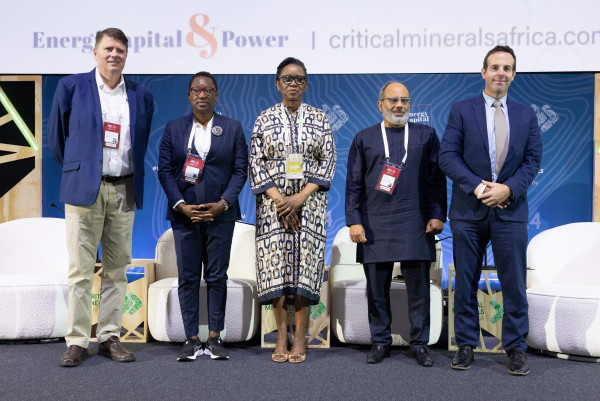
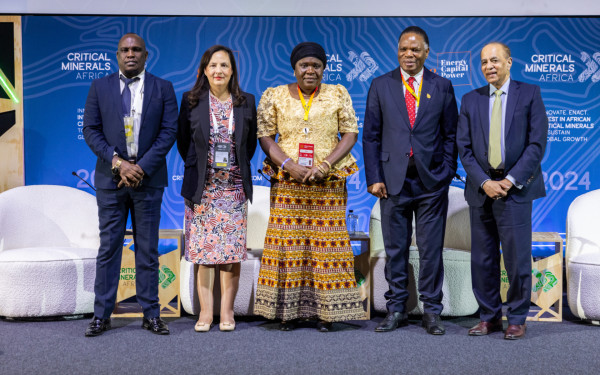
As such, this year's Critical Minerals Africa (CMA) 2024 Summit – held from November 6-7 in Cape Town – convened industry leaders, policymakers, service providers and investors to address the urgent demands of Africa's critical mineral value chain. The Summit featured a robust agenda that sought to shine a spotlight on opportunities for Africa to accelerate its mining sector while utilizing its natural resources to promote value addition and drive socioeconomic development. 

CMA 2024 featured a Ministerial Forum that included the participation of mining ministries from Eswatini, Malawi and Argentina, as well as representatives from Tanzania. High-level speakers during the forum showcased a number of projects aimed at maximizing mineral production while discussing how to leverage mineral resources to promote economic growth and sustainability. 

The Republic of Malawi's Minister of Mining Monica Chang'anamuno highlighted several ongoing projects in the country, such as the Kasongo Initiative, which aims to increase the production of rare earth metals, graphite and lithium resources. 

Meanwhile, Eswatini's Minister of Natural Resources and Energy Prince Lonkhokhela announced ambitious targets to raise to the contribution of the country's mining sector to its GDP. With aims to increase the share from 1% to 50% in the short- to medium-term, the strategy is supported by new surveys revealing commercial deposits of lithium, copper, cobalt and other base metals.  

To bolster investment in mid- and downstream infrastructure, the Summit also featured the participation the President of the Chamber of Mines of Zimbabwe Thomas Gono, who stated, “Historically, we exported raw materials, missing out on the potential benefits. With Africa's young workforce, we now have an opportunity to drive revenue and create jobs through skills development and local beneficiation.” 

With the participation of Tanzania's Chamber of Mines, it was announced that the country aims to expand exploration in critical mineral-rich basins from 16% to 50% as part of a strategic push into rare earths, lithium and tanzanite production. Meanwhile, Zambia's Chamber of Mines discussed ongoing strategies aimed at helping the country address logistics and energy deficit challenges in the mining sector. 

The Summit featured a panel discussion with high-level representatives from mining companies and development institutions including Pensana, the Africa Policy Research Institute and the U.S. Development Finance Corporation. The panel also featured the participation of Clifford Chance, Frost & Sullivan and Chatham House and explored how regional initiatives – such as the Lobito Corridor – have the potential to fast-track Africa's critical minerals market expansion.  

An Investment Forum held during the Summit showcased innovative financing measures to advance the flow of capital across the African market. The session featured representatives from finance institutions the World Bank, ABSA, Moshe Capital, the African Finance Corporation and ASAFO & Co. 

Additionally, midstream and downstream opportunities were showcased during a panel session that featured the participation of organizations such as Orion Minerals, AZ Arnaturen, Women in Green Hydrogen, Isondo Previous Metals and the Southern African – German Chamber of Commerce and Industry. The panel also featured representatives from Konrad Adenauer Stiftung, the SA-DRC Chamber of Commerce, the Curtin Institute for Energy Transition, the Electric Mobility Association of Kenya and the Congolese Battery Council. 

At CMA 2024, research firms including Rystad Energy, Moore Global and Project Blue presented insights on market trends in the global mining industry, while Tronic Metals, Tanzania's State Mining Corporation and South Sudan's state-owned Nilepet provided updates on their activities across the mining value chain. 

A Leaders Forum during the Summit featured the participation of international mining companies Glencore DRC and KoBold Metals as well as representatives from the University of Cape Town and the Minerals Council of South Africa. The forum showcased how governments across Africa can promote innovation in the continent's mining space to attract new investment and increase critical minerals production to drive socioeconomic and GDP growth.  

Distributed by APO Group on behalf of Energy Capital & Power.

Media files
Energy Capital & Power
Download logo
Read moreAfrica’s Mineral Wealth and Path to Economic Transformation Showcased at CMA 2024
8 November 2024

Mining Ministers Present Critical Mineral Expansion Strategies at CMA

Location: News

Energy Capital & Power
Download logo

The second day of the Critical Minerals Africa (CMA) Summit began with a Ministerial Forum, where mining ministers from Eswatini, Malawi, Argentina and representatives from Tanzania highlighted initiatives to advance the mining sector.

HRH Prince Lonkhokhela, Minister of Natural Resources and Energy for the Kingdom of Eswatini, described mining as a foundational pillar of economic growth for the country.

“Our recent high-resolution aerial survey has indicated the presence of copper, nickel and cobalt in the western regions, along with lithium and tantalum in the south,” he stated.

Eswatini is developing a Critical Minerals Strategy in collaboration with the Commonwealth Group, slated for completion by mid-next year, according to the minister.

Lonkhokhela stated that Eswatini is revamping its regulations to align with neighboring nations such as Mozambique and South Africa, aiming for knowledge sharing, resource pooling and regional cooperation on value addition.

Monica Chang'anamuno, Minister of Mining for the Republic of Malawi, emphasized the need for Malawi and Africa to align with the global conversation on critical minerals and the energy transition to seize emerging opportunities.

Chang'anamuno highlighted Malawi's vision to diversify its agriculture-dependent economy through its Agriculture, Tourism and Mining Strategy, prioritizing critical minerals as a driver of growth.

Malawi currently has several rare earth and lithium projects, including the Kasongo rare earth project, which employs 1,200 people, with plans to engage up to 10,000 throughout its lifespan, according to the Minister.

Malawi also discovered one of the world's largest lithium deposits, in partnership with a Korean firm and Rio Tinto, the Minister told delegates at CMA. Additionally, the nation aims to double its energy production to 1,000 MW by next year, with 232 MW allocated to support mining operations.

Maria Alejandra Vlek, Minister of Economic and Commercial Section of Embassy of Argentina in South Africa, highlighted the country's significant lithium potential, holding 22% of global lithium resources, with 180 critical mineral projects currently underway.

She said the country is deploying some 50 lithium projects, including an $800 million lithium facility, and seeks to leverage expertise and investment from African mining countries such as South Africa.

Venace Mwasse, Director of Tanzania's State Mining Corporation, stated “We are aware of the need to reduce emissions through critical mineral production and are committed to ensuring this while benefiting our communities.”

He added that only 16% of Tanzania's land has been surveyed, with a target to reach 50% as part of the country's Vision 2030 Strategy.

Venace Mwasse, Director of Tanzania's State Mining Corporation, stated “We are aware of the need to reduce emissions through critical mineral production and are committed to ensuring this while benefiting our communities.”

He added that only 16% of Tanzania's land has been surveyed, with a target to reach 50% as part of the country's Vision 2030 Strategy.

Distributed by APO Group on behalf of Energy Capital & Power.

Read moreMining Ministers Present Critical Mineral Expansion Strategies at CMA
8 November 2024

Upstream Players Highlight Innovative Financing Critical Mineral Projects at CMA

Location: News
Energy Capital & Power

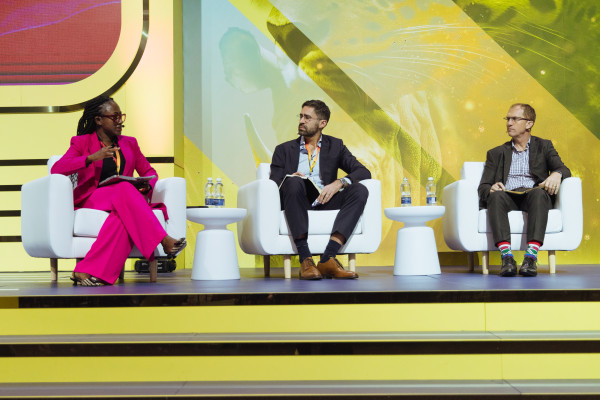
Players within Africa's energy transition sector highlighted innovative financing mechanisms which can help drive the industry maximize value addition and beneficiation to local economies during the Leaders Forum at Critical Minerals Africa Summit on Thursday.

Marie-Chantal Kaninda, President, Glencore DRC announced that the firm contributed approximately $1 billion in revenue for the Democratic Republic of Congo (DRC) through royalty taxes in 2023.

She said the firm invested in processing facilities at two of its operational mines in the DRC (https://apo-opa.co/3AvKgjI) to enhance value addition of copper and cobalt resources.

“We export hydroxide cobalt, which is an intermediary product, and produce copper cathodes ready for cable manufacturing,” Kaninda explained, adding that 95% of Glencore's workforce in the DRC is sourced locally, with many employees holding senior positions.

Speaking on the challenges facing Africa's mineral value addition efforts, Carlos Lopes, Professor at the Nelson Mandela School of Public Governance, University of Cape Town, noted that a lack of adequate funding is a primary barrier.

Despite Africa's GDP having doubled since 2000, he said, the continent is still perceived as a high-risk market by some investors. Lopes called for innovative local financial solutions to meet capital needs for value-addition projects.

“Africa pays the world's highest interest rates, yet our potential is undervalued. We must be strategic in policy-making to fully capitalize on our resources,” he stated, emphasizing the drawbacks of exporting raw minerals for overseas processing.

Mfikeyi Makayi, CEO of KoBold Metals, underscored the role of innovation in reducing the high costs associated with critical mineral exploration and value addition. She highlighted the company's AI-enabled exploration efforts backed by Silicon Valley investment, stating, “With 60 projects across 40 countries, including flagship initiatives in Zambia and new ventures in Namibia and Botswana, we're focused on leveraging digital mining solutions to drive industrialization across the continent.”

Makayi added that the data generated through digital mining is vital for attracting investment and creating a more competitive and inclusive sector.

Sietse van de Woude, Senior Executive of Modernization and Safety at the Minerals Council South Africa, discussed the Mandela Mining Precinct initiative, a public-private partnership designed to fund and support mining sector innovation.

“Innovation is essential for critical minerals mining,” van de Woude said, adding that the initiative offers a platform for industry stakeholders to share best practices and collaborate on advancing operational efficiency and safety.

Distributed by APO Group on behalf of Energy Capital & Power.

Media files
Energy Capital & Power
Download logo
Read moreUpstream Players Highlight Innovative Financing Critical Mineral Projects at CMA
8 November 2024

Boost for start-ups involved in space, Earth observation

Location: News

Boost for start-ups involved in space, Earth observation

Eight start-ups involved in space and Earth observation innovations have received funding through the Earth Observation Frontiers Enterprises Innovation Support Fund (NEOFrontiers EISF). 

Launched in 2021, the NEOFrontiers is an innovation funding mechanism designed to drive the growth of the local space sector through increased public investments. 

It seeks to stimulate collaboration, cooperation and innovation in the public and private South African Earth observation community.

The NEOFrontiers programme is managed by the South African National Space Agency (SANSA) and the National Research Foundation (NRF), and implemented with the support of Tuksnovation, the University of Pretoria's business and technology incubator. 

The programme subsidises enterprises with amounts ranging from R750 000 to R1 million for 12 months.

SANSA launched NEOFrontiers in 2021 through investment from the Department of Science, Technology and Innovation (DSTI). 

The first four NEOFrontiers projects were funded in 2022, while 2023 saw three start-ups supported. 

This year’s NEOFrontiers call saw eight successful start-ups submit brilliant proposals on mining, agriculture, infrastructure development, healthcare innovation, banking and financial institutions, as well as disaster risk reduction. 

These include Abiri Innovations, Agizo Solutions (Pty) Ltd, Aphelion World JV/Consortium, CreditAIs, Integrated Geoscience Solutions, Kgothatso Innovations, Regona Trading and YaAzi.

A total of 56 applications were received earlier in the year, 25 of which were eligible and allowed to pitch to an independent adjudication committee.

DSTI’s Acting Chief Director Itumeleng Makoloi said this programme unfolds at an opportune time when South Africa seeks to foster innovation.

“We need to create new ways of modernising areas such as agriculture, mining and manufacturing. We believe that this programme represents our shared vision to foster innovation, capacity building and strategic partnership across the public sector. 

"The joint efforts of DSTI entities, such as SANSA and the NRF, play a critical role in driving this vision.”

SANSA CEO, Humbulani Mudau, believes this platform will create a market pool for innovative solutions, for which space is a significant enabler and a value provider.

“I’m delighted to report that there is an equal split in gender representation. We have awarded the grant to start-up companies led and owned by four males and four females. This is good progress towards transforming the industry,” Mudau said. 

He said the NEOFrontiers is poised for greater strides in terms of direction and investments. 

“We’re indeed going to make this a flagship programme that will transform space-based ideas into relevant products and services that address societal and environmental challenges. As we do that, we’re going to be looking at increasing the competitiveness of the South African Earth observation industry for the benefit of the South African society.”

NRF CEO, Dr Fulufhelo Nelwamondo, is of the view that the initiative has the potential to gear small enterprises in the space sector to create job opportunities.

“The key focus is to support start-ups, SMMEs and entrepreneurs with funding. The reason for this is that we expect much more from our SMMEs to make sure that they can grow and employ more people.

“When they employ more people, there is an increase in new technology and service innovations coming out of their areas to a point that we can get even more people involved. Our rate of unemployment is increasing.”

The University of Pretoria’s Head of Innovation and Contracts Management, Advocate Lawrence Baloyi, said this has the potential to shape the future of South African space innovation. 

The next call to fund new SMMEs will be published before the end of 2024. – SAnews.gov.za

Gabisile
Fri, 11/08/2024 - 11:04

28 views
Read moreBoost for start-ups involved in space, Earth observation
8 November 2024

The Fisher Women of Doringbaai

Location: News

Spirit of Endeavour Fisherfolk Women was formed to share skills and help protect the environment from damage

Read moreThe Fisher Women of Doringbaai
6 November 2024

AEW Highlights Critical Minerals Role in African Renewables Growth

Location: News
African Energy Chamber

Africa must expand its renewable energy manufacturing capabilities and leverage its critical minerals to foster growth in its renewables sector, according to James Mackay, Managing Director at the Energy Council of South Africa.

Speaking on a panel discussion during African Energy Week: Invest in African Energies' Pre-Event Technical Workshops, Mackay said the high cost of renewables in Africa could be lowered by enhancing local manufacturing capacity, making vital technologies more accessible for project developers.

“Egypt is currently leading in solar manufacturing, but other African governments should work to attract investments and implement policies that incentivize manufacturers to establish operations on the continent,” stated Mackay.

Carlos Torres Diaz, Senior Vice President & Head of Gas and Power Markets Research, Rystad Energy highlighted Africa's youthful workforce as a strategic advantage in developing innovative solutions required to harness the continent's 30% share of global critical minerals. According to Diaz, the focus is no longer solely on replacing fossil fuels but on integrating all energy resources and using digital tools to stabilize the power grid.

“Gas-to-power solutions remain essential for stability alongside renewables,” he noted.

Despite holding 40% of the world's total solar potential, Africa currently utilizes only 35% of its capacity, according to Nivedh Das Thaikoottathil, Senior Analyst – Renewables & Power at Rystad Energy. Thaikoottathil pointed out that Africa's ability to add value to its critical minerals will shape its potential to produce over 100,000 TWh of solar energy annually, potentially increasing the share of solar and wind from 8% today to 60% by 2040.

Commenting on high-growth renewable energy markets in Africa, Thaikoottathil said South Africa, Morocco, Egypt, Tunisia, Mauritania and Mozambique are the key players.

“We are seeing growing financing for renewable projects and new interconnectors between North Africa and Europe, with 24 GW of proposed capacity aimed at linking the regions,” he said.

AEW: Invest in African Energy 2024 is held alongside the Critical Minerals Africa Summit which will run from November 6 – 7 November in Cape Town, offering delegates access to the full scope of energy, mining and finance leaders.

Distributed by APO Group on behalf of African Energy Chamber.

Media files
African Energy Chamber
Download logo
Read moreAEW Highlights Critical Minerals Role in African Renewables Growth
6 November 2024

Walking Joburg’s Biggest, Baddest River: Gold Dust and Gunk

Location: News

Day 1 on the Klip River: Selby to Riverlea

Read moreWalking Joburg’s Biggest, Baddest River: Gold Dust and Gunk
4 November 2024

SIU to probe tender corruption at AEMFC and Dihlabeng Local Municipality

Location: News

SIU to probe tender corruption at AEMFC and Dihlabeng Local Municipality

The Special Investigating Unit (SIU) is expected to conduct investigations into the affairs of the African Exploration Mining and Finance Corporation (AEMFC) and, in a separate probe, that of the Dihlabeng Local Municipality in the Free State.

This after President Cyril Ramaphosa signed two proclamations authorising the corruption busting unit to conduct the investigations.

At the AEMFC, the SIU will probe allegations of serious maladministration related to six tenders.

“The probe will also examine whether the payments for these contracts adhered to national treasury guidelines and ascertain whether the payments were irregular, fruitless, and wasteful expenditures or financial losses for the department or the state. 
“The investigation will probe whether fraudulent conduct occurred, including the causes of such maladministration, any losses, damages, or prejudice actually or potentially suffered by AEMFC or the State, and any irregular, improper, or unlawful conduct by employees or officials of the AEMFC or any other person or entity,” the SIU said.

The unit added that it will also investigate whether there is “unlawful or improper conduct of the AEMFC employees, officials or agents and any other person or entity to corruptly or unduly benefit themselves or others”.

“The Proclamation covers allegations of unlawful and improper conduct that occurred between 1 January 2016 and 01 November 2024, as well as any related activities before 1 January 2016 after the date of the Proclamation that is pertinent to the matters under investigation or involve the same persons, entities, or contracts,” the unit added.

Dihlabeng Local Municipality

The investigation at the Dihlabeng Local Municipality is related to a tender for the supply, delivery and installation of two 40m high-mast lights.

“The SIU probe will examine whether the procurement and contracting were made in a manner that was not fair, competitive, transparent, equitable, or cost-effective or in violation of applicable legislation, guidelines, or instructions from the National or Provincial Treasury.

“This includes the municipality or the state’s unauthorised, irregular, or wasteful expenditure. The probe will also look at any irregular, unlawful, or improper conduct by officials or employees of the Municipality, its suppliers or service providers, or any other person or entity implicated,” the corruption busting unit explained.

This proclamation covers the period from 1 January 2016 to 1 November 2024 “as well as any related activities before 1 January 2016 and after the date of the Proclamation that are pertinent to the matters under investigation or involve the same persons, entities, or contracts”.

“Beyond investigating maladministration, corruption, and fraud, the SIU is committed to identifying systemic failures and recommending measures to prevent future losses.

“In line with the Special Investigating Units and Special Tribunals Act 74 of 1996 (SIU Act), the SIU will refer any evidence of criminal conduct uncovered during its investigation to the National Prosecuting Authority for further action.

“The SIU is also authorised under the SIU Act to initiate a civil action in the High Court or a Special Tribunal in its name to address any wrongdoing identified during its investigation resulting from acts of corruption, fraud, or maladministration,” the SIU said. – SAnews.gov.za


NeoB
Mon, 11/04/2024 - 12:45

44 views
Read moreSIU to probe tender corruption at AEMFC and Dihlabeng Local Municipality
4 November 2024

Blooming Good: How a Desert Garden Is Saving Endangered Plants

Location: News

The Richtersveld Desert Botanical Garden is a lifeline for plants species endemic to the region

Read moreBlooming Good: How a Desert Garden Is Saving Endangered Plants
3 November 2024

Police arrest 225 illegal miners in the North West

Location: News

Police arrest 225 illegal miners in the North West

Acting National Commissioner of the South African Police Service (SAPS), Lieutenant General Shadrack Sibiya has welcomed the arrests of 225 illegal miners in the North West province.

The arrests were made when the illegal miners resurfaced from underground in Orkney, as a result of starvation and dehydration.

“These 225 illegal miners are part of others believed to be hundreds if not a thousand illegal miners who are stuck underground with no food, water and necessities because the Vala Umgodi teams,” said the police.

The teams are led by the SAPS and the South African National Defence Force (SANDF) who are “blocking routes used to deliver food and necessities to these illegal miners.”

“Just earlier this week, SAPS and members of the SANDF blocked communities in and around these abandoned mining shifts in Orkney from delivering food parcels, water and necessities to these illegal miners,” the police said.

The act of stamping the authority of the state eventually forced these illegal miners to resurface.

“This operation is ongoing, and the SAPS and the SANDF are still monitoring these old abandoned mine shafts as more and more illegal miners resurface,” the SAPS said on Saturday.

Sibiya said Operation Vala Umgodi is yielding positive results across the country.

“We are closely monitoring the situation that is unfolding in the North West province, we are not backing down until all those illegal miners resurface and are arrested. Since its inception in December 2023 to date, more than 13 691 suspects have been arrested in the seven provinces that are hotspots for illegal mining. 

"We have seized R5 million in cash and uncut diamonds worth R32 million through Operation Vala Umgodi,” said the Lieutenant General.

The majority of those that have been arrested are inclusive of South Africans, Mozambicans, and Basotho nationals. -SAnews.gov.za
 

nosihle
Sun, 11/03/2024 - 10:23

180 views
Read morePolice arrest 225 illegal miners in the North West
31 October 2024

SARS welcomes MTBPS, increases its compliance focus

Location: News

SARS welcomes MTBPS, increases its compliance focus

The South African Revenue Service (SARS) has welcomed the Medium-Term Budget Policy Statement (MTBPS) presented in Parliament by Finance Minister Enoch Godongwana on Wednesday. 

The MTBPS revised the February 2024 Budget net tax revenue forecast from R1.863 trillion to R1.8408 trillion.

SARS said as of 30 September 2024, it has collected gross revenue of R1 070.4 billion, yielding a net revenue of R846.2 billion and R224.3 billion in refund payments. 

The revenue performance was bolstered by stronger collections from CIT Provisional tax and lower-than-expected VAT and PIT refund payments. 

This was offset by lower-than-expected collections from Customs taxes, PAYE, and the General Fuel Levy. 

The areas that were adjusted downward are: 

  • Lower-than-expected previous year salary adjustments, reducing the nominal wage bill estimate from 8.4% in the 2024 Budget to 5.5% in the MTBPS 2024. 
  • Slower growth on capital projects across general government, public corporations and private sector, with gross capital formation anticipated to decline from 9.5% in the 2024 Budget to 5.2%.
  • Downward revision in outlook of nominal exports from 5.2% to 3.5%, as well as nominal imports from 6.0% to 3.8%.
  • At Budget 2024, a 13.8% growth in PAYE, based on the 8.4% growth in the wage bill, was assumed. PAYE collections for year-to-date (September 2024/25) amount to R340.0bn, lower than the PE by R12.0bn (3.4%) and higher than previous year by R30.8bn (10.0%).

SARS highlighted that the deficit in revenue collections was partially offset by strong collections in CIT provisional tax collections (at R150.2 billion) against an expectation of R141.4 billion, yielding a surplus of R8.8 billion, up by 2.7% or R3.9 billion from the previous year. 

The fuel levy has faced challenges this financial year due to a year-on-year decrease in fuel consumption, with 1.333 million litres less fuel used. SARS said that this decline, attributed to factors like reduced load shedding and a shift to alternative energy sources, has directly impacted the Net Fuel Levy, resulting in a 3.9% year-on-year contraction and a R7.2 billion shortfall.

Trade taxes also underperformed, as imports, which were expected to grow by 1.9%, have instead declined by 5.1% year-to-date. Total trade flows have decreased by R39.2 billion (or -2.0%) compared to the same period last year, primarily due to lower import flows of electrical machinery and vehicles.

SARS noted that Provisional Corporate Income Tax (CIT) collections reached R150.2 billion, recording a surplus of R8.8 billion (6.2%) and a year-on-year growth of R3.9 billion (2.7%), driven by the Finance, Electricity, and Manufacturing sectors. 

Collections exceeded the Budget 2024 target rate of -3.3%. However, the Mining sector continues to struggle with volatile commodity prices, particularly in Platinum Group Metals, Coal and Iron Ore, which has negatively impacted profitability and provisional payments. Additionally, the sector faces ongoing transport, logistics, and border crossing issues, leading to delays and higher export costs.

Despite having finalised ± 1.3 million more debt cases, which is almost 290% more than the previous year, SARS said its debt compliance efforts have yielded lower returns year-on-year by R9.3 billion, which equals to a 23.6% year-on-year contraction. 

SARS further recorded significant year-on-year increases in deferred payment arrangements, requests for suspension of payments, and final demands, highlighting the financial hardship taxpayers are experiencing and its impact on their ability to meet tax obligations.

“The SARS Strategic Intent will continue to focus on Voluntary Compliance, ensuring that taxpayers and traders have clarity and certainty regarding their obligations, along with the necessary tools to facilitate easy and straightforward compliance. Conversely, SARS will impose significant legal and administrative costs on taxpayers and traders who deliberately fail to meet their obligations,” the revenue service said.

SARS said that its compliance efforts continue to yield success in dealing with non-compliance in particular segments and tax products. To date, compliance revenue secured R110.1 billion, reflecting a growth of R8.1 billion (8.0%). 

The Revenue Service emphasised that it will continue to intensify its efforts to maintain visibility and reinforce compliance, with plans to invest further on compliance initiatives to close the tax gap by targeting various taxpayer segments. 

SARS Commissioner Edward Kieswetter said that in pursuing the attainment of the 2024/25 tax revenue estimate of R1 840.8 billion, SARS will be unrelenting in its drive to engender voluntary compliance. 

“Critical in this pursuit is to ensure that intermediaries charged by law to collect taxes on behalf of SARS pay it over. Importantly, SARS is ready to act against those who willfully and defiantly ignore their legal obligations by misrepresenting their true economic status. Those who enable this conduct are equally culpable. 

“Taxpayers who abdicate their legal obligations place a disproportionate burden on honest taxpayers. Taxes play a critical role in cushioning the most vulnerable and destitute in our society. In this respect, voluntary compliance is sacrosanct,” Kieswetter said.   

The Commissioner further emphasized that SARS will continue to intensify and deepen its existing administrative efforts. 

“We will continue to use sophisticated data science and artificial intelligence, to maintain the balance between service to taxpayers/traders, whilst managing risks to the fiscus by detecting dishonest taxpayers,” he said. 

SARS will deploy more data science and artificial intelligence (AI) to step up its focus on the following areas of compliance risk:

  • Broadening the tax base via third-party data sources: Leveraging data from both formal and informal sectors to widen the tax base.  
  • Work to register all taxpayers and traders, through predictive modelling, who ought to be on the register and ensure that they honestly file their declarations and pay their dues where necessary. 
  • Build its detection capability using machine learning models and Artificial Intelligence (AI) to significantly improve service and offer a seamless service to honest taxpayers. This will also be used to detect dishonest taxpayers, improve debt collection while expanding the tax base and deal with tax avoidance.
  • Enforcing trade laws against the illicit economy (Customs and Excise): Strengthening tools to detect and prevent illicit activities, including those related to tobacco, fuel, and illicit financial flows.
  • Focusing on dispute prevention and resolution: Prioritising products and strategies that prevent disputes that can be resolved.

“SARS is the nation’s treasure; a well-functioning tax and customs administration is a cornerstone to our vibrant democracy and should never be taken for granted. SARS seeks to ensure revenue sustainability by securing appropriate investment in SARS, and funding certainty. 

“From a human capital perspective, SARS will continue to attract, develop and sustain a workforce that is future ready. We will be building the leadership bench strength of SARS and protect the autonomy of the institution,” the tax revenue said. 

Despite the tough operating environment, SARS said it expects that the start of a cycle of interest rate cuts will spur consumption expenditure. This expansion is expected to drive economic growth and widen the tax base, resulting in buoyant corporate tax, and VAT revenues. 

Additionally, the introduction of the “Two-Pot” system is expected to increase the tax base in the short to medium term. 

“The 12 821 SARS staff, to whom we express sincere appreciation, will continue to work diligently in achieving the revised revenue estimate as presented by the Minister of Finance,” SARS said. – SAnews.gov.za

DikelediM
Thu, 10/31/2024 - 11:03

299 views
Read moreSARS welcomes MTBPS, increases its compliance focus
30 October 2024

Afreximbank Calls for Increased Collaboration to Accelerate the Green Energy Transition in Africa

Location: News
Afreximbank

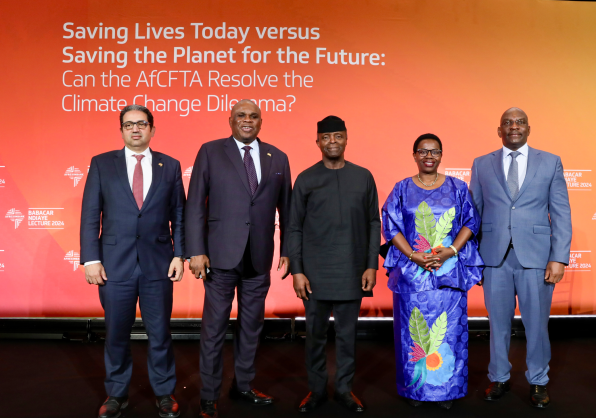
The eighth Babacar Ndiaye Lecture held at the Four Seasons Hotel in Washington D.C., on 26 October 2024, under-scored the need for African nations to strike a balance between short-term development imperatives and long-term climate goals. 

Under the theme “Saving Lives Today versus Saving the Planet for the Future: Can the AfCFTA Resolve the Climate Change Dilemma” discussions centred on how the African Continental Free Trade Area (AfCFTA), Africa's most ambitious trade initiative, could serve as a vehicle for economic growth and environmental sustainability, positioning the continent as a leader in the global green transition.  

The Lecture drew a distinguished audience of policymakers, academics, financial experts and climate advocates.  

Speaking about Dr. Babacar Ndiaye in his opening remarks, H.E. Professor Benedict Oramah, President and Chairman of the Board of Directors of Afreximbank Group, said “Dr Babacar Ndiaye was most concerned by the long-term threats posed to humanity by climate change. He once said, "Climate change is the greatest threat to development, particularly in Africa, where millions of people depend on the environment for their livelihoods … Africa's economic transformation cannot happen without addressing climate change.”  

Dr. Ndiaye's reflection on the impact of climate change was spot-on and intellectually deep.” But, “disappointingly, the global debate on climate has been so much focused on emissions reduction with the question of reducing its impact on Africa and other developing countries always reduced to a footnote. A call for Africa to decarbonise, when the continent has not even carbonised, poses a serious threat to the socio-economic development of a gas-rich continent that has at least six hundred million people without electricity.” 

The African Continental Free Trade Area Agreement “is seen as a potent means of reducing carbon emissions as it is helping to domesticate industrial activities and minimise the carbon emissions caused by shipping of commodities to far-away lands for value addition and reshipping to Africa and elsewhere. We believe that The AfCFTA could offer a pathway to a just transition, enabling local industrial value addition while protecting the planet.”  

Professor Yemi Osinbajo, SAN, GCON, the Immediate Past Vice President of the Federal Republic of Nigeria, delivered a powerful address titled “Sustainable Infrastructure for Africa's Future: Harnessing Innovation and Partnerships.” He spoke passionately about the advantages of the AfCFTA and its potential to transform Africa's trade landscape, reduce carbon emissions and foster innovation in green industries. 

“There are two obvious advantages to a fully operational AfCFTA.The first is that 42% of African countries, aside from North Africa, now have legislation prohibiting the export of raw ores or minerals before being processed. This legislation gives African countries the benefit of jobs and revenues from local processing and manufacturing.  

“The second advantage of the AfCFTA is that shipping is a major source of carbon emissions. Under current trade practices, a large share of African raw materials are exported to other regions, where they are processed or manufactured into finished products, usually using fossil fuel power sources, before being shipped back to Africa for consumption. This cycle contributes to higher emissions and constitutes a loss for African countries that do not reap the value chain gain from beneficiation. Intra-African trade in finished goods will substantially reduce this massive cause of global emissions,” he said. 

The reduction of emissions by intra-African trade has been the subject of several empirical studies. Professor Osinbajo referred to a recent ECA/ CEPII study titled “Greening the African Continental Free Trade Area Agreement's Implementation" published in December 2023, which found, inter alia, that implementing the AfCFTA can boost intra-African trade by 35% in 2045 while increasing GHG emissions by less than 1%, compared to no AfCFTA or climate policies.  

These studies do not factor in using renewable energy sources in the processing and manufacturing of traded goods, an assumption of the Climate Positive Growth paradigm, which would again substantially reduce emissions.  

Professor Osinbajo cited mining bauxite in Guinea as an example. If Guinea, which has 25% of global deposits of bauxite, processed the bauxite it mines to aluminium with renewable energy in readiness for export, Guinea could save the world 335 million tonnes of carbon dioxide equivalent (CO2e) per year, which is approximately 1% of global emissions, and create 280,000 jobs and generate $37 billion of additional revenue. If it chooses to sell the aluminium within Africa, it will again save the huge shipping cost to countries thousands of miles away.  

A Bloomberg study done for the African Development Bank (AfDB) in 2021 on the manufacture of battery precursors found that manufacturing battery precursors in the Democratic Republic of the Congo (DRC), which has plenty of lithium and cobalt, is three times cheaper than manufacturing it in the US, EU and China. Manufacturing in the DRC would extend value chain opportunities to other African countries, they would need manganese from Zambia, Tanzania, Gabon and South Africa to contribute to its capacity to produce these battery precursors. Manufacturing using renewable energy could significantly reduce the cost of manufacturing. Africa's abundant renewable energy has very low seasonality or intermittency, making it possible to reliably provide a renewable baseload to power continuous industrial production.  

“The AfCFTA empowers African countries first to add value to materials and specialise in areas of national comparative advantage, and also to work together to trade more beneficially with the rest of the world,” said Prof Osinbajo. 

He futher said that “Most African countries depend on fossil fuels for their energy needs and for fossil fuel rich African countries, this is also a major source of export earnings and fiscal revenues. Ostensibly in keeping with their net zero obligations, there has been a growing trend amongst development finance institutions to withdraw from fossil fuel investment. These actions include the World Bank's decision to cease funding for upstream oil and gas development in Africa and the restrictions on financing downstream gas development by the European Union, the United Kingdom, and the United States. Clearly, the implications of these actions are dire, where there are no immediate alternative sources of power and the cost of the transition to cleaner fuels may be prohibitive. Some studies show that divesting from fossil fuels could reduce GDP by as much as USD$30 billion for Nigeria, USD$22 billion for Algeria, and USD$19.3 billion for Angola.” 

H.E. Dr Rania A Al-Mashat, Minister for Planning, Economic Development and International Co-operation, Arab Republic of Egypt said that while the “African continent is the least responsible for carbon emissions, it has the biggest burden in terms of financing climate change for developmental needs - such as food and water security, and access to energy. 

She called for greater collaboration with national and international stakeholders “We need to work together; we need to bring the experiences from other places so that Africa can push forward with respect to development and sustainable economic growth.” 

In her Goodwill Message, Ms. Amina J. Mohammed, Deputy Secretary-General of the United Nations and Chair of the United Nations Sustainable Development Group, spoke about the rapidly closing window to prevent the worst impacts of climate change. She addressed the fact that many African countries are mired in debt, exacerbated by extended crises with little access to long-term concessional financing to invest in sustainable development. 

“With adequate access to financial resources at a reasonable cost, renewables can dramatically boost economies, grow new industries, create jobs and drive development, including by reaching the over 600 million Africans living without access to power,” said Ms Mohammed. 

She also stressed the importance of prioritising inclusive policies that empower women and youth when building climate-resilient economies.  

“By harnessing the collective might of the AfCFTA, Africa can make strides in addressing both climate action and sustainable development by promoting regional integration and fostering green industrialisation.  

“The AfCFTA can help build climate-resilient economies while creating jobs, reducing poverty and strengthening food security.”  

The eighth Babacar Ndiaye Lecture also reinforced Afreximbank's commitment to leadership in financing sustainable infrastructure and trade policies across the continent. 

Distributed by APO Group on behalf of Afreximbank.

Media Contact: 
Vincent Musumba 
Communications and Events Manager (Media Relations) 
Email: press@afreximbank.com 

For more information, visit: www.Afreximbank.com  
Follow us on X | Facebook (https://apo-opa.co/3YJR7iS)| LinkedIn (https://apo-opa.co/3Cet3eR) | Instagram (https://apo-opa.co/4ht2qDa)

About the Babacar Ndiaye Lecture 
The Babacar Ndiaye Lecture is an annual event designed to foster dialogue around Africa's development challenges and explore practical solutions through policy, trade and diplomacy.  

The Lecture honours Babacar Ndiaye, a former President of the African Development Bank, for his visionary leadership in advancing Africa's economic growth. 

Afreximbank has hosted this Lecture every year since 2017 in honour of the late Dr. Babacar Ndiaye, the fifth President of the African Development Bank. Dr. Ndiaye transformed the Bank during his decade-long leadership and was also instrumental in establishing several other enduring Pan-African institutions, including Afreximbank, Shelter Afrique and the African Business Roundtable. 

About Afreximbank 
African Export-Import Bank (Afreximbank) is a Pan-African multilateral financial institution mandated to finance, facilitate and promote intra and extra-African trade. For over 30 years, the Bank has been deploying innovative instruments to deliver financing solutions that support the transformation of the structure of Africa's trade, accelerating industrialisation and intra-regional trade, thereby boosting economic expansion in Africa. A stalwart supporter of the African Continental Free Trade Area (AfCFTA), Afreximbank has in partnership with the African Union Commission and the AfCFTA Secretariat launched the Pan-African Payment and Settlement System (PAPSS) that was adopted by the African Union (AU) as the payment and settlement platform to underpin the implementation of the AfCFTA agreement. The AfCFTA Secretariat and the Bank have created a US$10 billion Adjustment Fund to support countries to effectively participate in the AfCFTA.  

At the end of December 2023, Afreximbank's total assets and guarantees stood at over US$37.3 billion, and its shareholder funds amounted to US$6.1 billion. Afreximbank has investment grade ratings assigned by GCR (international scale) (A), Moody's (Baa1), Japan Credit Rating Agency (JCR) (A-) and Fitch (BBB). Afreximbank has evolved into a group entity comprising the Bank, its impact fund subsidiary the Fund for Export Development Africa (FEDA), and its insurance management subsidiary, AfrexInsure, (together, “the Group”). The Bank is headquartered in Cairo, Egypt.  

Media files
Afreximbank
Download logo
Read moreAfreximbank Calls for Increased Collaboration to Accelerate the Green Energy Transition in Africa
29 October 2024

One Week to Go Until Investors Unite at AEW

Location: News
African Energy Chamber

The largest gathering of energy stakeholders on the African continent is gearing up to welcome global and African energy stakeholders for five days of dialogue and deals. African Energy Week (AEW): Invest in African Energy 2024 – dubbed the premier event for the African energy sector – will take place from November 4-8 in Cape Town, South Africa. The foremost platform to sign deals and further the agenda towards making energy poverty history by 2030, the conference will feature seven stages, including five content stages, two technical hubs and a full day of pre-event workshops.

With over 125 million barrels of proven oil reserves, 620 trillion cubic feet of natural gas and abundant opportunities in solar, wind and green hydrogen, Africa has the potential to become a global hub for energy. African energy demand is projected to more than double by 2050, with fossil fuels anticipated to account for up to 60% of the continent's energy mix by 2040. As such, this year's conference promises to drive a new wave of investment across the African energy sector, with industry experts and thought-leaders, African governments and national oil companies (NOCs), and energy investors leading discussions on the challenges and opportunities found on the continent.

AEW: Invest in African Energy is the platform of choice for project operators, financiers, technology providers and government, and has emerged as the official place to sign deals in African energy. Visit www.AECWeek.com for more information about this exciting event.

Africa's energy industry is both the backbone of the continent's economy and a catalyst for sustainable growth worldwide. As such, the AEW: Invest in African Energy 2024 conference will feature a series of pre-event interactive workshops, providing an opportunity for companies to share in-depth knowledge and exchange ideas with a targeted group of delegates. The workshops, hosted by companies such as Rystad Energy, NCDMB, CLG, Energeo Alliance and S&P Global Commodity Insights, will cover various topics including energizing Africa amid the global energy transition; legislative and regulatory context for promoting investment in exploration; and facilitating investments and mergers and acquisitions across the continent.

A high-level opening ceremony will kick off at the Cape Town International Convention Center (CTICC) on the first day of the event. The opening ceremony will feature addresses from Angola's Minister of Mineral Resources and Petroleum Diamantino Azevedo and South Africa's Minister of Electricity and Energy Kgosientsho Ramokgopa, and discussions with the likes of Dr. Omar Farouk, Secretary General of the African Petroleum Producers' Organization and Chairman and CEO of upstream oil company Kosmos Energy Andy Inglis. The AEW: Invest in African Energy 2024 opening will kick off a week of intense dialogue on the future of the African energy industry. The opening will also feature a number of panel discussions focusing on the vital role Africa plays in addressing global energy security, as well as keynote addresses from the heads of some of the largest energy companies in the world.

Representing the entire energy value chain from oil and gas to renewable energy to power and infrastructure, AEW: Invest in African Energy 2024 will feature a massive slate of regional ministers with the aim of unpacking the continent's strategies to make energy poverty history by 2030. Ministers from Libya and Algeria are poised to showcase North Africa's ambitious production targets while aiming to plug Europe's energy gap and enhance domestic energy access. Southern Africa's ripe opportunities in energy and mining will be put on display by ministers from Mozambique, Angola, South Africa, Zambia and Namibia while West African ministers from the MSGBC region, Nigeria, Ghana and Burkina Faso will provide updates on ongoing projects. With major producers such as Equatorial Guinea, Gabon and the Republic of the Congo (ROC) inviting investors to support diversification efforts in production and refining, regional ministers from Central Africa will share insight into available opportunities in oil and gas, mining and infrastructure. Meanwhile, as a frontier market, East Africa is incentivizing exploration in both on- and offshore basins while driving infrastructure and field development projects forward and will be represented by energy and mining ministers from Ethiopia, Uganda, and South Sudan.

Africa is accelerating the pace of upstream projects with the aim of boosting production and intra-African petroleum distribution. Across both mature and emerging hydrocarbon markets, investment opportunities continue to emerge, and as such, AEW: Invest in African Energy 2024 will feature a strong lineup of VIP speakers from energy supermajors Eni, bp, Chevron and TotalEnergies. The event will also feature representatives from some of the continent's most important energy players including Azule Energy, ReconAfrica, Etu Energias, Africa Oil Corp., Wood Mackenzie and Adarco Energy, among many more. The oil industries of African countries will be represented by NOCs from Angola, Namibia, South Africa, Tanzania, Uganda, among others.

With two technical hubs on the exhibition floor of the CTICC, the conference serves as a prime platform for companies to provide presentations on various industry-leading technical themes. The AEW: Invest in African Energy 2024 technical track features a dedicated stage for asset owners, engineers and technology innovators to present projects, provide deep insights into cutting-edge solutions, and share best practices to foster knowledge. Attendees will gain valuable insights into the future of energy and learn about ground-breaking projects while discovering new opportunities for collaboration and investment. An exclusive exhibition-only pass grants delegates access to both the innovative exhibition floor and the technical track.

Rounding off AEW: Invest in African Energy 2024's strong program, a series of technical excursions and site visits across Cape Town offer participants the unique opportunity to gain insight into ongoing projects and developments in South Africa. A guided tour of the Hydrogen Project at the University of the Western Cape will focus on industry technology and development. The tour will also take delegates to the South African Renewable Energy Technology Center at the Cape Peninsula University of Technology, which stands as the country's inaugural sustainable energy development technology facility. The excursion will feature a tour of the Atlantis Special Economic Zone, which stands as a promising landmark in Africa's energy landscape while showcasing advancements in sustainable energy solutions, economic development and innovation. Rounding off the site visits, the tour will also take participants to the Eskom Palmiet Power Station, a hydroelectric pumped storage facility that plays a key role in stabilizing the national power grid.

“AEW 2024 stands at the center of African energy and provides an unparalleled platform to forge partnerships, share knowledge and drive progress in the continent's energy sector. It is our collective responsibility to prioritize energy poverty alleviation and sustainable development, ensuring a brighter future for all Africans. We look very much forward to kicking off this exciting event and welcoming hundreds of delegates from all over the world to drive Africa's energy needs,” states NJ Ayuk, Executive Chairman of the African Energy Chamber.

During the AEW: Invest in African Energy 2024 conference, delegates will be exposed to project updates, industry highlights, investment opportunities and strategies that address the continent's goals for eradicating energy poverty and promoting environmental sustainability. With one week to go, the conference is already stacking up to become the foremost energy event of its kind once again on the African continent.

Distributed by APO Group on behalf of African Energy Chamber.

Media files
African Energy Chamber
Download logo
Read moreOne Week to Go Until Investors Unite at AEW
29 October 2024

dtic to fund 35 companies to participate in China’s import expo

Location: News

dtic to fund 35 companies to participate in China's import expo

The Department of Trade, Industry and Competition (the dtic) says it will fund 35 South African companies, through the Export Marketing and Investment Assistance (EMIA) group scheme, to participate in the China International Import Expo (CIIE) 2024.

The expo is to take place in Shanghai from 5 to 10 November 2024.

South Africa is participating in this event to showcase products and services from local companies to potential buyers in China and from across the globe. The South African companies will also be exposed to the culture of doing business with Chinese enterprises.

The Deputy Director-General of Exports at the dtic, Lerato Mataboge, said the 35 participants this year will represent a range of sectors, including agro-processing and agriculture, textiles, clothing and leather, oil and gas, the rail industry, electro-technical, chemicals, metal fabrication, ICT and mining.

“The exhibition is aligned with our strategic objectives of advancing South African exports through assisting new and existing South African exporters to penetrate international markets.

“The CIIE 2024 is one of the leading import-themed fairs in China, and a key platform to profile our offerings to South Africa’s largest trading partner and the second largest economy in the world. The Chinese economy is seeing increasing levels of consumption, which also reflects growing potential and demand for certain imported products,” Mataboge said. – SAnews.gov.za

Edwin
Tue, 10/29/2024 - 10:59

60 views
Read moredtic to fund 35 companies to participate in China’s import expo
29 October 2024

Opposition to Open Cast Coal Mining in Midvaal

Location: News

For years residents have been objecting to the Springfield and Vlakfontein mining project

Read moreOpposition to Open Cast Coal Mining in Midvaal
25 October 2024

Firearms recovered in Sabie

Location: News

Firearms recovered in Sabie

An AK-47, a .38 Special Revolver and live ammunition have been seized in a police operation in Mpumalanga.

The firearms and ammunition were seized in Operation Safer Festive Season/Vala Umgodi on Thursday.

According to the South African Police Service (SAPS), the discovery was made following intelligence received about suspected illegal mining activities, thanks to members from the Lydenburg K9 Unit, in collaboration with Phoenix Security members.

The information indicated that suspected illegal miners were somehow involved in a gun battle in Sabie. 

Upon receiving some details, law enforcement agencies swiftly coordinated a plan to decisively deal with the situation. 

As the team approached the area, the group of about 20 suspected miners began to retreat, dropping the two firearms and a large quantity of ammunition, as they ran to avert arrest.

“It was during this time when the astute members confiscated the said items. An inquiry case has been opened and the suspects involved in the incident are still at large.

"The SAPS has since launched a manhunt to locate and bring these individuals to justice,” SAPS said.

Mpumalanga Acting Provincial Commissioner, Major General Zeph Mkhwanazi, has reassured the public that the police, in collaboration with other law enforcement agencies, are committed to maintaining increased visibility in areas where illegal mining activities persist. 

The General further emphasized that efforts to address illegal mining will continue until all illegal mining activities come to a halt.

"We... will continue with these operations and even exert more pressure while assessing our impact," said Mkhwanazi. – SAnews.gov.za

Edwin
Fri, 10/25/2024 - 10:02

108 views
Read moreFirearms recovered in Sabie
25 October 2024

FTSEZ Accelerates Industrialization in South Africa

Location: Business
African Energy Chamber

The Fetakgomo Tubatse Special Economic Zone (FTSEZ) in South Africa has joined the African Energy Week (AEW): Invest in African Energy conference – taking place November 4-8, 2024 - as a bronze sponsor. With a vision to become a globally-recognized center of excellence for sustainable solutions in mineral beneficiation, the FTSEZ integrates energy and mining projects to advance industrialization. AEW: Invest in African Energy 2024 supports this goal by offering a platform for dialogue and deal-signing.

The FTSEZ currently has 10 investment and development partners, with 8 projects in the pipeline. The Limpopo Department of Economic Development, Environment and Tourism allocated R35 million for the development of various projects as part of the industrial zone in the financial year 2021/2022, with the funding continuing to support project development. At AEW: Invest in African Energy 2024, representatives from the FTSEZ will outline project progress and future investment opportunities.

AEW: Invest in African Energy is the platform of choice for project operators, financiers, technology providers and government, and has emerged as the official place to sign deals in African energy. Visit http://www.AECWeek.com for more information about this exciting event.

The FTSEZ is a multi-faceted industrial hub that is poised to benefit over one million people in the Limpopo province of South Africa. As an industrial cluster, the zone integrates the upstream and downstream mineral value chains with associated energy projects, offering a centralized hub for mineral beneficiation. In the mining and mineral beneficiation sector, the FTSEZ comprises fuel cell plants, a platinum refinery, stainless steel magnetite processing plants as well as facilities to manufacture fabricated metal products. The industrial zone also features manufacturing facilities such as machinery, rubber products and mining equipment and components.

To support mining operations within the province, the FTSEZ is developing a pipeline of energy projects. Aimed at providing a clean and affordable source of power, these projects comprise solar, battery storage, biodiesel and hydrogen facilities. This diverse offering not only supports mining activities across the entire value chain but underscores how the integration of various sources of energy can support economic growth and industrialization in Africa.

Beyond energy projects, the FTSEZ features various water, road and rail projects. Completed projects include the R70 million Steelpoort Wastewater Treatment Works project and the R65 million Steelpoort Water Treatment project – the latter of which has plans to increase treatment capacity. Projects under construction include the R121 million upgrade to the Ga-Malekana Water Treatment facility; the R2 billion construction of the R37 and R555 main roads; the Steelpoort railway sliding development; the R1.6 million Regional External Master Plan; the R70 million Steel Bridge upgrade; and the SEZ human settlement scoping report. To date, the technical stage for the Ga-Malekana Water Treatment project has been approved.

“The development of industrial zones such as FTSEZ will not only provide a centralized location for mining operations in South Africa but integrate various other segments of the economy. FTSEZ is a testament to how merging key sectors such as energy, mining and agro-processing can drive economic growth and industrialization. By adopting similar development plans, other countries in Africa can fuel the development of various industries while creating jobs and boosting skills development,” states NJ Ayuk, Executive Chairman of the African Energy Chamber.

AEW: Invest in African Energy 2024 provides an opportunity for potential investors and project developers to engage with FTSEZ representatives. Through the zone's bronze sponsorship, FTSEZ will provide an overview of major projects, potential expansion opportunities and strategies for replicating the zone in other provinces.

Distributed by APO Group on behalf of African Energy Chamber.

Media files
African Energy Chamber
Download logo
Read moreFTSEZ Accelerates Industrialization in South Africa
18 October 2024

Healthcare Indaba 2024: Advancing Global Health Through Innovation and Digital Solutions

Location: News

Africa Health
Download logo

Delegates will gather in the Mother City in South Africa this month, when the second annual Healthcare Indaba takes place at Cape Town's CTICC. The two-day event forms part of the 2024 edition of Africa Health Congress (www.AfricaHealthExhibition.com), the premier healthcare gathering on the African continent.

Building on the success of its inaugural edition last year, the Healthcare Indaba 2024 expands to a two-day format. It dives into the realms of Global Health on day one and exploring AI & Digital Health on day two of the Congress (running from 22 to 24 October 2024).

Another new element to the Congress and the Indaba deliberations, is the dedicated forum within the Africa Health Congress 2024 entitled, “EmpowHER: Women in Healthcare”.

“Our goal is to create a lasting brand that celebrates female leadership and fosters a supportive community.  Our audience is eager to gain insights into the realities of leadership in healthcare and understand the journey it takes to reach the top. The mandate for our speakers will be candidness and honesty,  they will share their personal experiences, challenges, and successes in the hopes of inspiring the audience. Their stories and insights will help ensure the long-term sustainability of our industry through supporting women and celebrating their successes,” says Cynthia Makarutse, spokesperson for the organisers of Africa Health.

“Much like the Mining and Tourism Indabas which inspired it, the Healthcare Indaba has emerged as a crucial platform for shaping the future of our industry on the continent. This year's focus aligns with our commitment to position Africa at the forefront of medical innovation with worldwide impact,” says Makarutse.

The Indaba will feature discussions led by some of the most influential voices in African healthcare and technology.

“Global Health” – Africa claiming its right place on global stage.

Head of the Global Surgery Division at the University of Cape Town, Professor Salome Maswime, will chair the Global Health deliberations of the Indaba on day one. She explains that she is excited about hosting a dynamic programme that brings leaders together from all over the world and from all sectors.

“We hope to have thought provoking sessions about the role of Africa on the Global Health Stage. This will be a first for Africa Health, with the Vice President of the United Nations Foundation delivering the keynote on Global Health strategies for a resilient future,” she adds.

“I think most importantly it gives us an opportunity to discuss and find consensus on the strategies for Global Health and to align on international programmes, and to collaborate on new and strategic programmes. Many of us are involved on international Global Health platforms, yet the global health agenda is still mainly driven and owned by high income countries. We have an opportunity to re-imagine the future of Global Health for Africa.

“It is time for Africa to get involved on all matters related to Global Health. We cannot afford to be left behind. We have an obligation to provide universal health coverage and to improve healthcare in Africa,” says Maswime.

“AI & Digital Health” – building sustainable solutions.

The second day of Indaba 2024 (on Wednesday 23 October) shines the spotlight on AI & Digital Health.

“The significance of this event lies in its ability to convene leading industry experts, innovators and key stakeholders from across the continent to address pressing healthcare challenges and explore transformative solutions,” says Dr Mories Atoki, CEO of ABCHealth and a speaker on the day.

“The ABCHealth side forum on Digital Health will serve as a platform to discuss how AI and digital health can revolutionize healthcare delivery, making it more accessible and efficient. It is a critical moment for both the private and public sectors to explore more and collaborate on building sustainable systems that address Africa's unique healthcare needs through AI.”

For the people of Africa, Dr Atoki believes this congress provides hope.

“The conversations and outcomes from these sessions will not only influence policy but also drive tangible improvements in healthcare services, enhancing quality of life and reducing healthcare inequalities across the continent.

“For the medical sector, it presents a unique opportunity to explore new opportunities,  strengthen partnerships, share groundbreaking innovations, and leverage digital health means to drive healthcare accessibility and efficiency. This signifies progress toward better healthcare outcomes through improved access, affordability, and quality of care. By highlighting the potential of AI and digital health, we can pave the way for more inclusive, patient-centric care which can also bridge gaps in underserved areas,” she says.

“Africa's healthcare future relies largely on embracing digital interventions.  AI and digital health are not just trends—they are an essential part of a globally advancing economy that can help solve some of the continent's most pressing healthcare challenges, from limited access, specialized care to overburdened systems.

“Achieving this on a large scale requires robust ecosystems, supported by both regulatory frameworks and financial investments. Policy reforms and investments are essential to creating a thriving digital health ecosystem. It will also require multi-sector partnerships that prioritize patient safety, data protection, and equitable access and inclusivity,” says Dr Atoki.

“AI & Digital Health: The need to first address health data accessibility.”

“We cannot hope to effectively use the rapidly increasing AI  set of commodities that are becoming available globally in Africa, before we first address health data accessibility and governance locally” says Dr Chris Fourie, a medical doctor, machine learning operations (MLOps) engineer, researcher and online grassroots community organiser.

As another speaker on day two, he says: “My presentation is related to the foundation that we need (i.e. health data accessibility) in order to do any kind of quantitative analysis, data science, machine learning, or AI for health in Africa. When considering the potential impact and significance of these in Africa, a good place to start is with understanding the burden of disease in Africa.”

“Regularly published Global Burden of Disease data shows us that infectious disease and maternal child health are consistently top of the list for Africa. These should be considered when deciding where data science and AI interventions could target. As an example, Africa would stand to benefit a great amount from interventions that can drop the cost and increase the efficacy of primary health interventions,” says Fourie.

“While the scope for what AI can do is really broad, for Africa the capacity to help collect and utilise data for primary and pre-primary care could generate immense impact.”

Fourie says this could be realised as:

  • Broader and interactive patient health education (especially if in one's their own language) making existing health information more accessible.
  • Better health service accessibility e.g.
    • Encrypted / safe remote conversational / natural language health data collection.
    • Cost-effective, early and automated diagnosis and triage using multimodal data from existing patient records and new data from e.g. mobile personal devices.
  • Rapid and higher quality patient data linkage / aggregation and government action related to this data - e.g. the growth of national health data centres in the global south – this is very useful for toward data driven public health policy development.
  • Lower cost and quicker drug development e.g. to address rising resistance.
  • Personalised healthcare and clinical decision support tools, with data driven patient follow up, treatment tracking and dynamic treatment adjustment.

“I would like to see the initiation and ongoing development of multidisciplinary, multi-stakeholder, participatory collectives to help provide effective channels of communication and cooperation between patients, healthcare service providers, researcher, funders and policy makers toward a future culture of open science and sustainable health equity.”

EmpowHER: Women in Healthcare: The power of she – A new class of women leaders.

Day three of the Africa Health Congress will see a long list of leading female voices in the healthcare space sharing their stories at a dedicated forum that celebrates female leadership and fosters a supportive community.

“Everything we are doing at Congress this year is about tackling the challenges wherever they may be located in the healthcare space and finding solutions. This is the same motivation also for EmpowHER as we invite trailblazing women from across Africa's healthcare scene to unite!

“This summit will ignite community, growth, and empowerment for established and emerging leaders. Through dynamic panels and keynotes, shatter personal and professional boundaries and emerge ready to champion change for women in leadership” says Cynthia Makarutse, spokesperson for the organisers of Africa Health.

Speakers on the day include the Chief Scientific Officer at the SA Medical Research Council Professor Glenda Gray, Microsoft's Kenya Country General Manager Phyllis Migwi, the World Bank's Lead: AI for Human Development Marelize Prestidge, and Wesgro's HealthTech Ecosystem Manager Mandi Swanepoel.

Indaba – an ecosystem of innovation.

"The Healthcare Indaba has become the intellectual core of Africa Health; it's a catalyst for change on a global scale,” says Makarutse.

“By bringing together diverse stakeholders at the highest echelons of their various fields in healthcare – including policymakers, facility directors, entrepreneurs, and academics – we are establishing an ecosystem of innovation that can truly transform healthcare delivery across Africa and inspire solutions worldwide.”

Distributed by APO Group on behalf of Africa Health .

About Africa Health Congress:

  • Africa Health is organised by the Informa Markets' Global Healthcare Group. It takes place at Cape Town International Convention Centre in South Africa between 22 and 24 October 2024.
  • A summary report from the Africa Health Congress 2023 can be downloaded from https://apo-opa.co/3YvA7Nb
  • The Exhibition will host CPD-accredited conferences that are aimed at bridging the gap in medical knowledge by providing the very latest insights into cutting-edge procedures, techniques, and skills.
  • For more information, visit www.AfricaHealthExhibition.com 
  • Media queries and requests for accreditation can be addressed to Martin Slabbert at 079 500 1503 or martin@alkemi.global

Issued by Alkemi Collective on behalf of Africa Health.

Read moreHealthcare Indaba 2024: Advancing Global Health Through Innovation and Digital Solutions
18 October 2024

Court Interdicts Are Being Used to Stifle Protest

Location: News

Mining companies are especially guilty

Read moreCourt Interdicts Are Being Used to Stifle Protest
17 October 2024

Empowering Africa’s Energy Future With Advanced Power Solutions

Location: Business
HIMOINSA

HIMOINSA (www.HIMOINSA.com), a leader in power technology solutions and part of the Yanmar Group, is proud to announce the launch of its latest innovation: the HGY Series. This new engine line, with a capacity range from 1250kVA to 3500kVA (with future plans to reach 4000kVA), has the potential to significantly help address Africa's growing energy needs, particularly in key sectors critical to the continent's economic development, such as healthcare, mining, oil and gas, and tech hubs like data centers.

Download document: https://apo-opa.co/3NyfcCw

With the HGY Series, HIMOINSA enters the high-capacity engine segment, providing tailored solutions that meet the needs of Africa's mission-critical sectors where reliable and efficient power generation is vital. The company's focus on Africa reflects its strategic commitment to supporting the continent's rapid industrialization and infrastructure expansion.

Delivering Reliable Power Where It Matters Most

Africa is home to some of the world's fastest-growing economies, yet power generation remains a critical challenge in several key regions. HIMOINSA's HGY Series engines are engineered to deliver robust and sustainable solutions, particularly in areas with unstable national grids, helping to mitigate downtime, load-shedding and other challenges. By offering flexible fuel options, currently capable of operating with a range of diesel types and HVO (hydrotreated vegetable oil), with future plans to support natural gas and hydrogen, the HGY Series ensures that businesses and communities across Africa have access to low-emission, efficient, and reliable power, regardless of local grid conditions.

Guillermo Elum, HIMOINSA's EMEA Region Head, highlighted the company's dedication to the African market: “Africa is a key growth region for HIMOINSA, and our approach goes beyond merely selling products; we are committed to building local capacity. Our training programs in Angola, South Africa, Morocco, Togo and soon, in Tanzania, ensure that African technicians and engineers are fully equipped to manage and maintain our technology, creating skilled jobs and developing expertise across the continent.”

Boosting Africa's Economic Growth

The launch of the HGY Series is part of HIMOINSA's broader investment strategy to support Africa's economic development. The company's Spanish production facilities, including a new factory in Murcia with a capacity of 1,000 units currently under construction, are set to help supply the African market, ensuring fast delivery and minimal logistical challenges, so businesses can rely on timely support and services. Additionally, its focus on training and local partnerships enhances the technical skills of local communities, empowering them to manage critical power infrastructure and stimulating economic growth.

Francisco Gracia, CEO of HIMOINSA, stressed the significance of the HGY Series for Africa: “We see enormous potential in Africa's industrial and digital sectors, and the HGY Series is a powerful tool for realizing that potential. From supporting vital healthcare facilities to powering new data centers that drive digital transformation; to providing continuous power for mining projects, our solutions are designed to make a tangible impact in Africa's growth story. This launch is more than just a product introduction; it is our commitment to being a partner in Africa's progress.”

Dedicated to Sustainability in Africa

The HGY Series engines are not just about power—they are about powering Africa sustainably. Designed to work seamlessly with micro-grids and renewable energy sources, these engines offer a viable solution for rural and urban areas seeking to integrate intermittent solar and wind power into their energy mix. HIMOINSA's generators support Africa's energy transition, aligning with the continent's growing focus on renewable energy and reduced carbon emissions.

The company's presence in Africa through divisions in Angola, South Africa, Morocco, Togo, and Tanzania enables it to deliver localized support in the continent's most widely spoken languages. This commitment to on-the-ground engagement ensures that African clients receive comprehensive training and support, helping businesses reduce operational costs and improve efficiency.

Driving Innovation Across Africa's Most Critical Sectors

HIMOINSA's new HGY Series is ideally suited for sectors that drive Africa's economic growth. Data centers, which are rapidly expanding due to the rise of digital services and AI, can now benefit from high-capacity, low-emission solutions designed to minimize downtime and optimize performance. Healthcare facilities, often located in remote or underserved areas, will gain access to dependable power solutions essential for life-saving equipment. Mining operations and oil and gas fields can also leverage the versatility and efficiency of the HGY engines to operate in demanding environments, ensuring continuity even when the grid fails.

https://HGY-Series.HIMOINSA.com/

Distributed by APO Group on behalf of HIMOINSA.

About HIMOINSA: 
Founded in 1982, HIMOINSA is a global leader in the design and manufacture of power generation solutions. With a wide range of products including generator sets, lighting towers, and energy storage systems, the company has a track record of delivering reliable, efficient, and innovative power solutions. As part of the Yanmar Group, HIMOINSA combines decades of expertise with cutting-edge technology to meet the evolving energy needs of customers worldwide.

Media files
HIMOINSA
Download logo
Read moreEmpowering Africa’s Energy Future With Advanced Power Solutions
  • Previous
  • Page 1
  • Interim pages omitted …
  • Page 8
  • Page 9
  • Page 10
  • Page 11
  • Page 12
  • Interim pages omitted …
  • Page 24
  • Next

Copyright © 2026 · MyZA · All Rights Reserved · Powered by Stratlec Online