• Skip to main content
  • Skip to header right navigation
  • Skip to after header navigation
  • Skip to site footer
MyZA

MyZA

News, Directory, Events and Other Stuff

  • Social Media
  • Sport
  • World News
  • Home
  • Submit News
  • Directory
  • Events
  • Stratlec
  • TFSA
  • News
    • APO
    • Today’s Sport News
    • Todays Social Media and Tech Headlines
    • Today’s World News
    • Today’s SA Financial News
  • Contact
You are here: Home / Archives for mining

mining

26 March 2025

SA-DRC to hold diplomatic consultations

Location: News

SA-DRC to hold diplomatic consultations

The Minister of International Relations and Cooperation, Ronald Lamola, will hold political and diplomatic consultations with his counterpart from the Democratic Republic of the Congo (DRC), Thérèse Kayiwamba Wagner.

Kayiwamba serves as the Minister of Foreign Affairs, International Cooperation, and Francophonie for the DRC.

According to the Department of International Relations and Cooperation, the Ministers plan to review the bilateral cooperation between South Africa and the DRC, focusing on commitments made during the 12th Session of the South Africa-DRC Bi-National Commission (BNC) aimed at strengthening this cooperation.

The meeting will take place on Thursday, 27 March 2025, in Pretoria. 

Political ties between the two nations date back to 1997 when former President Nelson Mandela facilitated a meeting between the late President Désiré Kabila and Mobutu Sese Seko aboard a South African Navy ship in Pointe-Noire, Congo-Brazzaville. 

Formal bilateral relations between South Africa and the DRC were established in 1992. 

The department stated that these relationships are mainly conducted through the BNC, which was established in 2004.

The last session of the BNC took place in Kinshasa, DRC, on 6 July 2023. South Africa is scheduled to host the 13th session of the BNC.

“Since then, South Africa and the DRC have significantly strengthened their bilateral cooperation across various sectors, culminating in the signing of 38 bilateral agreements and Memoranda of Understanding.” 

These legal instruments cover a broad spectrum of areas, including agriculture, defence, trade and investment, health, policing, energy, public service and administration, cooperative governance, transport, diplomatic cooperation, and immigration.
Meanwhile, the department said South Africa has significant investments in the DRC and is the second largest source of imports for the country. 

“Many South African multinational companies have a large footprint in the country in several sectors, including, among others, infrastructure development, financial services, mining, construction and property development, retail, and so on,” the department added. – SAnews.gov.za

Gabisile
Wed, 03/26/2025 - 15:19
208 views

Read moreSA-DRC to hold diplomatic consultations
24 March 2025

Ghana’s Surging Gold Exports Propel Mining Sector Expansion

Location: Business

Energy Capital & Power
Download logo

Ghana is capitalizing on its gold exports (https://apo-opa.co/4iOXHfD) to drive economic growth, with revenues increasing to $11.6 billion in 2024 - a 52.6% increase from the $7.6 billion recorded in 2023. Gold exports accounted for 57% of the country's total export revenue (https://apo-opa.co/4hHk0lZ), solidifying the industry's role as a key contributor to GDP expansion. Notably, small-scale miners contributed $5 billion to the sector's export revenue.

As Ghana continues to enhance gold production and exports, the upcoming Mining in Motion conference, taking place from 2 - 4 June,  will connect global investors with opportunities in Ghana's gold value chain. The event will facilitate deal signings and strengthen trade relations with Ghana's leading gold export markets.

While Ghana has maintained its position as Africa's largest gold producer, it has also emerged as a key supplier to international markets. Asia ranks as the primary importer of Ghanaian gold, followed by Europe and Africa. In 2024, gold accounted for 65.4% of Ghana's total exports to Asia, 60.2% of exports to Europe and 49.4% of exports across Africa. More than half of Ghanaian gold exports to each continent were concentrated in a single country; 53.1% of exports to Asia went to the United Arab Emirates (UAE), 60.2% of exports to Europe were directed to Switzerland and 60.5% of African exports were received by South Africa.

Asia strengthened its gold trading with Ghana, with countries such as China and India ranking amongst top export markets for Ghana. In Europe, the Netherlands, Spain, Italy, Germany, the United Kingdom, Belgium, France, Bulgaria, Portugal, Poland, Gibraltar and Estonia accounted for a significant share of Ghana's gold exports. In Africa, Burkina Faso, the Ivory Coast, Togo and Mali rank as the top importers of Ghanaian gold.

Beyond these regions, Canada accounted for 58.6% of Ghana's gold exports to North America, while Brazil received 94.1% of the country's gold exports to Latin America.

Looking ahead, Ghana's expanding gold production is expected to further strengthen trade with its top export markets, as these nations continue to invest in the country's mining sector. The UAE's Emiral Resources is the largest shareholder in Asante Gold Corporation (https://apo-opa.co/4bVIqXE), which is executing a $522 million expansion strategy, including the development of the Bibiani project. Meanwhile, India's Rosy Royal Minerals holds an 80% stake in the Royal Ghana Gold Refinery, the country's first gold refinery, positioning India as a key player in Ghana's gold value chain.

Amid these developments, Mining in Motion will feature high-level discussions, networking sessions, and project showcases, reinforcing Ghana's role as a key gold supplier to global markets.

Stay informed about the latest advancements, network with industry leaders, and engage in critical discussions on key issues impacting ASGM and medium to large scale mining in Ghana. Secure your spot at the Mining in Motion 2025 Summit by visiting www.MininginMotionSummit.com. For sponsorship opportunities or delegate participation, contact Sales@ashantigreeninitiative.org.

Distributed by APO Group on behalf of Energy Capital & Power.

Read moreGhana’s Surging Gold Exports Propel Mining Sector Expansion
24 March 2025

Deaths, Cover-Ups and Bribes at Zimbabwe’s Lawless Redwing Mine

Location: News

Thousands of artisanal gold miners toil in the dirt in a mine controlled by political elites

Read moreDeaths, Cover-Ups and Bribes at Zimbabwe’s Lawless Redwing Mine
20 March 2025

UAE Investments Drive African Mining Growth

Location: News

Energy Capital & Power
Download logo

Ambrosia Enters Malian Market 

In February 2025, investment fund Ambrosia Investment Holding acquired a 50% stake in Canadian firm Allied Gold's mining projects in Ethiopia and Mali. As part of the deal, Ambrosia will inject $375 million in working capital to accelerate project development, boosting Ethiopia and Mali's gold output by 290,000 ounces per annum by mid-2026 and 400,000 ounces per annum by 2028, respectively. Additionally, Ambrosia plans to deploy solar photovoltaic and battery energy storage systems to ensure energy security at the Sadiola mine in Mali by July 2026 as part of the acquisition agreement. 

AD Ports Kickstarts Luanda Operations 

Logistics firm AD Ports Group started operations at the Luanda Port in January 2025 as part of a $250 million investment plan. With the Luanda Port handling 76% of Angola's cargo volumes and serving as a crucial trade corridor between international markets and Angola, Zambia and the Democratic Republic of Congo, AD Ports' investment will bolster the region's mining sector. AD Ports will operate the terminal over the next 20 years. The company could increase investments at the facility to $380 million to meet the growing demand for logistics as Angola's container volumes are anticipated to increase by 3.3% annually over the next decade. 

IHC Bolsters Production at Mopani Mine 

International Holding Company boosted ore production at the Mopani Mine in Zambia from 2.2 million tons to 2.8 million tons in January 2025 through its $1.1 billion investment made in March 2024. The mine has also improved copper grade from 1.68% to 2.21% and expanded employment from 10,765 to 12,684 workers. 

Emiral Expedites Ghana, Mauritania Projects 

Emiral Mining is fast-tracking its iron ore project in Mauritania, with a pre-feasibility study report set for release in Q1, 2025. The company has invested $40 million in exploration since February 2020. Additionally, Emiral Mining is strengthening Ghana's gold industry through its majority stake in Asante Gold Corporation, the operator of Ghana's major gold mines such as Bibiani and Chirano. Asante Gold Corporation is undertaking a $522 million expansion program for the Bibiani and Chirano Mines. 

Looking Ahead 

A number of UAE public and private sector entities are seeking partnership and investment opportunities across various African markets. International Resources Holding signed an agreement with South Africa's Public Investment Corporation in late 2024 to invest in mining, green energy and logistics projects. Similarly, DP World announced a five-year $3 billion investment plan in mid-2024 to enhance Africa's logistics infrastructure and facilitate mineral exports to international markets. In Kenya, the UAE Ministry of Investment and Abu Dhabi's sovereign wealth fund ADQ signed agreements in 2024 to invest in the country's mining sector as part of broader efforts to enhance bilateral trade and economic cooperation. 

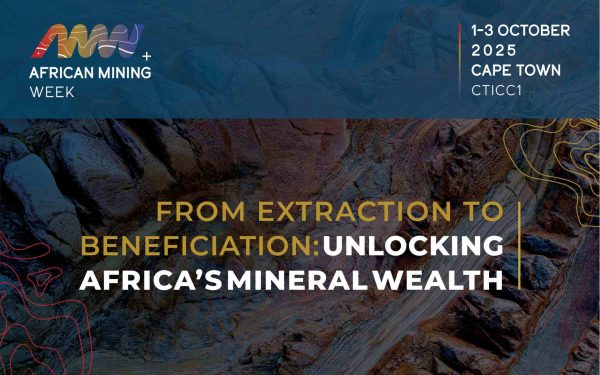
The upcoming African Mining Week – taking place October 1-3 in Cape Town - presents an ideal platform for UAE and African stakeholders to strengthen industry cooperation. As the premier event for the African mining industry, African Mining Week fosters collaboration and dealmaking, striving to advance projects and consolidate the continent's position as a global mineral producer. The event takes place under the theme From Extraction to Beneficiation: Unlocking Africa's Mineral Wealth. 

African Mining Week serves as a premier platform for exploring the full spectrum of mining opportunities across Africa. The event is held alongside the African Energy Week: Invest in African Energies 2025 conference from October 1-3 in Cape Town. Sponsors, exhibitors and delegates can learn more by contacting sales@energycapitalpower.com.

Distributed by APO Group on behalf of Energy Capital & Power.

Read moreUAE Investments Drive African Mining Growth
20 March 2025

Big Oil Find in Limpopo? Or Just False Hope?

Location: News

Troubling questions for Booi Brothers about their exploration in Vhurivhuri

Read moreBig Oil Find in Limpopo? Or Just False Hope?
18 March 2025

African Markets Digitalize Mining Licensing to Boost Investments

Location: Business

Energy Capital & Power
Download logo

African countries rich in minerals are accelerating the digitalization of their mining licensing processes to attract investment and maximize resource exploitation for economic growth. As part of this push, Zambia launched its Zambia Integrated Mining Information System last month, aiming to streamline the awarding of licenses. The digital platform is set to play a key role in attracting mining partners and help the country reach its goal of increasing copper production to 3.1 million metric tons by 2031. This launch follows a record-breaking $9.3 billion in mining investments in 2024 and a 79% increase in permits granted, reflecting growing global interest in Zambia's mining potential.

As African markets increasingly adopt digital solutions to simplify licensing procedures, African Mining Week will be at the forefront of this transformation, showcasing the vast potential of the continent's digitalized mining sector. The event will highlight lucrative investment opportunities across various markets, featuring numerous mining blocks being licensed by African nations.

South Africa, historically a major gold producer, plans to leverage its first digital mining licensing system to attract new investors and diversify its mining sector. Set for launch by June 2025, the system will improve the efficiency and transparency of the licensing process, reducing the time required to initiate new mining projects, including those for platinum group metals, according to Gwede Mantashe, South African Minister of Mineral Resources and Petroleum.

Tanzania is also streamlining its mining sector with a new licensing management system designed to maximize investments in lithium, graphite and rare earth minerals – commodities that are experiencing soaring global demand. According to Aziza Swedi, Acting Director of the Tanzania Mining Commission, the country has issued 54,626 mining licenses over a seven-year period through November 2024, with plans to expedite future licensing via its digital platform.

Rwanda has embraced digital transformation in its mining sector with the launch of the Inkomane Digital platform in October 2024. Companies such as Aterian have aligned their mineral trading operations with this tool. The platform connects mining companies, trading partners and regulatory bodies like the Rwanda Revenue Authority, enhancing compliance, workforce management, payroll generation and monitoring of mining activities. Similarly, Nigeria introduced its Mineral Resources Decision Support System in May 2024 to attract investors to its vast solid mineral reserves. The platform serves as a one-stop shop, offering easy access to geological and policy data while enabling investors to seamlessly apply for mining permits.

As more African nations integrate digital tools into their mining sectors, African Mining Week will spotlight the digitalization of mining operations across the continent. The event will feature discussions on new licensing systems and highlight the investment opportunities emerging as African nations unlock their mineral wealth.

African Mining Week serves as a premier platform for exploring the full spectrum of mining opportunities across Africa. The event is held alongside the African Energy Week: Invest in African Energies 2025 conference from October 1-3 in Cape Town. Sponsors, exhibitors and delegates can learn more by contacting sales@energycapitalpower.com.

Distributed by APO Group on behalf of Energy Capital & Power.

Read moreAfrican Markets Digitalize Mining Licensing to Boost Investments
18 March 2025

AEW 2025 to Address South Africa’s Power Crisis

Location: Business
African Energy Chamber

South Africa faces a critical energy challenge: securing a stable power supply while transitioning to a low-carbon future. The African Energy Chamber's (EnergyChamber.org/) State of African Energy 2025 Outlook Report provides a detailed analysis of this shift, highlighting the country's continued reliance on coal, the slow pace of renewable energy integration and the urgent need for infrastructure investments to modernize the grid. These insights will set the stage for key discussions at African Energy Week (AEW) 2025: Invest in African Energies, where industry leaders will examine how South Africa and other mature markets across the continent can balance energy security with decarbonization.

Coal remains the cornerstone of South Africa's power generation, contributing over 80% to the energy mix. This heavy reliance has led to ongoing load-shedding – constraining industrial productivity, discouraging investment and limiting GDP growth to less than 1% annually over the past decade. Addressing this crisis requires urgent intervention through infrastructure investment, diversification of the energy mix and policy reforms to enhance grid stability and efficiency. This will be a key focus for stakeholders at AEW 2025, where discussions will center on accelerating the transition to a more resilient and diversified energy system, enhancing the role of renewables and gas-to-power solutions, and attracting critical investments to modernize the grid and reduce dependence on coal.

In response to the energy crisis, South Africa has embarked on integrating renewable energy sources. The Renewable Energy Independent Power Producer Procurement Program has been instrumental, with over 7.2 GW of solar PV and 3.6 GW of onshore wind capacity installed by the end of 2023, collectively accounting for over 17% of the country's total installed capacity. Gas-to-power projects have also emerged as a viable solution, with the government issuing requests for proposals for 2 GW of such projects in late 2024. Concurrently, battery energy storage systems are being developed, with the Department of Mineral Resources and Energy launching bid rounds totaling over 1.7 GW/6.9 GWh of storage capacity.

South Africa's Just Energy Transition Investment Plan has drawn global interest, securing $8.5 billion in commitments from partners including France, Germany, the UK, the US and the EU. However, disbursement remains a challenge, with only $1.9 billion allocated to date – primarily for grid expansion and support for coal-mining communities. As the country navigates the complexities of a large-scale transition, key issues such as grid constraints, the integration of renewables and ensuring a stable, sustainable energy supply will be addressed at AEW 2025.

Taking place in Cape Town, AEW 2025: Invest in African Energies serves as the premier platform for South Africa and the broader African continent to tackle the critical energy challenges shaping the region's future. The event will highlight strategies to integrate cleaner energy sources while maintaining grid stability and affordability, as well as emphasize modernization of grid infrastructure, addressing capacity constraints and enhancing transmission networks to support a diversified energy mix.

Beyond technical solutions, securing large-scale investments will be a key priority, as Africa seeks to attract capital for sustainable energy projects that ensure both energy security and environmental responsibility. By convening industry leaders, policymakers, financiers and innovators, AEW 2025 will drive forward collaborative solutions, policy reforms and strategic partnerships essential for unlocking Africa's full energy potential and fostering long-term economic growth.

AEW: Invest in African Energies is the platform of choice for project operators, financiers, technology providers and government, and has emerged as the official place to sign deals in African energy. Visit www.AECWeek.com for more information about this exciting event.

Distributed by APO Group on behalf of African Energy Chamber.

Media files
African Energy Chamber
Download logo
Read moreAEW 2025 to Address South Africa’s Power Crisis
17 March 2025

Here’s How We Can Move to Renewable Energy in a Just Way

Location: News

Mining companies could fulfil their social obligations by investing in these projects

Read moreHere’s How We Can Move to Renewable Energy in a Just Way
17 March 2025

SA is addressing port challenges, says Deputy President 

Location: News

SA is addressing port challenges, says Deputy President 

Deputy President Paul Mashatile has assured executives from Isuzu Motors Limited’s headquarters in Japan that South Africa is actively working to resolve its port and infrastructure issues.

This comes in the wake of significant congestion, infrastructure shortfalls, and equipment failures at the country’s major ports, which have affected both import and export operations.

“I am pleased to report that we have dealt with energy issues that affected our economy,” the Deputy President said on Monday. 

The Deputy President spoke at the Isuzu Fujisawa Plant where he is currently on a working visit with a delegation that includes Ministers, Deputy Ministers, and senior government officials. 

READ | Deputy President Mashatile arrives in Japan for a working visit

The purpose of the visit is to strengthen cooperation between the two nations in areas of mutual interest.

The multinational corporation that manufactures commercial vehicles, diesel engines, and automotive parts has a significant presence in South Africa. 

As a Japanese automobile manufacturer, Isuzu has been in South Africa for a long time and is well-known for its trucks and bakkies.

“As a country, we are honoured that the Isuzu Motors South Africa Struandale Plant in Gqeberha, in our Eastern Cape province, is the first fully-owned plant outside Japan whereas in other countries Isuzu produces vehicles through joint ventures and license agreements.

“This shows great confidence in our country and our people for the skills necessary to produce these trucks and bakkies.” 

According to the Deputy President, the Struandale Plant produces 28 500 vehicles per annum and has dealerships across 26 countries in Africa. 

With the Africa Continental Free Trade Area (AfCFTA), the Deputy President stated that the continent has created even more opportunities for Isuzu to export and operate in over 54 countries that have signed the agreement.

The AfCFTA creates the largest single free trade business area, with 1.3 billion people and a gross domestic product (GDP) of US$3.4 trillion. 

Isuzu also exports to the European Union (EU) under the Southern African Development Community (SADC) -EU Economic Partnership Agreement, in addition to being active in Africa. 

“Therefore, South Africa is the place to be, indeed a gateway into the continent and the rest of the world including Japan under the generalised system of preferences.” 

The country’s second-in-command described Isuzu as a model investor in South Africa, contributing to employment, skills development, and supplier and enterprise development.

“I also understand that Isuzu contracted 107 suppliers with over 700 parts being localised in South Africa and some integrated into Isuzu global supply chains,” he said, adding that Isuzu achieved Level 1 Broad-Based Black Economic Empowerment (BBBEE). 

He informed the delegation that the government, through the Automotive Production Development Programme, has provided essential support to Isuzu.

During the working visit, the Deputy President and his delegation will engage with the business community in Japan to enhance economic relations.

They will focus on key areas such as manufacturing and machinery, mining and mineral beneficiation, energy cooperation, the automotive industry, and improving market access for South Africa’s agricultural products.

He is also expected to meet with Dr Akihiko Tanaka, the President of the Japan International Cooperation Agency (JICA) today. 
JICA is a government agency that is actively involved in various development projects in South Africa. 

On Tuesday, he will pay a courtesy visit to Prime Minister Ishiba Shigeru of Japan and visit the Meiji Jingu Shinto Shrine. – SAnews.gov.za


Gabisile
Mon, 03/17/2025 - 11:45

24 views

Read moreSA is addressing port challenges, says Deputy President 
17 March 2025

Deputy President Mashatile arrives in Japan for a working visit

Location: News

Deputy President Mashatile arrives in Japan for a working visit

Deputy President Paul Mashatile arrived at Narita International Airport in Tokyo, Japan, on Sunday for a working visit aimed at strengthening the cooperation between South Africa and Japan in areas of mutual interest.

According to the Presidency, the two countries have strong diplomatic relations, particularly in trade, investment, education, and science and technology.

“Japan is one of South Africa’s major economic partners with a sizeable investment in the South African economy, and potential for increased investment exists,” the statement read. 

During the working visit, the Deputy President and his delegation will engage with the business community in Japan to enhance economic relations. 

They will focus on key areas such as manufacturing and machinery, mining and mineral beneficiation, energy cooperation, the automotive industry, and improving market access for South Africa’s agricultural products.

The Deputy President and his delegation will visit the Isuzu Fujisawa Plant in Japan on Monday, 17 March 2025. 

Isuzu is a multinational corporation that produces commercial vehicles, diesel engines, and automotive parts, and it has a significant presence in South Africa.

During this visit, the Deputy President will meet with Dr Akihiko Tanaka, the President of the Japan International Cooperation Agency (JICA). 

JICA is a government agency that is actively involved in various development projects in South Africa.

On Tuesday, 18 March 2025, the Deputy President and his delegation will have a breakfast meeting with the Japan-African Union Parliamentary Friendship League, which aims to promote economic cooperation and trade between Japan and African countries. 

In addition, he will pay a courtesy visit to Prime Minister Ishiba Shigeru of Japan and visit the Meiji Jingu Shinto Shrine.

The Deputy President is expected to deliver a keynote address at the United Nations University, focusing on the theme “South Africa’s G20 Presidency: Solidarity, Equality, Sustainability – a Conversation with Japan”.

On Wednesday, 19 March 2025, the Deputy President and his team will participate in roundtable discussions hosted by the Japan External Trade Organisation (JETRO) and the Japan Organisation for Metals and Energy Security (JOGMEC).

The Deputy President will also host South African Rugby players based in Japan at the South African official residence. 

The Deputy President is supported by several officials including the Deputy Minister of International Relations and Cooperation Thandi Moraka; the Minister of Sport, Arts and Culture Gayton McKenzie; the Minister of Higher Education Dr Nobuhle Nkabane; the Minister of Agriculture John Steenhuisen; the Minister of Trade, Industry and Competition Parks Tau and the Deputy Minister of Science, Technology and Innovation Nomalungelo Gina. – SAnews.gov.za


Gabisile
Mon, 03/17/2025 - 08:50
58 views

Read moreDeputy President Mashatile arrives in Japan for a working visit
17 March 2025

Free State police arrest 12 for illegal mining

Location: News

Free State police arrest 12 for illegal mining

Twelve foreign nationals have been arrested in connection with illegal mining activities in the Free State, said the South African Police Service (SAPS).

This follows a coordinated operation by the Mission Area Joint Operational Center (MAJOC) Roving team, which included combat operators, proactive members, and various other participants of Operation Valu uMgodi.

The arrests happened on Saturday, while the suspects were actively engaged in illegal mining.

The operation, aimed at disrupting illicit mining activities, was carried out in different identified hotspots within the province.

Foot patrols, including vehicle patrols, air-to-ground drone patrols and vehicle check points, were conducted in the Stone and Allied area, Bambanani SS1 Slam Dam, Kudu Mine Shaft, Stilte Farm and G-Hostel in Thabong Extension 4.

“During the operation, the 12 foreign nationals were found in possession of gold bearing material weighing at 132.52 kilograms and gold processing equipment such as steel balls, garden spades, shovels, pick axes, steel plates, buckets and washing basins were all seized,” said the SAPS in a statement. 

The suspects (aged between 26 and 40), face charges of the possession of suspected gold bearing material, illegal gold processing equipment, trespassing and the contravention of the Immigration Act.

They 12 are expected to appear in court soon. – SAnews.gov.za

Edwin
Mon, 03/17/2025 - 08:31
0 views

Read moreFree State police arrest 12 for illegal mining
16 March 2025

Deputy President Mashatile Arrives in Japan on a Working Visit

Location: News

The Presidency of the Republic of South Africa
Download logo

Deputy President Shipokosa Paulus Mashatile has today, 16 March 2025 arrived at Narita International Airport in Tokyo, Japan on a Working Visit aimed at reaffirming the strong cooperation between South Africa and Japan in areas of mutual interest.

The two countries enjoy well-established diplomatic relations which are particularly strong in the fields of trade and investment, education, science and technology.

Japan is one of South Africa's major economic partners with a sizeable investment in the South African economy, and potential for increased investment exists.

During the working visit, the Deputy President and delegation will engage the business community in Japan with the objective of strengthening economic relations in areas such as manufacturing and machinery, mining and mineral beneficiation, energy cooperation, the automotive industry and greater market access for South Africa's agricultural products, amongst others. 

In this regard, the Deputy President and delegation will on Monday 17 March 2025 visit the Isuzu Fujisawa Plant Service, a Japanese multinational corporation that produces commercial vehicles, diesel engines and automotive parts, and has a significant presence in South Africa.

The Deputy President will also meet with Dr. Akhiko Tanaka, President of the Japan International Cooperation Agency (JICA), a Japanese government agency that has been actively involved in various development projects in South Africa. 

On Tuesday, 18 March 2025, the Deputy President and delegation will have a breakfast meeting with Japan-African Union Parliamentary Friendship League, which seeks to promote economic cooperation and trade between Japan and African countries. 

Furthermore, the Deputy President will pay a courtesy call on His Excellency Prime Minister Ishiba Shigeru and visit the Meiju Jingu Shinto Shrine.

The Deputy President will also deliver a keynote address at the United Nations University under the theme "South Africa's G20 Presidency: Solidarity, Equality, Sustainability - a conversation with Japan.

On Wednesay 19 March 2025, the Deputy President and delegation will participate in Roundtable Discussions hosted by the Japan External Trade Organisation (JETRO) and Japan Organisation for Metals and Energy Security (JOGMEC).

The Deputy President will also host South African Rugby players based in Japan at the South African Official Residence. 

The Deputy President is supported by the Deputy Minister of International Relations and Cooperation, Ms. Tandi Moraka; the Minister of Sport, Arts & Culture, Mr. Gayton McKenzie; the Minister of Higher Education, Dr. Nobuhle Nkabane; the Minister of Agriculture Mr. John Steenhuisen; the Minister of Trade Industry and Competition, Mr. Parks Tau; and the Deputy Minister of Science, Technology and Innovation, Ms. Nomalungelo Gina.

Distributed by APO Group on behalf of The Presidency of the Republic of South Africa.

Read moreDeputy President Mashatile Arrives in Japan on a Working Visit
12 March 2025

R150m boost for North West housing

Location: News

R150m boost for North West housing

The North West Department of Human Settlements has received a multimillion rand boost that will aid it to meet its housing development targets.

The North West Provincial Legislature Portfolio Committee on Premier and Finance, chaired by Nathan Oliphant, has adopted a report on the second Adjustment Appropriation Bill for the 2024/2025 fiscal year. 

This report approves the appropriation of an additional R150 million to the provincial Department of Human Settlements for housing development projects and related matters.

Oliphant said the funds will ensure that the department meets its obligations in terms of the informal settlements upgrading grant. 

“As the department has been negatively affected by significant budget cuts, which affected various projects, we welcome the adjustment. 

“During deliberations, the committee emphasised the need for heightened oversight in respect of this adjustment and to ensure no wastage,” he said on Tuesday.  

The Adjustments Appropriation Bill is a legislative tool used to modify the allocation of funds originally specified in the main Appropriation Act, and addresses unexpected circumstances or changes in spending priorities. 

This bill allows for both increases and decreases in the allocations set out in the main Appropriation Act, including adjustments based on shifts in the anticipated economic classification of spending.

Oliphant said the committee welcomes the confirmation from Provincial Treasury regarding their due diligence on the capacity and ability to spend the appropriated amount.

“We are furthermore happy that these service delivery resources will ensure contractor payment and further ensure that boots are on the ground, as our people don’t want stories -- they want decent housing, which the department has committed to." 

Oliphant tabled the second Adjustment Appropriation Bill 2024/2025 committee report at the Legislature House sitting on Tuesday. 

During his State of the Province Address (SOPA) last month, North West Premier Kagiso Lazarus Mokgosi announced that in the upcoming financial year, the province will construct 3 555 houses. 

This initiative will encompass the completion of stalled projects, first home financing, and an asbestos removal programme. 

Makgosi said the goal for catalytic projects in the current financial year was to deliver 249 units at a cost of over R82 million. 

By the end of the last quarter, the provincial government successfully delivered 268 units and for the next financial year, they plan to deliver 500 units in mining towns, with a budget of R90.5 million. – SAnews.gov.za
 

Gabisile
Wed, 03/12/2025 - 10:46
71 views

Read moreR150m boost for North West housing
11 March 2025

Call for urgent action to tackle water pollution

Location: News

Call for urgent action to tackle water pollution

Water and Sanitation Deputy Minister Sello Seitlholo has called on stakeholders to join hands with the department and its entities in addressing water pollution.

This includes collaboration in the removal of invasive aquatic weeds, such as water hyacinth, which have become a significant threat in most of the country’s water resources.

Seitlholo recently conducted a two-day oversight visit at Blesbokspruit Wetlands near Springs, Ekurhuleni, and Jukskei River in Alexandrea, north of Johannesburg.

During the visit last week, Seitlholo inspected wastewater pumpstations at Olifanstfontein Water Care Works, which are managed by the Ekurhuleni Water Care Company (ERWAT). He also inspected Zandspruit Wastewater Treatment Works operated by the City of Johannesburg.

Blesbokspruit Wetlands is a Ramsar site (sites listed on the list of wetlands of international importance) in the Upper Vaal catchment along Blesbokspuit River, and it is one of the major tributaries to the Vaal River in Gauteng.

According to the department, the wetland is hugely infested by the growth of hyacinth, which covers up to approximately 12 kilometres.

Despite its removal by means of manual labour and biological control, led by the Centre for Biological Control (CBC) at Rhodes University, the department said the plant has spread and multiplied, resulting in the destruction of the ecosystem of the wetland.

The CBC uses bugs, Megamelus scutellaris, that feed on the seeds of the plant, eventually killing the plant.

While Seitlholo is resolute to see all the hyacinth at the wetland annihilated, he was conflicted to discover that the dried hyacinth is harvested and is used by an emerging business to make home decoration accessories, baskets, and charcoal briquettes.            

“There is another dynamic that I have been exposed to, and this seems to have created local economic development in Ekurhuleni. However, the sustainability of the business needs to be explored further, and the control of the plant should also be taken into consideration. This is one plant that destroys the ecosystem, and our main priority is to have it removed,” Seitlholo said.

During an inspection at the Vaal River Barrage Reservoir, the Deputy Minister discovered how hyacinth has been controlled through a combination of community action, biological control, and chemical treatments.

The weed constituted about 400 hectares of the dam last year, but the remaining weeds are now standing at 12 hectares.

The oversight inspection continued to Alexandra and Bruma, where Jukskei River is also polluted.

However, the Deputy Minister commended the Alexandra community members who have rehabilitated the river by removing litter and debris.

The initiative has kept the water clean and free from pollution, and has also educated members of the community about the disadvantages of polluting the river.

“Water pollution is a crisis in this country, and it needs to be treated as such. We need this societal approach to tackle this problem, and we wish to see communities and stakeholders joining hands with the department to fight the scourge of water pollution and the eradication of invasive aquatic weeds.

“Society needs to understand that the value chain of water does not start at the water tap, but it rather starts at the rivers or wetlands. Polluted water has a direct impact on the quality of the final product -- potable water. Therefore, we need to take the issues of water pollution seriously because if our rivers are polluted and contaminated, it becomes costly for the entities that treat water in bulk,” Seitlholo said.

As the country commemorates Water Month, Seitlholo urged South Africans to ensure that water sources are protected and safe.

Seitlholo’s oversight also included a visit at East Basin Acid Mine Drainage Treatment Plant, managed by Trans Caledon Tunnel Authority (TCTA), which treats polluted water coming from the oxidation of sulfide minerals exposed to water in abandoned mines within Ekurhuleni.

The minerals cause acidic and potentially toxic water, which significantly impacts water quality and ecosystems in the area.

An oversight inspection at Zandspuit wastewater pump station revealed that the plant malfunctions, and this results in over 30 million litres of raw sewage spillage into Jukskei River, ending up in Hartbeespoort Dam.

Despite the efforts by the City of Johannesburg to restore the pumpstation, the Deputy Minister said the Department of Water and Sanitation, through its Compliance and Enforcement Unit, will continue to monitor the pumpstation, and tackle the issues of failing municipal wastewater infrastructure, including mining industries and irrigation from agriculture, to ensure that they take responsibility through the polluter-pay-principle.

Seitlholo also emphasised that pollution of water resources remains a crisis in the country, with Gauteng as the epicentre of water pollution because it is the economic hub of the country.

He said the department will continue with efforts to stop pollution and get the required quality of water within the water courses. – SAnews.gov.za

GabiK
Tue, 03/11/2025 - 11:20
58 views

Read moreCall for urgent action to tackle water pollution
10 March 2025

AMW to Showcase Angola’s Critical Mineral Prospects

Location: Business
Energy Capital & Power

Angola has set a target to become a key exporter of value-added critical minerals in the next 10 to 15 years. As the country pursues this goal, the upcoming African Mining Week (AMW) - Africa's premier mining event - will spotlight Angola's growing potential as global critical minerals exporter. 

Angola has identified 34 of the 54 critical minerals recognized by the European Union across its mineral-rich basins and is ramping up exploration, production and downstream projects to unlock its industry potential. The government is promoting investment across the critical mineral value chain as a strategy to advance economic diversification while unlocking greater revenue generation from the mining industry. 

AMW serves as a premier platform for exploring the full spectrum of mining opportunities across Africa. The event is held alongside the African Energy Week: Invest in African Energy 2025 conference from October 1 -3 in Cape Town. Sponsors, exhibitors and delegates can learn more by contacting  sales@energycapitalpower.com.

Across the country, various mining developments are taking off. In January 2025, UK-based Pensana secured funding from South Africa's Absa Bank to accelerate the development of the Longonjo Rare Earth Project. The $325 million project is expected to supply 5% of the world's high-grade rare earth carbonate, generate $6 billion in export revenue and contribute $1 billion in tax revenue to regional treasuries, helping Angola diversify its revenue generation. 

Meanwhile, Chinese mining firm Shining Star is set to commence production this year at the 40-million-ton Mavoio-Tetelo copper project in northern Angola. The project is expected to produce 300,000 tons of copper per annum, significantly boosting Angola's mining revenue. Australian firm Tyranna Resources - in partnership with China's Sinomine - is advancing multiple lithium projects in Angola, with ongoing drilling activities identifying additional reserves and expediting mine development. These projects include the Namibe and Muvero lithium mines. Canada's Ivanhoe Mines has also initiated a series of copper exploration projects in Angola's Moxico and Cuando Cubango provinces, contributing to efforts to diversify the nation's mining sector and revenue streams. 

To increase value addition across the manganese sector, Angola is developing a $250 million manganese-to-silica processing facility in partnership with Chinese firm ST New Materials. The project is expected to be operational in 2025. The country is also spearheading projects to produce steel from iron mined in the Kasinga region. 

As Angola seeks to attract new investors across the critical mineral value chain, AMW 2025 will bring together Angolan stakeholders and global investors to discuss partnerships and industry growth opportunities. AMW will host panel discussions, project showcases and exclusive networking opportunities, connecting international investors with Angola's rapidly expanding critical minerals market. 

Distributed by APO Group on behalf of Energy Capital & Power.

Media files
Energy Capital & Power
Download logo
Read moreAMW to Showcase Angola’s Critical Mineral Prospects
9 March 2025

Limpopo a province of boundless opportunity

Location: News

Limpopo a province of boundless opportunity

Limpopo Premier Dr Phophi Ramathuba has called on the Diplomatic Corps to view Limpopo as a province of boundless opportunity.

“Our economy is powered by three key drivers, mining, agriculture, and tourism, each offering lucrative potential for investment and growth,” Ramathuba said.

Speaking at a Diplomatic Corps breakfast in Thohoyandou on Saturday, she said Limpopo was rich in mineral wealth, home to vast deposits of platinum, diamonds and rare earth minerals that are crucial to the modern world.

“The global demand for these resources continues to grow, and Limpopo is well-positioned to be a leading supplier, offering a stable and investor-friendly environment for responsible mining and beneficiation,” Ramathuba said.

Limpopo remains the breadbasket of South Africa, she said, producing a significant portion of the country’s fresh produce, including citrus, avocados and macadamia nuts.

“With fertile lands and a climate suited for year-round production, we are not just feeding the nation, we are feeding the world. 

“We seek partnerships that will drive agro-processing, value addition and sustainable farming practices, ensuring that our agricultural sector remains a pillar of economic resilience.

“Our province is a place where nature, culture and heritage converge. From the breathtaking landscapes of the Kruger National Park to the ancient wonders of Mapungubwe, we offer an unparalleled tourism experience,” the Premier said.

Ramathuba said the hospitality of Limpopo people, combined with world-class facilities, makes the province a premier destination for both domestic and international travelers.

“We therefore invite you to join us in expanding this sector, developing eco-tourism, luxury lodges, and cultural heritage sites that will continue to draw visitors from across the globe.

“Our province is not just an economic hub, it is a strategic gateway to Africa. Limpopo shares borders with Botswana, Zimbabwe and Mozambique, making it a key trade corridor for goods and services moving across the continent. 

“Our transfrontier parks and cross-border infrastructure position us as a link between SADC markets and global investors looking for an entry point into Africa’s growing economies,” the Premier said.

The province hosted the first Outreach Program of the Group of 20 (G20) on Friday. The Premier described it as a historic milestone.

“The G20 represents 85% of global GDP, 75% of global trade, and two-thirds of the world’s population. The outreach was more than just a dialogue, it was a powerful opportunity for the people of Limpopo to understand and engage with South Africa’s G20 Presidency.

“Moreover, it allowed us to showcase our investment potential in mining, agriculture, manufacturing, tourism and the green economy,” she said.

Ramathuba said Limpopo was ready to open doors to investors, to forge new partnerships and to build a future where the province stands as a global leader in industrialisation and sustainable development.

“Limpopo is open for business. Our investment landscape is rich with potential and we stand ready to work alongside you to turn vision into reality,” Ramathuba said.

At a gala dinner on Friday, the Premier told the Diplomatic Corps that Limpopo was a land of immense potential, rich in culture, heritage and economic opportunities.

“We encourage you to consider Limpopo not just as a tourist destination but as a region ripe for investment. Tourism is one of the key drivers of our economy, creating jobs and supporting local communities,” she said.

She said the province believed that investment in infrastructure, particularly in roads, bridges, and logistics would unlock the full economic potential of the province.

“When businesses and farmers have access to reliable roads, they can transport goods efficiently, engage in larger markets, and ultimately grow their enterprises. 

“We invite our esteemed guests and members of the Diplomatic Corps to explore opportunities in infrastructure development, as we seek partnerships that will transform Limpopo into a well-connected economic hub,” she said.

Limpopo is blessed with fertile soil and a climate that supports diverse agricultural activities. 

“We are committed to strengthening our farming industry by supporting small-scale farmers to transition into commercial farming,” the Premier said.  

Friday’s launch of the G20 Outreach Programme forms part of a series of initiatives aimed at fostering wider public dialogue and participation in South Africa's G20 Presidency.

South Africa assumed the G20 Presidency on 1 December 2024.

The G20 is a group of 19 countries, as well as the African Union and the European Union, which defines itself as the premier forum for global economic cooperation. – SAnews.gov.za


Edwin
Sat, 03/08/2025 - 23:04
365 views

Read moreLimpopo a province of boundless opportunity
7 March 2025

President Cyril Ramaphosa Concludes Meeting Between the National Executive and the Gauteng Provincial Executive Council

Location: News

The Presidency of the Republic of South Africa
Download logo

President Cyril Ramaphosa has concluded a meeting between the national executive and the Gauteng provincial executive council. The meeting follows three engagements with the provincial governments of Limpopo, KwaZulu-Natal and Mpumalanga. 

President Ramaphosa intends to visit and engage the leadership of all nine provinces. 

The national and provincial executive meetings are aimed at strengthening intergovernmental cooperation, collaboration and consultation. They are also important for ensuring better alignment of provincial priorities with the priorities of the Government of National Unity.

President Ramaphosa urged the province to accelerate the resolution of recurring problems across Gauteng. Some of these include governance failures, financial mismanagement, crumbling infrastructure, crime and lawlessness and unreliable service delivery. This includes broader national challenges—unemployment and poverty. The provision of water across some areas in the province remains a concern. 

The province tabled several strategic areas that require support from the national government. These include disaster preparedness, response and recovery in areas affected by sinkholes. 

The province also requires more support from law enforcement agencies in responding to threats presented by taxi violence, illegal mining and undocumented foreign nationals.

Other strategic areas of national-provincial cooperation that could stimulate economic development in the province include investment in bulk infrastructure, collaboration in enhancing investment in high-tech manufacturing for the green economy, mining services, biotech and digital sectors and the energy generation and transmission eco-system. 

Premier Panyaza Lesufi welcomed the engagement with the national executive and committed to continue working closely with the national government on the priority areas of governance, social and economic development.

The Premier identified the expansion of special economic zones and critical infrastructure refurbishments as vital elements for stimulating economic growth and sustainable service delivery in the province. 

In closing, President Ramaphosa commended the province's focus on the areas of cooperation between the national and provincial governments that will be a catalyst for social and economic growth. 

The President outlined the importance of balancing development ambitions with budgetary realities.

Furthermore, the President encouraged the province to work closely with the private sector in ensuring innovative ways of funding key infrastructure projects, including working with metros in providing incentives to crowd in private sector participation. 

Distributed by APO Group on behalf of The Presidency of the Republic of South Africa.

Read morePresident Cyril Ramaphosa Concludes Meeting Between the National Executive and the Gauteng Provincial Executive Council
6 March 2025

Incidence of occupational lung diseases remains high among SA miners

Location: News

Incidence of occupational lung diseases remains high among SA miners

The incidence of active pulmonary tuberculosis (PTB) and silicosis among gold miners remains high, but recent years have seen a slow decline in the rates of both diseases, according to a recent study. 

The findings from the study titled “Surveillance of Occupational Lung Diseases at Autopsy in South African Miners, 2021” suggest that this drop may be attributed to improved silica dust control measures, better living conditions, and the rollout of antiretroviral therapy (ARTs).

The study is based on the annual Pathology Computerised Pathology Automation System (PATHAUT) surveillance report. 

The Pathology Division of the National Institute for Occupational Health (NIOH), a division of the National Health Laboratory Service (NHLS), examines the cardiorespiratory organs of deceased miners and ex-miners. 

According to the lead author Thembi Mashele the research aimed to assess the prevalence of occupational respiratory diseases in miners at autopsy in 2021 and highlight key trends for South Africa. 

In 2021, 546 cardiorespiratory organs from deceased miners and former miners in South Africa were examined.

The autopsies were conducted on 303 (55.5%) Black miners, 241 (44.1%) White miners, and two (0.4%) mixed-race miners. 

The miners had an average age of 51.6 years, while White miners were slightly older than the Black miners. 

Most of the cases came from Gauteng, followed by the North West province. 

The deceased miners worked in various mining sectors, with the majority having experience in the gold mining industry.

Emphysema, active PTB, and silicosis were the most frequently occurring occupational diseases diagnosed at autopsy. 

The research revealed that the current active PTB rate was 137 cases per 1 000 autopsies, higher than the 1995 rate of 93 per 1 000. 

Rates of silicosis in Black and White miners remained above 200 per 1 000 as compared to 182 per 1 000 in 1995. 

Research revealed that the number of autopsies conducted at the NIOH has declined over the years, peaking in 1995 with 4 003 cases compared to 546 in 2021.

The study also found that there has been a drop in the number of miners coming to autopsy, which may reduce access to compensation for families. 

“This decrease also hinders the documentation of detailed findings for the surveillance and research of respiratory diseases associated with mining and environmental exposures.”

Mashele stated that asbestos mining ended in South Africa in 2002. However, due to the long latency of asbestos-related diseases, we can expect respiratory issues among miners exposed to asbestos for some time to come.

Meanwhile, environmental asbestos exposure-related cases will also be expected as asbestos remains in the environment and buildings.

The lead author stated that the government provides compensation to the families of deceased miners who have been diagnosed with certified compensable diseases. 

These include silicosis, coal worker’s pneumoconiosis, mixed dust fibrosis, chronic obstructive pulmonary disease, lung cancer, PTB, asbestos-related diseases, and progressive systemic sclerosis excluding skin-related conditions.

“Due to a decline in numbers seen over the years, we hope to raise awareness amongst healthcare professionals and the public about the surveillance of occupational respiratory diseases and the key trends observed since 1975.” 

Since 1975, demographic information, clinical causes of death, occupational histories, and pathological findings related to the cardiorespiratory organs of all examined miners and former miners have been documented in a computerised PATHAUT database. 

By the end of 2021, this database contained a total of 115 339 records.

The study has recommended a continued policy implementation to control dust in the mining industry – leading to reductions in the incidence of occupational respiratory diseases. 

Meanwhile, the researchers said the International Labour Organisation and the World Health Organisation’s Global Programme for the Elimination of Silicosis efforts to eradicate silicosis by 2030 should be complied with by the mining sector. 

In addition, to adhere to requirements, they suggest that employers should continuously perform air monitoring and submit regular reports to the Department of Mineral Resources.

“The ongoing systematic monitoring of trends will support the evaluation of interventions and the attribution of research in respiratory diseases confounded by smoking for compensation.” – SAnews.gov.za


Gabisile
Thu, 03/06/2025 - 13:47
128 views

Read moreIncidence of occupational lung diseases remains high among SA miners
4 March 2025

GDP increases by 0.6% in Quarter 4 of 2024

Location: News

GDP increases by 0.6% in Quarter 4 of 2024

South Africa’s gross domestic product (GDP) increased by 0.6% in the fourth quarter of 2024, following a decrease of 0.1% in the third quarter of 2024.

This is according to Statistics South Africa (Stats SA), which attributed the growth to, among others, an increase by 17.2% in the agriculture, forestry and fishing industry, which contributed 0.4 of a percentage point to the positive GDP growth. 

“This was primarily due to increased economic activities reported for field crops and animal products. The finance, real estate and business services industry increased by 1.1%, contributing 0.3 of a percentage point. Increased economic activities were reported for financial intermediation, real estate activities and other business services,” Stats SA said on Tuesday

The trade, catering and accommodation industry increased by 1.4%, contributing 0.2 of a percentage point. 

Increased economic activities were reported for wholesale trade, retail trade and motor trade.

“The transport, storage and communication industry decreased by 1.0%, contributing -0.1 of a percentage point. Decreased economic activities were reported for land transport and transport support services.

“The manufacturing industry decreased by 0.6%, contributing -0.1 of a percentage point. Six of the 10 manufacturing divisions reported negative growth rates. The largest negative contributions were reported for the basic iron and steel, non-ferrous metal products, metal products and machinery division and the motor vehicles, parts and accessories, and other transport equipment division,” Stats SA said.

General government services decreased by 0.5%. This was mainly due to decreased employment in national and provincial government and extra-budgetary institutions.

The electricity, gas and water industry decreased by 1.4%. This was largely due to decreases in electricity production and consumption.

The mining and quarrying industry decreased by 0.2%. Decreased economic activities were reported for manganese ore and iron ore.

Expenditure on GDP

As far as the expenditure on real GDP, it increased by 0.6% in the fourth quarter of 2024, following a decrease of 0.1% in the third quarter of 2024.

“Household final consumption expenditure (HFCE) increased by 1.0%, contributing 0.6 of a percentage point to the total growth. Positive growth rates were reported for semi-durable, durable and non-durable goods,” Stats SA said. 

The main positive contributors to the increase in HFCE were expenditures on clothing and footwear (4.4% and contributing 0.2 of a percentage point); food and non-alcoholic beverages (1.4% and contributing 0.2 of a percentage point); recreation and culture (2.5% and contributing 0.2 of a percentage point); furnishings, household equipment and maintenance (1.9% and contributing 0.1 of a percentage point); ‘other’ (0.9% and contributing 0.1 of a percentage point); health (1.2% and contributing 0.1 of a percentage point), and alcoholic beverages, tobacco and narcotics (1.4% and contributing 0.1 of a percentage point).

Stats SA said the negative contributors were expenditures on transport and restaurants and hotels.

“Final consumption expenditure by general government decreased by 0.8%, contributing -0.2 of a percentage point to the total growth. This was mainly driven by decreases in purchases of goods and services and compensation of employees.

“Gross fixed capital formation decreased by 0.7%, contributing -0.1 of a percentage point to the total growth. 

"The negative contributors to the decrease were residential buildings (-7.5% and contributing -0.9 of a percentage point), machinery and other equipment (-1.3% and contributing -0.5 of a percentage point) and non-residential buildings (-2.7% and contributing -0.2 of a percentage point),” Stats SA said.

There was a R16.4 billion drawdown of inventories (seasonally adjusted and annualised value).

Large decreases in two industries, namely mining and trade, catering and accommodation, contributed to the inventory drawdown.

“Net exports made a neutral contribution (0.0 percentage points) to expenditure on GDP. Exports of goods and services increased by 2.1%, largely influenced by increased trade in pearls, precious and semiprecious stones and precious metals, and chemical products

“Imports of goods and services increased by 2.0%, largely influenced by increased trade in vehicles and transport equipment excluding large aircraft; vegetable products; and machinery and electrical equipment,” Stats SA said. - SAnews.gov.za

nosihle
Tue, 03/04/2025 - 13:34
371 views

Read moreGDP increases by 0.6% in Quarter 4 of 2024
3 March 2025

G20 meeting highlights the role of science in tackling climate change

Location: News

G20 meeting highlights the role of science in tackling climate change

Rising global temperatures, extended droughts, and the growing spread of disease are some of the severe impacts of climate change, according to the President of the Academy of Science of South Africa (ASSAf) Council, Professor Thokozani Majozi. 

Speaking at a recent Science20 (S20) meeting in Pretoria, Majozi noted that no region is immune to these effects, which range from wildfires in the Americas and Australia to catastrophic flooding in Europe and Asia.

“Climate change does not recognise national boundaries, making international scientific cooperation not just beneficial but essential,” he said. 

The meeting highlighted the urgent challenge of climate change.

“This issue transcends borders, economies, and political systems. The evidence is unequivocal: our climate is changing at an unprecedented rate due to human activities,” the Professor warned. 

S20 is the official engagement group for science academies within the Group of Twenty (G20) to foster science-based dialogue and provide policy advice. 

Established in 2017, its mission is to promote scientific cooperation and ensure that scientific perspectives influence G20 decisions on global challenges. 

The G20 is an international forum of both developing and developed countries that seeks to find solutions to global economic and financial issues.

Under South Africa’s G20 Presidency, three foundational themes shape political and scientific discussions: solidarity, equality, and sustainable development.

He outlined the key responsibilities of the scientific community, which include advancing our understanding of climate systems and their effects on human health and wellbeing. 

The Professor also urged his colleagues to communicate complex scientific findings in ways that can inform both policymakers and the public. In addition, he emphasised the importance of fostering collaboration across natural sciences, social sciences, and the humanities. 

Majozi believes in nurturing the next generation of scientists who are equipped to address these complex challenges, and he advocated for the integration of indigenous and local knowledge systems with traditional scientific approaches.
“We are not merely repositories of knowledge but active participants in shaping how that knowledge is applied to real-world challenges,” he added. 

Led by the ASSAf, this year’s S20 gathering is particularly significant, as it marks the first time the G20 is hosted on the African continent. 

The Minister of Science, Technology, and Innovation, Professor Blade Nzimande, addressed the meeting virtually and called for global scientific cooperation and evidence-based policymaking. 

Nzimande emphasised the connection between the S20 theme, “Climate change and well-being,” and South Africa’s overarching G20 theme of “Solidarity, equality, and sustainability.”

“These themes do not merely serve as reminders of the urgent need for science-driven policy responses to challenges such as climate change, biodiversity loss, and global inequality,” he said. 

“They also highlight that today’s fundamental challenges are interconnected, demanding multidisciplinary approaches, collaboration, and decisive science-based action.”

Priorities and skills development

Nzimande outlined key science, technology, and innovation priorities that will define South Africa’s G20 leadership. 

These include, among other initiatives, enhancing our capacity for pandemic preparedness; promoting research and development in emerging technologies, especially artificial intelligence; and integrating these technologies into essential economic sectors such as energy, agriculture, mining, health, and the digital economy.

It also it involves developing critical and advanced skills, including through the Presidential PhD Programme.

The Minister stressed the crucial role of the S20 meeting in shaping the broader G20 Research and Innovation Working Group discussions, which will culminate in a ministerial meeting in September 2025. 

President of the Brazilian Academy of Sciences, Professor Helena Nader, applauded South Africa for highlighting the topic of climate change and wellbeing, especially considering recent global floods and storms. 

Meanwhile, the Executive Director of the United States National Academies Policy and Global Affairs Division, Dr Vaughan Turekian, praised G20 members’ long history of collaboration and expressed his desire for it to expand through the S20. – SAnews.gov.za


Gabisile
Mon, 03/03/2025 - 12:45
43 views

Read moreG20 meeting highlights the role of science in tackling climate change
26 February 2025

South Africa and Japan foster relations 

Location: News

South Africa and Japan foster relations 

The friendship and collaboration between Japan and South Africa – as an essential factor in the advancement of peace, prosperity and mutual understanding – have been reflected upon at Deputy President Paul Mashatile’s meeting with Japanese Ambassador to South Africa, Fumio Shimizu.

The Deputy President received a courtesy visit from newly appointed Ambassador Shimizu at Mashatile Tuynhuys office in Parliament, Cape Town, on Tuesday.

Shimizu is hosting a high-powered Japanese delegation in South Africa to attend the G20 Foreign Ministers’ Meeting and the meeting of the G20 Finance Ministers and Central Bank Governors, alongside a number of G20 workstream meetings.

At Tuesday’s meeting, South Africa and Japan reaffirmed their strong diplomatic and economic partnership, with Mashatile emphasising Japan’s role in South Africa’s economic growth and investment landscape.

“In particular, the Deputy President appreciated the continued strengthening of South Africa-Japan cooperation in several sectors, including politics, trade and investment, science and innovation, education, energy and development cooperation,” the Presidency said in a statement on Tuesday.

Mashatile highlighted Japan’s role as one of South Africa’s most significant economic partners, particularly in the automotive industry, technology, skills development and mineral beneficiation. He expressed optimism about increasing Japanese investments in local manufacturing, job creation and infrastructure projects.

“In Japan, we see the potential for the increase of already sizable investment in our economy, especially in the automotive industry, technology and skills development, commercialisation and manufacturing, as well as machinery for mining and mineral beneficiation, which are among the key economic drivers in South Africa,” Mashatile said.

The Deputy President and Shimizu committed to strengthening cooperation in various sectors, including science and innovation, education and energy.

Mashatile will undertake a working visit to Japan next month to solidify trade relations and attract further investment. 

South Africa also eagerly anticipates the 9th Tokyo International Conference on African Development (TICAD 9) in Yokohama this August, which is expected to further bolster economic ties between Japan and the African continent. – SAnews.gov.za

Gabisile
Wed, 02/26/2025 - 11:26
332 views

Read moreSouth Africa and Japan foster relations 
26 February 2025

Ghana’s Mining in Motion Summit Gains Support From Key Leaders

Location: News
Energy Capital & Power

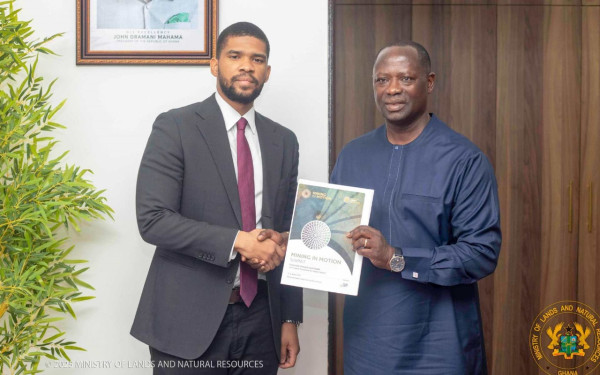
Otumfuo Osei Tutu II, King of the Ashanti Kingdom; Hon. Emmanuel Armah Kofi Buah, Minister of Lands and Natural Resources of Ghana; and Oheneba Kwaku Duah, the son of Otumfuo Osei Tutu II and Managing Director of the Ashanti Green Initiative recently met to discuss the upcoming Mining in Motion Summit in Ghana.

They explored the summit's potential to improve the artisanal and small-scale gold mining (ASGM) sector in Ghana and the role of government, international partners and major mining firms in accelerating the sector's growth. Hon. Kofi Buah endorsed the event, emphasizing its significance in connecting small-scale miners with technology providers, financiers, regulatory bodies and global industry stakeholders to improve their operations and impact.

Organized by the Ashanti Green Initiative along with the World Bank, the World Gold Council and other international partners, Mining in Motion will take place from June 2 - 4 in Accra.

The summit is held under the theme Sustainable Mining & Local Growth – Leveraging Resources for Global Impact, uniting key decision-makers, including H.E. John Dramani Mahama, President of the Republic of Ghana, as well as representatives from public and private sector mining institutions from South Africa, the Republic of Guinea, the African Union, ECOWAS and the United Nations.

The three-day event will highlight the role of traditional authorities in shaping artisanal and small-scale mining practices, emphasizing the sector's contribution to employment and economic growth. In 2024 alone, Ghana's artisanal miners generated $5 billion in foreign exchange earnings through gold exports. Providing direct employment for over one million Ghanaians and accounting for 35% of domestic gold output, the sector has the potential to significantly shape socioeconomic development in the west African country.

As Ghana's mining sector increasingly supports sustainable development, the Mining in Motion Summit will highlight best practices for integrating ASGM into the global financial system. Representatives from prominent international financing organizations will share their insights.

In a significant move to boost earnings for small-scale miners, Ghana has announced plans to establish a Gold Board. This new entity will simplify the process of purchasing gold from small-scale miners, providing them with easier access to global markets. With Samuel Adu Gyamfi, who was appointed Acting Managing Director of Precious Minerals Marketing Company last month and tasked with setting up the Ghana Gold Board, playing a pivotal role in shaping the summit, Mining in Motion is set to have a sizable impact on the growth of Ghana's gold sector.

Through a series of high-level panel discussions, deal signings, project showcases and exclusive networking, Mining in Motion serves as the ideal platform to connect Ghanaian miners with regional counterparts and global investors for forge industry-changing partnerships.

Stay informed about the latest advancements, network with industry leaders and engage in critical discussions on key issues impacting ASGM and medium- to large-scale mining in Ghana. Secure your spot at the Mining in Motion 2025 Summit by visiting https://MiningInMotionSummit.com. For sponsorship opportunities or delegate participation, contact sales@energycapitalpower.com.

Distributed by APO Group on behalf of Energy Capital & Power.

About Ashanti Green Initiative:
The Ashanti Green Initiative is a foundation dedicated to promoting environmental restoration, advocating for climate-related issues, and fostering community development in Ghana and beyond. Guided by a commitment to sustainability, the foundation undertakes projects aimed at rehabilitating degraded lands, restoring water bodies, and promoting responsible natural resource management. The initiative also champions regenerative practices in mining, agriculture, and energy, aligning with global efforts to combat climate change while uplifting local communities through education, capacity-building, and economic empowerment programs. The Ashanti Green Initiative is led by Nana Kwaku Duah, son of His Majesty Otumfuo Osei Tutu II, King of the Ashanti Kingdom. Under his leadership, the foundation applies forward-thinking approaches and innovative solutions, creating impactful partnerships with local and international stakeholders to drive meaningful change.

About Energy Capital & Power:
Energy Capital & Power is an Africa-focused global leading investment platform for the energy and mining sectors. Through a series of events, online content and investment reports, we unite the entire energy and mining value chains – from oil and gas exploration to renewable power – and facilitate global and intra-African investment and collaboration.

Media files
Energy Capital & Power
Download logo
Read moreGhana’s Mining in Motion Summit Gains Support From Key Leaders
24 February 2025

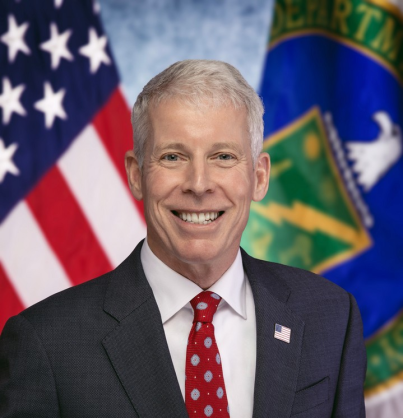
u.s. Secretary of Energy Chris Wright to Deliver Keynote Address at 10th Powering Africa Summit

Location: News
EnergyNet Ltd.

Secretary Chris Wright, U.S. Department of Energy, has been confirmed as a speaker and guest of honour at the 10th Powering Africa Summit (PAS), taking place at JW Marriott Washington, D.C. across March 6-7. This is an important step to provide an answer to the question that all of African energy is now asking: how will the new Administration approach the strategic energy relationship between the U.S. and Africa

Under the Summit theme, The Future of the US & Africa Energy Partnership, U.S. Secretary of Energy Chris Wright will deliver a keynote address at the 10th annual Powering Africa Summit. Wright will be joined by representatives from the U.S. Department of State: Ambassador Troy Fitrell, Senior Bureau Official, Bureau of African Affairs; Kimberly Harrington, Acting Principal Deputy Assistant Secretary, Bureau of Energy Resources; and Stephen Banks, Acting Deputy Assistant Secretary for Energy Diplomacy, Bureau of Energy Resources. All will share their vision for this future relationship between African countries and the US-based investors that are so vital to realizing their energy ambitions.

“As Secretary of Energy, I am committed to unleashing all forms of affordable, reliable and secure energy here at home and advancing that mission of energy security around the world – and nowhere is that more critical than the continent of Africa. I look forward to joining the Summit to reaffirm the strategic energy partnership between the U.S. and Africa and share my vision for advancing innovation and removing barriers to energy access, both at home and around the world,” Secretary Wright said.

Ministers and governments from 19 African countries will arrive in Washington D.C., where the Africa Welcome Address will be given by H.E. Honourable Adebayo Adelabu, Minister of Power, Nigeria. Together with H.E. Honourable Jeremiah Kpan Koung, Vice President, Liberia; H.E. Honourable Dr. Dele Alake, Minister for Solid Minerals Development, Nigeria; H.E. Honourable Mahmoud Mustafa Esmat, Minister of Electricity & Renewable Energy, Egypt; H.E. Honourable Karim Badawi, Minister of Petroleum & Mineral Resources, Egypt; H.E. Honourable Bogolo Joy Kenewendo, Minister of Minerals & Energy, Botswana; H.E. Honourable Alex Wachira, Principal Secretary, Ministry of Energy & Petroleum, Kenya; and Amina Benkhadra, Director General, Office National des Hydrocarbures et des Mines (ONHYM), Morocco, he will meet distinguished Ministers and leaders from South Africa, Senegal, Ethiopia, Zimbabwe, Togo, Sierra Leone and more to drive energy development across the continent.

Flagship ministerial boardrooms and regional energy cooperation sessions will discuss and debate   derisking projects, South Africa's energy future, the need for West African regulatory reforms, and the role of hydrogen in North Africa. New areas of opportunity such as bitcoin mining and data centers will be discussed through an East African lens. The Mission 300 initiative, set to provide electricity access to 300 million people in sub-Saharan Africa by 2030, is also high on the agenda.

The 10th Anniversary Gala Drinks Reception sponsored by Genesis Energy, will celebrate International Women's Day, ahead of March 8.

Critical to the week's discussions will be a host of private players including Alliant Insurance Services, GE Vernova, ARM-Harith Infrastructure Investment, Globeleq, Africa50, Nextracker, Schneider Electric, Newmarket Capital and the summit's general sponsor, Sun Africa, who are looking to a new future for the U.S.-Africa relationship.   

Sun Africa CEO, Adam Cortese said: “We are seeing a sea change in how the U.S. participates in foreign infrastructure development and our unique model of development is an excellent illustration of how U.S. energy companies can thrive in emerging markets on a strictly commercial basis. Sun Africa remains committed to harnessing Africa's immense energy resources through innovative structures, state-of-the-art technology and strong alliances while maintaining our long-standing market-based approach to development.  At Sun Africa, we believe energy development on the continent truly represents an opportunity for win-win partnerships and look forward to sharing our experience.”

Simon Gosling, MD of EnergyNet added: “This summit has always been about bringing together African countries seeking investment with U.S.-based investors who see the vast potential on the continent.  It is more important than ever to establish the crucial energy projects that Africa needs. PAS25 will put the continent center stage and make sure that both sides have a future relationship to be excited about.”

Media Credentials Requited for Powering Africa Summit

The Secretary will open the Summit on 6 March, delivering a Keynote Speech at 09:45, followed by a Fireside Chat with Mission 300 Accelerator CEO, Andrew Herscowitz.

Distributed by APO Group on behalf of EnergyNet Ltd..

For more information, please get in touch with 
Poliana@EnergyNet.co.uk
Senior Marketing Manager

Media files
EnergyNet Ltd.
Download logo
Read moreu.s. Secretary of Energy Chris Wright to Deliver Keynote Address at 10th Powering Africa Summit
24 February 2025

M&As Reflect Growing Global Interest in African Mining

Location: Business
Energy Capital & Power

International mining stakeholders are increasing their access to Africa's mineral resources through joint ventures, acquisitions and stakes in local projects. Meanwhile, African countries and operators are leveraging these partnerships to enhance capital, accelerate project development and meet ambitious production targets.

The upcoming African Mining Week (AMW), taking place in Cape Town this October, will spotlight mergers and acquisitions (M&A), offering African projects a platform to showcase opportunities and providing global investors the stage to present growth strategies for Africa's expanding mining sector.

Recent research by the Economist Intelligence Unit indicates that foreign investment in Africa's mining industry is poised for significant growth in 2025, building on strong momentum established in 2024. Several key transactions highlight this trend. Earlier this month, UK-based Altona Rare Earths finalized its acquisition of an 85% stake in Botswana's Sesana Copper-Silver Project from Ignate Minerals, committing significant capital to accelerate exploration and mine development. In December 2024, Australian mining firm Patriot Lithium acquired a 90% stake in Zambia's Kitumba Copper Large Scale Exploration License from Newlight Nominees Zambia, enabling increased funding for exploration and production activities. Similarly, in October 2024, Jubilee Metals, a UK-based company, acquired Project G, its second open-pit copper asset in Zambia, as part of a strategy to boost investments and raise copper output to 25,000 tons per year.

Recent M&A activity in Africa's mining sector is reshaping the industry, improving operational efficiencies and creating new pathways for innovation and technology transfer. For African nations, these investments bring new opportunities for job creation, infrastructure development and access to global markets, fueling economic growth. Additionally, the influx of foreign capital and expertise enhances local capabilities, enabling African countries to harness their natural resources more effectively while addressing challenges like underdeveloped supply chains and limited financing for exploration.

In South Africa, M&A activity reached $10 billion between June 2023 and 2024, with 32 deals closed, compared to 24 year-on-year, according to PwC. Among the notable deals, Kenya's Marula Mining secured a 51% stake in South Africa's Mansera Kruisrivier Cobalt Holding Company in July 2024, funding feasibility and aerial studies to advance the project. Meanwhile, China's Baowu Steel Group acquired stakes in Guinea's Simandou Project, the world's largest untapped iron ore deposit, in June 2024. In Mali, Ganfeng Lithium secured an operational stake in the Goulamina Lithium Mine in a $342.7-million deal with Australia's Leo Lithium in May 2024. The UAE-based International Resource Holdings also entered the market, acquiring Zambia's Mopani Copper Mines for $1.1 billion in May 2024, enhancing exploration and production capabilities at one of the country's largest copper facilities.

As African nations focus on boosting mineral production to drive economic growth, M&A activity is expected to intensify, with global partners seeking greater stakes in the continent's abundant resources. Against this backdrop, the upcoming AMW will play a crucial role in shaping Africa's M&A landscape by facilitating project showcases, fostering partnerships and advancing deal signings that will define the future of the mining sector.

African Mining Week serves as a premier platform for exploring the full spectrum of mining opportunities across Africa. The event is held alongside the African Energy Week: Invest in African Energy 2025 conference (https://AECWeek.com/) from October 1 -3. in Cape Town. Sponsors, exhibitors and delegates can learn more by contacting sales@energycapitalpower.com

Distributed by APO Group on behalf of Energy Capital & Power.

Media files
Energy Capital & Power
Download logo
Read moreM&As Reflect Growing Global Interest in African Mining
  • Previous
  • Page 1
  • Interim pages omitted …
  • Page 4
  • Page 5
  • Page 6
  • Page 7
  • Page 8
  • Interim pages omitted …
  • Page 24
  • Next

Copyright © 2026 · MyZA · All Rights Reserved · Powered by Stratlec Online