How African Consumers Set Global Trade Trends in the 1800s
Africa’s ‘new consumer class’ isn’t new; in the 1800s the continent called the tune for European factories.

MyZA
News, Directory, Events and Other Stuff
Africa’s ‘new consumer class’ isn’t new; in the 1800s the continent called the tune for European factories.
2025 in Mozambique was defined by continued political fallout from the 2024 general elections, a serious escalation of the northern insurgency, and fragile economic recovery attempts centered on the natural gas sector. Here are the biggest news headlines from Mozambique during 2025: 1. Post-Election Unrest and Presidential Swearing-In Headline: Daniel Chapo Sworn In Amid Mass …
The iSimangaliso Wetland Park’s turtle monitoring programme runs from October to April, monitoring the nesting season of these reptiles
Africa accounts for half of all stillbirths globally. Stronger data systems will drive smarter strategies and save lives.
Dangerous climate tipping points will threaten food, water and coastlines. They’re irreversible and only radically accelerated climate action can stop them now.
Number of viral load tests is significantly lower than expected
The SCA has set aside the 2019 environmental authorisation for the 3,000MW Richards Bay gas-to-power plant
Most claims do not meet the medical criteria, AGM told
The end of colonisation did not dismantle the BBC’s operation – the style was already embedded in the broadcasting system.
Credit rating agencies are now responding to governance failures, not just macroeconomic trends.
The PR Mpephu Airport does not benefit the Limpopo province or its people. This became evident during yesterday’s oversight visit to the Airport by the Freedom Front Plus (VF Plus) and Limpopo’s Departments of Transport, Community Safety and Public Works. Gateway Airport Authority Limited (GAAL) manages the Airport, which is located in Vuwani, just outside […]
The post PR Mpephu Airport does not benefit Limpopo or its people appeared first on Freedom Front Plus.
They also want TotalEnergies to stop further fossil fuel extraction in Africa
A recently approved drug for malaria treatment offers hope to millions of children who suffer from the disease in Africa.
Delays by the multi-billion rand Tshiamiso Trust have meant 84% of lodged claims have not received compensation
Both the US and Mozambican governments have failed
Global Fund is reducing funding to over 100 countries amidst shortfalls
Part two: If Marco Rubio came here “we could show him the evidence” of deaths, says villager
Part one: How the Trump Administration abandoned orphans with HIV

In a landmark diplomatic step, Tanzania has launched a revised National Foreign Policy that reinforces the country's leadership in African diplomacy. The updated policy embraces Pan-African values, supports the African Continental Free Trade Area (AfCFTA), and advances regional peace, integration, and sustainable development.
The launch event, held at the Julius Nyerere International Convention Centre (JNICC) in Dar es Salaam, was officiated by H.E. Dr. Samia Suluhu Hassan, President of the United Republic of Tanzania. It was also attended by Dr. Hussein Ali Mwinyi, President of Zanzibar and Chairman of the Revolutionary Council, members of the Diplomatic Corps, senior government leaders, and private sector representatives.
Rooted in the vision of Mwalimu Julius Nyerere, Tanzania has historically championed unity, liberation, and non-alignment in African diplomacy. Under Nyerere's leadership, Tanzania became a moral compass for the continent and a founding member of the Organization of African Unity (OAU).
“This policy speaks on who we are as a nation—firm in our values, proactive in our diplomacy, and committed to constructive partnerships that advance peace, security, and shared prosperity,” President Samia said during the event.
The new policy reflects this legacy while responding to contemporary priorities like trade, migration, regional infrastructure, climate action, and digital transformation. It aims to deepen Tanzania's engagement with continental bodies like the AU, SADC, and EAC while emphasizing Kiswahili as a tool for regional integration.
President Samia noted that the revised policy was shaped through a broad-based participatory process involving Tanzanians from all walks of life. “It was high time we revised the policy to cope with global shifts in various spheres,” she said, citing the global scramble for strategic minerals and trade disruptions caused by ongoing conflicts as key motivators.
A core feature of the updated framework includes economic diplomacy and the creation of a Special Status for Tanzanians in the diaspora. The policy promotes legal reforms that would allow non-citizen Tanzanians abroad to own land, register businesses, and invest back home.
To strengthen implementation, President Samia called on the Ministry of Foreign Affairs and East African Cooperation to engage retired diplomats in training current officials, ensuring that Tanzania's envoys are equipped to promote national interests globally.
President Mwinyi welcomed the revised policy as a catalyst for unlocking social, economic, and political potential. “Tanzania continues to position itself globally, and the revised policy aligns with evolving global needs,” he said.
He urged the Ministry to encourage more countries to open consulates in Zanzibar and called on all Tanzanians to embrace and defend national interests through the policy. “This policy will benefit both Tanzania Mainland and Zanzibar,” he emphasized.
President Samia's regional outreach began early in her presidency. In April 2021, she visited Uganda, where she and President Yoweri Museveni signed the Final Investment Decision for the $10 billion East African Crude Oil Pipeline (EACOP).
In May 2021, her visit to Kenya revitalized bilateral ties, followed by trips to Burundi, Mozambique, Rwanda, Zambia, and Egypt, resulting in cooperation on trade, energy, security, and innovation.
At the June 2021 SADC Summit in Mozambique, Tanzania reaffirmed its commitment to regional peace by supporting the fight against insurgency in Cabo Delgado. In Ghana, she received the Africa Road Builders–Babacar Ndiaye Trophy for leadership in infrastructure development.
In Senegal, during the IDA20 Summit, and at COP27 in Egypt, she positioned Tanzania as a leader in climate resilience, presenting an $18 billion renewable energy plan.
From 2023 to 2025, she maintained strong continental engagement through AU summits, the BRICS Summit in South Africa, and diplomatic visits to Malawi, Zambia, South Africa, and Morocco.
A key milestone in Tanzania's growing international stature was the invitation to the Lobito Corridor Development Project high-level meeting in Angola—part of the G7's Global Infrastructure Initiative. Although Tanzania was not originally a member of the project, its geographic and strategic relevance was recognized as critical to the corridor's success.
In February 2024, President Samia unveiled a statue of Mwalimu Nyerere at the AU Headquarters in Ethiopia—a symbolic act that underscored Tanzania's foundational role in the Pan-African movement.
As Chair of the SADC Organ, she presided over the 2024 Troika Summit in Zimbabwe, advancing peace and security initiatives and supporting Raila Odinga's candidacy for AU Commission leadership.
On May 18, 2025, Professor Mohamed Yakub Janabi was elected as the next Regional Director of the WHO African Region, a milestone widely credited to Tanzania's rising diplomatic influence. His nomination followed the untimely death of Dr. Faustine Ndugulile in 2024. Janabi's appointment will be formalized by the WHO Executive Board later this month.
According to Ambassador Mahmoud Thabit Kombo, the revised policy focuses on ten strategic pillars:
This updated policy reflects Tanzania's commitment to Pan-African unity while embracing innovation, inclusion, and global partnership. It sets the stage for the next chapter in Tanzania's regional leadership and sustainable development.
Distributed by APO Group on behalf of Tanzania Ministry of Foreign Affairs and East African Cooperation.
The African Energy Chamber (AEC) (www.EnergyChamber.org) – representing the voice of the African energy sector – offers its full support and endorsement of the upcoming Africa Energy Technology (AET) conference, recognizing the role the event plays as a platform for fostering innovation and technology in Africa. Taking place May 27-29, 2025, in Accra, Ghana, the event unites government representatives, policymakers and energy technology leaders to discuss financing and technology opportunities in Africa.
AET 2025 takes place under the theme: Innovate, Invest, Implement: Revolutionized Financing for Sustainable Energy Sector Growth in Africa, highlighting the need to scale-up spending across the continent. Key topics that will be explored include innovation in technology, attracting diverse investment through new financial mechanisms and ensuring effective implementation of energy projects. Striving to address Africa's most pressing energy challenges – including access to energy and financing – the event is expected to position the continent at the forefront of global energy discussions.
Africa is at a critical juncture in its energy development as it strives to advance large-scale energy projects while reducing carbon emissions. With over 600 million people living without access to electricity and 900 million people living without access to clean cooking solutions, countries across the continent are advocating for greater investment across the energy value chain, with the aim of accelerating oil, gas and renewable energy projects. Concurrently, the continent has committed to reducing greenhouse gas emissions to mitigate climate change impacts, given that Africa faces the worst impacts of the climate crisis worldwide. It is within this juncture that the need to fast-track technology adoption and enhance innovation becomes clear.
Africa's unique energy challenges can be addressed through the rapid roll-out of various energy sources, and progress is already being made to achieve this. Africa's biggest oil producers seek to increase oil production, with Angola planning to sustain output above one million barrels per day (bpd), Nigeria targeting 2.5 million bpd while Libya strives for 2 million bpd. In tandem, gas-rich nations across the continent aim to increase LNG output. The Republic of Congo targets 3 million tons per annum (mtpa) with the start of Congo LNG phase two in 2025; Mozambique is advancing its Rovuma Basin projects; while Senegal and Mauritania eye 5 mtpa at the Greater Tortue Ahmeyim project, following first production in 2024.
Meanwhile, countries are advancing their clean energy portfolios, with projects in nuclear energy and green hydrogen taking shape. Upcoming green hydrogen projects include the 2,100 kilo-ton-per-annum (ktpa) ACME Group Sokhna project in Egypt (2030); the 1,200 ktpa Project Nour in Mauritania; the 900 ktpa AMAN project in Morocco, among others. In the nuclear sector, over 15 GW of operational capacity is targeted across the continent by 2035. South Africa is expanding production capacity, Egypt is developing its first facility – comprised of four reactors – while over 10 countries are looking at embracing nuclear technology. To make energy poverty history by 2030, the continent will need all of these energy sources.
The AET 2025 conference steps into this picture to foster collaboration across the entire energy value chain in Africa. The event underscores the need for an integrated and diverse energy mix, with technology driving energy efficiency and sustainability. By leveraging innovation, the event emphasizes the value of groundbreaking technology and innovative investments.
“As the continent strives to unlock the full potential of its oil, gas and energy resources, greater technology deployment will be critical. AET is expected to not only revolutionize the African energy landscape by identifying key financing and technology opportunities, but to foster greater collaboration across the sector by bringing together key energy stakeholders,” stated NJ Ayuk, Executive Chairman of the AEC.
Visit https://AETConference.com/tickets/ to register
Distributed by APO Group on behalf of African Energy Chamber.
On bilateral matters:
On regional and international matters:
Done in La Celle Saint-Cloud, France, on 16 May 2025
| For the French Republic | For the Republic of South Africa |
| H.E. Jean-Noël BARROT
Minister for Europe and Foreign Affairs |
H.E. Ronald Ozzy LAMOLA
Minister of International Relations and Cooperation |
Distributed by APO Group on behalf of Republic of South Africa: Department of International Relations and Cooperation.

As part of its continuing outreach to the parts of the world that it was set up to serve, FIND (www.FINDdx.org) hosted Ambassadors from 26 African countries and the African Union for a meeting at FIND's offices in the Global Health Campus in Geneva. The Ambassadors received an overview of FIND's work in their respective countries, future prospects and were made aware of FIND as a value-added partner for countries with respect to diagnostics.
“The foundation of any successful health response is diagnosis. From early detection to pandemic preparedness, our collaboration with the African Union is essential to guaranteeing that no one is left behind,” said Dr. Ifedayo Adetifa, CEO of FIND. “FIND's vision is focused on both catalyzing innovation and ensuring access to diagnostics in low- and middle-income countries.”
In order to improve diagnostic systems and get ready for potential health and pandemic risks, FIND's leadership presented its updated strategic vision as a precursor to this year's Diagnostics Day event to be held on 21 May, which will take place on the sidelines of the World Health Assembly.
The ambassadors of the African Union, Angola, Burkina Faso, Cabo Verde, Cameroon, Central African Republic, Chad, Côte d'Ivoire, Democratic Republic of Congo, Kenya, Lesotho, Madagascar, Malawi, Mauritania, Mauritius, Mozambique, Namibia, Rwanda, Sao Tomé and Principe, Sierra Leone, South Africa, South Sudan, Sudan, Tanzania, The Gambia, Togo, and Zimbabwe were present.
The Ambassadors led a lively discussion which touched upon a number of key issues, including South-South collaboration; pandemic preparedness and response; the role of health in national development; national essential diagnostics lists; the growing issue of non-communicable diseases such as diabetes; and ensuring sustainable financing for diagnostics and health in general.
Among the meeting's main conclusions were:
“In this moment of dramatic change, African leaders are stepping up to fill the power vacuum left by a world in turmoil where women and children are being left behind and left to die, particularly on the African continent – the continent with the greatest health burden,” said Dr Ayoade Alakija, FIND's Board Chair. “FIND will continue to support them on strengthening pandemic preparedness and ensuring quality diagnostics are available to all.”
FIND's Diagostics Day (https://apo-opa.co/44AX9pc) event on 21 May at the Vieux Bois in Geneva will bring leaders from health from around the world to agree on next steps to ensuring quality and accessible diagnostics for all.
Distributed by APO Group on behalf of FIND.
Media contacts:
Beatrice Bernescut
Director, Communications
media@finddx.org
About FIND:
FIND accelerates equitable access to reliable diagnosis around the world. We are working to close critical testing gaps that leave people at risk from preventable and treatable illnesses, enable effective disease surveillance, and build sustainable, resilient health systems. In partnership with countries, WHO and other global health agencies, we are driving progress towards global health security and universal health coverage. We are a WHO Collaborating Centre for Laboratory Strengthening and Diagnostic Technology Evaluation. For more information, please visit www.FINDdx.org.
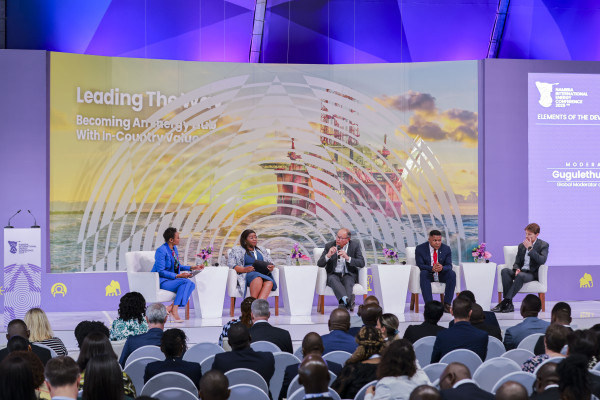
As a strategic partner of the Namibia International Energy Conference (NIEC), the African Energy Chamber (AEC) (www.EnergyChamber.org) is calling for a deliberate and accelerated approach to moving Namibia's recent oil and gas discoveries into production – emphasizing the importance of speed, investor confidence and strategic collaboration.
Speaking during a high-level panel at NIEC 2025, AEC Executive Chairman NJ Ayuk urged Namibia to seize the momentum of its frontier discoveries, while avoiding the pitfalls that have stalled progress in other hydrocarbon-rich African nations. He emphasized that Namibia's path to becoming a regional energy hub hinges on its ability to learn from international case studies and execute deals that ensure long-term national benefit.
“Namibia needs to move fast, produce quickly and negotiate the best deals with its partners to ensure the rapid development of its oil discoveries,” Ayuk stated. He pointed to Guyana as a prime example, noting how the South American country developed a robust strategy focused on national benefit and successfully attracted billions in investments to fast-track its energy projects.
In contrast, Ayuk cautioned against the delays experienced by countries like Mozambique, Tanzania, Uganda and South Africa, where production was significantly postponed, leading to rising project costs and lost opportunities. “There is a growing movement trying to discourage Africa – and Namibia – from producing its oil and gas. We must resist that,” he added.
Reinforcing the need for investor-friendly terms, Justin Cochrane, Africa Upstream Regional Research Director at S&P Global Commodity Insights, highlighted the necessity of contract stability, transparent data-sharing and a balanced approach to fiscal negotiations. “It's natural that Namibia wants to maximize its benefits, but pushing too hard on IOCs can result in getting 100% of nothing… The first milestone must be achieving first oil,” said Cochrane.
Representing Namibia's national oil company, Victoria Sibeya, Interim Managing Director of NAMCOR, stressed that the company is actively engaged in every phase of the industry, from data acquisition and exploration to shaping the downstream and midstream vision. “We are not just bystanders,” said Sibeya. “NAMCOR is deeply involved in data acquisition, exploration and the exchange of knowledge and technology with our partners. We are also preparing to invest in downstream and midstream sectors to ensure that we can add value once production begins.”
Echoing the call for local development, Adriano Bastos, Head of Upstream at Galp, underscored the need for early and continuous skills development – proposing that Namibians be trained abroad in specialized areas like FPSO operations to ensure they are prepared to lead once production begins at home. “Namibia has capabilities that are rare in the region, but more collaboration with international partners is essential to build the local skills base,” he said.
Bastos noted that Namibians make up 25% of Galp's workforce in the country, including its first female offshore base manager. “We are proud of the strides we have made. Our nationalization plans are aggressive, and we work closely with [the Namibian Ports Authority] and other local entities to implement meaningful capacity-building projects.”
As Namibia stands on the cusp of transforming exploration success into production, the message from industry leaders is clear: time, trust and talent will determine the country's trajectory. Through cross-border collaboration, pragmatic deal-making and a strong national vision, Namibia can emerge not just as an oil producer – but as a continental model for inclusive, forward-thinking energy development.
Distributed by APO Group on behalf of African Energy Chamber.
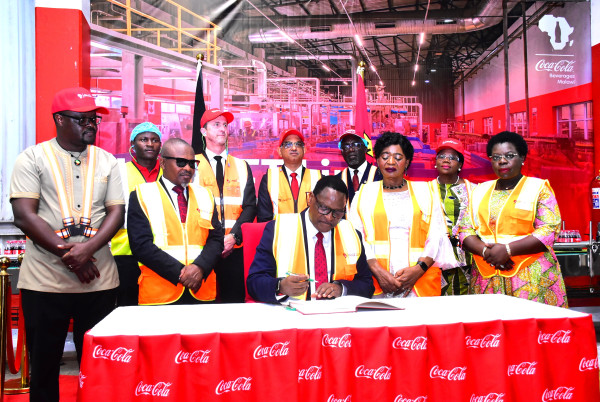
Coca-Cola Beverages Africa Proprietary Limited (CCBA) (www.CCBAGroup.com), through its subsidiary Coca-Cola Beverages Malawi Limited (CCBM), has invested USD14.9 million in a new state-of-the art production line in Lilongwe.
This investment marks a significant advancement in CCBM's production capacity, allowing it to produce bottled water and beverages bearing Coca-Cola's trademarks as well as the iconic local brand Sobo, all on the same line.
The line is capable of producing 19,200 bottles per hour in pack sizes ranging from 300ml to 2 litres. This increase in production will facilitate the export of beverages to Zambia.
The new production line uses artificial intelligence (AI) to proactively identify and resolve issues before they cause stoppages, thereby minimising downtime and reducing costs.
The introduction of new technology has also created the opportunity for employees to be trained in new skills, contributing to the development of a future-ready workforce for both the business and the country.
Sunil Gupta, Chief Executive Officer of CCBA said: “This investment in Malawi reaffirms the Coca-Cola system's local approach - we produce locally, distribute locally and, where possible, source locally. Our value chain includes a significant number of businesses, many of them small and medium enterprises (SMEs).”
“This investment goes beyond numbers, it's about creating shared opportunities across the value chain,” said Neil French, General Manager of CCBM.
Gupta echoed the sentiment, adding: “This investment is a clear demonstration of our continued belief in the future of Malawi.”
Gupta also highlighted CCBA's broader efforts: “As a customer centric, digitally-enabled, growth-driven business, we are committed to excellence across our value chain. Efficient operations allow us to offer faster delivery and improved service. This new production line is another step in our journey to achieve execution excellence.”
Distributed by APO Group on behalf of Coca Cola Beverages Africa.
ISSUED BY:
Godwin Ngoma
Public Affairs, Communication and Sustainability Director
CCBA in Malawi
Tel: +265 995 36 15 55
Email: gngoma@ccbagroup.com
Keli Fernie
Head: Reputation and Communication
Coca-Cola Beverages Africa
Tel: +27 82 419 8766
Email: KFernie@ccbagroup.com
Follow us on:
LinkedIn: https://apo-opa.co/4cFhA6r
ABOUT CCBA:
CCBA is the 8th largest Coca-Cola authorised bottler in the world by revenue, and the largest on the African continent. It accounts for over 40% of all Coca-Cola products sold in Africa by volume. With over 18,000 employees in Africa, CCBA services more than 735,000 customers with a host of international and local brands. CCBA operates in 15 countries, including its six key markets of South Africa, Kenya, Ethiopia, Uganda, Mozambique and Namibia, as well as Tanzania, Botswana, Ghana, Zambia, the islands of Comoros and Mayotte, Eswatini, Lesotho, and Malawi.
Learn more at www.CCBAGroup.com