• Skip to main content
  • Skip to header right navigation
  • Skip to after header navigation
  • Skip to site footer
MyZA

MyZA

News, Directory, Events and Other Stuff

  • Social Media
  • Sport
  • World News
  • Home
  • Submit News
  • Directory
  • Events
  • Stratlec
  • TFSA
  • News
    • APO
    • Today’s Sport News
    • Todays Social Media and Tech Headlines
    • Today’s World News
    • Today’s SA Financial News
  • Contact
You are here: Home / Archives for Mozambique

Mozambique

24 October 2024

Freedom fighter Basil February’s remains finally handed over to his family

Location: News

Freedom fighter Basil February’s remains finally handed over to his family

Western Cape MEC for Cultural Affairs and Sport Ricardo Mackenzie and Head of Department Guy Redman have officially handed over custodianship of the remains of struggle stalwart, Basil February, to his family. 

The ceremony took place at St George’s Cathedral in Cape Town on Wednesday. 

February, who died in combat in 1967 while exiled in Zimbabwe, was one of 49 struggle stalwarts repatriated to South Africa in September 2024. 

February is one of three stalwarts, whose remains will be returned to their home province -- the Western Cape.

February’s remains were buried for over five decades in an unmarked grave in Bulawayo.

The Repatriation and Reburial Project for Liberation Stalwarts is a collaborative effort involving several government departments and entities. 

The entities involved include the Presidency, the National Department of Sport, Arts and Culture, the South African Heritage Resources Agency, the Department of Home Affairs, the National Prosecuting Authority’s Missing Persons Task Team, the Department of Defence and Military Veterans, as well as various provincial departments.

The project also works closely with local communities, historical experts and governments at various levels to ensure a smooth and dignified process.

In his address, Mackenzie said: “Today, we hand over custodianship of the mortal remains of Basil February, a liberation hero recently repatriated to South Africa, who died in combat fighting against apartheid. 

“We honour his family and their sacrifice, and we hope that his return home brings a measure of peace.”

The MEC said February’s story is part of the national heritage, and his fight for justice, equality, and human dignity will inspire future generations.

The Western Cape Department of Cultural Affairs and Sport has stated that it will continue its involvement in the Repatriation and Reburial Project for Liberation Stalwarts. 

The department has also committed to providing support to the families affected throughout this process on behalf of the provincial government.

Last month, the State hosted the repatriation and restitution homecoming ceremony for the 42 South African freedom fighters who perished in Zambia and Zimbabwe during the apartheid era.

READ | Honouring SA’s liberation heroes and heroines 

The remains included that of former African National Congress (ANC) Secretary-General Duma Nokwe; Head of the ANC Women’s Section Florence Mophoshe; composer, musician and journalist, Todd Matshikiza, and other unsung liberation fighters.

In his address last month, President Cyril Ramaphosa said the repatriation and restitution marks not just the end of a long journey, but the beginning of healing for the families they left behind. 

The President stressed the importance of South Africans recognising and honouring the former liberation heroes and heroines who have returned to their home country, acknowledging their vital role in securing the nation’s freedom.

“South Africans need to know the names and appreciate the contributions of these returned freedom fighters. I ask that we read out the names of these patriots for all our people to know them.”

READ | South Africans must know the names of struggle heroes and heroines

The country’s commander-in-chief has since tasked Mackenzie with establishing a Heroes' Acre to celebrate the nation’s struggle heroes. 

"As I travel to other countries like Zimbabwe, Namibia and Mozambique, they have created incredible Heroes' Acres, where the heroes of their struggle are buried, and those memorial sites have, in many ways, become sacred places of the nation. 

“Of course, we may well argue that our leaders and heroes are buried all over the country, but it does not mean that monuments that memorialise them cannot be brought together at a Heroes' Acre,” the President said then. – SAnews.gov.za


Gabisile
Thu, 10/24/2024 - 10:09

170 views
Read moreFreedom fighter Basil February’s remains finally handed over to his family
24 October 2024

Suspect arrested for alleged rape, murder of a six-year old Soweto girl

Location: News

Suspect arrested for alleged rape, murder of a six-year old Soweto girl

The South African Police Service (SAPS) has thanked the community of Soweto, journalists, media houses and all social media users for assisting in to track down a man who was wanted for the alleged rape and murder of a six-year old girl in Soweto on Monday.

The suspect was arrested last night and is expected to appear in court soon.

The little girl, Amantle Samane, was found murdered and allegedly raped at a shack about 650 metres from her home on Monday.

Her family last saw her alive when she and other children were playing in the street. 

A day after her death, Gauteng police announced that they were searching for Pethe Sara Simiao to assist them in their investigation into the murder.

According to the police, the suspect has been identified as being from Mozambique.

An immigration status check with the Home Affairs Department revealed that Simiao was living illegally in South Africa. – SAnews.gov.za

Edwin
Thu, 10/24/2024 - 10:18

5 views
Read moreSuspect arrested for alleged rape, murder of a six-year old Soweto girl
23 October 2024

Kaspersky Uncovers New Grandoreiro Light Variant

Location: News
Kaspersky

Despite the arrest of important operators in early 2024, Grandoreiro continues to be used by its partners in new campaigns. Kaspersky Global Research and Analysis team (GReAT) (www.Kaspersky.co.za) has discovered a new light version focused on Mexico targeting around 30 banks. These findings are to be highlighted at the Security Analyst Summit (SAS) 2024. Remaining one of the most active threats globally and targeting users of more than 1,700 banks, Grandoreiro variants account for around five percent of banking trojan attacks this year.  Mexico is one of the most targeted countries by various Grandoreiro strains, including the new light version, seeing 51,000 recorded incidents this year.

Kaspersky data indicates Grandoreiro has been active since 2016. In 2024, the threat targets more than 1,700 financial institutions and 276 cryptocurrency wallets across 45 countries and territories, lastly adding Asia and Africa to the list of its targets, making it a truly global financial threat. Among countries affected in Africa are Algeria, Angola, Ethiopia, Ghana, Ivory Coast, Kenya, Mozambique, Nigeria, South Africa, Tanzania, Uganda.

After assisting an INTERPOL-coordinated action, which has led to Brazilian authorities arresting (http://apo-opa.co/3BUqgrb) operators behind a Grandoreiro banking trojan operation, Kaspersky discovered that the group's codebase has been split into lighter, fragmented versions of the trojan, to continue its attacks. Recent analysis has identified a specific light version focused primarily on Mexico, which has been used to target approximately 30 financial institutions. The creators likely have access to the source code and are launching new campaigns using the simplified legacy malware.

“All the recent developments underscore the evolving nature of the threat. Fragmented and lighter versions may represent a trend that could extend beyond Mexico and into other regions, including beyond Latin America. However, we believe that only some trusted affiliates have access to the malware source code to develop such lighter versions. Grandoreiro operates differently from the traditional ‘Malware-as-a-Service' model we are accustomed to. You won't find announcements on underground forums selling the Grandoreiro package; instead, access to it appears to be limited,” explains Fabio Assolini, head of the Latin American (GReAT) at Kaspersky.

Multiple variants of Grandoreiro, including the new light version and the primary malware, accounted for approximately five percent of global banking trojan attacks detected by Kaspersky in 2024, making it one of the most active threats worldwide. Kaspersky has also analysed the newer samples of the primary Grandoreiro from 2024, and observed new tactics. It records mouse activity to mimic real user patterns, aiming to evade detection by machine learning-based security systems that analyse behaviour. By replaying natural mouse movements, the malware aims to trick anti-fraud tools into seeing the activity as legitimate.

Additionally, Grandoreiro has adopted a cryptographic technique known as Ciphertext Stealing (CTS), which Kaspersky has never seen being used in malware. In this case, its aim is to encrypt the malicious code strings. “Grandoreiro has a large and complex structure, which would make it easier for security tools or analysts to detect if its strings were not encrypted. This is likely why they introduced this new technique – to complicate the detection and analysis of their attacks,” Fabio Assolini elaborated.

To protect from financial malware, Kaspersky security experts recommend organisations to:

  • Enable a Default Deny policy for critical user profiles, particularly those in financial departments; this ensures that only legitimate web resources can be accessed.
  • Provide cybersecurity awareness training (http://apo-opa.co/4e3nlKa) to staff, especially to employees responsible for accounting, that includes instructions on how to detect phishing pages.
  • Use protection solutions for mail servers with anti-phishing capabilities such as Kaspersky Security for Mail Server, to decrease the chance of infection through a phishing email.

While banks should educate its customers, individuals are advised to:

  • Never open links or documents included in unexpected or suspicious-looking messages. Be attentive to web pages – from the right web address to details of interface.
  • Use a reliable security solution, such as Kaspersky Premium (http://apo-opa.co/4dWrbEW), that protect digital assets from a wide range of financial cyberthreats.
  • Install only applications obtained from reliable sources.
  • Refrain from approving rights or permissions requested by applications without first ensuring they match the application's feature set.
  • Install the latest updates and patches for all software used.

Read more on Securelist (http://apo-opa.co/3C4N5bD). The comprehensive Grandoreiro analysis and overview is to be presented by GReAT at Kaspersky's sixteenth Security Analyst Summit (SAS) (http://apo-opa.co/3BPHtly), which takes place from October 22-25, 2024, in Bali.

Distributed by APO Group on behalf of Kaspersky.

For further information please contact:
Nicole Allman 
INK&Co.
nicole@inkandco.co.za

Social Media:
Facebook: https://apo-opa.co/3BX3i2P
X (Twitter): https://apo-opa.co/4hdGJXL
YouTube: https://apo-opa.co/4dUZI6t
Instagram: https://apo-opa.co/4hjVok3
Blog: https://apo-opa.co/4fiDs7P

About Kaspersky:
Kaspersky is a global cybersecurity and digital privacy company founded in 1997. With over a billion devices protected to date from emerging cyberthreats and targeted attacks, Kaspersky's deep threat intelligence and security expertise is constantly transforming into innovative solutions and services to protect businesses, critical infrastructure, governments and consumers around the globe. The company's comprehensive security portfolio includes leading endpoint protection, specialized security products and services, as well as Cyber Immune solutions to fight sophisticated and evolving digital threats. We help over 200,000 corporate clients protect what matters most to them. Learn more at www.Kaspersky.co.za. 

Media files
Kaspersky
Download logo
Read moreKaspersky Uncovers New Grandoreiro Light Variant
22 October 2024

Informal Miners Burnt to Death During Police Raid: Families Demand Justice

Location: News

Several miners died and scores more sustained severe burns during an Operation Vala Umgodi raid in August

Read moreInformal Miners Burnt to Death During Police Raid: Families Demand Justice
15 October 2024

Correctional Services addresses parole application backlog

Location: News

Correctional Services addresses parole application backlog

Minister of Correctional Services, Dr Pieter Groenewald, has concluded the backlog of parole applications for inmates who are serving life sentences.

This is according to the Department of Correctional Services (DCS).

“The Minister of Correctional Services, Dr Pieter Groenewald, committed to completing the backlog…by 15 October and has successfully processed these applications well ahead of the deadline.

“All profiles, including the inherited backlog of 495 cases and 104 new cases, a total of 599, have been concluded by the Minister as of 3 October 2024,” the department said.

The department explained that the Minister “approved 23 parole applications and has granted one case of day parole”.

“Three individuals serving life sentences have been granted parole and are subject to deportation, two of whom are citizens of Mozambique and one of whom is a citizen of Zimbabwe.

“The Minister made the undertaking to the Portfolio Committee on Correctional Services to give feedback on the 15th of October. However, the Chairperson indicated that it will form part of the agenda for the next meeting,” the department said. – SAnews.gov.za
 

NeoB
Tue, 10/15/2024 - 11:43

14 views
Read moreCorrectional Services addresses parole application backlog
15 October 2024

African Development Bank and Absa Unveil Multi-Billion Rand Financial Package to Expand Sustainable Capital Markets, Boost Economic Growth for Women and Youth

Location: Business

African Development Bank Group (AfDB)
Download logo

The African Development Bank (www.AfDB.org) and Absa Group, one of Africa's leading financial services providers, today celebrated a landmark agreement to mark the execution of a transformative financial package aimed at increasing funding for underserved segments, across South Africa and the continent. The target audience includes women-owned businesses, youth entrepreneurs, and small and medium-sized enterprises (SMEs).

In addition to enhancing Absa's regulatory capital, the facility will promote access to finance, deepen domestic capital markets, and ensure continued access to global supply chains for issuing banks in regional member countries, including low-income and fragile states.

The financial package includes:

  • A subordinated sustainability-linked (Tier 2) loan amounting to R1.7 billion, complemented by a non-financial support package of R18 million for capacity building and technical assistance targeted at SMEs, youth, and women-owned enterprises.
  • Subscription of R1 billion into Absa's inaugural social (Tier 2) bond issuance, with proceeds earmarked for providing affordable housing loans to female homeowners.
  • A trade finance Risk Participation Agreement (RPA) facility valued at $150 million, designed to underwrite the risks of trade transactions originated by African issuing banks, reinforcing Absa's role as a regional bank.

Several components of the package have already been executed, including the successful issuance of Absa's first Tier 2 social bond on the Johannesburg Stock Exchange in July 2024. The R1 billion proceeds from this bond will be allocated towards affordable housing loans specifically targeting women, empowering them as first-time homeowners in low-income segments.

Leila Mokaddem, Director General of the African Development Bank's Southern Africa Region, stated: “This partnership with Absa Group underscores our commitment to driving sustainable and inclusive economic growth across Africa. Through this financial package, we are not only fortifying Absa's capital base but also ensuring that essential funding reaches women, youth, and entrepreneurs, fostering a more equitable and prosperous continent. This collaboration aligns seamlessly with our strategic priorities of supporting Africa's industrialization and enhancing the quality of life for its people. “

Absa has secured a R1.7 billion sustainability-linked Tier 2 loan aimed at general corporate business purposes while incentivizing the extension of finance products to women-owned SMEs as a key performance indicator. As part of this agreement, Absa is collaborating with the African Development Bank to enhance skills among both Absa staff and women business owners. A capacity-building training program has been launched to address the unique challenges faced by female and youth entrepreneurs, by providing mentorship and financial solutions.

Charles Russon, Absa Group interim CEO designate remarked: “The finalisation of this package concludes a three-year process that significantly enhances our capacity to fund social initiatives aligned with our commitment to being a force for good. This partnership enables us to increase funding for women and youth in South Africa while facilitating greater trade opportunities across the continent. “

“This partnership aligns with the African Development Bank's strategic objectives of advancing green, social, and sustainability instruments in the domestic capital markets, supporting African capital market development and regional financial integration,” said Ahmed Attout, Director of the Financial Sector Development Department at the African Development Bank. He emphasised that it is designed to empower Absa to effectively disburse funds for highly impactful social and sustainable economic development initiatives.

The $150 million trade finance facility will drive trade support across Africa, addressing the continent's annual trade finance gap of over $100 billion. This initiative will enhance access to financing for key sectors such as agriculture, transport, and manufacturing, while fostering financial sector development and regional integration.

Distributed by APO Group on behalf of African Development Bank Group (AfDB).

Contact:             
African Development Bank:  

Natalie Naudé,
Communication and External Relations Department,
email: media@afdb.org

Technical Contacts:
Peter Onyango,
Chief Capital Markets Officer,
Financial Sector Development Department,

Bleming Nakati,
Regional Lead,
Private Sector Operations, Southern Africa

Absa:
Carli Cooke,
Head of Media Relations,
email : prmedia@absa.afrca

About the African Development Bank Group:
The African Development Bank Group is Africa's premier development finance institution. It comprises three distinct entities: the African Development Bank (AfDB), the African Development Fund (ADF) and the Nigeria Trust Fund (NTF). On the ground in 41 African countries with an external office in Japan, the Bank contributes to the economic development and the social progress of its 54 regional member states. For more information: www.AfDB.org

About Absa Group:
Absa Group Limited (‘Absa Group') is listed on the Johannesburg Stock Exchange and is one of Africa's largest diversified financial services groups.  Absa Group offers an integrated set of products and services across personal and business banking, corporate and investment banking, wealth and investment management and insurance.  

Absa Group owns majority stakes in banks in Botswana, Ghana, Kenya, Mauritius, Mozambique, Seychelles, South Africa, Tanzania (Absa Bank Tanzania and National Bank of Commerce), Uganda and Zambia and has insurance operations in Botswana, Kenya, Mozambique, South Africa and Zambia. Absa also has offices in China, Namibia, Nigeria and the United States, as well as securities entities in the United Kingdom and the United States, along with technology support colleagues in the Czech Republic. 

For further information about Absa Group Limited, visit www.Absa.africa. 

Read moreAfrican Development Bank and Absa Unveil Multi-Billion Rand Financial Package to Expand Sustainable Capital Markets, Boost Economic Growth for Women and Youth
11 October 2024

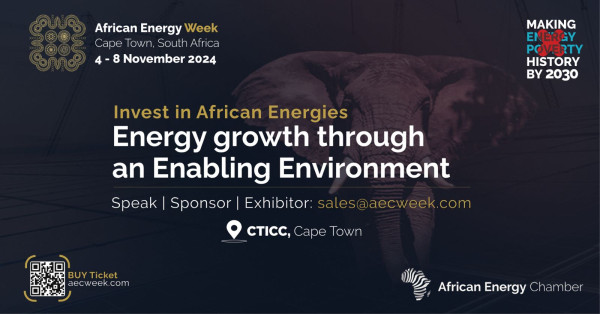
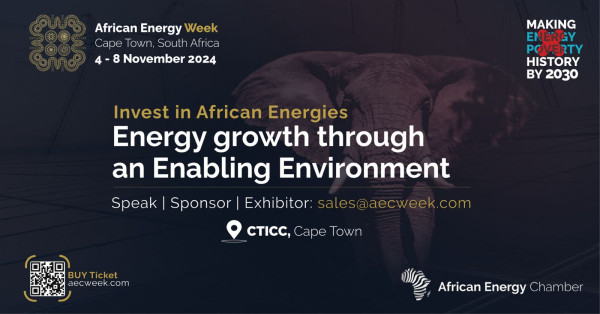
African Energy Chamber Reaffirms Commitment to Host AEW in Cape Town Through 2030

Location: Business
African Energy Chamber

The African Energy Chamber (AEC) (www.EnergyChamber.org) – the voice of the African energy sector – is proud to announce that the African Energy Week (AEW): Invest in African Energy conference remains committed to hosting the African continent's most successful energy event in Cape Town. AEW was established in 2021 under the premise to make energy poverty history by 2030 and, now in its fourth immensely successfully edition, we remain devoted to keeping the event at Cape Town's International Conference Center (CTICC) until 2030. 

Africa Oil Week (AOW) recently confirmed it will hold its 2025 edition in Accra, Ghana, and while we wish them the best in their endeavors, the Chamber is steadfast in its commitment to hosting AEW – the continent's premier energy event – in Cape Town. In 2021, AOW made the decision to take its conference to Dubai, citing the fact that Africa was not equipped to host a large-scale conference in a safe manner due to the COVID-19 pandemic. AOW claimed that the event is focused on supporting Africa's needs, and yet the decisions to leave Cape Town for Dubai contradicted this very ambition. 

AEW: Invest in African Energy is the platform of choice for project operators, financiers, technology providers and government, and has emerged as the official place to sign deals in African energy. Visit www.AECWeek.com for more information about this exciting event. 

What AEW sought to prove, and was successful in doing, is that Africa has always been capable of hosting large-scale events. Under very strict COVID-19 safety measures, AEW 2021 hosted delegations from both the African and global energy sector. In 2022, the conference attracted thousands of delegates, while in 2023, the conference supported an even bigger and better event. When Africa needed investment, AEW was quick to respond, providing a platform where stakeholders could meet, and deals be made. 

Now, in 2024, AEW: Invest in African Energy continues our mandate to eradicate energy poverty by 2030 and serves as the official meeting place for Africa's energy elite. At the forefront of the African energy industry, the conference promotes the role Africa plays in global energy matters, centered around Africa-led dialogue and decision making. That's why we remain committed to Cape Town, a city that represents an industrial, business and socioeconomic hub for the entire African continent. Furthermore, AEW's focus transcends South Africa, with the event recognizing and supporting the development of various oil and gas projects across the continent.  

South Africa, and notably Minister Gwede Mantashe and the Department of Mineral Resources and Energy have been steadfast supporters of AEW since its inception in 2021. Through our partnership with the City of Cape Town and the government, we have created numerous job opportunities in Cape Town, contributing significantly to the local tourism industry and Cape Town-based vendors alike. We remain committed to our promise to position Cape Town as the hub for oil, gas and energy discussions in Africa. 

We reaffirm our pledge to maintain AEW's presence in Cape Town, rather than relocating to Dubai or other destinations outside of Africa. Our focus is on addressing key issues surrounding the African energy sector, ensuring that South African service providers, small business, local enterprises and stakeholders continue to benefit from our efforts. AEW not only generates jobs, but also stimulates economic growth. 

As the largest energy conference in Africa, we acknowledge the challenges faced by Cape Town and are dedicated to making a positive impact on the community. 

Meanwhile, outside of South Africa, the continent is seeing monumental growth. In Senegal and Mauritania, first production is soon expected for the Greater Tortue Ahmeyim conventional gas development while Senegal, just this year, achieved first oil production, thus showcasing the potential for offshore exploration and production investment. In Uganda, progress continues to be made on the Lake Albert Development, a multi-faceted project that promises new opportunities for energy security and industrialization in East Africa. In the Republic of the Congo, marginal projects are making headway as the government prioritizes gas investment and development while Libya recently announced that oil production has reached 1.217 million barrels per day. 

Meanwhile, South Africa's neighbor, Namibia, has made a litany of major oil and gas discoveries since 2022 and is making significant strides to develop these major finds. Mozambique is gradually making progress with its three major gas projects, opening new opportunities for regional trade. All of these projects and many more are showcased at AEW: Invest in African Energy, with investment opportunities made clear to existing and potential investors. AEW promotes the African position on the future of Africa's energy sector. By advocating personal responsibility, free markets, individual liberty and an enabling environment for investors, AEW ensure that Africa's oil and natural gas industry benefits Africans, rather than continuing a reliance on foreign aid and assistance.  

Therefore, we stand wholly committed to leveraging all Cape Town has to offer, a city that has been good to every edition of our conference since 2021. At the CTICC, we will continue to host panel discussions, investor forums, industry summits and one-one-one meeting opportunities and driving the discussions that will reshape the trajectory of the continent's energy development. 

“The Chamber is unwavering in our commitment to hosting AEW in Cape Town, a city that embodies the spirit of opportunity and innovation. The city is a hub for Africa's energy dialogue and, by staying here, we reinforce our mission to make energy poverty history by 2030. Cape Town has proven to be a premier venue for fostering critical dialogue and investment in Africa's energy sector and we believe that this vibrant city is the perfect backdrop for our mandate. Together, we will continue to drive progress and empower local stakeholders for sustainable growth,” states AEC Executive Chairman NJ Ayuk. 

Distributed by APO Group on behalf of African Energy Chamber.

Media files
African Energy Chamber
Download logo
Read moreAfrican Energy Chamber Reaffirms Commitment to Host AEW in Cape Town Through 2030
11 October 2024

AEW 2024 Ministerial Lineup to Foster Strategies to Alleviate Energy Poverty in Africa

Location: News
African Energy Chamber

Energy and hydrocarbon ministers from across Africa have joined the African Energy Week (AEW): Invest in African Energy conference to discuss investment opportunities while engaging with financiers and project developers. Representing the entire energy value chain from oil and gas to renewable energy to power and infrastructure, regional ministers will unpack the continent's strategies to make energy poverty history by 2030.  

North African countries such as Libya and Algeria have set ambitious production targets for the coming years, aiming to plug Europe's energy gap while enhancing domestic energy access. Libya aims to boost output to 2 million barrels per day (bpd) in the next two to three years while Algeria aims to produce over 1.5 million bpd in 2025. Meeting production goals requires accelerated exploration, with both countries promoting investments in upstream drilling. At AEW: Invest in African Energy 2024, North African energy and hydrocarbon ministers will provide insight into these opportunities. They are joined by ministers representing global and African oil and gas organizations, including:  

  • Khalifa Abdulsadek, Minister of Oil & Gas, Libya 
  • Mohamed Arkab, Minister of Energy and Mines, Algeria 
  • Haitham Al Ghais, Secretary General, OPEC 
  • Omar Farouk Ibrahim, Secretary General of APPO 

In Southern Africa, the region is ripe with opportunity. An estimated 11 billion barrels has been found off Namibia's coast since 2022; over 100 trillion cubic feet (tcf) of gas found offshore Mozambique; and an estimated 200 tcf likely held onshore South Africa. While Angola - the second largest oil producer in sub-Saharan Africa – still offers significant potential in both on- and offshore basins, Southern African countries such as Zambia are largely underexplored, presenting strategic opportunities for exploration companies. At AEW: Invest in African Energy 2024, Southern African energy and hydrocarbon ministers will outline strategic basins and upcoming projects. Speakers include:  

  • Carlos Zacarias, Minister, Ministry of Natural Resources & Energy, Mozambique 
  • Diamantino Pedro Azevedo, Minister of Mineral Resources and Petroleum, Angola 
  • Gwede Mantashe, Minister, Ministry of Mineral Resources and Energy, South Africa 
  • Kgosientsho Ramokgopa, Minister of Electricity, South Africa 
  • Situmbeko Musokotwane, Minister of Finance and National Planning, Zambia 
  • Tom Alweendo, Minister of Mines and Energy, Namibia 

Recent offshore projects have positioned West Africa as a global hydrocarbon hotspot. Mauritania and Senegal's Greater Tortue Ahmeyim LNG project will start production this year, following the start of operations at Senegal's Sangomar Oil Project in mid-2024. Nigeria's Dangote Refinery – the largest in Africa at 650,000 bpd – recently secured a 400,000-bpd feedstock supply from the government a year after its start while Ivory Coast's Belaine project – the first net-zero upstream development in Africa – plans to commence phase two operations this December. Regional ministers will provide an update on ongoing projects, future investments and efforts to unlock additional reserves at AEW: Invest in African Energy 2024. Ministers include:  

  • Aboubacar Camara, Minister of Energy, Hydropower and Hydrocarbons, Guinea Conakry 
  • Birame Soulèye Diop, Minister of Energy, Oil and Mines Republic of Senegal 
  • Chief. Adebayo Adelabu, Minister of Power, Federal Republic of Nigeria 
  • Collins Adomako-Mensah, Deputy Minister of Energy in Charge of Power, Ghana 
  • Ekperikpe Ekpo, Minister of State for Petroleum Resources (Gas), Nigeria 
  • Foday Mansaray, Director General, PDSL 
  • Heineken Lokpobiri, Minister of State for Petroleum Resources (Oil), Nigeria 
  • Matthew Opoku Prempeh, Minister of Energy, Ghana 
  • Mohamed Ould Khaled, Minister of Petroleum & Energy, Ministry of Petroleum, Mines & Energy, Mauritania 
  • Nani Juwara, Minister of Energy and Petroleum, The Gambia 
  • Viriato Luis Soares Cassama, Minister of Environment & Biodiversity, Guinea-Bissau 
  • Yacouba Zabré Gouba, Minister of Energy and Mines, Burkina Faso 

Central Africa – with major producers such as Equatorial Guinea, Gabon and the Republic of Congo – are inviting investors to support diversification efforts in production and refining. Leveraging natural gas, these markets aim to unlock reserves in both domestic and regional basins while boosting export capacity and intra-African trade. The Republic of Congo exported its first LNG cargo in 2024 from the Tango FLNG facility, targeting 3 million tons per year by 2025, while Equatorial Guinea forged an agreement with Nigeria to import and process gas at its Punta Europa facility. At AEW: Invest in African Energy 2024, regional ministers will outline these initiatives, while sharing insight into available opportunities in natural gas. Ministers include:  

  • Antonio Uburu Ondo, Minister of Mines and Hydrocarbons, Equatorial Guinea 
  • Bruno Jean-Richard Itoua, Minister of Hydrocarbons, the Republic of Congo 
  • Marcel Abeke, Minister of Petroleum, Republic of Gabon 

As a frontier market, East Africa is incentivizing exploration in both on- and offshore basins while driving infrastructure and field development projects forward. Uganda inked a deal with Ethiopia in 2024 to export crude via pipeline while South Sudan is seeking diversified export routes and promoting exploration onshore. Regional ministers will share more insights at AEW: Invest in African Energy 2024. Speakers include:   

  • Ing Habtamu Itefa Geleta, Minister of Water and Energy, Ethiopia 
  • Okasaai Sidronious Opolot, Minister of state for Energy, Ministry of Energy and Mineral Development, Uganda 
  • Puot Kang Chol, Minister Petroleum, South Sudan 

AEW: Invest in African Energy is the platform of choice for project operators, financiers, technology providers and government, and has emerged as the official place to sign deals in African energy. Visit www.AECWeek.com for more information about this exciting event.  

Distributed by APO Group on behalf of African Energy Chamber.

Media files
African Energy Chamber
Download logo
Read moreAEW 2024 Ministerial Lineup to Foster Strategies to Alleviate Energy Poverty in Africa
9 October 2024

Can Africa Secure Its Future in a Changing Energy Landscape?

Location: News

AOW: Investing in African Energy
Download logo

The pipeline of gas projects being developed in Africa has never been stronger. However, if the continent is to be competitive in an extremely dynamic international gas market, it must ensure that it offers value. 

This means shaping an offer that meets the financial and environmental sustainability needs of stakeholders. Africa's gas investment proposition must be relevant and future-proof, if it is to continue to attract global capital. 

This was the consensus at a panel discussion on Day 1 of AOW: Investing in African Energy – Africa's leading oil, gas and energy event. 

Over the past few years, gas development ambitions have grown – in the public and private sector – supported by renewed exploration and production activity and pragmatic energy transition plans. This is especially true now, with gas increasingly accepted as the ideal bridging fuel, balancing the continent's growing energy needs with its decarbonisation commitments. 

“Natural gas is at the centre of what we are doing in Africa,” said Mario Bello, Head of Sub-Saharan Africa Region at Eni. “It's the cleanest fossil fuel, producing fewer emissions than coal, so it plays an important role as we transition to renewables.” 

Eni enables this through its Floating Liquified Natural Gas (FLNG) projects, particularly in Mozambique and the Republic of Congo. Bello emphasised the technology's ability to unlock stranded offshore gas resources, accelerate project timelines, and contribute to both domestic energy security and export revenue. “Floating LNG is the key to unlocking the region's gas potential, making it easier and faster to develop offshore resources,” Bello explained.  

However, financing these ambitious projects remains a significant hurdle. Paul Eardley-Taylor, Head of Oil & Gas, Southern Africa, at Standard Bank, emphasised the need for bankable projects that address investor concerns, particularly around sovereign risk. He highlighted the transformative potential of both large-scale LNG projects and smaller, domestically focused gas ventures.  

“The impact of these projects in African markets is incalculable,” Eardley-Taylor said, citing the potential for job creation, economic growth, and improved energy access. He further emphasised the importance of small-scale LNG and helium projects, particularly in markets like South Africa and Namibia.  

Equinor's Senior Vice President for Africa, Nina Birgitte Koch, stressed the importance of a stable investment climate to attract international capital. She highlighted the need for competitive projects with strong environmental credentials, particularly in reducing carbon emissions. “CO2 is the key criteria,” Koch said. “It's not just a ‘nice to have' any more. I don't think it's possible to get capital to a big LNG project unless it's highly competitive when it comes to CO2."  

The panel also discussed the critical role of technology and regional cooperation in maximising the benefits of Africa's gas resources. Gianluca Ciricugno, Africa Director, Enterprise Customer Solution at Baker Hughes, emphasised the need for a long-term vision and collaboration between governments, investors, and technology providers.  

“It requires a broader vision, probably government and all the people around the table, with a long-term approach… and not just four-year terms,” Ciricugno urged, highlighting the need for stable regulatory frameworks and a commitment to infrastructure development.  

Dr Tshepo Mokoka, Group COO of South Africa's Central Energy Fund (CEF), echoed the call for government intervention to address market failures and unlock investment. He outlined CEF's role in enabling critical gas infrastructure projects, such as the Romp pipeline and LNG import terminals. “We need to solve the market failure,” Dr Mokoka said, highlighting the need for government-backed gas offtake agreements and risk-sharing mechanisms to attract private capital.  

ExxonMobil's Executive Director Global, LNG Marketing, Deri Irawan, emphasised the importance of a holistic approach to project development, considering not just the technical and economic aspects but also the social and political landscape. He highlighted the need for strong partnerships and stakeholder engagement to ensure long-term project success. “It is insufficient to just bring a commodity to the doorstep,” Irawan explained. “You also need to unlock that value chain.” 

With Africa on the cusp of a gas revolution, the panel's message was clear: the continent has the resources, the ambition, and the opportunity to become a major player in the global gas market. 

However, success hinges on creating a stable and attractive investment climate, embracing technological innovation, and fostering regional collaboration to ensure that Africa's gas resources benefit both its people and the planet.  

Distributed by APO Group on behalf of AOW: Investing in African Energy.

Owned by Sankofa Events, AOW (https://apo-opa.co/3ZVcWNe): Investing in African Energy is Africa's leading oil, gas & energy event, uniting industry leaders to develop policy, share discoveries, secure investment, and shape Africa's energy future. The event runs from 7 – 10 October 2024 at the CTICC 2, Cape Town. 

Read moreCan Africa Secure Its Future in a Changing Energy Landscape?
9 October 2024

Heroin Use Spreads as Prices Plummet

Location: News

South Africa’s central position in a drug smuggling route between West Asia and Europe plays a role

Read moreHeroin Use Spreads as Prices Plummet
6 October 2024

Seventh administration to promote peace, security in Africa

Location: News

Seventh administration to promote peace, security in Africa

International Relations and Cooperation Minister, Ronald Lamola, has assured South Africans that the current administration will not stray from the African Agenda and will continue to push for peace and security on the continent.

Delivering his remarks at the Africa Peace and Security Dialogue hosted by the Thabo Mbeki Foundation on Saturday in Magaliesburg, the Minister said: “I am here to say that the seventh administration remains committed to the African Agenda. We are not deviating from it, we pursue our agenda in the spirit of genuine partnership, not hegemony as some would claim.”  

The annual dialogue is dedicated to finding practical solutions to the peace and security challenges facing the continent.

“Evidence suggests that when all variations are put, it is said that more than 120 conflicts are playing themselves out on the world, while 60% of the United Nations Security Council peacekeeping budget focuses on African conflicts and peacekeeping.”

According to the Minister, the two most worrying conflicts which have led to devastating humanitarian crises are in the eastern Democratic Republic of the Congo and Sudan.

Lamola stressed that the Government of National Unity (GNU) was working around the clock to end these wars with the Deputy President Paul Mashatile being the envoy for South Sudan and President Cyril Ramaphosa focusing on Sudan.

“Unfortunately, both have not received adequate attention from the international community compared to the ongoing war between Russia and Ukraine, the devastating war in Gaza and recent tensions between Israel and its Arab neighbours.”

He raised his concern that Africa has experienced a resurgence of coups in the past few years, while six member states remain suspended from the African Union (AU) because of unconstitutional government changes.

“I hope this conference will help us find a solution to legitimate concerns of West Africa about colonial vintage still haunting most parts of the continent.”

However, he said the Global South would continue to work in harmony and revive the AU and regional economic communities, the building blocks of African integration.

He said the resurgence of violence in the Sahel region “should concern us all” and the terrorism and violent extremist acts in Cabo Delgado were a security threat for Mozambique and the wider Southern African region.

“The threat of terrorism and violent extremism is one of the most pressing peace and security challenges that the continent is dealing with as it has spread to more regions of the continent, including Southern Africa.”

In addition, he stressed that South Africa would continue to support the leaders and people of South Sudan in their transition process towards a stable democracy.

South Africa has placed the issue of financing peace operations on the continent through the UN’s assessed contributions on the Security Council agenda.

He told the guests that South Africa will use its Chairpersonship of the G20 to action the pact of the future as adopted by the UN General Assembly, reform the global financial architecture, inclusive governance and refocus on the implementation of the sustainable goals to put forward Agenda 2063 on the global pedestal. – SAnews.gov.za
 

Gabisile
Sun, 10/06/2024 - 10:29

172 views
Read moreSeventh administration to promote peace, security in Africa
1 October 2024

Deputy President calls on the UK to raise tariff-free quota on wine, sugar from SA

Location: News

Deputy President calls on the UK to raise tariff-free quota on wine, sugar from SA

Deputy President Paul Mashatile has called on the United Kingdom government to raise the tariff-free quota (TFQ) on wine and sugar coming from South Africa. 

The Southern African Customs Union (SACU) and the Mozambique Economic Partnership Agreement (EPA) include provisions for a 70/30 split between bottled and bulk wine throughout the trade relationship. 

“As the South African government, we urge flexibility for a 50/50 split. In our view, this does not necessitate an amendment of the EPA but can be a decision of the SACUM-UK Joint Council.

“South Africa has requested that the United Kingdom raise the TRQ amounts allowed under the Environmental Protection Agency Framework for South African sugar to 171 thousand tonnes and for wine to 150 million litres,” he said on Monday. 

The TFQ for imports of South African wine into the United Kingdom is currently sitting at 71.5 million litres per annum, which applies to 30% bulk and 70% packaged wine.

“We call for the UK to agree to this change which is mutually beneficial and will benefit the UK bottling industry.”

Deputy President Mashatile was speaking during the South African Heritage Month dinner hosted by Brand South Africa in London.

The country’s second-in-command is in London for the second leg of his working visit to improve trade and investment relations between the two nations. 

He said he believed that if South Africa could introduce local umqombothi, also known as African beer, or more wine to the global market, the country could double exports from South Africa to the United Kingdom, Germany, the United States, Netherlands and Canada.

The Deputy President said another element that has worked to construct a robust economy and enhance economic relations with the United Kingdom is the conventional interchange of commodities and services, such as food and clothes. 

“As you run your company and live in this area of the globe, you must show that South Africa is a nation moulded by a diverse range of cultures, languages, and traditions, all of which contribute to the vivid mosaic that defines South Africa.”

Government of National Unity

Shifting his focus to the Government of National Unity (GNU), he said the coalition government has demonstrated that South Africa embraces its diversity. 

“We have shown to the world that, despite our differences, we can work together for a single goal – to create a stronger South Africa. We have also shown the world that our rainbow country has a thriving democracy.”

He told the attendees that he was convinced that the GNU would endure and achieve its goals of driving inclusive growth and job creation, reducing poverty, addressing the high cost of living, and establishing a competent, ethical, and progressive State. 

“However, as we mark 30 years of freedom this year, we must remember those who were at the forefront of the liberation of our nation and spent years in exile advocating for a peaceful and democratic South Africa.”

The Deputy President paid tribute to those who continue to raise the South African flag high internationally by contributing to the welfare of their fellow citizens and the economy. 

“We refer to these people as Global South Africans. Now to all South Africans living, working, studying or travelling abroad, it is an exciting time for you to be a Global South African – to be part of the South African story, to be a son or daughter of Africa, to be directly connected to what we confidently predict will be the African century.” 

He applauded Brand South Africa for launching the Global South African programme, as the country works to position itself as a global player in an increasingly competitive world. 

“We believe that as Global South Africans you are an untapped voice and advocates who can elevate our nation's brand position to greater heights in international markets, whilst also shaping perceptions and the narrative about our beautiful and beloved country.” – SAnews.gov.za


Gabisile
Tue, 10/01/2024 - 11:28

223 views
Read moreDeputy President calls on the UK to raise tariff-free quota on wine, sugar from SA
27 September 2024

Honouring SA’s liberation heroes and heroines 

Location: News

Honouring SA’s liberation heroes and heroines 

An emotional and befitting ceremony to honour the men and women who died in exile while fighting for the freedom that South Africans enjoy today was held in Pretoria on Friday.

Phrases such as “you have fought a good fight and “you have finished the race,” were the order of the day at the ceremony held for those who lost their lives in the fight for South Africa’s liberation.

This as government hosted the repatriation and restitution homecoming ceremony of 42 South African freedom fighters who perished in Zambia and Zimbabwe during the apartheid era.

The remains included that of former African National Congress (ANC) secretary-general Duma Nokwe, head of the ANC Women’s Section, Florence Mophoshe, journalist Todd Matshikiza, Wankie Campaigner, Basil February and other unsung liberation fighters. 

These struggle heroes and heroines, who sacrificed their lives in exile, were honoured as their remains returned home to a country that now enjoys the very freedom they fought for.

President Cyril Ramaphosa led and officiated the historic homecoming ceremony where the remains of the freedom fighters were returned to their families for a final, dignified farewell on home soil.

Speaking during the ceremony, Zambian High Commissioner to South Africa Mazuba Monze said: "May the spirits of our heroes and heroines continue to inspire us as we continue to move forward in friendship and collaboration. You have fought the good fight, you have finished the race, good and faithful servants, come and rest at peace in the land that you have so valiantly fought for.”

Edna Mophosho Tshabalala, 83, travelled from Naturena in Gauteng to receive the remains of her aunt, Florence Mophosho.

Overcome with emotion, Tshabalala expressed the family’s sense of closure.

“As a family, we are very happy, and we are finally going to have closure now. Every time we miss her, we will go to Westpark Cemetery to visit her,” Tshabalala said of her aunt who was a revered stalwart known for her unwavering commitment and fiery spirit.

She recalled how her aunt was her mother’s bridesmaid and co-worker at the old Johannesburg Hospital. The family had no knowledge of Mophosho’s involvement in the liberation struggle until the day she vanished. 
Years later, the family was devastated to learn of her passing.

"In 1985, I heard the news that she had passed on. Otherwise, we really missed her a lot because she was a loving person, and we all didn't expect that there would be a day that we hear about her death. Fortunately, because God is great, the day has come.”

Tshabalala also recounted her emotional journey to Zambia to locate her aunt’s grave after volunteering to represent the family.

"Unfortunately, in Zambia, we struggled to identify her grave. Eventually we found it and we sang for her, and we were happy. I was treated as a VIP and airlifted everywhere. Today, we are here to receive her from Zambia,” she explained.

Bringing healing

Defence and Military Veterans Minister Angie Motshekga explained that while the government initially announced that it was repatriating the remains of 49 people, there had been delays in the DNA verification process.

Motshekga made a commitment to the other families that they too, would receive the remains of their loved ones.

"The repatriation of the remains of our struggle stalwarts is not just about laying to rest those who fought for freedom, it is about bringing healing to their families, and I hope it really does that because these are not just names in history. 

“They are our families; they gave their lives so that we might live in freedom. They left our shores to fight a system that dehumanised our people and in doing so, they became symbols of resilience, courage and hope.”

Motshekga said the South African government had previously repatriated the remains of the likes of JB Marks and Moses Kotane.

She also extended her gratitude to the Minister of Sports, Arts and Culture Gayton McKenzie for giving the project "the necessary energy," as well as other departments which her department collaborated with, and various political party formations.

McKenzie said the repatriation process was a collective effort and that it has been a joy to work with the families of the struggle heroes. 

He acknowledged that while the process has been a sombre one, the patience and understanding shown by the families reaffirm his belief that the government is on the right path. 

“This was not an instruction; it was a labour of love. My mother died of a broken heart because my younger brother was never found, my mother never spoke about him, but I could feel the pain. 

“I saw what my mother went through that is why I was rushing the process because I don’t want any other woman, children or father to go[through] what she went through. To the children that are here, the President is resolute, he is intentional that we must bring back all the soldiers that fought for freedom,” McKenzie said. 

Heroes Acre

President Ramaphosa has now tasked Minister McKenzie with establishing a Heroes Acre to celebrate the nation’s struggle heroes. 

"As I travel to other countries like Zimbabwe, Namibia, and Mozambique, they have created incredible Heroes Acres where the heroes of their struggle are buried, and those memorial sites have, in many ways, become sacred places of the nation. 

“Of course, we may well argue that our leaders and heroes are buried all over the country, but it does not mean that monuments that memorialise them cannot be brought together at a Heroes Acre," the President said. 

The repatriation and restitution marks not just the end of a long journey, but the beginning of healing for the families they left behind. 

The President also stressed the importance of South Africans recognising and honouring the former liberation heroes and heroines who have returned to their home country, acknowledging their vital role in securing the nation's freedom.

“South Africans need to know the names and appreciate the contributions of these returned freedom fighters. I ask that we read out the names of these patriots for all our people to know them.”

READ | South Africans must know the names of struggle heroes and heroines

“Their names will forever be inscribed here at the Wall of Names in Freedom Park so that we may never forget. Any nation that values its freedom holds its liberation heroes and heroines in high regard,” the President said. -SAnews.gov.za
 

DikelediM
Fri, 09/27/2024 - 16:22

89 views
Read moreHonouring SA’s liberation heroes and heroines 
21 September 2024

Celebrating This Year’s 25 Under 40 Energy Women Rising Stars

Location: News
African Energy Chamber

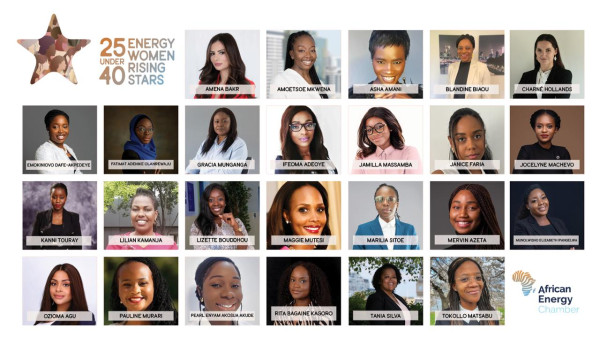
As Africa's energy sector continues to grow, a new generation of women is breaking barriers and redefining leadership in this critical industry. The African Energy Chamber (AEC) (www.EnergyChamber.org) proudly announces the 2024 edition of the 25 Under 40 Energy Women Rising Stars – a group of outstanding individuals whose innovation, perseverance and passion are transforming the landscape of African energy. These trailblazers are not only reshaping a traditionally male-dominated field but are also playing a vital role in the journey to end energy poverty by 2030. The AEC proudly honors these women as they lead the charge toward a more sustainable and equitable energy future.

In alphabetical order:

Amena Bakr, Senior Research Analyst, Energy Intelligence

Amena Bakr is a Senior Research Analyst at Energy Intelligence. Specializing in the energy transition, corporate strategy and market analysis, Bakr leads insights on oil markets, OPEC policies and political trends in the Middle East and Gulf Arab region. Her previous roles include Chief OPEC Correspondent and Dubai Deputy Bureau Chief, where she earned accolades such as the OPEC Award for Best Journalist and the IAEE Excellence in Written Journalism Award. Bakr holds a BA in Business Administration from the Arab Academy for Science, Technology & Maritime Transport, Egypt.

Amoetsoe Mkwena, Senior Associate, Watson Farley & Williams (Middle East)

Amoetsoe Mkwena is a Senior Associate at Watson Farley & Williams, specializing in energy and infrastructure with a focus on Africa. She advises on international projects, including the $15 billion Simandou project in Guinea. Mkwena's expertise includes power, renewables, oil and gas, and mining. Her legal skills and ability to bridge cultural divides make her a key player in Africa's energy sector.

Asha Amani, General Manager, INTERAFCON

Asha Amani is the General Manager at INTERAFCON, where she blends strategy and leadership to drive growth in complex energy projects. With seven years in Industrial Engineering and five years in the energy sector, Amani excels in business strategy, opportunity identification and project management. Her previous role as a Business Development Consultant at Tetco Consulting focused on delivering tailored solutions for the energy, engineering, and construction sectors.

Blandine Biaou, Geological Engineer, Head of Research and Prospection Department, SNH-Benin

Blandine Biaou, Head of the Research and Prospection Department at SNH-Benin, specializes in hydrocarbon exploration. She has optimized Benin's energy sector through resource management and contract revisions. Biaou has developed a modern data center and interactive database, contributing to national projects and representing Benin in international conferences, positioning it as a hydrocarbon hub.

Charné Hollands, Deputy Editor, Energy Capital & Power

Charné Hollands is the Deputy Editor at Energy Capital & Power, the leading investment platform for the African energy sector. She produces content on the entire energy value chain in Africa, with a focus on oil, gas, renewable energy and energy policy. Hollands holds a Master's in Media Studies from the University of Cape Town and has co-authored African Energy Chamber: Road to Recovery.

Emokiniovo Dafe-Akpedeye, Managing Partner, Compos Mentis Legal Practitioners

Emokiniovo Dafe-Akpedeye, a leading dispute resolution lawyer, specializes in complex oil and gas cases. She has represented Shell Petroleum and serves as company secretary for the Ebendo Host Community Trust Board. With degrees from Oxford and Bristol, she shapes oil and gas law and is implementing digital solutions to streamline board operations.

Fatimat Adenike Olanrewaju, General Field Engineer, SLB

Fatimat Adenike Olanrewaju, a Chemical Engineering graduate, is a General Field Engineer at SLB, focusing on wellhead installations and emissions reduction. She excels in a male-dominated field and leads community service through SLB's SEED initiative, advocating for gender diversity and mentoring.

Gracia Munganga, Senior Technical Advisory, ABT Global

With a Master's degree in Chemical Engineering from the University of Cape Town, Gracia oversees operations for the company, which has been designing and commissioning solar PV systems across sub-Saharan Africa since 2018. Her career includes roles at GreenCape, Anaergia Africa, the Climate Innovation Centre South Africa (CIC-SA), and the Carbon Trust.

Ifeoma Adeoye, CEO, IMSE Energy Resources Limited

Ifeoma Adeoye, CEO of IMSE Energy Resources Limited, leads the company in EPCI services and innovative crude evacuation technology. A graduate of the University of Manchester and Warwick, she also founded Business Nest Investments and BNI Insurance Brokers Limited, to empower and protect people and businesses through microfinance and insurance.

Jamilla Massamba, Health Safety and Environment Manager, SLB Congo

Jamilla Massamba, Health, Safety & Environment Manager at SLB Congo, leads HSE initiatives across Africa. With a Master's in Environmental Management Sciences, she has conducted over 100 audits and received awards for her work. Massamba also mentors young women in STEM and leads green energy projects.

Janice Faria, CEO, Enagol: Energias de Angola

As CEO of Enagol, Janice Faria has elevated the company's national and international profile. Under her leadership, Enagol competes globally and services International Oil Companies, setting a precedent for local enterprises in the global market.

Jocelyne Machevo, Communication, Commercial & Marketing Manager, Vivo Energy Mozambique

Jocelyne Machevo, formerly with Eni Mozambique, played a key role in the Coral FLNG Project and led the company's local brand transformation. Now at Vivo Energy Mozambique, she focuses on energy transition and decarbonization projects.

Lilian Kamanja, Electrical Engineer, Kenya Power

Lilian Kamanja is a Renewable Energy Specialist at Kenya Power with over nine years of experience in electrical engineering, network operations, and renewable energy development. She holds a BSc from the University of Nairobi and an M.Tech from IIT Delhi, focusing on renewable energy projects that enhance power accessibility and reliability.

Kanni Touray, Deputy Director General, Petroleum Commission, The Gambia

Kanni Touray, The Gambia's youngest and first female Deputy Director General at the Petroleum Commission, has enhanced the organization's efficiency and visibility. She champions sustainable development and energy transition, positioning The Gambia as a growing player in the global energy market.

Lizette Bouddhou, Human Resources Manager, SLB Congo and Gabon SLB

Lizette Bouddhou, HR Manager at SLB Congo and Gabon, drives diversity and workforce development. She leads recruitment and training initiatives, boosts employee engagement, and advances community outreach through educational partnerships, supporting women in STEM.

Maggie Mutesi, Managing Editor, Mansa Media

Maggie Mutesi is the Managing Editor at Mansa Media, with over 15 years of experience in major media outlets including CNN, BBC and CNBC. Her reporting spans over 30 African countries, focusing on trade and investments. At the BBC, she managed BBC Africa's daily live program, Money Daily. Mutesi has also extensively covered the Africa Continental Free Trade Agreement, working with the African Union and Afrochampions Initiative to enhance awareness among Africa's private sector.

Marilia Sitoe, Subsea Engineer, Eni Rovuma Basin

Marilia Sitoe, a Subsea Engineer at Eni Rovuma Basin, focuses on optimizing Mozambique's gas sector. Her work includes deep-water gas production and subsea infrastructure for Coral South FLNG. Sitoe's research supports Mozambique's economic growth and sustainability goals.

Mervin Azeta, Engineer, SLB

Mervin Azeta, a leader at SLB, has advanced from field engineer to corporate strategist. Recognized for her impact on African communities and the global industry, she is active in non-profit boards and connects young Africans with top leaders, fostering learning and inspiration.

Munolwisho Elizabeth Ipangelwa, Green Hydrogen Advisor, GIZ

Munolwisho Elizabeth Ipangelwa, Green Hydrogen Advisor at GIZ, advocates for women in oil and gas and green hydrogen development in Namibia. She has educated over 200 Namibians and leads green industrialization studies to boost local industries and reduce youth unemployment.

Ozioma Agu, Partner, Stren & Blan Partners

Ozioma Agu, a Partner at Stren & Blan Partners, excels in high-profile energy and infrastructure transactions. Her work includes advising on Mobil and Shell divestments and renewable projects. Agu has earned awards for her expertise in oil and gas and green hydrogen.

Pauline Murari, Contracts Manager SLB Angola, Central and East Africa

Pauline Murari, Contracts Manager at SLB, is known for her negotiation skills and leadership. She has driven growth in SLB's regional portfolio and contributed to projects like the East African Crude Oil Pipeline. Murari supports STEM education and local development.

Pearl Enyam Akosua Akude, Business Line Job Delivery Lead, SLB

Pearl Enyam Akosua Akude, with over 35 wells drilled, is a leader in the energy sector. She handles complex projects, trains engineers, and has contributed to innovations like TerraSphere and Net Zero Development in Africa, impacting the region's energy landscape.

Rita Bagaine Kagoro, Talent Acquisition Manager SLB: Angola, Central and East Africa

Rita Bagaine Kagoro, a Ugandan Petroleum Engineer, has seven years of experience and holds degrees from China University of Petroleum and Delft University of Technology. Her roles include Measurements and Logging While Drilling Engineer and Drilling Product Engineer. Kagoro has innovated drilling technologies to enhance efficiency and reduce CO2 emissions. She is passionate about leadership, mentorship, and advocating for diversity in hiring and women in energy.

Tania Silva, CEO, Angola LNG Marketing

Tânia Silva is the CEO of Angola LNG Marketing, the company's first female and youngest CEO. She oversees LNG sales, liquids contracts, and the shipping fleet. Previously, Silva was Head of Non-Operated Assets at Sonangol Gás e Energias Renováveis, S.A., where she managed non-operated assets and contributed to renewable energy projects. Her career is marked by leadership and innovation in the energy sector.

Tokollo Matsabu, Women Leader in Energy & Climate Fellow, Atlantic Council

Tokollo Matsabu is a 2024 Women Leaders in Energy and Climate Fellow and Director at Patlong Advisory, a consulting firm focused on energy programs and carbon sequestration in Africa. She is pursuing an MS in Global Energy and Climate Policy at the University of London's School of Oriental & African Studies, with a focus on critical minerals. Matsabu has a background in financial journalism and has conducted risk analyses for various stakeholders in the Global South. She holds a Bachelor's degree in International Relations, Media and Writing from the University of Cape Town.

Distributed by APO Group on behalf of African Energy Chamber.

Media files
African Energy Chamber
Download logo
Read moreCelebrating This Year’s 25 Under 40 Energy Women Rising Stars
20 September 2024

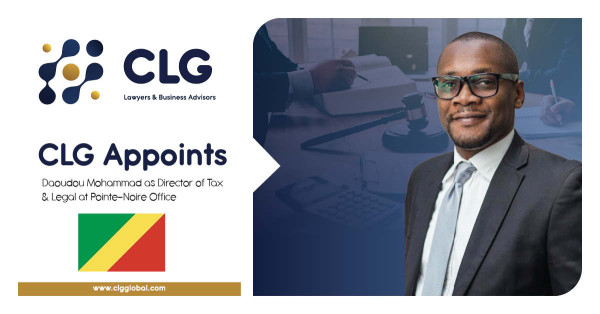
CLG Appoints Daoudou Mohammad as Director of Tax & Legal at Pointe-Noire Office

Location: Business
CLG

Supporting clients operating in the CEMAC region, trusted legal adviser Daoudou Mohammad has been appointed as Director of Tax & Legal at CLG's Pointe-Noire office (www.CLGGlobal.com). Mohammad brings a wealth of demonstrated expertise that will be instrumental to the law firm's Africa-wide practices, as the Republic of Congo and wider Central African region sees rapid growth in the energy sector.  

Mohammad holds over 15 years of experience in business and tax law, developing a solid competence in handling complex legal issues and providing effective client support. Prior to joining CLG, Mohammad served as Senior Manager at PwC's Tax & Legal Department in Pointe-Noire, managing the tax and legal coordination center for Francophone African countries, supervising quality and risk management operations, ensuring legal due diligence and supervising restructuring operations for groups of companies – including mergers and acquisitions and company transfers – among other key responsibilities.

Having also held a managerial role at PwC's South Africa office, Mohammad maintains an in-depth knowledge of different international systems and compliance with the highest standards of practice and service delivery, adapting to varied legal and cultural environments. Specializing in business, tax and labor law, as well as foreign exchange regulations and intellectual property, his multidisciplinary background represents a major asset to CLG and will enable the provision of integrated solutions to client needs and up-to-date advice on the latest legislative and regulatory developments. Mohammad holds a dual Master's Degree in Intellectual Property Law and Business Law from Cameroon's University of Yaoundé II.

The Republic of Congo is in the midst of a major investment drive, as it aims to accelerate oil and gas exploration and transform into a major LNG hub on the back of multiple large-scale LNG export projects and new exploration and appraisal drilling activities. To attract further investment and streamline regulatory processes, the country is launching a comprehensive gas code, recently approved a new Gas Master Plan led by national oil company Société nationale des pétroles du Congo, and plans to establish a dedicated national gas company. As a result, specialized tax, legal and regulatory advisory expertise is needed by companies operating in the Congo to navigate evolving energy sector legislation. 

CLG represents an experienced team of legal professionals, offering an in-depth understanding of African markets and a flexible and innovative approach to meeting the diverse needs of its clients. Serving as the preferred professional services partner in Africa, CLG is equipped to offer on-the-ground support across multiple sectors and has a rich history of spearheading transformative oil and gas transactions across the continent, providing top-tier legal services and strategic advice to clients across the energy spectrum, and guiding clients through complex regulatory landscapes and contractual negotiations. In addition to the Republic of Congo, CLG operates in South Africa, Nigeria, South Sudan, Mauritius, Ghana, Cameroon, Equatorial Guinea, Mozambique and Germany.     

“Navigating local laws, including taxation on oil and gas revenues, production-sharing agreements, and environmental regulations, demands thorough understanding to ensure compliance and optimize returns. We are excited to have Daoudou Mohammad head up CLG's tax and legal services in Pointe-Noire, who offers expert guidance on mitigating risks, avoiding costly legal disputes, and ensuring that investments are structured to meet both local obligations and international standards,” states Zion Adeoye, CEO of CLG.

Distributed by APO Group on behalf of CLG.

Media files
CLG
Download logo
Read moreCLG Appoints Daoudou Mohammad as Director of Tax & Legal at Pointe-Noire Office
20 September 2024

Eviction Looms For 3,000 Shackdwellers In Tshwane

Location: News

Residents of Mahlangu informal settlement face an uncertain future

Read moreEviction Looms For 3,000 Shackdwellers In Tshwane
17 September 2024

Death Toll Rises to Seven After Police Swoop on Informal Gold Miners

Location: News

Some miners have already gone back to work to earn money and repatriate the bodies of their colleagues

Read moreDeath Toll Rises to Seven After Police Swoop on Informal Gold Miners
13 September 2024

The Coca-Cola System in Africa Unveils Water Stewardship Initiative

Location: Business

Coca-Cola
Download logo

The Coca-Cola Company in Africa (www.Coca-ColaCompany.com) and its bottling partners Coca-Cola Beverages Africa (CCBA), Equatorial Coca-Cola Bottling Company (ECCBC) and Coca-Cola HBC announced a nearly USD 25 million investment to help address critical water-related challenges in local communities in 20 African countries, starting this year through 2030. The work will be led by Global Water Challenge (GWC) and implemented by a consortium of partners, including The Nature Conservancy (TNC), The International Union for Conservation of Nature (IUCN) and the World Wildlife Fund (WWF).

The effort, called ‘The Coca-Cola System's Africa Water Stewardship Initiative', was introduced in Cape Town, South Africa, in presence of executives from the Coca-Cola system in Africa and NGO partners. During the event, Karyn Harrington, Vice President of Public Affairs, Communications and Sustainability at The Coca-Cola Company's Africa Operating Unit indicated “Water is a priority for The Coca-Cola Company and its local bottling partners because it is essential to life, the communities we serve and our beverages. As we face increasing water insecurity worldwide, with demand outstripping supply in many regions such as Africa, Coca-Cola is taking steps to help accelerate efforts to address water stress, protect local water resources, and build community climate resilience. Our 2030 Water Security Strategy focuses on helping enhance water security where we operate, source ingredients, and touch lives.”

“One in three Africans face water insecurity. The Global Water Challenge and ‘The Coca-Cola System's Africa Water Stewardship Initiative' partner coalition will seek to improve water security for millions across the African continent, helping advance community health and resilience through abundant, clean water. We applaud Coca-Cola's continued leadership on African water security” said Monica Ellis, CEO of GWC.

‘The Coca-Cola System's Africa Water Stewardship Initiative' aims to help protect and enhance the health of important watersheds and to help improve access to water and sanitation services in local communities. We will have projects in Algeria, Botswana, Cabo Verde, Comoros, Egypt, Eritrea, Eswatini, Ethiopia, Kenya, Mayotte, Morocco, Mozambique, Namibia, Nigeria, Somalia, South Africa, Tanzania, Uganda, Zambia and Zimbabwe.  

“CCBA has a responsibility to help those who face water scarcity and to help protect local water resources where we operate, especially in places with the biggest challenges. We are proud to partner with The Coca-Cola Company on this project,” says Layla Jeevanantham, Chief Public Affairs, Communication and Sustainability Officer at CCBA.

“We are proud to partner with The Coca-Cola Company and fellow bottlers on this critical initiative to help tackle water challenges across Africa. By working together, we can leverage the expertise of our partners and the knowledge of local communities to help create sustainable solutions that enhance water access and safeguard vital water resources,” said Sonia Ventosa, Public Affairs, Communications & Sustainability Manager at ECCBC.

“Coca-Cola HBC has been part of African communities for more than 70 years, and sustainability is an important part of how we operate. We're very happy to see this new water initiative come to life and to support the system's water stewardship efforts,” said Marcel Martin, Chief Corporate Affairs & Sustainability Officer, Coca-Cola HBC.

Recognizing that partnerships are critical to support this work, the company and its bottlers are collaborating with governments, businesses, and civil society organizations to design and implement strategic interventions. In addition to supporting the company's water strategy, this effort also aims to contribute to advancing the United Nations' Sustainable Development Goal 6, which focuses on ensuring availability and sustainable management of water and sanitation. 

This water initiative will build upon The Coca-Cola Foundation (TCCF)'s Replenish Africa Initiative (RAIN), a groundbreaking collaboration with key partners and co-funders which helped improve access to clean water, sanitation and hygiene for 6 million people across African countries between 2009 and 2019. Through 120 projects, the initiative positively impacted homes, schools and healthcare clinics in more than 4,000 communities.

Distributed by APO Group on behalf of Coca-Cola.

Contacts: 
Amel Benchikh El Houcine 
abenchikh@coca-cola.com

About The Coca-Cola Company:
The Coca‑Cola Company (NYSE: KO) is a total beverage company with products sold in more than 200 countries and territories. Our company's purpose is to refresh the world and make a difference. We sell multiple billion-dollar brands across several beverage categories worldwide. Our portfolio of sparkling soft drink brands includes Coca‑Cola, Sprite and Fanta. Our water, sports, coffee and tea brands include Dasani, smartwater, vitaminwater, Topo Chico, BODYARMOR, Powerade, Costa, Georgia, Gold Peak and Ayataka. Our juice, value-added dairy and plant-based beverage brands include Minute Maid, Simply, innocent, Del Valle, fairlife and AdeS. We are constantly transforming our portfolio, from reducing sugar in our drinks to bringing innovative new products to market. We seek to positively impact people's lives, communities and the planet through water replenishment, packaging recycling, sustainable sourcing practices and carbon emissions reductions across our value chain. Together with our bottling partners, we employ more than 700,000 people, helping bring economic opportunity to local communities worldwide. Learn more at www.Coca-ColaCompany.com and follow us on Instagram (http://apo-opa.co/3Ttw0hL), Facebook (http://apo-opa.co/3ToqwVu) and LinkedIn (http://apo-opa.co/4db5D6V).

 Forward-Looking Statements:
This update may contain statements, estimates or projections that constitute “forwardlooking statements” as defined under U.S. federal securities laws. Generally, the words “believe,” “expect,” “intend,” “estimate,” “anticipate,” “project,” “will” and similar expressions identify forwardlooking statements, which generally are not historical in nature. Statements about our sustainability goals, aspirations and anticipated progress also constitute “forwardlooking statements.” Forwardlooking statements are subject to certain risks and uncertainties that could cause The CocaCola Company's actual results to differ materially from its historical experience and our present expectations or projections. These risks include, but are not limited to, evolving sustainability regulatory requirements and expectations, including evolving processes, controls and methodologies for identifying, measuring, assuring and reporting sustainability metrics and data, which could result in significant revisions to our previously reported data; increasing concerns about the environmental impact of plastic bottles and other packaging materials; water scarcity and poor quality; increased demand for food products, decreased agricultural productivity and increased regulation of ingredient sourcing due diligence; climate change and legal or regulatory responses thereto; adverse weather conditions; unfavorable economic and geopolitical conditions; disruption of our supply chain, including increased commodity, raw material, packaging, energy, transportation and other input costs; an inability to successfully integrate and manage our acquired businesses, brands or bottling operations or an inability to realize a significant portion of the anticipated benefits of our joint ventures or strategic relationships; and other risks discussed in our filings with the Securities and Exchange Commission (the SEC), including our Annual Report on Form 10K for the year ended December 31, 2023, and our subsequently filed Quarterly Reports on Form 10Q, which filings are available through the SEC's website. You should not place undue reliance on forwardlooking statements, which speak only as of the date they are made. We undertake no obligation to publicly update or revise any forward looking statements. 

Read moreThe Coca-Cola System in Africa Unveils Water Stewardship Initiative
13 September 2024

Mandela Washington Fellowship for Young African Leaders

Location: News

U.S. Embassy in Namibia
Download logo

The Mandela Washington Fellowship, begun in 2014, is the flagship program of President Obama's Young African Leaders Initiative (YALI) that empowers young leaders through academic coursework, leadership training, and networking. In 2016, the Fellowship provided nearly 1,000 outstanding young leaders from Sub-Saharan Africa with the opportunity to hone their skills at a U.S. higher education institution with support for professional development after they return home.

Ideal candidates are self-identified leaders, aged 25 to 35, with proven accomplishment in promoting innovation and positive change in their organizations, institutions, communities, and countries.

U.S.-based Activities

Academic and Leadership Institutes: Each Mandela Washington Fellow takes part in a six- week academic and leadership institute at a U.S. university or college in one of three tracks: business and entrepreneurship, civic leadership, or public management.

Summit: Following the academic component of the Fellowship, the Fellows visit Washington, D.C. for a summit. During the three-day event, Fellows take part in networking and panel discussions with U.S. leaders from the public, private, and non-profit sectors.

Professional Development Experience: Selected Fellows remain in the U.S. to participate in a six-week professional development experience with U.S. non-governmental organizations, private companies, and governmental agencies related to their professional interests and goals.

Africa-based Activities

Upon returning to their home countries, Fellows continue to build the skills they have developed during their time in the United States through support from U.S. embassies, Regional Leadership Centers, the YALI Network, and customized programming from affiliated partners. Mandela Washington Fellows have access to ongoing professional development opportunities, mentoring, networking and training, and seed funding to support their ideas, businesses, and organizations.

Application Information

The application includes basic information and questions about the applicant's professional and academic experience, including educational background; honors and awards received; extracurricular and volunteer activities; and English language proficiency.  A résumé is also requested (with dated educational and professional background), and personal information (name, address, phone, email, country of citizenship). Additional elements, such as letters of recommendation or university transcripts, are OPTIONAL and may supplement your application.

Who is eligible to apply?

Applicants will not be discriminated against on the basis of race, color, gender, religion, socio-economic status, disability, sexual orientation, or gender identity.  The Mandela Washington Fellowship is open to young African leaders who meet the following criteria:

  • Are between the ages of 25 and 35 on or before the application deadline, although exceptional applicants ages 21-24 will be considered;
  • Are not U.S. citizens or permanent residents of the United States;
  • Are eligible to receive a United States J-1 visa;
  • Are not employees or immediate family members of employees of the U.S. Government (including a U.S. embassy or consulate, USAID, and other U.S. Government entities);
  • Are proficient in reading, writing, and speaking English (applicants who are deaf should refer to the English Language instructions on the Resources page);
  • Are citizens of one of the following countries: Angola, Benin, Botswana, Burkina Faso, Burundi, Cameroon, Cabo Verde, Central African Republic, Chad, Comoros, Democratic Republic of the Congo (DRC), Republic of the Congo, Cote d'Ivoire, Djibouti, Equatorial Guinea, Eritrea, Eswatini, Ethiopia, Gabon, The Gambia, Ghana, Guinea, Guinea-Bissau, Kenya, Lesotho, Liberia, Madagascar, Malawi, Mali, Mauritania, Mauritius, Mozambique, Namibia, Niger, Nigeria, Rwanda, Sao Tome and Principe, Senegal, Seychelles, Sierra Leone, Somalia, South Africa, South Sudan, Sudan, Tanzania, Togo, Uganda, Zambia, or Zimbabwe;
  • Are residents of one of the above countries; and
  • Are not Alumni of the Mandela Washington Fellowship.

Please note that Fellows are not allowed to have dependents, including spouses and children, accompany them during the Fellowship. The U.S. Department of State and IREX reserve the right to verify all information included in the application.  In the event of a discrepancy, or if information is found to be false, the application will immediately be declared invalid and the applicant ineligible.

Selection Process

The Mandela Washington Fellowship selection process is a merit-based open competition.  After the deadline, all eligible applications will be reviewed by independent readers.  Following this review, chosen semi-finalists will be interviewed by the U.S. embassies or consulates in their home countries.  Selected semi-finalists will be required to participate in these in-person interviews in their home country within Africa.  If advanced to the semi-finalist round, applicants must provide a copy of their international passport (if available) or other government-issued photo identification at the time of the interview.  Selected Finalists are required to attend the mandatory Pre-Departure Orientation in their home country within Africa. The following criteria will be used to evaluate applications (not in order of importance):

  • A proven record of leadership and accomplishment in business or entrepreneurship, civic engagement, and/or public/government service;
  • ​A demonstrated commitment to public or community service, volunteerism, or mentorship;
  • ​The ability to work cooperatively in diverse groups and to respect the opinions of others;
  • ​Strong social and communication skills;
  • ​An energetic, positive, and flexible attitude;
  • ​A demonstrated knowledge of, interest in, and professional experience in the preferred sector/Fellowship track and concrete goals for applying lessons knowledge and skills gained from the Fellowship to current and/or future work; and
  • ​A commitment to return to Sub-Saharan Africa and contribute skills and talents to build and serve their communities.

Learn More

Application Resources

Got questions? Visit our Frequently Asked Questions about the Fellowship application to learn answers to common queries.

Check out our Resources page to download and learn more about:

  • Instructions for the Fellowship Application
  • Information for Prospective Fellows with Disabilities
  • Information for Prospective Fellows Who Are or May Become Pregnant

Distributed by APO Group on behalf of U.S. Embassy in Namibia.

Read moreMandela Washington Fellowship for Young African Leaders
31 August 2024

Anti-illegal Mining Operation: One Man Burnt to Death, Others Critical

Location: News

Daggafontein community furious with authorities for “violent” response of authorities to an industry that fuels their local economy

Read moreAnti-illegal Mining Operation: One Man Burnt to Death, Others Critical
27 August 2024

Scaling up Financing Is Key to Accelerating Africa’s Structural Transformation

Location: News
African Development Bank Group (AfDB)

By Adamon Mukasa and Anthony Simpasa, African Development Bank Group (www.AfDB.org).

Document 1: http://apo-opa.co/4g3EVzM
Document 2: http://apo-opa.co/473xTHm
Document 3: http://apo-opa.co/4gcshPk
Document 4: http://apo-opa.co/4gcsi5Q
Document 5: http://apo-opa.co/471DE8y
Document 6: http://apo-opa.co/4gcskL0
Document 7: http://apo-opa.co/47361TE

Document 8: http://apo-opa.co/4dXk53t

The calls for structural economic transformation in Africa date back to the 1960s when newly independent nations aimed to eliminate poverty through economic diversification, sustained growth, and job creation. This agenda persists today, as Africa continues to face significant developmental challenges.

Pursuing post-independence economic agendas was particularly important because, behind the euphoria (http://apo-opa.co/4dZMCVX) of independence, laid significant developmental challenges in several African countries: unskilled labor force, political and institutional fragilities, poor health conditions, rapid population growth, wide income disparities, and the legacy of colonialism and exclusion from the modern world. The establishment of the Organization of African Unity (OAU) (http://apo-opa.co/4g3EVzM) in 1963 and the African Development Bank (http://apo-opa.co/473xTHm) a year later aimed to tackle these other challenges in a more coordinated and impactful manner. The African Union (http://apo-opa.co/475z3Sz), successor of the OAU, developed Agenda 2063 (http://apo-opa.co/4g3EQMu) in 2013 as a blueprint for turning Africa into the global growth pole and powerhouse of the future.

Africa's Economic Development Paradox

More than sixty years after independence (http://apo-opa.co/3AzLutK), Africa's structural transformation – the shift of workers from lower to higher productivity employment and intra-sectoral productivity growth (http://apo-opa.co/4dQj0KK) – has not progressed as quickly as hoped. Both policymakers and analysts within and outside the continent are genuinely concerned that achieving structural transformation could remain a mirage for many African countries in the absence of bold structural reforms and financing to support implementation of these policies. Why being so pessimistic? Because historical facts tend to support their pessimism. The African Economic Outlook (AEO) 2024 (http://apo-opa.co/4g2RATW) report, released in May by the African Development Bank, reveals that Africa's transformation has been slow and uneven. In countries showing signs of transformation, the process has been characterized by low industrialization and predominantly by employment in low-skill, low-productivity services. The agriculture sector, employing 42% of Africa's workforce, is 60% less productive than the economy-wide average. Consequently, many workers remain trapped in low-productivity, low-wage jobs, unable to escape poverty.

As a result, Africa was the only region of the world where the average real GDP per capita contracted in the 1980s and 1990s, the so-called lost decades (http://apo-opa.co/4fYqm0D).

Africa is off-track in achieving almost all SDG targets by 2030, consistently showing the lowest SDG performance globally since the 2000s (Figure 1). Without intervention, it is predicted that by 2030, nearly 9 out of 10 of the world's extremely poor will be in Africa (http://apo-opa.co/4e2weEn) and under current conditions[1], it could take African countries over a century on average to reach high-income status.


[1] This scenario assumes that real GDP per capita of each African country will grow according to its post-COVID-19 (2022–25) average growth rate as computed by the African Development Bank's Statistics Department.

But Africa is a very large, diverse, heterogeneous, region. Some countries have, over the past four decades preceding the COVID-19 pandemic, experienced episodes of growth accelerations, growth spikes and failed take-offs (http://apo-opa.co/4gcshPk). Cases of consistent good performance include Botswana, Seychelles, and Mauritius, routinely ranked among the top 10 fastest-growing economies globally. African countries have indeed exhibited remarkable resilience amid confounding shocks, and in 2024, 10 countries[1] in Africa are projected to be among the world's top 20 fastest-growing economies, sustaining the trend observed during the past four decades pre-COVID-19.

Importantly, over the past quarter century, thanks to strong economic reforms and macroeconomic stability, enhanced governance, relative peace and improved political environment and, public investments in soft and hard infrastructure, some African countries[2] have managed to transform their economies and recorded economic growth rates above the global average.

The role of finance in fast-tracking Africa's structural transformation

Many factors, both internal and external, could explain the relatively slow progress in structurally transforming African economies. Among them: over-reliance on commodity-led growth (http://apo-opa.co/4fZJTxI), inadequate infrastructure (http://apo-opa.co/4dV5DZE); insufficient pool of skilled workers (http://apo-opa.co/4g49x4g) and low access to affordable finance (http://apo-opa.co/47361D8); weak institutional governance (http://apo-opa.co/4e0O5LG), recurrent conflicts (http://apo-opa.co/4g49rtq), effects of climate change (http://apo-opa.co/3ABuuTU), tightening of global financial conditions (http://apo-opa.co/4fZSFvC) and rising debt vulnerabilities (http://apo-opa.co/4724oWk).

While all these factors are equally important and call for urgent actions from policymakers, financing Africa's transformation (http://apo-opa.co/4fTo1Uy) is a multi-layered overarching challenge that demands special attention and a pragmatic approach to move from billions to trillions. The cost of achieving the SDGs by 2030 in Africa is estimated at about $1.3 trillion (http://apo-opa.co/4gcsi5Q) annually, equivalent to 42% of Africa's 2023 GDP. Infrastructure needs alone are estimated by the African Development Bank at $181-$221 billion per year over 2023-2030.  The climate finance gap is approximately $213.4 billion (http://apo-opa.co/4gcsiTo) annually through 2030.

Insufficient domestic resources (http://apo-opa.co/471DE8y), compounded by the failure of the global financial architecture (http://apo-opa.co/471zU6K) to mobilize and at scale, affordable finance for sustainable development (http://apo-opa.co/4gcskL0), have led many African countries to resort to commercial borrowing on unfavorable terms. This has resulted in increased debt vulnerabilities. Africa's Public and Publicly Guaranteed external debt has nearly tripled since 2010, reaching $656 billion in 2022, accounting for 22.4% of the continent's GDP and exceeding Africa's public revenue-to-GDP ratio of 20.4%. In 2024, African countries are expected to spend around $74 billion on debt service, up from $17 billion in 2010. Out of the projected debt service, $40 billion is owed to private creditors.

Even more concerning, debt service payments now account for about 11% of the continent's total revenues. High debt service is diverting resources from crucial investments in infrastructure, education, and health – all critical for economic transformation and long-term growth. As of April 2024, 20 African countries[3] (http://apo-opa.co/47361TE) were either in external debt distress or at high risk of external debt distress.

The AEO 2024 report estimates that to accelerate Africa's structural transformation, the continent needs to close an annual financing gap of $402.2 billion (about 13.7% of its projected 2024 GDP) by 2030. Figure 2 shows that transport[4] infrastructure accounts for the largest share of the gap (72.9%), followed by education (10.4%), energy (9.9%), and productivity-enhancing technologies (6.8%). These figures reflect decades of underinvestment in critical areas for development.

The level of financing gap in transport infrastructure reflects the continent's shortfall explained by decades of public underinvestment to upgrade existing road infrastructure or open new roadways, to match the growing population and economic dynamism across the continent. For instance, Africa's median road density is about 12 km per 100 km2, compared with 42.5 km in high-performing developing countries and 136 km in high-income countries. Only about 27% of African roads are paved, far behind the rest of the world (about 49%) and other developing countries (35.4%).


[1] Niger, Senegal, Libya, Côte d'Ivoire, Ethiopia, Rwanda, Benin, Djibouti, Gambia, and Uganda

[2] Algeria, Comoros, Djibouti, Egypt, eSwatini, Lesotho, Libya, Mauritius, Sao Tome and Principe, Senegal, Seychelles, and Tunisia

[3] Burundi, Cameroon, Central African Republic, Chad, Comoros, Congo, Djibouti, Ethiopia, Gambia, Ghana, Guinea-Bissau, Kenya, Malawi, Mozambique, São Tomé and Príncipe, Sierra Leone, South Sudan, Sudan, Zambia, and Zimbabwe

[4] Proxied by roads as road transport is the most frequently used means of transporting goods and people across the continent, carrying at least 80 percent of goods and 90 percent of passengers.

On education, vital for equipping the current and future workforce with the required skillset for structural transformation, African countries' median SDG index score was only 51.5 (out of a maximum of 100) in 2022, while other low-income developing countries reached a median score of 87. In addition, according to World Bank's World Development Indicators (http://apo-opa.co/3AGXw4N), African governments currently spend on average $312 annually per student in primary education, $473 on secondary education, and $2,227 on tertiary education, or about, respectively, 3, 2.3, and 1.1 times lower than high-performing developing countries on  SDG 4. On energy, Africa's median SDG 7 index score was 38.8 in 2022, suggesting that a typical African country was 61.2% further away from achieving the best possible outcome on SDG 7 targets. Despite its vast energy potential, electric power consumption per capita in Africa is still the lowest in the world, estimated at 638.4 kilowatt-hours (kWh) in 2021, versus 2,056 kWh in other developing countries. Due to poor energy infrastructure, over 600 million Africans have no access to electricity http://apo-opa.co/46YZuJT and this is despite progress in recent years[1]. On productivity-enhancing technology and innovation, the continent lags other regions too. This impedes its ability to either innovate and introduce new products, technologies, and/or services that could support its structural transformation. African countries' average Gross Domestic Expenditure on R&D (GERD) represents about 0.4% of their GDP (against about 1% in the rest of the world) and they spend on average $10.7 per capita on GERD (compared to $403.2 per capita in other regions of the world). Furthermore, the continent displays the lowest concentration of researchers in R&D, with an average of 221 researchers per million people, against 742 researchers in other developing countries.

The financing gap varies significantly across countries. The cross-country heterogeneity is mainly explained by differences in current SDG performance related to structural transformation as well as differences in demographics (current and projected population size and composition, land size, and the like) and socioeconomic characteristics (current and projected GDP per capita, and spending on education, infrastructure, and so on). As shown in Figure 3, the estimated annual financing gap represents at least 10 % of 2024's projected GDP in 36 African countries, and in nine of these, at least 50 % of GDP. For such countries, closing the financing gap by 2030 is, therefore, realistically impossible.


[1] For instance, the average share of people with access to electricity increased from about 38 percent in 2000 to about 59 percent in 2022. In 28 African countries, the percent of people with access to electricity has more than doubled between 2000 and 2022, out of which it has increased at least fivefold in 8 countries (Kenya, Lesotho, Mali, Mozambique, Rwanda, Somalia, Tanzania, and Uganda).

Note: COG: Congo; CPV: Cabo Verde; GHA: Ghana; CIV: Cote d'Ivoire; GAB: Gabon; GNQ: Equatorial Guinea; MUS: Mauritius; SYC: Seychelles; ZAF: South Africa. Source: Authors' computation based on the African Economic Outlook (AEO) 2024 database

A more realistic approach would be to allow for a gradual but steady transformation process over a longer period, aligning with the African Union's Agenda 2063. This would enable countries to mobilize more resources domestically and externally, without jeopardizing debt sustainability.

What next?

Scaling up finance to accelerate Africa's structural transformation should be a key priority for policymakers. While implementing structural reforms is crucial for sustainable growth, success depends on the availability, timeliness, and scale of long-term development financing and enhancing spending efficiency. African countries should therefore, inter alia, focus on: i) scaling up investment to build requisite human capital suited to local realities, circumstances, and development priorities; ii) boosting domestic resource mobilization and improving efficiency of public finance management; iii) creating targeted and streamlined incentives to attract private capital for key transformation sectors; and iv) launching ambitious national infrastructure programs with assured positive returns to attract affordable financing.

The international community should reform the global financial architecture (http://apo-opa.co/4dXk53t) to facilitate African countries' access to long-term, concessional development financing at scale, complementing domestic resources.

By addressing these financing challenges and implementing targeted reforms, Africa can accelerate its structural transformation and move closer to achieving its development goals as espouses in Agenda 2063.

Distributed by APO Group on behalf of African Development Bank Group (AfDB).

Media files
African Development Bank Group (AfDB)
Download logo
Read moreScaling up Financing Is Key to Accelerating Africa’s Structural Transformation
22 August 2024

Young perfumer’s sweet smell of success

Location: News

Young perfumer’s sweet smell of success

By Khanyisile Rasmeni

Phumulile Mkhonza of Nelspruit in Mpumalanga is growing as a perfumer and revolutionising the African fragrance industry.

Mkhonza is the owner of PSD Scent Perfumes, a business that she started in 2019 but only registered in 2022.

It specialises in high quality personal care products including perfumes for men and women, body lotions, body butters, tissue oils, home diffusers, and car air-fresheners.

Mkhonza enrolled for a three-month perfume-making course while studying at the University of Johannesburg for a degree in political science.

“I decided to launch my own perfume brand due to my love for perfume making. I registered the business while I was still employed. In August 2023, I decided to resign from my job and focus solely on my business,” she said.

The 31-year-old Mkhonza said she has distributors across the country who buy her products in bulk and resell them. Her footprint also spans across three African countries including Swaziland, Mozambique and Nigeria.
Mkhonza was guided by the Small Enterprise Development Agency (Seda) to start exporting her products beyond South African borders.

“I was able to establish relationships with other entrepreneurs based in these countries through the entrepreneurship development programmes [offered by Seda] that I have been part of,” she said. 

In 2022, she received R671 000 from the Mpumalanga Office of the Premier’s Youth Development Fund Programme. 

She further received financial assistance from Seda to purchase assets for the business in 2024.

Her business currently employs eight people.

The entrepreneur also holds an honours and master’s degrees in public management and governance. 

For more information, contact PSD Scent Perfumes on 064 505 4838, or on WhatsApp at 072 060 6093 or on email at info@psdscent.co.za and www.psdscent.co.za.

You can visit the Mpumalanga Office of the Premier website at www.mpumalanga.gov.za or call 013 766 0000/2473. Visit Seda by logging on to www.seda.org.za or call 087 158 7991.

*This article first appeared in Vuk’uzenzele

Janine
Thu, 08/22/2024 - 10:05

220 views
Read moreYoung perfumer’s sweet smell of success
21 August 2024

United Nation migration agency issues $18.5 million appeal to prepare for mpox ‘surge’

Location: News

UN News
Download logo

Migrants and other marginalized and highly mobile populations including those uprooted from their homes by natural emergencies and conflict are far more prone to infection because of poor living conditions and the “significant barriers” many often encounter in seeking help, explained the International Organization for Migration.

“The spread of mpox across East, Horn and Southern Africa is a grave concern, especially for the vulnerable migrant, highly mobile populations and displaced communities often overlooked in such crises,” said Amy Pope, IOM Director General. “We must act swiftly to protect those at the highest risk and to mitigate the impact of this outbreak on the region.” 

Migration hub

Mpox has affected people in the African region for more than a decade, the UN agency said, noting that the Horn, eastern and southern Africa region hosts 12.2 million international migrants – nearly half of all migrants in Africa.

Highlighting data from the UN World Health Organization (WHO), the IOM noted that by 8 August, of the 12 African countries that reported an outbreak, six were from those regions. As of July, new cases emerged in previously unaffected Kenya, Burundi, Rwanda and Uganda, with cross-border infection cited as a factor in the spread of disease.

The IOM appeal for 13 countries – Burundi, the Democratic Republic of the Congo (DRC), Eswatini, Kenya, Malawi, Mozambique, Rwanda, South Africa, South Sudan, Tanzania, Uganda, Zambia and Zimbabwe - is intended to support infection-prevention, control and response measures, particularly at border crossings. It will help to fund awareness-raising activities among migrant and host communities, along with internally displaced persons.

“This preparedness and response plan aims to prepare for and respond to the anticipated surge in Mpox cases and mitigate the spread and the likely negative impacts of the virus spreading throughout the region,” the UN agency said.

Disease focus

IOM noted that the region's role as an “origin, destination and transit hub” for migrants could hinder disease prevention, adding that plans were in place to continue building the capacity of national healthcare workers and frontline responders, while also enabling the identification of high-risk areas to ensure effective monitoring of the disease and reduce its spread from country to country.

“Vulnerable populations such as migrants and IDPs impacted by mpox, or at risk of being affected, must receive the necessary healthcare and protection, particularly in regions where access to such services is limited and have a high number of migrants and displaced populations,” IOM said in a statement.  

International health threat

The UN agency's announcement comes one week since the UN World Health Organization (WHO) declared mpox a public health emergency of international concern, following the rapid spread of a new strain of the disease known as clade 1b from eastern Democratic Republic of the Congo.

Clade 1b is mainly transmitted through sexual contact, although the WHO said on Tuesday that more research was needed into other potential modes of infection from the blisters that are associated with the disease, such as contaminated bedding.

Latest WHO data indicates more than 15,000 suspected cases in the DRC including 537 deaths so far. The global total of mpox cases is more than 100,000.

The disease is known to transmit from animals to humans and spread by close contact with infected individuals or animals through respiratory droplets, blood, body fluids, or lesions. Symptoms include fever, rash, headaches, sore throat, muscle aches, swollen lymph nodes, and backache.

Here's our UN News explainer on the key facts you need to know about mpox.

Distributed by APO Group on behalf of UN News.

Read moreUnited Nation migration agency issues $18.5 million appeal to prepare for mpox ‘surge’
20 August 2024

African Development Bank Group Supports Study Tour to Brazil to Inspire African Cities

Location: News
African Development Bank Group (AfDB)

From August 5 to August 13, 2024, representatives from seven African cities visited the Brazilian cities of Sao Paulo, Fortaleza and Curitiba, to discover inspiring solutions being implemented by local authorities to promote sustainable urban development. 

The Study Tour, organised as part of the African Development Bank's African Cities Program (ACP) (http://apo-opa.co/3Azu2pl), launched in 2020, was financed by the South-to-South Cooperation Trust Fund (SSCTF) in collaboration with the Bank Group's Urban and Municipal Development Fund (UMDF), with the participation of the C40 Cities Climate Leadership Group (http://apo-opa.co/4fUnhyo).

The trip was inspired by the idea that peer exchanges between cities in the Global South can enrich the urban planning approaches and strategies of decision-makers in African municipalities.

"Africa's rapid urban transition has many similarities with that experienced by Latin America in the 1950s and 60s,” said Darline Tognia, UMDF Coordinator and leader of the delegation. “By visiting Brazil today, we can see firsthand, and with hindsight, how cities have absorbed this growth; which solutions have worked, and which have not.”

The delegation consisted of 19 high-level municipal staff drawn from planning departments, finance departments, transportation services, and others, working in eight African cities which are already benefiting from the Urban and Municipal Development Fund and C40: Nairobi (Kenya), Beira (Mozambique), Tshwane (South Africa), Lomé (Togo), Dakar (Senegal), Addis Ababa (Ethiopia) and Freetown (Sierra Leone). 

The visit started in Sao Paulo, the largest city in South America, where innovation and sustainability coexist with complex urban and environmental challenges. At Parque Bristol, a popular neighbourhood, participants visited a publicly run multipurpose facility for children, which benefits from a “School Feeding Program”, a large-scale municipal effort to promote healthy eating, while also supporting urban agriculture.

As part of the tour, the group also met with waste recycling cooperatives, visited an electric bus maintenance center, learnt about public transport by river-boats, and how informal settlements are being upgraded by the municipality trough the provision of basic infrastructure, improved transport integration, social housing programs and environmental protection measures.  

In Fortaleza, a coastal city in north-east Brazil, and the second leg of the tour, the delegation saw various initiatives that have significantly improved the cityscape; in sustainable mobility, youth engagement and climate resilience.

The tour came to an end in Curitiba, a city of 2 million inhabitants, renowned for its innovative approach to sustainable development and urban mobility. The delegation learnt about the Bus Rapid Transit (BRT) system implemented by the city, as well as its slum upgrading, urban planning and solid waste management programs.

The Urban and Municipal Development Fund envisioned the trip as a means of consolidating a network of African cities interested in adopting urban solutions with an inclusive and human-centered approach.

The Brazil tour follows previous ones organized in 2022 to Copenhagen (Denmark) and Malmo (Sweden) (http://apo-opa.co/4fKPMih), to discover the renowned sustainable urban planning strategies of Nordic countries.

Distributed by APO Group on behalf of African Development Bank Group (AfDB).

Media files
African Development Bank Group (AfDB)
Download logo
Read moreAfrican Development Bank Group Supports Study Tour to Brazil to Inspire African Cities
  • Previous
  • Page 1
  • Interim pages omitted …
  • Page 5
  • Page 6
  • Page 7
  • Page 8
  • Page 9
  • Interim pages omitted …
  • Page 14
  • Next

Copyright © 2026 · MyZA · All Rights Reserved · Powered by Stratlec Online