• Skip to main content
  • Skip to header right navigation
  • Skip to after header navigation
  • Skip to site footer
MyZA

MyZA

News, Directory, Events and Other Stuff

  • Social Media
  • Sport
  • World News
  • Home
  • Submit News
  • Directory
  • Events
  • Stratlec
  • TFSA
  • News
    • APO
    • Today’s Sport News
    • Todays Social Media and Tech Headlines
    • Today’s World News
    • Today’s SA Financial News
  • Contact
You are here: Home / Archives for Mozambique

Mozambique

18 August 2024

SADC Ordinary Summit expresses concern over attacks on civilians in Palestine

Location: News

SADC Ordinary Summit expresses concern over attacks on civilians in Palestine

The 44th Ordinary Summit of the Southern African Community (SADC) Heads of State and Government has noted with concern, the ongoing attacks on civilians in Palestine.

“[The] Summit noted with concern the relentless attack on civilians in Palestine (Gaza) which has resulted in the loss of lives, destruction of property, and deteriorating humanitarian conditions and called for an immediate cease-fire, the release of all hostages, and the commencement of talks to bring a lasting solution to the conflict,” it said in its communique.

The 44th Ordinary Summit of the SADC was held in held in Harare, Zimbabwe on Saturday.

READ | President Ramaphosa arrives in Zimbabwe for Ordinary SADC Summit 

The gathering elected President of Zimbabwe, Dr Emmerson Mnangagwa, as the Chairperson of SADC, and Madagascar President, Andry Rajoelina as the incoming Chairperson.

The Summit also reiterated the regional call made at the 39th SADC Summit for the unconditional removal of sanctions imposed on Zimbabwe and acknowledged that the sanctions continue to hinder the progress and prosperity of Zimbabweans and the SADC region.

Mpox

The leaders also touched on the Mpox situation on the continent and in the SADC region. 

The Member States welcomed the declaration by the World Health Organisation (WHO) of Mpox as a Public Health Emergency of International Concern (PHIEC). 

The Africa Centres for Disease Control and Prevention (Africa CDC) also declared Mpox as a Public Health Emergency of Continental Security (PHECS).

They have since urged Member States to strengthen disease surveillance, diagnosis testing and clinical care, infection prevention and control as well as awareness raising of the disease at all levels of the community.
“The summit extended solidarity and support to Member States affected by Mpox and further requested the World Health Organisation, Africa CDC and other partners to avail resources towards the Mpox response in the region.”

READ | President Ramaphosa raises concern over rise of Mpox in AU region

Peace and security 

In addition, the leaders reiterated their unwavering support to Mozambique and the Democratic Republic of Congo (DRC) in promoting and consolidating peace, security and stability in the two countries.

“The summit commended His Excellency João Manuel Gonçalves Lourenço, the President of the Republic of Angola, for his efforts to bring lasting peace to the security challenges in the Eastern Democratic Republic of Congo through the Luanda Process and brokering a cease-fire agreement between the DRC and Rwanda and called on the two countries to cease all hostilities.” 

They also endorsed the establishment of the Office and the structure of the Special Representative of SADC and Head of Mission of SADC Mission in the DRC (SAMIDRC). 

Elections

In addition, the leaders noted the SADC electoral calendar for the remaining part of 2024, which includes elections in Botswana and Mozambique in October. Elections will take place in Namibia in November and Mauritius on a date still to be determined.

The summit wished the Member States successful elections.

Economic growth and climate change 

The gathering also endorsed the theme of the 44th SADC Summit of Heads of State and Government, titled ‘Promoting Innovation to unlock opportunities for sustained economic growth and development towards an Industrialised SADC’. 

The theme recognised that innovation is a fundamental instrument with significant potential to drive priority sectors of manufacturing, mineral beneficiation and agro-processing to enhance the industrialisation and economic growth of the SADC region.

The SADC Member States also committed to take the necessary measures at the regional and national levels to address the challenges faced by people with albinism. 

“The summit urged Member States to continue monitoring weather and climate risks, including the forecasted La Niña event and develop contingency measures to mitigate the impact of disasters.” – SAnews.gov.za
 

Gabisile
Sun, 08/18/2024 - 14:40
100 views
Read moreSADC Ordinary Summit expresses concern over attacks on civilians in Palestine
15 August 2024

President Museveni And King Mswati III Call For A Unified African Market And Political Federation

Location: News
State House Uganda

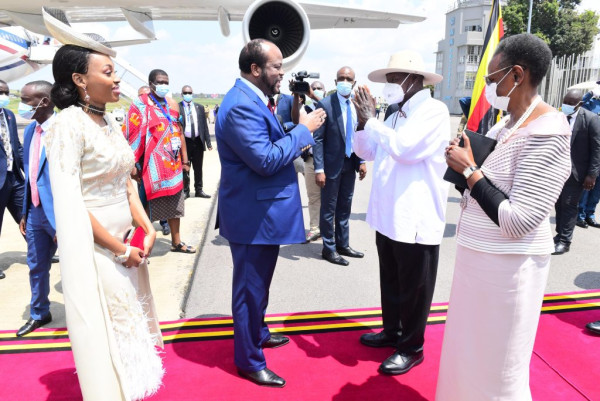
President Yoweri Kaguta Museveni and the First Lady and Minister of Education and Sports, Maama Janet Museveni have today welcomed the King of Eswatini, His Majesty, Mswati III at Entebbe International Airport.

His Majesty, Mswati III who is in Uganda for a three-day State Visit at the invitation of President Museveni was accompanied by his wife, Queen Inkhosikati Make Lamashwama and other high-level delegates.

At Entebbe International Airport, President Museveni was flanked by Ministers and service chiefs.

Upon arrival, the visiting King was accorded a 21-gun salute and inspected a guard of honour mounted by the Uganda People's Defence Forces (UPDF).

President Museveni later received his guest at State House Entebbe and held discussions focusing on enhancement of bilateral cooperation between the two countries.

In their discussions, President Museveni emphasised a clear vision for African prosperity, rooted in his experience as a student activist in the 1960s, a liberation leader, and now as a head of state.

“If Africans want prosperity, it comes from producing goods or services and selling them,” President Museveni stated.

He underscored the need for African nations to access larger markets to maximise economic benefits, highlighting Uganda's internal market of 46 million people as insufficient on its own.

“The fragmentation of the African market is a big disaster,” President Museveni warned.

He compared the continent's potential with that of Latin America, which, despite abundant natural resources, struggles with poverty due to its fragmented markets.

“I always tell my Ugandans here that if you want to be like Latin America, you are welcome because if you look at them, despite their wealth in natural resources, they still run to the USA for prosperity to get medical care, education, and other benefits,” he said.

The President argued that Africa's success lies in integrating markets across the continent, similar to how the United States operates with a vast and unified market.

He called for a model where African nations not only produce but also own and share in the benefits of their resources, rather than relying on foreign investments that often exploit the continent's wealth.

The President highlighted the need for African countries to collaborate on capital-intensive projects.

He also gave the example of Uganda's petroleum sector, where East African nations are invited to co-invest in infrastructure such as pipelines and refineries.

“It's not common sense that I produce, and you only buy. You can't say that to a brother,” President Museveni remarked, emphasising the importance of shared ownership.

President Museveni lauded the East African Community (EAC)'s progress in rebuilding and expanding to include eight member states, addressing both economic and political integration.

Beyond economic integration, President Museveni stressed the need for political federation in East Africa, which he views as crucial for establishing a strong military defence for the continent.

He highlighted the disparity in military capabilities between African nations and global powers like the United States, which boasts superior land, air, sea, and space forces.

“Africa must have the capacity to defend itself from all threats,” President Museveni asserted.

He called for a united African defence strategy as part of the broader vision for political federation.

His Majesty King Mswati III called for an enhanced cooperation between African nations, emphasising the need for unity in driving the continent's development.

He also expressed gratitude for the warm reception and hospitality extended to him and his delegation.

He highlighted the longstanding relationship between Uganda and Eswatini, noting that it had been years since their last meeting at a Commonwealth event.

“Your Excellency, I convey greetings from the Queen Mother, the government, and the people of Eswatini, and I wish to inform you that we are ready to strengthen ties between the two nations,” the King stated.

King Mswati went on to propose that Uganda and Eswatini establish regular communication channels to avoid neglecting the friendships and agreements already in place.

He stressed that African countries must work together to achieve progress in key areas such as poverty alleviation, job creation, education, and technological advancement.

“If we work together, there is much we can achieve. But if one country moves on its own, it cannot go far,” he said.

King Mswati III pointed out that Africa possesses abundant natural resources, yet the continent has struggled to produce efficiently due to the exploitation of these resources by foreign entities.

He advocated for African nations to share expertise and technology, citing Uganda's achievements in areas such as crude oil development as an example of successful collaboration.

“Now that we have mastered a lot of technology and expertise, we must take advantage of our resources,” the King stated.

The King further emphasised the need to promote entrepreneurship and knowledge exchange between Uganda and Eswatini, suggesting the establishment of distribution centres and routes to facilitate trade.

He also proposed increased cooperation between the Southern African Development Community (SADC) and the East African Community, expressing hope for a stronger economic partnership.

In terms of cultural ties, King Mswati III highlighted the similarities between the cultures of Uganda and Eswatini.

He proposed the organisation of cultural festivals to showcase these connections and attract tourists from around the world.

“We should promote our unique cultures, which are similar in many ways to support tourism and strengthen our bonds,” he added.

The King called for the opening of direct flight routes between Eswatini and Uganda to boost tourism and cargo trade.

He noted the potential for increased tourism, particularly given Uganda's rich natural attractions such as the Nile River and mountains.

“Let us work together to promote tourism by making travel between our countries easier and more accessible,” he urged.

King Mswati III also expressed support for Uganda's leadership in hosting the African Union's Humanitarian Agency and congratulated President Museveni on Uganda's chairmanship of the Non-Aligned Movement and the G77+China group.

He reiterated his country's willingness to cooperate with Uganda in various sectors, including the export and assembly of electric cars.

In Transport and Infrastructure, the two Heads of State also called for an expedition of cooperation processes regarding the creation of a hub by the Kingdom of Eswatini for marketing Kiira Motors Corporation's “Kayoola EVS” electric buses to the SADC region, using the advantage of the Maputo harbour area.

In conclusion, King Mswati III extended an invitation to President Museveni for a State Visit to Eswatini, emphasising the importance of continued collaboration between the two nations.

“Africa needs to work together to achieve economic independence, and our partnership with Uganda is a step in that direction,” he concluded.

Strengthening Bilateral Ties:

During the visit, Uganda and Eswatini further solidified their relationship through the signing of a Memorandum of Understanding.

The agreement was signed by Uganda's Minister of State for Foreign Affairs, Hon. Oryem Henry Okello, and Eswatini's Minister for Foreign Affairs and International Cooperation, Hon. Senator Pholile Shakantu.

Additionally, the two countries' agriculture Ministers discussed enhancing cooperation in the agricultural sector.

Eswatini, officially the Kingdom of Eswatini and also known by its former official name Swaziland and formerly the Kingdom of Swaziland, is a landlocked country in Southern Africa. It is bordered by Mozambique to its northeast and South Africa to its north, west, south, and southeast.

The Eswatini delegation included high-level officials such as HRH Princess Lindiwe and Hon. Manqoba Khumalo, Minister of Commerce, Industry, and Trade, among others.

On the Ugandan side, key ministers such as Hon. Babirye Milly Babalanda, Minister for the Presidency, Dr. Monica Musenero, Minister for Science, Technology, and Innovation, Hon. Mwebesa Francis, the Minister of Trade Industry and Cooperatives, and Hon. Katumba Wamala, the Minister of Works and Transport were also in attendance.

Distributed by APO Group on behalf of State House Uganda.

Media files
State House Uganda
Download logo
Read morePresident Museveni And King Mswati III Call For A Unified African Market And Political Federation
15 August 2024

Lamola commends SADC’s steps towards regional stability and economic integration

Location: News

Lamola commends SADC’s steps towards regional stability and economic integration

International Relations and Cooperation Minister, Ronald Lamola, has commended the Southern African Development Community (SADC) for taking steps towards regional stability and economic integration. 

The Minister was speaking at the SADC Council of Ministers meeting in Harare, Zimbabwe, which is aimed at setting the stage for the 44th Heads of State and Government Summit. 

The theme for the summit will focus on promoting innovation to unlock opportunities for sustained economic growth and development towards an industrialised SADC.

The outcomes of this pivotal meeting will be presented to the SADC Summit of Heads of State and Government on Sunday, 18 August 2024.

Leading South Africa’s delegation, Lamola, accompanied, by Finance Minister Enoch Godongwana, engaged in discussions centred on the Regional Indicative Strategic Development Plan (RISDP) 2020 - 2025. 

The RISDP is a regional blueprint that promotes regional economic growth, integration, and industrialisation, underpinned by a climate of peace and stability.

The Minister expressed satisfaction with the Executive Secretary’s Report for the 2023/24 period, highlighting its crucial insights as the region approaches the mid-term review of the RISDP in 2025. 

“We are heartened by the steady progress our region is making in implementing the RISDP for 2020 - 2030,” Lamola said. 

He emphasised the importance of the foundational pillar of peace and security, acknowledging ongoing challenges in northern Mozambique and the eastern Democratic Republic of Congo, while commending efforts to restore stability.

The Council of Ministers also reviewed the Secretariat’s capacity-building initiatives in conflict mediation, underscoring the region’s commitment to peace. 

He stressed the need to bolster early warning capacities to pre-empt conflicts and address root causes to develop effective mitigation strategies.

Significant achievements were noted, including a 21% increase in intra-SADC trade to gross domestic product (GDP) in 2023, and attracting US$6 billion in foreign direct investment. 

Infrastructure developments, such as One-Stop Border Posts and SMART Integrated Economic Corridors Management tools, were highlighted as key drivers of regional progress.

Challenges remain, with the overall implementation score for the RISDP standing at 5.6 out of 10, reflecting the impact of global shocks like the COVID-19 pandemic, climate change and international conflicts. 

Lamola called for renewed efforts to address these setbacks and improve social and human capital development.

G20

Looking ahead, South Africa will assume the G20 presidency in 2025, marking the first time the summit will be hosted on African soil. 

Under the theme, ‘Fostering Solidarity, Equality and Sustainable Development’, South Africa aims to highlight the economic and development challenges facing developing countries, particularly in Africa.

Lamola outlined South Africa’s stance on critical issues, including regional food and nutrition security, the re-establishment of the Mining Ministerial Forum and the implementation of the Industrialisation Strategy and Roadmap 2015-2063. 

“South Africa and the region cannot afford to continue to export their raw minerals to faraway countries, only to import beneficiated consumer products at inflated prices. Value addition and commercialisation of our critical minerals must be at the core of our industrialisation strategy,” said Lamola.

He also emphasised the importance of gender parity and noted the progress made. However, he acknowledged the need for further improvement.

With nearly half of South Africa’s Cabinet Ministers being women following this year’s General Elections, Lamola reiterated the country’s commitment to achieving the targets set in the Revised SADC Protocol on Gender and Development.

“As the SADC region moves forward, the collective efforts of member states aim to create an era where peace underpins prosperity, demonstrating the power of unity and strategic collaboration.” – SAnews.gov.za 

Gabisile
Thu, 08/15/2024 - 10:26

116 views
Read moreLamola commends SADC’s steps towards regional stability and economic integration
13 August 2024

MultiChoice Talent Factory 2025 Calls for Entries

Location: News
MultiChoice Group

MultiChoice Talent Factory (www.MultiChoice.com) is thrilled to announce that it's once again calling upon all aspiring filmmakers, scriptwriters, producers, and storytellers to apply for entry into the 2025 fully funded academic year.  

Whether you're a young professional looking to change careers and expand your horizons or a newcomer eager to make your mark in the TV & Film industry, MTF welcomes applicants from all backgrounds across the 13 countries in Africa: Nigeria, Ghana, Uganda, Kenya, Ethiopia, Tanzania, Zambia, Botswana, Namibia, Angola, Mozambique, Zimbabwe and Malawi.  

Since its inception in 2018, MTF has welcomed 60 students each year giving them an opportunity to reach their dreams and to unleash their potential by providing a platform that nurtures and develops talent across the continent, providing opportunities for growth, networking and success in the entertainment industry.

Through a series of rigorous training programs, MTF believes in using hands-on approach and mentorship from industry experts. Participants not only get a chance to sharpen their craft but also gain invaluable insights into the business of filmmaking. Imagine being chosen as one of the participants to learn from some of the industry's best minds and gaining practical experience in areas such as cinematography, sound design, editing, and more. MTF gives you all these opportunities and does not stop there.

At the end of the programme, top performing students from each academy will get further training, mentorship and internship opportunities with MTF global partners, such as the New York Film Academy (NYFA), Indian-based platform Zee World and will get an opportunity to work on productions in South Africa. Upon completion students receive accredited and recognised qualification and get a chance to produce and direct short films showcased on MultiChoice platforms. 

All these initiatives are indicative of MTFs commitment to supporting MultiChoice's content selection of delivering exciting local content, which is rich in culture. Africa has many untold stories and by investing in African talent, MultiChoice gets to uncover and showcase these stories by supporting MTFs students, giving them necessary skills and the platform to produce content that resonates with Africans and the global market. Through this support, MTF alumni's have achieved phenomenal success in their productions.

Just last year, five alumni secured nominations across three categories at the 2023 Africa Magic Viewers' Choice Awards (AMVCA). In addition to this, Many MTF alumni occupy significant industry roles across the continent, working as directors, producers, sound designers, camera operators, art directors, scriptwriters and editors on major African productions which include Salem, Tempted, Engaito, Mvamizi, Mum vs Wife, Makofi, County 49 and many others. Habtamu S. Mekonen, MTF student from the East Africa Academy in Nairobi, Kenya, recently won an International Emmy Award for a short film that he produced and directed. The success of MTF is best illustrated by the feature films produced by its students. The films highlight the talents and creativity of participants and demonstrate the programme's profound impact.

MTF also fosters entrepreneurial spirit, giving young people the confidence to start their own projects and businesses. To date, thirty of its alumni have registered production houses, creating employment opportunities and contributing to the economy. The knowledge and skills imparted by MTF empowers graduates to be catalysts for economic growth and cultural enrichment in their communities.

Applications are now open and will close on 15 September 2024. Interested candidates can visit https://apo-opa.co/4cjKojb to submit their entries and learn more about the program's requirements.

Are you ready to unleash your talent and step into the spotlight as one of the next generation of filmmakers? Don't miss out on this incredible opportunity to ignite your career in film and television with MultiChoice Talent Factory.

Take the first step towards realising your dreams and apply now.

Your journey to success starts here!

Distributed by APO Group on behalf of MultiChoice Group.

Media files
MultiChoice Group
Download logo
Read moreMultiChoice Talent Factory 2025 Calls for Entries
13 August 2024

African Energy Chamber (AEC) Condemns Dialogue Earth’s Brash Attempt to Use an African Voice to Demonize African Oil and Gas

Location: News
African Energy Chamber

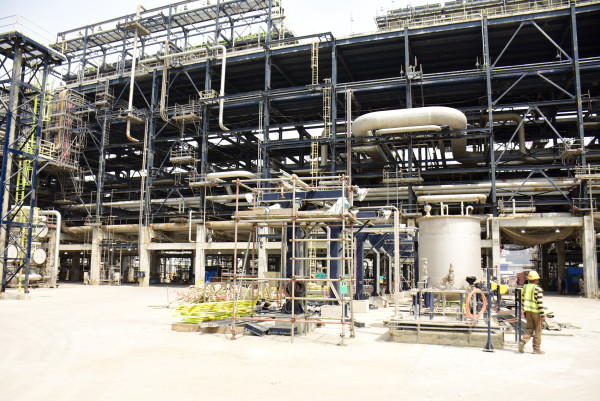
Independent non-profit organization Dialogue Earth has been accused of attempting to mobilize a smear campaign against Africa's largest refinery - the 650,000 barrels per day Dangote Refinery. The NGO allegedly contacted Nigerian journalist David Hundeyin to produce an article stating that the refinery raises questions about the country's climate ambitions while assessing the implications of increased fossil fuel utilization in Nigeria. In a statement released on X, Hundeyin highlights the article for what it is: an attempt by a western NGO to use an African voice to endorse energy poverty in Africa.

Representing the voice of the African energy sector and a strong advocate for African voices, the African Energy Chamber (AEC) strongly condemns the dirty tactics employed by Dialogue Earth to hire Africans and use them to destroy their own oil and gas industry. The AEC has long-promoted the critical role oil and gas plays in driving economic development and advancing clean-fuel utilization in Africa. Projects such as Dangote – Nigeria's first large-scale refinery – stand to transform West Africa by reducing the reliance on imported fuel, increasing the availability of clean and locally-sourced petroleum while creating jobs and business opportunities. The Dialogue Earth campaign is a clear demonstration of how the west is demonizing the industry and preventing any meaningful progress to alleviate energy poverty in Africa.

Dialogue Earth allegedly offered Hundeyin USD $500 to write the article, with the brief highlighting several contradictions and areas of concern. Firstly, Dialogue Earth allegedly shared that the purpose of the article was to identify the environmental implications of the Dangote Refinery on Nigeria, particularly within the context of the country's energy transition. However, Nigeria has strongly advocated for the role oil and gas plays in its transition, advocating for a just transition whereby the country can reduce emissions in a way that protects the economy and reduces energy poverty. As one of the biggest oil producers in Africa, Nigeria considers oil and gas to be central to creating the conditions by which the country can transition. As the industry grows, it will generate revenue, strengthen economic activities while promoting low-carbon fuel production.  As such, the refinery plays an intrinsic part in the Nigerian energy transition, despite what Dialogue Earth is attempting to state.

Secondly, the brief allegedly includes objectives such as investigating the environmental consequences of the refinery within the context of its adherence to emission standards. As Hundeyin so aptly writes in his statement, Nigeria has long-faced that challenge of relying on imported petroleum, owing largely to the lack of facilities such as Dangote. This has led to West African fuel cargoes – refined internationally ­– featuring toxic waste and sulfur content that is 200 times the European legal limit. Through the Dangote Refinery, Nigeria will not only be able to reduce its reliance on imported petroleum but put in place clear restrictions regarding sulfur content, thereby promoting environmental protection. Yet Dialogue Earth doesn't seem to care about toxic fuel, only that a refinery that will transform West Africa is put to rest.

The story also aims to explore the geopolitical implications of Nigeria's growing oil industry and the motivations of the refinery. This is ironic given the lack of recognition by Dialogue Earth to the critical role the refinery plays in developing the economy, contributing to global fuel stability while strengthening the energy industry in Nigeria. This attempted smear campaign shows that NGOs such as Dialogue Earth are only advocating for climate change when it suites them and that they have no problem keeping Africa in the dark, using African voices to do so.

“The AEC fully supports Hundeyin and commends him for standing up against Dialogue Earth. We are wholly against a western NGO trying to use African voices to advance their own biased agenda. The attempt to get a well-known Nigerian journalist to effectively endorse such a smear campaign shows a cowardly approach by the western NGO to try and destroy the African oil and gas industry, all because they can't do it with their own names or organizations,” stated NJ Ayuk, Executive Chairman of the AEC. 

The recent attempt by Dialogue Earth is just one of the many attempts by western-based and funded NGOs to stop oil and gas projects in Africa. From the East African Crude Oil Pipeline in Uganda to offshore exploration in South Africa to LNG projects in Mozambique, such organizations appear committed to restricting access to energy in Africa.

“We have seen how African crude oil has been treated, how funding for Mozambique LNG has been treated, how the west has constantly attacked South Africa as it tries to develop it its natural gas and how they have constantly attacked other gas projects and cut off financing. These tactics are hurtful to African development, our fight against energy poverty and to young people that want to build strong democracies,” added Ayuk.

Distributed by APO Group on behalf of African Energy Chamber.

Media files
African Energy Chamber
Download logo
Read moreAfrican Energy Chamber (AEC) Condemns Dialogue Earth’s Brash Attempt to Use an African Voice to Demonize African Oil and Gas
13 August 2024

African Energy Week (AEW) 2024 Launches Upstream Oil & Gas Forum Amid African Liquefied Natural Gas (LNG) Market Expansion

Location: News
African Energy Chamber

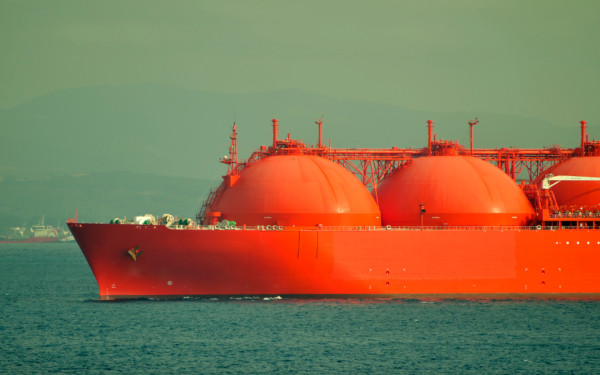
Africa's upstream oil and gas sector is attracting substantial investments, with an $800-billion capital expenditure program focusing on LNG alongside traditional deep-water oil projects currently underway. This investment cycle is expected to boost Africa's LNG production capacity at a time when global gas demand is on the rise.

Responding to this environment, African Energy Week (AEW): Invest in African Energy 2024 will host a two-day Upstream Exploration & Production (E&P) Forum spotlighting Africa's LNG prospects. The forum will feature a series of strategic sessions and presentations, highlighting major LNG and floating LNG (FLNG) developments and investment opportunities shaping the sector.

AEW: Invest in African Energy is the platform of choice for project operators, financiers, technology providers and government, and has emerged as the official place to sign deals in African energy. Visit www.AECWeek.com for more information about this exciting event.

Mozambique is at the forefront of Africa's LNG growth, with the $20-billion Mozambique LNG project led by TotalEnergies set to produce 12.8 million tons of LNG per annum by 2028. Eni's second FLNG production project in the country – Coral Norte – and ExxonMobil's Rovuma LNG development are anticipated to reach FID by 2025. The country achieved natural gas sales of $1.7 billion in revenue in 2023, mostly driven by the start up of the Coral Sul FLNG project in November 2022.

The Nigeria LNG (NLNG) Train 7 expansion project is approaching completion, set to boost the country's LNG capacity by 35%, adding roughly 8 million tons per annum. The project is part of Nigeria's broader strategy to enhance its LNG production capabilities to meet both local and regional demand. In June 2024, the Nigerian National Petroleum Corporation signed a Project Development Agreement (PDA) with marine infrastructure company Golar LNG to deploy a FLNG vessel in the offshore Niger Delta region. The PDA plans to monetize 400-500 million standard cubic feet of gas per day, producing LNG, LPG and condensate, with FID expected by Q4 2024.

Under the Upstream E&P Forum, a session on The Demand Economics Driving the Growth of African LNG and FLNG will explore Africa's LNG portfolio, shedding light on supply and demand dynamics and future investment opportunities. Speakers will include Managing Director & General Manager of Eni Rovuma Basin Marica Calabrese, Africa Finance Corporation Vice President Taiwo Okwor, and senior representatives from Golar LNG, Angola LNG, and UTM Offshore.

In West Africa, Equatorial Guinea is also establishing itself as a major LNG player through its Gas Mega Hub (GMH) initiative, which aims to pool regional gas resources to become a central hub for gas processing, liquefaction and distribution. Last October, US oil and gas company Marathon Oil entered into an LNG sales agreement with commodity trader Glencore for Equatorial Guinea's Alba field, positioning the company for the GMH's next phase of development. Meanwhile, the Greater Tortue Ahmeyim (GTA) LNG project, spanning Mauritania and Senegal, is set to reach first production by Q4 2024, with a capacity of 2.3 million tons per year.

In southern Africa, Angola's LNG market is also growing, launching the second phase of the Falcão natural gas project last December, as well as developing the country's first non-associated gas development project in Soyo. South Africa's Virginia Phase 2 project is set to produce commercial quantities of LNG and liquid helium, with a capacity of 670,000 cubic meters of LNG per day. Meanwhile, the country's Port of Ngqura FLNG project involves the installation of a floating storage and regasification unit, gas-to-power infrastructure, cryogenic pipelines and a terminal for processing, storing, on-site exploitation and distribution of gas acquired from the country's on- and offshore fields.

A session on The Game Changer: Examining African Gas will outline Africa's natural gas reserves, production capacities, infrastructure development and export potential, highlighting potential for transitional energy, power generation and diversified growth. The session will feature senior representatives from Equatorial Guinea's national oil company (NOC) GEPetrol, Seplat Energies, and Mozambican NOC Empresa Nacional de Hidrocarbonetos.

With these developments on the horizon, Africa's leading upstream markets are positioning themselves as key players in the global LNG industry. AEW: Invest in African Energy 2024 will provide a pivotal platform for stakeholders to engage in discussions, forge partnerships and explore new opportunities within Africa's growing LNG sector.

Distributed by APO Group on behalf of African Energy Chamber.

Media files
African Energy Chamber
Download logo
Read moreAfrican Energy Week (AEW) 2024 Launches Upstream Oil & Gas Forum Amid African Liquefied Natural Gas (LNG) Market Expansion
8 August 2024

Africa’s Energy Sector to Litigate Banks and Financiers for Financial Apartheid in Oil and Gas Sector

Location: News
African Energy Chamber

In recent years, several Western banks and financial institutions have implemented policies aimed at reducing support for fossil fuel projects, especially in Africa. This has led to a sharp decline in investment in the continent's oil and gas industry, a sector that is crucial for its economic future and energy needs. The African Energy Chamber (AEC) (https://EnergyChamber.org) argues that these institutions are practicing “financial apartheid,” arguing that while similar projects receive support in Europe, Africa's high-cost energy projects are being neglected.

The decline in investment is already having a noticeable impact, exacerbated by global shifts towards cleaner energy and prioritizing of ESG practices. Major international oil companies are reducing their presence in Africa. For instance, Equinor has withdrawn from offshore exploration in South Africa and ExxonMobil has exited a deep-water oil prospect in Ghana. This decline is contributing to a bleak outlook for Africa's energy sector.

“As the international community moves to boycott investments in the African energy sector, African people and African development stand to suffer,” says NJ Ayuk, Executive Chairman of the AEC. “The role of oil in Africa's energy and economic future is apparent, and consequently, should be defended as Western elites move to disrupt African progress.”

The broader implications of financial divestment are profound. Many African governments rely on fossil fuels as a cost-effective means to alleviate energy poverty and boost state revenues. However, the increasing pressure on financial institutions to cut funding for high-carbon projects creates uncertainty about the future of Africa's energy sector.

The International Energy Agency (IEA) has added to these challenges with its calls to cease funding for oil and gas projects, highlighting a disparity: while natural gas is considered a ‘green' energy source for Europe, it does not receive the same treatment in Africa. According to Ayuk, “The IEA has lost its relevance and its authority.” Originally focused on managing oil supply disruptions, the IEA now prioritizes policies aimed at achieving net-zero emissions by 2050. Its 2019 projection that no new investments in oil, gas, or coal are needed if the world continues on this path has been particularly controversial.

Several key African projects are at risk due to the withdrawal of financial support. Significant initiatives like TotalEnergies' Mozambique LNG project, ExxonMobil's Rovuma LNG project, Nigeria's Train 7 LNG expansion, Senegal's Sangomar oil field, Uganda's Tilenga project and the East African Crude Oil Pipeline (EACOP) require substantial financing to advance.

Despite these setbacks, some projects are progressing. TotalEnergies is advancing its $20 billion Mozambique LNG project, aiming to develop the Golfinho and Atum fields with a production capacity of 12.88 million tonnes per year. Eni's Coral South FLNG project in Mozambique has achieved a production capacity of 3.4 million tonnes per year. Additionally, the Greater Tortue Ahmeyim (GTA) LNG project, which started gas production in November 2022, is being developed by bp, Kosmos Energy and the national oil companies of Senegal and Mauritania. This project includes an FLNG facility with an initial capacity of 2.5 million tonnes per year.

Meanwhile Nigeria's Train 7 project, an expansion of the existing NLNG facility on Bonny Island, aims to boost production by 8 million tonnes per year, bringing the total to about 30 million tonnes per year. This development is crucial for Nigeria's growing population and its ability to meet its energy needs.

However, delays persist. The Tanzania LNG project, involving Equinor and Shell, is stalled due to proposed government changes. UTM Offshore's FLNG project in Nigeria, initially planned for 2023, has been postponed. Additionally, the EACOP faces significant criticism from financiers and environmental groups, complicating its development and financing.

Namibia, experiencing heightened interest from recent oil discoveries, is facing delays with the Kudu Conventional Gas Development. The Kudu Gas Project, an offshore initiative, has faced setbacks related to financing and project development challenges. As a result, the project is still pending FID and anticipated to commence production by 2026.

“Today, African Energy Poverty numbers are skyrocketing. Nine hundred million Africans lack access to clean cooking technologies, while 600 million lack access to electricity, most of them women. African families are facing high energy cost and inflation is going up,” Ayuk emphasizes. “It is shocking that financial institutions that do business in Africa continue to practice financial apartheid by cutting off capital and financing to oil and gas companies operating in Africa because of climate concerns. These same institutions fund gas development in Europe, where natural gas is deemed green and a fossil fuel for Africans.”

The disparity in financing not only undermines Africa's ability to harness its natural resources for its development but also perpetuates a cycle of energy deprivation. The AEC urges a re-evaluation of this approach and calls on global financiers to support Africa's energy projects, recognizing their critical role in advancing economic development, enhancing energy security, and improving living standards across the continent.

Distributed by APO Group on behalf of African Energy Chamber.

Media files
African Energy Chamber
Download logo
Read moreAfrica’s Energy Sector to Litigate Banks and Financiers for Financial Apartheid in Oil and Gas Sector
6 August 2024

The RMB Where to Invest in Africa 2024 report highlights Africa’s top investment economies

Location: Business
Rand Merchant Bank

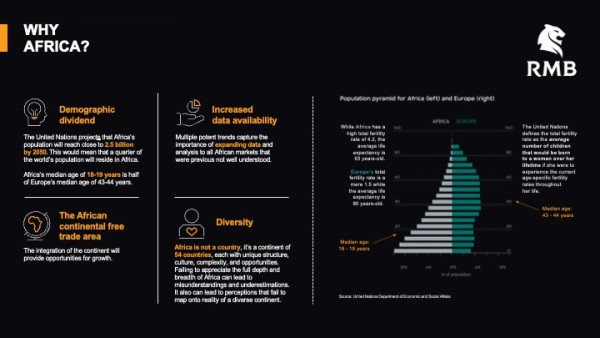
RMB (www.RMB.com) has released the highly anticipated 2024 edition of its Where to Invest in Africa report, a comprehensive analysis of the top investment destinations on the continent. The report, which has been developed in collaboration with the Gordon Institute of Business Science (GIBS), leverages a robust methodology that has been updated to reflect new data sources, taking into account a variety of factors that have been proven to determine a country's progress and therefore its investment potential. 

“Africa is not a country, but a vast, diverse and complex continent with different cultures, economies and investment potential. Our report therefore is not a definitive guide, but rather it is designed to provide insight to uncover the underlying drivers of a country's performance that inform its ranking. This offers invaluable insights for investors, policymakers, and business leaders looking to navigate Africa's dynamic economic landscape,” says Isaah Mhlanga, Chief Economist at RMB.  

Expanded data, extended granularity 

Investment decisions need to be viewed through both an economic performance lens and an operating environment lens. As a result, the methodology used for this edition of the Where to Invest in Africa report builds and expands on previous editions, taking into account new data sets as well as changing geopolitical and macroeconomic climates.  

The scorecard for the 2024 issue highlights 31 countries that collectively represent 92% of the continent's economic activity (measured by GDP), and more than one billion people (three quarters of the continent's population). It draws on publicly available data sets from global institutions, including the World Bank, the IMF, the African Development Bank, the United Nations, and the International Labour Organisation.  

The model is constructed from 20 metrics across four measurement pillars: economic performance and potential; market accessibility and innovation; economic stability and investment climate; and social and human development. Each metric is weighted, which translates into a weight for each pillar, and based on these metrics a standardised scorecard is produced, with rankings that enable effective comparison across Africa's complex and heterogeneous environment.  

Africa's top five investment destinations 

Combining these elements results in a ranking across the 31 countries measured. The results of the report show that the two small island economies of Seychelles and Mauritius rank first and second as the most attractive investment destinations on the continent, while the significantly larger economies of Egypt, South Africa, and Morocco rank in third, fourth and fifth places respectively. 

Seychelles leads the rankings thanks to high levels of personal freedom, human development, and a stable economic environment. Seychelles offers a unique and attractive investment climate. Despite scoring lower on economic size and potential, Mauritius is known for innovation, economic freedom, and high GDP per capita. It continues to be a top destination for investors seeking stability and growth opportunities in a well-regulated environment.  

Egypt represents Africa's largest economy by GDP (2023), offering a substantial market with diverse opportunities in sectors like technology, manufacturing, and services. Its strategic location and economic complexity further enhance its attractiveness. Despite facing significant challenges, South Africa remains a crucial hub for investment in Africa. Its robust financial sector, diverse economy, and potential for infrastructure development make it a key player. Finally, Morocco's strong performance in connectedness, innovation, and economic stability positions it as a top investment destination. Its strategic proximity to European markets adds to its appeal. 

Distilling diversity – investment archetypes explained 

Africa is an incredibly diverse continent, and no two markets are the same, which means there is no such thing as a universal success story. However, when we zoom out and view nations through the lenses of size and the relevant investability score, it becomes apparent that they fall into distinct groupings with shared traits. The 2024 edition of Where to Invest in Africa suggests five potential investment archetypes based on shared characteristics revealed through the four measurement pillars.  

‘Highflyers' represent the large, well-established economies that offer stability and a range of investment opportunities, such as Nigeria, South Africa, Egypt and Ethiopia. Those ‘Cleared for Take-off' are countries with high economic growth and innovation potential thanks to factors like a young population and abundant resources, including Senegal and Côte d'Ivoire. ‘People Potential' are markets with a young and growing demographic, creating a sizeable consumer base and a future workforce, such as Kenya, DRC and Uganda. ‘Global Connectors' are more advanced economies with a strong international presence, such as Morocco, Mauritius, Tunisia and Seychelles. ‘Low-Base Boomers' are smaller markets with high potential for explosive growth but a corresponding higher degree of risk, including Rwanda, Mozambique, and Benin. 

Additional insights unpacked

The report also highlights a number of trends across the various markets, and the role of innovation and economic complexity in driving growth is a central theme. Countries such as South Africa, Kenya, and Ghana are noted for their strides in technological innovation and diversification of their economic bases, making them attractive destinations for investment. 

The African Continental Free Trade Agreement (AfCFTA) holds significant potential for boosting intra-African trade, enhancing economic integration, and creating a more competitive continental market. Effective implementation of the AfCFTA is expected to drive economic growth and development across the continent. Africa's young and rapidly growing population also presents a unique opportunity for economic growth, with countries like Ethiopia, Tanzania, and Uganda poised to benefit from this demographic dividend, provided they can create sufficient employment opportunities and foster a conducive environment for economic participation.  

In addition, there are a number of emerging markets with significant growth potential, including Nigeria, Ghana, and Kenya. Despite facing challenges such as political instability and infrastructural deficits, these countries offer substantial opportunities due to their large and youthful populations, improving business climates, and diversification efforts. Africa's vast natural resources, including minerals and arable land, are pivotal for sustainable economic growth. However, the report cautions against the "resource curse" and underscores the importance of good governance and strategic management. Angola, Mozambique, and the Democratic Republic of Congo are highlighted for their rich resources and potential for sustainable development. 

One area that requires critical attention across the continent is the need for infrastructure investment. Improved transportation, energy, and digital infrastructure are essential for unlocking Africa's economic potential, and South Africa, Kenya, and Nigeria are identified as key markets where infrastructure development could yield significant returns. 

Beyond the rankings – a deeper look at African investment 

Looking beyond metrics and scorecards, Africa holds massive potential but equally faces numerous challenges. The continent is rich in natural resources, which can be a major driver of economic growth, but they also present challenges in the form of corruption and environmental degradation. Increased activity around trade agreements can open new markets for foreign investors and boost economic activity, but lack of adequate infrastructure is a major hurdle for many African economies. Investment in this space will improve connectivity and create new opportunities, while rapid and increasing urbanisation will prove attractive to investors in consumer goods, retail, and financial services. Finally, countries in Africa are embracing new technologies, leapfrogging traditional development stages and creating new investment opportunities in the tech sector. 

“The richness of Africa's diversity makes fully analysing its nuance and contrast a challenging task, but an important one when it comes to understanding the varied markets that make up this vast regional economy. The 2024 RMB Where to Invest in Africa report aims to develop a balanced, robust and actionable view of the drivers, challenges and opportunities that characterise each of the 31 African markets included in the analysis,” Mhlanga concludes.  

Download the full report here to uncover the insights and drive more informed investment decisions. 

  • https://apo-opa.co/4dyoUQm
  • https://apo-opa.co/46CBs7c

Distributed by APO Group on behalf of Rand Merchant Bank.

Media files
Rand Merchant Bank
Download logo
Read moreThe RMB Where to Invest in Africa 2024 report highlights Africa’s top investment economies
23 July 2024

World Bank Group Executive Directors note progress and re-affirm support to South Africa and Namibia

Location: News

The World Bank Group
Download logo

A delegation of the World Bank Group's (WBG) Board of Executive Directors (EDs) noted South Africa's and Namibia's progress in achieving their development goals and re-affirmed World Bank Group's commitment to providing support. The 11 EDs and Alternate EDs were hosted by the World Bank and International Finance Corporation (IFC) country offices during their recent visit on July 7-13.

The visit provided a platform to assess progress with projects and engage on the evolution of the World Bank Group's relationship with the countries, from a knowledge-focused to a broader knowledge and financing partnership. EDs met government and business leaders, local stakeholders, and project beneficiaries, and experienced first-hand how the countries manage development priorities and challenges. South Africa and Namibia have common challenges, including poverty, unemployment, and inequality. Throughout the visit, the delegation discussed the ongoing and future support from the World Bank Group to boost inclusive economic growth and job creation.

In South Africa, over the past three years the country has shifted from being a non-borrowing client to borrowing over $1 billion per year from the World Bank. South Africa also constitutes the largest IFC portfolio in Africa and the Multilateral Investment Guarantee Agency's (MIGA) second largest on the continent.

In Namibia, the World Bank Group is preparing a new Country Partnership Framework (CPF) with the government that will strategically guide its support as the engagement continues to grow. The World Bank recently approved a $138.5 million renewable energy and transmission loan to NamPower, after 15 years without borrowing.

Key highlights of the visit included:

  • In South Africa, the delegation met with the Minister of Finance Honorable Enoch Godongwana, and the Minister of Electricity and Energy Honorable Kgosientsho Ramokgopa. EDs visited two IFC clients and two World Bank projects which showcased support for key government priorities and demonstrated how these projects link to global issues and corporate initiatives such as the just energy transition, health, urban development, and subnational government engagement. The delegation toured and engaged with stakeholders at the Komati power station – the site of the Eskom Just Energy Transition Project; the Addo Elephant Park that houses the innovative Wildlife Conservation Bond; and the IFC-supported Trust for Urban Housing Finance and BioVac Institute that manufactures vaccines locally.
  • In Namibia, the delegation met with Minister of Finance and Public Enterprises Honorable Ipumbu Shiimi and key stakeholders, including development partners and the private sector.  The delegation visited informal settlements near Windhoek to gain insights on housing related issues, a sector where IFC is investing and which the government has identified as a priority for World Bank Group engagement.

Matteo Bugamelli, the World Bank's Executive Director who represents the constituency of countries including Albania, Greece, Italy, Malta, Portugal, San Marino, and Timor-Leste, expressed optimism about the countries' progress. He emphasized the World Bank Group's commitment to helping South Africa and Namibia address unemployment and inequality challenges. He particularly welcomed the increased financing to support the implementation of much needed reforms.

About the World Bank Group's Board of Directors: The Board of Executive Directors is responsible for the conduct of the general operations of the Bank, making decisions on loans, credits, grants, policies, and financial matters. The Board consists of 25 members who represent the 189 member countries, providing guidance for the institution's development activities.

Visiting Board Officials: The delegation included Mr. Abdulaziz E A Almulla (Executive Director for Bahrain, Arab Republic of Egypt, Jordan, Iraq, Kuwait, Lebanon, Maldives, Oman, Qatar, United Arab Emirates, West Bank and Gaza, and Republic of Yemen); Mr. Matteo Bugamelli (Executive Director for Albania, Greece, Italy, Malta, Portugal, San Marino, and Timor-Leste); Ms. Ayanda Dlodlo (Executive Director Angola, Nigeria, South Africa); Mr. Floribert Ngaruko (Executive Director for Botswana, Burundi, Eritrea, Eswatini, Ethiopia, The Gambia, Kenya, Lesotho, Liberia, Malawi, Mozambique, Namibia, Rwanda, Seychelles, Sierra Leone, Somalia, South Sudan, Sudan, Tanzania, Uganda, Zambia and Zimbabwe); Ms. Katharine Rechico (Executive Director for Antigua & Barbuda, The Bahamas, Barbados, Belize, Canada, Dominica, Grenada, Guyana, Ireland, Jamaica, St. Lucia, St. Kitts & Nevis and St. Vincent & the Grenadines); and Mr. Tauqir Shah (Executive Director for Afghanistan, Algeria, Ghana, Islamic Republic of Iran, Morocco, Pakistan, and Tunisia.

Visiting Alternate Executive Directors:  Mr. Louis Albisson (Alternate Executive Director for France); Mr. Felice Gorordo (Alternate Executive Director for the United States), Mr. Koji Uemura (Alternate Executive Director for Japan); Ms. Kerstin Sumana Wijeyewardene (Alternate Executive Director for Asia and the Pacific Constituency) and Mr. Weifeng Yang (Alternate Executive Director for China).

Included in the delegation was Ms. Mercy Tembon, World Bank Vice President and Corporate Secretary.

Distributed by APO Group on behalf of The World Bank Group.

Read moreWorld Bank Group Executive Directors note progress and re-affirm support to South Africa and Namibia
22 July 2024

Africa – Unfinished business: only urgent and accelerated delivery of HIV services will keep the promise of ending AIDS in children by 2030

Location: News

United Nations Children’s Fund (UNICEF)
Download logo

Despite progress made in reducing HIV infections and AIDS-related deaths among children, a new report released today by the Global Alliance for Ending AIDS in Children by 2030 shows that an urgent scale up of HIV services in countries worst affected by the pandemic is required to end AIDS by 2030.

The report, Transforming Vision Into Reality, shows that programmes targeting vertical transmission of HIV have averted 4 million infections among children aged 0-14 years old since 2000. Globally, new HIV infections among children aged 0-14 years old have declined by 38 per cent since 2015 and AIDS-related deaths have fallen by 43 per cent.    

Among the 12 Global Alliance countries, several have achieved strong coverage of lifelong antiretroviral therapy among pregnant and breastfeeding women living with HIV, with Uganda nearing 100 per cent, United Republic of Tanzania at 98 per cent, and South Africa at 97 per cent. Mozambique has achieved 90 per cent coverage, with Zambia at 90 per cent, Angola at 89 per cent, Kenya at 89 per cent, Zimbabwe at 88 per cent, and Cote d'Ivoire at 84 per cent.

“I applaud the progress that many countries are making in rolling out HIV services to keep young women healthy and to protect babies and children from HIV,” said UNAIDS Executive Director, Winnie Byanyima. “With the medicines and science available today, we can ensure that all babies are born – and remain – HIV-free, and that all children who are living with HIV get on and stay on treatment. Services for treatment and prevention must be ramped up immediately to ensure that they reach all children everywhere. We cannot rest on our laurels. The death of any child from AIDS related causes is not only a tragedy, but also an outrage. Where I come from, all children are our children. The world can and must keep its promise to end AIDS in children by 2030.”

Global Alliance countries are innovating to overcome barriers and accelerate progress towards ending AIDS in children. However, despite advances neither the world nor Global Alliance countries are currently on track to reach HIV-related commitments for children and adolescents and the pace of progress in preventing new HIV infections and AIDS-related deaths among children has slowed in recent years.

“Accelerating the delivery and uptake of HIV services for children and adolescents is a moral obligation, and a political choice,” said Dr Tedros Adhanom Ghebreyesus, Director-General of the World Health Organization. “Twelve countries are demonstrating they have made that choice, but significant challenges remain. While we have made progress in increasing access for pregnant women to testing and treatment to prevent vertical transmission of HIV, we are still far from closing the paediatric treatment gap. We need to further strengthen the collaboration and reach of the Global Alliance, and we must do this work with focus, purpose and in solidarity with all affected mothers, children, and adolescents.”

Around 120 000 children aged 0-14 years old became infected with HIV in 2023, with around 77 000 of these new infections occurring in the Global Alliance countries. AIDS-related deaths among children aged 0-14 years old numbered 76 000 globally with Global Alliance countries accounting for 49 000 of these unnecessary deaths. Vertical transmission rates remain extremely high in some locations, particularly in Western and Central Africa, with rates exceeding 20 per cent in countries including Nigeria and the Democratic Republic of the Congo.

“In the fight against HIV, we must do a much better job for children,” said Peter Sands, Executive Director of the Global Fund to Fight AIDS, Tuberculosis and Malaria, which provides funding for HIV programmes in over 100 countries through a country-led partnership model. “In support of national programmes, we have been procuring the latest dolutegravir-based paediatric treatment regimens at negotiated prices. Our investments in laboratory systems are helping ensure exposed infants are rapidly tested and that those that test positive are quickly initiated on age-appropriate antiretroviral treatment. Differentiated testing and treatment approaches are helping close the diagnostic gap and ensuring more child-centred service delivery.”

It is concerning that the treatment gap between adults and children continues to widen.

“Just 57 per cent of children living with HIV receive life-saving treatment, compared to 77 per cent of adults,” said UNICEF Associate Director HIV/AIDS, Anurita Bains. “Without early and effective testing and treatment, HIV remains a persistent threat to the health and well-being of children and adolescents and puts them at risk of death. To close the treatment gap, we must support governments to scale up innovative testing approaches and ensure children and adolescents living with HIV receive the treatment and support they need.”

In 2023, there were 210 000 new infections globally among young women and girls aged 15—24 years old (130 000 in Global Alliance countries), four times higher than the 2025 goal set at 50 000. Preventing new infections among this age group is critical both to protect the health and wellbeing of young women and to reduce the risk of new infections among children.

Gender inequalities and human rights violations are increasing women's vulnerability to HIV and diminishing their ability to access essential services. Globally, nearly one in three women have encountered some form of violence during their lifetime, with adolescent girls and young women disproportionately affected by intimate partner violence. In the four Global Alliance countries with available data, countries are not currently on track to achieve the target of ensuring that by 2025 less than 10 per cent of women, key populations and people living with HIV experience gender-based inequalities and gender violence.

"It has been remarkable to see how many more children's lives can be saved when all stakeholders and partners come together to commit to end AIDS in children. While much progress has been made, notably through the successful introduction of pediatric dolutegravir, large gaps still remain across the pediatric cascade and we must recommit ourselves with purpose and innovation to fulfill the promises we have made by 2025 and beyond,” said Ambassador John N. Nkengasong, United States Global AIDS Coordinator and Special Representative for Global Health Diplomacy.

The Global Alliance for Ending AIDS in Children by 2030 was launched in 2022 by WHO, UNICEF and WHO to reinvigorate the paediatric HIV agenda. It has now grown, and in addition to the United Nations agencies, the alliance includes civil society movements, including the Global Network of People living with HIV, national governments in the most affected countries, and international partners, including PEPFAR and the Global Fund. Twelve countries are members: Angola, Cameroon, Côte d'Ivoire, The Democratic Republic of the Congo (DRC), Kenya, Mozambique, Nigeria, South Africa, Tanzania, Uganda, Zambia, and Zimbabwe. 

Distributed by APO Group on behalf of United Nations Children’s Fund (UNICEF).

Read moreAfrica – Unfinished business: only urgent and accelerated delivery of HIV services will keep the promise of ending AIDS in children by 2030
17 July 2024

“New system” is needed to deal with natural disasters in SA

Location: News

"New system" is needed to deal with natural disasters in SA

Cooperative Governance and Traditional Affairs (CoGTA) Minister, Velenkosini Hlabisa, says South Africa is at an increased risk of natural disasters and needs a “new system” to manage these challenges more effectively.

“I wish to take this time to also convey our deepest condolences to the loved ones of those who have tragically lost their lives. We also acknowledge work undertaken to rebuild our societies and we urge all government structures to increase the speed of responding to the plight of communities,” Hlabisa said on Wednesday during his Budget Vote Speech. 

He recognised the vital role played by the department following the floods and fires currently affecting communities in the Western Cape and KwaZulu-Natal.

“We have learned with heavy hearts of the passing of 14 people who died in the veld fires in KZN. Among the 14, six were firefighters, some volunteers. These brave men and women paid the ultimate price to save communities. We convey our heartfelt condolences to the loved ones of all the victims. May their souls find eternal rest.” 

Hlabisa tabled the CoGTA 2024/25 budget, at R395.7 billion, with a significant portion 95.9% (R379.61 billion) to be transferred to municipalities and affiliated entities.

A total of R379.6 billion of the department’s total budget over the Medium-Term Expenditure Framework (MTEF) period will primarily cover the local government equitable share, disaster relief grant and the municipal infrastructure grant.

The Minister recognised that it was only through the department’s urgent interventions that lives and livelihoods were saved and thanked all those who are collaborating with government to assist distressed communities.

Hlabisa and his team are expected to visit the affected areas in KwaZulu-Natal to assess the situation and provide support.

In Cape Town, over 33 000 households have been affected across the metropole in both formal and informal settings following the floods, affecting some 95 000 people.

“We recognise that the challenges we face in disaster management are largely because South Africa has experienced not only an increase in the number of disasters - such as droughts, floods, COVID-19, and severe weather – but also an increase in their magnitude, severity, and impact.

“These events have occurred either simultaneously or in rapid succession, straining our resources and systems.” 

However, the Minister believes that the challenges faced in disaster management are primarily due to deficiencies in regulatory legislation, which are not designed to adapt to the ever-changing risk environment. 

“The systemic and structural design of our disaster management delivery, as guided by current laws, results in issues with timing and bureaucracy. Key elements of the disaster management function were assigned to municipalities through legislation, but without funding.” 

He told the Members of Parliament (MPs) that this created a contradiction between the Disaster Management Act and the Municipal Systems Act (MSA) which requires sufficient funding and capacity for assigned functions. 

“Consequently, municipalities lack the necessary funding and capacity.” 

He admitted that government’s response has struggled with agility, efficiency, and effectiveness in risk analysis, prevention, mitigation, emergency preparedness, early warning systems, and recovery services. 

He told MPs that the fire and rescue services also face significant hurdles and that in 2022, Cabinet mandated the National Disaster Management Centre (NDMC) to review and overhaul the disaster management system, including fire services.

“In response to this, we are proposing a new system for disaster management and fire services.” 

This system, he said, aims to improve governance by reorganising administrative structures and financing models to better respond to growing disaster risks. 

“We have since developed a new model based on best practices from New Zealand, Russia, Brazil, Mozambique, California, and Australia. The new model emphasises risk reduction and integrates disaster management into all levels of government planning, ensuring adequate funding and focus on resilience.”

He told Parliament that the NDMC undertook extensive consultations with all stakeholders through existing disaster management structures and across the three spheres of government and that inputs were received and used to refine the proposed model.

“We look forward to working with all stakeholders in the management of disasters, including rolling out training to Houses of Traditional Leadership, particularly those in disaster-prone areas, on disaster management. 

“This will enable them to work closely with all spheres of government and stakeholders on the ground to assist in disasters. An implementation plan has been developed in this regard for effective implementation of this training,” he added. 

This year, the department also signed a Memorandum of Collaboration with the Department of Defence that will see the Community Work Programme (CWP) participants playing a role in disaster preparedness and community development. – SAnews.gov.za
 

Gabisile
Wed, 07/17/2024 - 11:32

26 views
Read more“New system” is needed to deal with natural disasters in SA
16 July 2024

Natural Gas, the Right Transition Fuel for South Africa

Location: News
African Energy Chamber

By NJ Ayuk, Executive Chairman, African Energy Chamber (www.EnergyChamber.org).

A recent policy brief, “Natural Gas as a Transition Fuel in South Africa,” produced by Eye for Business, minced no words concerning the need to access and use that plentiful underground resource.

As stated up front, “Among alternatives, there is a compelling case for investing in natural gas as the most prudent steppingstone to a low-carbon future of power generation.”

In their brief, commissioned by The EnerGeo Alliance — a global trade alliance for the energy geoscience industry — Eye for Business makes a good point.

South Africa's continuing power deficits make the case anew each day for expanded extraction and use of the country's natural gas.  A significantly lower-carbon alternative to coal and diesel, this fuel can provide electricity for growing needs while paving the way for renewables and an increasingly lower-carbon future.

The Current Energy Picture

The brief highlights the growth forces that are now at work and expected to push South Africa's demand for energy to a projected three times current demand by 2040.  These forces include a growing population and a trend toward migration into cities. 

South Africa's current energy sources — coal, diesel, renewables, and unpredictable natural gas imports from Mozambique — are inadequate to prevent the daily 6- to 10-hour outages that now hinder business, education, medicine, industry, and more.

Residentially, these intermittencies impact poorer households the most. Likewise, the frequent failures of old coal-fired plants and associated maintenance costs result in higher tariffs that hit low-income families hardest.

These stark realities make it imperative that South Africa use its own clean natural gas to transition toward renewables, at a pace that allows its economy to benefit. Moving in that direction will draw more needed outside interest and investment in the country's natural gas deposits.

As a real-time example, Namibia is wisely using its offshore discoveries in this way, helping that nation move toward prosperity.

For South Africa to likewise gain the economic health needed to increase development of renewables, it must first stabilize its energy supply to reverse disturbing trends in business closures and increased unemployment due to intermittencies. Energy sources such as wind and solar, which are by nature intermittent, cannot provide immediate solutions to these economic and human problems.

With substantial in-country natural gas discoveries such as Brulpadda, prospects like the Karoo shale reserves, and potential offshore discoveries on the horizon, it just makes sense to put those resources to work to achieve energy stability.

Natural Gas, the Natural Solution

“Countries using gas as a source for power generation have seen their electricity supply grow about three times faster in the past 10 years than those not able to use gas,” states Eye for Business' brief.

As is well known, the wealthy countries around the globe have long made tactical use of their vital natural gas resources for building economic soundness. Once their people and businesses were supported by a reliable supply of electricity, these nations could begin to develop renewables on a large scale.

Importantly, for South Africa's industrial sector to grow, it needs increased feedstocks, such as those used to make fertilizers and petrochemicals. These vital chemicals are produced from natural gas, which can also supply the heat energy needed by the cement, steel, and other industries to make their products.

Less Cost, Less Emissions

Putting South Africa's natural gas resources to work during transition will cost less than most alternatives. Comparing the price tag for various types of electric power plants, the costs per kilowatt hour to build solar, biomass, nuclear, wind, and coal plants are all more than twice as high as the cost to build natural gas plants.

This difference is largely due to modular construction methods used for natural gas plants, which makes them easier to scale and suit to their locations, thus avoiding the cost overruns typical on larger facility projects.

Another cost-efficient build method for natural gas plants is converting inactive existing coal-fired power plants. These conversions can be done at lower costs than new construction. This is a win-win proposition that utilizes unused plants for producing cleaner energy while avoiding unnecessary expense.

As the brief highlights, natural gas emits 50% to 60% less CO2 than coal. This makes it an ideal transition fuel for South Africa that will contribute only a very miniscule amount to global emissions. And even that could be decreased with the use of carbon capture and storage.

To keep a realistic perspective on emissions, it is important to bear in mind that Africa as a whole, with about 17% of the world's population, contributes only a tiny 4% of global carbon emissions at 1.45 billion tonnes.

Potential Employment and Exports

Increased investment in and use of natural gas could pay off for South Africa in two very important areas — job creation and the opportunity to achieve net exporter status.

Growing new jobs is crucial, as South Africa's unemployment rate is currently hovering around 30%. Jobs will come with the territory as the country's gas infrastructure is enlarged for drilling, transport, and electricity production.

Young managers and workers will need to be trained in the necessary skills to run and maintain these operations. In short, revving up the natural gas sector will breathe new energy into the job market as young people see and take advantage of these new opportunities.

On the export front, a sizeable opportunity for boosting the country's economy has appeared on its northern horizon.  Because of Europe's recent reduction in imports of Russian gas, the vast European market presents an opportunity South Africa could pursue, along with other markets, after its own energy needs are met.

The Way Forward

To diversify South Africa's energy mix, government policy support in accordance with the country's draft Gas Master Plan (GMP2024) and the National Development Plan (NDP) will be needed.

The Integrated Resource Plan (IRP) aligns with those documents' goals, supporting, as Eye for Business' brief puts it, “a significant shift in the energy mix, projecting an additional 29,500MW to the electricity capacity by 2030, with 3,000MW expected from gas.”

With all the benefits they can bring, South Africa must not leave its valuable natural gas deposits stranded while lacking reliable green energy sources. Making steady progress toward a lower-carbon energy mix while transitioning toward renewables makes sense for South Africa and its people.

Distributed by APO Group on behalf of African Energy Chamber.

Media files
African Energy Chamber
Download logo
Read moreNatural Gas, the Right Transition Fuel for South Africa
12 July 2024

African Players, Coaches, and Referees to Participate in the National Basketball Association (NBA) 2K25 Summer League

Location: News

Basketball Africa League (BAL)
Download logo

Twenty-Five Basketball Coaches from 15 African Countries Selected for NBA 2K25 Summer League; Five Players Who Featured in the 2024 BAL Season (https://BAL.NBA.com/) to Compete in Las Vegas.

Twenty-five basketball coaches from 15 African countries have been selected to participate in the NBA 2K25 Summer League which will take place in Las Vegas, Nevada from July 12 -22, 2024.  The selected coaches form part of the Africa Coaches Program, which builds on NBA Africa's and Basketball Africa League's (BAL) commitment to building capacity and expertise of coaches from across the continent, improving the quality of the on-court product, and contributing to the continued growth of basketball on the continent.  Eight of the coaches represent teams that have participated in the BAL.

Please see below for some of the notable storylines, followed by the full roster of the African coaches, players, and referees who will take part in the Summer League.

African Coaches Program

Building Continuity

  • Six teams that took part in the 2024 BAL season will have at least one coach participating – Al Ahly (Egypt), Bangui Sporting Club (Central Africa Republic) City Oilers (Uganda), FUS de Rabat (Morocco), Rivers Hoopers (Nigeria), and US Monastir (Tunisia). 
  • Sixteen of the 24 coaches will take part in the Africa Coaches Program for the first time.
  • Rivers Hoopers head coach Ogoh Odaudu was named 2024 BAL Coach of the Year and led his team to a third-place finish this season.  Rivers Hoopers' head coach since 2009, Odaudu coached the team to five Nigerian Premier League titles.  Since 2019, Odaudu has been a member of the coaching staff on the Nigerian national team. 
  • Two coaches – Francois Enyegue (Cameroon; San Antonio Spurs) and Emmanuel Mavomo (Democratic Republic of the Congo; Milwaukee Bucks) – return to the Summer League for a third consecutive year.  Last year, they coached with the Orlando Magic and Utah Jazz, respectively.  Enyegue is currently the head coach of Bangui Sporting Club (Central Africa Republic) and served as head coach of Team Africa & Middle East Girls at the Jr. NBA Global Championship in 2018.  Mavomo is NBA G League's Austin Spurs assistant coach and served as an assistant coach of Paris Basketball and BC Espoir Fukash during the 2022 BAL season.

Empowering the Next Generation

  • Three players with BAL experience who have decided to take up a career in coaching will be part of this year's program.  John Wilkins (Rivers Hoopers), Mohamed Gaddour (US Monastir), and Radouane Slimane (US Monastir) will respectively join the Phoenix Suns, Los Angeles Clippers, and Miami Heat.

NBA Academy Africa Well-Represented

  • NBA Academy Africa players development coaches Goitsemang Ditsheko (South Africa) and Karim Nesba (Morocco) will coach with the Houston Rockets and the Sacramento Kings respectively.  Based at the NBA Academy Africa in Saly, Senegal since 2022, Ditsheko is part of the academy coaching staff who worked with NBA Academy Africa's first NBA draftee, Cameroon's Ulrich Chomche, selected with the number 57 overall by the Memphis Grizzlier and traded to the Toronto Raptors in the 2024 NBA Draft.  While enrolled at NBA Academy Africa, Chomche competed in the BAL as part of the BAL Elevate program, representing Rwanda Energy Group Basketball (REGBBC) in 2023 and Cameroon's Forces Armées et Police (FAP) in 2022.  Karim Nesba is a former AS Salé and Morocco National Team player.  He coached the Uganda City Oilers in the 2024 BAL season and the BAL Select Team at Quai 54 this summer.  NBA Academy Africa Alumni Ibou Badji (Senegal) and Babacar Sané (Senegal) will be playing with the Milwaukee Bucks and Utah Jazz respectively. Badji who signed a two-way contract with Portland Trail Blazers last season, played 22 games in the 2023-24 NBA season. Sané former BAL Elevate player has played with the G League Ignite since 2022.

Female Participants

  • For the first time, three female coaches will participate in the Africa Coaches Program – Sofia Bey (Morocco; Sacramento Kings), Aliaa Mahmoud Mohamed (Egypt; Washington Wizards), Ruth Bibeyi (Gabon; Los Angeles Lakers).  They join the Africa Coaches Program as part of NBA Africa's and the BAL's efforts to provide more opportunities for women in basketball.  
  • Sofia Bey (Morocco, Sacramento Kings) is the head coach of Wydad Athletic in Morocco.  Bey participated 2022 FIBA Africa Regional Youth Camp and was selected for the FIBA Young Coach program in 2015.
  • Ruth Bibeyi (Gabon; Los Angeles Lakers) was the head coach of Espoir Basket Club (Gabon) which participated in Road to the BAL 2023.  Aliaa Mahmoud (Egypt, Washington Wizards) was the assistant coach of FIBA U19 Women's Basketball World Cup 2023.

Please see below for the complete list of African coaches participating in the NBA 2K25 Summer League and the NBA teams coaching staff they have joined.

First name

Last name

Country of origin

NBA Team

Mohamed Lamine

Kriedeche

Algeria

New Orleans Pelicans

Stef

Pare

Burkina Faso

Orlando Magic

Francois

Enyengue

Cameroon

San Antonio Spurs

Victor

Samnick

Cameroon

Denver Nuggets

Pierrot

Ilunga

Democratic Republic of the Congo

Toronto Raptors

Emmanuel

Mavomo

Democratic Republic of the Congo

Milwaukee Bucks

Ahmed

Elgarhi

Egypt

Minnesota Timberwolves

Alia

Mahmoud

Egypt

Washington Wizards

Ruth

Bibeyi

Gabon

Los Angeles Lakers

Ahmed

Salam

Morocco

Atlanta Hawks

John

Wilkins

Morocco

Phoenix Suns

Sofia

Bey

Morocco

Sacramento Kings

Karim

Nesba

Morocco

Sacramento Kings

Leonel

Manhique

Mozambique

Brooklyn Nets

Ogoh

Odaudu

Nigeria

Cleveland Cavaliers

Mohamed

Abdulrahman

Nigeria

Utah Jazz

Mugisha Igor

Keys

Rwanda

Boston Celtics

Prosper

Naci

Rwanda

Philadelphia 76ers

Matar

Mbodji

Senegal

Chicago Bulls

Goitsemang

Ditsheko

South Africa

Houston Rockets

Akech Wuoi Garang

Ajak

South Sudan

New York Knicks

Bechir

Hadidane

Tunisia

Memphis Grizzlies

Mhamed

Gaddour

Tunisia

Los Angeles Clippers

Radouane

Slimane

Tunisia

Miami Heat

Andrew

Senyondwa

Uganda

Trailblazers Portland

BAL Season 4 Players*

Five players who played in the 2024 BAL season are set to feature in this year's Summer League: Jo Lual-Acuil Jr. (South Sudan; Sacramento Kings), Samkelo Cele (South Africa; New York Knicks), Obadiah Noel (USA; New York Knicks) Devine Eke (Nigeria, Milwaukee Bucks), and Makhtar Gueye (Senegal; Atlanta Hawks).

  • Lual-Acuil Jr. averaged 21.1 points, 9.9 rebounds, and 1.6 blocks during the last BAL season, helping Al Ahly Ly (Libya) to the 2024 BAL Finals.  Lual-Acuil Jr. won the Hakeem Olajuwon Trophy as the 2024 BAL Most Valuable Player and the Dikembe Mutombo Trophy as the Defensive Player of the Year.  Lual-Acuil Jr. also emerged as the 2024 BAL Scoring Champion and was named to the 2024 All-BAL First Team and the All-BAL Defensive Team.
  • Cele averaged 20.2 points per game and finished second in scoring in the league.  He led South Africa's Cape Town Tigers to the semifinals and was named to both the 2024 All-BAL First Team and All-Defensive Team.
  • Obadiah averaged 19.4 points and 4.2 rebounds per game with Armée Patriotique Rwandaise basketball (APR; Rwanda) in the Sahara Conference last season.
  • Eke registered 16.6 points and 11.3 rebounds per game, leading Nigeria's Rivers Hoopers to third place in the last BAL season.
  • Gueye represented Burundi's Dynamo Basketball Club in the inaugural Kalahari Conference last season.
  • Cele and Gueye were part of the BAL Select team that featured at the 2024 Quai 54 Streetball Tournament, the world's biggest streetball tournament in Paris, France, last month.

*Rosters are subject to change.

Referees with BAL Experience

Five referees who officiated in the 2024 BAL season will also join the program, including Annie Joyce Muchenu (Zimbabwe).  Muchenu became a FIBA international referee in September 2008 and was appointed to officiate at the FIBA Women's Champions Cup in Nairobi, Kenya the same year.  She has since officiated at major competitions on the African continent including junior and senior tournaments but has also officiated at two All Africa Games (2011 and 2015), three FIBA U-17 World Cups, two FIBA U-19 World Cups, pre-Olympic Qualifiers and the 2018 Commonwealth Games in Gold Coast, Australia, and the BAL since the beginning of the competition.  

Please see below the complete list of African referees:

NAME

COUNTRY

Oumar Sy

Mauritania

Yann Davidson

Madagascar

Annie Joyce Muchenu

Zimbabwe

Vitalis Gode

Kenya (Referee Supervisor)

Silver Houngbedji

Benin

Distributed by APO Group on behalf of Basketball Africa League (BAL).

Read moreAfrican Players, Coaches, and Referees to Participate in the National Basketball Association (NBA) 2K25 Summer League
9 July 2024

Manhattan Sweets Introduces the Manhattan Fun Lab!

Location: MyPR

Soweto July 2024 – Today, the children of Pimville in Soweto are celebrating as Manhattan Sweets pilots the “Manhattan Fun Lab”, a play initiative that sets out to tackle play inequity and deliver quality play opportunities for South African children living in impoverished areas. The first ever International Day of Play took place on the …

Read moreManhattan Sweets Introduces the Manhattan Fun Lab!
30 June 2024

Bafana draw with Botswana in Cosafa Cup clash

Location: News

Bafana draw with Botswana in Cosafa Cup clash

Bafana Bafana were held to a goalless draw in the group stages of the Council of Southern Africa Football Associations (COSAFA) Cup on Saturday.

This as national football side took on Botswana at the at Isaac Wolfson Stadium in Gqeberha in the Eastern Cape.

The Group A match ended in a 0-0 stalemate just days after the 1-1 draw against Mozambique in the opening match of the regional tournament.

“Coach Helman Mkhalele’s team had multiple chances to win the match, but just as they did against Mozambique, the home side was unable to make full use of the opportunities and find the breakthrough they needed against a solid Botswana,” said the South African Football Association (SAFA) in a statement.

Mkhalele said his charges should have done better than the final score suggests as they were in control for long periods of Saturday’s encounter.

“We were not in command of the ball, especially in the final third. We looked like we didn’t have the confidence. But again, we were not giving the early support or were unable to read the game to support Thabang Sibanyoni, who was dominating the aerial balls.

“We lacked that confidence. Yes, we did get those half chances, but we were not taking them or we were not approaching them with aggression. We were just more comfortable in dominating the possession in our own half. But we lacked the speed and the penetration to the middle,” said the coach.

Botswana coach Didier da Rosa was very proud of his players, even though they could not find the back of the net.

“It was a second draw (of the tournament after the 0-0 outcome against Eswatini), but at least we didn’t concede any goal. I’m proud of my players today because they followed the plan we worked on. It was very interesting for me as a coach to see these young players so disciplined”.

Mkhalele has a few days to regroup before his charges face Eswatini in the last match of Group A at the Nelson Mandela Bay Stadium at 3pm on Tuesday. – SAnews.gov.za

Neo
Sun, 06/30/2024 - 10:49

186 views
Read moreBafana draw with Botswana in Cosafa Cup clash
28 June 2024

Senator, Dr. Rasha Kelej focuses on Breaking Infertility Stigma in the Third Episode of “Our Africa by Merck Foundation” TV program

Location: News
Merck Foundation

Merck Foundation (www.Merck-Foundation.com), the philanthropic arm of Merck KGaA Germany has launched the Third Episode of their first-ever TV program – ‘Our Africa by Merck Foundation' on their social media handles.

‘Our Africa by Merck Foundation' is a pan African TV program that is conceptualized, produced, directed, and co-hosted by Senator, Dr. Rasha Kelej, CEO of Merck Foundation to feature African Fashion Designers, Singers, and prominent experts from various domains with the aim to raise awareness and create a culture shift across Africa.

The TV program is currently broadcasting on KTN Home in Kenya, every Saturday at 5 pm and repeated every Thursday at 6:30 am.

It has also been broadcasted on prime TV stations of many countries like BTV (Botswana) Mashariki TV (Burundi), GHOne & TV3 (Ghana), QTV (The Gambia), LNTV (Liberia), Mibawa Limited (Malawi), Defi Media (Mauritius), AYV TV (Sierra Leone), NTV (Uganda), ZNBC TV (Zambia), and ZBC (Zimbabwe) and it immediately captured the attention and hearts of millions of viewers across Africa. “Our Africa” TV Program will soon be broadcast on GTV in Ghana, NBC in Namibia, and ZTN in Zimbabwe. “Our Africa” TV Program is also currently on social media handles of Senator, Dr. Rasha Kelej (Facebook: http://apo-opa.co/3RdVvT8, Instagram: http://apo-opa.co/3RcCFeZ, Twitter: http://apo-opa.co/3x5PUY2 and YouTube: http://apo-opa.co/4aJfWy0) and Merck Foundation (Facebook: http://apo-opa.co/3Xbc4D0, Instagram: http://apo-opa.co/3x7ius3, Twitter: http://apo-opa.co/4aTy5sW and YouTube: http://apo-opa.co/4ejGIjF).

Watch the Promo of ‘Our Africa by Merck Foundation' here:

https://apo-opa.co/3L8inj6

The theme for the Third Episode is Breaking the Infertility Stigma, particularly around women, in Africa.

Watch the Third Episode promo here: https://apo-opa.co/4clWEAl

Watch the Third Episode here: https://apo-opa.co/3xCfMuK

Senator, Dr. Rasha Kelej, CEO of Merck Foundation expressed, “Firstly, I would like to thank all the viewers and followers for the amazing response we have received for our TV Program ‘Our Africa'. Our social media is flooded with lovely and inspiring messages from the viewers! This episode is indeed close to my heart as an African woman, as it is part of our signature campaign “More than a Mother”, the work we have created by our fashion designers and artists all over Africa was very encouraging and kept pushing us to work harder to address this sensitive issue and empower infertile women through information, health and change of mindset. And of course, we will keep addressing more sensitive social and health issues to be the voice of the voiceless in our beloved Africa”.

Senator, Dr. Rasha Kelej, CEO of Merck Foundation further emphasized, “The messages of the designs are also focusing on the issue of male infertility and how fertility is a shared responsibility as it takes a man and woman to have a child. We have addressed this issue through our Fashion and Art with Purpose community. Together we can create a culture shift that will help our communities better understand and act on different issues. Through this episode, I also got a chance to thank my dear sisters, the African First Ladies who I have worked very closely with Merck Foundation for this Movement, as Ambassadors of Merck Foundation More Than a Mother.

I would also like to thank our viewers for the amazing response we have been receiving, this is indeed very inspiring and encouraging. Moreover, I would especially like to acknowledge the love we have been receiving from our social media followers, it is phenomenal.”

Merck Foundation's iconic “More Than a Mother” campaign started and led by Senator, Dr. Rasha Kelej is a rallying movement to Break Infertility Stigma faced by women across the African continent.

“More Than a Mother' Movement is very close to my heart. Along with all the initiatives under this Movement, Merck Foundation also supports building healthcare capacity in Africa, therefore, I am happy to share that Merck Foundation has provided more than 574 scholarships to doctors from 39 countries, with the aim to advance women's health by building Reproductive & Sexual care and Fertility Care Capacity in Africa and beyond. Moreover, we have trained more than 3200 media representatives from more than 35 countries to raise community awareness, creating a culture shift and breaking the stigma around infertility and infertile and childless women” explained Senator, Dr. Rasha Kelej.

This third episode featured prominent personalities like Nontando Mposo, Editor-in-Chief, Glamour Magazine, South Africa and popular Singer Blaze from Mozambique. Fashion designers Anuja Bharti from Ghana and Alberto from Mozambique showcased their designs that displayed strong messages on #NoToInfertilityStigma and #MenToo can be the cause of infertility.

Merck Foundation has also been empowering childless and infertile women through their “Empowering Berna” initiative under Merck Foundation's “More Than a Mother” movement. This initiative helps women who cannot be treated for infertility anymore by helping them to get trained to establish small businesses so that they can be independent and re-build their lives. Through ‘Empowering Berna', the lives of many infertile women have been transformed in many African countries like Kenya, Uganda, Nigeria, Central African Republic, Niger, Malawi and many more.

Merck Foundation in partnership with African First Ladies have also launched children's storybook “More Than a Mother”, to emphasize strong family values of love and respect from a young age which will reflect on eliminating the stigma of infertility and resulted domestic violence in the future. The book has been also adapted to an animation film. Watch More than a Mother Animation Film here:

https://apo-opa.co/4cbefLj

Merck Foundation has also released many songs to raise awareness about infertility stigma under their “More Than a Mother” campaign. Listen to some of the songs here:

  1. Watch, share & subscribe to the 'Plus qu'une MERE' composed and sung by Ms. Lucky-Lou, the daughter of The President and The First Lady of Burundi: https://apo-opa.co/3L5eQT0
  2. Watch, share & subscribe to the “More Than a Mother” song by Cwesi Oteng and Adina from Ghana: https://apo-opa.co/3ziuKH0

Listen to all “More than a Mother” songs here:

  • https://apo-opa.co/3RwVPMR

“To address this important issue of breaking infertility stigma and also a wide range of other social issues, we annually launch Merck Foundation ‘More Than a Mother' Awards in partnership with African First Ladies. I would also like to invite the African Community of Media, Fashion, Film making, and Musicians, students and potential talents in these fields to apply for the awards this year, in order to create a culture shift and break the silence about one or more of the following topics: Breaking Infertility Stigma, Supporting Girl Education, Women Empowerment, Ending Child Marriage, Ending FGM, and/ or Stopping GBV at all levels. I am looking forward to receiving their creative work on submit@merck-foundation.com”, added Senator, Dr. Rasha Kelej.

Distributed by APO Group on behalf of Merck Foundation.

Contact details:
Mehak Handa
Community Awareness Program Manager
+91 9310087613/ +91 9319606669
mehak.handa@external.merckgroup.com

Join the conversation on our social media platforms below and let your voice be heard: 
Facebook: https://apo-opa.co/3Xbc4D0
Twitter: https://apo-opa.co/4aTy5sW
YouTube: https://apo-opa.co/4ejGIjF
Instagram: https://apo-opa.co/3x7ius3
Flickr: https://apo-opa.co/4ejGKbh
Website: www.Merck-Foundation.com
Download Merck Foundation App: https://apo-opa.co/45ourGB

About Merck Foundation:
The Merck Foundation, established in 2017, is the philanthropic arm of Merck KGaA Germany, aims to improve the health and wellbeing of people and advance their lives through science and technology. Our efforts are primarily focused on improving access to quality & equitable healthcare solutions in underserved communities, building healthcare and scientific research capacity and empowering people in STEM (Science, Technology, Engineering, and Mathematics) with a special focus on women and youth. All Merck Foundation press releases are distributed by e-mail at the same time they become available on the Merck Foundation Website.  Please visit www.Merck-Foundation.com to read more. Follow the social media of Merck Foundation: Facebook: https://apo-opa.co/3Xbc4D0, Twitter: https://apo-opa.co/4aTy5sW, Instagram: https://apo-opa.co/3x7ius3, YouTube: https://apo-opa.co/4ejGIjF and Flicker https://apo-opa.co/4ejGKbh.

Media files
Merck Foundation
Download logo
Read moreSenator, Dr. Rasha Kelej focuses on Breaking Infertility Stigma in the Third Episode of “Our Africa by Merck Foundation” TV program
24 June 2024

Capacitating veterinarians in African swine fever prevention and control in resource-limited settings

Location: News

FAO Regional Office for Africa
Download logo

The Southern Africa region is endowed with large numbers of pigs, with Angola, Malawi and Mozambique each recording over two million heads. This pig population in the region is growing at over 6 percent per year, the highest growth rate compared to other species of livestock. Unfortunately, the presence of African swine fever (ASF), the most feared pig disease, constitutes a major challenge to production and market access for the smallholder producers in resource-limited settings. 

Traditional prevention and control approaches would employ humane culling and disposal of affected and in-contact pigs, with resource limitations often making it challenging for governments to provide adequate compensation. This situation often results in pig owners fearing not only the disease but also the measures applied in controlling it, such that they do not report disease outbreaks.

FAO has given particular consideration to the challenges of controlling ASF in resource limited settings, such as some of the small-scale farming systems found in the Southern Africa region. In 2023, FAO published new guidelines entitled: “African swine fever prevention, detection and control in resource-limited settings”, written by a global pool of experts.

These guidelines articulate the vulnerability of smallholder pig keepers and producers in rural settings, characterized by poverty and inability to meet the cost of compliance with national policies and legislation.

A unique new online course has been developed, based closely on the FAO guidelines. The course focuses on a collaborative and discussion-based approach to learning, in which participants co-create solutions in a series of live online workshops, backed by self-paced online learning modules. It emphasizes early warning, biosecurity, and the key features of the ASF virus that can be exploited in developing appropriate prevention and control programmes. The course was delivered from 10 May to 21 June 2024, with 81 participants from Botswana, Eswatini, Malawi, Mozambique, Namibia, South Africa Tanzania, Zambia and Zimbabwe completing the course and obtaining certificates.

“Resource-limited settings have unique barriers to the prevention and control of ASF. Methods for prevention, detection, and control recommended for higher resource settings may be inappropriate or impossible to implement. It is crucial to consider the context when designing control measures. The training course builds on experiences from Africa and elsewhere to provide participants with information and methods that could improve prevention and control of ASF in resource-limited settings,” said Andriy Rozstalnyy, FAO Animal Health Officer based in Rome, coordinating global efforts in the prevention and control of African swine fever.

The online course also included discussions on how to limit culling of infected and in-contact animals to control outbreaks, disposal of carcasses during outbreaks, and aligning national ASF control policies and legislation. Key to all this is the engagement of local communities for buy-in and sustainability.

“Community members have valuable knowledge, hence participatory problem analysis, design of solutions and decision-making, can boost commitment. We have to learn and understand community priorities and realities to identify together the roles and responsibilities of all players, when designing prevention and control measures at community level,” said Extraordinary Professor Mary-Louise Penrith, lead trainer and international expert on ASF.

Awareness raising at national and community levels is necessary to bring on board everyone in the smallholder pig value chain for adoption. Given that traditional approaches have been around in many countries for a long time and are now anchored in policies and legislation, lobbying for the new approaches is a necessity, including the alignment of legislation.

“Under conditions of limited resources, animal disease management approaches that do not place huge financial inputs upfront, but take into consideration the willing participation of communities, offer better chances of success. The approaches employed in this training course, which are backed by science, will alleviate the socio-economic catastrophe that is associated with the disease in this vulnerable group, while also reducing the national disease control burden,” said Patrice Talla, FAO Subregional Coordinator for Southern Africa.

Through the Virtual Learning Centres, FAO is committed to support implementation of blended approaches of online and in-person training as they play a pivotal role in capacity development for animal health delivery in the region and globally. The VLCs offer a wide range of courses that aim to build skills related to One Health. Courses are available in a range of formats, including online tutored courses, blended learning, technical webinars and mobile learning.

Distributed by APO Group on behalf of FAO Regional Office for Africa.

Read moreCapacitating veterinarians in African swine fever prevention and control in resource-limited settings
24 June 2024

Prioritising the reduction of economic exclusion for enhanced economic growth

Location: MyPR

Dr Nthabiseng Moleko is an economist at Stellenbosch Business School: Since 1994 the South African government has employed market friendly policies in an investment led growth strategy. Yet South Africa has averaged 1.2% GDP per capita growth over the last three decades, faring particularly poorly in the last decade by contracting -0,25% in per capita …

Read morePrioritising the reduction of economic exclusion for enhanced economic growth
24 June 2024

The National Museums of Kenya and CityBlue Hotels ink partnership

Location: Business
CityBlue Hotels

The National Musuems of Kenya (NMK) and CityBlue Hotels (CityBlue) (www.CityBlueHotels.com) are proud to announce a new partnership to co-promote tourism and culture in Kenya.

This alliance marks an exciting opportunity for sponsorship, co-branding, co-marketing and other forms of collaboration.

NMK was established by an Act of Parliament, the Museums and Heritage Act 2006, as a multi-disciplinary institution whose role is to collect, preserve, study, document and present Kenya's past and present cultural and natural heritage. This is for the purposes of enhancing knowledge, appreciation, respect and sustainable utilization of these resources for the benefit of Kenya and the world, for now and posterity.

CityBlue Hotels, Africa's fastest-growing local hotel chain, operates in Kenya (Mombasa, Nairobi and Lamu with new properties opening soon), Uganda, Rwanda, South Sudan, Tanzania and Ghana. CityBlue also has a collaboration arrangement with more than twenty hotels in South Africa and Mozambique.

Professor Mary Gikungu, Director General of the NMK, stated that, “This arrangement is a step for NMK to engage with the private sector with a group that is established, growing, dynamic and cares, like we do, for the welfare of mankind and the conservation of the biological diversity of the East African region and that of the entire planet. The story of NMK and our cultural heritage will be enhanced by this collaboration”.

Jameel Verjee, Founder & CEO of CityBlue Hotels, explained at the Africa Hotel Investment Forum 2024 that “NMK manages many Regional Museums, Sites and Monuments of national and international importance alongside priceless collections of Kenya's living cultural and natural heritage. As an institution that must respond to the growing needs of the society, NMK is striving to contribute in a unique way to the task of national development and we cannot wait to be a partner of NMK on this journey”.

Distributed by APO Group on behalf of CityBlue Hotels.

Media files
CityBlue Hotels
Download logo
Read moreThe National Museums of Kenya and CityBlue Hotels ink partnership
21 June 2024

SASSA, departments to offer services to Elandshoek community

Location: News

SASSA, departments to offer services to Elandshoek community

The South African Social Security Agency (SASSA) in Mpumalanga and other key government stakeholders will provide services to the Elandshoek community, located on the outskirts of the N4 in Mbombela, today.

According to SASSA, the Integrated Registration Outreach Programme (ICROP) aims to bring services closer to people and ensure that communities have full access to SASSA social grant services.

The Departments of Home Affairs, Health and Social Development and the local municipality will be joining SASSA in their outreach programme. 

“The agency identified this area because it is an informal settlement and transport is costly for clients. This community travels 77 kilometres to reach the SASSA Nelspruit service office. 

“The majority of the Elandshoek community depend on social grants and many are foreigners from Mozambique and Eswatini, some are naturalised citizens and make a living through seasonal employment at the agricultural farms,” the agency explained. 

SASSA will be educating the public to empower them about social grant information. 

“Access and equal opportunity are essential human rights, enshrined in the Bill of Rights of the Constitution.” 

The agency will render several services including grant application, Social Relief of Distress Grant (SRD) COVID-19 grant enquiries and change of payment method.

In addition, the National Youth Development Agency (NYDA), South African Police Service (SAPS), and the banking institutions will be also servicing the community.

For more information contact the toll-free number during working hours on 0800 60 10 11 or send a WhatsApp message to 082 046 8553. – SAnews.gov.za


Gabisile
Fri, 06/21/2024 - 10:32

291 views
Read moreSASSA, departments to offer services to Elandshoek community
21 June 2024

African Energy Week (AEW) 2024 to Drive Investment in African Energy, Announces Second Speaker Lineup

Location: News
African Energy Chamber

With over 125 billion barrels of proven oil reserves, 620 trillion cubic feet of natural gas and abundant opportunities in solar, wind and green hydrogen, Africa has the potential to become a global hub for energy. The International Energy Agency estimates that to meet energy and climate goals, Africa requires over $200 billion in annual investment, highlighting a strategic opportunity for global financiers and project developers.

As such, the African Energy Week (AEW): Invest in African Energy conference – Africa's premier event for the energy sector – will drive a new wave of investment in the sector. The conference convenes under the mandate of making energy poverty history by 2030, with industry experts and thought-leaders, African governments and NOCs, and energy investors and developers leading discussions on the challenges and opportunities in Africa's energy sector. Taking place from 4–8 November in Cape Town, the event offers unparalleled access to the African industry.

AEW: Invest in African Energy is the platform of choice for project operators, financiers, technology providers and government, and has emerged as the official place to sign deals in African energy. Visit www.AECWeek.com for more information about this exciting event.

African governments are revamping fiscal policies and launching new licensing rounds to attract investments and partners, aiming to unlock the full potential of the continent's energy sector. Over 11 licensing rounds are planned for sub-Saharan Africa between 2024 and 2025, all of which aim to attract new investment and bolster project development. At AEW: Invest in African Energy, government representatives will outline optimal energy financing mechanisms and incentives aimed at advancing energy investments. Key speakers include:

  • Birame Soulèye Diop, Minister of Energy, Petroleum and Mines, Senegal
  • Habtamu Itefa Geleta, Minister of Water and Energy, Ethiopia
  • Situmbeko Musokotwane, Minister of Finance and National Planning, Zambia
  • Diamantino Pedro Azevedo, Minister of Mineral Resources, Petroleum and Gas, Angola

African state-owned energy entities have positioned themselves as reliable partners for global energy firms, driving the continent's energy market expansion. During this year's AEW: Invest in African Energy conference, African NOCs and energy associations will discuss investment and partnership opportunities in Africa's energy value chain. In addition to the first AEW: Invest in African Energy speaker lineup, featured speakers include:

  • Proscovia Nabbanje, CEO of the Uganda National Oil Company
  • Zwanani Titus Mathe, CEO, South African National Energy Development Institute

Across Africa, international energy companies are driving a series of large-scale project developments under efforts to unlock high returns, increase energy access while driving sustainable economic growth. Projects such as the Greater Tortue Ahmeyim LNG development – on track for first production this year -; the trio of LNG projects in Mozambique's Rovuma Basin; South Africa's offshore exploration campaigns and onshore gas projects and many more are set to transform the African oil and gas landscape. This creates newfound opportunities for regional and international technology providers, which also play a crucial role in driving Africa's energy renaissance. A strong lineup of IOCs, technologies companies and service providers will discuss ongoing projects, future prospects and efforts to maximize Africa's energy resources at the conference. These include:

  • Ainojie Alex Irune, CEO of Oando Energy Resources
  • Dave Campbell, Senior Vice President of bp in Mauritania and Senegal
  • Dennis Bauer, Senior Executive: Energy Transition Advisor, Neuman & Esser
  • Dennis Malkoc, Business Development Manager, Universal Africa Lines
  • Dmitry Khandoga, Head of International Department, Gazprom PJSC
  • Marica Calabrese, Managing Director and General Manager, Eni Mozambique
  • Matthieu Milandri, Head of Upstream Finance at Trafigura Group
  • Mikhail Chudakov, Head of the Department of Nuclear Energy, International Atomic Energy Agency
  • Nikki Martin, President & CEO,EnerGeo Alliance
  • Nosa Omorodion, Executive Director, SLB
  • Rene Awambeng, Director and Global Head of Client Relations, Afreximbank
  • Taelo Mojapelo, CEO, bp South Africa

During the AEW: Invest in African Energy conference, speakers will showcase projects, highlight energy financing mechanisms and government incentives, and provide insights on best practices for a just and inclusive energy transition, addressing the continent's goals for eradicating energy poverty and promoting environmental sustainability.

Keep following for more exciting announcements about the AEW: Invest in African Energy 2024 speaker lineups! For more information, visit www.AECWeek.com. 

Distributed by APO Group on behalf of African Energy Chamber.

Media files
African Energy Chamber
Download logo
Read moreAfrican Energy Week (AEW) 2024 to Drive Investment in African Energy, Announces Second Speaker Lineup
19 June 2024

Exciting New Leadership Appointed at Minor Hotels in Zambia and Mozambique

Location: MyPR

New Hotel Managers and Executive Chef set to enhance guest experience Africa, June 2024: Minor Hotels, an international hotel owner, operator, and investor with more than 540 hotels in 56 countries in Asia Pacific, the Middle East, Africa, the Indian Ocean, Europe and the Americas, is thrilled to announce the appointment of exceptional new Hotel …

Read moreExciting New Leadership Appointed at Minor Hotels in Zambia and Mozambique
19 June 2024

Inauguration guests start arriving at the Union Buildings

Location: News

Inauguration guests start arriving at the Union Buildings

Excitement at the Union Buildings in Pretoria is palpable as packed buses have started dropping off guests and members of the public who will witness the inauguration of President-elect Cyril Ramaphosa later this morning.

Many braved the cold winter morning and started arriving early, with their hearts set on being present at the swearing-in of the President-elect Ramaphosa following his election by Parliament on Friday, 14 June 2024.

With the inauguration signifying the beginning of the President's second term of office Khula Community Development Project Director Petros Majola told SAnews civil society was ready to work with government for the best interests of communities.

“Today is a very big day, which comes after we have cast our vote. [This means that] we will have a government that will take us through for the next five years. We are ready to work with a government that will deliver in the best interests of our vulnerable groups, especially the victims of crimes and violence.

“After the inauguration, we expect delivery of services to those people (vulnerable groups) because those people have hope in the government that they voted for,” Majola said on Wednesday.

Avid sports fan Mama Joy Chauke told SAnews she was excited to see the President-elect Ramaphosa being inaugurated.

“Today is an important day for South Africa. I am here to witness our President being inaugurated and lead us…we are waiting for him to lead us. We are waiting for him to do the best and we are here to support him,” Chauke said.

The President-Elect will be sworn in by Chief Justice Raymond Zondo in the Union Buildings’ Nelson Mandela Amphitheatre.

The ceremony will be witnessed by South African and international guests, including South African royalty, Members of Parliament, representatives of political parties, leaders of organised labour, business and civil society organisations, religious leaders and South Africans who have excelled in various capacities and endeavours.

Attendees will include representatives of regional, continental and international organisations and bodies such as the Southern African Development Community (SADC), the African Union (AU) and the United Nations (UN).

President-Elect Ramaphosa will also be honoured by the attendance of a number of Heads of State and Government and former Heads of State and Government from different regions of Africa as well as other world regions.

To date, 18 Heads of State and Government, three former Heads of State and Government and nine Heads of Delegation are expected to attend. Additional confirmations are being received.

Countries that will be represented at a high level at the Inauguration include the Kingdom of eSwatini and Kingdom of Lesotho; the Republics of Zimbabwe, Mozambique, Namibia, Angola and Tanzania; the Republic of Uganda; the People’s Republic of China; the Arab Republic of Egypt; the State of Palestine and the Republic of Cuba.

 The theme for the occasion is “30 Years of Democracy, Partnership and Growth.” – SAnews.gov.za

nosihle
Wed, 06/19/2024 - 07:49

624 views
Read moreInauguration guests start arriving at the Union Buildings
18 June 2024

Heads of state, government and royalty to attend inauguration

Location: News

Heads of state, government and royalty to attend inauguration

Dignitaries from across the world – including current and former Heads of State and Governments – are expected to attend the inauguration ceremony of President-elect Cyril Ramaphosa on Wednesday.

This according to a statement released by the Presidency on Tuesday.

“The ceremony will be witnessed by South African and international guests, including South African royalty, Members of Parliament, representatives of political parties, leaders of organised labour, business and civil society organisations, religious leaders and South Africans who have excelled in various capacities and endeavours.

“Attendees will include representatives of regional, continental and international organisations and bodies such as the Southern African Development Community (SADC), the African Union (AU) and the United Nations (UN),” the statement read.

The Presidency said at least 18 Heads of State and Government, three former Heads of State and Government and nine Heads of Delegation are expected to attend.

Additional confirmations are being received.

“Countries that will be represented at a high level at the inauguration include the Kingdom of eSwatini and Kingdom of Lesotho, the Republics of Zimbabwe, Mozambique, Namibia, Angola and Tanzania; the Republic of Uganda, the People’s Republic of China, the Arab Republic of Egypt, the State of Palestine and the Republic of Cuba,” the Presidency said.

The President-elect held a walkabout at the venue on Tuesday afternoon to assess the state of readiness.

Members of the public are encouraged to use the park and ride at Tshwane Showgrounds. People can park their cars and take a free bus to the Union Buildings.

The programme for the day will commence with a cultural programme for members of the public on the South Lawns of the Union Buildings at 9am.

Formal proceedings will get underway at 11am.

For more information go to https://inauguration2024.dcdt.gov.za. – SAnews.gov.za

NeoB
Tue, 06/18/2024 - 14:24

991 views
Read moreHeads of state, government and royalty to attend inauguration
  • Previous
  • Page 1
  • Interim pages omitted …
  • Page 6
  • Page 7
  • Page 8
  • Page 9
  • Page 10
  • Interim pages omitted …
  • Page 14
  • Next

Copyright © 2026 · MyZA · All Rights Reserved · Powered by Stratlec Online