• Skip to main content
  • Skip to header right navigation
  • Skip to after header navigation
  • Skip to site footer
MyZA

MyZA

News, Directory, Events and Other Stuff

  • Social Media
  • Sport
  • World News
  • Home
  • Submit News
  • Directory
  • Events
  • Stratlec
  • TFSA
  • News
    • APO
    • Today’s Sport News
    • Todays Social Media and Tech Headlines
    • Today’s World News
    • Today’s SA Financial News
  • Contact
You are here: Home / Archives for new

new

16 December 2024

Surging Investment, Waves of Change

Location: News
African Energy Chamber

By NJ Ayuk, Executive Chairman, African Energy Chamber (https://EnergyChamber.org/).

I've said for years that African energy is a vital investment. Backers clearly agree — to the tune of USD47 billion. That's how much capital expenditure (capex) 2024 saw in African oil and gas, showing a 23% increase from last year. Better yet, we expect growth to continue through the end of the decade.

This capex activity is a welcome sign that energy majors are deepening their long-term interests in Africa. And as our 2025 State of African Energy report details, their momentum has created unique opportunities for local communities, indigenous companies, and national oil companies (NOCs) from other continents.

Emerging Players

While the majority of 2024's capex was driven by established producers like Angola and Nigeria, emerging players are making noise in the industry. Take Senegal, which saw its first offshore oil production this year. Ghana, following a five-year slump, increased oil output during 2024 by 10% and gas output by 7%.

Exploration hotspot Namibia also deserves a special mention: The Southern African nation aims todrill over 12 offshore wells next year, begin production by 2029, and become one of the top-five African producers by the 2030s. Good work for a nation that only discovered its enormous reserves in 2022! I frequently cite Namibia because it proves that a complete newcomer can attract serious foreign investment with smart, swift policy changes — and poise itself to shake up the energy industry.

Increased Exploration

An exciting question remains: Just where will we find the next Namibia Thanks to a resurgence in exploration, another hotspot may be around the corner. There were 1,060 wells drilled in Africa this year — more than any time since 2015. Africa has also become a global leader in drilling high-impact wells, which have the potential to significantly increase overall reserves. That strategy is already paying off: Notable 2024 finds include Namibia's Mopane complex, which holds approximately 10 billion barrel of oil equivalent (boe) – “one of the world's largest offshore finds,” according to Offshore Magazine. Even while global exploration as a whole remains stagnant, Africa is stepping up to meet growing energy demands.

When exploration is successful, new fields follow. We also expect to see African greenfield spending exceed brownfield by 10% by 2030. These capex trends all demonstrate that investors won't limit themselves to mature fields: Eyes are on fresh locations, fresh facilities, and fresh opportunities in Africa.

A Gas Future

As we highlight in our 2025 report, one of those opportunities is natural gas. Africa holds nearly 18 trillion cubic meters of reserves, which will prove essential for a just energy transition as natural gas can provide significant near-term emissions reductions while fostering energy security and economic development. Global demand for this clean-burning resource is also growing, particularly in Asia. That's why I'm glad to see a greater emphasis on developing natural gas resources. In 2023, capex spending on natural gas was about 30%, but this is projected to grow 10% by 2030. It's another sign that more investors are thinking in the long term about Africa, and interested in being part of a just energy transition.

Take Senegal, where the Greater Tortue Ahmeyim gas field will begin production next year. A Final Investment Decision is also expected in 2024 on Yakaar-Teranga. The West African nation is another fantastic example of how operator-friendly policies, political stability, and vast reserves can attract significant foreign investment: I'm excited to see Senegal transform itself from an oil importer to a gas exporter.

M&A Opportunity

The past year saw a huge increase in divestment by O&G majors: Large IOCs are aggressively streamlining their African portfolios. As a rule, they're selling mature, high-emission, and high-cost assets. While large divestments often signal trouble, they're actually creating some promising changes for African O&G.

For one, Asian and Middle Eastern nations are purchasing more assets: Dubai, Qatar, the U.A.E., Malaysia, and Chinese NOCs acquired stakes in Egypt, Mozambique, Namibia, Kenya, and South Africa this year. As global demand for energy grows, particularly in Asia, I'm glad to see these nations looking to Africa for long-term solutions.

Foreign divestment also matters because it's creating opportunities for indigenous companies. Thanks to a recent Shell acquisition, Aradel Holdings became Nigeria's most valuable oil company (https://apo-opa.co/3ZVzGwh). In Angola, IOC Afentra has acquired Azule's (a joint BP and Eni venture) assets and plans to dramatically increase the nation's overall output.

“Having the big players sell to independents is the future,” oil trader Trafigura said in a statement.

It's a promising pattern: Majors sell off mature assets and use the capital to invest in fresh fields and facilities. Independent foreign or indigenous companies use their acquired assets to expand but are spared the expense of building facilities from the ground up. These smaller companies are also strongly motivated to further develop and reduce emissions from these existing fields — an environmental and financial win for everyone.

The Angolan government clearly agrees, encouraging regional players with tax incentives and reduced government profit shares. It will be truly fascinating to watch this industry shakeup in Nigeria and Angola, which have been dominated for decades by majors.

It's no secret that Africa needs O&G majors to stay: They drill over half of our exploration wells and hold a quarter of the continent's equity production. However, I'm thrilled to see indigenous companies growing and harnessing these assets to their fullest extent.

Conclusion

Just what prompted this surge in African capex? A great deal of credit goes to common sense policy changes in nations such as Namibia, Senegal, Mauritania, Egypt, and Angola. We can also point out that the COVID-19 pandemic artificially slowed capex for several years, so an uptick was inevitable once the world opened up again. 

However, I believe a lot of it comes down to economic reality: Global energy needs are rising. Africa has vast, untapped resources. I urge all parties to continue building a thriving energy industry that takes Africa – and the world – into the next century.

For further insights, check out our 2025 State of African Energy report here (https://apo-opa.co/3ZHldTr).

Distributed by APO Group on behalf of African Energy Chamber.
Media files
African Energy Chamber
Download logo
Read moreSurging Investment, Waves of Change
16 December 2024

Western Cape residents reflect on Reconciliation Day

Location: News

Western Cape residents reflect on Reconciliation Day

As the country commemorates National Reconciliation Day, residents of Western Cape have reflected on how far the country has come since the advent of democracy.

“We come from a painful past where we were oppressed and treated like outcasts, but now we have democracy. We must forgive all those who were our oppressors,” Ntsika Madela from Vredendal told SAnews.

Madela’s comments come as President Cyril Ramaphosa delivered the keynote address at the 2024 National Day of Reconciliation commemoration held at the Vredendal North Sports Ground in the Western Cape’s Matzikama  Local Municipality on Monday.

The theme for the 2024 National Day of Reconciliation is: "Healing Historical Wounds and Forging New Futures".

Observed annually on 16 December, the National Day of Reconciliation was established in 1995 after the end of apartheid. The public holiday aims to promote national unity and bridge historical divides.

To Western Cape communities, the celebration of the National Day of Reconciliation in their province was a special occasion.

Susan Marthys from Bonthevel, told SAnews that many had suffered at the hands of apartheid.

“During the apartheid government, we suffered a lot at the hands of the oppressors, some of our people could not live to enjoy the democracy we are enjoying today,” Marthys said.

Marthys said it was time for South Africans to preach peace and forget about the painful past.

In his address to the nation President Ramaphosa said that while the past may be behind us, the country is left with its wounds. 

“We cannot heal these historical wounds by forgetting our past. There are things that should be done to heal the wounds of the past. But we must also learn from our past. 

We have come a long way as a country of diverse cultures, languages, beliefs and traditions,” said the President.

He spoke of Vredendal as a beautiful and diverse community that is an integral part of our rainbow nation. 

“Here, a person can be as proud of their coloured heritage or their Afrikaans language as they are of their South African identity.

"They can be white or African or Indian, speak English or Xhosa or any other language, while being a full and equal member of the South African nation.

“The apartheid regime tried to divide us and turn us against one another, but they did not succeed.  Through democracy we have worked to restore the dignity of all who suffered under apartheid, including coloured people,” said the President. -SAnews.gov.za 
 

Edwin
Mon, 12/16/2024 - 13:11

196 views
Read moreWestern Cape residents reflect on Reconciliation Day
16 December 2024

National Dialogue structures to be in place in early 2025

Location: News

National Dialogue structures to be in place in early 2025

The structures and processes of South Africa’s National Dialogue will be in place in early 2025, President Cyril Ramaphosa said on Monday.

The President made the announcement at the National Day of Reconciliation commemoration held at the Vredendal North Sports Ground in the Western Cape.

“We reaffirm our commitment to work together through a National Dialogue to define the path that our nation will take,” he said.

READ | SA ardent on healing historical wounds while focusing on the future

He added that through various actions, government is reigniting “our collective vision and shared passion to create a South Africa that works for all its people”.

“We are confronting our challenges with the courage and determination displayed during the darkest days of the struggle against apartheid.”

This he said as the country has a rich history of inclusive solutions to problems.

“I hereby announce that we will hold a National Dialogue next year to enable a conversation among citizens on shaping our country’s future developmental path. The National Dialogue will seek to build on the achievements of 30 years of democracy.”

The first citizen said the dialogue will give the country an opportunity to address the challenges it has been facing for the past 15 years of low growth and unemployment, poverty and hunger, poor governance, slow land reform and corruption. 

“We will also want the National Dialogue to address pressing challenges such as gender-based violence and femicide, social fragmentation, racism, homophobia and sexism, violence and instability.
The National Dialogue will strengthen and consolidate the process of social compacting, where we come together as different sectors and communities to find common solutions.

It is envisaged that the National Dialogue will be informed by an extensive public consultation process in local areas organised by various sectors of society,” he explained.

The President first made the announcement of the National Dialogue during his inauguration in June.

READ | Government of National Unity: A moment of profound significance

Since then, many representations from civil society, including foundations established by stalwarts of the struggle for freedom, have been received. 

“Further consultation is underway with other formations within society on the form and content of the National Dialogue.”

In addition, the President will appoint an Advisory Panel of Eminent Persons to provide guidance and advice through the National Dialogue Process in due course.

The Advisory Panel will include men and women of stature who have played prominent roles in nation building and advancing social cohesion.

“I will also appoint a National Dialogue Steering Committee to coordinate the National Dialogue process. This Steering Committee will include representation from the Foundations that have played a leading role in championing the idea of the National Dialogue process, government, labour, business and the community constituency.”

“All the necessary structures and processes of the National Dialogue will be in place early in the new year so that the preparations can commence in earnest. We expect that the National Dialogue will reach agreement on the critical challenges facing the nation. It is expected to develop a shared vision of what it means to be a South African and of a common value system, that will guide current and future generations. 

“With a renewed commitment to social justice, economic empowerment, and cultural understanding, our country can continue to build on its achievements. We can fulfil our destiny to be a truly reconciled, equal, caring and united nation.”

READ | Western Cape residents reflect on Reconciliation Day

G20 
The President also called on South Africans to make the country’s Presidency of the G20 a success.

“Next year, South Africa will become the first African country to lead the influential group of the world’s largest economies, the G20. We have outlined an ambitious agenda for our G20 Presidency under the theme ‘Solidarity, Equality, and Sustainability’.

“I call on all South Africans to be part of making South Africa's Presidency a success,” he said adding that the road ahead will not be easy. 

South Africa assumed the Presidency of the G20 on 1 December.

The G20 group comprises many of the world's largest developing and developed economies. It was established to tackle pressing global economic and financial issues. Together, G20 members account for around 85 percent of global GDP and 75 percent of international trade.  -SAnews.gov.za 
 

Neo
Mon, 12/16/2024 - 15:01

44 views
Read moreNational Dialogue structures to be in place in early 2025
16 December 2024

SA ardent on healing historical wounds while focusing on the future 

Location: News

SA ardent on healing historical wounds while focusing on the future 

President Cyril Ramaphosa says the National Day of Reconciliation is dedicated to healing historical wounds and forging new futures.

“Reconciliation Day is about advancing reconciliation, justice and nation-building. It promotes social cohesion and healing,” President Ramaphosa said on Monday.

The President was addressing the National Day of Reconciliation commemoration event held at the Vredendal North Sports Ground, in the Western Cape.

“We cannot heal these historical wounds by forgetting our past. There are things that should be done to heal the wounds of the past.”

He added that for some, the National Day of Reconciliation is a celebration of victory.

“For others, it was a painful reminder of conquest and dispossession. Since the advent of democracy, we have sought to do away with symbols that are divisive. We chose to mark the 16th of December as a Day of Reconciliation. A celebration of our unity in diversity.”

The first citizen also paid tribute to Vrendendal.

“This Valley of Peace is blessed with fertile land. It is a farming area. Many of its inhabitants are farmworkers. As we work to reduce unemployment, we see the value of agriculture and land reform in growing our economy and creating jobs for our people. 

“We know that history has no blank pages. Under the inhumane apartheid system farmworkers bore the brunt of exploitation. White commercial farms were built on the labour of slaves and South Africa’s indigenous people,” the President said. 

Since the advent of democracy 30 years ago, government has driven a series of legislative changes to advance the rights of farmworkers.

This includes passing a law to prevent the arbitrary eviction of families living on farms. 
“And yet we know that farmworkers and labour tenants are still being evicted in a number of places without being afforded alternate accommodation,” said the President while also calling on all employers to treat people humanely and ensure that they have decent accommodation.

“We insist that all should ensure that the law is uphold and the rights of all people are protected. The working conditions of farmworkers are regulated by the Labour Relations Act.”

The theme for the 2024 edition of the National Day of Reconciliation is: "Healing Historical Wounds and Forging New Futures".

READ | Western Cape residents reflect on Reconciliation Day

Reconciliation Day is a public holiday in South Africa held annually on 16 December and it came into effect in 1995 after the end of apartheid, intending to foster reconciliation and national unity for the country. 

Vredendal resident, Ntsika Madela told SAnews that it was time to focus on healing and building a better South Africa.

“We come from a painful past, where we were oppressed and treated like outcasts, but now we have democracy. We must forgive all those who were our oppressors,” Madela said. -SAnews.gov.za

Edwin
Mon, 12/16/2024 - 14:16

103 views
Read moreSA ardent on healing historical wounds while focusing on the future 
15 December 2024

Parliament highlights progress in first six months of the 7th democratic term

Location: News

Parliament highlights progress in first six months of the 7th democratic term

Parliament has celebrated a successful start to its 7th democratic term, highlighting significant achievements since the 2024 National and Provincial Elections. 

In just six months, Parliament has passed key laws, conducted rigorous oversight, and strengthened public engagement, demonstrating a strong commitment to its constitutional mandate and the people it serves.

In a statement on Saturday, Parliament highlighted that since the establishment of the 7th democratic Parliament, the administration has hit the ground running. 

“In this short period, Parliament has successfully convened multiple sittings, engaged in debates, and passed several key pieces of legislation. The various parliamentary committees have been particularly active, conducting oversight visits, holding public hearings, and scrutinising government actions with diligence,” the statement said. 

Parliament said that its Presiding Officers, led by the Speaker of the National Assembly (NA), Thoko Didiza, and the Chairperson of the National Council of Provinces (NCOP), Refilwe Mtshweni-Tsipane, expressed satisfaction with the milestones achieved by the 7th Parliament so far.

The key achievements of Parliament are: 

•    Committees and Oversight: Parliamentary committees have held 468 meetings since the start of the 7th democratic Parliament through the end of October. During this period, approximately 24 oversight visits were conducted to various service delivery points across the country. 
•    Public Engagement: New initiatives, including online streaming of debates and hearings, have made Parliament more accessible and transparent.
•    Legislative Work: 20 Bills from the previous term were revived, with 11 already passed. Parliament is currently processing 21 new Bills aimed at addressing national priorities like poverty, unemployment, and inequality.
•    Clean Audit: Parliament achieved its 10th consecutive clean audit, underscoring sound financial management.

Focus on Provinces

From 16 to 20 September, Permanent delegates to the NCOP undertook the first Provincial Week Programme of the new term of Parliament, an essential initiative aligned with the NCOP's constitutional role as the voice of provinces in the national sphere of government. 

The NCOP’s Provincial Week spotlighted delays in critical infrastructure projects, such as schools and health facilities, gathering recommendations to address these issues.

“This effort highlights the NCOP’s commitment to addressing issues that directly impact provinces and communities, ensuring that challenges exposed during the visits are resolved without further delays. Through this programme, the NCOP continues to strengthen accountability and advocate for the effective delivery of services to the people,” Parliament said. 

Looking Ahead

Parliament’s official business for the New Year will begin with the State of the Nation Address (SONA), scheduled for Thursday, 6 February, at 7 pm at the Cape Town City Hall. 

The two-day debates on the President’s Address will take place at a temporary dome structure to be erected at the Nieuwmeester Parking. The debates are scheduled for Tuesday, 11 February, and Wednesday, 12 February, with the President’s reply set for Thursday, 13 February 2025

Finance Minister Enoch Godongwana is set to deliver the Budget Speech on Wednesday, 19 February.

Hosting of the Speakers of G20 Nations

The Parliament of the Republic of South Africa has proudly announced that, in alignment with South Africa's rotational hosting of the G20 in 2025, it will host the Speakers' Summits (P20) of the G20 national parliaments. 

“The P20 Summits play a crucial role in bringing a parliamentary perspective to global governance by raising awareness, building political support for international commitments, and ensuring their effective implementation at the national level,” Parliament said.

These summits also foster inter-parliamentary cooperation, strengthen engagement between governments, parliaments, and stakeholders, and advance the implementation of the 2030 Agenda for Sustainable Development.

“As a longstanding participant in P20 summits, the Parliament of the Republic of South Africa looks forward to hosting this prestigious event, advancing parliamentary diplomacy, strengthening democratic governance, and fostering global cooperation,” it said. – SAnews.gov.za


DikelediM
Sun, 12/15/2024 - 12:13

445 views
Read moreParliament highlights progress in first six months of the 7th democratic term
15 December 2024

President Ramaphosa to deliver National Day of Reconciliation address

Location: News

President Ramaphosa to deliver National Day of Reconciliation address

President Cyril Ramaphosa will deliver the keynote address at the 2024 National Day of Reconciliation commemoration on Monday, 16 December.

The commemoration will take place at the Vredendal North Sports Ground, Matzikama Local Municipality, Vredendal in the Western Cape.

The theme for the 2024 National Day of Reconciliation is: "Healing Historical Wounds and Forging New Futures".

Observed annually on 16 December, the National Day of Reconciliation was established in 1995 after the end of apartheid. The public holiday aims to promote national unity and bridge historical divides.

The date holds deep cultural and historical importance, chosen to honour both Afrikaner and indigenous South African histories. The commemoration seeks to remember the past while fostering healing, dialogue, and understanding among all South Africans.

“The commemoration of the National Day of Reconciliation takes the form of remembering history, recognising veterans' contributions, marching, healing wounds of past injustices, and other festivities. 

“It will focus on the South African government and its people in advancing reconciliation, nation-building, social cohesion, healing, and forgiveness since the dawn of democracy and the nation’s quest to forge a new path for South Africa,” the Presidency said in a statement. – SAnews.gov.za

DikelediM
Sun, 12/15/2024 - 13:45

16 views
Read morePresident Ramaphosa to deliver National Day of Reconciliation address
15 December 2024

Thunderstorms expected in several parts of the country

Location: News

Thunderstorms expected in several parts of the country

Severe thunderstorms are expected over the North West, Gauteng, extreme south western Mpumalanga and eastern and central parts of the Free state as well as the western parts of Kwa-Zulu Natal and parts of the Easter Cape.

The South African Weather Service (SAWS) on Sunday said isolated showers and thundershowers can be expected over the east and central parts of the country.

“Along the south-west parts of the country a cold front is expected to make landfall resulting in showers and rain along the south coast,” meteorologist at the SAWS, Samkelisiwe Thwala said.

Yellow level 2 and Yellow level 1 warnings have also been issued.

“A Yellow level 2 warning for severe thunderstorms causing heavy downpours, large amounts of small hail, strong damaging winds and excessive lightning that will result in localised flooding of susceptible settlements, roads and low-lying areas, localised damage to properties as well as localised disruptions to municipal services are expected over the North West, Gauteng, extreme south western Mpumalanga and eastern and central parts of Free state as well as the western parts of Kwa-Zulu Natal and extreme eastern parts of the Easter Cape.

“A Yellow level 1 warning for damaging winds leading to difficulty in navigation at sea, and small vessels at risk of capsizing in locality is expected between Cape Agulhas and Plettenberg Bay as well as between Coffee Bay and Port Edwards,” she said.

In addition, a Yellow level 1 warning for strong damaging winds that could lead to localised damage to settlements both formal and informal, are expected in places over Chris Hani District Municipality, Walter Sisulu Local Municipality and Senqu Local Municipality as well as the central and the southern parts of Northern Cape and over the western parts of the Free State.

Meanwhile, President Cyril Ramaphosa will deliver the national Reconciliation Day message to the nation in Vredendal in the Western Cape tomorrow.

“Sunny conditions can be expected with cool temperatures with no anticipation of adverse weather,” Thwala said of Monday’s commemoration.

Asked on whether Gauteng can expect  heatwave conditions in the new week, Thwala said there “is no heatwave expected for the upcoming week as temperatures are expected to range between warm and hot.”

She urged holiday makers visiting various places across the country to stay safe and adhere to the severe weather alerts issued. -SAnews.gov.za

Neo
Sun, 12/15/2024 - 13:20

151 views
Read moreThunderstorms expected in several parts of the country
15 December 2024

Queen Modjadji’s recognition promotes unity, reconciliation

Location: News

Queen Modjadji’s recognition promotes unity, reconciliation

The recognition of Queen Masalanabo Modjadji VII as the leader of the Balobedu Queenship marks an important moment in South Africa’s history and highlights the value of traditional leadership in promoting unity and reconciliation.

Queen Modjadji, also known as the Rain Queen, is part of a long line of Balobedu rulers famous for their role in rainmaking, a tradition that remains deeply respected to this day.

President Cyril Ramaphosa recently legally recognised Princess Masalanabo Modjadji as the Queen of the Balobedu Queenship – the only legally recognised Queenship in South Africa.

READ | Queen Masalanabo Modjadji legally recognised

The recognition not only honours the cultural heritage of the Balobedu people but also reinforces the importance of traditional leaders in building a stronger and more united South Africa.

Queen Modjadji’s recognition is about more than leadership. It is about protecting traditions that connect people to their history. The Rain Queen represents hope, cultural pride, and unity. 

The institution, status and role of traditional leadership, according to customary law, are recognised, subject to the Constitution.

In the same vein, government acknowledges the critical role of traditional leadership institutions in the country’s constitutional democracy and in communities.

As South Africa celebrates Reconciliation Month, the story of Queen Modjadji VII serves as an inspiration. Her reign invites South Africans to reflect on the power of traditional leadership in shaping a future rooted in unity and mutual respect.
In the words of President Cyril Ramaphosa, the recognition of Queen Modjadji VII introduces a new chapter and is a moment of great significance to the rich history of the Balobedu Nation.

Under her reign, Queen Modjadji VII is expected to lead initiatives that address the socioeconomic needs of her people. This as a Presidency in a statement emphasised collaboration between the Royal Family and government to promote development within the Balobedu jurisdiction.

Queen Modjadji VII’s ascension to the throne breaks new ground for women in traditional leadership. 

While many traditional leadership roles are held by men, the Balobedu Queenship is unique as it celebrates the leadership of women. Queen Modjadji is a symbol of progress, showing that women can play a central role in both traditional and modern leadership.

In his Women’s Day 2024 address to the nation, President Ramaphosa said that women in South Africa enjoy rights and freedoms under the Constitution including being significantly represented in Parliament, government and the judiciary.
The President’s recognition of Queen Modjadji is testament to this.

Traditional leaders like Queen Modjadji help communities to work together and solve problems. Their role is important in keeping cultures alive, building peace, and addressing challenges faced by communities.

Queen Modjadji’s recognition is not just about the Balobedu nation, it is a win for the whole country as it serves as a reminder that  traditional leadership can bring people together and contribute to building a united South Africa. 

The recognition is especially poignant as South Africa will mark national Reconciliation Day on 16 December 2023 to promote social cohesion, healing, unity and nation-building. – SAnews.gov.za


DikelediM
Sun, 12/15/2024 - 11:35

98 views
Read moreQueen Modjadji’s recognition promotes unity, reconciliation
15 December 2024

SA’s journey towards social reconciliation, inclusivity and reconciliation continues 

Location: News

SA’s journey towards social reconciliation, inclusivity and reconciliation continues 

With South Africa due to commemorate Reconciliation Day tomorrow, President Cyril Ramaphosa’s appointment of members to the Commission for the Promotion of the Rights of Cultural, Religious, and Linguistic Communities (CRL Rights Commission) underscores the nation’s commitment to social cohesion, inclusivity, and reconciliation.

The country commemorates Reconciliation Month in December annually.

The CRL Rights Commission, established under the South African Constitution of 1996, is pivotal in protecting and promoting the rights of diverse communities.

READ | President appoints members of CRL Rights Commission

Its mandate aligns closely with the principles of Reconciliation Month, which seeks to foster unity among South Africans by addressing historical divisions and promoting cultural understanding.

The 2024 Reconciliation Month is commemorated under the theme, “Healing Historical Wounds and Forging New Futures”, befitting with government continuously forging towards democracy, reconciliation, social cohesion and inclusivity. 

This year’s theme is greatly anchored by collectively promoting healing, nation-building and unity amongst South Africans. 

Protecting rights  

Section 31 of the Constitution enshrines the rights of individuals to belong to and enjoy their cultural, religious, and linguistic heritage without discrimination. 

The CRL Rights Commission operationalises this by mediating conflicts, resolving disputes, and advocating for the protection of minority rights and proactive steps toward nation-building.

Newly appointed Chairperson, Thoko Mkhwanazi-Xaluva, a veteran of cultural advocacy, has previously emphasised the importance of dialogue in achieving harmony. 
Mkhwanazi-Xaluva, who previously served as a commissioner, is also Head of Public Education and Advocacy unit within the Commission. She is involved in promoting and protecting the rights of cultural, religious and linguistic communities and nation building as an activist.

Prince George Mahlangu, the new Deputy Chairperson of the Commission, brings expertise in promoting safer initiation practices and resolving cultural disputes. 

His work ensures that traditional practices evolve within a framework of mutual respect and understanding, a core aspect of reconciliation.

This as South Africa’s summer customary initiation season is already underway. The period, which is deeply cherished within many communities, marks the sacred journey of initiates, as they transition into manhood through a culturally significant rite of passage.

South Africa’s Customary Initiation Act, of 2021provides for the registration of initiation schools. Only schools registered with the Provincial Initiation Coordinating Committees (PICC) are legally permitted to operate. Conducting unregistered schools is a criminal offence punishable by a fine, imprisonment of up to 15 years, or both.

It also provides for the timing of initiation seasons whereby initiations must align with school holidays to prioritise the education and well-being of participants. Under it, written consent from parents or legal guardians is mandatory for minors, while adults require their own written consent. Violations can result in fines or imprisonment of up to 10 years among others.

Similarly, Commissioner James Mapanka’s advocacy for Khoi, Nama, and San languages shines a light on preserving endangered heritage. 

His contributions reflect reconciliation through cultural preservation. He has served on various boards in Northern Cape Tourism and been honoured for his work with a special award by the Northern Cape MEC of Education. 

Social cohesion 

Social cohesion is inseparable from equality. The appointment of Advocate Aubrey Sedupane, an experienced human rights lawyer, highlights the importance of addressing systemic inequalities that hinder reconciliation efforts.  

Sedupane has extensive experience in human rights law and holds a Master of Law degree in Human Rights Law. He has experience of working in various communities and has investigated and mediated critical cases that involved violation of rights of communities.

The appointments also represent South Africa’s commitment to diversity that ranges from Professor Muneer Abduroaf who specialises in Islamic Law, Family Law and Procedural Law to Dr Sylvia Pheto, who is an advocate for traditional leadership and women’s rights, the Commission embodies the nation’s multifaceted identity.

As South Africans reflect on the strides and challenges of reconciliation, the CRL Rights Commission’s renewed vigour underlines a shared aspiration: a nation where diversity is celebrated, and every community has a voice. 

This Reconciliation Month, the Commission’s work serves as a reminder that social cohesion begins with protecting the rights of all communities. 

President Ramaphosa will deliver his Reconciliation Day message to the nation at the Vredendal North Sports Ground in the Western Cape tomorrow.

Monday’s commemoration is scheduled to get underway at 11 am. -SAnews.gov.za


DikelediM
Sun, 12/15/2024 - 10:46

84 views
Read moreSA’s journey towards social reconciliation, inclusivity and reconciliation continues 
15 December 2024

Minister provides update on Tourism Equity Fund

Location: News

Minister provides update on Tourism Equity Fund

Twenty applications under the Tourism Equity Fund (TEF) amounting to R301 million have been approved, Tourism Minister Patricia de Lille said on Sunday.

“So far, only 20 applications from businesses have been approved under the TEF. These approved applications amount to R301million,” the Minister said in an update on the progress of applications for the fund.

Applications for the TEF opened in November 2023.

READ | Tourism announces opening of application process for TEF

The TEF is an initiative by the Department of Tourism to provide financial support to tourism enterprises and to transform the sector.

“The relaunch of the R1.2billion TEF in 2023 and the subsequent application process opening in November 2023, saw a high level of interest from businesses applying to the TEF for funding. The revised TEF is being implemented in line with existing legislation,” said the department.

In the update, the department said KwaZulu-Natal leads in both submissions and approvals, recording five approvals, followed by approvals for businesses in Gauteng, the Eastern Cape, Limpopo, the Western Cape and the Free State.

Two of the approved applications were for new businesses and 18 were for expansion of existing businesses.

The R1.2 billion fund is managed by the Small Enterprise Finance Agency (SEFA) on behalf of the Department of Tourism and follows a blended finance approach to provide a combination of debt and grant financing to facilitate equity acquisition and new project development in the tourism sector by black entrepreneurs.

The Minister expressed concern with the pace of the administration of the fund.

“The administration of this fund and application processing has been too slow and despite all SEFA has done to improve on the management of the TEF, efforts which I had impressed on SEFA to work hard on, I remain seriously concerned about the speed at which decisions are taken on TEF applications and the rate at which SEFA disburses funds to the approved applicants.  

“The more delays tourism businesses face in accessing finance, the more we are not achieving transformation and the creation of the much-needed jobs in the tourism sector.”

Under the Fund Management Agreement between the Department of Tourism and SEFA, the TEF aims to: 

  • Increase growth, transformation and stimulate more inclusive participation in the tourism sector in line with the targets for the Tourism B-BEE Sector Codes and 
  • Address funding obstacles faced by enterprises in the tourism sector.

“The first year of the application adjudication process was painfully slow and a number of interventions were made to enhance the administration of the TEF by SEFA,” Minister de Lille said.

This as  SEFA has reported that it is expanding outreach activities by hosting webinars to provide step-by-step guidance to help applicants navigate the TEF application process to improve their chances of success.

“I am appealing to SEFA to continue putting more meaningful work and effort into ensuring that applicants access the TEF urgently, and as agreed with them, to be diligent in discharging their responsibilities in managing the TEF.”

The Minister further apologised to the “tourism sector for the poor performance of the application adjudication process.” -SAnews.gov.za 
 

Neo
Sun, 12/15/2024 - 11:16

128 views
Read moreMinister provides update on Tourism Equity Fund
13 December 2024

Blind People Can Access Copyrighted Works, Rules Concourt — Again

Location: News

Copyright Bill remains subject of litigation

Read moreBlind People Can Access Copyrighted Works, Rules Concourt — Again
13 December 2024

Call to expand SA-Angola trade and investment 

Location: News

Call to expand SA-Angola trade and investment 

President Cyril Ramaphosa has called for the expansion of bilateral trade and investment between South Africa and Angola.

“During our official engagement, we reached a shared understanding that significant opportunities exist to further strengthen and expand our bilateral trade and investment relations,” President Ramaphosa said on Thursday.

The President made the remark during the South Africa-Angola Business Forum held at the CSIR International Conventional Centre in Pretoria. This as he hosted his Angolan counterpart, President João Manuel Gonçalves Lourenço, who was in South Africa for a State Visit at the Union Buildings earlier in the day.

READ | SA, Angola deepen ties

Speaking at the inaugural South Africa-Angola Business Forum, President Ramaphosa said it was heartening and encouraging to see a broad representation of business from the two countries. 

“This is in itself a solid demonstration of confidence; confidence in the strength of the region’s two largest economies; confidence in the potential that exists for deepening trade and investment ties; confidence that the governments of both countries are taking the necessary steps to ensure that the business operating environment is improved so investments can be safe and secured,” the President explained.

The first citizen said in his engagements with President Lourenço and the respective delegations, a wide array of critical political, economic and social issues of mutual concern were discussed.

More than 20 South African entities are already investing in Angola in a range of sectors including rail, agriculture, industrial parks, oil refineries, manufacturing, IT, financial services and logistics.

“By way of example, the Development Bank of Southern Africa is financing port development, railway rehabilitation, oil and gas infrastructure and renewable energy development in Angola. 

“The Export Credit Insurance Corporation of South Africa has also maintained a healthy pipeline in Angola in infrastructure development, and the Industrial Development Corporation is involved in financing the Cabinda Oil Refinery and the Cabinda phosphate project. We would like to see substantially more Angolan FDI [foreign direct investment] inflows into the South African economy,” said President Ramaphosa.

In addition, between 2003 and 2024, “only a handful” of Angolan companies were investing in South Africa in communications, financial services and the metal sector.

With respect to trade, though South Africa’s exports to Angola have grown by approximately 11% since 2019, they account for just 3% of Angola’s total imports. 

South Africa’s imports from Angola have declined by some 19% since 2019.

“Casting the net wider presents immense possibilities for improving both trade and investment flows. South Africa is pursuing an ambitious economic development agenda based on export-led industrialisation.

“We seek to revitalise our industrial base, modernise our infrastructure network, and strengthen logistics and supply chain connectivity with the rest of the continent,” President Ramaphosa said, noting that this presents opportunities for cooperation in various sectors such as agriculture and agro-processing, energy and rail rolling stock.

Energy and infrastructure development

On energy matters, the President said the rapid growth of key clean energy manufacturing industries, as part of the global transition to a low-carbon economy, is an area that must be explored urgently. 

“The global energy transition offers new opportunities to upgrade and diversify into technology-intensive global value chains. The transition to a low-carbon economy therefore presents scope for collaboration around critical minerals, specifically with regards to value addition and beneficiation.”

The President said infrastructure development that unlocks intra-Africa trade is a priority.

“We must build on the work already underway on the Lobito Corridor to create sustainable industries in the region. South Africa is ready to partner with Angola in the development of strategic corridors, including the Central, North and South Corridors, with the aim of transforming them into dynamic economic infrastructure projects that can promote growth.”

Cutting red tape

President Ramaphosa called on business and government to use the forum proactively.

“As government and business, we must use this forum to engage proactively around not just the possibilities that exist, but also how to resolve the challenges in the business operating environment. Companies in both Angola and South Africa have challenges that make it difficult to do business.

“Stringent business visa requirements, high export costs, onerous import processes, taxation issues and bureaucratic red tape are just some of these. 

“We must be able to emerge from this forum with a clear understanding of what the main challenges are and what steps will be taken to facilitate greater market access on both sides.

“Promoting greater economic growth for the benefit of Angola and South Africa necessitates that we are agile, adaptable and responsive as both the public and private sectors,” he said. - SAnews.gov.za

Edwin
Fri, 12/13/2024 - 09:42

297 views
Read moreCall to expand SA-Angola trade and investment 
13 December 2024

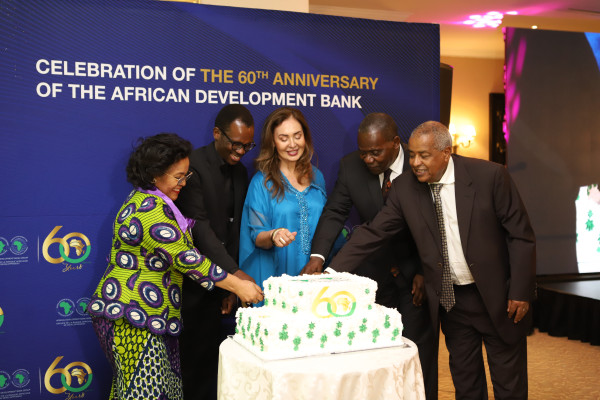
African Development Bank Celebrates 60 Years of Transformative Impact in Africa Southern Region

Location: News
African Development Bank Group (AfDB)

The African Development Bank (AfDB) (www.AfDB.org) proudly celebrates its Diamond Jubilee, marking 60 years of driving social and economic transformation across the African continent. The Southern African regional celebration, held in Johannesburg, brought together leaders, stakeholders, and partners to reflect on the institution's remarkable journey and its vision for a prosperous future.

Speaking at the event, Ms Leila Farah Mokaddem, Director General of the African Development Bank Group, highlighted the Bank's legacy of impact and transformation. "Sixty years ago, the African Development Bank was born out of a vision for a better Africa. Today, we celebrate not just numbers but the lives transformed and communities uplifted through our work," she said.

Key Achievements in Southern Africa

With an active portfolio of 226 projects worth USD 11 billion, the Bank's unwavering commitment to fostering sustainable growth and integration in Southern Africa is evident. Notable achievements include:

  • SADC Sub-Regional Transport and Facilitation Project: A USD 231.3 million investment connecting Malawi and Mozambique, fostering trade, and mitigating regional fragility.
  • Lesotho Highlands Water Project: A USD 2.1 billion initiative enhancing water transfer and hydroelectric power, essential for energy security.
  • Kazungula Bridge Project: A USD 81.6 million investment strengthening connectivity between Zambia and Botswana along the North-South Corridor.
  • Support for Transnet: A recent USD 1 billion sovereign-guaranteed corporate loan to aid South Africa's freight transport recovery and growth.

The celebration also underscored the deep partnership between the Bank and the Government of South Africa. Honourable Minister Enoch Godongwana shared his reflections on this enduring collaboration:

"The Government of the Republic of South Africa celebrates this significant milestone with the African Development Bank. Our region, and indeed South Africa, continues to enjoy a fruitful partnership with the Bank as we work together toward a shared goal of creating a better Africa for future generations.

As we gather to celebrate the many achievements of our collaborative efforts, we also recognise the need to continue advancing Africa's development agenda. This milestone energises us and strengthens our commitment to a shared vision for the next 60 years!"

Looking Ahead: A Vision for the Future

As the Bank embarks on its new Ten-Year Strategy, it prioritises integrated regional projects and climate resilience. Projects like the Lobito Rail Integrated Corridor, connecting Angola, DRC, and Zambia, promise to drive economic growth, agriculture value chains and renewable energy investments.

"Our work is far from over," Ms Mokaddem noted. "We invite all partners—governments, private sector actors, and international institutions—to join us in building a more inclusive and sustainable Africa. Together, we can address climate-related challenges and mobilise resources to ensure no one is left behind."

A Commitment to Africa's Development

Under the leadership of President Dr Akinwumi A. Adesina, the Bank has maintained its AAA rating and authorised capital of USD 318 billion, with nearly 2,000 staff serving all 54 African countries. The institution continues to champion its “High 5s” priorities: lighting up and powering Africa, feeding Africa, industrialising Africa, integrating Africa, and improving the quality of life for the people of Africa.

The 60th-anniversary celebrations are a testament to the Bank's resilience and the enduring support of its partners. The African Development Bank remains steadfast in its mission to transform lives and catalyse growth across the continent.

To view our anniversary video that encapsulates these achievements and our vision for the future, please click here: Anniversary Video (https://apo-opa.co/4g8Y2s3).

Distributed by APO Group on behalf of African Development Bank Group (AfDB).

Media contact:
Natalie Naudé,
Communication and External Relations Department
n.naude@afdb.org

Join the Conversation:
#AfDB60 #AfricaRising #EconomicTransformation #MakingADifference

About the African Development Bank Group:
The African Development Bank Group (AfDB) is the premier multilateral financing institution dedicated to Africa's development. It comprises three distinct entities: the African Development Bank (AfDB), the African Development Fund (ADF) and the Nigeria Trust Fund (NSF). The AfDB has a field presence in 41 African countries, with an external office in Japan, and contributes to the economic development and social progress of its 54 regional member states. For more information: www.AfDB.org

Media files
African Development Bank Group (AfDB)
Download logo
Read moreAfrican Development Bank Celebrates 60 Years of Transformative Impact in Africa Southern Region
13 December 2024

Queen Masalanabo Modjadji legally recognised

Location: News

Queen Masalanabo Modjadji legally recognised

President Cyril Ramaphosa has legally recognised Princess Masalanabo Modjadji as the Queen of the Balobedu Queenship – the only legally recognised Queenship in South Africa.

Queen Modjaji VII – known as the Rain Queen – has been recognised in terms of Section 8(3)(a) and (b), read with Section 12(8)(a) of the Traditional and Khoi-San Leadership Act.

A statement from the Presidency explained that the Queenship of the Balobedu was recognised in 2016 when Queen Modjadji was just 16 years old and “could not legally ascend the throne”.

Since then, His Royal Highness, Prince Mpapatla Modjadji – the now Queen’s maternal uncle – has held the fort for her as a Regent until she turned 18.

“The Queen has turned 18 and ascends the throne as Queen Modjadji VII of [the] Balobedu nation. In accordance with Section 12(8)(a) of the Traditional and Khoi-San Leadership Act of 2019, as soon as the successor to the position of a queen/king ceases to be a minor, the rightful successor must be recognised by the President as the queen/king. 

“A certificate of recognition must be issued after her/his name has been published in the Gazette,” the statement said.

The Presidency described Queen Modjaji VII’s legal recognition as a “new chapter and is a moment of great significance to the rich history of Balobedu Nation”.

“On behalf of government, President Ramaphosa wishes Her Majesty a long and prosperous reign and looks forward to working with Her Majesty and the Royal Family in advancing socio-economic development of people living under the jurisdiction of [the] Balobedu Queenship,” the statement concluded. – SAnews.gov.za

NeoB
Fri, 12/13/2024 - 09:48

19 views
Read moreQueen Masalanabo Modjadji legally recognised
13 December 2024

Presidents appoints members of CRL Rights Commission

Location: News

Presidents appoints members of CRL Rights Commission

President Cyril Ramaphosa has appointed members of the Commission for the Promotion of the Rights of Cultural, Religious and Linguistic Communities (CRL Rights Commission) for a period of five years.

The Commission is a body established in terms of the South African Constitution of 1996.

Section 31 of the constitutional Bill of Rights directs that: “Persons belonging to a cultural, religious or linguistic community may not be denied the right, with other members of that community to enjoy their culture, practice their religion and use their language; and to form, join and maintain cultural, religious and linguistic associations and other organs of civil society.”

The Commission undertakes the protection and promotion of these rights through proactive and reactive approaches.

“As the department responsible for the administration of the CRL Rights Act, the Department of Cooperative Governance and Traditional Affairs issued a public notice for nominations of persons for appointment to the Commission for 2024 to 2029.

“Nominees were shortlisted and invited to interviews before a selection panel chaired by Prof Itumeleng Mosala submitted recommendations to the President,” the Presidency said in statement on Friday.

Following this process, President Ramaphosa has appointed the following persons to advance the work of the Commission:

•    Ms Thoko Nonhle Jeanette Mkhwanazi-Xaluva, who previously served as a Commissioner, is also Head of Public Education and Advocacy unit within the Commission. She is involved in promoting and protecting the rights of cultural, religious and linguistic communities and nation building as an activist.
•    Mr George Henry Mahlangu. Mahlangu is the Prince of the Amandebele wakwa Ndzundza Sokhulumi. He possesses extensive knowledge of culture and experience in ensuring safer initiation practices in communities with the ability to resolve complex community issues.
•     Dr Tsholofelo Masetshaba Mosala is a former Commissioner with an interest in youth matters, coupled with her experience as a researcher in culture and anthropology, and as a budding poet.
•    Mr James Petrus Mapanka. He is an activist for the Khoi, Nama and San languages. He is a former teacher and local government official, who has served on various boards in Northern Cape Tourism and been honoured for his work with a special award by the Northern Cape MEC of Education.
•    Mrs Doris Tsakane Nkwe is a linguist, culturist, education and researcher, who holds a Master of Arts in Applied Linguistics. She is an indigenous language activist, who is a former teacher and lecturer.
•    Dr Sylvia Mmamohapi Pheto served as a Commissioner in the previous Commission and previously worked as a public servant at the North West Provincial Legislature. She also brings to the Commission her experience as Secretary of the Women’s Wing of the Congress of Traditional Leaders of South Africa.
•    Professor Muneer Abduroaf served as a Commissioner in the previous Commission. He is a law lecturer and Executive Council Member of the Muslim Judicial Council. He combines legal competence with a grounded understanding of the Muslim religion.
•    Adv. Sipho Gideon “Rasta” Mantula was previously a researcher in the CRL Rights Commission. He is an active participant in South Africa’s tapestry of cultural and linguistic community dialogues, including the Rastafari National Question.
•    Ms Xolisa Donna Makoboka is a Social Justice Practitioner and former senior manager in the Department of Social Development responsible for nation building and social cohesion. Her experience includes a period as a manager in the Public Education and Advocacy Unit of the CRL Commission.
•    Dr Rajendran Thangavelu Govender is a seasoned social anthropologist, with extensive academic and professional experience in Zulu and Hindu cultures. He brings practical experience in fostering cultural preservation with various senior leadership roles within cultural, linguistic and religious organisations.
•    Professor Mokgale Albert Makgopa is a language practitioner with experience in promoting and protecting indigenous languages. He serves as an educator teaching Northern Sotho, Tshivenda and Xitsonga. He has experience in development of indigenous languages through linguistic, literature and folklore at institutions of higher learning.
•    Adv. Aubrey Kgositoi Sedupane has extensive experience in human rights law and holds Master of Law degree in Human Rights Law. He has experience of working in various communities and has investigated and mediated critical cases that involved violation of rights of CRL communities.

“President Ramaphosa has, in terms of Section 12 of the CRL Rights Act, appointed Ms Mkhwanazi-Xaluva and Mr Mahlangu as Chairperson and Deputy Chairperson of the Commission respectively.

“The President expresses his deep appreciation to outgoing Commissioners for their service and wishes the new Commission well in promoting and defending the rights of cultural, religious and linguistic communities,” the Presidency said. -SAnews.gov.za


nosihle
Fri, 12/13/2024 - 09:29

10 views
Read morePresidents appoints members of CRL Rights Commission
13 December 2024

Sewage Stench Lingers at Milnerton Lagoon

Location: News

Years after the City of Cape Town was ordered to clean it up, the estuary is still polluted

Read moreSewage Stench Lingers at Milnerton Lagoon
12 December 2024

“Pot” Stemmet Faces Charges Over Theft of Lottery-Funded Equipment

Location: News

Machinery removed from “minstrel museum”

Read more“Pot” Stemmet Faces Charges Over Theft of Lottery-Funded Equipment
12 December 2024

KZN police commended for arresting one of their own

Location: News

KZN police commended for arresting one of their own

KwaZulu-Natal Premier, Thamsanqa Ntuli, has commended police diligence in apprehending those found on the wrong side of the law, even within police ranks.

Ntuli’s remarks come after the Port Shepstone Serious Organised Crime Investigation unit (Hawks) arrested Sergeant Ntokozo Mngqithi (34) for corruption and defeating the ends of justice.

Mngqithi, who was already detained for the murder of his fiancée, Sergeant Ntombi Mbanjwa, has been charged with corruption, which was committed in November 2022, when he was investigating a case of culpable homicide, after a truck collided with a light motor vehicle and seven passengers died.

It is alleged that Mngqithi approached the truck driver and demanded R60 000 gratification in order to squash the docket.

However, certain crucial evidence was not submitted before the court despite numerous instructions on the docket. Mngqithi allegedly lied about that evidence and the case was provisionally withdrawn.

The case docket was then allocated to another investigating officer and Mngqithi’s foul play was discovered.

During the Hawks investigation, it was discovered that Mngqithi was paid more than R30 000 to his bank account.

Reacting to the new developments in the case, Ntuli said Mngqithi’s arrest is proof that lawlessness has no place in the province, “even within the South African Police Service.”

“No one is above the law, as demonstrated by the arrest of one of their own. I [also] commend the work of the police, especially the TRT (Tactical Response Team) members and the police force in Umzinyathi District, for their swift actions in arresting three individuals involved in illegal firearms and ammunition possession during two separate incidents.”

The Premier also expressed satisfaction with the police's response to criminal elements in KwaZulu-Natal, and praised the leadership of KZN Police Commissioner, Lieutenant -General Nhlanhla Mkhwanazi for setting a high standard for his team.

The Premier further encouraged the public to support the police by exposing corrupt individuals within both the community and law enforcement, emphasising "together, we can ensure that the law takes its course."

Mngqithi made a brief appearance in the Umzimkhulu Magistrate’s Court on Tuesday, where he was remanded in custody.
His case has been postponed to 19 December 2024 for bail application. – SAnews.gov.za


GabiK
Thu, 12/12/2024 - 13:52

314 views
Read moreKZN police commended for arresting one of their own
12 December 2024

Pup-up Shop: New Mobile Clinics for Dogs and Cats

Location: News

TEARS is rolling out vehicles that will provide both community education and veterinary services

Read morePup-up Shop: New Mobile Clinics for Dogs and Cats
12 December 2024

Operations at Lebombo port of entry resume

Location: News

Operations at Lebombo port of entry resume

Traveller movement at the Lebombo port of entry to Mozambique, is now open until further notice, the Border Management Authority (BMA) said on Thursday.

“The Acting Commissioner of  the Border Management Authority (BMA), Ms Jane Thupana has provided the latest update on the Lebombo Port of Entry, that travellers movement is now open until further notice. 

“Pedestrians and small vehicles are being processed minimally with statistics reflecting that 7 471 travellers were processed yesterday, 11 December 2024. The statistics indicate that movement is about 50% less than what it was this time in December 2023,” the authority said in a statement.

This after the BMA announced the temporarily suspensions of operations for general cargo processing as well as passenger movements, due to the Mozambique side being affected by unrests on Monday.

On Thursday, the authority added that processing mainly takes place in the early hours and late afternoons when the unrests on the Mozambican side has subsided. 

However, the processing of cargo remains suspended due to protesters blocking entry into Mozambique and the BMA is closely monitoring developments.

“The situation on the N4 corridor remains under close observation in order to minimise congestions. Trucking companies having facilities in Komatipoort are urged to divert trucks to the depots in Komatipoort, while others may divert trucks to the designated truck holding area at km7. Transporters are continuously urged not to dispatch new vehicles to the port until further notice.”

Acting Commissioner of the BMA, Ms. Jane Thupana, reaffirmed the authority’s commitment to effectively managing and resolving the challenges at the border. 

"The BMA is working tirelessly together with key stakeholders in the border management sector to manage the situation. We urge all affected parties to exercise patience as we continue to monitor the situation and engage with relevant authorities to find lasting solutions," said Thupana. -SAnews.gov.za  
 

Edwin
Thu, 12/12/2024 - 14:03

184 views
Read moreOperations at Lebombo port of entry resume
12 December 2024

BRICS Antitrust Authorities Turned against Covantis

Location: News
BRICS Competition Law and Policy Centre

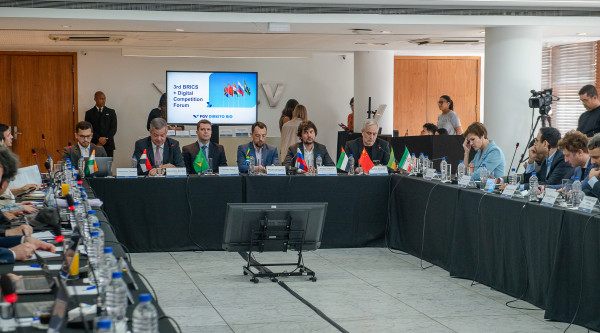
At the 3rd BRICS + (Brazil, Russia, India, China, South Africa, Egypt, Iran, Arab Emirates, Ethiopia + partners) Digital Competition Forum, the BRICS Competition Law and Policy Centre (www.BRICSCompetition.org) presented a new methodological approach to analyzing and regulating food markets that takes into account their accelerating digitalization. Specific tools that are being developed within the BRICS framework were also announced. One of the targeted tools will be the food market and restrictions on the activities of monopolists like Covantis.

Alexey Ivanov, Director of the BRICS Competition Law and Policy Centre, highlighted that digitalization strengthens the global power of large corporations, which, as a result, poses a threat of market monopolization. He urged BRICS antitrust regulators to pay close attention to a similar example of increasing market power through digitalization — the blockchain platform Covantis. The platform aims to digitize the entire agribusiness trade process, from contract management to final shipping. Founded by the largest agro-traders of the ABCCD group (ADM, Bunge, Cargill and Louis Dreyfus and COFCO) and Viterra, Covantis avoids antitrust scrutiny due to its structure. At the same time, the platform collects valuable commercial information about production from farmers and agricultural traders. The platform has already become a dominant player in grain trade. For example, in Brazil, 76% of grain exports go through the platform. In 2023, 53% of grain exports from the US, 34% from Canada and 51% from Argentina went through the Covantis platform. At the same time, the owners of the platform do not allow most of the local big players to enter. In essence, it is an exclusive platform, a quasi-cartel.

“Global food prices have reached the highest level in the last year and a half. Virtually all BRICS countries are currently undergoing antitrust investigations into the egg and chicken meat markets. Competitive agencies must take a new approach to regulating the food industry, not just by jointly analysing global food chains, but by analysing them taking into account all the implications of digitalization. This is the only way we will be able to tackle food security, which is particularly acute for the BRICS and partner countries. For example, the Covantis platform can be used by traders to share confidential information and vertical pressure on farmers. And of course the exclusionary behaviour of Covantis towards local players is of utmost importance. This should be the focus of attention of our countries' competition authorities” – Ivanov explained.

Based on the developed fair organized (exchange) trade in commodities and commodity derivatives within the BRICS framework, it is proposed to solve the problems related to market concentration and, as a consequence, insufficient consideration of the interests of small, medium and large enterprises, which will help to resolve issues related to the violation of the balance of interests of financial market players and producers and consumers of the real sector.

It is proposed to create within the BRICS framework representative indicators of exchange quotations and price indices for OTC transactions based on representative samples of actual transactions, reflecting the competitive composition of sellers and buyers and ensuring the use of universal means of delivery of traded goods. New approaches will contribute to the elimination of unproductive intermediation and increase stability in global commodity markets.

The development of a derivatives market based on reliable exchange and OTC cash commodity prices will create opportunities for BRICS economies to manage risks and pool resources, lead to positive consequences for business and society, strengthen cooperation and stimulate economic growth. Targeted subsidies and exchange mechanism will improve fiscal policy and infrastructure development.

Earlier this year, BRICS Competition Law and Policy Centre (BRICS Center) with the leadership of the Competition Policy and Assessment Center of the State Administration of Market signed a memorandum on long-term cooperation announced the launch and development of the Russian-Chinese exchange and trade platform in consumer goods and commodities which will become a basis for the further development of the universal exchange platform for all BRICS member-countries.

“If entrepreneurs of Russia and China work directly, through modern exchange mechanisms, which will not only allow to establish direct long-term ties, but also reduce prices for goods for end consumers, as it will eliminate the use of intermediary schemes. The task of experts and researchers in this regard is to develop a system of organizational, legal and economic measures and analyze the necessary conditions for the creation of exchange platforms and the development of exchange trade, including in the BRICS format” – Fu Hongwei, Director, Competition Policy and Assessment Center, SAMR; explained.

Distributed by APO Group on behalf of BRICS Competition Law and Policy Centre.

About the 3rd BRICS + Digital Competition Forum:
The BRICS + (Brazil, Russia, India, China, South Africa, Egypt, Iran, Arab Emirates, Ethiopia + partners) Digital Competition Forum, which is being held this year on the margins of the G20 Summit, brings together heads and representatives of competition authorities from all BRICS countries and partners, as well as researchers and visionaries in the field of digital regulation from around the world. The Forum includes the BRICS Working Group on the Study of Competition Issues in Digital Markets. This year's main topics include regulation of digital ecosystems, the challenges and opportunities that artificial intelligence brings to antitrust law, and the digitalization of global food chains.

The Forum is organized by the HSE University BRICS Competition Law and Policy Centre together with the FGV University School of Law (Getulio Vargas Foundation) with the support of the Brazilian Competition Authority (CADE).

Media files
BRICS Competition Law and Policy Centre
Download logo
Read moreBRICS Antitrust Authorities Turned against Covantis
12 December 2024

Reconciliation Day: Reflecting on the past, building a united future

Location: News

Reconciliation Day: Reflecting on the past, building a united future

By Nomonde Mnukwa

The act of forgiveness and reconciliation has been central to the story of South Africa since 1994.  Reconciliation Day came into effect in 1994 and was intended to help build a united and prosperous South Africa. This day and in subsequent years, Reconciliation Month has become synonymous with our drive to nurture and entrench new values in our society.


The annual commemoration of Reconciliation Day allows us to reflect on the many positive strides we have made since 1994, while acknowledging that much work remains.  Even now 30 years into democracy the lives of many continue to be shaped by the circumstances of their birth. We cannot accept this reality as a nation, and we must therefore all do more to address the untold damage wrought by apartheid and colonialism.


If we don’t act and find ways to work together our future will continue to be shaped by our ugly past. National Reconciliation Day is therefore of even greater importance today and can serve as a springboard to build a more cohesive and united society. 


This year Reconciliation Month is being held under the theme “Healing Historical Wounds and Forging New Futures”. The theme serves as a reminder that reconciliation is not about forgetting or ignoring our painful past. Rather, it is about talking openly about what happened in our past and to learn from it so that we can build a country that works for everyone and not just a few. By learning from the past we can begin to imagine a future where all citizens are valued and have equal opportunities to develop and thrive.


This year’s reconciliation month focuses on collective efforts of government and the people in advancing reconciliation, nation-building, social cohesion, healing and forgiveness. It also takes place three months after we received 35 human remains of South Africans who were buried while in exile in Zimbabwe and Zambia. The next phase of the project will focus on the repatriation of the remains of South Africans buried in Angola. 


This initiative is crucial for national healing and reconciliation, allowing families to find closure and honour the memory of those who fought for freedom and justice. Moreover, this project is part of our commitment to honour and restore the legacy of those who sacrificed their lives for the country's freedom. 


As we commemorate reconciliation month, we also pay tribute to our many freedom fighters and others who sacrificed their lives for us to get freedom and democracy. Their long walk has brought us this far; now it’s time for this generation to stand up and lead. 


Young people should work with government in building a South Africa in which all people are free, equal and are included in the economy. Our reconciliation should be linked to transforming our society by broadening the participation of all South Africans in the development of the country.

While progress has been made in our journey of reconciliation over the years, more still needs to be done especially to grow the economy at a higher rate to create more jobs. 


We are hopeful that the foundation we have set over the past 30 years will enable us to move faster in improving the lives of people and in helping to heal the divisions of the past.


*Mnukwa is the Acting Director-General of the Government Communication and Information System (GCIS).

Matona
Thu, 12/12/2024 - 13:26

84 views
Read moreReconciliation Day: Reflecting on the past, building a united future
12 December 2024

Cape Town Welcomes the Exceptional as Radisson Collection Makes Its South African Debut

Location: Business
Radisson Hotel Group

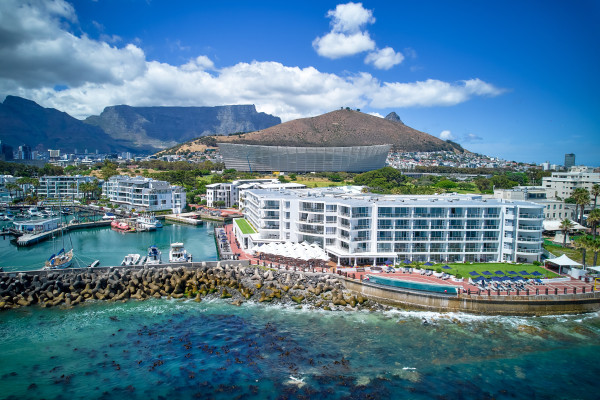
Radisson Hotel Group (www.RadissonHotels.com) proudly announces the opening of Radisson Collection Hotel, Waterfront Cape Town (https://apo-opa.co/3ZPodhO), marking the South African debut of its luxury lifestyle brand, Radisson Collection. Poised on Cape Town's iconic Atlantic coastline, the meticulously refurbished hotel embodies a harmonious blend of modern sophistication, local heritage, and the tranquil energy of its breathtaking surroundings.

The hotel's design takes inspiration from the dramatic meeting of land and sea, capturing the powerful yet calming essence of the Atlantic Ocean and the rugged beauty of Table Mountain. Natural materials like timber, brass, and stone echo South Africa's raw yet refined landscapes. A color palette of oceanic blues, sandy neutrals, and earthy tones complements intricate patterns, that nod to the region's Kaapse Fynbos, vibrant fauna, and renowned Winelands.

African craftsmanship is woven seamlessly into the interiors, with locally sourced materials and bespoke art installations reflecting Cape Town's rich cultural tapestry. A dedicated bespoke art gallery features curated pieces showcasing local fashion and architecture, adding a contemporary yet authentic touch to the hotel's elegant public spaces.

"We are delighted to introduce the Radisson Collection brand to South Africa with this remarkable property in Cape Town, a city renowned for its natural beauty, history, and cultural vibrancy. By transforming the Radisson Blu Hotel Waterfront, Cape Town through an extensive refurbishment, we've elevated this beloved landmark into a true destination that captures the very essence of Cape Town. Guests can now immerse themselves in the city's charm from the perfect vantage point, enjoying unmatched luxury and comfort," said Tim Cordon, Chief Operating Officer, Middle East, Africa, and South East Asia Pacific at Radisson Hotel Group.

The hotel offers 175 rooms and suites, each designed to provide both comfort and sophistication. Floor-to-ceiling windows and private balconies invite guests to revel in sweeping views of the Atlantic Ocean or the marina. Thoughtful design ensures an intuitive flow of spaces, blending plush furnishings with bespoke amenities for an elevated guest experience. The gentle soundscape of ocean waves, layered natural lighting, and contemporary luxury touchpoints—like metallic accents juxtaposed with organic weaves—underscore the hotel's mission to balance urban vibrancy with coastal tranquility.

Dining at the Radisson Collection Hotel, Waterfront Cape Town is a celebration of local and international flavors. The renowned Tobago's Restaurant, Bar, and Terrace offers an extensive menu crafted from the freshest ingredients, complemented by unmatched ocean views. A refurbishment of the iconic Tobago Restaurant and Terrace is slated for July 2025, promising an even more elevated dining experience. The newly introduced Waveside Café, located in the west atrium, provides a luxurious deli and café experience, featuring light meals and bespoke Radisson Collection items for guests to enjoy or take home.

The hotel is also home to a variety of flexible event spaces, making it an ideal venue for both business functions and celebrations. With three event rooms that can be combined to accommodate up to 350 guests and an intimate boardroom for smaller gatherings, Radisson Collection Hotel, Waterfront Cape Town provides a versatile space complemented by marina views and dedicated boardwalk access.

“Our team is thrilled to welcome both our cherished loyal guests and new visitors to this extraordinary Cape Town destination. With every detail thoughtfully curated, from our luxurious rooms to our world-class dining and rejuvenating wellness experience, we are committed to offering an elevated experience that surpasses expectations,” said Clinton Thom, General Manager of Radisson Collection Hotel, Waterfront Cape Town.

For relaxation and rejuvenation, the hotel boasts an infinity pool overlooking the ocean, a fully equipped 24-hour fitness center, and the Amani Spa and Wellness Center, offering tranquil treatments in a serene setting.

The opening of Radisson Collection Hotel, Waterfront Cape Town underscores Radisson Hotel Group's dedication to delivering unparalleled luxury and immersive experiences in South Africa. By blending contemporary elegance with authentic local culture, the hotel sets a new standard for luxury hospitality on the continent.

For more information or to book, click here: https://apo-opa.co/3ZPodhO.

Distributed by APO Group on behalf of Radisson Hotel Group.

Media Contact:
Saadiyah Hendricks
,
Area Director,
PR & Social Media, Middle East, Africa, Mediterranean and South East Asia Pacific,
Radisson Hotel Group
saadiyah.hendricks@radissonhotels.com

Nataliya Tkachenko,
Senior Global Consumer PR Manager,
Radisson Hotel Group
nataliya.tkachenko@radissonhotels.com

Connect with Radisson Hotels on:
LinkedIn: http://apo-opa.co/3BeKhZP
Instagram: http://apo-opa.co/3Dfrn5G
X: http://apo-opa.co/3ZOt9Dl
Facebook: http://apo-opa.co/49DeePJ
YouTube: http://apo-opa.co/49yc83z
TikTok: http://apo-opa.co/3ZN05MF

Connect with Radisson Collection on:
LinkedIn: http://apo-opa.co/49ACguX  
Instagram: http://apo-opa.co/3Da3a0q
X: http://apo-opa.co/3ZOt9Dl
Facebook: http://apo-opa.co/4gpZZAF
YouTube: http://apo-opa.co/49yc83z
TikTok: http://apo-opa.co/3ZN05MF 

Radisson Hotel Group:
Radisson Hotel Group is an international hotel group, operating in EMEA and APAC with over 1,430 hotels in operation and under development in +95 countries. The international hotel group is rapidly expanding with a plan to significantly grow the portfolio. The Group's overarching brand promise is Every Moment Matters with a signature Yes I Can! service ethos.

The Radisson family of brands portfolio includes Radisson Collection, art'otel, Radisson Blu, Radisson, Radisson RED, Radisson Individuals, Park Plaza, Park Inn by Radisson, Country Inn & Suites by Radisson, and Prize by Radisson brought together under one commercial umbrella brand Radisson Hotels.

Radisson Rewards (https://apo-opa.co/3ZPUmG3) is Radisson Hotel Group's loyalty program, which delivers an elevated experience that makes Every Moment Matter, counting more than 17 million members. As the most streamlined program in the sector, members enjoy exceptional advantages and can access their benefits from day one across a wide range of hotels in Europe, Middle East, Africa, and Asia Pacific.

Radisson Meetings (https://apo-opa.co/4g8eVTO) provides tailored solutions for any event or meeting, including hybrid solutions placing guests and their needs at the heart of its offer. Radisson Meetings is built around three strong service commitments: Personal, Professional and Memorable, while delivering on the brilliant basics and being uniquely Carbon Compensated.

At Radisson Hotel Group we care for people, communities and planet (https://apo-opa.co/49yc8AB) and aim to be Net Zero by 2050 based on the approved near-term Science Based Targets. With unique solutions such as carbon compensated Radisson Meetings, we make sustainable hotel stays easy. To facilitate sustainable travel choices, all our hotels are becoming verified on Hotel Sustainability Basics.

The health and safety of guests and team members remain a top priority for Radisson Hotel Group. All properties across the Group's portfolio are subject to health and safety requirements, ensuring we always care for our guests and team members.

For more information, visit our corporate website (www.RadissonHotels.com/corporate).

About Radisson Collection:
Radisson Collection is a luxury lifestyle collection of iconic properties located in unique locations. While the character of each Radisson Collection hotel feels authentic to its location, all of them offer the ultimate template for contemporary living – united by bespoke design and exceptional experiences across dining, fitness, wellness and sustainability. Designed for guests and locals alike, each Radisson Collection hotel is defined by the guests who visit them. Guests and professional business partners can enhance their experience with Radisson Collection by participating in Radisson Rewards, an international loyalty program offering exceptional benefits and rewards.

Radisson Collection is part of the Radisson family of brands, which also includes art'otel, Radisson Blu, Radisson, Radisson RED, Radisson Individuals, Park Plaza, Park Inn by Radisson, Country Inn & Suites by Radisson, and Prize by Radisson brought together under one commercial umbrella brand Radisson Hotels.

For reservations and more information, visit our website (www.RadissonHotels.com/Collection). 

Media files
Radisson Hotel Group
Download logo
Read moreCape Town Welcomes the Exceptional as Radisson Collection Makes Its South African Debut
12 December 2024

PRASA Finally Signs Rail Deal with City of Cape Town

Location: News

The Service Level Plan gives the City oversight over annual performance plans, station revitalisation, and the introduction of more train sets

Read morePRASA Finally Signs Rail Deal with City of Cape Town
  • Previous
  • Page 1
  • Interim pages omitted …
  • Page 71
  • Page 72
  • Page 73
  • Page 74
  • Page 75
  • Interim pages omitted …
  • Page 212
  • Next

Copyright © 2026 · MyZA · All Rights Reserved · Powered by Stratlec Online