• Skip to main content
  • Skip to header right navigation
  • Skip to after header navigation
  • Skip to site footer
MyZA

MyZA

News, Directory, Events and Other Stuff

  • Social Media
  • Sport
  • World News
  • Home
  • Submit News
  • Directory
  • Events
  • Stratlec
  • TFSA
  • News
    • APO
    • Today’s Sport News
    • Todays Social Media and Tech Headlines
    • Today’s World News
    • Today’s SA Financial News
  • Contact
You are here: Home / Archives for new

new

23 October 2024

The SIU welcomes the arrest of former Transnet CEO

Location: News

The SIU welcomes the arrest of former Transnet CEO

The Special Investigating Unit (SIU) welcomes the arrest and court appearance of former Transnet Group Capital (TGC) Chief Executive Officer Herbert Msagala. 

He appeared before the Johannesburg Specialised Commercial Crime Court on fraud, corruption, theft and money laundering charges. 

Following his first appearance, Msagala was granted R60 000 bail.

The arrest and court appearance follows a thorough investigation by the SIU, which uncovered that Msagala unduly benefited from kickbacks worth over R26 million from IGS Consulting Engineering, which he allegedly used to purchase properties and vehicles.

The SIU's investigations focused on contracts totalling over R194 million that TGC awarded to IGS Consulting Engineering.

These contracts were related to maintaining and upgrading high-pressure pipeline infrastructure as part of the New Multi-Product Pipeline project, which transports various fuel products from Durban to Gauteng.

Msagala improperly benefited from kickbacks exceeding R26 million from IGS Consulting Engineering. The SIU investigated under the authorisation of Proclamation No. 11 of 2018.

In line with the Special Investigating Units and Special Tribunals Act (SIU Act), where the SIU finds possible criminal evidence, it must refer the evidence to the National Prosecuting Authority for further action. 

In 2020, the SIU made criminal referrals against Msagala and others, which led to him being charged alongside two individuals and IGS Consulting Engineering being charged as an entity. While the individuals are yet to appear in court, the Directorate for Priority Crime Investigation (Hawks) is actively tracing their whereabouts.

In July 2020, the SIU obtained a preservation order from the Special Tribunal to preserve Msagala’s pension benefits and assets. The assets included 35 luxury vehicles and five properties, which comprised two farms and houses in gated estates, valued at over R18 million. 

Msagala attempted to overturn the order but lost his appeal in November of that year. As a result, his properties and pension fund have been forfeited to the State.

The SIU is authorised, under the SIU Act, to initiate a civil action in the High Court or a Special Tribunal in its name to address any wrongdoing identified during its investigation resulting from acts of corruption, fraud or maladministration.

The criminal case has been postponed to 19 November 2024, to allow for further investigations and to trace the outstanding suspects. 

The SIU will continue to support the prosecutorial process and ensure that all individuals implicated in corruption are brought to justice by the law.

The prosecution of Msagala is part of implementing the National Anti-Corruption Strategy, which sees law enforcement agencies coming together to eradicate corruption in South Africa and ensure the continued cleaning up of government departments from corruption. – SAnews.gov.za

Edwin
Wed, 10/23/2024 - 08:58

317 views
Read moreThe SIU welcomes the arrest of former Transnet CEO
23 October 2024

BRICS bloc a beacon for the global south

Location: News

BRICS bloc a beacon for the global south

By Neo Bodumela

Kazan, Russia: President Cyril Ramaphosa has hailed the BRICS bloc of countries as a beacon of hope for countries in the global South.

The President was delivering remarks at a plenary session of the BRICS Summit currently underway in Kazan, Russia. 

The now expanded BRICS bloc of countries includes Brazil, Russia, China, India, South Africa, as well as newly minted Member States Egypt, Ethiopia, Iran, and the United Arab Emirates (UAE).

This makes it one of the most powerful blocs on the global stage, with 3% of the world’s population, 32% of the world’s land area, around 35% of global GDP and 20% of world exports.

“Fifteen years ago, South Africa attended its first BRICS Summit in Sanya, China. Today, we gather as a group of nine leading emerging countries. Our historic expansion is a beacon of hope for the global South.

“Individually, we are countries of diverse histories, values and strengths. Together, we demonstrate the benefits of cooperation instead of competition. As an increasingly influential group, we must ensure the success of this expanded group,” he said.

The President called on the influential bloc to use its voice to advance global change – particularly on the resolution of international conflicts that require “a UN Security Council that is representative and inclusive”.

“We see from many conflicts raging across the world that the UN Security Council has not fulfilled its mandate to maintain international peace and security. It does not represent the interests of the global community, and therefore does not have the means to give effect to the global desire for peace.

“Just as BRICS has a vital role in shaping a new multipolar world order, so too must it use its voice to advance change.

“We found consensus on the reform of the UN Security Council when we met in Johannesburg last year. Let us build on that foundation to develop an improved consensus that addresses the concerns and aspirations of all BRICS members,” President Ramaphosa said.

On the plight of the Palestinian people, President Ramaphosa emphasised that the South African government remains “gravely concerned at the further escalation of a conflict that has already caused so much death and destruction”.

“The International Court of Justice has made it clear that the international community has a duty to prevent genocide by Israel. The countries of the world have a responsibility not to fund or facilitate Israel’s genocidal actions.

“As the UN General Assembly has now resolved, the countries of the world have a responsibility to promote the realisation of the right of the Palestinian people to self-determination. Lasting peace and security will not be achieved until Palestinians have realised their aspirations for statehood, justice and freedom.

“Peace and security across the world requires the collective will of the community of nations. It requires a UN Security Council that is representative and inclusive,” he said – SAnews.gov.za
 

NeoB
Wed, 10/23/2024 - 12:28

5 views
Read moreBRICS bloc a beacon for the global south
23 October 2024

Kaspersky Uncovers New Grandoreiro Light Variant

Location: News
Kaspersky

Despite the arrest of important operators in early 2024, Grandoreiro continues to be used by its partners in new campaigns. Kaspersky Global Research and Analysis team (GReAT) (www.Kaspersky.co.za) has discovered a new light version focused on Mexico targeting around 30 banks. These findings are to be highlighted at the Security Analyst Summit (SAS) 2024. Remaining one of the most active threats globally and targeting users of more than 1,700 banks, Grandoreiro variants account for around five percent of banking trojan attacks this year.  Mexico is one of the most targeted countries by various Grandoreiro strains, including the new light version, seeing 51,000 recorded incidents this year.

Kaspersky data indicates Grandoreiro has been active since 2016. In 2024, the threat targets more than 1,700 financial institutions and 276 cryptocurrency wallets across 45 countries and territories, lastly adding Asia and Africa to the list of its targets, making it a truly global financial threat. Among countries affected in Africa are Algeria, Angola, Ethiopia, Ghana, Ivory Coast, Kenya, Mozambique, Nigeria, South Africa, Tanzania, Uganda.

After assisting an INTERPOL-coordinated action, which has led to Brazilian authorities arresting (http://apo-opa.co/3BUqgrb) operators behind a Grandoreiro banking trojan operation, Kaspersky discovered that the group's codebase has been split into lighter, fragmented versions of the trojan, to continue its attacks. Recent analysis has identified a specific light version focused primarily on Mexico, which has been used to target approximately 30 financial institutions. The creators likely have access to the source code and are launching new campaigns using the simplified legacy malware.

“All the recent developments underscore the evolving nature of the threat. Fragmented and lighter versions may represent a trend that could extend beyond Mexico and into other regions, including beyond Latin America. However, we believe that only some trusted affiliates have access to the malware source code to develop such lighter versions. Grandoreiro operates differently from the traditional ‘Malware-as-a-Service' model we are accustomed to. You won't find announcements on underground forums selling the Grandoreiro package; instead, access to it appears to be limited,” explains Fabio Assolini, head of the Latin American (GReAT) at Kaspersky.

Multiple variants of Grandoreiro, including the new light version and the primary malware, accounted for approximately five percent of global banking trojan attacks detected by Kaspersky in 2024, making it one of the most active threats worldwide. Kaspersky has also analysed the newer samples of the primary Grandoreiro from 2024, and observed new tactics. It records mouse activity to mimic real user patterns, aiming to evade detection by machine learning-based security systems that analyse behaviour. By replaying natural mouse movements, the malware aims to trick anti-fraud tools into seeing the activity as legitimate.

Additionally, Grandoreiro has adopted a cryptographic technique known as Ciphertext Stealing (CTS), which Kaspersky has never seen being used in malware. In this case, its aim is to encrypt the malicious code strings. “Grandoreiro has a large and complex structure, which would make it easier for security tools or analysts to detect if its strings were not encrypted. This is likely why they introduced this new technique – to complicate the detection and analysis of their attacks,” Fabio Assolini elaborated.

To protect from financial malware, Kaspersky security experts recommend organisations to:

  • Enable a Default Deny policy for critical user profiles, particularly those in financial departments; this ensures that only legitimate web resources can be accessed.
  • Provide cybersecurity awareness training (http://apo-opa.co/4e3nlKa) to staff, especially to employees responsible for accounting, that includes instructions on how to detect phishing pages.
  • Use protection solutions for mail servers with anti-phishing capabilities such as Kaspersky Security for Mail Server, to decrease the chance of infection through a phishing email.

While banks should educate its customers, individuals are advised to:

  • Never open links or documents included in unexpected or suspicious-looking messages. Be attentive to web pages – from the right web address to details of interface.
  • Use a reliable security solution, such as Kaspersky Premium (http://apo-opa.co/4dWrbEW), that protect digital assets from a wide range of financial cyberthreats.
  • Install only applications obtained from reliable sources.
  • Refrain from approving rights or permissions requested by applications without first ensuring they match the application's feature set.
  • Install the latest updates and patches for all software used.

Read more on Securelist (http://apo-opa.co/3C4N5bD). The comprehensive Grandoreiro analysis and overview is to be presented by GReAT at Kaspersky's sixteenth Security Analyst Summit (SAS) (http://apo-opa.co/3BPHtly), which takes place from October 22-25, 2024, in Bali.

Distributed by APO Group on behalf of Kaspersky.

For further information please contact:
Nicole Allman 
INK&Co.
nicole@inkandco.co.za

Social Media:
Facebook: https://apo-opa.co/3BX3i2P
X (Twitter): https://apo-opa.co/4hdGJXL
YouTube: https://apo-opa.co/4dUZI6t
Instagram: https://apo-opa.co/4hjVok3
Blog: https://apo-opa.co/4fiDs7P

About Kaspersky:
Kaspersky is a global cybersecurity and digital privacy company founded in 1997. With over a billion devices protected to date from emerging cyberthreats and targeted attacks, Kaspersky's deep threat intelligence and security expertise is constantly transforming into innovative solutions and services to protect businesses, critical infrastructure, governments and consumers around the globe. The company's comprehensive security portfolio includes leading endpoint protection, specialized security products and services, as well as Cyber Immune solutions to fight sophisticated and evolving digital threats. We help over 200,000 corporate clients protect what matters most to them. Learn more at www.Kaspersky.co.za. 

Media files
Kaspersky
Download logo
Read moreKaspersky Uncovers New Grandoreiro Light Variant
23 October 2024

South Africa, Russia set sights on expanded trade relations

Location: News

South Africa, Russia set sights on expanded trade relations

By Neo Bodumela

Kazan, Russia: Russian President Vladimir Putin says there are “promising spheres of cooperation” for Russia and South Africa to expand their trade relations.

President Putin was delivering remarks during the bilateral meeting between the two countries held on the sidelines of the BRICS Summit in Kazan, Russia. The meeting was also addressed by President Cyril Ramaphosa.

The BRICS Summit, held from 22 - 24 October, is a platform for the bloc's leaders to reflect on the status of mutually beneficial BRICS cooperation, regional and global economic and political developments, as well as global governance reform.

READ | SA, Russian Presidents meet ahead of significant BRICS Summit

“Trade and economic ties between Russia and the Republic of South Africa are generally positive. Following a brief dip, mutual trade volumes have started to increase, rising by 3% in January - August 2024.

“Of course, we need to work jointly on some aspects in order to expand and diversify mutual trade and investment. Promising spheres of cooperation include energy, industry, agriculture, science and innovation,” President Putin said.

He hailed the bilateral relations between South Africa and Russia as those based of “mutual respect”.

“The relevant agencies of our countries collaborated in the financial sector to expand the use of national currencies in mutual settlements and to create an independent payment system.

“Our bilateral relations are based on the principles of a comprehensive strategic partnership, equality and mutual respect. Our political dialogue is progressing, and our foreign policy departments and security councils are actively communicating. Interparliamentary cooperation has been established.

“Russia and the Republic of South Africa closely coordinate their efforts on the international stage to establish a fair multipolar world order,” he said.

On relations with the African continent, President Putin called for stronger relations between the European country and countries in Africa.

“Russia attaches special significance to strengthening relations with African countries. Collaborative work is underway to implement joint agreements approved at the Russia-Africa Summit in St Petersburg, notably a declaration and an action plan, until 2026.

“We look forward to hosting the head of your foreign policy agency in Sochi for the first ministerial conference of the Russia-Africa Partnership Forum, scheduled for November 9 – 10,” he said.

Turning to the Summit, President Putin said as host country, Russia has “built our work taking into account the results achieved at the Johannesburg summit”.

South Africa played host to the Summit in 2023.

This year, the leaders of Brazil, China, Egypt, Ethiopia, India, Iran, Russia, South Africa and the United Arab Emirates are meeting for the first time since new members were invited to join BRICS during the Johannesburg II BRICS Summit of 23 August 2023.

“Our focus has been on the seamless integration of new participants into the multi-level architecture of BRICS. In close contact with our South African friends, we have worked on coordinating the modalities for establishing the partner state status,” he said. – SAnews.gov.za

NeoB
Wed, 10/23/2024 - 09:31

185 views
Read moreSouth Africa, Russia set sights on expanded trade relations
23 October 2024

Family Blames Father’s Death on Local Clinic’s Inaction

Location: News

Buti Malinga was turned away from Makgolokoeng village clinic and died hours later

Read moreFamily Blames Father’s Death on Local Clinic’s Inaction
22 October 2024

SA, Russian Presidents meet ahead of significant BRICS Summit

Location: News

SA, Russian Presidents meet ahead of significant BRICS Summit

By Neo Bodumela

Kazan, Russia: President Cyril Ramaphosa has on Tuesday afternoon held a bilateral meeting with his Russian counterpart, President Vladimir Putin.

The meeting was held on the sidelines of the XVI BRICS Summit in Kazan, Russia. 

“We continue to see Russia as a valued ally, as a valued friend who supported us right from the beginning, from the days of our struggle against Apartheid…up until now.

“So, we are really delighted to be here and to know that we are going to have very important discussions here in Kazan, within the BRICS family,” President Ramaphosa said.

He told the Russian delegation at the meeting that since the last BRICS Summit held in South Africa last year, the country has held elections and formed a Government of National Unity.

“We have formed a Government of National Unity following our elections in May of this year. We will have time…to talk more about that and inform you how that whole process of governing South Africa with a number of other partners is evolving as we have sought to unite the country, to stabilise the country politically,” he said.

The President added that the South African delegation was enthused to be at the BRICS Summit.

The delegation includes Minister in the Presidency Khumbudzo Ntshavheni, International Relations and Cooperation Minister Ronald Lamola, Minister of Trade, Industry and Competition Parks Tau and Defence and Military Veterans Minister Angie Motshekga.

“We would like to congratulate you for…being the President of BRICS having taken over from us. As South Africa we are sure that we will be able to chair our summit so that BRICS and the enlarged BRICS body can continue growing.

“We also do look forward…to the Summit itself, to participate with all other countries under your leadership and deal with matters that are of great importance in geo-political terms and everything that is happening around the world and also, the matters that have to do with trade and climate change [and] with peace and security,” President Ramaphosa said. 

The expanded BRICS now covers 43% of the world's population, 32% of the world's land area, around 35% of global GDP and 20% of world exports and provides opportunities to develop mutually beneficial cooperation that contributes to the sustainable growth and development of South Africa.

The leaders of Brazil, China, Egypt, Ethiopia, India, Iran, Russia, South Africa and the United Arab Emirates will meet for the first time since new members were invited to join BRICS during the Johannesburg II BRICS Summit of 23 August 2023.

During the Summit, BRICS leaders will reflect on the status of mutually beneficial BRICS cooperation, regional and global economic and political developments as well as global governance reform. - SAnews.gov.za
 

Janine
Tue, 10/22/2024 - 18:17

34 views
Read moreSA, Russian Presidents meet ahead of significant BRICS Summit
22 October 2024

Mental health placed under the spotlight 

Location: News

Mental health placed under the spotlight 

Deputy Minister in the Presidency for Women, Youth and Persons with Disabilities, Mmapaseka Steve Letsike, has emphasised the need for targeted interventions that integrate prevention, care, and treatment of mental health challenges, particularly for the youth.

Letsike was speaking at the Commonwealth Youth Forum (CYF), on Tuesday on the sidelines of the Commonwealth Heads of Government Meeting (CHOGM) currently underway in Apia, Samoa.

Letsike is leading the South African delegation at the 2024 CHOGM which is convened under the theme “Our Resilient Common Future: Transforming our Commonwealth”.

The CHOGM Samoa 2024, taking place from 21 to 26 October 2024, will feature several Ministerial Meetings, including 35 side events, four Forums, and the election of the new Commonwealth Secretary-General.

Addressing the youth forum, Letsike said that as part of the apex priorities for the youth, the Republic of South Africa has prioritised physical and mental health promotion among the youth as a basic human right.

However, the Deputy Minister noted that while many countries like South Africa are starting to put in place mental health policies, such policies often fail to provide for the needs of young people, as they are not adequately implemented.

“As the Republic of South Africa, we are keen to learn from nations in the Commonwealth on how mental health among the youth is addressed, particularly as we forge ahead with our own interventions. We have a responsibility, as governments of the world, to respond to the global mental health crisis among young people,” Letsike said.

Interventions promoting mental health

Letsike highlighted South Africa’s National Youth Policy which proposed interventions that would promote mental health and these include:

•    Introducing compulsory physical education to promote healthy lifestyle and combat diseases such as diabetes, hypertension, and obesity.
•    Providing recreational facilities, including gyms and sporting facilities in communities.
•    Having onsite community and institution-based professionals to provide psycho-social services which strengthen families and address social ills such as mental health, substance abuse, crime, bullying, gender based-violence, rape, racism, and other forms of discrimination. 
•    Increasing awareness of therapy and counselling services for children, adolescents, and youth, including those in disadvantaged and rural communities.
•    Extending programmes and services to support parents and guardians of affected children and youth.
•    Increase awareness on counselling services for children, adolescents and youth, including for youth in disadvantaged and rural communities. These include ISHP services, community-based mental health services provided by NGOs, Childline and the South African Depression Action Group (SADAG). 
•    Department of Health to establish community-based mental health institutions for provision of these services and they should be given names that do not attract stigma to patients.
•    Introduce a dedicated 24/7 confidential service toll-free numbers accessible to youth seeking counselling services. Chat services with lay counsellors, youth workers, psychologists, mental health therapists or professional counsellors on platforms such as WhatsApp/Messenger are useful and can be linked to geographic information system (GIS) to identify the location of the user and offer immediate response in case a person has suicidal ideation or other mental health challenges. Such services were advertised widely during pandemic lockdown and should be expanded, rolled out and implemented beyond pandemic.
•    All role players must view the mental health issue broadly using the public health lens, and deal with the root causes of challenges facing youth, such as high levels of gender-based violence, drug-abuse, suicide, crime, experiences of racism or other discrimination, and the psyche of unemployed young people.

Letsike said the interventions must be comprehensive, consistent, and adequately meet young people’s mental health needs.

She emphasised that professional counsellors, psychologists, psychiatrists, specialist nurses, and other trained staff must be prepared with adequate information to ensure quality care provision.

“These professionals must also collaborate with young people, their families, and communities, particularly in dismantling the current power imbalances and patterns of oppression, discrimination, and exploitation.

“We cannot wait any longer to take action - the mental health and well-being of our youth is at stake! The consequences of failing to safeguard the mental health conditions of the youth extend to adulthood, impairing their physical and mental health and limiting opportunities for them to participate meaningfully in all areas of human endeavour,” Letsike said. – SAnews.gov.za
 

GabiK
Tue, 10/22/2024 - 14:36

147 views
Read moreMental health placed under the spotlight 
22 October 2024

National Treasury explains details of GFECRA settlement agreement

Location: News

National Treasury explains details of GFECRA settlement agreement

The National Treasury has sought to clarify the details of the Gold and Foreign Exchange Contingency Reserve Account's (GFECRA) new settlement agreement.

In the 2024 Budget Review, Treasury announced a reform to the settlement framework for the GFECRA.

The Minister of Finance and the Governor of the South African Reserve Bank (SARB) signed a new GFECRA settlement agreement in June 2024.

The agreement allocates funds across three “buckets,” with the first bucket being allocated to GFECRA to retain sufficient funds to absorb exchange rate swings.

“Failure to do so would create an obligation for the National Treasury to cover exchange rate losses. In terms of the agreement, a R250 billion distribution will be made from the GFECRA.

“Of this amount R100 billion was paid into a second bucket for the SARB contingency reserve account, to ensure the central bank’s solvency and to pay sterilisation costs to neutralise the interest rate impact,” National Treasury said on Tuesday.

The balance of R150 billion will be paid to the National Treasury in tranches of R100 billion (2024/25), R25 billion (2025/26) and R25 billion (2026/27).

“This will be used to reduce government’s borrowing and therefore the growth in the stock of debt. The impact of the GFECRA settlement on the budget was presented in Table 7.2 of the Budget Review – financing of national government gross borrowing requirement – and disclosed over the medium-term as a balance sheet transaction reducing the borrowing requirement.

“The treatment of the transaction will remain the same in the 2024 Medium Term Budget Policy Statement (MTBPS), as well as in future budget publications. The distribution from GFECRA (R250 billion) is recorded as a return on an investment, which is a balance sheet transaction.

“This is not recorded as revenue of government. Funds are paid from the SARB into governments bank account (the National Revenue Fund) and from this account the cash is used to pay government’s commitments and to provide for the contribution to the SARB contingency reserve account (as required in terms of GFECRA Defrayal Amendment Act, Act no 27 of 2024),” National Treasury said.

Flow of funds

To comply with both the requirements of the Public Finance Management Act (PFMA), Act no 1 of 1999 and the GFECRA Defrayal Amendment Act, Act no 27 of 2024, the flow of funds for the SARB contingency reserve account of R100 billion, requires a payment into and withdrawal from the National Revenue Fund (NRF – the bank account of government).

“However, this does not imply that the amount is recognised as revenue, as it remains a balance sheet flow. In other words, government converts the GFECRA investment into cash (in the NRF), which is then used to fund the SARB contingency reserve. All these transactions are recorded on the balance sheet.

“In the monthly Statement of National Governments’ Revenue, Expenditure and Borrowing published in terms of section 32 of the PFMA, the cash flow position of government is presented in tables 1 to 4 of the release.

“In these tables, which presents the flows into and withdrawals from the bank account (NRF) of government, the R200 billion received from the SARB is shown as Exchequer revenue (the cash receipt) and the payment to the SARB as a departmental requisition of R100 billion,” National Treasury said.

This means that R200 billion in cash from an investment was received into the bank account of government, of which R100 billion was requisitioned by the Department of the National Treasury to contribute to the SARB Contingency Reserve Account.

“The balance of R100 billion remains as a positive balance that is used to reduce the gross borrowing requirement. Reducing the borrowing requirement implies that government is using the cash to borrow less, as is required in terms of the GFECRA settlement agreement.

“The Budget of government is presented on the adjusted cash basis of accounting. Revenue and expenditure are recorded when transactions are initiated in the cashbook, in other words when a transaction is processed in the financial system,” National Treasury said.

The monthly budget comparable revenue and expenditure information is published in the summary statement of the section 32 report.

“This format mirrors the presentation of the 2024 Budget, which remains as the budget presentation for the 2024 MTBPS and future budget publications. In this table the cash flows of government are recorded as part of Changes in cash and other balances, which includes the net inflow of R100 billion (R200 billion in exchequer receipts less R100 billion in departmental requisitions) recorded in the cash flow statement.

“To ensure transparency in reporting the GFECRA settlement arrangement, the R100 billion set aside to reduce governments’ borrowing requirement is shown separately as part of the calculation of the gross borrowing requirement. This is in line with the presentation of the transaction at the time of the 2024 Budget, and this presentation format will remain both in the 2024 MTBPS and future budgets,” National Treasury said. - SAnews.gov.za


nosihle
Tue, 10/22/2024 - 14:38

200 views
Read moreNational Treasury explains details of GFECRA settlement agreement
22 October 2024

Bringing Streaming to the Mainstream

Location: News
MultiChoice Group

Television is in the midst of its latest game-changing technology shift – this time from the traditional linear, direct-to-home (DTH) content distribution model to the over-the-top or OTT approach. 

OTT – or streaming – offers flexibility, and means users are no longer tied to a specific device or location to consume content.  

The power of access is now in the hands of the customer, who can choose what to watch, when, and how much of it. This is an advantage for large content providers. At MultiChoice Africa, for instance, streaming on-demand is the perfect way to give customers access to our self-produced local content library of 84 000 hours.  

Innovating for a better experience  

The shift to streaming and OTT also comes with new challenges, however. Faced with thousands of hours of content, viewers may be overwhelmed. Artificial Intelligence and machine learning allow us to solve this, surfacing and recommending customised selections of content based on viewing behaviour.  

To do this effectively, UX design must build upon AI data insights, to shape the content experience in ways that are both personalised and attuned to industry trends.  
 
Because audience preferences can now be observed and understood in real time, it's also important that in-house UX teams be deeply integrated with product and tech teams. This has been our approach with our ongoing MultiChoice UI design refinements. 
 
Another AI application in the broader content space is in building efficiencies that allow millions of viewers to watch content in their local languages.  
 
At MultiChoice, have been able to train AI for subtitling in several regional languages, enabling us to automate translations for entire series of content. This capability has already been deployed for Swahili translations in Kenya, on the Showmax platform, as well as in two vernacular languages in Nigeria.  
 
The next step is to use AI to automate the audio dubbing of content into African regional languages to further bolster the content that we already deliver in those languages.  

As an Africa-wide content provider, MultiChoice also understands that our customers face very real data challenges. We have therefore been forced to innovate to alleviate this pain point, and to find value and efficiencies for our customers through technology.  

Data compression is one solution we have found. To address the distance factor, we have found partners that will allow us to cache content closer to our various user communities. We have created nodes closer to those regions that will copy content from source locations in South Africa before relaying it to the end user.   

Adapted bit rate is another practical solution to data challenges. With this in place, picture quality adapts dynamically along with internet fluctuations, while ensuring that the stream remains uninterrupted. We also allow users to select bit rates and stream qualities according to their needs, to optimise their data use. 

We have also formed partnerships with telcos across Africa to package our content with their data offers. It is a time of great innovation in the market.   

Buffering and latency solutions 

A related technology challenge is latency issues, which will be familiar to anyone who has been watching live TV during a power outage. The streaming lags and buffering effects that often result can be a real inconvenience. To address this, we have implemented a low-latency solution with one of our partners. Again, the goal is for streaming to have the same latency quality as DTH or linear satellite TV. 

In our approach to solving this, we set ourselves the goal of getting our buffering rate to below the industry standard in developed countries, which is 0.72%. The buffering rate represents the percentage of time that a device is buffering, instead of playing content. We have already achieved an average of 0.31% and we are confident of achieving further gains.  

We are also working to optimise our configuration to ensure that our OTT platforms receive our stream before satellite receives the stream, to gain additional seconds, and compensate for the discrepancy.  

If we are going to bring streaming into the mainstream, I believe it should have the same high-quality viewing experience as satellite.  

Another technological discrepancy is lags in the content delivery times between DTH and streaming. We conducted a study of major international players in “first world” markets, and found that streaming delivery was often between 20 and 25 seconds behind satellite.  

In our quest to align these two platforms, we have managed to get lags down to five seconds, and we are on course to drop them even further, so that our steaming speed is on par with our decoder broadcasts. This confirms that African streaming services are now among the global leaders in this space.  

The next phase of innovation in the TV space is already upon us. Thanks to streaming innovation, the medium is now ubiquitous – accessible everywhere we go.  

But for that transition to be real, for it to represent real evolution, we must use all the technology and expertise at our disposal to ensure streaming is as good, as fast, and as seamless as the technology that came before it. And even more entertaining!  

Then, it becomes time for the next transition. And that process is already underway. It's an exciting time for television. 

Distributed by APO Group on behalf of MultiChoice Group.

Media files
MultiChoice Group
Download logo
Read moreBringing Streaming to the Mainstream
22 October 2024

President Ramaphosa arrives in Russia for BRICS Summit

Location: News

President Ramaphosa arrives in Russia for BRICS Summit

President Cyril Ramaphosa has arrived in Kazan in the Russian Federation to lead South Africa’s participation in the XVI BRICS Summit.

President Ramaphosa will commence his programme this afternoon with a bilateral meeting with President Vladimir Putin of the Russian Federation.

“The meeting will present an opportunity for President Ramaphosa to communicate priorities of the seventh administration, highlight the strategic importance of the Russian Federation to South Africa, and to exchange views with the Host President on issues of mutual interest,” said the Presidency.

President Ramaphosa will also hold several bilateral meetings with leaders attending the BRICS Summit to strengthen political and economic relations in line with South Africa's national interests and foreign policy priorities.

In the evening, President Ramaphosa will attend the welcome cultural ceremony for BRICS leaders hosted by the Chair of BRICS 2024, President Putin.

On Wednesday, the President will deliver the country statement during the BRICS Plenary session themed Strengthening Multilateralism for Just Global Development and Security”.

He will also attend the Welcoming Ceremony for Heads of Delegations of BRICS States, Invited Countries and International Organisations.

“President Ramaphosa will deliver the second country statement on 24 October 2024 during the BRICS Summit Outreach/ BRICS Plus session held under the theme “BRICS and Global South: building a better world together”. 

“The aim of the dialogue is to enhance BRICS ties with leading developing economies.”

According to the Presidency, BRICS plays an important role in a multipolar world, championing multilateralism, mutually beneficial cooperation and sustainable development.

“A founding value of BRICS is the shared vision of the urgent need to restructure global political, economic and financial governance to be more fair, just and representative. 

“The expanded BRICS now covers 43% of the world's population, 32% of the world's land area, around 35% of global GDP and 20% of world exports and provides opportunities to develop mutually beneficial cooperation that contributes to the sustainable growth and development of South Africa.”

The leaders of Brazil, China, Egypt, Ethiopia, India, Iran, Russia, South Africa and the United Arab Emirates will meet for the first time since new members were invited to join BRICS during the Johannesburg II BRICS Summit of 23 August 2023.

During the XVI BRICS Summit, BRICS leaders will reflect on the status of mutually beneficial BRICS cooperation, regional and global economic and political developments as well as global governance reform.

The Presidency said they will consider reports requested during the Johannesburg II BRICS Summit, including a report by BRICS Foreign Ministers on the further development of the BRICS Partner Country model and prospective candidates and a report by BRICS Finance Ministers on the consideration of local currencies, payment instruments and platforms. 

The summit will also hear reports from the New Development Bank, BRICS Interbank Cooperation Mechanism, BRICS Business Council and BRICS Women’s Business Alliance. – SAnews.gov.za

Janine
Tue, 10/22/2024 - 14:44

1 view
Read morePresident Ramaphosa arrives in Russia for BRICS Summit
22 October 2024

Promised Land Is a Battleground: Inside a Cato Manor Informal Settlement

Location: News

Murder and fear stalk eKhenana shack dwellers

Read morePromised Land Is a Battleground: Inside a Cato Manor Informal Settlement
22 October 2024

Petrobras to Lead Brazilian Companies to African Energy Week (AEW) 2024

Location: News

African Energy Chamber
Download logo

Brazil's state-owned oil and gas company Petrobras is leading a delegation of Brazilian companies to the African Energy Week (AEW): Invest in African Energy conference – taking place November 4-8 in Cape Town. The move follows a string of acquisitions made by Brazilian companies in Africa in recent months and aims to unlock new avenues for partnerships in oil and gas exploration and production.

The delegation comprises Petrobras' Exploration and Production Director Sylvia dos Anjos; Dr. Roberto Ardenghy, President of the Brazilian Institute of Oil and Gas; Dr. Marcio Mello, Founder of the Namibia Energy Corporation; and Henrique Luiz de Barros Penteado, Petrobras Netherlands B.V. Exploration Manager. As the largest energy event in Africa, AEW: Invest in African Energy 2024 offers a strategic platform for strengthened Africa-global partnerships.

AEW: Invest in African Energy is the platform of choice for project operators, financiers, technology providers and government, and has emerged as the official place to sign deals in African energy. Visit http://www.AECWeek.com for more information about this exciting event.

Petrobras – the biggest oil producer in Brazil – is rapidly expanding its footprint in Africa, with strategic acquisitions in South Africa, Namibia and São Tomé and Príncipe. In September 2024, the company's board gave the greenlight to acquire a 10% stake in the offshore Deep Western Orange Basin in South Africa, heralding a new era of exploration in the promising block. Situated adjacent to where high-profile discoveries have been made in Namibia, the deepwater block offers significant potential for billion-barrel finds. The block is operated by energy major TotalEnergies alongside project partners QatarEnergy and Sezigyn.

In Namibia, Petrobras is making a bid for a 40% stake in the Mopane oil and gas exploration block, which international oil company Galp has put up for sale. The block was the host of a major discovery in January 2024, with reserves estimated as high as 10 billion barrels recoverable. Now, Galp is seeking farm-in partners to accelerate the development of the block. If successful, the acquisition would signal Petrobras' entry into the market, which has been the host of some of Africa's biggest offshore discoveries in recent years. This aligns with the company's goal to expand its international footprint while paving the way for Namibia to leverage the expertise of its South American neighbor.

Petrobras' return to Africa followed the acquisition of interests in three Shell-operated exploration blocks in São Tomé and Príncipe in December 2023. The deal covers Blocks 10, 11 and 13, aligning with the company's strategy to expand its interests into frontier markets in Africa. The company has dedicated $1.3 billion over the next five years for exploration outside of Brazil, underscoring its commitment to diversifying its portfolio and driving exploration in Africa.

Looking ahead, Petrobras remains committed to frontier exploration opportunities. Recently, Petrobras has asked to consult geological data in Angola, Sierra Leone, Equatorial Guinea, Liberia, Benin and Ivory Coast. The company's newfound upstream strategy aims to significantly enhance its production capacity while tapping into the potential of emerging and promising markets – particularly those in Africa. This extends to producing countries such as Angola, which continues to offer untapped potential in onshore and ultra-deepwater acreage. Angola and Brazil rank in the top ten globally for ultra-deepwater reserves, highlighting a strategic opportunity for collaboration. Frontier assets such as in the Namibe basin offer strategic potential for Petrobras. At AEW: Invest in African Energy 2024, these collaborative opportunities will be a key topic of discussion, with the Brazilian delegation engaging with industry leaders and project developers in Cape Town.

“Brazil's exploration and production history bears remarkable similarities to that of its African counterparts, specifically frontier markets such as Namibia. Offering similar geological characteristics and with a string of large-scale projects underway, lesson learnt from Brazil can accelerate the pace and success of oil and gas developments in Africa. Companies such as Petrobras are already strengthening their portfolio of African assets, driving projects forward in partnership with African and global players,” states NJ Ayuk, Executive Chairman of the African Energy Chamber.

During AEW: Invest in African Energy 2024, the Brazilian delegation will participate in various panel discussions, tackling critical topics such as frontier exploration, sustainable oil and gas development and technology-driven drilling solutions. The delegation's participation creates strategic opportunities for newfound partnerships as African countries move to unlock the full potential of their offshore oil and gas resources. 

Distributed by APO Group on behalf of African Energy Chamber.

Read morePetrobras to Lead Brazilian Companies to African Energy Week (AEW) 2024
22 October 2024

People Wait Months to Be Verified for R370 Srd Grant

Location: News

SASSA blames the Home Affairs online system

Read morePeople Wait Months to Be Verified for R370 Srd Grant
21 October 2024

Talks on Penguin Litigation Fail to Break Deadlock

Location: News

But environment minister and bird conservation groups both say an out-of-court settlement is yet possible

Read moreTalks on Penguin Litigation Fail to Break Deadlock
21 October 2024

Presidential well wishes for matric Class of 2024 

Location: News

Presidential well wishes for matric Class of 2024 

President Cyril Ramaphosa has wished the matric Class of 2024 well for the National Senior Certificate (NSC) examinations.

“As your parents, teachers, siblings, friends and neighbours, we are proud of all learners who have reached and are ready for this milestone.

“You started out as the Grade 1 Class of 2012 and have succeeded to this point with the help of so many people around you who are supporting and applauding the work you have put in up to this point.

“You are ready now to play back the knowledge you have acquired during these important years of your life.

“Be confident in what you know, believe in yourself and know that you are meant to succeed,” the President said on Sunday.

This as the NSC exams will get underway on Monday. 

“These examinations are not an obstacle; they’re a gateway to your continued success and a new phase of your life in which the adventure of learning and the ability to share your knowledge with others never stops.

“As you continue to prepare for your exams, there will be moments of difficulty. When these come, ask for help from everyone around you and they will support you.

“Motivate yourself and give encouragement to your classmates who, like you, are a generation whose skills and interests will take our country forward.

“You’ve got this,” said the President. 

The President’s good wishes follow Basic Education Minister Siviwe Gwarube earlier media briefing.

At the briefing held in Pretoria, the Minister said the Department of Basic Education (DBE) is ready to administer the exams. 
This year, 727,121 full-time and 155,215 part-time candidates will sit for the NSC matric exams—that's 882,336 candidates from across South Africa. Concerning private schools, some 16 400 students will undertake the Independent Examinations Board (IEB) exams. 

The Minister told members of the media that despite the challenges faced by the Class of 2024, she is confident that collective efforts have prepared the learners well for the upcoming examinations. 

“Their journey has been one of resilience and determination, and we believe that they will rise to the occasion. To the learners, this is your moment to shine. You have worked hard over the past 12 years, and now you have the opportunity to showcase your knowledge, skills, and determination,” she said. – SAnews.gov.za

Neo
Mon, 10/21/2024 - 12:25

269 views
Read morePresidential well wishes for matric Class of 2024 
21 October 2024

Seventh Postponement in Durban Police Brutality Case

Location: News

The trial into the death in custody of Regan Naidoo in 2018 has still not begun, this time because of a complaint before the Legal Practice Council

Read moreSeventh Postponement in Durban Police Brutality Case
21 October 2024

Europe’s Network and Information Security (NIS2) directive raises the stakes for African businesses to comply with European Union’s (EU) cyber security standards

Location: News
Check Point Software Technologies Ltd.

The European Union's NIS2 cyber security  directive has significant implications for African businesses trading with the continent.  This is according to Check Point Software Technologies (www.CheckPoint.com), a leading AI-powered cloud-delivered cyber security provider, which urges African businesses with strong ties to the EU to take steps to comply with this new, stringent cyber security regulation.

Download document: https://apo-opa.co/3UgCQYj

The European Union's NIS2 Directive, came into effect this month and requires member states to amend their national legislation. The NIS2 Directive imposes strict cyber security requirements, including enhanced management liability, reporting to authorities, risk management, and business continuity planning, placing African companies trading with the EU under increased scrutiny.

The NIS2 Directive builds upon the original NIS1 Directive introduced in 2016, expanding its scope to cover a wider range of sectors including Energy, Banking, Transport, Digital Infrastructure, Healthcare, Food Production, and Research. More than 80% of European enterprises are now within the scope of this legislation, which extends to global supply chain partners—including many businesses in Africa.

Collins Emadau, Check Point Partner and Director at Westcon, explains, “Europe is still Africa's leading trading partner. African businesses, particularly in leading economies such as South Africa, Kenya, and Nigeria, need to understand the far-reaching impact of NIS2. Compliance is not just about meeting EU standards—it's about securing their future in a globalised market. Failure to comply will result in not only heavy fines but also the potential loss of critical trade partnerships with EU member states."

What's at Stake for African Businesses?

The EU remains the largest trading partner for Africa, with over 18 Economic Partnership Agreements and trade worth billions annually. African businesses, especially in sectors like Energy, Banking, Transport, and Manufacturing, are key partners in the EU's supply chains. To continue doing business with EU companies, African organisations must comply with NIS2, which mandates strict cyber security measures to protect critical infrastructure and supply chains.

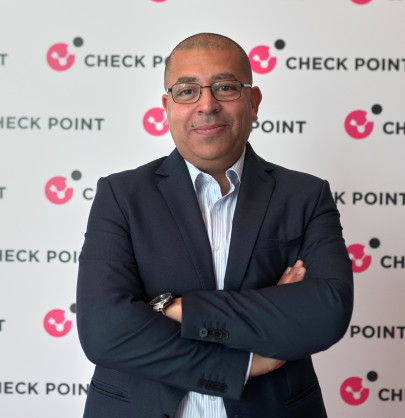
Issam El Haddioui, Head of Security Sales Engineering:  Africa, Check Point Software Technologies, says, "NIS2 sets a new standard for cyber security, and African businesses must act now. Many organisations are unaware of the depth of these requirements, which go beyond local regulations. Compliance is essential not only for maintaining business relationships with the EU but also for enhancing the overall resilience of African economies against cyber threats."

Compliance will exact a cost for African organisations, which according to Interpol's 2021 Africa Cyberthreat Assessment Report, spends an average of only 0.05% of their revenue on cyber security, far below the global average of 0.3-0.5%.  The Report also estimated the financial impact of cyber crime in the region at over $4 billion USD, representing about 10 percent of Africa's total GDP.

Tougher Penalties and Personal Responsibility

NIS2 introduces personal liability for business leaders in the event of a cyber attack, meaning that executives themselves can be held financially accountable for breaches. Penalties include fines of up to EUR 7 million or 1.4% of a company's global annual turnover, whichever is higher. This goes beyond the GDPR, placing even more responsibility on corporate leadership to ensure robust cyber security practices are in place.

NIS2 mandates that organisations must report cyber incidents to authorities promptly and inform their stakeholders, suppliers, and customers. Therefore, African businesses must ensure they have a comprehensive incident response plan in place, along with regular cyber security training for both IT and leadership teams.

Steps for African Businesses to Ensure Compliance

To successfully implement NIS2 and avoid devastating penalties, Check Point recommends the following four steps for African businesses:

  1. Knowledge: Business leaders must gain a basic understanding of cyber security to effectively communicate with their IT teams and ensure sound decision-making.
  2. People: Establish an agile IT security department, including key roles such as a Data Protection Officer (DPO) and a Chief Information Security Officer (CISO), to manage and distribute responsibilities efficiently.
  3. Audit: Conduct regular risk assessments and audits to identify and mitigate vulnerabilities. Continuous monitoring is essential to stay compliant with evolving threats.
  4. Incident Management: Develop clear procedures for responding to cyber incidents, including swift reporting to national authorities, suppliers, and stakeholders.

Long-Term Commitment to Cyber Security

Compliance with NIS2 is not a one-time process; it requires a long-term commitment to cyber security. From 2028, organisations will be required to annually document their NIS2-compliant IT infrastructure and demonstrate that their cyber security measures are aligned with the latest technological advancements.

“African countries, especially economic leaders like South Africa, Kenya, and Nigeria, should also consider using the NIS2 framework as a model for strengthening their own national cyber security regulations. By improving cyber-readiness, African businesses can not only comply with international standards but also protect their data, operations, and reputations from evolving threats,” El Haddioui continues.

El Haddioui, concludes, "The NIS2 Directive marks a significant shift in the cyber security landscape. African business leaders must recognise that cyber security is now a matter of survival, not just compliance. By taking proactive measures, they can safeguard their future, avoid heavy penalties, and ensure their organisations thrive in an increasingly interconnected global economy."

Distributed by APO Group on behalf of Check Point Software Technologies Ltd..

Follow Check Point via:
LinkedIn: https://apo-opa.co/48bWAC1
X: https://apo-opa.co/3Uh9uJo
Facebook: https://apo-opa.co/40cvTLl
Blog: http://apo-opa.co/4e2KjBm
YouTube: https://apo-opa.co/48wjFQd

About Check Point Software Technologies Ltd.:
Check Point Software Technologies Ltd. (www.CheckPoint.com) is a leading AI-powered, cloud-delivered cyber security platform provider protecting over 100,000 organisations worldwide. Check Point leverages the power of AI everywhere to enhance cyber security efficiency and accuracy through its Infinity Platform, with industry-leading catch rates enabling proactive threat anticipation and smarter, faster response times. The comprehensive platform includes cloud-delivered technologies consisting of Check Point Harmony to secure the workspace, Check Point CloudGuard to secure the cloud, Check Point Quantum to secure the network, and Check Point Infinity Core Services for collaborative security operations and services.

Media files
Check Point Software Technologies Ltd.
Download logo
Read moreEurope’s Network and Information Security (NIS2) directive raises the stakes for African businesses to comply with European Union’s (EU) cyber security standards
21 October 2024

Proteas Women Eye Historic First Title in T20 World Cup Final Against New Zealand

Location: Sport

DUBAI: The Proteas Women will take on New Zealand in the ICC Women’s T20 World Cup 2024 final on Sunday evening...

Read moreProteas Women Eye Historic First Title in T20 World Cup Final Against New Zealand
21 October 2024

Alarming rise in HIV

Location: News

Needle programs are officially supported, but the state often obstructs them

Read moreAlarming rise in HIV
20 October 2024

President Ramaphosa Wishes Matric Class of 2024 Well for National Senior Certificate Examinations

Location: News

The Presidency of the Republic of South Africa
Download logo

President Cyril Ramaphosa wishes the Matric Class of 2024 well for the National Senior Certificate examinations that begin tomorrow, Monday, 21 October 2024.

President Ramaphosa said: “As your parents, teachers, siblings, friends and neighbours, we are proud of all learners who have reached and are ready for this milestone.

“You started out as the Grade 1 Class of 2012 and have succeeded to this point with the help of so many people around you who are supporting and applauding the work you have put in up to this point.

“You are ready now to play back the knowledge you have acquired during these important years of your life.

“Be confident in what you know, believe in yourself and know that you are meant to succeed.

“These examinations are not an obstacle; they're a gateway to your continued success and a new phase of your life in which the adventure of learning and the ability to share your knowledge with others never stops.

“As you continue to prepare for your exams, there will be moments of difficulty. When these come, ask for help from everyone around you and they will support you.

“Motivate yourself and give encouragement to your classmates who, like you, are a generation whose skills and interests will take our country forward.

“You've got this.”

Link to video message: President Ramaphosa wishes matric class of 2024 well for National Senior Certificate examination - https://we.tl/t-KyfRQiiYsu

Distributed by APO Group on behalf of The Presidency of the Republic of South Africa.

Read morePresident Ramaphosa Wishes Matric Class of 2024 Well for National Senior Certificate Examinations
18 October 2024

Helping Hand Offered to Woman Feeding Children in East London

Location: News

The Lunchbox Fund and the Development Bank have committed to providing meals to Zandile Mtungata’s organisation

Read moreHelping Hand Offered to Woman Feeding Children in East London
18 October 2024

President Ramaphosa mourns passing of former Minister Membathisi Mdladlana

Location: News

President Ramaphosa mourns passing of former Minister Membathisi Mdladlana

President Cyril Ramaphosa has expressed his condolences following the passing of former Minister of Labour and High Commissioner to Canada, Membathisi Mphumzi Shepherd Mdladlana.

This as news of Mdladlana’s passing broke on Friday afternoon.

“President Ramaphosa offers his deep condolences to the family and friends of Mr Mdladlana who has passed away at the age of 72,” said the Presidency in statement.

A teacher by training and a former school principal, Mdladlana became a member of South Africa’s first democratic Parliament in 1994.

Four years later, he was appointed Minister of Labour by President Nelson Mandela and was retained in this role by Presidents Thabo Mbeki,Kgalema Motlanthe and Jacob Zuma.

The Presidency noted that Mdladlana’s predecessor was former Minister and Reserve Bank Governor Dr Tito Mboweni.

Dr Mboweni passed away a week ago and will be honoured tomorrow, Saturday, 19 October with a Special Official Funeral Category 2.

READ | Government updates the nation on preparations for Dr Mboweni funeral

“Membathisi Mdladlana’s passing is a loss to his family and friends as much as it is to the nation.

“While we may try to prepare ourselves for the inevitability of such a loss, bereavement is never easy. We have recently been visited by a succession of departures of veterans of our liberation struggle and pioneers of the dawn of our democracy,” said President Ramaphosa.

The President referred to Mdladlana as a pioneer.

“Membathisi Mdladlana was one such pioneer who was a first-generation Member of Parliament who had been prepared for this role during an extended period of leadership in the South Western African Teachers Association, the Peninsula African Teachers Association and the Cape African Teachers Union before becoming a founding member and Chairperson of the South African Democratic Teachers Union.

“He provided leadership in this strategic sector of our struggle at a time of great repression by the state and growing resistance by the people.

“In the year in which we are marking 30 years of freedom and democracy, Shepherd Mdladlana’s passing and that of other leaders takes us back in time to the sacrifices and struggles of our past, the hope with which we embarked on building a new society and the hard work it has taken since then to secure the gains we have made.

“Shepherd Mdladlana will live on in our hearts and our history. May his soul rest in peace,” said the President. - SAnews.gov.za

Neo
Fri, 10/18/2024 - 18:04

124 views
Read morePresident Ramaphosa mourns passing of former Minister Membathisi Mdladlana
18 October 2024

Social Grant Fraud: Sassa Needs to Act

Location: News

Instead of wrongly accusing us of illegal hacking, SASSA should take urgent action to fix the extremely serious problems we described

Read moreSocial Grant Fraud: Sassa Needs to Act
18 October 2024

Forum on Impactful Investment for Inclusive Growth in South Africa

Location: News

Invest Africa
Download logo

Invest Africa (www.InvestAfrica.com), in partnership with British International Investment (BII), the UK's development finance institution and impact investor, is excited to announce the upcoming forum, Impactful Investing for Inclusive Growth, taking place on 23 October 2024 in Johannesburg. This half-day event will focus on driving inclusive development in South Africa, addressing the critical challenges of digital, financial, and spatial inclusion. 

Bringing together key stakeholders, the forum will feature prominent speakers including Andile Ngcaba, Founder and Chairman of Convergence Partners, Hardy Pemhiwa, Group President and CEO of Cassava Technologies, and Carel Kleynhans, CEO of Divercity Urban Property Group. These thought leaders will share insights into how strategic investments can unlock untapped potential within South Africa's economy. 

BII, a pioneer in impact investing, has been a long-term partner to South Africa, with its first investment dating back to 1995. As the economic landscape evolves, BII remains committed to promoting sustainable development through impactful and inclusive investment. The forum will spotlight key areas such as digital infrastructure and affordable housing, while exploring how innovative financial solutions can drive inclusive growth and help South Africa meet its sustainable development goals. 

Chantelé Carrington, Chief Executive Officer of Invest Africa, commented: "Our partnership with British International Investment is a significant step in driving inclusive growth in South Africa. Together, we aim to empower communities, bridge gaps in access, and drive sustainable development across the country. We look forward to working collaboratively with BII to bring transformative investment to the region at the Impactful Investing for Inclusive Growth event." 

Chris Chijiutomi, Managing Director and Head of Africa, British International Investment, added:  

"We are committed to investing our capital to support inclusive and sustainable economic growth, particularly when it comes to offering vital climate finance. I am delighted to join forces with Invest Africa to bring together businesses and investors to unlock South Africa's economic potential. This will be the first in a series of forums that we will be convening to bring together entrepreneurs and industry leaders to support the government's agenda to bring about sustainable economic growth and increase innovation.” 

The forum will host two key sessions:  

  • Session 1: Digital and financial Inclusion (08:15 – 09:15) – Exploring the challenges and opportunities for expanding Africa's digital infrastructure, with a focus on how development finance can support affordable, wide-reaching connectivity across the continent. The panel will also explore innovative solutions to enhance financial inclusion and poverty reduction in underserved communities. 
  • Session 2: Spatial Inclusion (09:30 – 10:30) – Addressing the critical need for investment in affordable housing and township retail. 

The event will gather business leaders, investors, and policymakers for insightful discussions on how impactful investments can drive sustainable and inclusive growth in South Africa.  

For registration or inquiries, please contact George Meadows, Marketing and Events at Invest Africa, at george.meadows@investafrica.com. 

Distributed by APO Group on behalf of Invest Africa.

For media inquiries, please contact:  
George Meadows  
Marketing and Events, Invest Africa  
T: +44 20 3730 5035  
E: george.meadows@investafrica.com 

About Invest Africa:
Invest Africa is a leading pan-African business platform that promotes trade and investment across the continent. With over 60 years of experience, our network includes more than 400 multinational corporations, private investors, fund managers, family offices, policymakers, and entrepreneurs, all committed to building opportunity across Africa. We facilitate business and investment through events, conferences, bespoke missions, and consultancy. For more information, visit: www.InvestAfrica.com  

About British International Investment (BII):
British International Investment is the UK's development finance institution and impact investor. As a trusted investment partner to businesses in Africa, Asia and the Caribbean, BII invests to create productive, sustainable and inclusive economies in our markets. Between 2022-2026, at least 30 per cent of BII's total new commitments by value will be in climate finance. BII is also a founding member of the 2X Challenge (https://apo-opa.co/409BUbF) which has raised over $33.6 billion to empower women's economic development. The company has investments in over 1,580 businesses across 65 countries and total net assets of £8.5 billion. For more information, visit: www.BII.co.uk | watch here (https://apo-opa.co/48k4sl6). Follow British International Investment on LinkedIn (https://apo-opa.co/4hdcnVa) and X (https://apo-opa.co/3UfiWgb). 

Read moreForum on Impactful Investment for Inclusive Growth in South Africa
  • Previous
  • Page 1
  • Interim pages omitted …
  • Page 83
  • Page 84
  • Page 85
  • Page 86
  • Page 87
  • Interim pages omitted …
  • Page 212
  • Next

Copyright © 2026 · MyZA · All Rights Reserved · Powered by Stratlec Online