• Skip to main content
  • Skip to header right navigation
  • Skip to after header navigation
  • Skip to site footer
MyZA

MyZA

News, Directory, Events and Other Stuff

  • Social Media
  • Sport
  • World News
  • Home
  • Submit News
  • Directory
  • Events
  • Stratlec
  • TFSA
  • News
    • APO
    • Today’s Sport News
    • Todays Social Media and Tech Headlines
    • Today’s World News
    • Today’s SA Financial News
  • Contact
You are here: Home / Archives for office

office

28 February 2025

Collective effort needed to rear children as equals 

Location: News

Collective effort needed to rear children as equals 

Deputy Minister in the department of Women, Youth and People with Disabilities, Mmapaseka Steve Letsike has called for a collective effort in raising children equally so as to dismantle historical injustices while also eradicating inequality.

The Deputy Minister was speaking during a panel discussion hosted by the Government Communication and Information System (GCIS) on the importance of focusing on the boy child as part of the Gender-Based Violence and Femicide (GBVF) prevention strategy.

She underscored the significance of all stakeholders in shaping a just society.

"The young people of our country will grow up in a better place when we all put our hands together. 

“President Cyril Ramaphosa, in his State of the Nation Address, made a clarion call for a nation that works for all. All stakeholders matter in bringing up a better strong child justice system. We are a resilient people, and this country will be built by everyone, including the children before us. Let us nurture them, guide them to do the right thing, and let them thrive," Letsike said.

She emphasised that children should be raised equally, regardless of gender, and lamented the historical social constructs that have led to divisions between boys and girls.

"Sometimes, as adults, we diagnose and redefine how we bring up children, even to the point of polarising them. Children are meant to be brought up equally, they are born equal…We have divided children, we have divided men and women. We know the contributing factors which stem from issues of patriarchy, dominance and privilege.”

Speaking to those attending the session at the GCIS head office in Pretoria, the Deputy Minister highlighted the social implications of unequal child-rearing which can lead to bullying, violence, substance abuse, and mental health struggles.

She emphasised that past initiatives aimed at empowering the girl child were never meant to diminish the boy child but to address historical inequalities.

"When we paid attention to the girl child, it was never to minimise the boy child. It was about addressing inequality and dismantling social constructs that left both men and women behind. 

“We must liberate ourselves by affirming that the girl child matters, the boy child matters, and the LGBTQ+ [lesbian, gay, bisexual, transgender, queer or questioning, intersex, asexual, and more] community matters. We must return to our African principles of unity and raising children as a community," she said.

CEO of Soul City Institute, Phinah Kodisang, reinforced the need for equal treatment of all children, stressing that achieving equality requires challenging societal norms.

"We need to challenge the things that make equality difficult to achieve. The boy child must understand the privilege they live in and advocate against factors that perpetuate inequality. Before I am a woman, I am a human being, and even our Constitution speaks to human rights. 

“We need to dismantle divisions that were created in the past and shift from mere words to action. Let’s instil values in our children through behaviour, even in something as simple as the toys we buy for them," Kodisang said.

The Soul City Institute for Social Justice is an intersectional feminist organisation committed to social justice for all.

Meanwhile, Chief Operating Officer of Primestars, Nkosinathi Moshoana, spoke on the importance of allowing young boys to open up about their struggles and vulnerabilities.

"Men are often perceived as perfect when put on a stage, and this makes it difficult for young boys to share their challenges. The key to helping young men express themselves is for society and fathers to be vulnerable and share their own struggles. That way, boys will see that we also faced challenges and overcame them," Moshoana said.

Primestars is a provider of youth development programmes.

Pledge 

During the event, young boys in attendance signed a pledge to end gender-based violence and femicide committing to fostering a culture of respect and equality.

Deputy Minister Letsike commended the boys for their bravery. 

“You are brave and strong. You must continue to be strong," she concluded.

The panel discussion emphasised the need for an inclusive approach to child-rearing, one that fosters equality, respect, and unity to build a safer and more just society for future generations. – SAnews.gov.za


DikelediM
Fri, 02/28/2025 - 15:21
211 views

Read moreCollective effort needed to rear children as equals 
27 February 2025

More than 716 900 SASSA beneficiaries transition to Black Cards

Location: News

More than 716 900 SASSA beneficiaries transition to Black Cards

Over 716 900 South African Social Security Agency (SASSA) beneficiaries have transitioned to the Postbank Black Cards from the previous SASSA Gold Cards, Cabinet said on Thursday.

Minister in the Presidency Khumbudzo Ntshavheni said card distribution sites have been increased around the country to ensure that beneficiaries are assisted before the 20 March 2025 deadline. 

“More than 716 900 beneficiaries have transitioned to the Postbank black cards and card distribution sites have been increased around the country to mitigate the queues so that every beneficiary receives the new card near where they live. 

“Postbank has also increased the number of tellers in the card replacement sites from 2 tellers to up to 5 tellers depending on the business of the site,” the Minister said at a post-Cabinet briefing in Cape Town.

Cabinet also encouraged beneficiaries to visit their nearest Checkers, Shoprite, Pick ‘n Pay, Usave, or Boxer stores to collect their new Postbank Black Card. 

READ | Grant beneficiaries urged to replace expiring SASSA Gold Cards

Steps to take

A valid South African identity document (ID) or temporary ID is required. Mobile offices will also be available in rural areas to assist beneficiaries. 

Additionally, Postbank has partnered with the Spar Group, which will designate 200 of its stores as service sites across the country.

“Cabinet reminds beneficiaries that the old SASSA Gold Card will stop working on 20 March 2025 and beneficiaries who have not exchanged their cards by then will need to visit their nearest Post Office branch to access their funds,” the Minister said.

SASSA had previously said that Postbank has also made it easy for beneficiaries to locate the nearest place in every province where they can collect their Postbank Black Cards. 

All they need to do from the comfort of their homes is to use their cellphone and: 
•    Dial: *120*218*3#
•    To continue, reply by pressing number: 1; and
•    reply with the number representing the province they live in.

To get the new Postbank Black Cards, beneficiaries are required to have a valid South African ID, or a temporary ID. Beneficiaries are urged to be aware that no card will be issued without these documents. 

Ensuring that minimum documentation is required to get the new Postbank Black Cards is in line with SASSA and Postbank's ongoing commitment to continuously improve the customer experience of all social grant beneficiaries.

The Postbank Black Cards will be issued free of charge. For further enquiries, beneficiaries can contact Postbank on 0800 53 54 55 or SASSA on 0800 60 10 11. 

Government previously moved the initial deadline from 28 February deadline to 20 March 2025. – SAnews.gov.za


DikelediM
Thu, 02/27/2025 - 13:14
838 views

Read moreMore than 716 900 SASSA beneficiaries transition to Black Cards
27 February 2025

Over R20 million allocated to boost North West economy 

Location: News

Over R20 million allocated to boost North West economy 

The North West Provincial Government has allocated R24 million to establish a Development Fund to accelerate development initiatives across the province.

The fund will be established with a special focus on stimulating economic growth and creating sustainable job opportunities.
This is according to the North West Premier Lazarus Kagiso Mokgosi who delivered his State of the Province Address (SOPA) at the provincial legislature on Thursday.

He informed the Members of the Provincial Legislature (MPL) that the efforts of the Economic and Investment Advisory Council are starting to produce positive results.

The Council is responsible for assisting the province to drive its industrialisation programme, lure investments, and see to the full implementation of the Provincial Growth and Development Strategy.

“We envisage establishing a Regional Research, Innovation and Development Office, which will be in, and coordinated by, the Office of the Premier with a specific focus on Science, Technology and Engineering,” he said on Thursday. 

The SOPA outlined the province’s strategic priorities for the next five years, focusing on inclusive growth, job creation, poverty reduction, and building a capable and ethical State. 

Mokgosi highlighted the province’s challenges, including high unemployment and poverty rates, and emphasised the need for aggressive measures to address these issues.  

He announced several initiatives, such as the expansion of the National School Nutrition Programme to provide two meals per day to learners in more schools and the launch of the “Ntime o Mphele Ngwana Poverty Alleviation Programme” to combat hunger among children and youth. 

In addition, infrastructure development was a key focus, with significant investments in road projects, water and sanitation improvements, and the construction of new schools and clinics. 

The Premier also announced plans to revitalise the Taung irrigation scheme and other agricultural projects to boost food production and support emerging farmers. 

“The collaborative work between the Vaalharts Water Users Association, the Department of Water and Sanitation, and the Dr Ruth Segomotsi Mompati District Municipality will result in an increase of water supply to households in areas such as Taung, Pudimoe, and Huhudi.” 

Jobs and attracting investment

Mokgosi reaffirmed the government’s commitment to creating job opportunities through public employment programs, such as expanded public works, community health workers, community works, and labour activation programmes.

These initiatives aim to create over 150 000 job opportunities in the next five years, targeting women, youth, and persons with disabilities.

The provincial government is fostering relations with the private sector to address infrastructure backlogs and attract investment.  

The Premier cited the Mekgareng Smart City project, which is expected to create 20 000 jobs for the people of Madibeng Local Municipality and attract investments of between R10 and R25 billion.

The smart city project is a collaborative development initiative between the North West and Gauteng, coordinated by the national Department of Human Settlements.

Meanwhile, the provincial government has partnered with the South African National Defence Force (SANDF) and Phila Jordan Academy to provide training opportunities to 3 000 beneficiaries in artisanal and tooling programs.  

In addition, more than 1 200 young people are participating in a National Youth Service programme, and over 7 000 youth have been provided with skills and job placements.

The Premier hopes that these comprehensive measures will help reduce unemployment and stimulate economic growth in the North West. 

In addition, he covered efforts to promote clean governance, combat corruption, and improve audit outcomes.  

He concluded with a call for unity and collaboration among all stakeholders to tackle the province’s socioeconomic challenges and build a better future for all residents. 

“Ours is a skewed past centered on exploitation, exclusion, and oppression but we remain hopeful about the socio-economic prospects of our province, and we are unflinching on our commitment to creating a better life of all, irrespective of race, class, and gender or creed,” he said. – SAnews.gov.za


Gabisile
Thu, 02/27/2025 - 15:36
32 views

Read moreOver R20 million allocated to boost North West economy 
26 February 2025

South Africa and Japan foster relations 

Location: News

South Africa and Japan foster relations 

The friendship and collaboration between Japan and South Africa – as an essential factor in the advancement of peace, prosperity and mutual understanding – have been reflected upon at Deputy President Paul Mashatile’s meeting with Japanese Ambassador to South Africa, Fumio Shimizu.

The Deputy President received a courtesy visit from newly appointed Ambassador Shimizu at Mashatile Tuynhuys office in Parliament, Cape Town, on Tuesday.

Shimizu is hosting a high-powered Japanese delegation in South Africa to attend the G20 Foreign Ministers’ Meeting and the meeting of the G20 Finance Ministers and Central Bank Governors, alongside a number of G20 workstream meetings.

At Tuesday’s meeting, South Africa and Japan reaffirmed their strong diplomatic and economic partnership, with Mashatile emphasising Japan’s role in South Africa’s economic growth and investment landscape.

“In particular, the Deputy President appreciated the continued strengthening of South Africa-Japan cooperation in several sectors, including politics, trade and investment, science and innovation, education, energy and development cooperation,” the Presidency said in a statement on Tuesday.

Mashatile highlighted Japan’s role as one of South Africa’s most significant economic partners, particularly in the automotive industry, technology, skills development and mineral beneficiation. He expressed optimism about increasing Japanese investments in local manufacturing, job creation and infrastructure projects.

“In Japan, we see the potential for the increase of already sizable investment in our economy, especially in the automotive industry, technology and skills development, commercialisation and manufacturing, as well as machinery for mining and mineral beneficiation, which are among the key economic drivers in South Africa,” Mashatile said.

The Deputy President and Shimizu committed to strengthening cooperation in various sectors, including science and innovation, education and energy.

Mashatile will undertake a working visit to Japan next month to solidify trade relations and attract further investment. 

South Africa also eagerly anticipates the 9th Tokyo International Conference on African Development (TICAD 9) in Yokohama this August, which is expected to further bolster economic ties between Japan and the African continent. – SAnews.gov.za

Gabisile
Wed, 02/26/2025 - 11:26
332 views

Read moreSouth Africa and Japan foster relations 
26 February 2025

Operation Dudula’s Victims Demand Justice

Location: News

Litigation against the vigilante group started a year ago

Read moreOperation Dudula’s Victims Demand Justice
26 February 2025

Mashatile to commemorate Harvest Day with Free State apple farmers

Location: News

Mashatile to commemorate Harvest Day with Free State apple farmers

Strategies for enhancing the agricultural sector, fostering economic growth, and promoting job creation will form part of Deputy President Paul Mashatile’s visit to the Free State.

Mashatile will commemorate Harvest Day at the Remmoho Investment in Agriculture Farm in Bethlehem on Thursday, 27 February.

According to a statement from the Deputy President’s Office, the event will highlight key milestones in agricultural development, underscoring government’s dedication to fostering an inclusive agricultural sector and creating job opportunities within the community.

As chairperson of the Inter-Ministerial Committee on Agriculture and Land Reform, the Deputy President will meet with approximately 400 local farmers, agricultural stakeholders and commodity organisations.

“During his visit, the Deputy President will witness firsthand the investments in apple export and processing facilities in the province, which showcases the innovative efforts to enhance agricultural production and support local farmers, especially black farmers, in growing production,” the statement read.

The visit will also highlight the role of Remmoho Investment in Agriculture, which contributes to government’s vision of growing an inclusive agricultural sector, as enshrined in the Agriculture and Agro-processing Master Plan (AAMP). 

“The company’s investments in the agricultural space are pivotal in breaking new frontiers to create employment opportunities and achieve food security in South Africa," the statment said. 

The Presidency said the event will also be a celebration of agricultural success stories and an opportunity to underscore how such initiatives align with government efforts to foster economic development and food security.

Agriculture Minister John Steenhuisen and Land Reform and Rural Development Minister Mzwanele Nyhontso will accompany the Deputy President on his visit.

Free State Premier Maqueen Letsoha-Mathae and the Executive Mayor of Thabo Mofutsanyana District Municipality, Conny Msibi, will receive the Deputy President. – SAnews.gov.za

Gabisile
Wed, 02/26/2025 - 08:30
28 views

Read moreMashatile to commemorate Harvest Day with Free State apple farmers
25 February 2025

Women Workers Win Major Victory on Minimum Wage

Location: Business

Company not allowed to base workers’ pay on targets, says CCMA

Read moreWomen Workers Win Major Victory on Minimum Wage
25 February 2025

African Development Bank and Standard Bank Unite to Support Small, Medium, and Micro Enterprises (SMMEs) and Boost Trade

Location: Business
African Development Bank Group (AfDB)

The African Development Bank Group (www.AfDB.org) and Standard Bank Group (SBG) on Monday signed a landmark financial agreement to enhance funding for small, medium, and micro enterprises (SMMEs) and expand trade across Africa.

The agreement includes a R3.6 billion investment in a social bond and a $200 million Risk Participation Agreement (RPA) for Standard Bank of South Africa Limited (SBSA). This initiative strengthens Standard Bank's lending capacity, ensuring greater access to finance for SMMEs, a critical driver of economic growth and job creation in South Africa.

The social bond investment promotes inclusive economic development, particularly for SMMEs with a turnover below R300 million and loan sizes under R40 million. This financing will support up to 4,000 businesses, helping them scale operations, create jobs, and contribute to economic resilience.

Kenny Fihla, Deputy Chief Executive Officer of Standard Bank Group and Chief Executive Officer of SBSA, welcomed the investment, stating: “This landmark partnership strengthens our ability to support SMMEs, the backbone of South Africa's economy. With approximately 3.2 million SMMEs accounting for 60% of jobs, ensuring access to finance is crucial. This initiative aligns with our Sustainable Finance Framework and our commitment to financial inclusion.”

In addition to the social bond, the $200 million RPA enhances trade finance across Africa, focusing on Low-Income Countries and Transition States. This agreement enables local banks to increase lending by sharing risk, bridging the trade finance gap, and promoting intra-African trade.

Leila Mokaddem, Director General for Southern Africa at the African Development Bank, highlighted the broader impact: “This collaboration marks a significant milestone in our long-standing partnership and is a testament to our shared commitment to supporting SMMEs' growth and enhancing trade finance across Africa. Expanding financial inclusion and trade opportunities empowers businesses to drive economic transformation and regional integration. The Standard Bank Group remains a strategic partner in our shared vision for economic development on the continent.”

This initiative aligns with the African Development Bank's Ten-Year Strategy (2024–2033), which prioritises industrialisation, regional integration, and improving the quality of life in Africa. It also supports Standard Bank's Sustainable Finance Framework, reinforcing both institutions' commitment to fostering green and inclusive growth.

“We are proud of this transaction, demonstrating our shared commitment to sustainable financing. By supporting businesses, we create long-term economic opportunities and financial resilience,” stated Ahmed Attout, Director of the Financial Sector Development Department at the African Development Bank.

Kenny Fihla reaffirmed the significance of the collaboration:

“By providing much-needed capital, we are helping enterprises overcome challenges and thrive. This partnership illustrates the power of collaboration in driving meaningful economic and social change in Africa.”

Distributed by APO Group on behalf of African Development Bank Group (AfDB).

For media inquiries, please contact:
Natalie Naudé

Communication and External Relations Department
Email: media@afdb.org

About the African Development Bank Group:
The African Development Bank Group is Africa's premier development finance institution. It comprises three distinct entities: the African Development Bank (AfDB), the African Development Fund (ADF) and the Nigeria Trust Fund (NTF). On the ground in 41 African countries with an external office in Japan, the Bank contributes to the economic development and the social progress of its 54 regional member states. For more information: www.AfDB.org

Media files
African Development Bank Group (AfDB)
Download logo
Read moreAfrican Development Bank and Standard Bank Unite to Support Small, Medium, and Micro Enterprises (SMMEs) and Boost Trade
25 February 2025

Network International appointed as Payment Processing Partner by MTN Group Fintech

Location: News
Network International

Network International (Network) (www.Network.ae), a leading enabler of digital commerce across the Middle East and Africa (MEA), has been appointed as a Payment Processor – Issuing partner for MTN Group Fintech, Africa's leading mobile financial services provider. This partnership marks a significant extension of Network's portfolio of issuer processing collaborations throughout the African continent. 

With a footprint spanning over 50 countries and serving over 250 financial institutions, Network International brings its expertise to this partnership which will enhance MTN Fintech's cutting-edge mobile services and provide even greater value to stakeholders and customers across Africa. 

The partnership will focus on rolling out card issuance products across key MTN Fintech markets, starting with Rwanda which is already operational. Soon   Uganda, Ivory Coast, and Nigeria will also be covered under this collaboration.  Network International will provide a comprehensive range of services, including transaction processing, card management and online fraud prevention. MTN Fintech users will benefit from a seamless experience accessing both traditional mobile services and innovative digital payment solutions. 

Dr. Reda Helal, Group Managing Director – Processing, Africa and Co-Head Group Processing at Network International commented: “Our collaboration with MTN Group Fintech marks a major milestone for our outsourced payments services in Africa. It demonstrates our ability to successfully serve Mobile Network Operators (MNOs) via our fully-fledged processing solutions and our continued dedication and commitment to the African region. We are excited to support MTN Group Fintech's growth strategy, and its business development plans across the continent.”  

Cedric N'guessan, Executive for Payment and E-commerce at MTN Group Fintech added, "This collaboration with Network International is pivotal in enhancing financial inclusion across Africa and beyond. It enables our customers to actively engage in the global economy, aligning perfectly with our strategic goals alongside Mastercard to broaden access to digital financial services across the continent." Read More (https://apo-opa.co/43aKuII) 

MTN Group provides voice, data, fintech, enterprise wholesale and API services to more than 288 million customers in 14 African markets.   

Distributed by APO Group on behalf of Network International.

For more information, please contact:  
MTN Group Press Office
MTNGroup.PressOffice@mtn.com 

MTN Group Fintech (Proprietary) Limited: 
Head Office: 216-14th Avenue Fairland 2195, Private Bag 9955 Cresta 2118 South Africa 
Tel +2711 912 3000 
Fax +2711 912 4093 
Website www.MTN.com

Corporate Communications: 
Network International 
Dubai, UAE 
Tel: +971 4 303 2431 
lambert.espedido@network.global   

Follow us:
X: https://apo-opa.co/3QwQZht
Linkedin: https://apo-opa.co/4khrvCr

About MTN Group Fintech:
MTN Fintech, the platform business of MTN Group, is dedicated to revolutionising global financial services through innovative digital technology solutions. Leveraging MTN's extensive reach and expertise in telecommunications, MTN Fintech is committed to advancing financial inclusion for all and empowering communities in Africa. With a primary focus on pioneering mobile financial services, digital payments, e-commerce, short-term insurance, and remittance capabilities, MTN Fintech strives to establish seamless, accessible, and secure financial ecosystems that shape the future of digital finance. 

About Network International:
Network International is the Middle East and Africa's largest and leading digital payments company. Our purpose is to help businesses and economies grow by simplifying payments and commerce. We operate in 50+ countries serving governments, banks, fintechs, merchants and public sector companies. We have 2,000+ employees based in our markets serving over 250 financial institutions and 130,000+ merchants.  

Media files
Network International
Download logo
Read moreNetwork International appointed as Payment Processing Partner by MTN Group Fintech
24 February 2025

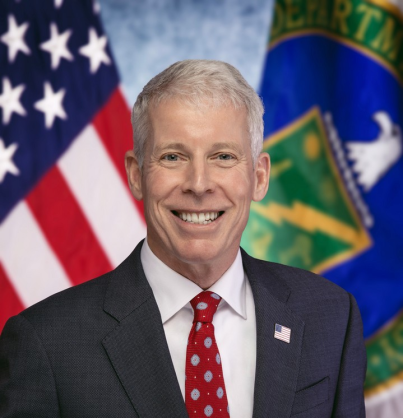
u.s. Secretary of Energy Chris Wright to Deliver Keynote Address at 10th Powering Africa Summit

Location: News
EnergyNet Ltd.

Secretary Chris Wright, U.S. Department of Energy, has been confirmed as a speaker and guest of honour at the 10th Powering Africa Summit (PAS), taking place at JW Marriott Washington, D.C. across March 6-7. This is an important step to provide an answer to the question that all of African energy is now asking: how will the new Administration approach the strategic energy relationship between the U.S. and Africa

Under the Summit theme, The Future of the US & Africa Energy Partnership, U.S. Secretary of Energy Chris Wright will deliver a keynote address at the 10th annual Powering Africa Summit. Wright will be joined by representatives from the U.S. Department of State: Ambassador Troy Fitrell, Senior Bureau Official, Bureau of African Affairs; Kimberly Harrington, Acting Principal Deputy Assistant Secretary, Bureau of Energy Resources; and Stephen Banks, Acting Deputy Assistant Secretary for Energy Diplomacy, Bureau of Energy Resources. All will share their vision for this future relationship between African countries and the US-based investors that are so vital to realizing their energy ambitions.

“As Secretary of Energy, I am committed to unleashing all forms of affordable, reliable and secure energy here at home and advancing that mission of energy security around the world – and nowhere is that more critical than the continent of Africa. I look forward to joining the Summit to reaffirm the strategic energy partnership between the U.S. and Africa and share my vision for advancing innovation and removing barriers to energy access, both at home and around the world,” Secretary Wright said.

Ministers and governments from 19 African countries will arrive in Washington D.C., where the Africa Welcome Address will be given by H.E. Honourable Adebayo Adelabu, Minister of Power, Nigeria. Together with H.E. Honourable Jeremiah Kpan Koung, Vice President, Liberia; H.E. Honourable Dr. Dele Alake, Minister for Solid Minerals Development, Nigeria; H.E. Honourable Mahmoud Mustafa Esmat, Minister of Electricity & Renewable Energy, Egypt; H.E. Honourable Karim Badawi, Minister of Petroleum & Mineral Resources, Egypt; H.E. Honourable Bogolo Joy Kenewendo, Minister of Minerals & Energy, Botswana; H.E. Honourable Alex Wachira, Principal Secretary, Ministry of Energy & Petroleum, Kenya; and Amina Benkhadra, Director General, Office National des Hydrocarbures et des Mines (ONHYM), Morocco, he will meet distinguished Ministers and leaders from South Africa, Senegal, Ethiopia, Zimbabwe, Togo, Sierra Leone and more to drive energy development across the continent.

Flagship ministerial boardrooms and regional energy cooperation sessions will discuss and debate   derisking projects, South Africa's energy future, the need for West African regulatory reforms, and the role of hydrogen in North Africa. New areas of opportunity such as bitcoin mining and data centers will be discussed through an East African lens. The Mission 300 initiative, set to provide electricity access to 300 million people in sub-Saharan Africa by 2030, is also high on the agenda.

The 10th Anniversary Gala Drinks Reception sponsored by Genesis Energy, will celebrate International Women's Day, ahead of March 8.

Critical to the week's discussions will be a host of private players including Alliant Insurance Services, GE Vernova, ARM-Harith Infrastructure Investment, Globeleq, Africa50, Nextracker, Schneider Electric, Newmarket Capital and the summit's general sponsor, Sun Africa, who are looking to a new future for the U.S.-Africa relationship.   

Sun Africa CEO, Adam Cortese said: “We are seeing a sea change in how the U.S. participates in foreign infrastructure development and our unique model of development is an excellent illustration of how U.S. energy companies can thrive in emerging markets on a strictly commercial basis. Sun Africa remains committed to harnessing Africa's immense energy resources through innovative structures, state-of-the-art technology and strong alliances while maintaining our long-standing market-based approach to development.  At Sun Africa, we believe energy development on the continent truly represents an opportunity for win-win partnerships and look forward to sharing our experience.”

Simon Gosling, MD of EnergyNet added: “This summit has always been about bringing together African countries seeking investment with U.S.-based investors who see the vast potential on the continent.  It is more important than ever to establish the crucial energy projects that Africa needs. PAS25 will put the continent center stage and make sure that both sides have a future relationship to be excited about.”

Media Credentials Requited for Powering Africa Summit

The Secretary will open the Summit on 6 March, delivering a Keynote Speech at 09:45, followed by a Fireside Chat with Mission 300 Accelerator CEO, Andrew Herscowitz.

Distributed by APO Group on behalf of EnergyNet Ltd..

For more information, please get in touch with 
Poliana@EnergyNet.co.uk
Senior Marketing Manager

Media files
EnergyNet Ltd.
Download logo
Read moreu.s. Secretary of Energy Chris Wright to Deliver Keynote Address at 10th Powering Africa Summit
20 February 2025

Police Committee Applauds High Arrest Figures

Location: News

Republic of South Africa: The Parliament
Download logo

The Portfolio Committee on Police has applauded the remarkable number of arrests of suspected criminals over the festive season but raised alarm that a worrying disjuncture remains between arrests and convictions. The committee received presentations from the South African Police Service (SAPS) management on the Safer Festive Season operation, policing extortion over the festive season and capacitating the detective services.

“It is commendable that 244 951 wanted criminals were arrested for the period between 1 October 2024 to 31 January 2025, but these arrests will be futile of they are not followed by effective prosecution. In line with this, the committee has reemphasised the importance of prosecution-led investigations that will aid prosecution. Also, the link between low conviction rates and the under-resourcing of the detective services cannot be overemphasised,” said Mr Ian Cameron, the Chairperson of the committee.

The committee also emphasised the need for the roll-out of similar high visibility and disruption operations throughout the year, as, on paper, this visibility is effective. While the committee acknowledged South Africa's fiscal challenges, it is of the view that the 6 332 festive-season operations can be replicated throughout the year.

The focus on unlicenced liquor premises is welcomed, as substance abuse is one of the causal factors of crime. The committee was informed that the SAPS closed 6 547 unlicenced premises during October to January period throughout the country, but the committee called on the SAPS together with Liquor Boards to work with communities to revisit these areas, as there is a trend of reopening these establishments after they are closed by the police.

Meanwhile, the committee acknowledged plans by the SAPS to capacitate the detective services through an initiative to recruit 4 000 additional detectives. The committee reemphasised that while this is welcomed, the reality is that this additional capacity does not address the dire capacity shortages in this critical component. Also, the additional capacity will have a minimal impact on the high docket-to-detective ratio and a comprehensive short- to medium-term plan is necessary to alleviate the pressure. The committee noted that the SAPS has made a request to National Treasury for additional funding but highlighted the need to put alternative strategies in place, especially in the context of South Africa's current fiscal constraints.

Furthermore, the committee is concerned about the availability of tools of trade, such as vehicles and office space, for the additional capacity within the detective services. Without suitable tools the additions will not add the required value in the fight against crime. “For example,” Mr Cameron said, “members of the committee conducted an unannounced oversight to the Anti-Gang Unit in the Western Cape and the unit only has 79 vehicles with 90% of those having over 250 000 km, operate in an infrastructure that is not maintained and 210 members share two female and one male toilet. These challenges are systemic and affect the SAPS at all levels and affect the wellness and operational efficiency of the police. Additional capacity without addressing those shortcomings will only exacerbate the challenges,” Mr Cameron said.

The committee is also concerned that the recruitment of 200 detectives who had previously left the SAPS is too small a number and will lead to juniorisation of the service and lock out many experienced police officers who are willing to return. The ripple effect is that these additional new detectives will take time to acclimatise to the new environment translating into minimal impact on the detective services' ability to fight crime.

Meanwhile, the committee welcomed the improved focus in tackling extortion case but noted that extortions continue. Nonetheless, the committee reemphasised the importance of law enforcement's integrated efforts to prevent and combat extortion. Also, intelligence-driven operations should be the primary drivers of pro-active and combat responses to disrupt extortions. Collaboration with the National Prosecuting Authority is also necessary to ensure that cases are placed before courts and that criminals are prosecuted effectively.

Distributed by APO Group on behalf of Republic of South Africa: The Parliament.

Read morePolice Committee Applauds High Arrest Figures
19 February 2025

Civilians at Breaking Point in Eastern Democratic Republic of the Congo

Location: News

UN News
Download logo

As the Security Council prepared to gather on Wednesday to debate the international community's response to the growing emergency in eastern Democratic Republic of the Congo (DRC), the UN's top aid official there urged all warring parties to allow lifesaving relief supplies to reach the most vulnerable.

“The rapid and uninterrupted expansion of the conflict, particularly in South Kivu province, continues to inflict a heavy toll on the civilian population,” said UN humanitarian coordinator for DRC, Bruno Lemarquis. “The population can no longer continue to pay such a heavy price for a conflict that continues to spread and now threatens the stability of the entire region.”

The veteran aid official's appeal came as yet more vulnerable people reportedly fled combat zones amid advancing and heavily armed Rwanda-backed M23 rebels. On Sunday the opposition fighters took control of Bukavu - the second major eastern DRC city to fall, in a matter of weeks.

“It is imperative to put an end to the confrontations” and resume dialogue, Mr. Lemarquis insisted, as he echoed concerns stressed by the UN Secretary-General that the continuing M23 offensive threatens regional stability.

For aid teams who remain committed to helping vulnerable and hard-to-reach communities impacted by the fighting, Mr. Lemarquis signalled that the most urgent priorities include reopening airports for humanitarian flights in Goma – capital of North Kivu and Kavumu in South Kivu, both now controlled by M23.

‘Tense' situation in Bukavu

The security situation in Bukavu remains tense, according to the UN aid coordination office, OCHA, which also reported that commercial boats have resumed services on Lake Kivu between Bukavu and Goma.

Humanitarian partners have also reported widespread looting in various part of Bukavu over the weekend, including a UN World Food Programme warehouse containing 7,000 tonnes of supplies.

“Several churches and collective centres in Bukavu are reportedly hosting displaced people,” OCHA noted in an update, adding that humanitarian assessment activities resumed on Tuesday “and will continue tomorrow as conditions permit”.

In addition to the urgent need for humanitarian supply flights, the UN aid coordinator urged respect for international law regarding the rights of internally displaced people (IDPs). Just last week, relief agencies expressed concern at a 72-hour ultimatum issued by M23 representatives to IDPs in Goma who were told to go back to their villages.

“Any return can only take place on a voluntary basis, under safe, dignified and sustainable conditions, in accordance with international principles,” Mr. Lemarquis explained.

Neutrality at core of mission

The UN aid coordinator also insisted that relief teams' “sole mission” was to provide vital assistance and protection to the most vulnerable, “wherever they may be...This action is guided by the humanitarian principles of neutrality, impartiality, humanity, and independence, without taking sides or engaging in political considerations.”

The DRC emergency is one of the most complex humanitarian crises in the world; it follows decades of clashes between the Congolese armed forces and various non-State armed groups, widespread human rights violations and sexual violence.

Humanitarian needs are staggering and not just in eastern DRC, according to the UN refugee agency, UNHCR, which noted that seven million people within the country are displaced and more than one million have sought asylum beyond the country's borders.

Most of these refugees are hosted by Angola, Burundi, the Republic of the Congo, Malawi, Rwanda, South Africa, Uganda, Tanzania and Zambia. At the same time, the DRC – a country seven times the size of Germany – also hosts more than half a million refugees and asylum-seekers.

This latest crisis in DRC's east has already uprooted hundreds of thousands of vulnerable people in a matter of weeks. Between 10 and 15,000 people have now crossed into neighbouring Burundi in a matter of days.

“UNHCR urgently calls for increased support to assist refugees and prevent further suffering,” it said in an online appeal. “We also urge an immediate end to hostilities in eastern DRC to prevent more displacement and civilian harm.”

Distributed by APO Group on behalf of UN News.

Read moreCivilians at Breaking Point in Eastern Democratic Republic of the Congo
19 February 2025

Budget Postponement Is a “Blessing in Disguise” Says COSATU

Location: News

Hundreds marched in Cape Town ahead of budget announcement

Read moreBudget Postponement Is a “Blessing in Disguise” Says COSATU
19 February 2025

Human Rights Council to Hold Its Fifty-Eighth Regular Session

Location: News

Office of the UN High Commissioner for Human Rights (OHCHR)
Download logo

The United Nations Human Rights Council will hold its fifty-eighth regular session from 24 February to 4 April 2025 at the Palais des Nations in Geneva, starting with its high-level segment from 24 to 26 February, when dignitaries representing more than 100 Member States will address the Council.

The session will open at 9 a.m. on Monday, 24 February under the Presidency of Ambassador Jürg Lauber of Switzerland. Delivering statements at the opening will be the Secretary-General of the United Nations, António Guterres; thePresident of the United Nations General Assembly, Philemon Yang; the United Nations High Commissioner for Human Rights, Volker Türk; as well as the Chief of the Federal Department of Foreign Affairs of Switzerland, Ignazio Cassis. The Council will be meeting in room XX of the Palais des Nations.

On Monday, 3 March, the Council is scheduled to hear a global update by the High Commissioner for Human Rights on the situation of human rights around the world. The general debate on his global update will start following his presentation of a number of country-specific reports and updates.

During the session, the Council will hold 30 interactive dialogues with the High Commissioner, his Office and designated experts, with Special Procedure mandate holders and investigative mechanisms, and with Special Representatives of the Secretary-General. The Council will also hold five enhanced interactive dialogues and one high-level dialogue, as well as nine general debates.

The Council will also hold theannual high-level panel discussion on human rights mainstreaming with a focus on the thirtieth anniversary of the Beijing Declaration and Platform for Action;the biennial high-level panel on the death penalty; panel discussions on early warning and genocide, HIV response and leaving no one behind, and onrights to work and to social security; the annual interactive debate on the rights of persons with disabilities; the annual discussion on the rights of the child; and a commemoration of the International Day for the Elimination of Racial Discrimination.

The Council will examine the situation of human rights in a number of countries under its various agenda items, including the situation in the occupied Palestinian territory, Eritrea, Sudan, South Sudan, Nicaragua, Afghanistan and Myanmar under agenda item two; in Iran, Syria, Venezuela, Ukraine, Belarus, the Democratic People's Republic of Korea, and Myanmar under agenda item four; and in Mali, Haiti, Ukraine, the Democratic Republic of the Congo, South Sudan and Central African Republic under agenda item 10.

The final outcomes of the Universal Periodic Review of14 States will also be considered, namely those of Norway, Albania, Democratic Republic of the Congo, Côte d'Ivoire, Portugal, Bhutan, Dominica, Democratic People's Republic of Korea, Brunei Darussalam, Costa Rica, Equatorial Guinea, Ethiopia, Qatar and Nicaragua.

Towards the end of the session, the Council will appoint three new members of the Expert Mechanism on the Rights of Indigenous Peoples.

A detailed agenda and further information on the fifty-eighth session can be found on the session'swebpage. Reports to be presented are available here.

First Week of the Session

The fifty-eighth regular session will open at 9 a.m. on Monday, 24 February with a short opening meeting, followed by the start of the high-level segment, which will continue until 26 February, and during which the Council will hear addresses by more than 100 dignitaries. Intervening during the high-level segment will be the annual high-level panel discussion on human rights mainstreaming in the afternoon of 24 February and the biennial high-level panel on the death penalty in the morning of Tuesday, 25 February. The general segment will follow the conclusion of the high-level segment in the afternoon of Wednesday, 26 February.

On Thursday, 27 February, the Council will hold an interactive dialogue on the High Commissioner's report on the occupied Palestinian territory, including East Jerusalem, and the obligation to ensure accountability and justice, followed byenhanced interactive dialogues on the situation of human rights in Eritrea and on the High Commissioner's report on Sudan, with the assistance of the designated Expert. Friday, 28 February, will see the conclusion of the discussion on Sudan, followed by an enhanced interactive dialogue on the report of the Commission on Human Rights in South Sudan. This will be followed by three interactive dialogues, the first on the report of the Group of Human Rights Experts on Nicaragua, the second with the Special Rapporteur on the situation of human rights in Afghanistan, and the third on the High Commissioner's oral update on Myanmar.

Second Week of the Session

At the beginning of the second week, on the morning of Monday, 3 March, the Council will hear the High Commissioner's global update, then conclude the interactive dialogue on the High Commissioner's oral update on Myanmar. This will be followed by the presentation of reports on the activities of the Office of the High Commissioner in Colombia, Guatemala and Honduras, and of another report on Cyprus, and oral updates on Sri Lanka and Nicaragua. The Council will then begin the general debate under agenda item two, namely the annual report of the High Commissioner for Human Rights and reports of the Office of the High Commissioner and the Secretary-General, which will conclude on Tuesday, 4 March. The Council will subsequently begin its considerations under agenda item three on the promotion and protection of all human rights, holding interactive dialogues with the Special Rapporteur on torture and other cruel, inhuman or degrading treatment or punishment and with the Special Rapporteur on freedom of religion or belief.

On the morning of Wednesday, 5 March, the Council will hold a panel on early warning and genocide prevention, then conclude its interactive dialogue with the Special Rapporteur on freedom of religion or belief. This will be followed by an enhanced interactive dialogue on the report of the Office of the High Commissioner on transitional justice. Another panel will be held on Thursday, 6 March on HIV response and leaving no one behind, in addition to two interactive dialogues with the Special Rapporteur on the situation of human rights defenders and the Special Rapporteur in the field of cultural rights. A third panel will be held in the morning of Friday, 7 March on rights to work and to social security, followed by two interactive dialogues with the Special Rapporteur on the right to adequate housing and the Independent Expert on the rights of persons with albinism.

Third Week of the Session

The Council will start its third week on Monday, 10 March with a focus on disability, beginning with an interactive dialogue with the Special Rapporteur on the rights of persons with disabilities, to be followed by the annual debate on the rights of persons with disabilities. The day will conclude with aninteractive dialogue with the Independent Expert on foreign debt, which will continue in the morning of Tuesday, 11 March. Two moreinteractive dialogues will also be held on Tuesday with the Special Rapporteur on the right to food and the Special Rapporteur on the promotion and protection of human rights and fundamental freedoms while countering terrorism.

Wednesday, 12 March will see a further three interactive dialogues with the Special Rapporteur on the right to privacy, and the Special Representatives of the Secretary-General on violence against children and on children and armed conflict, the latter of which will conclude on Thursday, 13 March. The focus on children will continue on Thursday, with the Council also holding its annual discussion on the rights of the child, the theme of which will be early childhood development, and starting an interactive dialogue with the Special Rapporteur on the sale of children, which will conclude on Friday, 14 March.

On Friday, an interactive dialogue with the Special Rapporteur on the human right to a healthy environment will precede the presentation of reports by the open-ended intergovernmental working group on transnational corporations and other business enterprises with respect to human rights, the Secretary-General, the High Commissioner and his Office, followed by the start of the general debate on agenda item three.

Fourth Week of the Session

The first day of the Council's fourth week, Monday 17 March, will be devoted to concluding the general debate on agenda item three. From Tuesday, 18 March, consideration of agenda item four, human rights situations that require the Council's attention, will begin. First on the schedule is a joint interactive dialogue with the Special Rapporteur and the independent international fact-finding mission on the situation of human rights in Iran, followed by interactive dialogues with the independent international commission of inquiry on Syria, the fact-finding mission on Venezuela and the independent internationalcommission of inquiry on Ukraine.

On Wednesday, 19 March, after the conclusion of the dialogue with the commission of inquiry on Ukraine, three more separate interactive dialogues will be held with the group of independent experts on the situation of human rights inBelarus and with the Special Rapporteurs on the situation of human rights in the Democratic People's Republic of Korea and in Myanmar.

Thursday, 20 March, will see the Council hear the presentation of the High Commissioner's report on the Democratic People's Republic of Korea and his oral update of the situation of human rights in Venezuela. This will be followed by the general debate on agenda item four, which will conclude on the morning of Friday, 21 March. On Friday, the Council will also hold an interactive dialogue with the Special Rapporteur on minority issues, before beginning considerations under agenda item five on human rights bodies and mechanisms. After hearing the presentation of reports by the Forum on Minority Issues, the Social Forum, and the Special Procedures of the Council, it will commence the general debate on agenda item five.

Fifth Week of the Session

The Council will start its fifth week on Monday, 24 March with its consideration under agenda item six of the final outcomes of theUniversal Periodic Reviews of 14 States: Norway, Albania, Democratic Republic of the Congo, Côte d'Ivoire, Portugal, Bhutan, Dominica, Democratic People's Republic of Korea, Brunei Darussalam, Costa Rica, Equatorial Guinea, Ethiopia, Qatar and Nicaragua. This consideration will continue through to the morning of Wednesday, 26 March, after which the Council will hold a general debate on agenda item six. This will be followed by the presentation of the reports of the High Commissioner and the Secretary-General under agenda item seven, namely the human rights situation in Palestine and other occupied Arab territories, and the general debate on this agenda item. The general debate under agenda item eight - follow-up and implementation of the Vienna Declaration and Programme of Action – is also scheduled to commence on Wednesday afternoon.

Ending racism will be the Council's theme for Thursday, 27 March. After concluding the debate under agenda item eight, it will hear the presentation of the report of the intergovernmental working group on the effective implementation of the Durban Declaration and Programme of Action, then hold its general debate on agenda item nine, namely racism, racial discrimination, xenophobia and related forms of intolerance, follow-up to and implementation of the Durban Declaration and Programme of Action. From 2:30 to 4:30 p.m., the Council will also hold a meeting in commemoration of the International Day for the Elimination of Racial Discrimination.

Friday, 28 March will begin with the conclusion of the debate under agenda item nine, followed by three interactive dialogues conducted under agenda item 10 on technical assistance and capacity-building. The first dialogue will be with the Independent Expert onthe situation of human rights in Mali; the second on the High Commissioner's report on the situation of human rights in Haiti, with the participation of the Independent Expert on the subject; and the third on the High Commissioner's oral update on the situation of human rights in Ukraine.

Sixth Week of the Session

Monday, 31 March is a United Nations holiday. On Tuesday, 1 April, the Council will hold an enhanced interactive dialogue on oral updates by the High Commissioner and by the team of international experts on the Democratic Republic of the Congo, followed by an interactive dialogue on the report of the Office of the High Commissioner on technical assistance and capacity building for South Sudan and a high-level dialogue on the Central African Republic. At the end of the day, the Council will hear the annual presentation of the High Commissioner on technical cooperation and his oral update on Georgia, and the presentation of the report of the Board of Trustees of the Voluntary Fund for Technical Cooperation, followed by the general debate on agenda item 10.

The general debate will conclude on Wednesday, 2 April, and the Council will then start to act on draft decisions and resolutions, appoint three new members of the Expert Mechanism on the Rights of Indigenous Peoples, and adopt the report of the fifty-eighth regular session, before closing the session on Friday, 4 April.

The Human Rights Council

The Human Rights Council is an inter-governmental body within the United Nations system, made up of 47 States, which is responsible for strengthening the promotion and protection of human rights around the globe. The Council was created by the United Nations General Assembly on 15 March 2006 with the main purpose of addressing situations of human rights violations and making recommendations on them.

The composition of the Human Rights Council at its fifty-eighth session is as follows: Albania (2026); Algeria (2025); Bangladesh (2025); Belgium (2025); Benin (2027); Bolivia (2027); Brazil (2026); Bulgaria (2026); Burundi (2026); Chile (2025); China (2026); Colombia (2027); Costa Rica (2025); Côte d'Ivoire (2026); Cuba (2026); Cyprus (2027); Czechia (2027); Democratic Republic of the Congo (2027); Dominican Republic (2026); Ethiopia (2027); France (2026); Gambia (2027); Georgia (2025); Germany (2025); Ghana (2026); Iceland (2027); Indonesia (2026); Japan (2026); Kenya (2027); Kuwait (2026); Kyrgyzstan (2025); Malawi (2026); Maldives (2025); Marshall Islands (2027); Mexico (2027); Morocco (2025); Netherlands (2026); North Macedonia (2027); Qatar (2027); Republic of Korea (2027); Romania (2025); South Africa (2025); Spain (2027); Sudan (2025); Switzerland (2027); Thailand (2027); and Viet Nam (2025).

The term of membership of each State expires in the year indicated in parentheses.

The President of the Human Rights Council in 2025 is Jürg Lauber (Switzerland). The four Vice-Presidents are Tareq Md Ariful Islam (Bangladesh), Razvan Rusu (Romania), Paul Empole Losoko Efambe (Democratic Republic of the Congo) and a fourth Vice-President to be elected later from the Group of Latin American and Caribbean States. Mr. Efambe will also serve as Rapporteur of the Geneva-based body.

The dates and venue of the fifty-eighth session are subject to change.

Information on the fifty-eighth session can be foundhere, including the annotated agenda and the reports to be presented.

Distributed by APO Group on behalf of Office of the UN High Commissioner for Human Rights (OHCHR).

Read moreHuman Rights Council to Hold Its Fifty-Eighth Regular Session
19 February 2025

All Beneficiaries Will Continue to Receive Social Grants Beyond the Deadline for Moving to Black Cards

Location: News

Republic of South Africa: The Parliament
Download logo

Having been briefed on the important matter of moving social grant recipients from the South African Social Security Agency's (SASSA's) Gold Cards to Postbank's Black Cards, the Portfolio Committee on Social Development and the Portfolio Committee on Communication and Digital Technologies welcomed an undertaking that all beneficiaries will continue to receive their grants beyond the new deadline of 20 March 2025.

However, those without Black Cards after the new deadline will only receive their grants at their nearest branches of the South African Post Office, because the Gold Card will be deactivated.

The committees both raised their serious concern about the way in which the project was conceptualised and managed from the start, saying that communication was inadequate. They also expressed displeasure about the inconvenience beneficiaries have suffered due to the long queues and slow services, calling on the Postbank to redouble its efforts to ensure that all beneficiaries are treated with dignity and are helped expeditiously.

The committees advised the Postbank and SASSA to work closely with the Government Communications and Information System to leverage its communication network and specialised competency.

To address the challenge of long queues, the committees called for the introduction of additional service points in the form of mobile offices in rural areas where beneficiaries will be assisted speedily, without relying solely on retail stores often located at big shopping centres and malls.

Lastly, the committees thanked social grant beneficiaries for their patience with the process, which was necessary to ensure the security of the cards used to access social grants.

Distributed by APO Group on behalf of Republic of South Africa: The Parliament.

Read moreAll Beneficiaries Will Continue to Receive Social Grants Beyond the Deadline for Moving to Black Cards
18 February 2025

NSFAS urged to act swiftly against student exploitation by landlords

Location: News

NSFAS urged to act swiftly against student exploitation by landlords

Higher Education and Training Deputy Minister, Buti Manamela, says the National Student Financial Aid Scheme (NSFAS) must act swiftly against the exploitation of vulnerable students by landlords.

This follows media reports that some landlords demand sexual favours from students in exchange for accommodation.

Manamela said the exploitation of vulnerable students by landlords was deplorable and deeply worrying.

“I welcome the strong statement by NSFAS condemning these actions and the decisive steps to investigate, blacklist, and terminate the services of any implicated landlords,” Manamela said.

He emphasised the need for greater accountability and oversight in student accommodation.

He said institutions, including accommodation provider associations, NSFAS, and the Department of Higher Education and Training must work together to ensure that students are housed in safe, dignified environments, free from exploitation and abuse.

Manamela urged the affected students to report cases of exploitation immediately to their institutions, NSFAS and law enforcement.

“We will not tolerate anyone who preys on students,” he said.

Progress on student registration and financial aid 

While the reports of landlord abuse are disturbing, Manamela acknowledged that the overall student registration process for 2025 has been largely smooth, with minor glitches that are being attended to.

NSFAS has taken measures to ensure that funded students are registered without financial barriers, including: 
• No upfront registration fees for NSFAS-funded students at public universities and TVET colleges.
• NSFAS close-out project students (awaiting outstanding fees from previous years) must be allowed to re-enrol, with institutions instructed to submit their details to NSFAS.
•  NSFAS Loan Scheme applicants who qualify should be allowed to register and secure accommodation while documentation is finalised.
•  Students with outstanding 2024 allocations should be permitted to register and graduate, with NSFAS committed to settling fees.

“We acknowledge concerns over funding delays and are actively working with NSFAS and institutions to resolve these issues as quickly as possible,” Manamela assured.

Monitoring the academic year

As delegated by the Minister of Higher Education and Training, Dr Nobuhle Nkabane, to assess the progress of the academic year and ensure that student concerns are addressed, the Deputy Minister will over the next two week visit Limpopo, North West, Northern Cape and Gauteng.

“These visits will give us an opportunity to engage directly with students, institutional leadership, and NSFAS officials to ensure that registration, accommodation, and financial aid issues are properly addressed,” Manamela said.

Students in universities, including Technical, Vocational, Education and Training College (TVET) colleges, and Community Education and Training (CET) colleges have been urged to report unsafe accommodation, if they are experiencing exploitation or unsafe conditions, to their institution’s student affairs office, and to NSFAS helpline: 0800 067 327 / info@nsfas.org.za.

“If you are struggling with registration or NSFAS-related funding issues, contact NSFAS servicing teams deployed at institutions or engage your SRC for assistance. Most institutions provide counselling services and wellness programs. Students are encouraged to use these resources.

“Our students should never have to endure exploitation, abuse, or barriers to their education. We will continue working with all stakeholders to ensure a safe and supportive learning environment for all,” Manamela said. – SAnews.gov.za


GabiK
Tue, 02/18/2025 - 10:37
199 views

Read moreNSFAS urged to act swiftly against student exploitation by landlords
18 February 2025

Fraud Flagged at the Compensation Fund

Location: News

The Fund has been failing audits for 12 years and counting, Parliament told

Read moreFraud Flagged at the Compensation Fund
17 February 2025

South Africa elected chair of African Regional Labour Administration Centre Governing Council

Location: News

South Africa elected chair of African Regional Labour Administration Centre Governing Council

The Ministry of Employment and Labour has welcomed the election of South Africa as the chair of the African Regional Labour Administration Centre (ARLAC) Governing Council for the 2025-2027 term of office.

The Minister of Employment and Labour, Nomakhosazana Meth, will serve as the chair of the ARLAC Governing Council following the election of South Africa at the 51st Governing Council meeting held in Lusaka, Zambia, from 10 - 14 February 2025.

The Minister was represented at the summit by Deputy Minister Judith Nemadzinga-Tshabalala, who successfully led the South African delegation. 

The ARLAC is a regional institution with a mandate to strengthen labour administration systems in Africa through training, research and consultancy advisory services. It was established in 1974 by the International Labour Organisation and the United Nations Development Programme (UNDP).

“We welcome the election of South Africa by member countries and wish to thank the outgoing chair of the Governing Council, Minister E. Moyo from Zimbabwe, and wish him well in his endeavours. We wish to also extend sincere gratitude to the government of Zambia for their warm welcome and hospitality,” Meth said.

Vice-President Mutale Nalumango of the Republic of Zambia was the guest speaker during the meeting of the Governing Council, and she emphasised the importance of fair employment and tackling informal employment.

The Governing Council meeting was preceded by a High-Level Ministerial Symposium on 12 February 2025, which featured a presentation by the International Labour Organisation (ILO) under the theme: “Innovative Approaches to Tackling Informality and Promoting Transition towards Formality to Promote Decent Work”, which is linked to Sustainable Development Goal 8 (SDG8) on “Decent Work and Economic Growth”.

The meeting focused on the importance of formalising informal work and the need to establish a legislative and policy framework to ensure the realisation of decent work on the African continent.

South Africa will also serve alongside four vice-chairs: Sierra Leone, Malawi, Sudan, and Zimbabwe. 

Additionally, South Africa also serves in the Committee of Senior Officials, together with other officials from Zimbabwe, Sudan, Zambia, and Sierra Leone. The Committee is tasked with overseeing governance, policy implementation, and programming, and meets four times a year to report to the Governing Council.

The outcomes of 51st ARLAC Governing Council meeting and High-Level Ministerial Symposium reflect South Africa's continued commitment to promoting decent work, social dialogue, and regional cooperation within the ARLAC community.

The next Governing Council meeting is scheduled to take place on the sidelines of the International Labour Conference in Geneva, Switzerland, in June 2025.

“The Department of Employment and Labour welcomes the election of South Africa as chair of the ARLAC Governing Council, which is an important institution with a mandate to provide training for labour administrators; provision of consultancy and advisory service aimed at strengthening labour administration systems in member countries.

“This is a very proud moment for the country, as Minister Nomakhosazana Meth assumes the chair of the ARLAC Governing Council. Minister Meth thanked Deputy Minister Nemadzinga-Tshabalala for her outstanding work at the recent ARLAC Governing Council meeting,” the department said. – SAnews.gov.za

DikelediM
Mon, 02/17/2025 - 11:58
106 views

Read moreSouth Africa elected chair of African Regional Labour Administration Centre Governing Council
16 February 2025

W Cape welcomes extension of SASSA-Postbank card replacement deadline

Location: News

W Cape welcomes extension of SASSA-Postbank card replacement deadline

Western Cape MEC for Social Development, Jaco Londt, has welcomed the announcement extending the deadline for replacing the South African Social Security Agency (SASSA) gold cards with the Postbank black cards to 20 March 2025. 

This decision was shared in a joint press release by the Ministers of Communications and Digital Technologies, Solly Malatsi, and Social Development, Nokuzola Tolashe, on Friday. 

“My office has been inundated with queries and complaints from SASSA grant beneficiaries across the Western Cape, even though SASSA is a national entity and does not fall within the powers of the Western Cape Government,” he said. 

According to the MEC, many of the complaints are centred on the lack of Postbank sites in rural areas. 

“It is unacceptable that the majority of service points in the province are in the Cape Metro, with only a few in George, Vredenburg and Caledon, although we have received reports that the sites in Vredenburg and Caledon do not seem to be operational. The offices also need to be adequately staffed to deal with the influx of beneficiaries.”

He believes that mobile offices will now be dispatched to service rural areas, but there will need to be clear and adequate communication on where and when these mobile units will be in the areas.

“Our office can assist in communicating this schedule, to ensure no resident is left behind in this process.”

These are the sites where SASSA people can replace their cards:

•    Boxer Langa;
•    Boxer Philippi;
•    Boxer Mitchells Plain;
•    Checkers Hyper Parow;
•    USave Bellville;
•    Shoprite Bayside Mall;
•    Shoprite Eerste River;
•    Shoprite Khayelitsha CBD;
•    Shoprite Gugulethu;
•    Shoprite Adderley Street;
•    Shoprite Thembalethu;
•    Shoprite George;
•    Shoprite Paarl;
•    Shoprite Vredenburg, and
•    USave Caledon.

Londt has called Postbank to increase the number of service points in rural areas and adequately resource other sites in larger areas like the Cape Metro where residents have been experiencing extremely long lines, while trying to replace their old cards. 

“We have heard of elderly residents standing in queues from the early morning hours, only to be turned away. Many of our most vulnerable residents are spending money so that they don’t have to travel long distances to get to facilities that may or may not be able to help them.

“As a government, we have a profound duty of care to protect our most vulnerable residents. We must demonstrate this by resolving the current crisis swiftly and with humanity.” 

He said the province will continue to monitor the card migration process, to ensure vulnerable residents – for whom these grants are essential for their survival, receive the best possible service from these national entities.

“I will also be raising this issue during a meeting with the Minister of Social Development and MECs from other provinces this week,” he added. – SAnews.gov.za 
 

Gabisile
Sun, 02/16/2025 - 09:01
42 views

Read moreW Cape welcomes extension of SASSA-Postbank card replacement deadline
16 February 2025

President Ramaphosa concludes official visit to Ethiopia for 38th AU Summit

Location: News

President Ramaphosa concludes official visit to Ethiopia for 38th AU Summit

President Cyril Ramaphosa on Saturday concluded his visit to Ethiopia, where he participated in the 38th Ordinary Session of the Heads of State and Government of the African Union (AU). 

The Assembly was held under the theme: ’Justice for Africans and People of African Descent through Reparations' from 15 - 16 February. 

The 38th Ordinary Session of the Heads of State and Government of the African Union (AU) was organised by the African Union Commission (AUC). 

The opening ceremony of the AU Summit was held with the attendance of AUC leaders, officials, Ministers, Ambassadors from AU Member States, representatives of AU organs and offices, as well as partners.

President Ramaphosa congratulated the newly-elected Chairperson Mahmoud Ali Yousouf and Deputy Chairperson Ambassador Salma Malika Haddadi, who will lead the AU during the next four years.

The Assembly also appointed new, Commissioners who will work as a collective in realising the aspirations of the continent and its people. 

“South Africa congratulates the new leadership cohort of the union and is especially proud of Ms Lerato Mataboge, as the new Commissioner for Infrastructure and Energy,” the Presidency said in a statement. 

SAnews reported that Mataboge has been elected as the Commissioner for Infrastructure and Energy of the AU after her name was put forward by the South African government. 

READ | Tau congratulates Mataboge on being elected as AU Energy, Infrastructure Commissioner

She holds a BA Honours in Law and International Relations from the University of Witwatersrand, a Master’s Degree in International Political Economy from the University of Warwick, as well as a qualification in Infrastructure in a Market Economy from Harvard Kennedy School Executive Education.

Mataboge has since committed to providing credible responses to new technologies, including biotechnologies, digitisation, and artificial intelligence, while acknowledging Africa’s vital mineral resources in developing global technologies. 

The Assembly further deliberated on the state of peace and security in Africa. 

“It expressed grave concern for the evolving situation in the eastern DRC [Democratic Republic of Congo]. The Heads of State called upon the M23 to cease-fire to prevent additional loss of lives. The Assembly reaffirmed the urgent need for inclusive negotiations and political dialogue as the only solution to end conflicts on the continent.” 

The leaders also took note of South Africa’s Presidency of the G20 and congratulated South Africa for being the first African country to host this important gathering. 

They expressed their support for the successful G20 Leaders’ Summit scheduled to take place later this year in Johannesburg.

According to the President’s Office, the country’s Commander-in-Chief also had bilateral meetings with a few countries on the continent to exchange views on issues of mutual concern.

The Assembly also discussed the African Continental Free Trade Area (AfCFTA), activities of the Africa Centre for Disease Control, infrastructure development and institutional reforms, amongst other matters. 

President Ramaphosa was accompanied by the Minister of International Relations and Cooperation Ronald Lamola; the Minister of Defence and Military Veterans Angie Motshekga; Minister of Justice and Constitutional Development Mmamoloko Kubayi; Minister of Trade, Industry and Competition Parks Tau; Minister in the Presidency Khumbudzo Ntshavheni; Minister of Forestry, Fisheries and Environment Dion George; Minister of Water and Sanitation, Pemmy Majodina and Minister of Public Service, and Administration Inkosi Mzamo Buthelezi. – SAnews.gov.za
 

Gabisile
Sun, 02/16/2025 - 09:54
74 views

Read morePresident Ramaphosa concludes official visit to Ethiopia for 38th AU Summit
14 February 2025

More Than Half of 2024 Strikes Were Unprotected

Location: News

The number of strikes has been stable over the past few years

Read moreMore Than Half of 2024 Strikes Were Unprotected
14 February 2025

Minister Londt Welcomes Extension of SASSA-Postbank Card Replacement Deadline

Location: News

Republic Of South Africa: Western Cape Provincial Government
Download logo

I welcome the announcement by the national departments of Social Development and Communications and Digital Technologies that the deadline for the replacement of the SASSA Gold Cards with the Postbank Black Cards has been extended to 20 March 2025.

My office has been inundated with queries and complaints from SASSA grant beneficiaries across the Western Cape, even though SASSA is a national entity and does not fall within the powers of the Western Cape Government.

Many of the complaints are centered around the lack of Postbank sites in rural areas. It is unacceptable that the majority of service points in the province are in the Cape Metro, with only a few in George, Vredenburg, and Caledon (although we have received reports that the sites in Vredenburg and Caledon do not seem to be operational). The offices also need to be adequately staffed to deal with the influx of beneficiaries. 

We have been pressuring SASSA and Postbank to address the flaws we have found in the card migration process, such as the lack of service points and adequate staffing. This is still a huge concern, as we cannot leave vulnerable residents living in rural areas behind in this process. 

Apparently, mobile offices will now be dispatched to service rural areas, but there will need to be clear and adequate communication on where and when these mobile units will be in the areas. Our office can assist in communicating this schedule, to ensure no resident is left behind in this process.

These are the sites SASSA people can replace their cards at:

  • Boxer Langa
  • Boxer Philippi
  • Boxer Mitchells Plain
  • Checkers Hyper Parow
  • Usave Bellville
  • Shoprite Bayside Mall
  • Shoprite Eerste River
  • Shoprite Khayelitsha CBD
  • Shoprite Gugulethu
  • Shoprite Adderley Street
  • Shoprite Thembalethu
  • Shoprite George
  • Shoprite Paarl
  • Shoprite Vredenburg
  • USave Caledon

Postbank must increase the number of service points in rural areas, and adequately resource other sites in larger areas like the Cape Metro where residents have been experiencing extremely long lines while trying to replace their old cards. We have heard of elderly residents standing in queues from the early morning hours, only to be turned away. Many of our most vulnerable residents are spending money that they don't have to travel long distances to get to facilities that may or may not be able to help them. 

As a government, we have a profound duty of care to protect our most vulnerable residents. We must demonstrate this by resolving the current crisis swiftly and with humanity.

We will continue monitoring the card migration process, to ensure vulnerable residents – for whom these grants are essential for their survival – receive the best possible service from these national entities.

I will also be raising this issue during a meeting with the National Minister of Social Development and MECs from other provinces next week.

Distributed by APO Group on behalf of Republic Of South Africa: Western Cape Provincial Government.

Read moreMinister Londt Welcomes Extension of SASSA-Postbank Card Replacement Deadline
14 February 2025

Deadline to Replace SASSA Gold Cards Extended to 20 March

Location: News

This comes as thousands of beneficiaries have been queuing for hours outside service points across the country to get the new Black Card

Read moreDeadline to Replace SASSA Gold Cards Extended to 20 March
14 February 2025

Deadline for SASSA card transition extended to 20 March 2025

Location: News

Deadline for SASSA card transition extended to 20 March 2025

The deadline for South African Social Security Agency (SASSA) beneficiaries to swop their SASSA Gold Card for the Postbank Black Card has been extended from 28 February to 20 March 2025.

This was announced on Friday by the Ministers of Communications and Digital Technologies, Solly Malatsi, and Social Development, Nokuzola Tolashe, in a joint press release.

“We have listened to the deep concerns and frustrations from our social grant beneficiaries and we trust that this extension will provide much needed time for grant recipients.

“We strongly encourage our beneficiaries to make sure that they change to the Postbank Black Card as soon as they can, and well ahead of the 20 March 2025 deadline,” the Ministers said. 

They emphasised that grant payments will continue as per usual, even after the 20th of March deadline. 

If beneficiaries have not exchanged their cards by then, their grants will still be paid, but they will need to visit their nearest Post Office branch to access their funds.

To make sure that beneficiaries are assisted in swopping their cards as efficiently as possible, the two departments and entities are working together to add more human capacity and are working with retailers to increase the number of sites across the country. 

Mobile offices will also be dispatched to rural areas to ensure as many people are assisted as possible.

“We will monitor the process closely and will receive daily updates as to how the process is going so that we are able to respond quickly to any further issues that may arise.

“Furthermore, the 20th of March deadline marks the date when the SASSA Gold Cards will stop working, not the last day to apply for the new card. After the 20th of March, beneficiaries will still be able to apply for and receive their Postbank Black Cards,” the Ministers said. 

The two departments are also working with community leaders and local authorities to share clear information and offer assistance where needed.

“Making sure that beneficiaries are able to swop their old gold SASSA cards as easily as possible is our priority and we will update the public regularly,” the statement read. – SAnews.gov.za


DikelediM
Fri, 02/14/2025 - 12:06

89 views
Read moreDeadline for SASSA card transition extended to 20 March 2025
  • Previous
  • Page 1
  • Interim pages omitted …
  • Page 20
  • Page 21
  • Page 22
  • Page 23
  • Page 24
  • Interim pages omitted …
  • Page 71
  • Next

Copyright © 2026 · MyZA · All Rights Reserved · Powered by Stratlec Online