• Skip to main content
  • Skip to header right navigation
  • Skip to after header navigation
  • Skip to site footer
MyZA

MyZA

News, Directory, Events and Other Stuff

  • Social Media
  • Sport
  • World News
  • Home
  • Submit News
  • Directory
  • Events
  • Stratlec
  • TFSA
  • News
    • APO
    • Today’s Sport News
    • Todays Social Media and Tech Headlines
    • Today’s World News
    • Today’s SA Financial News
  • Contact
You are here: Home / Archives for production

production

15 November 2024

Call for comments on prohibition activities for African lion

Location: News

Call for comments on prohibition activities for African lion

Minister of Forestry, Fisheries and the Environment Dr Dion George has called for public comments on the draft notice prohibiting certain activities involving the African lion.

“With the world's largest captive lion population of around 8000, South Africa faces numerous issues such as misalignment with global conservation trends, questionable tourism practices, inadequate regulation, and persistent animal welfare and other issues,” the Minister said on Friday. 

The industry's deficiency in social license and departure from international norms present massive problems to its sustainability.

“To understand these issues better with the view to find a solution, the Parliamentary Portfolio Committee for Environmental Affairs convened a Colloquium on Captive Lion Breeding for Hunting in South Africa: Harming or Promoting the Conservation Image of the Country in 2018. 

“One of the recommendations of the Portfolio Committee was that a policy and legislative review of captive breeding of lions for hunting and lion bone trade should be initiated as a matter of urgency, with a view to putting an end to this practice,” George said.

The Department of Forestry, Fisheries and the Environment has given notice of its intention to prohibit certain activities involving African lion (Panthera leo), in terms of section 9A, read with sections 99 and 100 of the National Environmental Management: Biodiversity Act, 2004 (Act No. 10 of 2004) in the Government Gazette No. 51581 Notice No. 5555.

On 24 April 2024 the Policy Position on the Conservation and Sustainable Use of Elephant, Lion, Leopard and Rhinoceros was published in the Government Gazette for implementation. 

The Policy Objective with regards to captive lions is: “To end the captive keeping of lions for commercial purposes and close captive lion facilities, put a halt to the intensive breeding of lion in controlled environments, and end the commercial exploitation of captive and captive-bred lions."

The Minister said lions have a highly developed social organisation. 

“Lions are gregarious and territorial, comprise a matriarchal society, with male coalitions, and exhibit communal care. Their complex social structure is manifested in their innate behavioural ecology. 

“Providing opportunity for complex social interactions, such as the ability to interact naturally with other lions, for example, as groups of males, with groups of females or with their offspring, is critical,” he said.

This requires sufficient space for groups of lions to choose to be together in a group, or to move separately at sufficient distance to provide for a refuge from the group. 

Artificial behavioural enhancement may not be sufficient to substitute for these highly evolved needs.

ions are a highly territorial and competitive species, especially in respect of competition for access to mates and promoting the production and survival of their own progeny. The ability to escape when dominated as a result of intra-specific competition is a critical consideration.

As apex predators, hunting and killing, as well as the diverse diet associated with a generalist apex predator and access to prey, are central to the physiology and behaviour of lions.

“It has become critical to implement appropriate measures to prevent the establishment of new captive facilities and other controlled environments for lion whilst a process to facilitate the voluntary exit of captive lion facilities is currently underway,” the Minister said.

A draft Notice Prohibiting Certain Activities Involving African Lion (Panthera leo) was published in the Government Gazette on 29 September 2023 for public comment.

Due to substantial amendments to the afore-mentioned draft notice subsequent to the public consultation process, an amended draft prohibition notice has now been published in terms of section 9A of NEM: BA for public comment.

The proposed prohibition relates only to the establishment and registration of new captive breeding facilities, commercial exhibition facilities or rehabilitation facilities, or any other new controlled environments in respect of live specimens of African lion (Panthera leo).

The establishment and registration of new sanctuaries are excluded from the proposed prohibition in the circumstance specified in paragraph 3. 

Persons who operate under existing permits are not affected by the proposed prohibition.

Members of the public are invited to submit, within 30 days from the date of publication of this Notice in the Government Gazette or newspapers, whichever date is the later date of publication, written comments to any of the following addresses: 

By post to:  The Director-General: Department of Forestry, Fisheries and the Environment
                       Attention: Ms Magdel Boshoff
                       Private Bag X447
                       PRETORIA
                       0001

By hand at: Reception, Environment House, 473 Steve Biko Road, Arcadia, Pretoria, 0083

By e-mail: revisedlionprohibition@dffe.gov.za  

The Government Notice and the Socio-Economic Impact Assessment can be accessed at these following links: 
https://www.dffe.gov.za/sites/default/files/legislations/nema_lionactivitiesprohibition_g51581gon5555.pdf.

https://www.dffe.gov.za/sites/default/files/legislations/nema_lionactivitiesprohibition_draftseias_g51581gon5555.pdf

Any inquiries in connection with this Notice can be directed to Ms Magdel Boshoff on +27 83 952 2334 or revisedlionprohibition@dffe.gov.za. - SAnews.gov.za


nosihle
Fri, 11/15/2024 - 14:52

139 views
Read moreCall for comments on prohibition activities for African lion
13 November 2024

Suspended Lotteries Company Secretary Loses Again in Court

Location: News

Nompumelo Nene is facing disciplinary proceedings and has launched several applications in an attempt to stop them

Read moreSuspended Lotteries Company Secretary Loses Again in Court
13 November 2024

Dismissed and Ignored: Keys to an African Lobby Group’s Success Being Overlooked by Climate Activists and Africa Oil Week

Location: News
African Energy Chamber

By Ajong Mbapndah L.

In 2021, the citizen-driven African Energy Chamber-AEC (www.EnergyChamber.org), and its unapologetic position in support of the right of African countries to produce oil and gas spread like wildfire. They adopted a narrative of Drill Baby Drill shocking most western political establishment, African elites and pundits.

Within a short time, well funded backers were leaping at the chance to harness this new display of African public power backing the oil and gas industry led by a charismatic and well-connected US trained lawyer NJ Ayuk. He talks like a southern Baptist preacher and trial lawyer and religiously wears only cowboy boots. Ayuk had been mentored at the University of Maryland by Dr. Ron Walters, who was Jesse Jackson's campaign Manager and at William Mitchell College of Law by John Radsan who was Assistant general counsel of the C.I.A under George W Bush. In 2013, he became part of Global Shapers, a non-profit foundation created by the World Economic Forum to unite a community of young leaders. In 2015, he was named among the 10 most influential men in Africa by Forbes magazine.

Eventually, hundreds of energy groups across Africa translated their collective strength into substantial results, putting a message engineered by the African Energy Chamber to influence African political establishment to back the oil and gas industry during COP and also provide incentives for oil drillers. Oil and natural gas is not a dirty word in Africa thanks in large part to the crusade of the African Energy Chamber.  

It's true that the AEC's anger at western wokeness and transition plans sometimes came across as extreme. While they showed that African voices can impact energy policy and international discourse, they may have also set the stage for increased divisiveness in a polarised energy discussion across the world. In some instances, observers believe the AEC pressured African leaders into backing a capitalist driven oil and gas industry at the expense of green energy. They gave home to Trump loyalist who wanted to deal with Africa. 

Given even sharper language in 2021 and 2022, it's perhaps more important than ever to understand that the AEC's success wasn't dependent solely on hostility. Behind the scenes, the story is a bit more complex. And love them or hate them, the AEC showed that African voices really can add up to something big.

So, how did the AEC turn regular, even highly cynical, Africans into an army of engaged people defending the interest of Africa and oil and gas investors in Namibia, Nigeria, Angola, South Africa, Equatorial Guinea, Libya, Senegal, Algeria, Mauritania, Ghana, Mozambique, Uganda and many more countries? Here are some strategies that set the AEC apart, gained it instant attention, and built—in short order—real power.

These strategies aren't really secret, of course, or even necessarily new, but the AEC offers lessons that any grassroots group would be wise to review even when it is a capitalist organisation. After attending African Energy Week in Cape Town and talking to observers you understand a few things.

The AEC Gave Good Content And Sweets To The Media

The AEC content and position or energy transition and oil and gas were irresistible political theater for news media. Some of the early success was about novelty. An unusual African protest movement, featuring not only Africans but older, whiter, more conservative Europeans and Americans who weren't used to taking their views in public (that kind of action was considered by many whites, the domain of hippies and Lefties).

But beyond that, members' intensity and authenticity were key factors: their heart and soul, their true colors were on display and the media couldn't get enough. The AEC got massive coverage. Their members loudly embraced slogans and symbols, and most were extremely passionate and vocal. They demonstrated their commitment in authentic, home-spun ways that made great TV footage—that is, by brandishing provocative Drill Baby Drill signs. The attention they earned was tremendously exciting for participants, and when events garnered headlines, they encouraged others to join in and start AEC groups of their own in Nigeria, Namibia, Ghana, Equatorial Guinea, Angola, Senegal and Algeria.

The AEC Gave Africans A Safe Haven To Oppose A Western Driven Anti Oil And Gas Agenda

Many Africans were anxious about longstanding cultural shifts they felt were occurring in the climate change culture and strong calls to abandon oil and gas. Africans still have to deal with energy poverty issues and also industralisation that is lagging behind in the continent.

According to the International Energy Agency (IEA), more than 600 million Africans lack access to energy, around 900 million are without clean cooking. To solve this the African Energy Chamber has aggressively lobbied and pushed African nations to embrace an “All of the Above” energy strategy—which supports greater domestic production of oil and natural gas, renewable and nuclear energy, and critical mineral mining—would help to provide energy access and encourage development  and job creation.

For many Africans, speaking their minds in public was daunting and unfamiliar. The AEC events prompted many people to speak out in public for the first time. People who had felt shut out, misunderstood, and alienated were encouraged to vent their frustrations and talk about themselves, their families, and what they wanted—and into a microphone, no less! Great early set up and as crazy as it sounds it worked.

Africans and oil industry for once felt safe. The western oil companies had found “their people.” Their voices finally mattered. Western oil companies felt for once that an African organisation spoke to their issues. The AEC spoke from the heart through their press releases.

Most importantly, speaking out made them feel like proper, boisterous Africans having their say. 

The AEC Kept It Simple And Never Strayed Away From Its Core Purpose

The AEC has been laser focused on its core message around free markets, Drill Baby Drill, individual liberty, fiscal responsibility, and limited government intervention in the energy markets. They have been virtually lock stepped in agreement that these issues—and only these—were their primary focus.

Motivated largely by opposition to a radical energy transition that does not consider Africa's energy poverty needs and development, they built a solid and well-structured case against what they saw as a radical overreach by western governments. These values resonated powerfully with conservative whites and corporations in America and Europe who rallied support for the AEC, help sharpened their message and represent an agenda that any group could buy into. By sticking to these values, they avoided getting bogged down in arguments over more contentious issues that could divide, delay, or sidetrack their core base.

You need to watch how NJ Ayuk the Executive Chairman Keeps a clear and narrow focus and invites more people in and avoids alienating others over inevitable differences. By experimenting with this stripped-down approach, they have been able to avoid quibbles about top priorities and fast-forward to high-impact activities across Africa.

The AEC Built Its Muscle By Picking Fights It Could Win

While the rhetoric of the AEC favored sweeping Pan African change on how oil and gas industry is viewed and a rejection of western climate action, their actual achievements were huge, and they basically got the IEA and western governments to start listening to Africans. They got African Presidents and Ministers to be bold in their defence for oil and gas sector. They became the premier lobbying house for the oil and gas sector in Africa. They figured out where they could have an immediate impact and put their energies into small wins. Case in point, in 2021, Hyve group made a brutal and arrogant move of taking Africa Oil Week (AOW) to Dubai. The AEC saw an opportunity and produced a textbook rebuke of this British group. It recruited Blackwater's Erik Prinz, Robert Stryk Ryan Zinke (Trump's interior secretary) various American congressmen and former US Ambassadors to speak at its rival African Energy Week in Cape Town. They quietly built a relationship with the American Petroleum Institute and other US oil and gas groups and support came strong from the oil and gas companies like ExxonMobil, Total Energies, Chevron and many others. Since then, the Africa Oil Week brand by Hyve group has seen a gradual death with most of its staff defecting to the AEC or other companies. In 2023, sensing change the Biden administration deployed Joshua Volz, Deputy Assistant Secretary for Africa to attend the African Energy Week and meet with the African energy sector. American official Joseph McMonigle, Secretary General, International Energy Forum also gave a keynote speech at the event.

Small wins like African Energy Week or getting governments to approve projects for oil companies in a speedy format, gave the AEC the taste of victory and built momentum. And all the little victories tallied around Africa added up to a greater voice for the AEC. The AEC also scored strong victories across Africa for incentives to oil companies, getting them permits, license extensions, reduction in taxes, and passion oil friendly reforms.

Most organizations have broad, high-level goals, but it's worth remembering that every small victory can help pave the way in the direction you're going. In fact, you may want to purposefully pick a small, winnable fight, especially as you're getting started.

Climate Group Reaction

Climate activist have been stunned because they dismissed and overlooked the AEC. Climate activist and their allies ignore the AEC as it built a 4 million membership base something of a dream for any group. They decided to pummel the AEC and its leadership with a volley of attacks on the media then demonstrations at the AEC office and also in Cape Town. And yet from the blowback that erupted once the attacks started Africans rallied around the AEC and supported the AEC.  Climate activists were surprised that an oil lobby group in Africa was being seen as innocent civilian under assault by a drone western activist. Green groups and their negativity were self-destructive and made it difficult for them to push a green energy message in Africa which a continent that has great potential for renewables.

Only at the African Energy Week will you have a closing panel with Oil and Gas stalwarts like Bruno Jean-Richard Itoua, Minister of Hydrocarbons of the Republic of Congo, Heineken Lokpobiri, Minister of State for Petroleum Resources (Oil) of Nigeria, NJ Ayuk of the AEC, Florival Mucave, Executive Chairman of the Mozambique Oil & Gas Chamber, Eric Williams, Principal Consultant and President at Royal Triangle Energy Solutions inviting climate change zealots like David Le Page, Director-Coordinator at Fossil Free South Africa.

When I come to your events, I am booed and vilified, but here at the African Week, we welcome debates and diverse opinions and people even cheer for you when you make points, NJ Ayuk reminded David Le Page who looked flummoxed at the buoyant atmosphere and civility that greeted his presence.

“There is an amazing opportunity to transition as quickly as possible to renewable energy – if we can find the finance, and any new developments of oil and gas, no matter where they are developed in the world, risk the chance of pushing us past the point of stability, Le Page said.

Africa only accounts for 3% of global greenhouse gas emissions, NJ Ayuk schooled Le Page. “We need oil. We are not saying that we do not welcome solar, wind and renewable energy, but we understand the intermittent nature of these technologies. With oil and gas, you create a market where people do things for themselves rather than relying on others,” Ayuk said.

The Bottom Line: Restore Africans' Trust In Their Own Energy Sector.

So many people in the Africa and its energy sector feel isolated, frustrated, and powerless. Despite this, no matter how cynical or checked out they get, and no matter how divisive things seem, the vast majority of Africans still have faith in a foundational part of the oil and gas industry thanks to the AEC. Africa Oil Week has been sold to Paul Sinclair and he exited quietly to Ghana as the brand faces a natural death. Many observers wait to see what the AEC opinion on Hyve Group and Mining Indaba is. Will the AEC make a move?

Whatever you think of the AEC, one thing it did was restore trust in Africa's oil industry, showing that the grassroots—the public—can make a difference. Regular people who had long felt shut out of the process flexed their civic muscle in the AEC, and they saw quick and enormously satisfying results.

Distributed by APO Group on behalf of African Energy Chamber.

Media files
African Energy Chamber
Download logo
Read moreDismissed and Ignored: Keys to an African Lobby Group’s Success Being Overlooked by Climate Activists and Africa Oil Week
12 November 2024

KZN commits to economic development, investment growth toward 2030

Location: News

KZN commits to economic development, investment growth toward 2030

KwaZulu-Natal Premier, Thamsanqa Ntuli, has underscored the commitment to economic development, trade, and investment growth toward 2030, aligned with the province's broader strategic priorities.

Ntuli reiterated the province’s commitment during the KwaZulu-Natal Trade and Investment Conference currently underway at the Inkosi Albert Luthuli International Convention Centre in Durban.

The two-day conference, which started on Monday, aims to promote, brand, and market KwaZulu-Natal as an investment destination, identify and develop investment opportunities, among others.

The conference brings together investors, government leaders, and industry captains to explore and amplify the province’s status as a top investment destination.

Delivering his keynote address on Monday, Ntuli highlighted that over the past decade, KwaZulu-Natal has attracted significant investments in key sectors, especially through developments at the Durban and Richards Bay Ports, two of Africa’s largest and busiest maritime hubs.

“Enhanced container capacity, automation, and infrastructure upgrades have strengthened KZN’s position as a regional logistics powerhouse. Similarly, the Dube Trade Port, adjacent to King Shaka International Airport, has drawn over R2 billion in investments, cementing its role in warehousing, logistics, and agriculture, including the Dube AgriZone, a major hub for export-focused agri-business,” Ntuli said.

Reflecting on the 2019 Provincial Trade and Investment Strategy’s achievements and areas for intensified effort, Ntuli said the strategy targeted R76 billion in new and expansionary investments by 2024. This is alongside the creation of approximately 68 000 jobs and an increase in the province’s national export value to R1.28 trillion.

While projections indicate that the targets may not be fully met by the year’s end, the Premier emphasised the need to redouble efforts in investment initiatives.

“The Richards Bay Industrial Development Zone (RBIDZ) has fuelled growth in heavy industry and energy, particularly in metals like aluminium and steel, generating jobs and boosting export potential.

“Renewable energy investments, particularly in biomass and solar, have diversified KZN’s energy landscape, with biofuel production from the sugarcane industry enhancing the province’s green economy credentials.”

Growth in the agricultural sector

The Premier also highlighted the province’s strong agricultural sector, which has attracted investments in agro-processing, and supporting industries including sugar refining, dairy processing, and timber.

The Premier said this growth is further supported by a thriving food and beverage industry, pharmaceutical, and packaging sectors, benefiting from proximity to key ports and an expanding consumer base.

Tourism

He said tourism also remains central to KZN’s economy, supported by new hospitality investments, including the reopening of the international Hilton Hotel and the Durban Beach promenade renewal.

READ | Mayor welcomes re-opening of the Hilton Hotel in Durban
 

Noting KZN’s absence from many long-haul tourist packages, Premier Ntuli stressed the importance of positioning the province as a key destination for international tourism.

Ntuli highlighted several strategic assets crucial to the province’s competitive advantage, and these include expanded port capacities, Special Economic Zones (SEZs) like Richards Bay and Dube TradePort, and streamlined regulatory and tax incentives to attract foreign and local investments.

The Premier urged stakeholders to seize the opportunities presented by the African Continental Free Trade Area (AfCFTA), which offers KZN unprecedented access to a $3.4 trillion market.

Partnerships 

The Premier also addressed issues in freight rail services and port bottlenecks, emphasising that public-private partnerships could unlock efficiencies.

He further called attention to KZN’s role in automotive manufacturing, underscoring opportunities in electric vehicle (EV) component production to tap into Africa’s growing EV market.

“Sustainable growth initiatives, including green hydrogen, biomass, and digital innovation, are essential for positioning KZN as a leader in the renewable and digital economies. Collaboration with local universities and technology firms is building a skilled workforce to support industries like IT, finance, and business outsourcing, further enhancing KZN’s role as a technology and logistics hub,” Ntuli said.

The Premier emphasised the importance of resilient infrastructure, including sustainable energy investments, and inclusive growth that extends to all municipalities, cities, and rural areas.

He issued a call to action for deeper engagement with rural and municipal stakeholders, ensuring these areas are active participants and beneficiaries in KZN’s economic growth. – SAnews.gov.za


GabiK
Tue, 11/12/2024 - 13:35

16 views
Read moreKZN commits to economic development, investment growth toward 2030
11 November 2024

Mining industry a “sunrise industry”

Location: News

Mining industry a “sunrise industry”

Mineral and Petroleum Resources Minister Gwede Mantashe has described the mining industry as a “sunrise industry” that is diversifying from bygone eras.

The Minister said this during his address at the Mintek @90 Conference held in Sandton on Monday.

Mintek is, among other things, the national research and development entity specifically focused on mining and metallurgy.

“Mintek continues to focus on conducting research that will not only have impactful outcomes for the industry but drive technological innovations that will have a positive societal impact, stimulate economic growth, reduce unemployment and inequality, as well as eradicate poverty in South Africa.

“Thanks to the work that is being pioneered by the entity, in collaboration with the industry and various research institutions, that we can now confidently describe the South African mining industry as a sunrise industry that is diversifying from the gold mining era to a diversified industry with the world’s largest reserves of platinum group metals [PGM], manganese, chrome, coal, vanadium, and rare earth minerals,” Mantashe said.

The Minister highlighted that as the need for transition towards renewable energy sources builds up steam, so will the need for PGM rise and this is where Mintek can become a “significant player” on a national, continental and global stage. 

“The need for the world to transition from high carbon emissions to low carbon emissions has increased the demand for ‘green’ minerals. As the world’s largest producer of manganese and chrome, the South African manganese and chrome sectors are equally poised to play a significant role in the global automotive and construction industries given the expected demand for green technologies and electric vehicles.

“As we continue to engage the manganese and chrome producers on mineral value-addition close to the point of production, given its existing pioneering research capabilities, Mintek can be a significant player in the global clean energy economy.

“While there is no universal consensus on the “critical minerals”, the approach by Mintek in developing South Africa’s critical minerals strategy is poised to guide not only South Africa’s, but Africa’s responsible exploration, processing, and exporting of these essential resources,” he said.

Turning to the challenge of illegal mining in the country, Mantashe revealed that Mintek is playing a role in “tackling ownerless and derelict mines by closing the holes that were left behind, thereby help in combating illegal mining and trading in ores”.

He added that the entity is also engaged in work to improving mining processes and efficiency.

“Although funding for this project is not sufficient, there is visible progress which aligns with the government's commitment to addressing environmental sustainability and fostering sustainable growth within the industry.

“Furthermore, Mintek continues to lead the way in driving technological innovations that enhance metal recovery from both conventional and emerging processes. 

“Its focus on continually improving these processes and ensuring the efficient utilisation of energy and water resources by developing technologies to minimise environmental pollution, reflect government’s commitment to safe reclamation of waste, and further promotes broader environmental sustainability within the sector,” the Minister said.

Mantashe emphasised that the success of South Africa’s mining sector – which has contributed at least 6.3% to the nominal Gross Domestic Product this year – rests on not only on research and development but also on collaboration between government, the private sector and academia.

“These collaborations are essential for driving progress and fostering innovation, thereby enable us to tackle the complex challenges we face. By working together, we can leverage diverse expertise and resources, thus ensuring that our collective efforts are aligned with the industry's pressing needs.

“Such synergy not only enhances our ability to respond effectively to market demands but also promotes sustainable practices that benefit the economy and the environment.

“For the next 90 years, Mintek is poised to continue its trajectory of innovation and excellence in mineral technology. The ongoing commitment to advancing techniques in mineral extraction, refining, and processing will be pivotal in addressing both the current and emerging challenges in the industry,” Mantashe said. – SAnews.gov.za


NeoB
Mon, 11/11/2024 - 11:57

42 views
Read moreMining industry a “sunrise industry”
8 November 2024

Africa’s Mineral Wealth and Path to Economic Transformation Showcased at CMA 2024

Location: News
Energy Capital & Power

Africa's holds significant reserves of minerals critical for the global energy transition. The continent boasts roughly 30% of the world's mineral reserves, including immense deposits of cobalt, manganese, natural graphite, copper, nickel, lithium and iron ore.  

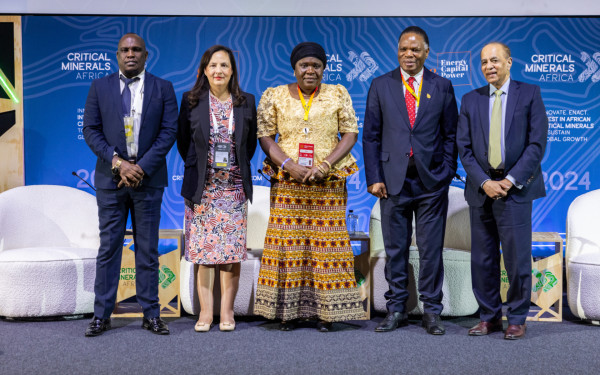
As such, this year's Critical Minerals Africa (CMA) 2024 Summit – held from November 6-7 in Cape Town – convened industry leaders, policymakers, service providers and investors to address the urgent demands of Africa's critical mineral value chain. The Summit featured a robust agenda that sought to shine a spotlight on opportunities for Africa to accelerate its mining sector while utilizing its natural resources to promote value addition and drive socioeconomic development. 

CMA 2024 featured a Ministerial Forum that included the participation of mining ministries from Eswatini, Malawi and Argentina, as well as representatives from Tanzania. High-level speakers during the forum showcased a number of projects aimed at maximizing mineral production while discussing how to leverage mineral resources to promote economic growth and sustainability. 

The Republic of Malawi's Minister of Mining Monica Chang'anamuno highlighted several ongoing projects in the country, such as the Kasongo Initiative, which aims to increase the production of rare earth metals, graphite and lithium resources. 

Meanwhile, Eswatini's Minister of Natural Resources and Energy Prince Lonkhokhela announced ambitious targets to raise to the contribution of the country's mining sector to its GDP. With aims to increase the share from 1% to 50% in the short- to medium-term, the strategy is supported by new surveys revealing commercial deposits of lithium, copper, cobalt and other base metals.  

To bolster investment in mid- and downstream infrastructure, the Summit also featured the participation the President of the Chamber of Mines of Zimbabwe Thomas Gono, who stated, “Historically, we exported raw materials, missing out on the potential benefits. With Africa's young workforce, we now have an opportunity to drive revenue and create jobs through skills development and local beneficiation.” 

With the participation of Tanzania's Chamber of Mines, it was announced that the country aims to expand exploration in critical mineral-rich basins from 16% to 50% as part of a strategic push into rare earths, lithium and tanzanite production. Meanwhile, Zambia's Chamber of Mines discussed ongoing strategies aimed at helping the country address logistics and energy deficit challenges in the mining sector. 

The Summit featured a panel discussion with high-level representatives from mining companies and development institutions including Pensana, the Africa Policy Research Institute and the U.S. Development Finance Corporation. The panel also featured the participation of Clifford Chance, Frost & Sullivan and Chatham House and explored how regional initiatives – such as the Lobito Corridor – have the potential to fast-track Africa's critical minerals market expansion.  

An Investment Forum held during the Summit showcased innovative financing measures to advance the flow of capital across the African market. The session featured representatives from finance institutions the World Bank, ABSA, Moshe Capital, the African Finance Corporation and ASAFO & Co. 

Additionally, midstream and downstream opportunities were showcased during a panel session that featured the participation of organizations such as Orion Minerals, AZ Arnaturen, Women in Green Hydrogen, Isondo Previous Metals and the Southern African – German Chamber of Commerce and Industry. The panel also featured representatives from Konrad Adenauer Stiftung, the SA-DRC Chamber of Commerce, the Curtin Institute for Energy Transition, the Electric Mobility Association of Kenya and the Congolese Battery Council. 

At CMA 2024, research firms including Rystad Energy, Moore Global and Project Blue presented insights on market trends in the global mining industry, while Tronic Metals, Tanzania's State Mining Corporation and South Sudan's state-owned Nilepet provided updates on their activities across the mining value chain. 

A Leaders Forum during the Summit featured the participation of international mining companies Glencore DRC and KoBold Metals as well as representatives from the University of Cape Town and the Minerals Council of South Africa. The forum showcased how governments across Africa can promote innovation in the continent's mining space to attract new investment and increase critical minerals production to drive socioeconomic and GDP growth.  

Distributed by APO Group on behalf of Energy Capital & Power.

Media files
Energy Capital & Power
Download logo
Read moreAfrica’s Mineral Wealth and Path to Economic Transformation Showcased at CMA 2024
8 November 2024

Mining Ministers Present Critical Mineral Expansion Strategies at CMA

Location: News

Energy Capital & Power
Download logo

The second day of the Critical Minerals Africa (CMA) Summit began with a Ministerial Forum, where mining ministers from Eswatini, Malawi, Argentina and representatives from Tanzania highlighted initiatives to advance the mining sector.

HRH Prince Lonkhokhela, Minister of Natural Resources and Energy for the Kingdom of Eswatini, described mining as a foundational pillar of economic growth for the country.

“Our recent high-resolution aerial survey has indicated the presence of copper, nickel and cobalt in the western regions, along with lithium and tantalum in the south,” he stated.

Eswatini is developing a Critical Minerals Strategy in collaboration with the Commonwealth Group, slated for completion by mid-next year, according to the minister.

Lonkhokhela stated that Eswatini is revamping its regulations to align with neighboring nations such as Mozambique and South Africa, aiming for knowledge sharing, resource pooling and regional cooperation on value addition.

Monica Chang'anamuno, Minister of Mining for the Republic of Malawi, emphasized the need for Malawi and Africa to align with the global conversation on critical minerals and the energy transition to seize emerging opportunities.

Chang'anamuno highlighted Malawi's vision to diversify its agriculture-dependent economy through its Agriculture, Tourism and Mining Strategy, prioritizing critical minerals as a driver of growth.

Malawi currently has several rare earth and lithium projects, including the Kasongo rare earth project, which employs 1,200 people, with plans to engage up to 10,000 throughout its lifespan, according to the Minister.

Malawi also discovered one of the world's largest lithium deposits, in partnership with a Korean firm and Rio Tinto, the Minister told delegates at CMA. Additionally, the nation aims to double its energy production to 1,000 MW by next year, with 232 MW allocated to support mining operations.

Maria Alejandra Vlek, Minister of Economic and Commercial Section of Embassy of Argentina in South Africa, highlighted the country's significant lithium potential, holding 22% of global lithium resources, with 180 critical mineral projects currently underway.

She said the country is deploying some 50 lithium projects, including an $800 million lithium facility, and seeks to leverage expertise and investment from African mining countries such as South Africa.

Venace Mwasse, Director of Tanzania's State Mining Corporation, stated “We are aware of the need to reduce emissions through critical mineral production and are committed to ensuring this while benefiting our communities.”

He added that only 16% of Tanzania's land has been surveyed, with a target to reach 50% as part of the country's Vision 2030 Strategy.

Venace Mwasse, Director of Tanzania's State Mining Corporation, stated “We are aware of the need to reduce emissions through critical mineral production and are committed to ensuring this while benefiting our communities.”

He added that only 16% of Tanzania's land has been surveyed, with a target to reach 50% as part of the country's Vision 2030 Strategy.

Distributed by APO Group on behalf of Energy Capital & Power.

Read moreMining Ministers Present Critical Mineral Expansion Strategies at CMA
8 November 2024

Five Winners of the 2024 Earthshot Prize Unveiled at Awards Ceremony in Cape Town

Location: News

MultiChoice Group
Download logo

  • Advanced Thermovoltaic Systems, High Ambition Coalition for Nature and People, Keep IT Cool, Altyn Dala Conservation Initiative and Green Africa Youth Organization (GAYO) revealed as 2024 Earthshot Prize Winners during star-studded ceremony broadcast live across 50 African countries
  • Each Winner to receive £1 million to accelerate and scale the impact of their innovative environmental solutions
  • Calls for nominations for the 2025 Earthshot Prize are now open

​Last night, the five 2024 Earthshot Prize Winners were announced at a star-studded awards ceremony in Cape Town, South Africa, hosted by Emmy, Grammy and Tony Award winner Billy Porter and award-winning television presenter Bonang Matheba. The 2024 Winners, selected from this year's 15 Earthshot Finalists, will be awarded £1 million each to accelerate and scale their game-changing environmental solutions.

Following a rigorous selection process focused on identifying impactful, inspiring and inclusive environmental solutions, the five Winners are:

  • Fix Our Climate: Advanced Thermovoltaic Systems
  • Revive Our Oceans: High Ambition Coalition for Nature and People
  • Build a Waste-Free World: Keep IT Cool
  • Protect and Restore Nature: Altyn Dala Conservation Initiative
  • Clean Our Air: Green Africa Youth Organization (GAYO)

 Speaking during the Awards Ceremony, Prince William said:

“I believe our world can be rich in possibility, in hope, and in optimism. That is why The Earthshot Prize exists. To champion the game-changers, the inventors, the makers, the creatives, the leaders; to help them build upon the amazing things they've already achieved; to speed their innovations to scale and to inspire the next generation to create the future we all need."

Descriptions of the five Winners, by category:

WINNER for Fix Our Climate:

Advanced Thermovoltaic Systems (https://apo-opa.co/48EySP6), USA
Nominated by: Herbert Smith Freehills LLP

Advanced Thermovoltaic Systems (ATS) has developed a simple, safe and scalable technology to capture waste heat and convert it into electricity, offering a game-changing solution for heavy industries like cement and steel production. These industries require extremely high temperatures, which generate vast amounts of waste heat that is typically lost. ATS's technologies have the potential to save gigatonnes of CO2.

“At ATS, we are proud to lead the way in converting this waste into clean, usable electricity.  Winning the 2024 Earthshot Prize underscores the transformative potential of our technology. Tonight is a key moment for us as we focus on scaling up production in larger manufacturing facilities.” – Kelly Adams, CEO, Advanced Thermovoltaic Systems.

WINNER for Revive Our Oceans:

High Ambition Coalition for Nature and People (https://apo-opa.co/3AxM7Ew), Global
Nominated by: Campaign for Nature

A groundbreaking alliance of 119 countries with the ambitious goal to protect 30% of land and oceans by 2030, High Ambition Coalition identifies technical, financial and knowledge gaps and connects governments with technical assistance and funding. They've already achieved a major milestone with the adoption of the “30×30” target in the 2022 UN Global Biodiversity Framework.

Rita Maria El Zaghloul, Director, High Ambition Coalition for Nature and People said, “On behalf of the alliance, we are deeply humbled to be a Winner of this year's Earthshot Prize. Today's award validates the hard work and dedication of all involved in the 30x30 initiative and fuels our excitement and determination to protect 30 percent of the world's land and oceans by 2030. Together, we can achieve a more sustainable and biodiverse future.”

WINNER for Build a Waste-Free World:

Keep IT Cool (https://apo-opa.co/3AAGjdr), Kenya
Nominated by: Draper Richards Kaplan Foundation, Katapult Ocean

Keep IT Cool (KIC) addresses the challenge of food spoilage by providing sustainable, localized refrigeration systems that help small farmers and fishers preserve their produce. By installing solar-powered cold storage units where fish are landed, KIC significantly reduces spoilage and waste by ensuring the catch stays fresh and managing its transport to market. With plans to grow into East Africa and beyond, KIC is now working to expand their activities in poultry, fruit and vegetables and aims to bring their solution to more communities.

Francis Nderitu, Founder and Managing Director of Keep IT Cool said, “We are on a mission to revolutionise the food supply chain in East Africa. We are grateful for the recognition from The Earthshot Prize, and it is an important milestone for Keep IT Cool. We will continue to enhance market access, reduce waste and build climate resilience for small-scale fish and poultry farmers throughout the region.”

WINNER for Protect and Restore Nature:

Altyn Dala Conservation Initiative (https://apo-opa.co/3NWG3Zk), Kazakhstan
Nominated by: United Nations Environment Programme

Altyn Dala Conservation Initiative has achieved the almost unprecedented feat of saving the critically endangered Saiga antelope from extinction. This mission has grown into one of the world's largest conservation projects and is focused on protecting and restoring Kaakhstan's Golden Steppe, one of the world's least protected natural ecosystems.

Vera Voronova, Executive Director, Altyn Dala Conservation Initiative said, “We are thrilled to be receiving the 2024 Earthshot Prize for Protect and Restore Nature. Altyn Dala demonstrates that when governments and civil society work together with a shared vision, we can achieve remarkable results. The restoration of the Saiga antelope population and the revival of the Central Asian steppe are not just triumphs for wildlife but for the local communities that depend on these ecosystems.”

WINNER for Clean Our Air:

GAYO, Green Africa Youth Organization (https://apo-opa.co/3NVrpSe), Ghana
Nominated by: Clean Air Fund

A youth-led, gender-balanced organisation, GAYO uses its “Zero Waste Model” to drive behavioural change in waste management practices across Africa that cut greenhouse gas emissions and particle pollution, while also bringing additional income to communities. Their goal is to reduce greenhouse gas emissions and particle pollution in Ghana by 70%, compared to open burning, as well as divert a total of 4,000 tonnes of waste by 2030. GAYO's plans to scale would make them the leading model for waste management on the continent.

Desmond Alugnoa, Co-Founder of the Green Africa Youth Organization (GAYO) said, “We are incredibly honored to be winning the Prize, which is a testament to the power of community-driven solutions and the importance of empowering those most affected by climate challenges. Our work in Ghana demonstrates that sustainable waste management isn't just a possibility—it's a necessity. The recognition by The Earthshot Prize fuels our commitment to replicating these models across Africa, proving that local solutions can have global impacts.”

The five Winners of the 2024 Prize cohort were selected by Prince William and The Earthshot Prize Council, a diverse group of experts, advocates and individuals dedicated to championing urgent and innovative action to protect our planet. The Earthshot Prize Council is chaired by The Earthshot Prize Board of Trustees Chair, Dame Christiana Figueres, architect of the Paris Agreement.

Members of The Earthshot Prize Council include: His Royal Highness Prince William, Her Majesty Queen Rania Al Abdullah, José Andrés, Sir David Attenborough, Cate Blanchett, Ernest Gibson, Hindou Oumarou Ibrahim, Wanjira Mathai, Stella McCartney, Nemonte Nenquimo, Luisa Neubauer, Indra Nooyi, Dr. Ngozi Okonjo-Iweala and Naoko Yamazaki.

In addition to the five £1 million prizes supporting the growth of Winners' solutions, each of the 15 Earthshot Prize Finalists will receive dedicated mentorship, resources and technical support through the year-long Earthshot Prize Fellowship Programme.

That support includes access to the Prize's robust network of influential experts and partners, including The Earthshot Prize's Global Alliance of Partners (https://apo-opa.co/4fh0E6D), comprised of some of the world's largest businesses, donors, investors and environmental organisations committed to climate action.

Finalists will also have access to Launchpad (https://apo-opa.co/3O1bhi2), Earthshot's bespoke online finance platform to matchmake Earthshot solutions to a growing community of members made up of mission-aligned donors and investors seeking to speed proven environmental solutions to scale.

The Earthshot Prize is already gearing up for the 2025 Earthshot Prize. Nominations for the Prize's fifth cohort of innovative solutions and entrepreneurs are now open.

If you missed last night's spectacular live event you can watch repeat broadcasts of the star-studded ceremony from 07 November on DStv Catch Up, Showmax, and on multiple DStv channels across Africa from 08 November. Check your local television schedules for more details.

Distributed by APO Group on behalf of MultiChoice Group.

NOTES FOR EDITORS:
Follow The Earthshot Prize on:  

Instagram: https://apo-opa.co/3UKashj
Twitter: https://apo-opa.co/4fEHeZ8
LinkedIn: https://apo-opa.co/3AA6uB4
Facebook: https://apo-opa.co/3YU9tNY
YouTube: https://apo-opa.co/3UGroFo
TikTok: https://apo-opa.co/4fFj00P

About The Earthshot Prize:
Founded by Prince William and incubated in the The Royal Foundation in 2020 for a year before becoming an independent platform/organisation, The Earthshot Prize is a global environmental prize and platform designed to discover, accelerate and scale ground-breaking solutions to repair and regenerate the planet. Inspired by President John F. Kennedy's Moonshot, which united millions of people around the goal of reaching the moon, The Earthshot Prize aims to catalyse an Earthshot challenge to urgently encourage and scale innovative solutions that can help put the world firmly on a trajectory towards a stable climate, where communities, oceans and biodiversity thrive in harmony by 2030. The five challenges are: Protect and Restore Nature; Clean Our Air; Revive Our Oceans; Build a Waste-Free World; and Fix Our Climate.

The Prize aims to turn the current pessimism surrounding environmental issues into optimism by championing inspiring leadership and helping to scale incredible cutting-edge solutions. It will discover 50 winners over 10 years with the power to repair the planet. More than an award, The Earthshot Prize works in partnership with a Global Alliance of Partners to support the scaling of the solutions discovered and selected each year.

The Global Alliance Founding Partners are a group of leading global organisations and philanthropists, which act as strategic funding partners to the Prize, including Aga Khan Development Network, Bezos Earth Fund, Bloomberg Philanthropies, Breakthrough Energy Foundation, Coleman Family Ventures, DP World in partnership with Dubai EXPO 2020, Eleven Eleven Foundation, Giving Grousbeck Fazzalari, Holch Povlsen Foundation, Jack Ma Foundation, Law Family Charitable Foundation, Mastercard Center for Inclusive Growth, Marc and Lynne Benioff, Paul G. Allen Family Foundation, Rob Walton Foundation, Sandy and Paul Edgerley, Standard Chartered Bank, Temasek Trust, and Uber.

Global Alliance Partners are non-profit environment and sustainable development organisations that bring expertise, global reach and serve as nominating organisations each year. For a full list of our Global Alliance Partners, visit: https://apo-opa.co/4fh0E6D.

Global Alliance Members are some of the world's largest and most influential companies and brands that will support The Earthshot Prize, implement ambitious changes within their businesses and accelerate the advancement of the solutions of Prize Finalists and Winners. They are Arup, Bloomberg L.P., Deloitte, Herbert Smith Freehills, Hitachi, Ingka Group (IKEA), Microsoft, The Multichoice Group, Natura &Co, Safaricom, Salesforce, Unilever, Vodacom Group, and Walmart.

For more information about The Earthshot Prize, visit: www.EarthshotPrize.org.

Read moreFive Winners of the 2024 Earthshot Prize Unveiled at Awards Ceremony in Cape Town
8 November 2024

Court Bid to Block TotalEnergies Gas Project off West Coast

Location: News

Fishers and activists want government to reverse environmental authorisation

Read moreCourt Bid to Block TotalEnergies Gas Project off West Coast
7 November 2024

Treasury publishes operating budgets for municipalities

Location: News

Treasury publishes operating budgets for municipalities

National Treasury has published on its website the operating and capital budgets of municipalities, as adopted by their respective councils. 

“These budgets give an overview of expected revenue and expenditure trends in local government over the next three years, referred to as the 2024/25 Medium Term Revenue and Expenditure Framework (MTREF),” National Treasury said on Wednesday.

The revenue and expenditure numbers are aggregated from the annual budgets that municipal managers are legally required to submit to National Treasury and the relevant Provincial Treasury.

The published information is presented in a variety of ways, including aggregated municipal budget totals for the 2024/25 financial year and over the medium-term period. 

In addition, the information is presented per category of municipality and province. 

Highlights include:
•    The aggregated budgeted revenue for 2024/25 is R652.3 billion, which is expected to increase to R687.2 billion in 2025/26 and R728.7 billion in 2026/27.
•    Total municipal expenditure in 2024/25 is estimated to be R649.9 billion, increasing to R682.7 billion in 2025/26 and R720.4 billion in 2026/27. Total expenditure for 2024/25 is 6.2% higher than the adopted budget for 2023/24 financial year.
•    It is notable that aggregate municipalities will realise operating deficits on the operating budgets in the 2024/25 financial year, as the total operating expenditure increases at a higher rate than the revenue projections. This is an indication that municipalities are living beyond their means and a first sign of financial challenges. However, the situation is projected to improve in the outer years of the 2024/25 MTREF, as operating surpluses will be realised.
•    A net deficit of R2.1 billion is projected in the 2024/25 financial year, after considering revenue from external loans and internally generated funds. This is an improvement compared to a deficit of R9.3 billion in the 2023/24 adjusted budget and will result in a net surplus of R520.4 million in 2025/26 and R4.3 billion in 2026/27.
•    The main cost drivers are employee related costs and materials, and bulk purchases, representing 26.9% and 34.5% of the operating expenditure, respectively. Municipalities are experiencing a two-fold impact of the high electricity and water tariff increases; lower sales levels owing to changes in consumption patterns and increased bad debt as a result of affordability pressures.
•    Capital expenditure increased by 1.8% to R77.4 billion in 2024/25, compared to the original budget for the 2023/24 financial year. The percentage of capital expenditure to total expenditure is declining over the MTREF period. Capital expenditure represented 12.4% of the total expenditure in 2023/24 and is projected to decrease to 11.9% in 2024/25 and further to 10% in 2026/27.
•    Trading services represent 51.5% of the total capital expenditure of R77.4 billion in 2024/25; increases to 51.9% in 2025/26 and to 54.3% in 2026/27.
•    The 2024/25 capital expenditure budget reflects a R47.1 billion investment in new infrastructure,which is 60.8% of the total aggregated capital budget. Investment in the renewal and upgrading of existing assets is much lower at R13.3 billion (17.2%) and R17 billion (22%) of the total capital budget respectively.
•    Reporting on operational repairs and maintenance figures has been institutionalised as part of Section 71 in-year reporting. Municipalities allocated R33.9 billion to repairs and maintenance of assets in 2024/25. This will increase to R35.6 billion in 2025/26 and to R37.1 billion in 2026/27.

National Treasury publishes Local Government MTREF information on an annual basis. 

“Regularly published budget information enables communities to hold their municipal councils to account. The information is also used by National Treasury as the basis for the In-Year Management, Monitoring and Reporting System for Local Government (IYM). 

“The Section 71 reports published by National Treasury give an account of actual revenue collection and spending by municipalities, per quarter, against their budgeted figures,” National Treasury said.

All this information feeds into Municipal Money -- the open local government data portal -- which can be accessed as follows: www.municipalmoney.gov.za. 

In addition, the Municipal Money time series data can be accessed directly from http://municipaldata.treasury.gov.za. 

A new development that facilitates transparency is the GoMuni portal, which can be accessed on https://lg.treasury.gov.za/ibi_apps/signin by clicking on the public access tab. -SAnews.gov.za

nosihle
Thu, 11/07/2024 - 09:17

572 views
Read moreTreasury publishes operating budgets for municipalities
6 November 2024

AEW 2024 Hydrogen Summit Highlights Collaboration as Key to Investments

Location: News
African Energy Chamber

Africa's abundant energy potential, coupled with Europe's ambitious production and import goals, have resulted in the development of a burgeoning global green hydrogen economy. Africa currently has 125 GW of hydrogen capacity with major contributors including Egypt, Mauritania, South Africa, Morocco, Namibia and Kenya – a group of nations that form part of the Africa Green Hydrogen Alliance group.

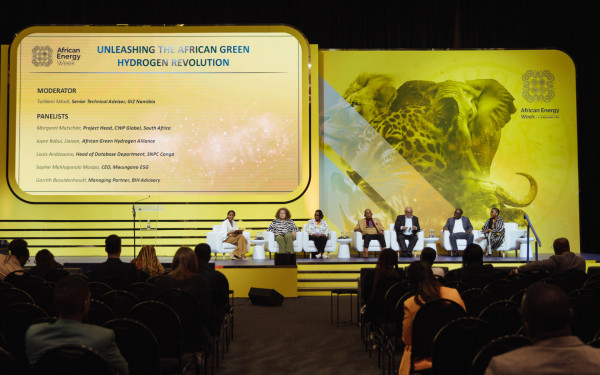
A dedicated panel session titled, Hydrogen Summit: Unleashing the African Green Hydrogen Revolution, at this year's African Energy Week: Invest in African Energies 2024 conference explored the significant role that hydrogen plays in the future of African energy. The panel noted that the EU market represents the largest commercial opportunity for hydrogen projects on the continent, with international collaboration being highlighted as a key strategy towards driving the sector forward.

“We need to see more countries establish key terms to create a platform for knowledge sharing,” stated Africa Green Hydrogen Alliance liaison Joyce Kabui, adding, “The support here depends on the scale of collaboration in the green hydrogen space.”

Mauritania has emerged as one of the world's top green hydrogen investment destinations. The country has effectively captured 1.5% of the global hydrogen market with 3 of its major hydrogen developments – the 30 GW AMAN development, 35 GW Megaton Moon project and 10 GW Project Nour development by renewable energy developer Chariot Energy Group, which collectively contribute to the country's objective of producing 12.5 million tons of green hydrogen annually by 2035.

“In Mauritania, we've managed to prove renewable resources and understand energy profiles available from natural resources to supply the value chain,” stated CWP Global Vice President of Project Development Africa, Margaret Mutschler, adding, “We've conducted environmental studies and baseline studies in countries like Mauritania that is relevant in other countries as well.”

Meanwhile, South Africa's government has recognized green hydrogen as a key aspect of the country's just energy transition. It has introduced the Hydrogen Society Roadmap to serve as the industry's framework to facilitate large-scale investments in the sector.

“If you look at hydrogen as a source, it's underpinned by the hydrogen roadmap that the government has begun to drive,” stated General Manager of Energy Projects at South Africa's state-owned Central Energy Fund, Sifiso Msabala. “There is a focus on hydrogen in this country and we understand the issues that are inhibiting progress. We know that South Africa is a great country to contribute to the global hydrogen industry.”

Louis Andzouono, Head of Database Department at the Republic of the Congo's state-owned Société National des Pétroles du Congo (SNPC), expressed his country's commitment to driving a sustainable green hydrogen sector. The parastatal company received authorization from the government last year to explore the development of a green hydrogen market in the country.

“The SNPC is confident that its promotion of green hydrogen will succeed and thrive,” Andzouono stated, adding, “We assume the missions and projects of the state will guarantee a serene future for the Congolese people through structure and eco-friendly projects.”

The panelists noted that supportive policies and international collaboration will bolster Africa's green hydrogen economy, potentially attracting investments and improving resource capacity.

Distributed by APO Group on behalf of African Energy Chamber.

Media files
African Energy Chamber
Download logo
Read moreAEW 2024 Hydrogen Summit Highlights Collaboration as Key to Investments
6 November 2024

Mastering Farm-In and Farm-Out Agreements – Key Insights from AEW 2024

Location: News
African Energy Chamber

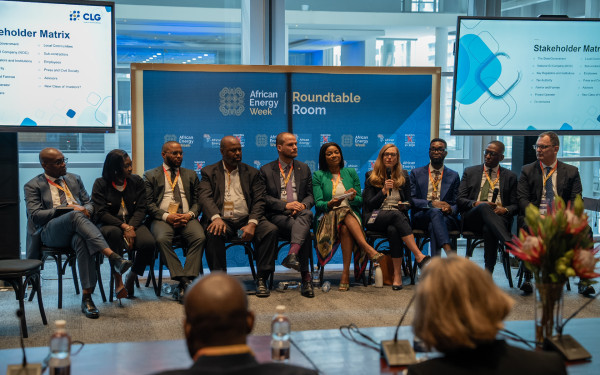
A panel of experts at Africa Energy Week (AEW): Invest in African Energies 2024 emphasized the critical importance of stakeholder engagement and legal considerations in farm-in and farm-out agreements during a workshop titled, ‘Mastering Energy Investment Transactions in Africa'.

Moderated by Zion Adeoye, CEO and Managing Partner of CLG on Monday at the AEW: Invest in African Energies 2024 pre-conference session, the panellists shared insights into essential contractual arrangements in the oil and gas industry for facilitating exploration and development activities and allowing companies to share resources, risks and expertise.

Speaking during a Mastering Energy Investment transaction in Africa: a critical guide for general counsel masterclass, Jude Kearney, managing partner of Asafo & Co noted that there were several critical factors that played a role in allowing for meaningful engagement in farm-in farm-out agreements. “There are literally a thousand considerations a farmor or farmee must make before entering a transaction, but they must realize that they are not alone in their decision-making.”

“It is crucial to engage with local stakeholders – government, prospective service providers, potential employees – early to understand the market dynamics and expectations. This includes assessing local content requirements and corporate social responsibility expectations. The government is your ultimate stakeholder, as they hold the authority to approve or deny transactions,” Kearny added.

Participants underscored the necessity of thorough legal due diligence before entering negotiations. This includes understanding local laws, tax obligations and regulatory requirements to avoid potential pitfalls. Grace Yella, CLG director for tax and legal in Cameroon, emphasised starting with due diligence to lobby for favourable responses from government administrations.

Kearny concurred, “Consider policies that exist in some of the countries, such as Nigeria and South Africa, which have very strong local content regulations. If you are not aware of these regulations, and  have not considered them, then your contract is not perfect,” he added.

CLG Equatorial Guinea managing partner Manuel Oliveira agreed, adding that meeting these regulations were no longer a box-ticking exercise. “Local content is critical for these transactions, there are obligations regarding training local people and to give opportunities to local entities to participate in the economy,” he said, adding that local advisors were also able to navigate the complexities of legislation of this nature.

Tax considerations were also a focal point of the discussion. Daoudou Mohammad, Congo director of CLG, noted that understanding tax obligations is crucial, especially as regulations can change rapidly. Engaging tax consultants early could ensure compliance and identify potential exemptions.

As case study, Mohammad cited the oil and gas taxation decree in the Republic of the Congo having undergone several revisions, which significantly impacts how companies approach their investments and compliance strategies. In 2001, a decree was issued that provided tax exemptions for oil and gas activities, which were included in the terms and conditions of various contracts.

However, subsequent changes in government policy led to the issuance of a new decree that made these activities taxable. This shift raised concerns among investors about the stability and predictability of the regulatory environment. The decree was later suspended following constructive dialogue between government officials and tax operatives, indicating a willingness to find a compromise between government revenue needs and the interests of oil and gas entities.

Similarly, changes in Ghana's oil and gas laws that affected previously favourable tax terms have also changed. “The new Production Sharing Contract focuses more on tax implications than legal terms, highlighting the need for tax experts to be involved in negotiations to avoid unexpected costs,” said Onyeka Ojogbo, CLG deputy managing partner.

“This evolving nature of tax regulations necessitates that companies remain vigilant about compliance to avoid unexpected liabilities, especially given that VAT is now applicable to oil and gas companies, although some activities may still be exempt,”  concluded Mohammad.

Distributed by APO Group on behalf of African Energy Chamber.

Media files
African Energy Chamber
Download logo
Read moreMastering Farm-In and Farm-Out Agreements – Key Insights from AEW 2024
6 November 2024

Mashatile to respond to questions in Parliament about township economy and extortion

Location: News

Mashatile to respond to questions in Parliament about township economy and extortion

Deputy President Paul Mashatile will on Thursday respond to questions in the National Council of Provinces (NCOP) relating to several critical issues impacting South Africa’s township and rural economies. 

“The Deputy President is expected to provide a critical overview on the work that government is undertaking to resolve some of the pressing challenges facing the country currently,” a statement from the Deputy President's office read. 

Mashatile will also zoom into government’s strategies to transform apartheid spatial planning by investing in critical industries such as manufacturing. 

“This is aimed at stimulating job creation and economic growth in townships and rural communities.

“Furthermore, in response to a question on what government is doing to prevent sabotage of the township economy by extortionists, the Deputy President will provide an update on the decisive steps taken to combat criminal activities,” the Deputy President’s office said. 

The steps include the establishment of the Extortion and Kidnapping Task Force Forum in all affected provinces. 

In line with the Finance Minister’s recent comments, Mashatile will also emphasise the importance of local government in supporting economic growth and responding to societal demands. 

In outlining service delivery interventions, Deputy President Mashatile is expected to speak of how government is prioritising the strengthening of local municipalities, which are central to creating an enabling environment for economic development.

On land reform, the Deputy President will highlight the State’s commitment to increasing agricultural production and improving food security. 

The country’s second-in-command will further reiterate government’s commitment to working closely with all sectors of society, including the private sector, civil society, and local communities to address crime and economic challenges. 

Mashatile will also elaborate on government's comprehensive approach to ensuring that townships and rural areas remain vibrant, safe and economically productive. – SAnews.gov.za

Gabisile
Wed, 11/06/2024 - 12:56

85 views
Read moreMashatile to respond to questions in Parliament about township economy and extortion
5 November 2024

Petrobras Pursues Strategic Oil & Gas Expansion in Southern Africa

Location: News
African Energy Chamber

Brazil's national oil company (NOC), Petrobras, has confirmed it is actively exploring opportunities in South Africa, Namibia and Angola, and it is currently awaiting Galp's decision on its offer to acquire a significant stake in the Mopane block offshore Namibia.

The announcement was made during a pre-conference workshop sponsored by Namibia Energy Corporation (NEC), leading up to the African Energy Week (AEW) 2024: Investing in African Energies conference. Petrobras is widely recognized for its success in the exploration and production of pre-salt oil reserves in the deep waters off the coast of Brazil, which hold close geological similarities to pre-salt areas in southern Africa. 

“As we increase production, we increase the need for reserves. Brazil has a strong correlation with Africa. We feel very comfortable to come back to Africa, and are looking at opportunities in South Africa, Namibia and Angola,” said Sylvia Maria Couto dos Anjos, Executive Officer for Exploration and Production at Petrobras.

The company's technical expertise in pre-salt geology – particularly its ability to extract hydrocarbons from ultra-deep reservoirs beneath thick layers of salt – positions it as a strong contender to unlock frontier acreage in southern Africa. Geological similarities with Angola were highlighted during the workshop, as most of its hydrocarbon discoveries are offshore, with the majority of oil and gas resources located in deepwater reservoirs.

“Both Angola and Brazil have experience in developing deepwater reservoirs,” said Ricardo Van-Deste, CEO – Exploration and Production, Sonangol. “It is very important for us to bring Petrobras back to Angola. They left, but the door is still open.”

Petrobras' deepwater technology, developed over years of working in the Campos and Santos Basins off the shores of Brazil, could also be a game-changer in unlocking South Africa's offshore potential. These include TotalEnergies' Luiperd and Brulpadda discoveries. Earlier this month, the Brazilian NOC announced it had secured approval to acquire a 10% stake in the Deep Water Orange Basin located off the west coast of South Africa.

“Those are challenging operations. With Petrobras' experience and the technologies we have developed over time, this presents a valuable opportunity for us,” said Godfrey Moagi, CEO of the South African National Petroleum Company (SANPC).

In Namibia, Petrobras is currently evaluating entry opportunities as the country has produced a series of world-class discoveries. It is estimated to hold 100 billion barrels of oil equivalent in unrisked resources, with the Deep Water Orange Basin alone accounting for 30 billion barrels of oil equivalent.

“The potential of Namibia is incredible. We have a commitment to fulfill – I guarantee deals will come through,” said Dr. Marcio Rocha Mello, Founder & CEO of Namibia Energy Corporation.

Another key area for potential cooperation is the establishment of a Namibian center of excellence, aimed at enhancing technical capabilities and data analysis to deepen understanding of Namibia's petroleum basins and de-risk prospects for future exploration.

“A center like that in Namibia would enable us to replicate the success of the Orange Basin in the Walvis and Lüderitz basins,” said Maggy Shino, Petroleum Commissioner of Namibia's Ministry of Mines and Energy. “We have blocks that are bigger than some African countries. With such a large volume of available opportunities, we need a diversity of players to fully harness that potential.”

Distributed by APO Group on behalf of African Energy Chamber.

Media files
African Energy Chamber
Download logo
Read morePetrobras Pursues Strategic Oil & Gas Expansion in Southern Africa
4 November 2024

Mister Sweet Strike Ends: Workers to Return to Work Next Week

Location: News

Workers agree to Premier’s initial offer of a 7% increase

Read moreMister Sweet Strike Ends: Workers to Return to Work Next Week
4 November 2024

Coca-Cola Beverages Africa Invests $50 Million in Namibia, Boosting Production Capacity by 30%

Location: News
Coca Cola Beverages Africa

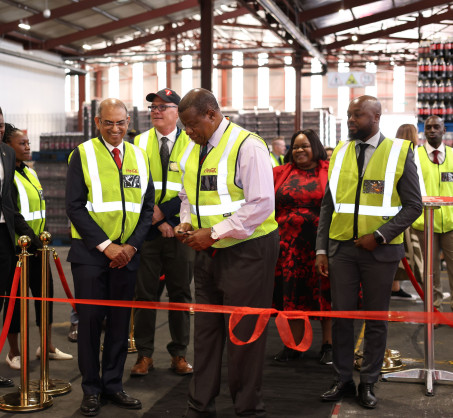
Coca-Cola Beverages Africa (CCBA) (www.CCBAGroup.com) has invested $50 million in a new bottling line in Namibia, capable of producing 27,000 bottles per hour. This upgrade will increase the plant's output capacity by 30% and stimulate growth throughout the company's value chain.

The investment also includes the installation of a water treatment plant with state-of-the-art water recovery technology, designed to reduce water consumption. Additionally, the integration of advanced technology, including artificial intelligence, will require skills training for employees, contributing to the development of a future-ready workforce for both the business and the country.

“We've ensured that this production line goes beyond output numbers,” said Pottie de Bruyn, General Manager of Coca-Cola Beverages Africa in Namibia. “It's about creating shared opportunities across the value chain. The increased production also provides a boost to local businesses that supply us with raw materials and services.”

Sunil Gupta, Chief Executive Officer of CCBA, echoed the sentiment, adding, “This investment is a clear demonstration of our continued belief in the future of Namibia.”

Gupta also highlighted CCBA's broader goals: “As a customer-centric, digitally enabled, growth-driven business, we are committed to excellence across our value chain. Efficient operations allow us to offer faster delivery and superior service. This new production line is another step in our journey to achieve even greater levels of execution excellence.” 

Distributed by APO Group on behalf of Coca Cola Beverages Africa.

Media Contacts:
Enid Johr 
PACS Director 
CCBA in Namibia 
Tel: +264 81 778 5381 
Email: ejohr@ccbagroup.com 

Wendy Thole-Muir 
Head: Reputation and Communication 
Coca-Cola Beverages Africa  
Tel: +27 83 795 8524 
Email: WThole-Muir@ccbagroup.com 

Judith Wilhem
+264813473538

Follow us on:
LinkedIn: https://apo-opa.co/3AsnQje

About CCBA:
CCBA is the 8th largest Coca-Cola bottling partner in the world by revenue, and the largest on the continent. It accounts for over 40% of all Coca-Cola products sold in Africa by volume. With over 18,000 employees in Africa, CCBA services more than 720,000 customers with a host of international and local brands. The group was formed in July 2016 after the successful combination of the southern and east Africa bottling operations of the non-alcoholic ready-to-drink beverages businesses of The Coca-Cola Company, SABMiller plc and Gutsche Family Investments. CCBA shareholders are currently: The Coca-Cola Company 66.5% and Gutsche Family Investments 33.5%. CCBA operates in 15 countries, including its six key markets of South Africa, Kenya, Ethiopia, Uganda, Mozambique and Namibia, as well as Tanzania, Botswana, Ghana, Zambia, the islands of Comoros and Mayotte, Eswatini, Lesotho, and Malawi.

Learn more at  https://www.CCBAGroup.com

Media files
Coca Cola Beverages Africa
Download logo
Read moreCoca-Cola Beverages Africa Invests $50 Million in Namibia, Boosting Production Capacity by 30%
4 November 2024

Minister to engage with small-scale growers and Umbumbulu NARYSEC participants

Location: News

Minister to engage with small-scale growers and Umbumbulu NARYSEC participants

The Minister of Land Reform and Rural Development, Mzwanele Nyhontso, together with eThekwini Metropolitan Municipality Mayor, Cyril Xaba, will this week engage with small-scale growers and supported rural youth enterprises in the Umbumbulu area under eThekwini metro.

The engagement, set to take place at Mpandwini Community Hall in Umbumbulu, forms part of the department’s National Rural Youth Service Corps (NARYSEC) Programme.

The department said it has invested in production inputs to the value of more than R4 million towards the Ratoon Management Programme, which provides fertiliser and technical assistance to small-scale growers, with over 800 of the small-scale producers being in Umbumbulu.

“The South African Farmers Development Association (SAFDA) was appointed as an implementing agent to ensure the success of this initiative by guiding farmers on a day-to-day basis,” the department said.

The department said Nyhontso, together with the delegates, will on Wednesday have an opportunity to engage with the community about the challenges they face, including opportunities and success stories of the sugar cane industry from the perspective of a previously disadvantaged emerging farmer.    

“In addition, as part of the build-up activities to the Presidential Imbizo scheduled for 8 November 2024 in eThekwini, the Minister will lead the delegation on a walkabout to three households, whose livelihoods are solely dependent on sugar cane farming within Ward 96 in Umbumbulu in the Mpandwini area of eThekwini Metropolitan Municipality,” the department said. – SAnews.gov.za

GabiK
Mon, 11/04/2024 - 14:02

86 views
Read moreMinister to engage with small-scale growers and Umbumbulu NARYSEC participants
3 November 2024

Deputy Minister Letsike addresses Village Economy Indaba

Location: News

Deputy Minister Letsike addresses Village Economy Indaba

Deputy Minister in the Presidency for Women, Youth and Persons with Disabilities, Mmapaseka Letsike, says more than 60% of jobs and 25% of the Gross Domestic Product (GDP) of the African continent comes from the agricultural sector which is rooted in the rural areas.

“This presents an opportunity for boundless growth through the potential that is inherent in the rural economy and for expansion to industries that ordinarily have not proliferated in rural areas,” Letsike said.

Speaking at the Village Economy Indaba ceremony held in the North West province, Letsike said over half of the population resides in rural regions, yet these areas often face higher poverty rates, lower access to basic services and limited economic opportunities.
“This divide is not only a matter of geography, it concerns social justice, economic necessity, and national progress.”

Letsike said rural areas in South Africa hold an enormous but often overlooked potential for lifting people out of poverty.

“When we invest in rural economies, we create jobs and boost incomes in areas where they are needed most. Imagine empowering smallholder farmers with access to better technology, training, and markets. 

“Not only could they increase their production, but they could also improve their livelihoods, leading to better education, healthcare, and overall well-being for their families and communities,” Letsike said on Friday.

The Deputy Minister said it was reported that about 75% of food produced on the continent is from small farms of less than 20 hectares, while 80% of the 51 million farms on the continent have an area less than two hectares.

“Developing rural economies helps curb urban migration. Every year, thousands of people leave rural areas, hoping for better opportunities in the big cities.

“By creating viable economic opportunities in rural areas, through initiatives such as The Village Economy Indaba whether in agriculture, renewable energy, tourism, or small-scale manufacturing, we can reduce the strain on our cities while enhancing quality of life in the countryside,” the Deputy Minister said.

Letsike said vulnerable groups such as women, youth, LGBTI (lesbian, gay, bisexual, and transgender or intersex), persons and persons with disabilities are the hardest hit by climate change.

“Therefore, renewable energy projects, like solar and wind farms in areas such as the Northern and Eastern Cape, to eco-tourism in Limpopo and the Western Cape, rural South Africa holds immense potential for green growth and sustainability, particularly as we engage the Just Energy Transition.

“By focusing on sustainable practices, we can preserve our environment for future generations while creating jobs today. 

“Many of us who have a rural background will understand that even our indigenous agricultural practices such as companion planting have been proven to promote soil health and maximise production on small pieces of land and it is still used by many farmers in rural areas,” Letsike said.  -SAnews.gov.za 


Edwin
Fri, 11/01/2024 - 14:03

55 views
Read moreDeputy Minister Letsike addresses Village Economy Indaba
1 November 2024

Turkish Cooperation and Coordination Agency (Ti̇Ka) Provides Equipment Support to Stellenbosch University in South Africa

Location: News

Turkish Cooperation and Coordination Agency (TIKA)
Download logo

Turkish Cooperation and Coordination Agency (TİKA) has provided equipment to the Medical Plant Biology Laboratory at Stellenbosch University, which continues its educational and research activities in South Africa.

TİKA provided equipment support to the Medical Plant Biology Laboratory at Stellenbosch University in South Africa, ranked among the world's top 200 universities in plant and animal sciences.

Through this project, a centrifuge machine, water purification system, spectrophotometer, plant growth chamber and lyophilizer were provided to support the cultivation of plants under controlled conditions, DNA analysis and the preservation of plants and extracts as required.

South Africa is home to 9,000 endemic plant species

South Africa hosts approximately 9,000 plant species, the majority of which are endemic. These plants, integral to the development of traditional medicine, have been used by local communities for medicinal purposes over centuries.

However, during the apartheid era the Witchcraft Suppression Act 3 of 1957 restricted this usage. Following the repeal of this law in 1994, academic research surged, allowing many native plants to be widely adopted in medicine and cosmetics.

Stellenbosch University is now dedicated to integrating traditional knowledge into academic research. To support this, TİKA provided the university with equipment to study the reactions of local plants to different production conditions, determine optimal cultivation and storage methods and conduct DNA-level analyses.

Handover ceremony organized

The handover ceremony was attended by Yonca Sunel, Consul General of the Republic of Türkiye in Cape Town; Abdulkadir Abukan, TİKA's Coordinator in Pretoria; Vim de Villiers, Rector of Stellenbosch University; Sibusiso Moyo, Vice Rector; as well as academics and students.

During the ceremony, Rector de Villiers expressed gratitude to TİKA for its contributions. Vice Rector Moyo emphasized the significance of international cooperation in enhancing the university's research capacity and provided information about the partnerships with universities in Türkiye.

Consul General Sunel noted that this program marked her first official visit since her appointment and expressed her pleasure in collaborating with the esteemed institutions of South Africa.

Distributed by APO Group on behalf of Turkish Cooperation and Coordination Agency (TIKA).

Read moreTurkish Cooperation and Coordination Agency (Ti̇Ka) Provides Equipment Support to Stellenbosch University in South Africa
31 October 2024

Treasury optimistic about economic outlook

Location: News

Treasury optimistic about economic outlook

National Treasury expects improved growth prospects for the South African economy, despite slowing projected growth of some 1.1% in 2024 – down from the projected 1.3% earlier this year.

Real Gross Domestic Product (GDP) growth is projected to improve at some 1.1% in 2024, up from the 0.7% in 2023.

In its Medium-Term Budget Policy Statement (MTBPS), National Treasury said economic growth was being “weighed down by stop-start economic growth and stubborn inflation in the first half of the year”.

“The economy has since strengthened in response to the suspension of power cuts since March 2024, improved confidence following the formation of the Government of National Unity in June, better than expected inflation outcomes in recent months and reduced borrowing costs. All these factors are expected to continue supporting the economy over the period ahead.

“The pace of [GDP] growth is still being limited by persistent – though gradually easing – constraints, particularly in logistics infrastructure. Faster growth depends largely on maintaining macroeconomic stability, the continued implementation of structural economic reforms, improving State capabilities and supporting higher infrastructure investment,” the MTBPS stated.

Treasury explained that although risks persist, global risks are “weighted to the downside, while risks to the domestic outlook appear more balanced compared with the 2024 Budget Review assessment”.

“Global growth may weaken due to financial market volatility, tightening conditions for developing economies, slower disinflation from rising commodity prices and a prolonged contraction in China’s property sector. On the domestic front, food prices are vulnerable to weather-related shocks and logistical challenges. 

“Positive domestic risks include the possibility of a quicker pace of disinflation and interest rate reductions than assumed in the baseline forecast, which would boost demand. Stable electricity supply and faster progress on reforms could boost business and consumer confidence,” Treasury said.

The department warned, however, that fiscal risks “remain significant though somewhat more balanced than a year ago” and that the materialisation of these risks could be a threat to “fiscal projections, with negative consequences for investment and economic growth”.

“Despite the downward revision to growth for the current year, there is cautious optimism for the medium-term outlook as the early benefits of reform implementation continue to materialise. 

“The stabilisation of electricity supply has improved the overall investment climate. This positive momentum will be sustained by a new phase of Operation Vulindlela, which aims to accelerate structural reforms implementation. 

“To support these efforts, it will be essential to maintain clear and stable macroeconomic policies while strengthening state capability and supporting investment in growth-enhancing public infrastructure,” the MTBPS stated.

Global outlook

On the international front, global growth is projected to slow marginally from 3.3% in 2023 to 3.2% in 2024 and 2025.

“Slowing inflation has opened the way for major central banks to ease monetary policy. Lower interest rates and strong investment in technology, particularly in emerging Asia, are expected to support growth,” Treasury said.

The department added that overall risks to growth are “to the downside”.

“Fiscal policy has begun to contract in some countries, in part to manage the rapid increase in sovereign debt levels since the COVID-19 pandemic, and some countries are in debt distress.

“Persistent geopolitical tensions continue to flare, with potentially far-reaching effects on global trade, and the threat of escalating conflict in the Middle East remains a concern. The years-long downturn in China’s property sector, notwithstanding new stimulus support, could continue to weaken Chinese growth,” the MTBPS stated.

Economic growth in advanced economies is forecast to reach some 1.8% in the same period with growth in emerging and developing economies – including South Africa’s BRICS partners – projected at 4.2%.

In Sub-Saharan Africa, this is projected at 3.6% in 2024 and 4.2% in 2025.

“Global equity prices have risen as inflation decelerates, accompanied by interest rate cuts that are expected to continue into 2025. Further declines in bond yields are consequently anticipated, creating a favourable environment for emerging market assets. 

“Declining production and shipping of commodities, particularly oil, has dampened the outlook for some emerging and developing economies, including in Sub-Saharan Africa. Oil prices are anticipated to fall slightly in 2024, given weak global demand, despite production cuts agreed by major producers. 

“Global food prices are also projected to fall, supported by record-high grain production, reducing inflationary pressures,” the MTBPS explained. – SAnews.gov.za

Matona
Thu, 10/31/2024 - 05:44

2 views
Read moreTreasury optimistic about economic outlook
30 October 2024

Afreximbank Calls for Increased Collaboration to Accelerate the Green Energy Transition in Africa

Location: News
Afreximbank

The eighth Babacar Ndiaye Lecture held at the Four Seasons Hotel in Washington D.C., on 26 October 2024, under-scored the need for African nations to strike a balance between short-term development imperatives and long-term climate goals. 

Under the theme “Saving Lives Today versus Saving the Planet for the Future: Can the AfCFTA Resolve the Climate Change Dilemma” discussions centred on how the African Continental Free Trade Area (AfCFTA), Africa's most ambitious trade initiative, could serve as a vehicle for economic growth and environmental sustainability, positioning the continent as a leader in the global green transition.  

The Lecture drew a distinguished audience of policymakers, academics, financial experts and climate advocates.  

Speaking about Dr. Babacar Ndiaye in his opening remarks, H.E. Professor Benedict Oramah, President and Chairman of the Board of Directors of Afreximbank Group, said “Dr Babacar Ndiaye was most concerned by the long-term threats posed to humanity by climate change. He once said, "Climate change is the greatest threat to development, particularly in Africa, where millions of people depend on the environment for their livelihoods … Africa's economic transformation cannot happen without addressing climate change.”  

Dr. Ndiaye's reflection on the impact of climate change was spot-on and intellectually deep.” But, “disappointingly, the global debate on climate has been so much focused on emissions reduction with the question of reducing its impact on Africa and other developing countries always reduced to a footnote. A call for Africa to decarbonise, when the continent has not even carbonised, poses a serious threat to the socio-economic development of a gas-rich continent that has at least six hundred million people without electricity.” 

The African Continental Free Trade Area Agreement “is seen as a potent means of reducing carbon emissions as it is helping to domesticate industrial activities and minimise the carbon emissions caused by shipping of commodities to far-away lands for value addition and reshipping to Africa and elsewhere. We believe that The AfCFTA could offer a pathway to a just transition, enabling local industrial value addition while protecting the planet.”  

Professor Yemi Osinbajo, SAN, GCON, the Immediate Past Vice President of the Federal Republic of Nigeria, delivered a powerful address titled “Sustainable Infrastructure for Africa's Future: Harnessing Innovation and Partnerships.” He spoke passionately about the advantages of the AfCFTA and its potential to transform Africa's trade landscape, reduce carbon emissions and foster innovation in green industries. 

“There are two obvious advantages to a fully operational AfCFTA.The first is that 42% of African countries, aside from North Africa, now have legislation prohibiting the export of raw ores or minerals before being processed. This legislation gives African countries the benefit of jobs and revenues from local processing and manufacturing.  

“The second advantage of the AfCFTA is that shipping is a major source of carbon emissions. Under current trade practices, a large share of African raw materials are exported to other regions, where they are processed or manufactured into finished products, usually using fossil fuel power sources, before being shipped back to Africa for consumption. This cycle contributes to higher emissions and constitutes a loss for African countries that do not reap the value chain gain from beneficiation. Intra-African trade in finished goods will substantially reduce this massive cause of global emissions,” he said. 

The reduction of emissions by intra-African trade has been the subject of several empirical studies. Professor Osinbajo referred to a recent ECA/ CEPII study titled “Greening the African Continental Free Trade Area Agreement's Implementation" published in December 2023, which found, inter alia, that implementing the AfCFTA can boost intra-African trade by 35% in 2045 while increasing GHG emissions by less than 1%, compared to no AfCFTA or climate policies.  

These studies do not factor in using renewable energy sources in the processing and manufacturing of traded goods, an assumption of the Climate Positive Growth paradigm, which would again substantially reduce emissions.  

Professor Osinbajo cited mining bauxite in Guinea as an example. If Guinea, which has 25% of global deposits of bauxite, processed the bauxite it mines to aluminium with renewable energy in readiness for export, Guinea could save the world 335 million tonnes of carbon dioxide equivalent (CO2e) per year, which is approximately 1% of global emissions, and create 280,000 jobs and generate $37 billion of additional revenue. If it chooses to sell the aluminium within Africa, it will again save the huge shipping cost to countries thousands of miles away.  

A Bloomberg study done for the African Development Bank (AfDB) in 2021 on the manufacture of battery precursors found that manufacturing battery precursors in the Democratic Republic of the Congo (DRC), which has plenty of lithium and cobalt, is three times cheaper than manufacturing it in the US, EU and China. Manufacturing in the DRC would extend value chain opportunities to other African countries, they would need manganese from Zambia, Tanzania, Gabon and South Africa to contribute to its capacity to produce these battery precursors. Manufacturing using renewable energy could significantly reduce the cost of manufacturing. Africa's abundant renewable energy has very low seasonality or intermittency, making it possible to reliably provide a renewable baseload to power continuous industrial production.  

“The AfCFTA empowers African countries first to add value to materials and specialise in areas of national comparative advantage, and also to work together to trade more beneficially with the rest of the world,” said Prof Osinbajo. 

He futher said that “Most African countries depend on fossil fuels for their energy needs and for fossil fuel rich African countries, this is also a major source of export earnings and fiscal revenues. Ostensibly in keeping with their net zero obligations, there has been a growing trend amongst development finance institutions to withdraw from fossil fuel investment. These actions include the World Bank's decision to cease funding for upstream oil and gas development in Africa and the restrictions on financing downstream gas development by the European Union, the United Kingdom, and the United States. Clearly, the implications of these actions are dire, where there are no immediate alternative sources of power and the cost of the transition to cleaner fuels may be prohibitive. Some studies show that divesting from fossil fuels could reduce GDP by as much as USD$30 billion for Nigeria, USD$22 billion for Algeria, and USD$19.3 billion for Angola.” 

H.E. Dr Rania A Al-Mashat, Minister for Planning, Economic Development and International Co-operation, Arab Republic of Egypt said that while the “African continent is the least responsible for carbon emissions, it has the biggest burden in terms of financing climate change for developmental needs - such as food and water security, and access to energy. 

She called for greater collaboration with national and international stakeholders “We need to work together; we need to bring the experiences from other places so that Africa can push forward with respect to development and sustainable economic growth.” 

In her Goodwill Message, Ms. Amina J. Mohammed, Deputy Secretary-General of the United Nations and Chair of the United Nations Sustainable Development Group, spoke about the rapidly closing window to prevent the worst impacts of climate change. She addressed the fact that many African countries are mired in debt, exacerbated by extended crises with little access to long-term concessional financing to invest in sustainable development. 

“With adequate access to financial resources at a reasonable cost, renewables can dramatically boost economies, grow new industries, create jobs and drive development, including by reaching the over 600 million Africans living without access to power,” said Ms Mohammed. 

She also stressed the importance of prioritising inclusive policies that empower women and youth when building climate-resilient economies.  

“By harnessing the collective might of the AfCFTA, Africa can make strides in addressing both climate action and sustainable development by promoting regional integration and fostering green industrialisation.  

“The AfCFTA can help build climate-resilient economies while creating jobs, reducing poverty and strengthening food security.”  

The eighth Babacar Ndiaye Lecture also reinforced Afreximbank's commitment to leadership in financing sustainable infrastructure and trade policies across the continent. 

Distributed by APO Group on behalf of Afreximbank.

Media Contact: 
Vincent Musumba 
Communications and Events Manager (Media Relations) 
Email: press@afreximbank.com 

For more information, visit: www.Afreximbank.com  
Follow us on X | Facebook (https://apo-opa.co/3YJR7iS)| LinkedIn (https://apo-opa.co/3Cet3eR) | Instagram (https://apo-opa.co/4ht2qDa)

About the Babacar Ndiaye Lecture 
The Babacar Ndiaye Lecture is an annual event designed to foster dialogue around Africa's development challenges and explore practical solutions through policy, trade and diplomacy.  

The Lecture honours Babacar Ndiaye, a former President of the African Development Bank, for his visionary leadership in advancing Africa's economic growth. 

Afreximbank has hosted this Lecture every year since 2017 in honour of the late Dr. Babacar Ndiaye, the fifth President of the African Development Bank. Dr. Ndiaye transformed the Bank during his decade-long leadership and was also instrumental in establishing several other enduring Pan-African institutions, including Afreximbank, Shelter Afrique and the African Business Roundtable. 

About Afreximbank 
African Export-Import Bank (Afreximbank) is a Pan-African multilateral financial institution mandated to finance, facilitate and promote intra and extra-African trade. For over 30 years, the Bank has been deploying innovative instruments to deliver financing solutions that support the transformation of the structure of Africa's trade, accelerating industrialisation and intra-regional trade, thereby boosting economic expansion in Africa. A stalwart supporter of the African Continental Free Trade Area (AfCFTA), Afreximbank has in partnership with the African Union Commission and the AfCFTA Secretariat launched the Pan-African Payment and Settlement System (PAPSS) that was adopted by the African Union (AU) as the payment and settlement platform to underpin the implementation of the AfCFTA agreement. The AfCFTA Secretariat and the Bank have created a US$10 billion Adjustment Fund to support countries to effectively participate in the AfCFTA.  

At the end of December 2023, Afreximbank's total assets and guarantees stood at over US$37.3 billion, and its shareholder funds amounted to US$6.1 billion. Afreximbank has investment grade ratings assigned by GCR (international scale) (A), Moody's (Baa1), Japan Credit Rating Agency (JCR) (A-) and Fitch (BBB). Afreximbank has evolved into a group entity comprising the Bank, its impact fund subsidiary the Fund for Export Development Africa (FEDA), and its insurance management subsidiary, AfrexInsure, (together, “the Group”). The Bank is headquartered in Cairo, Egypt.  

Media files
Afreximbank
Download logo
Read moreAfreximbank Calls for Increased Collaboration to Accelerate the Green Energy Transition in Africa
29 October 2024

One Week to Go Until Investors Unite at AEW

Location: News
African Energy Chamber

The largest gathering of energy stakeholders on the African continent is gearing up to welcome global and African energy stakeholders for five days of dialogue and deals. African Energy Week (AEW): Invest in African Energy 2024 – dubbed the premier event for the African energy sector – will take place from November 4-8 in Cape Town, South Africa. The foremost platform to sign deals and further the agenda towards making energy poverty history by 2030, the conference will feature seven stages, including five content stages, two technical hubs and a full day of pre-event workshops.

With over 125 million barrels of proven oil reserves, 620 trillion cubic feet of natural gas and abundant opportunities in solar, wind and green hydrogen, Africa has the potential to become a global hub for energy. African energy demand is projected to more than double by 2050, with fossil fuels anticipated to account for up to 60% of the continent's energy mix by 2040. As such, this year's conference promises to drive a new wave of investment across the African energy sector, with industry experts and thought-leaders, African governments and national oil companies (NOCs), and energy investors leading discussions on the challenges and opportunities found on the continent.

AEW: Invest in African Energy is the platform of choice for project operators, financiers, technology providers and government, and has emerged as the official place to sign deals in African energy. Visit www.AECWeek.com for more information about this exciting event.

Africa's energy industry is both the backbone of the continent's economy and a catalyst for sustainable growth worldwide. As such, the AEW: Invest in African Energy 2024 conference will feature a series of pre-event interactive workshops, providing an opportunity for companies to share in-depth knowledge and exchange ideas with a targeted group of delegates. The workshops, hosted by companies such as Rystad Energy, NCDMB, CLG, Energeo Alliance and S&P Global Commodity Insights, will cover various topics including energizing Africa amid the global energy transition; legislative and regulatory context for promoting investment in exploration; and facilitating investments and mergers and acquisitions across the continent.

A high-level opening ceremony will kick off at the Cape Town International Convention Center (CTICC) on the first day of the event. The opening ceremony will feature addresses from Angola's Minister of Mineral Resources and Petroleum Diamantino Azevedo and South Africa's Minister of Electricity and Energy Kgosientsho Ramokgopa, and discussions with the likes of Dr. Omar Farouk, Secretary General of the African Petroleum Producers' Organization and Chairman and CEO of upstream oil company Kosmos Energy Andy Inglis. The AEW: Invest in African Energy 2024 opening will kick off a week of intense dialogue on the future of the African energy industry. The opening will also feature a number of panel discussions focusing on the vital role Africa plays in addressing global energy security, as well as keynote addresses from the heads of some of the largest energy companies in the world.

Representing the entire energy value chain from oil and gas to renewable energy to power and infrastructure, AEW: Invest in African Energy 2024 will feature a massive slate of regional ministers with the aim of unpacking the continent's strategies to make energy poverty history by 2030. Ministers from Libya and Algeria are poised to showcase North Africa's ambitious production targets while aiming to plug Europe's energy gap and enhance domestic energy access. Southern Africa's ripe opportunities in energy and mining will be put on display by ministers from Mozambique, Angola, South Africa, Zambia and Namibia while West African ministers from the MSGBC region, Nigeria, Ghana and Burkina Faso will provide updates on ongoing projects. With major producers such as Equatorial Guinea, Gabon and the Republic of the Congo (ROC) inviting investors to support diversification efforts in production and refining, regional ministers from Central Africa will share insight into available opportunities in oil and gas, mining and infrastructure. Meanwhile, as a frontier market, East Africa is incentivizing exploration in both on- and offshore basins while driving infrastructure and field development projects forward and will be represented by energy and mining ministers from Ethiopia, Uganda, and South Sudan.

Africa is accelerating the pace of upstream projects with the aim of boosting production and intra-African petroleum distribution. Across both mature and emerging hydrocarbon markets, investment opportunities continue to emerge, and as such, AEW: Invest in African Energy 2024 will feature a strong lineup of VIP speakers from energy supermajors Eni, bp, Chevron and TotalEnergies. The event will also feature representatives from some of the continent's most important energy players including Azule Energy, ReconAfrica, Etu Energias, Africa Oil Corp., Wood Mackenzie and Adarco Energy, among many more. The oil industries of African countries will be represented by NOCs from Angola, Namibia, South Africa, Tanzania, Uganda, among others.

With two technical hubs on the exhibition floor of the CTICC, the conference serves as a prime platform for companies to provide presentations on various industry-leading technical themes. The AEW: Invest in African Energy 2024 technical track features a dedicated stage for asset owners, engineers and technology innovators to present projects, provide deep insights into cutting-edge solutions, and share best practices to foster knowledge. Attendees will gain valuable insights into the future of energy and learn about ground-breaking projects while discovering new opportunities for collaboration and investment. An exclusive exhibition-only pass grants delegates access to both the innovative exhibition floor and the technical track.

Rounding off AEW: Invest in African Energy 2024's strong program, a series of technical excursions and site visits across Cape Town offer participants the unique opportunity to gain insight into ongoing projects and developments in South Africa. A guided tour of the Hydrogen Project at the University of the Western Cape will focus on industry technology and development. The tour will also take delegates to the South African Renewable Energy Technology Center at the Cape Peninsula University of Technology, which stands as the country's inaugural sustainable energy development technology facility. The excursion will feature a tour of the Atlantis Special Economic Zone, which stands as a promising landmark in Africa's energy landscape while showcasing advancements in sustainable energy solutions, economic development and innovation. Rounding off the site visits, the tour will also take participants to the Eskom Palmiet Power Station, a hydroelectric pumped storage facility that plays a key role in stabilizing the national power grid.

“AEW 2024 stands at the center of African energy and provides an unparalleled platform to forge partnerships, share knowledge and drive progress in the continent's energy sector. It is our collective responsibility to prioritize energy poverty alleviation and sustainable development, ensuring a brighter future for all Africans. We look very much forward to kicking off this exciting event and welcoming hundreds of delegates from all over the world to drive Africa's energy needs,” states NJ Ayuk, Executive Chairman of the African Energy Chamber.

During the AEW: Invest in African Energy 2024 conference, delegates will be exposed to project updates, industry highlights, investment opportunities and strategies that address the continent's goals for eradicating energy poverty and promoting environmental sustainability. With one week to go, the conference is already stacking up to become the foremost energy event of its kind once again on the African continent.

Distributed by APO Group on behalf of African Energy Chamber.

Media files
African Energy Chamber
Download logo
Read moreOne Week to Go Until Investors Unite at AEW
29 October 2024

Opposition to Open Cast Coal Mining in Midvaal

Location: News

For years residents have been objecting to the Springfield and Vlakfontein mining project

Read moreOpposition to Open Cast Coal Mining in Midvaal
28 October 2024

SA engages in global talks on protecting the ozone layer

Location: News

SA engages in global talks on protecting the ozone layer

The Deputy Minister of Forestry, Fisheries and the Environment, Bernice Swarts, will participate in the 36th Meeting of the Parties (MOP 36) to the Montreal Protocol on Substances that Deplete the Ozone Layer in Bangkok, Thailand, from Monday.

The Montreal Protocol is a global treaty established to protect the Earth's ozone layer by phasing out the production and consumption of ozone-depleting substances (ODS). 

The agreement, signed on 16 September 1987 and entering into force in 1989, has become a landmark in international environmental protection. 

“Despite its successes, some ODS replacements, known as hydrofluorocarbons (HFCs), have emerged as potent greenhouse gases, with some being over a thousand times more powerful than carbon dioxide in driving climate change.

“The 2016 Kigali Amendment to the Protocol introduced measures to reduce HFCs, with an anticipated avoidance of up to 0.4°C in global temperature rise by 2100, while still safeguarding the ozone layer.

"Key agenda topics for MOP 36 include life cycle refrigerant management, emissions of carbon tetrachloride, feedstock uses of controlled substances, and energy-efficient, low-global-warming-potential technologies.

“On 31 October, Swarts will deliver a statement during the high-level segment of the combined meetings of the Conference of the Parties to the Vienna Convention and the 35th Meeting of the Parties to the Montreal Protocol. 

"The segment will be chaired by the Presidents of both meetings and attended by representatives from the United Nations Environment Programme,” the Department of Forestry, Fisheries and the Environment said.

Swarts will participate in the 36th Meeting of the Parties (MOP 36) to the Montreal Protocol on Substances that Deplete the Ozone Layer in Bangkok, Thailand, from 28 October to 1 November 2024.

The Deputy Minister will also engage in bilateral meetings with counterparts from other countries to strengthen collaboration on phasing out ozone-depleting substances. 

She will also attend several side events on information sharing on the management of Ozone Depleting Substances and maximising the climate benefit. - SAnews.gov.za

nosihle
Mon, 10/28/2024 - 09:45

63 views
Read moreSA engages in global talks on protecting the ozone layer
  • Previous
  • Page 1
  • Interim pages omitted …
  • Page 11
  • Page 12
  • Page 13
  • Page 14
  • Page 15
  • Interim pages omitted …
  • Page 25
  • Next

Copyright © 2026 · MyZA · All Rights Reserved · Powered by Stratlec Online