Mantashe Slams “Foreign-Funded” Activists
Protests held against fossil-fuel industry in Cape Town and Johannesburg

MyZA
News, Directory, Events and Other Stuff
Protests held against fossil-fuel industry in Cape Town and Johannesburg
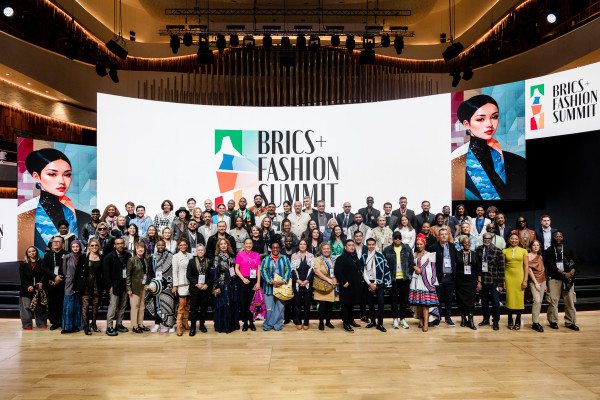
The BRICS+ Fashion Summit (www.FashionSummit.org) concluded in Moscow with a landmark announcement: leaders from fashion associations across more than 50 countries signed a memorandum to form the BRICS International Fashion Federation. The new federation seeks to establish new centers of influence, strengthen international connections, boost industry sustainability, and provide NewGen of fashion talents with opportunities for growth. Notably, the summit was attended by representatives from over 100 countries, solidifying its standing as the largest fashion event for both emerging and established markets.
Brian Ahumuza, CEO and Founder of Uganda Fashion Designers Association, said “The BRICS International Fashion Federation has the potential to significantly foster international collaboration by creating structured opportunities for designers, artisans, and manufacturers to work together on joint ventures, exhibitions, and collections. This can help open up new markets, enabling designers from Uganda, for example, to reach audiences in Russia, Brazil, or India”.
Sunil Sethi, Chairman of the Fashion Design Council of India, said, "The need for such a fashionable alliance of emerging countries is long overdue. Brands, designers, and markets all face similar challenges—from supply chain disruptions to environmental issues—that are easier to solve together. The fashion world is focused on a few hundred global brands, so emerging markets need their own platform to make our voices heard."
The memorandum to establish the BRICS International Fashion Federation was signed by an array of influential figures, including CEOs of fashion weeks, heads of fashion and textile associations, and academic leaders from countries such as India, South Africa, Russia, Ethiopia, Egypt, Spain, the USA, Indonesia, Malaysia, Ghana, Tanzania, Jordan, Ecuador, Paraguay, and Kenya.
Natalya Sergunina, Deputy Mayor of Moscow, highlighted the initiative's significance: "The creation of this International Federation is a major outcome of the recent BRICS+ Fashion Summit in Moscow. It demonstrates once again the shared goals and substantial potential for growth that we have with our global colleagues."
The declaration stipulates several core objectives: supporting local talent, promoting sustainable fashion, fostering cultural exchange, and creating a unified platform for emerging markets through educational and informational projects. It also focuses on the development of new technologies, the preservation of cultural identities, and the support of traditional arts and crafts.
"We are committed to providing these visionaries with a global platform and local events to ensure their creative work is celebrated globally. Our aim is to promote sustainable and eco-friendly practices, striving to implement transparent methods that will significantly reduce the fashion industry's carbon footprint. Slow fashion, characterised by mindful consumption and production, will be at the heart of the BRICS IFF agenda as we strive to mitigate the environmental impact of fashion," says the official statement.
Distributed by APO Group on behalf of BRICS+ Fashion Summit.
Contact:
Ann Reinhold,
info@globaltalents.digital
South Africa's potential for oil and gas 'significant' - Mantashe
Mineral and Petroleum Resources Minister Gwede Mantashe says the discovery of gas and condensate from two exploration wells in the South Outeniqua Basin are proof that South Africa’s underexplored deep waters have significant potential for oil and gas.
The Minister was speaking during Africa Oil Week held at the Cape Town International Convention Centre.
“In the past two years, TotalEnergies, Shell and Galp have made eight discoveries across three blocks in Namibia’s Orange Basin, representing an estimated 3.5 billion barrels of potentially recoverable oil.
“These discoveries have led to a huge interest by major petroleum companies since it is believed that the Namibian discoveries may be extending southwards into South Africa.
“The discoveries of gas and condensate from two exploration wells drilled in Block 11B/12B offshore in the South Outeniqua Basin have also proven that South Africa’s under-explored deep waters have significant potential for oil and gas, and thereby signalling a need to accelerate exploration efforts,” Mantashe said.
Commenting on the withdrawal of international energy giant, TotalEnergies, from offshore Block 11B/12B and 5/6/7, Mantashe insisted that development on the block still remains viable.
“[There] remains a good potential for other oil and gas players to partner with the remaining operator – MainStreet - and develop the block.
“Contrary to the view that suggests that TotalEnergies withdrawal from the block is tantamount to lack of confidence, it is encouraging that the company is a major shareholder in 3 blocks North of South Africa’s Orange Basin in the deep to ultra-deep waters, and a 100% shareholder of another larger block that is 3 times the size of the 11b/12b in Southern Outeniqua,” he said.
According to the Minister, several exploration projects in the South African Orange Basin are “gearing up for development”. These include:
• Preparation work for drilling exploration of the Deep-Water Orange Basis (DWOB) block operated by TotalEnergies.
• Proposed drilling of an exploration well, with the option to drill up to four additional wells in Block 3B/4B.
• The Northern Cape Ultra-Deep-Water Block has started with environmental authorisation processes for drilling.
• The notable progress made on Block 5/6/7 with a potential to start drilling exploration in the block in 2026 targeting large oil and gas resources.
Mantashe said the risk for these projects is litigation against exploration and production.
“This has already affected two major seismic surveys to date, including Shell, which abandoned their survey and went on to discover oil and gas in Namibia, as well as ENI, which after being taken to court 47 times, left and went to discover oil in huge quantities in Côte d'Ivoire.
“The successful 3D seismic data acquisition in April this year by Searcher on South Africa’s west coast has proven that exploration of petroleum resources can be done successfully without any harm to the environment,” he highlighted.
The Minister gave a nod to the approval, by the Competition Commission, of government’s acquisition of the various assets that comprise the SAPREF [a joint venture between Shell Refining SA and BP Southern Africa] refinery, which is located in Durban.
“Government has, through the Central Energy Fund (CEF), concluded a transaction on the sale of assets at the SAPREF precinct. This acquisition has since been approved by the Competition Commission, thus reinforcing our efforts that seek to guarantee sufficient supply of petroleum products in the period where several refineries have been shut down prematurely.
“Like Chevron and Petronas, Shell’s decision to divest from its downstream business operations in South Africa provides an opportunity for another investor, or major oil company, to take over the assets as the downstream sector will remain attractive for the foreseeable future, given the rise of hybrid vehicles.
“We appeal to the delegates at this conference and the investment community to continue investing in the development of oil and gas to enable a prosperous energy outlook for Africa, and promote sustainable development,” Mantashe said. – SAnews.gov.za
NeoB
Tue, 10/08/2024 - 11:13
President Ramaphosa reiterates call for peace and immediate ceasefire in Gaza
President Cyril Ramaphosa has used his weekly newsletter on Monday to once again call for an “immediate ceasefire that will end the suffering of the people of Gaza”.
This as the world marks one year since conflict escalated between Israel and Hamas which has led to mass deaths, intense suffering and violence.
“Today marks one year since the start of an onslaught against the Palestinian people that has thus far claimed more than 43 000 lives. The violence that has been committed by Israel against Palestinians over many decades intensified after an attack on Israel by Hamas and other Palestinian armed groups on 7 October last year.
“As South Africa, we remain committed to the peaceful resolution to ending the occupation of Palestine, to upholding the tenets of international law and to advancing social justice. We once again call for an immediate ceasefire that will end the suffering of the people of Gaza and allow for humanitarian aid to reach those in need,” he said.
The President added that South Africa condemned the “atrocities committed against civilians in Israel on 7 October 2023, as we have denounced the killing of civilians in any context”.
“More than 1000 Israelis were killed in the attacks of 7 October last year. Over 100 Israelis remain in captivity in Gaza. There are over 6000 Palestinians who are languishing in Israeli jails.
“As South Africa, we have consistently called for a resolution to the conflict and the release of all the hostages abducted on 7 October 2023. We have also called for the release of all the prisoners unlawfully detained in Israel.
“We cannot but be moved by the plight of all the families who have loved ones in captivity. With negotiations to secure their release having once again stalled and Israel’s bombardment of Gaza continuing, the conflict shows no signs of abating,” he said.
Escalating tensions
President Ramaphosa highlighted that while several calls for a ceasefire echoed around the world, tensions in the Middle East have heightened.
“Amid efforts by the international community to secure a ceasefire, the situation has been worsened by strikes by Israel on Lebanon and by Iran on Israel. Israel has vowed to retaliate against Iran and Iran has threatened to respond accordingly.
“The escalating situation in the Middle East is of grave concern. It threatens to plunge the region into a war in which civilians will inevitably bear the greatest and the most cruel brunt of this conflict. As the UN Secretary-General has said, each escalation after the next is leading the people of the Middle East over the cliff,” he said.
He warned that the global community cannot afford a long-standing conflict in that region of the world.
“A protracted regional conflict that leads to the loss of more innocent lives is something the Middle East and the world cannot afford. We call on all parties to exercise restraint and for the tenets of international law to be respected.
“Just as the countries of the world need to work together to ensure that this conflict is not allowed to spread, the international community must be seized with efforts to end the violence against Palestinians in Gaza and the West Bank,” he said.
The knock-on effect, the President said, has had a devastating effect on civilians in the area.
“Beyond an immediate end to the onslaught against Gaza, there is an urgent need for action to stave off starvation and disease among the population. Considerable resources need to be directed to Gaza to start rebuilding infrastructure, housing, social services, agricultural production and economic activity,” President Ramaphosa said.
He revealed that South Africa will file a memorial with the International Court of Justice to hold all those responsible in the conflict to account.
“In our address to the UN General Assembly last month, we called for international law to be applied consistently in holding to account all who have committed atrocities in this conflict, whether it is Israel or Hamas.
“Later this month, we will file a memorial, which is South Africa’s full substantive case based on evidence, at the International Court of Justice. The memorial contains detailed evidence to prove that Israel is committing the crime of genocide in Palestine. We call on Israel to immediately implement the court’s provisional orders issued on 26 January, 28 March 2024 and 24 May 2024,” President Ramaphosa said.
The President insisted that the reality is that the escalating conflict “is part of a pattern of violence that spans more than half a century resulting from the occupation of Palestine”.
“Until the occupation is ended and a just and lasting solution is found that will protect the rights of both Israelis and Palestinians, the region will remain a tinderbox of potential conflict and war.
“Israel has consistently declared that it aspires to live in peace and security with its neighbours. Yet its military occupation of the Syrian Golan Heights since 1967 and its invasions of Lebanon in 1978, 1982 and 2006 undermine this aspiration.
“As a country we will continue to play our part in supporting all efforts to bring peace to the troubled Middle East region and to secure a just, lasting solution that ends the occupation of Palestine,” President Ramaphosa concluded. – SAnews.gov.za
NeoB
Mon, 10/07/2024 - 09:32
Mining’s potential remains high: Mantashe
Minister of Mineral and Petroleum Resources, Gwede Mantashe, has told an indaba that there is evidence to suggest that mining is “the bedrock of our economy” and that the country is an attractive investment destination for mining.
According to the Minerals Council of South Africa, the industry contributed some 6.3% to South Africa’s nominal Gross Domestic Product (GDP) last year.
“There is a strong case emerging out of the study on ‘The State of Mining’ that the South African mining industry not only remains the bedrock of our economy, but an attractive investment destination for mining.
“Coupled with the draft South Africa’s ‘Critical Minerals Strategy’, the study points to the reality that the South African mining industry is diversifying from the gold mining era to an industry with wide-ranging mineral resources, including the world’s largest known deposits of platinum group metals (PGMs), manganese, chrome, coal, gold, copper, vanadium, and other natural resources that are considered critical for the just transition,” the Minister said at the Annual Joburg Indaba in Sandton on Thursday.
He added that with the diversification of the industry, its potential to continue growing remains high.
“Notwithstanding the challenges faced by the gold mining sector, including deep level mines and heightened safety concerns, the 2023 gold production statistics positioned South Africa as the world’s thirteenth and Africa’s fourth largest gold producer.
“Despite the fluctuating prices of palladium and rhodium, of which South Africa supplies 38% and 81%, respectively, to the global commodities market, the PGMs sector is poised to play a catalytic role in sustaining the South African mining industry, and in the growth of our economy.
“Considering South Africa’s reserves of known manganese and chrome deposits, as well as being the largest producer and exporter of manganese and chrome ore, the South African manganese and chrome sectors are poised to continue playing a significant role globally driven by their use in the automotive and construction industries,” Mantashe said.
Addressing challenges
He acknowledged that during last year’s Joburg Indaba, industry players raised issues that “we needed to resolve for the sector to thrive, including the need to ensure the necessary policy and regulatory certainty for investment”.
“Although the South African mining industry’s regulatory framework is stable and predictable, the Department of Mineral and Petroleum Resources is drafting amendments to the Mineral and Petroleum Resources Development Act (MPRDA).
“This is so as to address its shortcomings and ensure that areas that have been challenged legally are strengthened against international best practice. The amendments will further improve the business environment while keeping in sync with our socioeconomic fabric.
“The completion of the migration process to the new efficient and transparent mining licensing system, in June next year, is poised to modernise our licensing system, ensure regulatory certainty, and the sustainability of the South African mining industry.
“Having completed the first phase of the project, which included the assessment of the current environment to establish the baseline and its readiness, and the requirements with respect to system hosting, software integration, and the enhancement of cybersecurity, the development of the new system is therefore progressing very well,” the Minister explained.
READ | Presidency transfers Department of Mineral Resources and Energy legislation
Furthermore, the Minister told the industry leaders that between April 2023 and March this year, the department has processed and finalised 127 mining rights, 1 527 prospecting rights, and 2 313 mining permits and ancillaries.
There are no backlogs in the Western Cape and the Free State while backlogs in the Northern Cape, Limpopo, North West, Eastern Cape and KwaZulu-Natal have been significantly reduced. Mpumalanga is the only province with a significant backlog.
“As we come to the end of this year’s Indaba, we wish to encourage the South African mining industry to continue sharing insights about the realities of this industry, advance beneficiation at source, and support our exploration initiatives.
“We further encourage junior miners to take up the opportunities presented to them in order to transform the industry and ensure that the people of South Africa derive value from their country’s mineral endowment,” Mantashe concluded. – SAnews.gov.za
NeoB
Fri, 10/04/2024 - 10:09

South Africa's Minister of Mineral and Petroleum Resources, Mr Gwede Mantashe has committed to attend the four-day AOW energy event (https://AOWEnergy.com/) in Cape Town from 7 – 10 October.
AOW: Investing in African Energy brings together industry leaders to develop policy, share discoveries, secure investment, and shape Africa's energy future. This year's event will feature more than 1 600 senior delegates, 80 ministers and officials from 70+ countries and representatives of more than 760 companies.
Announcing Mantashe's confirmed attendance, Chief Executive Officer of Sankofa Events, Paul Sinclair said that the presence of the host nation's two most senior energy leaders confirmed that Africa was committed to taking ownership of its own energy destiny.
“We are excited to welcome Mr Mantashe to AOW, where he will share stages and attend sessions with ministers from many other countries, as well as senior players from energy businesses and multilateral forms,” said Sinclair. “We are proud to provide an environment where Africa's energy leaders can discuss the latest industry trends, and how the continent can help to shape them.”
Mantashe has been a regular keynote speaker at previous AOW events, and the announcement of his attendance comes as lucrative energy opportunities open across the continent – in responsible oil exploration and production, in renewable energy, and in the trade of natural gas as a high-demand future fuel.
Ongoing major oil-and-gas discoveries in the Orange basin, offshore South Africa and Namibia, have highlighted the scale and importance of these opportunities – for African governments, their people, and energy businesses.
“The world's energy markets are in the midst of a dynamic transition,” said Sinclair. “Navigating that transition requires industry partnerships. Africa is showing that not only does it have massive resources, it also has the networks, the financial innovation and the commitment to develop those resources for Africa's people, and all stakeholders.”
This year marks 30 years of the industry-leading AOW event. The four-day conference, exhibition and investment forum brings together governments, regulators, global operators, power producers, investors and service providers.
Distributed by APO Group on behalf of AOW: Investing in African Energy.
About AOW: Investing in African Energy:
Owned by Sankofa Events, AOW: Investing in African Energy (https://AOWEnergy.com/) is Africa's leading oil, gas & energy event, uniting industry leaders to develop policy, share discoveries, secure investment, and shape Africa's energy future. The event runs from 7 – 10 October 2024 at the CTICC 2, Cape Town.
Nelson Mandela Bay Municipality receives water conservation boost
Nelson Mandela Bay Municipality Mayor, Gary van Niekerk, has hailed the launch of a R68 million water treatment plant at Orion Engineered Carbons South Africa as a major boost for water conservation.
Based in Deal Party, Gqeberha, the only carbon Black producer in Sub-Saharan Africa, will now pump treated wastewater from the neighbouring Fishwater Flats Wastewater treatment plant and treat it onsite to meet its production standards for non-drinking water use.
Van Niekerk said the launch is a testimony of what the city is capable of when it works closely with big business.
"These symbiotic relationships can be in the interest of the common good and not just the bottom lines of the business community. Thank you to the international and local management of Orion South Africa for making today possible.
"It is truly a trendsetting step that will hopefully encourage other major businesses to follow in their footsteps. Thank you for the vote of confidence in our city. We truly appreciate your investment,” Van Niekerk said.
The usage of treated wastewater at its production plant in Deal Party, frees up drinking water that will no longer be used by the company and translates to a long-term financial benefit as treated wastewater is cheaper while also contributing towards the preservation of precious drinking water.
Orion Chief Director, Corning Painter said the investment is meaningful since it contributes to water conservation in a water-scarce area.
“While several companies use treated wastewater from Fishwater Flats for various applications, Orion South Africa is one of the first to use large volumes of wastewater for the purpose of producing carbon black,” Painter said. – SAnews.gov.za
GabiK
Wed, 10/02/2024 - 15:29
Limpopo police discover drug lab, seize mandrax worth R4 million
A joint operation involving the Limpopo Provincial Organised Crime Unit, Limpopo Provincial Flying Squad and Lebowakgomo police has led to the discovery of a drug lab at the Makotse village in Lebowakgomo, on Sunday.
Drugs valued at approximately R4 million were seized and three suspects aged between 25 and 33 were arrested.
“The police discovered a significant quantity of mandrax at the suspect’s residence and located a nearby drug manufacturing lab containing various chemicals and substances used in drug production.
“The SAPS Forensic Science Laboratory has been alerted to investigate the drug lab further. Security measures will remain in place at the site until the investigation is completed,” said the police.
Acting Provincial Commissioner of Police in Limpopo, Major General Samuel Manala, commended the collaborative efforts of the various law enforcement agencies involved in the operation aimed at dismantling drug-related crimes in the province.
The suspects appeared before the Thabamoopo Magistrate's Court on Monday facing charges of possession and dealing in drugs.
Their case has been postponed to 7 October 2024 for a formal bail application. – SAnews.gov.za
Edwin
Tue, 10/01/2024 - 10:21
Submissions sought on reform of the electoral system
The Electoral Reform Consultation Panel has extended its call for submissions from the public and organisations (including political parties or prospective independent candidates) on the reform of the electoral system for the National Assembly and Provincial Legislatures to 31 October 2024.
Section 23 of the Electoral Amendment Act of 2023 provided for the establishment of the Electoral Reform Consultation Panel (ERCP) “to independently investigate, consult on, report on and make recommendations in respect of potential reforms of the electoral system for the election of the National Assembly and the election of the Provincial Legislatures, in respect of the elections to be held after the 2024 Elections”.
These recommendations are for the 2029 National and Provincial Elections.
South Africa’s electoral system for National and Provincial Elections is derived from the Electoral Act of 1998, as recently amended by the Electoral Amendment Act of 2023, to allow for the inclusion of independent candidates.
Successive South African elections since 1994 have used a party list proportional representation electoral system, in terms of which members of the National Assembly and Provincial Legislatures are elected from the lists submitted by political parties to the Electoral Commission of South Africa (IEC).
The National Assembly in May 2024 approved the appointment of nine experts in the fields of academia, law, governance and election administration to undertake the process of consultation and produce a report with recommendations of possible electoral systems by 31 May 2025.
The Electoral Reform Consultation Panel has adopted an initial six guiding principles for evaluating proposed electoral systems for South Africa.
These principles draw on the country’s founding values set out in section 1 of the Constitution to establish a multi-party system of democratic government, based on accountability, responsiveness and openness to uphold values of human dignity, non-racialism, non-sexism, and the achievement of equality.
The six guiding principles are: inclusivity, fairness, accountability, simplicity, electoral manageability and transparency.
“As part of its function to consult and its duty to conduct a public participation process on its work, the ERCP hereby invites members of the public to make written submissions for its consideration,” the panel said in a statement.
The panel will also hold extensive public consultations, which will later lead up to the production of a report, which must be submitted to the Minister of Home Affairs by 31 May 2025 and be tabled before Parliament within 30 days for its consideration.
“The ERCP respectfully calls and requests members of the public, as individuals or through organisations to which they belong, to make submissions on why, how and whether the current South African electoral system should be reformed, changed or even replaced with another one,” the panel said.
The period for written submissions has been extended to 31 October 2024.
All the submissions should be addressed to Advocate Richard K Sizani, the Chairperson of the Electoral Reform Consultation Panel and may be forwarded in any of the following ways:
1. Delivered by hand to House 1, Ministry of Home Affairs, 909 Arcadia Street, Hatfield, Pretoria.
2. Delivered by hand to the nearest Home Affairs office.
3. Mailed to Electoral Reform Consultation Panel at Private Bag X114, Pretoria, 0001.
4. Emailed to ERCP@dha.gov.za.
The public may follow the Electoral Reform Consultation Panel on social media on the following handles:
https://x.com/Electoral_RCP and https://www.facebook.com/profile.php?id=61564445482964.
Any enquiries should be directed to:
Adv. Richard K Sizani
Chairperson of the Electoral Reform Consultation Panel
Cellphone number 082 904 9907. – SAnews.gov.za
Edwin
Tue, 10/01/2024 - 09:59
JOHANNESBURG: Cricket South Africa (CSA) is excited to announce that ARY Digital Network has been awarded the exclusive broadcasting rights for all...
Government registers 217 Fire Protection Associations to deal with veld fires
In an attempt to be proactive in managing uncontrolled fires, the Department of Forestry, Fisheries and the Environment (DFFE) has to date registered 217 Fire Protection Associations (FPAs).
“The department is empowered by the National Veld and Forest Fires Act, 1998 (NVFFA) to prevent and combat veld, forest and mountain fires throughout the Republic, and provides for a variety of institutions, methods and practices for achieving this purpose,” the Deputy Minister of Forestry, Fisheries and the Environment, Bernice Swarts, said on Monday.
Addressing the closing of the 2024 Arbor Month Campaign, Swarts said one of the biggest threats to natural vegetation, property and valuable life is uncontrolled veld and forest fires.
“Some areas in the country are rated as extremely high veld risk areas due to the fact that more than 90% of the area is covered with woodlands. Every year, many lives are lost and millions of rands worth of damages are caused to property, livestock, the environment and the livelihoods, especially that of the rural poor,” Swarts said.
The department is in a process of aligning the FPAs to municipal boundaries to ensure effective use of resources and increased participation and inclusivity, especially for previously disadvantaged communities.
“To ensure that the FPAs are functional, the DFFE provides financial support to FPAs through the Working on Fire Programme and is in the process of transferring vehicles to district municipalities for use by FPAs.
“This will be done in phases, noting that that there are certain requirements that must be met by the FPAs for benefiting from this support. We are aware of other challenges and the department will work closely with Umbrella FPAs to ensure that such challenges are addressed,” the Deputy Minister said.
The responsibilities of FPAs include developing and applying a veld fire management strategy for an area, identifying natural conditions that can cause fire, and regularly communicating fire danger ratings to members in a designated area.
Forestry Sector Masterplan
Meanwhile, government has developed the Forestry Sector Masterplan as a growth, transformation and investment plan for the sector, which is a collaborative effort of government.
One of the key deliverables of the masterplan is the New Afforestation Programme, which refers to the establishment of new plantations on virgin land (undisturbed soil).
“For one to establish plantations, a licence is required in terms of the provisions of the National Water Act, 1998, National Environmental Management Act, 1998 and the Conservation of Agricultural Resources Act, 1983. The process involves satisfying the issues of water availability, undertaking costly Environmental Impact Assessment (EIA) studies and issues related to soil conservation.
“The DFFE, through the then Department of Water Affairs and Forestry, undertook a study to assess the potential for afforestation in the country, except in the Western Cape. The results reflected an opportunity of 100 000 hectares in the Eastern Cape and 39 000 hectares in KwaZulu-Natal,” Swarts said.
The department has been playing a role of streamlining the afforestation licensing process by paying for the costly EIA studies on behalf of communities.
“This ensures that delays in afforestation are reduced, and communities are supported in obtaining licences. Currently, the period for issuing licences from the Department of Water and Sanitation (DWS) is 90 days.
“The department has about 44 000 hectares worth of licences in the pipeline, which are due for EIAs. The department is in the process of finalising the appointment of Environmental Assessment Practitioners (EAPs) to conduct the studies,” Swarts said.
The masterplan had set a minimum investment target of R16.5 billion, with a maximum target of R30 billion for the year 2025/26.
“Currently, the Rand value of private sector investment has reached R33.2 billion, clearly indicating that the sector has well exceeded the R30 billion target set for the 2025/26 financial year.
“Ensuring that the plantations under the management of the department are brought back into production is high on the agenda of the masterplan. Currently, about 6213,58 hectares have been transferred to communities through the Community Forestry Agreement Model, in line with Section 29 of the National Forests Act, 1998.
“This translates to 27 plantations transferred to communities through the signing of 23 Community Forestry Agreements. Plans are in place to continue with this process, including the leasing of the remaining plantations in the Western Cape.
“As these transfers take place, it is important for the industry to work closely with the department in ensuring that post settlement support is provided for these communities so that they can thrive in the sector,” the Deputy Minister said. - SAnews.gov.za
nosihle
Mon, 09/30/2024 - 14:01
Petrol, diesel prices to decrease from Wednesday
There will be further relief at the pumps starting from Wednesday, 2 October, when the prices of all grades of petrol and diesel are set to decrease.
Illuminating paraffin is also expected to decrease, with the only price rise coming in the cost of LP Gas.
The fuel price adjustments were announced by the Department of Mineral and Petroleum Resources on Monday.
The price adjustments for fuel, paraffin and gas are as follows:
A litre of 95 petrol, which currently costs R22,19 in Gauteng, will now cost R21,05 a litre as of Wednesday.
On the coast, a litre of 95 petrol, which costs R21,40 in September, will now cost R20,26 a litre in October.
The department explained the international and local factors leading to the price adjustments for October.
“The average Brent Crude oil price decreased from 78.54 US Dollars (USD) to 72.82 USD per barrel, during the period under review. The main contributing factor is the increased production from major oil-producing countries, despite lower demand concerns.
“The average international petroleum product prices decreased on average, in line with the lower oil prices, during the period under review. This led to lower contributions to the Basic Fuel Prices of petrol by 91.74 c/l and 85.04 c/l, diesel by 91.37 c/l and 88.72 c/l and illuminating paraffin by 87.64 c/l, respectively.
“The Rand appreciated on average, against the US Dollar (from 18.05 to 17.68 Rand per USD) during the period under review. This led to lower contributions to the Basic Fuel Prices of all products by over 21.00 cents per litre,” the department said. – SAnews.gov.za
NeoB
Mon, 09/30/2024 - 10:46
Premier insists that casual workers currently running production at the Mr. Sweet Factory are qualified
Waste to wealth: solutions for a sustainable future
By Deputy Minister Bernice Swarts
For decades, the rapid urbanisation and industrial growth experienced by many nations, had come at a high environmental cost. Landfills overflowed, plastic waste contaminated rivers and oceans, and emissions from improper waste disposal intensified the climate crisis.
The International Solid Waste Association (ISWA) Congress 2024, themed "Waste to Wealth: Solutions for a Sustainable Future," signalled a turning point, with the idea that waste could be transformed into wealth resonating deeply.
The congress brought together global experts, policymakers, and business leaders to share cutting-edge practices in waste management and the circular economy. But more importantly, it showcased South Africa's commitment to turning its waste challenges into economic opportunities.
The government’s introduction of the Extended Producer Responsibility (EPR) Regulations and the accent of the Climate Change Bill into an Act marked a significant shift in how the nation approached waste. The EPR Regulations require manufacturers to take responsibility for the lifecycle of their products, from production to post-consumer waste. This policy forces businesses to rethink how they design, produce, and manage products, pushing them toward more sustainable practices.
The Climate Change Act further aligns the nation’s policies with its environmental goals. It ensures that South Africa’s response to climate change, particularly in transitioning to a low-carbon, climate-resilient economy is supported by robust legislation. This act not only aims to reduce greenhouse gas emissions but also promotes the creation of green jobs and investments in the emerging circular economy.
However, one of the most remarkable aspects of South Africa’s waste management evolution is the active role the private sector plays. While government policies set the framework, it is private companies that help drive real change. Faced with regulatory requirements, businesses are beginning to take ownership of their waste, investing in recycling technologies, sustainable product designs, and waste-to-energy initiatives.
The idea that waste could be a resource, rather than a burden, has begun to reshape industries. For instance, South Africa’s plastic manufacturing sector was forced to adapt to new requirements mandating the inclusion of recycled content in products. This sparked a wave of innovation, as companies began developing new methods to incorporate recyclates into their production processes. Similarly, the construction industry began embracing the reuse of demolition waste, reducing its dependence on raw materials and lowering its environmental footprint.
While these changes are promising, the waste crisis is still far from being resolved. This is due to municipalities across South Africa being overwhelmed and lacking the necessary infrastructure to handle the growing volume of waste. Many cities and towns have inadequate waste collection services, let alone the advanced recycling and waste-to-energy facilities needed to close the loop in a circular economy. Additionally, the waste management sector is in dire need of investment, and the ISWA Congress offered a unique platform for South Africa to engage with international experts and potential investors.
What made the congress particularly significant was its global scope. Waste management has long since ceased being a local problem; it is a global one, particularly in the fight against plastic pollution.
South Africa found itself in the unique position of contributing to international discussions on the issue, especially through its involvement in the development of a legally binding instrument on plastic pollution. The country is increasing its recycling capacity for plastic waste, and it supports global efforts to eliminate plastic pollution by regulating product design and prioritizing recyclates.
As South Africa prepares for its G20 presidency in 2025, the outcomes of the ISWA Congress took on even greater importance. The country has an opportunity to set the agenda on sustainability for some of the world’s most powerful economies. The government-to-government (G2G) session held during the congress provided a critical forum for sharing best practices with other nations, many of which were facing similar challenges. These exchanges were crucial, as they not only helped shape South Africa’s preparations for the G20 but also fostered greater international cooperation in addressing global waste and sustainability issues.
One of the most pressing priorities for the South African government remained job creation. The waste management sector, particularly through the circular economy, offers a promising avenue for addressing the nation’s high unemployment rate. Small, Medium, and Micro Enterprises (SMMEs) are already benefitting from government and private sector support to enter the waste management space.
Bernice Swarts is the Deputy Minister of Forestry, Fisheries and the Environment
Neo
Thu, 09/26/2024 - 10:09
By Dr Ridwaan Asvat (Director Student Services – Regent Business School) Investing in employee education is no longer just about personal development; it’s a powerful way to advance a company’s goals. HR managers are increasingly tasked with ensuring these investments align with the company’s strategic objectives. By tailoring learning paths to support business strategies, companies …
Condolences to family of victim affected by freezing weather conditions
The Minister in the Presidency for Women, Youth, and Persons with Disabilities Sindisiwe Chikunga has extended her heartfelt condolences to the family of the woman who lost her life in adverse weather conditions that hit parts of the Free State and KwaZulu-Natal provinces.
"We are deeply saddened to learn that a woman lost her life to hypothermia due to these unprecedented weather conditions. She was a passenger in a taxi travelling from Johannesburg to KwaZulu-Natal," the Minister said in a statement on Wednesday.
The 39-year-old woman died on Saturday while trapped in the blizzard that engulfed the N3 between Van Reenen’s Pass, connecting KwaZulu-Natal and the Free State.
This was confirmed by paramedic services, Midlands EMS [emergency medical services] Rescue Medics, in a statement.
According to the medical service, the Midlands EMS Howick crews, along with Midlands EMS Rescue Medics, were dispatched to a shopping centre in Merrivale for a person who had collapsed after being exposed to severe cold overnight, while in a taxi stuck in traffic in the snow.
READ | Heavy snowfall on N3 claims life of a 39-year-old woman
Chikunga commended the exemplary selflessness and solidarity shown by South Africans who came to each other's aid in what were life-threatening circumstances.
She also added that South Africa is experiencing unusual climate change related incidents, marked by an increase in the frequency and intensity of extreme weather events, as well as rising mortality rates.
The severity of these events continues to disproportionately affect marginalised communities—those who often lack the resources to cope—most of whom are women and persons with disabilities.
“While this is a global phenomenon, the impact of climate change related disasters is not uniform. Recent research published by the World Bank shows that "across the globe, women and persons with disabilities experience mortality rates up to four times higher in natural disasters than those without.
“We express our condolences to those who have lost their loved ones, and we urge all South Africans to closely monitor weather reports to avoid areas projected to experience extreme weather conditions,” the Minister said.
In his address at the National Heritage Day celebrations on Tuesday, Acting President Paul Mashatile emphasised the need to recognise the growing impact of climate change on the nation's well-being and cultural heritage.
Mashatile urged citizens to be mindful of how climate change threatens both livelihoods and cultural traditions.
The Acting President expressed his honour in addressing the nation on Heritage Day but noted that celebrations were overshadowed by severe weather affecting parts of KwaZulu-Natal, the Eastern Cape, and the Free State.
“It is a great honour and privilege to address you at this significant occasion as we celebrate our country’s Heritage Day. Unfortunately, as we were looking forward to this day, some parts of our country, which include Kwa-Zulu Natal, Eastern Cape and Free State, were impacted by severe weather conditions, exacerbated by climate change,” he said at the celebrations held in Ficksburg, Free State.
READ | Let’s be alive to the impact of climate change – Acting President Mashatile
Meanwhile, the South African Weather Service (SAWS) said the country is set to experience a mix of warm and cool temperatures in the coming days, with a significant drop in temperatures and even light snowfall expected later this month.
This after the weekend’s freezing temperatures and snowfall in some parts of the country caused havoc on the roads, resulting in one fatality.
READ | SA Weather Service forecasts warm week followed by light snow
-SAnews.gov.za
nosihle
Wed, 09/25/2024 - 11:11
Affinity Health, a leading provider of high-quality health coverage, explores five essential tips to help you choose the right toothbrush and toothpaste for your specific needs, ensuring you’re giving your smile the best care possible. “As we celebrate National Oral Health Month, it’s the perfect time to focus on the foundation of good dental hygiene: …
Critical minerals sector key to driving global economic growth
President Cyril Ramaphosa has emphasised the importance of the critical minerals sector in driving global economic growth and sustainability.
By leveraging key sectors such as mining, energy, and manufacturing, the President said South Africa is set to improve its business environment and attract much-needed investment.
He was addressing the African Minerals Forum hosted by the Business Council for International Understanding (BCIU) and Prosper Africa on the sidelines of the United Nations General Assembly (UNGA 79), in New York, USA, on Monday.
He highlighted that four months ago, South Africa held national general elections, which ushered in a Government of National Unity, where 10 political parties have come together to coalesce around a common agenda for economic growth and sustainable development.
President Ramaphosa underlined South Africa's commitment to reducing greenhouse gas emissions and mitigating climate change through the country's Just Energy Transition Plan. This plan aims to guide the shift from coal to renewable energy, while also ensuring equitable economic opportunities for affected communities.
“South Africa's and Africa’s critical minerals sector has a crucial role to play in this regard, and we recognise the importance of collaboration with other countries to develop the potential of our critical minerals sector.
“The US in particular has established expertise in advanced mining technologies, automation and sustainability practices.
“We want to strengthen our ties with US companies and institutions to foster technological advancements, enhance supply chain efficiencies and attract investment into our mining sector,” the President said.
The President also emphasised that South Africa strongly endorses the United Nations Secretary-General’s position paper on Critical Energy Transition Minerals, where he highlights the importance of beneficiation, benefit sharing, local value addition and economic diversification.
“It would not be an understatement to say that the minerals that lie beneath the soil of Africa are powering the green energy revolution. Thirty percent of the world’s proven critical mineral reserves are found in Sub-Saharan Africa.
“South Africa has substantial reserves of platinum group metals, manganese, vanadium as well as chromium.
“These resources are fundamental to the development of cutting-edge technologies that drive progress in various sectors. What will be critical is to ensure that this progress does not leave Africa behind,” he said.
The President stressed the need to avoid perpetuating colonial-era exploitation, where African countries primarily export raw minerals. He said that by focusing on beneficiation and domestic processing, African nations could see significant economic growth.
President Ramaphosa highlighted that beneficiation and local processing of critical minerals could increase the continent’s GDP by 12% or more by 2050.
He cited estimates suggesting that African countries could generate USD 24 billion annually in GDP and create 2.3 million jobs by investing in mining beneficiation and domestic processing.
President Ramaphosa highlighted the strides made by SASOL, South Africa’s flagship petrochemical company, in leading green hydrogen technologies research and development.
“As the global automotive industry moves towards Electric Vehicles and New Energy Vehicles, we are leveraging our rich experience with automotive production to get some of the world’s leading automotive manufactures with a footprint in South Africa to produce more their green vehicles in our country,” he said.
Despite improvements in the beneficiation of South Africa’s mineral exports, President Ramaphosa admitted that more needs to be done.
He underscored the country’s commitment to creating a supportive policy framework for the critical minerals sector, focused on streamlining regulations, fostering innovation in mining technologies, building workforce skills, improving transport and logistics infrastructure, and incentivising investment.
South Africa's five-point policy approach aims to create a supportive environment for the critical minerals sector. This includes simplifying regulations, supporting research and development in mining technologies, investing in workforce skills, improving logistics infrastructure, and incentivising domestic and international investment.
“South Africa also has a beneficiation strategy that seeks to translate the benefits of our country’s mineral endowments into a national competitive advantage.
“As the UN Secretary-General’s paper has noted, Critical Energy Transition Minerals can transform economies, create green jobs and foster sustainable local, regional and global development,” he said.
President Ramaphosa further stressed that for the potential of critical minerals to be fully realised, both mineral-producing nations and their end-user countries must embrace inclusivity.
He emphasised the importance of creating decent work opportunities, eradicating exploitative practices such as child and forced labour, and ensuring human rights protections.
Local beneficiation and industrialisation were highlighted as priorities, alongside environmental safeguards to ensure sustainable extraction practices.
The President urged for a long-term focus on inter-generational equity, recognising that critical minerals are vital for solving global challenges like climate change, energy, and food insecurity.
He called on US companies to collaborate in fostering sustainable development.
“By leveraging our respective strengths, pursuing strategic collaborations, and implementing supportive policies, we stand ready to meet the demands of the global market and drive sustainable development.
“I call on US companies and investors to join us on our journey,” he said. – SAnews.gov.za
DikelediM
Tue, 09/24/2024 - 10:07
President Ramaphosa urges US business to invest in SA’s growing economy
President Cyril Ramaphosa has called on US businesses to deepen their investment ties with South Africa, highlighting the country's renewed focus on economic recovery and structural reform.
Speaking at the SA-US Interactive Business Forum in New York on Monday, the President emphasised the progress made under South Africa's Government of National Unity (GNU) and the vast opportunities available to foreign investors.
He said this is a “timely intervention”, referencing his first visit to the US since South Africa's general elections in May, which led to a coalition government of political parties committed to inclusive growth and job creation.
“The advent of the Government of National Unity has renewed investor optimism in the South African economy. The message I bring to US investors today is that this optimism is well-placed.
“South Africa is firmly on the road to recovery, and we invite you to be part of this journey. Investments in South Africa are secure. Our business environment is stable. This is supported policy certainty and regulatory safeguards,” the President said.
He added that South Africa intends to stay the course on the structural economic reform process, on scaling up investment in key infrastructure, and on improving the business operating environment.
The President noted South Africa’s success in attracting investment, revealing that the country had achieved its target of raising R1.2 trillion (approximately USD 63.6 billion) ahead of schedule in 2022.
“We have announced a new target of approximately R2 trillion or approximately USD 100 billion over the next five-year period up to 2028.
“The far-reaching structural reforms we have implemented over the past six years have opened up the country to increased levels of investment that continues to grow,” the President said.
Ramaphosa particularly underscored the potential in the clean energy sector, which has attracted significant investment, supporting South Africa’s commitment to decarbonisation and energy security.
"We are equally committed to a Just Energy Transition that is inclusive, that take our developmental needs into account, and that leaves no community behind.
“We have a supportive and enabling industrial policy that incorporates amongst others expanding the special economic zones, driving export-led growth, and harnessing the potential of the Africa Continental Free Trade Area or AfCFTA. In January 2024 we began preferential trading under the AfCFTA,” he said.
The President emphasised that the Government of National Unity is furthermore committed to prudent monetary and fiscal policy and to strengthening regulatory and legislative frameworks to combat corruption.
The President also highlighted the importance of strategic partnerships with US businesses, especially in sectors like advanced manufacturing, energy, healthcare, and infrastructure.
“South Africa and Africa is ripe for investment in financial services, advanced manufacturing, energy, healthcare, infrastructure development, mining, science and technology and other sectors. South Africa is also developing the value chains of the future.
“With substantial reserves of critical energy transition minerals, we are positioning ourselves to be at the forefront of the green energy revolution,” he said.
He added that as the country with the world’s largest platinum group metal reserves, South Africa has a competitive advantage when it comes to the production of sustainable energy technologies, including electric vehicles, new energy vehicles and renewable energy components.
President Ramaphosa praised the collaboration between the New York Stock Exchange (NYSE) and Johannesburg Stock Exchange (JSE), following the 2022 Memorandum of Understanding. He stated that the partnership between the two stock exchanges “promotes cross-border investment and drives economic growth on a global scale.”
The President further highlighted the US as one of South Africa’s most valued trade partners, noting that bilateral trade totalled USD 17.6 billion in 2022.
He also praised the impact of the African Growth and Opportunity Act (AGOA) in fostering trade and creating jobs in sectors like automotive, agriculture, and precious metals.
With Africa's population expected to reach 2.5 billion by 2050, President Ramaphosa painted a bright picture of the continent's economic prospects, noting that the African Continental Free Trade Area (AfCFTA) would "drive a wave of industrialisation and create dynamic regional value chains."
“This too presents opportunities for US businesses and investors, and opens up new markets for their goods, products and services.
“Mutually beneficial trade and investment not only unlocks the dynamism and potential of an entire continent. It will also aid Africa’s efforts to achieve the Sustainable Development Goals,” the President said.
In closing, President Ramaphosa reassured investors of the stability and security of investments in South Africa.
“South Africa is open for business. Sustainable and inclusive growth spurs development and creates jobs.
“Together, we can forge a path to shared success and progress, leveraging our combined strengths to achieve enduring prosperity for our people,” the President said. – SAnews.gov.za
DikelediM
Tue, 09/24/2024 - 11:01
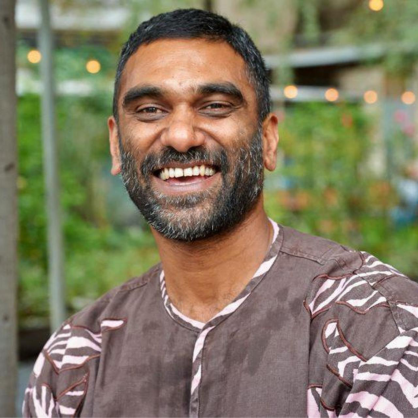
As the Fossil Fuel Non Proliferation Treaty Initiative (https://FossilFuelTreaty.org/) embarks on a new phase of the campaign and the development of the global Treaty, the Initiative announced today the appointment of Kumi Naidoo, globally recognized South African environmental and human rights leader, as its new President. Naidoo brings over three decades of activism and leadership experience to the role, and will help spearhead the organization's mission to secure a global plan for a just, financed and equitable transition away from fossil fuels.
Kumi Naidoo, whose activism has its roots in South Africa's tumultuous political past, has been a leading voice advocating for climate justice, sustainable development, and human rights across the world. As former Executive Director of Greenpeace International and Secretary General of Amnesty International and CIVICUS, he has been at the forefront of pivotal movements shaping environmental policy and social justice.
In response to his appointment, Kumi Naidoo said: “Throughout my life, I have sought justice for those marginalized by unjust political, economic and energy systems, especially in the Global South. The Fossil Fuel Treaty embodies this mission—it is a movement for global justice. It recognizes that to effectively address the climate, health, environmental, economic and social risks posed by fossil fuels, we must foster international cooperation for a rapid and just transition away from these harmful resources, ensuring that countries, communities and individuals in the South are not left behind. We must bring together world leaders who are committed to protecting what we love and have the courage to take action—the governments leading this initiative are the ones already doing that.”
The World Health Organization (https://apo-opa.co/3ZwZmQ5) estimates that outdoor air pollution, largely caused by fossil fuel emissions, contributes to over 4.2 million premature deaths annually. From compromising health, security, and livelihoods to fueling conflicts globally, fossil fuels undermine all 17 UN Sustainable Development Goals (SDGs) (https://apo-opa.co/4dkGGGp). The scientific and economic evidence is clear: there can be no new fossil fuels in a healthy, thriving world.
“There are enough solutions out there in the world to transition away from oil, gas and coal, but that requires countries to stop expanding these projects and start focusing on clean, safe and fair energy sources. We need bold ideas, and this is the biggest new idea there is, and just at a time when the power and deception of the fossil fuel industry are finally being exposed, and countries are beginning to realize that we need to phase out fossil fuels. The Treaty is a blueprint for how to do that in a fair and equitable way. Later is too late. The race to see who will join the growing bloc of countries at the forefront of the solution is on; and the time to act is now.”, reinforced Naidoo.
Kumi Naidoo's strong commitment to equity and innovative approach to advocacy were celebrated by the members of the initiative's steering committee. They emphasized that these qualities are essential as the Fossil Fuel Treaty initiative enters a critical phase on the mission to unite countries to negotiate a new, binding global plan for a rapid and fair transition away from oil, gas, and coal. The Steering Committee also takes the opportunity to welcome a new Co-Chair, Reverend James Bhagwan, General Secretary of the Pacific Conference of Churches.
Tzeporah Berman, Chair and Founder of the Fossil Fuel Treaty initiative and a long-time environmental activist, commented on Naidoo's appointment: “I am thrilled to welcome Kumi Naidoo as the new President of the Fossil Fuel Treaty Initiative. Kumi's visionary leadership, deep understanding of global issues, and unwavering commitment to justice make him the addition we need to help guide our movement through this crucial phase of the campaign as we bring more governments on board. His passion for the cause and extensive experience in climate advocacy will be instrumental as we strive to unite nations and make this Treaty a reality. True leadership is measured by the courage to confront the bullies in the oil and gas industry, declare that their time is up, and create a clear plan for a sustainable future. The Treaty is that plan, and Kumi is one of those true leaders. He has done it before, from fighting apartheid to contributing to the negotiation of the Paris Agreement – and together we will do it again now, to address the greatest threat of our time. We are also thrilled to welcome Reverend James Bagwan as a Co-chair to the Initiative. Reverend James brings years of experience and crucial perspectives from the faith community and leadership from the South Pacific.”
Mohamed Adow, Founder and Director of Power Shift Africa, and member of the Fossil Fuel Treaty Steering Committee: “Africa – and the world – is burning, both literally and figuratively. The appointment of Kumi Naidoo as President of the Fossil Fuel Treaty Initiative brings strengthened inspiration to our movement, at a time when we can no longer accept weak leaders and their empty promises. We share the rage at the reality of climate impacts and energy poverty that plagues our continent. And we share a commitment to fight with those who bear the brunt of a crisis they have not created. Africans have been marginalized in the quest for justice, our rights violated and our contributions overlooked. With Kumi joining the leadership of this Initiative, we are set to amplify the vision and voice of our continent, and demand the change our people deserve. Accompanied by Rev James as Co-Chair it is clear that the Fossil Fuel Treaty is a marker of equity and justice in international negotiations.”
Tasneem Essop, executive director of Climate Action Network, and member of the Fossil Fuel Treaty Steering Committee: “As someone who participated in the transformative power of global solidarity during the anti-apartheid movement in South Africa, I welcome Kumi's appointment as President of the Fossil Fuel Treaty with great hope. In our historic struggles we have always defied the odds and succeeded. We must now believe again that we can fight the existential threat of fossil fuels through our collective action. Kumi's leadership will help contribute to building the kind of people-powered movement we need to safeguard our future. We must harness that spirit of solidarity to tackle the culprits of the climate crisis and protect our communities and our planet. Together with Rev James joining as Co-Chair, and with the entire leadership of the Fossil Fuel Treaty initiative, we can be optimistic about winning this fight for a just and fossil free future."
Reverend James Bhagwan, General Secretary of the Pacific Conference of Churches and new Co-Chair of the Fossil Fuel Treaty Initiative Steering Committee: ”I am deeply honored to be named the new Co-Chair of the Fossil Fuel Treaty Initiative Steering Committee. The call from communities, governments, and churches from the region that is spearheading the political call for a Fossil Fuel Non-Proliferation Treaty is a powerful affirmation of the just transition we urgently need. It also highlights the vital role that faith communities play in mobilizing climate action. The ecological transformation we seek through the Fossil Fuel Treaty requires that we abandon our self-centered attitudes and act collaboratively for the good of the collective. Together with other leaders in this movement, we must cultivate the will to do what is right and just, have the foresight to sacrifice immediate gains for the greater good, and inspire hope that we can leave our children a healthier and more sustainable world than the one we inherited."
The Fossil Fuel Treaty initiative aims to negotiate a binding global agreement to phase out fossil fuel production fast and fairly, aligned with scientific and economic consensus. As world leaders prepare for crucial negotiations this September in New York City, Naidoo's leadership is expected to elevate the urgency of this mission, rallying stakeholders across sectors, advocating for systemic change to protect our climate and communities.
Distributed by APO Group on behalf of Fossil Fuel Non Proliferation Treaty Initiative.
Media Contacts:
Nathalia Clark
nathalia@fossilfueltreaty.org
+5561991371229 (GMT-3)
Note to Editors:
Kumi Naidoo is a human rights and climate justice activist from South Africa. He was Executive Director of Greenpeace International (from 2009 through 2015) (https://apo-opa.co/3ZGer1T) and Secretary General of Amnesty International (from 2018 through 2019) (https://apo-opa.co/3BcjSLM). Naidoo also served as the Secretary-General of CIVICUS, the international alliance for citizen participation, from 1998 to 2008. He was an activist against the apartheid regime and its educational system in South Africa. Naidoo's activism went from neighborhood organizing and community youth work to civil disobedience with mass mobilisations against the white controlled apartheid government. He has written about his activism in this period in his memoirs titled, “Letters to My Mother: The Making of a Troublemaker”.
He is available for interviews, and will be in New York City to attend Climate Week events from September 20th to 27th. Further details about the Fossil Fuel Treaty initiative can be provided upon request.
About the Fossil Fuel Treaty Initiative:
The Fossil Fuel Non-Proliferation Treaty Initiative is spurring international cooperation to end new development of fossil fuels, phase out existing production within the agreed climate limit of 1.5°C and develop plans to support workers, communities and countries dependent on fossil fuels to create secure and healthy livelihoods. For more information on the Fossil Fuel Non-Proliferation Treaty Initiative and proposal, access here (https://FossilFuelTreaty.org/).
President calls on all stakeholders to help preserve SA's heritage
President Cyril Ramaphosa has called on business and other stakeholders to work with government to protect and conserve historical, cultural and natural heritage sites, particularly in marginalised communities.
President Ramaphosa made the call in his weekly newsletter to the nation on Monday, ahead of the Heritage Day celebrations.
South Africa will on Tuesday observe Heritage Day, where citizens will celebrate the rich cultural tapestry that makes up the nation.
President Ramaphosa noted that while heritage preservation is a responsibility of government, the private sector, corporate sponsors, philanthropists, heritage organisations and other stakeholders also have an important role to play in ensuring these legacies are safeguarded for future generations.
“Private sector support for heritage preservation is uneven. While some high-profile heritage sites like Robben Island, the Mandela House in Soweto, Constitution Hill, and others receive donor funding, other less prominent institutions, events, and initiatives struggle to obtain support.
“As a result, many important sites of memory have fallen into disrepair. This is a wasted opportunity, because a number of these sites could stimulate local economies and provide work opportunities to the communities in which they are situated,” President Ramaphosa said.
The President said protecting and conserving historical, cultural, and natural heritage sites was also vitally important for nation-building and national reconciliation.
“On this Heritage Day, I call on business and other stakeholders to work with government in the cause of heritage preservation, particularly in marginalised communities. There is already laudable work being done in this regard.
“By working together as government, business, and society, we can use our national heritage to uplift communities, create opportunities and make us all proud to be South African,” the President said.
Highlighting the significance of Heritage Day, President Ramaphosa noted that having emerged from a painful apartheid past where indigenous customs, traditions and languages were denigrated and marginalised, Heritage Day is one of the most important events on the national calendar.
“It is a valuable opportunity for cross-cultural exchange and for building bridges of tolerance and understanding between races and different ethnic groups. I have always found it heartwarming to see how South Africans from all walks of life celebrate Heritage Day in their communities, schools, workplaces, places of worship and institutions of higher learning.
“It has become a regular facet of Heritage Day to see South Africans share their traditions, cuisine, dress, music, and other forms of cultural expression with their compatriots. Beyond the benefits for cultural self-expression, pride and nation-building, heritage preservation is an important driver of economic growth, job creation and sustainable development,” President Ramaphosa said.
South Africa is perfectly placed to use its rich cultural and natural heritage to promote economic growth.
“As one of the world’s most mega biodiverse countries, South Africa’s natural heritage attracts tourists from around the world, supporting local job creation and investment in natural resource infrastructure. By way of example, in December 2023 alone, there were more than 400 000 visitors to sites like the Table Mountain National Park and Robben Island,” the President highlighted.
Coupled with this, he said, South Africa has an abundance of historical sites across the country that span the pre-colonial, colonial, apartheid, and democratic eras.
“These sites are not just important for tourism. They are also sites of memory and monuments to the past that serve to educate the younger generation of South Africans,” President Ramaphosa said.
To preserve the country’s rich heritage, the President underscored a need to do more to attract young South Africans to careers and opportunities in the sector.
He said through the Presidential Employment Stimulus, the National Heritage Council and National Arts Council has provided unemployed young people with work opportunities in film and digital media production, cultural project management, storytelling, language preservation and as museum guides.
Government will commemorate Heritage Day at Meqheleng Stadium in Ficksburg, in the Free State, under the theme: “Celebrating the lives of our heroes and heroines who laid down their lives for our freedom”.
This year’s theme puts a spotlight on South Africa’s liberation movements who received various forms of solidarity and support from neighbouring countries during the liberation struggle. – SAnews.gov.za
GabiK
Mon, 09/23/2024 - 15:00
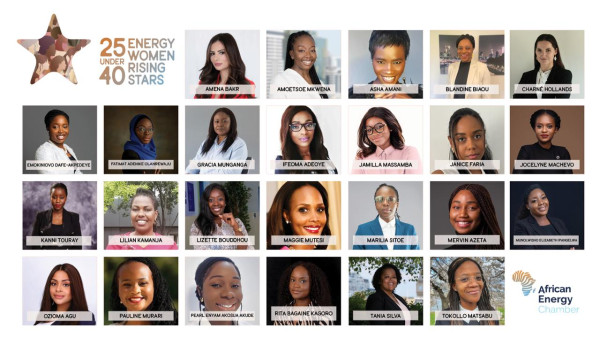
As Africa's energy sector continues to grow, a new generation of women is breaking barriers and redefining leadership in this critical industry. The African Energy Chamber (AEC) (www.EnergyChamber.org) proudly announces the 2024 edition of the 25 Under 40 Energy Women Rising Stars – a group of outstanding individuals whose innovation, perseverance and passion are transforming the landscape of African energy. These trailblazers are not only reshaping a traditionally male-dominated field but are also playing a vital role in the journey to end energy poverty by 2030. The AEC proudly honors these women as they lead the charge toward a more sustainable and equitable energy future.
In alphabetical order:
Amena Bakr, Senior Research Analyst, Energy Intelligence
Amena Bakr is a Senior Research Analyst at Energy Intelligence. Specializing in the energy transition, corporate strategy and market analysis, Bakr leads insights on oil markets, OPEC policies and political trends in the Middle East and Gulf Arab region. Her previous roles include Chief OPEC Correspondent and Dubai Deputy Bureau Chief, where she earned accolades such as the OPEC Award for Best Journalist and the IAEE Excellence in Written Journalism Award. Bakr holds a BA in Business Administration from the Arab Academy for Science, Technology & Maritime Transport, Egypt.
Amoetsoe Mkwena, Senior Associate, Watson Farley & Williams (Middle East)
Amoetsoe Mkwena is a Senior Associate at Watson Farley & Williams, specializing in energy and infrastructure with a focus on Africa. She advises on international projects, including the $15 billion Simandou project in Guinea. Mkwena's expertise includes power, renewables, oil and gas, and mining. Her legal skills and ability to bridge cultural divides make her a key player in Africa's energy sector.
Asha Amani, General Manager, INTERAFCON
Asha Amani is the General Manager at INTERAFCON, where she blends strategy and leadership to drive growth in complex energy projects. With seven years in Industrial Engineering and five years in the energy sector, Amani excels in business strategy, opportunity identification and project management. Her previous role as a Business Development Consultant at Tetco Consulting focused on delivering tailored solutions for the energy, engineering, and construction sectors.
Blandine Biaou, Geological Engineer, Head of Research and Prospection Department, SNH-Benin
Blandine Biaou, Head of the Research and Prospection Department at SNH-Benin, specializes in hydrocarbon exploration. She has optimized Benin's energy sector through resource management and contract revisions. Biaou has developed a modern data center and interactive database, contributing to national projects and representing Benin in international conferences, positioning it as a hydrocarbon hub.
Charné Hollands, Deputy Editor, Energy Capital & Power
Charné Hollands is the Deputy Editor at Energy Capital & Power, the leading investment platform for the African energy sector. She produces content on the entire energy value chain in Africa, with a focus on oil, gas, renewable energy and energy policy. Hollands holds a Master's in Media Studies from the University of Cape Town and has co-authored African Energy Chamber: Road to Recovery.
Emokiniovo Dafe-Akpedeye, Managing Partner, Compos Mentis Legal Practitioners
Emokiniovo Dafe-Akpedeye, a leading dispute resolution lawyer, specializes in complex oil and gas cases. She has represented Shell Petroleum and serves as company secretary for the Ebendo Host Community Trust Board. With degrees from Oxford and Bristol, she shapes oil and gas law and is implementing digital solutions to streamline board operations.
Fatimat Adenike Olanrewaju, General Field Engineer, SLB
Fatimat Adenike Olanrewaju, a Chemical Engineering graduate, is a General Field Engineer at SLB, focusing on wellhead installations and emissions reduction. She excels in a male-dominated field and leads community service through SLB's SEED initiative, advocating for gender diversity and mentoring.
Gracia Munganga, Senior Technical Advisory, ABT Global
With a Master's degree in Chemical Engineering from the University of Cape Town, Gracia oversees operations for the company, which has been designing and commissioning solar PV systems across sub-Saharan Africa since 2018. Her career includes roles at GreenCape, Anaergia Africa, the Climate Innovation Centre South Africa (CIC-SA), and the Carbon Trust.
Ifeoma Adeoye, CEO, IMSE Energy Resources Limited
Ifeoma Adeoye, CEO of IMSE Energy Resources Limited, leads the company in EPCI services and innovative crude evacuation technology. A graduate of the University of Manchester and Warwick, she also founded Business Nest Investments and BNI Insurance Brokers Limited, to empower and protect people and businesses through microfinance and insurance.
Jamilla Massamba, Health Safety and Environment Manager, SLB Congo
Jamilla Massamba, Health, Safety & Environment Manager at SLB Congo, leads HSE initiatives across Africa. With a Master's in Environmental Management Sciences, she has conducted over 100 audits and received awards for her work. Massamba also mentors young women in STEM and leads green energy projects.
Janice Faria, CEO, Enagol: Energias de Angola
As CEO of Enagol, Janice Faria has elevated the company's national and international profile. Under her leadership, Enagol competes globally and services International Oil Companies, setting a precedent for local enterprises in the global market.
Jocelyne Machevo, Communication, Commercial & Marketing Manager, Vivo Energy Mozambique
Jocelyne Machevo, formerly with Eni Mozambique, played a key role in the Coral FLNG Project and led the company's local brand transformation. Now at Vivo Energy Mozambique, she focuses on energy transition and decarbonization projects.
Lilian Kamanja, Electrical Engineer, Kenya Power
Lilian Kamanja is a Renewable Energy Specialist at Kenya Power with over nine years of experience in electrical engineering, network operations, and renewable energy development. She holds a BSc from the University of Nairobi and an M.Tech from IIT Delhi, focusing on renewable energy projects that enhance power accessibility and reliability.
Kanni Touray, Deputy Director General, Petroleum Commission, The Gambia
Kanni Touray, The Gambia's youngest and first female Deputy Director General at the Petroleum Commission, has enhanced the organization's efficiency and visibility. She champions sustainable development and energy transition, positioning The Gambia as a growing player in the global energy market.
Lizette Bouddhou, Human Resources Manager, SLB Congo and Gabon SLB
Lizette Bouddhou, HR Manager at SLB Congo and Gabon, drives diversity and workforce development. She leads recruitment and training initiatives, boosts employee engagement, and advances community outreach through educational partnerships, supporting women in STEM.
Maggie Mutesi, Managing Editor, Mansa Media
Maggie Mutesi is the Managing Editor at Mansa Media, with over 15 years of experience in major media outlets including CNN, BBC and CNBC. Her reporting spans over 30 African countries, focusing on trade and investments. At the BBC, she managed BBC Africa's daily live program, Money Daily. Mutesi has also extensively covered the Africa Continental Free Trade Agreement, working with the African Union and Afrochampions Initiative to enhance awareness among Africa's private sector.
Marilia Sitoe, Subsea Engineer, Eni Rovuma Basin
Marilia Sitoe, a Subsea Engineer at Eni Rovuma Basin, focuses on optimizing Mozambique's gas sector. Her work includes deep-water gas production and subsea infrastructure for Coral South FLNG. Sitoe's research supports Mozambique's economic growth and sustainability goals.
Mervin Azeta, Engineer, SLB
Mervin Azeta, a leader at SLB, has advanced from field engineer to corporate strategist. Recognized for her impact on African communities and the global industry, she is active in non-profit boards and connects young Africans with top leaders, fostering learning and inspiration.
Munolwisho Elizabeth Ipangelwa, Green Hydrogen Advisor, GIZ
Munolwisho Elizabeth Ipangelwa, Green Hydrogen Advisor at GIZ, advocates for women in oil and gas and green hydrogen development in Namibia. She has educated over 200 Namibians and leads green industrialization studies to boost local industries and reduce youth unemployment.
Ozioma Agu, Partner, Stren & Blan Partners
Ozioma Agu, a Partner at Stren & Blan Partners, excels in high-profile energy and infrastructure transactions. Her work includes advising on Mobil and Shell divestments and renewable projects. Agu has earned awards for her expertise in oil and gas and green hydrogen.
Pauline Murari, Contracts Manager SLB Angola, Central and East Africa
Pauline Murari, Contracts Manager at SLB, is known for her negotiation skills and leadership. She has driven growth in SLB's regional portfolio and contributed to projects like the East African Crude Oil Pipeline. Murari supports STEM education and local development.
Pearl Enyam Akosua Akude, Business Line Job Delivery Lead, SLB
Pearl Enyam Akosua Akude, with over 35 wells drilled, is a leader in the energy sector. She handles complex projects, trains engineers, and has contributed to innovations like TerraSphere and Net Zero Development in Africa, impacting the region's energy landscape.
Rita Bagaine Kagoro, Talent Acquisition Manager SLB: Angola, Central and East Africa
Rita Bagaine Kagoro, a Ugandan Petroleum Engineer, has seven years of experience and holds degrees from China University of Petroleum and Delft University of Technology. Her roles include Measurements and Logging While Drilling Engineer and Drilling Product Engineer. Kagoro has innovated drilling technologies to enhance efficiency and reduce CO2 emissions. She is passionate about leadership, mentorship, and advocating for diversity in hiring and women in energy.
Tania Silva, CEO, Angola LNG Marketing
Tânia Silva is the CEO of Angola LNG Marketing, the company's first female and youngest CEO. She oversees LNG sales, liquids contracts, and the shipping fleet. Previously, Silva was Head of Non-Operated Assets at Sonangol Gás e Energias Renováveis, S.A., where she managed non-operated assets and contributed to renewable energy projects. Her career is marked by leadership and innovation in the energy sector.
Tokollo Matsabu, Women Leader in Energy & Climate Fellow, Atlantic Council
Tokollo Matsabu is a 2024 Women Leaders in Energy and Climate Fellow and Director at Patlong Advisory, a consulting firm focused on energy programs and carbon sequestration in Africa. She is pursuing an MS in Global Energy and Climate Policy at the University of London's School of Oriental & African Studies, with a focus on critical minerals. Matsabu has a background in financial journalism and has conducted risk analyses for various stakeholders in the Global South. She holds a Bachelor's degree in International Relations, Media and Writing from the University of Cape Town.
Distributed by APO Group on behalf of African Energy Chamber.
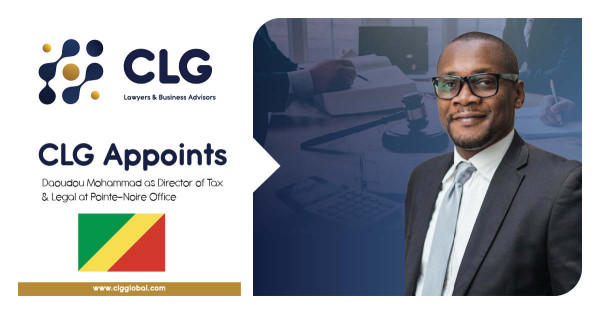
Supporting clients operating in the CEMAC region, trusted legal adviser Daoudou Mohammad has been appointed as Director of Tax & Legal at CLG's Pointe-Noire office (www.CLGGlobal.com). Mohammad brings a wealth of demonstrated expertise that will be instrumental to the law firm's Africa-wide practices, as the Republic of Congo and wider Central African region sees rapid growth in the energy sector.
Mohammad holds over 15 years of experience in business and tax law, developing a solid competence in handling complex legal issues and providing effective client support. Prior to joining CLG, Mohammad served as Senior Manager at PwC's Tax & Legal Department in Pointe-Noire, managing the tax and legal coordination center for Francophone African countries, supervising quality and risk management operations, ensuring legal due diligence and supervising restructuring operations for groups of companies – including mergers and acquisitions and company transfers – among other key responsibilities.
Having also held a managerial role at PwC's South Africa office, Mohammad maintains an in-depth knowledge of different international systems and compliance with the highest standards of practice and service delivery, adapting to varied legal and cultural environments. Specializing in business, tax and labor law, as well as foreign exchange regulations and intellectual property, his multidisciplinary background represents a major asset to CLG and will enable the provision of integrated solutions to client needs and up-to-date advice on the latest legislative and regulatory developments. Mohammad holds a dual Master's Degree in Intellectual Property Law and Business Law from Cameroon's University of Yaoundé II.
The Republic of Congo is in the midst of a major investment drive, as it aims to accelerate oil and gas exploration and transform into a major LNG hub on the back of multiple large-scale LNG export projects and new exploration and appraisal drilling activities. To attract further investment and streamline regulatory processes, the country is launching a comprehensive gas code, recently approved a new Gas Master Plan led by national oil company Société nationale des pétroles du Congo, and plans to establish a dedicated national gas company. As a result, specialized tax, legal and regulatory advisory expertise is needed by companies operating in the Congo to navigate evolving energy sector legislation.
CLG represents an experienced team of legal professionals, offering an in-depth understanding of African markets and a flexible and innovative approach to meeting the diverse needs of its clients. Serving as the preferred professional services partner in Africa, CLG is equipped to offer on-the-ground support across multiple sectors and has a rich history of spearheading transformative oil and gas transactions across the continent, providing top-tier legal services and strategic advice to clients across the energy spectrum, and guiding clients through complex regulatory landscapes and contractual negotiations. In addition to the Republic of Congo, CLG operates in South Africa, Nigeria, South Sudan, Mauritius, Ghana, Cameroon, Equatorial Guinea, Mozambique and Germany.
“Navigating local laws, including taxation on oil and gas revenues, production-sharing agreements, and environmental regulations, demands thorough understanding to ensure compliance and optimize returns. We are excited to have Daoudou Mohammad head up CLG's tax and legal services in Pointe-Noire, who offers expert guidance on mitigating risks, avoiding costly legal disputes, and ensuring that investments are structured to meet both local obligations and international standards,” states Zion Adeoye, CEO of CLG.
Distributed by APO Group on behalf of CLG.
Eskom, Sasol sign gas MoU
Eskom and energy and chemical company, Sasol, have signed a Memorandum of Understanding (MoU) to “collaboratively explore and research potential future liquified natural gas (LNG) requirements”.
This is according to a joint statement released by the two companies, following the signing ceremony of the MoU on Friday.
“The collaboration aims to determine the potential volumes that South Africa requires to establish a viable LNG import market, along with the enabling infrastructure, and will be facilitated by government-to-government relations where necessary.
“This initiative focuses on using gas for power generation to provide essential base load electricity and position gas as a key enabler of re-industrialisation, while also ensuring continued supply to the market by unlocking global LNG resources.
“Furthermore, the collaboration will contribute to enhancing South Africa’s energy mix and enable the country’s energy transition and decarbonisation,” the joint statement read.
The MoU is expected to “explore sourcing gas within South Africa, the Southern African Development Community region, and other parts of the African continent, in addition to evaluating long-term LNG contracting”.
“This will support the gas requirements for Eskom’s planned coal power station repowering and conversion to gas in the long term. The parties will also engage other state entities to enable an LNG value chain in South Africa.
“As part of its revised gas strategy, Sasol is working on enabling the future supply of LNG to South Africa by collaborating with companies such as Eskom, existing and future customers, suppliers, and infrastructure developers.
“The research findings from the first phase of the Sasol-Eskom collaboration will guide the necessary role players and investors required to offer the best prospects for South Africa’s energy market, while outlining the challenges associated with the long-term commitments required for LNG imports,” the statement said.
Speaking at the signing ceremony, Minister of Energy and Electricity, Dr Kgosientsho Ramokgopa, explained the importance of the collaboration between two of South Africa’s biggest energy related companies.
“We have made it clear that we are serious about LNG solutions for the country, and that our demand for gas across both industrial and energy frontiers will unlock these solutions.
“This collaboration between our two energy champions – one public, one private – will provide a data-driven and commercially sound basis for gas-fed industrialisation and for us to explore the well-worn path to lower carbon energy that the global north has already taken by scaling gas to power.
“Gas has emerged as the second-largest contributor to global electricity production, experiencing rapid growth as many countries shift from coal to gas in their energy mix to enable positive implications for climate change, as gas typically emits less CO2 per unit of energy,” Ramokgopa said.
Eskom Group Chief Executive, Dan Marokane, said the two companies can collaborate to work on the transition to lower carbon methods.
“We have a great deal of experience as the two largest users of coal in South Africa and we felt by working together we could accelerate the climate change transition in a responsible way which sets the country up for the best economic, environmental and social outcomes and addresses the imminent gas supply shortfall.
“Eskom is focused on a balanced and diversified energy mix based on existing coal and nuclear and introducing gas for baseload power, as well as renewables, energy storage systems including batteries and pumped hydro, to achieve overall security of supply and to meet and exceed rapidly expanding energy demand,” Marokane said. – SAnews.gov.za
NeoB
Fri, 09/20/2024 - 14:15