• Skip to main content
  • Skip to header right navigation
  • Skip to after header navigation
  • Skip to site footer
MyZA

MyZA

News, Directory, Events and Other Stuff

  • Social Media
  • Sport
  • World News
  • Home
  • Submit News
  • Directory
  • Events
  • Stratlec
  • TFSA
  • News
    • APO
    • Today’s Sport News
    • Todays Social Media and Tech Headlines
    • Today’s World News
    • Today’s SA Financial News
  • Contact
You are here: Home / Archives for production

production

13 August 2024

Turning Ordinary Events into Unforgettable Experiences

Location: Entertainment, MyPR

Event management has evolved significantly over the years, becoming a sophisticated blend of creativity, technology, and meticulous planning. At the forefront of this evolution is a pioneer in turning ordinary events into extraordinary experiences.    The Art of Event Management Event management is more than just coordinating logistics; it’s about creating unforgettable experiences. Experts in …

Read moreTurning Ordinary Events into Unforgettable Experiences
13 August 2024

MultiChoice Talent Factory 2025 Calls for Entries

Location: News
MultiChoice Group

MultiChoice Talent Factory (www.MultiChoice.com) is thrilled to announce that it's once again calling upon all aspiring filmmakers, scriptwriters, producers, and storytellers to apply for entry into the 2025 fully funded academic year.  

Whether you're a young professional looking to change careers and expand your horizons or a newcomer eager to make your mark in the TV & Film industry, MTF welcomes applicants from all backgrounds across the 13 countries in Africa: Nigeria, Ghana, Uganda, Kenya, Ethiopia, Tanzania, Zambia, Botswana, Namibia, Angola, Mozambique, Zimbabwe and Malawi.  

Since its inception in 2018, MTF has welcomed 60 students each year giving them an opportunity to reach their dreams and to unleash their potential by providing a platform that nurtures and develops talent across the continent, providing opportunities for growth, networking and success in the entertainment industry.

Through a series of rigorous training programs, MTF believes in using hands-on approach and mentorship from industry experts. Participants not only get a chance to sharpen their craft but also gain invaluable insights into the business of filmmaking. Imagine being chosen as one of the participants to learn from some of the industry's best minds and gaining practical experience in areas such as cinematography, sound design, editing, and more. MTF gives you all these opportunities and does not stop there.

At the end of the programme, top performing students from each academy will get further training, mentorship and internship opportunities with MTF global partners, such as the New York Film Academy (NYFA), Indian-based platform Zee World and will get an opportunity to work on productions in South Africa. Upon completion students receive accredited and recognised qualification and get a chance to produce and direct short films showcased on MultiChoice platforms. 

All these initiatives are indicative of MTFs commitment to supporting MultiChoice's content selection of delivering exciting local content, which is rich in culture. Africa has many untold stories and by investing in African talent, MultiChoice gets to uncover and showcase these stories by supporting MTFs students, giving them necessary skills and the platform to produce content that resonates with Africans and the global market. Through this support, MTF alumni's have achieved phenomenal success in their productions.

Just last year, five alumni secured nominations across three categories at the 2023 Africa Magic Viewers' Choice Awards (AMVCA). In addition to this, Many MTF alumni occupy significant industry roles across the continent, working as directors, producers, sound designers, camera operators, art directors, scriptwriters and editors on major African productions which include Salem, Tempted, Engaito, Mvamizi, Mum vs Wife, Makofi, County 49 and many others. Habtamu S. Mekonen, MTF student from the East Africa Academy in Nairobi, Kenya, recently won an International Emmy Award for a short film that he produced and directed. The success of MTF is best illustrated by the feature films produced by its students. The films highlight the talents and creativity of participants and demonstrate the programme's profound impact.

MTF also fosters entrepreneurial spirit, giving young people the confidence to start their own projects and businesses. To date, thirty of its alumni have registered production houses, creating employment opportunities and contributing to the economy. The knowledge and skills imparted by MTF empowers graduates to be catalysts for economic growth and cultural enrichment in their communities.

Applications are now open and will close on 15 September 2024. Interested candidates can visit https://apo-opa.co/4cjKojb to submit their entries and learn more about the program's requirements.

Are you ready to unleash your talent and step into the spotlight as one of the next generation of filmmakers? Don't miss out on this incredible opportunity to ignite your career in film and television with MultiChoice Talent Factory.

Take the first step towards realising your dreams and apply now.

Your journey to success starts here!

Distributed by APO Group on behalf of MultiChoice Group.

Media files
MultiChoice Group
Download logo
Read moreMultiChoice Talent Factory 2025 Calls for Entries
13 August 2024

African Energy Chamber (AEC) Condemns Dialogue Earth’s Brash Attempt to Use an African Voice to Demonize African Oil and Gas

Location: News
African Energy Chamber

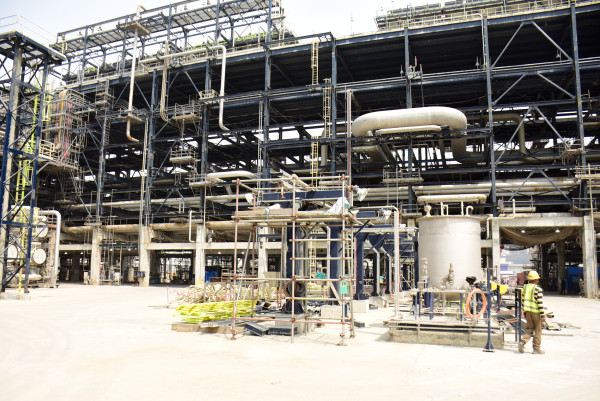
Independent non-profit organization Dialogue Earth has been accused of attempting to mobilize a smear campaign against Africa's largest refinery - the 650,000 barrels per day Dangote Refinery. The NGO allegedly contacted Nigerian journalist David Hundeyin to produce an article stating that the refinery raises questions about the country's climate ambitions while assessing the implications of increased fossil fuel utilization in Nigeria. In a statement released on X, Hundeyin highlights the article for what it is: an attempt by a western NGO to use an African voice to endorse energy poverty in Africa.

Representing the voice of the African energy sector and a strong advocate for African voices, the African Energy Chamber (AEC) strongly condemns the dirty tactics employed by Dialogue Earth to hire Africans and use them to destroy their own oil and gas industry. The AEC has long-promoted the critical role oil and gas plays in driving economic development and advancing clean-fuel utilization in Africa. Projects such as Dangote – Nigeria's first large-scale refinery – stand to transform West Africa by reducing the reliance on imported fuel, increasing the availability of clean and locally-sourced petroleum while creating jobs and business opportunities. The Dialogue Earth campaign is a clear demonstration of how the west is demonizing the industry and preventing any meaningful progress to alleviate energy poverty in Africa.

Dialogue Earth allegedly offered Hundeyin USD $500 to write the article, with the brief highlighting several contradictions and areas of concern. Firstly, Dialogue Earth allegedly shared that the purpose of the article was to identify the environmental implications of the Dangote Refinery on Nigeria, particularly within the context of the country's energy transition. However, Nigeria has strongly advocated for the role oil and gas plays in its transition, advocating for a just transition whereby the country can reduce emissions in a way that protects the economy and reduces energy poverty. As one of the biggest oil producers in Africa, Nigeria considers oil and gas to be central to creating the conditions by which the country can transition. As the industry grows, it will generate revenue, strengthen economic activities while promoting low-carbon fuel production.  As such, the refinery plays an intrinsic part in the Nigerian energy transition, despite what Dialogue Earth is attempting to state.

Secondly, the brief allegedly includes objectives such as investigating the environmental consequences of the refinery within the context of its adherence to emission standards. As Hundeyin so aptly writes in his statement, Nigeria has long-faced that challenge of relying on imported petroleum, owing largely to the lack of facilities such as Dangote. This has led to West African fuel cargoes – refined internationally ­– featuring toxic waste and sulfur content that is 200 times the European legal limit. Through the Dangote Refinery, Nigeria will not only be able to reduce its reliance on imported petroleum but put in place clear restrictions regarding sulfur content, thereby promoting environmental protection. Yet Dialogue Earth doesn't seem to care about toxic fuel, only that a refinery that will transform West Africa is put to rest.

The story also aims to explore the geopolitical implications of Nigeria's growing oil industry and the motivations of the refinery. This is ironic given the lack of recognition by Dialogue Earth to the critical role the refinery plays in developing the economy, contributing to global fuel stability while strengthening the energy industry in Nigeria. This attempted smear campaign shows that NGOs such as Dialogue Earth are only advocating for climate change when it suites them and that they have no problem keeping Africa in the dark, using African voices to do so.

“The AEC fully supports Hundeyin and commends him for standing up against Dialogue Earth. We are wholly against a western NGO trying to use African voices to advance their own biased agenda. The attempt to get a well-known Nigerian journalist to effectively endorse such a smear campaign shows a cowardly approach by the western NGO to try and destroy the African oil and gas industry, all because they can't do it with their own names or organizations,” stated NJ Ayuk, Executive Chairman of the AEC. 

The recent attempt by Dialogue Earth is just one of the many attempts by western-based and funded NGOs to stop oil and gas projects in Africa. From the East African Crude Oil Pipeline in Uganda to offshore exploration in South Africa to LNG projects in Mozambique, such organizations appear committed to restricting access to energy in Africa.

“We have seen how African crude oil has been treated, how funding for Mozambique LNG has been treated, how the west has constantly attacked South Africa as it tries to develop it its natural gas and how they have constantly attacked other gas projects and cut off financing. These tactics are hurtful to African development, our fight against energy poverty and to young people that want to build strong democracies,” added Ayuk.

Distributed by APO Group on behalf of African Energy Chamber.

Media files
African Energy Chamber
Download logo
Read moreAfrican Energy Chamber (AEC) Condemns Dialogue Earth’s Brash Attempt to Use an African Voice to Demonize African Oil and Gas
13 August 2024

African Energy Week (AEW) 2024 Launches Upstream Oil & Gas Forum Amid African Liquefied Natural Gas (LNG) Market Expansion

Location: News
African Energy Chamber

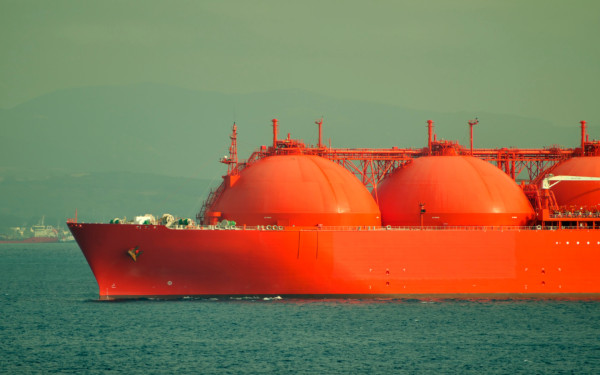
Africa's upstream oil and gas sector is attracting substantial investments, with an $800-billion capital expenditure program focusing on LNG alongside traditional deep-water oil projects currently underway. This investment cycle is expected to boost Africa's LNG production capacity at a time when global gas demand is on the rise.

Responding to this environment, African Energy Week (AEW): Invest in African Energy 2024 will host a two-day Upstream Exploration & Production (E&P) Forum spotlighting Africa's LNG prospects. The forum will feature a series of strategic sessions and presentations, highlighting major LNG and floating LNG (FLNG) developments and investment opportunities shaping the sector.

AEW: Invest in African Energy is the platform of choice for project operators, financiers, technology providers and government, and has emerged as the official place to sign deals in African energy. Visit www.AECWeek.com for more information about this exciting event.

Mozambique is at the forefront of Africa's LNG growth, with the $20-billion Mozambique LNG project led by TotalEnergies set to produce 12.8 million tons of LNG per annum by 2028. Eni's second FLNG production project in the country – Coral Norte – and ExxonMobil's Rovuma LNG development are anticipated to reach FID by 2025. The country achieved natural gas sales of $1.7 billion in revenue in 2023, mostly driven by the start up of the Coral Sul FLNG project in November 2022.

The Nigeria LNG (NLNG) Train 7 expansion project is approaching completion, set to boost the country's LNG capacity by 35%, adding roughly 8 million tons per annum. The project is part of Nigeria's broader strategy to enhance its LNG production capabilities to meet both local and regional demand. In June 2024, the Nigerian National Petroleum Corporation signed a Project Development Agreement (PDA) with marine infrastructure company Golar LNG to deploy a FLNG vessel in the offshore Niger Delta region. The PDA plans to monetize 400-500 million standard cubic feet of gas per day, producing LNG, LPG and condensate, with FID expected by Q4 2024.

Under the Upstream E&P Forum, a session on The Demand Economics Driving the Growth of African LNG and FLNG will explore Africa's LNG portfolio, shedding light on supply and demand dynamics and future investment opportunities. Speakers will include Managing Director & General Manager of Eni Rovuma Basin Marica Calabrese, Africa Finance Corporation Vice President Taiwo Okwor, and senior representatives from Golar LNG, Angola LNG, and UTM Offshore.

In West Africa, Equatorial Guinea is also establishing itself as a major LNG player through its Gas Mega Hub (GMH) initiative, which aims to pool regional gas resources to become a central hub for gas processing, liquefaction and distribution. Last October, US oil and gas company Marathon Oil entered into an LNG sales agreement with commodity trader Glencore for Equatorial Guinea's Alba field, positioning the company for the GMH's next phase of development. Meanwhile, the Greater Tortue Ahmeyim (GTA) LNG project, spanning Mauritania and Senegal, is set to reach first production by Q4 2024, with a capacity of 2.3 million tons per year.

In southern Africa, Angola's LNG market is also growing, launching the second phase of the Falcão natural gas project last December, as well as developing the country's first non-associated gas development project in Soyo. South Africa's Virginia Phase 2 project is set to produce commercial quantities of LNG and liquid helium, with a capacity of 670,000 cubic meters of LNG per day. Meanwhile, the country's Port of Ngqura FLNG project involves the installation of a floating storage and regasification unit, gas-to-power infrastructure, cryogenic pipelines and a terminal for processing, storing, on-site exploitation and distribution of gas acquired from the country's on- and offshore fields.

A session on The Game Changer: Examining African Gas will outline Africa's natural gas reserves, production capacities, infrastructure development and export potential, highlighting potential for transitional energy, power generation and diversified growth. The session will feature senior representatives from Equatorial Guinea's national oil company (NOC) GEPetrol, Seplat Energies, and Mozambican NOC Empresa Nacional de Hidrocarbonetos.

With these developments on the horizon, Africa's leading upstream markets are positioning themselves as key players in the global LNG industry. AEW: Invest in African Energy 2024 will provide a pivotal platform for stakeholders to engage in discussions, forge partnerships and explore new opportunities within Africa's growing LNG sector.

Distributed by APO Group on behalf of African Energy Chamber.

Media files
African Energy Chamber
Download logo
Read moreAfrican Energy Week (AEW) 2024 Launches Upstream Oil & Gas Forum Amid African Liquefied Natural Gas (LNG) Market Expansion
13 August 2024

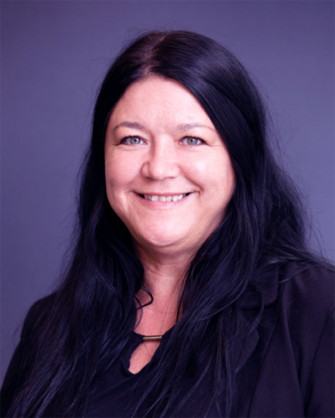
Absa’s Webber to Highlight Environmental Social Governance (ESG) and Investment Trends in African Critical Minerals at Critical Minerals Africa (CMA) 2024

Location: News
Energy Capital & Power

Mining company African Rainbow Minerals (https://apo-opa.co/46M4tND) reached an agreement last September with financial services company Absa – along with finance institutions Standard Bank, the Development Bank of South Africa and Nedbank – to provide finance for the construction of a 132 MW solar project. The move is set to provide renewable energy to platinum mining projects in South Africa through power purchase agreements (PPAs). 

To support the growth of South Africa and Africa's critical mineral industry, Absa is participating in this year's Critical Minerals Africa (CMA) 2024 summit. Shirley Webber, Coverage Head of Resources & Energy at Absa Corporate and Investment Banking – an Absa subsidiary –, will discuss the firm's contributions and investment strategy in the African critical mineral sector. 

The Critical Minerals Africa 2024 summit on November 6-7 serves to position Africa as the primary investment destination for critical minerals. The event is held alongside the African Energy Week: Invest in African Energy 2024 conference on November 4-8, offering delegates access to the full scope of energy, mining and finance leaders in Cape Town. Sponsors, exhibitors and delegates can learn more by contacting sales@energycapitalpower.com. 

Absa is a major player in Africa's critical mineral industry, providing direct financing to project developers, while supporting critical mineral mining projects through long-term PPAs. The institution is arranging a $120 million debt facility to support platinum group metal (PGM) mining firm Pensana's (https://apo-opa.co/4fTeBZo) strategy to achieve first PGM production in South Africa by 2025. Absa also partnered with French financial services firm Société Générale in March 2023 to raise $130 million in funding to support PGM and chrome-producer Tharisa (https://apo-opa.co/46HEd76) with its mining operations in South Africa. 

Absa has positioned itself as a key driver of environmental social governance (ESG) and skills and capacity building within Africa's critical mineral sector as the global mining industry prioritizes environmental sustainability and local content development. In May 2023, Absa closed a $562.4 million sustainability-linked green bond for mining firm Harmony Gold, enabling the company to expand production and reduce its carbon footprint at its gold and copper projects across Africa. As such, Webber is expected to use the CMA 2024 platform to highlight how Absa is driving ESG projects across Africa's critical mineral sector. 

“Companies like Absa have positioned themselves as key enablers of Africa's critical mineral industry growth by simplifying access to capital for project developers. As demand for Africa's energy transition metals grows and global markets prioritize environmental sustainability, the capital and ESG expertise provided by Absa will be crucial,” stated Rachelle Kasongo, Project Director at CMA 2024 organizer Energy Capital & Power. 

Distributed by APO Group on behalf of Energy Capital & Power.

Media files
Energy Capital & Power
Download logo
Read moreAbsa’s Webber to Highlight Environmental Social Governance (ESG) and Investment Trends in African Critical Minerals at Critical Minerals Africa (CMA) 2024
12 August 2024

Revitalising Hair Health:Laser Hair Growth Treatments

Location: MyPR

Understanding Laser Hair Growth Treatment Hair growth light therapy, or laser hair growth treatment, has become increasingly popular for addressing hair loss issues. This non-invasive treatment uses low-level laser therapy (LLLT) to stimulate hair follicles, promoting hair growth and preventing further hair loss. The procedure involves exposing the scalp to red light, which penetrates the …

Read moreRevitalising Hair Health:Laser Hair Growth Treatments
8 August 2024

Africa’s Energy Sector to Litigate Banks and Financiers for Financial Apartheid in Oil and Gas Sector

Location: News
African Energy Chamber

In recent years, several Western banks and financial institutions have implemented policies aimed at reducing support for fossil fuel projects, especially in Africa. This has led to a sharp decline in investment in the continent's oil and gas industry, a sector that is crucial for its economic future and energy needs. The African Energy Chamber (AEC) (https://EnergyChamber.org) argues that these institutions are practicing “financial apartheid,” arguing that while similar projects receive support in Europe, Africa's high-cost energy projects are being neglected.

The decline in investment is already having a noticeable impact, exacerbated by global shifts towards cleaner energy and prioritizing of ESG practices. Major international oil companies are reducing their presence in Africa. For instance, Equinor has withdrawn from offshore exploration in South Africa and ExxonMobil has exited a deep-water oil prospect in Ghana. This decline is contributing to a bleak outlook for Africa's energy sector.

“As the international community moves to boycott investments in the African energy sector, African people and African development stand to suffer,” says NJ Ayuk, Executive Chairman of the AEC. “The role of oil in Africa's energy and economic future is apparent, and consequently, should be defended as Western elites move to disrupt African progress.”

The broader implications of financial divestment are profound. Many African governments rely on fossil fuels as a cost-effective means to alleviate energy poverty and boost state revenues. However, the increasing pressure on financial institutions to cut funding for high-carbon projects creates uncertainty about the future of Africa's energy sector.

The International Energy Agency (IEA) has added to these challenges with its calls to cease funding for oil and gas projects, highlighting a disparity: while natural gas is considered a ‘green' energy source for Europe, it does not receive the same treatment in Africa. According to Ayuk, “The IEA has lost its relevance and its authority.” Originally focused on managing oil supply disruptions, the IEA now prioritizes policies aimed at achieving net-zero emissions by 2050. Its 2019 projection that no new investments in oil, gas, or coal are needed if the world continues on this path has been particularly controversial.

Several key African projects are at risk due to the withdrawal of financial support. Significant initiatives like TotalEnergies' Mozambique LNG project, ExxonMobil's Rovuma LNG project, Nigeria's Train 7 LNG expansion, Senegal's Sangomar oil field, Uganda's Tilenga project and the East African Crude Oil Pipeline (EACOP) require substantial financing to advance.

Despite these setbacks, some projects are progressing. TotalEnergies is advancing its $20 billion Mozambique LNG project, aiming to develop the Golfinho and Atum fields with a production capacity of 12.88 million tonnes per year. Eni's Coral South FLNG project in Mozambique has achieved a production capacity of 3.4 million tonnes per year. Additionally, the Greater Tortue Ahmeyim (GTA) LNG project, which started gas production in November 2022, is being developed by bp, Kosmos Energy and the national oil companies of Senegal and Mauritania. This project includes an FLNG facility with an initial capacity of 2.5 million tonnes per year.

Meanwhile Nigeria's Train 7 project, an expansion of the existing NLNG facility on Bonny Island, aims to boost production by 8 million tonnes per year, bringing the total to about 30 million tonnes per year. This development is crucial for Nigeria's growing population and its ability to meet its energy needs.

However, delays persist. The Tanzania LNG project, involving Equinor and Shell, is stalled due to proposed government changes. UTM Offshore's FLNG project in Nigeria, initially planned for 2023, has been postponed. Additionally, the EACOP faces significant criticism from financiers and environmental groups, complicating its development and financing.

Namibia, experiencing heightened interest from recent oil discoveries, is facing delays with the Kudu Conventional Gas Development. The Kudu Gas Project, an offshore initiative, has faced setbacks related to financing and project development challenges. As a result, the project is still pending FID and anticipated to commence production by 2026.

“Today, African Energy Poverty numbers are skyrocketing. Nine hundred million Africans lack access to clean cooking technologies, while 600 million lack access to electricity, most of them women. African families are facing high energy cost and inflation is going up,” Ayuk emphasizes. “It is shocking that financial institutions that do business in Africa continue to practice financial apartheid by cutting off capital and financing to oil and gas companies operating in Africa because of climate concerns. These same institutions fund gas development in Europe, where natural gas is deemed green and a fossil fuel for Africans.”

The disparity in financing not only undermines Africa's ability to harness its natural resources for its development but also perpetuates a cycle of energy deprivation. The AEC urges a re-evaluation of this approach and calls on global financiers to support Africa's energy projects, recognizing their critical role in advancing economic development, enhancing energy security, and improving living standards across the continent.

Distributed by APO Group on behalf of African Energy Chamber.

Media files
African Energy Chamber
Download logo
Read moreAfrica’s Energy Sector to Litigate Banks and Financiers for Financial Apartheid in Oil and Gas Sector
8 August 2024

Eswatini Joins Critical Minerals Africa (CMA) 2024, Following Launch of Critical Mineral Mapping Program

Location: News
Energy Capital & Power

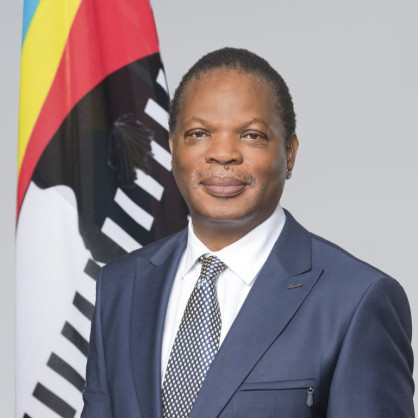
Following the launch of the second phase of its critical mineral mapping program, Eswatini is seeking foreign partners to support mineral exploration and extraction activities. To showcase opportunities across the sector, HRH Prince Lonkhokhela, Eswatini's Minister of Natural Resources and Energy, will speak at the upcoming Critical Minerals Africa (CMA) (www.CriticalMineralsAfrica.com) 2024 summit in Cape Town, joining African ministers including Martin Gama Abucha, Minister of Mining of South Sudan; Monica Chang'anamuno, Minister of Mining of Malawi; and Louis Kabamba Watum, Minister of Industry and the Development of SMEs of the Democratic Republic of the Congo.

As a frontier mining market, Eswatini is currently engaged in various programs to accelerate the exploration of its critical minerals (https://apo-opa.co/3yzeZvd). In December 2023, the Geological Survey of Eswatini, in partnership with South Africa's Council for Geoscience, launched the second phase of a joint geoscience mapping program. The initiative, which leverages AI-based techniques, aims to locate and map the country's critical mineral resources, marking a significant milestone in regional collaboration to advance sector growth. To date, the country produces minor quantities of aggregate, coal, gold and iron ore.

The Critical Minerals Africa 2024 summit on November 6 - 7 serves to position Africa as the primary investment destination for critical minerals. The event is held alongside the African Energy Week: Invest in African Energy 2024 conference (www.AECWeek.com) on November 4 - 8, offering delegates access to the full scope of energy, mining and finance leaders in Cape Town. Sponsors, exhibitors and delegates can learn more by contacting sales@energycapitalpower.com.

“Eswatini represents a promising yet untapped critical minerals market. Recent mapping programs have identified mineralization in several basins across the Kingdom. As a result, increased cooperation with global stakeholders is key to injecting capital and technology into new projects,” stated Rachelle Kasongo, Event & Project Director at CMA 2024 organizers, Energy Capital & Power.

Eswatini is also working with industry stakeholders on best practices to attract foreign investments to bolster its critical mineral industry. Last January, Minister Lonkhokhela met (https://apo-opa.co/3AdjVq1) with the country's Minerals and Mines Management Board to work toward creating an enabling environment for enhanced private sector participation in exploration, production and job creation within the mining sector. At CMA 2024, Minister Lonkhokhela will connect with global investors and industry service providers to discuss and explore Eswatini's mining prospects.

Distributed by APO Group on behalf of Energy Capital & Power.

Media files
Energy Capital & Power
Download logo
Read moreEswatini Joins Critical Minerals Africa (CMA) 2024, Following Launch of Critical Mineral Mapping Program
8 August 2024

Crafting Immersive Event Experiences with Projection Mapping

Location: MyPR

In event management, creating memorable and immersive experiences is paramount. One technique that has revolutionised the way events are orchestrated is projection mapping. This innovative technology transforms ordinary surfaces into dynamic displays, captivating audiences and elevating the overall event atmosphere.    Understanding Projection Mapping Projection mapping, also known as spatial augmented reality, involves projecting images, …

Read moreCrafting Immersive Event Experiences with Projection Mapping
6 August 2024

Solar Panels for Sale: A Sustainable Energy Solution

Location: MyPR

Introduction Solar panels are becoming increasingly popular as a sustainable energy solution. With the growing concern for the environment and rising energy costs, many people are considering solar panels for sale as a viable option. In this blog, we will explore the benefits of solar panels and why they are a smart investment.   Understanding …

Read moreSolar Panels for Sale: A Sustainable Energy Solution
5 August 2024

Fuel price decreases in August

Location: News

Fuel price decreases in August

The Department of Minerals and Petroleum Resources has announced decreases for all grades of fuel for the month of August.

The price decreases expected to kick in on Wednesday are as follows:
   • Petrol 93 (ULP and LRP): 15 cents decrease
   • Petrol 95 (ULP and LRP): 15 cents decrease
   • Diesel (0.05% sulphur): 28 cents decrease
   • Diesel (0.005% sulphur): 17 cents decrease
   • Illuminating Paraffin (wholesale): 22 cents decrease
   • Single Maximum National Retail Price for illuminating paraffin: 29 cents decrease.
   • Maximum LP Gas Retail Price: 14 cents per kg decrease

This means that a litre of 95 petrol, which currently costs R23.26 in Gauteng, will now cost  23.11 cents a litre as of Wednesday.

In a statement on Monday, the department explained the international and local factors leading to the price adjustments for this month.

“The average Brent Crude oil price increased from 82.24 US Dollars (USD) to 83.55 USD per barrel, during the period under review. The main contributing factors are the decline in US inventories, reduced production from Canada due to the wildfires, tensions in the Middle East as well as continued production cuts by OPEC [Organization of the Petroleum Exporting Countries].

“The average international product prices for petrol increased slightly on average as the summer seasonal demand in the Northern Hemisphere improved, while diesel and illuminating paraffin prices decreased on average during the period under review.

“The Rand appreciated on average, against the US Dollar (from 18.44 to 18.23 Rand per USD) during the period under review when compared to the previous one. This led to lower contributions to the Basic Fuel Prices of all products by about 14.00 per litre,” the department said. – SAnews.gov.za
 

NeoB
Mon, 08/05/2024 - 11:00

465 views
Read moreFuel price decreases in August
5 August 2024

Managing Screen Time: A Guide For Parents

Location: MyPR

Affinity Health, a leading provider of high-quality health coverage, explores practical tips and strategies to help parents navigate the challenges of screen time management. “From learning apps and video games to social media platforms, screens are becoming an ever-present part of children’s lives,” says Murray Hewlett, CEO of Affinity Health. “While technology offers numerous benefits, …

Read moreManaging Screen Time: A Guide For Parents
31 July 2024

Industry Leaders Forum at CMA 2024 to Drive Sustainable Mineral Production

Location: News

Energy Capital & Power
Download logo

UN Secretary General António Guterres appointed (https://apo-opa.co/3WNr7Cg) a panel dedicated to developing a framework that ensures equity, transparency, sustainability and human rights among critical mineral extraction activities, in April 2024. Uniting government and industry stakeholders, the panel aims to encourage developing countries, including those in Africa – which holds over half of the world's cobalt and manganese reserves and over one-fifth of aluminum and copper reserves – to leverage its critical minerals for enhanced job creation, economic diversification and export revenues.

Reflecting similar priorities, the Critical Minerals Africa (CMA) summit — scheduled for November 6-7 in Cape Town — will host an Industry Leader Forum to explore strategies for ensuring sustainable mineral production and navigating external factors like geopolitical risk, digital transformation and the energy transition. It will also address recent high-level initiatives – from the African Green Minerals Strategy to the global Minerals Security Partnership – and their role in shaping best practices for building resilient mineral supply chains. 

Initiated in 2022 by the African Development Bank, the African Green Minerals Strategy (AGMS) (https://apo-opa.co/3y8dZy4) serves as a comprehensive framework for leveraging the continent's mineral resources for industrialization and the development of green technologies. The AGMS aims to articulate Africa's interests in a rapidly changing world, build and retain local value, create jobs, develop new industries, and foster greener economies, as global demand for transition minerals rises. 

Meanwhile, the US-led Minerals Security Partnership (MSP) (https://apo-opa.co/3YpZf87) represents a collaborative effort among 14 countries and the European Union to bolster investment in responsible critical minerals supply chains. Through partnerships with governments and industries, the MSP provides support for strategic projects, particularly focusing on lithium, cobalt, nickel, manganese, graphite, rare earth elements and copper. Given Africa's abundant mineral reserves, collaboration with the MSP is particularly relevant for the continent, enabling responsible mineral extraction and supporting local communities and economies, while advancing global clean energy goals.

In February 2023, MSP partners gathered in South Africa to establish guiding principles for global project development, emphasizing local value addition and maintaining sustainability and ESG standards. Representatives from mineral-rich nations, including non-MSP countries like Angola, Botswana, the Democratic Republic of the Congo (DRC), Tanzania, Uganda and Zambia, joined the discussions. The meeting sought to ensure that the growth of critical minerals supply chains benefits all stakeholders equitably, underlining the MSP's commitment to responsible mineral extraction and sustainable development.

Furthering efforts to ensure a steady and sustainable supply of CRMs, the EU launched its Critical Raw Materials (CRM) Act in March 2023, as European demand for rare earth metals is expected to increase six-fold by 2030. As part of this initiative, the EU has engaged with several African countries including the DRC, Zambia, Rwanda and Namibia through various MOUs. These agreements aim to foster collaboration within integrating sustainable raw materials value chains, mobilizing funds for infrastructure development, promoting sustainable and responsible production practices, encouraging research and innovation and enhancing capacity building efforts.

Within this context, the Industry Leaders Forum: Driving Innovative Minerals Production at CMA 2024 will explore key trends within the African and global critical minerals landscape. Leaders will discuss how initiatives like the AGMS, MSP and European CRM Act will shape the future of sustainable mineral production and global supply chains.

CMA is the largest gathering of critical mineral stakeholders in Africa. Taking place from November 6 – 7 in Cape Town, the event positions Africa as the primary investment destination for critical minerals. This year's edition takes place under the theme Innovate, Enact, Invest in African Critical Minerals to Sustain Global Growth, connecting African mining projects and regulators with global investors and stakeholders to untap the full potential of the continent's raw materials. Sponsors, exhibitors and delegates can learn more by contacting sales@energycapitalpower.com.

Distributed by APO Group on behalf of Energy Capital & Power.

Read moreIndustry Leaders Forum at CMA 2024 to Drive Sustainable Mineral Production
30 July 2024

Rand Water concludes month-long maintenance project

Location: News

Rand Water concludes month-long maintenance project

Rand Water will this evening wrap up the final phase of its month-long proactive maintenance, which commenced last month. 

The final phase of the maintenance project includes work at Zuikerbosch Water Treatment Plant (ZWTP) Engine Room 2, which resumed on Monday and will end on Tuesday, 30 July 2024, around 9pm. 

“This work involves maintenance of various valves, pipelines as well as electrical and mechanical assets,” Rand Water explained. 

According to Rand Water, the work will impact the water supply to the Palmiet Pumping Station, as pumping will be reduced to 76% during this period. 

This means that 24% of Palmiet’s pumping capacity will be out of production. 

Municipal customers affected by this maintenance work include residents from Johannesburg, Tshwane and Ekurhuleni. 

The Madibeng Local Municipality in Bojanala Platinum District Municipality, in the North West, will also be impacted. 

The water utility explained that areas recover differently after the maintenance process due to different hydraulic designs of the systems, which indicate that some areas will recover earlier than others. 

Rand Water said it continues to work with affected customers to ensure that municipalities continue to inform their customers of the extent and impact of water supply and measures to provide alternative water supply to residents.

“Maintenance of the water infrastructure is critical to improving the reliability, integrity and long-term preservation of the infrastructure to ensure sustainable and uninterrupted supply of bulk potable water,” said Rand Water.  – SAnews.gov.za 

Gabisile
Tue, 07/30/2024 - 10:16

271 views
Read moreRand Water concludes month-long maintenance project
30 July 2024

Credipple bridges the gap between talent and opportunity in the digital age

Location: MyPR

The story of Credipple is one of innovation meeting a critical need. Founded by Kgololo Lekoma (CEO), Lethabo Sekhu (COO) and Sibusiso Manentsa (Founder) in 2017, Credipple bridges the gap between skilled professionals, and businesses seeking trustworthy digital talent. The inspiration behind the platform came from the founders witnessing their university peers struggling to access …

Read moreCredipple bridges the gap between talent and opportunity in the digital age
29 July 2024

How to be successful in the music industry

Location: Entertainment, MyPR

Nick Matzukis, co-founder and CEO at Academy of Sound Engineering There is no magic wand to make it in the music industry. A combination of talent, technical knowledge and business acumen is essential if aspiring young artists are to monetise their skills effectively. According to the International Federation of the Phonographic Industry (IFPI) Global Music …

Read moreHow to be successful in the music industry
29 July 2024

Wind Energy in South Africa: A Balanced Perspective

Location: MyPR

Johannesburg, 29 July 2024: South Africa’s energy landscape is rapidly evolving, with renewable energy – specifically solar and wind – emerging as a significant player in the quest for a sustainable and reliable energy supply. Indications are that between a concerted effort by Eskom to recover underperforming coal fired power plants to higher levels of …

Read moreWind Energy in South Africa: A Balanced Perspective
28 July 2024

Concern over labour inequality

Location: News

Concern over labour inequality

The Labour Ministers of South Africa, Brazil and Spain have expressed concern that labour inequality remains an unmet challenge in many societies across the world.

“The only way to address this challenge properly is to abandon traditional models and responses, such as those favouring deregulation and market-based solutions, that have already been proven not to work and to accept that an expansive social response must be consensual and shared. 

"Thus, in an expression of strengthened cooperation from three different continents, the Labour Ministers of Brazil, South Africa and Spain seek to advance towards a fairer distribution of the products of labour at a global level, adopting a common approach to tackling this problem that reflects our collective commitment to expanding labour rights the world over,” said the Ministers in a joint statement on Friday.

Luiz Marinho is Minister of Labour and Employment of Brazil and South Africa’s Minister of Employment and Labour is Nomakhosazana Meth.

Yolanda Díaz is the Second Vice-President and Minister of Labour and Social Economy of Spain.

The Ministers comments come on the occasion of the G20 Labour Ministers’ Meeting in Fortaleza.
The three leaders said the decline in labour share has been observed in many of the world’s economies, particularly since the wave of neo-conservatism in the 1980s. 

The term "labour share" refers to the proportion of national income allocated to workers in the form of labour compensation, as opposed to that going to capital owners. The decline means that a smaller share of economic income is reaching workers, with most of it being distributed as returns to capital. 
They said the undesired effects of a digital transition at the service of the few, labour flexibility and deregulation policies, and painful and ineffective austerity measures are just some of the causes behind this worrying trend.

“Such developments sometimes result in the delocalisation of production, in the absence of social dialogue and trade union participation, in the growing precariousness of working conditions, in an imbalance in collective bargaining that gives rise to low salaries or to fiscal policies that prioritize capital over work, or restrict natural growth in salaries.  Neither Brazil, South Africa nor Spain is unaffected by these trends.”

In Brazil, the recovery of the economy following the COVID-19 pandemic has been underscored by positive milestones, including robust growth of gross domestic product (GDP) and improvements in employment metrics.

Despite these positive results, enduring challenges persist within the Brazilian labour market. According to the International Labour Organisation (ILO), Brazil exhibited very slight productivity growth between 2015 and 2023 (an annual average of 0.1%), while real wages fell 6.9 % in 2023.

South Africa’s labour market is also a prime example of declining labour share. Real wages have shown significant fluctuations, failing to keep pace with steady productivity growth.

“This has led to a situation where workers are not proportionally benefiting from the wealth they help create. The volatility of real wage growth compared to productivity underscores the disparity, which has been further exacerbated by shocks like the COVID-19 pandemic, which severely impacted economic growth, job stability, and both productivity and wage levels, leading to declining living standards and economic inequality for many South Africans.”

These disruptions highlight the vulnerability of workers' livelihoods and contribute to widening labour inequality.

In Spain, productivity growth over the past few decades has been sluggish, with certain significant exceptions such as the upturn seen in 2022. However, salaries have grown at a considerably lower rate than corporate profit.

Overcoming challenges

“In order to expand labour rights, our countries must overcome at least four fundamental challenges. Firstly, we must continue to raise wages. Real wages are growing at a far slower pace than productivity. As we have already demonstrated, abandoning neoliberalism and embracing policies aimed at increasing labour compensation —and in particular the legal minimum wage— contributes decisively to ensuring that productivity gains are distributed to workers, reducing inequality and the scourge of the gender pay gap. We are committed to doing what we know to work.”

The Ministers said that while substantial progress has been made in terms of equality and diversity in the world of work, there are major challenges that must still be overcome in order to ensure that all people —irrespective of their gender, race, sexual orientation or gender identity— enjoy equal opportunities, fair treatment and decent working conditions.

“Thirdly, the digital transition must be just, and workers’ individual and collective rights must be safeguarded throughout. We must make certain that digitalisation is placed at the service of decent work and not the other way around, ensuring that the use of technology makes human work less onerous.

“Fourthly and lastly, we must combine our efforts to strengthen collective bargaining, halting, once and for all, the continuing decline in its coverage rate across the world. In this regard, we have trust in social dialogue as a powerful tool for mutual understanding and collaboration and thus as a means of achieving better living and working conditions.”

“This is why, today, the Labour Ministries of Brazil, South Africa and Spain —reaching across the traditional and antiquated North-South divide— have agreed to establish a permanent and strengthened framework of collaboration and exchange on social and labour matters between our countries.”

According to the Ministers, the framework will guide policies in defence of increasing labour participation to ensure that workers receive a just share in national wealth.

“In short, Brazil, Spain and South Africa will advance towards a new labour international, a global alliance that is fully aware that the major challenges to be overcome —the climate crisis, rising inequality, the erosion of democracies— must be tackled by expanding labour rights, and not by cutting them,” said the Ministers in the joint statement. -SAnews.gov.za


Edwin
Sun, 07/28/2024 - 12:40

347 views
Read moreConcern over labour inequality
27 July 2024

Dust in the air: Lack of transparency over Gauteng farming project funding

Location: News

A number of organisations that received funding from the Gauteng Department of Social Development through the Daracorp non-profit, say Daracorp never delivered on their promises

Read moreDust in the air: Lack of transparency over Gauteng farming project funding
26 July 2024

Infrastructure support for Eastern Cape emerging farmers

Location: News

Infrastructure support for Eastern Cape emerging farmers

The Eastern Cape Rural Development and Agrarian Reform Department (DRDAR) continues to provide wool improvement infrastructure, equipment and training to communal and emerging farmers in the villages.

DRDAR MEC Nonceba Kontsiwe will on Friday hand over a shearing shed and equipment at an event held at Mgwalana Shearing Shed in Engcobo.

The department said the supplying of the infrastructure forms part of the wool improvement production programme, which has seen the value of wool exported from the province reaching 28 million tons in 2022.

This generated R3.9 billion, with the formerly underdeveloped communal sector exceeding R250 million in annual income.

“To ensure the increased quality and quantity of wool produced by emerging farmers, the department provided 73 new shearing sheds, 81 multipurpose sheds, 72 new dipping tanks, renovation of 248 dipping tanks, and seen shearing sheds,” the department said.

The fenced shearing shed structure with a built-in office and two male and female toilets, includes a 7 425 litre dip plunge, portable small stock handling facilities, wool presser, sorting table, classing bins, and provision of two water harvesting tanks, which will be handed over to the Magwalana Wool Growers’ Association.

The enterprise, which was started in 2010, has 29 members... On top of the R1.1 million investment in the structure, DRDAR also provided training that included understanding of contracts and their sources, managerial expertise and administrative capabilities, business environments and select business opportunities, as well as marketing.

“The farmers have 2 223 sheep that produced 3 778 kg of wool in the previous production season after being sold through BKB in Gqeberha - earning them revenue of R10 95 7500. These returns are expected to rise, since they will be utilising quality equipment and proper structure,” the department said. – SAnews.gov.za


GabiK
Fri, 07/26/2024 - 10:45

478 views
Read moreInfrastructure support for Eastern Cape emerging farmers
26 July 2024

JR Activate Emerges as a Premier Event Management Powerhouse in South Africa

Location: MyPR

Johannesburg, South Africa –  JR Activate, a 100% black female-owned enterprise, has established itself as a leading force in the event management industry, showcasing an impressive ability to execute events of all scales with precision and creativity. The company’s growing portfolio of high-profile clients and successful events has positioned it as a go-to partner for …

Read moreJR Activate Emerges as a Premier Event Management Powerhouse in South Africa
25 July 2024

How South Africa’s vehicle retail landscape is adapting to change

Location: MyPR

South Africa’s choice of motor vehicle segment and body shape is changing – perhaps permanently – and, as a struggling market adapts to new realities, brand favourites face challenges too. South Africa’s motor retail industry landscape over the past 15 years has been affected by slow economic growth, poor infrastructure, political uncertainty and a series …

Read moreHow South Africa’s vehicle retail landscape is adapting to change
24 July 2024

Keeping the Madiba Magic alive

Location: News

Keeping the Madiba Magic alive

by More Matshediso

A women-led community development project is keeping the legacy of former President Nelson Mandela alive by educating children, and providing entrepreneurship and employability skills to women, youth and persons living with disabilities in the North West. 

Tshwaraganang Barolong Project (TBP) is a non-profit organisation (NPO) that was established in 2001 in Motsitlane section near Madibogo village. 

The organisation’s chairperson Mapule Lebakaeng said the organisation initially specialised in equipping women with knitting, sewing and upholstery skills to help fight against unemployment and poverty.

“I was inspired to gather a group of women in my village to start the organisation more than 20 years ago. I had just returned from working in Johannesburg then, and I wanted to share my skills with other women and reduce unemployment and poverty in our village,” she said. 

Years later, the organisation started to offer early childhood development (ECD) services to five wards in the rural Ratlou Local Municipality, thanks to the support from the National Development Agency (NDA). 

In 2015, the NDA identified TBP as an implementing source for its early childhood development (ECD) campaign. It funded the organisation with  R914 000 to buy a fully resourced truck that travels to rural areas within the local municipality without access to ECD services.  

“Our mobile truck travels to five wards within the municipal area on a daily basis, to offer two hours of learning sessions to children between the ages of one and five years old. The plan is to prepare them for formal schooling and to perform in the learning environment,” explained Lebakaeng. 

For the ECD programme, Lebakaeng said the organisation works in partnership with traditional leaders to identify families that need the educational services. About 360 children are currently benefitting from the programme. 

“We target 40 children a day and we provide learning sessions for two hours, including nutritious meals because most of our learners come from impoverished families,” she said. 

Education, a tool to end poverty

Lebakaeng reminded citizens that Tata Nelson Mandela saw education as a tool that could end poverty, inequality and unemployment in society. 

“I encourage women to start ECD centres, especially in rural areas and informal settlements because every child has a right to education and they should not be denied opportunities based on their circumstances,” she pleaded. 

Lebakaeng said the organisation currently has six permanent members but it continues to empower unemployed women, youth and persons with disabilities with clothing manufacturing skills and to start their own ECD centres. 

“Since inception to date, more than 500 community members have acquired various skills from our project. Some of them benefitted from skills that enabled them to start their own businesses while many young people were able to find employment after working with us on the project,” she explained.

She added that a few years after establishing the project, TBP ventured into manufacturing uniforms for a variety of local clients including schools, churches and stockvels because local women had acquired the necessary skills. 

“Among other things, we make and sell jerseys and traditional wear, and we offer embroidery services as well. We also produce fruit juice and cleaning products,” she said. 

The organisation has so far received funding and support from various government departments and State-owned- entities.

In 2003, the then Department of Provincial and Local Government (DPLG) built the NPO a new nine-room structure including a kitchen, sewing room, knitting room, store room, chemical room and two toilets.

In 2006, the NDA funded the organisation with R833 380 to buy industrial sewing machinery, a delivery bakkie, two overlocking machines, an embroidery machine, a fridge, and the raw materials needed for sewing, cleaning and knitting.

In the same year, the then Department of Employment and Labour and the NDA provided the women with various training programmes including networking, book-keeping, financial, project and conflict management, as well as how to bid for tenders to supply their clients with uniforms.

In April 2021, the project successfully applied for another grant worth R396 502.70 from the NDA to expand their sewing and material production, and procured four additional sewing, knitting and overlocker machines, an embroidery machine, raw chemical products and renovation of the existing operational premises.

For more information about the NDA visit www.nda.org.za Visit  www.labour.gov.za if you need information about the Department of Employment and Labour.

*This story first appeared in Vukuzenzele

Janine
Wed, 07/24/2024 - 12:09

343 views
Read moreKeeping the Madiba Magic alive
24 July 2024

What’s your flavour?

Location: News

What's your flavour?

A venture that started as a passion project for creating ice cream recipes to indulge friends and family during a difficult period in the life of a former architect, has evolved into a successful artisanal ice cream business.

With a presence at various SUPERSPAR outlets, popular stockists, hotel groups and high-end restaurants, the Johannesburg-based business plans to grow its customer base to offer premium ice cream to consumers in various cities in the country.

Established in 2019 by Kamal Manilal, Roska Artisan Ice Cream has experienced a steady growth, enabling it to employ 12 people.

Manilal started making ice cream in his home with an ice cream machine he had received as a gift from a friend 14 years prior.

“Just before the COVID-19 pandemic, I was going through a rough patch in my career. There were quite a few retrenchments that were being implemented. It was a very taxing time in my life as I had just lost my father.”

At the time, he had also recently completed his Master of Business Administration.

“One morning as I was on Facebook and a picture of an ice-cream machine appeared on my feed.”

This inspired Manilal to use his ice-cream maker and explore recipes.

“I started making ice cream and I took it to work for tasting. I started getting orders,” he said.

In March 2020, Manilal posted pictures of the ice cream on Instagram, which generated interest from consumers. This move took his business to greater heights.

“Before I knew it, I was making ice-cream at home. In October 2021, I realised that I needed more space so I decided to move into a commercial property to start making ice cream on a bigger scale. Since that time, we have on-boarded 140 customers and we are now in our second premises because we outgrew the first premises,” he said.

The journey of building Roska Artisan Ice Cream has not been easy as there were hurdles that the business had to overcome.

“The biggest challenge is cash flow. To start the business, we needed to have an investor to fund freezer rooms, generators and facilities. Cash flow is very important because sometimes you are not paid on time but the business still needs to cover the expenses for production, rental and utilities. We also used our corporate savings to fund the business to buy the machines that we needed,” he said.

Manilal co-founded the business with his wife Roshni Morar, who has played a fundamental role in positioning the business's brand.

With capital being essential in running a business, the Department of Trade, Industry and Competition (the dtic) funded the expansion and growth of the business for about 30% while a private investor paid for the rest.

“The highlight of our journey has been moving into our second premises. We have proper facilities that include offices, freezer rooms for storage, and an industrial generator. When we showcased the product at the Paris Food Show, the chief executive officer of Checkers saw our product and offered our company an opportunity to work with them. We now have a store inside the Checkers Hyper in Sandton City,” he concluded.

For more information about Roska Artisan Ice Cream visit www.roska.co.za. Log on to www.thedtic.gov.za if you would like to find out about financial assistance for your business.

*This story first appeared in Vukuzenzele

Janine
Wed, 07/24/2024 - 12:14

365 views
Read moreWhat’s your flavour?
  • Previous
  • Page 1
  • Interim pages omitted …
  • Page 16
  • Page 17
  • Page 18
  • Page 19
  • Page 20
  • Interim pages omitted …
  • Page 25
  • Next

Copyright © 2026 · MyZA · All Rights Reserved · Powered by Stratlec Online